

保护我们的文化遗产
Preserving Our Heritage
萨比娜是一位从事孟加拉国indigenous社区工作的cultural人类学家。她的热情是preserve濒临消失的traditions,记录heritage。
有一次,她去到了一个偏远的ethnic社区。那里的人们已经传承了几百年的customs,但年轻一代逐渐开始忘记这些习俗。随着现代化的进程,他们的cultural identity逐渐消失。
社区的长者们告诉萨比娜他们的ancestors的故事。他们讲述了如何celebrate特别的festivals,遵守哪些rituals。每个ceremony都有深刻的意义,每个custom都有其目的。
萨比娜仔细记录了所有内容。Folk歌曲、传统舞蹈、religious ceremonies、spiritual practices——一切。她拍摄了视频,拍了照片,进行了采访。
但仅仅记录是不够的。萨比娜希望年轻一代也能了解这个heritage。她在社区组织了工作坊,长者们在那里教导年轻人traditional技能。
一个festival即将到来,已经很多年没有在社区celebrate了。萨比娜鼓励大家复兴这个festival。这是一个包含传统rituals、音乐和舞蹈的丰收festival。
这个festival取得了巨大成功。年轻人积极参与。他们明白了他们的cultural heritage是如此丰富,他们的traditions是如此有意义。
萨比娜的工作激励了社区。他们决定建立一个cultural中心,保存他们的heritage。Traditional手工艺、folk艺术、ancient手稿——这些都将在这里展示。
现在,其他ethnic社区也邀请她帮助preserve他们的traditions。萨比娜的使命是确保孟加拉国的cultural diversity得到保存。
她说:“我们的heritage是我们的identity。我们的ancestors留下的customs和traditions,我们必须preserve它们。每个ethnic群体的cultural实践都是独特的,每个ceremony、每个ritual都讲述一个故事。当我们celebrate我们的festivals,遵循我们的customs时,我们与我们的ancestors建立联系,preserve我们的cultural identity。这种diversity是我们的力量,这种heritage是我们的骄傲。教育下一代是我们的责任,确保他们知道他们来自哪里,他们是谁,以及他们的cultural根基是什么。”
萨比娜致力于preserve的不仅仅是traditions,而是整个spiritual和cultural精髓。这证明了当我们珍视我们的heritage时,我们丰富了我们社会的diversity。
Swipe left or right, or use the buttons. Tap image to zoom.
例句翻译
单词
Preserving Our HeritagePreserving Our Heritage - 遮罩切换
|
表情符号
|
单词 | Images | 翻译 | 过去时 | 过去分词 | 第三人称单数 | 动名词 | 含义 | 例句 | 例句翻译 | 示例表达 | 示例表达含义 | 示例表达翻译 | 同义词 | 反义词 | 搭配词 | 助记符 |
|---|---|---|---|---|---|---|---|---|---|---|---|---|---|---|---|---|---|
|
#0
👴
|
/ˈænsestər/
noun
(ænsɛstər)
••••••
|
- •••••• |
祖先
zuxian
••••••
|
- •••••• | - •••••• | - •••••• | - •••••• |
a person, typically one more remote than a grandparent, from whom one is descended
••••••
|
She researched her family tree to learn about her ancestors.
她研究了家谱,了解她的祖先。
••••••
|
她研究了家谱,了解她的祖先。
Tā yánjiūle jiāpǔ, liǎojiě tā de zǔxiān.
••••••
|
- •••••• | - •••••• | - •••••• |
forefather, foremother, predecessor, forebear
••••••
|
descendant, offspring, progeny
••••••
|
ancient ancestor, common ancestor, trace ancestors
••••••
|
祖先 (ancestor) 是你家族的历史根源。
••••••
|
|
#0
🏛️
|
/ˈeɪnʃənt/
adjective
(ānsìyǎnt)
••••••
|
- •••••• |
古老的
gǔlǎo de
••••••
|
- •••••• | - •••••• | - •••••• | - •••••• |
Belonging to the very distant past; very old.
••••••
|
They visited the ruins of an ancient city.
他们参观了一个古老城市的遗址。
••••••
|
他们参观了一个古老城市的遗址。
Tāmen cānguānle yīgè gǔlǎo chéngshì de yízhǐ.
••••••
|
ancient history
古代历史
••••••
|
something that happened a long time ago and is no longer important
••••••
|
古代历史
gǔdài lìshǐ
••••••
|
old, antique, archaic, prehistoric, classical
••••••
|
modern, recent
••••••
|
ancient civilization, ancient ruins, ancient culture, ancient temple
••••••
|
古老的与 'Ancient' 相关,想象你走进一个古老的庙宇。
••••••
|
|
#0
🎉
|
/ˈsɛlɪˌbreɪt/
verb
••••••
|
|
- •••••• |
celebrated
••••••
|
celebrated
••••••
|
celebrates
••••••
|
celebrating
••••••
|
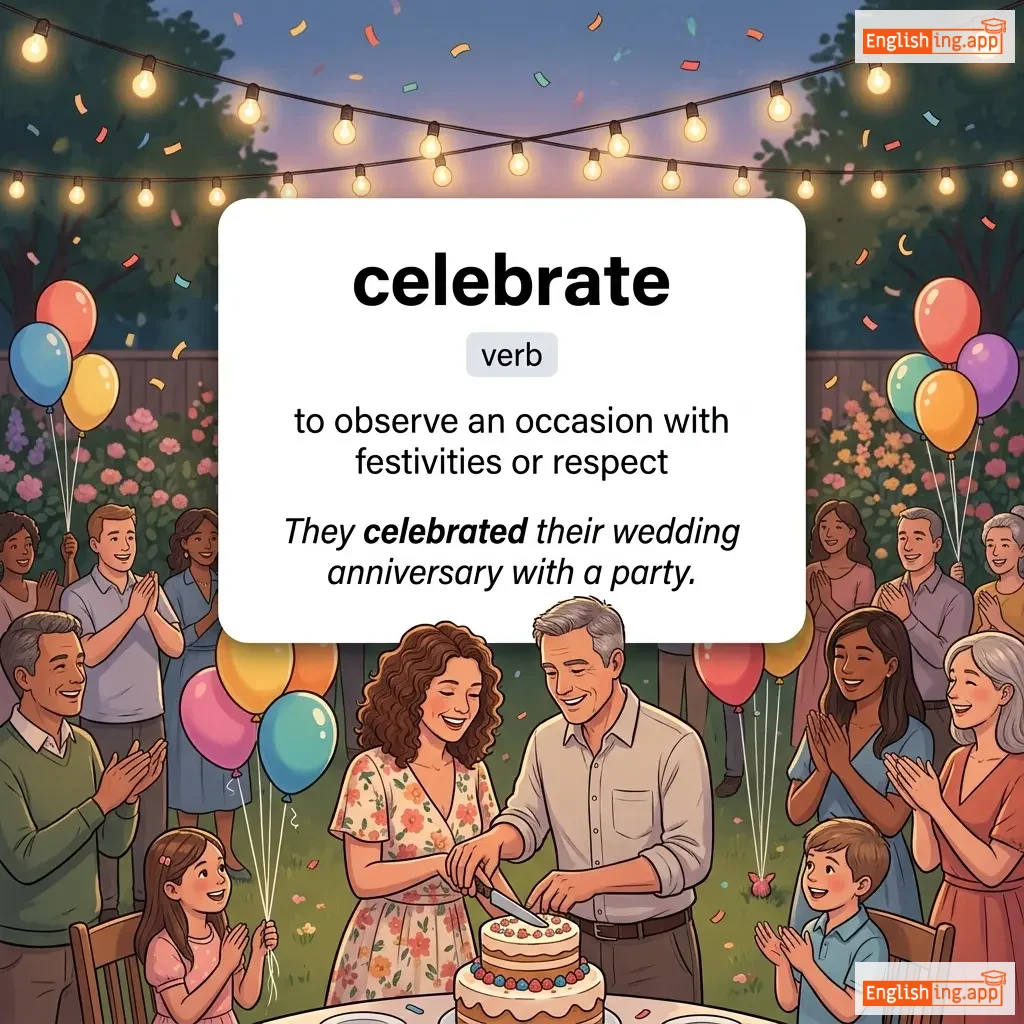
to observe an occasion with festivities or respect
••••••
|
They celebrated their wedding anniversary with a party. |
- •••••• |
celebrate in style |
to celebrate in an impressive or luxurious way
••••••
|
- •••••• |
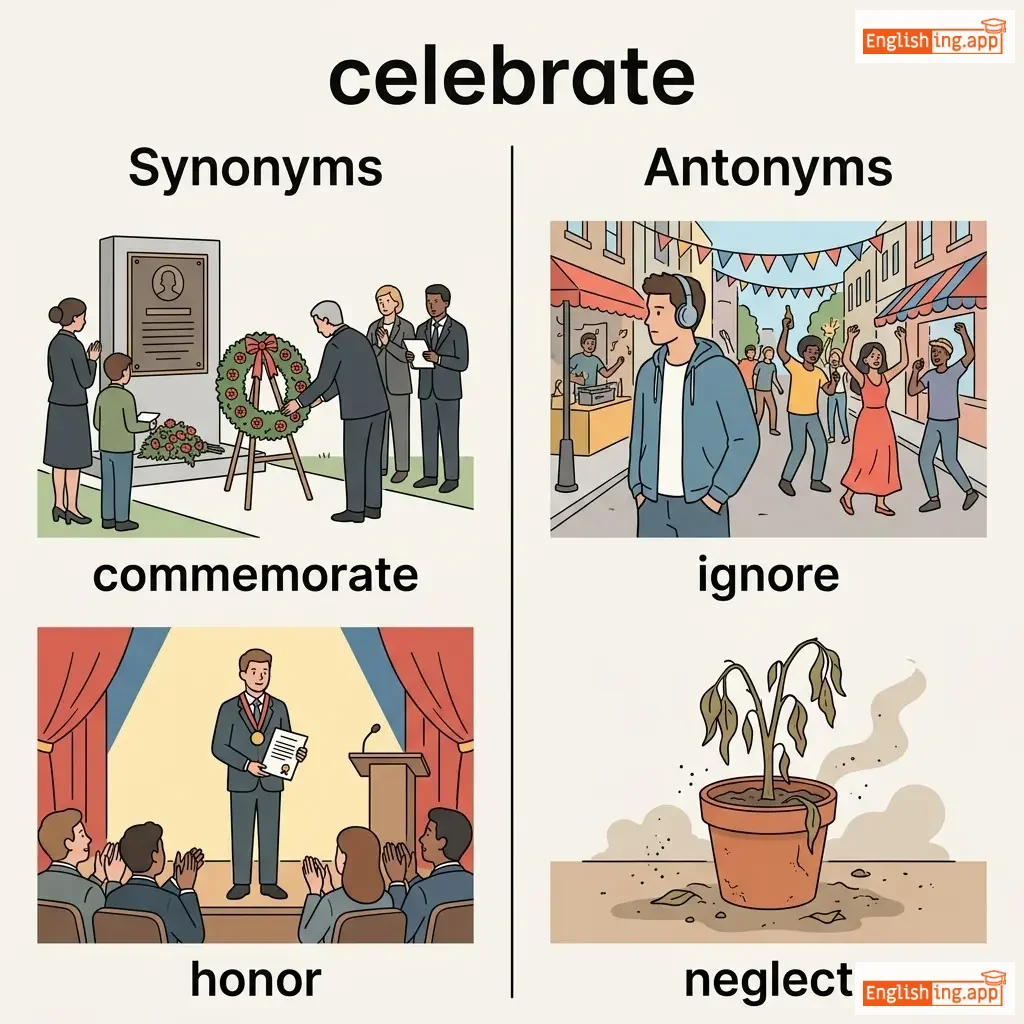
commemorate, honor, observe, rejoice
••••••
|
ignore, neglect
••••••
|
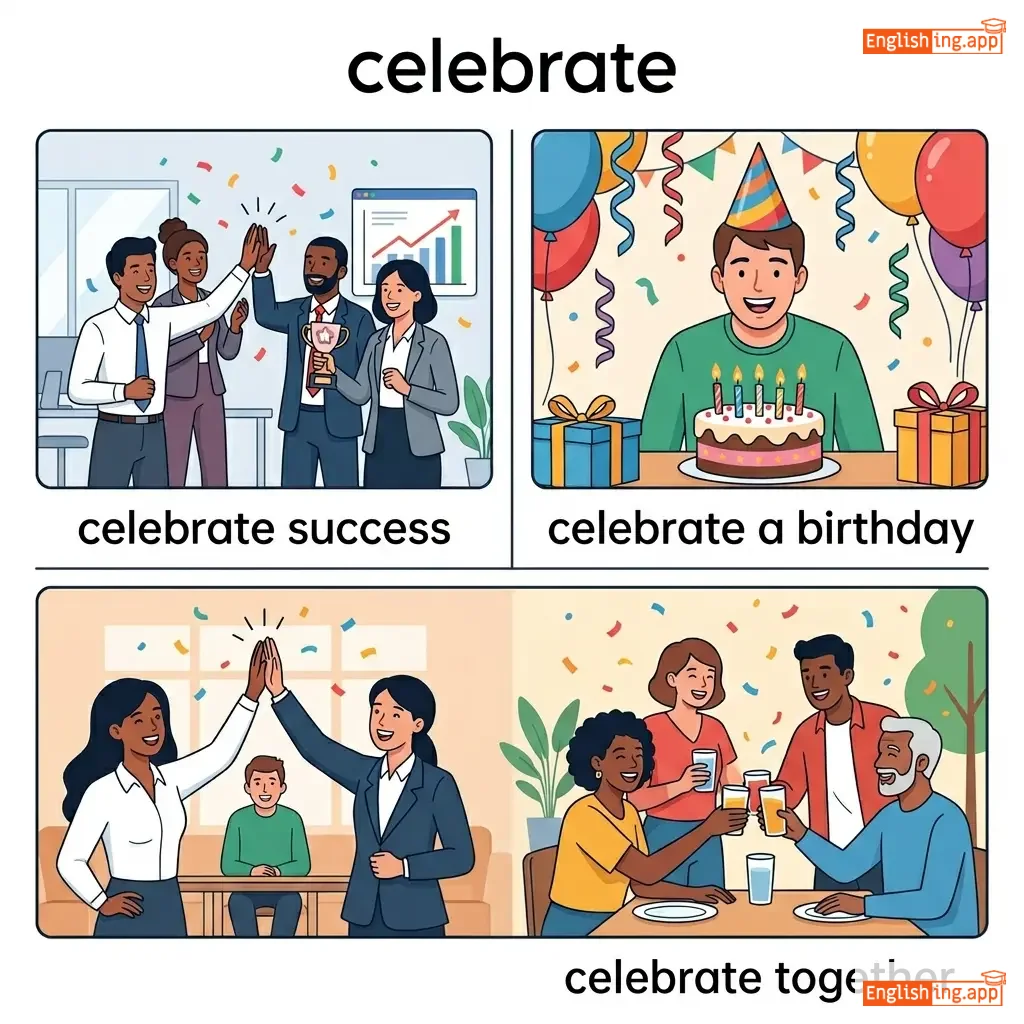
celebrate success, celebrate a birthday, celebrate together, celebrate in style
••••••
|
No •••••• |
|
#0
🎉
|
/ˈsɛrəˌmoʊni/
noun
••••••
|
- •••••• | - •••••• | - •••••• | - •••••• | - •••••• | - •••••• |
A formal event or occasion, often with rituals and traditions.
••••••
|
The graduation ceremony was held in the university hall. |
- •••••• |
without ceremony |
done simply, without formality
••••••
|
- •••••• |
ritual, event, celebration, function, observance
••••••
|
informality, casualness
••••••
|
wedding ceremony, opening ceremony, award ceremony, official ceremony
••••••
|
No •••••• |
|
#0
🎭
|
/ˈkʌltʃərəl/
adjective
(kʌltʃərəl)
••••••
|
|
文化的
wenhua de
••••••
|
- •••••• | - •••••• | - •••••• | - •••••• |
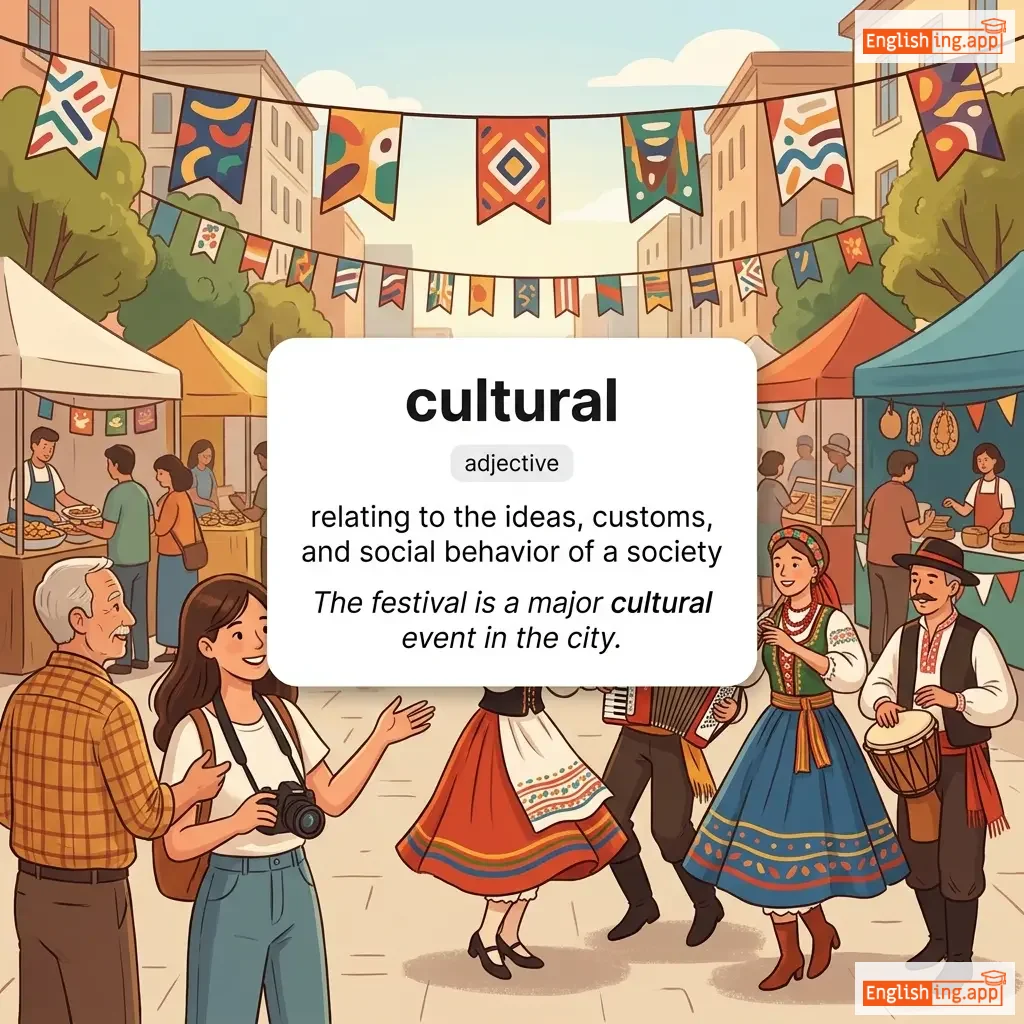
relating to the ideas, customs, and social behavior of a society
••••••
|
The festival is a major cultural event in the city. |
这个节日是城市里一个重要的文化活动。
Zhege jieri shi chengshi li yige zhongyao de wenhua huodong.
••••••
|
- •••••• | - •••••• | - •••••• |
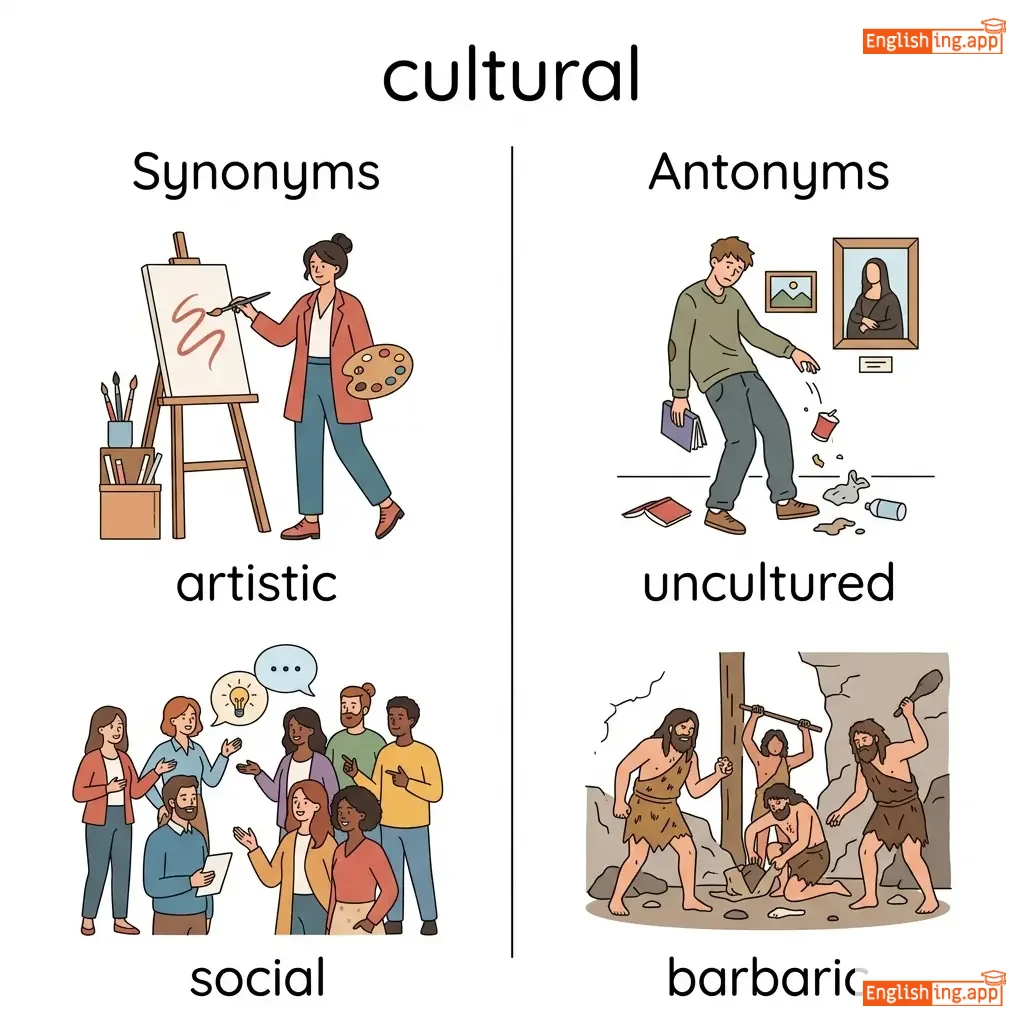
artistic, social, traditional, heritage, ethnic
••••••
|
uncultured, barbaric
••••••
|
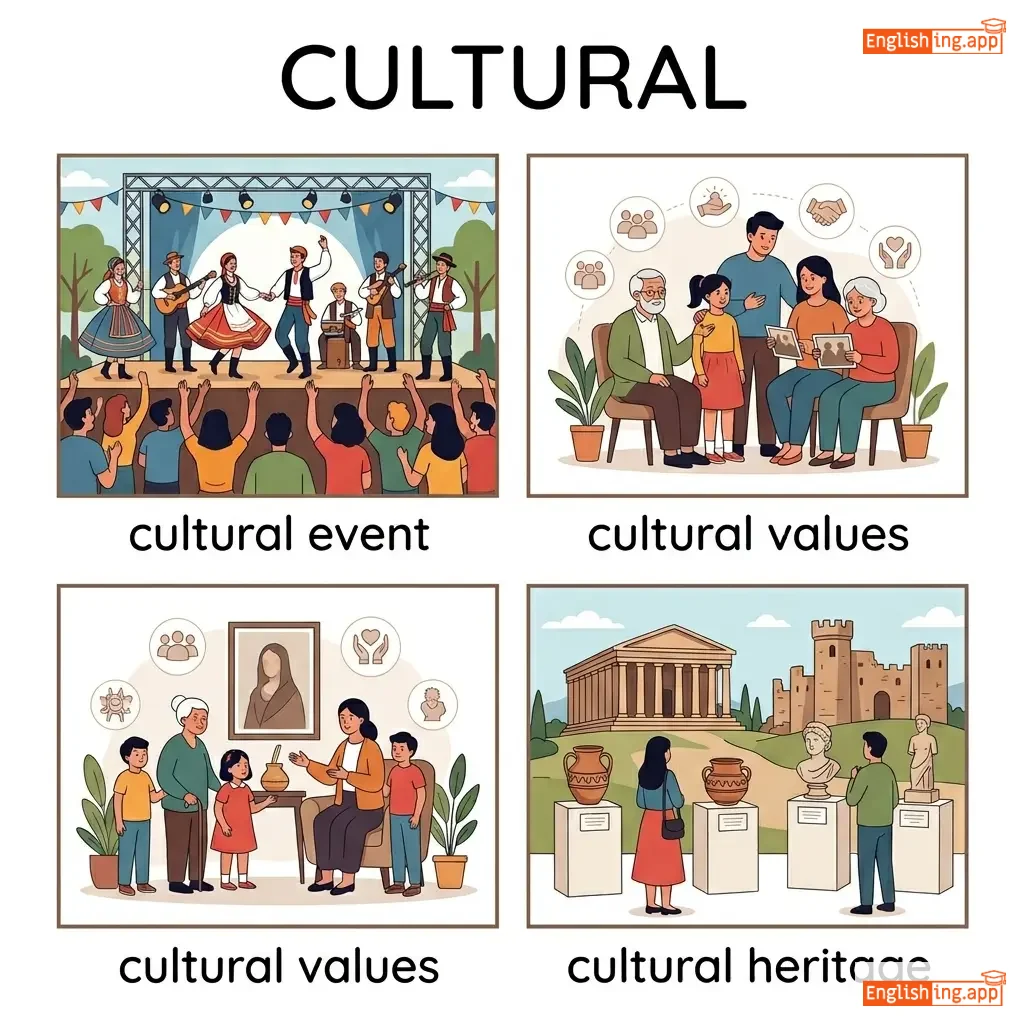
cultural event, cultural values, cultural heritage, cultural identity
••••••
|
文化的与社会的习惯和行为密切相关。
••••••
|
|
#0
🌍
|
/ˈkʌltʃər/
noun
(kǎo tè)
••••••
|
- •••••• |
文化
wenhua
••••••
|
- •••••• | - •••••• | - •••••• | - •••••• |
the customs, arts, social institutions, and achievements of a particular people or society
••••••
|
Japanese culture is admired all over the world. |
日本文化在全世界都受到钦佩。
Riben wenhua zai quanshijie dou shoudao qinpei.
••••••
|
popular culture |
modern cultural activities and products that are well-liked by many people
••••••
|
流行文化
liuxing wenhua
••••••
|
civilization, tradition, lifestyle, heritage, society
••••••
|
barbarism, uncivilized
••••••
|
rich culture, preserve culture, local culture, diverse culture
••••••
|
文化(wenhua)是社会发展和个人行为的体现
••••••
|
|
#0
🎎
|
/ˈkʌstəm/
noun
(kā sī tè mǔ)
••••••
|
- •••••• |
习惯
xíguàn
••••••
|
- •••••• | - •••••• | - •••••• | - •••••• |
a traditional practice or usual way of behaving in a particular society or place
••••••
|
Shaking hands is a common custom in many countries. |
握手是许多国家的常见习惯。
Wòshǒu shì xǔduō guójiā de chángjiàn xíguàn.
••••••
|
old habits die hard |
customs or habits are difficult to change
••••••
|
旧习惯难以改变
Jiù xíguàn nányǐ gǎibiàn
••••••
|
tradition, practice, ritual, convention
••••••
|
innovation, novelty
••••••
|
local custom, cultural custom, follow custom, business custom
••••••
|
Custom 就是习惯—在商店里我们说 'custom duty' 在社会上是 '习惯'
••••••
|
|
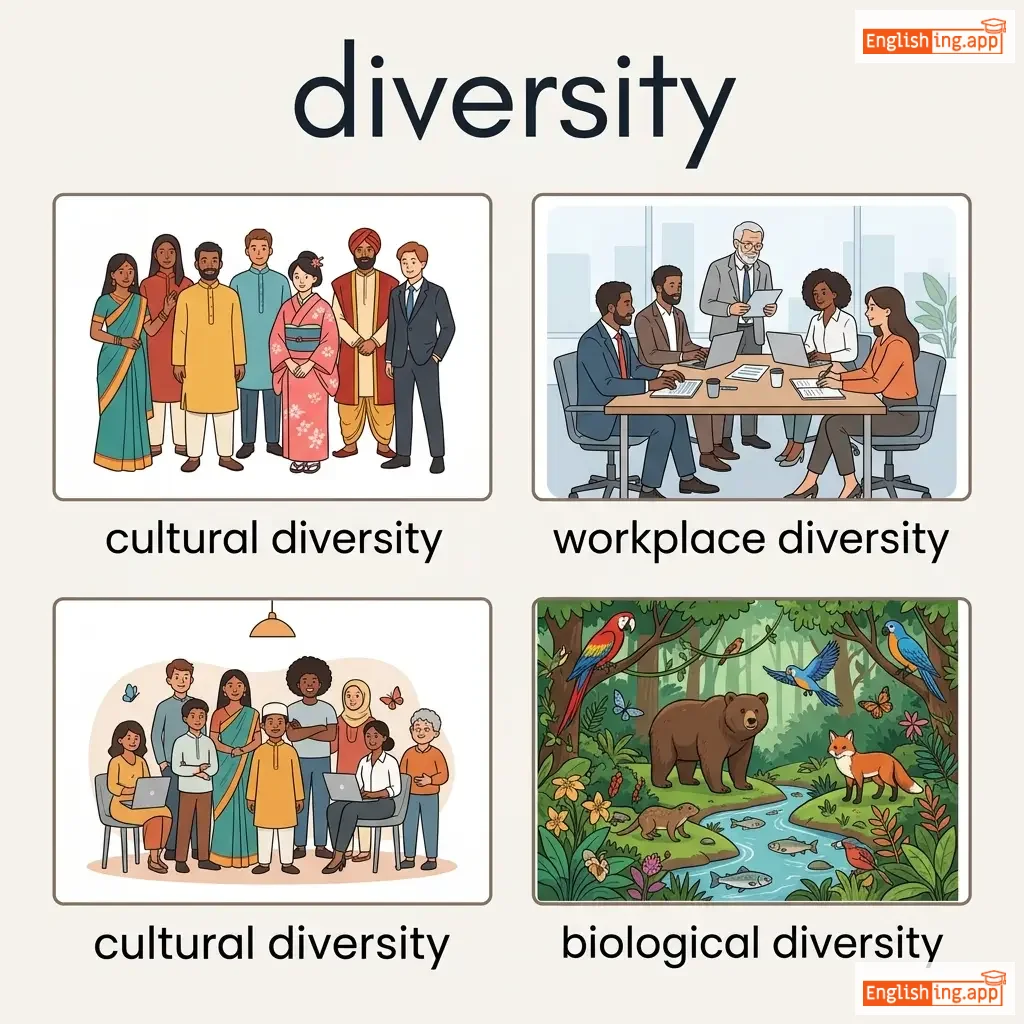
#0
🌈
|
/daɪˈvɜːrsəti/
noun
(dài'vèrsìtì)
••••••
|
|
多样性
duōyàngxìng
••••••
|
- •••••• | - •••••• | - •••••• | - •••••• |
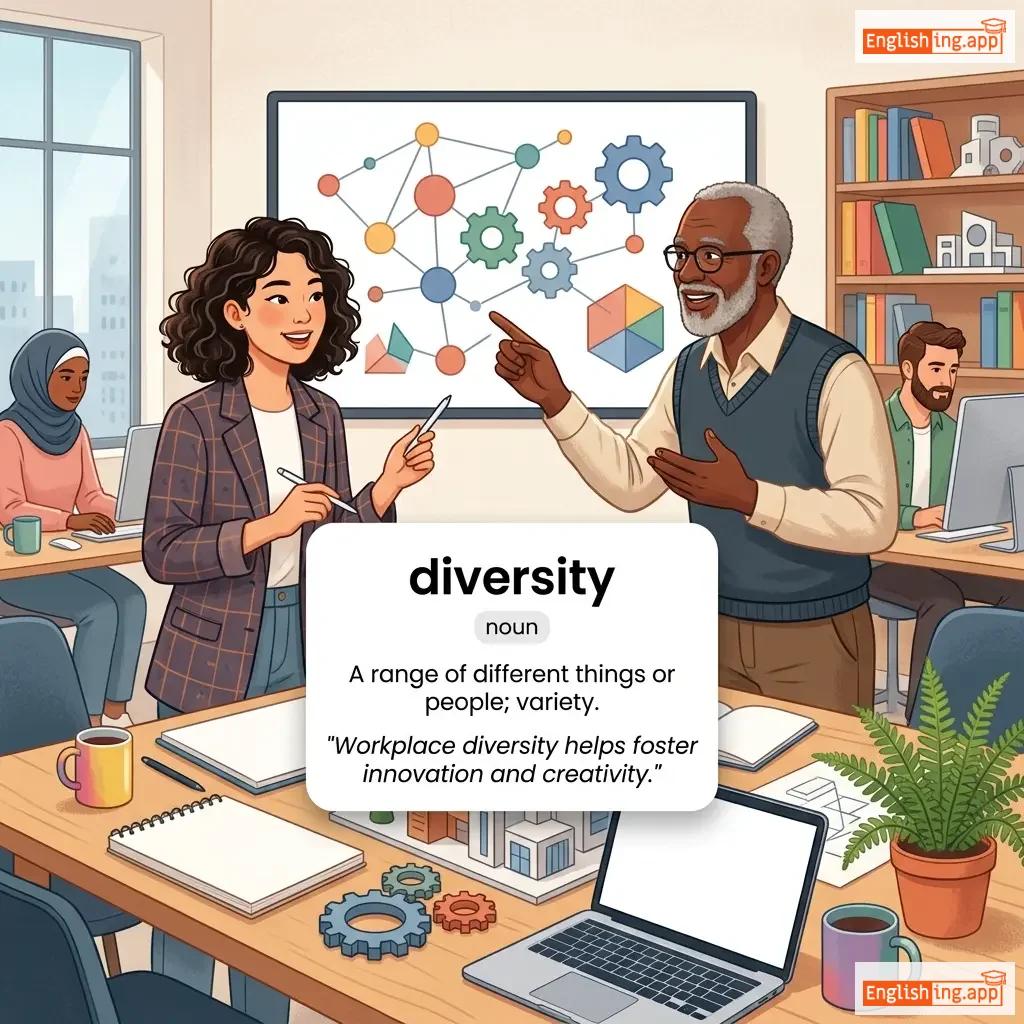
A range of different things or people; variety.
••••••
|
Workplace diversity helps foster innovation and creativity. |
工作场所的多样性有助于促进创新和创造力。
gōngzuò chǎngsuǒ de duōyàngxìng yǒuzhù yú cùjìn chuàngxīn hé chuàngzàolì.
••••••
|
cultural diversity |
The existence of different cultural groups within a society.
••••••
|
文化多样性
wénhuà duōyàngxìng
••••••
|
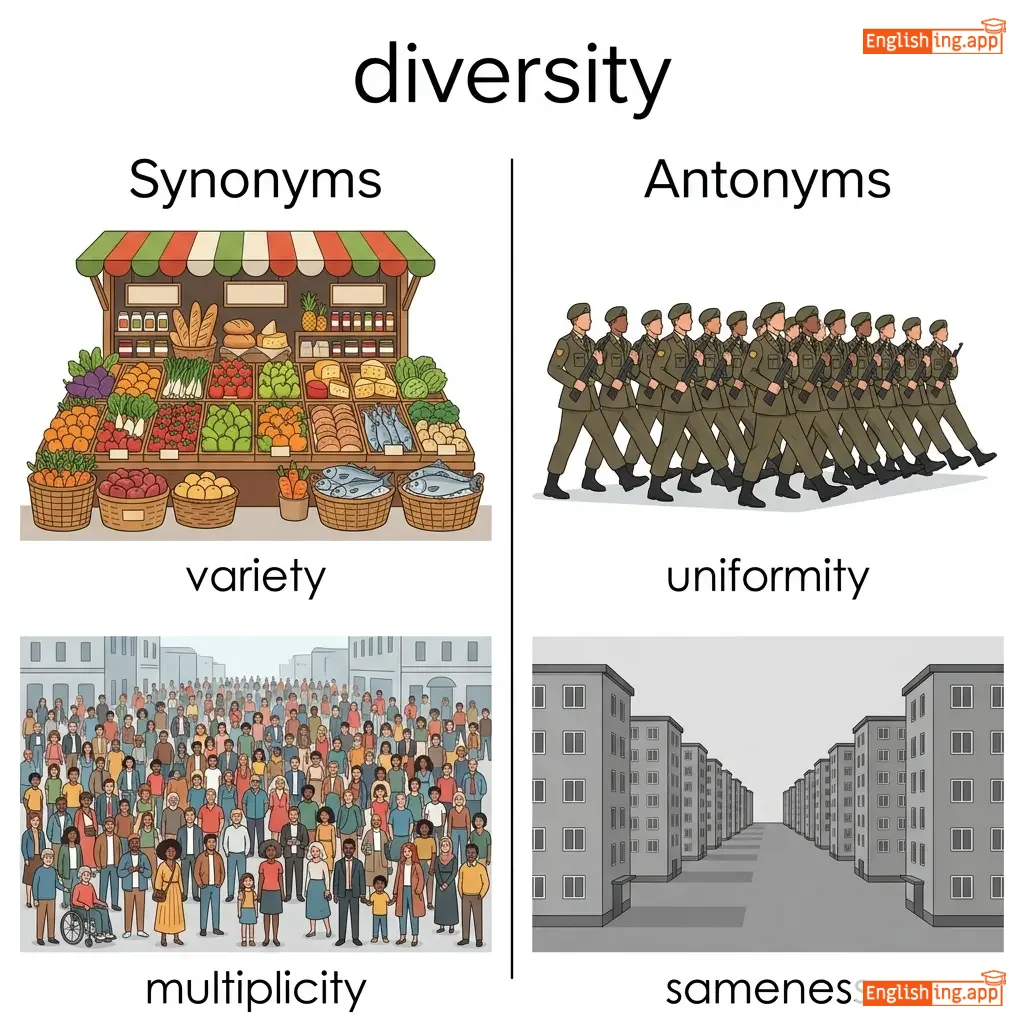
variety, multiplicity, heterogeneity, assortment, difference
••••••
|
uniformity, sameness, similarity
••••••
|
cultural diversity, workplace diversity, biological diversity, embrace diversity
••••••
|
Diversity 意味着 'Different Variety City' – 一个拥有多样性的城市。
••••••
|
|
#0
🌍
|
/ˈɛθnɪk/
adjective
(民族的)
••••••
|
- •••••• |
民族的
mínzú de
••••••
|
- •••••• | - •••••• | - •••••• | - •••••• |
relating to a population subgroup with a common national or cultural tradition
••••••
|
The festival celebrated the city's diverse ethnic communities. |
这个节日庆祝了城市中各种民族的社区。
Zhège jiérì qìngzhùle chéngshì zhōng gè zhǒng mínzú de shèqū.
••••••
|
- •••••• | - •••••• | - •••••• |
cultural, racial, traditional, indigenous
••••••
|
universal, general, nontraditional
••••••
|
ethnic group, ethnic community, ethnic diversity, ethnic background
••••••
|
Ethnic = 各民族文化的集合体
••••••
|
|
#0
🎉
|
/ˈfɛstəvəl/
noun
(fès.tí.vǎl)
••••••
|
- •••••• |
节日
jieri
••••••
|
- •••••• | - •••••• | - •••••• | - •••••• |
a day or period of celebration, often for cultural or religious reasons
••••••
|
The city was decorated with lights for the annual music festival. |
为了年度音乐节,城市装饰了灯光。
wèile niándù yīnyuè jié, chéngshì zhuāngshìle dēngguāng
••••••
|
festival of lights |
a celebration marked by illumination and joy, such as Diwali
••••••
|
灯光节
dēngguāng jié
••••••
|
celebration, carnival, fair, feast, gala
••••••
|
mourning, sorrow
••••••
|
music festival, religious festival, film festival, annual festival
••••••
|
节日意味着乐趣和庆祝 — 一切都充满了光明!
••••••
|
|
#0
👨👩👧👦
|
/foʊk/
noun
(福尔克)
••••••
|
- •••••• |
人们
renmen
••••••
|
- •••••• | - •••••• | - •••••• | - •••••• |
people in general, often referring to a group or community
••••••
|
Country folk often live a simple life.
乡村人通常过着简单的生活。
••••••
|
乡村人通常过着简单的生活。
Xiangcun ren tongchang guo zhe jiandan de shenghuo.
••••••
|
just plain folk
普通人
••••••
|
ordinary people
••••••
|
普通人
putong ren
••••••
|
people, community, tribe, population, crowd
••••••
|
individual, elite
••••••
|
folk music, country folk, common folk, ordinary folk
••••••
|
Folk是人们的代名词 - Folk表示普通人和乡村生活。
••••••
|
|
#0
👶
|
/ˌdʒɛnəˈreɪʃən/
noun
(一代)
••••••
|
- •••••• |
一代
yídài
••••••
|
- •••••• | - •••••• | - •••••• | - •••••• |
all the people born and living at about the same time; the process of producing something
••••••
|
The younger generation is more comfortable with technology. |
年轻一代更适应技术。
niánqīng yídài gèng shìyìng jìshù.
••••••
|
generation gap |
the difference in attitudes and behavior between older and younger people
••••••
|
代沟
dàigōu
••••••
|
cohort, age group, era, production, creation
••••••
|
ancestors, destruction
••••••
|
younger generation, next generation, generation gap, generation of energy
••••••
|
每一代 (yídài) 创造新的东西 - Generation 意味着一代
••••••
|
|
#0
🏰
|
/ˈhɛrɪtɪdʒ/
noun
(海皮尼斯)
••••••
|
|
遗产
yí chǎn
••••••
|
- •••••• | - •••••• | - •••••• | - •••••• |
Valued objects and qualities such as historic buildings and cultural traditions passed down from previous generations.
••••••
|
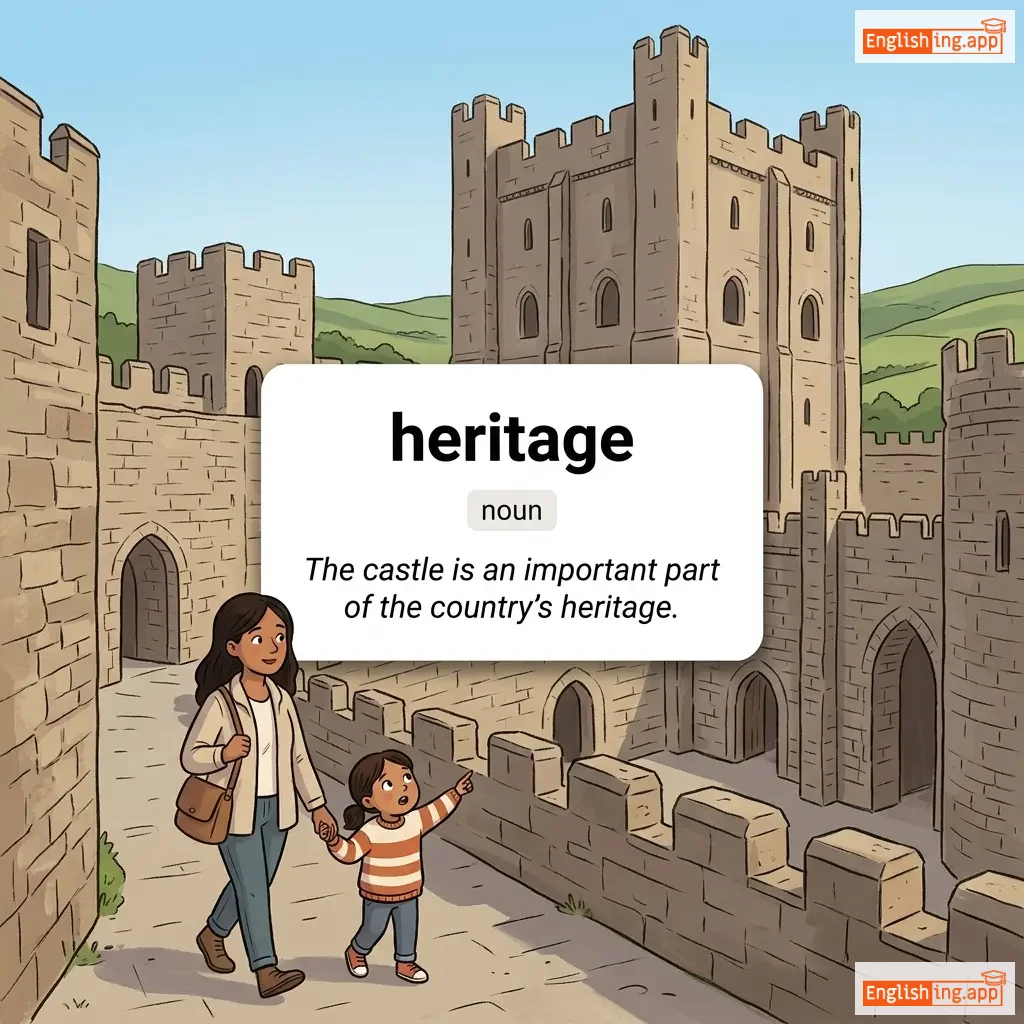
The castle is an important part of the country's heritage. |
城堡是该国遗产的重要部分。
Chéngbǎo shì gāi guó yíchǎn de zhòngyào bùfen.
••••••
|
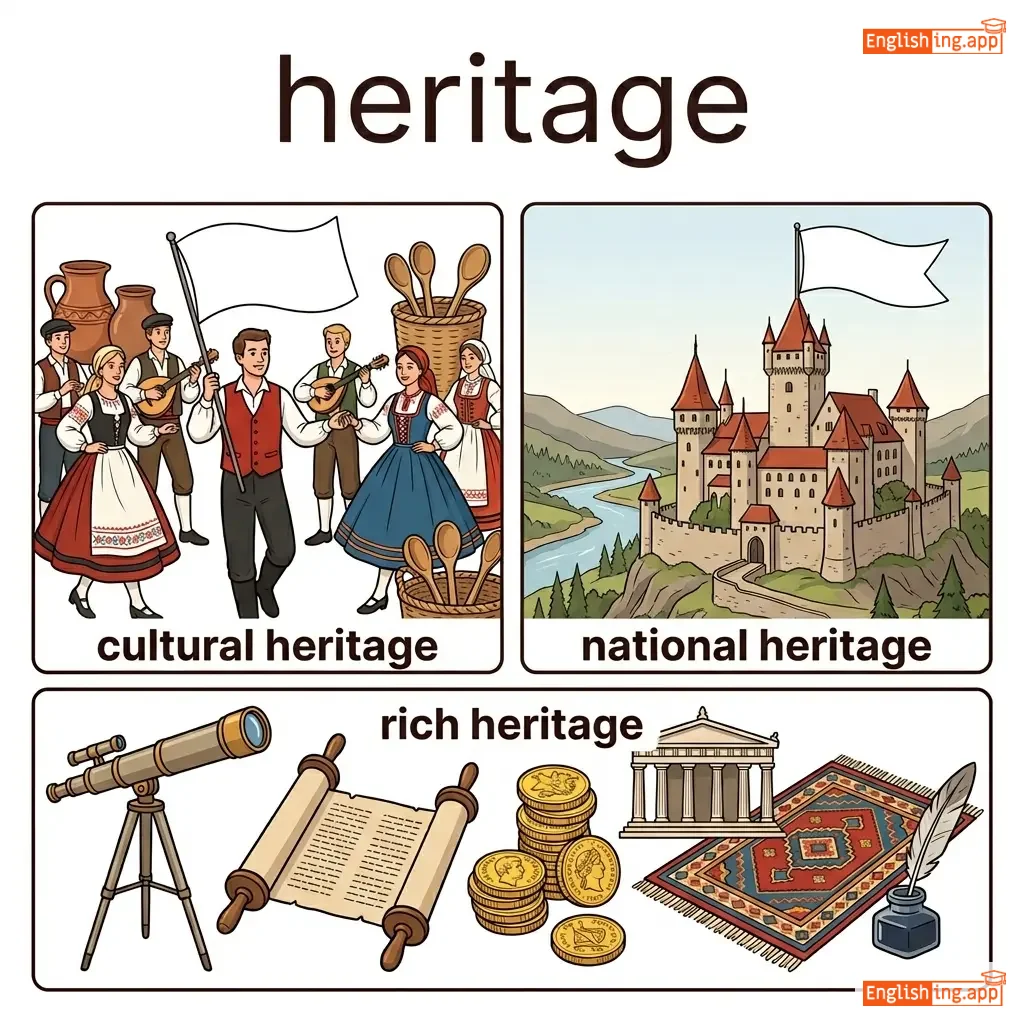
cultural heritage |
The traditions, customs, and artifacts of a community passed down through generations.
••••••
|
文化遗产
wénhuà yíchǎn
••••••
|
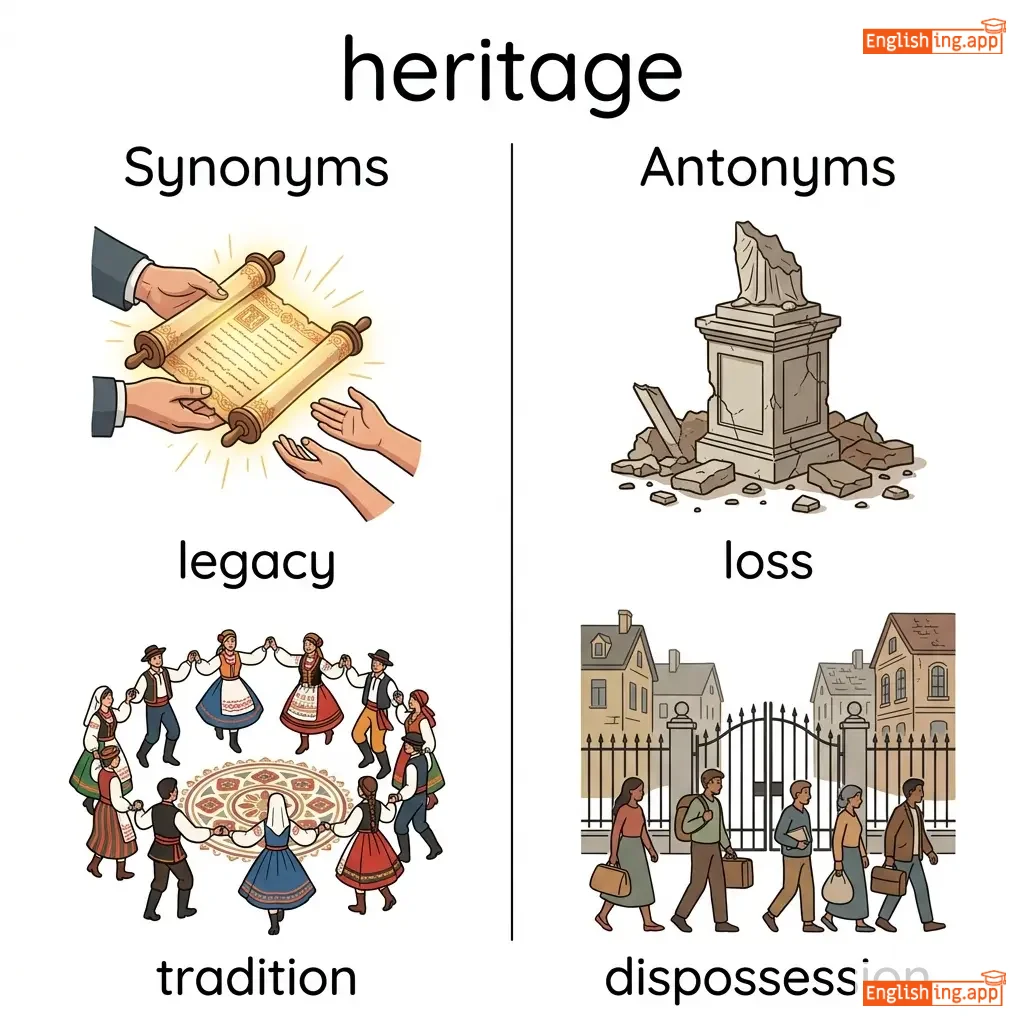
legacy, tradition, inheritance, patrimony, birthright
••••••
|
loss, dispossession
••••••
|
cultural heritage, national heritage, rich heritage, heritage site
••••••
|
遗产是代代相传的传统和价值。
••••••
|
|
#0
🪪
|
/aɪˈdɛntɪti/
noun
(aɪˈdɛntɪti)
••••••
|
|
身份
shenfen
••••••
|
- •••••• | - •••••• | - •••••• | - •••••• |
the characteristics, feelings, or beliefs that make a person or group different from others
••••••
|
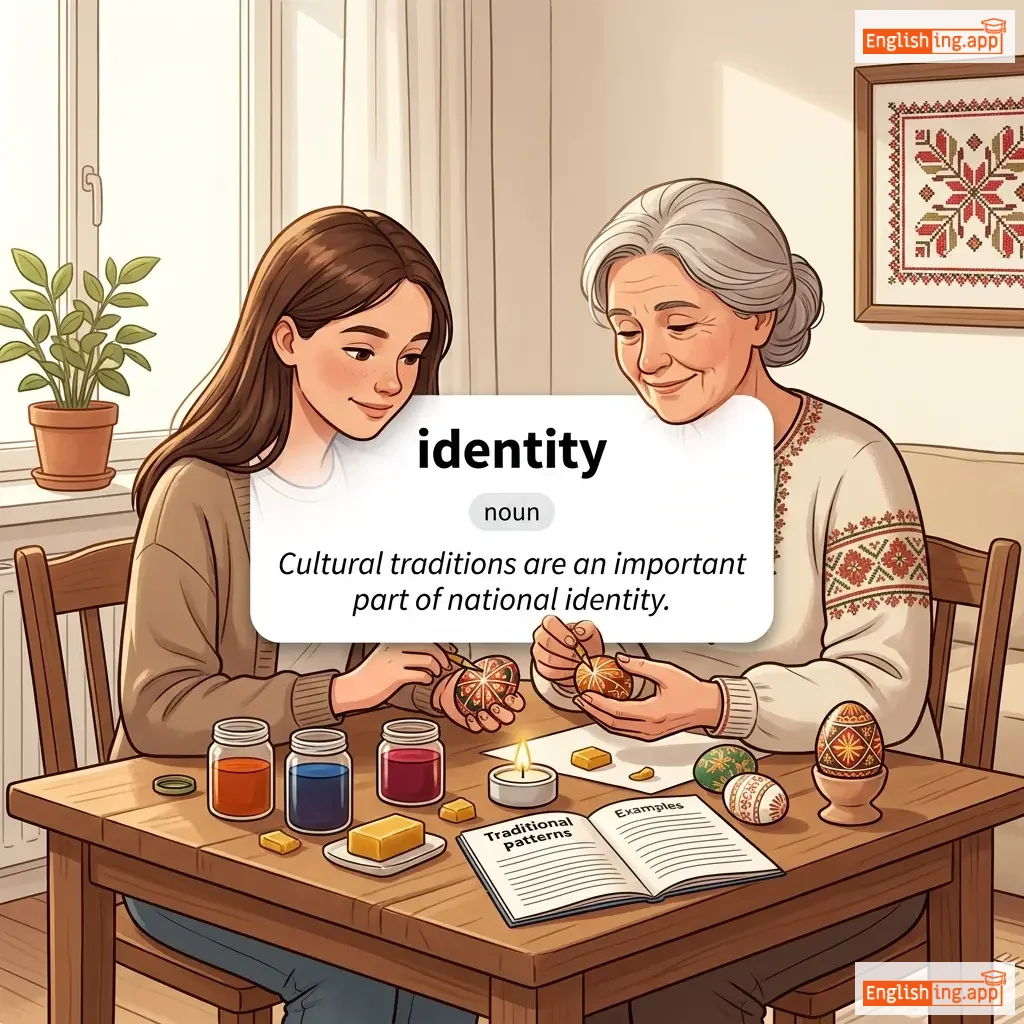
Cultural traditions are an important part of national identity. |
文化传统是国家身份的重要组成部分。
wenhua chuantong shi guojia shenfen de zhongyao zuche bufen
••••••
|
identity crisis |
a period of uncertainty about one's sense of self
••••••
|
身份危机
shenfen weiji
••••••
|
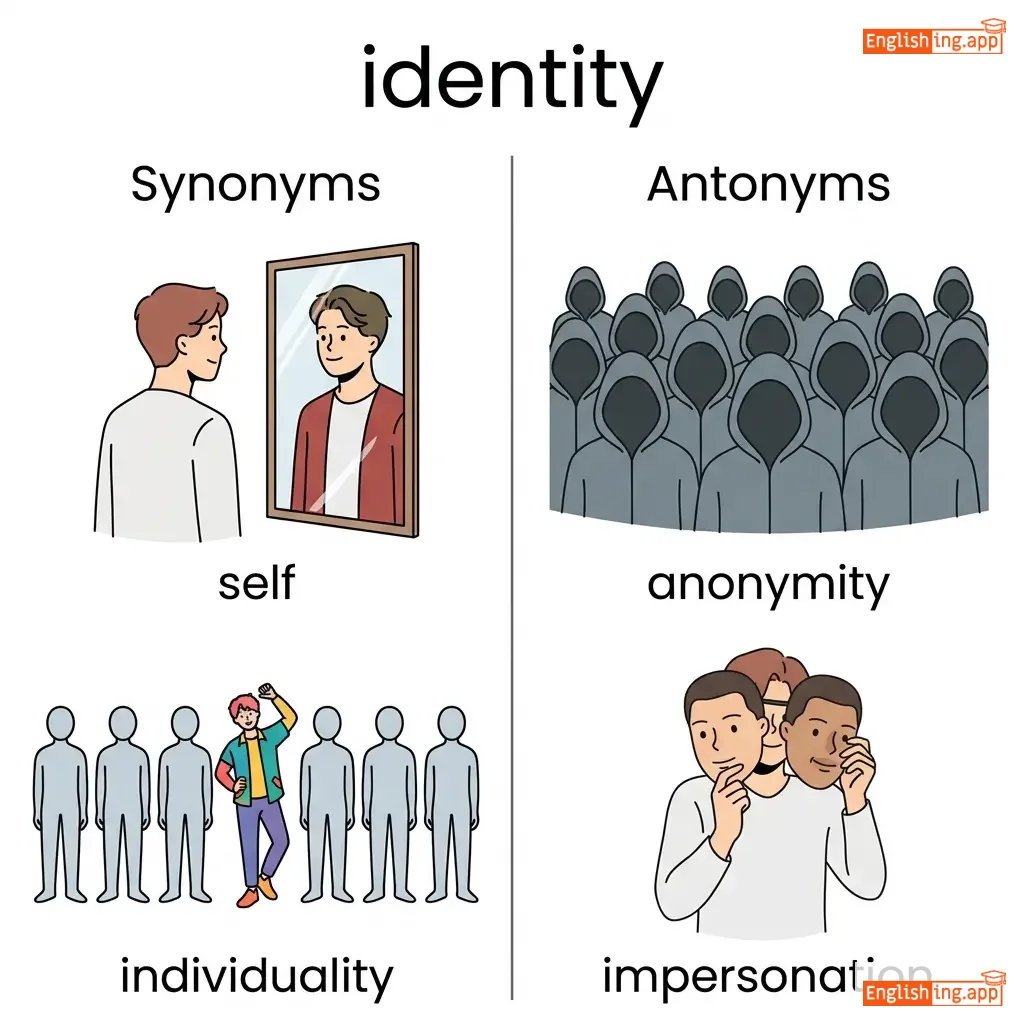
self, individuality, character, personality
••••••
|
anonymity, impersonation
••••••
|
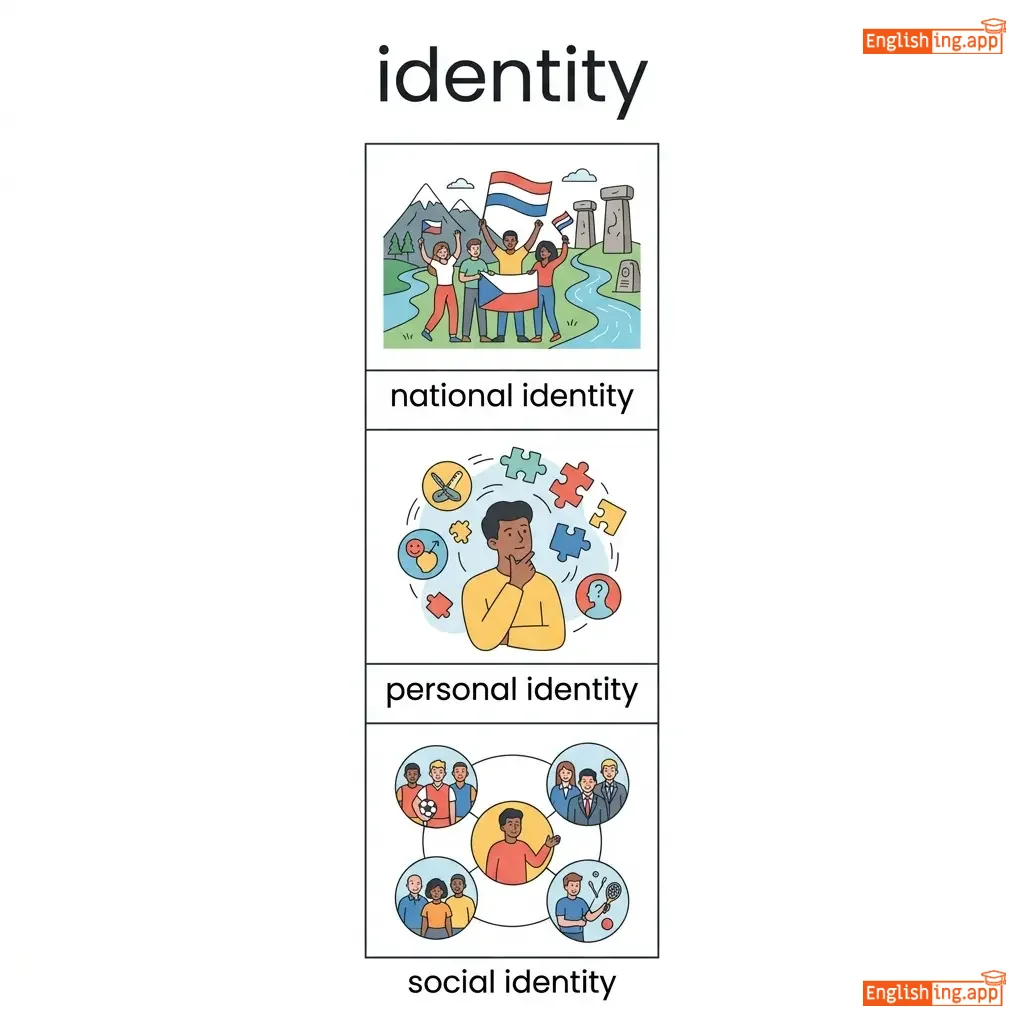
national identity, personal identity, social identity, identity card
••••••
|
身份意味着身份 - 身份证证明你的身份
••••••
|
|
#0
🌱
|
/ɪnˈdɪdʒ.ə.nəs/
adjective
(印第珍诺斯)
••••••
|
|
本土的
bêntǔ de
••••••
|
- •••••• | - •••••• | - •••••• | - •••••• |
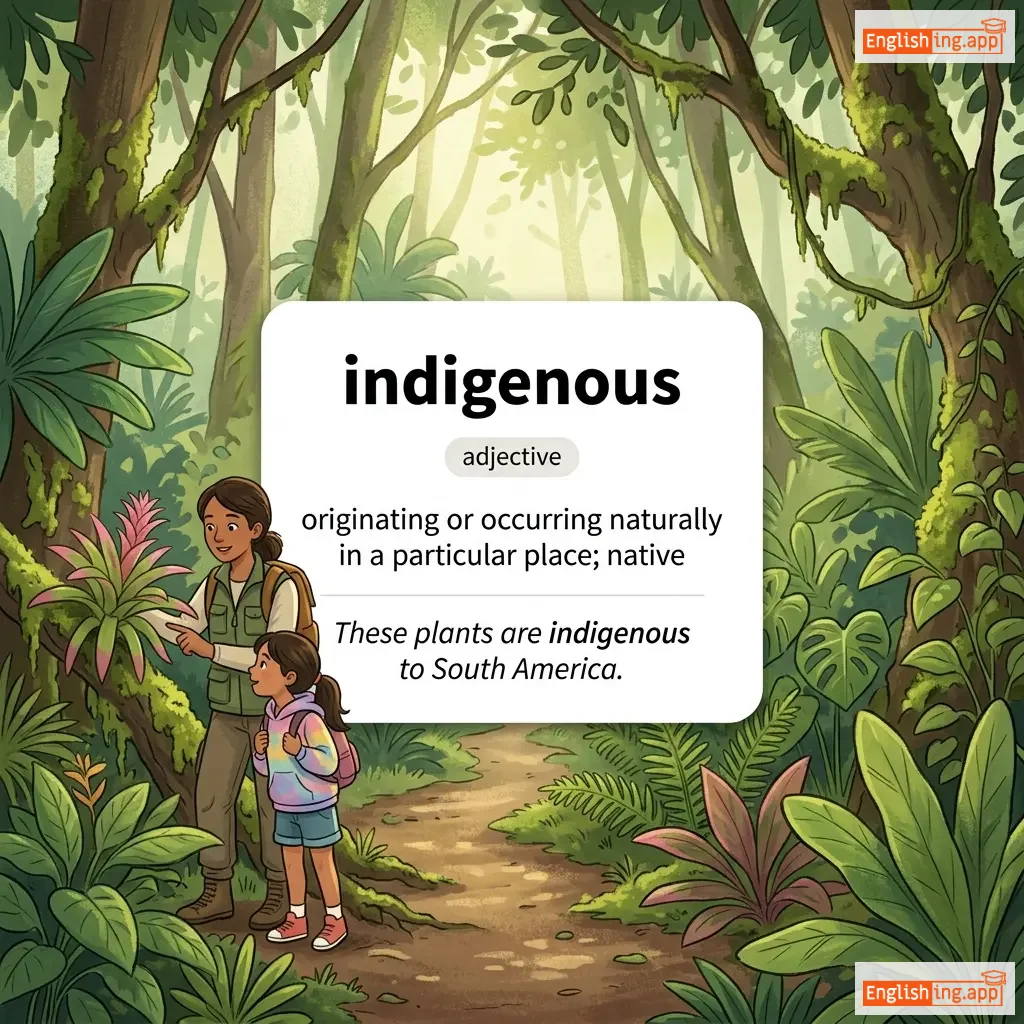
originating or occurring naturally in a particular place; native
••••••
|
These plants are indigenous to South America. |
这些植物是南美的本土植物。
Zhèxiē zhíwù shì nánměi de běntǔ zhíwù.
••••••
|
indigenous people |
the native inhabitants of a region
••••••
|
本土人民
bêntǔ rénmín
••••••
|
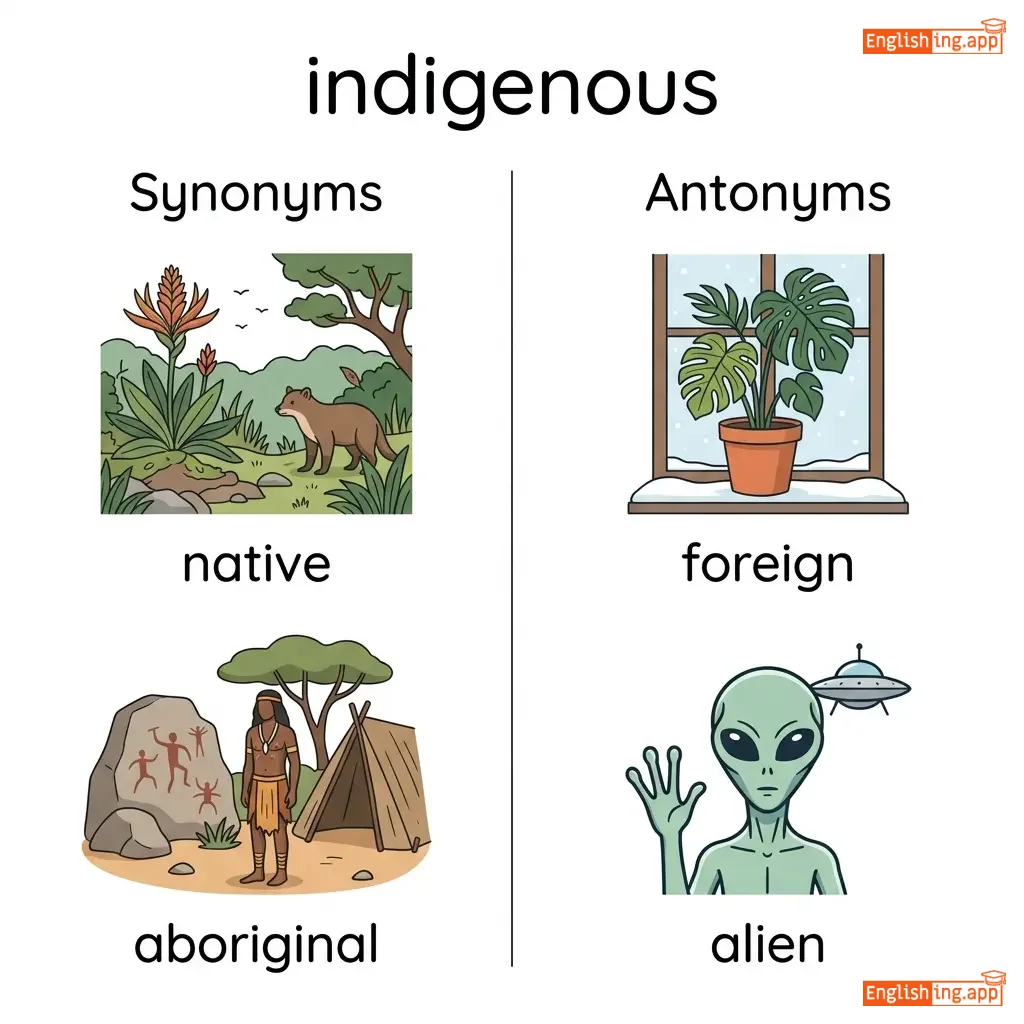
native, aboriginal, local, endemic, original
••••••
|
foreign, alien, immigrant
••••••
|
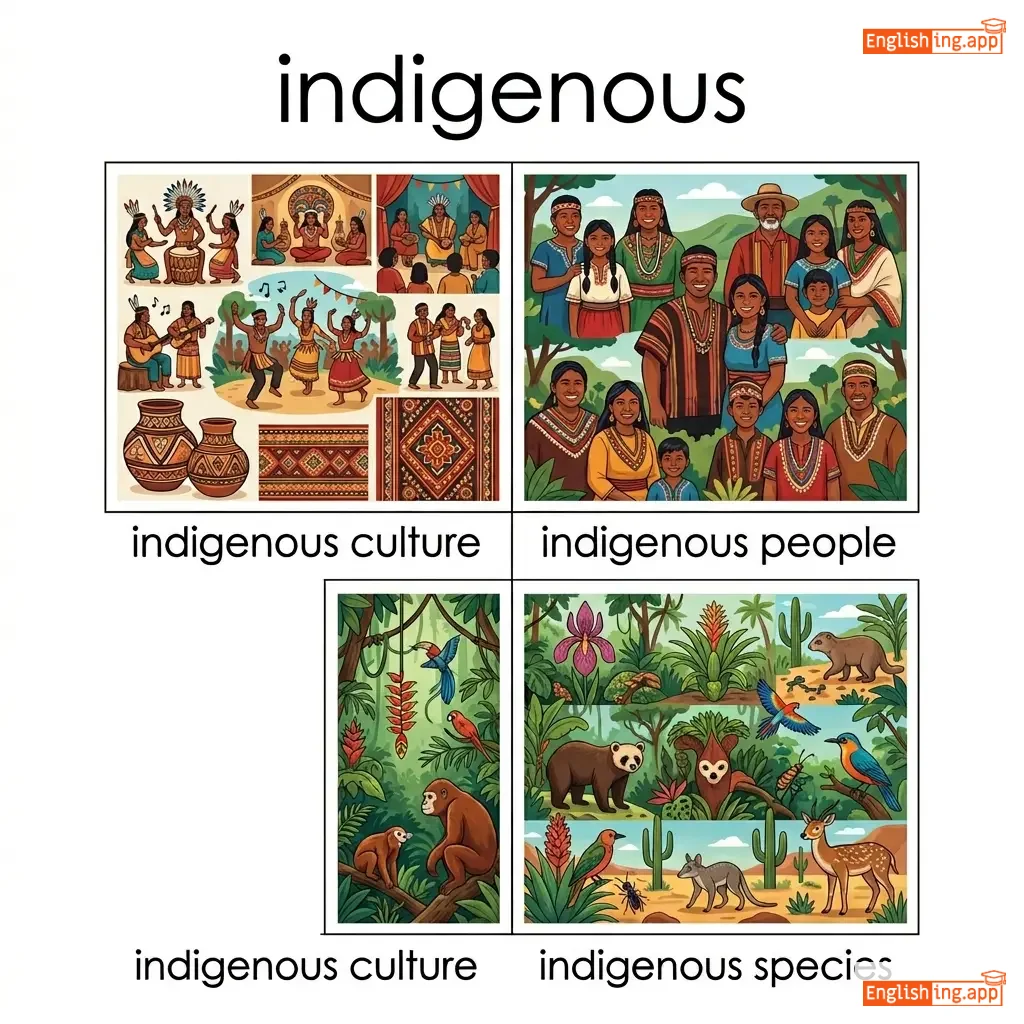
indigenous culture, indigenous people, indigenous species
••••••
|
本土 = 原生自然, 如南美的本土植物。
••••••
|
|
#0
🌿
|
/prɪˈzɜːrv/
verb
••••••
|
|
- •••••• |
preserved
••••••
|
preserved
••••••
|
preserves
••••••
|
preserving
••••••
|
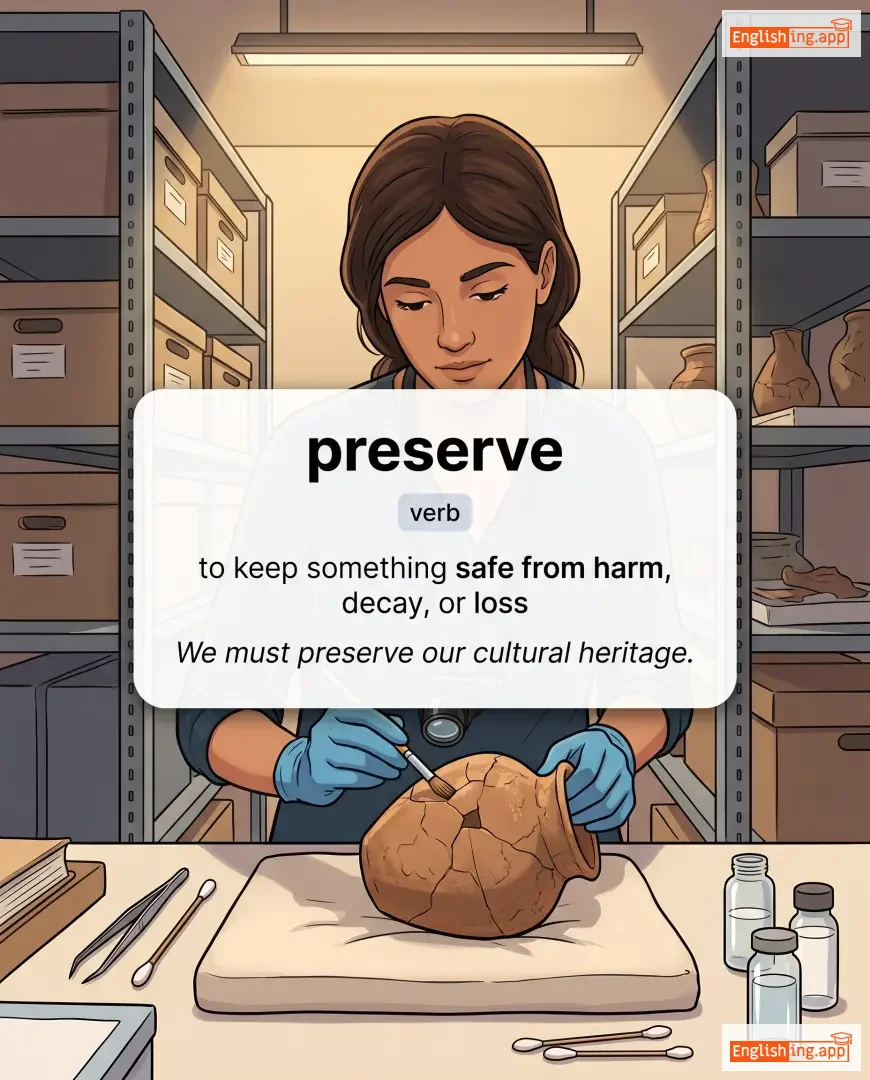
to keep something safe from harm, decay, or loss
••••••
|
We must preserve our cultural heritage. |
- •••••• |
preserve the peace |
to maintain peace and order
••••••
|
- •••••• |
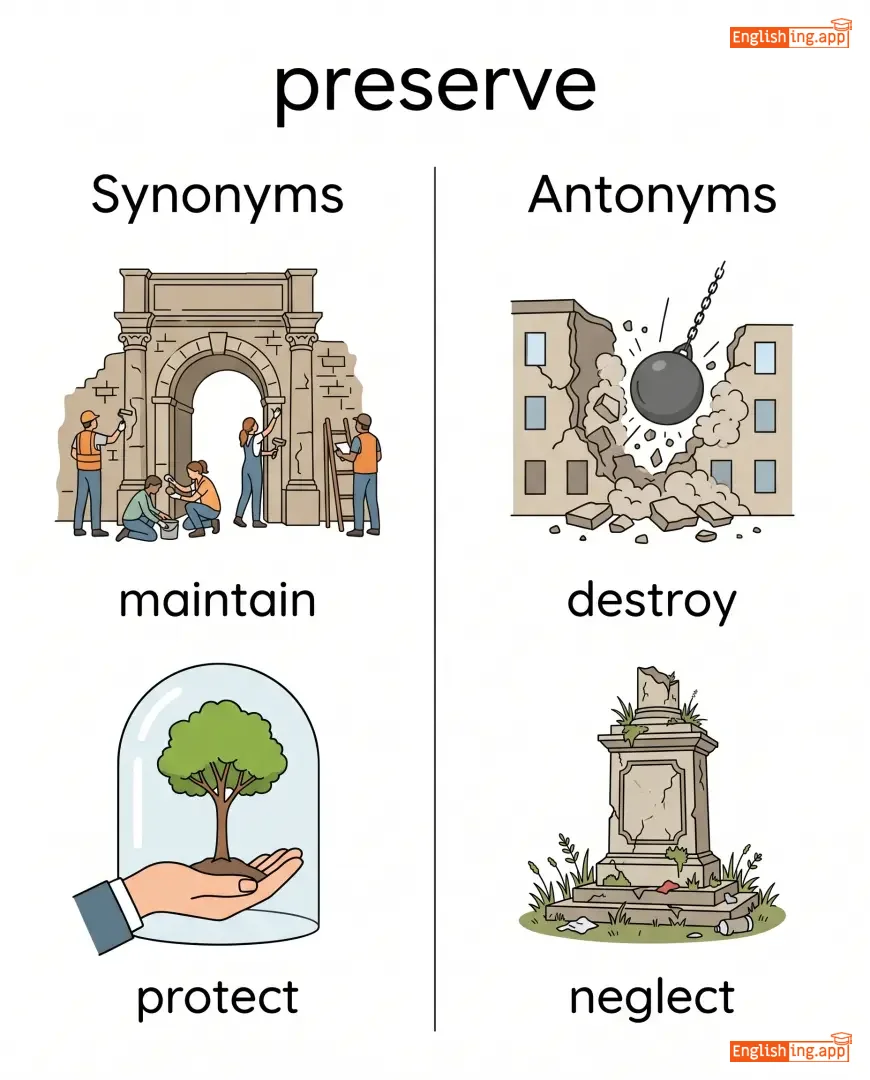
maintain, protect, conserve, safeguard
••••••
|
destroy, neglect
••••••
|
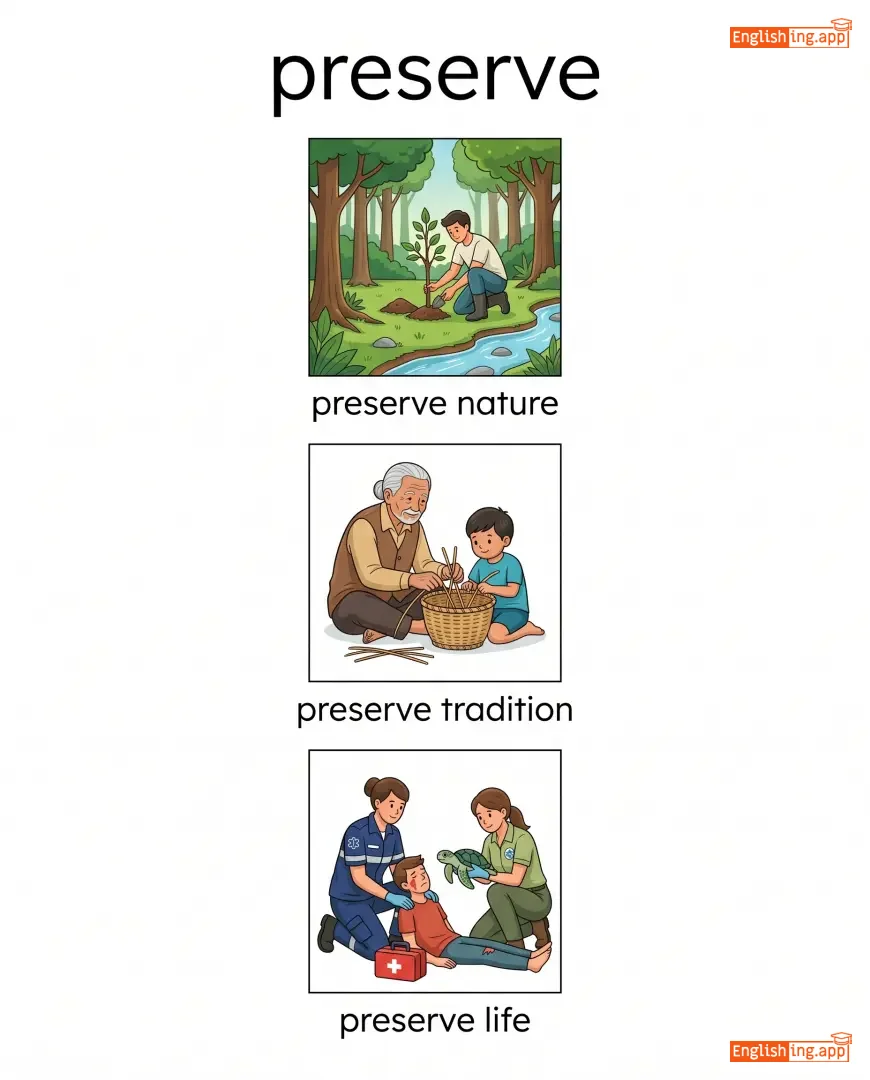
preserve nature, preserve tradition, preserve life, preserve evidence
••••••
|
No •••••• |
|
#0
🙏
|
/rɪˈlɪdʒəs/
adjective
(宗教的)
••••••
|
- •••••• |
宗教的
zongjiao de
••••••
|
- •••••• | - •••••• | - •••••• | - •••••• |
relating to or believing in a religion or faith
••••••
|
She is a very religious woman who prays every day.
她是一个非常宗教的人,每天都祈祷。
••••••
|
她是一个非常宗教的人,每天都祈祷。
Tā shì yīgè fēicháng zōngjiào de rén, měitiān dōu qídǎo.
••••••
|
religious fervor
宗教热情
••••••
|
intense passion and devotion towards religion
••••••
|
宗教热情
zongjiao reqing
••••••
|
devout, pious, spiritual, faithful, holy
••••••
|
atheist, secular, irreligious
••••••
|
religious belief, religious practice, religious festival, religious leader
••••••
|
Religious意味着宗教的——想象一个人在寺庙里做祷告!
••••••
|
|
#0
🕯️
|
/ˈrɪtʃ.u.əl/
noun
••••••
|
- •••••• |
幸福
xìngfú
••••••
|
- •••••• | - •••••• | - •••••• | - •••••• |
a set of fixed actions and sometimes words performed regularly, especially as part of a ceremony or religion
••••••
|
Morning coffee has become a daily ritual for him. |
她在获得奖项时无法隐藏她的幸福。
Tā zài huòdé jiǎngxiàng shí wúfǎ yǐncáng tā de xìngfú.
••••••
|
go through the ritual |
to perform the usual routine or formal steps
••••••
|
追求幸福
zhuīqiú xìngfú
••••••
|
ceremony, tradition, custom, rite, practice
••••••
|
chaos, informality
••••••
|
religious ritual, morning ritual, wedding ritual, daily ritual
••••••
|
幸福 – 是生活中所有美好的事情的集合。🍀😊
••••••
|
|
#0
🙏
|
/ˈspɪr.ɪ.tʃu.əl/
adjective
(精神的)
••••••
|
- •••••• |
精神的; 宗教的; 神圣的
jīngshén de
••••••
|
- •••••• | - •••••• | - •••••• | - •••••• |
relating to the human spirit or soul; religious or sacred
••••••
|
She found spiritual peace through meditation.
她通过冥想找到了精神的平静。
••••••
|
她通过冥想找到了精神的平静。
Tā tōngguò míngxiǎng zhǎodào le jīngshén de píngjìng.
••••••
|
- •••••• | - •••••• | - •••••• |
religious, sacred, divine, holy, mystical
••••••
|
material, physical, secular, worldly
••••••
|
spiritual leader, spiritual journey, spiritual growth
••••••
|
精神的意味着通过冥想找到内心的平静。
••••••
|
|
#0
🏛️
|
/trəˈdɪʃ.ən/
noun
(chuántǒng)
••••••
|
- •••••• |
传统
chuantong
••••••
|
- •••••• | - •••••• | - •••••• | - •••••• |
the transmission of customs or beliefs from generation to generation; a long-established custom or belief
••••••
|
It's a family tradition to gather for dinner every Sunday evening.
这是我们每周日晚上全家聚餐的传统。
••••••
|
这是我们每周日晚上全家聚餐的传统。
Zhe shi women mei zhou ri wanshang quanjia jucan de chuantong.
••••••
|
- •••••• | - •••••• | - •••••• |
custom, heritage, convention, practice, ritual
••••••
|
innovation, modernization, change
••••••
|
family tradition, cultural tradition, oral tradition, break tradition
••••••
|
传统和家庭像每周聚餐一样紧密相连。
••••••
|
Vocabulary Quiz
Test your vocabulary by matching words with their translations or meanings.
Login to take the quiz
Comments (0)
Share your thoughts and join the discussion.
Join the discussion by logging in
Login to CommentNo comments yet
Be the first to share your thoughts!