

保护海洋的渔夫
The Fisherman Who Protected the Ocean
Ramjan是一位传统的渔夫,工作了十五年。他注意到海洋正被商业拖网船剥削。他的感觉是这是错误的。环境派别支持他。Ramjan的关键发现是非法捕鱼方法耗尽了鱼类种群。一些批评者在他发表言论时抬起了眉毛。但科学并非虚构,数据支持他的主张。广泛使用的化学物质,包括废料中的高钠含量,正在破坏珊瑚礁。有些团体甚至倾倒可卡因包裹,危害海洋生物。Ramjan不能排除严重环境破坏的可能性。他的使命是执行适当的捕鱼实践。反污染斗争不是幻想,而是现实。身体上的疲劳有时会让他不堪重负,但他坚持了下来。他将海洋的健康比作羽毛,需要保护的脆弱的东西。一些工业渔民的战士态度试图反抗。但Ramjan的论点没有爆发怒火,他保持冷静。他的方法并不是性别或不合适的,而是纯粹的职业化。一个有趣的时刻是,当一部苏联时代的捕鱼手册偶然证明了他的保护方法是传统的。Ramjan证明了个人渔民可以在海洋保护中发挥作用。


Swipe left or right, or use the buttons. Tap image to zoom.
例句翻译
单词
The Fisherman Who Protected the OceanThe Fisherman Who Protected the Ocean - 遮罩切换
|
表情符号
|
单词 | Images | 翻译 | 过去时 | 过去分词 | 第三人称单数 | 动名词 | 含义 | 例句 | 例句翻译 | 示例表达 | 示例表达含义 | 示例表达翻译 | 同义词 | 反义词 | 搭配词 | 助记符 |
|---|---|---|---|---|---|---|---|---|---|---|---|---|---|---|---|---|---|
|
#0
💉
|
/kəˈkeɪn/
noun
(可卡因)
••••••
|
- •••••• |
可卡因 (毒品)
kekayin
••••••
|
- •••••• | - •••••• | - •••••• | - •••••• |
a powerful and addictive illegal drug made from coca leaves
••••••
|
He was arrested for possessing cocaine.
他因拥有可卡因而被逮捕。
••••••
|
他因拥有可卡因而被逮捕。
Ta yin yongyou kekayin er bei daibu.
••••••
|
- •••••• | - •••••• | - •••••• |
drug, narcotic, stimulant, substance, powder
••••••
|
medicine, antidote
••••••
|
cocaine addiction, cocaine use, cocaine trafficking, cocaine abuse
••••••
|
Cocaine - 想象它是从古柯叶中提取出来的毒品,但它很危险!
••••••
|
|
#0
🚫
|
/ɪkˈskluːd/
verb
(īksklúd)
••••••
|
- •••••• |
排除
paichu
••••••
|
excluded
īksklúd-ed
••••••
|
excluded
īksklúd-ed
••••••
|
excludes
īksklúd-z
••••••
|
excluding
īksklúd-ing
••••••
|
To deliberately leave out or prevent someone or something from being included.
••••••
|
The list excludes temporary workers.
列表排除临时工。
••••••
|
该列表排除了临时工。
Gāi lièbiǎo páichúle línshí gōng.
••••••
|
exclude from consideration
排除考虑范围
••••••
|
To not take something into account.
••••••
|
排除考虑
páichú kǎolǜ
••••••
|
omit, ban, reject, prevent, bar
••••••
|
include, admit, accept
••••••
|
exclude someone, exclude possibility, exclude group
••••••
|
Exclude意味着EXit + 包括否–意为排除外部。
••••••
|
|
#0
✅
|
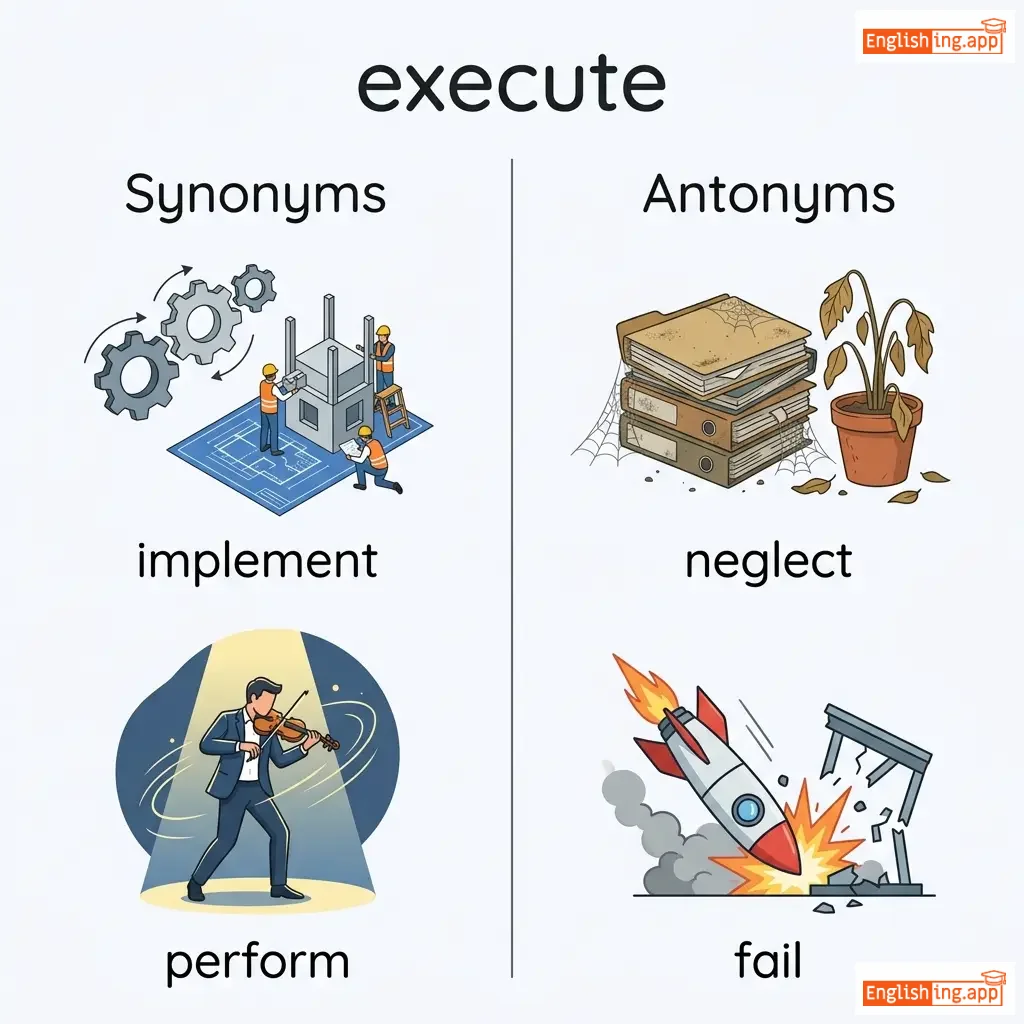
/ˈɛksɪkjuːt/
verb
(èksìkè yùt)
••••••
|
|
执行
zhíxíng
••••••
|
executed
èksìkè yùtèd
••••••
|
executed
èksìkè yùtèd
••••••
|
executes
èksìkè yùts
••••••
|
executing
èksìkè yùtīng
••••••
|
To carry out a plan, order, or action; to perform or put into effect.
••••••
|
The company plans to execute its new strategy next year.
公司计划在明年执行其新战略。
••••••
|
公司计划在明年执行其新战略。
Gōngsī jìhuà zài míngnián zhíxíng qí xīn zhànlüè.
••••••
|
execute a plan
执行计划
••••••
|
to put a plan into action
••••••
|
执行计划
zhíxíng jìhuà
••••••
|
implement, perform, accomplish, enforce, carry out
••••••
|
neglect, fail, ignore
••••••
|
execute a plan, execute an order, execute a command, execute perfectly
••••••
|
Execute的意思就是把计划付诸实践,执行它。
••••••
|
|
#0
😩
|
/ɪɡˈzɔːst/
verb
(yí kè sī tǔ)
••••••
|
- •••••• |
耗尽
hàojìn
••••••
|
exhausted
yí kè sī tǔ dé
••••••
|
exhausted
yí kè sī tǔ dé
••••••
|
exhausts
yí kè sī tǔ sī
••••••
|
exhausting
yí kè sī tǔ xīng
••••••
|
to tire out completely; to use up resources
••••••
|
The long journey exhausted the children.
长时间的旅行耗尽了孩子们的精力。
••••••
|
长时间的旅行耗尽了孩子们的精力。
Cháng shíjiān de lǚxíng hào jìnle háizimen de jīnglì.
••••••
|
run out of steam
失去能量
••••••
|
to lose energy or enthusiasm
••••••
|
失去能量
shīqù néngliàng
••••••
|
drain, fatigue, deplete, tire, weaken
••••••
|
energize, refresh, restore
••••••
|
exhaust energy, exhaust resources, exhaust possibilities
••••••
|
汽车的排气管就像是人的疲劳,逐渐耗尽。
••••••
|
|
#0
💥
|
/ɪkˈsploʊd/
verb
(爆炸)
••••••
|
- •••••• |
爆炸
baozha
••••••
|
exploded
爆炸了
••••••
|
exploded
爆炸了
••••••
|
explodes
爆炸
••••••
|
exploding
爆炸ing
••••••
|
to burst or shatter violently and noisily as a result of rapid combustion or pressure
••••••
|
The bomb exploded in the middle of the street.
炸弹在街中央爆炸了。
••••••
|
炸弹在街中央爆炸了。
Zhadan zai jie zhongyang baozha le.
••••••
|
explode with laughter
爆炸大笑
••••••
|
to suddenly start laughing very loudly
••••••
|
笑得爆炸
xiao de baozha
••••••
|
burst, blow up, detonate, erupt, shatter
••••••
|
implode, collapse, defuse
••••••
|
explode suddenly, explode violently, explode with laughter, explode a bomb
••••••
|
Explode 意思是爆炸 — 看到难题时,大脑会爆炸
••••••
|
|
#0
⚒️
|
/ɪkˈsplɔɪt/
verb, noun
••••••
|
- •••••• | - •••••• |
exploited
••••••
|
exploited
••••••
|
exploits
••••••
|
exploiting
••••••
|
to make full use of and derive benefit from (a resource); to use someone unfairly for one’s own advantage
••••••
|
The company was accused of exploiting child labor. |
- •••••• |
exploit opportunities |
to make the best use of chances or favorable situations
••••••
|
- •••••• |
utilize, take advantage, abuse, capitalize, manipulate
••••••
|
neglect, ignore, support
••••••
|
exploit resources, exploit workers, exploit opportunities, exploit system
••••••
|
No •••••• |
|
#0
👁️
|
/ˈaɪbraʊ/
noun
(àibráu)
••••••
|
- •••••• |
眉毛
méimáo
••••••
|
- •••••• | - •••••• | - •••••• | - •••••• |
the strip of hair growing on the ridge above a person's eye
••••••
|
She raised her eyebrow in surprise. |
她惊讶地扬起了眉毛。
Tā jīngyà de yáng qǐle méimáo.
••••••
|
raise an eyebrow |
to show surprise or mild disapproval
••••••
|
挑眉
tiāo méimáo
••••••
|
brow, ridge, arch, eye ridge
••••••
|
none, bare skin
••••••
|
raise an eyebrow, thick eyebrows, arched eyebrow, pluck eyebrows
••••••
|
‘Eyebrow’和‘眉毛’都有相同的意思:记住,惊讶时眉毛会挑起。
••••••
|
|
#0
👥
|
/ˈfæk.ʃən/
noun
(fǎkshēn)
••••••
|
- •••••• |
派系
paixi
••••••
|
- •••••• | - •••••• | - •••••• | - •••••• |
a small organized dissenting group within a larger one
••••••
|
Different factions within the party disagreed about the new policy. |
党内的不同派系对新政策存在分歧。
dang nei de butong paixi dui xin zhengce cunzai fenqi.
••••••
|
- •••••• | - •••••• | - •••••• |
group, sect, clique, wing
••••••
|
unity, whole, entirety, consensus
••••••
|
political faction, rival faction, faction within party
••••••
|
派系 (paixi) - 一群人因为不同意见而分裂出来的小团体。
••••••
|
|
#0
🪐
|
/ˈfæntəsi/
noun
(fèn-tà-xī)
••••••
|
- •••••• |
幻想
huànxiǎng
••••••
|
- •••••• | - •••••• | - •••••• | - •••••• |
a creation of the imagination, especially something improbable or impossible
••••••
|
She has a vivid fantasy about traveling to space. |
她有一个关于太空旅行的生动幻想。
Tā yǒu yīgè guānyú tàikōng lǚxíng de shēngdòng huànxiǎng.
••••••
|
- •••••• | - •••••• | - •••••• |
imagination, dream, vision, fancy
••••••
|
reality, fact
••••••
|
wild fantasy, vivid fantasy, escape into fantasy
••••••
|
Fantasy = 幻想, 就像是关于不可能的梦想
••••••
|
|
#0
😴
|
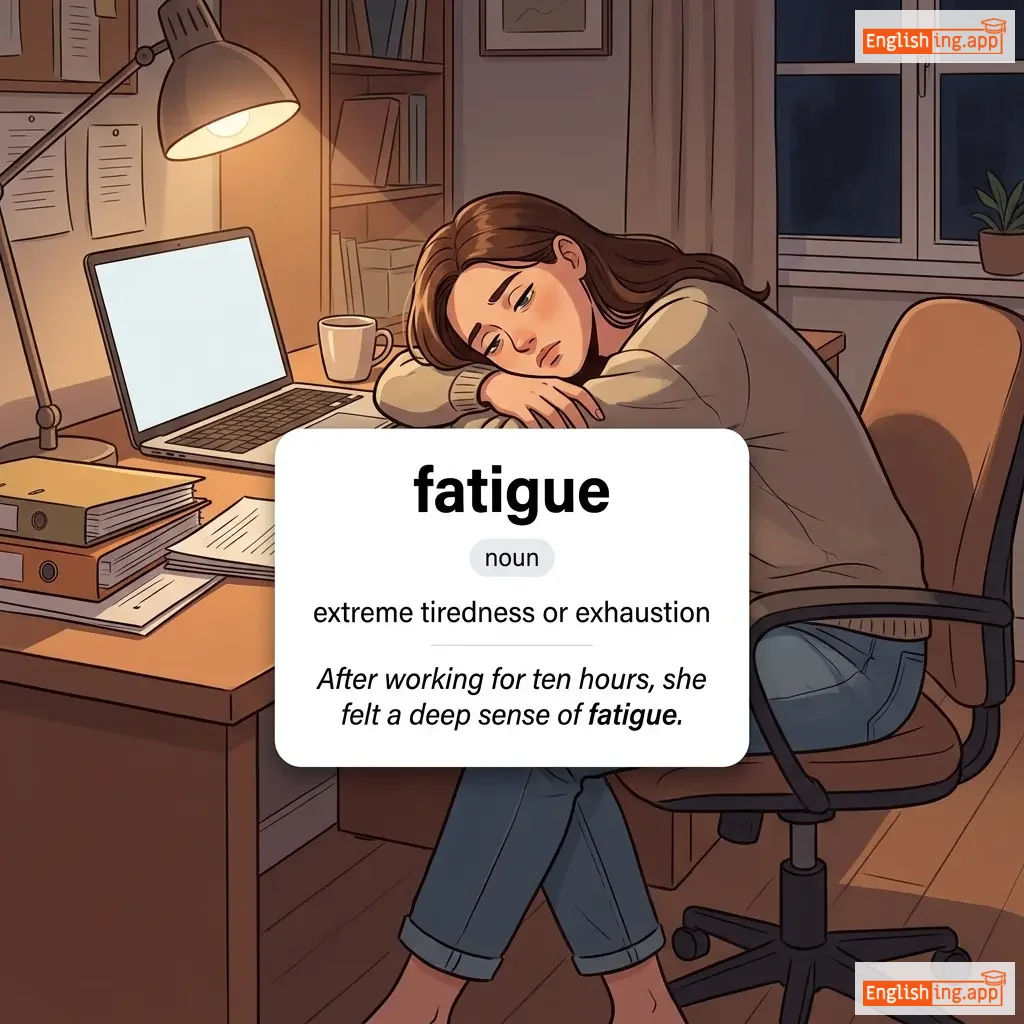
/fəˈtiːɡ/
noun
(法提格)
••••••
|
|
疲劳
pilao
••••••
|
- •••••• | - •••••• | - •••••• | - •••••• |
extreme tiredness resulting from mental or physical exertion or illness
••••••
|
After working for twelve hours straight, he was overcome by fatigue.
连续工作了十二小时后,他被疲劳击垮了。
••••••
|
连续工作了十二小时后,他被疲劳击垮了。
Lianxu gongzuo le shier xiaoshi hou, ta bei pilao ji kua le.
••••••
|
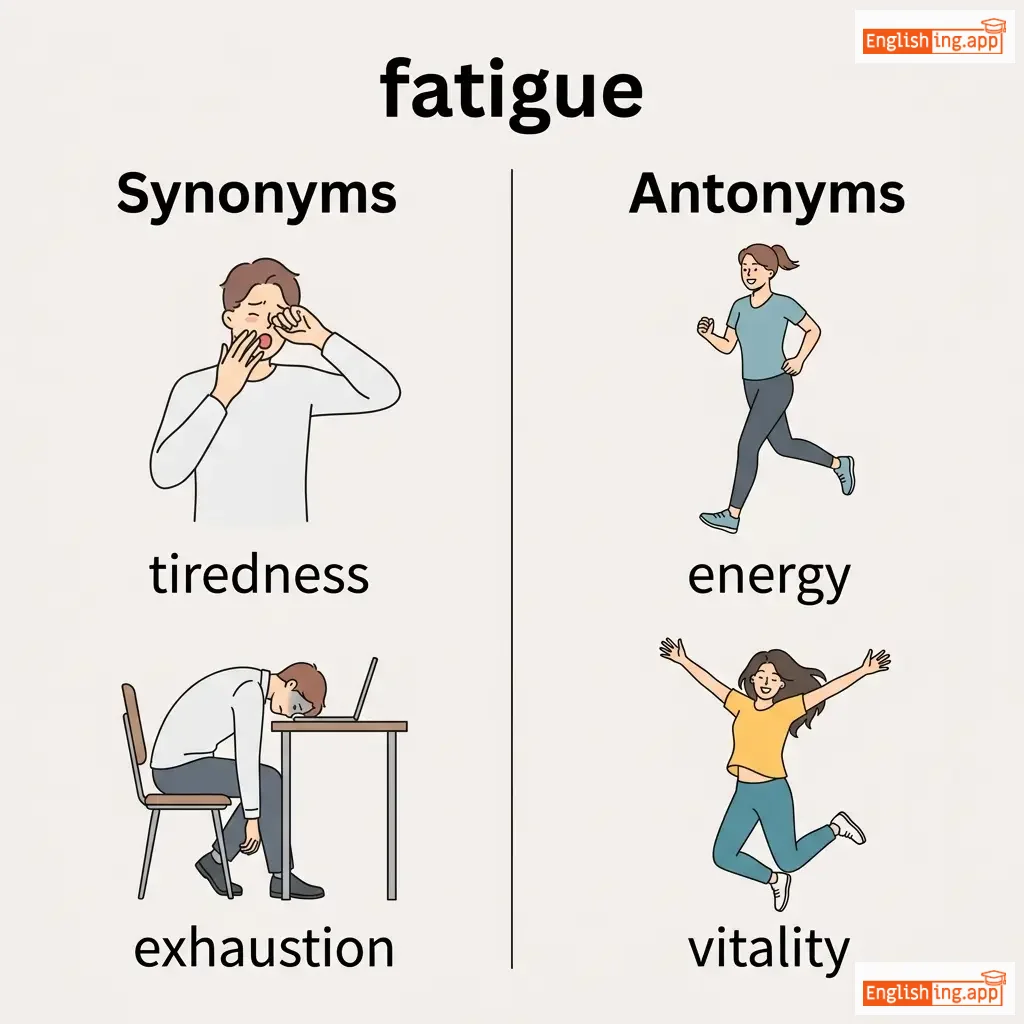
- •••••• | - •••••• | - •••••• |
exhaustion, weariness, tiredness, burnout
••••••
|
energy, vitality, freshness, vigor
••••••
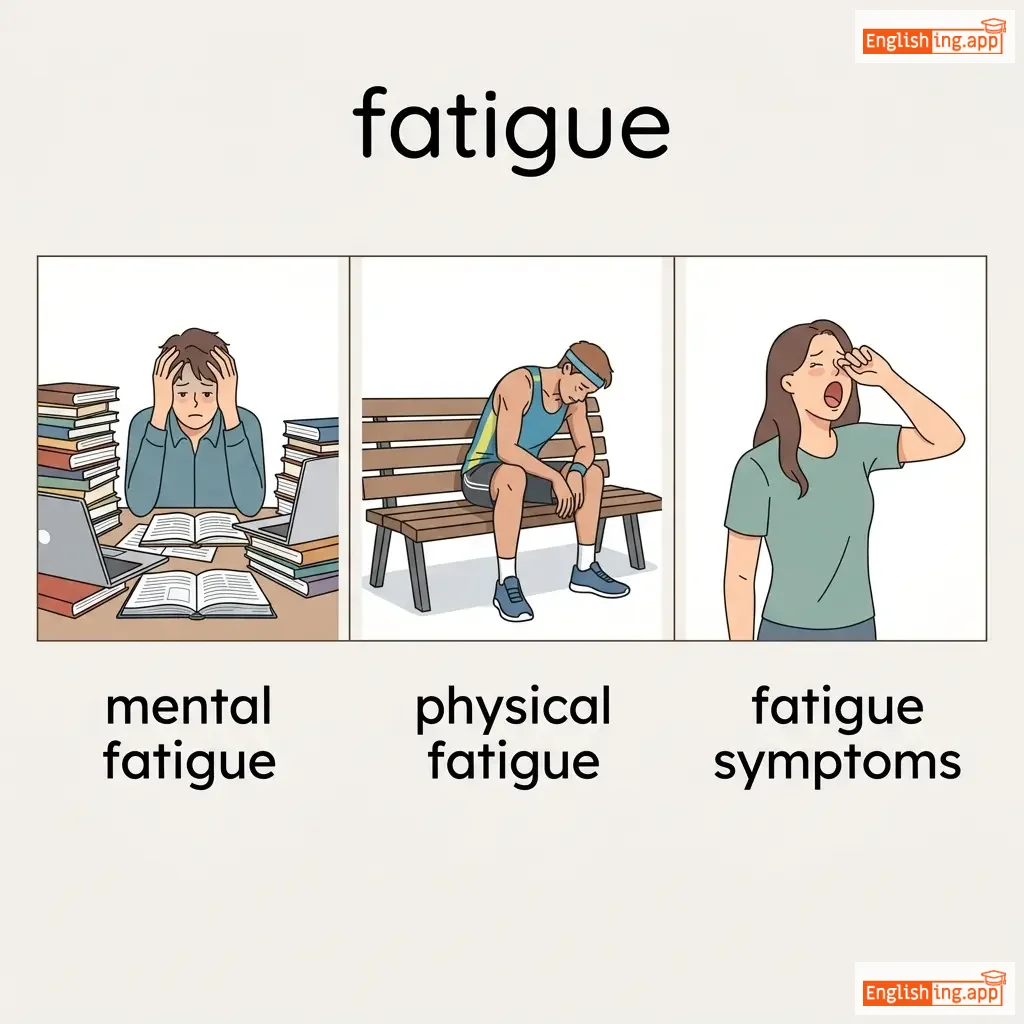
|
muscle fatigue, mental fatigue, chronic fatigue
••••••
|
Fatigue = 疲劳, similar pronunciation in Chinese.
••••••
|
|
#0
🪶
|
/ˈfɛðər/
noun
(fēi dé)
••••••
|
- •••••• |
羽毛
yǔmáo
••••••
|
- •••••• | - •••••• | - •••••• | - •••••• |
a light, soft structure that covers a bird’s body and enables it to fly
••••••
|
The bird lost a small feather while flying through the trees. |
这只鸟在飞过树林时掉了一根小羽毛。
Zhè zhī niǎo zài fēi guò shùlín shí diào le yī gēn xiǎo yǔmáo.
••••••
|
birds of a feather |
people who have similar interests or characteristics
••••••
|
有相似兴趣或特征的人
yǒu xiāngsì xìngqù huò tèzhēng de rén
••••••
|
plume, quill, down, tuft, pinion
••••••
|
scale, skin
••••••
|
feather pillow, feather pen, light as a feather, peacock feather
••••••
|
Feather 意思是羽毛 — 想象一个柔软的枕头里有羽毛。
••••••
|
|
#0
💓
|
/ˈfiːlɪŋ/
noun
(菲灵)
••••••
|
- •••••• |
感觉
gǎnjué
••••••
|
- •••••• | - •••••• | - •••••• | - •••••• |
An emotional state or physical sensation.
••••••
|
She had a strange feeling about the place. |
她对那个地方有一种奇怪的感觉。
Tā duì nàgè dìfāng yǒu yī zhǒng qíguài de gǎnjué.
••••••
|
mixed feelings |
Having both positive and negative emotions about something
••••••
|
复杂的感觉
fùzá de gǎnjué
••••••
|
emotion, sensation, sentiment, mood
••••••
|
numbness, indifference
••••••
|
strong feeling, bad feeling, good feeling, mixed feelings
••••••
|
Feeling 就是你的感觉,就像内心深处的声音。
••••••
|
|
#0
📚
|
/ˈfɪkʃən/
noun
(虚构)
••••••
|
- •••••• |
虚构
xūgòu
••••••
|
- •••••• | - •••••• | - •••••• | - •••••• |
Literature created from the imagination, not presented as fact.
••••••
|
She enjoys reading science fiction novels.
她喜欢阅读科幻小说。
••••••
|
她喜欢阅读科幻小说。
Tā xǐhuān yuèdú kēhuàn xiǎoshuō.
••••••
|
stranger than fiction
比虚构更奇怪
••••••
|
Something unbelievable but true.
••••••
|
比虚构更奇怪
Bǐ xūgòu gèng qíguài
••••••
|
story, novel, tale, narrative, myth
••••••
|
fact, reality, truth
••••••
|
science fiction, historical fiction, fiction writer, work of fiction
••••••
|
虚构在中文是想象的世界 - '虚构让我们的思维飞得更远!'
••••••
|
|
#0
1️⃣5️⃣
|
/ˌfɪfˈtiːn/
number
(fifteen)
••••••
|
- •••••• |
十五
shi wu
••••••
|
- •••••• | - •••••• | - •••••• | - •••••• |
the number 15
••••••
|
There are fifteen students in the class. |
班里有十五个学生。
Ban li you shi wu ge xuesheng.
••••••
|
- •••••• | - •••••• | - •••••• |
15
••••••
|
fourteen, sixteen
••••••
|
fifteen minutes, fifteen years, group of fifteen
••••••
|
十五就是 10 加 5。
••••••
|
|
#0
🥊
|
/ˈfaɪtər/
noun
(fāi tè)
••••••
|
- •••••• |
战士
zhanshi
••••••
|
- •••••• | - •••••• | - •••••• | - •••••• |
a person who fights, especially in combat or sports like boxing
••••••
|
The fighter won the championship after a tough battle. |
战士在激烈的战斗后赢得了冠军。
Zhanshi zài jīliè de zhàndòu hòu yíngdéle guànjūn.
••••••
|
freedom fighter |
a person who takes part in a resistance movement against an oppressive regime
••••••
|
自由战士
zìyóu zhànshì
••••••
|
warrior, combatant, soldier, boxer, contender
••••••
|
peacemaker, pacifist, civilian
••••••
|
brave fighter, freedom fighter, skilled fighter, fighter plane
••••••
|
Fighter 就是战士 - 记住自由战士是 freedom fighter
••••••
|
|
#0
📑
|
/ˈfaɪn.dɪŋ/
noun
(fàidīng)
••••••
|
- •••••• |
发现,经过调查后得出的结论或结果
faxian, jingguo diaocha hou de chuluo huo jieguo
••••••
|
- •••••• | - •••••• | - •••••• | - •••••• |
a discovery, conclusion, or result reached after investigation
••••••
|
The scientist published her findings in a leading journal. |
科学家在一家领先的期刊上发布了她的发现。
Kexuejia zai yijia liding de qikan shang fabu le ta de faxian.
••••••
|
- •••••• | - •••••• | - •••••• |
discovery, result, conclusion, outcome, observation
••••••
|
ignorance, loss
••••••
|
research finding, important finding, surprising finding
••••••
|
Finding 就是调查后得到的发现和结果!
••••••
|
|
#0
❤️
|
/ˈsɛkʃʊəl/
adjective
(性行为)
••••••
|
- •••••• |
性行为
xing xingwei
••••••
|
- •••••• | - •••••• | - •••••• | - •••••• |
relating to the instincts, physiological processes, and activities connected with physical attraction or intimate physical contact between individuals
••••••
|
The sexual health of individuals is an important topic in modern medicine. |
个体的性健康是现代医学中的一个重要话题。
Geti de xing jiankang shi xiandai yixue zhong de yige zhongyao huati.
••••••
|
- •••••• | - •••••• | - •••••• |
erotic, intimate, amorous, sensual
••••••
|
asexual, nonsexual
••••••
|
sexual attraction, sexual health, sexual orientation, sexual behavior
••••••
|
Sexual health involves understanding physical attraction and intimacy.
••••••
|
|
#0
🧪
|
/ˈsəʊdiəm/
noun
(钠)
••••••
|
- •••••• |
钠
na
••••••
|
- •••••• | - •••••• | - •••••• | - •••••• |
a soft, silver-white chemical element that is highly reactive and found in salt.
••••••
|
Sodium is an essential element for maintaining fluid balance in the body.
钠是维持体内液体平衡的必需元素。
••••••
|
钠是维持体内液体平衡的必需元素。
Na shì wéichí tǐnèi yètǐ pínghéng de bìxū yuánsù.
••••••
|
- •••••• | - •••••• | - •••••• |
Na, element, salt component, chemical
••••••
|
none, deficiency
••••••
|
sodium chloride, low sodium, sodium intake, sodium level
••••••
|
钠意味着盐的主要成分 - 记住,‘So Dear Salt’ 是钠!
••••••
|
|
#0
🌍
|
/ˈsoʊ.vi.ət/
adjective
(苏联的)
••••••
|
- •••••• |
苏联的
sulian de
••••••
|
- •••••• | - •••••• | - •••••• | - •••••• |
relating to the Soviet Union or its government
••••••
|
The Soviet era saw significant changes in Eastern Europe.
苏联时代见证了东欧的重大变化。
••••••
|
苏联时代见证了东欧的重大变化。
Sulian shidai jianzheng le dong'ou de zhongda bianhua.
••••••
|
- •••••• | - •••••• | - •••••• |
communist, socialist, USSR-related
••••••
|
capitalist, democratic
••••••
|
Soviet government, Soviet Union, Soviet ideology
••••••
|
Soviet sounds like 'SOVE' - Soviets 'SOVE' changes the world!
••••••
|
|
#0
🌍
|
/ˈwaɪdli/
adverb
(wáidìlì)
••••••
|
- •••••• |
广泛地
guǎngfàn de
••••••
|
- •••••• | - •••••• | - •••••• | - •••••• |
to a great extent or degree
••••••
|
The news of his promotion spread widely across the company. |
他晋升的消息在公司内广泛传播。
Tā jìnshēng de xiāoxī zài gōngsī nèi guǎngfàn chuánbò.
••••••
|
- •••••• | - •••••• | - •••••• |
extensively, broadly, widely, far
••••••
|
narrowly, limitedly
••••••
|
widely known, widely accepted, widely spread
••••••
|
Wide world 🌍 means a wide spread across everywhere!
••••••
|
Vocabulary Quiz
Test your vocabulary by matching words with their translations or meanings.
Login to take the quiz
Comments (0)
Share your thoughts and join the discussion.
Join the discussion by logging in
Login to CommentNo comments yet
Be the first to share your thoughts!