

百万声音的画面
Pictures of a Million Voices
一场有 million 人参与的签名活动在全市展开。 科学家分享了关于河流 mineral 平衡的新见解。 一支鸟类研究团队报告称,有几种物种已经 missing。 他们的核心 mission 是让这些物种重返河流。 大家保持警惕,以防同样的 mistake 再次发生。 讨论探讨了商业 mixture 如何改变河流的行为。 村里的孩子们画出一个想象中的 monster 来保护河流。 主讲 nominee 苏玛娜接着发言。 她说:“notably,这条河改变了我们的存在。” 来自附近 nursery 的树苗分发给了所有人。 工程师打开了部分 (partial) 堤坝,让河水自由流动。 如今,河流的水流似乎也在为每一辆 passing 车辆欢呼。 计划确保河流的压力不会变得 passive。 严格的 penalty 提案针对污染者。 设立了一个小型的 pension 基金以帮助年老的渔民。 大家都说:“这个倡议真是 perfect。” 协调员补充道:“perhaps 最大的教训来自河流本身。” 展览上悬挂着每一张河流的历史 picture。 一位 western 教授谈论了河流管理。 他问:“whereas 许多河流正在干涸,我们将如何保持这条河的生命?”
Swipe left or right, or use the buttons. Tap image to zoom.
例句翻译
单词
Pictures of a Million VoicesPictures of a Million Voices - 遮罩切换
|
表情符号
|
单词 | Images | 翻译 | 含义 | 例句 | 例句翻译 | 示例表达 | 示例表达含义 | 示例表达翻译 | 同义词 | 反义词 | 搭配词 | 助记符 |
|---|---|---|---|---|---|---|---|---|---|---|---|---|---|
|
#0
💰
|
/ˈmɪljən/
noun
(百万)
••••••
|
- •••••• |
百万
bǎi wàn
••••••
|
the number equivalent to one thousand thousand (1,000,000)
••••••
|
The movie earned over a million dollars in its first week. |
电影在第一周赚了超过一百万美元。
Diànyǐng zài dì yī zhōu zhuànle chāoguò yī bǎi wàn měiyuán.
••••••
|
one in a million |
something or someone very rare and special
••••••
|
百万分之一
bǎi wàn fēn zhī yī
••••••
|
thousand thousand, 10^6, large number
••••••
|
zero, none
••••••
|
million dollars, million people, one in a million, several million
••••••
|
百万 - 一个非常大的数字,就像百万分之一!
••••••
|
|
#0
⛏️
|
/ˈmɪnərəl/
noun
(矿物)
••••••
|
- •••••• |
矿物
kuàngwù
••••••
|
a naturally occurring substance that is solid and inorganic, often used in industry or nutrition
••••••
|
Calcium is an important mineral for strong bones. |
钙是一种对强壮骨骼很重要的矿物。
gài shì yī zhǒng duì qiángzhuàng gǔgé hěn zhòngyào de kuàngwù.
••••••
|
mineral water |
natural water that contains dissolved minerals
••••••
|
矿泉水
kuàngquán shuǐ
••••••
|
ore, crystal, element, nutrient
••••••
|
organic matter
••••••
|
mineral water, mineral resource, mineral deposit, trace mineral
••••••
|
矿物像'矿'一样,是从地里提取的东西。
••••••
|
|
#0
❓
|
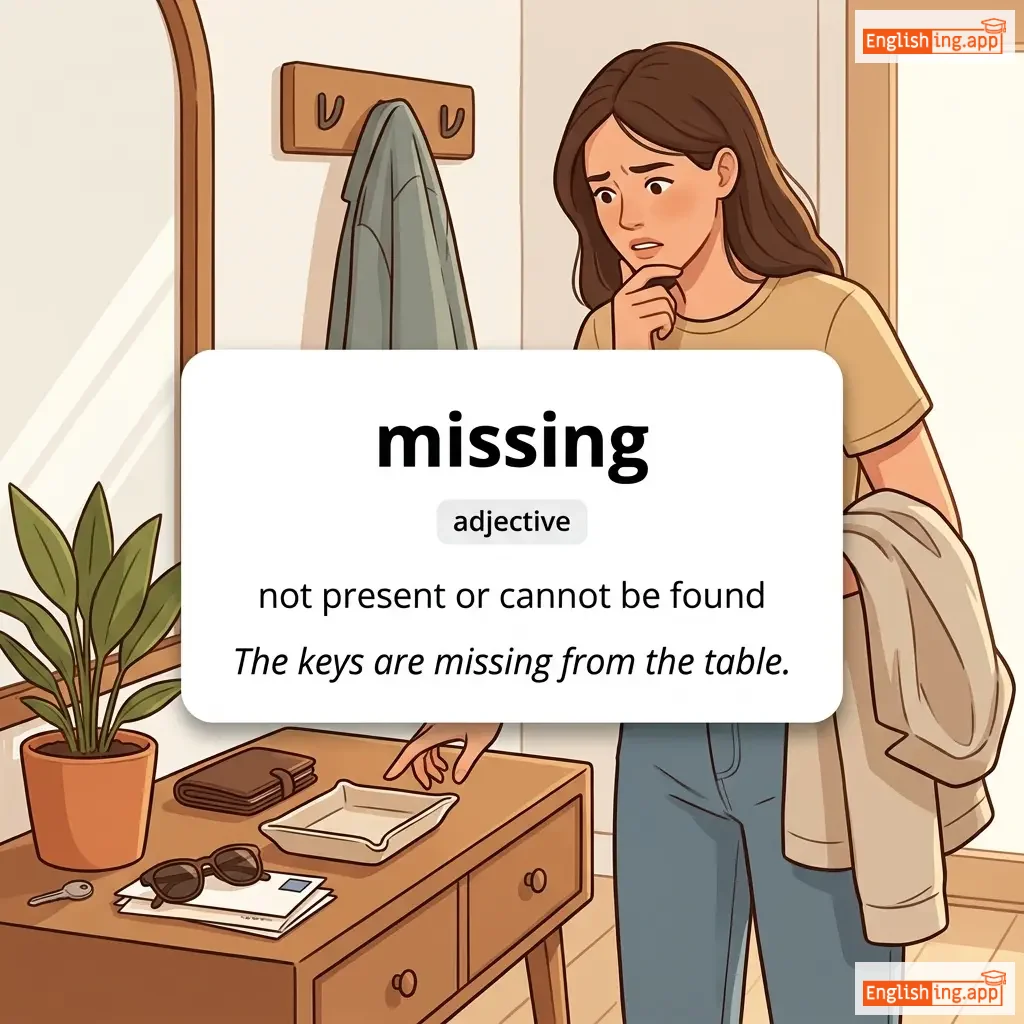
/ˈmɪsɪŋ/
adjective
(missing)
••••••
|
|
丢失
diūshī
••••••
|
not present or cannot be found
••••••
|
The keys are missing from the table.
de keys ar missing from de teibl.
••••••
|
钥匙不见了,放在桌子上。
Yuèshi bùjiàn le, fàng zài zhuōzi shàng.
••••••
|
missing in action
missing in aksion
••••••
|
not present or unaccounted for
••••••
|
失踪
shīzōng
••••••
|
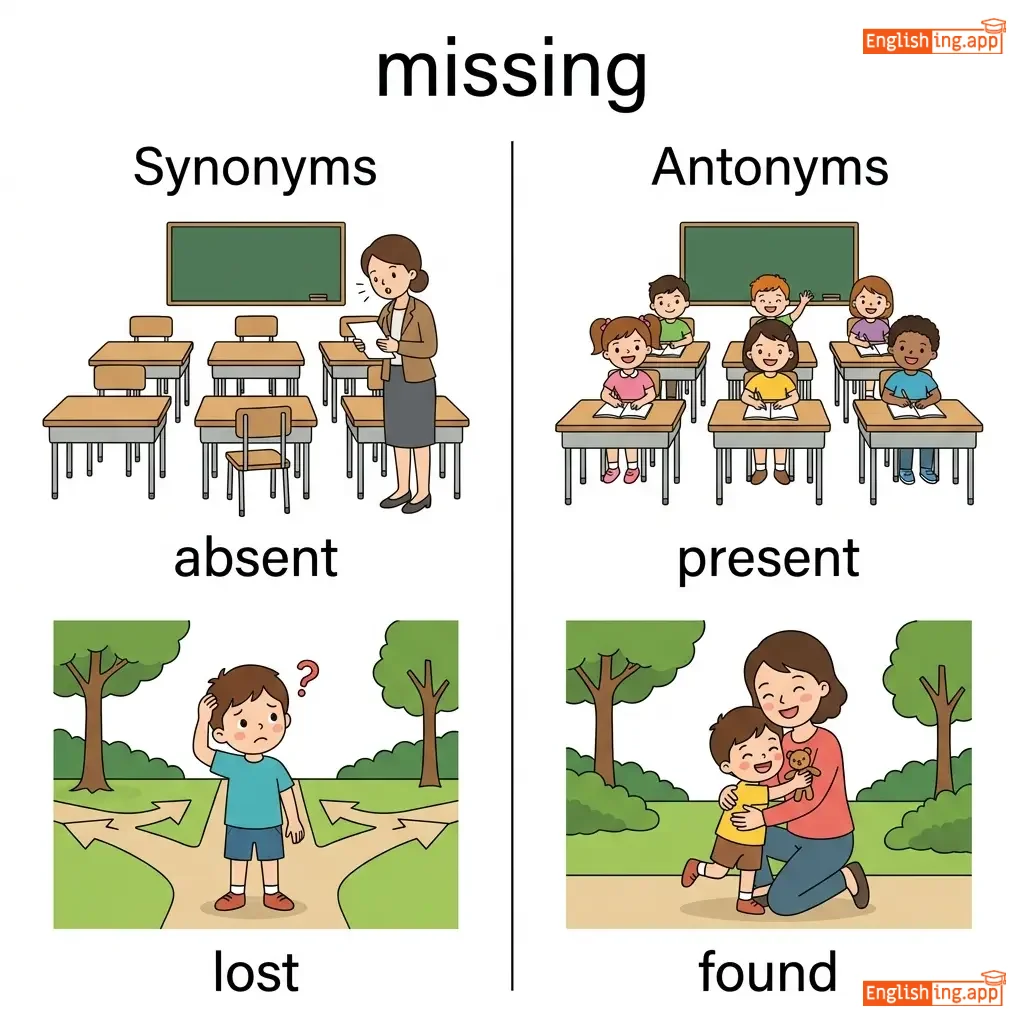
absent, lost, gone, vanished, misplaced
••••••
|
present, found
••••••
|
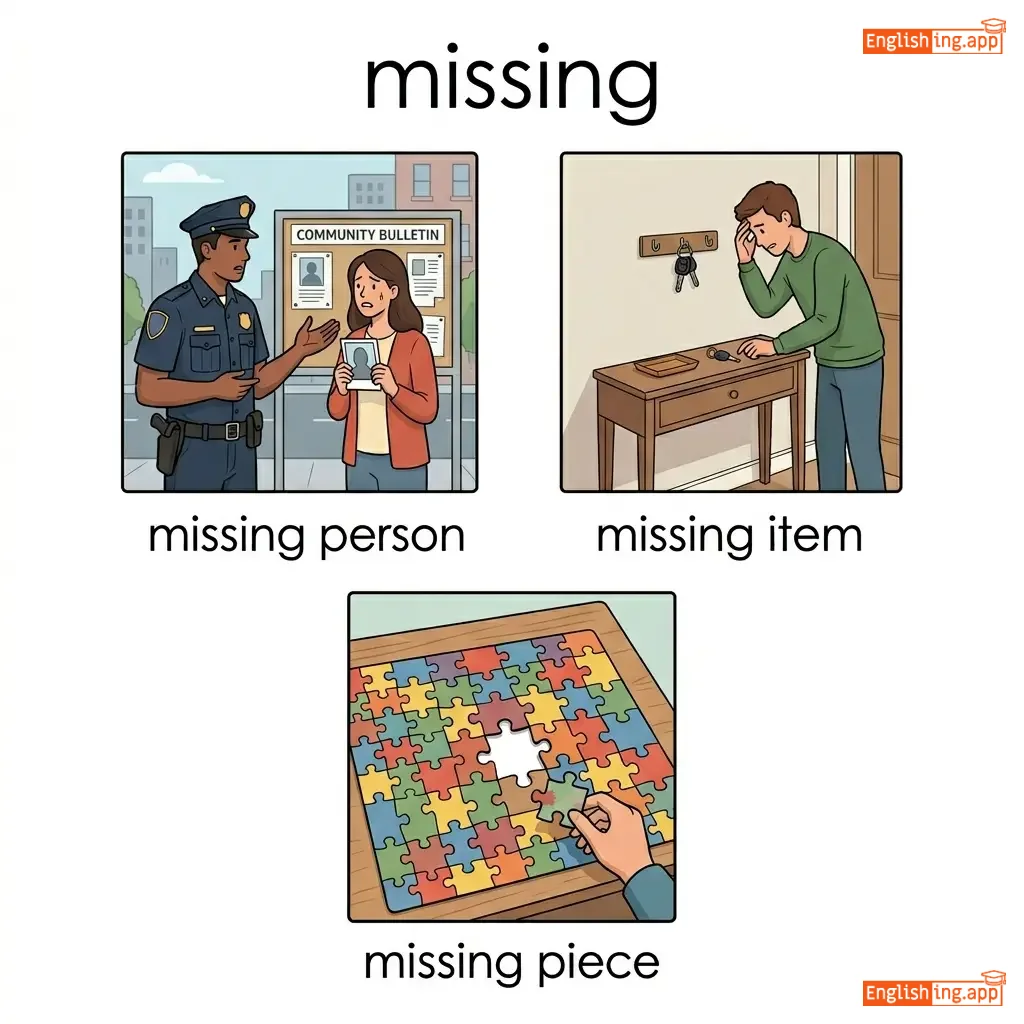
missing person, missing item, missing piece, missing child
••••••
|
Missing = 丢失 – 某物已消失不见。
••••••
|
|
#0
🚀
|
/ˈmɪʃən/
noun
(mìshēn)
••••••
|
- •••••• |
任务 / 使命
renwu / shiming
••••••
|
an important assignment or task, often with a specific purpose
••••••
|
The astronauts were on a mission to explore Mars.
宇航员们正在执行任务,探索火星。
••••••
|
宇航员们正在执行任务,探索火星。
Yuhangyuan men zhengzai zhixing renwu, tansuo huoxing.
••••••
|
mission accomplished
任务完成
••••••
|
a phrase used when a task has been successfully completed
••••••
|
任务完成
renwu wancheng
••••••
|
task, assignment, duty, operation, purpose
••••••
|
idleness, inaction
••••••
|
space mission, secret mission, diplomatic mission, mission statement
••••••
|
任务就是使命—Mars 任务,使命意味着责任。
••••••
|
|
#0
❌
|
/mɪˈsteɪk/
noun
(错误)
••••••
|
- •••••• |
错误
cuo wu
••••••
|
An action or decision that is wrong or misguided.
••••••
|
She realized her mistake after submitting the wrong file. |
她在提交错误文件后意识到自己的错误。
Ta zai tijiao cuo wu wenjian hou yishi dao ziji de cuo wu.
••••••
|
make a mistake |
to do something incorrectly
••••••
|
犯错
fan cuo
••••••
|
error, blunder, slip, misjudgment, fault
••••••
|
accuracy, correctness, truth
••••••
|
common mistake, big mistake, silly mistake, honest mistake
••••••
|
错误在中文中意味着做错的事情。
••••••
|
|
#0
🔀
|
/ˈmɪks.tʃər/
noun
(mìkèshī)
••••••
|
- •••••• |
混合物
hunhewu
••••••
|
a combination of different substances or elements
••••••
|
The cake batter is a mixture of flour, eggs, and milk.
蛋糕面糊是面粉、鸡蛋和牛奶的混合物。
••••••
|
蛋糕面糊是面粉、鸡蛋和牛奶的混合物。
Dangao mianhu shi mianfen, jidan he niunai de hunhewu.
••••••
|
- •••••• | - •••••• | - •••••• |
blend, combination, compound, fusion
••••••
|
separation, isolation, purity
••••••
|
mixture of, chemical mixture, complex mixture
••••••
|
混合物 - 将所有食材混合在一起,制作美味的蛋糕!
••••••
|
|
#0
👹
|
/ˈmɒnstər/
noun
(happiness)
••••••
|
- •••••• |
幸福
xìngfú
••••••
|
an imaginary or large frightening creature
••••••
|
The child was afraid that a monster was hiding under the bed.
她无法隐藏自己得到奖项时的快乐。
••••••
|
她无法隐藏自己得到奖项时的快乐。
Tā wúfǎ yǐncáng zìjǐ dédào jiǎngxiàng shí de kuàilè.
••••••
|
monster hit
追求幸福
••••••
|
a very successful or popular product or show
••••••
|
追求幸福
zhuīqiú xìngfú
••••••
|
beast, creature, giant, demon, ogre
••••••
|
angel, human, friend
••••••
|
monster movie, sea monster, create a monster, monster hit
••••••
|
幸福 = Happiness — 永远追求幸福!
••••••
|
|
#0
💼
|
/ˌnɑm.əˈni/
noun
(诺米尼)
••••••
|
- •••••• |
提名人
tímíngrén
••••••
|
a person who is nominated for an office, award, or honor
••••••
|
She was the nominee for the Best Actress award. |
她是最佳女演员奖项的提名人。
Tā shì zuì jiā nǚ yǎnyuán jiǎngxiàng de tímíngrén.
••••••
|
- •••••• | - •••••• | - •••••• |
candidate, contender, designee
••••••
|
disqualified person, rejected candidate
••••••
|
presidential nominee, award nominee, party nominee
••••••
|
提名人是那些被选中参与某个重要奖项的人。
••••••
|
|
#0
⭐
|
/ˈnoʊtəbli/
adverb
(nòtāblì)
••••••
|
- •••••• |
显著地
xian zhu de
••••••
|
used to indicate something worthy of attention or significant
••••••
|
She is notably talented in painting.
她在绘画方面非常有才华。
••••••
|
她在绘画方面非常有才华。
Ta zai huihua fangmian feichang you caihua.
••••••
|
- •••••• | - •••••• | - •••••• |
particularly, especially, significantly, remarkably
••••••
|
insignificantly, unremarkably
••••••
|
notably skilled, notably successful, notably different
••••••
|
显著地,强调的是值得注意的重要特点。
••••••
|
|
#0
🍼
|
/ˈnɜːrsəri/
noun
(nursery)
••••••
|
- •••••• |
托儿所
tuō'érsuǒ
••••••
|
a room or place where young children are cared for
••••••
|
She works in a nursery, taking care of infants. |
她在托儿所工作,照顾婴儿。
Tā zài tuō'érsuǒ gōngzuò, zhàogù yīng'ér.
••••••
|
- •••••• | - •••••• | - •••••• |
daycare, preschool, kindergarten
••••••
|
school, home
••••••
|
nursery school, nursery teacher, nursery care
••••••
|
托儿所 (tuō'érsuǒ) 是照顾婴儿的地方
••••••
|
|
#0
🧩
|
/ˈpɑːrʃəl/
adjective
(pāshì'ěr)
••••••
|
- •••••• |
部分的,偏袒的
bùfen de, piāntǎn de
••••••
|
existing only in part; biased toward one side
••••••
|
The report gave a partial view of the situation.
报告给出了部分视图。
••••••
|
报告给出了部分视图。
Bàogào gěi chūle bùfen shìtú.
••••••
|
partial to
偏袒
••••••
|
to show favor or preference for someone or something
••••••
|
对...偏袒
duì...piāntǎn
••••••
|
incomplete, biased, limited, fragmentary
••••••
|
complete, impartial, unbiased
••••••
|
partial view, partial payment, partial solution, partiality towards
••••••
|
Partial 意味着不完整,中文翻译部分的或偏袒的。
••••••
|
|
#0
⏳
|
/ˈpæsɪŋ/
noun
(passing)
••••••
|
- •••••• |
经过, 死亡
jingguo, siwang
••••••
|
the act of moving past something or the end of someone's life
••••••
|
The passing of the leader was a great loss for the nation. |
领导人的去世对国家是一个巨大的损失。
Lingdaoren de qushi dui guojia shi yige juda de sunshi.
••••••
|
in passing |
mentioned casually or briefly
••••••
|
顺便提到
shunbian tidao
••••••
|
departure, death, transition, movement
••••••
|
arrival, birth
••••••
|
passing away, passing time, passing phase, passing car
••••••
|
Passing away 意味着去世 — 比如‘His passing made everyone sad’.
••••••
|
|
#0
🧘
|
/ˈpæsɪv/
adjective
(pàxīf)
••••••
|
- •••••• |
被动; (语法) 被动语态
bèidòng; (yǔfǎ) bèidòng yǔtài
••••••
|
not actively responding or participating; in grammar, denoting the voice in which the subject undergoes the action
••••••
|
Instead of taking charge, he remained passive during the meeting. |
他在会议中没有采取主导,而是保持被动。
Tā zài huìyì zhōng méiyǒu cǎiqǔ zhǔdǎo, ér shì bǎochí bèidòng.
••••••
|
passive voice |
a grammatical construction where the subject is acted upon
••••••
|
被动语态
bèidòng yǔtài
••••••
|
inactive, submissive, unresponsive, compliant, receptive
••••••
|
active, assertive, dynamic
••••••
|
passive income, passive resistance, passive investor, passive role, passive voice
••••••
|
被动,像‘pàxīf’ → 不主动,接受结果。
••••••
|
|
#0
⚖️
|
/ˈpɛnəlti/
noun
(罚球)
••••••
|
- •••••• |
罚款
fakuan
••••••
|
A punishment imposed for breaking a law, rule, or contract.
••••••
|
He had to pay a heavy penalty for breaking the traffic rules. |
因为违反交通规则,他必须支付一笔重罚。
Yīnwèi wéifǎn jiāotōng guīzé, tā bìxū zhīfù yī bǐ zhòng fá.
••••••
|
pay the penalty |
To suffer the consequences of one's actions.
••••••
|
支付罚款
zhīfù fákuǎn
••••••
|
punishment, fine, sanction, retribution
••••••
|
reward, compensation
••••••
|
heavy penalty, death penalty, face penalty, penalty fee
••••••
|
Penalty 就是罚款,记住它!
••••••
|
|
#0
💰
|
/ˈpɛnʃən/
noun
(养老金)
••••••
|
- •••••• |
养老金
yǎnglǎo jīn
••••••
|
A regular payment made during a person's retirement from an investment fund or employer.
••••••
|
After 30 years of service, he received a monthly pension. |
经过30年的工作,他领取了每月养老金。
Jīngguò 30 nián de gōngzuò, tā lǐngqǔle měi yuè yǎnglǎo jīn.
••••••
|
pension off |
To retire someone and give them a pension.
••••••
|
退休领取养老金
Tuìxiū lǐngqǔ yǎnglǎo jīn
••••••
|
retirement fund, allowance, annuity, stipend
••••••
|
wage, salary
••••••
|
monthly pension, government pension, pension fund, pension plan
••••••
|
PEN + sion → 退休后,养老金为你提供支持
••••••
|
|
#0
✅
|
/ˈpɜː.fɪkt/
adjective
(完美)
••••••
|
- •••••• |
完美
wanmei
••••••
|
Having no mistakes or flaws; being as good as possible.
••••••
|
Her performance was perfect in every way. |
她的表现各方面都完美。
Tā de biǎoxiàn gè fāngmiàn dōu wánměi.
••••••
|
practice makes perfect |
regular practice leads to improvement and mastery
••••••
|
实践造就完美
Shíjiàn zàojiù wánměi
••••••
|
flawless, ideal, impeccable, excellent
••••••
|
imperfect, flawed, faulty
••••••
|
perfect solution, perfect example, perfect timing, perfect condition
••••••
|
完美就像完美的蛋糕,所有细节都恰到好处!
••••••
|
|
#0
🤔
|
/pəˈhæps/
adverb
(pərhæps)
••••••
|
- •••••• |
也许; 可能
yěxǔ; kěnéng
••••••
|
possibly; maybe; used to express uncertainty or make a suggestion
••••••
|
Perhaps we should call before visiting to make sure they're home. |
也许我们应该在访问之前先打个电话,以确保他们在家。
Yěxǔ wǒmen yīnggāi zài fǎngwèn zhīqián xiān dǎ gè diànhuà, yǐ quèbǎo tāmen zài jiā.
••••••
|
- •••••• | - •••••• | - •••••• |
maybe, possibly, conceivably, perchance, potentially
••••••
|
certainly, definitely, surely, undoubtedly, absolutely
••••••
|
perhaps not, perhaps so, perhaps because, perhaps more importantly
••••••
|
也许派对里会有一些惊喜
••••••
|
|
#0
🖼️
|
/ˈpɪktʃər/
noun
(piktʃər)
••••••
|
- •••••• |
画面
huàmiàn
••••••
|
a visual representation made by painting, drawing, or photography
••••••
|
The picture on the wall was painted by a famous artist. |
墙上的画面是由一位著名艺术家绘制的。
Qiáng shàng de huàmiàn shì yóu yī wèi zhùmíng yìshùjiā huìzhì de.
••••••
|
- •••••• | - •••••• | - •••••• |
image, photo, painting, snapshot
••••••
|
text, writing
••••••
|
take a picture, frame a picture, family picture
••••••
|
画面 (huàmiàn) 就像一张 picture (图片) 在墙上!
••••••
|
|
#0
🌎
|
/ˈwɛstərn/
adjective
(wèisītèrn)
••••••
|
- •••••• |
西方的
xīfāng de
••••••
|
relating to or characteristic of the West, especially Europe and the Americas
••••••
|
She loves western music and culture. |
她喜欢西方的音乐和文化。
Tā xǐhuān xīfāng de yīnyuè hé wénhuà.
••••••
|
- •••••• | - •••••• | - •••••• |
occidental, westernized
••••••
|
eastern, oriental
••••••
|
western culture, western philosophy, western world
••••••
|
西方文化来自西方 - Western culture comes from the West.
••••••
|
|
#0
⚖️
|
/wɛərˈæz/
conjunction
(wɛɛrz)
••••••
|
- •••••• |
然而
rán'ér
••••••
|
used to introduce a contrast or comparison between two facts
••••••
|
She prefers tea, whereas he likes coffee. |
她喜欢喝茶,而他喜欢喝咖啡。
Tā xǐhuān hē chá, ér tā xǐhuān hē kāfēi.
••••••
|
- •••••• | - •••••• | - •••••• |
while, although, but, though
••••••
|
similarly, likewise
••••••
|
whereas clause, whereas statement, tea whereas coffee
••••••
|
Tea vs coffee 对比 - 中文然而
••••••
|
Vocabulary Quiz
Test your vocabulary by matching words with their translations or meanings.
Login to take the quiz
Comments (0)
Share your thoughts and join the discussion.
Join the discussion by logging in
Login to CommentNo comments yet
Be the first to share your thoughts!