

冬季灯光下的科学展览
Science Fair Under the Winter Lights
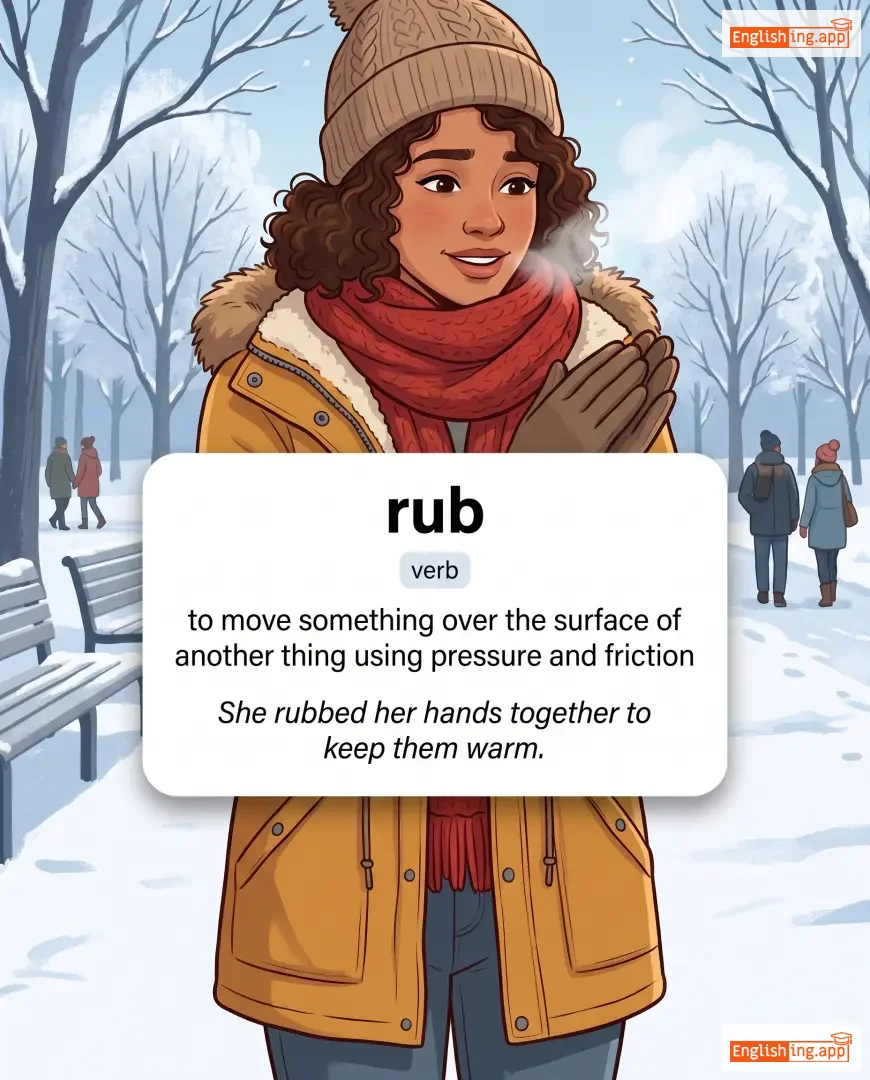
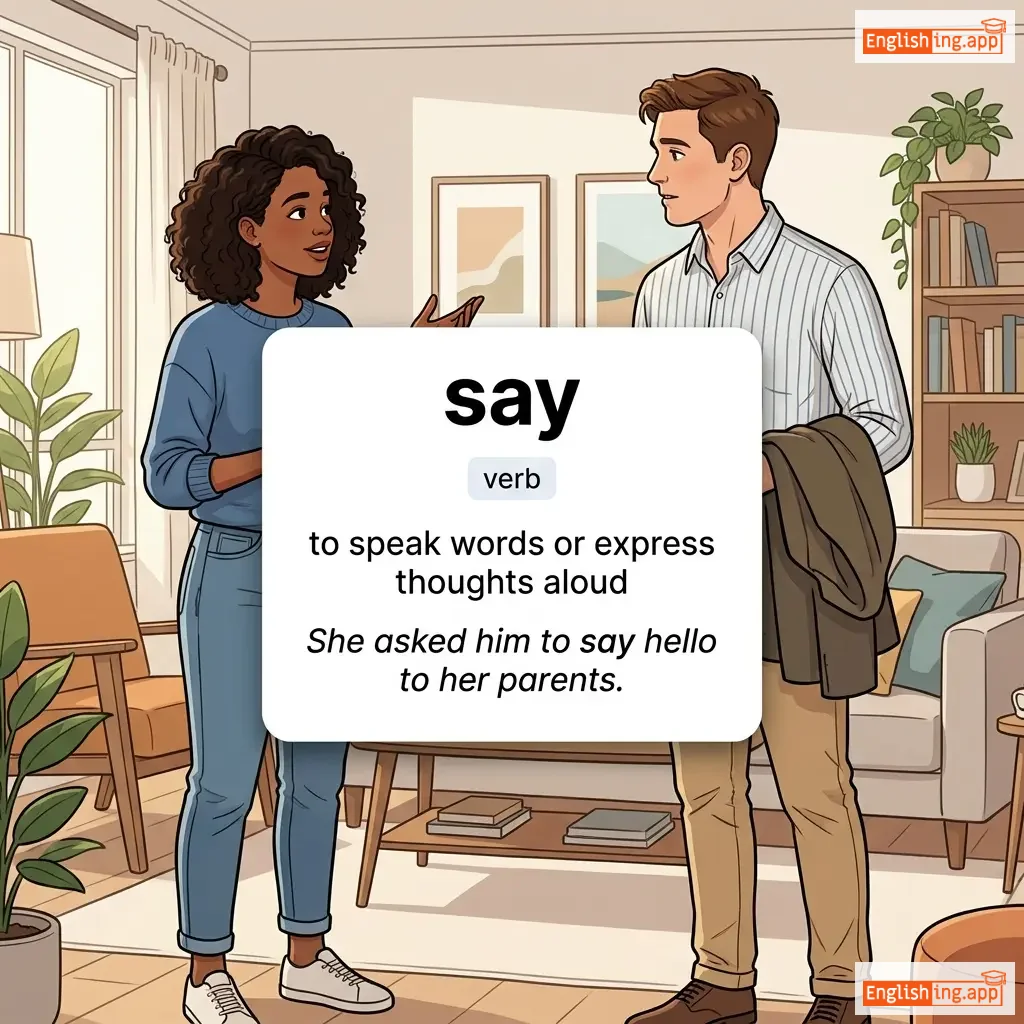
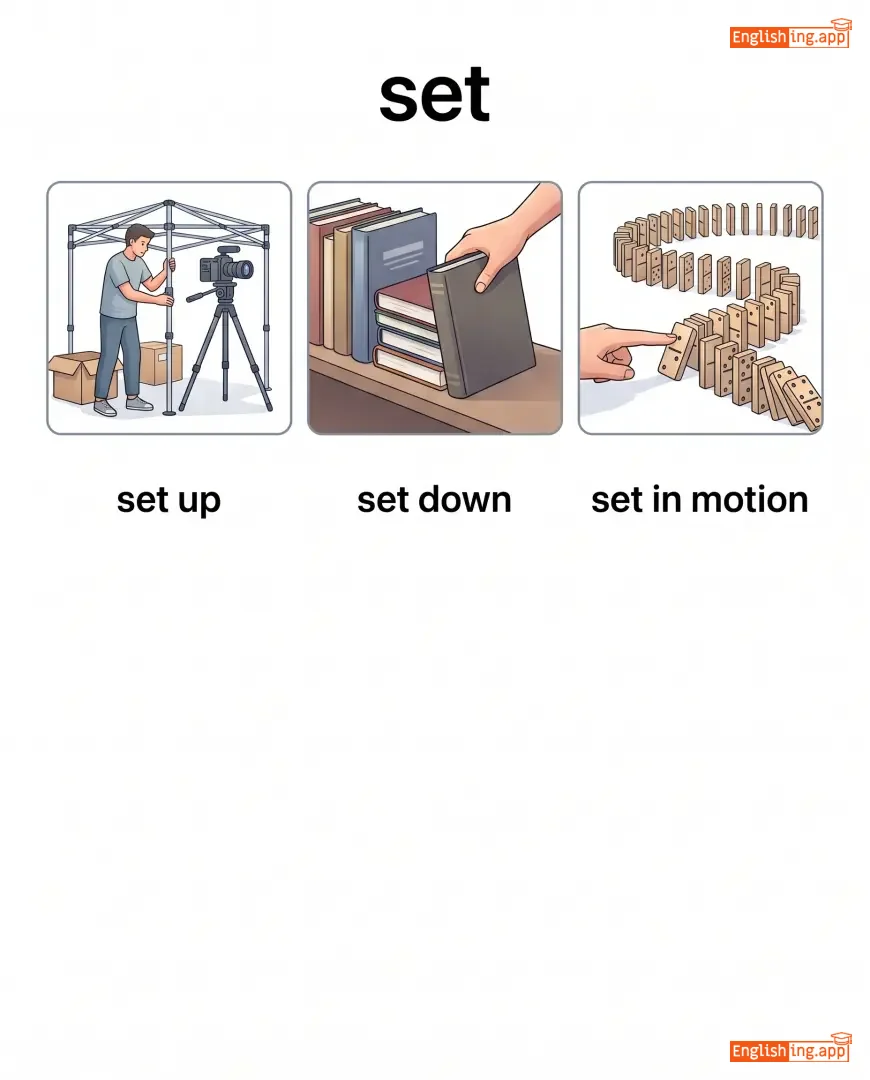
科学展览展示了一个特殊的示范,使用经过训练的rat。 孩子们学习了如何读取图表上的raw数据。 在大厅内,他们用激光ray画出了形状。 布拉赫米说:'red灯光不总是意味着危险,有时只是警告。' 吉约蒂携带了一个模型,模型的rib结构是由灯组成的。 团队决定rid自己摆脱第一次失败的记忆。 他们在行星模型的rim上安装了太阳能电池板。 气候故事提到了在旧的风暴中可能会rip的帐篷。 苏莱亚说:'我们不想rob任何人的机会。' 他们用一个坚固的rod演示了如何升起帆。 生态巡航的船只准备沿着河流row。 为机器人轮子增加了额外的rub垫,以增强牵引力。 演讲者们继续尝试say科学是未来。 活动时间表已在一个大板上set。 健康营地包括了负责任的sex教育课程。 She——指的是米拉——协调了整个程序。 一个故事描述了我们如何把河流污染当作sin来看待。 孩子们坐在地上围成一个圈,sit在一起。 单位实验室今天展示了six个新项目。 在寒冷的夜晚,邻里的孩子们梦想着去附近的山上ski。
Swipe left or right, or use the buttons. Tap image to zoom.
例句翻译
单词
Science Fair Under the Winter LightsScience Fair Under the Winter Lights - 遮罩切换
|
表情符号
|
单词 | Images | 翻译 | 过去时 | 过去分词 | 第三人称单数 | 动名词 | 含义 | 例句 | 例句翻译 | 示例表达 | 示例表达含义 | 示例表达翻译 | 同义词 | 反义词 | 搭配词 | 助记符 |
|---|---|---|---|---|---|---|---|---|---|---|---|---|---|---|---|---|---|
|
#0
🐀
|
/ræt/
noun
(ræt)
••••••
|
- •••••• |
老鼠
laoshu
••••••
|
- •••••• | - •••••• | - •••••• | - •••••• |
a small rodent that resembles a large mouse, often considered a pest
••••••
|
A rat ran across the kitchen floor last night. |
一只老鼠昨晚在厨房的地板上跑过。
yi zhi laoshu zuowan zai chufang de diban shang paoguo.
••••••
|
smell a rat |
to suspect that something is wrong or dishonest
••••••
|
闻到老鼠味
wendao laoshu wei
••••••
|
rodent, mouse, pest, vermin, creature
••••••
|
pet, friend, ally
••••••
|
rat trap, lab rat, dead rat, sewer rat
••••••
|
厨房里有老鼠,闻到了不对劲的味道!
••••••
|
|
#0
🥩
|
/rɔː/
adjective
(rǒu)
••••••
|
- •••••• |
生的; 未处理的; 自然状态; 没有经验的
shēng de; wèi chùlǐ de; zìrán zhuàngtài; méiyǒu jīngyàn de
••••••
|
- •••••• | - •••••• | - •••••• | - •••••• |
uncooked; not processed; in natural state; inexperienced
••••••
|
The chef prefers to use raw vegetables in his salads.
厨师喜欢在沙拉中使用生蔬菜。
••••••
|
厨师喜欢在沙拉中使用生蔬菜。
Chúshī xǐhuān zài shālā zhōng shǐyòng shēng shūcài.
••••••
|
- •••••• | - •••••• | - •••••• |
uncooked, fresh, natural, crude, unprocessed
••••••
|
cooked, processed, refined, prepared
••••••
|
raw material, raw data, raw vegetables, raw meat, raw talent
••••••
|
生食保持原始自然,像是生鲜蔬菜在沙拉中
••••••
|
|
#0
🌞
|
/reɪ/
noun
(rèi)
••••••
|
- •••••• |
光线
guāngxiàn
••••••
|
- •••••• | - •••••• | - •••••• | - •••••• |
a narrow beam of light, heat, or radiation
••••••
|
A ray of sunlight broke through the clouds. |
一束阳光穿透了云层。
Yī shù yángguāng chuāntòu le yúncéng.
••••••
|
- •••••• | - •••••• | - •••••• |
beam, beam of light, shaft, streak
••••••
|
darkness, shade, gloom
••••••
|
ray of light, ray of hope, X-ray, laser ray
••••••
|
光线,像太阳的光线一样!
••••••
|
|
#0
🔴
|
/red/
adjective
(red)
••••••
|
- •••••• |
红色
hongse
••••••
|
- •••••• | - •••••• | - •••••• | - •••••• |
having the color of blood or fire; of the color red
••••••
|
She wore a beautiful red dress to the party.
她穿了一件漂亮的红色裙子参加派对。
••••••
|
她穿了一件漂亮的红色裙子参加派对。
Tā chuānle yī jiàn piàoliang de hóngsè qúnzi cānjiā pàiduì.
••••••
|
- •••••• | - •••••• | - •••••• |
scarlet, crimson, cherry, ruby
••••••
|
green, blue, white
••••••
|
red rose, red carpet, red light, red wine
••••••
|
红色是血液和火焰的颜色。
••••••
|
|
#0
🦴
|
/rɪb/
noun
(rib)
••••••
|
- •••••• |
肋骨
lèigǔ
••••••
|
- •••••• | - •••••• | - •••••• | - •••••• |
one of the curved bones that form the rib cage in humans and animals, protecting the chest organs
••••••
|
He broke a rib while playing football. |
他在踢足球时摔断了一根肋骨。
tā zài tī zúqiú shí shuāi duànle yī gēn lèigǔ
••••••
|
tickle someone's ribs |
to make someone laugh or amuse them
••••••
|
逗某人笑
dòu mǒu rén xiào
••••••
|
bone, framework, structure, support, arc
••••••
|
spine, limb
••••••
|
rib cage, broken rib, pork rib, rib bone
••••••
|
Rib 意味着肋骨 – 记住,肋骨保护我们的胸部器官!
••••••
|
|
#0
🧹
|
/rɪd/
verb
(rid)
••••••
|
- •••••• |
清除
qingchu
••••••
|
rid
rid
••••••
|
rid
rid
••••••
|
rids
rids
••••••
|
ridding
ridding
••••••
|
to remove or get rid of something
••••••
|
I need to rid the house of all the clutter.
我需要把家里的杂乱清理掉。
••••••
|
我需要把家里的杂乱清理掉。
Wo xuyao ba jiali de zaluan qingli diao.
••••••
|
- •••••• | - •••••• | - •••••• |
remove, eliminate, discard, clear
••••••
|
keep, retain, maintain
••••••
|
rid of, rid the house, rid oneself
••••••
|
Rid (清除) 就是把杂乱清理掉。
••••••
|
|
#0
⚪
|
/rɪm/
noun
(rim)
••••••
|
- •••••• |
边缘
bianyuan
••••••
|
- •••••• | - •••••• | - •••••• | - •••••• |
the outer edge or border of a circular object
••••••
|
The coffee cup had a chip on its rim. |
咖啡杯的边缘有个裂痕。
Kāfēi bēi de bianyuan yǒu gè lièhén.
••••••
|
on the rim |
at the edge or border of something
••••••
|
在边缘
zài bianyuan
••••••
|
edge, border, fringe, margin, boundary
••••••
|
center, core
••••••
|
cup rim, wheel rim, glass rim, mountain rim
••••••
|
Rim 意味着边缘 – 看看杯子的边缘,看看那裂痕。
••••••
|
|
#0
✂️
|
/rɪp/
verb
(rip)
••••••
|
- •••••• |
撕裂
sī liè
••••••
|
ripped
ripped
••••••
|
ripped
ripped
••••••
|
rips
rips
••••••
|
ripping
ripping
••••••
|
to tear something quickly or violently
••••••
|
He accidentally ripped his shirt on the fence.
他不小心在篱笆上撕破了衬衫。
••••••
|
他不小心在篱笆上撕破了衬衫。
Tā bù xiǎoxīn zài líbā shàng sī pòle chènshān.
••••••
|
rip off
rip off
••••••
|
to cheat someone by charging too much
••••••
|
欺骗
qī piàn
••••••
|
tear, split, shred, cut, slash
••••••
|
sew, repair, mend
••••••
|
rip open, rip apart, rip through, rip off
••••••
|
Rip是撕裂的声音,小心你的衣服!
••••••
|
|
#0
🦹♂️
|
/rɑːb/
verb
(罗布)
••••••
|
- •••••• |
抢劫
qiǎngjié
••••••
|
robbed
罗布德
••••••
|
robbed
罗布德
••••••
|
robs
罗布斯
••••••
|
robbing
罗布ing
••••••
|
to steal money or property from a person or place; to commit robbery
••••••
|
The thief tried to rob the bank last night.
小偷昨晚试图抢劫银行。
••••••
|
小偷昨晚试图抢劫银行。
Xiǎotōu zuówǎn shìtú qiǎngjié yínháng.
••••••
|
- •••••• | - •••••• | - •••••• |
steal, burgle, loot, plunder
••••••
|
give, donate, return, restore
••••••
|
rob a bank, rob someone blind, rob of opportunity, armed robbery
••••••
|
抢劫意味着抢夺,就像小偷抢劫银行。
••••••
|
|
#0
🪄
|
/rɒd/
noun
(rɔd)
••••••
|
- •••••• |
细长的棒子,尤其是金属或木制的
xì cháng de bàngzi, yóuqí shì jīnshǔ huò mùzhì de
••••••
|
- •••••• | - •••••• | - •••••• | - •••••• |
a thin straight bar, especially of metal or wood
••••••
|
He used an iron rod to support the structure. |
他用铁棒支撑结构。
Tā yòng tiě bàng zhīchēng jiégòu.
••••••
|
spare the rod and spoil the child |
if you don’t discipline children, they will become spoiled
••••••
|
不打不成器
Bù dǎ bù chéng qì
••••••
|
bar, stick, pole, shaft, staff
••••••
|
flex, curve
••••••
|
fishing rod, iron rod, measuring rod, curtain rod
••••••
|
Rod意味着铁棒 – 没有铁棒,结构不成立,就像没有纪律,孩子就会变坏。
••••••
|
|
#0
🚣
|
/raʊ/ (argument), /roʊ/ (line of things)
noun, verb
(罗)
••••••
|
- •••••• |
排 / 争吵
pái / zhēngchǎo
••••••
|
rowed
罗德
••••••
|
rowed
罗德
••••••
|
rows
罗兹
••••••
|
rowing
罗因
••••••
|
A line of things or people; also, a noisy quarrel; to propel a boat with oars.
••••••
|
They had a loud row about money.
他们就钱大声争吵。
••••••
|
他们就钱大声争吵。
Tāmen jiù qián dàshēng zhēngchǎo.
••••••
|
a row to hoe
一项艰难的任务
••••••
|
a difficult task or responsibility to deal with
••••••
|
艰难的任务
jiānnán de rènwù
••••••
|
line, series, quarrel, fight, paddle
••••••
|
agreement, harmony
••••••
|
row of seats, row a boat, loud row
••••••
|
Row 作为排或争吵: 'Row' 可以是事情的排,也可以是争吵。
••••••
|
|
#0
👐
|
/rʌb/
verb
(rʌb)
••••••
|
|
擦
ca
••••••
|
rubbed
rʌbd
••••••
|
rubbed
rʌbd
••••••
|
rubs
rʌbz
••••••
|
rubbing
rʌbɪŋ
••••••
|
to move something over the surface of another thing using pressure and friction
••••••
|
She rubbed her hands together to keep them warm.
她把双手揉在一起以保持温暖。
••••••
|
她把双手揉在一起以保持温暖。
Tā bǎ shuāng shǒu róu zài yīqǐ yǐ bǎochí wēnnuǎn.
••••••
|
rub salt in the wound
在伤口上擦盐
••••••
|
to make a bad situation even worse
••••••
|
在伤口上擦盐
Zài shāngkǒu shàng cā yán
••••••
|
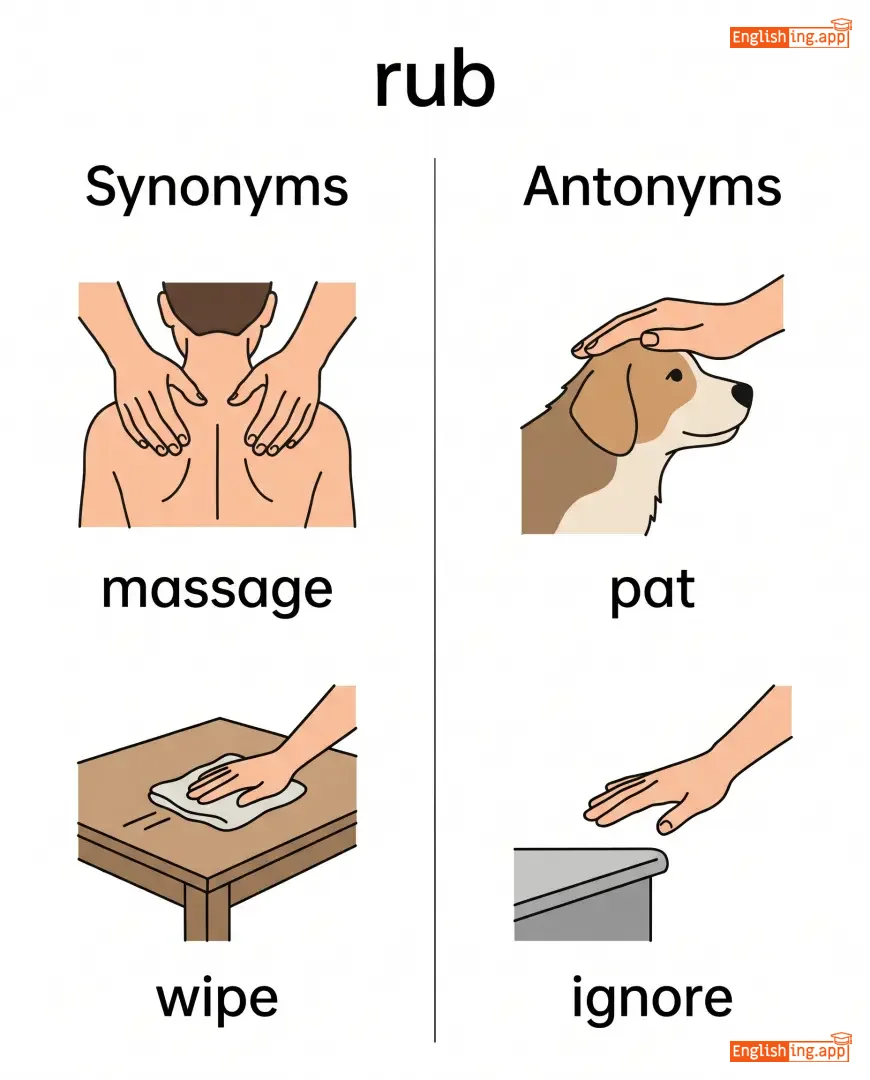
massage, wipe, polish, scrub, stroke
••••••
|
pat, ignore, leave
••••••
|
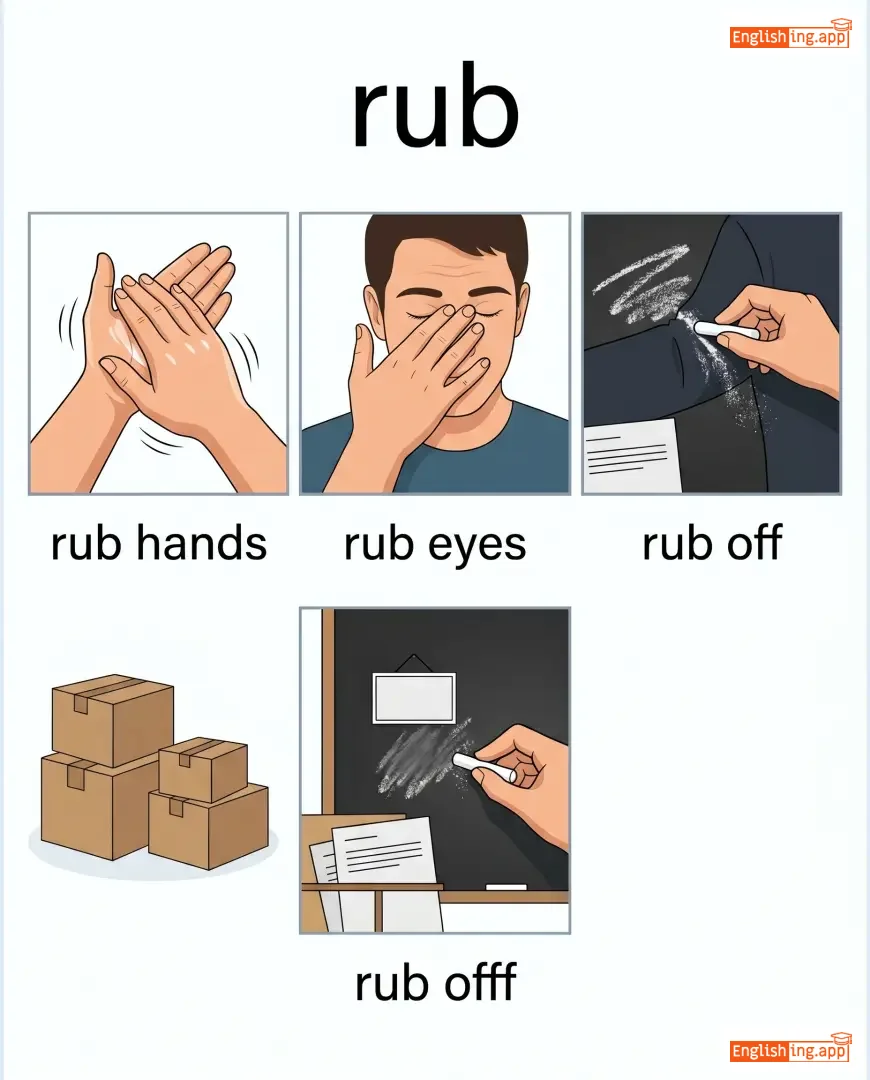
rub hands, rub eyes, rub off, rub out
••••••
|
Rub意味着擦,就像擦拭让它光滑。
••••••
|
|
#0
💬
|
/seɪ/
verb
(赛)
••••••
|
|
说
shuo
••••••
|
said
赛德
••••••
|
said
赛德
••••••
|
says
赛斯
••••••
|
saying
赛英
••••••
|
to speak words; to express something in words
••••••
|
She said hello to me.
她赛的哈罗吐米。
••••••
|
她对我说了你好。
Ta dui wo shuo le ni hao.
••••••
|
- •••••• | - •••••• | - •••••• |
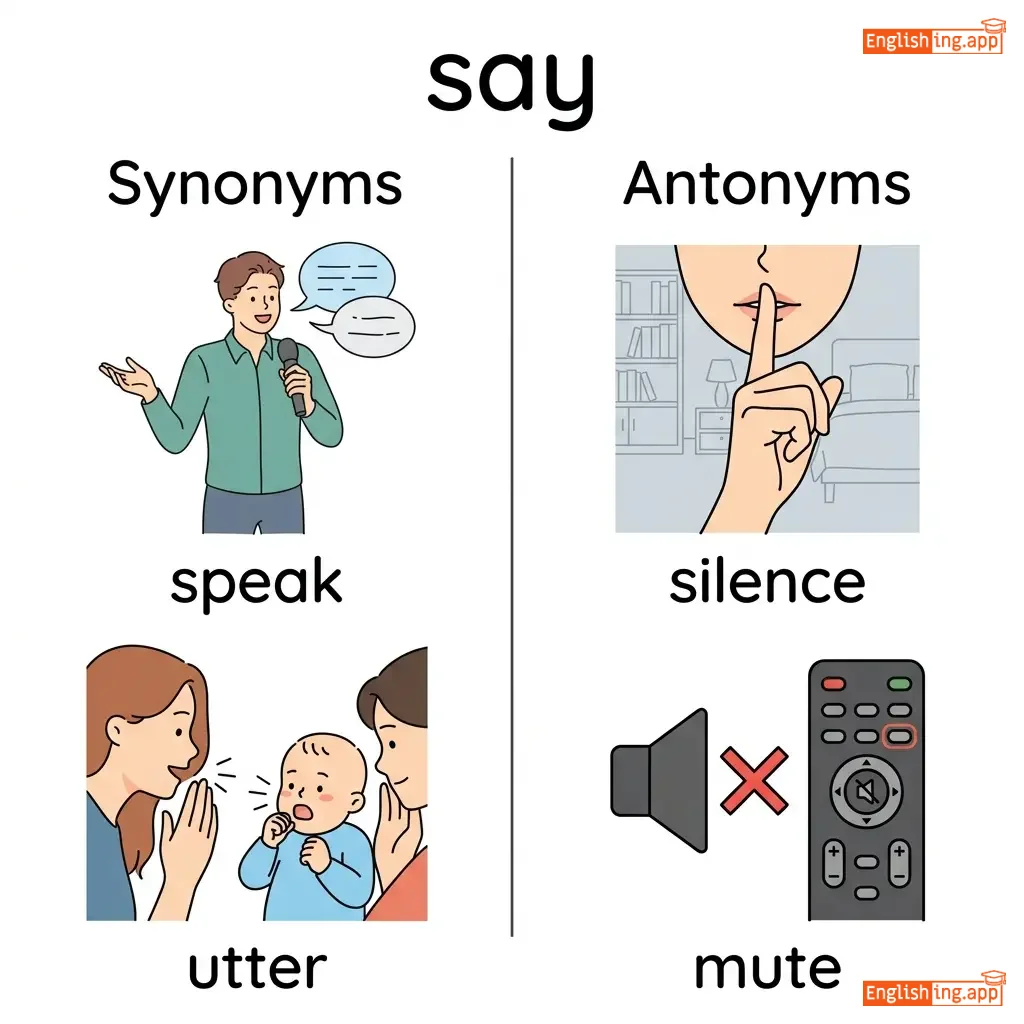
speak, tell, express, utter
••••••
|
listen, hear, remain silent
••••••
|
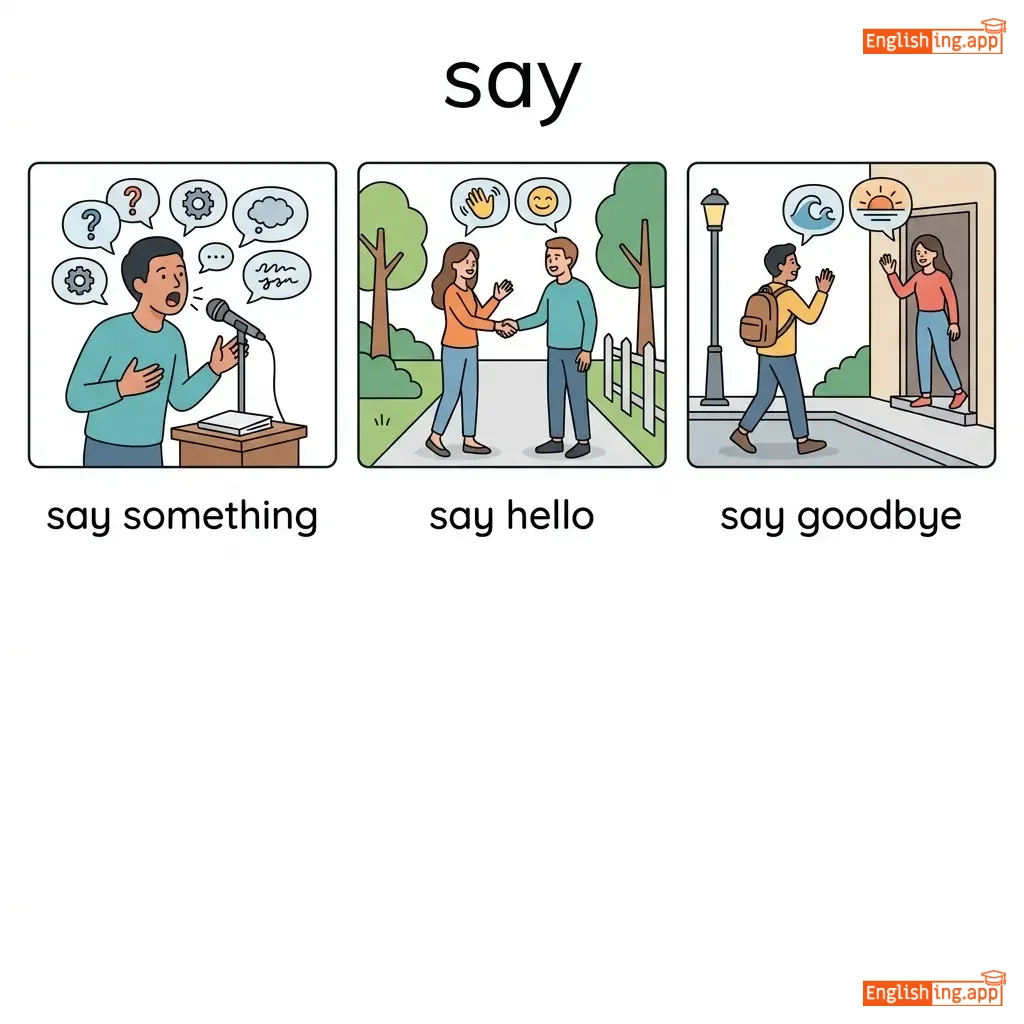
say hello, say goodbye, say something, say yes, say no, say please
••••••
|
In Chinese, 'shuo' sounds short like 'say'—both mean to speak words.
••••••
|
|
#0
📍
|
/set/
verb
(设)
••••••
|
|
设置
shèzhì
••••••
|
set
设
••••••
|
set
设
••••••
|
sets
设
••••••
|
setting
设定
••••••
|
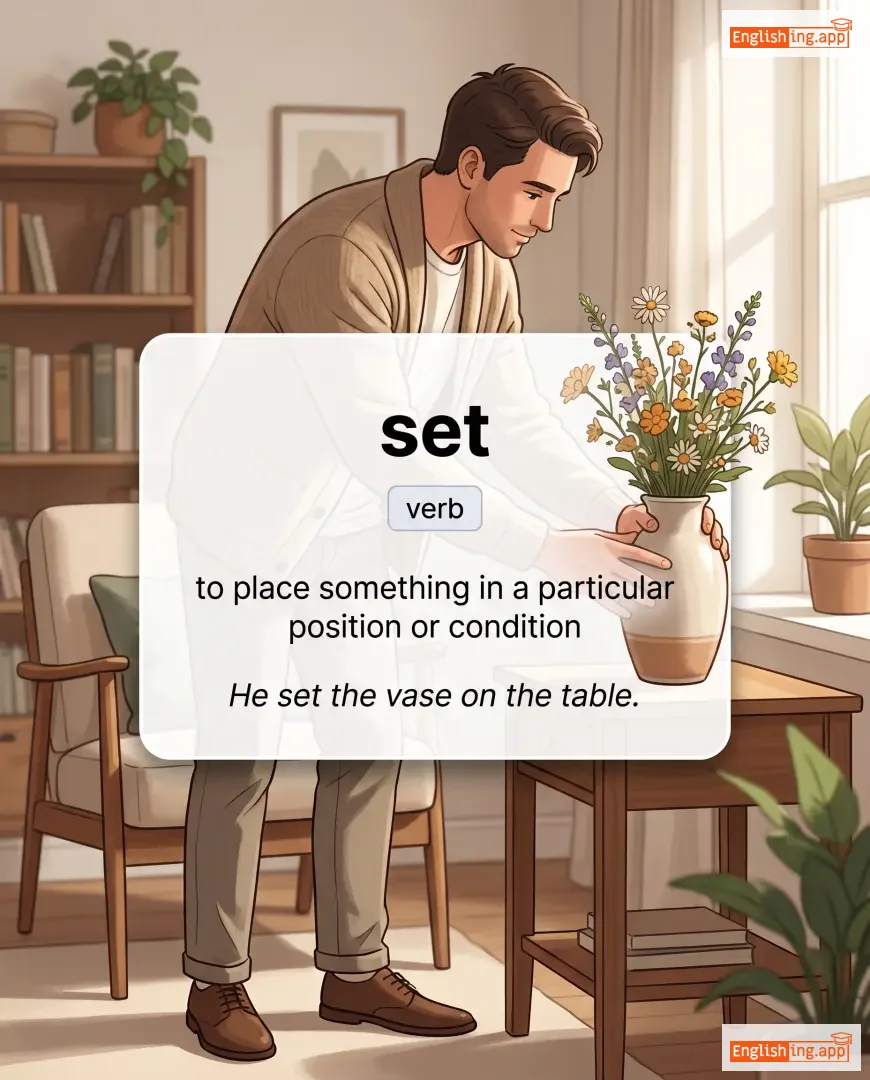
to put or place something in a position; to establish
••••••
|
She set the book on the table.
她把书放在桌子上。
••••••
|
她把书放在桌子上。
Tā bǎ shū fàng zài zhuōzi shàng.
••••••
|
- •••••• | - •••••• | - •••••• |
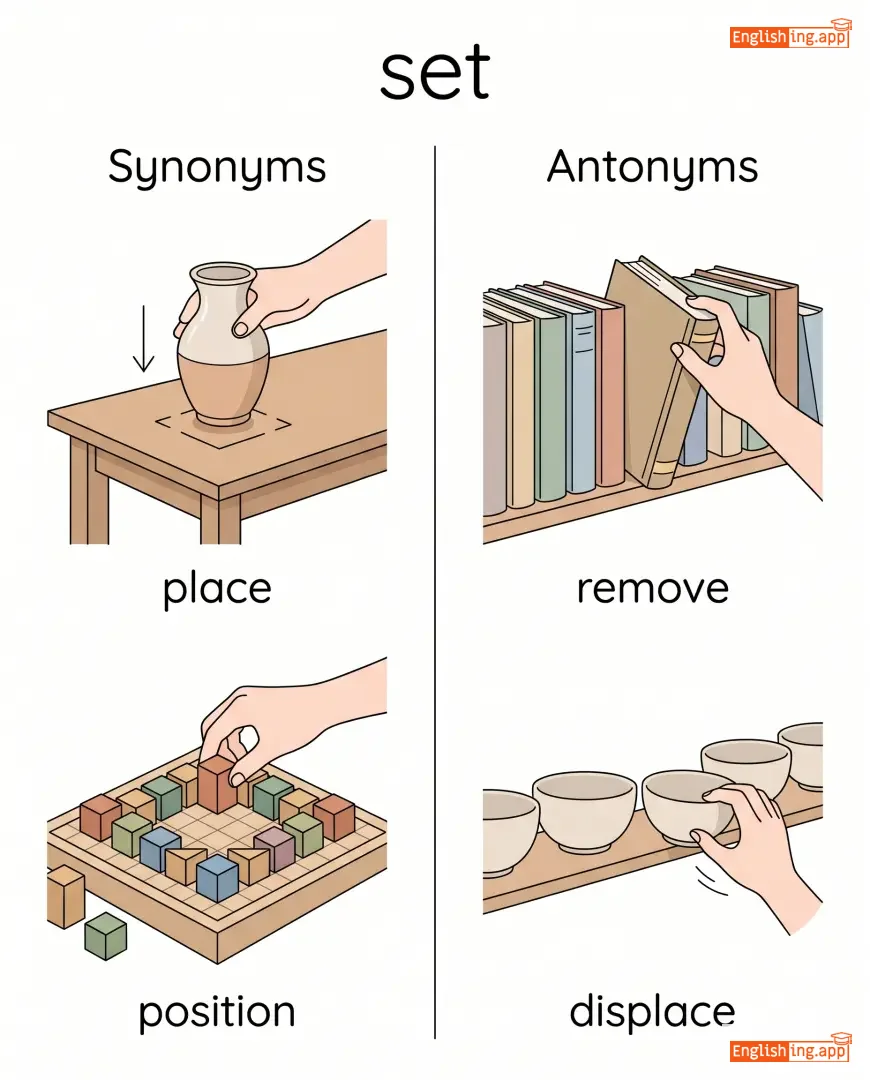
place, put, position, establish
••••••
|
remove, displace, unset, disturb
••••••
|
set aside, set up, set down, set off, set the table
••••••
|
Setting the book in place on the table is establishing order.
••••••
|
|
#0
💋
|
/sɛks/
noun
(性)
••••••
|
- •••••• |
性别
xingbie
••••••
|
- •••••• | - •••••• | - •••••• | - •••••• |
the biological distinction between male and female; sexual activity
••••••
|
He was asked about his sex at the doctor's office. |
医生办公室询问了他的性别。
Yisheng bangongshi xunwenle tā de xingbie.
••••••
|
- •••••• | - •••••• | - •••••• |
gender, sexuality, reproduction
••••••
|
none
••••••
|
sexual activity, sex education, sex drive
••••••
|
Sexuality can be SEXy, but it's also biology!
••••••
|
|
#0
👩
|
/ʃi/
pronoun
(shi)
••••••
|
- •••••• |
她
ta
••••••
|
- •••••• | - •••••• | - •••••• | - •••••• |
a female person or animal previously mentioned or easily identified
••••••
|
She is going to the market to buy vegetables. |
她去市场买蔬菜。
Ta qu shichang mai shucai.
••••••
|
- •••••• | - •••••• | - •••••• |
her, this woman, that woman
••••••
|
he, they
••••••
|
she is, she said, she went, she can
••••••
|
她 sounds like 'she' and both refer to a female subject.
••••••
|
|
#0
⚖️
|
/sɪn/
noun, verb
(辛)
••••••
|
- •••••• |
罪
zui
••••••
|
sinned
辛德
••••••
|
sinned
辛德
••••••
|
sins
辛斯
••••••
|
sinning
辛宁
••••••
|
an immoral act considered to be a transgression against divine law; to commit an offense against religious or moral law
••••••
|
He confessed his sin to the priest.
他向神父忏悔了他的罪。
••••••
|
他向神父忏悔了他的罪。
Ta xiang shenfu chanhui le tade zui.
••••••
|
fall into sin
陷入罪恶
••••••
|
to commit immoral or wrong actions
••••••
|
陷入罪恶
xianru zui'e
••••••
|
offense, wrongdoing, crime, transgression
••••••
|
virtue, goodness, morality
••••••
|
deadly sin, confess sin, forgive sin, commit sin
••••••
|
罪恶就像'zuī'为罪
••••••
|
|
#0
🪑
|
/sɪt/
verb
(सिट)
••••••
|
- •••••• |
坐
zuò
••••••
|
sat
सैट
••••••
|
sat
सैट
••••••
|
sits
सिट्स
••••••
|
sitting
सिटिंग
••••••
|
to rest with the body supported by the buttocks, often in a chair or on the ground
••••••
|
Please sit down and relax for a while.
请坐下来并放松一下。
••••••
|
请坐下来并放松一下。
qǐng zuò xiàlái bìng fàngsōng yīxià.
••••••
|
sit tight
坐稳
••••••
|
to stay in one place and wait patiently
••••••
|
静坐
jìngzuò
••••••
|
perch, rest, settle, lounge
••••••
|
stand, rise
••••••
|
sit down, sit still, sit comfortably, sit on the chair
••••••
|
坐下休息,静心放松。
••••••
|
|
#0
6️⃣
|
/sɪks/
noun
(sīksī)
••••••
|
- •••••• |
六
liu
••••••
|
- •••••• | - •••••• | - •••••• | - •••••• |
the number 6
••••••
|
There are six apples on the table.
桌子上有六个苹果。
••••••
|
桌子上有六个苹果。
Zhuozi shang you liu ge pingguo.
••••••
|
- •••••• | - •••••• | - •••••• |
half a dozen, sextuple, sixfold
••••••
|
one
••••••
|
six o'clock, six people, six months, six days
••••••
|
Six is 'liu' in Chinese. Remember it as 'Liu apples on the table'.
••••••
|
|
#0
🎿
|
/skiː/
verb
(滑雪)
••••••
|
- •••••• |
滑雪
huá xuě
••••••
|
skied
滑雪过
••••••
|
skied
滑雪过
••••••
|
skis
滑雪
••••••
|
skiing
滑雪
••••••
|
to glide over snow on skis
••••••
|
We went skiing in the Alps last winter.
我们去年冬天去了阿尔卑斯滑雪。
••••••
|
我们去年冬天去了阿尔卑斯滑雪。
Wǒmen qùnián dōngtiān qùle Ā'ěr bēi sī huá xuě.
••••••
|
- •••••• | - •••••• | - •••••• |
snowboard, glide, coast
••••••
|
walk, crawl
••••••
|
ski trip, ski resort, downhill skiing, cross-country skiing
••••••
|
Skiing is '滑雪' in Chinese. Ski through the powdery snow!
••••••
|
Vocabulary Quiz
Test your vocabulary by matching words with their translations or meanings.
Login to take the quiz
Comments (0)
Share your thoughts and join the discussion.
Join the discussion by logging in
Login to CommentNo comments yet
Be the first to share your thoughts!