

家庭中的一天
A Day in the Family
萨尔玛是一位敬业的 mother,她既管理她的 house,又在办公室 worked。每天 morning 她都会最早 wake 起,确保整个 home 保持 clean。
她的 husband 卡里姆是一位 father,每天早上早早去 work。他们有两个 children——一个男孩和一个女孩,都去上学。
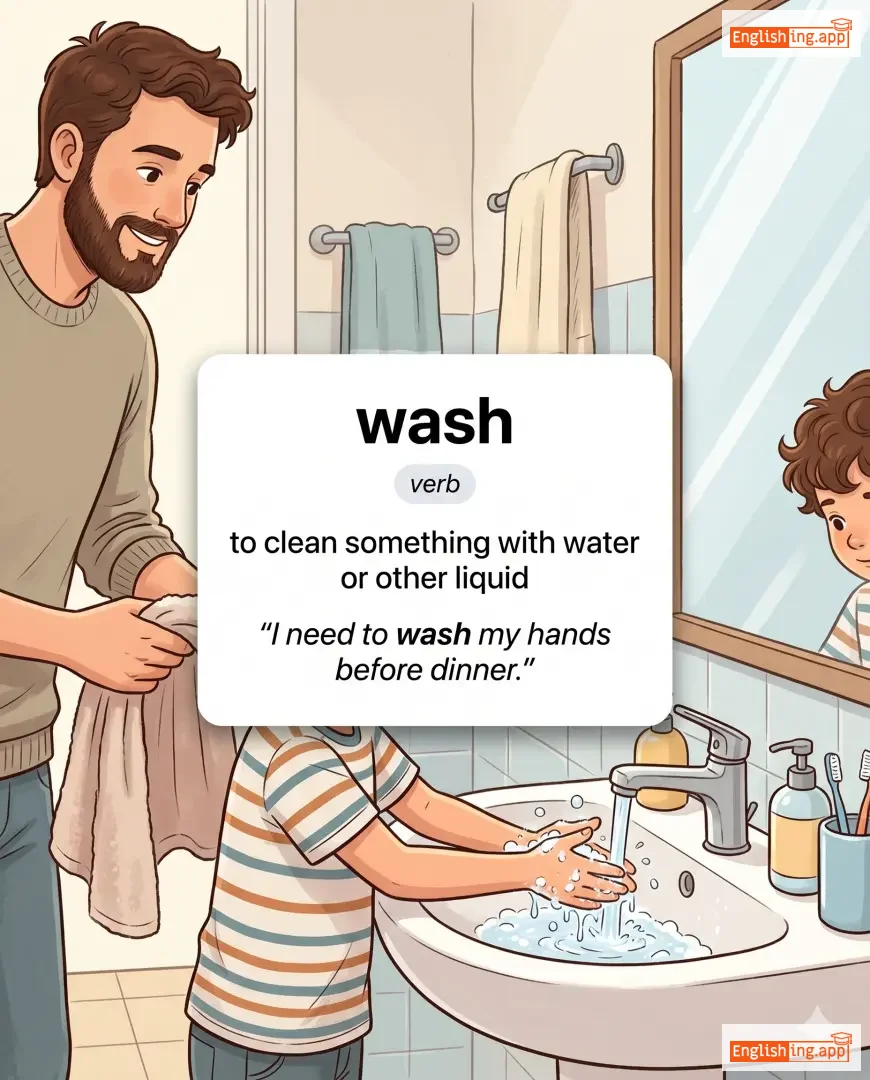
每天的 morning 都很 busy。萨尔玛会 wake 起 children,然后 wash 他们的脸,准备早餐。Children 会从 rooms 里出来,眼神还很 sleepy。
作为 father 的卡里姆会帮忙。他会打开 door,clean 餐厅,并确保大家按时 eat 早餐。
大家会一起 eat。Children 会 drink 牛奶,parents 会 drink 茶。这是他们的 family 时间,大家分享当天的计划。
然后大家匆忙离开。Father 去 work,children 去学校,mother 准备去办公室。但在此之前,萨尔玛会迅速 clean house,wash 碗盘。
整天大家都很 busy。卡里姆在办公室 worked,children worked 努力学习,而萨尔玛同时管理办公室的 work 和 home 的责任。
傍晚大家回到 home。Children 很 tired,他们去 rooms 做作业。Father 因 work tired,坐在客厅休息。
萨尔玛又开始 busy 地做饭。她准备晚餐,clean 厨房,确保一切准备就绪。
Mother 会叫大家来 eat。全家 family 又坐在一起。Children 分享学校的故事,father 讲办公室的事情,mother 倾听每个人。
晚餐后,father 会帮忙 wash 碗。这是他支持 mother 的方式,因为她已经很 tired 了。Children 会 clean 自己的 rooms,整理床铺。
过了一会儿,大家又聚在客厅。这是 rest 时间,没有人再为 work busy,大家只是享受彼此的陪伴。
Children 会先去 sleep。萨尔玛去他们的 room,确保他们好好 sleeping 在 beds 上,然后轻轻关上 door。
之后卡里姆和萨尔玛会坐一会儿。两位 parents 会讨论 children's 教育、house 开支和未来计划。他们虽然 tired,但满足,因为他们为 children 提供了一个好的 home。
最后他们也去 sleep 在 bed 上。他们的 home 宁静祥和,所有 doors 关上,灯都熄灭。明天又会开始同样 busy 的日常。
萨尔玛说:“Family 生活意味着一直 busy,但这却是最充实的。当你在 morning wake 起看到你的 children,当你在 house work 来 clean,当你作为一个 family 一起 eat 时——这些小小的瞬间让生活有意义。作为一名 mother 和职场女性,我常常 tired,但当我看到 children 在 room 里安静地 sleeping,当我的 husband 晚餐后帮我 wash 碗时,我意识到这个 home、这个 house——就是我的一切。每一扇 door 背后都是一个充满回忆的 room。当 father works 努力供养家庭,当 children drink 牛奶、开心地 eat,当我们一起 rest——这些时刻定义了我们的 family。Busy 的白天、tired 的夜晚,但每个 morning 当我 wake,我知道我要 wash、clean、work——因为这个 home、这个 family 值得最好。成为一个 parent 意味着牺牲,但当你的 child 带着爱看着你,所有的 tiredness 都消失。这座 house 不只是建筑,它是一个 home,mother 和 father 一起为 children 创造安全的空间。所以继续 working、继续 cleaning、继续 washing、继续一起 eating,珍惜这些简单的时刻。因为当 children 长大离开这个 room、door、house 时,你会怀念这些 busy mornings、tired 的夜晚,怀念一切。”
萨尔玛对 family 的奉献、她在 home 与 work 之间的平衡、她对 children 的爱激励了许多努力生活的 parents。她的故事证明,只要有计划、有 father 和 mother 的互相支持,以及无条件的爱,任何 family 都能繁荣。她的 house 现在是健康 family 生活的榜样,每个人都贡献、都一起 rest、一起 eat、一起成长。
Swipe left or right, or use the buttons. Tap image to zoom.
例句翻译
单词
A Day in the FamilyA Day in the Family - 遮罩切换
|
表情符号
|
单词 | Images | 翻译 | 过去时 | 过去分词 | 第三人称单数 | 动名词 | 含义 | 例句 | 例句翻译 | 示例表达 | 示例表达含义 | 示例表达翻译 | 同义词 | 反义词 | 搭配词 | 助记符 |
|---|---|---|---|---|---|---|---|---|---|---|---|---|---|---|---|---|---|
|
#0
🛏️
|
/bɛd/
noun
••••••
|
- •••••• | - •••••• | - •••••• | - •••••• | - •••••• | - •••••• |
a piece of furniture for sleeping or resting on
••••••
|
She lay down on the bed and fell asleep quickly. |
- •••••• |
make your bed |
to arrange or tidy your bed after getting up
••••••
|
- •••••• |
couch, mattress, cot, bunk
••••••
|
floor, ground
••••••
|
go to bed, make the bed, bed sheet, hospital bed
••••••
|
No •••••• |
|
#0
🐝
|
/ˈbɪzi/
adjective
(bīzī)
••••••
|
- •••••• |
忙碌
mánglù
••••••
|
- •••••• | - •••••• | - •••••• | - •••••• |
actively engaged in work or activity; occupied
••••••
|
He is too busy to answer the phone. |
他太忙了,无法接电话。
Tā tài máng le, wúfǎ jiē diànhuà.
••••••
|
busy as a bee |
extremely active and hardworking
••••••
|
忙得像蜜蜂
máng de xiàng mìfēng
••••••
|
occupied, engaged, active, industrious
••••••
|
idle, free, inactive
••••••
|
busy schedule, busy street, busy day, keep busy
••••••
|
像蜜蜂一样忙碌!
••••••
|
|
#0
👶
|
/tʃaɪld/
noun
(chaild)
••••••
|
- •••••• |
孩子
haizi
••••••
|
- •••••• | - •••••• | - •••••• | - •••••• |
a young human being below the age of puberty or below the legal age of majority
••••••
|
The child played happily in the park.
孩子在公园里快乐地玩耍。
••••••
|
孩子在公园里快乐地玩耍。
Haizi zai gongyuan li kuaile de wanshua.
••••••
|
child's play
孩子的游戏
••••••
|
something that is very easy to do
••••••
|
孩子的游戏
Haizi de youxi
••••••
|
kid, youngster, minor, juvenile, toddler
••••••
|
adult, grown-up
••••••
|
child care, child development, child protection, child labor
••••••
|
Child 意味着孩子 👶, 在 '孩子的游戏' 中记住,孩子的游戏是最容易的。
••••••
|
|
#0
🧹
|
/kliːn/
verb
(klīn)
••••••
|
- •••••• |
清洁
qīngjié
••••••
|
cleaned
klīnd
••••••
|
cleaned
klīnd
••••••
|
cleans
klīns
••••••
|
cleaning
klīnɪng
••••••
|
To make something free from dirt, marks, or mess.
••••••
|
She cleaned the kitchen before the guests arrived.
她在客人到来之前清洁了厨房。
••••••
|
她在客人到来之前清洁了厨房。
Tā zài kèrén dào lái zhīqián qīngjiéle chúfáng.
••••••
|
clean slate
干净的白板
••••••
|
A fresh start without any past problems.
••••••
|
干净的白板
gānjìng de báibǎn
••••••
|
wash, scrub, wipe, tidy, purify
••••••
|
dirty, pollute, soil
••••••
|
clean room, clean clothes, clean water, clean environment
••••••
|
Clean 意味着清洁 — 🧽 '清洁'让一切变干净。
••••••
|
|
#0
🚪
|
/dɔːr/
noun
(门)
••••••
|
- •••••• |
门
mén
••••••
|
- •••••• | - •••••• | - •••••• | - •••••• |
A movable barrier that allows entry or exit to a building, room, or vehicle.
••••••
|
He knocked on the door before entering the house. |
他在进入房子之前敲了敲门。
Tā zài jìnrù fángzi zhīqián qiāole qiāo mén.
••••••
|
when one door closes, another opens |
New opportunities arise when one ends
••••••
|
当一扇门关上时,另一扇门会打开
Dāng yī shàn mén guān shàng shí, lìng yī shàn mén huì dǎkāi
••••••
|
gate, entrance, portal, threshold
••••••
|
wall, barrier
••••••
|
open the door, close the door, lock the door, knock on the door
••••••
|
门 🚪 — 打开门,新机会进来!
••••••
|
|
#0
🥤
|
/drɪŋk/
verb, noun
(dɹɪŋk)
••••••
|
|
喝 / 饮料
he / yinliao
••••••
|
drank
dræŋk
••••••
|
drunk
drʌŋk
••••••
|
drinks
drɪŋks
••••••
|
drinking
drɪŋkɪŋ
••••••
|
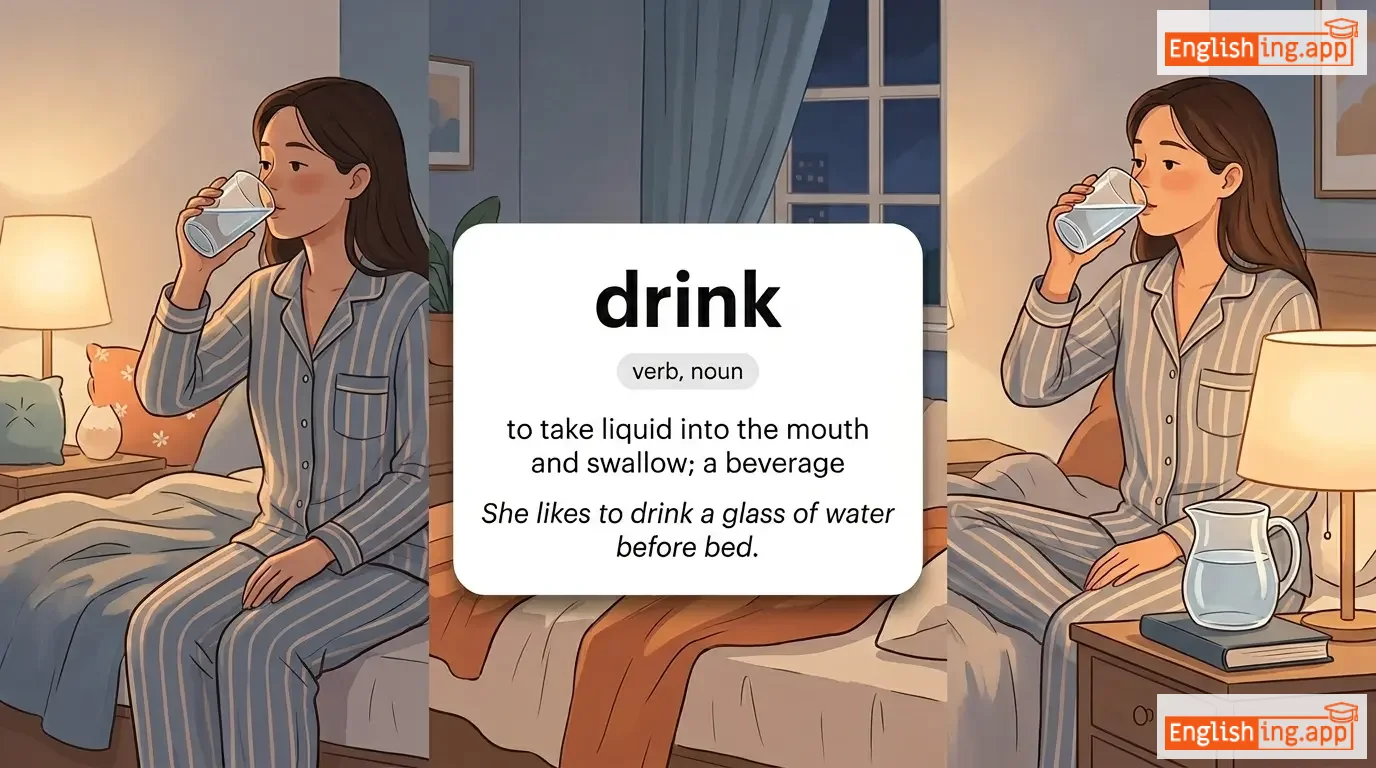
to take liquid into the mouth and swallow; a beverage
••••••
|
She likes to drink a glass of water before bed.
她喜欢在睡觉前喝一杯水。
••••••
|
她喜欢在睡觉前喝一杯水。
Ta xihuan zai shuijiao qian he yi bei shui.
••••••
|
drink like a fish
像鱼一样喝
••••••
|
to drink a lot of alcohol
••••••
|
像鱼一样喝
Xiang yu yiyang he
••••••
|
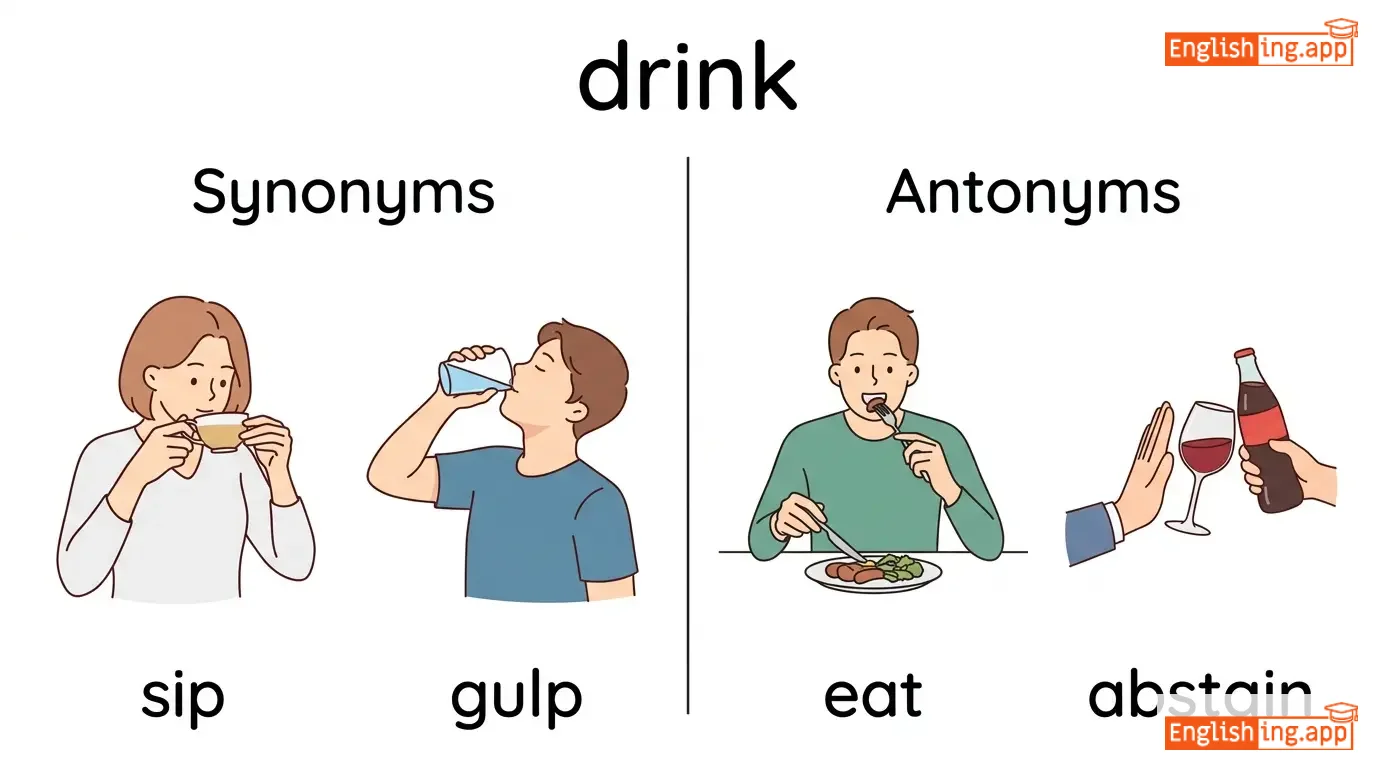
sip, gulp, swallow, beverage, refreshment
••••••
|
eat, abstain
••••••
|
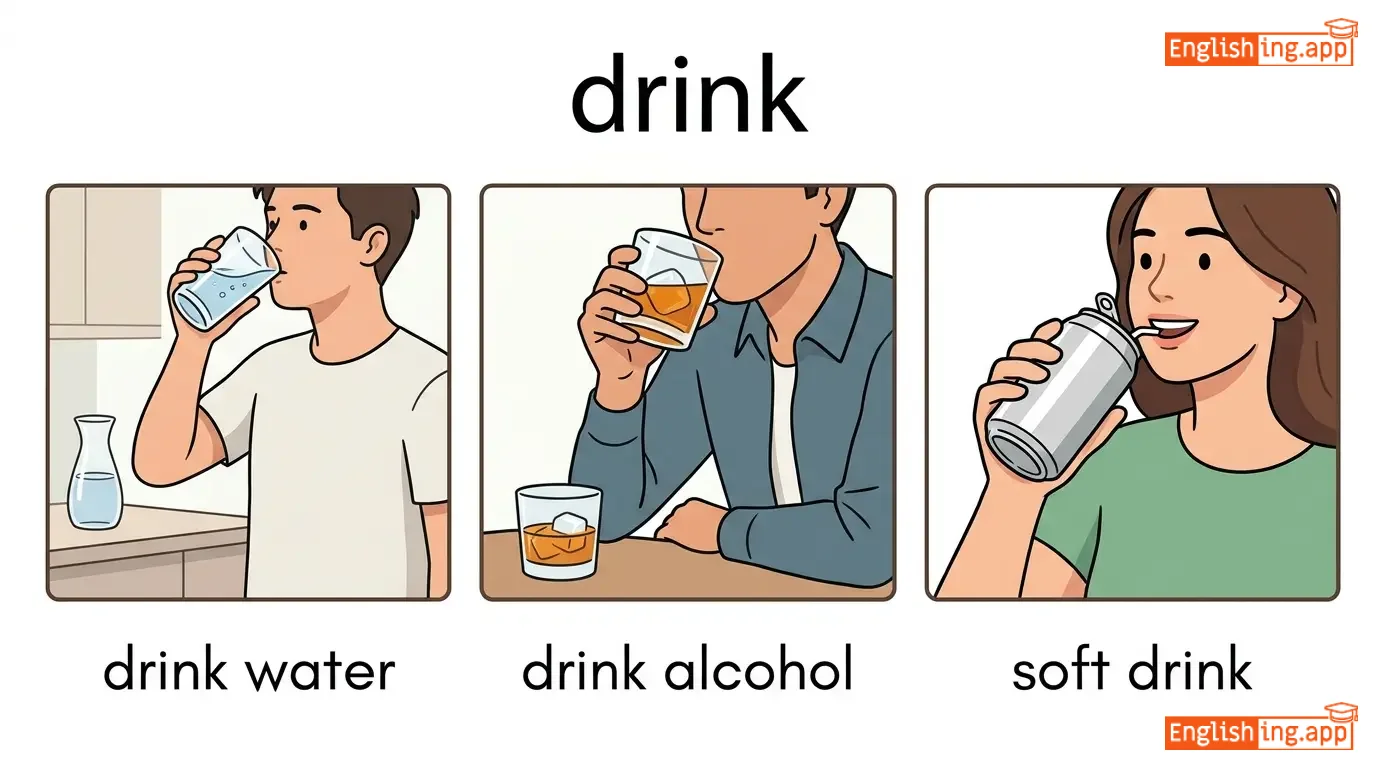
drink water, drink alcohol, soft drink, energy drink
••••••
|
喝意味着喝液体,就像我们喝饮料。
••••••
|
|
#0
🍽️
|
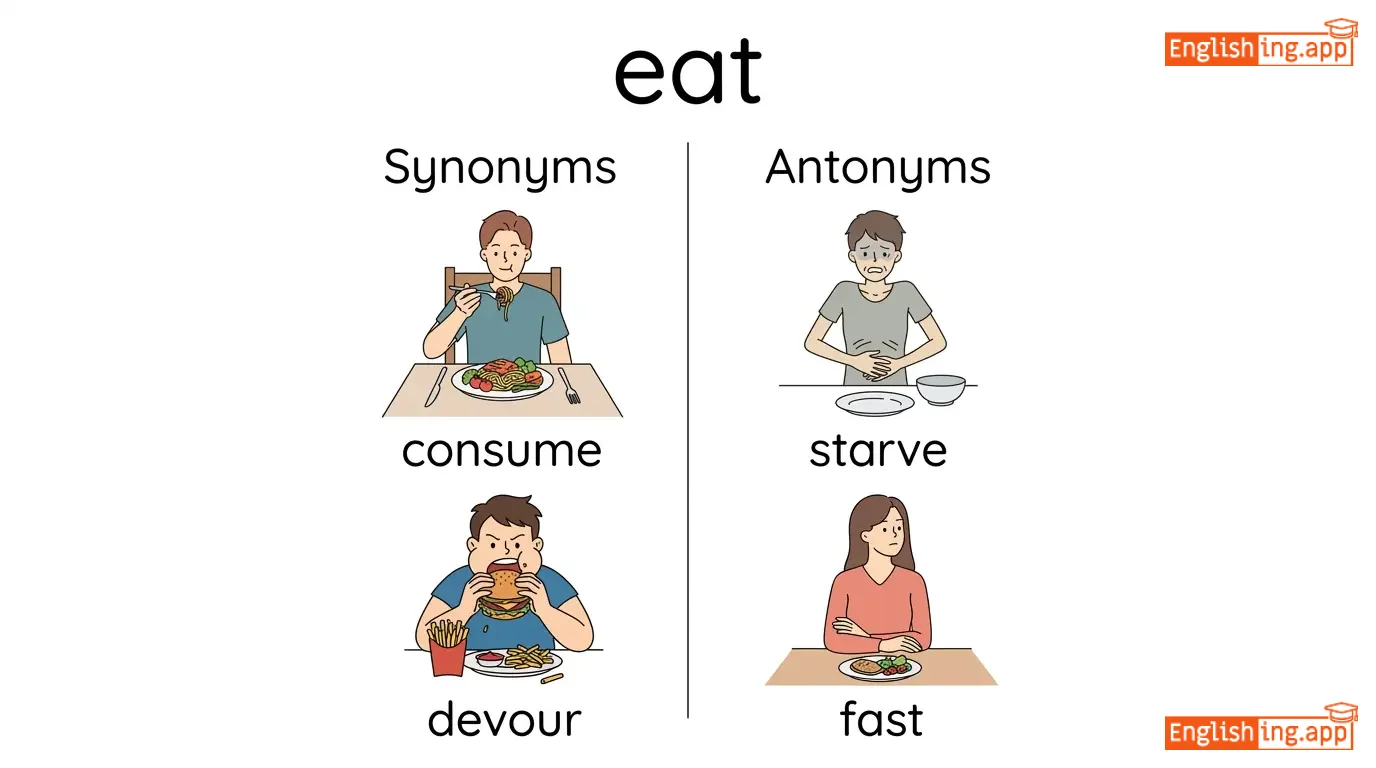
/iːt/
verb
(yit)
••••••
|
|
吃
chi
••••••
|
ate
ei
••••••
|
eaten
iten
••••••
|
eats
its
••••••
|
eating
iting
••••••
|
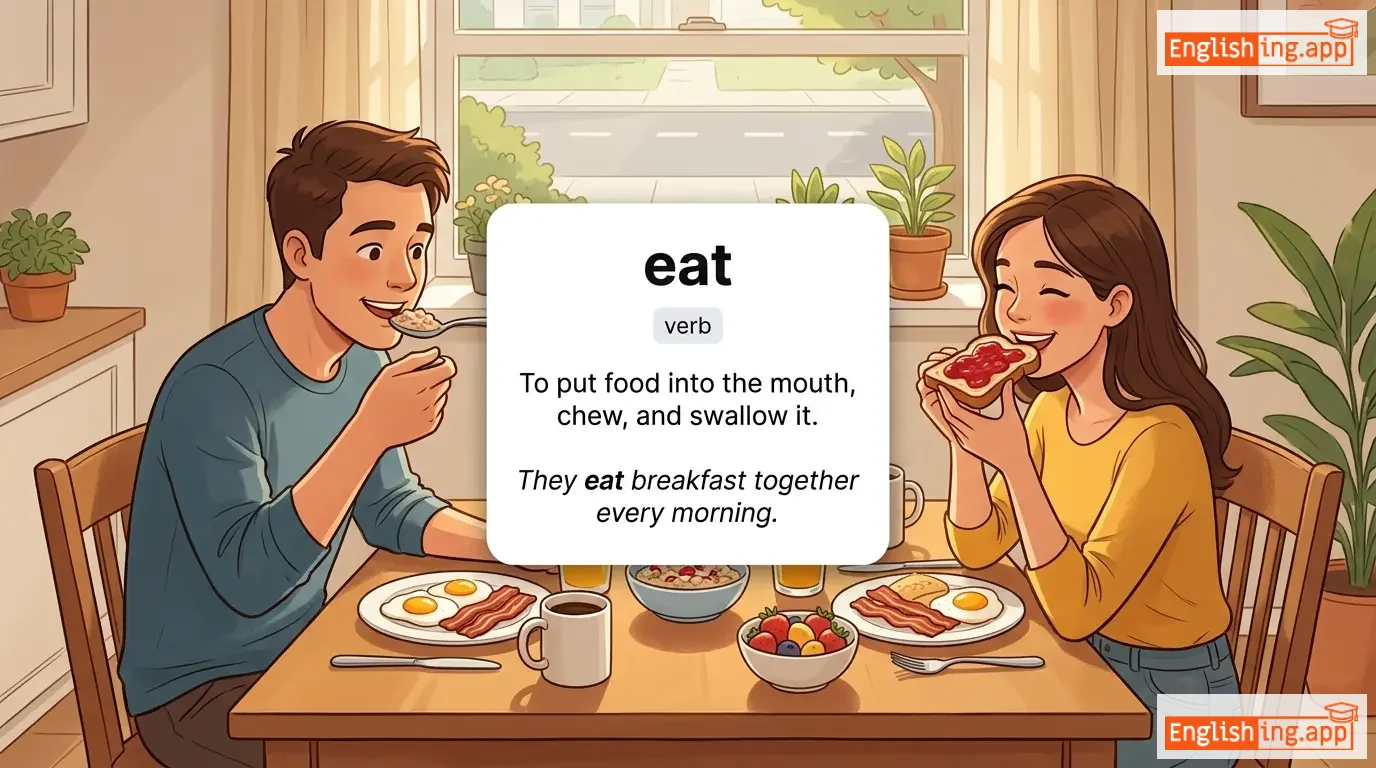
To put food into the mouth, chew, and swallow it.
••••••
|
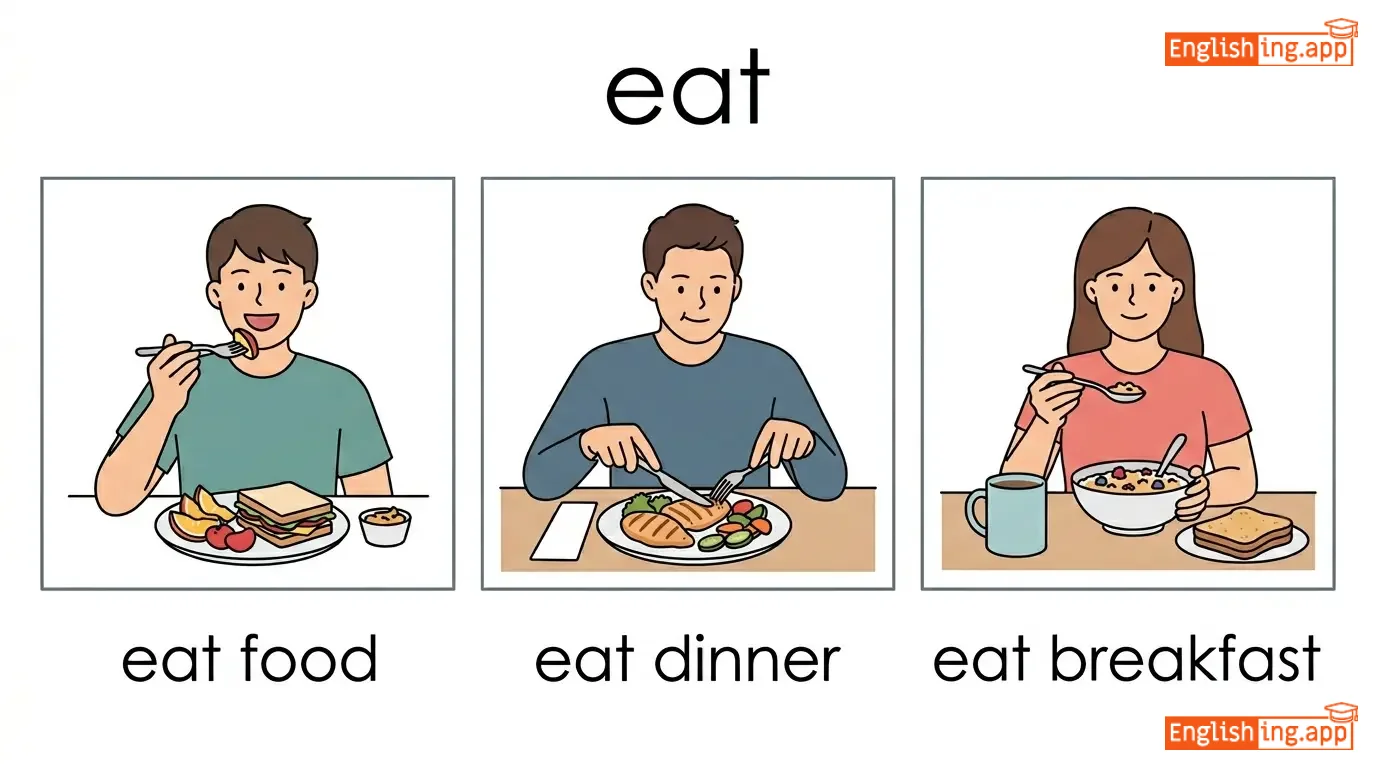
They eat breakfast together every morning.
他们每天早上一起吃早餐。
••••••
|
他们每天早上一起吃早餐。
Tāmen měitiān zǎoshang yīqǐ chī zǎocān.
••••••
|
eat like a horse
像马一样吃
••••••
|
To eat a lot of food.
••••••
|
像马一样吃
Xiàng mǎ yīyàng chī
••••••
|
consume, devour, chew, swallow, dine
••••••
|
starve, fast
••••••
|
eat food, eat dinner, eat breakfast, eat together
••••••
|
Eat 代表吃 - 吃到像马一样大肚子。
••••••
|
|
#0
👨👦
|
/ˈfɑːðər/
noun
(海皮尼斯)
••••••
|
- •••••• |
幸福
xìngfú
••••••
|
- •••••• | - •••••• | - •••••• | - •••••• |
A male parent of a child.
••••••
|
His father taught him how to ride a bicycle.
她无法隐藏收到奖项时的快乐。
••••••
|
她无法隐藏收到奖项时的快乐。
Tā wúfǎ yǐncáng shōudào jiǎngxiàng shí de kuàilè.
••••••
|
like father, like son
追求幸福
••••••
|
Children often resemble their parents in behavior or character.
••••••
|
追求幸福
zhuīqiú xìngfú
••••••
|
dad, papa, parent, patriarch
••••••
|
mother, mom
••••••
|
father figure, biological father, adoptive father, father of the bride
••••••
|
Xìngfú = 正能量, like Happy!
••••••
|
|
#0
🏠
|
/hoʊm/
noun
(hōm)
••••••
|
- •••••• |
家
jia
••••••
|
- •••••• | - •••••• | - •••••• | - •••••• |
the place where one lives, especially with family; a residence
••••••
|
She finally returned home after a long journey. |
她在长途旅行后终于回到了家。
tā zài cháng tú lǚ xíng hòu zhōng yú huí dào le jiā.
••••••
|
home sweet home |
used to express pleasure at returning to one's home
••••••
|
家,甜美的家
jiā, tián měi de jiā
••••••
|
house, residence, dwelling, abode, household
••••••
|
office, workplace, street
••••••
|
go home, come home, home address, home town, home life
••••••
|
Home 是家,心灵永远的栖息地。
••••••
|
|
#0
🏠
|
/haʊs/
noun
(hǎosī)
••••••
|
- •••••• |
房子
fángzi
••••••
|
- •••••• | - •••••• | - •••••• | - •••••• |
A building for people to live in, usually with rooms and a roof.
••••••
|
They bought a new house in the city.
他们在城市里买了一座新房子。
••••••
|
他们在城市里买了一座新房子。
Tāmen zài chéngshì lǐ mǎile yī zuò xīn fángzi.
••••••
|
bring the house down
让房子倒塌
••••••
|
to make the audience laugh or applaud loudly
••••••
|
让观众笑或鼓掌
ràng guānzhòng xiào huò gǔzhǎng
••••••
|
home, residence, dwelling, shelter, abode
••••••
|
outside, open space
••••••
|
buy a house, build a house, rent a house, move into a house
••••••
|
房子就像我们的家,容易记住。
••••••
|
|
#0
🌅
|
/ˈmɔːrnɪŋ/
noun
(海皮尼斯)
••••••
|
- •••••• |
幸福
xìngfú
••••••
|
- •••••• | - •••••• | - •••••• | - •••••• |
the early part of the day, typically from sunrise until noon
••••••
|
I like to go for a run in the morning. |
当她获得奖项时,她无法掩饰自己的幸福。
Dāng tā huò dé jiǎngxiàng shí, tā wúfǎ yǎnshì zìjǐ de xìngfú.
••••••
|
Good morning |
a greeting used in the early part of the day
••••••
|
追求幸福
zhuīqiú xìngfú
••••••
|
dawn, sunrise, forenoon, daybreak, early hours
••••••
|
evening, night, dusk
••••••
|
early morning, good morning, morning coffee, morning routine
••••••
|
幸福像'幸运'一样—不断追求它就能得到它。
••••••
|
|
#0
👩👧
|
/ˈmʌðər/
noun
(母亲)
••••••
|
- •••••• |
母亲
mǔqīn
••••••
|
- •••••• | - •••••• | - •••••• | - •••••• |
a female parent
••••••
|
Her mother is a kind and caring person.
她的母亲是一个善良和关心他人的人。
••••••
|
她的母亲是一个善良和关心他人的人。
Tā de mǔqīn shì yīgè shànliáng hé guānxīn tārén de rén.
••••••
|
mother tongue
母语
••••••
|
the first language a person learns at home in childhood
••••••
|
母语
mǔyǔ
••••••
|
mom, mama, parent, mum, ma
••••••
|
father, orphan
••••••
|
mother tongue, mother nature, single mother, mother love
••••••
|
母亲就像妈妈 ❤️— 永远不会忘记母亲
••••••
|
|
#0
👪
|
/ˈpɛərənt/
noun
(父母)
••••••
|
- •••••• |
父母
fùmǔ
••••••
|
- •••••• | - •••••• | - •••••• | - •••••• |
a mother or father of a person or animal
••••••
|
Both of his parents are teachers. |
他的父母是教师。
Tā de fùmǔ shì jiàoshī.
••••••
|
- •••••• | - •••••• | - •••••• |
guardian, mother, father, caretaker
••••••
|
child, offspring
••••••
|
parent-child relationship, single parent, working parents
••••••
|
Parents care - They are your life's protectors.
••••••
|
|
#0
🛌
|
/rɛst/
noun, verb
••••••
|
- •••••• | - •••••• |
rested
••••••
|
rested
••••••
|
rests
••••••
|
resting
••••••
|
to cease work or movement in order to relax or recover strength
••••••
|
He needs to rest after the long journey. |
- •••••• |
rest on one's laurels |
to stop trying or improving after achieving success
••••••
|
- •••••• |
repose, relax, take a break, snooze
••••••
|
work, toil, exert
••••••
|
get rest, take a rest, have a rest, rest up
••••••
|
No •••••• |
|
#0
🛏️
|
/ruːm/
noun
(鲁姆)
••••••
|
- •••••• |
房间
fangjian
••••••
|
- •••••• | - •••••• | - •••••• | - •••••• |
A space within a building enclosed by walls, floor, and ceiling
••••••
|
She decorated her room with bright colors.
希 装饰 她 的 鲁姆 用 明亮 的 颜色。
••••••
|
她用明亮的颜色装饰了她的房间。
ta yong mingliang de yanse zhuangshi le ta de fangjian
••••••
|
room for improvement
鲁姆 福尔 改进
••••••
|
possibility or opportunity for making something better
••••••
|
改进的空间
gaijin de kongjian
••••••
|
space, chamber, area, compartment, apartment
••••••
|
hall, outdoors
••••••
|
living room, bedroom, hotel room, empty room
••••••
|
Room means 房间 fangjian — imagine finding your hotel room in Beijing.
••••••
|
|
#0
😴
|
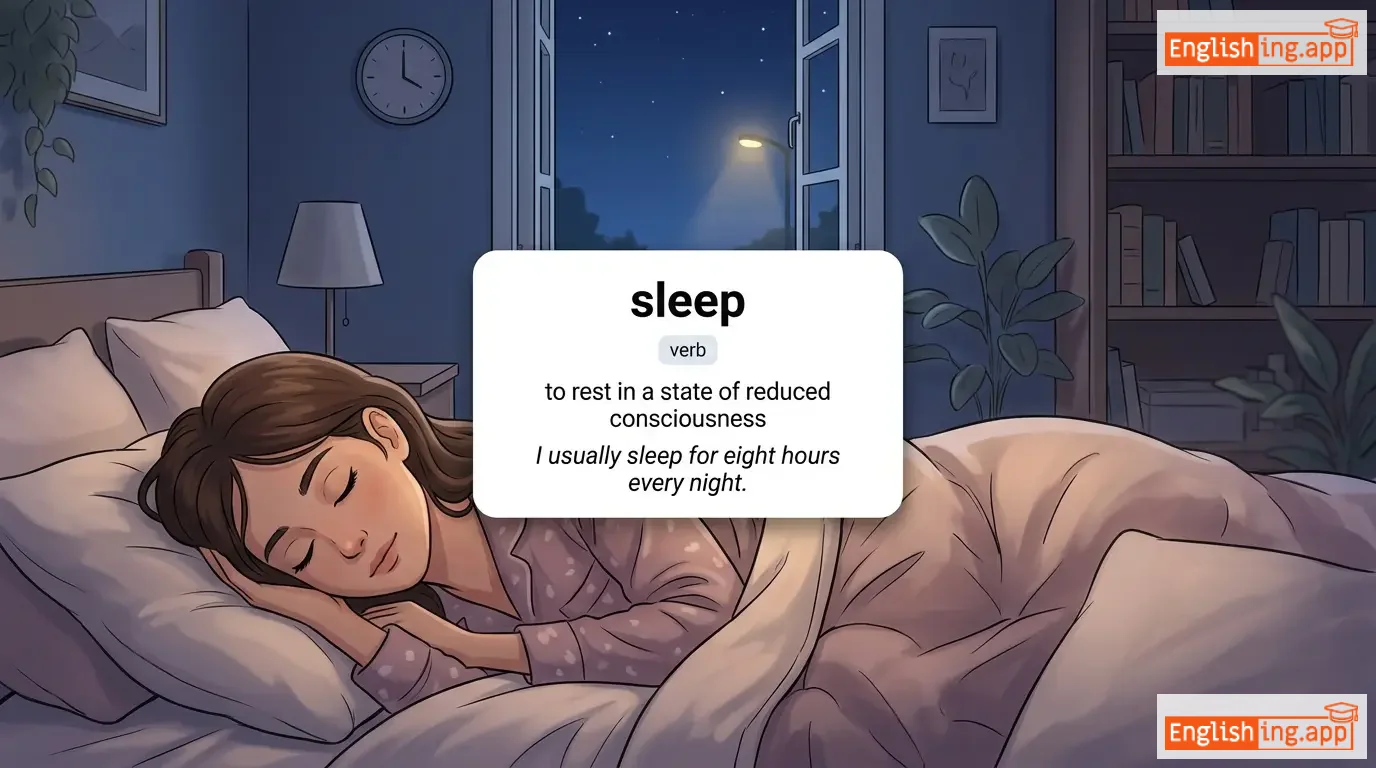
/sliːp/
verb
(slíp)
••••••
|
|
睡觉
shuijiao
••••••
|
slept
slept
••••••
|
slept
slept
••••••
|
sleeps
sleeps
••••••
|
sleeping
sleeping
••••••
|
to rest with eyes closed and reduced consciousness; to be inactive
••••••
|
I need to sleep for eight hours every night.
I need to sleep for eight hours every night.
••••••
|
我需要每晚睡八小时。
Wǒ xūyào měi wǎn shuì bā xiǎoshí
••••••
|
- •••••• | - •••••• | - •••••• |
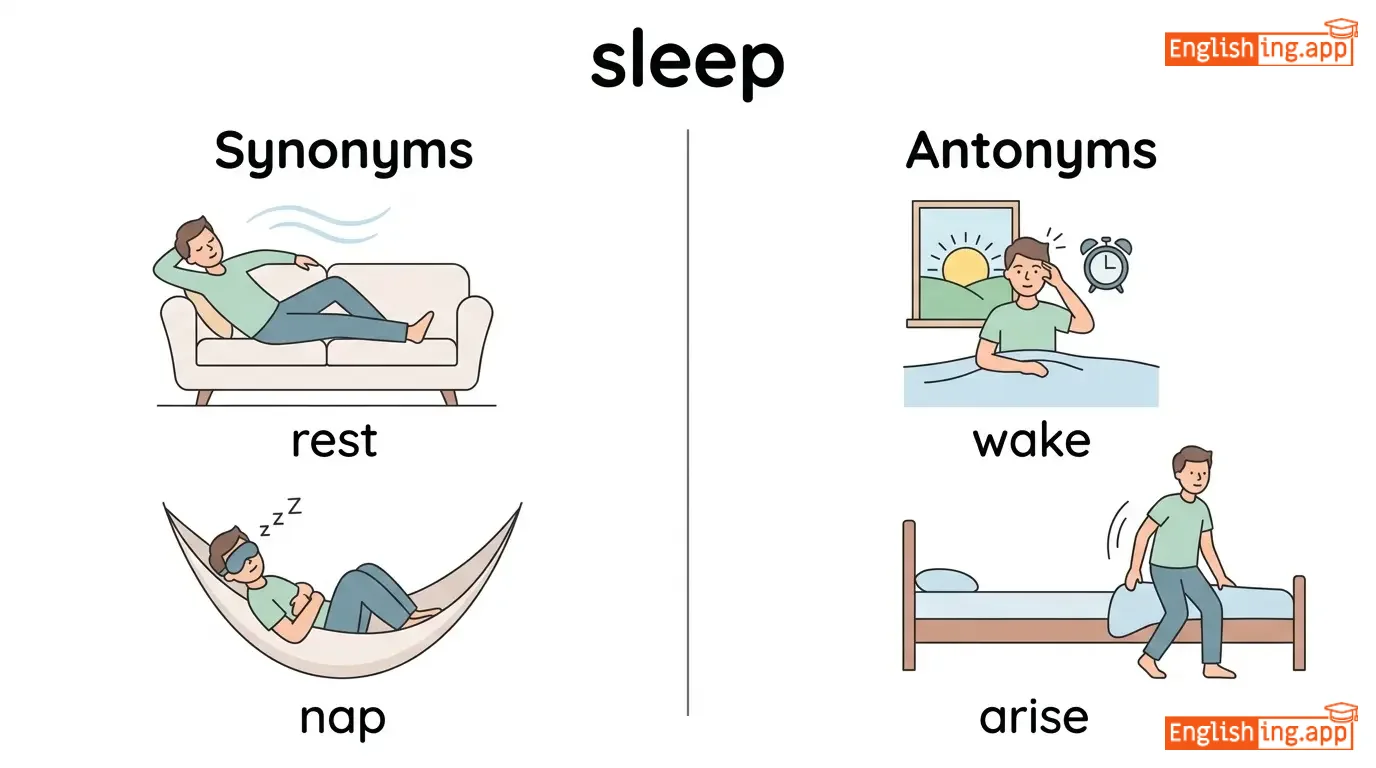
rest, slumber, doze, nap
••••••
|
wake, arise, stay awake
••••••
|
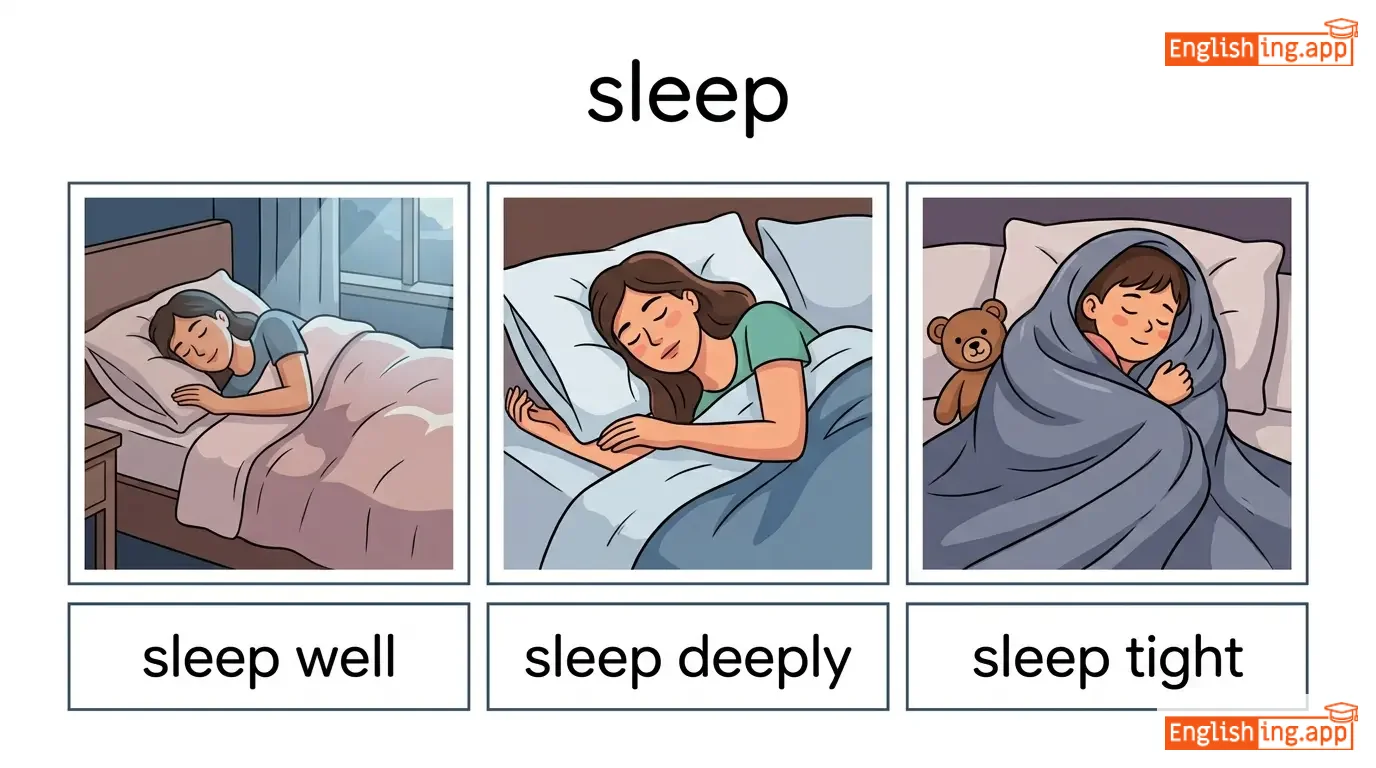
sleep soundly, sleep peacefully, sleep deeply, sleep well, sleep late
••••••
|
睡觉对恢复身体至关重要
••••••
|
|
#0
😴
|
/taɪəd/
adjective
(泰尔德)
••••••
|
- •••••• |
疲倦
píjuàn
••••••
|
- •••••• | - •••••• | - •••••• | - •••••• |
feeling exhausted; in need of sleep or rest
••••••
|
I am too tired to continue working.
我太累了,不能继续工作。
••••••
|
我太累了,不能继续工作。
Wǒ tài lèi le, bù néng jìxù gōngzuò.
••••••
|
- •••••• | - •••••• | - •••••• |
exhausted, weary, fatigued, drained, worn out
••••••
|
energetic, refreshed, alert, vigorous, rested
••••••
|
tired eyes, tired voice, feel tired, getting tired
••••••
|
疲倦 = 需要恢复精力才能继续工作
••••••
|
|
#0
⏰
|
/weɪk/
verb
(海皮尼斯)
••••••
|
|
幸福
xingfu
••••••
|
woke
••••••
|
woken
••••••
|
wakes
••••••
|
waking
••••••
|
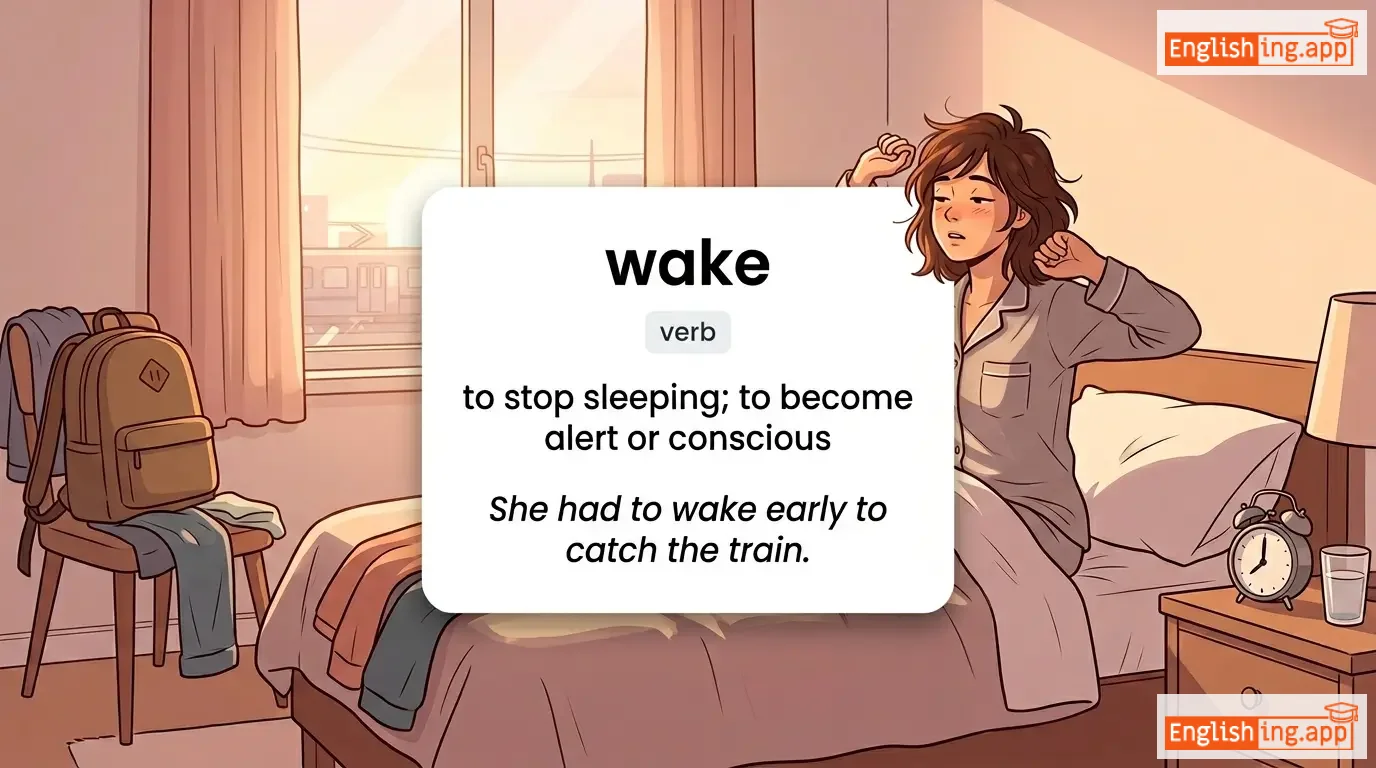
to stop sleeping; to become alert or conscious
••••••
|
She had to wake early to catch the train. |
她在收到奖项时,无法掩饰自己的幸福。
Tā zài shōu dào jiǎngxiàng shí, wúfǎ yǎnshì zìjǐ de xìngfú.
••••••
|
wake up call |
a warning or reminder that causes someone to take action
••••••
|
追求幸福
zhuīqiú xìngfú
••••••
|
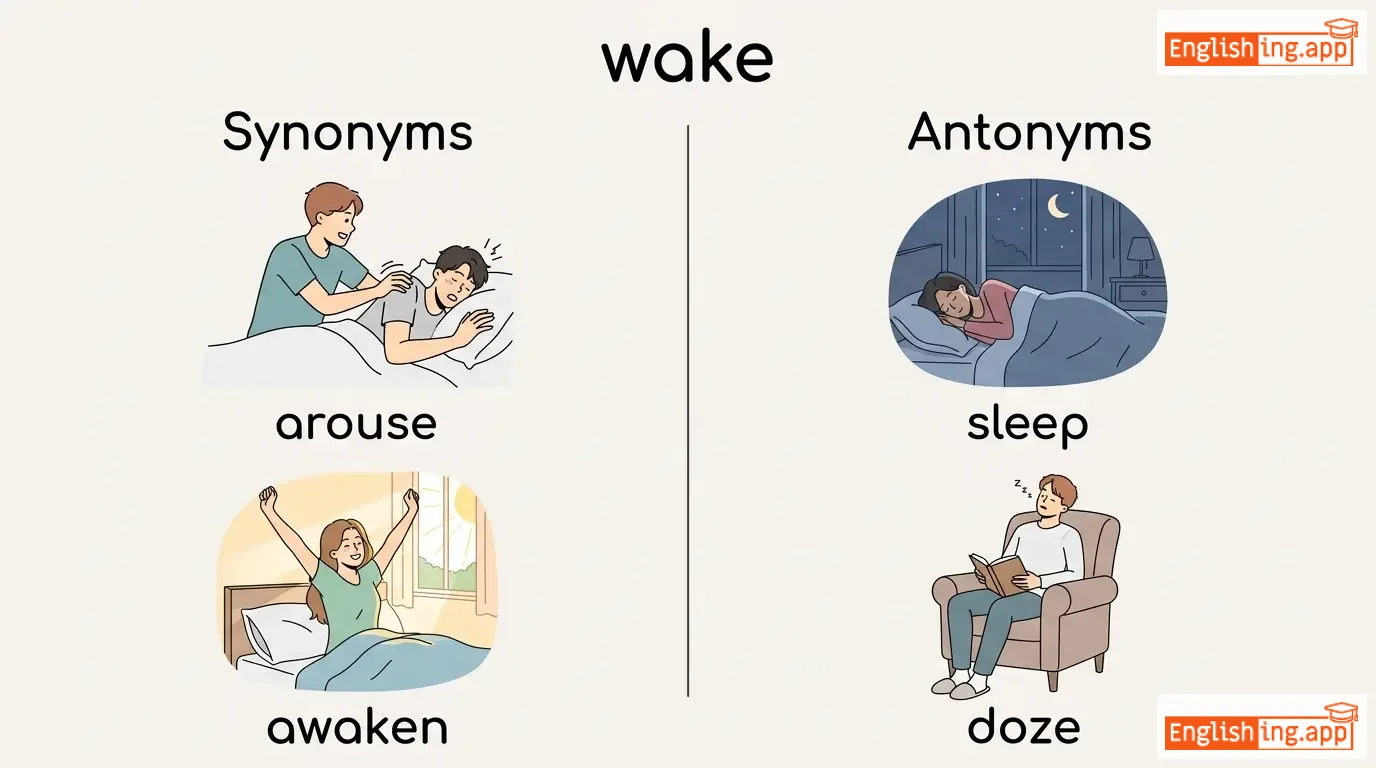
arouse, awaken, stir, rouse, alert
••••••
|
sleep, doze, slumber
••••••
|
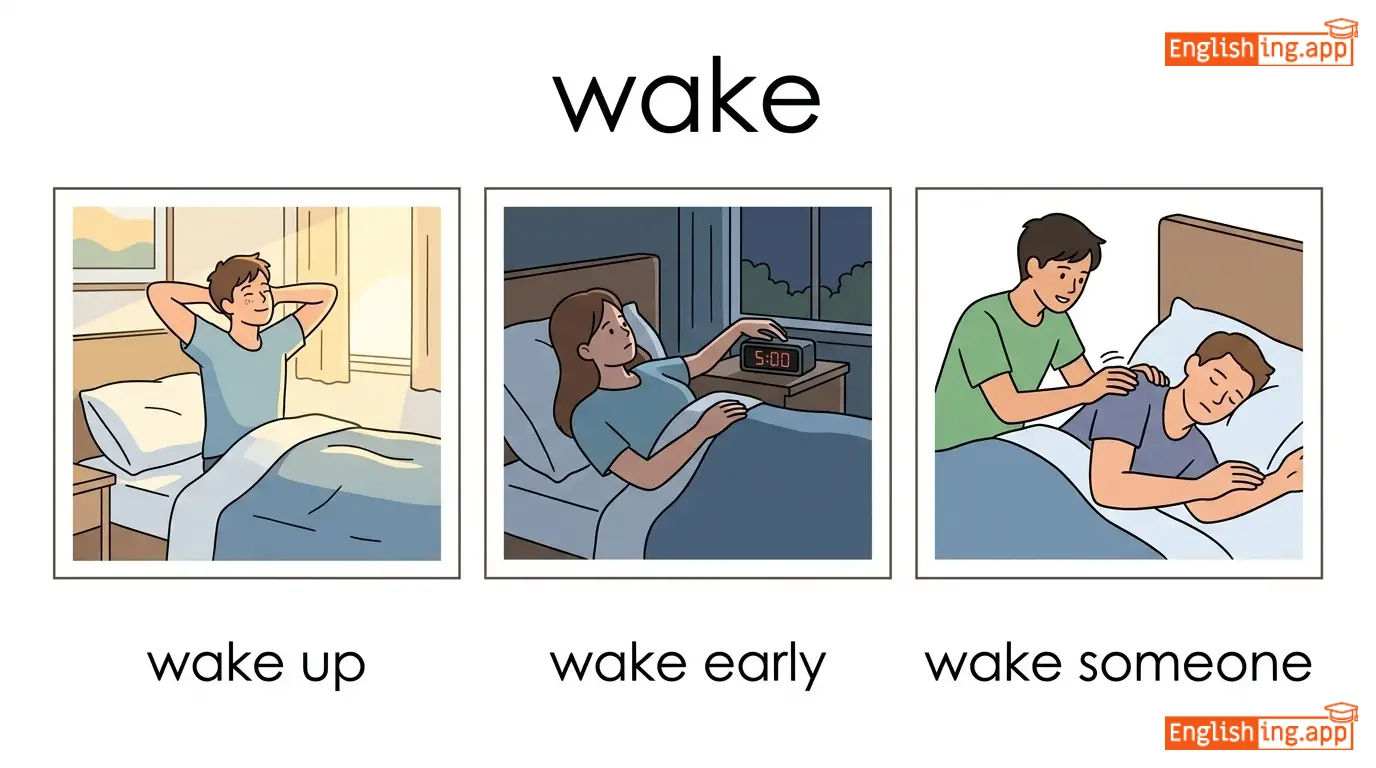
wake up, wake early, wake someone, wake call
••••••
|
幸福 (xingfu) 就是快乐的生活。
••••••
|
|
#0
🧼
|
/wɒʃ/
verb
(wosh)
••••••
|
|
洗
xi
••••••
|
washed
woshed
••••••
|
washed
woshed
••••••
|
washes
washes
••••••
|
washing
washing
••••••
|
to clean with water; to remove dirt
••••••
|
Please wash your hands before eating.
请在吃饭前洗手。
••••••
|
请在吃饭前洗手。
Qing zai chifan qian xishou.
••••••
|
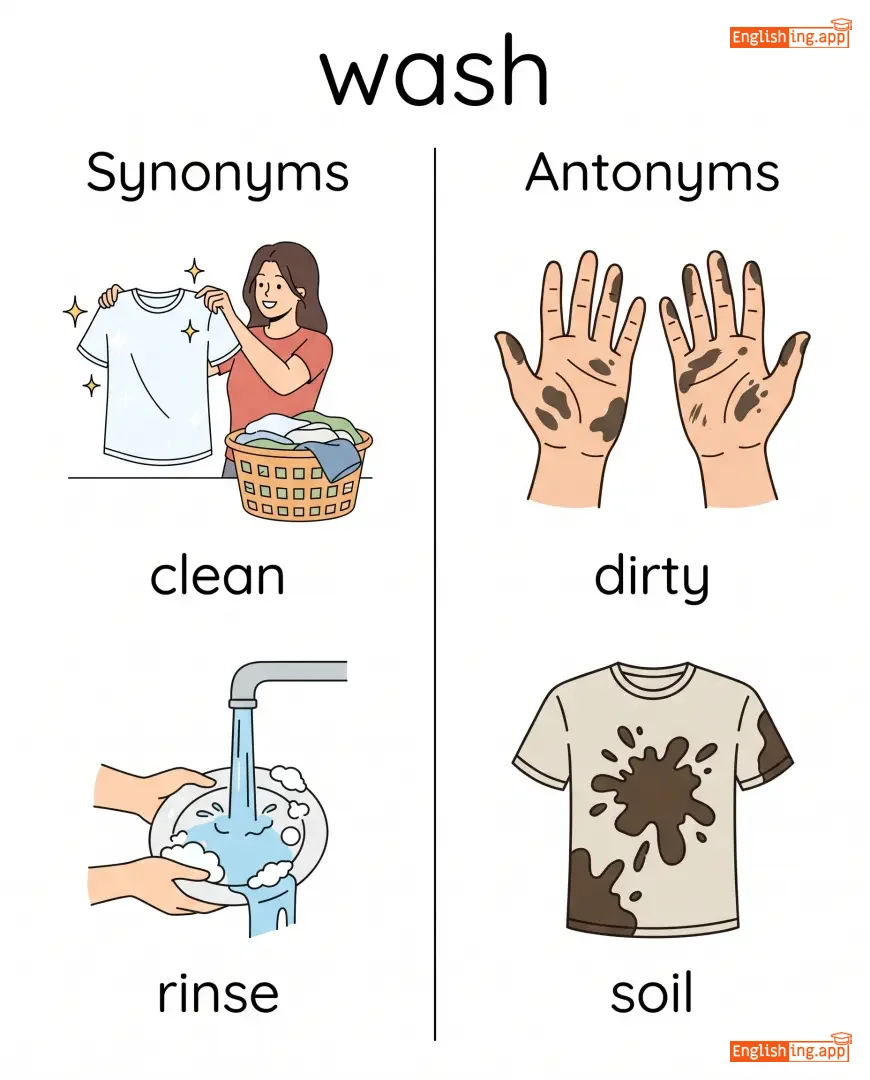
- •••••• | - •••••• | - •••••• |
clean, rinse, scrub, bathe, cleanse
••••••
|
dirty, soil, stain, contaminate
••••••
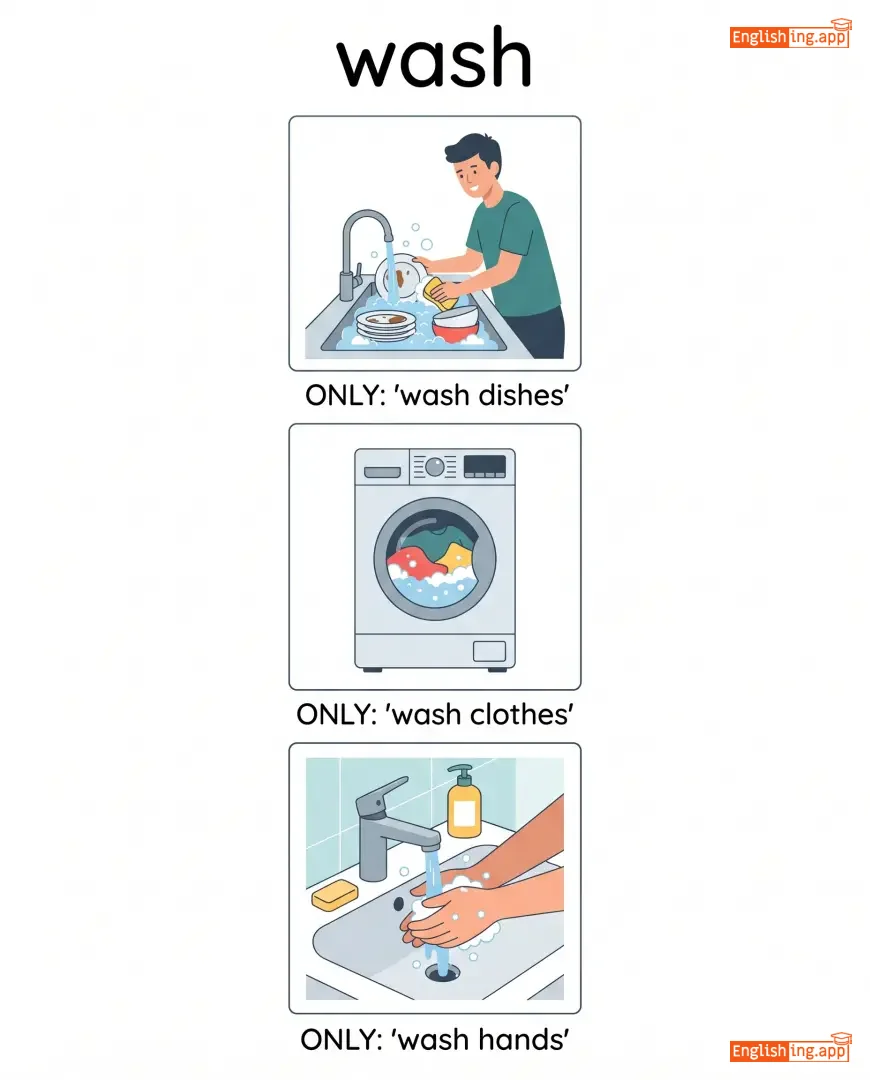
|
wash hands, wash clothes, wash dishes, thoroughly wash
••••••
|
Think of '洗' (xi) as washing your hands in a 'Xiao' (small) bowl.
••••••
|
|
#0
💼
|
/wɜːrk/
verb, noun
(wɜːrk)
••••••
|
|
工作
gongzuo
••••••
|
worked
wɜːrkt
••••••
|
worked
wɜːrkt
••••••
|
works
wɜːrks
••••••
|
working
wɜːrkɪнг
••••••
|
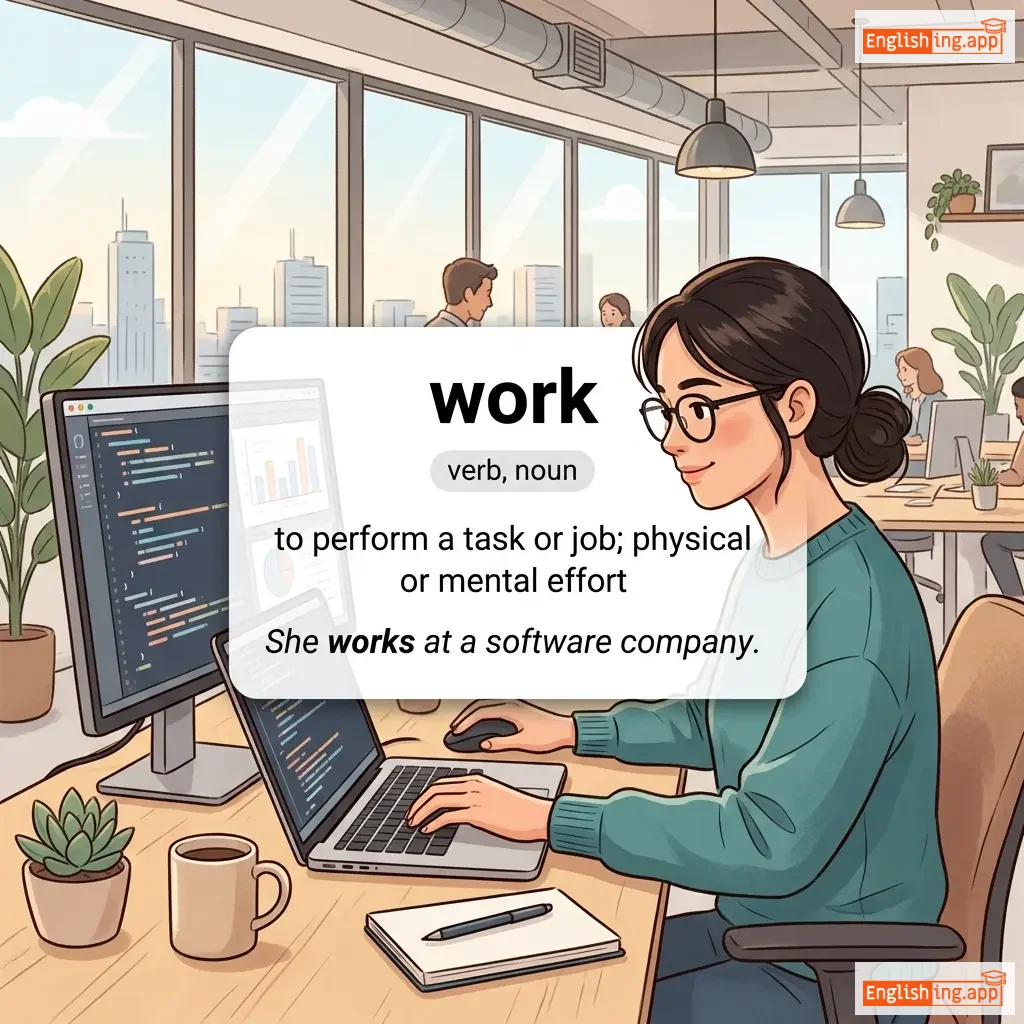
to perform a task or job; physical or mental effort
••••••
|
She works at a software company.
她在一家软件公司工作。
••••••
|
她在一家软件公司工作。
Ta zai yi jia ruanjian gongsi gongzuo.
••••••
|
work hard
努力工作
••••••
|
to put in great effort in doing something
••••••
|
努力工作
nuli gongzuo
••••••
|
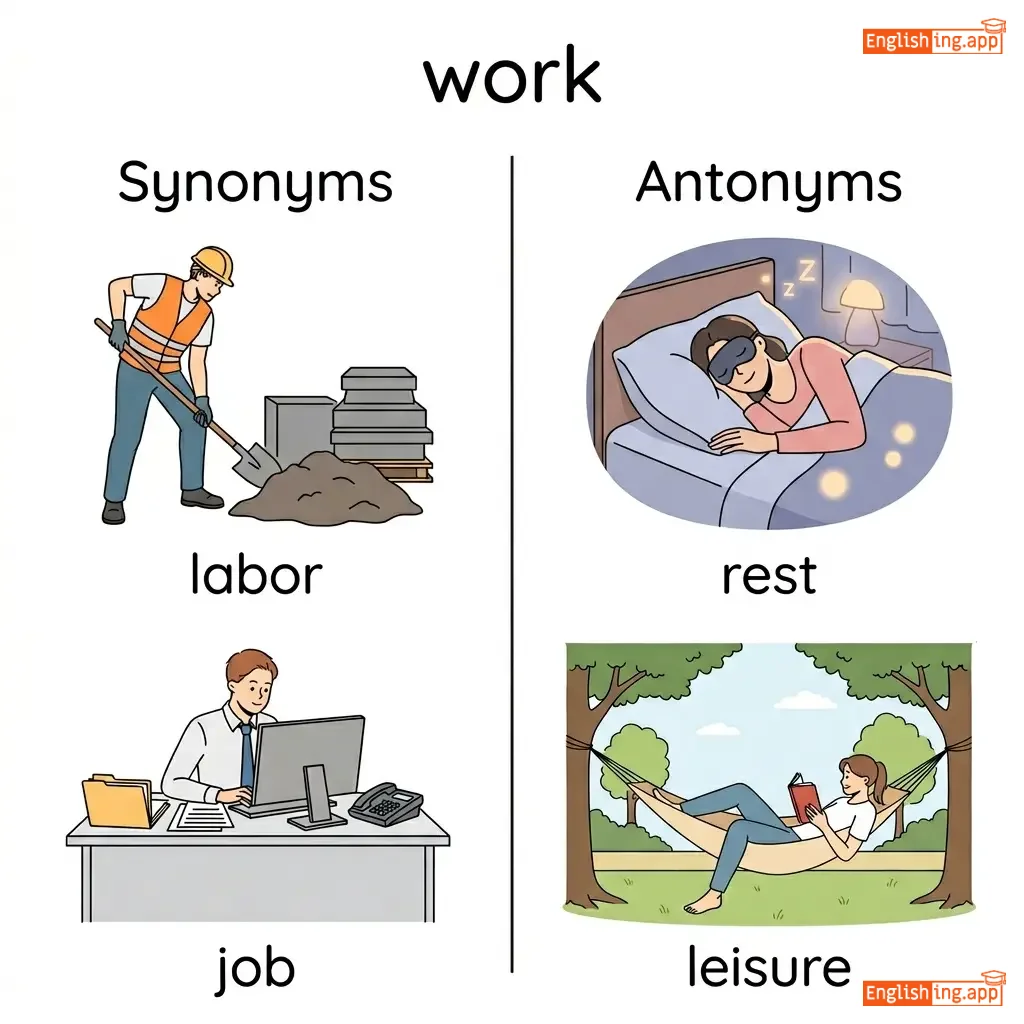
labor, job, employment, effort, task
••••••
|
rest, leisure, idleness
••••••
|
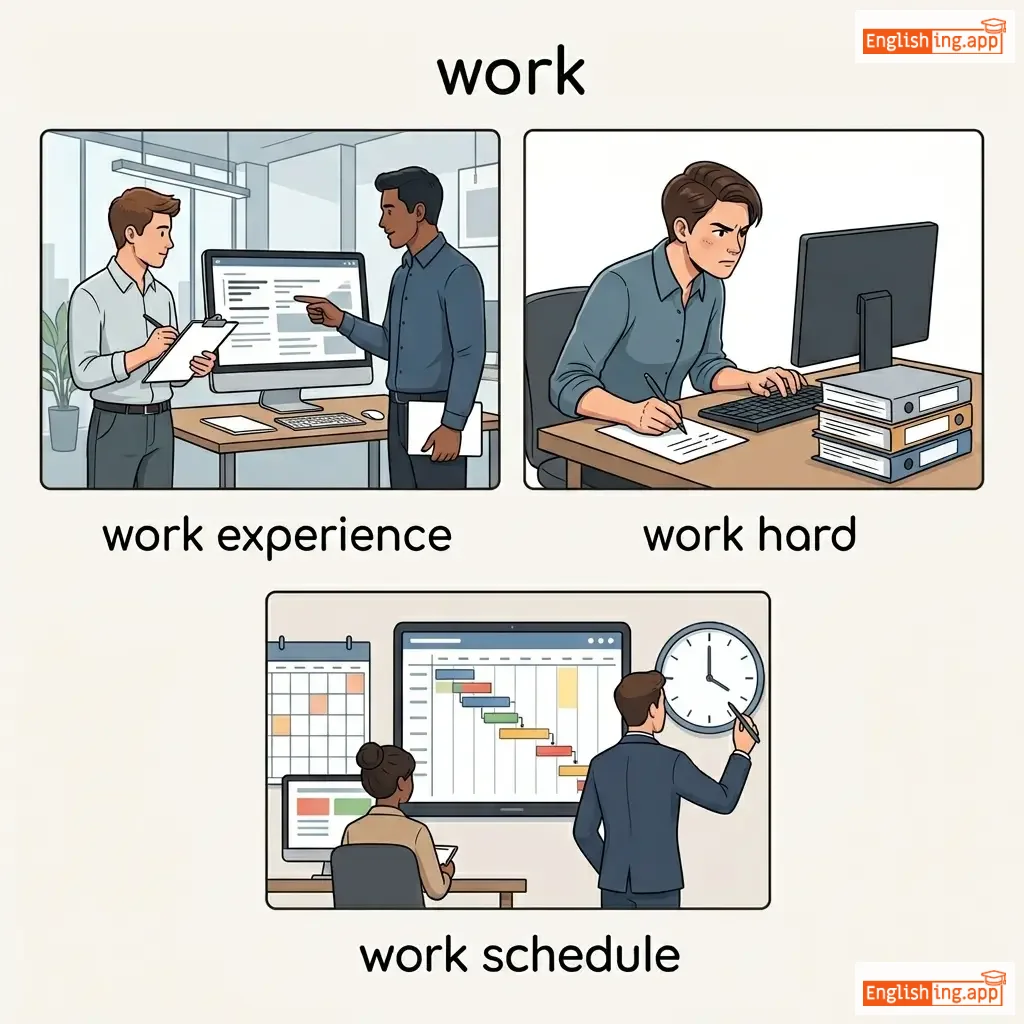
work experience, work hard, work schedule, work environment
••••••
|
工作带来世界的worth!
••••••
|
Vocabulary Quiz
Test your vocabulary by matching words with their translations or meanings.
Login to take the quiz
Comments (0)
Share your thoughts and join the discussion.
Join the discussion by logging in
Login to CommentNo comments yet
Be the first to share your thoughts!