

建立制造帝国的女人
The Woman Who Built a Manufacturing Empire
米娜是一名工程师,她梦想建立一家 advanced 制造公司。Although 她来自一个小镇,但她的雄心很大。她的 accurate 计算和技术知识帮助了她。起初,她从事 aluminum 产品。一天,工厂发生了一起 accident,这对她来说是一个警钟。米娜意识到了安全标准的重要性。她决定 allocate 资源以获得更好的设备。她公司的位置 adjacent 于一条主干高速公路,这有助于物流。米娜是工人权利和公平工资的 advocate。她制定了 adequate 的补偿方案。她的理念并不 abstract —— 她相信实际的解决方案。Actually,她的方法相当创新。她与一家外国公司建立了 alliance 来扩大业务。很 apparent 她的战略奏效了。公司开始制造 aircraft 部件,后来还生产完整的 airplane 部件。业务 annually 增长,利润显著提高。有一次有趣的事是她的儿子不小心提前 activated 了一台新机器,发出了巨大的噪音,把所有人吓了一跳。米娜笑着说:“至少我们知道它能用了!” 她的公司变得非常成功,许多人认为她能实现 anything。当一名员工提出 abortion 权利问题时引发争议,米娜公开支持女性获得医疗保健的权利。一些保守的客户感到不满,但米娜坚持自己的价值观。她丈夫对现代育儿方法的 adoption 也启发了她的工作政策。米娜证明了制造业与同情心可以共存。她的遗产既是工业卓越,也是社会责任。

Swipe left or right, or use the buttons. Tap image to zoom.
例句翻译
单词
The Woman Who Built a Manufacturing EmpireThe Woman Who Built a Manufacturing Empire - 遮罩切换
|
表情符号
|
单词 | Images | 翻译 | 过去时 | 过去分词 | 第三人称单数 | 动名词 | 含义 | 例句 | 例句翻译 | 示例表达 | 示例表达含义 | 示例表达翻译 | 同义词 | 反义词 | 搭配词 | 助记符 |
|---|---|---|---|---|---|---|---|---|---|---|---|---|---|---|---|---|---|
|
#0
⚖️
|
/əˈbɔːrʃən/
noun
••••••
|
- •••••• | - •••••• | - •••••• | - •••••• | - •••••• | - •••••• |
The deliberate termination of a human pregnancy, usually performed during the first 28 weeks.
••••••
|
The debate about abortion continues to divide public opinion. |
- •••••• |
abortion rights |
The legal rights of women to have access to abortion procedures.
••••••
|
- •••••• |
termination, miscarriage, ending, interruption
••••••
|
birth, delivery
••••••
|
legal abortion, safe abortion, abortion clinic, abortion law
••••••
|
No •••••• |
|
#0
🎨
|
/ˈæb.strækt/
adjective, noun, verb
(抽象的)
••••••
|
- •••••• |
抽象的, 摘要
chōuxiàng de, zhāiyào
••••••
|
abstracted
抽象化的
••••••
|
abstracted
抽象化的
••••••
|
abstracts
抽象
••••••
|
abstracting
抽象化
••••••
|
existing in thought or as an idea but not having physical or concrete existence; a summary of a text
••••••
|
The artist is known for her abstract paintings.
艺术家以其抽象画作而闻名。
••••••
|
艺术家以其抽象画作而闻名。
Yìshùjiā yǐ qí chōuxiàng huàzuò ér wénmíng.
••••••
|
in the abstract
在抽象中
••••••
|
considered generally, without reference to specific examples
••••••
|
在抽象中
zài chōuxiàng zhōng
••••••
|
conceptual, theoretical, summary, extract
••••••
|
concrete, real, practical
••••••
|
abstract idea, abstract art, abstract concept
••••••
|
抽象是没有具体形式的——只是思想或艺术作品。
••••••
|
|
#0
🚑
|
/ˈæksɪdənt/
noun
(āksīdiènt)
••••••
|
|
事故
shìgù
••••••
|
- •••••• | - •••••• | - •••••• | - •••••• |
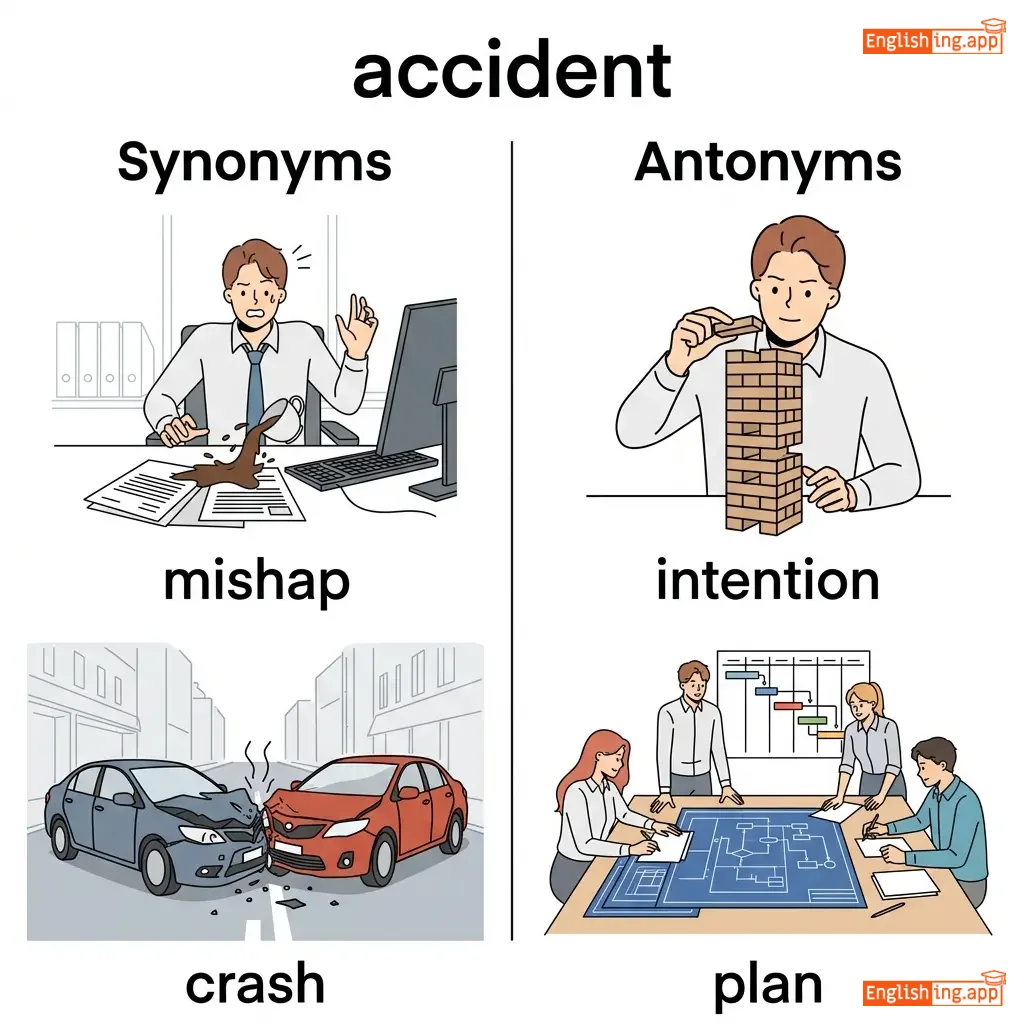
An unexpected and unplanned event, often resulting in damage or injury.
••••••
|
He was injured in a car accident last night. |
他在昨晚的车祸中受伤。
Tā zài zuówǎn de chēhuò zhōng shòushāng.
••••••
|
by accident |
Something done unintentionally.
••••••
|
不小心
bù xiǎoxīn
••••••
|
mishap, crash, disaster, incident
••••••
|
intention, plan
••••••
|
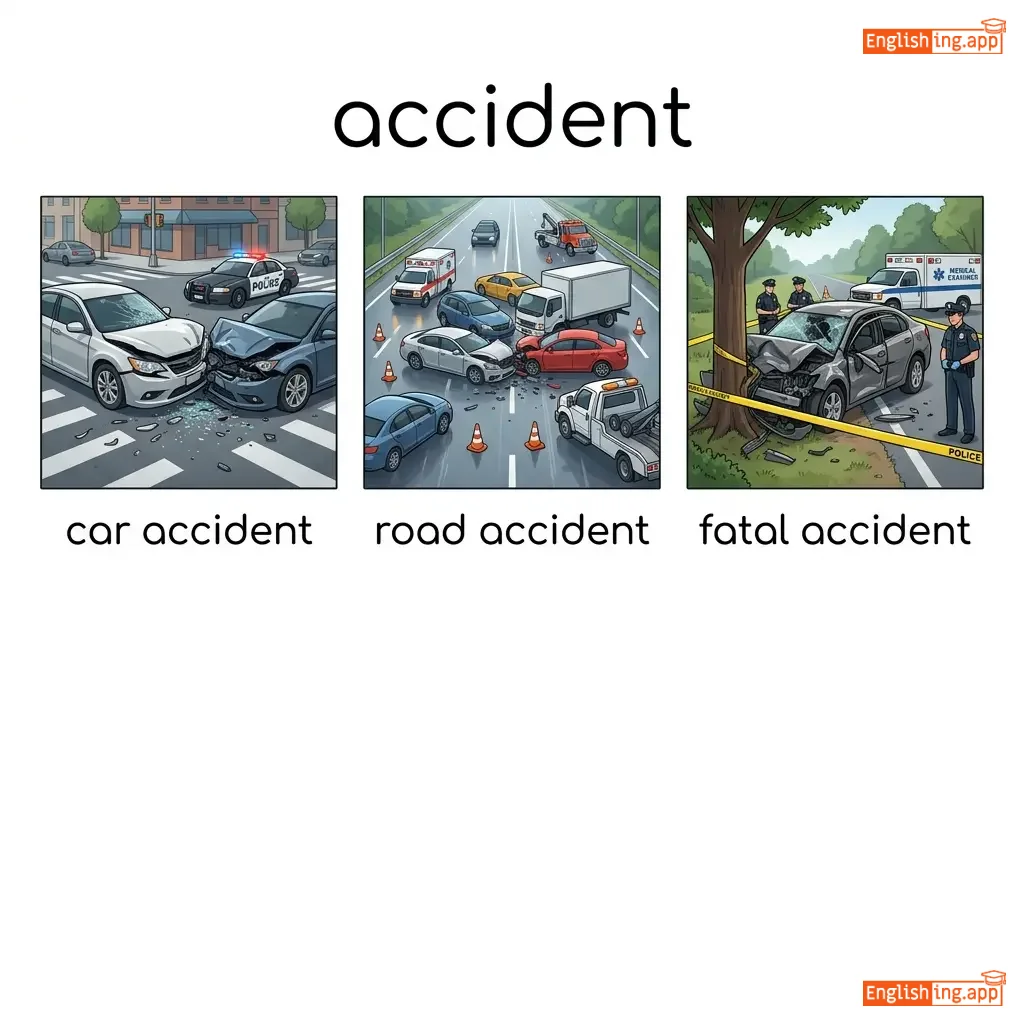
car accident, road accident, fatal accident, happen by accident
••••••
|
事故意味着事故 — 如果发生车祸,🚑 救护车就会到。
••••••
|
|
#0
🎯
|
/ˈæk.jʊ.rət/
adjective
(àikèyuèrt)
••••••
|
- •••••• |
准确
zhǔnquè
••••••
|
- •••••• | - •••••• | - •••••• | - •••••• |
Free from errors; correct and precise.
••••••
|
The information provided in the report was accurate. |
报告中提供的信息是准确的。
Bàogào zhōng tígōng de xìnxī shì zhǔnquè de.
••••••
|
accurate to a fault |
So precise that it might even be excessive.
••••••
|
准确得有些过头
zhǔnquè de yǒuxiē guòtóu
••••••
|
correct, precise, exact, true, right
••••••
|
inaccurate, wrong, false
••••••
|
accurate information, accurate measurement, accurate data, accurate results
••••••
|
准确就是没有错误,一切都完美无缺。
••••••
|
|
#0
⚡
|
/ˈæktɪveɪt/
verb
(激活)
••••••
|
- •••••• |
激活
jīhuó
••••••
|
activated
激活了
••••••
|
activated
激活了
••••••
|
activates
激活
••••••
|
activating
激活中
••••••
|
to make something start or function
••••••
|
She pressed the button to activate the machine.
她按下按钮以激活机器。
••••••
|
她按下按钮以激活机器。
Tā àn xià ànniǔ yǐ jīhuó jīqì.
••••••
|
- •••••• | - •••••• | - •••••• |
start, initiate, trigger, turn on
••••••
|
deactivate, stop, turn off
••••••
|
activate the system, activate the process, activate the device
••••••
|
Press the button to activate the machine - 按下按钮激活机器
••••••
|
|
#0
🔎
|
/ˈæktʃuəli/
adverb
(àikèzhùlì)
••••••
|
- •••••• |
实际上
shíjì shang
••••••
|
- •••••• | - •••••• | - •••••• | - •••••• |
used to emphasize that something is true, especially when surprising
••••••
|
She actually completed the project ahead of schedule. |
她实际上提前完成了这个项目。
Tā shíjì shàng tíqián wánchéngle zhège xiàngmù.
••••••
|
actually speaking |
used to emphasize the truth when expressing an opinion
••••••
|
实际上说
shíjì shàng shuō
••••••
|
really, indeed, truly, genuinely
••••••
|
supposedly, allegedly
••••••
|
actually true, actually happen, actually mean, actually exist
••••••
|
Actually 意味着 '实际上',就像 'Actually, I did it' 就是 '实际上,我做到了'。
••••••
|
|
#0
✔️
|
/ˈædɪkwət/
adjective
(āndíkwèt)
••••••
|
- •••••• |
足够
zúgòu
••••••
|
- •••••• | - •••••• | - •••••• | - •••••• |
sufficient or acceptable in quality or quantity
••••••
|
The food was adequate for the small group. |
食物足够适合小组。
Shíwù zúgòu shìhé xiǎozǔ.
••••••
|
adequate to the task |
sufficiently capable of completing a responsibility
••••••
|
足够胜任任务
zúgòu shèngrèn rènwù
••••••
|
sufficient, enough, satisfactory, suitable, ample
••••••
|
inadequate, insufficient, lacking
••••••
|
adequate supply, adequate amount, adequate support, adequate protection
••••••
|
足够就像adequate一样足够,足够食物就意味着足够的食物
••••••
|
|
#0
🏠🏠
|
/əˈdʒeɪsənt/
adjective
(ā jí sēnt)
••••••
|
- •••••• |
邻近的
lin jin de
••••••
|
- •••••• | - •••••• | - •••••• | - •••••• |
পার্শ্ববর্তী; সংলগ্ন; নিকটবর্তী;
••••••
|
The hotel is adjacent to the shopping mall. |
酒店与购物中心相邻。
Jiudian yu gouwu zhongxin xianglin.
••••••
|
- •••••• | - •••••• | - •••••• |
neighboring, adjoining, bordering, next to
••••••
|
distant, remote, separate, far
••••••
|
adjacent rooms, adjacent buildings, adjacent areas
••••••
|
Adjacent: 想象两个物体紧紧相连,‘邻近’就是这样。
••••••
|
|
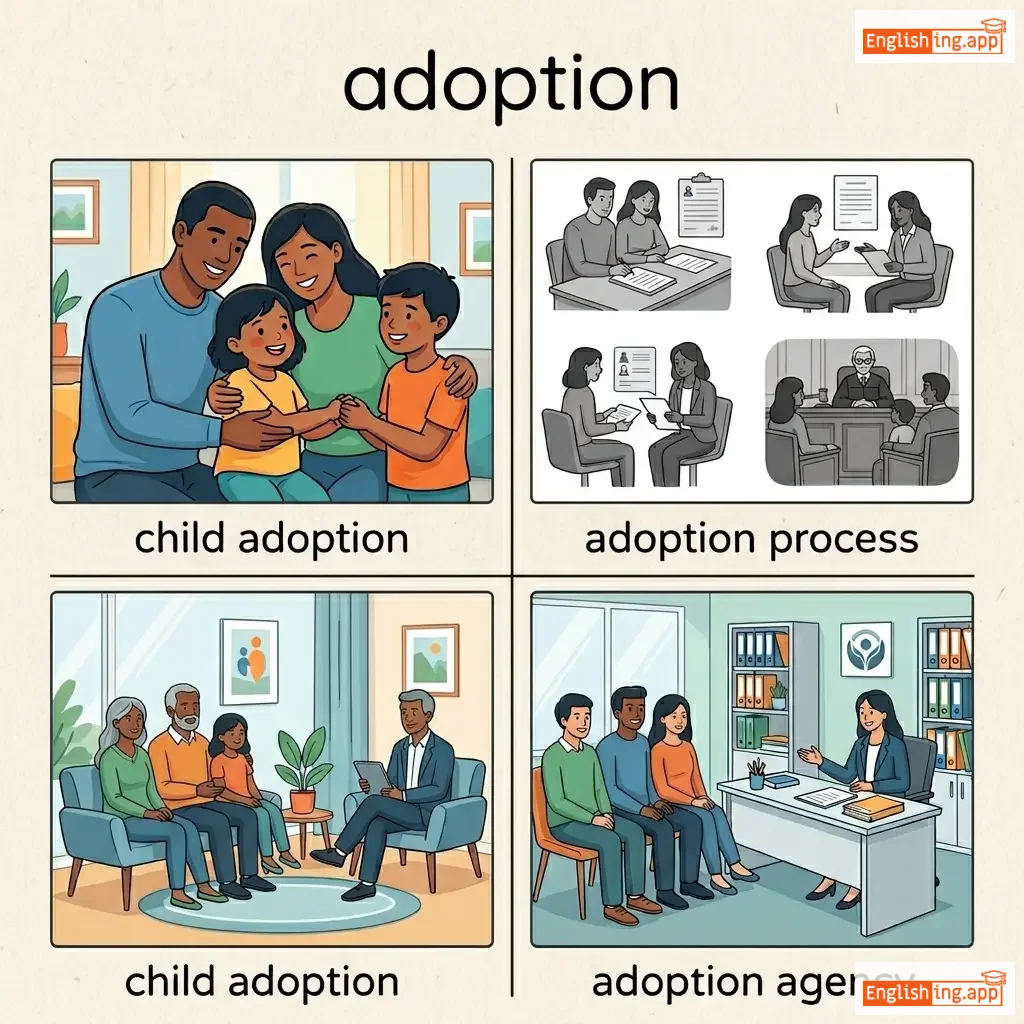
#0
👶
|
/əˈdɒpʃən/
noun
(收养)
••••••
|
|
收养
shouyang
••••••
|
- •••••• | - •••••• | - •••••• | - •••••• |
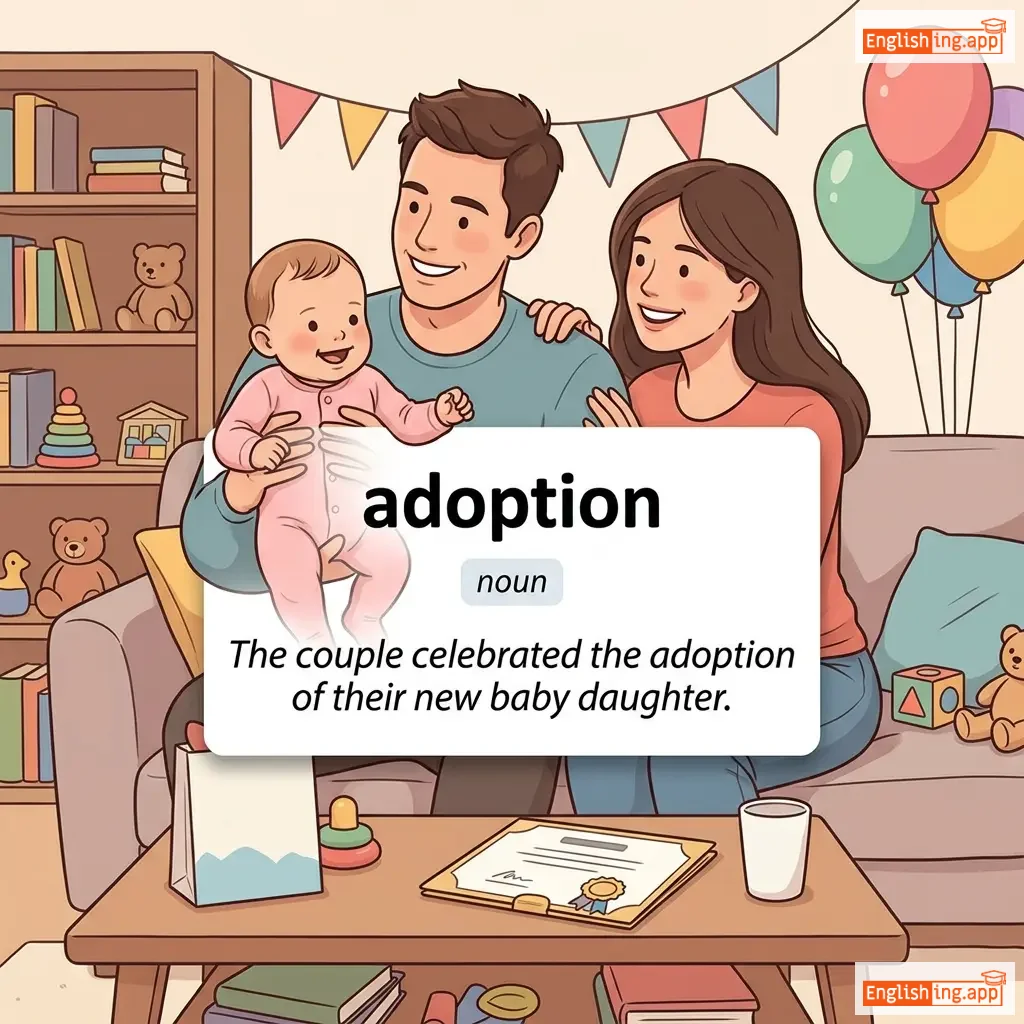
the act of legally taking another's child and bringing it up as one's own, or accepting and starting to use something new
••••••
|
The couple celebrated the adoption of their new baby daughter.
这对夫妇庆祝了他们的新女儿的收养。
••••••
|
这对夫妇庆祝了他们的新女儿的收养。
Zhe dui fu fu qing zhu le ta men de xin nv er de shou yang.
••••••
|
put up for adoption
交给别人收养
••••••
|
to make a child available to be adopted by someone else
••••••
|
交给别人收养
Jiao gei bie ren shou yang
••••••
|
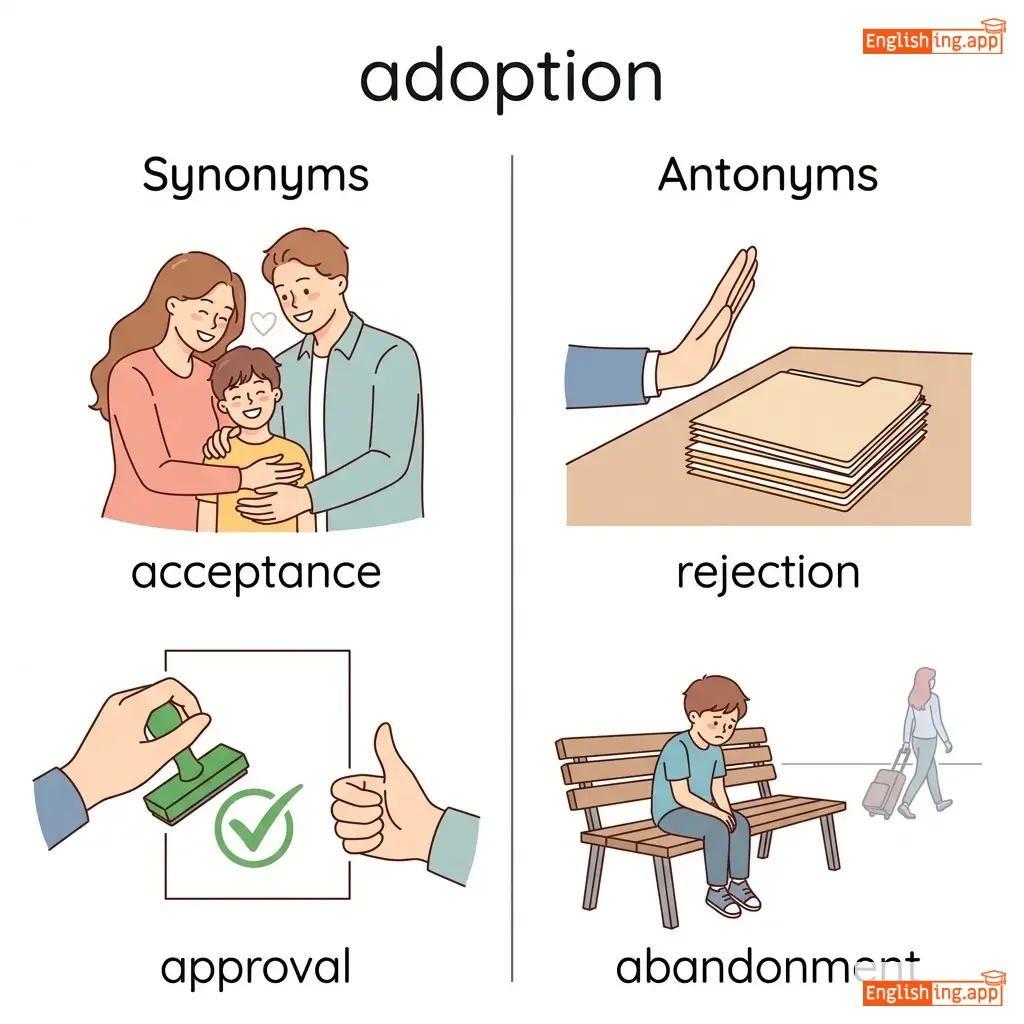
acceptance, approval, embrace, fostering, implementation
••••••
|
rejection, abandonment, refusal
••••••
|
child adoption, adoption process, adoption agency, international adoption
••••••
|
Adoption = Add a new option — 收养一个孩子到你的家庭里。
••••••
|
|
#0
🚀
|
/ədˈvænst/
adjective
(ādvānsd)
••••••
|
- •••••• |
先进
xianjin
••••••
|
- •••••• | - •••••• | - •••••• | - •••••• |
highly developed or complex
••••••
|
He is studying an advanced level of mathematics. |
他正在学习高级数学。
Tā zhèngzài xuéxí gāojí shùxué.
••••••
|
advanced technology |
highly developed and modern technology
••••••
|
先进技术
xiānjìn jìshù
••••••
|
sophisticated, developed, progressive, modern
••••••
|
basic, simple, primitive
••••••
|
advanced level, advanced stage, advanced degree, advanced course
••••••
|
Advanced = 先进。想想 'Advanced course' 是比较难且复杂的课程。
••••••
|
|
#0
📢
|
/ˈædvəˌkeɪt/ (noun), /ˈædvəˌkeɪt/ or /ˈædvəˌkət/ (verb)
noun, verb
(艾德沃凯特)
••••••
|
- •••••• |
支持者 / 律师
zhīchí zhě / lǜshī
••••••
|
advocated
艾德沃凯特德
••••••
|
advocated
艾德沃凯特德
••••••
|
advocates
艾德沃凯特斯
••••••
|
advocating
艾德沃凯廷
••••••
|
As a noun: a person who publicly supports or recommends a cause. As a verb: to publicly recommend or support.
••••••
|
She is an advocate for women's rights and often advocates for equal opportunities.
她是女性权利的倡导者,并且经常为平等机会而倡导。
••••••
|
她是女性权利的倡导者,并且经常为平等机会而倡导。
Tā shì nǚxìng quánlì de chàngdǎo zhě, bìngqiě jīngcháng wèi píngděng jīhuì ér chàngdǎo.
••••••
|
devil's advocate
魔鬼的辩护人
••••••
|
a person who argues against a position for the sake of debate
••••••
|
为了辩论而反对某种立场的人
wèile biànlùn ér fǎnduì mǒu zhǒng lìchǎng de rén
••••••
|
supporter, promoter, defender, champion, proponent
••••••
|
opponent, critic, adversary
••••••
|
advocate strongly, advocate change, human rights advocate, advocate for reform
••••••
|
Advocate意味着像一个律师那样为某人辩护的人。
••••••
|
|
#0
✈️
|
/ˈɛər.kræft/
noun
(空中飞行器)
••••••
|
- •••••• |
飞机
feiji
••••••
|
- •••••• | - •••••• | - •••••• | - •••••• |
A vehicle, such as an airplane or helicopter, that can fly in the air.
••••••
|
The military aircraft flew over the city. |
军用飞机飞越了城市。
Junyong feiji feiyuele chengshi.
••••••
|
- •••••• | - •••••• | - •••••• |
airplane, jet, helicopter, aeroplane, plane
••••••
|
ground vehicle, car
••••••
|
military aircraft, passenger aircraft, aircraft carrier, aircraft design, aircraft industry
••••••
|
Aircraft 是空中飞行的工具,‘飞’(fei) + ‘机’(ji) - 飞机。
••••••
|
|
#0
✈️
|
/ˈɛərpleɪn/
noun
(hǎi pī ní sī)
••••••
|
- •••••• |
飞机
feiji
••••••
|
- •••••• | - •••••• | - •••••• | - •••••• |
a powered flying vehicle with fixed wings and engines
••••••
|
The airplane took off smoothly from the runway. |
飞机平稳地从跑道上起飞。
Feiji pingwen de cong paodao shang qifei.
••••••
|
catch an airplane |
to board a flight or travel by air
••••••
|
搭乘飞机
dāchéng fēijī
••••••
|
plane, aircraft, jet, airliner, flyer
••••••
|
helicopter, glider
••••••
|
airplane ticket, airplane mode, airplane crash, airplane engine
••••••
|
飞机 = 飞翔如鸟,展翅高飞! ✈️
••••••
|
|
#0
🤝
|
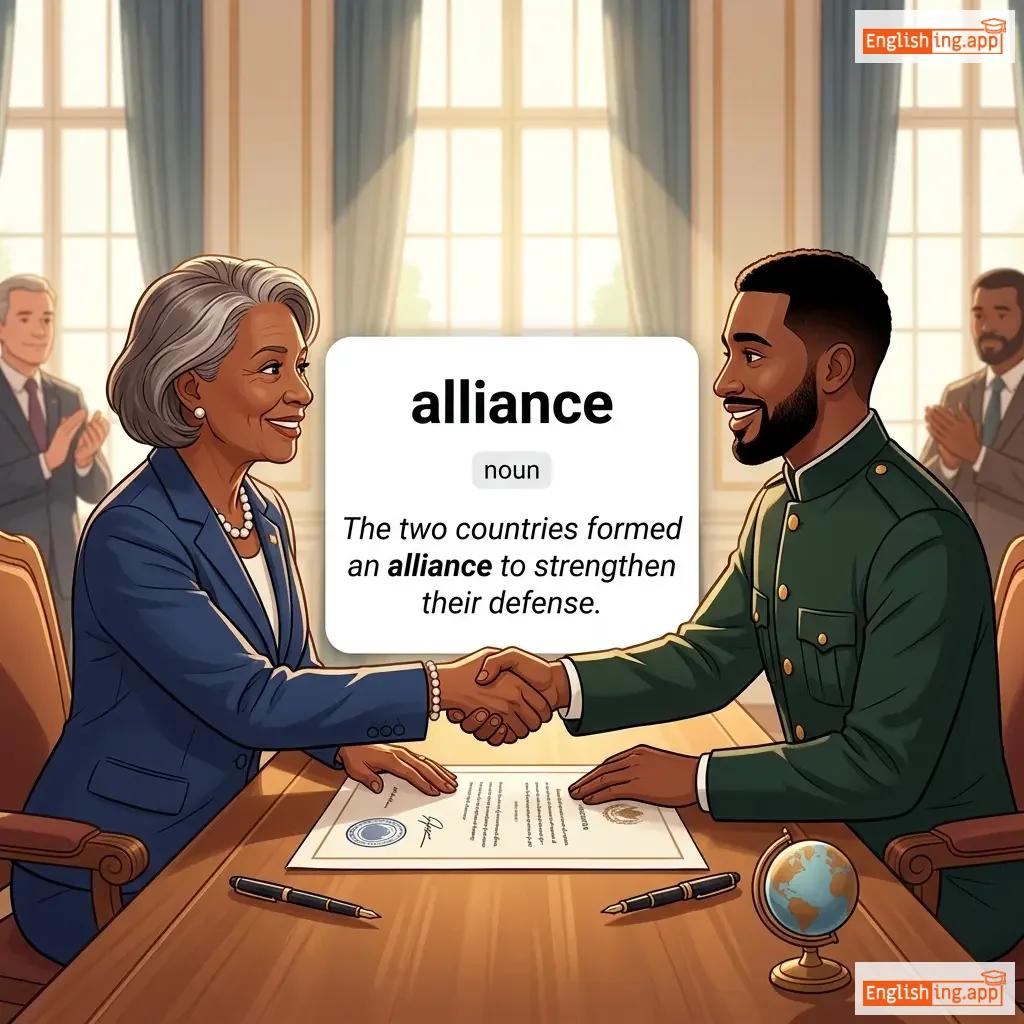
/əˈlaɪəns/
noun
(ā lī àn sī)
••••••
|
|
联盟
liánméng
••••••
|
- •••••• | - •••••• | - •••••• | - •••••• |
a formal agreement or union between groups, countries, or organizations for mutual benefit
••••••
|
The two countries formed an alliance to strengthen their defense.
这两个国家组建了一个联盟,以加强他们的防御。
••••••
|
这两个国家组建了一个联盟,以加强他们的防御。
Zhè liǎng gè guójiā zǔjiànle yīgè liánméng, yǐ jiāqiáng tāmen de fángyù.
••••••
|
form an alliance
建立联盟
••••••
|
to create a partnership or union for a shared purpose
••••••
|
建立联盟
jiànlì liánméng
••••••
|
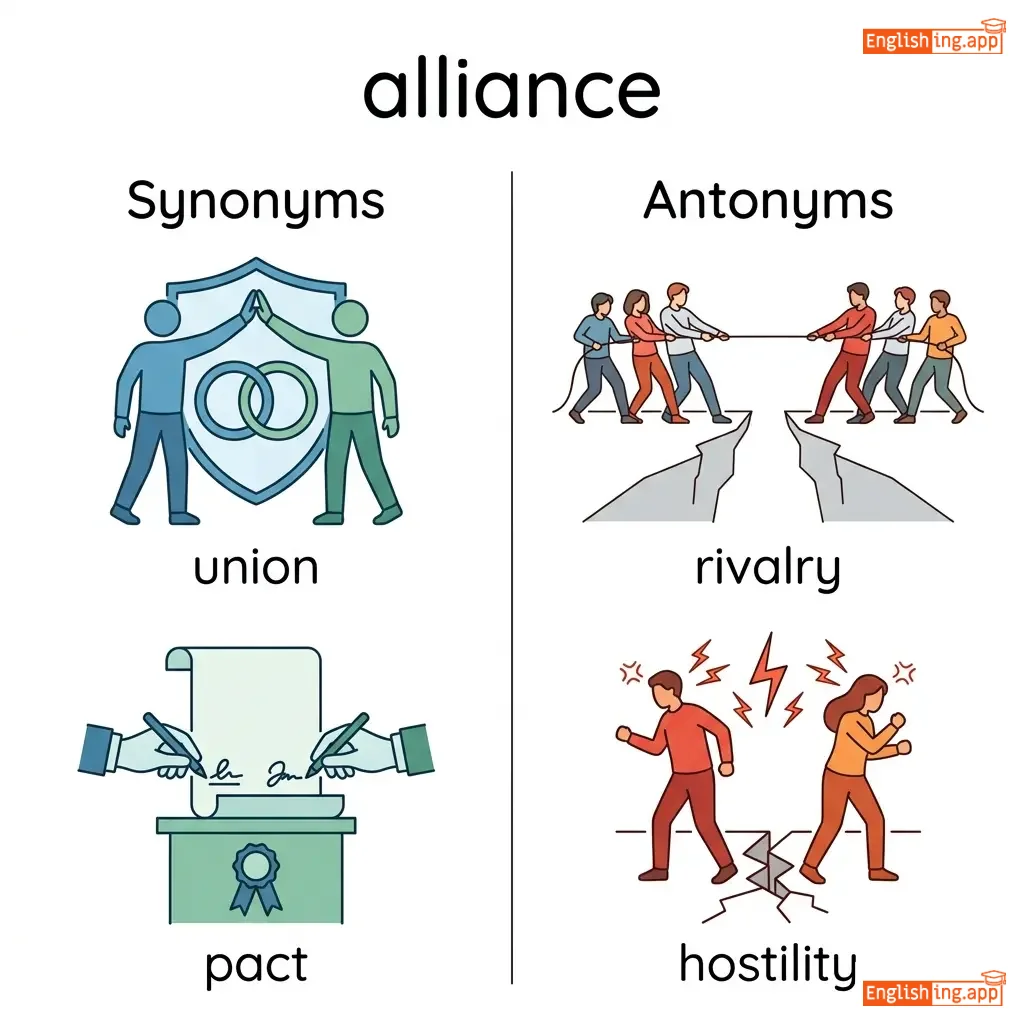
union, pact, partnership, coalition, federation
••••••
|
rivalry, hostility, separation
••••••
|
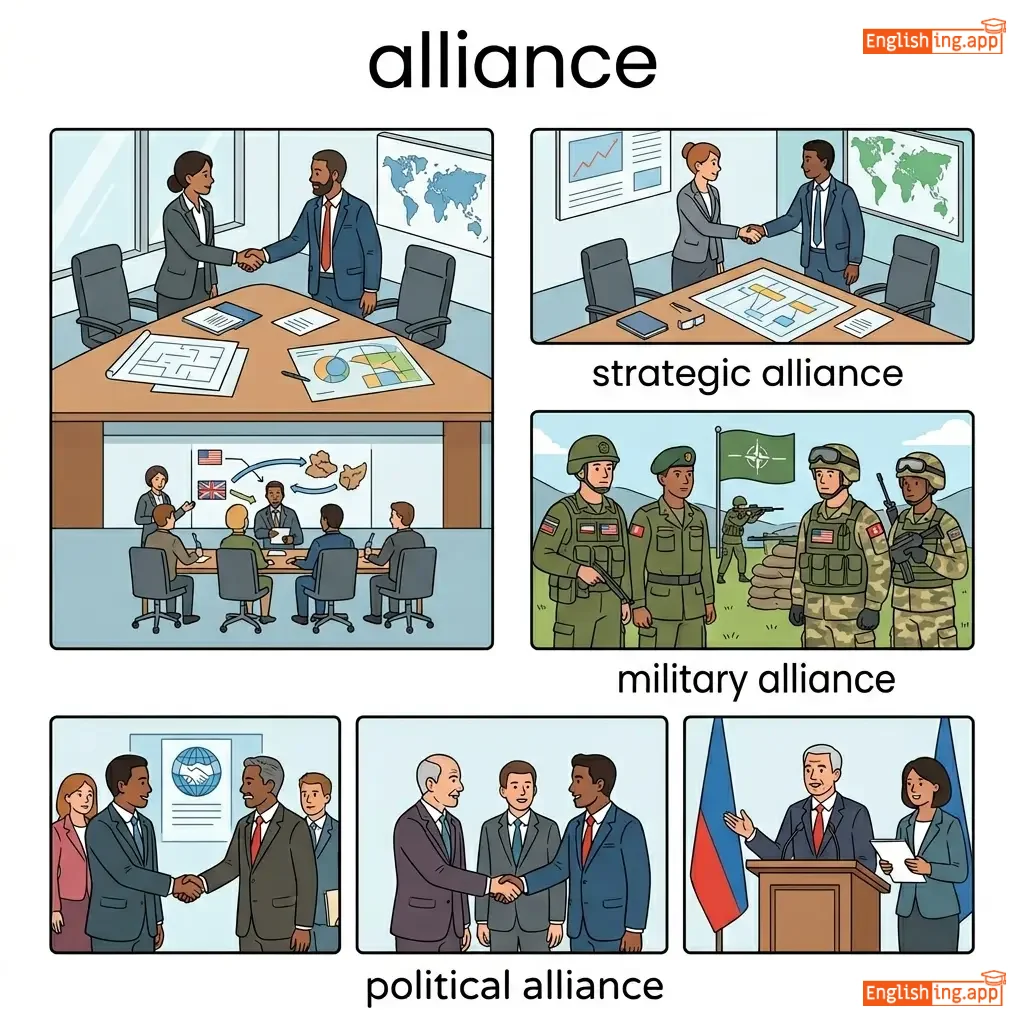
strategic alliance, military alliance, political alliance, business alliance
••••••
|
联盟意味着联合 — 联盟成员共同努力建立联盟。
••••••
|
|
#0
📊
|
/ˈæləkeɪt/
verb
(ălòkèit)
••••••
|
- •••••• |
分配
fēnpèi
••••••
|
allocated
ălòkèité
••••••
|
allocated
ălòkèité
••••••
|
allocates
ălòkèits
••••••
|
allocating
ălòkèiting
••••••
|
to distribute or assign resources, duties, or responsibilities for a specific purpose
••••••
|
The manager allocated funds for the new project.
经理已为新项目分配资金。
••••••
|
经理已为新项目分配资金。
Jīnglǐ yǐ wèi xīn xiàngmù fēnpèi zījīn.
••••••
|
allocate resources
分配资源
••••••
|
to distribute resources to different tasks or purposes
••••••
|
分配资源
fēnpèi zīyuán
••••••
|
assign, distribute, designate, apportion, allot
••••••
|
withhold, retain
••••••
|
allocate time, allocate resources, allocate funds, allocate tasks
••••••
|
Allocate代表分配 — 分配所有资源, 一步一步,确定优先事项。
••••••
|
|
#0
🌧️
|
/ɔːlˈðoʊ/
conjunction
(ɔːlˈðoʊ)
••••••
|
- •••••• |
尽管
jǐnguǎn
••••••
|
- •••••• | - •••••• | - •••••• | - •••••• |
in spite of the fact that; even though
••••••
|
Although it was raining, they went for a walk. |
尽管下雨,他们还是去散步了。
Jǐnguǎn xiàyǔ, tāmen háishì qù sànbù le.
••••••
|
- •••••• | - •••••• | - •••••• |
though, even though, while, albeit
••••••
|
because, since
••••••
|
although true, although difficult, although unlikely
••••••
|
尽管 all 天都在下雨,他们还是去散步了 - Although it rained all day, they still went out.
••••••
|
|
#0
🥫
|
/əˈluːmɪnəm/
noun
(铝)
••••••
|
- •••••• |
铝
lü
••••••
|
- •••••• | - •••••• | - •••••• | - •••••• |
a lightweight silvery metal used for making cans, foils, and other items
••••••
|
The airplane body is made of strong but light aluminum.
飞机的机身是用强度高但重量轻的铝制成的。
••••••
|
飞机的机身是用强度高但重量轻的铝制成的。
Feiji de jishen shi yong qiangdu gao dan zhongliang qing de lü zhicheng de.
••••••
|
- •••••• | - •••••• | - •••••• |
metal, alloy, element, tin
••••••
|
steel, iron
••••••
|
aluminum foil, aluminum can, aluminum frame, aluminum sheet
••••••
|
铝非常轻,就像纸一样,但非常坚固。
••••••
|
|
#0
📅
|
/ˈænjuəli/
adverb
(安努阿利)
••••••
|
- •••••• |
每年一次
mei nian yi ci
••••••
|
- •••••• | - •••••• | - •••••• | - •••••• |
once every year; yearly
••••••
|
The company holds a general meeting annually. |
公司每年举行一次全体会议。
Gongsi mei nian juxing yi ci quanti huiyi.
••••••
|
annual report |
a document that summarizes a company's yearly activities and finances
••••••
|
年度报告
niandu baogao
••••••
|
yearly, per year, every year, once a year
••••••
|
monthly, daily
••••••
|
annually report, meet annually, pay annually, celebrate annually
••••••
|
Annual意味着每年,annually也意味着每年。就像年度报告一样。
••••••
|
|
#0
🔑
|
/ˈɛnɪθɪŋ/
pronoun
(āi ní sīng)
••••••
|
- •••••• |
任何事物
ren he shi wu
••••••
|
- •••••• | - •••••• | - •••••• | - •••••• |
any object, event, or matter; whatever thing
••••••
|
You can ask me anything about the project. |
你可以问我关于项目的任何问题。
Ni keyi wen wo guanyu xiangmu de renhe wenti.
••••••
|
anything but |
definitely not something
••••••
|
除了...之外的任何东西
chu le...zhi wai de ren he dong xi
••••••
|
whatever, everything, object, matter, item
••••••
|
nothing, none
••••••
|
do anything, say anything, anything else, almost anything
••••••
|
ANYTHING 意味着 '任何事物'—就像我们在中文中说的 '任何事物'。
••••••
|
|
#0
👀
|
/əˈpærənt/
adjective
(āpārènt)
••••••
|
- •••••• |
显而易见
xian er yi jian
••••••
|
- •••••• | - •••••• | - •••••• | - •••••• |
Clearly visible or understood; obvious.
••••••
|
It soon became apparent that he was not telling the truth.
很快就变得显而易见,他没有说实话。
••••••
|
很快就变得显而易见,他没有说实话。
Hěn kuài jiù biàn dé xiǎn ér yì jiàn, tā méiyǒu shuō shíhuà.
••••••
|
apparent reason
显而易见的原因
••••••
|
an obvious or clear reason
••••••
|
显而易见的原因
xiǎn ér yì jiàn de yuányīn
••••••
|
obvious, evident, clear, plain, visible
••••••
|
hidden, obscure, unclear
••••••
|
apparent reason, apparent mistake, became apparent, quite apparent
••••••
|
Apparent 就是显而易见,明摆着的意思。
••••••
|
Vocabulary Quiz
Test your vocabulary by matching words with their translations or meanings.
Login to take the quiz
Comments (0)
Share your thoughts and join the discussion.
Join the discussion by logging in
Login to CommentNo comments yet
Be the first to share your thoughts!