

河流守护者的法律诊所
Legal Clinic for River Guardians
在邻里的法律诊所,Ayesha 解释了何时 sue。 傍晚时分,他们宣布了慈善箱中的 sum 总额。 雨后,社区的 tap 水被分发。 市长发誓要对砍伐树木征收额外的 tax。 志愿者制作了一个快速的 ten 分钟亮点视频。 The 新项目将重塑当地市场。 长辈们分享了保持文化 tie 生命力的故事。 他们为孩子们制作了安全 tip 卡片。 在生态小道上,每个人都仔细观察自己的 toe 放置。 Mira 说:“我们正在为每个生命体工作,不仅仅是为了我们自己,too。” 他们在村庄的最高 top 安装了风传感器。 会议结束后,two 队伍联手收集垃圾。 一场示范教会了大家正确使用水的 use。 设备从海岸上的一辆旧蓝色 van 运来。 他们通过山路飞行无人机 via 到达偏远村庄。 傍晚时分,每个人都宣誓保护他们的邻居 vow。 网页开发人员展示了新的 web 门户网站。 小 Adil 问:“who 在监控河水?” 他的母亲回答:“why 不我们自己安装传感器?” 孩子们用机智的 wit 填满了故事圈。


Swipe left or right, or use the buttons. Tap image to zoom.
例句翻译
单词
Legal Clinic for River GuardiansLegal Clinic for River Guardians - 遮罩切换
|
表情符号
|
单词 | Images | 翻译 | 过去时 | 过去分词 | 第三人称单数 | 动名词 | 含义 | 例句 | 例句翻译 | 示例表达 | 示例表达含义 | 示例表达翻译 | 同义词 | 反义词 | 搭配词 | 助记符 |
|---|---|---|---|---|---|---|---|---|---|---|---|---|---|---|---|---|---|
|
#0
⚖️
|
/suː/
verb
(苏)
••••••
|
- •••••• |
起诉
qǐsù
••••••
|
sued
苏德
••••••
|
sued
苏德
••••••
|
sues
苏伊斯
••••••
|
suing
苏因
••••••
|
to bring a lawsuit against someone in a court of law
••••••
|
She decided to sue the company for damages.
她决定起诉公司要求赔偿。
••••••
|
她决定起诉公司要求赔偿。
Tā juédìng qǐsù gōngsī yāoqiú péicháng.
••••••
|
- •••••• | - •••••• | - •••••• |
litigate, prosecute, charge, complain
••••••
|
defend, forgive
••••••
|
sue for damages, sue someone, sue in court
••••••
|
Sue means 'qǐsù' – like a lawsuit ⚖️
••••••
|
|
#0
➕
|
/sʌm/
noun
(sām)
••••••
|
- •••••• |
和
he
••••••
|
- •••••• | - •••••• | - •••••• | - •••••• |
the total amount resulting from the addition of two or more numbers or items
••••••
|
The sum of 8 and 12 is 20. |
8和12的和是20。
8 he 12 de he shi 20.
••••••
|
sum up |
to summarize or give a brief statement of something
••••••
|
总结
zongjie
••••••
|
total, amount, aggregate, tally, whole
••••••
|
part, portion
••••••
|
large sum, total sum, sum of money, sum up, small sum
••••••
|
Sum就是加法的结果 — 'sum'就是和。
••••••
|
|
#0
🔨
|
/tæp/
verb
(tap)
••••••
|
- •••••• |
轻拍
qing pai
••••••
|
tapped
tapd
••••••
|
tapped
tapd
••••••
|
taps
taps
••••••
|
tapping
tapping
••••••
|
to strike something lightly, usually with a quick, sharp sound
••••••
|
He tapped on the door to get her attention.
他敲了敲门,引起她的注意。
••••••
|
他敲了敲门,引起她的注意。
Ta qiao le qiao men, yin qi ta de zhu yi.
••••••
|
- •••••• | - •••••• | - •••••• |
knock, hit, strike, pat
••••••
|
slam, pound
••••••
|
tap on, tap the table, tap gently
••••••
|
轻拍门: 轻拍以引起她的注意!
••••••
|
|
#0
💸
|
/tæks/
noun
(tæks)
••••••
|
- •••••• |
税
shui
••••••
|
- •••••• | - •••••• | - •••••• | - •••••• |
a compulsory contribution to state revenue, typically levied on income or sales
••••••
|
The government increased the tax rate on luxury goods. |
政府提高了奢侈品的税率。
Zhengfu tigao le shechipin de shuìlǜ.
••••••
|
- •••••• | - •••••• | - •••••• |
levy, duty, tariff
••••••
|
exemption, relief
••••••
|
pay taxes, tax return, tax rate
••••••
|
TAX - 税就像是政府从你那里拿走的钱。
••••••
|
|
#0
🔟
|
/tɛn/
noun
(ten)
••••••
|
- •••••• |
十
shi
••••••
|
- •••••• | - •••••• | - •••••• | - •••••• |
the number following nine and preceding eleven
••••••
|
I have ten apples in the basket.
我篮子里有十个苹果。
••••••
|
我篮子里有十个苹果。
Wǒ lánzi lǐ yǒu shí gè píngguǒ.
••••••
|
- •••••• | - •••••• | - •••••• |
decade, 10
••••••
|
eleven, nine
••••••
|
ten years, ten people, ten times, ten minutes
••••••
|
十根手指,十是数字。
••••••
|
|
#0
🌞
|
/ðə/
article
••••••
|
- •••••• | - •••••• | - •••••• | - •••••• | - •••••• | - •••••• |
used to specify a noun as something already mentioned or known
••••••
|
The sun rises in the east. |
- •••••• | - •••••• | - •••••• | - •••••• |
this, that
••••••
|
- •••••• |
the best, the first, the last
••••••
|
No •••••• |
|
#0
🎀
|
/taɪ/
verb
(tái)
••••••
|
|
系
xì
••••••
|
tied
táid
••••••
|
tied
táid
••••••
|
ties
táiz
••••••
|
tying
táing
••••••
|
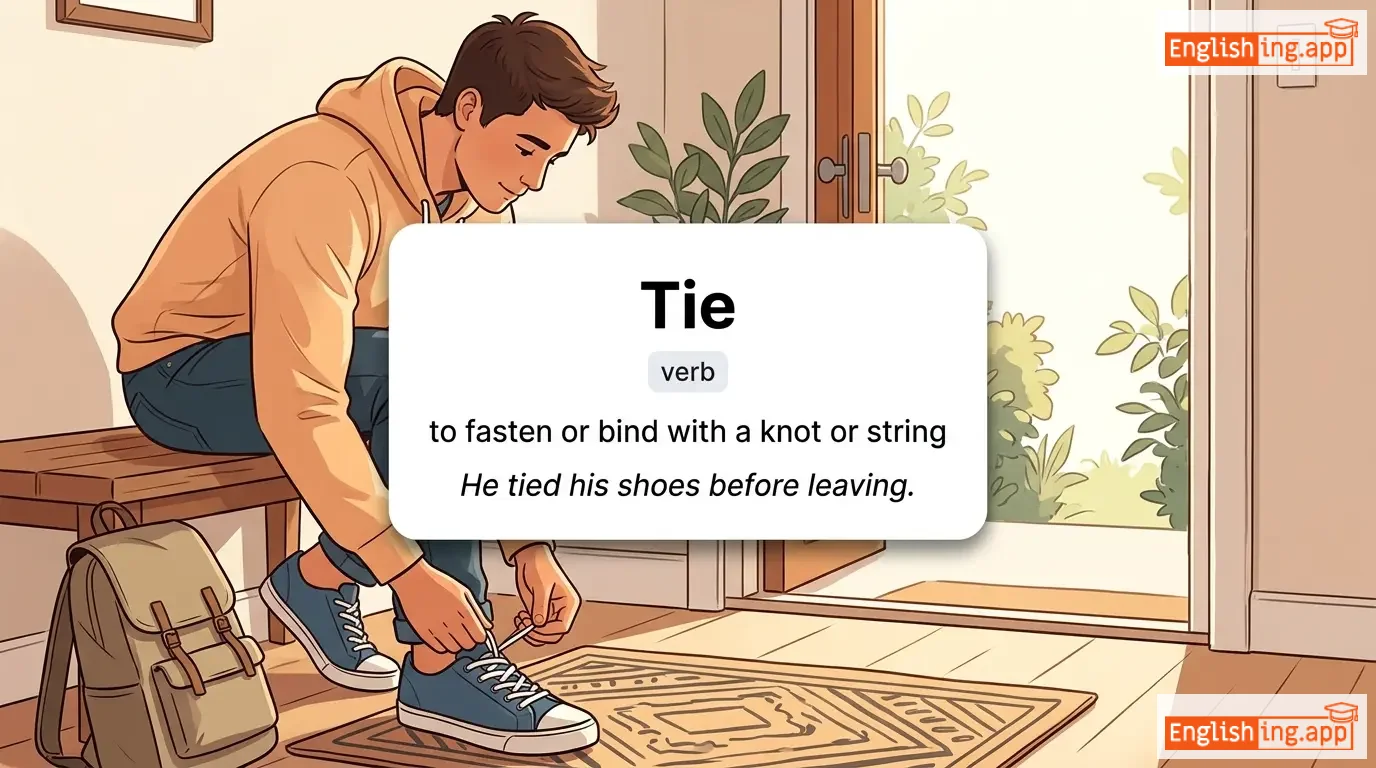
to fasten or bind with a knot or string
••••••
|
He tied his shoes before leaving.
他在离开之前系好了鞋带。
••••••
|
他在离开之前系好了鞋带。
tā zài líkāi zhīqián xì hǎo le xiédài.
••••••
|
tie the knot
打结
••••••
|
to get married
••••••
|
结婚
jiéhūn
••••••
|
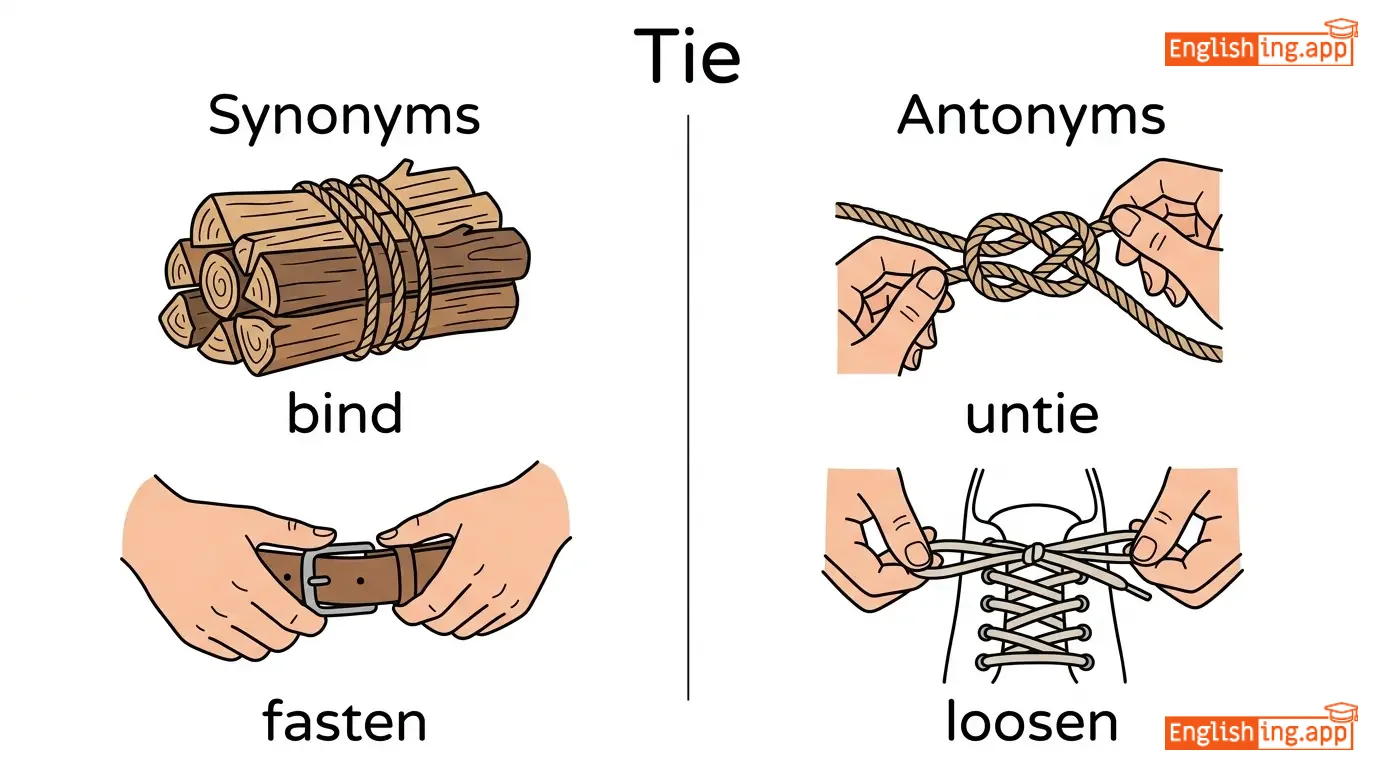
bind, fasten, knot, secure
••••••
|
untie, loosen
••••••
|
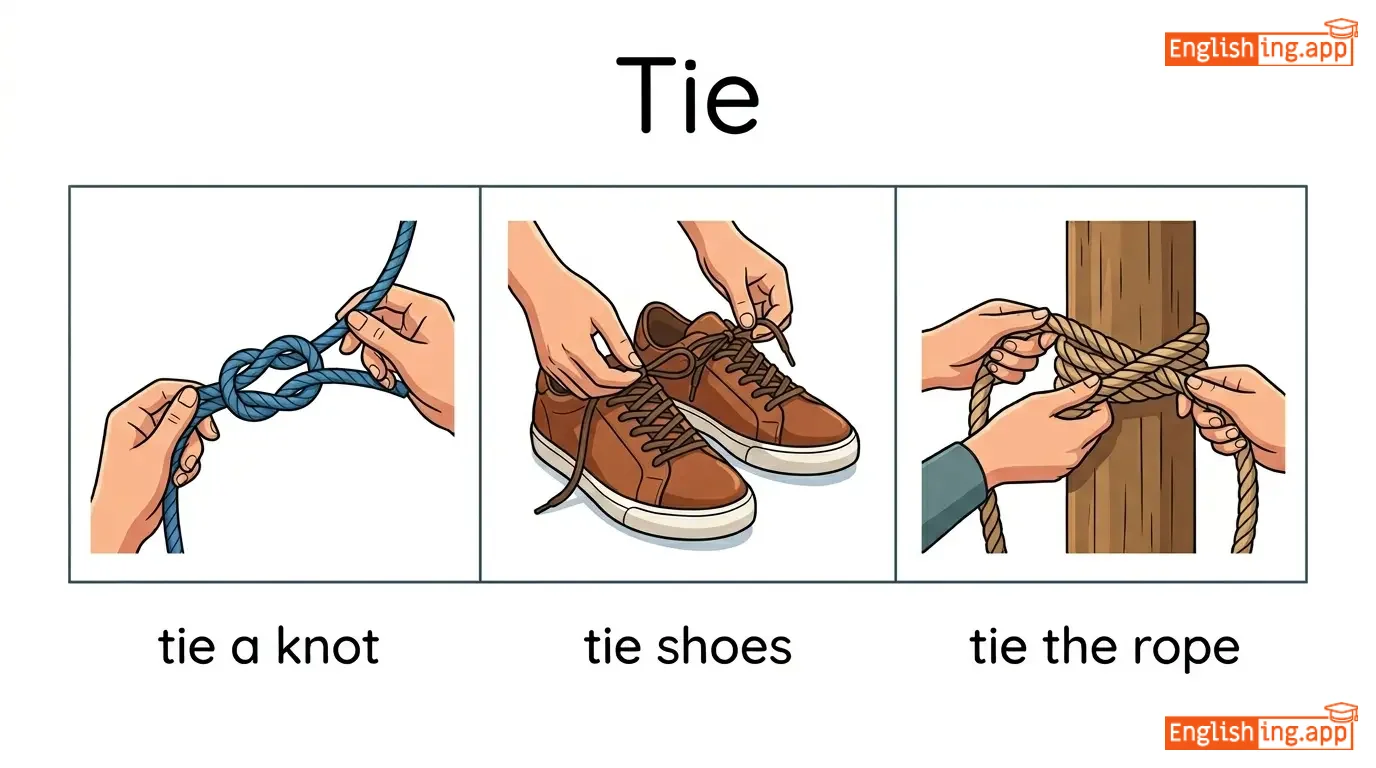
tie a knot, tie shoes, tie the rope
••••••
|
系上结,准备结婚!
••••••
|
|
#0
💡
|
/tɪp/
noun
(提普)
••••••
|
- •••••• |
建议
jianyi
••••••
|
- •••••• | - •••••• | - •••••• | - •••••• |
a small but useful piece of advice
••••••
|
I received a tip on how to improve my presentation. |
我收到了关于如何改进我的演示的建议。
Wo shoudao le guanyu ruhe gaijin wo de yanshi de jianyi.
••••••
|
- •••••• | - •••••• | - •••••• |
hint, suggestion, advice, clue
••••••
|
misguidance
••••••
|
give a tip, follow a tip, valuable tip
••••••
|
Remember the tip of your pen for clear writing!
••••••
|
|
#0
🦶
|
/toʊ/
noun
(tóu)
••••••
|
- •••••• |
脚趾
jiao zhi
••••••
|
- •••••• | - •••••• | - •••••• | - •••••• |
any of the five digits at the end of the human foot
••••••
|
He injured his toe while playing football. |
他在踢足球时伤到了脚趾。
Ta zai ti zuqiu shi shang dao le jiao zhi.
••••••
|
- •••••• | - •••••• | - •••••• |
foot, digit, appendage
••••••
|
none
••••••
|
toe injury, big toe, pinky toe
••••••
|
Toe = 脚趾,因足球比赛踢到脚趾。
••••••
|
|
#0
😔
|
/tuː/
adverb
(tū)
••••••
|
- •••••• |
太多
tai duo
••••••
|
- •••••• | - •••••• | - •••••• | - •••••• |
to a higher degree than is desirable, permissible, or possible
••••••
|
She is too tired to continue working. |
她太累了,无法继续工作。
Ta tai lei le, wu fa jixu gongzuo.
••••••
|
too good to be true |
something that seems so perfect that it is hard to believe it is real
••••••
|
好得让人难以置信
hao de rang ren nanyi zhishin
••••••
|
excessively, overly, extremely, very
••••••
|
barely, slightly, moderately
••••••
|
too much, too late, too many, too hard
••••••
|
太多茶让你'太'困 – 太多茶让你'太'累了。
••••••
|
|
#0
🔝
|
/tɒp/
noun
(top)
••••••
|
- •••••• |
顶端
dingduan
••••••
|
- •••••• | - •••••• | - •••••• | - •••••• |
the highest or uppermost point, part, or surface of something
••••••
|
The book is on the top shelf.
书本在顶层书架上。
••••••
|
书本在顶层书架上。
Shuben zai dingceng shujia shang.
••••••
|
top of the world
站在世界之巅
••••••
|
feeling extremely happy or successful
••••••
|
站在世界之巅
Zhan zai shijie zhidian
••••••
|
summit, peak, pinnacle, apex
••••••
|
bottom, base
••••••
|
top priority, top scorer, top rated, top of the list
••••••
|
Top of the world, where happiness reaches – 站在世界之巅,幸福达到的地方。
••••••
|
|
#0
2️⃣
|
/tuː/
noun
(tū)
••••••
|
- •••••• |
二
èr
••••••
|
- •••••• | - •••••• | - •••••• | - •••••• |
the number following one
••••••
|
She has two children.
她有两个孩子。
••••••
|
她有两个孩子。
Tā yǒu liǎng gè háizi.
••••••
|
- •••••• | - •••••• | - •••••• |
pair, couple, duet
••••••
|
one, single
••••••
|
two weeks, two days, two people
••••••
|
二人同行,两倍乐趣
••••••
|
|
#0
🛠️
|
/juːz/ (verb), /juːs/ (noun)
verb
(yuz)
••••••
|
|
使用
shiyong
••••••
|
used
yuzd
••••••
|
used
yuzd
••••••
|
uses
yuzes
••••••
|
using
yuzing
••••••
|
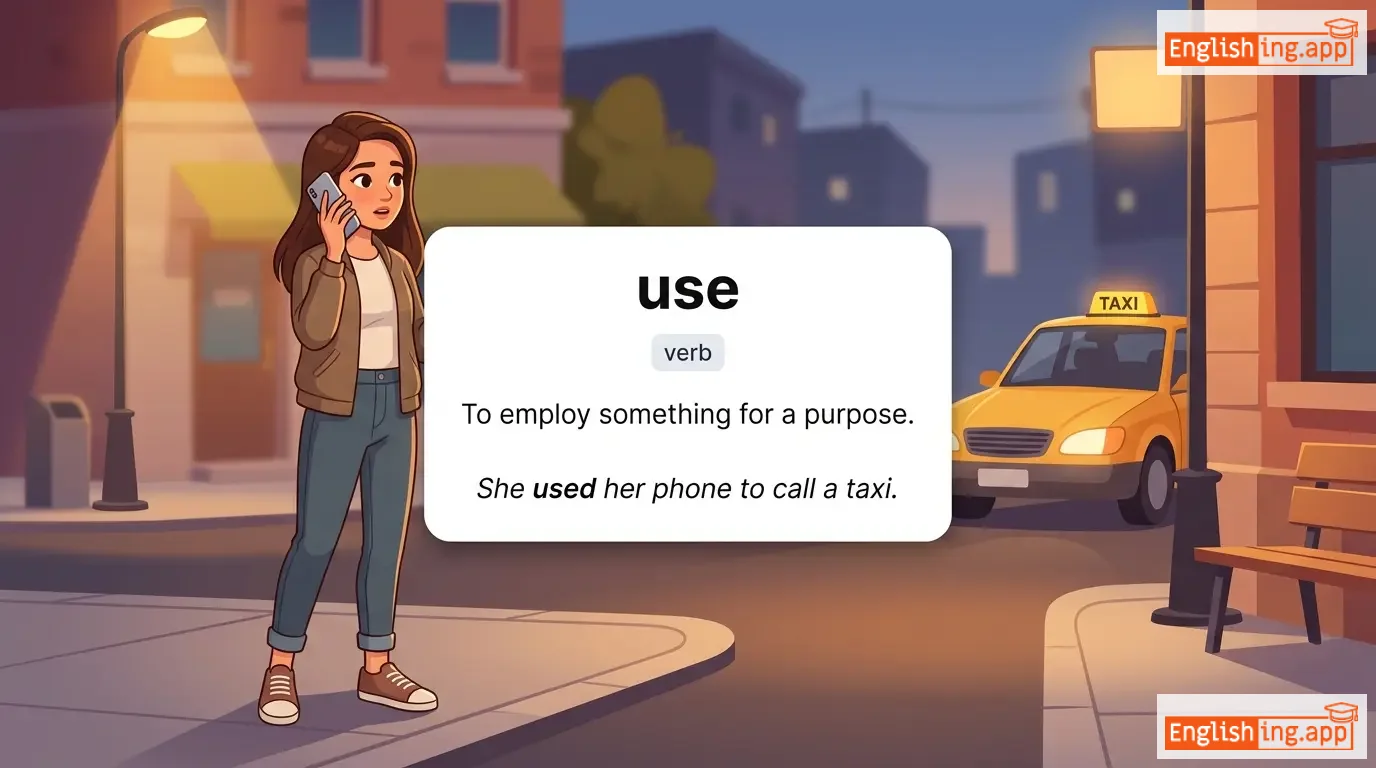
To employ something for a purpose.
••••••
|
She used her phone to call a taxi.
她用了手机叫出租车。
••••••
|
她用了手机叫出租车。
Ta yongle shouji jiao chuzuche.
••••••
|
make use of
利用
••••••
|
To take advantage of or utilize something.
••••••
|
利用
Liyong
••••••
|
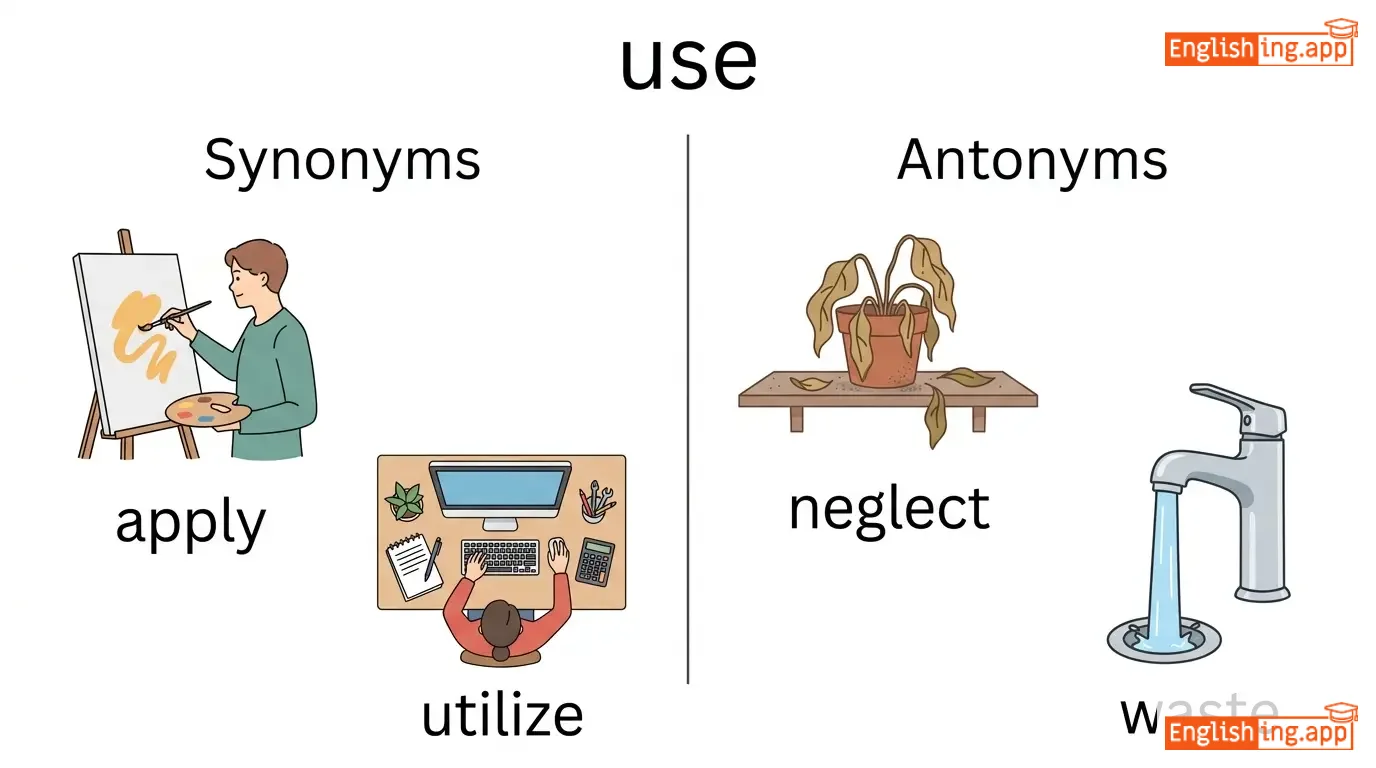
apply, utilize, employ, exploit, handle
••••••
|
neglect, waste, ignore
••••••
|
use time, use opportunity, use resources, use effectively
••••••
|
使用意味着利用或应用某物。
••••••
|
|
#0
🚐
|
/væn/
noun
(范)
••••••
|
- •••••• |
货车
huoche
••••••
|
- •••••• | - •••••• | - •••••• | - •••••• |
a large vehicle used for transporting goods or people
••••••
|
The delivery van stopped in front of our house. |
送货车停在我们家门前。
Songhuo che ting zai women jia menqian.
••••••
|
moving van |
a large vehicle used for transporting furniture when moving
••••••
|
搬家车
banjia che
••••••
|
truck, vehicle, transporter, carrier
••••••
|
car, bike
••••••
|
delivery van, police van, moving van, camper van
••••••
|
货车 — 想象着它载满家具搬到新家。
••••••
|
|
#0
➡️
|
/ˈvaɪə/ or /ˈviːə/
preposition
(维亚)
••••••
|
- •••••• |
通过
tongguo
••••••
|
- •••••• | - •••••• | - •••••• | - •••••• |
through, by way of, or using a particular route or means
••••••
|
She sent the documents via email. |
她通过电子邮件发送了文件。
Ta tongguo dianzi youjian fasongle wenjian.
••••••
|
- •••••• | - •••••• | - •••••• |
through, by, using, across, along
••••••
|
without, beyond
••••••
|
via email, via phone, via internet, travel via, communicate via
••••••
|
维亚是一个通道,就像通过某个途径到达目的地。
••••••
|
|
#0
🤝
|
/vaʊ/
verb
(vau)
••••••
|
|
发誓
fā shì
••••••
|
vowed
vowed
••••••
|
vowed
vowed
••••••
|
vows
vauz
••••••
|
vowing
vauing
••••••
|
to make a serious promise; to pledge solemnly
••••••
|
They vowed to love each other forever.
他们誓言永远相爱。
••••••
|
他们发誓永远相爱。
Tāmen fā shì yǒngyuǎn xiāng ài.
••••••
|
- •••••• | - •••••• | - •••••• |
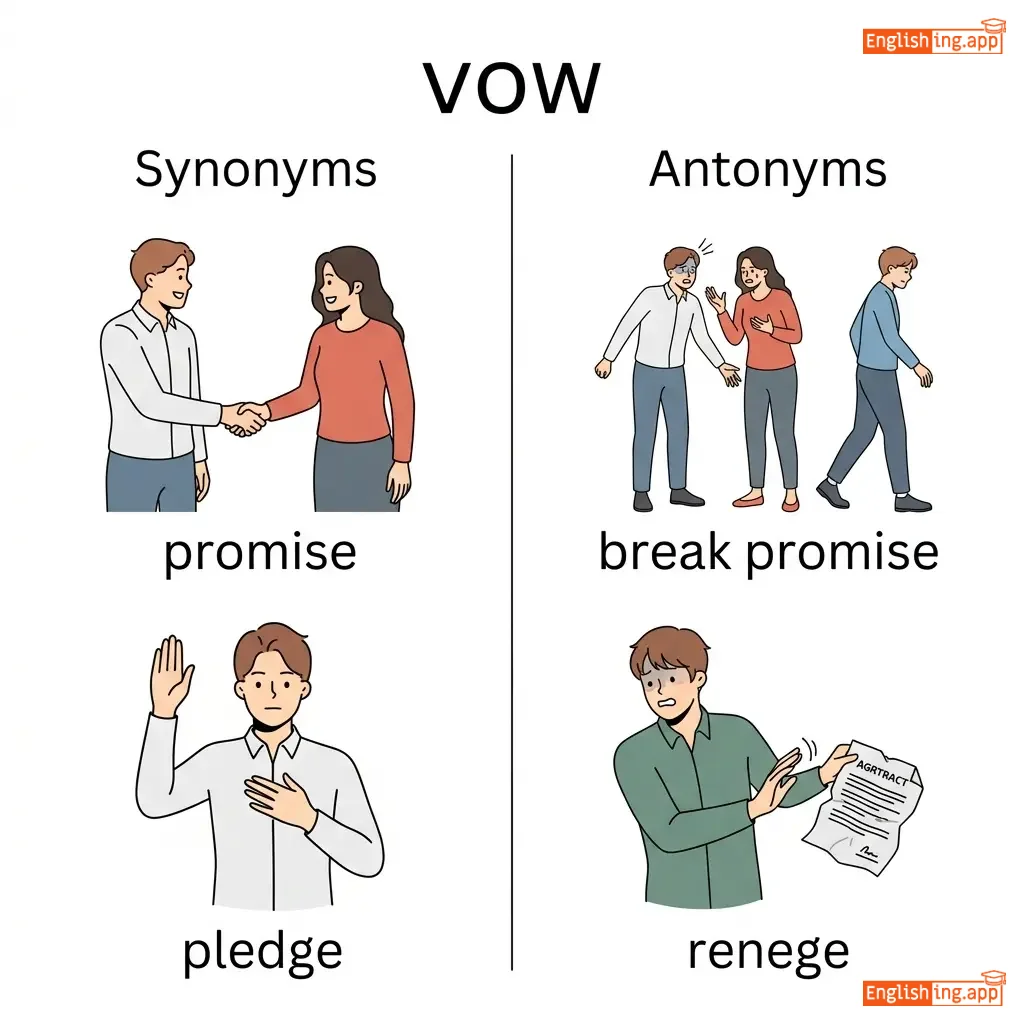
promise, pledge, swear, commit, declare
••••••
|
break promise, renege, withdraw
••••••
|
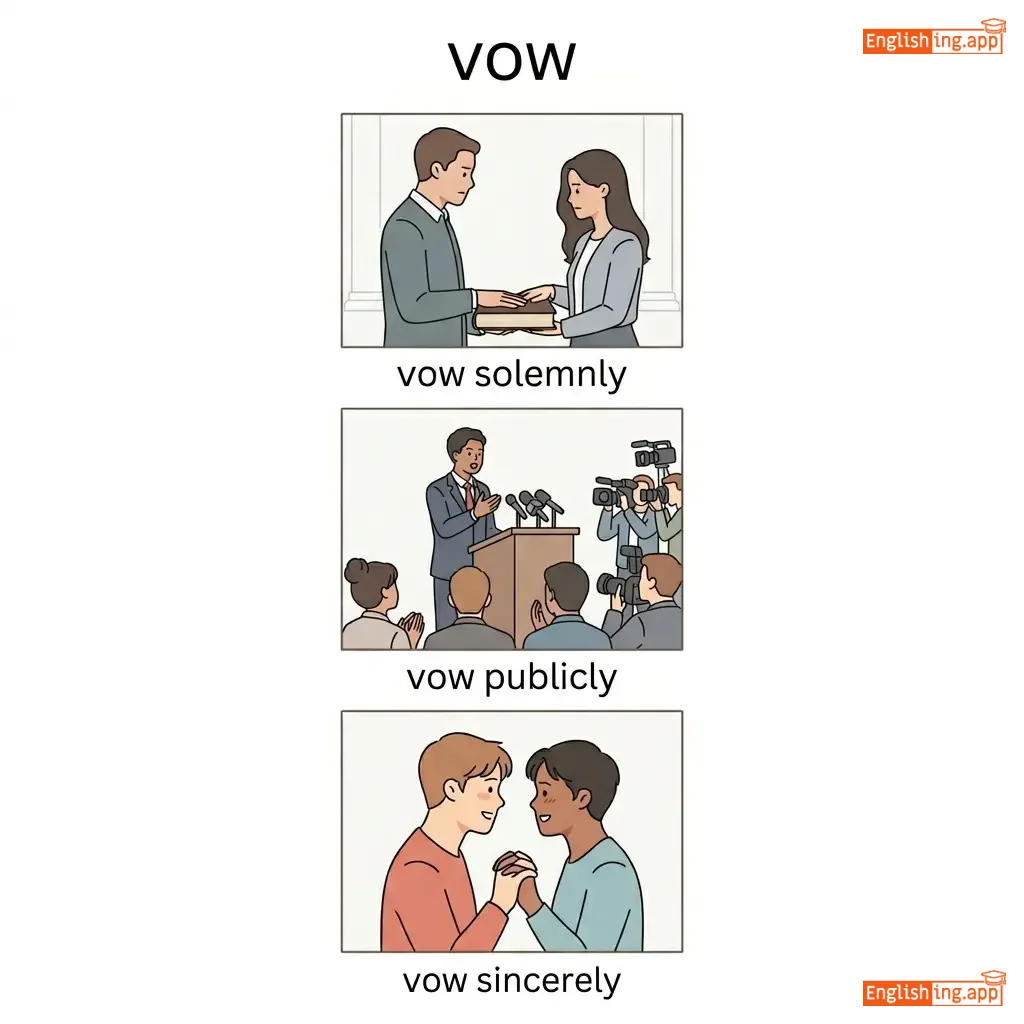
vow solemnly, vow publicly, vow sincerely, vow eternally, vow secretly
••••••
|
发誓是做出一个庄严的承诺
••••••
|
|
#0
🕸️
|
/wɛb/
noun
••••••
|
- •••••• | - •••••• | - •••••• | - •••••• | - •••••• | - •••••• |
a network of fine threads spun by a spider or a complex interconnected system
••••••
|
The spider spun a large web in the corner of the room. |
- •••••• |
world wide web |
the global network of information on the internet
••••••
|
- •••••• |
network, mesh, net, lattice, system
••••••
|
disconnection, isolation
••••••
|
spider web, world wide web, tangled web, web browser
••••••
|
No •••••• |
|
#0
🤔
|
/huː/
pronoun
(谁)
••••••
|
- •••••• |
谁
shui
••••••
|
- •••••• | - •••••• | - •••••• | - •••••• |
used to ask about a person or people
••••••
|
Who is coming to the party tonight? |
今晚谁来参加派对?
Jīnwǎn shuí lái cānjiā pàiduì?
••••••
|
- •••••• | - •••••• | - •••••• |
whoever, which person
••••••
|
none
••••••
|
who is, who are, who knows
••••••
|
To ask 'who' in Chinese, just say '谁'!
••••••
|
|
#0
❓
|
/waɪ/
adverb
(wài)
••••••
|
- •••••• |
为什么
wei shenme
••••••
|
- •••••• | - •••••• | - •••••• | - •••••• |
For what reason or purpose; used to ask about the cause of something
••••••
|
Why are you late today? |
今天你为什么迟到了?
jīntiān nǐ wèishénme chídào le?
••••••
|
- •••••• | - •••••• | - •••••• |
wherefore, how come
••••••
|
because, therefore
••••••
|
why not, that's why, reason why
••••••
|
No •••••• |
|
#0
🧠
|
/wɪt/
noun
(wɪt)
••••••
|
- •••••• |
机智
jizhi
••••••
|
- •••••• | - •••••• | - •••••• | - •••••• |
the ability to use words and ideas in a quick and inventive way to create humor
••••••
|
Her sharp wit made everyone laugh at the party. |
她的机智让每个人在聚会上都笑了。
ta de jizhi rang meige ren zai juhui shang dou xiao le.
••••••
|
at one's wit's end |
to be so worried, confused, or annoyed that you do not know what to do next
••••••
|
到达极限
daoda jixian
••••••
|
humor, cleverness, intelligence, sharpness, quickness
••••••
|
dullness, stupidity, seriousness
••••••
|
sharp wit, quick wit, dry wit, display wit
••••••
|
Wit 就是机智,巧妙的语言幽默,就像通过机智说笑话一样。
••••••
|
Vocabulary Quiz
Test your vocabulary by matching words with their translations or meanings.
Login to take the quiz
Comments (0)
Share your thoughts and join the discussion.
Join the discussion by logging in
Login to CommentNo comments yet
Be the first to share your thoughts!