

市政厅绿色集会
Town Hall Green Rally
早上,一群和平的mob在市政厅举起横幅。 市长开始时给了一个尊重的nod并倾听他们的诉求。 他们宣称,'nor政府不会毁掉我们的河流。' 人群喊道:'我们不会保持沉默not!' 园里种植的nut小吃在广场上分发。 一些标语牌警告道:'也要注意odd小时。' 警方封锁了道路的一条车道off。 在倒计时时,所有人举手高呼'one voice'。 集会后,他们承诺opt采取更环保的政策。 Jonaki说:'our力量在于团结。' 学生们宣誓:'我们不会在没有解决方案的情况下out。' 公司代表承认他们仍然owe赔偿。 记者们匆忙拿出他们的pad笔记本。 家庭主妇们相互拍拍肩膀,给予安慰的pat。 当选代表承诺提供更好的环境per capita支持。 农民们分享了他们的pig养殖故事,以拯救土地。 第三组的孩子们分发pin徽章来收集签名。 一辆音乐卡车突然播放了一首pop国歌。 一位志愿律师宣布了一波pro bono服务。 最后,每个人都把收集的塑料放进回收箱里put。

Swipe left or right, or use the buttons. Tap image to zoom.
例句翻译
单词
Town Hall Green RallyTown Hall Green Rally - 遮罩切换
|
表情符号
|
单词 | Images | 翻译 | 过去时 | 过去分词 | 第三人称单数 | 动名词 | 含义 | 例句 | 例句翻译 | 示例表达 | 示例表达含义 | 示例表达翻译 | 同义词 | 反义词 | 搭配词 | 助记符 |
|---|---|---|---|---|---|---|---|---|---|---|---|---|---|---|---|---|---|
|
#0
👥
|
/mɒb/
noun
(mó)
••••••
|
- •••••• |
暴民; 一个采取暴力行动的群体
bàomín; yī gè cǎiqǔ bàolì xíngdòng de qúntǐ
••••••
|
- •••••• | - •••••• | - •••••• | - •••••• |
a large crowd of people; a group that acts in a violent way
••••••
|
An angry mob gathered outside the building.
An angry mob gathered outside the building.
••••••
|
一群愤怒的暴民聚集在大楼外。
Yī qún fènnù de bàomín jùjí zài dàlóu wài.
••••••
|
- •••••• | - •••••• | - •••••• |
crowd, gang, horde, rabble
••••••
|
individual, order, peace
••••••
|
angry mob, mob rule, mob violence
••••••
|
Mob带来暴力和混乱,像暴民一样行动
••••••
|
|
#0
👍
|
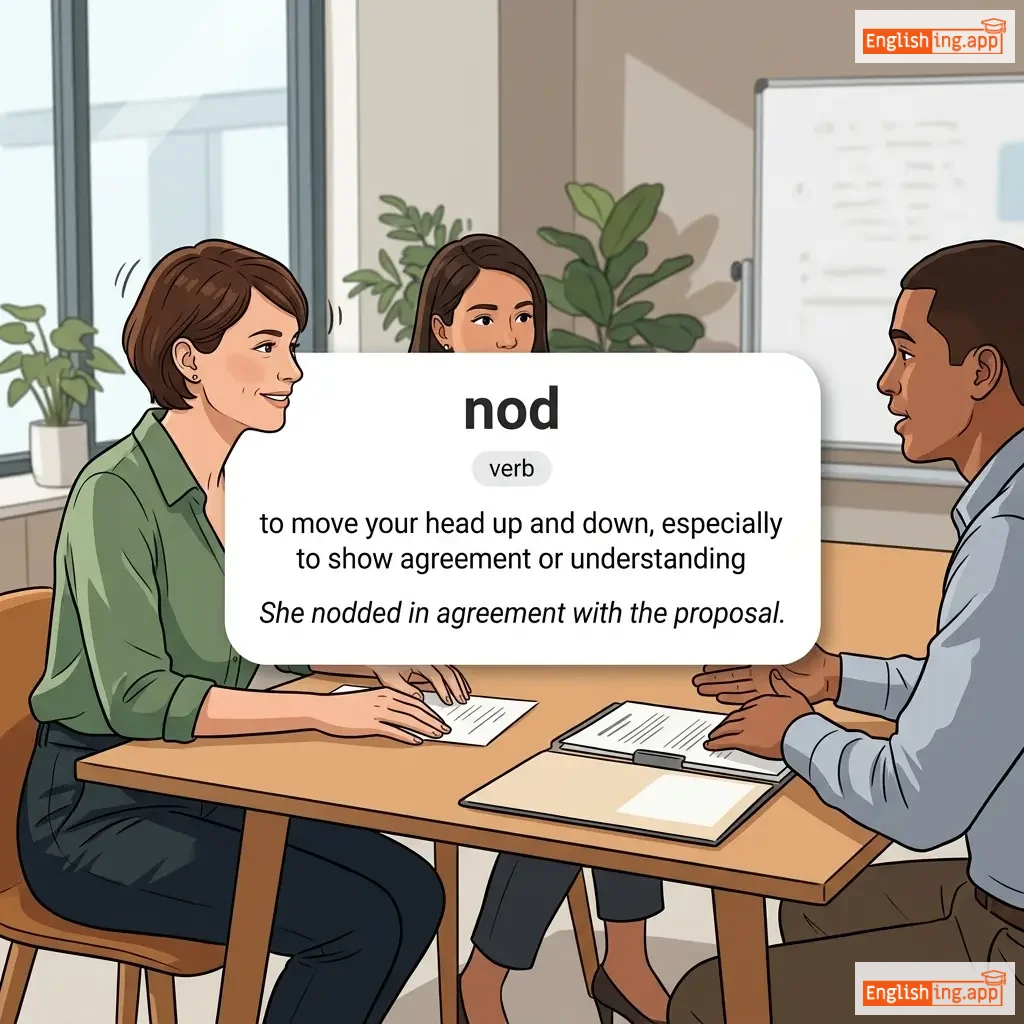
/nɒd/
verb
(诺德)
••••••
|
|
点头
diǎntóu
••••••
|
nodded
诺德德
••••••
|
nodded
诺德德
••••••
|
nods
诺德斯
••••••
|
nodding
诺丁
••••••
|
to move one's head down and up to show agreement or acknowledgment
••••••
|
She nodded in agreement with the proposal.
她点头表示同意该提议。
••••••
|
她点头表示同意该提议。
Tā diǎntóu biǎoshì tóngyì gāi tíyì.
••••••
|
- •••••• | - •••••• | - •••••• |
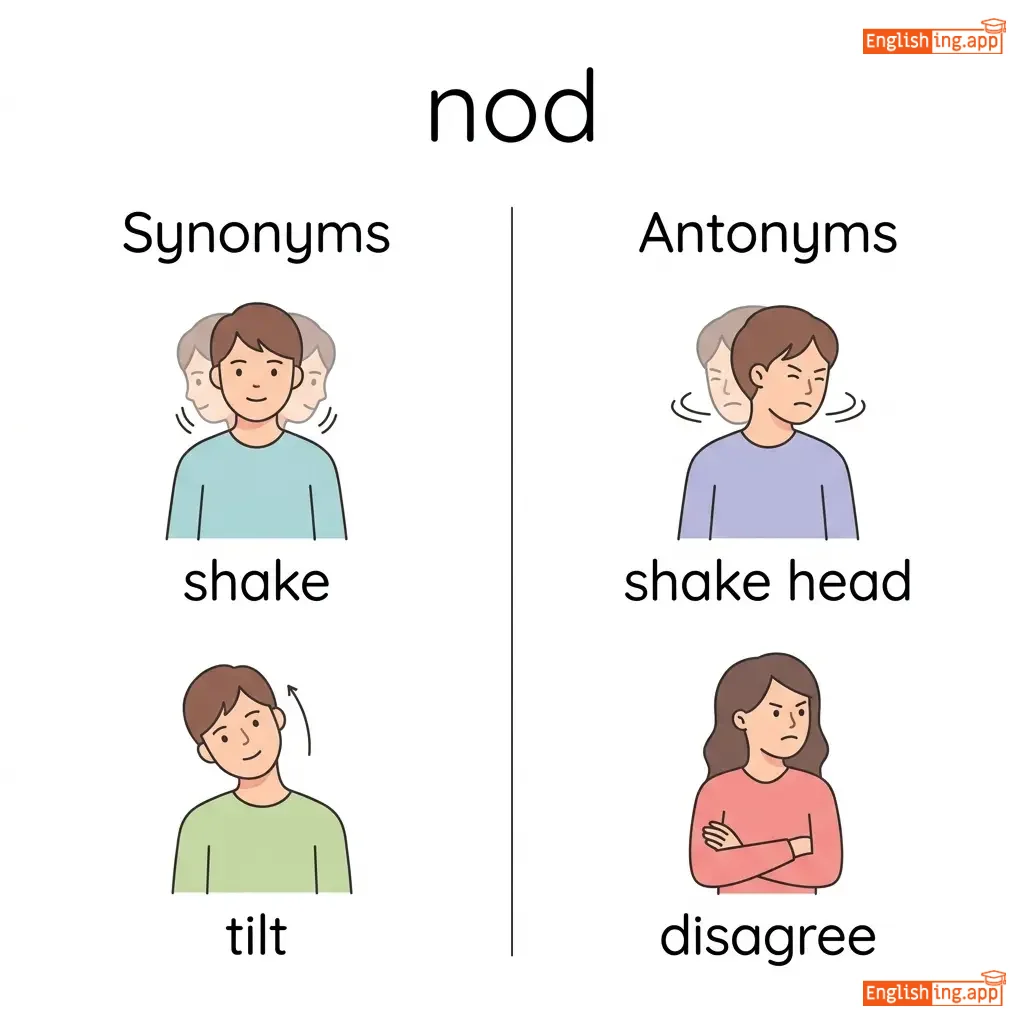
agree, acknowledge, approve, confirm
••••••
|
shake, disagree, deny
••••••
|
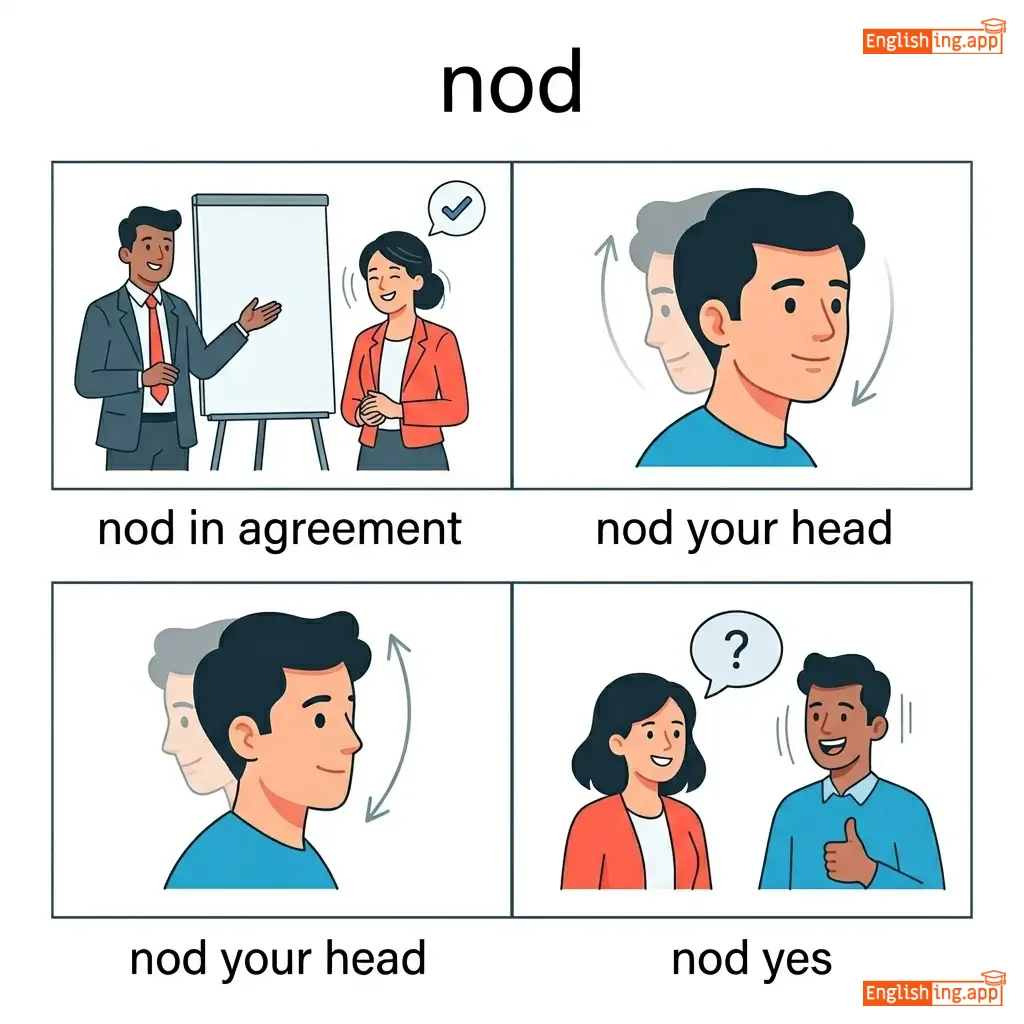
nod agreement, nod slowly, nod approvingly, nod politely, nod understanding
••••••
|
点头示意同意
••••••
|
|
#0
🚫➡️🚫
|
/nɔːr/
conjunction
(诺尔)
••••••
|
- •••••• |
也不
yě bù
••••••
|
- •••••• | - •••••• | - •••••• | - •••••• |
used to introduce a negative clause after a negative statement
••••••
|
He didn't call, nor did he send a message. |
他没有打电话,也没有发送消息。
Tā méiyǒu dǎ diànhuà, yě méiyǒu fāsòng xiāoxī.
••••••
|
- •••••• | - •••••• | - •••••• |
and not, neither
••••••
|
and, or
••••••
|
nor did, nor have
••••••
|
Nor - 'Not' after a negative statement.
••••••
|
|
#0
🚫
|
/nɒt/
adverb
(诺特)
••••••
|
- •••••• |
不
bu
••••••
|
- •••••• | - •••••• | - •••••• | - •••••• |
used to make a word or phrase negative
••••••
|
I do not like spicy food. |
我不喜欢辣的食物。
Wǒ bù xǐhuān là de shíwù.
••••••
|
- •••••• | - •••••• | - •••••• |
no, never
••••••
|
yes
••••••
|
not sure, not at all, not yet, not going
••••••
|
Not (不) – 'Bu' means denying or rejecting something.
••••••
|
|
#0
🥜
|
/nʌt/
noun
(ナット)
••••••
|
- •••••• |
坚果
jian guo
••••••
|
- •••••• | - •••••• | - •••••• | - •••••• |
a hard-shelled fruit that contains a seed, or a small metal piece used in machinery
••••••
|
She ate a peanut, which is a type of nut. |
她吃了一颗花生,这是坚果的一种。
Tā chīle yī kē huāshēng, zhè shì jiānguǒ de yī zhǒng.
••••••
|
- •••••• | - •••••• | - •••••• |
seed, kernel, shell
••••••
|
fruit, vegetable
••••••
|
eat nuts, nut shell, nutcracker
••••••
|
Nut is like a jianguo, tough but full of reward when you crack it!
••••••
|
|
#0
🤔
|
/ɒd/
adjective
(od)
••••••
|
- •••••• |
奇怪
qiguai
••••••
|
- •••••• | - •••••• | - •••••• | - •••••• |
different from what is usual or expected; strange or peculiar
••••••
|
He has some odd habits that surprise everyone. |
他有一些奇怪的习惯,令人感到惊讶。
Ta you yixie qiguai de xiguan, lingren gandao jingya.
••••••
|
odd one out |
something or someone that is different from the rest
••••••
|
格格不入
gege buru
••••••
|
strange, unusual, peculiar, weird, irregular
••••••
|
normal, usual, regular
••••••
|
odd number, odd job, odd behavior, odd coincidence
••••••
|
Odd 是奇怪的 (qiguai); Odd = 奇怪的。
••••••
|
|
#0
⏹️
|
/ɔːf/
adverb
(阿夫)
••••••
|
- •••••• |
关
guan
••••••
|
- •••••• | - •••••• | - •••••• | - •••••• |
away from a place, position, or time; not functioning
••••••
|
He turned off the light before leaving the room. |
他在离开房间之前关掉了灯。
ta zai likai fangjian zhijiang guan diao le deng.
••••••
|
off the record |
something said privately and not intended for publication
••••••
|
off the record
off the record
••••••
|
away, removed, disconnected, distant
••••••
|
on, connected, attached
••••••
|
turn off, switch off, go off, keep off
••••••
|
Off意味着关掉,就像你关掉灯,一切变暗。
••••••
|
|
#0
1️⃣
|
/wʌn/
pronoun, noun, adjective
(wān)
••••••
|
- •••••• |
一
yi
••••••
|
- •••••• | - •••••• | - •••••• | - •••••• |
the number equivalent to the sum of zero and one; a single person or thing
••••••
|
Only one student answered the question.
只有一个学生回答了问题。
••••••
|
只有一个学生回答了问题。
Zhǐ yǒu yī gè xuéshēng huídále wèntí.
••••••
|
one of a kind
独一无二
••••••
|
unique; very special
••••••
|
独一无二
dú yī wú èr
••••••
|
single, individual, sole, unique
••••••
|
many, multiple
••••••
|
one day, one time, one person, one chance
••••••
|
ONE意味着一 1️⃣ — 'duī yī wú èr' 记住
••••••
|
|
#0
🫴
|
/ɒpt/
verb
(opt)
••••••
|
- •••••• |
选择
xuanze
••••••
|
opted
opted
••••••
|
opted
opted
••••••
|
opts
opts
••••••
|
opting
opting
••••••
|
to choose or decide to do something instead of something else
••••••
|
Many students opt to study abroad for better opportunities.
many students opt to study abroad for better opportunities.
••••••
|
许多学生选择出国留学以获得更好的机会。
Xuduo xuesheng xuanze chuguo liuxue yi huode geng hao de jihui.
••••••
|
opt for
opt for
••••••
|
to choose one thing instead of another
••••••
|
选择
xuanze
••••••
|
choose, select, decide, pick, prefer
••••••
|
reject, decline, refuse
••••••
|
opt for, opt out, opt in, opt against
••••••
|
Opt来选择,选择就是opt。
••••••
|
|
#0
🏡
|
/aʊər/
pronoun
(au'er)
••••••
|
- •••••• |
我们的
wǒmen de
••••••
|
- •••••• | - •••••• | - •••••• | - •••••• |
belonging to or associated with the speaker and one or more other people
••••••
|
This is our house. |
这是我们的房子。
Zhè shì wǒmen de fángzi.
••••••
|
- •••••• | - •••••• | - •••••• |
ours, belonging to us, our own
••••••
|
their, your
••••••
|
our family, our team, our responsibility
••••••
|
我们 (wǒmen) 说这是我们的 (wǒmen de) 房子。
••••••
|
|
#0
➡️
|
/aʊt/
adverb
(áo tè)
••••••
|
- •••••• |
外面
wàimiàn
••••••
|
- •••••• | - •••••• | - •••••• | - •••••• |
moving or appearing away from the inside or center; not at home or present
••••••
|
He stepped out of the room quietly. |
他悄悄地走出房间。
Tā qiāoqiāo de zǒuchū fángjiān.
••••••
|
out of the blue |
happening unexpectedly
••••••
|
突然
túrán
••••••
|
outside, away, absent, beyond
••••••
|
in, inside
••••••
|
out of control, out of reach, out of stock, out of time
••••••
|
Out意味着外面 - 在足球中,当球员出局时,他走出场外。
••••••
|
|
#0
💳
|
/oʊ/
verb
(owe)
••••••
|
|
欠债
qiàn zhài
••••••
|
owed
owed
••••••
|
owed
owed
••••••
|
owes
owes
••••••
|
owing
owing
••••••
|
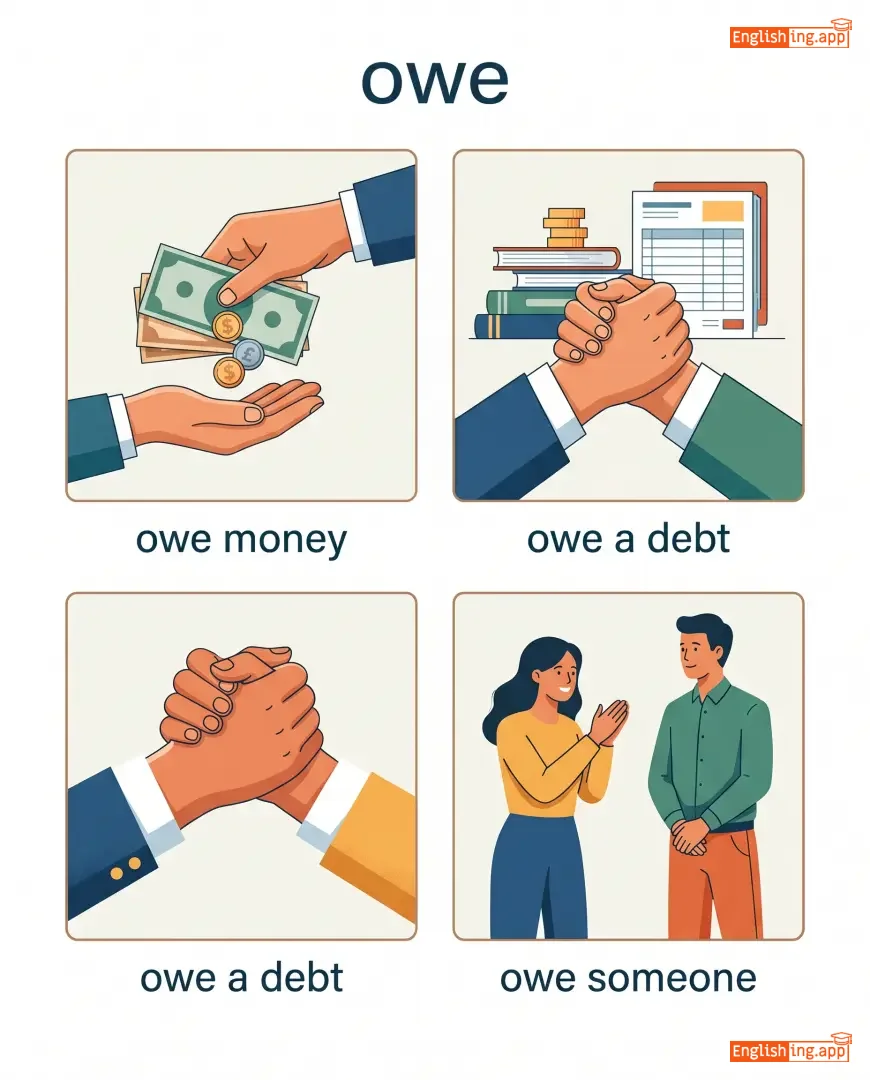
to be under obligation to pay or repay; to be indebted
••••••
|
I owe my success to my parents' support.
我将我的成功归功于父母的支持。
••••••
|
我将我的成功归功于父母的支持。
Wǒ jiāng wǒ de chénggōng guīgōng yú fùmǔ de zhīchí.
••••••
|
- •••••• | - •••••• | - •••••• |
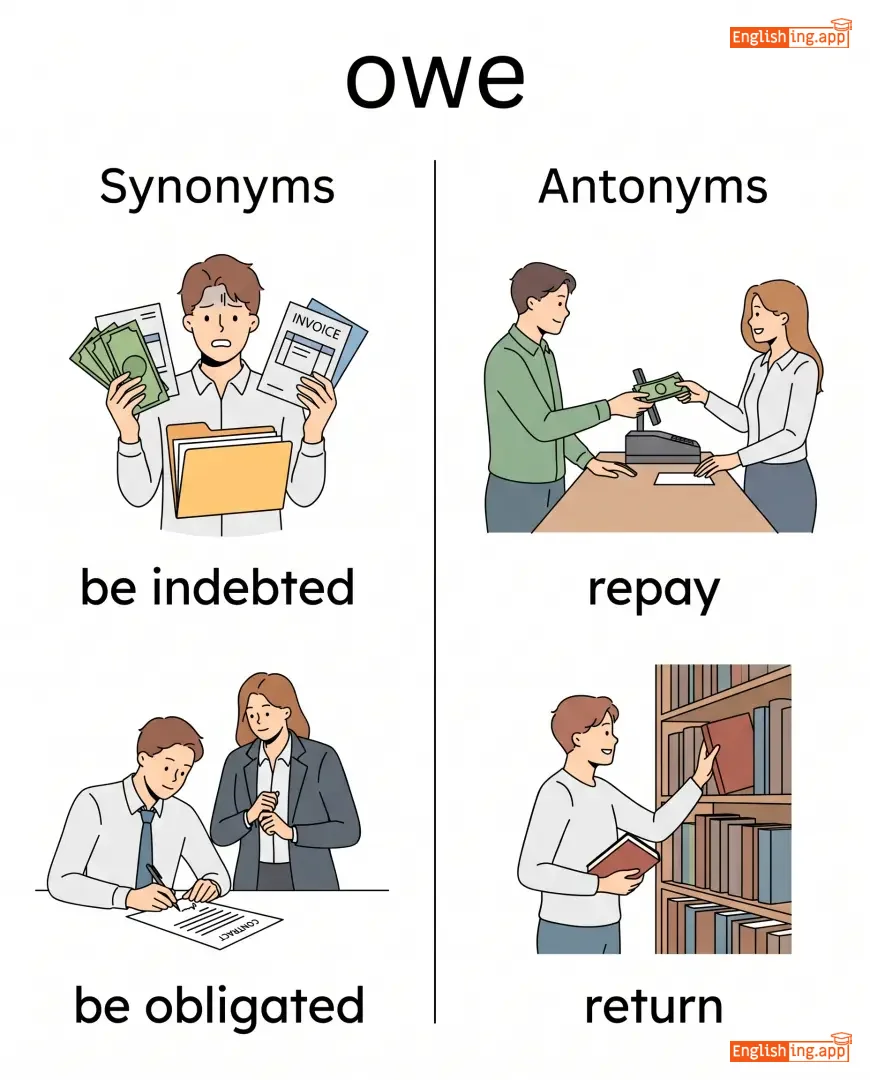
be indebted, be obligated, be liable, be in debt
••••••
|
own, possess, have, collect
••••••
|
owe money, owe debt, owe favor, owe gratitude
••••••
|
欠债就要还钱,跟父母的支持一样重要。
••••••
|
|
#0
📒
|
/pæd/
noun
(pad)
••••••
|
- •••••• |
便签本
biàn qiānběn
••••••
|
- •••••• | - •••••• | - •••••• | - •••••• |
a small cushion or block of soft material; also a set of sheets of paper fastened together
••••••
|
He wrote her phone number on a yellow pad.
他把她的电话号码写在一个黄色的便签本上。
••••••
|
他把她的电话号码写在一个黄色的便签本上。
Tā bǎ tā de diànhuà hàomǎ xiě zài yīgè huángsè de biàn qiānběn shàng.
••••••
|
notepad
记事本
••••••
|
a small notebook for writing notes
••••••
|
记事本
jìshìběn
••••••
|
cushion, mat, block, notebook, sheet
••••••
|
hardboard, rough surface
••••••
|
writing pad, note pad, knee pad, shoulder pad
••••••
|
Pad 既是垫子也是便签本
••••••
|
|
#0
🤚
|
/pæt/
verb
••••••
|
- •••••• | - •••••• |
patted
••••••
|
patted
••••••
|
pats
••••••
|
patting
••••••
|
to touch someone or something gently, often to show affection or approval
••••••
|
She gently patted the dog on its head. |
- •••••• |
pat on the back |
praise or approval for someone's achievement
••••••
|
- •••••• |
tap, stroke, caress, touch
••••••
|
hit, slap, strike
••••••
|
pat on the back, pat dry, pat gently, pat down
••••••
|
No •••••• |
|
#0
💵
|
/pɜːr/
preposition
(每)
••••••
|
- •••••• |
每人
meiren
••••••
|
- •••••• | - •••••• | - •••••• | - •••••• |
for each, according to
••••••
|
The tickets are priced at $20 per person. |
票价为每人20美元。
Piaojia wei meiren 20 meiyuan.
••••••
|
- •••••• | - •••••• | - •••••• |
for each, per unit, by
••••••
|
none
••••••
|
per person, per hour, per day
••••••
|
Per person is like 每人 in Chinese
••••••
|
|
#0
🐷
|
/pɪɡ/
noun
(pig)
••••••
|
- •••••• |
猪
zhu
••••••
|
- •••••• | - •••••• | - •••••• | - •••••• |
a farm animal with a snout used for digging and a curly tail; kept for meat such as pork or bacon
••••••
|
The pig rolled happily in the mud. |
猪开心地在泥巴里打滚。
Zhū kāixīn de zài níbā lǐ dǎgǔn.
••••••
|
when pigs fly |
something that will never happen
••••••
|
猪飞的时候
zhū fēi de shíhòu
••••••
|
hog, swine, boar, piglet
••••••
|
human, angel
••••••
|
pig farm, pig meat, pig pen, pig feed
••••••
|
猪 🐷 意味着猪 — 在猪储蓄罐里积攒钱!
••••••
|
|
#0
📍
|
/pɪn/
noun
(针)
••••••
|
- •••••• |
别针
biezhen
••••••
|
- •••••• | - •••••• | - •••••• | - •••••• |
a small thin piece of metal used to fasten or hold things together
••••••
|
She used a pin to attach the note to the board. |
她用别针把纸条固定在黑板上。
Ta yong biezhen ba zhitiaoguding zai heiban shang.
••••••
|
pin something down |
to clearly identify or define something
••••••
|
明确地定义某物
mingque de dingyi mouwu
••••••
|
needle, tack, clip, fastener
••••••
|
loosen, detach
••••••
|
safety pin, hair pin, pin board, pin code
••••••
|
别针意味着用来固定东西的小金属片 — 别针 Point In Note!
••••••
|
|
#0
🎈
|
/pɒp/
verb
(波普)
••••••
|
- •••••• |
爆炸
baozha
••••••
|
popped
爆裂
••••••
|
popped
爆裂
••••••
|
pops
爆裂
••••••
|
popping
爆裂
••••••
|
to make a short, sharp sound, or to burst or break with such a sound
••••••
|
The balloon popped when I accidentally pricked it with a pin.
气球爆裂了,当我不小心用针戳它时。
••••••
|
气球爆裂了,当我不小心用针戳它时。
Qìqiú bàoliè le, dāng wǒ bù xiǎoxīn yòng zhēn chuō tā shí.
••••••
|
- •••••• | - •••••• | - •••••• |
burst, explode, snap, crack
••••••
|
quiet, silence
••••••
|
pop the balloon, pop the cork, pop up, pop out
••••••
|
Pop the balloon, 就像'波普' (Bō pǔ) 爆破气球!
••••••
|
|
#0
🏅
|
/prəʊ/
noun
(pro)
••••••
|
- •••••• |
职业选手
zhiye xuan shou
••••••
|
- •••••• | - •••••• | - •••••• | - •••••• |
a professional, especially in sports; or a person who is in favor of something
••••••
|
He plays tennis like a pro. |
他像职业选手一样打网球。
Tā xiàng zhí yè xuǎn shǒu yī yàng dǎ wǎng qiú.
••••••
|
pros and cons |
the advantages and disadvantages of something
••••••
|
利与弊
lì yǔ bì
••••••
|
expert, professional, specialist, master
••••••
|
amateur, beginner, novice
••••••
|
like a pro, go pro, pro player, pro gamer
••••••
|
Pro意味着职业选手 — 'Pro选手意味着一个专业运动员'.
••••••
|
|
#0
📍
|
/pʊt/
verb
(put)
••••••
|
|
放
fang
••••••
|
put
put
••••••
|
put
put
••••••
|
puts
puts
••••••
|
putting
putting
••••••
|
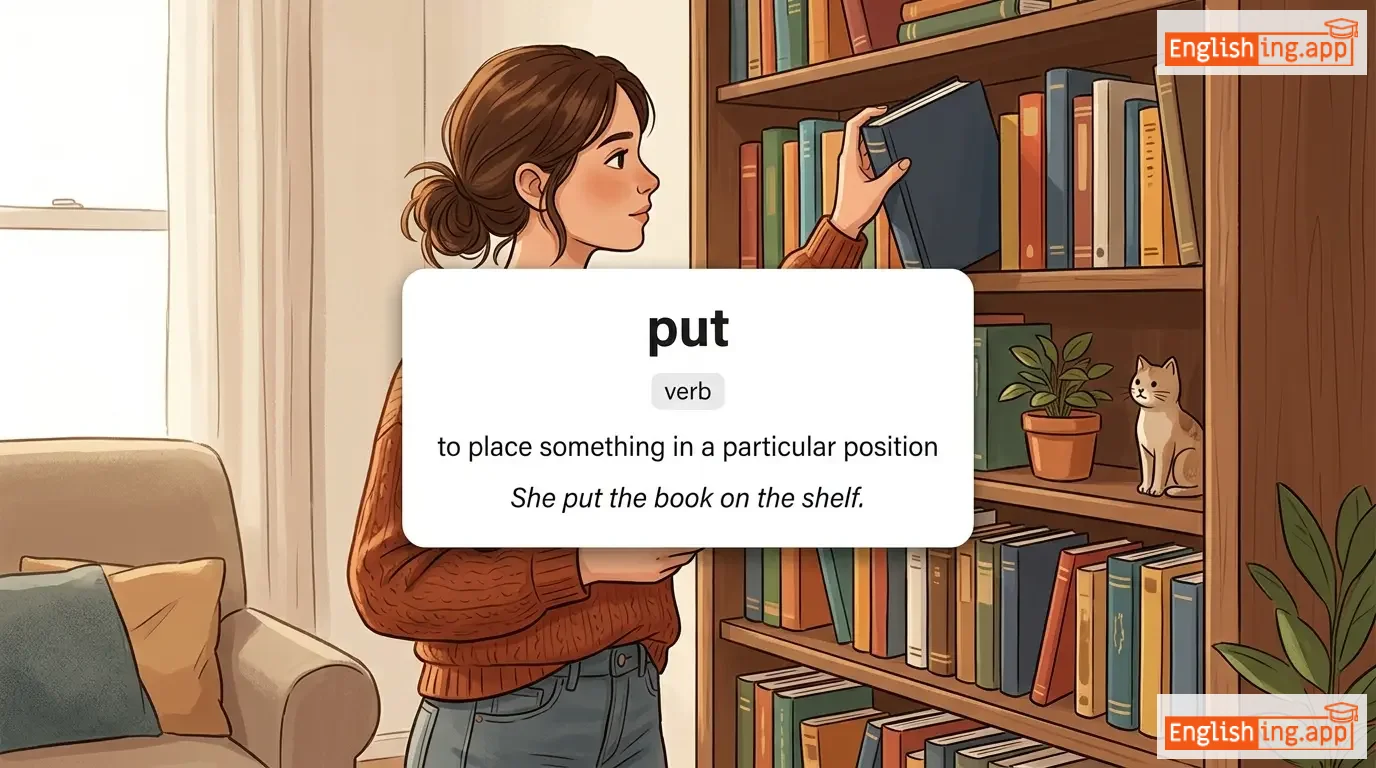
to place something in a particular position; to move to a location
••••••
|
Please put the book on the table.
请把书放在桌子上。
••••••
|
请把书放在桌子上。
Qing ba shu fang zai zhuozi shang.
••••••
|
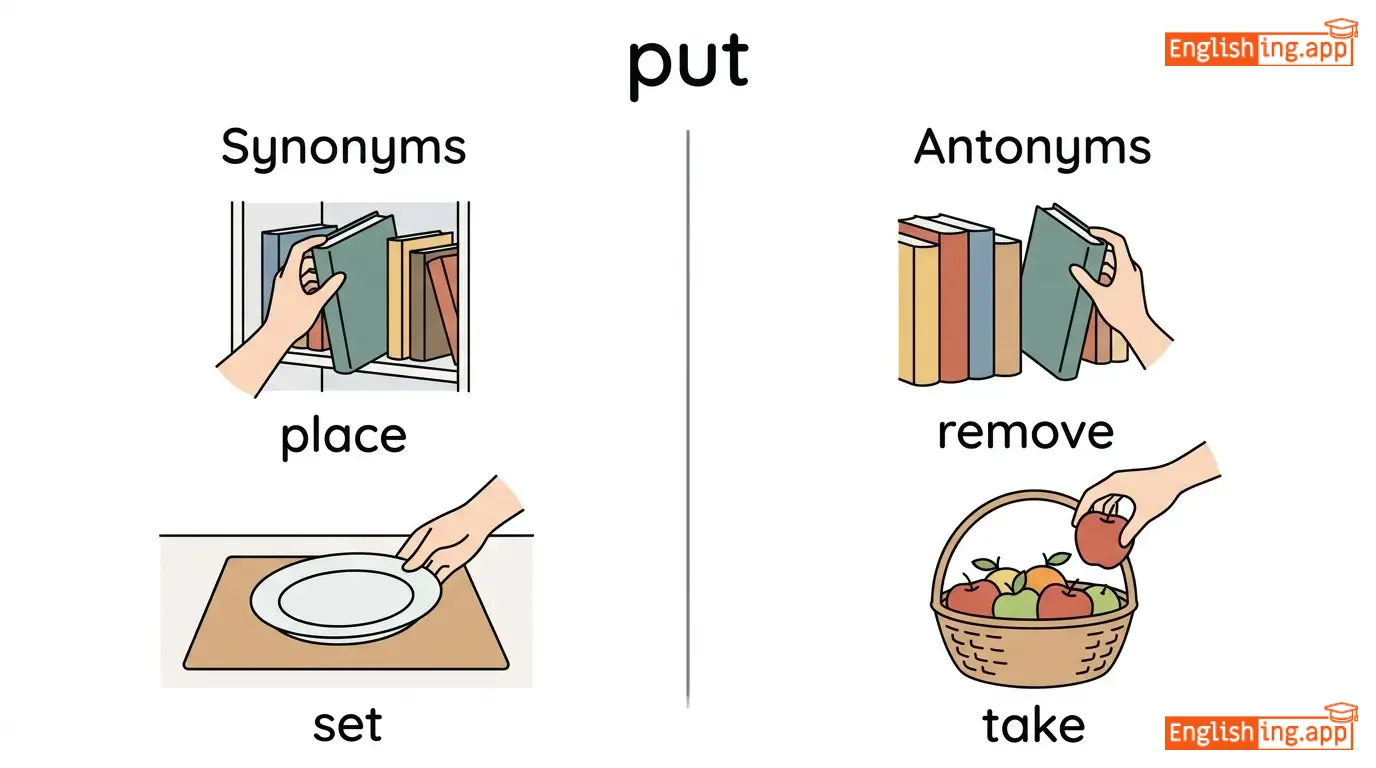
- •••••• | - •••••• | - •••••• |
place, set, position, lay
••••••
|
remove, take, lift, withdraw
••••••
|
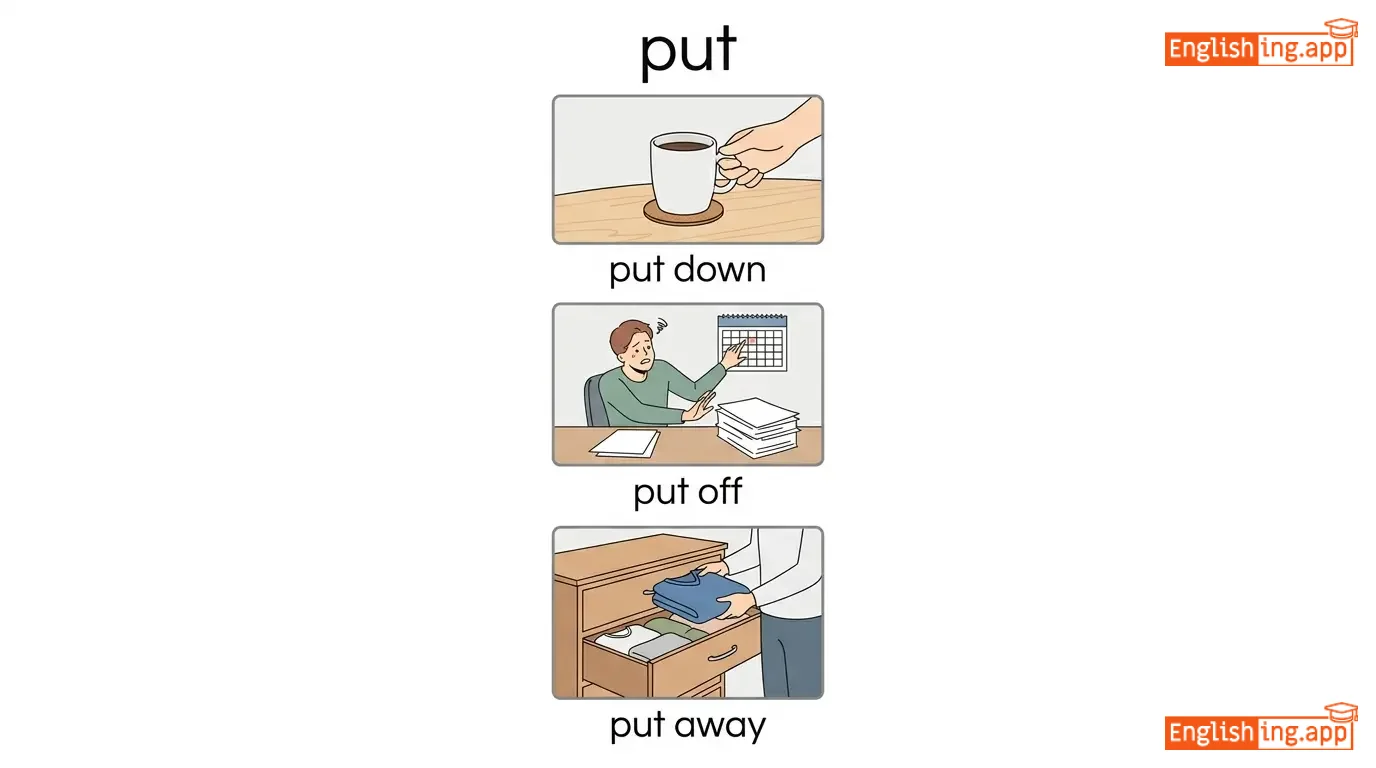
put down, put away, put together, put forward, put pressure, put effort
••••••
|
‘Put’ and ‘放’ share a similar meaning of placing things.
••••••
|
Vocabulary Quiz
Test your vocabulary by matching words with their translations or meanings.
Login to take the quiz
Comments (0)
Share your thoughts and join the discussion.
Join the discussion by logging in
Login to CommentNo comments yet
Be the first to share your thoughts!