

希望的边界
The Border of Hope
卡里姆是一位移民律师。在全球化的时代,许多人希望跨越边界寻找新生活。但保护每个国家的主权同样重要。许多家庭陷入了官僚主义的复杂性。卡里姆曾在一个赞助案件上工作。一个家庭想要接来他们的孩子,但接连的失望接踵而至。政府的干预使得过程更加复杂。卡里姆觉得这一切没有正当理由。办公室里就政策发生了冲突。他指出法律中的矛盾。这是该国一个长期存在的问题。由于政治党的意识形态差异,没有解决方案。每个人都担心人口结构的变化。卡里姆希望有一个融合的社会,人人都有自己的位置。根据百分比,许多人将从这项改革中受益。在一次又一次的成功中,卡里姆成名。他的信心随着连续的成功而增加。在相对较短的时间内,他就带来了变化。据报道,政府将宣布新政策。卡里姆明确声明人类是最大的法则。那一天,许多家庭再次看到了希望。



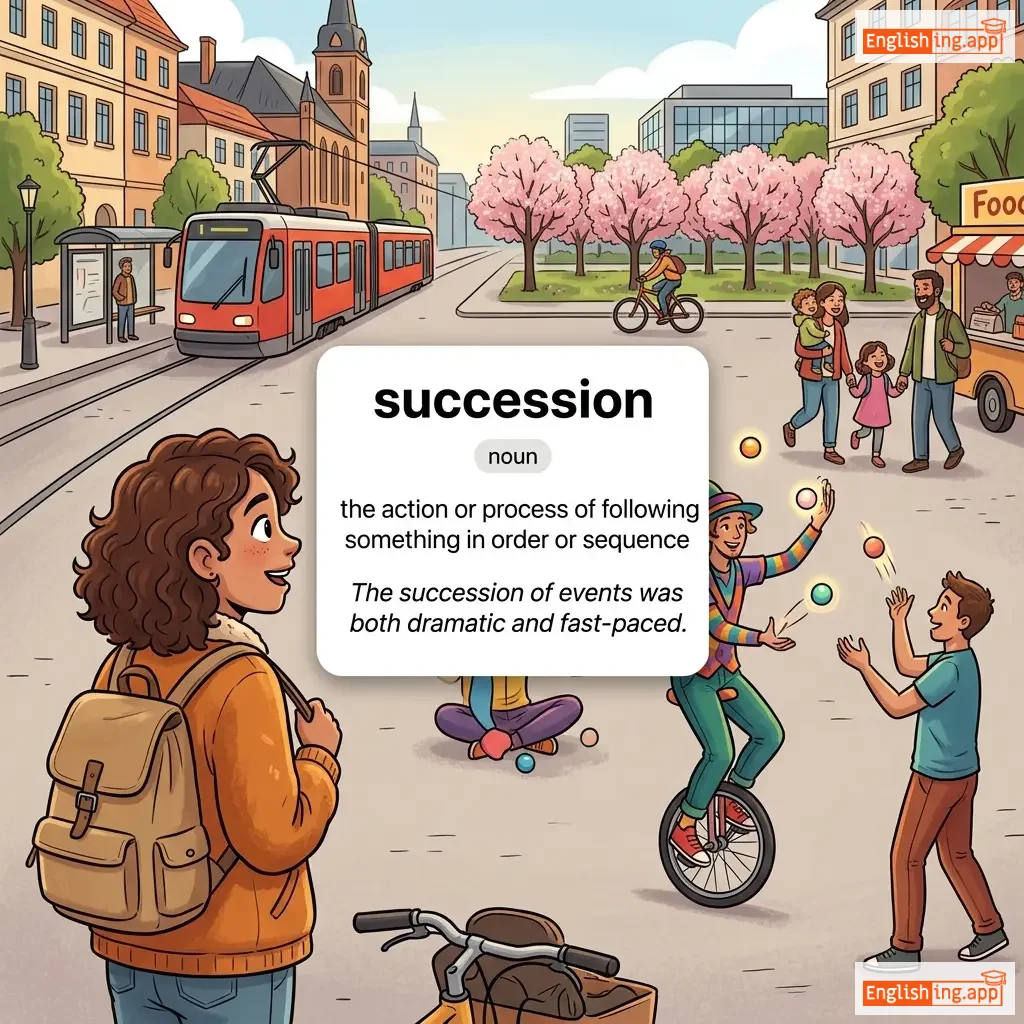
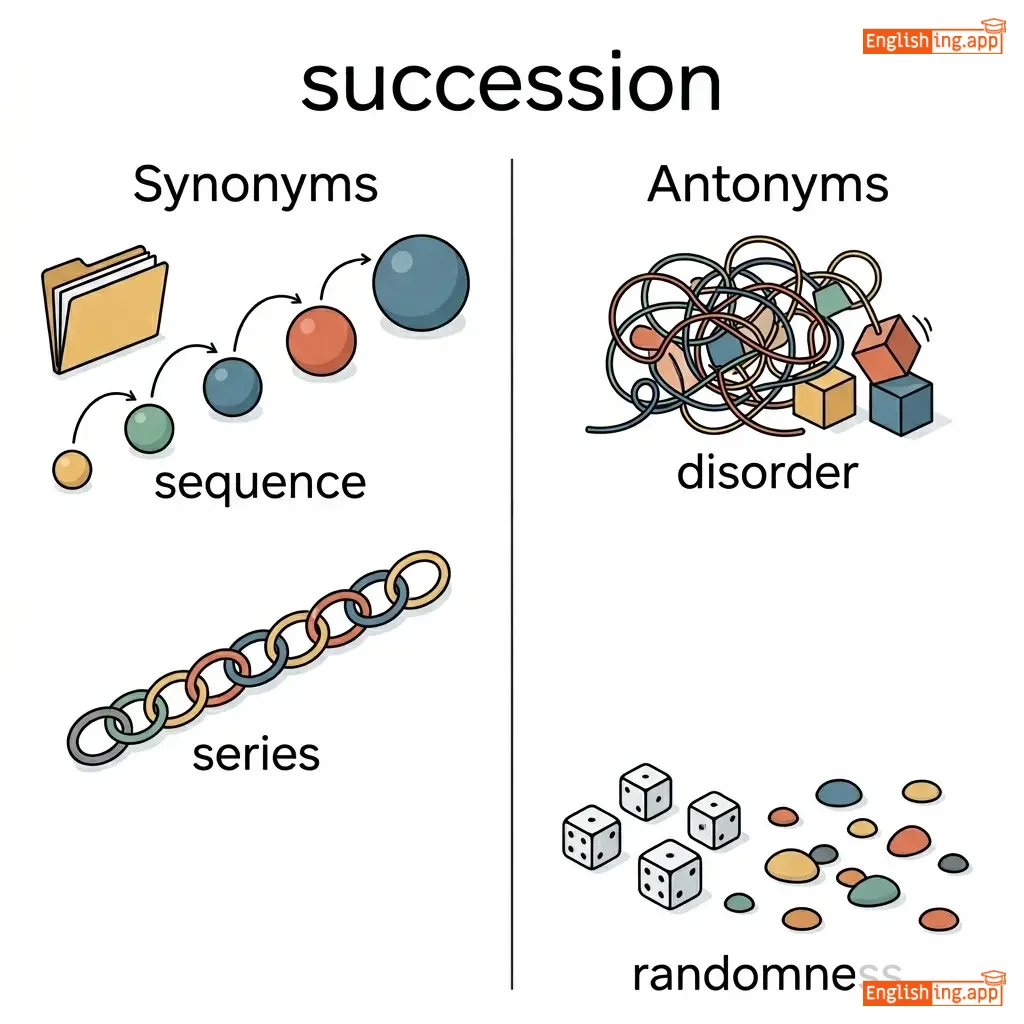
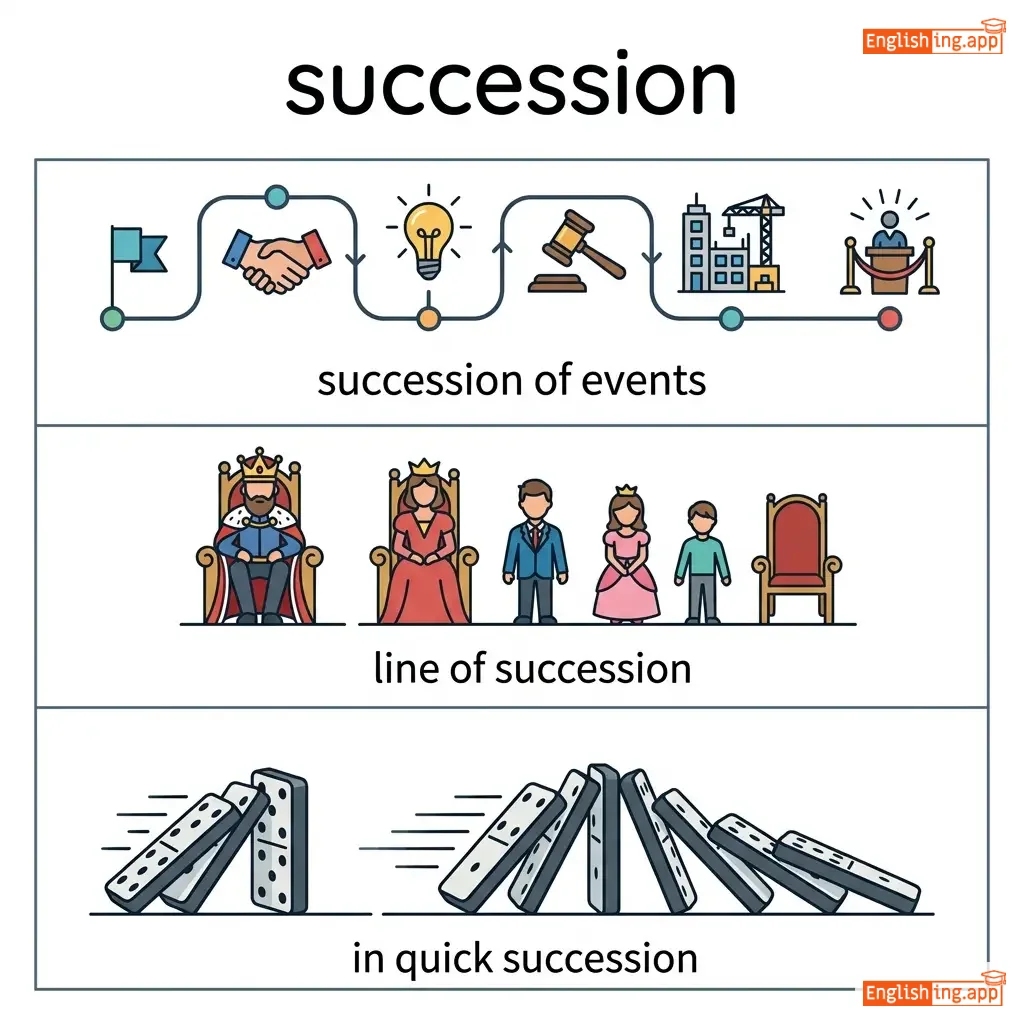
Swipe left or right, or use the buttons. Tap image to zoom.
例句翻译
单词
The Border of HopeThe Border of Hope - 遮罩切换
|
表情符号
|
单词 | Images | 翻译 | 含义 | 例句 | 例句翻译 | 示例表达 | 示例表达含义 | 示例表达翻译 | 同义词 | 反义词 | 搭配词 | 助记符 |
|---|---|---|---|---|---|---|---|---|---|---|---|---|---|
|
#0
📑
|
/bjʊˈrɒkrəsi/
noun
(bǐu luò kè lā xī)
••••••
|
|
官僚主义
guanliaozhuyi
••••••
|
A system of administration marked by official rules, procedures, and hierarchy.
••••••
|
Starting a new business often involves dealing with a lot of bureaucracy. |
开办新企业通常涉及大量的官僚主义。
Kaiban xin qiye tongchang shèjí dàliàng de guānliáozhǔyì.
••••••
|
red tape |
Excessive rules and formalities in bureaucracy.
••••••
|
繁文缛节
fánwénrùjié
••••••
|
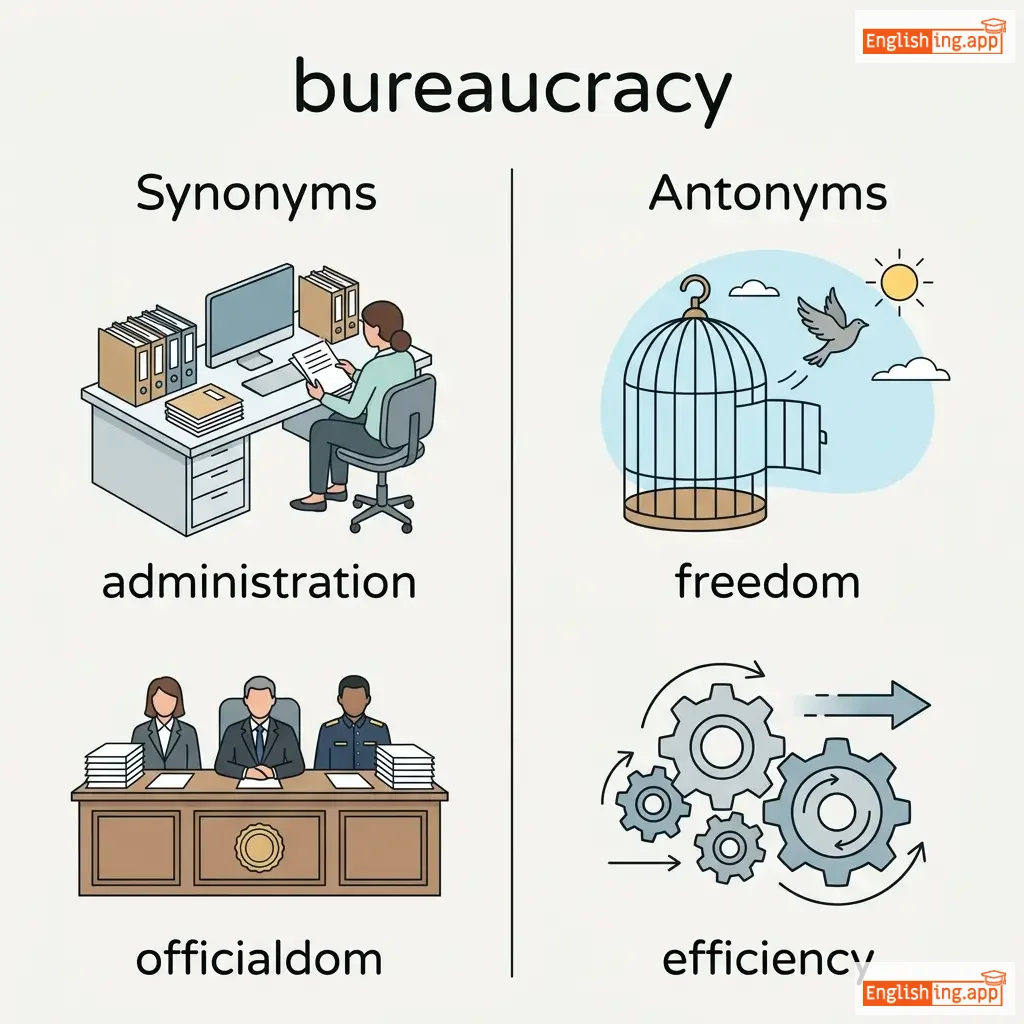
administration, officialdom, authority, government
••••••
|
freedom, efficiency
••••••
|
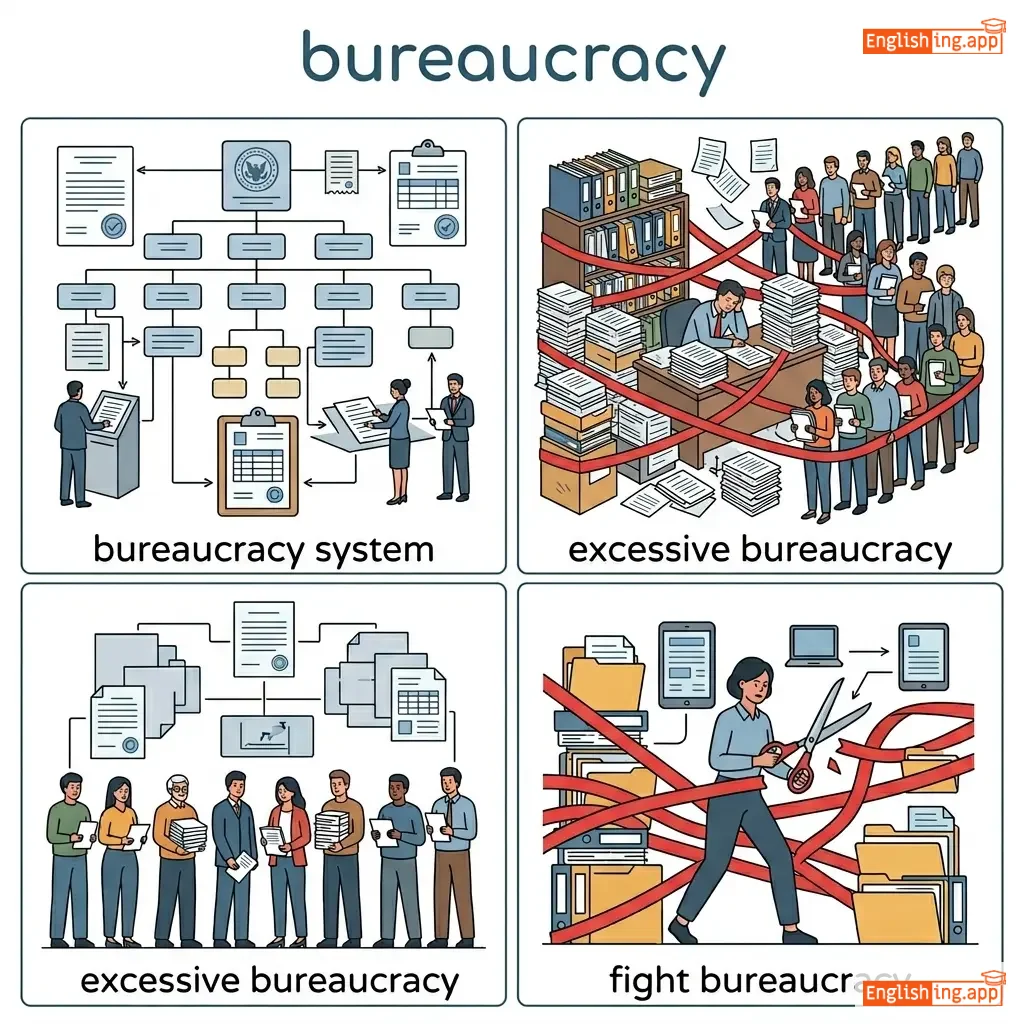
bureaucracy system, excessive bureaucracy, fight bureaucracy
••••••
|
官僚主义就像复杂的繁文缛节,浪费时间。
••••••
|
|
#0
⚔️
|
/ˌkɑn.frənˈteɪ.ʃən/
noun
(kɑnfrənˈteɪʃən)
••••••
|
- •••••• |
对抗
duìkàng
••••••
|
a hostile or argumentative meeting or situation between opposing parties; direct challenge or opposition
••••••
|
The confrontation between the two leaders ended without any agreement.
两位领导人之间的对抗以没有任何协议结束。
••••••
|
两位领导人之间的对抗以没有任何协议结束。
Liǎng wèi lǐngdǎo rén zhī jiān de duìkàng yǐ méiyǒu rènhé xiéyì jiéshù.
••••••
|
- •••••• | - •••••• | - •••••• |
conflict, clash, dispute, face-off
••••••
|
agreement, cooperation, harmony, peace
••••••
|
avoid confrontation, violent confrontation, direct confrontation
••••••
|
对抗 - 两方在同一场合进行直接的对立和争论。
••••••
|
|
#0
⚡
|
/ˌkɑn.trəˈdɪk.ʃən/
noun
(矛盾)
••••••
|
- •••••• |
矛盾; 不一致
maodun, buyizhi
••••••
|
a combination of statements, ideas, or features which are opposed to one another; inconsistency
••••••
|
There was a clear contradiction between his words and his actions. |
他的言辞与行动之间存在明显的矛盾。
Tā de yáncí yǔ xíngdòng zhī jiān cúnzài míngxiǎn de máodùn.
••••••
|
- •••••• | - •••••• | - •••••• |
inconsistency, conflict, opposition, paradox
••••••
|
consistency, agreement, harmony, accord
••••••
|
direct contradiction, logical contradiction, contradiction in terms
••••••
|
Contradiction in Chinese = '矛盾' = opposition of ideas
••••••
|
|
#0
📊
|
/ˌdɛməˈɡræfɪk/
adjective
(人口统计的)
••••••
|
|
人口统计的
renkou tongji de
••••••
|
Relating to the structure of populations, such as age, race, or gender.
••••••
|
The company conducted a demographic study of its customers. |
公司对其客户进行了人口统计研究。
Gōngsī duì qí kèhù jìnxíngle rénkǒu tǒngjì yánjiū.
••••••
|
demographic shift |
a change in the structure of a population
••••••
|
人口统计变化
renkou tongji bianhua
••••••
|
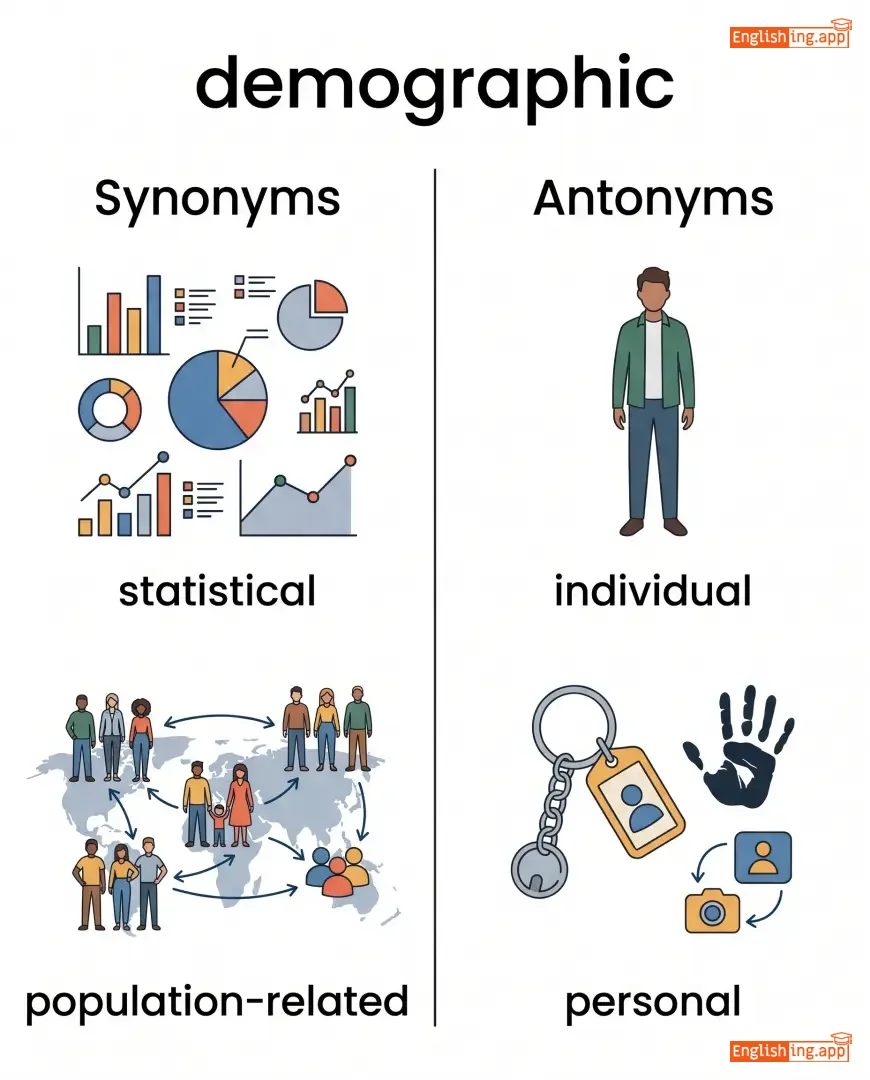
statistical, population-related, social, census-based
••••••
|
individual, personal
••••••
|
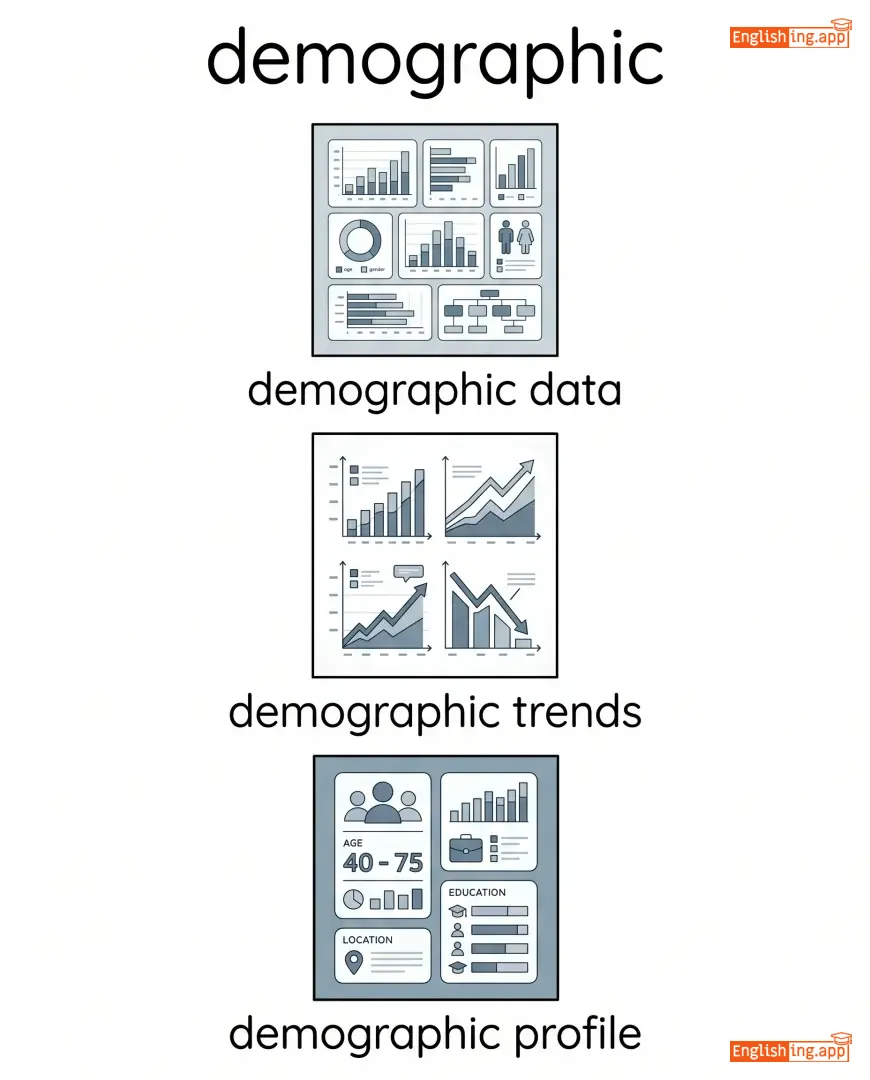
demographic data, demographic trends, demographic profile, demographic change
••••••
|
Demo+图形—Demo意味着人群,图形意味着图像。人口图像就是人口统计的。
••••••
|
|
#0
😞
|
/ˌdɪsəˈpɔɪntmənt/
noun
(迪萨庞特门特)
••••••
|
- •••••• |
失望
shīwàng
••••••
|
the feeling of sadness or displeasure caused by the non-fulfillment of one's hopes or expectations
••••••
|
Her face showed deep disappointment after hearing the results.
她的脸在听到结果后显露出深深的失望。
••••••
|
她的脸在听到结果后显露出深深的失望。
Tā de liǎn zài tīngdào jiéguǒ hòu xiǎnlòu chū shēnshēn de shīwàng.
••••••
|
to one's disappointment
让某人失望
••••••
|
to express that something happened in a way that caused disappointment
••••••
|
让某人失望
ràng mǒu rén shīwàng
••••••
|
frustration, letdown, sadness, regret, dismay
••••••
|
satisfaction, joy, delight
••••••
|
great disappointment, bitter disappointment, express disappointment, feel disappointment
••••••
|
Dis + appointment = 失望, 你没有得到你想要的.
••••••
|
|
#0
🔍
|
/ɪkˈsplɪsɪtli/
adverb
(ik-splí-sit-lí)
••••••
|
- •••••• |
明确地
mingque de
••••••
|
in a clear and detailed manner, leaving no room for confusion or doubt
••••••
|
The instructions were explicitly written to avoid any confusion. |
指示明确地写出来,以避免任何混淆。
Zhishi mingque de xie chulai, yi bimian renhe hunxiao.
••••••
|
- •••••• | - •••••• | - •••••• |
clearly, directly, plainly, unmistakably
••••••
|
implicitly, vaguely
••••••
|
explicitly stated, explicitly mentioned, explicitly clear, explicitly forbidden
••••••
|
Explicitly 意味着‘明确地’,没有任何模糊
••••••
|
|
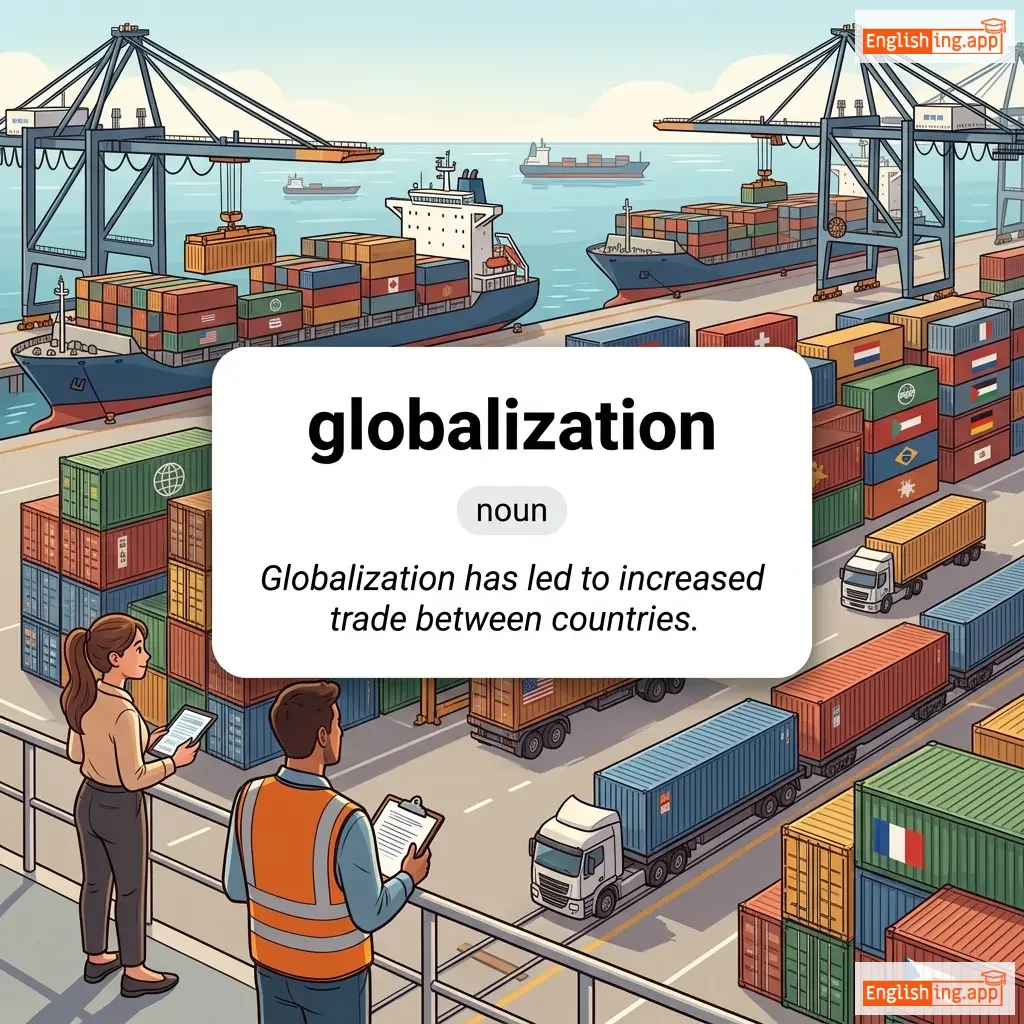
#0
🌍
|
/ˌɡloʊbəlaɪˈzeɪʃən/
noun
(全球化)
••••••
|
|
全球化
quanqiuhua
••••••
|
the process by which businesses or other organizations develop international influence or start operating on an international scale
••••••
|
Globalization has led to increased trade between countries.
全球化导致了各国之间贸易的增长。
••••••
|
全球化导致了各国之间贸易的增长。
Quanqiuhua daozhule geguo zhijian maoyi de zengzhang.
••••••
|
- •••••• | - •••••• | - •••••• |
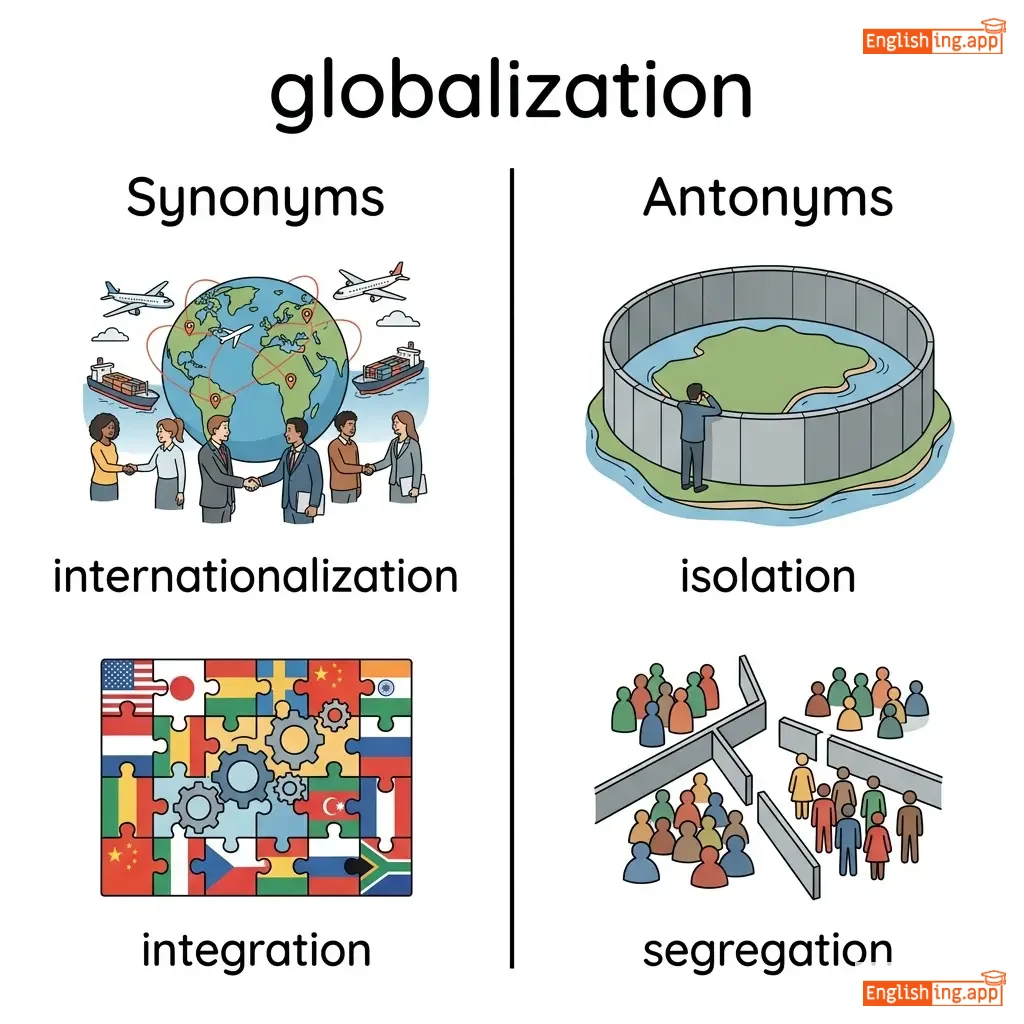
internationalization, integration, worldwide expansion, global reach
••••••
|
isolation, segregation, nationalism
••••••
|
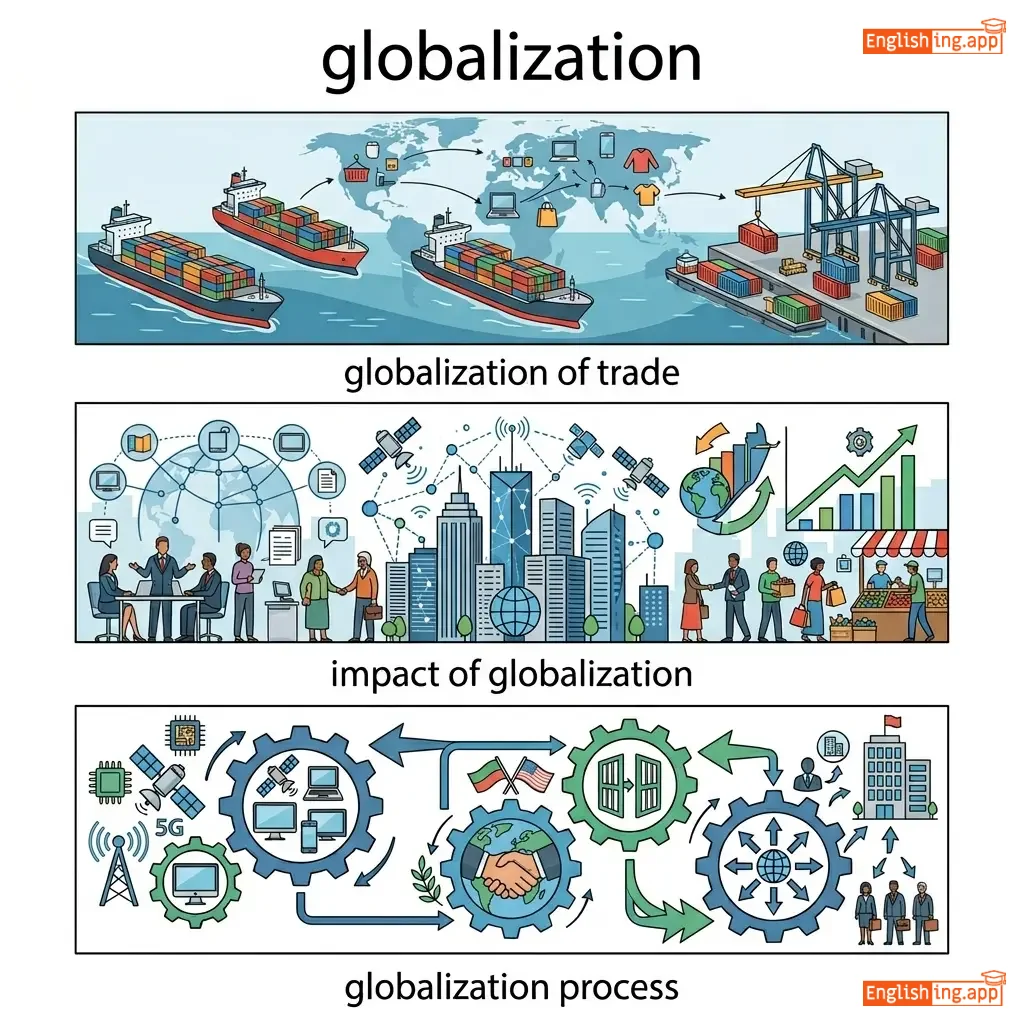
globalization of trade, impact of globalization, globalization process
••••••
|
Globalization connects the world, just like 'global' suggests.
••••••
|
|
#0
📚
|
/ˌaɪ.di.əˈlɒdʒ.ɪ.kəl/
adjective
(aɪ.dɪˈɒl.ədʒɪ.kəl)
••••••
|
- •••••• |
意识形态的
yìshí xíngtài de
••••••
|
Relating to or based on a system of ideas or beliefs.
••••••
|
The two parties are divided by deep ideological differences. |
这两个党派由于深刻的意识形态分歧而分裂。
Zhè liǎng gè dǎngpài yóuyú shēnkè de yìshí xíngtài fēnqí ér fēnliè.
••••••
|
- •••••• | - •••••• | - •••••• |
philosophical, doctrinal, theoretical, political
••••••
|
practical, realistic
••••••
|
ideological debate, ideological conflict, ideological differences
••••••
|
Ideology 到 意识形态 – 关联思想和信仰
••••••
|
|
#0
🛂
|
/ˌɪmɪˈɡreɪʃən/
noun
(移民)
••••••
|
- •••••• |
移民
yímín
••••••
|
the action of coming to live permanently in a foreign country
••••••
|
Immigration policies vary from country to country.
移民政策因国家而异。
••••••
|
移民政策因国家而异。
Yímín zhèngcè yīn guójiā ér yì.
••••••
|
illegal immigration
非法移民
••••••
|
the act of entering a country without legal permission
••••••
|
非法移民
fēifǎ yímín
••••••
|
migration, settlement, relocation, entry
••••••
|
emigration, deportation
••••••
|
immigration policy, immigration law, illegal immigration, mass immigration
••••••
|
移民即 '移' + '民' - 迁往另一个国家.
••••••
|
|
#0
🔗
|
/ˈɪntɪɡreɪtɪd/
adjective
(ɪnˈtɛɡreɪtɪd)
••••••
|
|
集成的
jíchéng de
••••••
|
combined or united to form a whole; including all parts or people equally
••••••
|
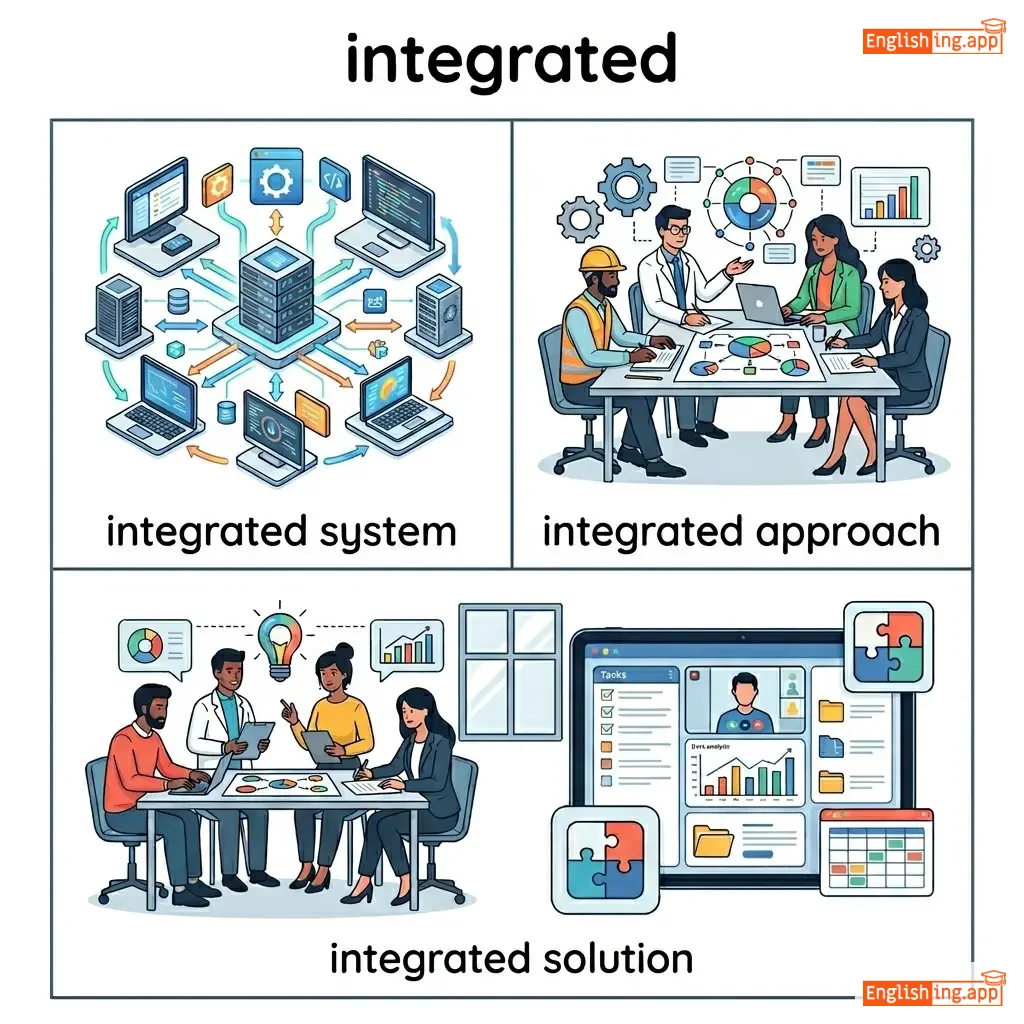
The company offers an integrated system for managing all business operations. |
公司提供一个集成系统来管理所有业务操作。
Gōngsī tígōng yīgè jíchéng xìtǒng lái guǎnlǐ suǒyǒu yèwù cāozuò.
••••••
|
- •••••• | - •••••• | - •••••• |
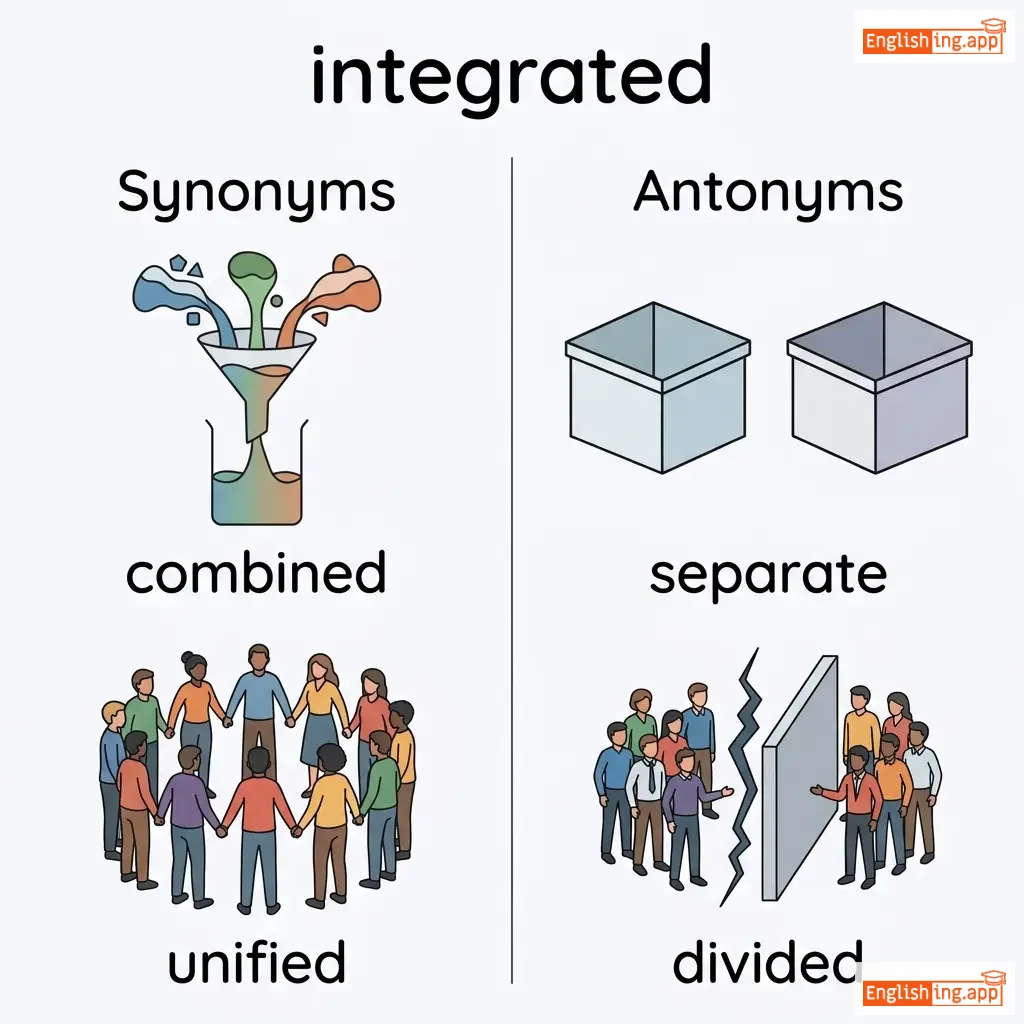
combined, unified, merged, cohesive, connected
••••••
|
separate, divided, isolated
••••••
|
integrated system, integrated approach, integrated solution, fully integrated
••••••
|
集成的意味着将一切组合在一起,形成一个完整的系统。
••••••
|
|
#0
📡
|
/ˌɪntərˈfɪərəns/
noun
(干扰)
••••••
|
- •••••• |
干扰
ganrao
••••••
|
the action of interfering with something
••••••
|
The radio signal was disrupted due to interference from nearby electronics. |
由于附近电子设备的干扰,无线电信号受到了干扰。
Youyu fujin dianzi shebei de ganrao, wuxiandian xinhao shoudao le ganrao.
••••••
|
- •••••• | - •••••• | - •••••• |
disruption, obstruction, hindrance, disturbance
••••••
|
assistance, help, support
••••••
|
radio interference, signal interference, electronic interference, interference pattern
••••••
|
干扰就像是信息传递时的障碍,使通信受到阻碍。
••••••
|
|
#0
📝
|
/ˌdʒʌstɪfɪˈkeɪʃən/
noun
(辩解)
••••••
|
- •••••• |
辩解
biànjiě
••••••
|
a reason, explanation, or excuse that shows something is right or reasonable
••••••
|
There is no justification for such rude behavior. |
对这种粗鲁行为没有辩解。
duì zhè zhǒng cūlǔ xíngwéi méiyǒu biànjiě
••••••
|
- •••••• | - •••••• | - •••••• |
reason, excuse, defense, explanation, rationale
••••••
|
accusation, blame
••••••
|
provide justification, lack of justification, justification for action
••••••
|
Justification就是辩解,要证明某事正确,就需要辩解。
••••••
|
|
#0
⌛
|
/ˈlɒŋ ˈstændɪŋ/
adjective
(long-standing)
••••••
|
- •••••• |
长期的
changqi de
••••••
|
having existed or continued for a long period of time
••••••
|
They have a long-standing relationship with their suppliers. |
他们与供应商之间有着长期的合作关系。
Tāmen yǔ gōngyìng shāng zhī jiān yǒuzhe chángqī de hézuò guānxi.
••••••
|
- •••••• | - •••••• | - •••••• |
enduring, lasting, persistent, perpetual
••••••
|
temporary, fleeting
••••••
|
long-standing tradition, long-standing relationship, long-standing issue
••••••
|
长期的关系随着时间的推移而变得更强。
••••••
|
|
#0
📊
|
/pərˈsɛntɪdʒ/
noun
(百分比)
••••••
|
- •••••• |
百分比
baifenbi
••••••
|
a proportion or share in relation to a whole
••••••
|
The percentage of students who passed the exam was high. |
通过考试的学生百分比很高。
Tongguo kaoshi de xuesheng baifenbi hen gao.
••••••
|
- •••••• | - •••••• | - •••••• |
ratio, proportion, share, fraction
••••••
|
whole, entirety
••••••
|
percentage of, high percentage, percentage point
••••••
|
Percentage is the BAI (百) of the whole.
••••••
|
|
#0
⚖️
|
/ˈrel.ə.tɪv.li/
adverb
(相对地)
••••••
|
- •••••• |
相对地
xiangdui de
••••••
|
in comparison to something else; quite; fairly
••••••
|
The weather is relatively warm today.
今天的天气相对温暖。
••••••
|
今天的天气相对温暖。
Jintian de tianqi xiangdui wenluan.
••••••
|
- •••••• | - •••••• | - •••••• |
comparatively, fairly, reasonably
••••••
|
absolutely, extremely, completely
••••••
|
relatively simple, relatively new, relatively small
••••••
|
相对地 = 'Xiangdui de' (Compares things, relative comparison)
••••••
|
|
#0
📰
|
/rɪˈpɔːtɪdli/
adverb
(reportedly)
••••••
|
- •••••• |
据报道
ju baodao
••••••
|
according to what is said or believed, although not confirmed
••••••
|
The company has reportedly agreed to the new terms.
公司 reportedly 已同意新的条款。
••••••
|
公司 reportedly 已同意新的条款。
Gongsi reportedly yi tongyi xin de tiaokuan.
••••••
|
- •••••• | - •••••• | - •••••• |
allegedly, supposedly, apparently, seemingly, purportedly
••••••
|
certainly, definitely, surely
••••••
|
reportedly said, reportedly involved, reportedly missing, reportedly agreed
••••••
|
Reportedly 意思是据报道 —— 就像 'Reportedly he won' 这意味着据报道他赢了。
••••••
|
|
#0
👑
|
/ˈsɒvrənti/
noun
(sòu wèi rén tì)
••••••
|
|
主权
zhǔquán
••••••
|
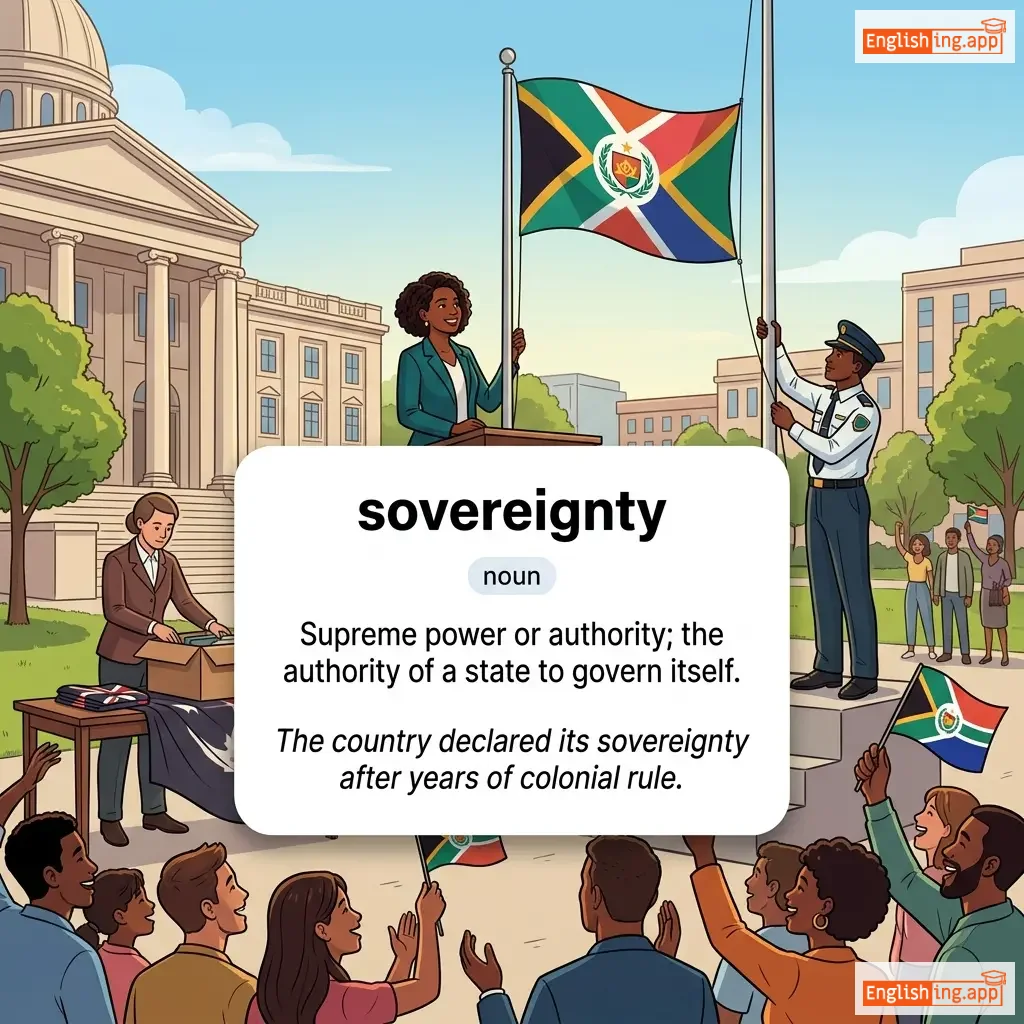
Supreme power or authority; the authority of a state to govern itself.
••••••
|
The country declared its sovereignty after years of colonial rule. |
该国在经历多年殖民统治后宣布了其主权。
Gāi guó zài jīnglì duōnián zhímín tǒngzhì hòu xuānbù le qí zhǔquán.
••••••
|
sovereignty of the people |
The principle that political power ultimately resides with the people.
••••••
|
人民的主权
rénmín de zhǔquán
••••••
|
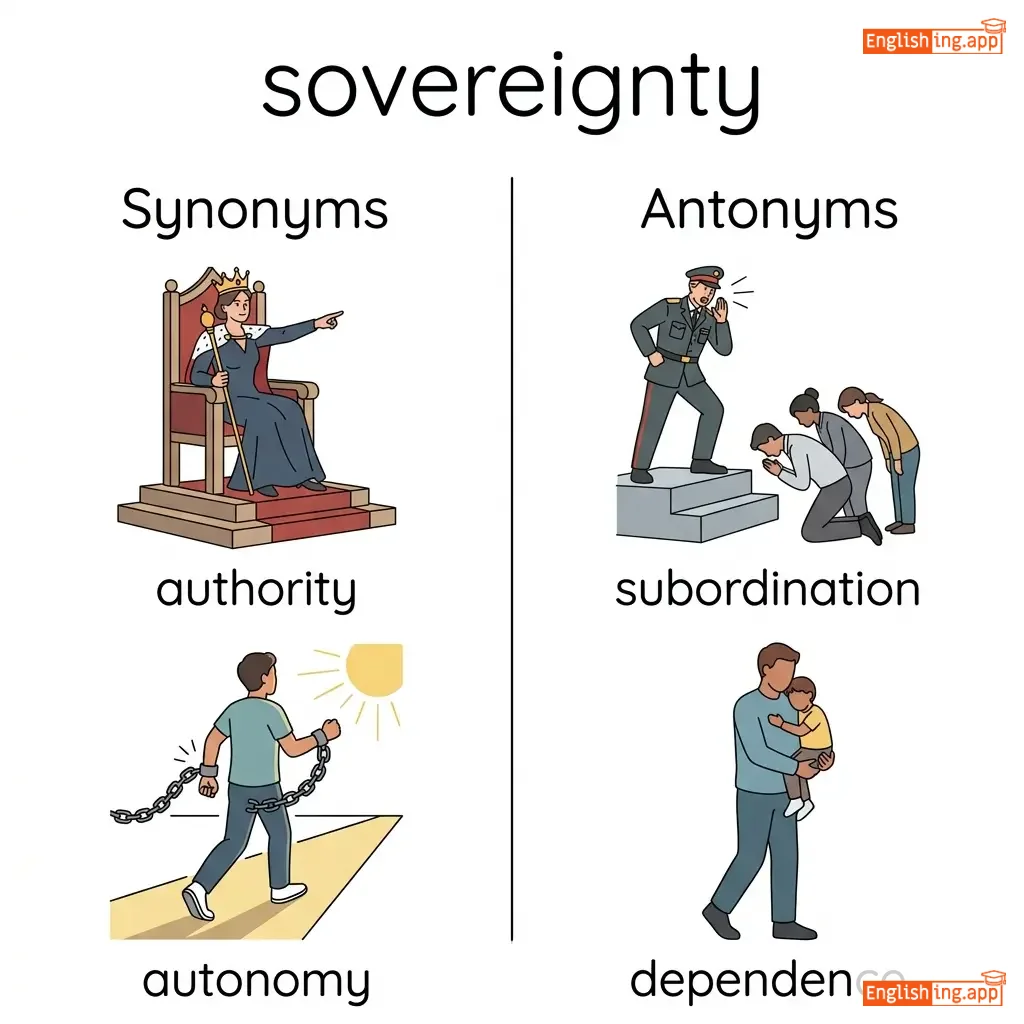
authority, autonomy, independence, self-rule, dominion
••••••
|
subordination, dependence, submission
••••••
|
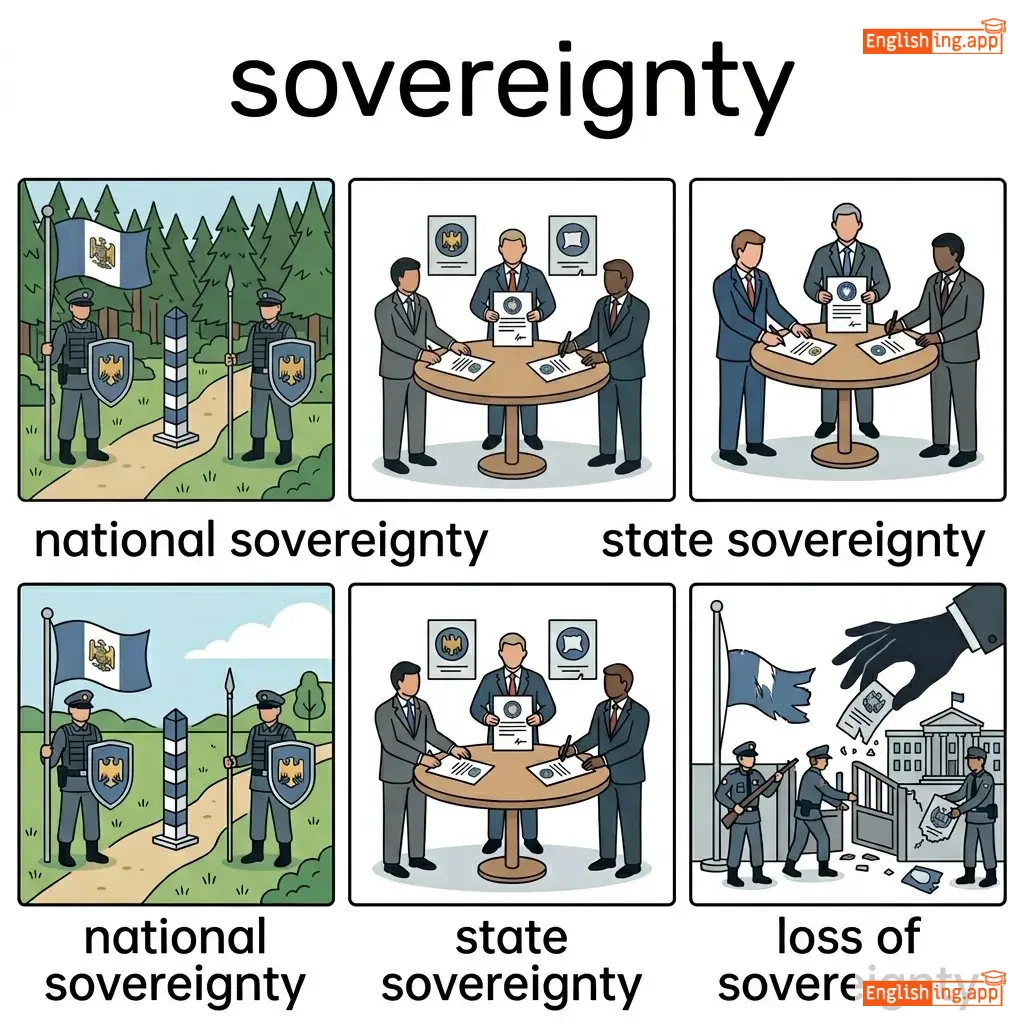
national sovereignty, state sovereignty, loss of sovereignty, sovereignty rights
••••••
|
主权 = 国家自主权 – 中国拥有自己的主权。
••••••
|
|
#0
💼
|
/ˈspɒnsəʃɪp/
noun
(sponsorship)
••••••
|
- •••••• |
赞助
zanzhu
••••••
|
the act of supporting an event, activity, person, or organization financially or through other resources
••••••
|
The event was made possible due to the sponsorship of several big companies.
由于几家大公司的赞助,活动得以举行。
••••••
|
由于几家大公司的赞助,活动得以举行。
Yóuyú jǐ jiā dà gōngsī de zànzhù, huódòng dé yǐ jǔxíng.
••••••
|
- •••••• | - •••••• | - •••••• |
patronage, backing, funding, support
••••••
|
neglect, withdrawal
••••••
|
event sponsorship, corporate sponsorship, sponsorship deal, sponsorship agreement
••••••
|
Sponsorship 就是用资源支持活动!
••••••
|
|
#0
👑
|
/səkˈseʃ.ən/
noun
(sùkèxiǎn)
••••••
|
|
继承
jicheng
••••••
|
a series of people or things following one after another; the process of inheriting a title or position
••••••
|
The succession of kings in that dynasty lasted for over 300 years. |
那个王朝的国王继承历时超过300年。
nage wangchao de guowang jicheng lishi chao guo 300 nian
••••••
|
- •••••• | - •••••• | - •••••• |
sequence, series, inheritance, lineage
••••••
|
interruption, discontinuation
••••••
|
royal succession, succession planning, line of succession, succession crisis
••••••
|
想象一个接连不断的王朝继承过程,每一代都延续下去。
••••••
|
|
#0
🔢
|
/səkˈsɛsɪv/
adjective
(suksesiv)
••••••
|
- •••••• |
连续的; 连续的
lianxu de; lianxu de
••••••
|
following one after the other in order; consecutive
••••••
|
The team won three successive matches. |
球队赢得了三场连续的比赛。
Qiúduì yíngdé le sān chǎng liánxù de bǐsài.
••••••
|
- •••••• | - •••••• | - •••••• |
consecutive, sequential, continuous, following
••••••
|
intermittent, interrupted, discontinuous
••••••
|
successive days, successive generations, successive victories
••••••
|
Successive refers to things happening one after another, like a series of victories!
••••••
|
Vocabulary Quiz
Test your vocabulary by matching words with their translations or meanings.
Login to take the quiz
Comments (0)
Share your thoughts and join the discussion.
Join the discussion by logging in
Login to CommentNo comments yet
Be the first to share your thoughts!