

连接城市
Connecting Cities
拉谢德是一名 transport 工程师,他希望改善孟加拉国的 transportation infrastructure。他看到糟糕的 road 状况让人们的 journeys 变得困难。
过去从达卡到吉大港要花几个小时,因为 roads 很窄,traffic 混乱,没有合适的 highways。Passengers 很痛苦,drivers 感到沮丧。长途 distances 的行程非常疲惫。
拉谢德制定了一个全面的计划。他的愿景是建立一个现代化的 highway 网络,连接主要城市,减少 commute 时间,让 transportation 更高效。
首先,他向政府提交了提案。他解释了更好的 infrastructure 如何带来经济增长。Vehicles 会行驶得更快,transporting 货物会更容易,passengers' journey 会更舒适。
政府批准并提供资金。拉谢德和他的团队开始工作。他们首先升级了现有的 roads,然后建设新的 highways。
新的 highway 有清晰的车道标线、休息区和紧急服务。Drivers 可以轻松 navigate。Traffic 信号和标志都放置得很合理。
项目历时三年才完成,但结果令人惊叹。从达卡到吉大港的 journey 以前需要8–10小时,现在只需4–5小时。Distance 相同,但 route 得到优化,road 状况完美。
Passengers 的 travel 体验完全改变了。Vehicles 行驶顺畅,traffic 拥堵减少。Commuters 每天可以舒适地往返。
这条 highway 不仅改善了 transportation,还带来了经济影响。沿着 highway 开设了新的企业,就业机会增加。货物 transport 成本下降。
拉谢德没有停止。他现在正在设计城际汽车站,passengers 可以舒适地等待。他还在创建 transit 枢纽,让不同的 transportation 模式互相连接。
他的未来计划是建设适合 automobile 的城市。完善的停车 infrastructure、行人友好的 roads、高效的公共 transport 系统。他希望每一次 journey,无论是 departure 还是 arrival,都能顺畅。
拉谢德说:“良好的 transportation infrastructure 是一个国家的支柱。当 roads 良好、highways 现代化时,vehicles 高效运行,passengers travel 舒适。Traffic 管理很重要,route 规划至关重要。每个 driver 都应能轻松 navigate,每个 passenger 都应安全到达自己的 destination。我的目标是,无论是每日 commute 还是长途 distance journey,都应愉快。Infrastructure 不只是 roads 和 highways,而是完整的 transportation 生态系统。为 vehicles 提供良好的 roads,为 passengers 提供舒适的 transit 选项,为 drivers 提供清晰的 routes。这就是现代 transportation。当我们连接城市、减少 travel 时间、提升 journey 质量时,我们带来繁荣。良好的 transport 网络意味着更好的 connectivity,而更好的 connectivity 意味着更强大的经济。”
拉谢德的工作正在改变孟加拉国的 transportation 行业。他的 infrastructure 项目不仅在建设 roads,还在建设连接、机会和一个更美好的未来,每一次 journey 都安全、每条 route 都高效、每个 destination 都容易到达。
Swipe left or right, or use the buttons. Tap image to zoom.
例句翻译
单词
Connecting CitiesConnecting Cities - 遮罩切换
|
表情符号
|
单词 | Images | 翻译 | 过去时 | 过去分词 | 第三人称单数 | 动名词 | 含义 | 例句 | 例句翻译 | 示例表达 | 示例表达含义 | 示例表达翻译 | 同义词 | 反义词 | 搭配词 | 助记符 |
|---|---|---|---|---|---|---|---|---|---|---|---|---|---|---|---|---|---|
|
#0
🚉
|
/əˈraɪvəl/
noun
(ā rì wǎ ěr)
••••••
|
- •••••• |
到达
daoda
••••••
|
- •••••• | - •••••• | - •••••• | - •••••• |
The act of coming to a place, especially at the end of a journey.
••••••
|
The train's arrival was delayed by two hours. |
火车的到达晚了两个小时。
Huoche de daoda wanle liangge xiaoshi.
••••••
|
late arrival |
Someone or something arriving later than expected.
••••••
|
晚到
wan dao
••••••
|
appearance, coming, entry, advent, approach
••••••
|
departure, exit
••••••
|
arrival time, late arrival, arrival hall, flight arrival
••••••
|
到达就像'Arrive' — 想想火车的'到达'。
••••••
|
|
#0
🚗
|
/ˈɔːtəmoʊbiːl/
noun
(汽车)
••••••
|
- •••••• |
汽车
qiche
••••••
|
- •••••• | - •••••• | - •••••• | - •••••• |
a road vehicle powered by an engine, typically with four wheels
••••••
|
He bought a new automobile last week. |
他上周买了一辆新车。
Ta shangzhou mai le yi liang xin che.
••••••
|
automobile industry |
the business related to car manufacturing and sales
••••••
|
汽车工业
qiche gongye
••••••
|
car, vehicle, motorcar, ride, wheels
••••••
|
bicycle, airplane
••••••
|
automobile industry, automobile company, automobile repair, automobile engine
••••••
|
Auto表示自己,mobile表示可移动的——一辆可以自己移动的车
••••••
|
|
#0
🚆
|
/kəˈmjuːt/
verb, noun
(科缪特)
••••••
|
- •••••• |
通勤
tongqin
••••••
|
commuted
科缪特德
••••••
|
commuted
科缪特德
••••••
|
commutes
科缪特斯
••••••
|
commuting
科缪廷
••••••
|
Verb: to travel regularly between home and work; Noun: the journey to and from work.
••••••
|
He commutes two hours every day to reach his office.
希 科缪特斯 图 奥尔斯 每 天 去 到 他 的 办公室。
••••••
|
他每天通勤两小时去上班到他的办公室。
ta meitian tongqin liang xiaoshi qu shangban dao ta de bangongshi
••••••
|
long commute
长 科缪特
••••••
|
a lengthy daily travel between home and work
••••••
|
长途通勤
changtu tongqin
••••••
|
travel, journey, ride, shuttle
••••••
|
stay, remain
••••••
|
daily commute, long commute, commute time
••••••
|
Commute → 通勤: think “to go and come” every day — tong qin = daily work trip.
••••••
|
|
#0
✈️
|
/dɪˈpɑːrtʃər/
noun
(dɪˈpɑːrtʃər)
••••••
|
- •••••• |
出发, 离开
chūfā, líkāi
••••••
|
- •••••• | - •••••• | - •••••• | - •••••• |
the act of leaving a place, especially to start a journey
••••••
|
The plane’s departure was delayed due to fog. |
由于雾霾,飞机的出发被延迟了。
Yóuyú wùmái, fēijī de chūfā bèi yánchí le.
••••••
|
a sudden departure |
an unexpected or quick exit
••••••
|
突然离开
túrán líkāi
••••••
|
exit, leave, withdrawal, flight, going
••••••
|
arrival, entry, return
••••••
|
flight departure, departure time, sudden departure, scheduled departure
••••••
|
Departure 在中文中意味着出发或离开,旅程从此开始。
••••••
|
|
#0
📍
|
/ˌdɛstɪˈneɪʃən/
noun
(dɛstɪˈneɪʃən)
••••••
|
- •••••• |
目的地
mùdìdì
••••••
|
- •••••• | - •••••• | - •••••• | - •••••• |
the place to which someone or something is going or being sent
••••••
|
Paris is a popular tourist destination. |
巴黎是一个受欢迎的旅游目的地。
Bālí shì yīgè shòu huānyíng de lǚyóu mùdìdì.
••••••
|
final destination |
the last stop or end point of a journey
••••••
|
最终目的地
zuìzhōng mùdìdì
••••••
|
goal, target, endpoint, stop, terminus
••••••
|
origin, start, source
••••••
|
travel destination, holiday destination, final destination, tourist destination
••••••
|
Destination 是你必须到达的地方,比如 'final destination' 是旅行的终点。
••••••
|
|
#0
📏
|
/ˈdɪstəns/
noun
(ディスタンス)
••••••
|
- •••••• |
距离
juli
••••••
|
- •••••• | - •••••• | - •••••• | - •••••• |
The amount of space between two points or places.
••••••
|
The distance between Dhaka and Chittagong is about 250 kilometers. |
达卡和吉大港之间的距离大约为250公里。
Daka he Jidagang zhijian de juli dayue wei 250 gongli.
••••••
|
keep your distance |
To stay away or avoid close contact.
••••••
|
保持距离
Baochi juli
••••••
|
gap, space, length, interval, remoteness
••••••
|
closeness, nearness
••••••
|
long distance, travel distance, distance learning, safe distance
••••••
|
Distance 就是距离,记住保持距离,保持安全!
••••••
|
|
#0
🚗
|
/ˈdraɪ.vər/
noun
(dɹaɪvə)
••••••
|
- •••••• |
司机
sī jī
••••••
|
- •••••• | - •••••• | - •••••• | - •••••• |
a person who operates a motor vehicle
••••••
|
The taxi driver knew all the shortcuts through the busy city. |
出租车司机知道通过繁忙城市的所有捷径。
chū zū chē sī jī zhī dào tōng guò fán máng chéng shì de suǒ yǒu jié jìng.
••••••
|
- •••••• | - •••••• | - •••••• |
chauffeur, operator, motorist, pilot
••••••
|
passenger, pedestrian, walker
••••••
|
taxi driver, bus driver, truck driver, professional driver, experienced driver
••••••
|
司机带着你通过城市的捷径。
••••••
|
|
#0
🛣️
|
/ˈhaɪ.weɪ/
noun
(hài wēi)
••••••
|
- •••••• |
高速公路
gaosu gonglu
••••••
|
- •••••• | - •••••• | - •••••• | - •••••• |
A main road, especially one connecting major towns or cities.
••••••
|
The highway was blocked due to an accident. |
由于事故,高速公路被封锁了。
Yóuyú shìgù, gāosù gōnglù bèi fēngsuǒ le.
••••••
|
hit the highway |
to begin a journey, usually by car
••••••
|
上路
shàng lù
••••••
|
expressway, freeway, motorway, road, route
••••••
|
alley, lane
••••••
|
highway patrol, highway traffic, highway system, on the highway
••••••
|
Highway 意味着 'High speed way' - 高速公路意味着快速交通的道路。
••••••
|
|
#0
🏗️
|
/ˈɪnfrəˌstrʌktʃər/
noun
(基础设施)
••••••
|
|
基础设施
jichu sheshi
••••••
|
- •••••• | - •••••• | - •••••• | - •••••• |
the basic physical and organizational structures and facilities needed for the operation of a society or enterprise
••••••
|
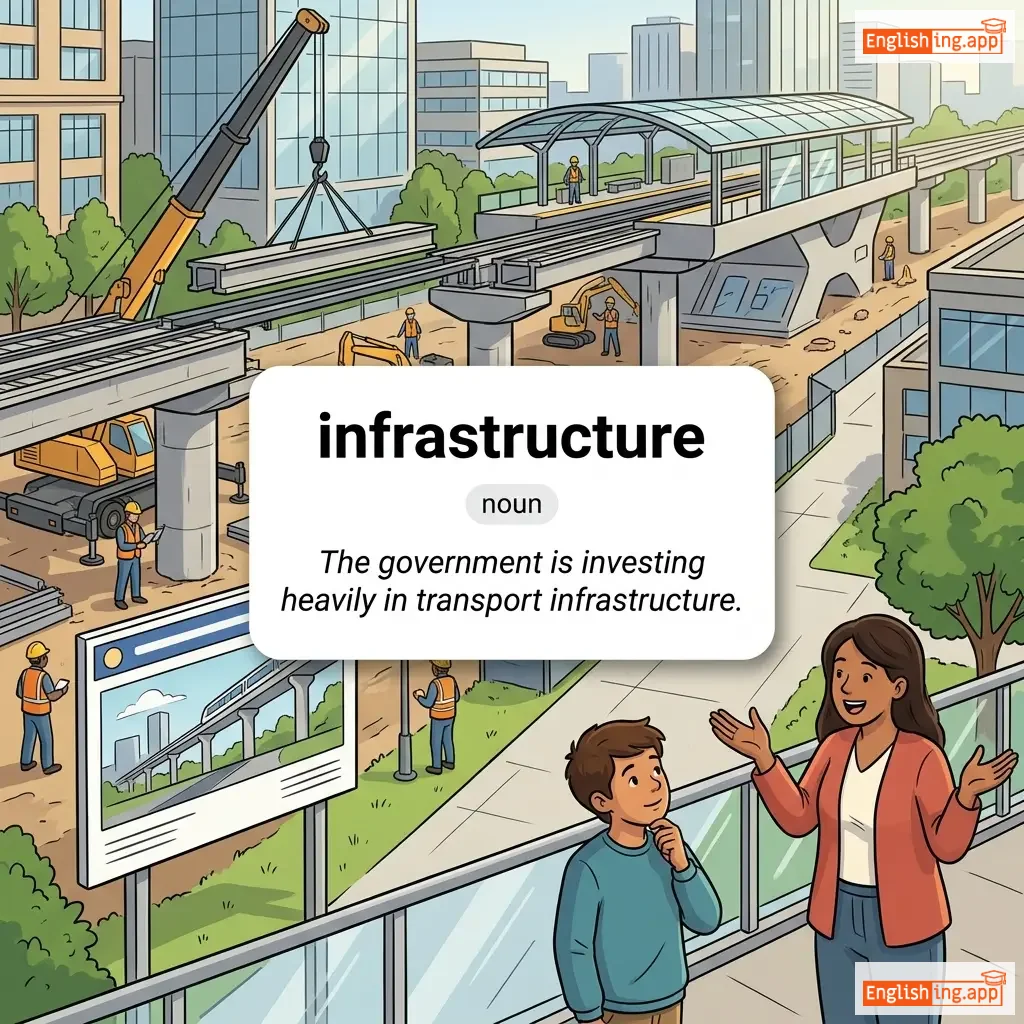
The government is investing heavily in transport infrastructure.
政府正在大力投资交通基础设施。
••••••
|
政府正在大力投资交通基础设施。
Zhengfu zhengzai dali touzi jiaotong jichu sheshi.
••••••
|
- •••••• | - •••••• | - •••••• |
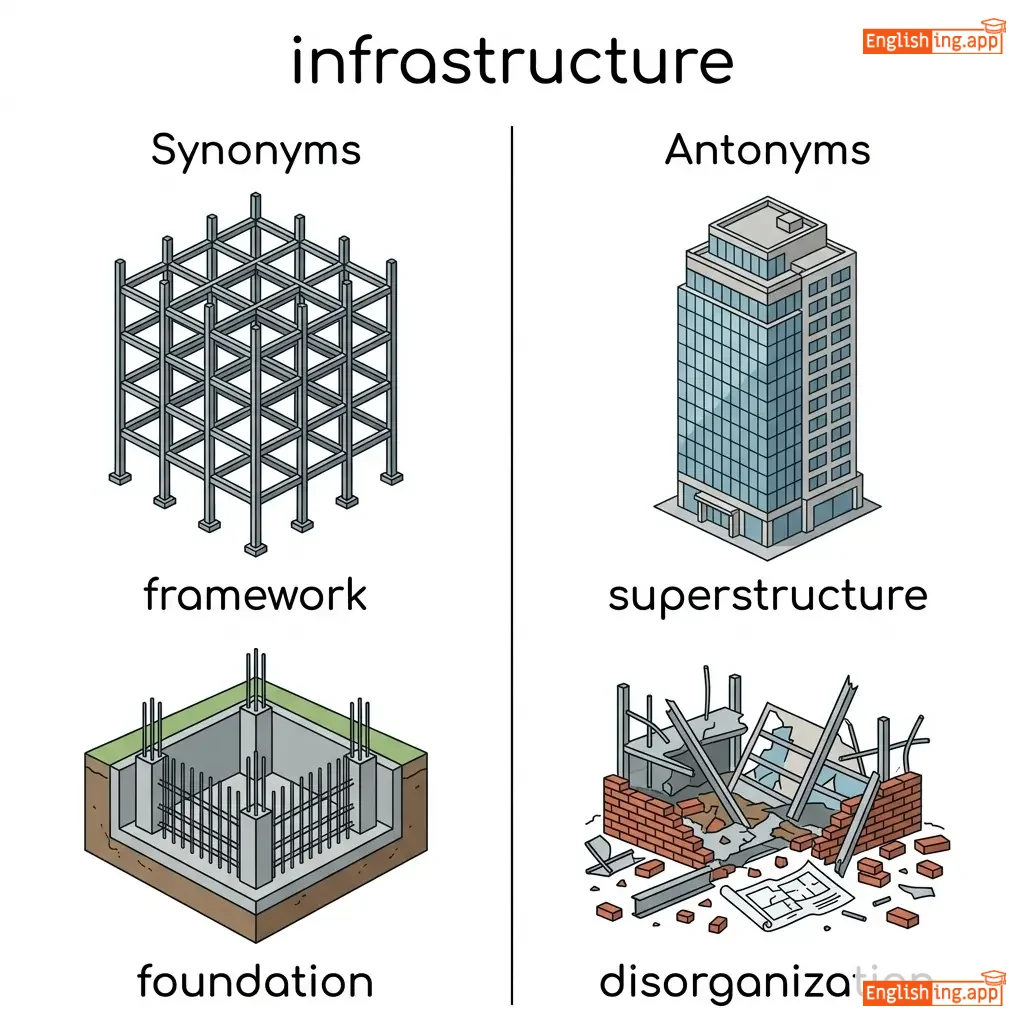
framework, foundation, base, system, network
••••••
|
superstructure, disorganization, destruction
••••••
|
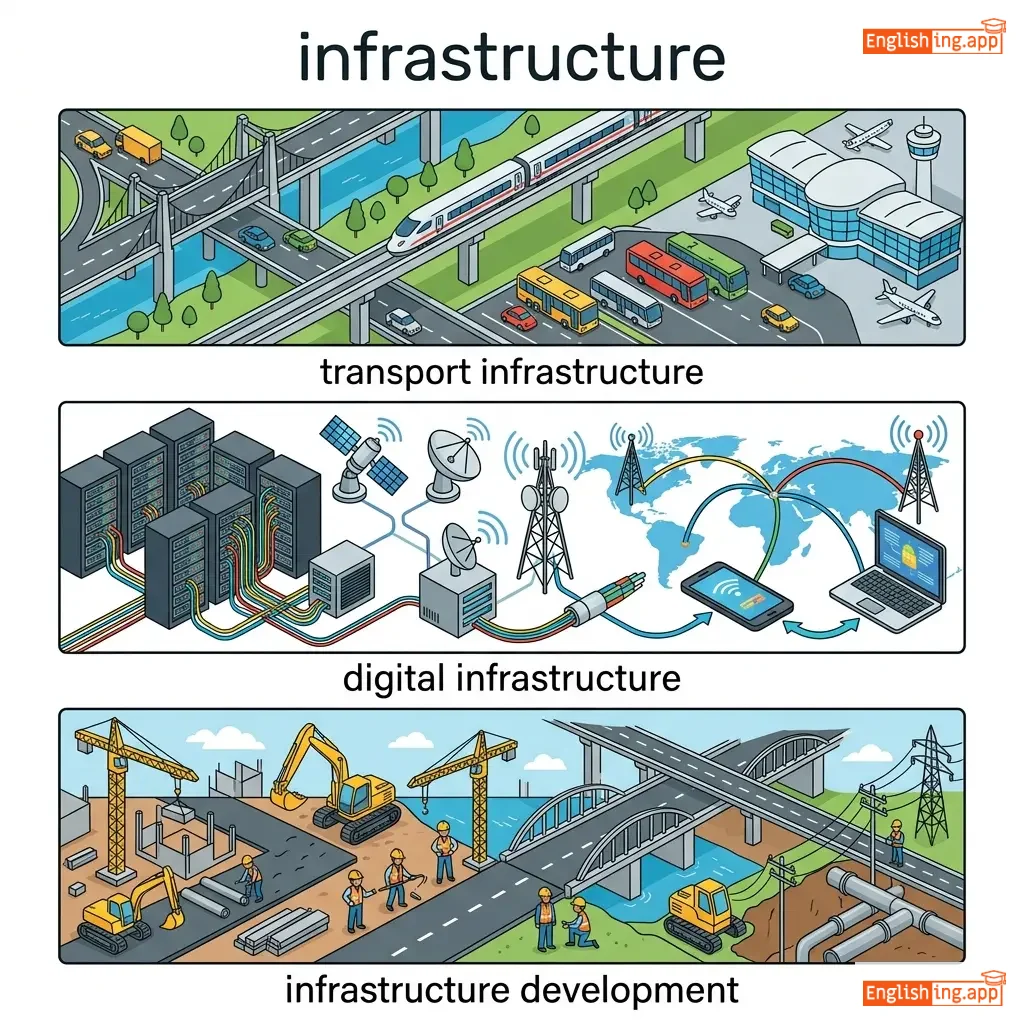
transport infrastructure, digital infrastructure, infrastructure development, public infrastructure
••••••
|
Infra意味着下方,structure意味着构造——基础设施就是基本构造。
••••••
|
|
#0
🛤️
|
/ˈdʒɜːrni/
noun
(ʒɜːrni)
••••••
|
- •••••• |
旅行
lüxing
••••••
|
- •••••• | - •••••• | - •••••• | - •••••• |
the act of traveling from one place to another
••••••
|
Their journey across the desert was difficult. |
他们穿越沙漠的旅行很艰难。
Tāmen chuānyuè shāmò de lǚxíng hěn jiānnán.
••••••
|
life is a journey |
life is like a path with experiences and challenges along the way
••••••
|
生活是一场旅行
Shēnghuó shì yī chǎng lǚxíng
••••••
|
trip, voyage, travel, expedition
••••••
|
stay, rest
••••••
|
long journey, spiritual journey, begin a journey, return journey
••••••
|
旅行是对挑战的追求,一步步走向远方。
••••••
|
|
#0
🧭
|
/ˈnæv.ɪ.ɡeɪt/
verb
••••••
|
|
- •••••• |
navigated
••••••
|
navigated
••••••
|
navigates
••••••
|
navigating
••••••
|
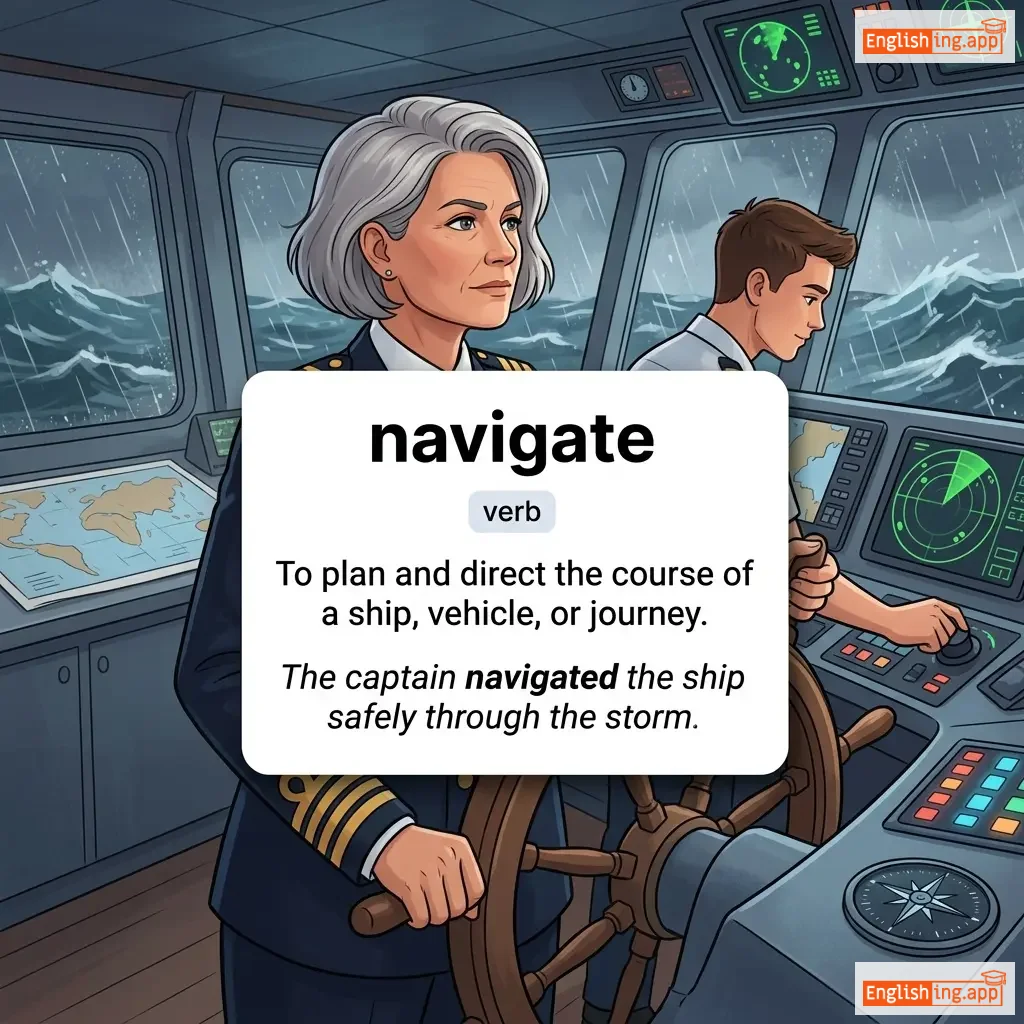
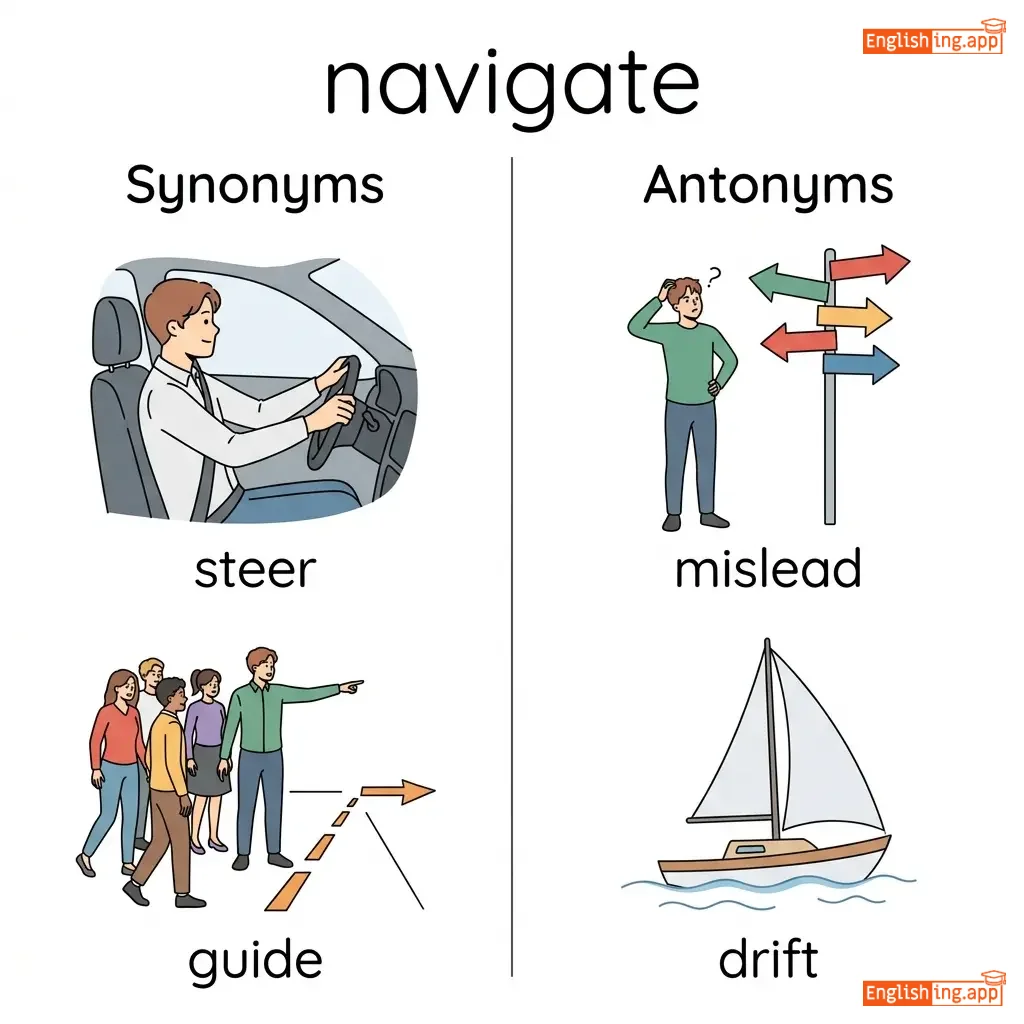
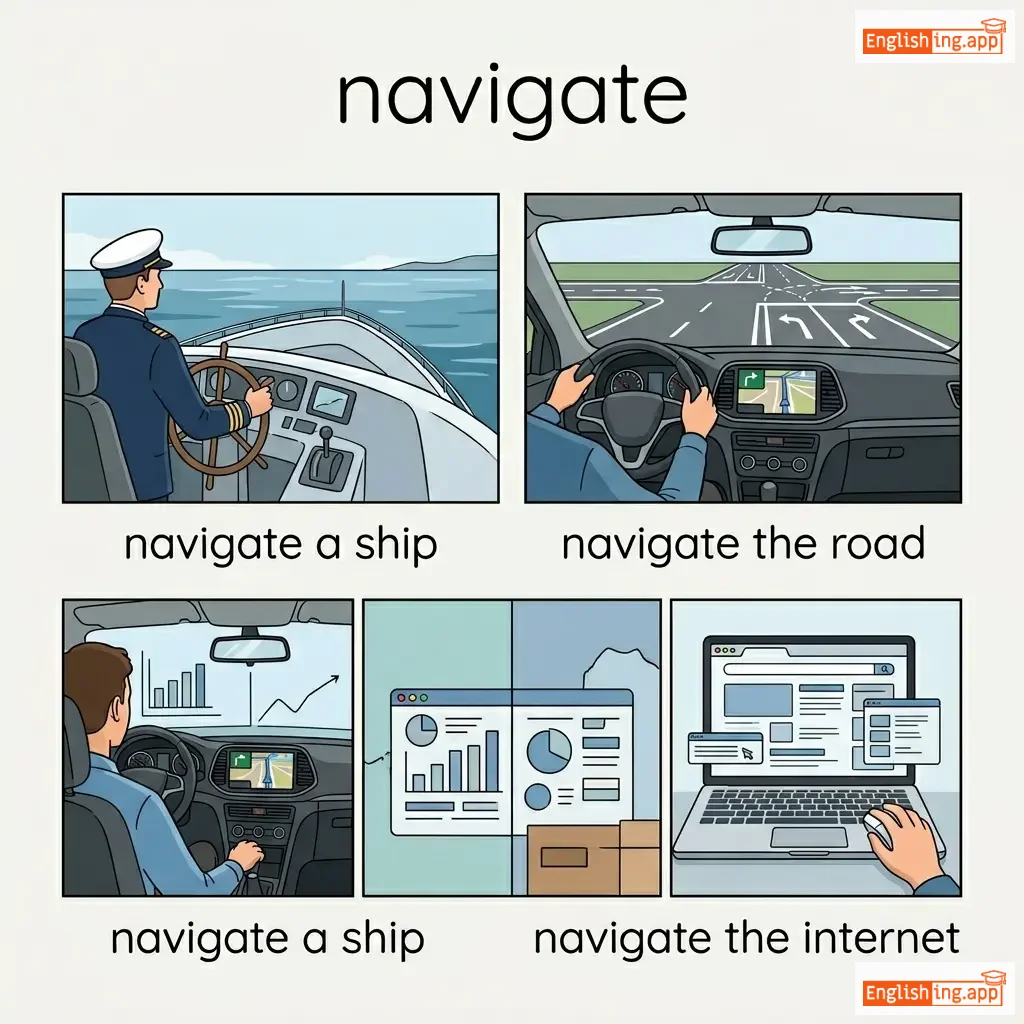
To plan and direct the course of a ship, vehicle, or journey.
••••••
|
The captain navigated the ship safely through the storm. |
- •••••• |
navigate through difficulties |
to manage or deal with problems successfully
••••••
|
- •••••• |
steer, guide, pilot, control, maneuver
••••••
|
mislead, drift
••••••
|
navigate a ship, navigate the road, navigate the internet, navigate through
••••••
|
No •••••• |
|
#0
🧳
|
/ˈpæs.ən.dʒər/
noun
(pǎ-sèng-zhè)
••••••
|
- •••••• |
乘客
chéngkè
••••••
|
- •••••• | - •••••• | - •••••• | - •••••• |
A person who travels in a vehicle but is not driving it
••••••
|
The bus can carry thirty passengers.
公交车可以载三十名乘客。
••••••
|
公交车可以载三十名乘客。
Gōngjiāo chē kěyǐ zài sānshí míng chéngkè.
••••••
|
- •••••• | - •••••• | - •••••• |
traveler, rider, commuter
••••••
|
driver, pilot, operator
••••••
|
passenger seat, airline passenger, passenger train, passenger car
••••••
|
乘客是在车上旅行的人。
••••••
|
|
#0
🛣️
|
/roʊd/
noun
(roʊd)
••••••
|
- •••••• |
道路
daolu
••••••
|
- •••••• | - •••••• | - •••••• | - •••••• |
a wide way leading from one place to another
••••••
|
We drove along the road to the village. |
我们沿着这条路开车去村庄。
Wo men yanzhe zhe tiao lu kaiche qu cunzhuang.
••••••
|
- •••••• | - •••••• | - •••••• |
street, avenue, lane, highway
••••••
|
trail, path
••••••
|
paved road, open road, country road, main road
••••••
|
道路是车行的地方 (daolu shi chexing de difang) - Roads are meant for cars.
••••••
|
|
#0
🛣️
|
/ruːt/
noun
••••••
|
- •••••• | - •••••• | - •••••• | - •••••• | - •••••• | - •••••• |
a way or course taken to get from one place to another
••••••
|
The best route to the airport is through the highway. |
- •••••• | - •••••• | - •••••• | - •••••• |
path, way, road, course
••••••
|
obstacle, detour
••••••
|
route map, take a route, preferred route, scenic route
••••••
|
No •••••• |
|
#0
🚗
|
/ˈtræfɪk/
noun
(trāfīk)
••••••
|
- •••••• |
交通
jiaotong
••••••
|
- •••••• | - •••••• | - •••••• | - •••••• |
movement of vehicles, goods, or people
••••••
|
There was heavy traffic on the highway this morning. |
今天早上高速公路上交通繁忙。
Jīntiān zǎoshang gāosù gōnglù shàng jiāotōng fánmáng.
••••••
|
- •••••• | - •••••• | - •••••• |
congestion, transport, transportation, flow
••••••
|
clearance, open road
••••••
|
traffic jam, heavy traffic, traffic lights, traffic signal
••••••
|
交通代表着道路上车辆和人的流动。
••••••
|
|
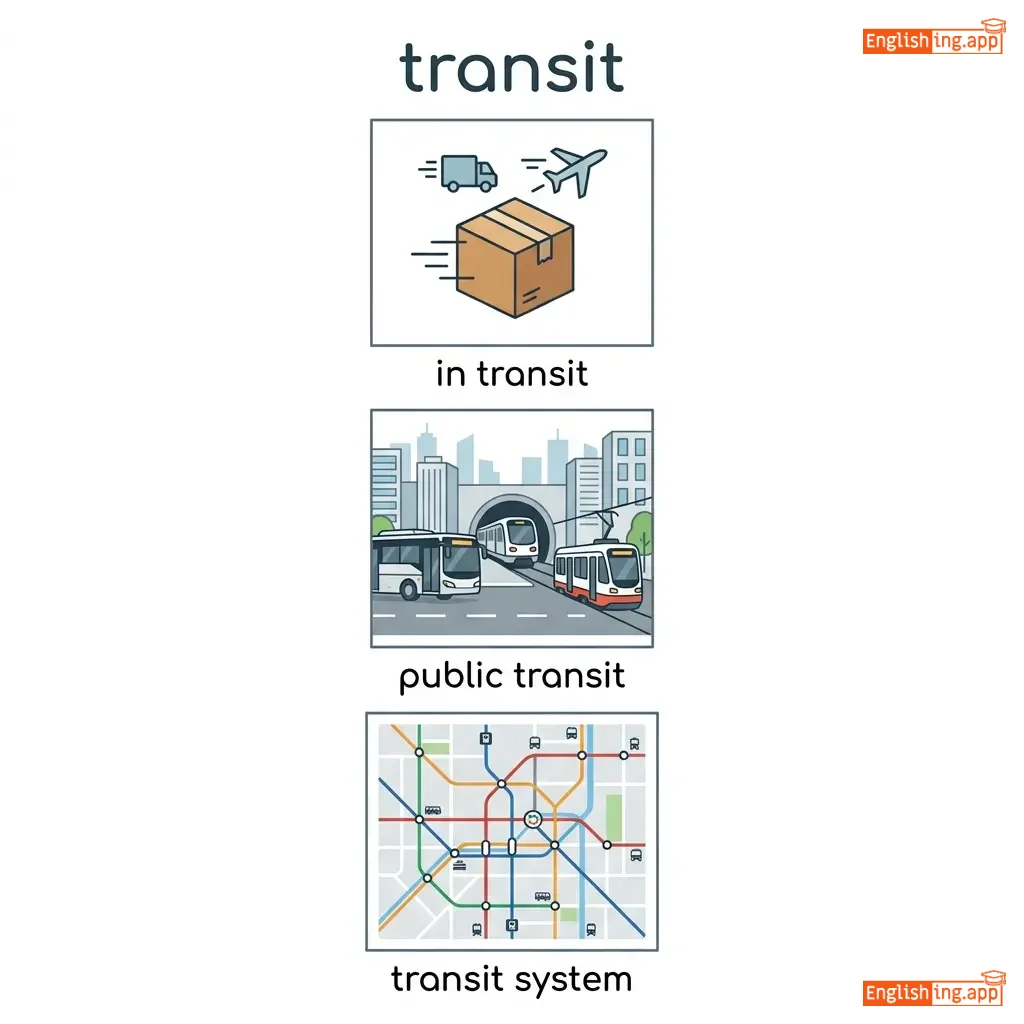
#0
🚛
|
/ˈtrænzɪt/
noun
(运输)
••••••
|
|
运输
yunshu
••••••
|
- •••••• | - •••••• | - •••••• | - •••••• |
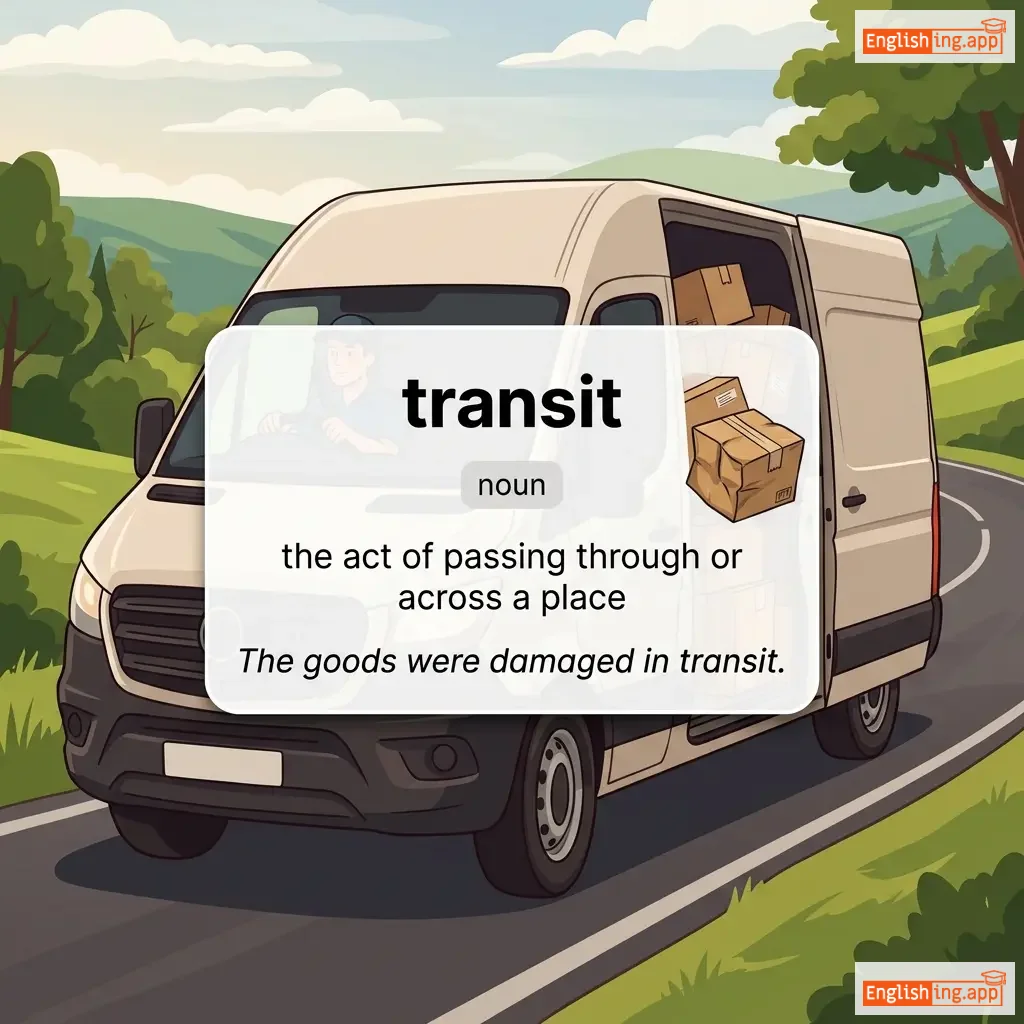
the act of passing through or across a place
••••••
|
The goods were damaged in transit. |
货物在运输过程中受损。
huowu zai yunshu guocheng zhong shousun.
••••••
|
in transit |
in the process of being transported from one place to another
••••••
|
在运输中
zai yunshu zhong
••••••
|
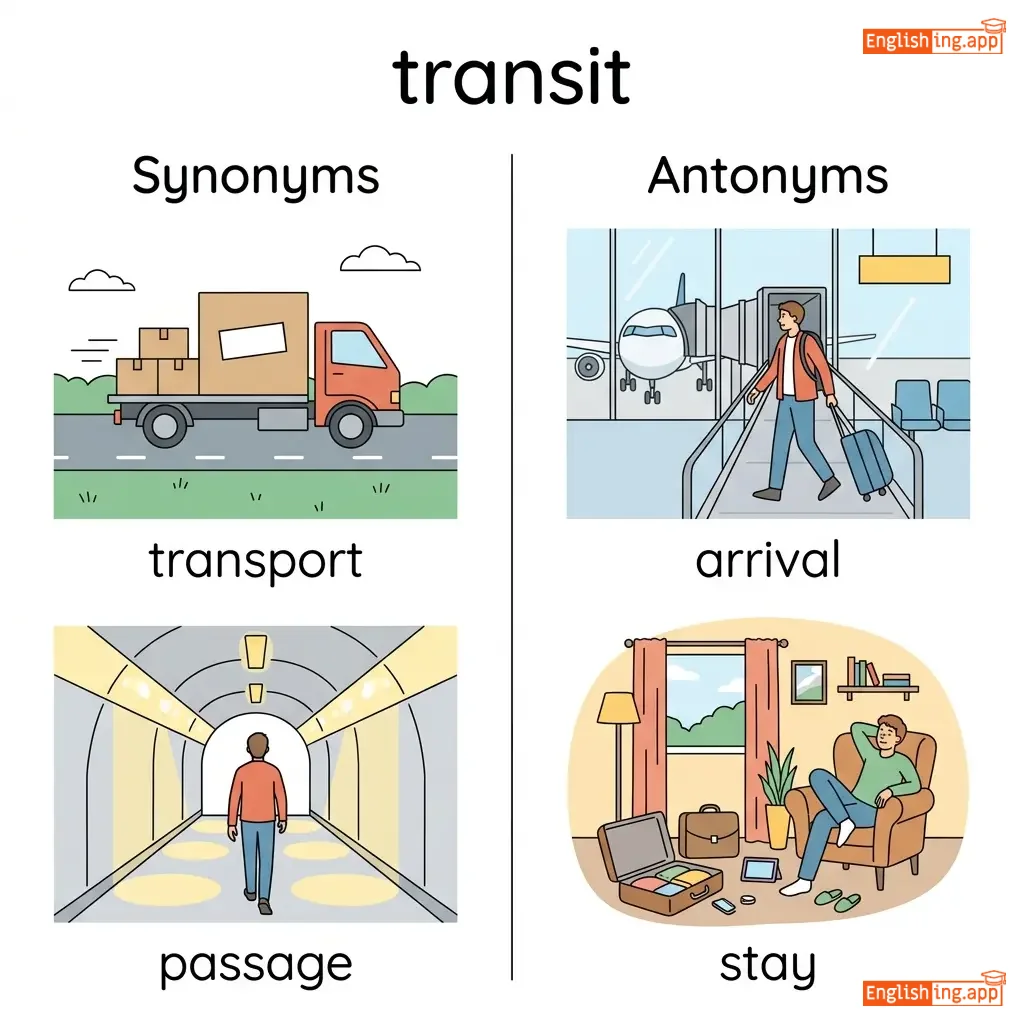
transport, passage, travel, movement, shipment
••••••
|
arrival, stay, halt
••••••
|
in transit, public transit, transit system, transit visa
••••••
|
运输是物品从一个地方到另一个地方的过程
••••••
|
|
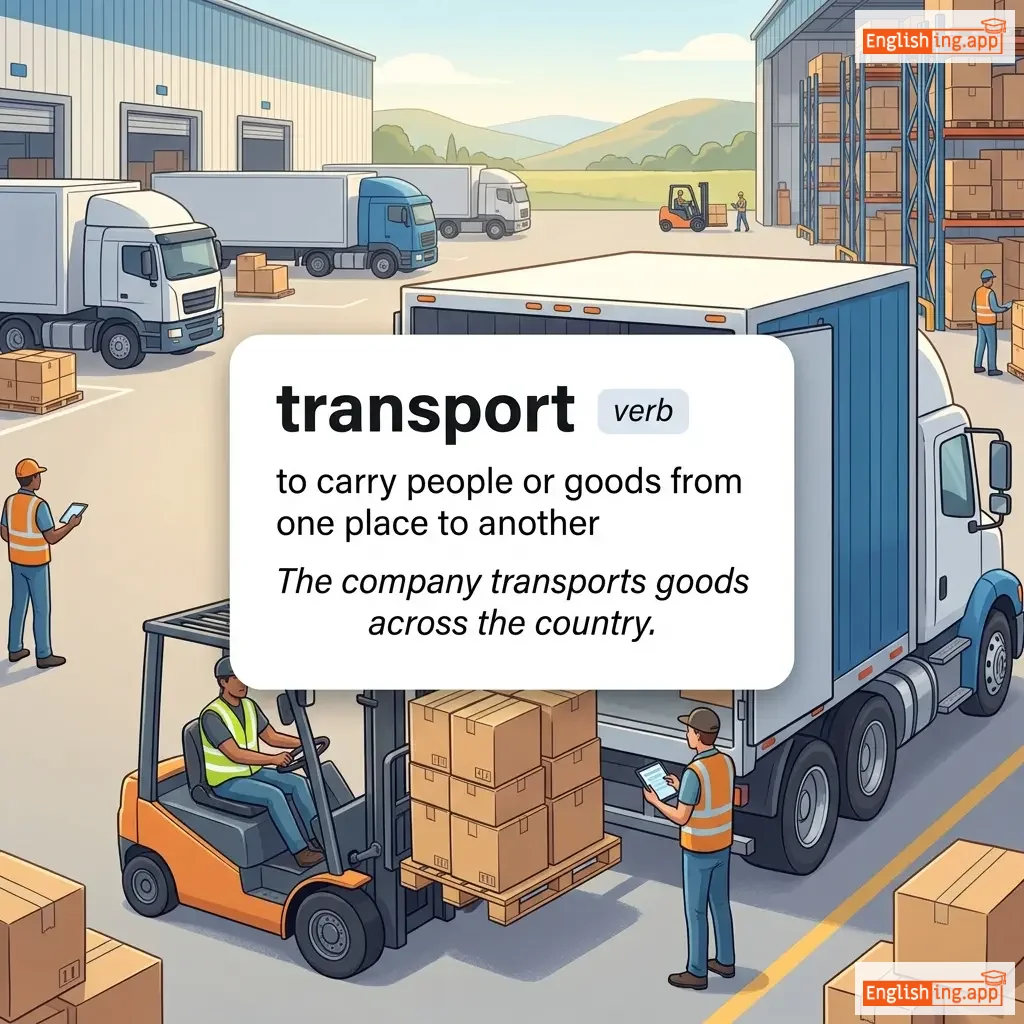
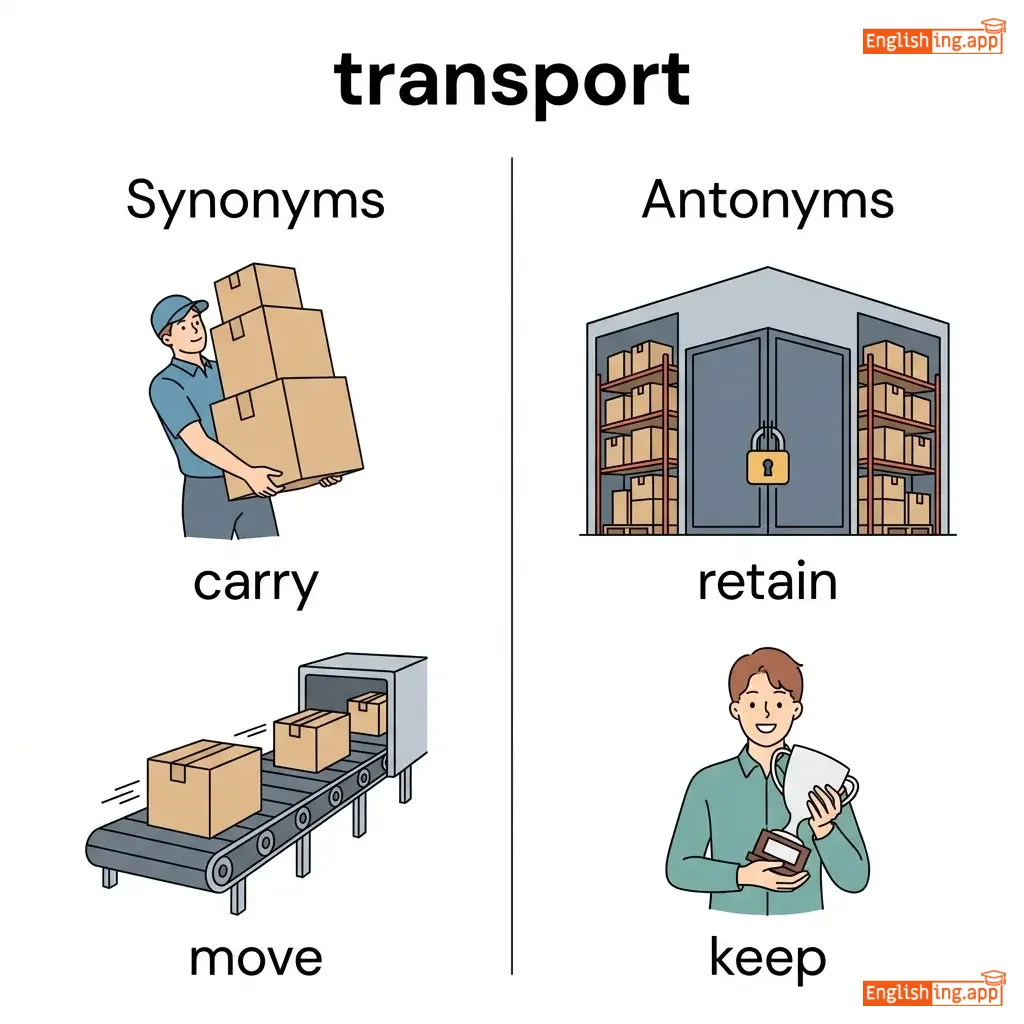
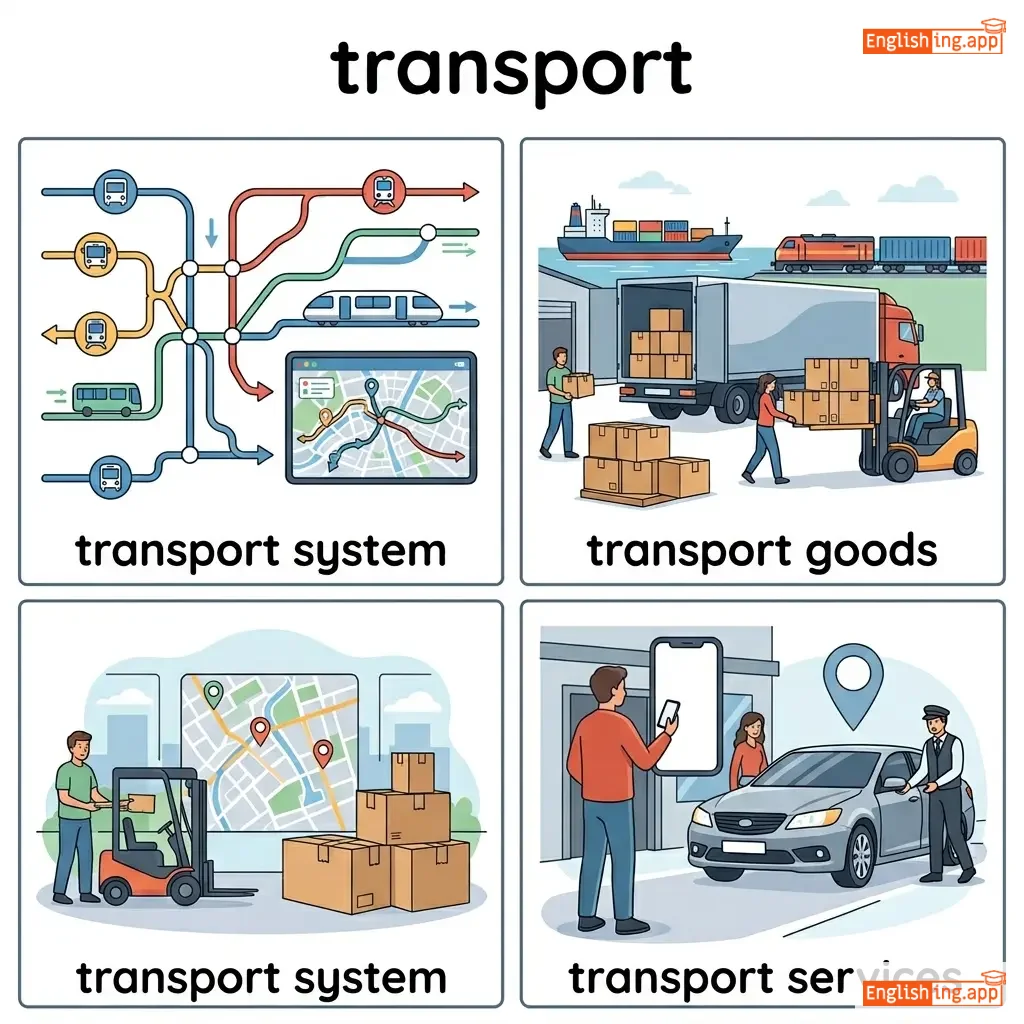
#0
🚚
|
/ˈtrænspɔːrt/
verb
(运输)
••••••
|
|
运输
yunshu
••••••
|
transported
运输过
••••••
|
transported
运输过
••••••
|
transports
运输
••••••
|
transporting
运输中
••••••
|
to carry people or goods from one place to another
••••••
|
The company transports goods across the country.
公司在全国范围内运输商品。
••••••
|
公司在全国范围内运输商品。
Gongsi zai quanguo fanwei nei yunshu shangpin.
••••••
|
public transport
公共交通
••••••
|
shared means of travel like buses and trains
••••••
|
公共交通
gonggong jiaotong
••••••
|
carry, move, deliver, convey, transfer
••••••
|
retain, keep, hold
••••••
|
transport system, transport goods, transport services, transport by truck
••••••
|
运输就像火车上的运输
••••••
|
|
#0
🚗
|
/ˌtræns.pɔːˈteɪ.ʃən/
noun
(运输)
••••••
|
|
运输
yunshu
••••••
|
- •••••• | - •••••• | - •••••• | - •••••• |
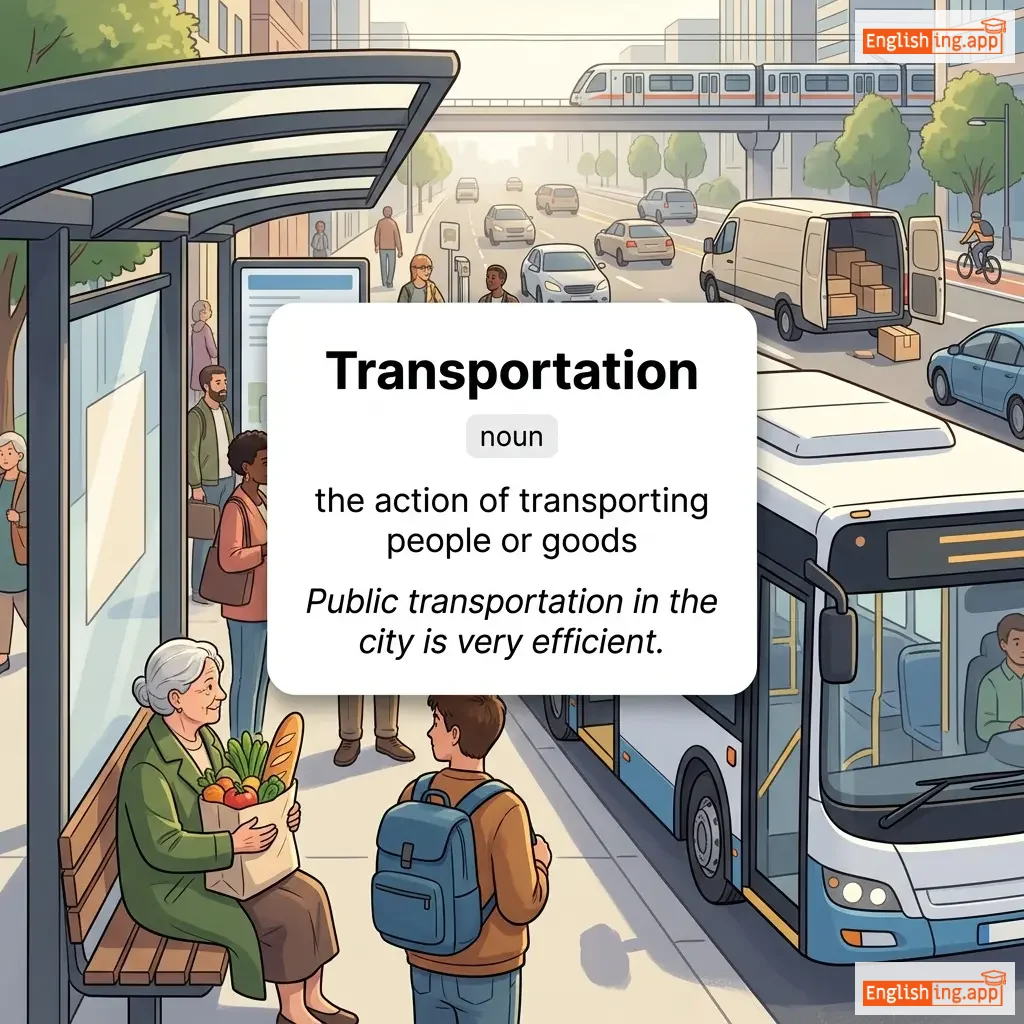
the action of transporting people or goods
••••••
|
Public transportation in the city is very efficient. |
城市的公共交通非常高效。
Chengshi de gonggong jiaotong feichang gaoxiao.
••••••
|
- •••••• | - •••••• | - •••••• |
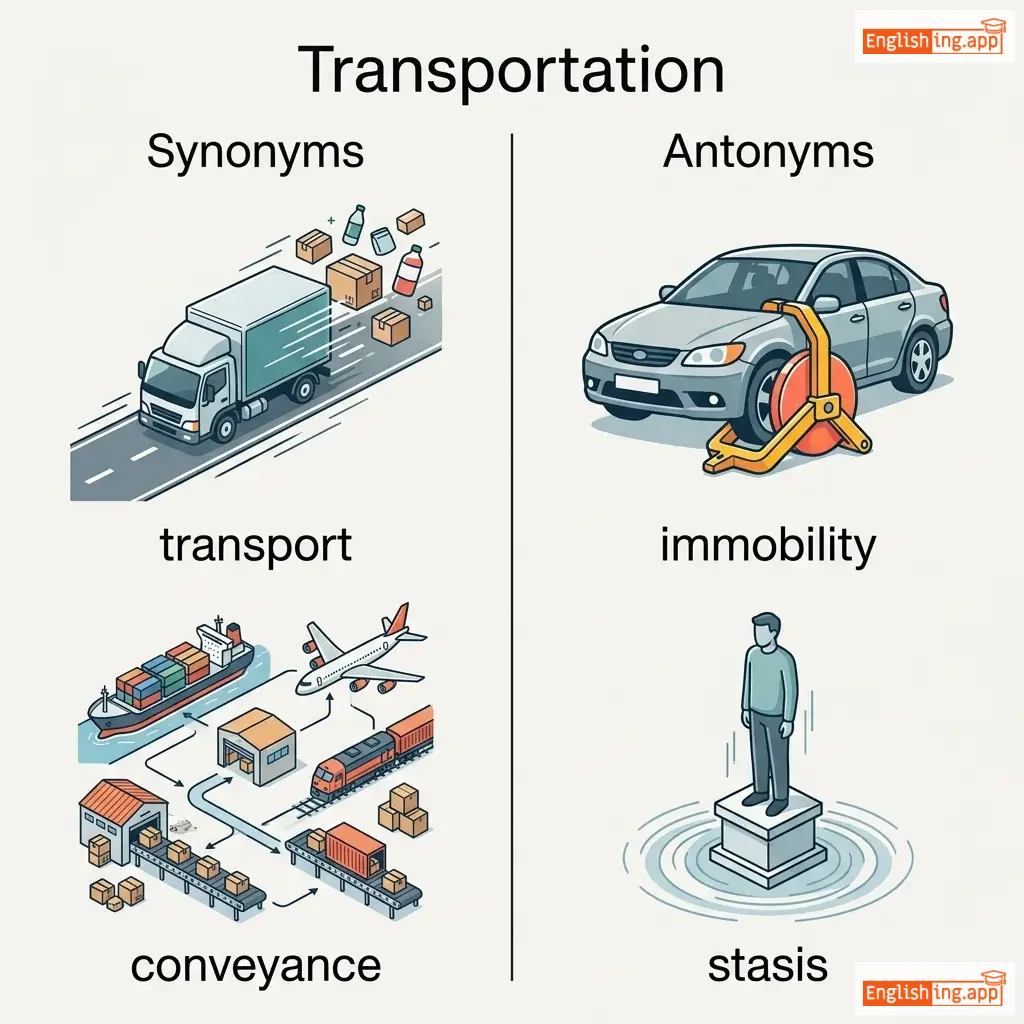
transport, conveyance, movement, shipment
••••••
|
immobility, stasis
••••••
|
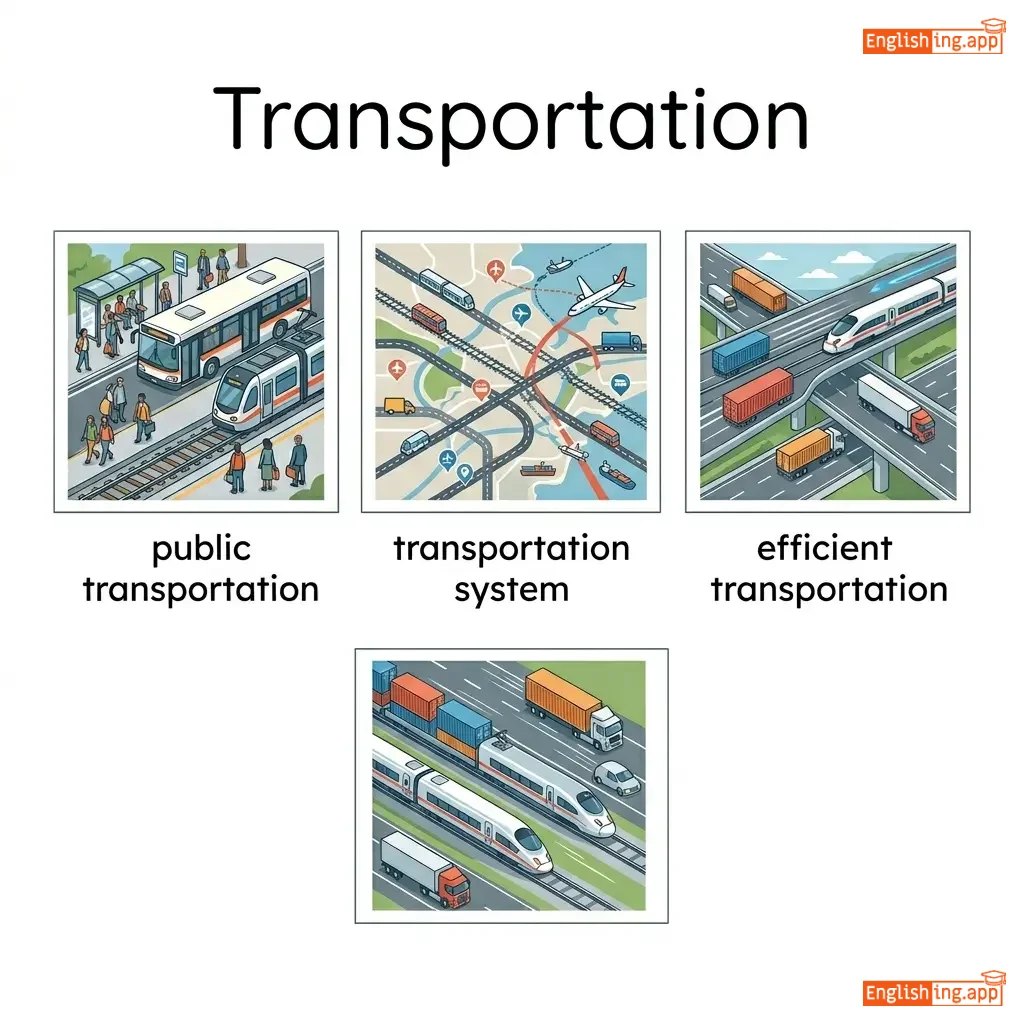
public transportation, transportation system, efficient transportation
••••••
|
Transportation 当你从一个地方去另一个地方时,运输帮忙!
••••••
|
|
#0
✈️
|
/ˈtrævəl/
verb
(旅行)
••••••
|
- •••••• |
旅行
lüxing
••••••
|
traveled
旅行过
••••••
|
traveled
旅行过
••••••
|
travels
旅行
••••••
|
traveling
旅行中
••••••
|
to make a journey, typically to a distant or unfamiliar place
••••••
|
I love to travel around the world and explore new cultures.
我喜欢环游世界,探索新文化。
••••••
|
我喜欢环游世界,探索新文化。
Wo xihuan huanyou shijie, tansuo xin wenhua.
••••••
|
- •••••• | - •••••• | - •••••• |
journey, roam, explore, tour
••••••
|
stay, remain
••••••
|
travel abroad, travel light, travel the world, travel by train
••••••
|
环游世界,探索新文化!
••••••
|
|
#0
🚗
|
/ˈviːɪkəl/
noun
(wéijìkè)
••••••
|
- •••••• |
车辆; 汽车; 媒介
chēliàng; qìchē; méijiè
••••••
|
- •••••• | - •••••• | - •••••• | - •••••• |
a thing used for transporting people or goods, especially on land; a means of expressing or displaying something
••••••
|
The electric vehicle is becoming more popular these days.
电动汽车在这些日子里越来越受欢迎。
••••••
|
电动汽车在这些日子里越来越受欢迎。
Diàndòng qìchē zài zhèxiē rìzi lǐ yuè lái yuè shòu huānyíng.
••••••
|
- •••••• | - •••••• | - •••••• |
transport, conveyance, automobile, car
••••••
|
obstacle, hindrance
••••••
|
motor vehicle, emergency vehicle, commercial vehicle
••••••
|
电动汽车 transport 方式 – 车载人交通方式
••••••
|
Vocabulary Quiz
Test your vocabulary by matching words with their translations or meanings.
Login to take the quiz
Comments (0)
Share your thoughts and join the discussion.
Join the discussion by logging in
Login to CommentNo comments yet
Be the first to share your thoughts!