

打破障碍的女性企业家
The Female Entrepreneur Who Broke Barriers
萨米亚是一位female企业家,她开始了一个小型的纺织业务。她所在的行业大多是男性,但她决定不forget她的梦想。最初,她仅employed了eleven名工人,但她的愿景更大。她知道,她的公司itself可以成为其他人的灵感来源。她的竞争对手试图impose苛刻的条款,但她并没有easily被打败。萨米亚的目标是exceed传统的期望,并将她的产品export到国际市场。她的商业计划fairly简单——以合理的价格提供优质的产品。一些老派的人试图forbid她获得某些机会,但她奋起反击。她写了一封letter给商会,然后发了一封e-mail给政府官员。她的intent很明确——她想在市场上freely竞争。她知道在商业沟通中遵循正确的format是很重要的。她足够enough坚定,要改变现状。Except为了一些挫折,她的旅程大多是成功的。一天,一个巨大的机会happen了——一个国际女性企业家的league邀请了她。她的故事成为了一个案例研究,证明female企业家可以突破所有障碍。萨米亚证明了,只要有决心和聪明的计划,一切皆有可能。

Swipe left or right, or use the buttons. Tap image to zoom.
例句翻译
单词
The Female Entrepreneur Who Broke BarriersThe Female Entrepreneur Who Broke Barriers - 遮罩切换
|
表情符号
|
单词 | Images | 翻译 | 过去时 | 过去分词 | 第三人称单数 | 动名词 | 含义 | 例句 | 例句翻译 | 示例表达 | 示例表达含义 | 示例表达翻译 | 同义词 | 反义词 | 搭配词 | 助记符 |
|---|---|---|---|---|---|---|---|---|---|---|---|---|---|---|---|---|---|
|
#0
📧
|
/ˈiː.meɪl/
noun, verb
(i-mèil)
••••••
|
- •••••• |
电子邮件
dianzi youjian
••••••
|
emailed
i-méilèd
••••••
|
emailed
i-méilèd
••••••
|
emails
i-méils
••••••
|
emailing
i-méiling
••••••
|
messages distributed by electronic means from one computer user to another
••••••
|
I sent an e-mail to my professor yesterday.
我昨天给我的教授发了一封电子邮件。
••••••
|
我昨天给我的教授发了一封电子邮件。
wo zuotian gei wode jiaoshou fa le yi feng dianzi youjian.
••••••
|
check your e-mail
检查你的电子邮件
••••••
|
to look at your inbox for new messages
••••••
|
检查你的电子邮件
jiancha nide dianzi youjian
••••••
|
electronic mail, message, correspondence, digital letter
••••••
|
letter, postcard
••••••
|
send an e-mail, receive an e-mail, e-mail address, check e-mail
••••••
|
电子邮件就是现代邮递,完全电子化的邮件方式
••••••
|
|
#0
👌
|
/ˈiːzəli/
adverb
(yīzìlì)
••••••
|
- •••••• |
轻松
qīngsōng
••••••
|
- •••••• | - •••••• | - •••••• | - •••••• |
without difficulty or effort
••••••
|
He solved the problem easily.
他轻松地解决了这个问题。
••••••
|
他轻松地解决了这个问题。
Tā qīngsōng de jiějuéle zhège wèntí.
••••••
|
take it easy
轻松处理
••••••
|
to relax and not worry
••••••
|
轻松处理
qīngsōng chǔlǐ
••••••
|
effortlessly, readily, smoothly, simply
••••••
|
hardly, with difficulty, painfully
••••••
|
easily accessible, easily understood, easily broken, easily available
••••••
|
Easily 意味着轻松,就像完成一项没有困难的任务。
••••••
|
|
#0
1️⃣1️⃣
|
/ɪˈlɛvən/
number
(eleven)
••••••
|
- •••••• |
十一
shiyi
••••••
|
- •••••• | - •••••• | - •••••• | - •••••• |
the number after ten and before twelve; 11
••••••
|
There are eleven students in the classroom. |
教室里有十一名学生。
Jiaoshiru you shiyi ming xuesheng.
••••••
|
the eleventh hour |
the last possible moment to do something
••••••
|
第十一小时
di shiyi xiaoshi
••••••
|
11, elevenfold
••••••
|
ten, twelve
••••••
|
eleven o'clock, eleven people, eleven years old
••••••
|
Eleven 是 十一 — 足球队里有十一名球员!
••••••
|
|
#0
👔
|
/ɪmˈplɔɪ/
verb
(雇用)
••••••
|
- •••••• |
雇佣
gùyōng
••••••
|
employed
雇用过
••••••
|
employed
雇用过
••••••
|
employs
雇用
••••••
|
employing
雇用中
••••••
|
to hire someone to do a job; to use something effectively
••••••
|
The company plans to employ more engineers next year.
公司计划明年雇用更多的工程师。
••••••
|
公司计划明年雇用更多的工程师。
Gōngsī jìhuà míngnián gùyòng gèng duō de gōngchéngshī.
••••••
|
gainful employment
有薪工作
••••••
|
work that provides a steady income
••••••
|
有薪工作
yǒu xīn gōngzuò
••••••
|
hire, recruit, engage, utilize, appoint
••••••
|
dismiss, fire, discharge
••••••
|
employ workers, employ staff, employ methods, employ strategies
••••••
|
Employ意味着雇佣 — 当公司雇佣,你会享受它。
••••••
|
|
#0
✔️
|
/ɪˈnʌf/
adjective/adverb
(inàf)
••••••
|
- •••••• |
足够
zúgòu
••••••
|
- •••••• | - •••••• | - •••••• | - •••••• |
as much or as many as required
••••••
|
We have enough food for everyone. |
我们有足够的食物供大家食用。
Wǒmen yǒu zúgòu de shíwù gōng dàjiā shíyòng.
••••••
|
enough is enough |
used to say that something should stop
••••••
|
够了就是够了
gòu le jiù shì gòu le
••••••
|
sufficient, adequate, plenty, ample
••••••
|
insufficient, inadequate, lacking
••••••
|
enough money, enough time, good enough, enough resources
••••••
|
ENOUGH意味着'inàf' – Enough食物意味着足够食物
••••••
|
|
#0
🚀
|
/ɪkˈsiːd/
verb
(exceed)
••••••
|
- •••••• |
超越
chaoyue
••••••
|
exceeded
exceeded
••••••
|
exceeded
exceeded
••••••
|
exceeds
exceeds
••••••
|
exceeding
exceeding
••••••
|
to go beyond a limit or expectation
••••••
|
The athlete exceeded everyone's expectations by winning the gold medal.
The athlete exceeded everyone's expectations by winning the gold medal.
••••••
|
运动员通过赢得金牌超越了每个人的期望。
Yundongyuan tongguo yingde jinpai chaoyue le meigeren de qiwang.
••••••
|
exceed the limit
exceed the limit
••••••
|
to go beyond what is allowed or acceptable
••••••
|
超越限制
chaoyue xianzhi
••••••
|
surpass, outdo, transcend, overstep, excel
••••••
|
fail, fall short, underperform
••••••
|
exceed expectations, exceed limits, exceed authority, exceed capacity
••••••
|
EXtra SED 🚀 超越限制 - 超越意味着超越所有的界限!
••••••
|
|
#0
🚫
|
/ɪkˈsɛpt/
preposition/conjunction
(except)
••••••
|
- •••••• |
除了
chu le
••••••
|
- •••••• | - •••••• | - •••••• | - •••••• |
not including; other than
••••••
|
Everyone was invited except John.
每个人都被邀请,除了约翰。
••••••
|
每个人都被邀请,除了约翰。
Mei ge ren dou bei yao qing, chu le Yuehan.
••••••
|
take exception to
对…表示异议
••••••
|
to be offended or disagree with something
••••••
|
对…表示异议
dui... biao shi yi yi
••••••
|
excluding, apart from, barring, save
••••••
|
including, with
••••••
|
except for, except that, no one except, everyone except
••••••
|
除了就是排除 + 一步 - 排除某人
••••••
|
|
#0
🚢
|
/ˈekspɔːt/
verb
(出口)
••••••
|
|
出口
chūkǒu
••••••
|
exported
出口
••••••
|
exported
出口
••••••
|
exports
出口
••••••
|
exporting
出口
••••••
|
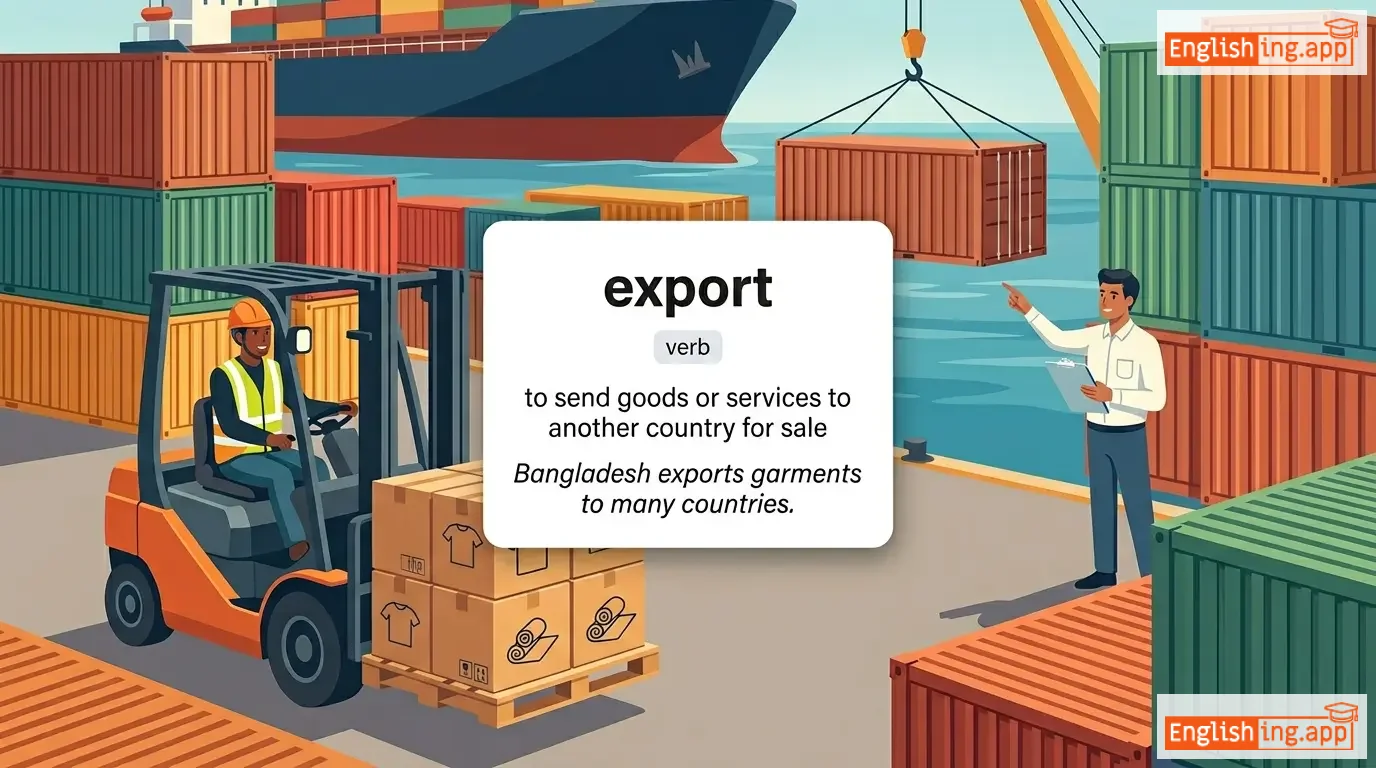
to send goods or services to another country for sale
••••••
|
Bangladesh exports garments to many countries.
孟加拉国向许多国家出口纺织品。
••••••
|
孟加拉国向许多国家出口纺织品。
Mèngjiālā guó xiàng xǔduō guójiā chūkǒu fǎngzhīpǐn.
••••••
|
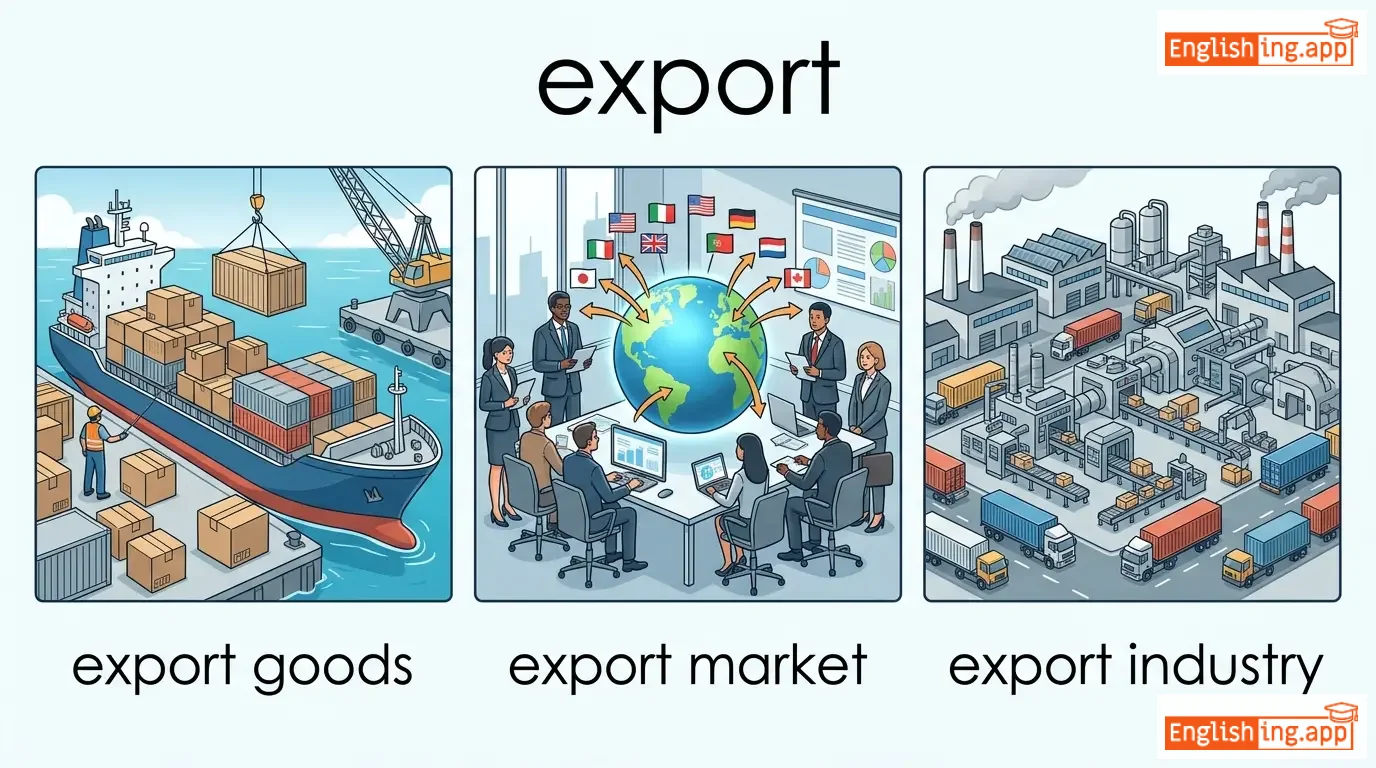
export market
出口市场
••••••
|
a market in another country for goods produced locally
••••••
|
出口市场
chūkǒu shìchǎng
••••••
|
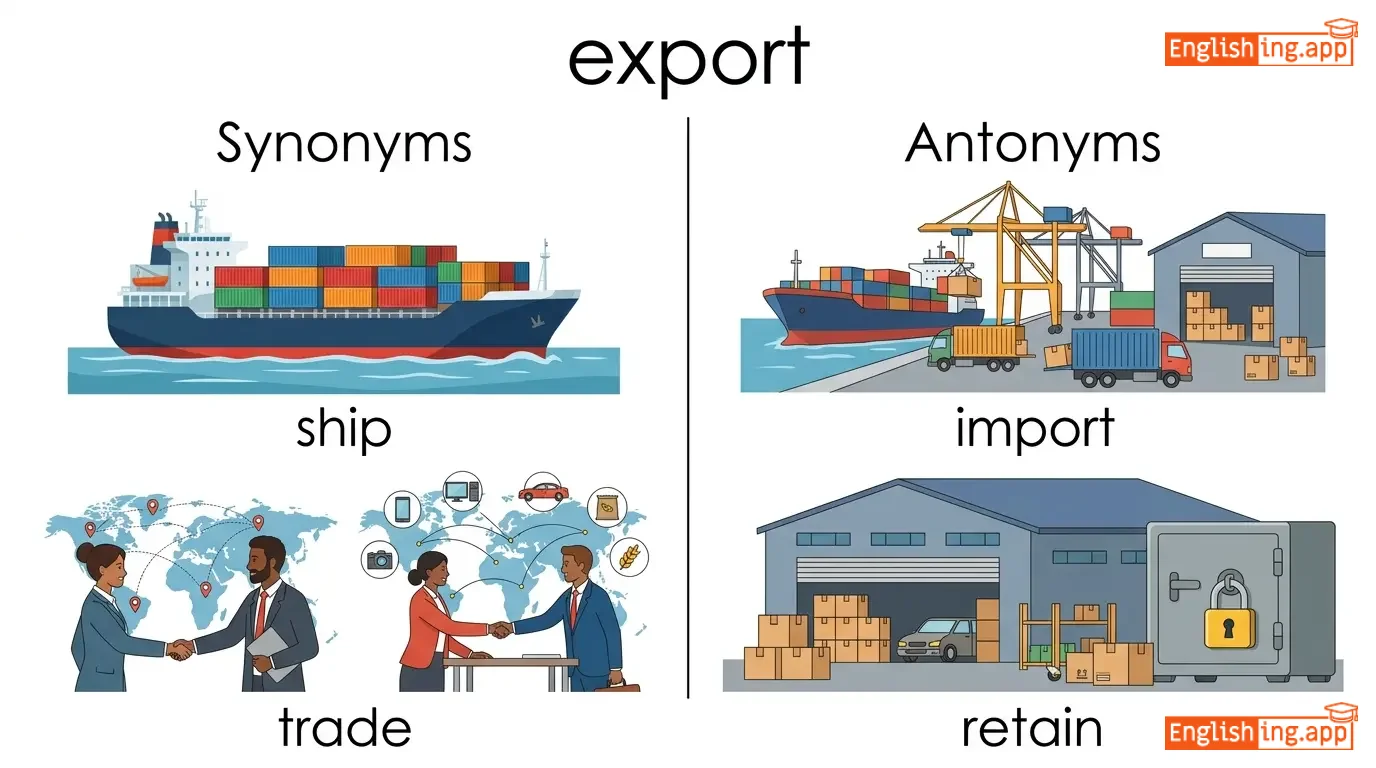
ship, trade, deliver, transport, send
••••••
|
import, retain, keep
••••••
|
export goods, export market, export industry, export earnings
••••••
|
出口就像一艘船将货物运送到其他国家。
••••••
|
|
#0
⚖️
|
/ˈfɛərli/
adverb
(费尔利)
••••••
|
- •••••• |
公平地
gōngpíng de
••••••
|
- •••••• | - •••••• | - •••••• | - •••••• |
To a reasonable degree; in a just and honest way.
••••••
|
The teacher treated all students fairly. |
老师以公正的方式对待所有学生。
Lǎoshī yǐ gōngzhèng de fāngshì duìdài suǒyǒu xuéshēng.
••••••
|
play fair |
To act honestly and not cheat.
••••••
|
公平竞争
gōngpíng jìngzhēng
••••••
|
reasonably, quite, moderately, justly, honestly
••••••
|
unfairly, dishonestly
••••••
|
fairly easy, fairly common, fairly good, treat fairly
••••••
|
公平地意味着公平竞争
••••••
|
|
#0
👩
|
/ˈfiːmeɪl/
noun/adjective
(fīmèi'ěr)
••••••
|
- •••••• |
雌性
cíxìng
••••••
|
- •••••• | - •••••• | - •••••• | - •••••• |
a person or animal of the sex that can bear offspring; relating to women or girls
••••••
|
The female lion protects her cubs fiercely.
母狮保护她的幼崽。
••••••
|
母狮保护她的幼崽。
Mǔ shī bǎohù tā de yòuzǎi.
••••••
|
female intuition
女性直觉
••••••
|
a woman's natural ability to understand or sense something instinctively
••••••
|
女性直觉
nǚxìng zhíjué
••••••
|
woman, lady, girl, feminine
••••••
|
male, man
••••••
|
female student, female worker, female voice, female lead
••••••
|
Fe + male = Female, 但 Fe 不是铁,这里指女性
••••••
|
|
#0
⛔
|
/fərˈbɪd/
verb
(福比德)
••••••
|
- •••••• |
禁止
jìnzhǐ
••••••
|
forbade
福贝德
••••••
|
forbidden
福比登
••••••
|
forbids
福比兹
••••••
|
forbidding
福比丁
••••••
|
to order someone not to do something
••••••
|
The school forbids smoking on campus.
学校禁止在校园内吸烟。
••••••
|
学校禁止在校园内吸烟。
Xuéxiào jìnzhǐ zài xiàoyuán nèi xīyān.
••••••
|
God forbid
上帝保佑
••••••
|
a phrase used to express a strong wish that something does not happen
••••••
|
上帝保佑
Shàngdì bǎoyòu
••••••
|
prohibit, ban, prevent, restrict, deny
••••••
|
allow, permit, approve
••••••
|
forbid entry, forbid smoking, strictly forbid, forbid access
••••••
|
Forbid 意味着禁止,就像学校禁止在校园内吸烟。
••••••
|
|
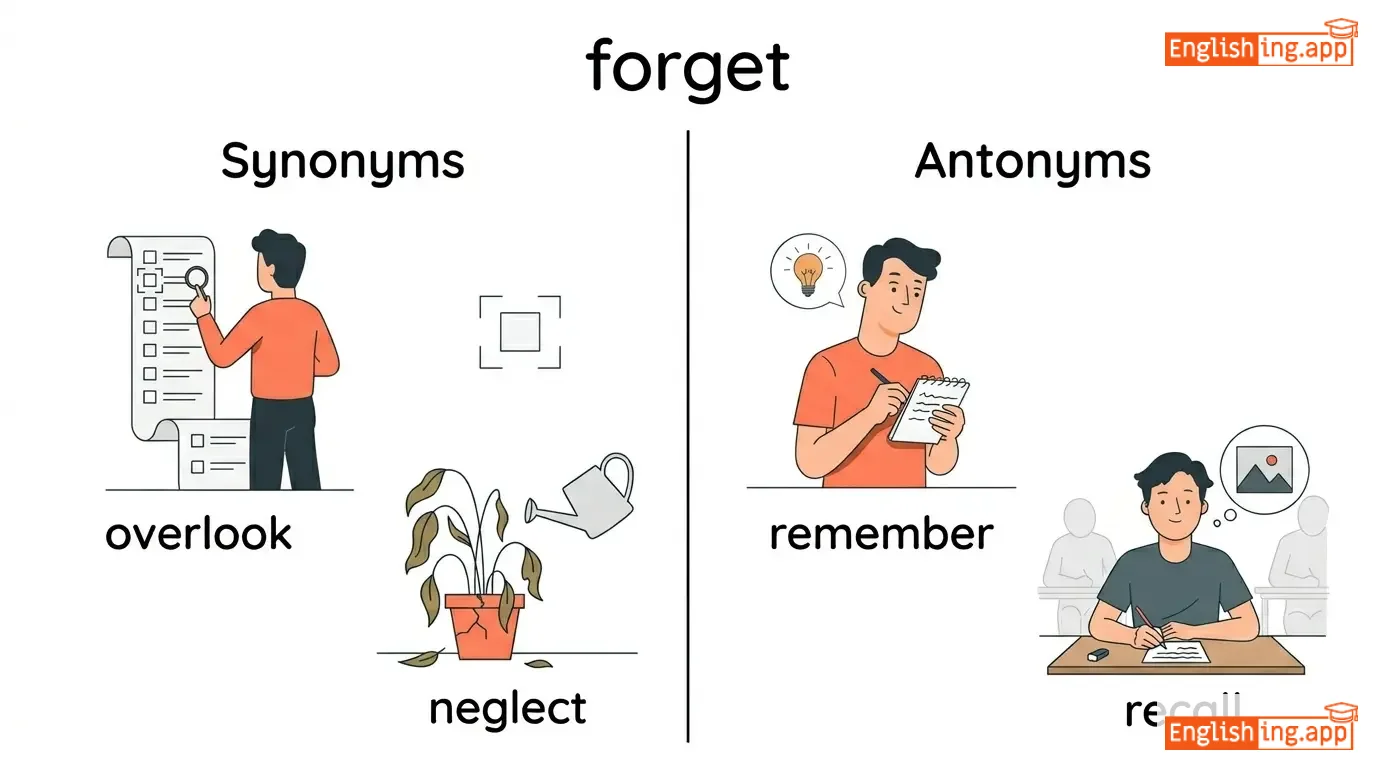
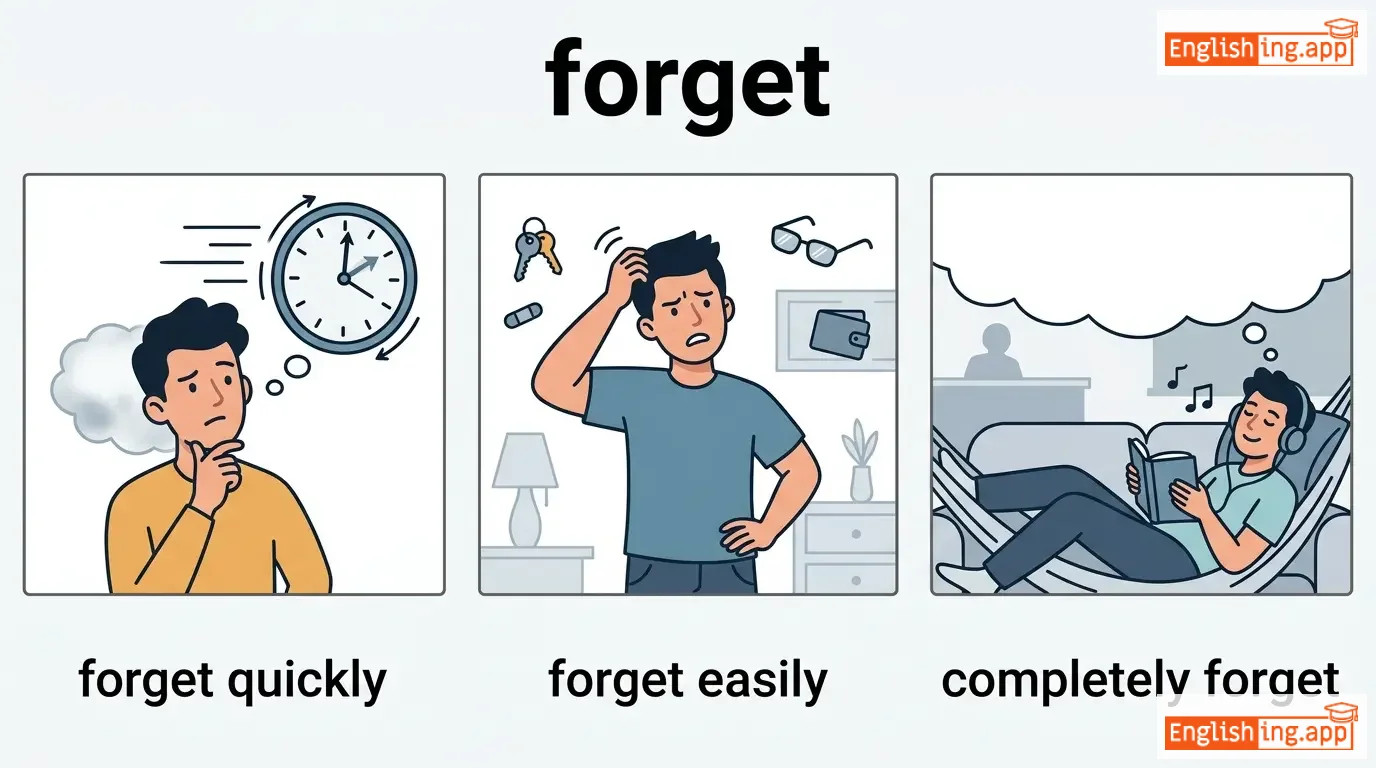
#0
🧠
|
/fəˈɡɛt/
verb
(福尔盖特)
••••••
|
|
忘记
wàngjì
••••••
|
forgot
福尔戈特
••••••
|
forgotten
福尔戈顿
••••••
|
forgets
福尔盖特斯
••••••
|
forgetting
福尔盖丁
••••••
|
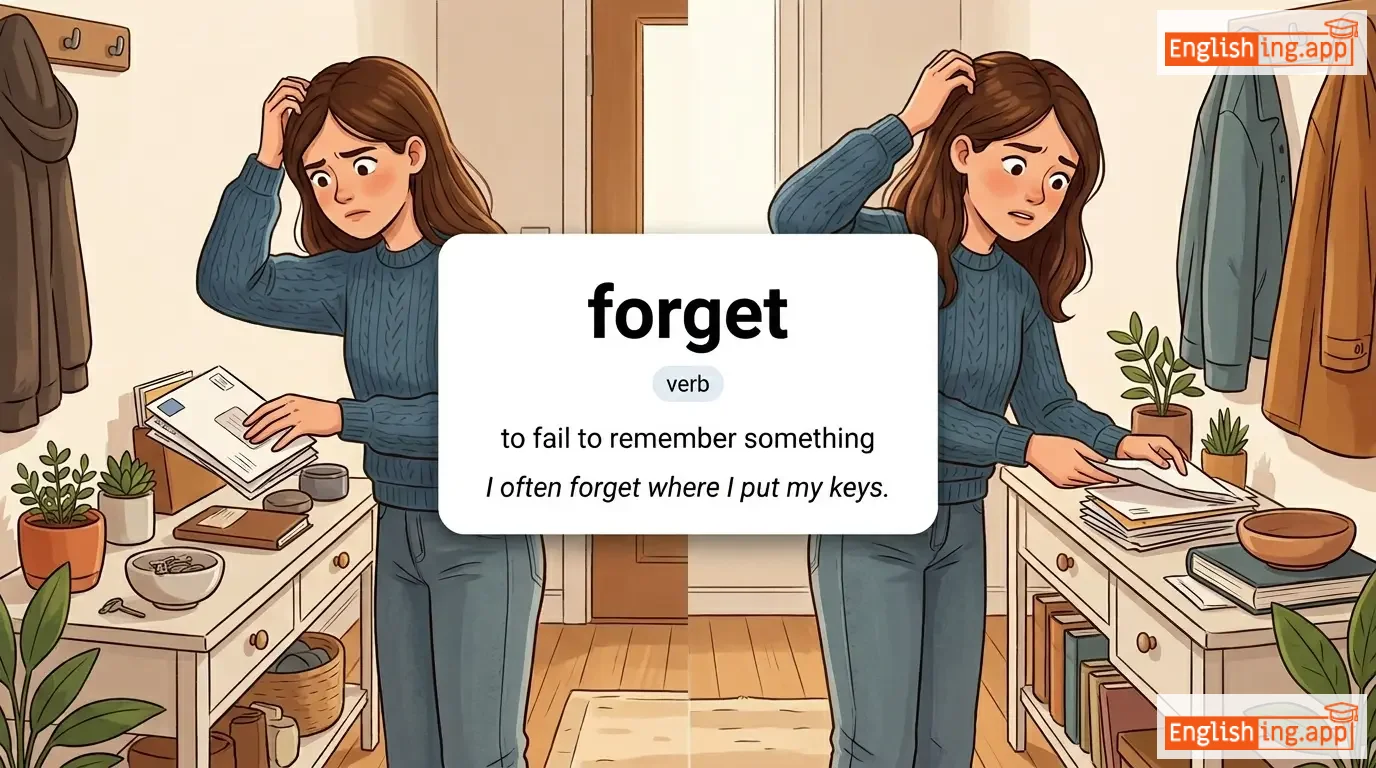
to fail to remember something
••••••
|
I often forget where I put my keys.
我经常忘记把钥匙放在哪里。
••••••
|
我经常忘记把钥匙放在哪里。
Wǒ jīngcháng wàngjì bǎ yàoshi fàng zài nǎlǐ.
••••••
|
forgive and forget
宽恕与遗忘
••••••
|
to stop feeling angry and not hold a grudge
••••••
|
宽恕与遗忘
Kuānshù yǔ yíwàng
••••••
|
overlook, neglect, miss, disregard, ignore
••••••
|
remember, recall, retain
••••••
|
forget quickly, forget easily, completely forget, try to forget
••••••
|
Forget意味着'忘记' — 如果你丢了钥匙,记住: Don't forget!
••••••
|
|
#0
🗂️
|
/ˈfɔːmæt/
noun
(fòrmàt)
••••••
|
- •••••• |
格式
ge shi
••••••
|
- •••••• | - •••••• | - •••••• | - •••••• |
the way in which something is arranged, designed, or presented
••••••
|
Please follow the given format for your report submission. |
请按照给定的格式提交您的报告。
Qing an zhao gei ding de ge shi ti jiao nin de baogao.
••••••
|
standard format |
a commonly accepted structure or arrangement
••••••
|
标准格式
biao zhun ge shi
••••••
|
layout, structure, design, arrangement, configuration
••••••
|
disorder, chaos, disorganization
••••••
|
file format, report format, standard format, data format
••••••
|
格式是如何组织的 — 没有格式,报告提交不了!
••••••
|
|
#0
🕊️
|
/ˈfriːli/
adverb
(fúrlì)
••••••
|
- •••••• |
自由地
zìyóu de
••••••
|
- •••••• | - •••••• | - •••••• | - •••••• |
without restriction or control; willingly
••••••
|
Information should flow freely in a democratic society. |
信息应该在民主社会中自由流动。
Xìnxī yīnggāi zài mínzhǔ shèhuì zhōng zìyóu liúdòng.
••••••
|
speak freely |
to express opinions openly
••••••
|
自由地说
zìyóu de shuō
••••••
|
openly, willingly, easily, voluntarily
••••••
|
reluctantly, restrictively
••••••
|
move freely, give freely, flow freely, speak freely
••••••
|
自由意味着没有限制,freely 意味着自由地!
••••••
|
|
#0
✨
|
/ˈhæpən/
verb
(海皮尼斯)
••••••
|
- •••••• |
发生
fāshēng
••••••
|
happened
海皮尼斯德
••••••
|
happened
海皮尼斯德
••••••
|
happens
海皮尼斯斯
••••••
|
happening
海皮尼斯宁
••••••
|
to take place or occur, usually by chance
••••••
|
Accidents can happen at any time.
事故随时可能发生。
••••••
|
事故随时可能发生。
Shìgù suíshí kěnéng fāshēng.
••••••
|
what happens, happens
发生的,发生了
••••••
|
an expression used to accept events as they occur without worry
••••••
|
发生的,发生了
Fāshēng de, fāshēngle
••••••
|
occur, take place, transpire, arise, ensue
••••••
|
prevent, stop, avoid
••••••
|
happen suddenly, happen accidentally, happen again, happen quickly
••••••
|
HAPPEN意味着一些事情可能会突然发生,就像一个意外事故。
••••••
|
|
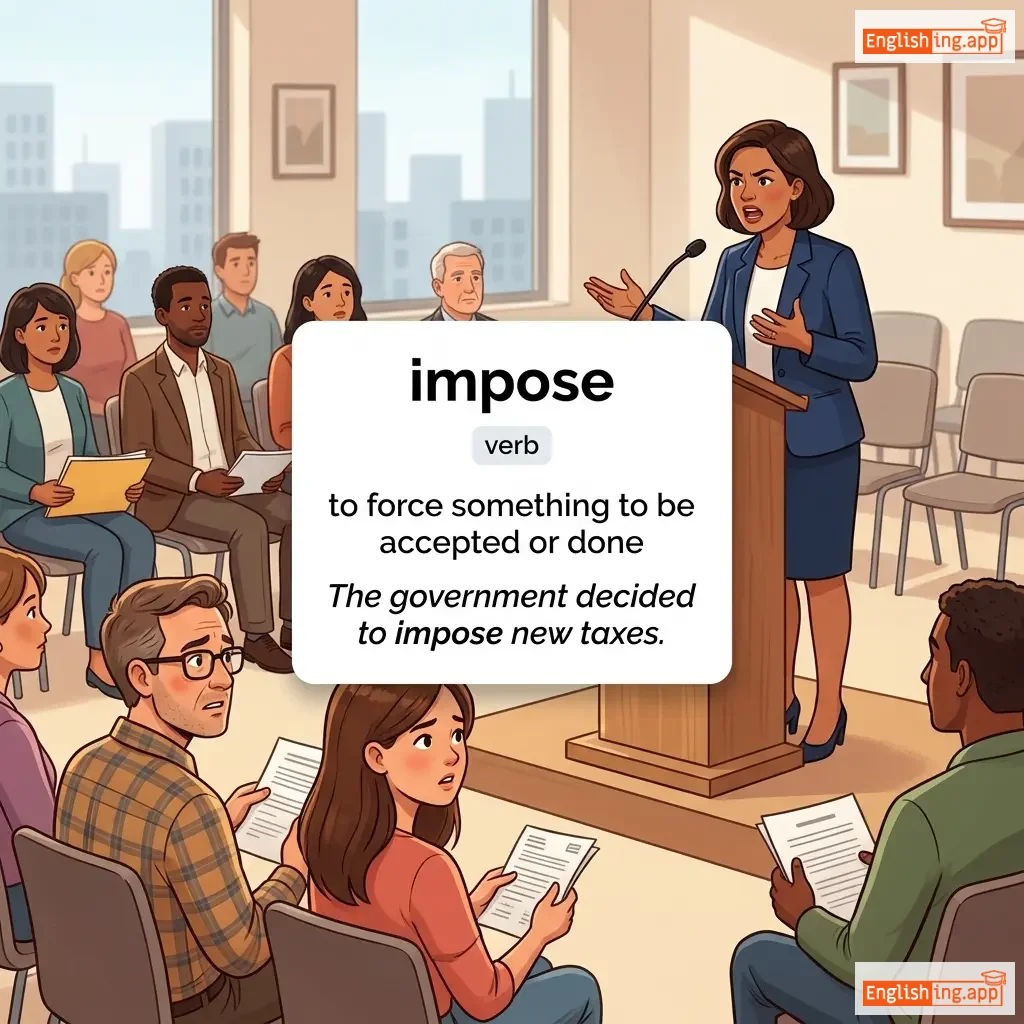
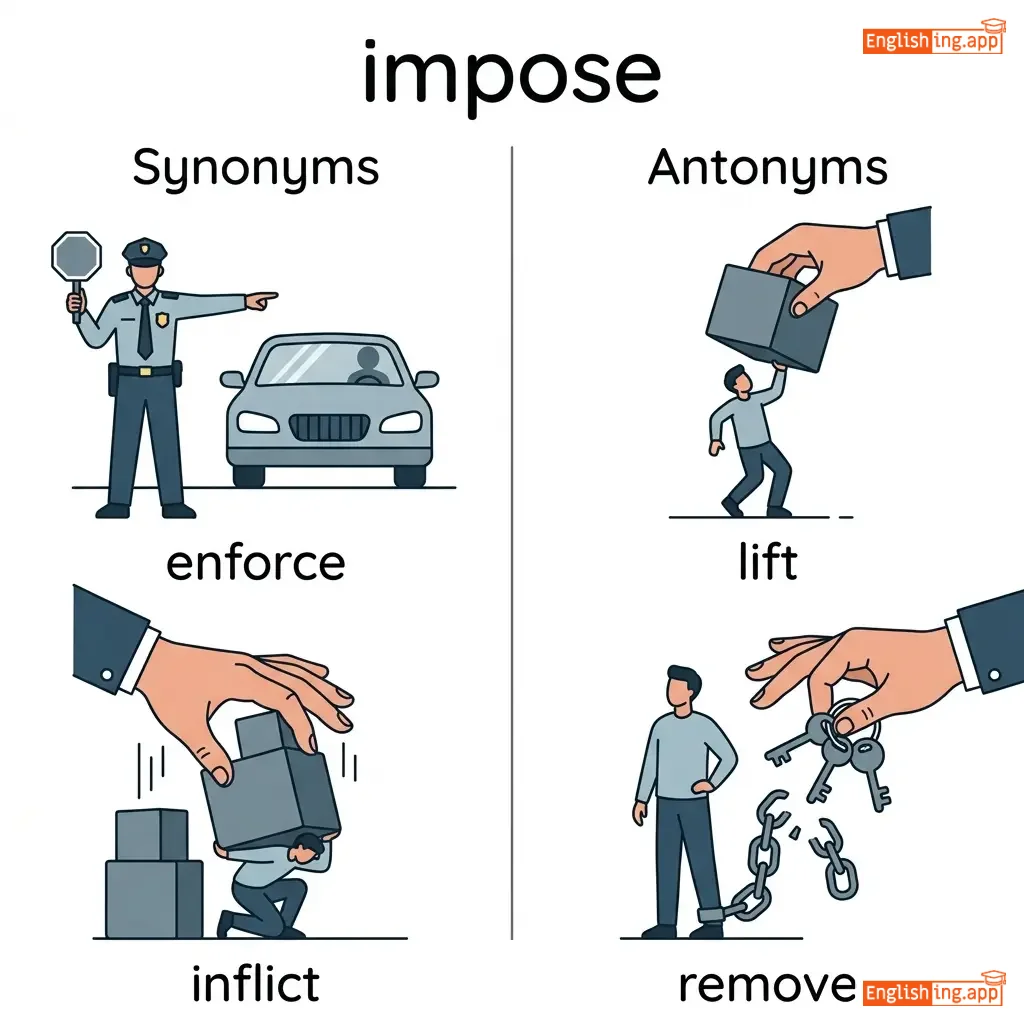
#0
📜
|
/ɪmˈpoʊz/
verb
(印波兹)
••••••
|
|
强加
qiángjiā
••••••
|
imposed
印波兹德
••••••
|
imposed
印波兹德
••••••
|
imposes
印波兹斯
••••••
|
imposing
印波兹英
••••••
|
to force something to be accepted or done
••••••
|
The government decided to impose new taxes.
政府决定征收新的税收。
••••••
|
政府决定征收新的税收。
Zhèngfǔ juédìng zhēngshōu xīn de shuìshōu.
••••••
|
impose a ban
实施禁令
••••••
|
to officially prohibit something
••••••
|
实施禁令
shíshī jìnlìng
••••••
|
enforce, inflict, apply, establish, dictate
••••••
|
lift, remove, withdraw
••••••
|
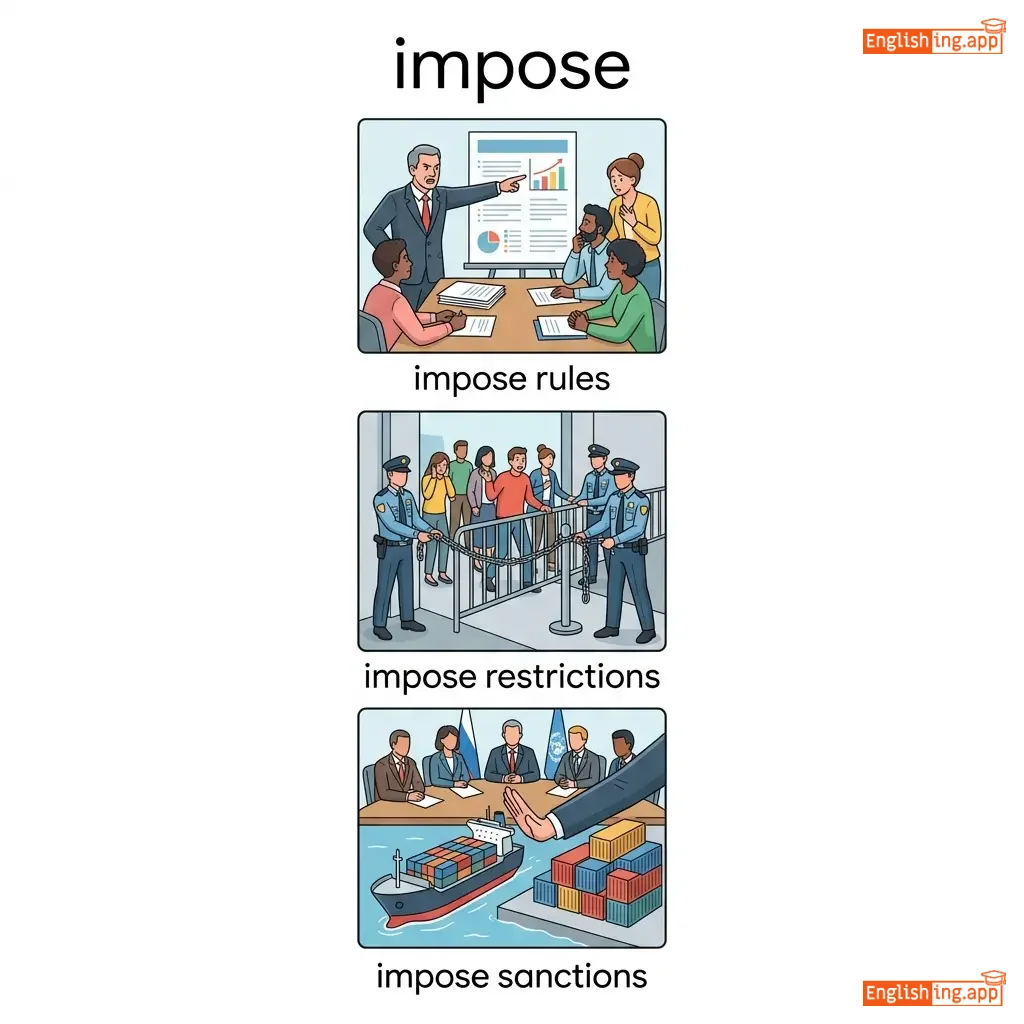
impose rules, impose restrictions, impose sanctions, impose fines
••••••
|
Impose 意思是强加 - 想像强加规则,施行限制!
••••••
|
|
#0
🎯
|
/ɪnˈtɛnd/
verb
(因坦德)
••••••
|
|
打算
dǎsuàn
••••••
|
intended
因坦德德
••••••
|
intended
因坦德德
••••••
|
intends
因坦德斯
••••••
|
intending
因坦丁
••••••
|
To have a plan or purpose in mind; to aim to do something.
••••••
|
I intend to finish my work before dinner.
我打算在晚餐前完成我的工作。
••••••
|
我打算在晚餐前完成我的工作。
Wǒ dǎsuàn zài wǎncān qián wánchéng wǒ de gōngzuò.
••••••
|
well-intended
善意的
••••••
|
done with good intentions
••••••
|
善意的
shàn yì de
••••••
|
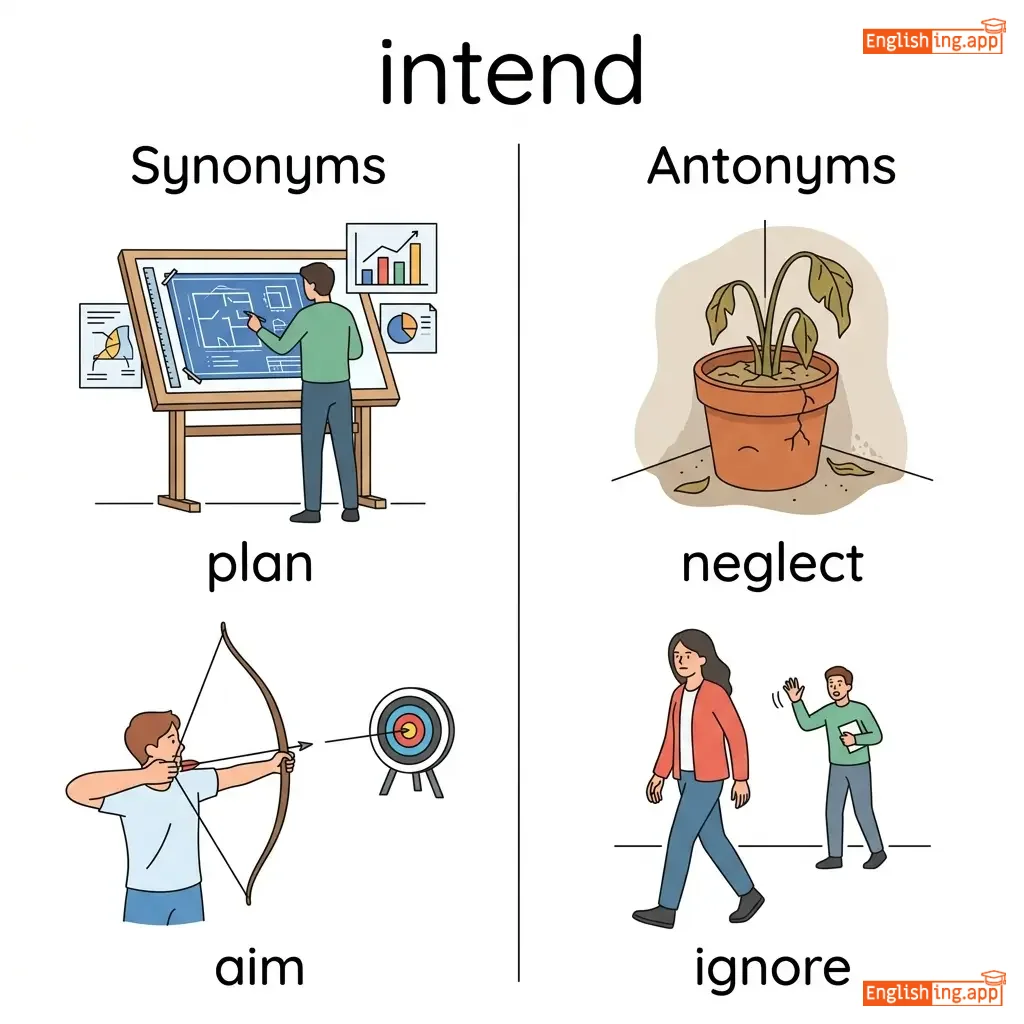
plan, aim, mean, propose, design
••••••
|
neglect, ignore, abandon
••••••
|
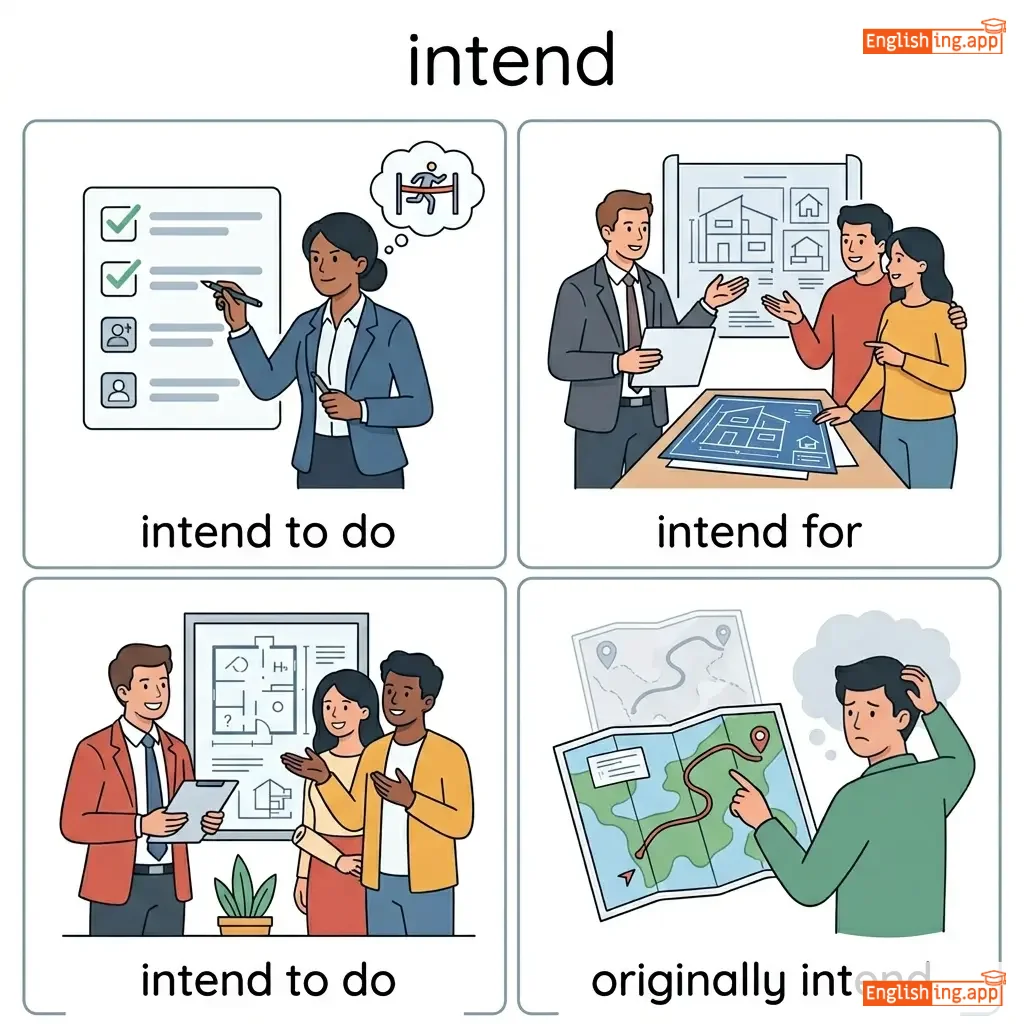
intend to do, intend for, originally intend, seriously intend
••••••
|
Intend 就是打算做事情,带着明确的目的。
••••••
|
|
#0
🙆
|
/ɪtˈsɛlf/
pronoun
(伊特赛尔夫)
••••••
|
- •••••• |
自己
zìjǐ
••••••
|
- •••••• | - •••••• | - •••••• | - •••••• |
Used to emphasize the thing just mentioned; by its own power or effort.
••••••
|
The cat cleaned itself after eating. |
猫在吃完饭后自己清理了自己。
māo zài chī wán fàn hòu zìjǐ qīnglǐ le zìjǐ.
••••••
|
in itself |
considered alone, without reference to anything else
••••••
|
本身
běnshēn
••••••
|
alone, personally, independently
••••••
|
together, others
••••••
|
by itself, itself alone, itself clear, itself evident
••••••
|
Itself 就是自己 — 猫自己 (itself) 清理自己。
••••••
|
|
#0
🏆
|
/liːɡ/
noun
(lì)
••••••
|
- •••••• |
联赛
lian sai
••••••
|
- •••••• | - •••••• | - •••••• | - •••••• |
An association of people or groups united for a common purpose; also a unit of distance (old use).
••••••
|
Several clubs formed a league to promote sportsmanship. |
几个俱乐部组成了一个联盟,以促进体育精神。
Ji ge julebu zucheng le yi ge lianmeng, yi cujin tiyu jingshen.
••••••
|
out of someone's league |
Beyond someone's ability, status, or suitability.
••••••
|
超出某人能力范围
chao chu mou ren nengli fanwei
••••••
|
association, alliance, union, federation, coalition
••••••
|
rivalry, opposition, division
••••••
|
football league, professional league, in the same league
••••••
|
联赛:所有人齐心协力玩一起。
••••••
|
|
#0
✉️
|
/ˈlɛtər/
noun
(lèitè)
••••••
|
- •••••• |
信
xìn
••••••
|
- •••••• | - •••••• | - •••••• | - •••••• |
A written or printed message sent to someone.
••••••
|
He wrote a letter to his friend.
他写了一封信给他的朋友。
••••••
|
他写了一封信给他的朋友。
Tā xiěle yī fēng xìn gěi tā de péngyǒu.
••••••
|
to the letter
按字面意思
••••••
|
exactly as instructed or prescribed
••••••
|
按字面意思
àn zìmiàn yìsi
••••••
|
note, message, mail, correspondence
••••••
|
speech, silence
••••••
|
write a letter, love letter, official letter, letter of recommendation
••••••
|
Letter ✉️ 意味着信 — 邮差送来信件。
••••••
|
Vocabulary Quiz
Test your vocabulary by matching words with their translations or meanings.
Login to take the quiz
Comments (0)
Share your thoughts and join the discussion.
Join the discussion by logging in
Login to CommentNo comments yet
Be the first to share your thoughts!