

Датчики моста и мешки с песком
Bridge Sensors and Sandbags
На новом мосту через реку были установлены специальные foot сенсоры. Инженеры создали новую form для тестирования качества воды. Four команды, любящие реки, собрались в лагере. Они принесли новости from деревень вверх по течению. Резервуар для хранения был почти full. Новые трубы были куплены за счет fund сообщества. Ученые подчеркнули необходимость сохранения водных gene. Студенты сказали, что они готовы give свое время. Дети нашли маленькие камни gold в грязи. После обеда друзья провели мини-турнир по golf. Волонтер использовал всю свою силу, чтобы grab сеть и вытащить ее. Команда данных показала карту реки на большом grid. Все были с облегченной grin после работы. К мосту были добавлены дополнительные grip накладки. Когда начался hail, они закрыли палатки. Дети намочили свои hair до плеч у реки. Они hang фонари над сценой. Они сказали: 'Мы не hate природу; мы ее любим.' Волонтеры haul мешки с песком для укрепления дамбы. Мира сказала: 'У нас есть непоколебимая решимость.'
Обновитесь для доступа ко всему словарю
Получите неограниченный доступ ко всем словам с подпиской Pro
Обновить до ProПеревод
Прошедшее
Причастие прошедшего времени
Третье лицо единственного числа
Герундий
Значение
Пример предложения
Перевод примера предложения
Синонимы
Антонимы
Коллокации
Мнемоника

Swipe left or right, or use the buttons. Tap image to zoom.
Обновитесь для доступа ко всем предложениям
Получите неограниченный доступ ко всем предложениям с подпиской Pro
Обновить до ProПеревод примера предложения
Слово
Bridge Sensors and SandbagsBridge Sensors and Sandbags - Переключатель маски
|
Эмодзи
|
Слово | Images | Перевод | Прошедшее | Причастие прошедшего времени | Третье лицо единственного числа | Герундий | Значение | Пример предложения | Перевод примера предложения | Пример выражения | Значение примера выражения | Перевод примера выражения | Синонимы | Антонимы | Коллокации | Мнемоника |
|---|---|---|---|---|---|---|---|---|---|---|---|---|---|---|---|---|---|
|
#0
🦶
|
/fʊt/
noun
(fut)
••••••
|
- •••••• |
нога
noga
••••••
|
- •••••• | - •••••• | - •••••• | - •••••• |
The lower extremity of the leg below the ankle, used for standing and walking.
••••••
|
He injured his foot while playing basketball. |
Он повредил ногу, играя в баскетбол.
On povredil nogu, igrya v basketbol.
••••••
|
put your foot down |
to assert authority or take a firm stand
••••••
|
поставить ногу на землю
postavit' nogu na zemlyu
••••••
|
leg end, paw, hoof, base, bottom
••••••
|
head, top
••••••
|
bare foot, foot injury, left foot, right foot, foot step
••••••
|
Запомни, нога и FOOT имеют одинаковое значение.
••••••
|
|
#0
📄
|
/fɔːrm/
noun, verb
(форма)
••••••
|
- •••••• |
форма / форма
forma / forma
••••••
|
formed
сформирован
••••••
|
formed
сформирован
••••••
|
forms
формирует
••••••
|
forming
формируя
••••••
|
the shape or structure of something; to bring something into existence
••••••
|
Students filled out the registration form.
Студенты заполнили регистрационную форму.
••••••
|
Студенты заполнили регистрационную форму.
Studenty zapolnili registratsionnuyu formu.
••••••
|
take form
принимать форму
••••••
|
to start to develop a clear shape or structure
••••••
|
принимать форму
prinimat' formu
••••••
|
shape, structure, configuration, type, create
••••••
|
disorder, destroy, deform
••••••
|
application form, fill out form, form a team, form an opinion
••••••
|
Form означает форму, как когда заполняешь форму.
••••••
|
|
#0
4️⃣
|
/fɔːr/
numeral
(фор)
••••••
|
- •••••• |
четыре
chetyre
••••••
|
- •••••• | - •••••• | - •••••• | - •••••• |
The number equivalent to the sum of two and two; one more than three.
••••••
|
She has four books on her desk. |
У нее четыре книги на столе.
U nee chetyre knigi na stole.
••••••
|
four corners of the world |
everywhere in the world
••••••
|
четыре угла мира
chetyre ugla mira
••••••
|
quartet, quadruple, foursome, tetrad
••••••
|
three, five
••••••
|
four times, four years, four people, four seasons
••••••
|
С четырьмя друзьями всегда весело – помни, что Four означает четыре.
••••••
|
|
#0
➡️
|
/frəm/ or /frʌm/
preposition
(фром)
••••••
|
- •••••• |
из
iz
••••••
|
- •••••• | - •••••• | - •••••• | - •••••• |
Used to indicate the starting point of a journey, action, or source.
••••••
|
She came from Dhaka to visit her family. |
Она приехала из Дакки, чтобы навестить свою семью.
Ona priekhala iz Dakkī, chtoby navestit' svoyu sem'yu.
••••••
|
far from |
Very different from or not at all like.
••••••
|
далеко от
daleko ot
••••••
|
out of, away from, off, since, starting at
••••••
|
to, towards
••••••
|
from start, from scratch, from now, far from
••••••
|
FROM означает 'из'—как из Дакки (iz Dakkī) начался путь.
••••••
|
|
#0
🍶
|
/fʊl/
adjective
(ful)
••••••
|
- •••••• |
полный
polnyy
••••••
|
- •••••• | - •••••• | - •••••• | - •••••• |
Containing as much or as many as possible; complete.
••••••
|
The glass is full of water. |
Стакан полный воды.
Stakan polnyy vody.
••••••
|
full of life |
very energetic and lively
••••••
|
полный жизни
polnyy zhizni
••••••
|
complete, filled, packed, crowded, entire
••••••
|
empty, vacant, partial
••••••
|
full of water, full moon, full capacity, full name, full potential
••••••
|
Полный как стакан воды.
••••••
|
|
#0
💰
|
/fʌnd/
noun/verb
(фанд)
••••••
|
|
фонд
fond
••••••
|
funded
фандед
••••••
|
funded
фандед
••••••
|
funds
фандс
••••••
|
funding
фандинг
••••••
|
a sum of money saved or made available for a particular purpose; to provide money for
••••••
|
The government created a fund for education.
Правительство создало фонд для образования.
••••••
|
Правительство создало фонд для образования.
Pravitel'stvo sozdalo fond dlya obrazovaniya.
••••••
|
mutual fund
взаимный фонд
••••••
|
a professionally managed investment fund
••••••
|
взаимный фонд
vzaimnyy fond
••••••
|
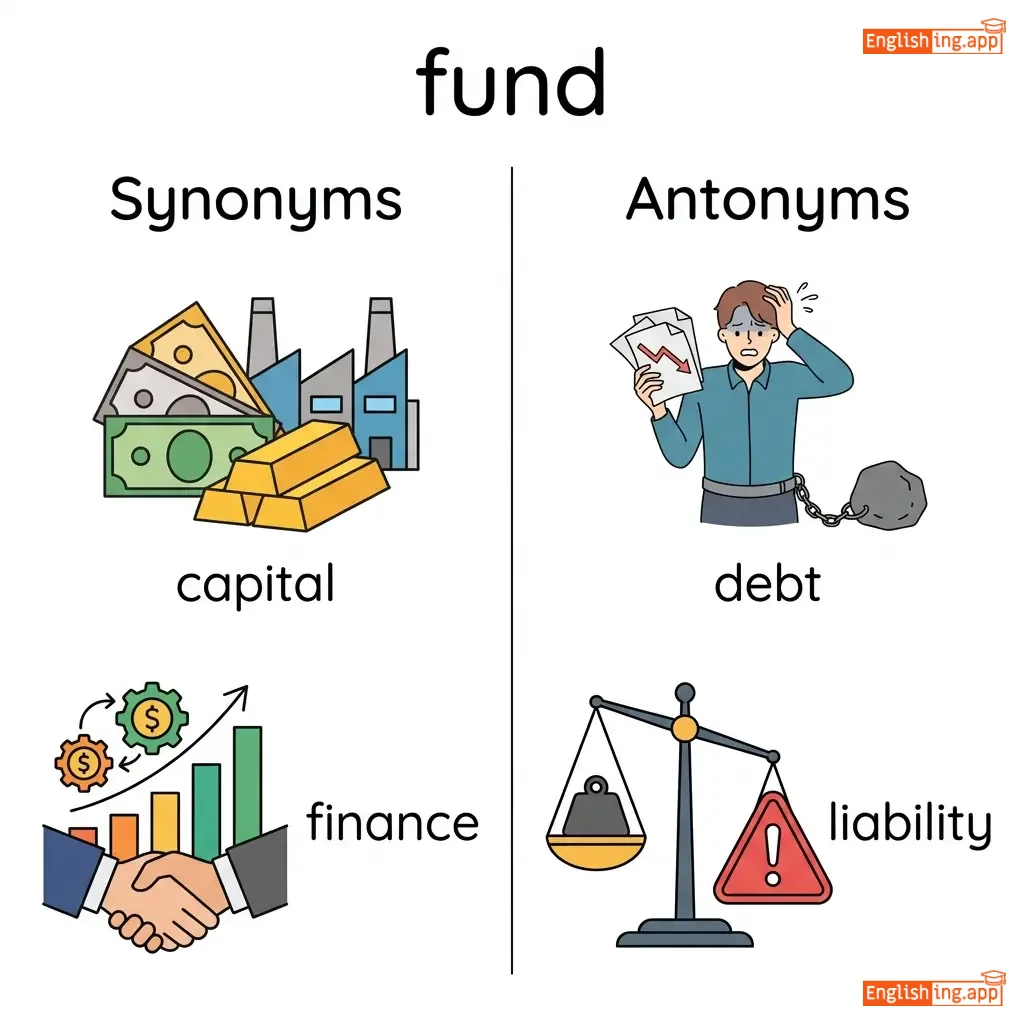
capital, finance, money, resource, investment
••••••
|
debt, liability
••••••
|
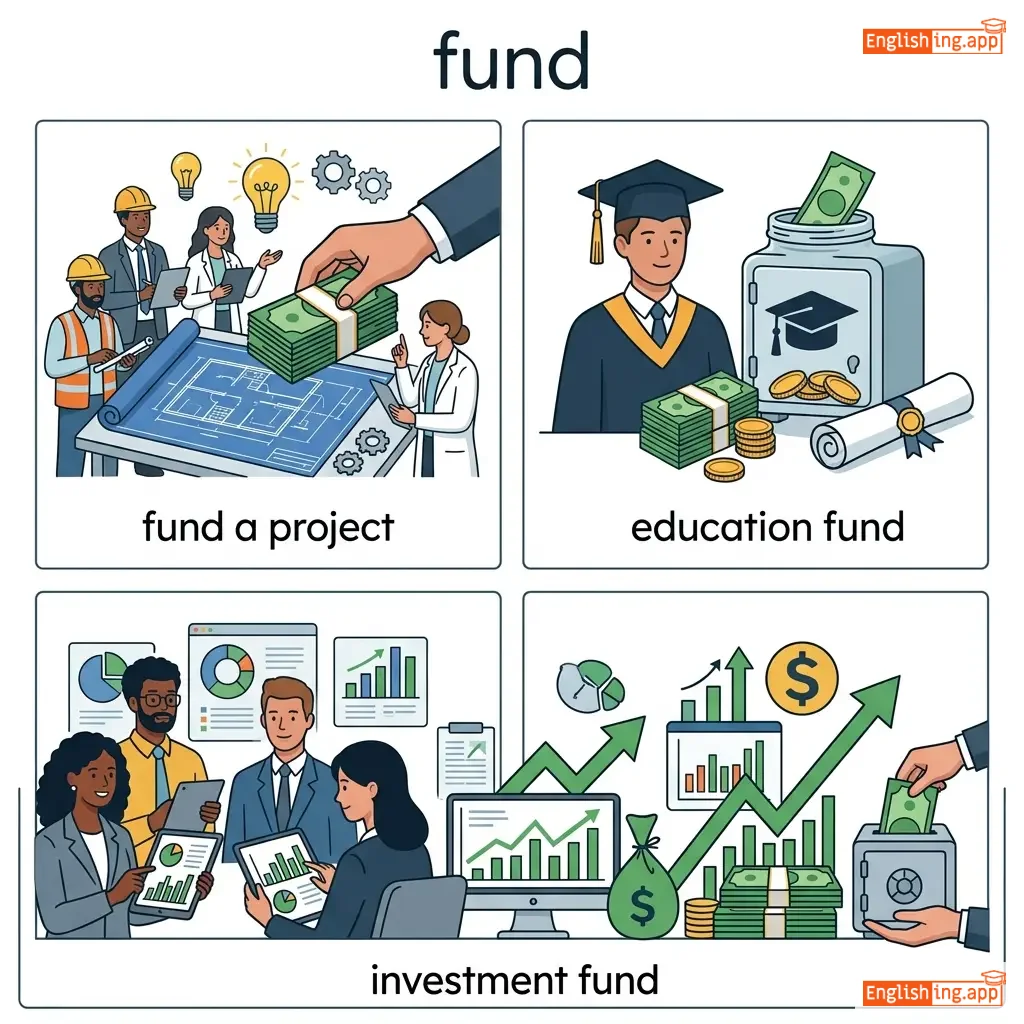
fund a project, education fund, investment fund, fund allocation
••••••
|
Фонд означает фонд — подумай о фонде = 'Фан Доставка', для развлечений нужны деньги.
••••••
|
|
#0
🧬
|
/dʒiːn/
noun
(jin)
••••••
|
- •••••• |
ген
gen
••••••
|
- •••••• | - •••••• | - •••••• | - •••••• |
A unit of heredity in living organisms, transferred from parent to offspring, determining traits.
••••••
|
Eye color is influenced by genes inherited from parents. |
Цвет глаз зависит от генов, унаследованных от родителей.
tsvet glaz zavisit ot genov, unashledovannykh ot roditeley.
••••••
|
in one's genes |
a natural trait inherited from family
••••••
|
в чьих-то генах
v ch'yikh-to genakh
••••••
|
DNA, chromosome, heredity, trait, genome
••••••
|
environment, nurture
••••••
|
gene mutation, gene therapy, human gene, dominant gene
••••••
|
Ген = gene, помни о ДНК 🧬
••••••
|
|
#0
🎁
|
/ɡɪv/
verb
(giv)
••••••
|
|
давать
davat
••••••
|
gave
gev
••••••
|
given
given
••••••
|
gives
gives
••••••
|
giving
giving
••••••
|
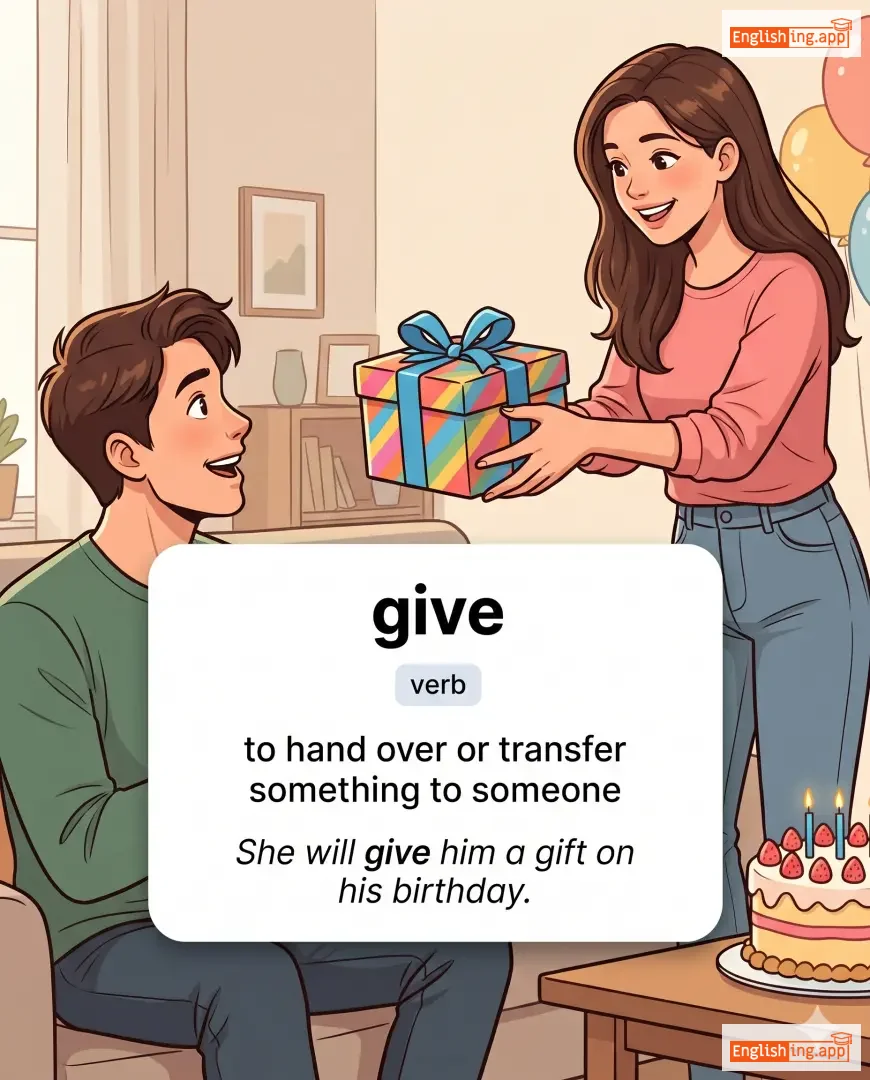
to hand over or transfer something to someone
••••••
|
She will give him a gift on his birthday.
Она даст ему подарок на его день рождения.
••••••
|
Она даст ему подарок на его день рождения.
Ona dast emu podarok na ego den' rozhdeniya.
••••••
|
give up
сдать
••••••
|
to stop trying or to surrender
••••••
|
сдаться
sdatsya
••••••
|
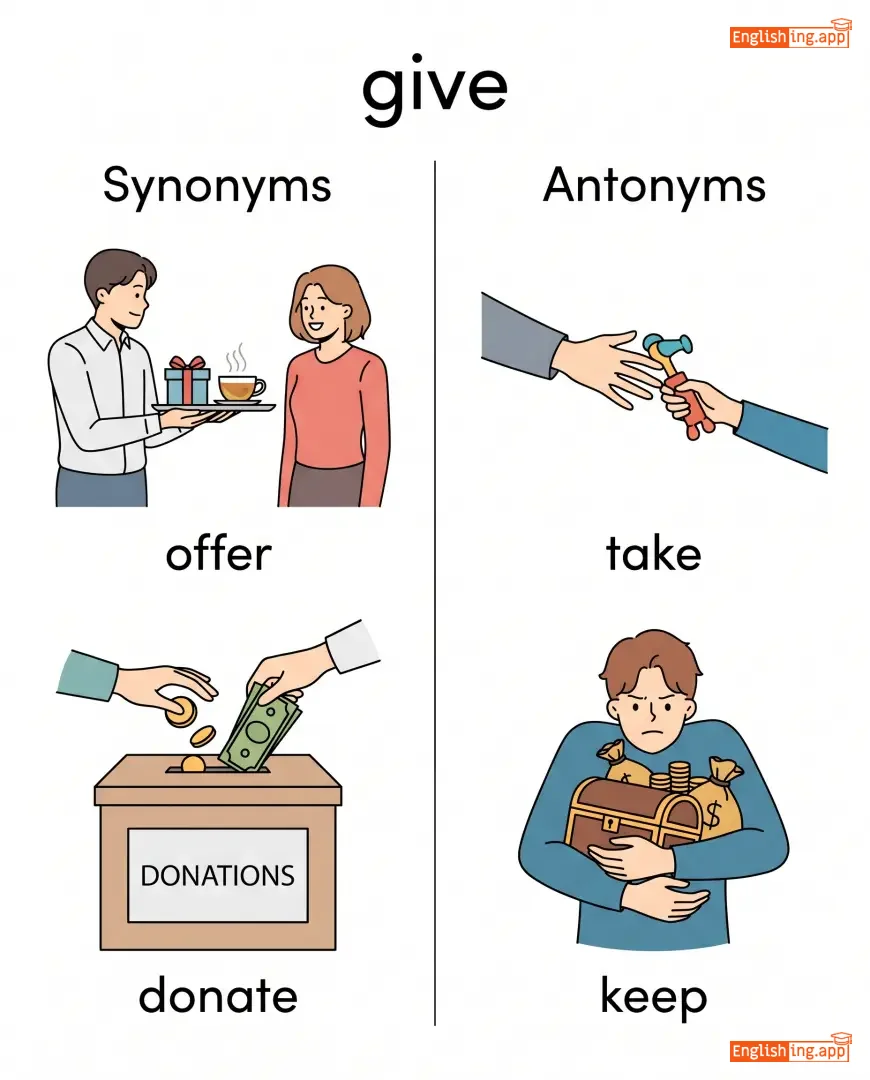
offer, donate, present, provide, deliver
••••••
|
take, keep
••••••
|
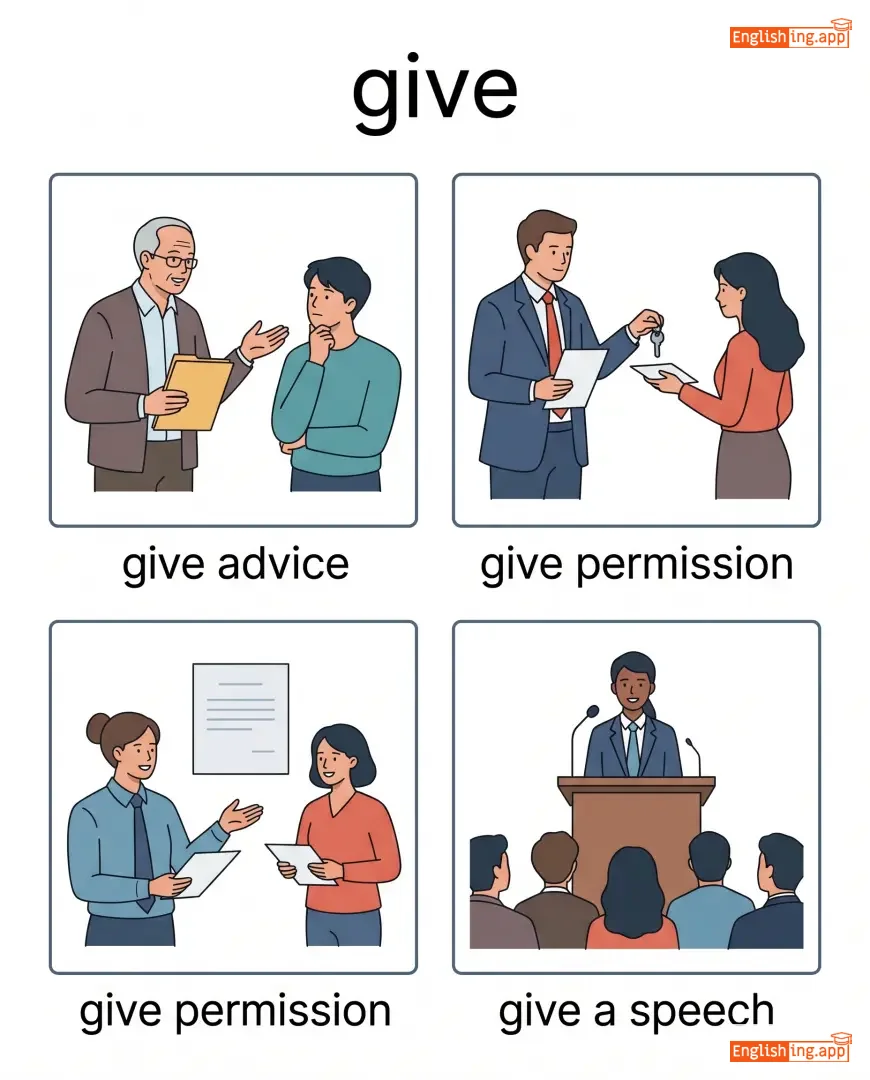
give advice, give permission, give a speech, give thanks
••••••
|
Give (давать) means giving gifts.
••••••
|
|
#0
🥇
|
/ɡoʊld/
noun
(ɡoʊld)
••••••
|
- •••••• |
золото
zoloto
••••••
|
- •••••• | - •••••• | - •••••• | - •••••• |
a yellow precious metal used in jewelry and as money
••••••
|
The ring was made of pure gold. |
Кольцо было сделано из чистого золота.
Kol'tso bylo sdelano iz chistogo zolota.
••••••
|
worth its weight in gold |
extremely valuable
••••••
|
стоит своего веса в золоте
stoit svoego vesa v zolote
••••••
|
precious metal, wealth, treasure
••••••
|
worthlessness, poverty
••••••
|
pure gold, gold medal, gold mine, gold chain
••••••
|
Золото всегда ценится высоко, как золотой шанс.
••••••
|
|
#0
🏌️
|
/ɡɒlf/
noun
(хэппинесс)
••••••
|
- •••••• |
счастье
schast'ye
••••••
|
- •••••• | - •••••• | - •••••• | - •••••• |
A game in which players use clubs to hit a ball into a series of holes on a course in as few strokes as possible.
••••••
|
He spends his weekends playing golf with his friends. |
Она не могла скрыть своего счастья, когда получила награду.
Ona ne mogla skryt' svoego schast'ya, kogda poluchila nagradu.
••••••
|
a good walk spoiled |
A humorous phrase describing golf as ruining the enjoyment of walking.
••••••
|
поиск счастья
poisk schast'ya
••••••
|
sport, game, pastime, recreation
••••••
|
work, labor
••••••
|
play golf, golf course, golf club, professional golf
••••••
|
Счастье - как в жизни найти моменты радости, помни, что для счастья нужно искать!
••••••
|
|
#0
🤲
|
/ɡræb/
verb
(грэб)
••••••
|
- •••••• |
схватить
skhvatit
••••••
|
grabbed
грэбд
••••••
|
grabbed
грэбд
••••••
|
grabs
грэбс
••••••
|
grabbing
грэббинг
••••••
|
To seize something quickly and firmly.
••••••
|
He tried to grab the ball before it rolled away.
Он попытался схватить мяч, прежде чем он покатится.
••••••
|
Он попытался схватить мяч, прежде чем он покатится.
On popytalsya skhvatit myach, prezhde chem on pokatitsya.
••••••
|
grab a bite
схватить перекус
••••••
|
to have something to eat quickly
••••••
|
съесть что-нибудь
s'yeat chto-nibud'
••••••
|
seize, snatch, clutch, take, catch
••••••
|
release, let go
••••••
|
grab a chance, grab attention, grab a bite
••••••
|
Схватить быстро, как быстрая еда!
••••••
|
|
#0
🗺️
|
/ɡrɪd/
noun
(грид)
••••••
|
|
сетка
setka
••••••
|
- •••••• | - •••••• | - •••••• | - •••••• |
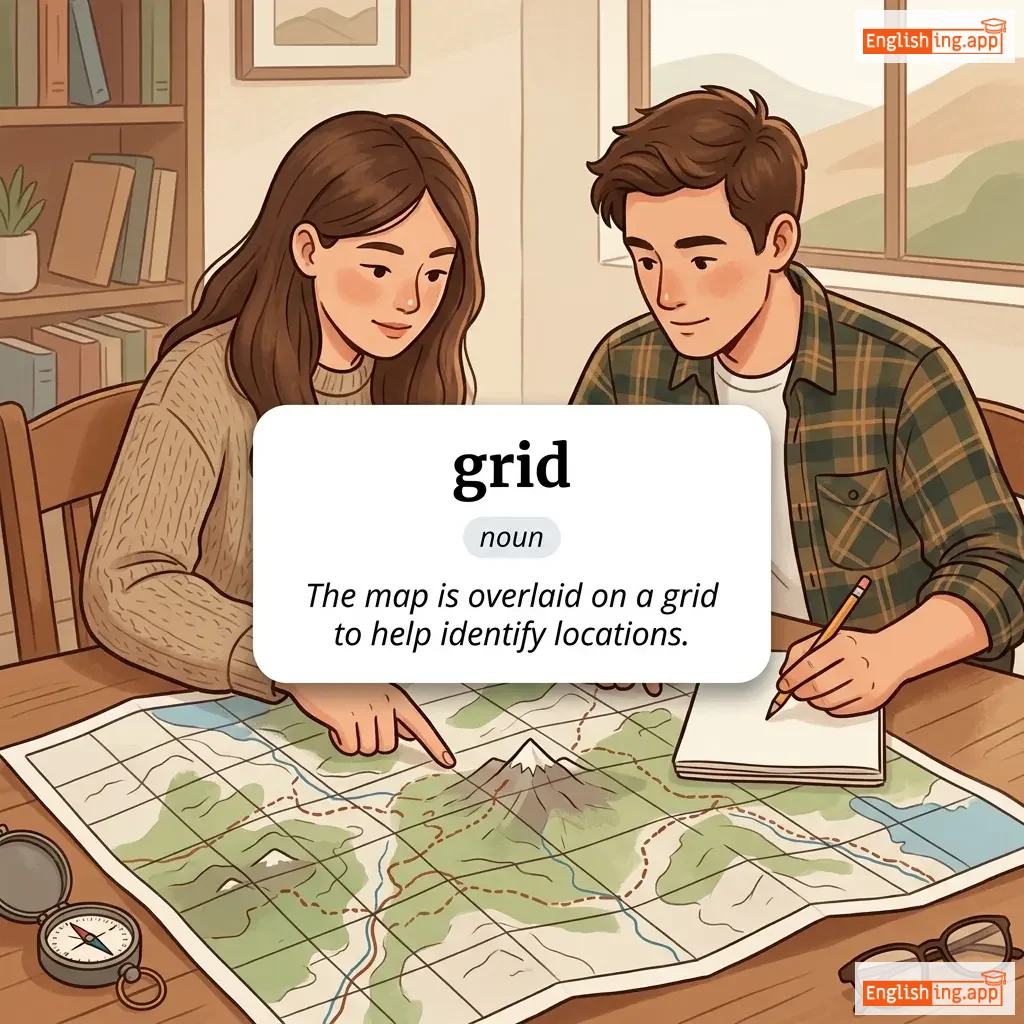
a network of lines that cross each other to form a series of squares or rectangles
••••••
|
The map is overlaid on a grid to help identify locations. |
Карта накладывается на сетку для помощи в определении местоположений.
Karta nakladyvayetsya na setku dlya pomoshchi v opredelenii mestopolozheniy.
••••••
|
- •••••• | - •••••• | - •••••• |
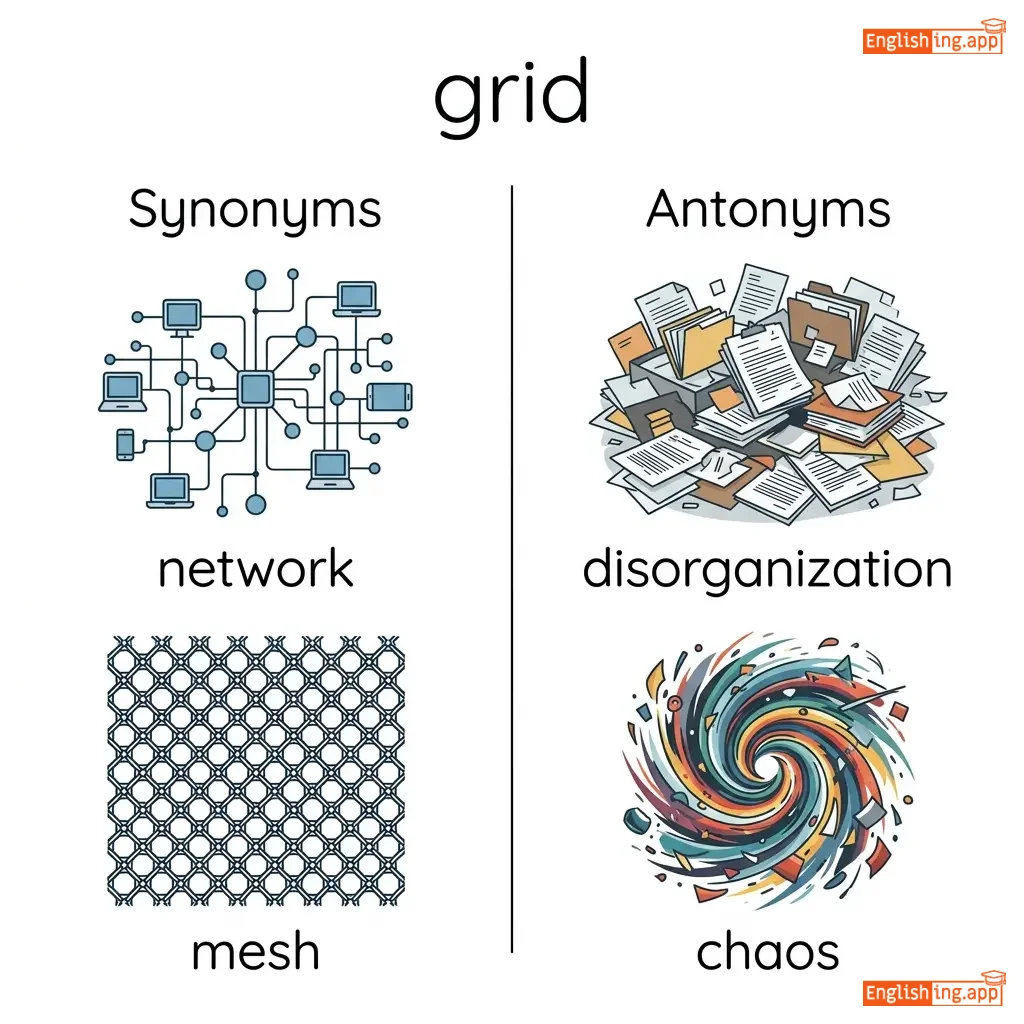
network, mesh, framework, matrix
••••••
|
disorganization, chaos
••••••
|
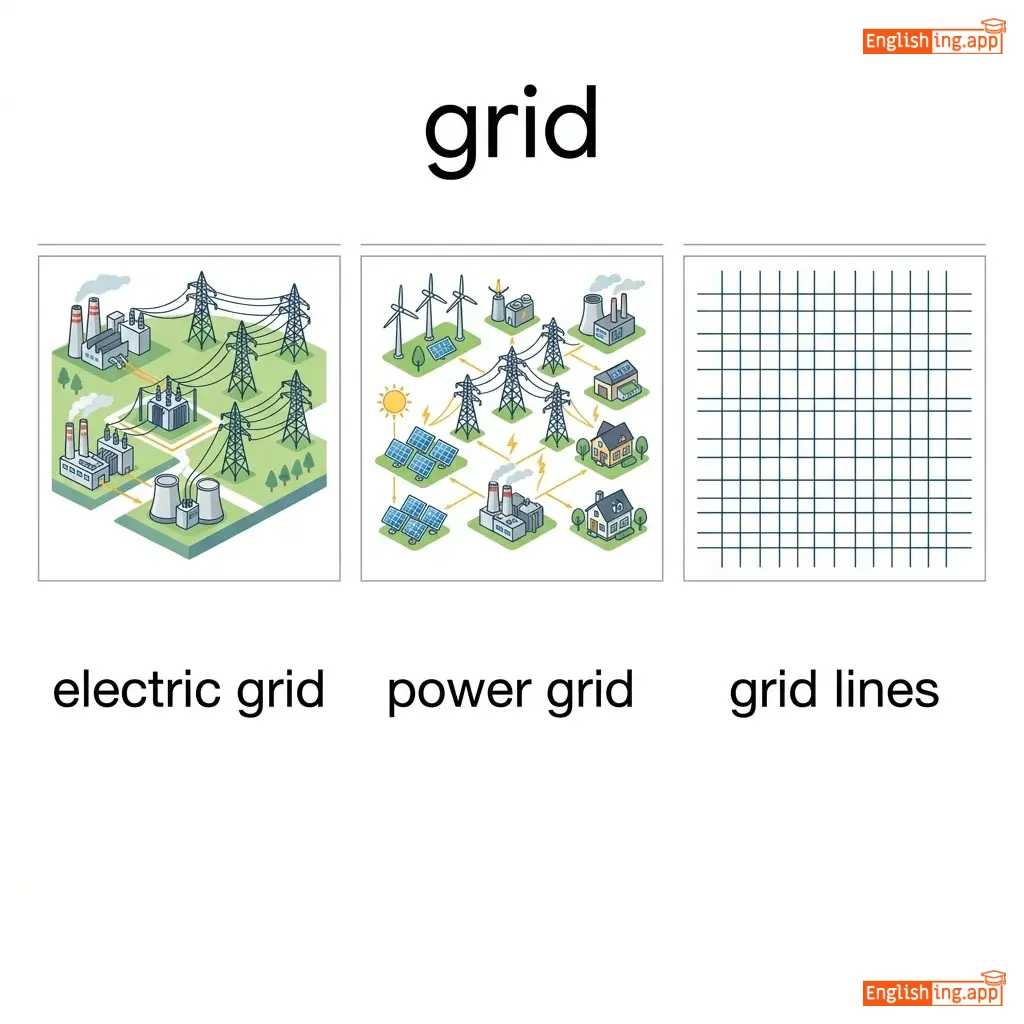
electric grid, power grid, grid lines, grid system
••••••
|
Сетка помогает точно определить местоположение, как на карте, где каждый квадрат - это точка.
••••••
|
|
#0
😁
|
/ɡrɪn/
verb, noun
(грин)
••••••
|
- •••••• |
широко улыбаться, часто показывая зубы
shiroko ulybat'sya, chasto pokazyvaya zuby
••••••
|
grinned
гринд
••••••
|
grinned
гринд
••••••
|
grins
гринс
••••••
|
grinning
грининг
••••••
|
to smile broadly, often showing teeth
••••••
|
She grinned happily at the good news.
Она улыбнулась счастливо, услышав хорошие новости.
••••••
|
Она улыбнулась счастливо, услышав хорошие новости.
Ona ulybnulas' schastlivo, uslyshav khoroshie novosti.
••••••
|
grin and bear it
улыбнись и потерпи
••••••
|
to endure something unpleasant with good humor
••••••
|
улыбнись и потерпи
ulybnis' i poterpi
••••••
|
smile, beam, smirk, chuckle
••••••
|
frown, scowl
••••••
|
big grin, cheeky grin, wide grin, grin broadly
••••••
|
Улыбайся и терпи!
••••••
|
|
#0
✊
|
/ɡrɪp/
verb
(грип)
••••••
|
- •••••• |
схватить
skhvatit
••••••
|
gripped
гриппед
••••••
|
gripped
гриппед
••••••
|
grips
грипс
••••••
|
gripping
гриппинг
••••••
|
to hold something tightly or firmly
••••••
|
He gripped the steering wheel tightly.
он крепко схватил руль.
••••••
|
он крепко схватил руль.
on krepko skhvatil rul'.
••••••
|
get a grip
взять себя в руки
••••••
|
to control your emotions or behavior
••••••
|
взять себя в руки
vzyat' sebya v ruki
••••••
|
hold, grasp, clutch, seize, clasp
••••••
|
release, let go, drop
••••••
|
firm grip, lose grip, get a grip, tight grip
••••••
|
Схватить — это как сделать Grip, ничто не упадет!
••••••
|
|
#0
🙌
|
/heɪl/
verb
(хейл)
••••••
|
- •••••• |
звать / приветствовать
zvat' / privetstvovat'
••••••
|
hailed
хейлд
••••••
|
hailed
хейлд
••••••
|
hails
хейлс
••••••
|
hailing
хейлинг
••••••
|
To call out to attract attention or to praise enthusiastically.
••••••
|
The athlete was hailed as a hero after the victory.
Атлета приветствовали как героя после победы.
••••••
|
Атлета приветствовали как героя после победы.
Atleta privetstvovali kak geroja posle pobedy.
••••••
|
hail a taxi
поймать такси
••••••
|
to signal and stop a taxi to get a ride
••••••
|
поймать такси
poimat' taksi
••••••
|
greet, call, acclaim, praise, salute
••••••
|
ignore, condemn, dismiss
••••••
|
hail a taxi, hail as a hero, hail the decision, hail enthusiastically
••••••
|
Hail = звать или приветствовать с восхищением
••••••
|
|
#0
💇
|
/hɛər/
noun
(хэр)
••••••
|
- •••••• |
волосы
volosy
••••••
|
- •••••• | - •••••• | - •••••• | - •••••• |
the fine threads growing from the skin of humans and animals
••••••
|
She has long, black hair. |
У нее длинные черные волосы.
U nee dlinnyye chernyye volosy.
••••••
|
let your hair down |
to relax and enjoy yourself without worrying
••••••
|
распусти волосы
raspusti volosy
••••••
|
locks, strands, tresses, mane
••••••
|
baldness, bald head
••••••
|
long hair, curly hair, cut hair, hair color
••••••
|
Волосы = Hair, волосы на голове
••••••
|
|
#0
🖼️
|
/hæŋ/
verb
••••••
|
|
- •••••• |
hung
••••••
|
hung
••••••
|
hangs
••••••
|
hanging
••••••
|
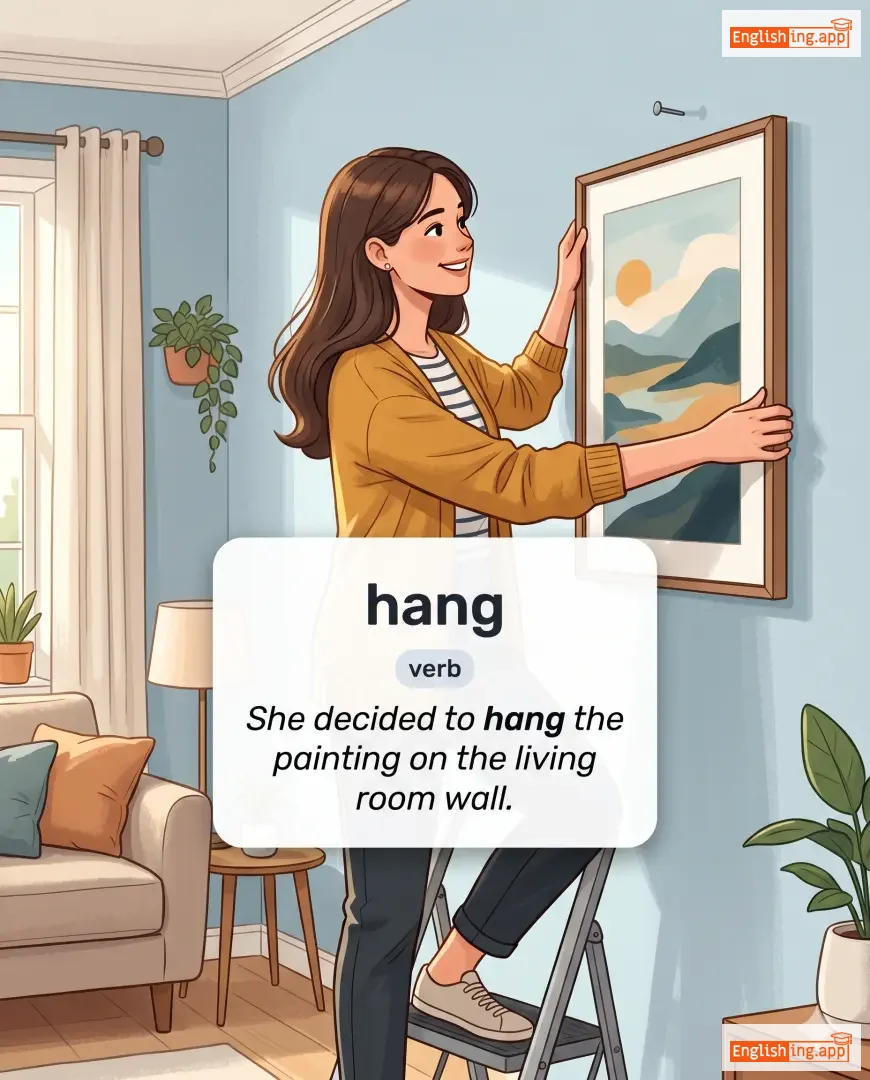
to suspend or attach something from above so that it moves freely or is supported
••••••
|
She decided to hang the painting on the living room wall. |
- •••••• |
hang in there |
used to encourage someone to persevere through a difficult time
••••••
|
- •••••• |
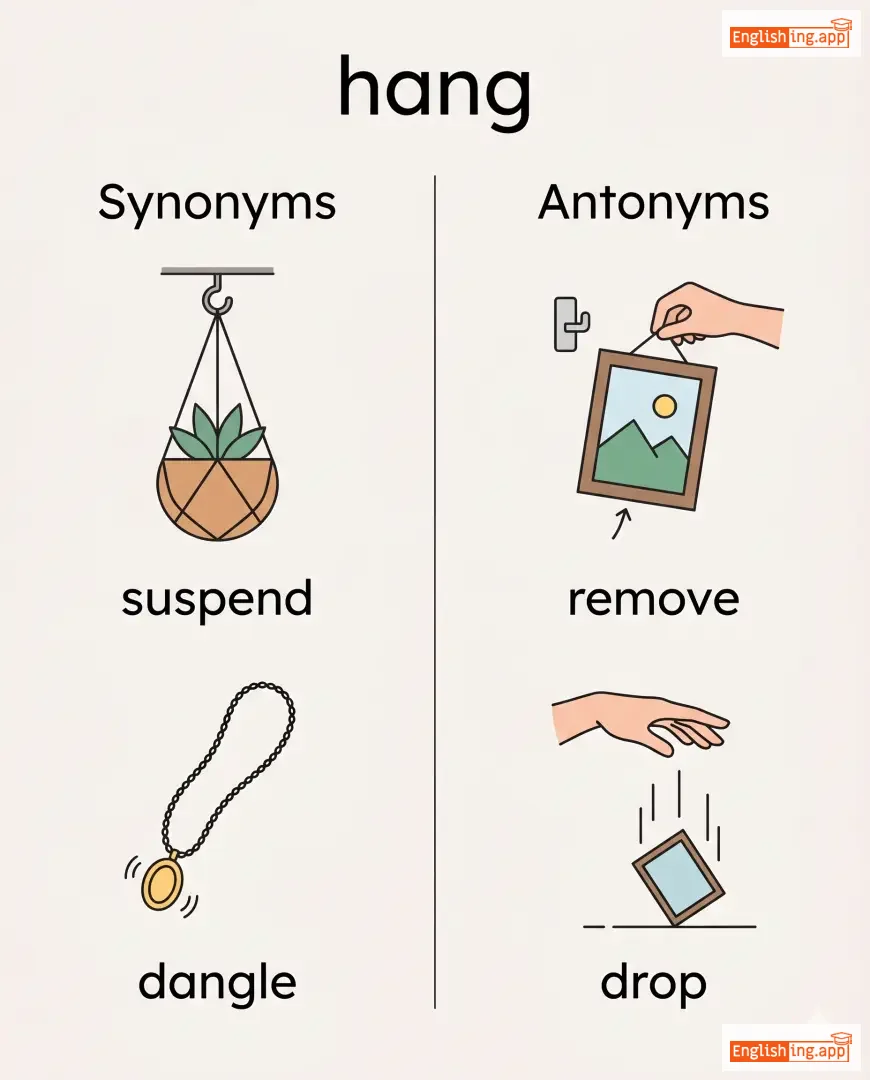
suspend, dangle, attach, display, drape
••••••
|
remove, drop, take down
••••••
|
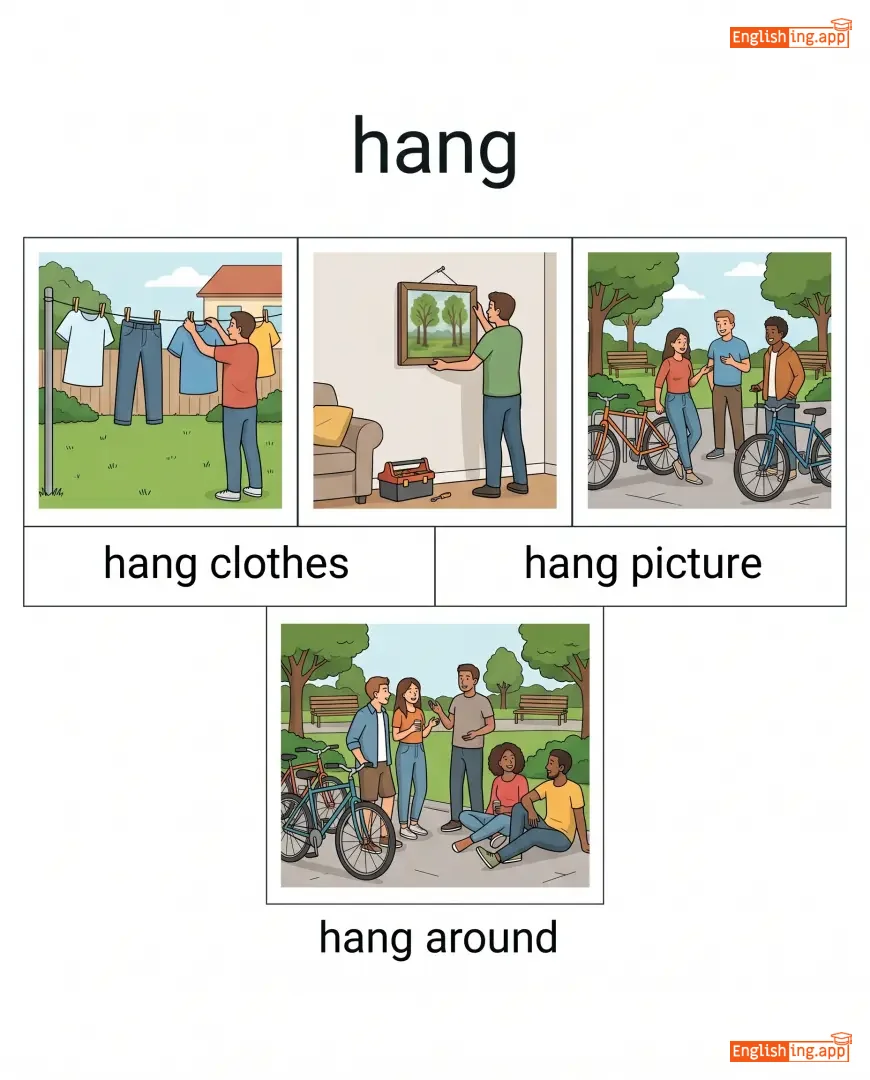
hang clothes, hang picture, hang around, hang up
••••••
|
No •••••• |
|
#0
💔
|
/heɪt/
verb
(hjetnes)
••••••
|
|
ненавидеть
nenavidet
••••••
|
hated
hjeted
••••••
|
hated
hjeted
••••••
|
hates
hjets
••••••
|
hating
hjeting
••••••
|
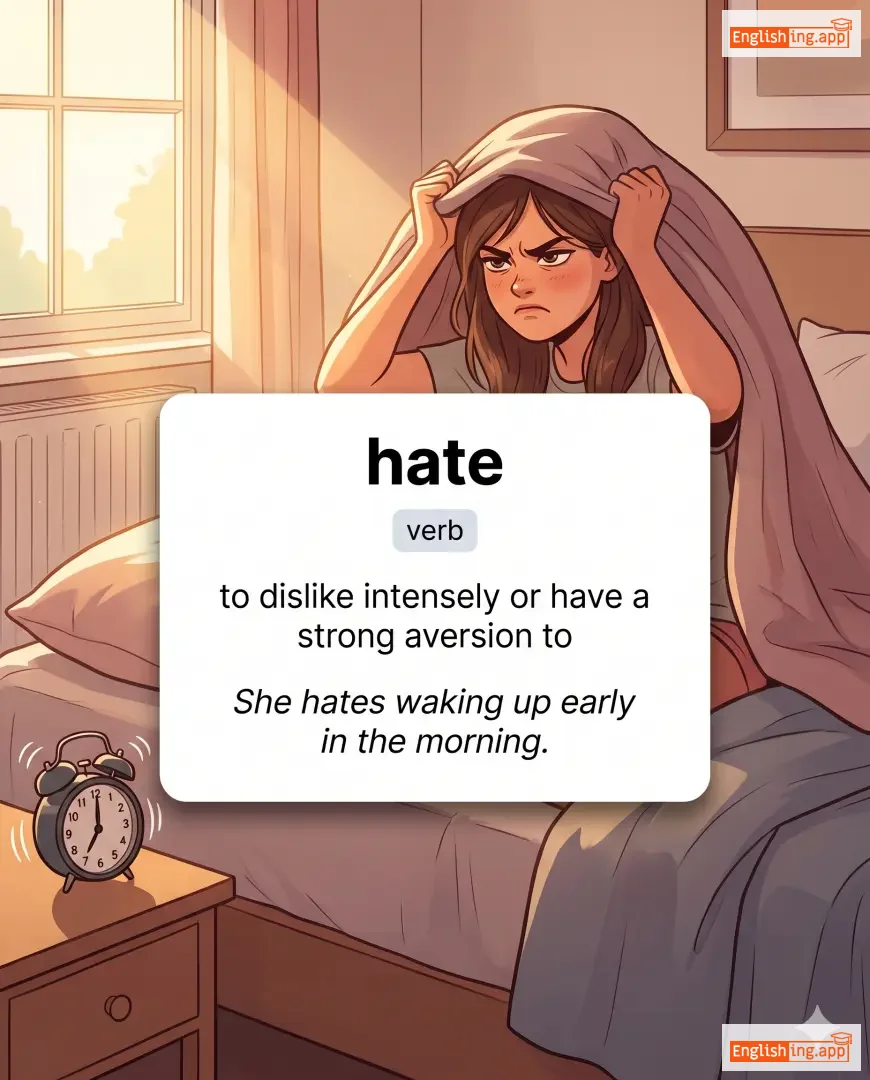
to dislike intensely or have a strong aversion to
••••••
|
She hates waking up early in the morning.
Она ненавидит вставать рано утром.
••••••
|
Она ненавидит вставать рано утром.
Ona nenavidit vstavat' rano utrom.
••••••
|
love to hate
любить ненавидеть
••••••
|
something disliked but still talked about often
••••••
|
любить ненавидеть
lyubit' nenavidet'
••••••
|
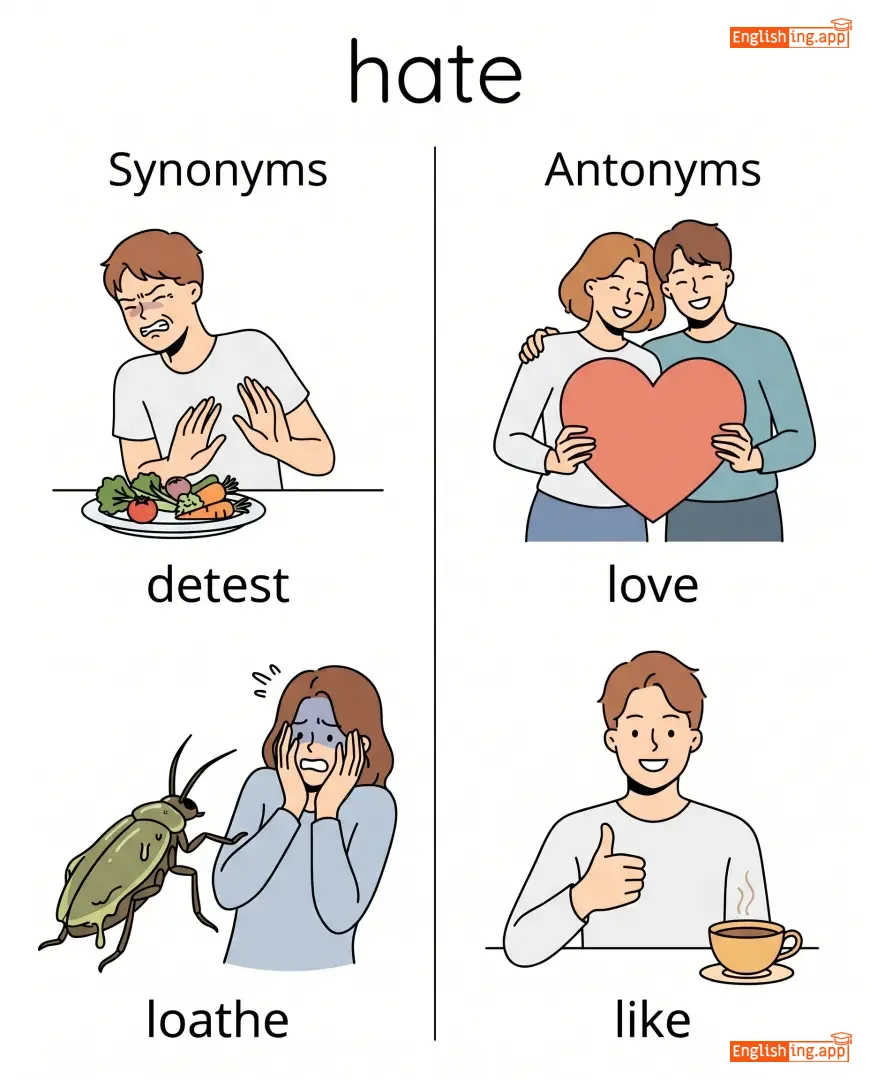
detest, loathe, despise, abhor
••••••
|
love, like, adore
••••••
|
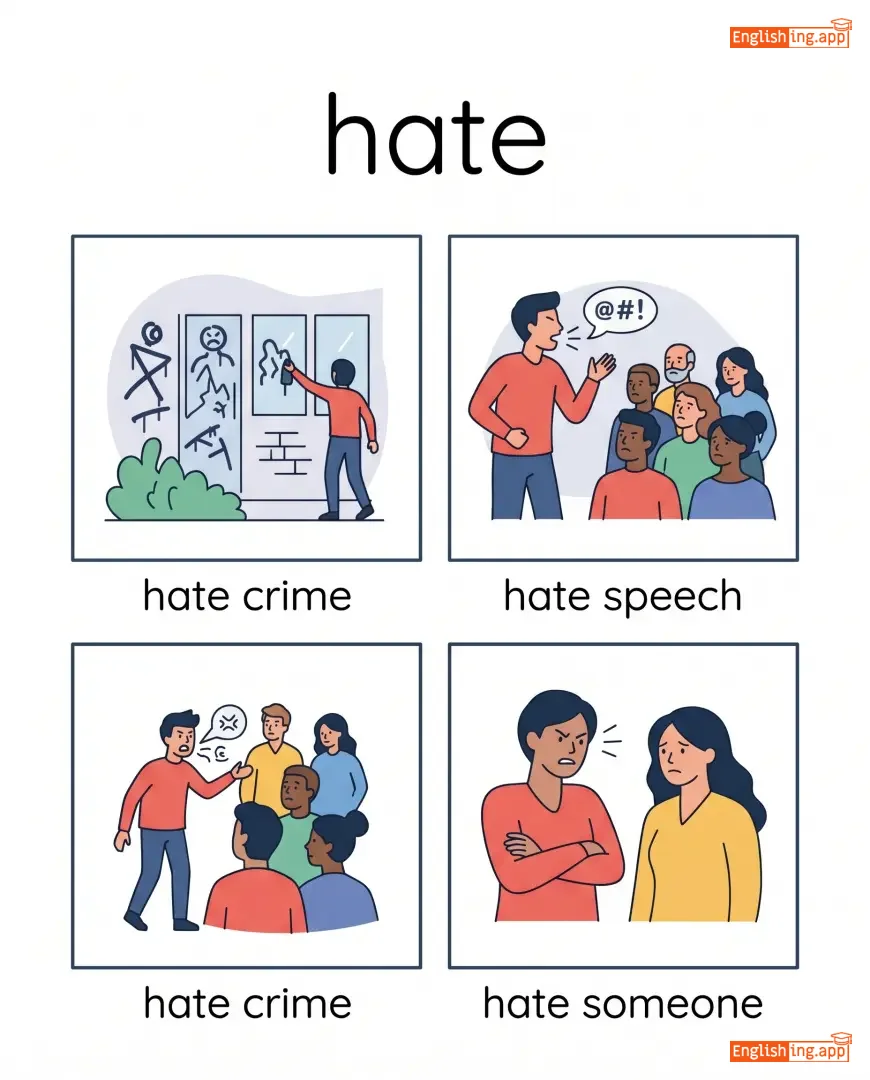
hate crime, hate speech, hate someone
••••••
|
Ненавидеть - это как вегетарианец, не любящий мясо, но всё равно его обсуждает.
••••••
|
|
#0
🚚
|
/hɔːl/
verb
(хоул)
••••••
|
- •••••• |
тащить
tashchit
••••••
|
hauled
хоулд
••••••
|
hauled
хоулд
••••••
|
hauls
хоулс
••••••
|
hauling
хоуллинг
••••••
|
to pull or drag something heavy with effort
••••••
|
The workers hauled the boxes into the truck.
Рабочие тянули коробки в грузовик.
••••••
|
Рабочие тянули коробки в грузовик.
Rabochie tyanuli korobki v gruzovik.
••••••
|
long haul
долгий путь
••••••
|
a long and difficult effort or process
••••••
|
долгий путь
dolgiy put'
••••••
|
drag, pull, carry, tow, transport
••••••
|
push, drop, release
••••••
|
haul goods, haul truck, haul cargo, long haul
••••••
|
В грузовике haul значит тянуть что-то тяжелое!
••••••
|
|
#0
🙌
|
/hæv/
verb
(hev)
••••••
|
- •••••• |
иметь
imet'
••••••
|
had
hed
••••••
|
had
hed
••••••
|
has
hez
••••••
|
having
heving
••••••
|
to possess, own, or hold
••••••
|
They have three children.
U nih est' tree detey.
••••••
|
У них есть три ребенка.
U nikh est' tree detey.
••••••
|
have a good time
imets' khoroshee vremya
••••••
|
to enjoy oneself
••••••
|
хорошо проводить время
khorosho provodit' vremya
••••••
|
own, possess, hold, contain
••••••
|
lack, want
••••••
|
have fun, have dinner, have time, have a look
••••••
|
Have - это иметь, как мы говорим 'у меня есть' - I have it!
••••••
|
Vocabulary Quiz
Test your vocabulary by matching words with their translations or meanings.
Login to take the quiz
Comments (0)
Share your thoughts and join the discussion.
Join the discussion by logging in
Login to CommentNo comments yet
Be the first to share your thoughts!