

Воин, который выбрал мир
The Warrior Who Chose Peace
Сейбер был легендарным воином, известным своими навыками обращения с sword. Он участвовал в three крупных сражениях. Его third победа была самой значимой. Но there настал момент, когда он усомнился в насилии. После войны прибыла surge беженцев. Сейбер увидел their страдания – семьи разлучены, дома разрушены. Это tempted его пересмотреть свой путь. Однажды были организованы мирные переговоры. Лидеры собрались за table, чтобы обсудить terms. Theme встречи было примирение. Мышцы Сейбера, thick от многолетних тренировок, напряглись, пока он слушал. Его thigh был покрыт шрамами от битв. Но теперь он хотел, чтобы these шрамы были последними. Обсуждения были напряжёнными – sweat стекал со лбов. Некоторые предложения могли лишь swell напряжение, а не уменьшить его. Сейбер предложил иной подход. «Давайте swing к миру», — сказал он. Противники спорили, опасаясь theft their прав. Но слова Сейбера были сильными: «Мир — это не thing, которой нужно бояться». Встреча длилась часами. Сейбер заметил, что некоторые делегаты были super оборонительны. Забавный момент произошёл, когда sword одного из участников случайно упал, вызвав громкий звук, который всех напугал. В конце концов было достигнуто соглашение. Those, кто выступал против мира, также согласились. Сейбер доказал, что истинная сила заключается в выборе мира вместо войны. Его превращение из воина в миротворца вдохновило поколения.
Обновитесь для доступа ко всему словарю
Получите неограниченный доступ ко всем словам с подпиской Pro
Обновить до ProПеревод
Прошедшее
Причастие прошедшего времени
Третье лицо единственного числа
Герундий
Значение
Пример предложения
Перевод примера предложения
Синонимы
Антонимы
Коллокации
Мнемоника
Swipe left or right, or use the buttons. Tap image to zoom.
Обновитесь для доступа ко всем предложениям
Получите неограниченный доступ ко всем предложениям с подпиской Pro
Обновить до ProПеревод примера предложения
Слово
The Warrior Who Chose PeaceThe Warrior Who Chose Peace - Переключатель маски
|
Эмодзи
|
Слово | Images | Перевод | Прошедшее | Причастие прошедшего времени | Третье лицо единственного числа | Герундий | Значение | Пример предложения | Перевод примера предложения | Пример выражения | Значение примера выражения | Перевод примера выражения | Синонимы | Антонимы | Коллокации | Мнемоника |
|---|---|---|---|---|---|---|---|---|---|---|---|---|---|---|---|---|---|
|
#0
💪
|
/ˈsuːpər/
adjective
(супер)
••••••
|
- •••••• |
супер
super
••••••
|
- •••••• | - •••••• | - •••••• | - •••••• |
excellent; very good
••••••
|
She did a super job on the project. |
Она сделала супер работу над проектом.
Ona sdelala super rabotu nad proyektom.
••••••
|
- •••••• | - •••••• | - •••••• |
excellent, great, outstanding, remarkable
••••••
|
poor, mediocre
••••••
|
super fast, super cool, super hero, super strong
••••••
|
Super is super cool and super helpful!
••••••
|
|
#0
🌊
|
/sɜːrdʒ/
verb
(сёрдж)
••••••
|
- •••••• |
порыв
poryv
••••••
|
surged
сёрджд
••••••
|
surged
сёрджд
••••••
|
surges
сёрджес
••••••
|
surging
сёрджинг
••••••
|
to move suddenly and powerfully forward or upward
••••••
|
The crowd surged forward when the gates opened.
Толпа устремилась вперед, когда ворота открылись.
••••••
|
Толпа устремилась вперед, когда ворота открылись.
Tolpa ustremilas' vpered, kogda vorota otkrylis'.
••••••
|
surge of energy
всплеск энергии
••••••
|
a sudden increase of energy or enthusiasm
••••••
|
всплеск энергии
vsplesk energii
••••••
|
rush, swell, rise, increase, outpouring
••••••
|
decline, decrease, drop
••••••
|
surge in demand, surge of energy, surge forward, surge upward
••••••
|
Surge: как прилив, быстро увеличивающий мощность.
••••••
|
|
#0
💦
|
/swɛt/
verb
(свит)
••••••
|
- •••••• |
потеть
potet'
••••••
|
sweated
свитед
••••••
|
sweated
свитед
••••••
|
sweats
свитс
••••••
|
sweating
свитинг
••••••
|
to produce liquid from your skin when you are hot or nervous
••••••
|
He was sweating after running for an hour.
Он потел после часа бега.
••••••
|
Он потел после часа бега.
On potel posle chasa bega.
••••••
|
break a sweat
потеть
••••••
|
to begin to perspire, usually from physical effort
••••••
|
потеть
potet'
••••••
|
perspire, exude, drip, toil, labor
••••••
|
rest, relax, cool
••••••
|
heavy sweat, cold sweat, sweat profusely, make someone sweat
••••••
|
потеть означает sweat!
••••••
|
|
#0
💨
|
/swɛl/
verb
(свел)
••••••
|
- •••••• |
опухать
opukhat
••••••
|
swelled
свелд
••••••
|
swelled
свелд
••••••
|
swells
свелс
••••••
|
swelling
свеллинг
••••••
|
to increase in size or volume, often due to internal pressure or emotional intensity
••••••
|
Her ankle began to swell after the injury.
Её лодыжка начала опухать после травмы.
••••••
|
Её лодыжка начала опухать после травмы.
Yeyo lodyzhka nachala opukhatsya posle travmy.
••••••
|
swell with pride
раздуваться от гордости
••••••
|
to feel very proud
••••••
|
раздуваться от гордости
razzdovatsya ot gordosti
••••••
|
expand, enlarge, grow, bulge, inflate
••••••
|
shrink, contract
••••••
|
swell up, swell with pride, swell in number
••••••
|
SWEater опухший, поэтому опухать это swell
••••••
|
|
#0
⛓️
|
/swɪŋ/
verb
(свинг)
••••••
|
|
качаться
kachatsya
••••••
|
swung
сванг
••••••
|
swung
сванг
••••••
|
swings
свингс
••••••
|
swinging
свингинг
••••••
|
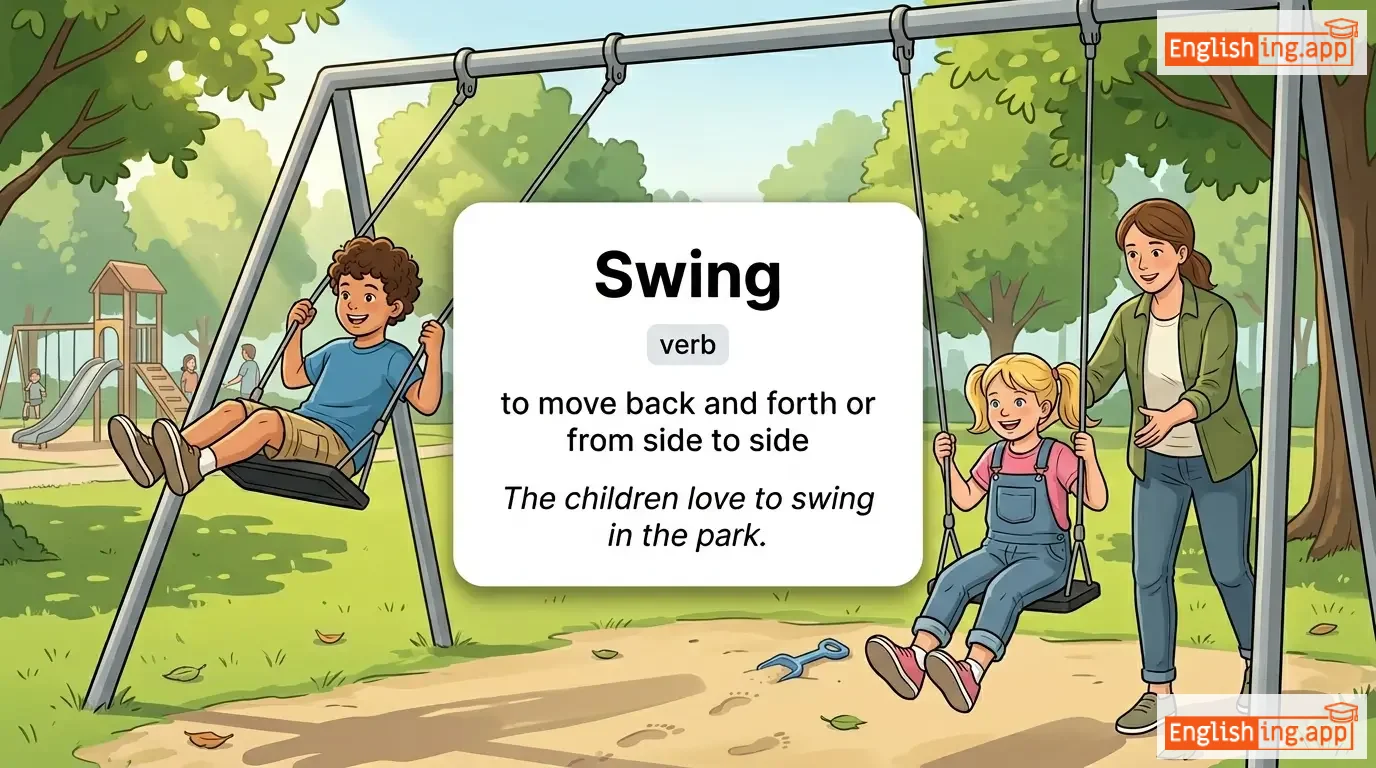
to move back and forth or from side to side
••••••
|
The children love to swing in the park.
Дети любят качаться в парке.
••••••
|
Дети любят качаться в парке.
Deti lyubyat kachatsya v parke.
••••••
|
swing into action
быстро перейти в действие
••••••
|
to start doing something quickly and effectively
••••••
|
быстро начать действовать
bystro nachat' deystvovat'
••••••
|
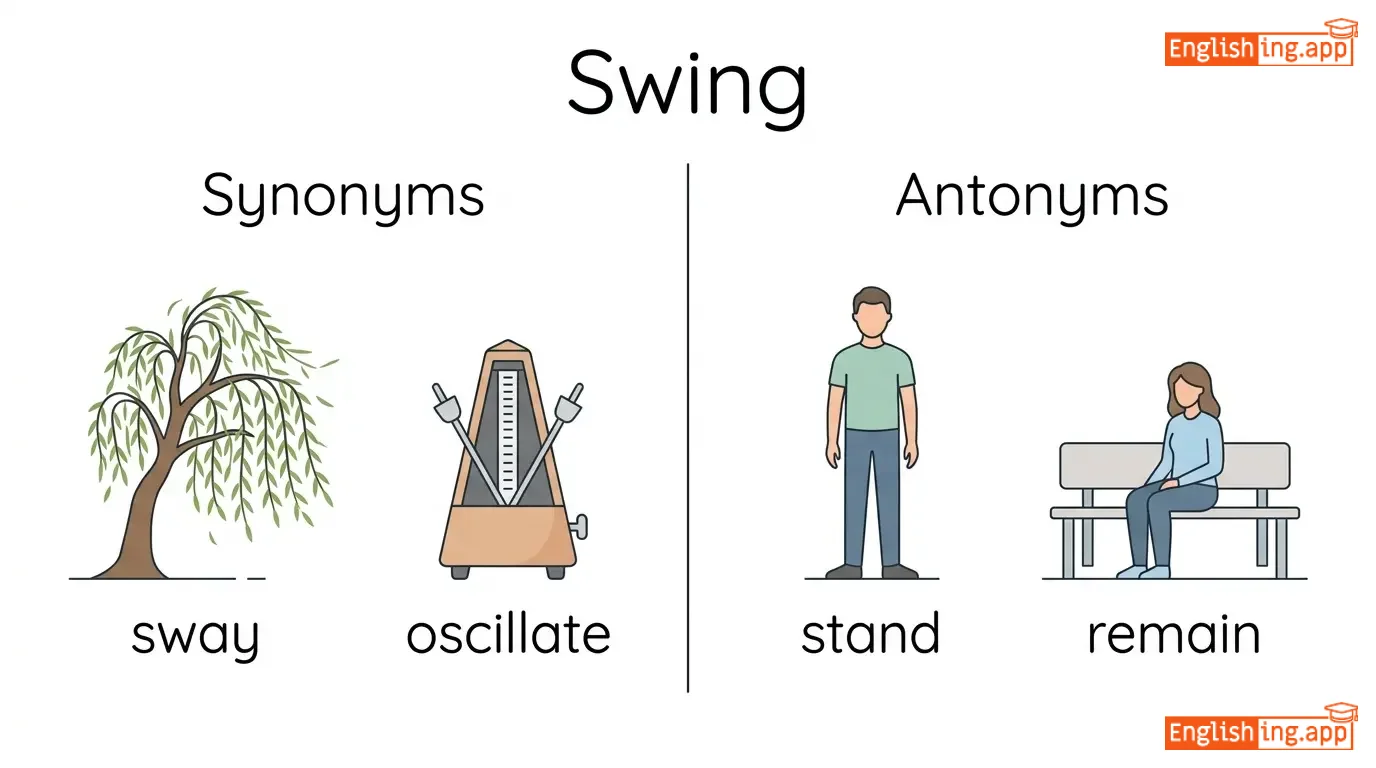
sway, oscillate, rotate, wave
••••••
|
stand, remain, stay
••••••
|
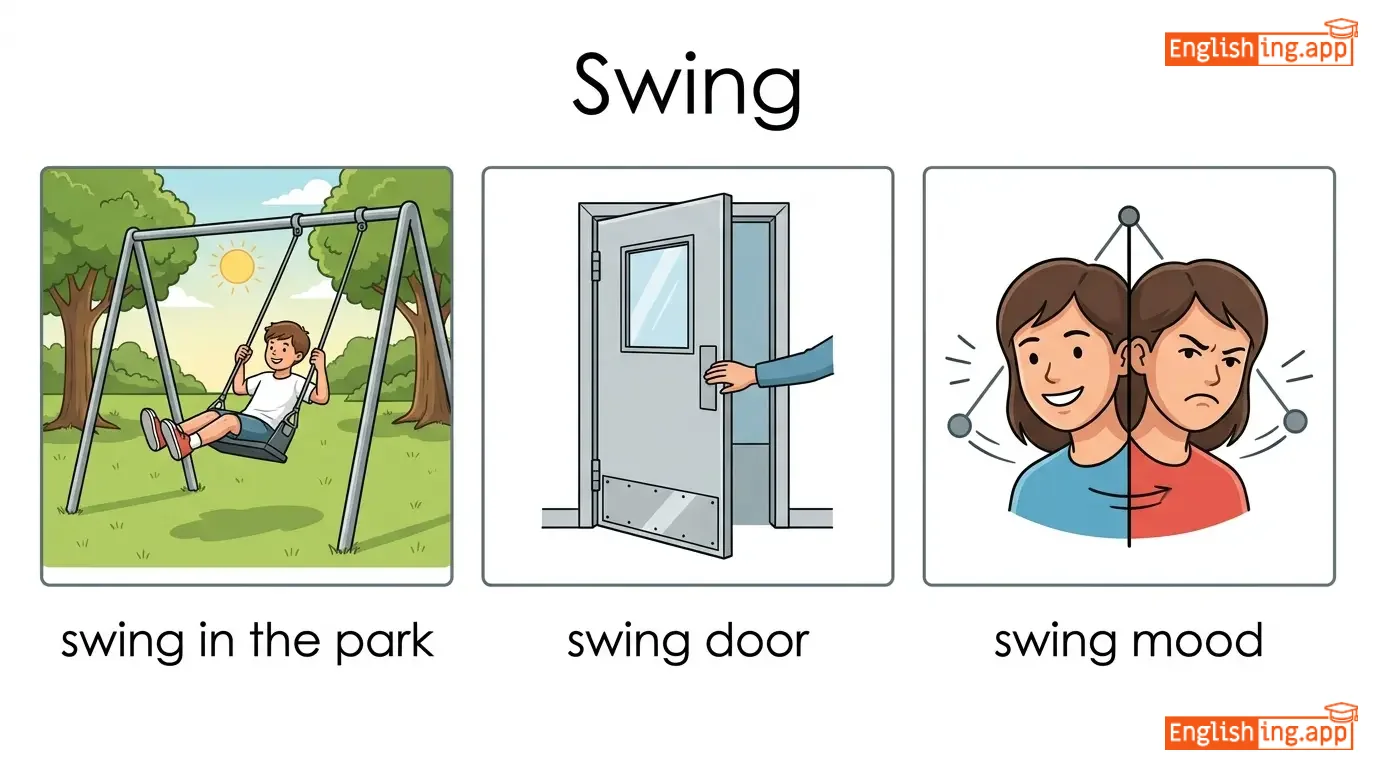
swing in the park, swing door, swing mood, swing votes
••••••
|
Swing как качание на качелях
••••••
|
|
#0
⚔️
|
/sɔːrd/
noun
(сворд)
••••••
|
- •••••• |
меч
mech
••••••
|
- •••••• | - •••••• | - •••••• | - •••••• |
a weapon with a long metal blade used for fighting
••••••
|
The knight drew his sword to defend the castle. |
Рыцарь вытащил свой меч, чтобы защитить замок.
Ritsar' vytashchil svoi mech, chtoby zashchitit' zamok.
••••••
|
cross swords |
to argue or fight with someone
••••••
|
скрещивать мечи
skreshchivat' mechi
••••••
|
blade, dagger, saber, weapon, cutlass
••••••
|
shield, peace
••••••
|
draw a sword, sharp sword, sword fight, sword blade
••••••
|
SWOrd = меч, бой с мечом!
••••••
|
|
#0
🍽️
|
/ˈteɪbəl/
noun
(тэ́йбл)
••••••
|
- •••••• |
стол
stol
••••••
|
- •••••• | - •••••• | - •••••• | - •••••• |
A piece of furniture with a flat top and legs, used for working at or placing items on.
••••••
|
They placed the documents on the table. |
Они положили документы на стол.
Oni polozhili dokumenty na stol.
••••••
|
turn the tables |
To reverse a situation and gain an advantage over someone.
••••••
|
перевернуть ситуацию
perevernut' situatsiyu
••••••
|
desk, counter, bench, surface
••••••
|
floor, ground
••••••
|
dining table, coffee table, round table, table manners
••••••
|
Положи всё на стол (stol) и 'переверни ситуацию' – измени ход событий.
••••••
|
|
#0
🍰
|
/tɛmpt/
verb
(тэмпт)
••••••
|
- •••••• |
соблазнять
soblaznyat
••••••
|
tempted
тэмптед
••••••
|
tempted
тэмптед
••••••
|
tempts
тэмптс
••••••
|
tempting
тэмптинг
••••••
|
to entice or attract someone to do something, often something wrong or unwise
••••••
|
The smell of fresh bread tempted him to enter the bakery.
Запах свежего хлеба соблазнил его войти в пекарню.
••••••
|
Запах свежего хлеба соблазнил его войти в пекарню.
Zapakh svezhего khleba soblaznil ego voyti v pekarnyu.
••••••
|
tempt fate
испытывать судьбу
••••••
|
to take a risk that might lead to trouble or danger
••••••
|
испытывать судьбу
ispytivat' sud'bu
••••••
|
entice, lure, attract, seduce, persuade
••••••
|
deter, repel, discourage
••••••
|
tempt someone, tempt fate, tempting offer, hard to tempt
••••••
|
Tempt означает соблазнять, как когда ты видишь вкусный торт и не можешь устоять, чтобы его съесть.
••••••
|
|
#0
📜
|
/tɜːmz/
noun
(tërmz)
••••••
|
- •••••• |
условия
usloviya
••••••
|
- •••••• | - •••••• | - •••••• | - •••••• |
plural of term; conditions or rules in a contract or agreement
••••••
|
The terms of the agreement are clearly outlined in the contract.
Условия соглашения ясно изложены в контракте.
••••••
|
Условия соглашения ясно изложены в контракте.
Usloviya soglasheniya yasno izlozheny v kontrakte.
••••••
|
- •••••• | - •••••• | - •••••• |
conditions, clauses, provisions, requirements
••••••
|
freedom, flexibility
••••••
|
contract terms, payment terms, terms and conditions
••••••
|
Terms are the clauses - remember to check ‘usloviya’ in the contract.
••••••
|
|
#0
💼
|
/θɛft/
noun
(тэфт)
••••••
|
- •••••• |
кража
krazha
••••••
|
- •••••• | - •••••• | - •••••• | - •••••• |
the action or crime of stealing
••••••
|
The theft of his wallet was reported to the police.
Кража его кошелька была сообщена в полицию.
••••••
|
Кража его кошелька была сообщена в полицию.
Krazha yego koshel'ka byla soobshchena v politsiyu.
••••••
|
- •••••• | - •••••• | - •••••• |
burglary, robbery, larceny, stealing
••••••
|
honesty, integrity
••••••
|
committed theft, petty theft, reported theft
••••••
|
Krazha is theft - In krazhe, nozh (knife) is used to steal.
••••••
|
|
#0
👨👩👧👦
|
/ðɛər/
pronoun
(ðɛər)
••••••
|
- •••••• |
их
ikh
••••••
|
- •••••• | - •••••• | - •••••• | - •••••• |
belonging to or associated with the people or things previously mentioned
••••••
|
Their house is on the corner. |
Их дом на углу.
Ikh dom na uglu.
••••••
|
- •••••• | - •••••• | - •••••• |
his, her, its
••••••
|
my, your
••••••
|
their car, their family, their opinion
••••••
|
Their - их дом
••••••
|
|
#0
🎨
|
/θiːm/
noun
(тэма)
••••••
|
|
тема
tema
••••••
|
- •••••• | - •••••• | - •••••• | - •••••• |
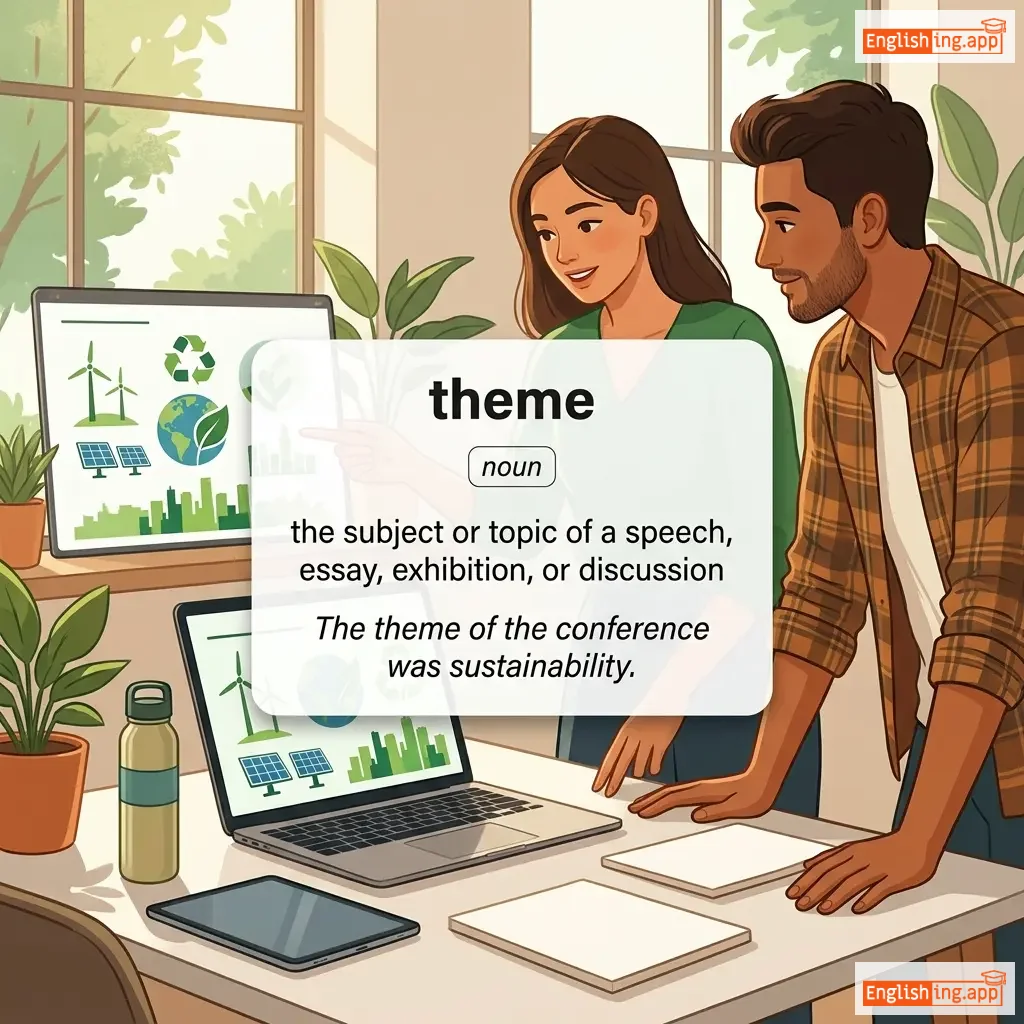
the subject or topic of a speech, essay, exhibition, or discussion
••••••
|
The theme of the conference was sustainability. |
Тема конференции была устойчивость.
Tema konferentsii byla ustoychivost'.
••••••
|
- •••••• | - •••••• | - •••••• |
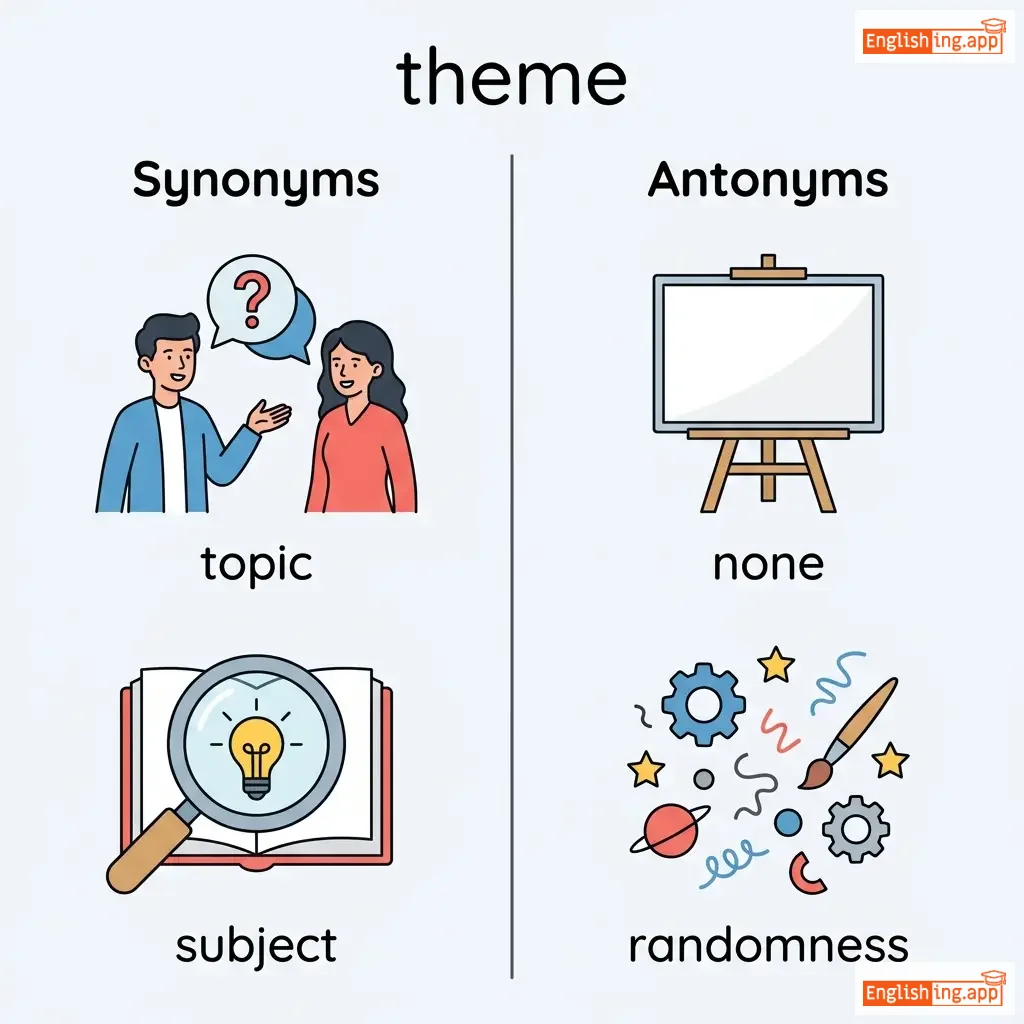
topic, subject, motif, idea
••••••
|
none
••••••
|
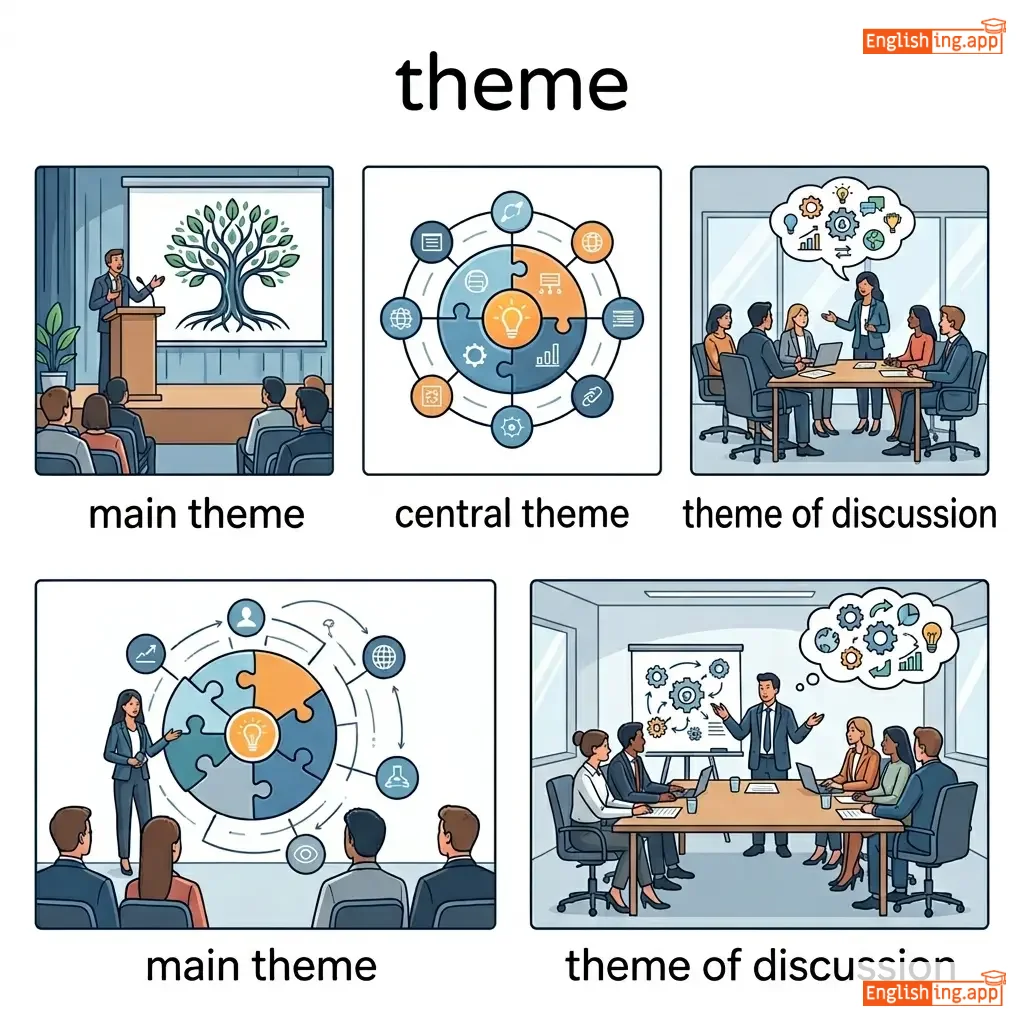
main theme, central theme, theme of discussion
••••••
|
Тема (tema) является основным предметом обсуждения
••••••
|
|
#0
👉
|
/ðeər/
adverb
(ðeər)
••••••
|
- •••••• |
там
tam
••••••
|
- •••••• | - •••••• | - •••••• | - •••••• |
in or at that place; to that place
••••••
|
I will meet you there at 5 PM. |
Я встречу тебя там в 17:00.
Ya vstrechu tebya tam v 17:00.
••••••
|
- •••••• | - •••••• | - •••••• |
over there, in that place, at that location
••••••
|
here, nowhere, everywhere
••••••
|
over there, right there, out there
••••••
|
Там, где мы встретимся в 5 вечера.
••••••
|
|
#0
👥
|
/ðiːz/
pronoun
(ðiz)
••••••
|
- •••••• |
эти
eti
••••••
|
- •••••• | - •••••• | - •••••• | - •••••• |
used to refer to things or people that are near or present
••••••
|
These are my friends. |
Это мои друзья.
Eto moi druz'ya.
••••••
|
- •••••• | - •••••• | - •••••• |
this, those, such
••••••
|
those
••••••
|
these things, these people, these books
••••••
|
These things are close to me - Эти вещи близки ко мне.
••••••
|
|
#0
📚
|
/θɪk/
adjective
(хэппинесс)
••••••
|
- •••••• |
толстый
tolstyy
••••••
|
- •••••• | - •••••• | - •••••• | - •••••• |
having a large distance between two sides; not thin
••••••
|
The book was so thick it took weeks to finish. |
Книга была такой толстой, что на её прочтение ушло несколько недель.
Kniga byla takoy tolstoy, chto na yeye prochtenie ushlo neskol'ko nedel'
••••••
|
thick and thin |
through good times and bad
••••••
|
через толстое и тонкое
cherez tolstoye i tonkoye
••••••
|
dense, heavy, wide, bulky
••••••
|
thin, slim, narrow
••••••
|
thick book, thick wall, thick hair, thick fog
••••••
|
Thick значит толстый, как толстая книга с множеством страниц
••••••
|
|
#0
🦵
|
/θaɪ/
noun
(θaɪ)
••••••
|
- •••••• |
бедро
bedro
••••••
|
- •••••• | - •••••• | - •••••• | - •••••• |
the part of the leg between the hip and the knee
••••••
|
He felt pain in his right thigh after running for an hour. |
Он почувствовал боль в правом бедре после того, как пробежал час.
On pochuvstvoval bol' v pravom bedre posle togo, kak probeg nal chas.
••••••
|
thigh bone's connected to the hip bone |
a phrase from a children's song describing body parts connection
••••••
|
косточка бедра соединена с косточкой бедра
kostochka bedra soedinena s kostochkoy bedra
••••••
|
upper leg, femur, limb, lap
••••••
|
shin, calf
••••••
|
thigh muscle, chicken thigh, inner thigh, upper thigh
••••••
|
В тайской кухне обычно используют куриные бедра 🍗 — помни, что 'thigh' означает бедро.
••••••
|
|
#0
📦
|
/θɪŋ/
noun
(θɪŋ)
••••••
|
- •••••• |
вещь
veshch
••••••
|
- •••••• | - •••••• | - •••••• | - •••••• |
an object, idea, or matter that is being referred to or dealt with
••••••
|
This is the thing I was looking for. |
Это вещь, которую я искал.
Eto veshch', kotoruyu ya iskal.
••••••
|
- •••••• | - •••••• | - •••••• |
item, object, matter, article
••••••
|
nothing, nonentity
••••••
|
the thing, a thing, important thing, one thing
••••••
|
Think of a 'thing' as a 'veshch' (вещь) that you always look for.
••••••
|
|
#0
3️⃣
|
/θɜrd/
adjective
(θɜrd)
••••••
|
- •••••• |
третий
tretiy
••••••
|
- •••••• | - •••••• | - •••••• | - •••••• |
constituting number three in a sequence
••••••
|
She finished in third place. |
Она заняла третье место.
Ona zanyala tretye mesto.
••••••
|
- •••••• | - •••••• | - •••••• |
thirdly, tertiary, trinal
••••••
|
first, second
••••••
|
third place, third time, third attempt
••••••
|
Помни о 'третьем' месте на соревнованиях (🥉).
••••••
|
|
#0
👢
|
/ðoʊz/
pronoun
(ðoʊz)
••••••
|
- •••••• |
те
te
••••••
|
- •••••• | - •••••• | - •••••• | - •••••• |
used to refer to people or things that are far away or distant in space, time, or thought
••••••
|
Those are the shoes I want. |
Те туфли, которые я хочу.
Te tufli, kotorye ya khochu.
••••••
|
- •••••• | - •••••• | - •••••• |
those ones, those people, those things
••••••
|
this, these
••••••
|
those shoes, those days, those people
••••••
|
далеко, 'те' (te)
••••••
|
|
#0
3️⃣
|
/θriː/
numeral
(trʲi)
••••••
|
- •••••• |
три
tri
••••••
|
- •••••• | - •••••• | - •••••• | - •••••• |
the number equivalent to the sum of two and one
••••••
|
She has three dogs at home. |
У нее три собаки дома.
U nee tree sobaki doma.
••••••
|
- •••••• | - •••••• | - •••••• |
threefold, triple
••••••
|
none
••••••
|
three times, three people, three years
••••••
|
Три — счастливое число в семье из трёх человек
••••••
|
Vocabulary Quiz
Test your vocabulary by matching words with their translations or meanings.
Login to take the quiz
Comments (0)
Share your thoughts and join the discussion.
Join the discussion by logging in
Login to CommentNo comments yet
Be the first to share your thoughts!