

翻訳
過去
過去分詞
三人称単数
動名詞
意味
例文
例文の翻訳
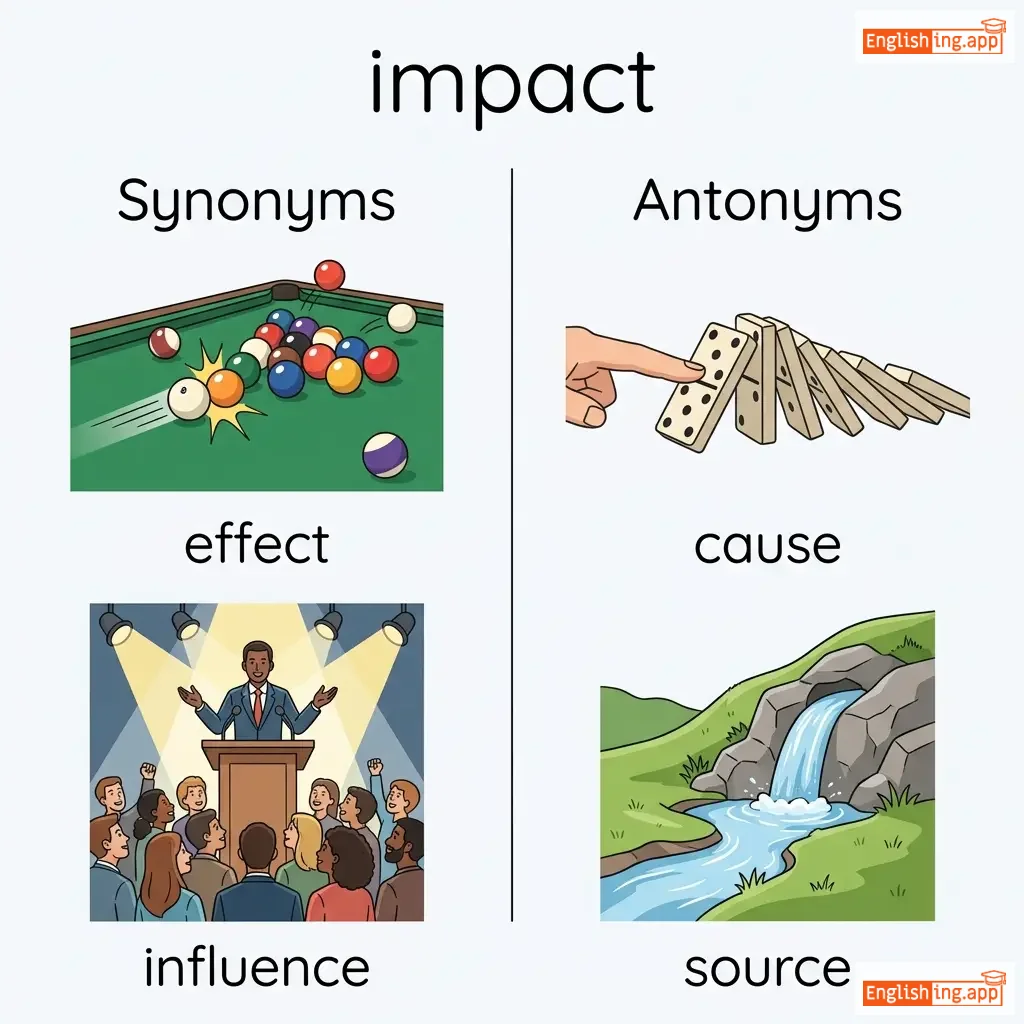
同義語
対義語
コロケーション
ニーモニック
Swipe left or right, or use the buttons. Tap image to zoom.
例文の翻訳
単語
Lesson 31Lesson 31 - マスクトグル
|
絵文字
|
単語 | Images | 翻訳 | 意味 | 例文 | 例文の翻訳 | 同義語 | 対義語 | コロケーション | ニーモニック |
|---|---|---|---|---|---|---|---|---|---|---|
|
#601
🏠
|
/hoʊst/
noun
(ホスト)
••••••
|
- •••••• |
ホスト; ゲストを迎える人; 多くのもの
hosuto; gesuto o mukaeru hito; ōku no mono
••••••
|
a person who receives or entertains other people as guests; a large number of things
••••••
|
The gracious host welcomed all the guests with warm smiles and refreshments.
親切なホストは、温かい笑顔と飲み物でゲストを迎えました。
••••••
|
親切なホストは、温かい笑顔と飲み物でゲストを迎えました。
Shinsetsu na hosuto wa, atatakai egao to nomimono de gesuto o mukaemashita.
••••••
|
entertainer, hostess, presenter, organizer
••••••
|
guest, visitor, attendee, stranger
••••••
|
gracious host, party host, host family
••••••
|
Host = ホスピタリティでゲストを歓迎
••••••
|
|
#602
🗿
|
/ˈaɪ.dəl/
noun
(アイドル)
••••••
|
- •••••• |
偶像; 崇拝される人物
gūzō, sūhai sareru jinbutsu
••••••
|
an image or representation of a god used as an object of worship; a person who is greatly admired
••••••
|
The singer became a teenage idol after her hit song topped the charts worldwide. |
その歌手はヒットソングが世界中のチャートで1位に達した後、ティーンエイジャーのアイドルとなった。
sono kashu wa hitto songu ga sekaijū no chāto de 1-ii ni tasshita ato, tīneijā no aidoru to natta.
••••••
|
icon, hero, deity, statue
••••••
|
nobody, unknown, ordinary person, commoner
••••••
|
pop idol, teenage idol, worship idol
••••••
|
アイドル (aidoru) は神のように崇拝される人物です。
••••••
|
|
#603
🔗
|
/ˈhɑː.stɪdʒ/
noun
(ホステージ)
••••••
|
- •••••• |
人質
ninchi
••••••
|
a person seized or held as security for the fulfillment of a condition; captive
••••••
|
The police negotiated carefully to secure the release of all hostages unharmed. |
警察は慎重に交渉し、すべての人質を無傷で解放することを確保しました。
Keisatsu wa shinchou ni koushou shi, subete no ninchi o mukizu de kaihō suru koto o kakuho shimashita.
••••••
|
captive, prisoner, detainee, victim
••••••
|
captor, liberator, rescuer, free person
••••••
|
take hostage, hostage situation, release hostages
••••••
|
人質は'捕らえられた人'を示すため、'人質'と'拘束'を記憶してください。
••••••
|
|
#604
🤷
|
/ˈɪɡ.nər.əns/
noun
(イグノランス)
••••••
|
- •••••• |
無知
muchi
••••••
|
lack of knowledge or information; the state of being uninformed about something
••••••
|
His ignorance about basic computer skills made it difficult for him to find a job. |
基本的なコンピュータースキルに関する彼の無知は、彼が仕事を見つけるのを難しくしました。
Kihonteki na konpyuutaa sukiru ni kansuru kare no muchi wa, kare ga shigoto o mitsukeru no o muzukashiku shimashita.
••••••
|
unawareness, lack of knowledge, illiteracy, inexperience
••••••
|
knowledge, awareness, education, understanding
••••••
|
willful ignorance, profound ignorance, ignorance about
••••••
|
In Japanese, '無知' (muchi) perfectly represents 'ignorance' and is easy to remember.
••••••
|
|
#605
🥘
|
/ˈhɑːtʃ.pɑːtʃ/
noun
(ホッチポッチ)
••••••
|
- •••••• |
ごちゃ混ぜ; 物の無秩序な集まり
gochamaze; mono no muchitsujo na atsumari
••••••
|
a confused mixture; a jumbled assortment of things
••••••
|
The room was a hotchpotch of old furniture, books, and random decorations. |
部屋は古い家具、本、ランダムな飾り付けのごちゃ混ぜだった。
Heya wa furui kagu, hon, randamu na kazarikake no gochamaze datta.
••••••
|
mixture, jumble, medley, mishmash
••••••
|
order, organization, system, arrangement
••••••
|
hotchpotch of ideas, complete hotchpotch, confused hotchpotch
••••••
|
Hotchpotch is like ‘ごちゃ混ぜ’ in Japanese – a messy mix!
••••••
|
|
#606
✍️
|
/ɪˌledʒ.əˈbɪl.ə.ti/
noun
(イレジビリティ)
••••••
|
- •••••• |
読みにくさ
yomnikusa
••••••
|
the quality of being impossible or difficult to read; unclear writing or print
••••••
|
The doctor's handwriting was famous for its illegibility among the pharmacy staff. |
医者の手書きは薬局のスタッフの間でその読みにくさで有名でした。
Isha no tegaki wa yakkyoku no sutaffu no aida de sono yomnikusa de yūmei deshita.
••••••
|
unreadability, unclear writing, indecipherability, obscurity
••••••
|
legibility, clarity, readability, clear writing
••••••
|
handwriting illegibility, complete illegibility, famous illegibility
••••••
|
医者の字が読みにくいと、それは読みにくさです!
••••••
|
|
#607
🎵
|
/hʌm/
noun
(ハム)
••••••
|
- •••••• |
ぶんぶん音
bunbun-oto
••••••
|
a low continuous sound; to make a low continuous droning sound
••••••
|
The constant hum of the air conditioner helped her fall asleep peacefully. |
エアコンの絶え間ないぶんぶん音が彼女が安らかに眠るのを助けました。
eakon no taemanai bunbun-oto ga kanojo ga yasurakani nemuru no o tasukemashita.
••••••
|
buzz, drone, murmur, whir
••••••
|
silence, quiet, stillness, hush
••••••
|
constant hum, low hum, electrical hum
••••••
|
ぶんぶんと鳴く音は‘hum’と同じような音です。
••••••
|
|
#608
🎩
|
/ɪˈluː.ʒən/
noun
(イリュージョン)
••••••
|
- •••••• |
幻想
gensou
••••••
|
a thing that is or is likely to be wrongly perceived or interpreted; a false idea or belief
••••••
|
The magician created a spectacular illusion that made the elephant appear to vanish. |
魔術師は壮観な幻想を作り、象が消えるように見えました。
Majutsushi wa soukan na gensou o tsukuri, zou ga kieru you ni miemashita.
••••••
|
delusion, mirage, deception, fantasy
••••••
|
reality, fact, truth, actuality
••••••
|
optical illusion, grand illusion, create illusion
••••••
|
幻想は魔法のように物事を消失させる
••••••
|
|
#609
🎭
|
/hɪˈpɑː.krə.si/
noun
(ヒポクリシー)
••••••
|
- •••••• |
偽善
hypocrisy
••••••
|
the practice of claiming to have moral standards that one does not actually possess; insincerity
••••••
|
His hypocrisy was exposed when he criticized others for the same mistakes he had made.
彼が自分の犯した同じ過ちを他人を非難したとき、偽善が露呈した。
••••••
|
彼が自分の犯した同じ過ちを他人を非難したとき、偽善が露呈した。
Kare ga jibun no okashita onaji ayamachi o tanin o hinan shita toki gizen ga roten shita
••••••
|
insincerity, pretense, duplicity, deception
••••••
|
sincerity, honesty, integrity, genuineness
••••••
|
moral hypocrisy, expose hypocrisy, sheer hypocrisy
••••••
|
GI ZEN mnemonic: 偽善 = Give In Zero Ethics Now; imagine a mask with a fake smile
••••••
|
|
#610
📷
|
/ˈɪm.ɪdʒ/
noun
(イメージ)
••••••
|
- •••••• |
イメージ; 画像; 形象
imeeji, gazou, keishou
••••••
|
a representation of the external form of a person or thing in art; a mental picture or impression
••••••
|
The company worked hard to improve its public image after the scandal. |
企業はスキャンダル後、公共のイメージを改善するために一生懸命働きました。
Kigyou wa sukyandaru go, koukyou no imeeji wo kaizen suru tame ni isshoukenmei hatarakimashita.
••••••
|
picture, representation, reflection, impression
••••••
|
reality, original, substance, actual object
••••••
|
public image, brand image, mirror image
••••••
|
No •••••• |
|
#611
🎭
|
/ˈhɪp.ə.krɪt/
noun
(ヒポクリット)
••••••
|
- •••••• |
偽善者; 嘘つき; 偽りの人
gizensha, usotsuki, itsuwari no hito
••••••
|
a person who acts in contradiction to their stated beliefs or feelings; a pretender
••••••
|
Don't be a hypocrite by demanding honesty from others while lying yourself.
他人に誠実を求めて自分は嘘をつくのは偽善者だ。
••••••
|
他人に誠実を求めて自分は嘘をつくのは偽善者だ。
Tanin ni seijitsu o motomete jibun wa uso o tsuku no wa gizensha da.
••••••
|
pretender, fraud, deceiver, impostor
••••••
|
sincere person, honest individual, genuine person, authentic individual
••••••
|
complete hypocrite, religious hypocrite, call someone hypocrite
••••••
|
A hypocrite is two-faced in the mirror of truth.
••••••
|
|
#612
🌈
|
/ɪˌmædʒ.ɪˈneɪ.ʃən/
noun
(イマジネーション)
••••••
|
- •••••• |
想像力; 創造的思考
souzouryoku; souzouteki shikou
••••••
|
the faculty or action of forming new ideas or images not present to the senses; creative thinking
••••••
|
Children's imagination allows them to turn a cardboard box into a spaceship or castle.
子供たちのイマジネーションは、段ボール箱を宇宙船やお城に変えることを可能にします。
••••••
|
子供たちのイマジネーションは、段ボール箱を宇宙船やお城に変えることを可能にします。
Kodomotachi no imajineshon wa, danbooru-bako wo uchuusen ya oshiro ni kaeru koto wo kanou ni shimasu.
••••••
|
creativity, fantasy, vision, inventiveness
••••••
|
reality, fact, actuality, literalness
••••••
|
vivid imagination, wild imagination, use imagination
••••••
|
子供たちが段ボール箱を宇宙船やお城に変えるのは、彼らの想像力のおかげです
••••••
|
|
#613
💡
|
/aɪˈdiː.ə/
noun
(アイデア)
••••••
|
- •••••• |
アイデア; 概念; 提案
aidea, gainen, teian
••••••
|
a thought or suggestion as to a possible course of action; a concept or mental impression
••••••
|
She had a brilliant idea for solving the company's efficiency problem.
彼女は会社の効率問題を解決するための素晴らしいアイデアを持っていました。
••••••
|
彼女は会社の効率問題を解決するための素晴らしいアイデアを持っていました。
Kanojo wa kaisha no kōritsu mondai o kaiketsu suru tame no subarashī aidea o motte imashita.
••••••
|
concept, notion, thought, plan
••••••
|
reality, fact, ignorance, confusion
••••••
|
brilliant idea, good idea, new idea
••••••
|
アイデアは頭の中で光るひらめきのようなものです。
••••••
|
|
#614
⚖️
|
/ɪmˈbæl.əns/
noun
(インバランス)
••••••
|
- •••••• |
不均衡
fukinkou
••••••
|
lack of proportion or relation between corresponding things; unequal distribution
••••••
|
The doctor said the patient's dizziness was caused by an inner ear imbalance.
医者は患者のめまいが内耳の不均衡によって引き起こされたと言いました。
••••••
|
医者は患者のめまいが内耳の不均衡によって引き起こされたと言いました。
Isha wa kanja no memai ga naimi no fukinkou ni yotte hikiokosareta to iimashita.
••••••
|
inequality, disproportion, instability, unevenness
••••••
|
balance, equilibrium, stability, proportion
••••••
|
chemical imbalance, trade imbalance, work-life imbalance
••••••
|
Imbalance: 天秤が傾いているように、不均衡は日本語で「不均衡」と言います。
••••••
|
|
#615
🌟
|
/aɪˈdiː.ə.lɪ.zəm/
noun
(アイデアリズム)
••••••
|
- •••••• |
理想主義
risō shugi
••••••
|
the pursuit of high principles and noble goals; unrealistic pursuit of perfection
••••••
|
His youthful idealism motivated him to join various social justice movements. |
彼の若い理想主義は、彼を様々な社会正義運動に参加させる原動力となった。
Kare no wakai risō shugi wa, kare o samazama na shakai seigi undō ni sanka saseru gendōryoku to natta.
••••••
|
perfectionism, optimism, utopianism, romanticism
••••••
|
realism, pragmatism, cynicism, materialism
••••••
|
youthful idealism, political idealism, romantic idealism
••••••
|
理想主義 = 常に高い理想を追い求める心を持つこと。
••••••
|
|
#616
🎭
|
/ˌɪm.ɪˈteɪ.ʃən/
noun
(イミテーション)
••••••
|
- •••••• |
模倣; コピー; レプリカ
mohou; kopii; repurika
••••••
|
the action of using someone or something as a model; a copy of something original
••••••
|
His imitation of the famous actor was so good that everyone burst into laughter.
彼の有名な俳優のイミテーションはとても上手で、みんなが笑い出しました。
••••••
|
彼の有名な俳優のイミテーションはとても上手で、みんなが笑い出しました。
kare no yuumeina haiyuu no imiteeshon wa totemo jouzu de, minna ga waraidashimashita.
••••••
|
copy, replica, mimicry, reproduction
••••••
|
original, authentic, genuine, real
••••••
|
perfect imitation, cheap imitation, imitation leather
••••••
|
Imitation - You can imagine Japanese actors perfectly imitating other famous roles to remember this word.
••••••
|
|
#617
🆔
|
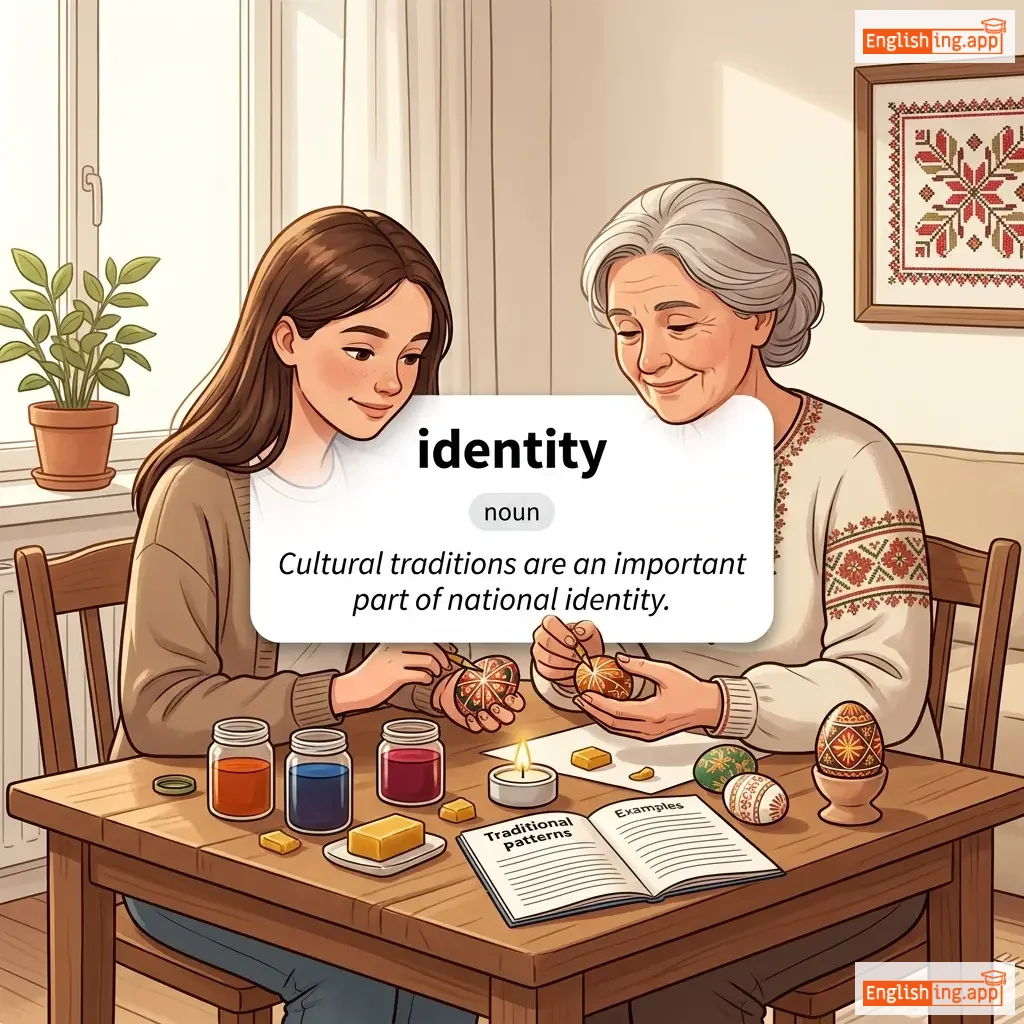
/aɪˈden.tə.ti/
noun
(アイデンティティ)
••••••
|
|
アイデンティティ; 存在
aidentiti, sonzai
••••••
|
the characteristics determining who or what a person or thing is; proof of who someone is
••••••
|
She struggled to maintain her cultural identity while living in a foreign country. |
彼女は外国で生活しながら文化的なアイデンティティを維持しようと努力していた。
Kanojo wa gaikoku de seikatsu shinagara bunkateki na aidentiti o iji shiyou to doryoku shite ita.
••••••
|
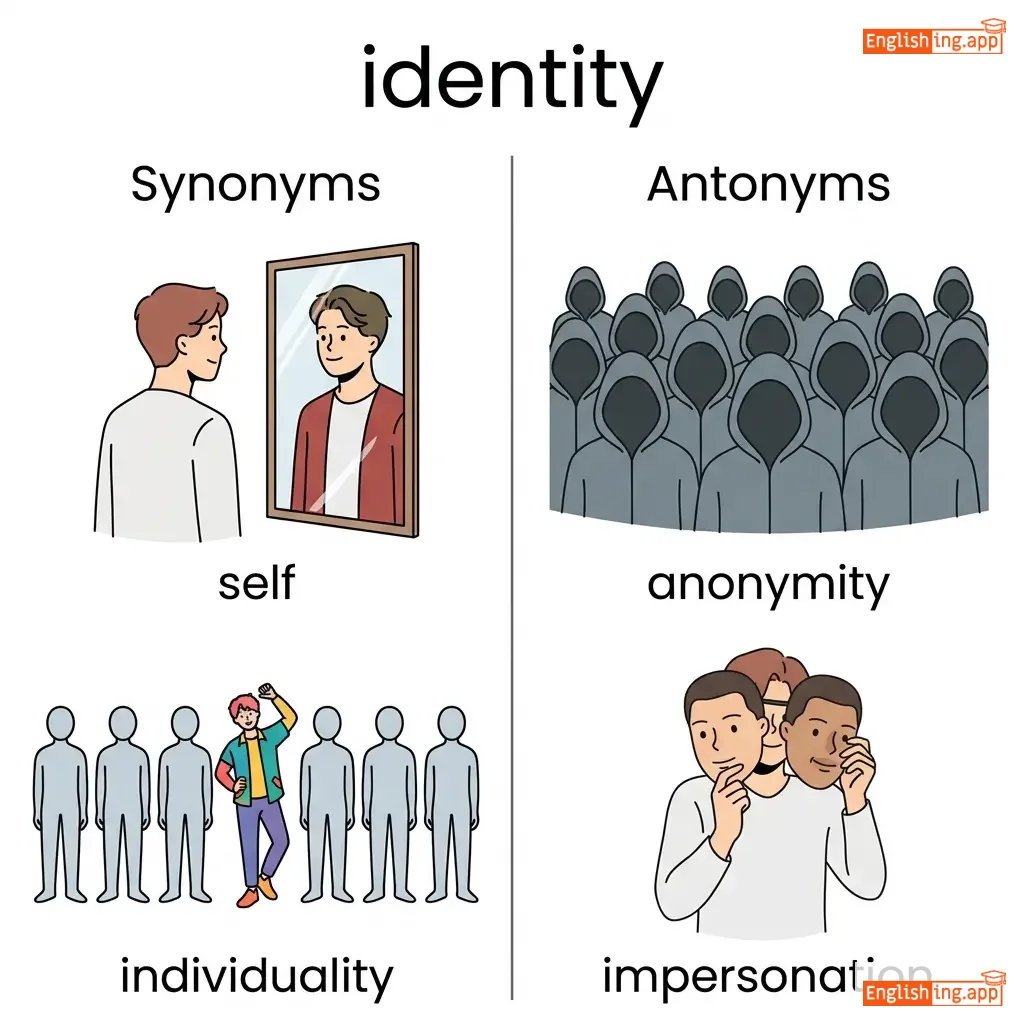
character, personality, individuality, self
••••••
|
anonymity, uniformity, sameness, conformity
••••••
|
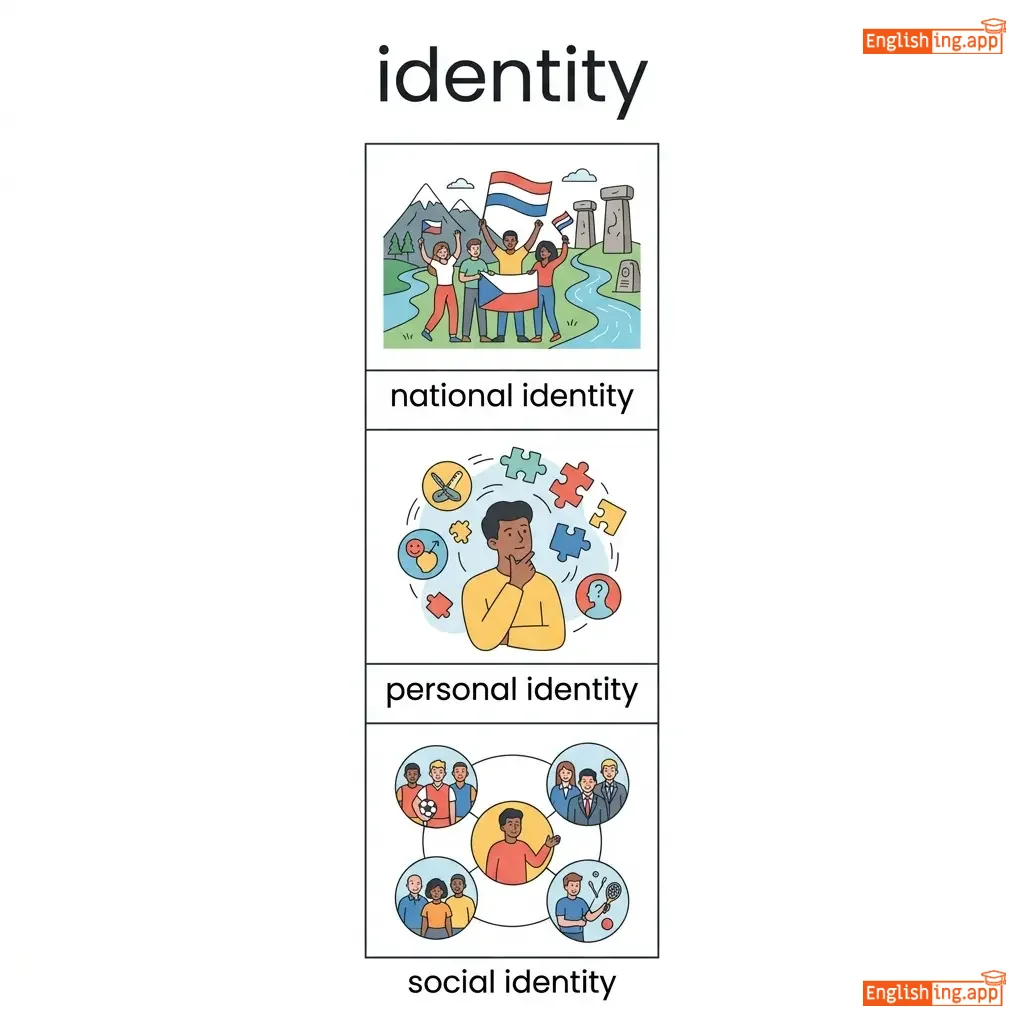
cultural identity, personal identity, identity card
••••••
|
アイデンティティ (identity) は自分の本質を示します。
••••••
|
|
#618
💥
|
/ˈɪm.pækt/
noun
(インパクト)
••••••
|
|
影響; 衝撃; ぶつかり;
eikyo, shougeki, butsukari
••••••
|
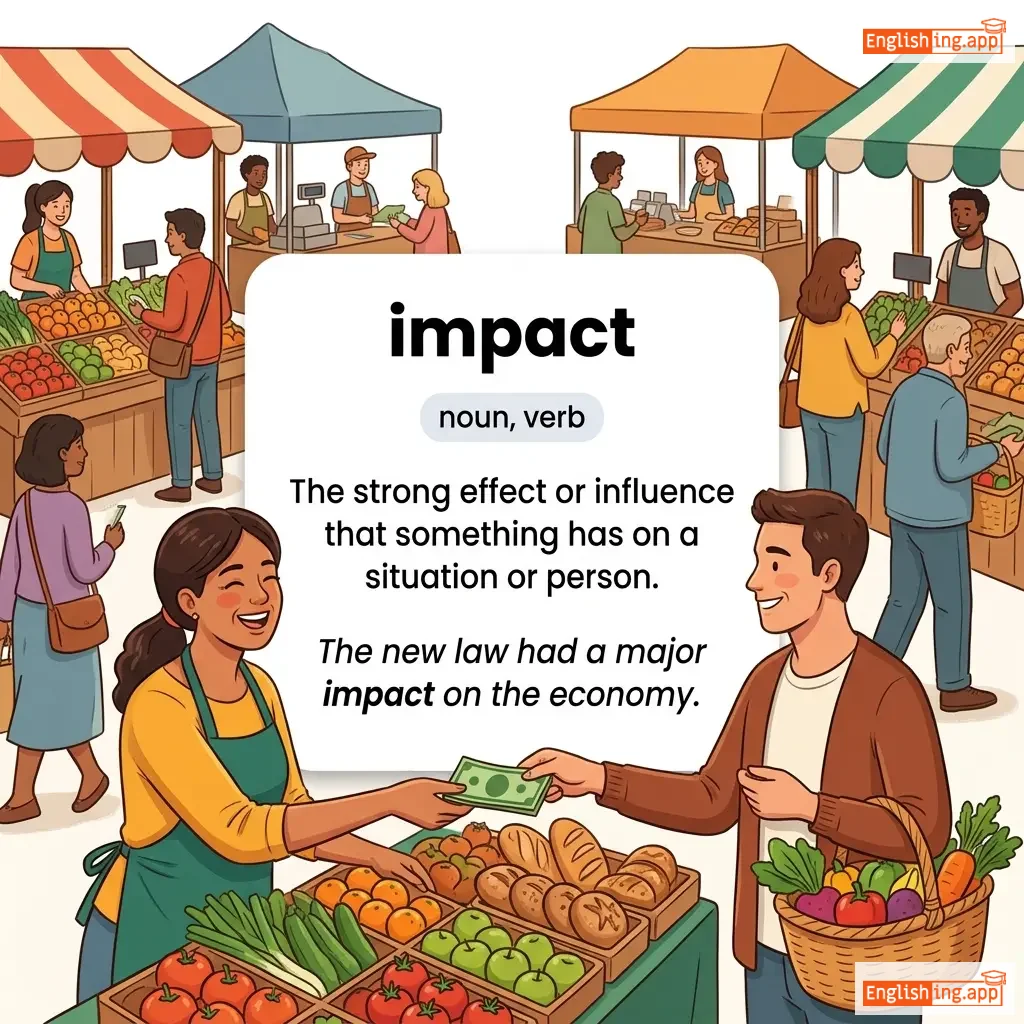
the action of one object coming forcibly into contact with another; a marked effect or influence
••••••
|
The new environmental policies had a significant impact on reducing pollution levels. |
新しい環境政策は、汚染レベルを減少させる上で重要な影響を与えました。
Atarashī kankyō seisaku wa, osen reberu o genshō saseru ue de jūyō na eikyō o ataemashita.
••••••
|
effect, influence, consequence, collision
••••••
|
insignificance, unimportance, lack of effect, gentle touch
••••••
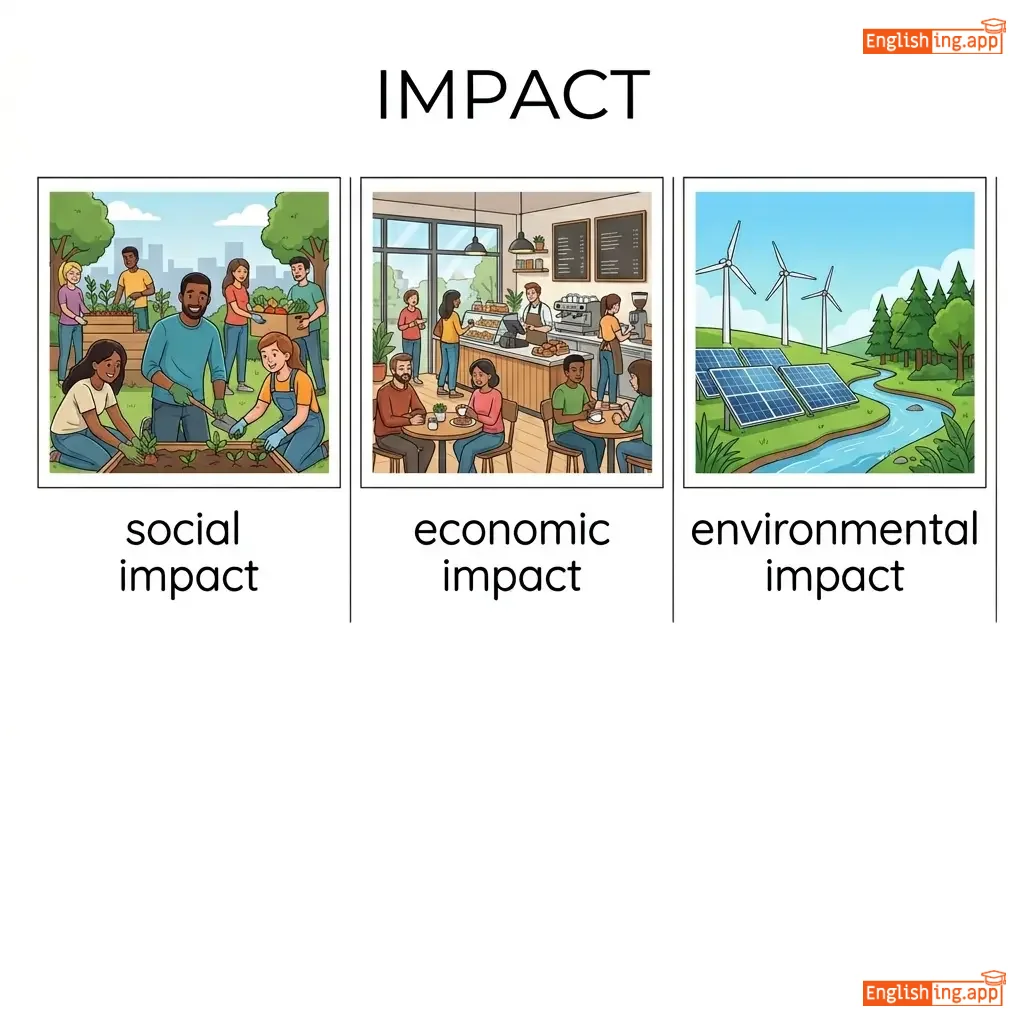
|
major impact, environmental impact, impact assessment
••••••
|
インパクトの影響を受けて変化が起きた!
••••••
|
|
#619
🤦
|
/ˈɪd.i.ə.si/
noun
(イディオシー)
••••••
|
- •••••• |
愚かさ
orokasa
••••••
|
extremely stupid behavior or actions; foolishness
••••••
|
The decision to ignore safety protocols was pure idiocy that endangered everyone. |
安全プロトコルを無視する決定は、すべての人を危険にさらす純粋な愚かさでした。
Anzen purotokoru o mushi suru kettei wa, subete no hito o kiken ni sarasu junsuina orokasa deshita.
••••••
|
stupidity, foolishness, absurdity, nonsense
••••••
|
wisdom, intelligence, brilliance, cleverness
••••••
|
pure idiocy, complete idiocy, sheer idiocy
••••••
|
愚かさは、愚かな行動を思い出させる言葉です。
••••••
|
|
#620
🚧
|
/ɪmˈped.ɪ.mənt/
noun
(インペディメント)
••••••
|
|
障害, 障壁
shougai, shouheki
••••••
|
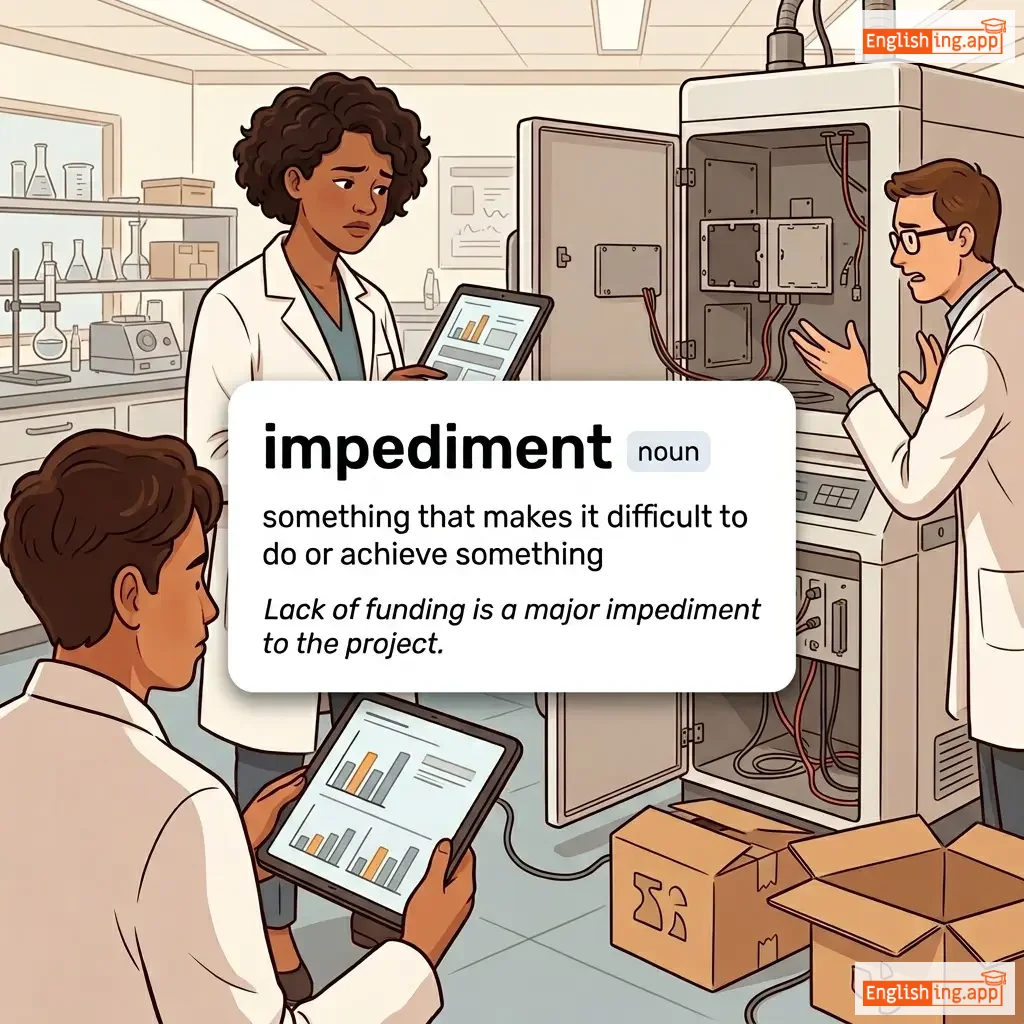
a hindrance or obstruction in doing something; something that makes progress difficult
••••••
|
Lack of funding proved to be the main impediment to completing the research project.
資金不足は、研究プロジェクトの完了に対する主要な障害であることが証明された。
••••••
|
資金不足は、研究プロジェクトの完了に対する主要な障害であることが証明された。
shikin fusoku wa, kenkyu purojekuto no kanryou ni taisuru shuyou na shougai de aru koto ga shoumei sareta.
••••••
|
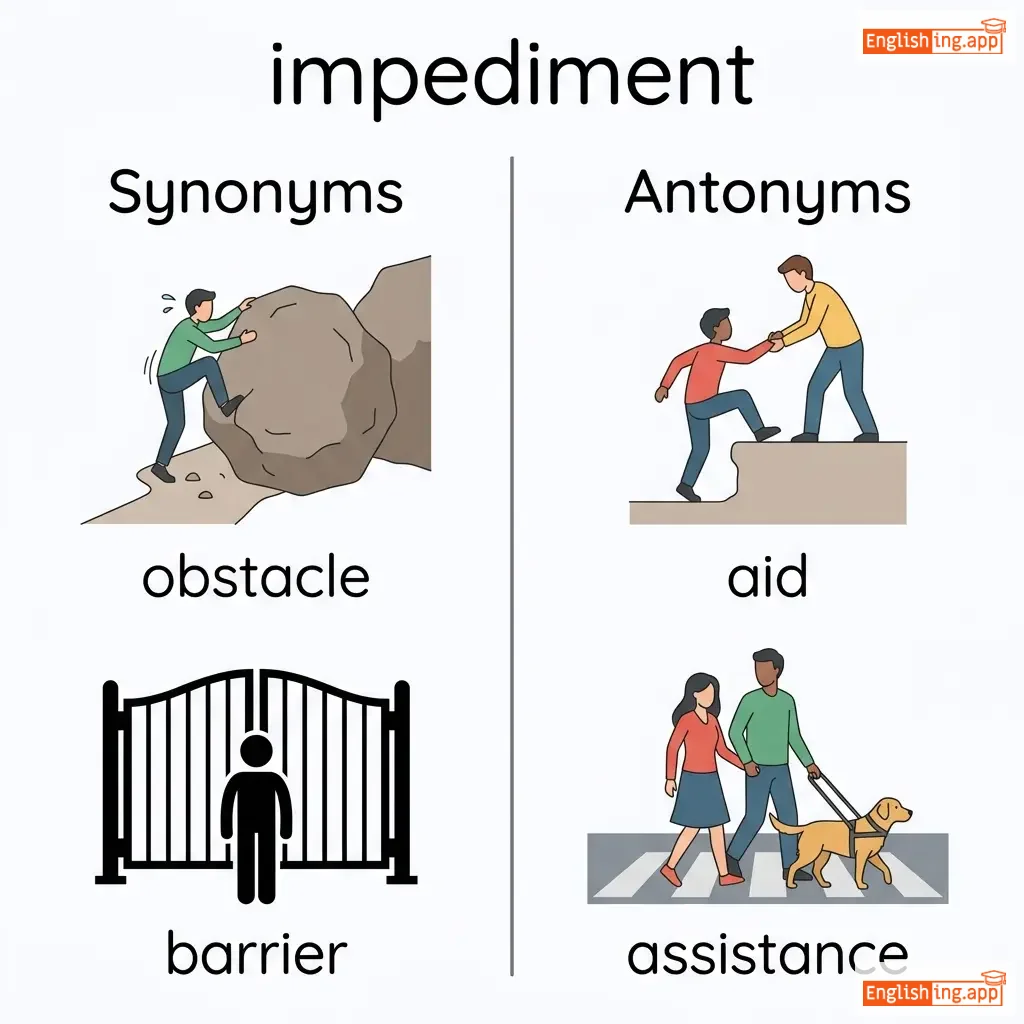
obstacle, barrier, hindrance, obstruction
••••••
|
help, assistance, facilitation, aid
••••••
|
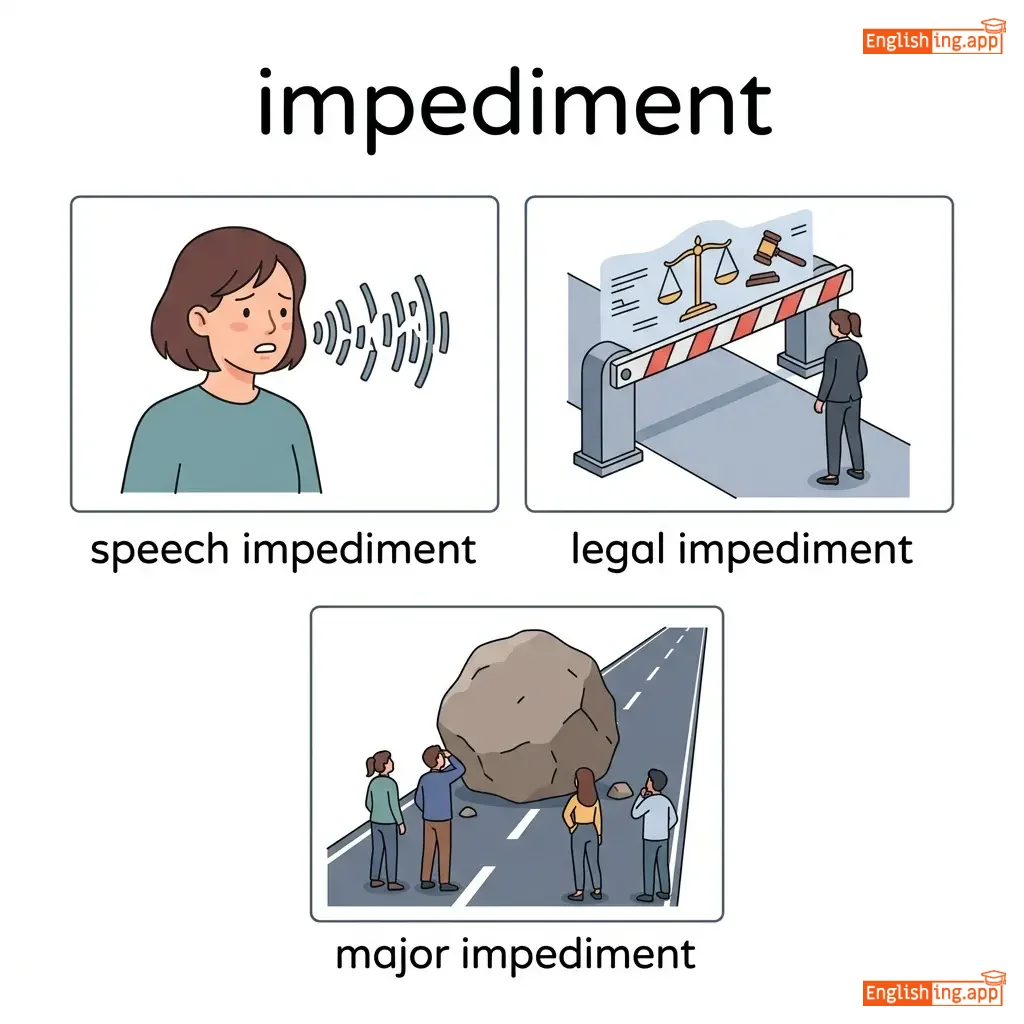
major impediment, speech impediment, remove impediment
••••••
|
Impediment と 'impede' を思い出すと、進行を止める障害だとわかる。
••••••
|
Vocabulary Quiz
Test your vocabulary by matching words with their translations or meanings.
Login to take the quiz
Comments (0)
Share your thoughts and join the discussion.
Join the discussion by logging in
Login to CommentNo comments yet
Be the first to share your thoughts!