

翻訳
過去
過去分詞
三人称単数
動名詞
意味
例文
例文の翻訳
同義語
対義語
コロケーション
ニーモニック
Swipe left or right, or use the buttons. Tap image to zoom.
例文の翻訳
単語
Lesson 68Lesson 68 - マスクトグル
|
絵文字
|
単語 | Images | 翻訳 | 意味 | 例文 | 例文の翻訳 | 同義語 | 対義語 | コロケーション | ニーモニック |
|---|---|---|---|---|---|---|---|---|---|---|
|
#1341
🏗️
|
/ˈstrʌk.tʃər/
noun
(sutorakuchā)
••••••
|
|
構造
kouzou
••••••
|
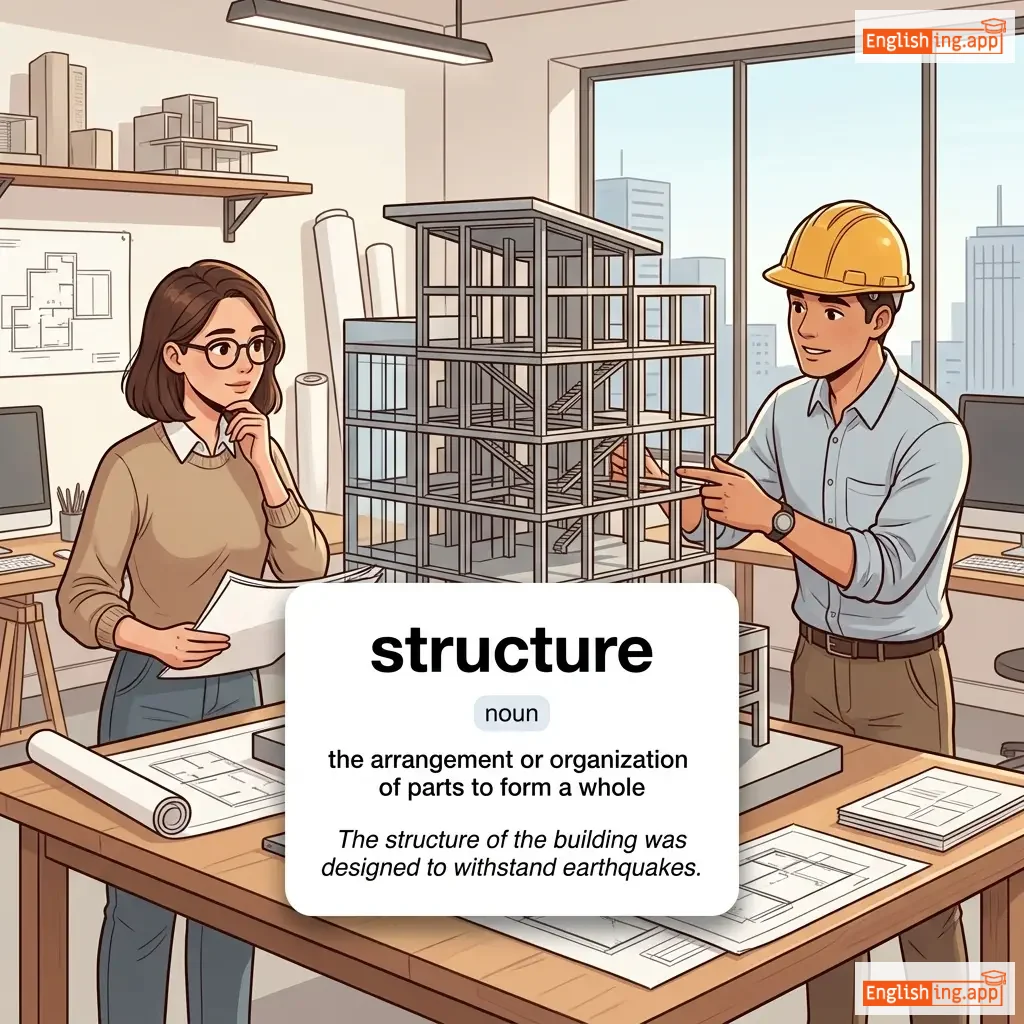
the arrangement of parts in a complex entity; the way something is organized or built
••••••
|
The building has a steel structure that makes it earthquake resistant.
ビルは地震に強いスチール構造を持っています。
••••••
|
ビルは地震に強いスチール構造を持っています。
Biru wa jishin ni tsuyoi suchīru kōzō o motteimasu.
••••••
|
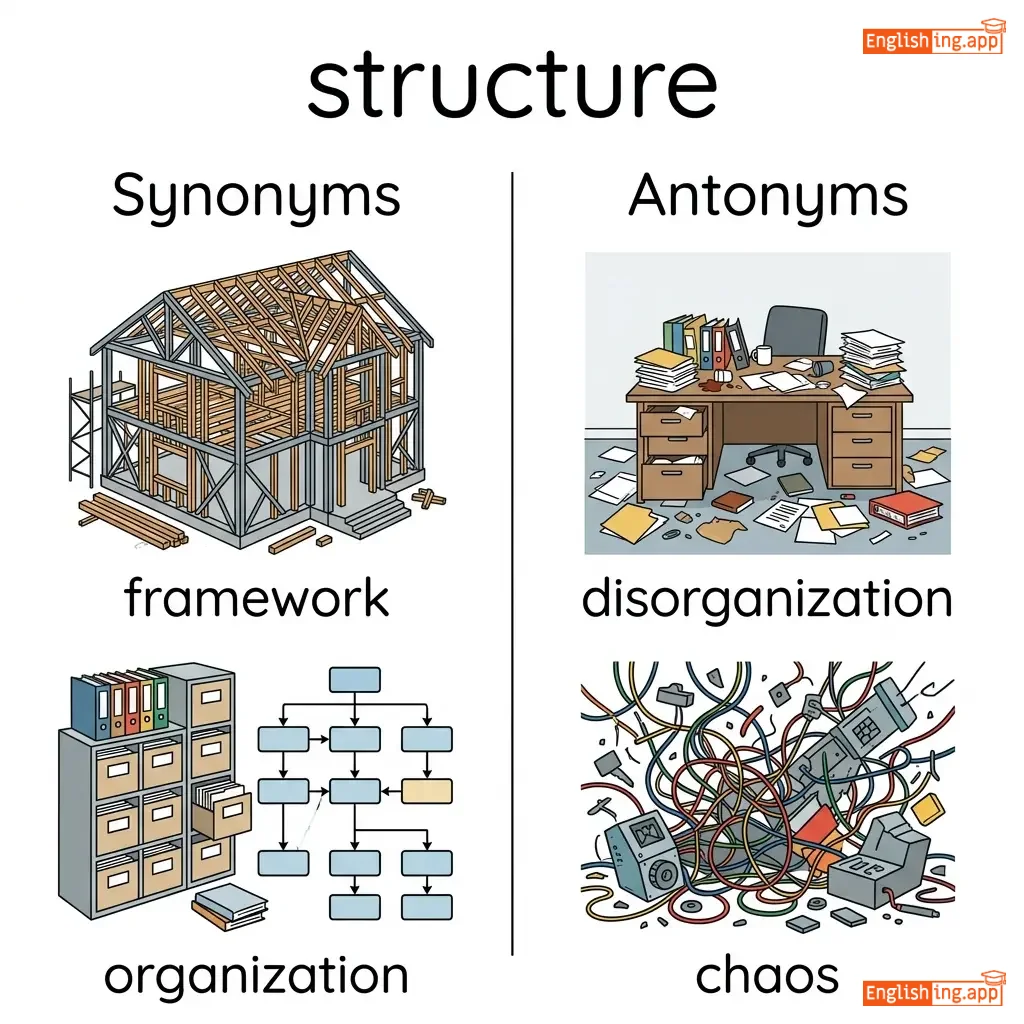
framework, organization, arrangement, construction
••••••
|
chaos, disorder, disorganization
••••••
|
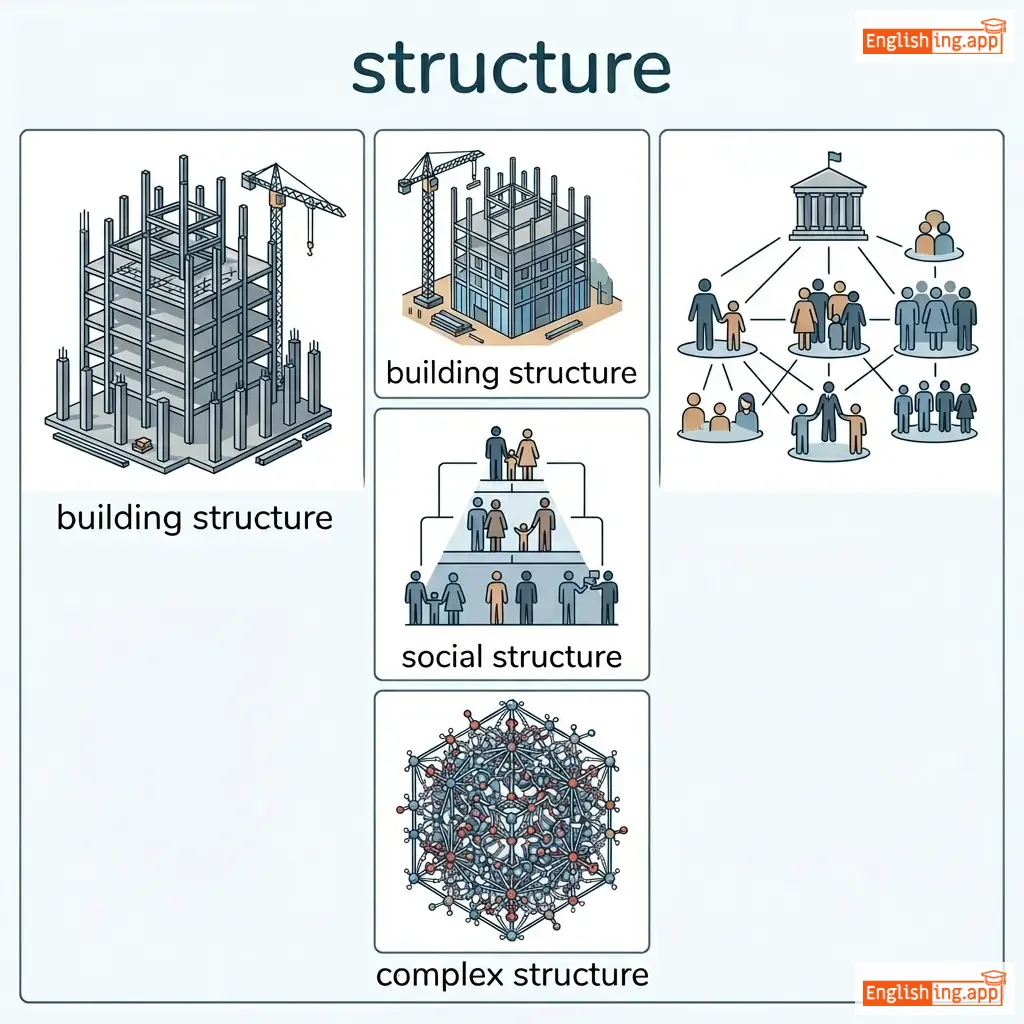
social structure, building structure, organizational structure, data structure
••••••
|
構造は、すべてを支える建物の骨組みです。
••••••
|
|
#1342
⚠️
|
/ˈsuː.ɪ.saɪd/
noun
(自殺)
••••••
|
- •••••• |
自殺
jisatsu
••••••
|
the act of intentionally killing oneself
••••••
|
Mental health professionals work to prevent suicide. |
メンタルヘルスの専門家は自殺を防ぐために働いています。
mentaru herusu no senmonka wa jisatsu o fusegu tame ni hataraiteimasu.
••••••
|
self-destruction, self-harm
••••••
|
survival, life preservation
••••••
|
commit suicide, suicide prevention, suicide rate
••••••
|
精神科医が自殺を防ぐ
••••••
|
|
#1343
💅
|
/staɪl/
noun
(sutairu)
••••••
|
- •••••• |
スタイル
sutairu
••••••
|
a particular way of doing something; a distinctive appearance or manner of expression
••••••
|
She has her own unique style of writing that captivates readers.
彼女は読者を魅了する独自の書き方を持っている。
••••••
|
彼女は読者を魅了する独自の書き方を持っている。
Kanojo wa dokusha o miryō suru dokuchi no kakikata o motte iru.
••••••
|
manner, way, approach, fashion, method
••••••
|
uniformity, standardization
••••••
|
writing style, fashion style, leadership style, architectural style
••••••
|
‘Style’ 英語は日本語で ‘スタイル’ であり、個々の表現方法を意味します。
••••••
|
|
#1344
🌅
|
/ˈsʌn.raɪz/
noun
(サンライズ)
••••••
|
- •••••• |
日の出
hinode
••••••
|
the time in the morning when the sun appears above the horizon
••••••
|
We watched the beautiful sunrise from the mountain top.
私たちは山頂から美しい日の出を見ました。
••••••
|
私たちは山頂から美しい日の出を見ました。
Watashitachi wa sanchou kara utsukushii hinode wo mimashita.
••••••
|
dawn, daybreak, morning
••••••
|
sunset, dusk, nightfall
••••••
|
sunrise time, beautiful sunrise, watch sunrise
••••••
|
日の出は太陽が地平線を越えて上がる瞬間です。
••••••
|
|
#1345
📱
|
/səbˈskrɪp.ʃən/
noun
(sabskripshon)
••••••
|
- •••••• |
サブスクリプション
sabosukuripushon
••••••
|
a payment for regular delivery of a service or product; an arrangement to receive something regularly
••••••
|
I canceled my Netflix subscription because I wasn't watching it enough.
私はNetflixのサブスクリプションをキャンセルしました。なぜなら、それを十分に見ていなかったからです。
••••••
|
私はNetflixのサブスクリプションをキャンセルしました。なぜなら、それを十分に見ていなかったからです。
Watashi wa Netflix no sabosukuripushon wo kyanseru shimashita. Naze nara, sore wo juubun ni mite inakatta kara desu.
••••••
|
membership, enrollment, registration
••••••
|
cancellation, termination
••••••
|
monthly subscription, magazine subscription, streaming subscription, subscription fee
••••••
|
サブスクリプションは、定期的に何かを受け取るための約束事であり、サービスの提供に使われます。
••••••
|
|
#1346
🌇
|
/ˈsʌn.set/
noun
(サンセット)
••••••
|
- •••••• |
夕日
yuuhi
••••••
|
the time in the evening when the sun disappears below the horizon
••••••
|
The romantic sunset painted the sky in golden colors.
ロマンチックなサンセットが空を黄金色に塗りつけました。
••••••
|
ロマンチックな夕日が空を黄金色に塗りつけました。
Romanchikku na yuuhi ga sora wo ougon-iro ni nuritsukemashita.
••••••
|
dusk, evening, twilight
••••••
|
sunrise, dawn, daybreak
••••••
|
beautiful sunset, sunset view, watch sunset
••••••
|
夕日の美しい色を空に塗りつける時を見る。
••••••
|
|
#1347
🧪
|
/ˈsʌb.stəns/
noun
(サブスタンス)
••••••
|
- •••••• |
物質
busshitsu
••••••
|
a particular kind of matter with uniform properties; the essential nature of something; material or content
••••••
|
The scientist analyzed the unknown substance in the laboratory.
科学者は実験室で未知の物質を分析しました。
••••••
|
科学者は実験室で未知の物質を分析しました。
Kagakusha wa jikken-shitsu de michi no busshitsu o bunseki shimashita.
••••••
|
material, matter, essence, content
••••••
|
emptiness, void, superficiality
••••••
|
chemical substance, controlled substance, substance abuse, essential substance
••••••
|
実験室で分析される物質は正確な結果を生み出すために重要です。
••••••
|
|
#1348
🌞
|
/ˈsʌn.stroʊk/
noun
(サンストローク)
••••••
|
- •••••• |
熱中症
nechusho
••••••
|
a serious condition caused by overheating from prolonged exposure to high temperatures
••••••
|
The worker suffered from sunstroke after working outside all day.
その労働者は一日中外で働いた後、日射病にかかりました。
••••••
|
その労働者は一日中外で働いた後、日射病にかかりました。
Sono roudousha wa ichinichijuu soto de hataraita ato, nisshobyō ni kakarimashita.
••••••
|
heatstroke, heat exhaustion
••••••
|
hypothermia, frostbite
••••••
|
suffer sunstroke, prevent sunstroke, sunstroke symptoms
••••••
|
長時間太陽の下で働くと熱中症になることがあります!
••••••
|
|
#1349
🏘️
|
/ˈsʌb.ɜːb/
noun
(サバーブ)
••••••
|
- •••••• |
郊外
kōgai
••••••
|
a residential area outside the central part of a city; an outlying district of a city
••••••
|
They moved to a quiet suburb to raise their children away from city noise.
彼らは子供たちを都市の騒音から遠ざけるために静かな郊外に引っ越しました。
••••••
|
彼らは子供たちを都市の騒音から遠ざけるために静かな郊外に引っ越しました。
Karera wa kodomotachi o toshi no sōon kara tōzakeru tame ni shizukana kōgai ni hikkoshimashita.
••••••
|
outskirts, residential area, subdivision
••••••
|
city center, downtown, urban core
••••••
|
quiet suburb, residential suburb, suburban life, suburb development
••••••
|
郊外は都市の騒音から逃れる静かな場所です。
••••••
|
|
#1350
🏆
|
/suː.pɪər.iˈɔːr.ə.ti/
noun
(スーパーイオリティ)
••••••
|
- •••••• |
優越性
yūetsu-sei
••••••
|
the quality or state of being superior; higher rank or quality
••••••
|
His superiority in mathematics was evident from his test scores. |
数学における彼の優越性は、彼のテストのスコアから明らかだった。
sūgaku ni okeru kare no yūetsu-sei wa, kare no tesuto no sukō kara akiraka datta.
••••••
|
excellence, dominance, supremacy
••••••
|
inferiority, weakness, subordination
••••••
|
show superiority, superiority complex, moral superiority
••••••
|
優越性は、他人よりも優れていることを意味する。
••••••
|
|
#1351
🚇
|
/ˈsʌb.weɪ/
noun
(sabwei)
••••••
|
- •••••• |
地下鉄
chikatetsu
••••••
|
an underground railway system; an underground passage for pedestrians
••••••
|
I take the subway to work every morning because it's faster than driving.
私は毎朝仕事に行くために地下鉄に乗ります。なぜならそれは車で運転するより速いからです。
••••••
|
私は毎朝仕事に行くために地下鉄に乗ります。なぜならそれは車で運転するより速いからです。
Watashi wa mai asa shigoto ni iku tame ni chikatetsu ni norimasu. Nazenara sore wa kuruma de unten suru yori hayai kara desu.
••••••
|
underground, metro, tube, underground railway
••••••
|
overground, surface transport
••••••
|
subway station, subway train, subway system, subway map
••••••
|
地下鉄 - 地下を通る速い交通手段!
••••••
|
|
#1352
🔮
|
/ˌsuː.pərˈstɪʃ.ən/
noun
(スーパーシション)
••••••
|
- •••••• |
迷信
mishin
••••••
|
a belief or practice considered irrational or supernatural
••••••
|
Breaking a mirror brings seven years of bad luck is a common superstition. |
鏡を壊すと7年間の不運を招く、これは一般的な迷信です。
kagami o kowasu to 7 nenkan no fūn o maneku, kore wa ippanteki na mishin desu
••••••
|
myth, folklore, belief
••••••
|
science, fact, reality
••••••
|
common superstition, old superstition, believe superstition
••••••
|
Think of 'breaking mirrors' to remember '迷信' in Japanese!
••••••
|
|
#1353
🏆
|
/səkˈses/
noun
(sakkusesu)
••••••
|
|
成功; 目標達成
seikou; mokuhyou tassei
••••••
|
the accomplishment of an aim or purpose; the achievement of desired goals
••••••
|
Her success in business came from years of hard work and dedication.
彼女のビジネスでの成功は、何年もの努力と献身から来ました。
••••••
|
彼女のビジネスでの成功は、何年もの努力と献身から来ました。
kanojo no bijinesu de no seikou wa, nannen mo no doryoku to kenshin kara kimashita.
••••••
|
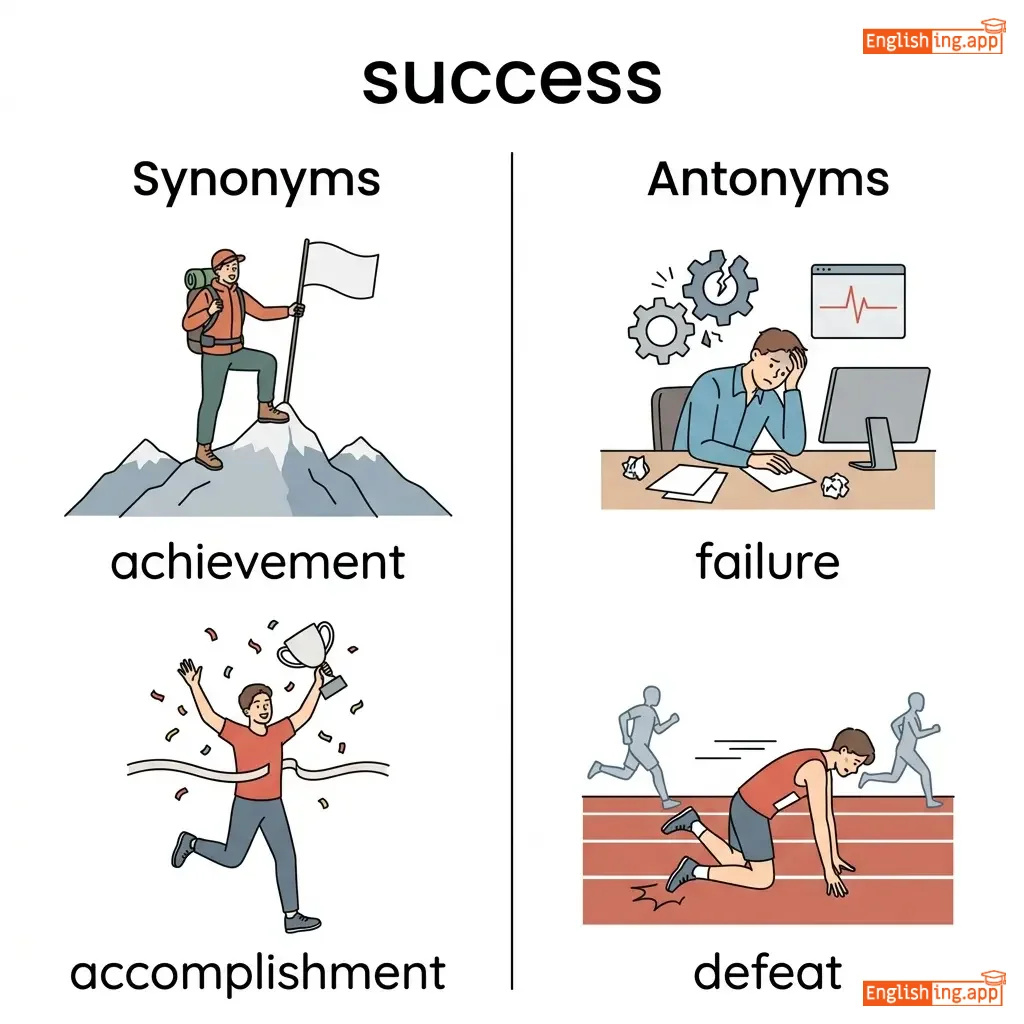
achievement, accomplishment, triumph, victory
••••••
|
failure, defeat, disappointment
••••••
|
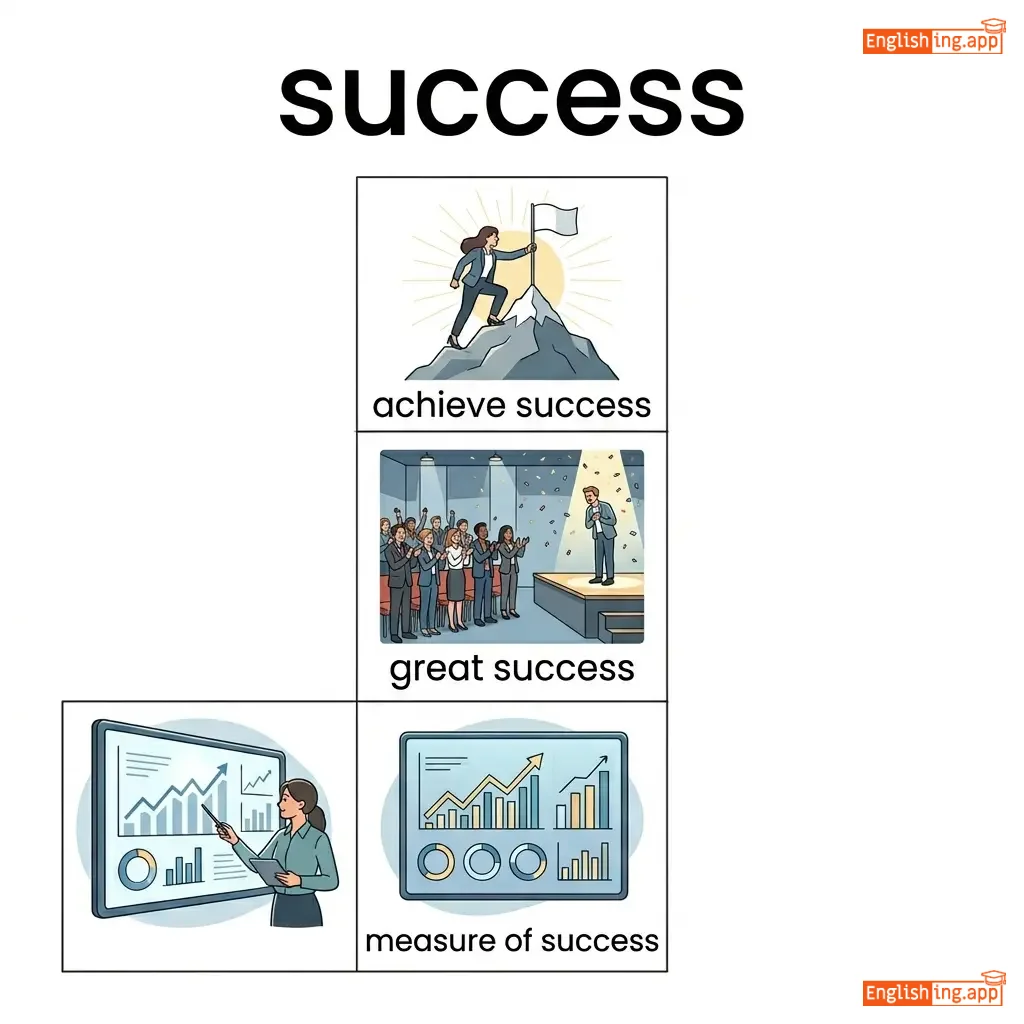
great success, business success, academic success, overnight success
••••••
|
成功 (Success) は努力と献身から生まれます。
••••••
|
|
#1354
💊
|
/ˈsʌ.plɪ.mənt/
noun
(サプリメント)
••••••
|
- •••••• |
サプリメント
sapurimento
••••••
|
something that completes or adds to something else; a dietary product
••••••
|
She takes vitamin supplements to maintain her health.
彼女は健康を維持するためにビタミンサプリメントを摂取します。
••••••
|
彼女は健康を維持するためにビタミンサプリメントを摂取します。
kanojo wa kenko o iji suru tame ni bitamin sapurimento o sesshushimasu
••••••
|
addition, complement, extra
••••••
|
deficiency, lack, shortage
••••••
|
vitamin supplement, dietary supplement, take supplements
••••••
|
ビタミンで体調を完璧に保つ。
••••••
|
|
#1355
👑
|
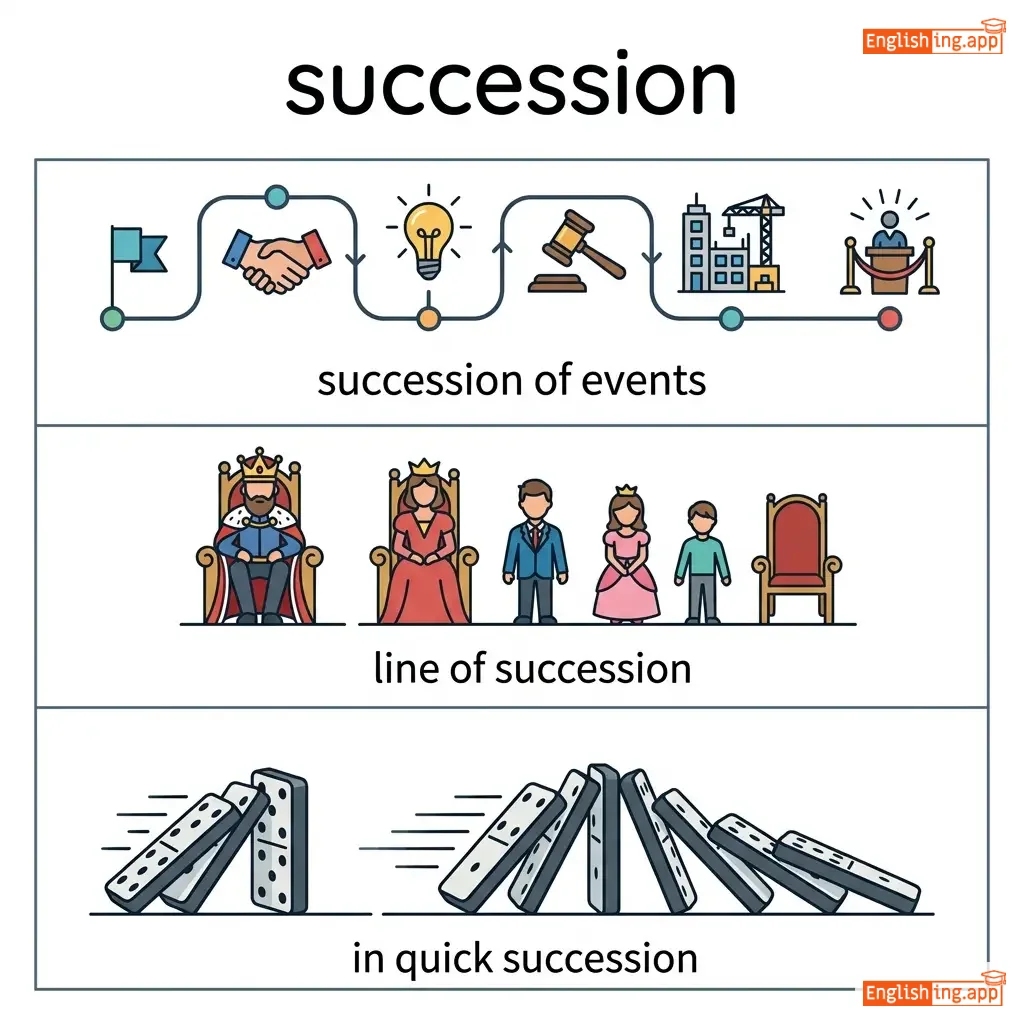
/səkˈseʃ.ən/
noun
(səkˈseʃən)
••••••
|
|
継承
keishou
••••••
|
a series of people or things following one after another; the process of inheriting a title or position
••••••
|
The succession of kings in that dynasty lasted for over 300 years. |
その王朝の王位継承は300年以上続いた。
sono ouchou no oui keishou wa 300 nen ijou tsuzuita
••••••
|
sequence, series, inheritance, lineage
••••••
|
interruption, discontinuation
••••••
|
royal succession, succession planning, line of succession, succession crisis
••••••
|
継承は時間の流れのように続く王位の交代を示しています。
••••••
|
|
#1356
👑
|
/suˈpriː.mə.si/
noun
(至高性)
••••••
|
- •••••• |
至高性; 最高の権威または力
shikōsei
••••••
|
the state of being supreme; highest authority or power
••••••
|
The country established naval supremacy in the region.
その国は地域で海軍の至高性を確立しました。
••••••
|
その国は地域で海軍の至高性を確立しました。
Sono kuni wa chiiki de kaigun no shikōsei o kakuritsu shimashita.
••••••
|
dominance, authority, control
••••••
|
subordination, inferiority, submission
••••••
|
military supremacy, establish supremacy, naval supremacy
••••••
|
Supremacy = Top authority, just like a supreme ruler.
••••••
|
|
#1357
👤
|
/səkˈses.ər/
noun
(サクセッサー)
••••••
|
- •••••• |
後継者
kōkeisha
••••••
|
a person who succeeds another in office; someone who takes over a position or role
••••••
|
The CEO announced his retirement and named his successor for the company.
CEOは退職を発表し、会社の後継者を指名しました。
••••••
|
CEOは退職を発表し、会社の後継者を指名しました。
CEO wa taishoku wo happyou shi, kaisha no kōkeisha wo shimei shimashita.
••••••
|
heir, replacement, inheritor, follower
••••••
|
predecessor, former holder
••••••
|
chosen successor, potential successor, successor company, successor state
••••••
|
後継者は前任者の後を継ぐ人、会社の次のリーダーのような存在です。
••••••
|
|
#1358
🌊
|
/ˈsɜr.fɪs/
noun
(サーフェス)
••••••
|
- •••••• |
表面; 上層
hyōmen; jōsō
••••••
|
the outside part or uppermost layer of something
••••••
|
The submarine emerged to the surface of the ocean.
潜水艦は海面に浮かび上がった。
••••••
|
潜水艦は海面に浮かび上がった。
Sensuikan wa kaimen ni ukabi agatta.
••••••
|
exterior, top, face
••••••
|
interior, depth, bottom
••••••
|
water surface, surface area, smooth surface
••••••
|
表面は一番上に見える層。
••••••
|
|
#1359
💡
|
/səˈdʒes.tʃən/
noun
(sʌdʒɛsˈtʃən)
••••••
|
- •••••• |
提案; アドバイス
teian; adobaisu
••••••
|
an idea or plan put forward for consideration; advice or recommendation
••••••
|
Do you have any suggestions for improving our team's productivity? |
チームの生産性向上のための提案はありますか?
Chīmu no seisansei kōjō no tame no teian wa arimasu ka?
••••••
|
recommendation, proposal, advice, idea
••••••
|
command, order, demand
••••••
|
helpful suggestion, practical suggestion, suggestion box, make a suggestion
••••••
|
提案を聞くことで進歩する (Teian o kiku koto de shinpo suru)
••••••
|
|
#1360
📛
|
/ˈsɜr.neɪm/
noun
(サーネーム)
••••••
|
- •••••• |
苗字
myouji
••••••
|
a hereditary name common to all members of a family; family name
••••••
|
Please write your first name and surname on the form. |
フォームに名前と苗字を書いてください。
Fōmu ni namae to myouji o kaite kudasai.
••••••
|
family name, last name
••••••
|
first name, given name
••••••
|
family surname, change surname, maiden surname
••••••
|
苗字は、家族全員が共有する名前です。
••••••
|
Vocabulary Quiz
Test your vocabulary by matching words with their translations or meanings.
Login to take the quiz
Comments (0)
Share your thoughts and join the discussion.
Join the discussion by logging in
Login to CommentNo comments yet
Be the first to share your thoughts!