

翻訳
過去
過去分詞
三人称単数
動名詞
意味
例文
例文の翻訳
同義語
対義語
コロケーション
ニーモニック


Swipe left or right, or use the buttons. Tap image to zoom.
例文の翻訳
単語
Lesson 40Lesson 40 - マスクトグル
|
絵文字
|
単語 | Images | 翻訳 | 意味 | 例文 | 例文の翻訳 | 表現例の翻訳 | 同義語 | 対義語 | コロケーション | ニーモニック |
|---|---|---|---|---|---|---|---|---|---|---|---|
|
#781
🎆
|
/ˈlaɪm.laɪt/
noun
(ライムライト)
••••••
|
- •••••• |
公衆の注目の中心; ライムのシリンダーを加熱して発生する明るい光
laimlait
••••••
|
the focus of public attention; a bright light produced by heating a cylinder of lime
••••••
|
The celebrity enjoyed being in the limelight.
ザ・セレブリティはライムライトの中で楽しんでいました
••••••
|
有名人はスポットライトの中で楽しんでいました。
yuumeijin wa supottoraito no naka de tanoshinde imashita
••••••
|
- •••••• |
spotlight, attention, publicity, prominence
••••••
|
obscurity, anonymity
••••••
|
in the limelight, steal the limelight, step into limelight
••••••
|
Lime, light, and bright fame
••••••
|
|
#782
😴
|
/ˈloʊ.fər/
noun
(ローファー)
••••••
|
- •••••• |
働かず遊んでいる人、怠け者
rofa
••••••
|
a person who avoids work or effort; an idler
••••••
|
Don't be a loafer, help us with the work.
ローファーにならないで、仕事を手伝って。
••••••
|
ローファーにならないで、仕事を手伝って。
Rōfā ni naranai de, shigoto wo tetsudatte.
••••••
|
- •••••• |
idler, sluggard, slacker, bum
••••••
|
worker, industrious person
••••••
|
lazy loafer, idle loafer
••••••
|
ローファー - 'ロー'な人、怠け者。
••••••
|
|
#783
💰
|
/loʊn/
noun
(ローン)
••••••
|
- •••••• |
ローン
ron
••••••
|
a thing that is borrowed, especially a sum of money that is expected to be paid back with interest
••••••
|
He took a loan to buy a new car.
彼は新しい車を買うためにローンを組みました。
••••••
|
彼は新しい車を買うためにローンを組みました。
Kare wa atarashī kuruma o kau tame ni rōn o kumimashita.
••••••
|
- •••••• |
debt, credit, advance, mortgage
••••••
|
payment, repayment
••••••
|
bank loan, home loan, loan application
••••••
|
Loan in Japanese, 'ローン', is remembered for the loan taken for a new car.
••••••
|
|
#784
🧾
|
/ˈlaɪm.stoʊn/
noun
(laim ston)
••••••
|
- •••••• |
石灰岩
seki kai gan
••••••
|
a hard sedimentary rock, composed mainly of calcium carbonate or dolomite, used as building material and in the making of cement
••••••
|
The ancient building was made of limestone blocks.
di énsient bíl-ding wáz méid óf laimstón bloks
••••••
|
その古代の建物は石灰岩のブロックで作られていました
sono kodai no tatemono wa seki kai gan no burokku de tsukurarete imashita
••••••
|
- •••••• |
calcite, chalk, marble
••••••
|
sandstone, granite
••••••
|
limestone quarry, limestone blocks, limestone caves
••••••
|
石灰岩は建設とセメント製造に使われます
••••••
|
|
#785
⛔
|
/ˈlɪm.ɪt/
noun
(リミット)
••••••
|
- •••••• |
制限; 限界
limit
••••••
|
a point or level beyond which something does not or may not extend or pass; the greatest amount allowed
••••••
|
There is a speed limit on this road. |
この道には速度制限があります。
kono michi ni wa sokudo seigen ga arimasu
••••••
|
- •••••• |
boundary, restriction, maximum, threshold
••••••
|
freedom, unlimited, boundless
••••••
|
speed limit, time limit, set limit
••••••
|
Limit in Japanese is '制限' (seigen), marking a boundary or restriction.
••••••
|
|
#786
🏠
|
/ˈloʊ.kəl/
noun
(ローカル)
••••••
|
- •••••• |
地域の; 地元の
rokaru
••••••
|
belonging or relating to a particular area or neighborhood; a person living in a particular area
••••••
|
The local people are very friendly. |
地元の人々はとても親切です。
Jimoto no hitobito wa totemo shinsetsu desu
••••••
|
- •••••• |
regional, neighborhood, community
••••••
|
foreign, distant, national
••••••
|
local people, local government, local area
••••••
|
Local = ローカル、地域の人々は常に親しみやすい。
••••••
|
|
#787
🚫
|
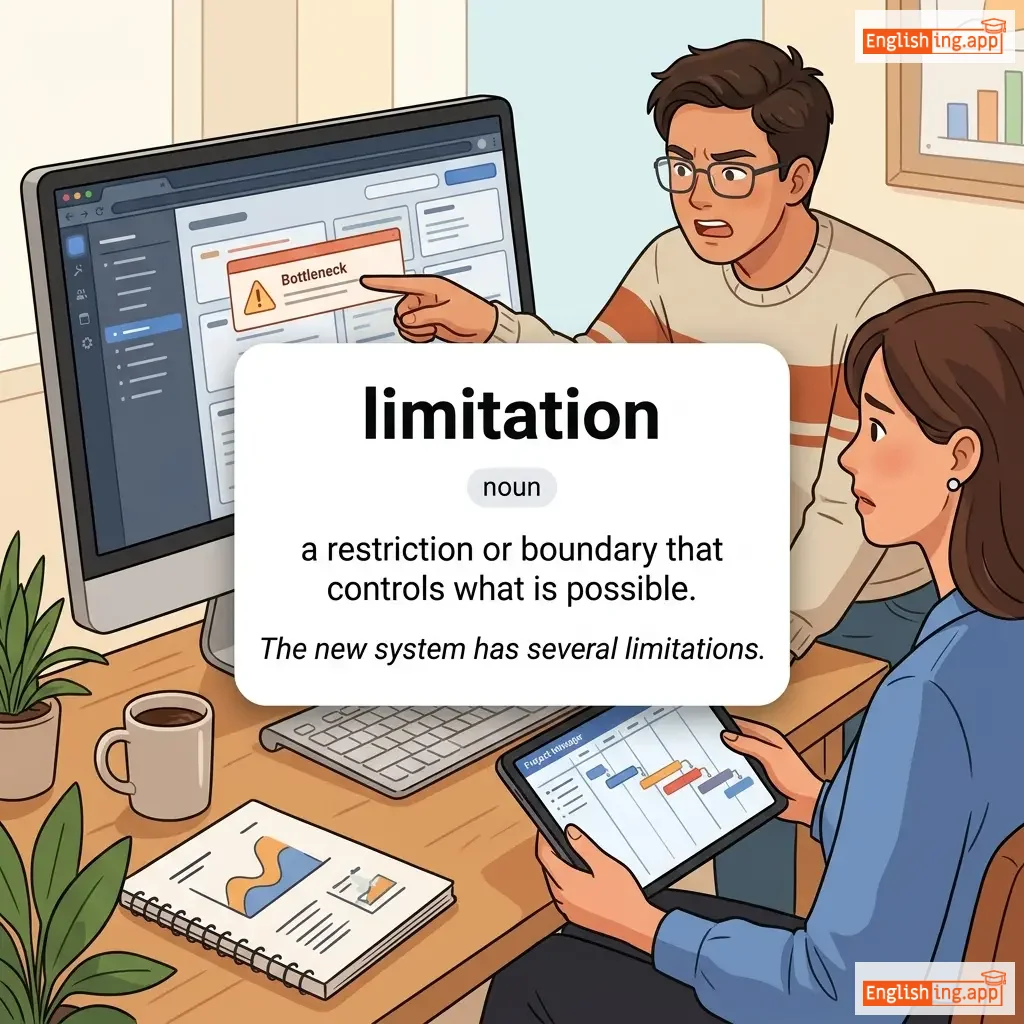
/ˌlɪm.ɪˈteɪ.ʃən/
noun
(リミテーション)
••••••
|
|
制限
seigen
••••••
|
a limiting rule or circumstance; a restriction; the action of limiting something
••••••
|
The main limitation of this plan is the budget. |
この計画の主な制限は予算です。
Kono keikaku no omona seigen wa yosann desu.
••••••
|
- •••••• |
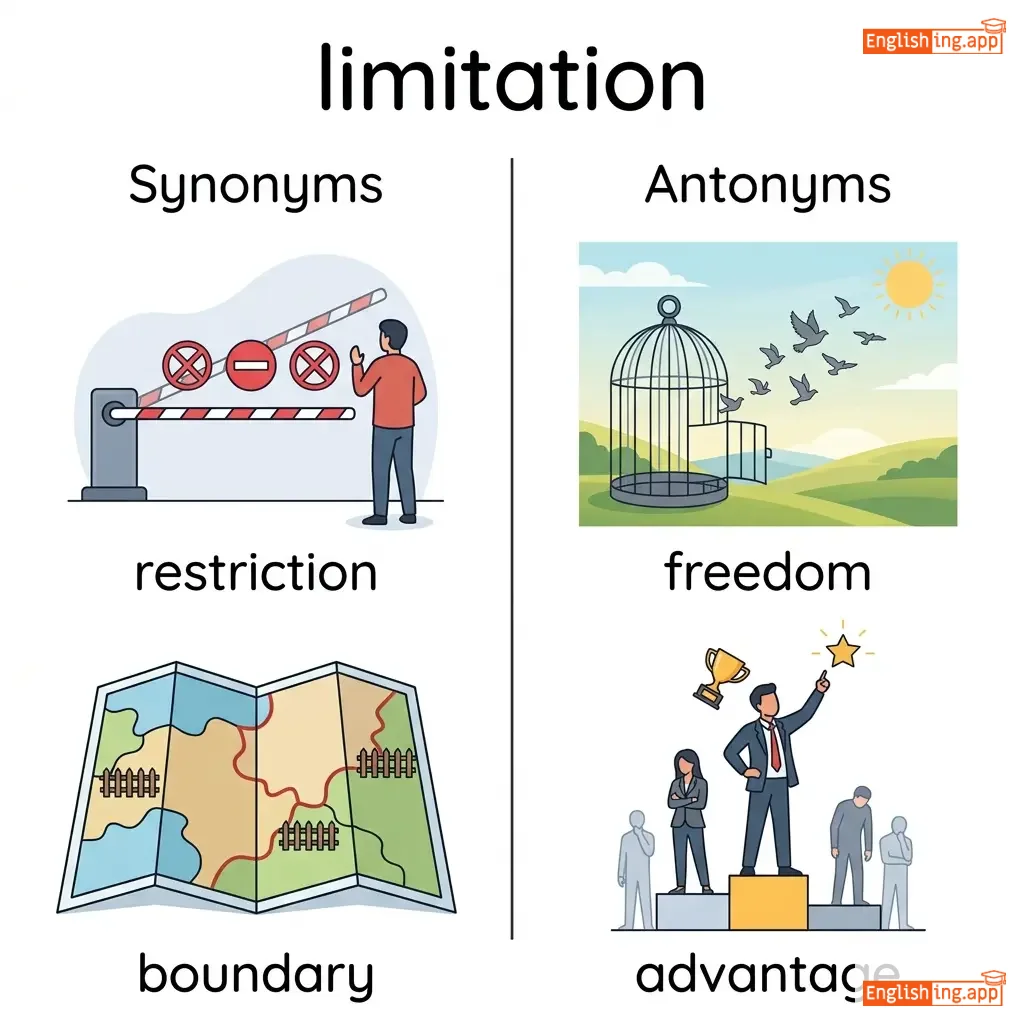
restriction, constraint, drawback, shortcoming
••••••
|
freedom, advantage, strength
••••••
|
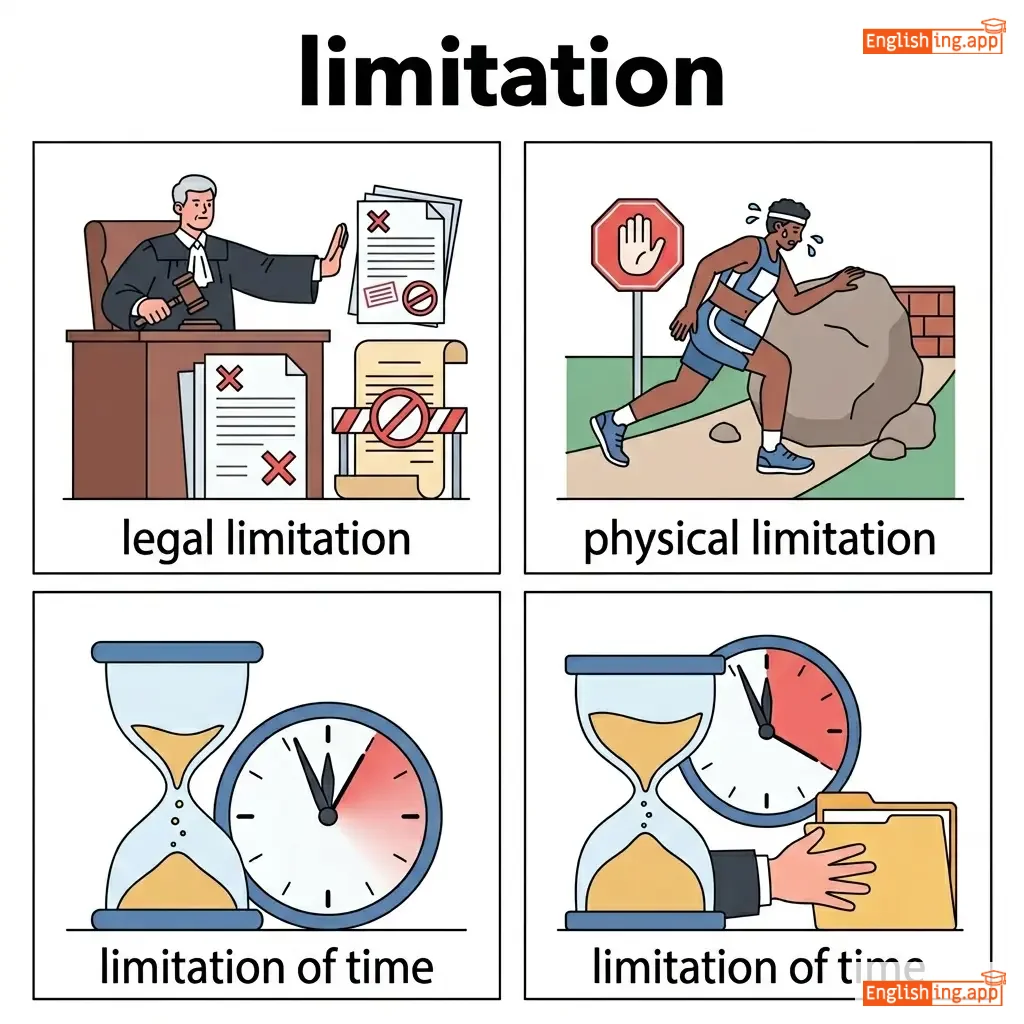
budget limitation, time limitation, overcome limitations
••••••
|
制限は日本語で制約を意味し、限界を設定することです。
••••••
|
|
#788
🔒
|
/lɔk/
noun
(ロック)
••••••
|
|
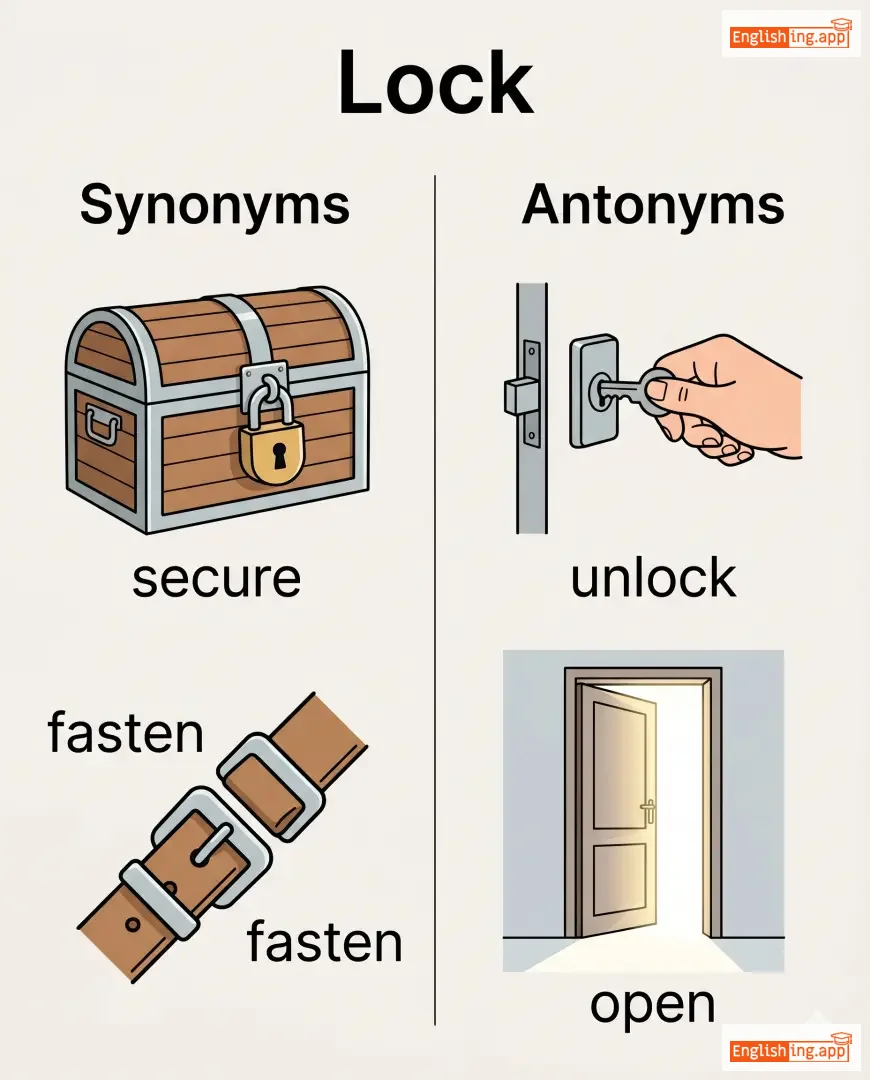
鍵
kagi
••••••
|
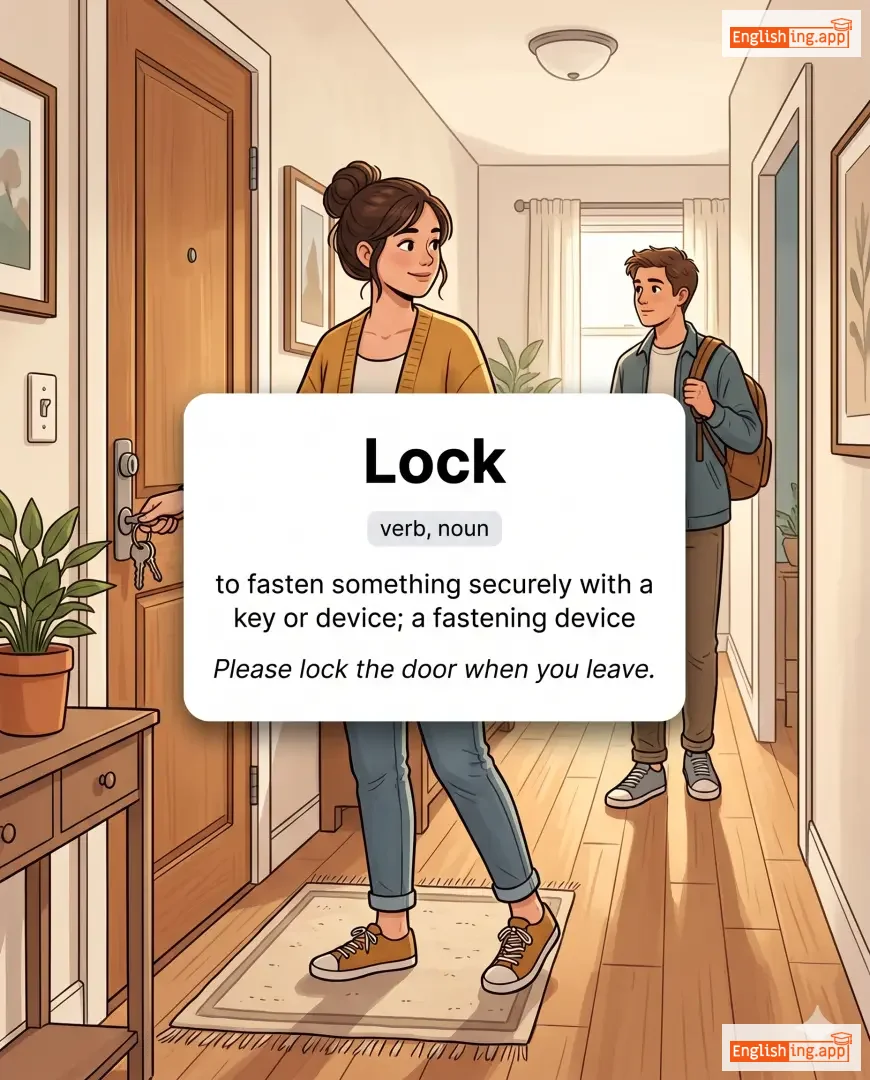
a mechanism for keeping a door, lid, etc., fastened, typically operated only by a key of a particular form
••••••
|
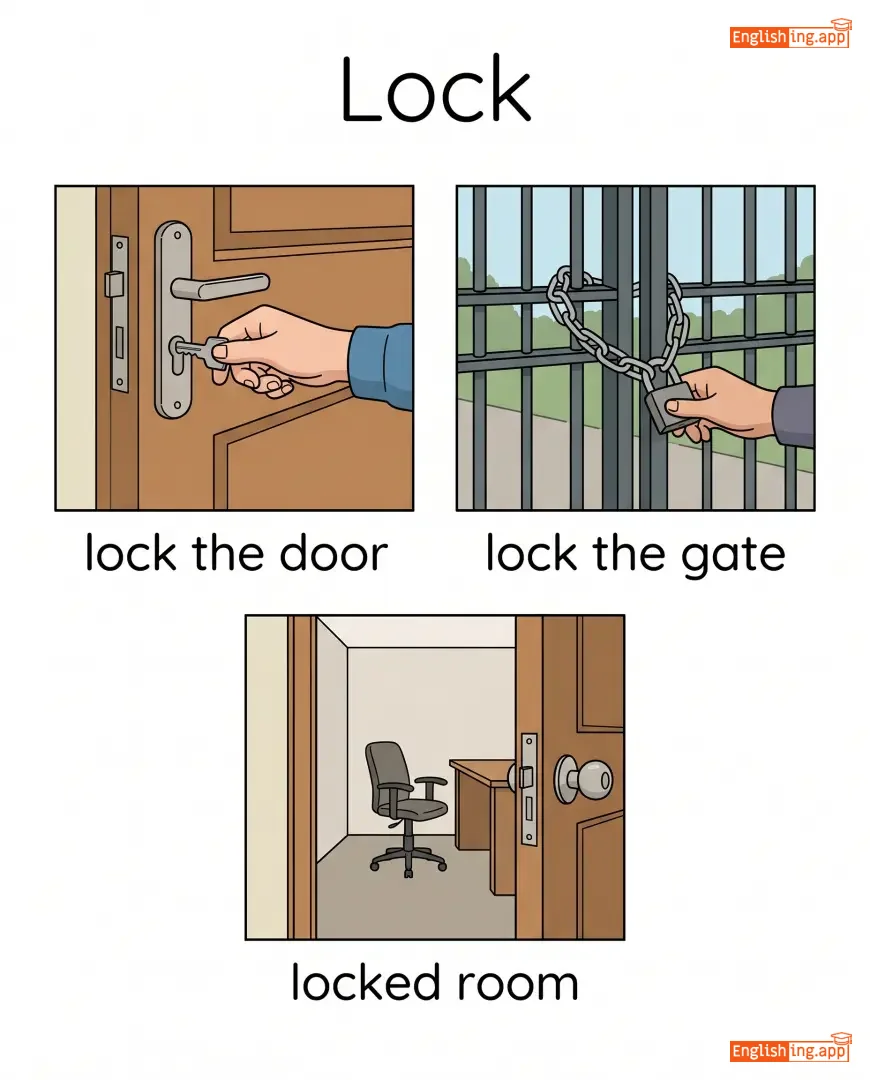
Make sure you lock the door before leaving.
メイク シュア ユー ロック ザ ドア ビフォー リービング
••••••
|
出かける前にドアをロックしてください。
Dekakeru mae ni doa o rokku shite kudasai
••••••
|
- •••••• |
fastener, latch, bolt, padlock
••••••
|
unlock, open
••••••
|
door lock, combination lock, lock and key
••••••
|
Lock = 鍵, 鍵で守られた場所は安全
••••••
|
|
#789
🌳
|
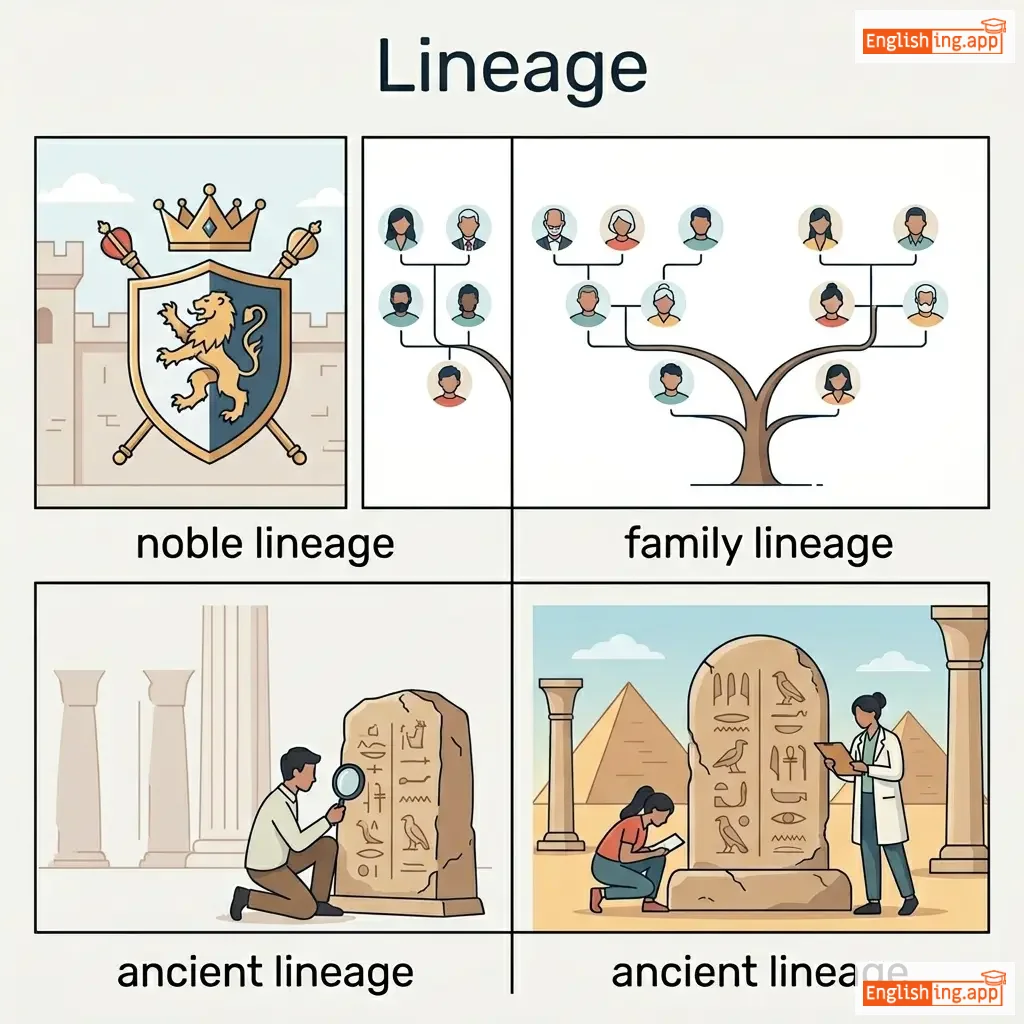
/ˈlɪn.i.ɪdʒ/
noun
(リニアージュ)
••••••
|
|
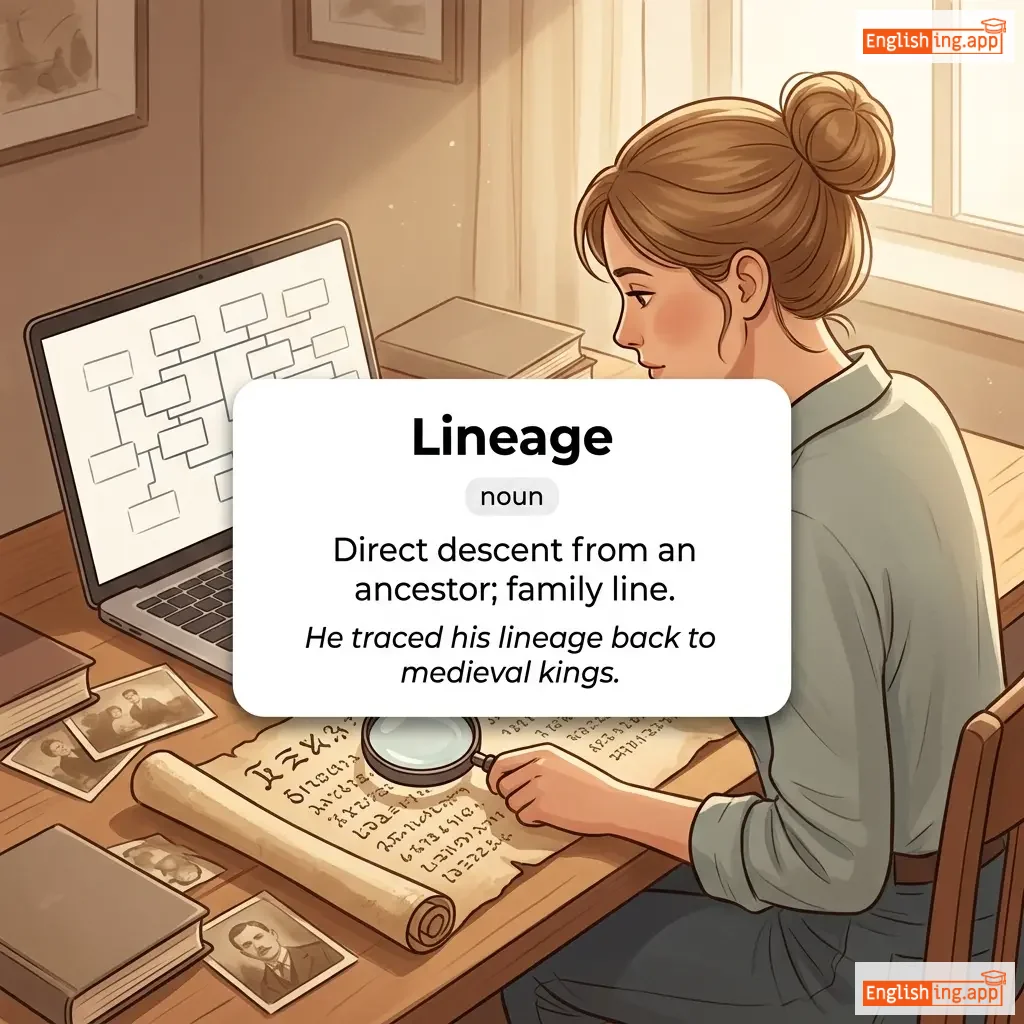
系譜; 先祖; 家系;
keifu
••••••
|
direct descent from an ancestor; ancestry or family tree; a sequence of species each evolved from its predecessor
••••••
|
She can trace her lineage back to the 16th century.
彼女は16世紀まで自分の系統をたどることができます。
••••••
|
彼女は16世紀まで自分の系統をたどることができます。
kanojo wa 16 seiki made jibun no keito o tadoru koto ga dekimasu
••••••
|
- •••••• |
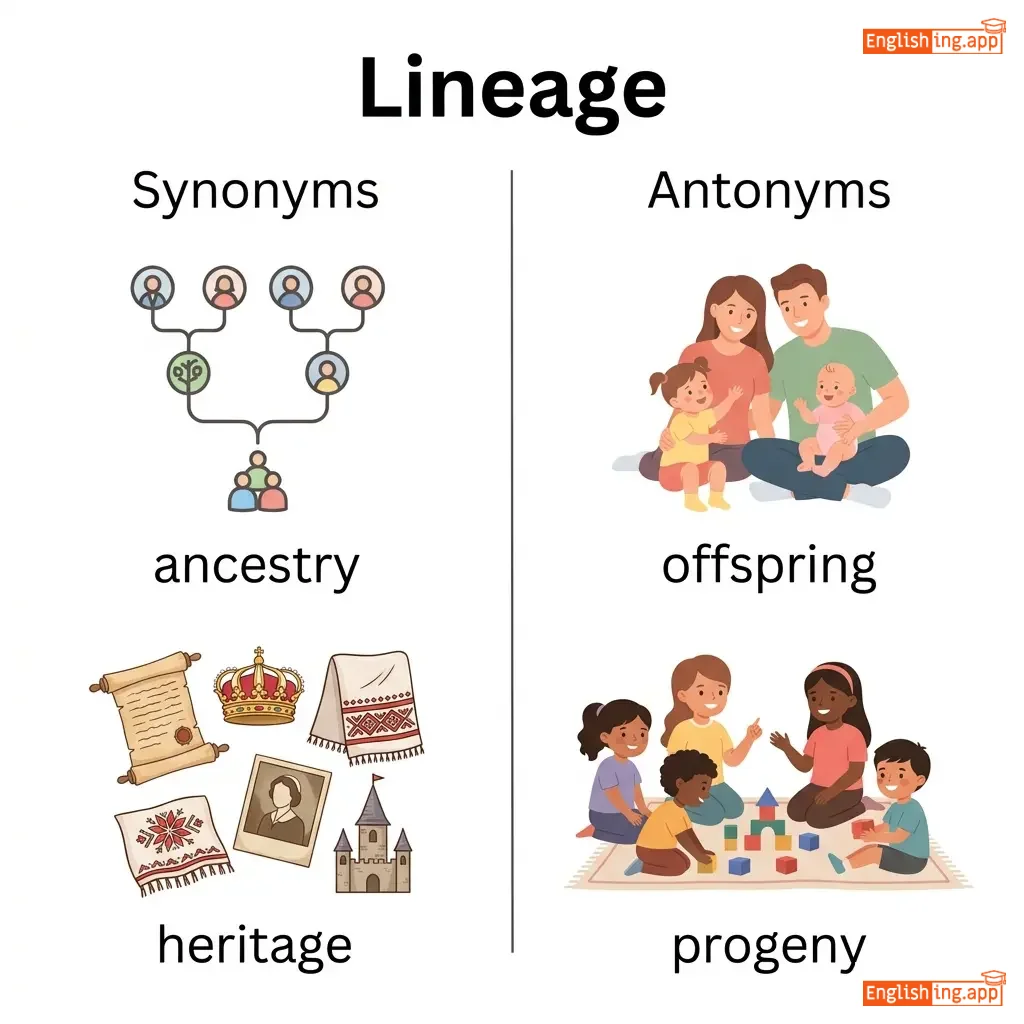
ancestry, heritage, descent, genealogy
••••••
|
descendant, offspring
••••••
|
royal lineage, family lineage, trace lineage
••••••
|
Keifu - Tracing your ancestors’ heritage
••••••
|
|
#790
🪵
|
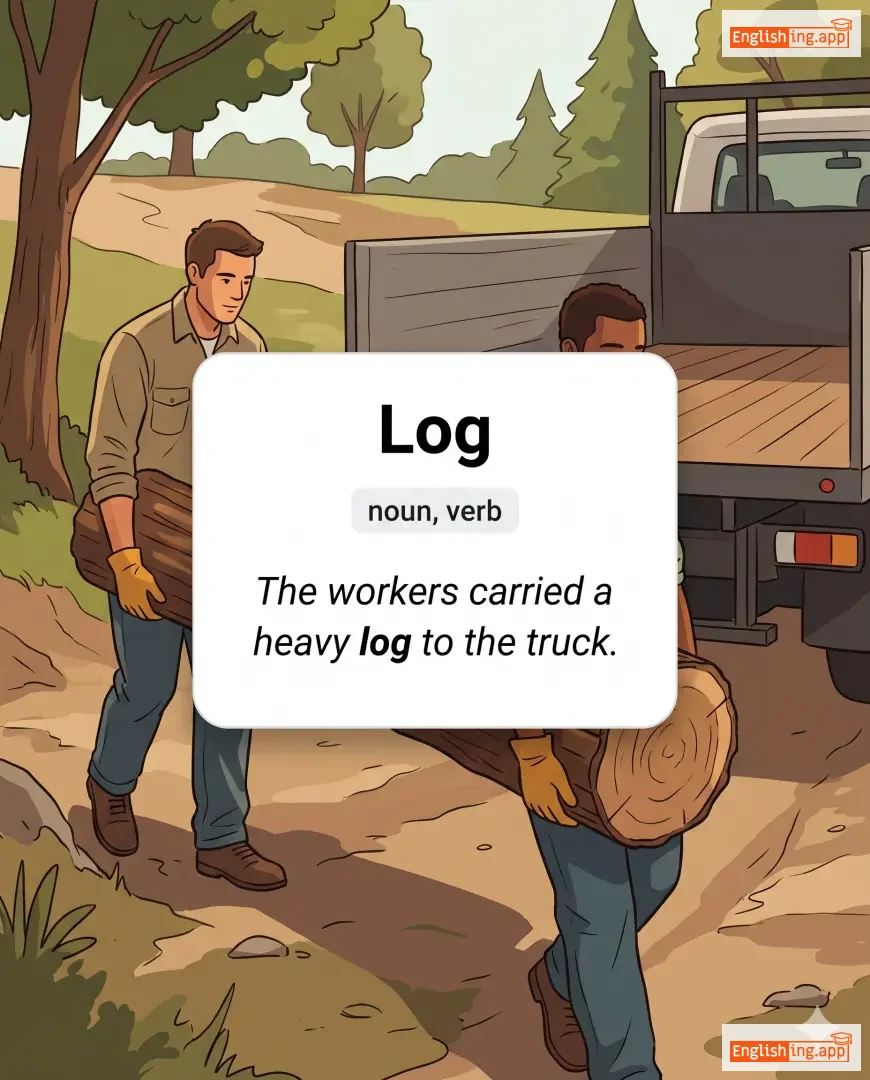
/lɔːɡ/
noun
(ログ)
••••••
|
|
丸太
maruta
••••••
|
a piece of a dead or felled tree trunk or branch, especially one stripped of bark
••••••
|
They sat on a log by the campfire. |
彼らはキャンプファイヤーのそばで丸太に座った。
karera wa kyanpufaiyā no soba de maruta ni suwatta
••••••
|
- •••••• |
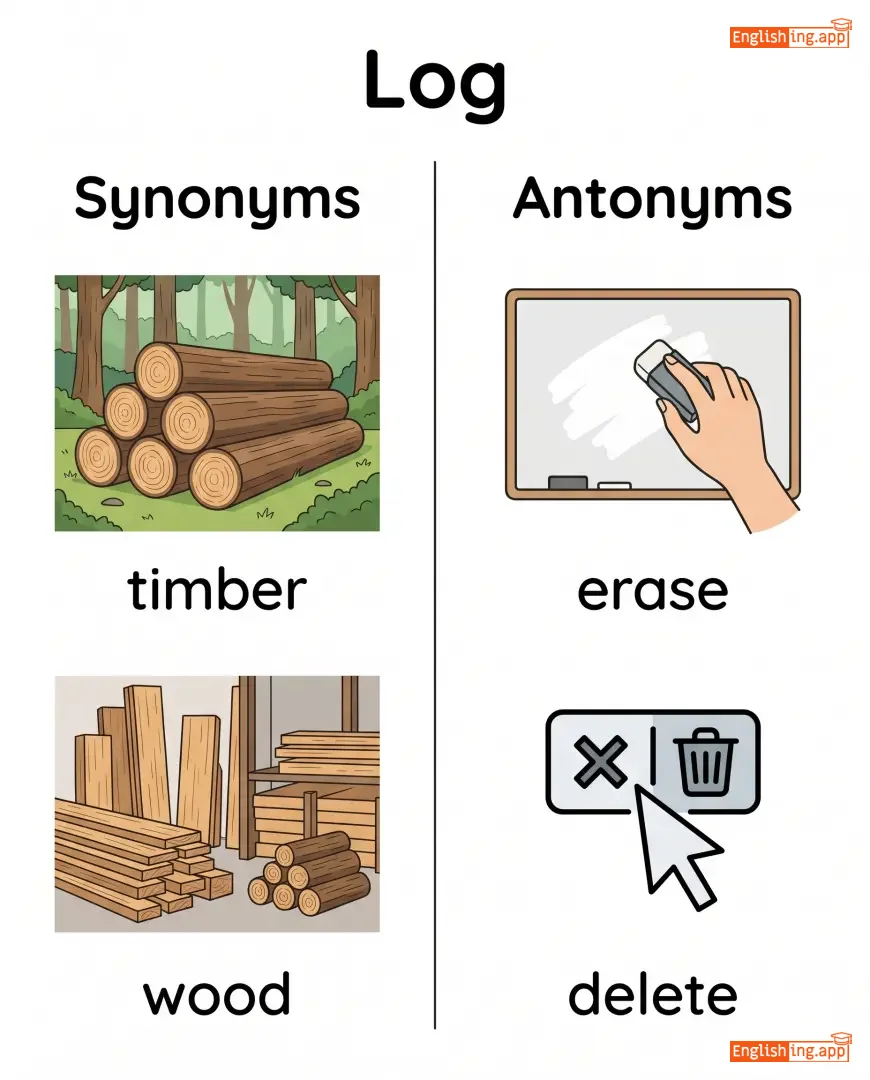
timber, trunk, wood, branch
••••••
|
leaf, twig
••••••
|
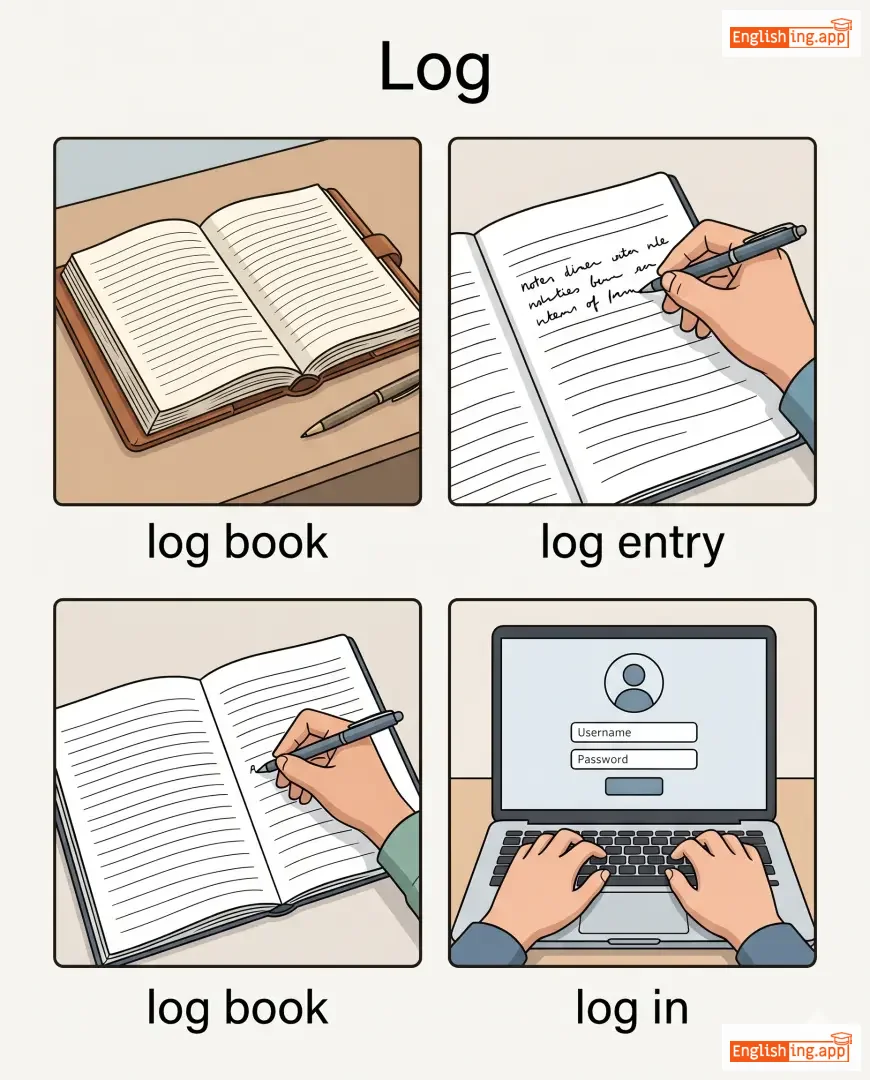
wooden log, fire log, log cabin
••••••
|
キャンプファイヤーで丸太に座るとき、‘log’を思い出そう。
••••••
|
|
#791
💧
|
/ˈlɪk.wɪd/
noun
(rikwiddo)
••••••
|
- •••••• |
液体
etai
••••••
|
a substance that flows freely but is of constant volume, having a consistency like that of water or oil
••••••
|
Water is a liquid at room temperature.
水は常温で液体です。
••••••
|
水は常温で液体です。
Mizu wa jōon de etai desu.
••••••
|
- •••••• |
fluid, solution, beverage
••••••
|
solid, gas, crystal
••••••
|
liquid form, liquid nitrogen, clear liquid
••••••
|
液体 = Etai (水や油のよう)
••••••
|
|
#792
📄
|
/lɪst/
noun
(リスト)
••••••
|
- •••••• |
リスト
risuto
••••••
|
a number of connected items or names written or printed consecutively, typically one below the other
••••••
|
Make a list of things you need to buy. |
買うべきもののリストを作成してください。
Kau beki mono no risuto o sakusei shite kudasai.
••••••
|
- •••••• |
catalog, inventory, record, register
••••••
|
random, scattered, disorder
••••••
|
shopping list, to-do list, make a list
••••••
|
Risuto is the list you need in Japanese!
••••••
|
|
#793
📚
|
/ˈlɪt.ər.ə.si/
noun
(リテラシー)
••••••
|
- •••••• |
識字
shiki ji
••••••
|
the ability to read and write; competence or knowledge in a specified area
••••••
|
Adult literacy programs help people learn to read.
成人識字プログラムは人々が読むことを学ぶのを助けます。
••••••
|
成人識字プログラムは人々が読むことを学ぶのを助けます。
Seijin shikiji puroguramu wa hitobito ga yomu koto wo manabu no wo tasukemasu.
••••••
|
- •••••• |
education, learning, knowledge, competence
••••••
|
illiteracy, ignorance
••••••
|
adult literacy, digital literacy, literacy rate
••••••
|
「識字」を読むと書く能力の象徴として覚えておいてください。
••••••
|
|
#794
📚
|
/ˈlɪt.ər.ə.ʧər/
noun
(リテラチャー)
••••••
|
- •••••• |
文学
bungaku
••••••
|
written works, especially those considered of superior or lasting artistic merit; books and writings published on a particular subject
••••••
|
She studied English literature at university.
彼女は大学で英文学を学びました。
••••••
|
彼女は大学で英文学を学びました。
Kanojo wa daigaku de eibungaku o manabimashita.
••••••
|
- •••••• |
writings, texts, books, poetry
••••••
|
illiteracy, ignorance
••••••
|
English literature, classical literature, modern literature
••••••
|
文学 (bungaku) は人々を感動させ、教育する力があります。
••••••
|
|
#795
💼
|
/ˈlaɪv.li.θʊd/
noun
(ライヴリフッド)
••••••
|
|
生計
seikei
••••••
|
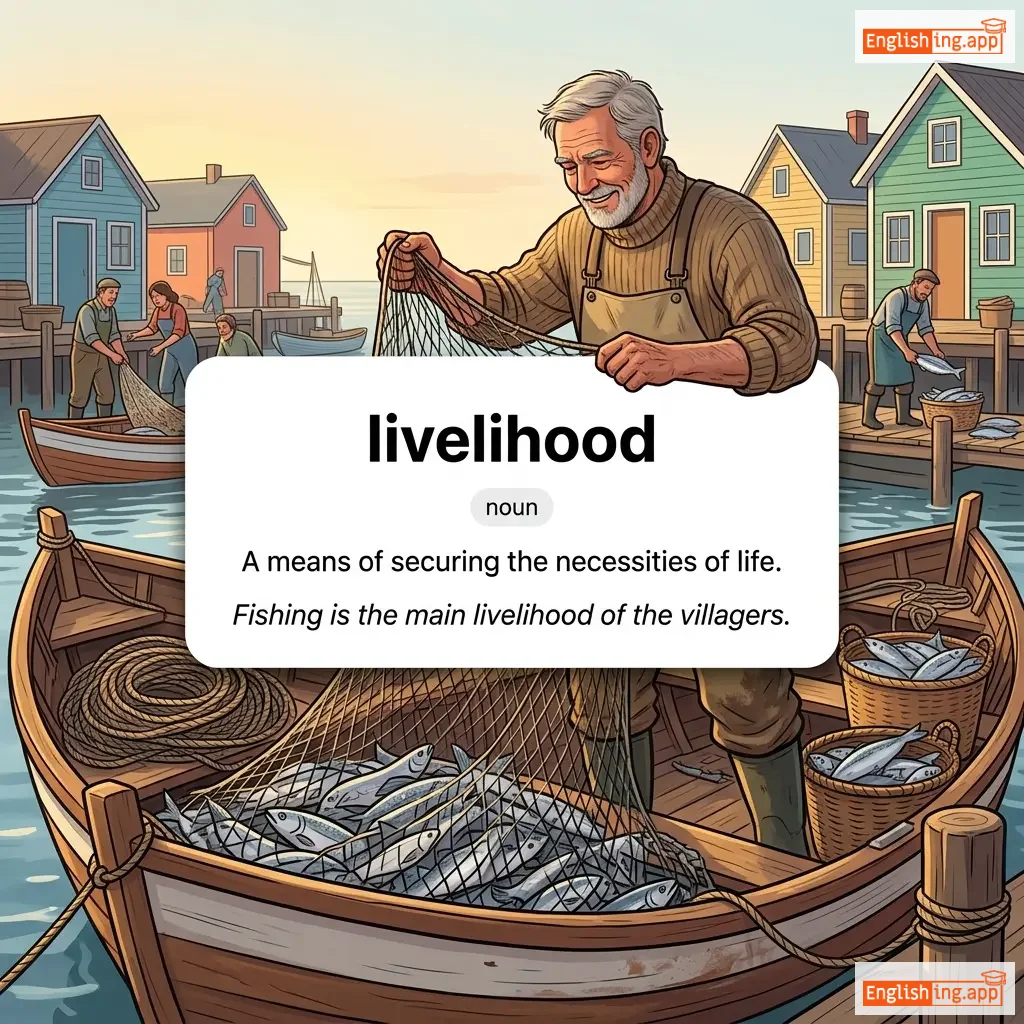
a means of securing the necessities of life; the work that provides income to support oneself and family
••••••
|
Fishing is their main source of livelihood. |
漁業は彼らの主な生計源です。
gyogyo wa karera no omona seikei gen desu.
••••••
|
- •••••• |
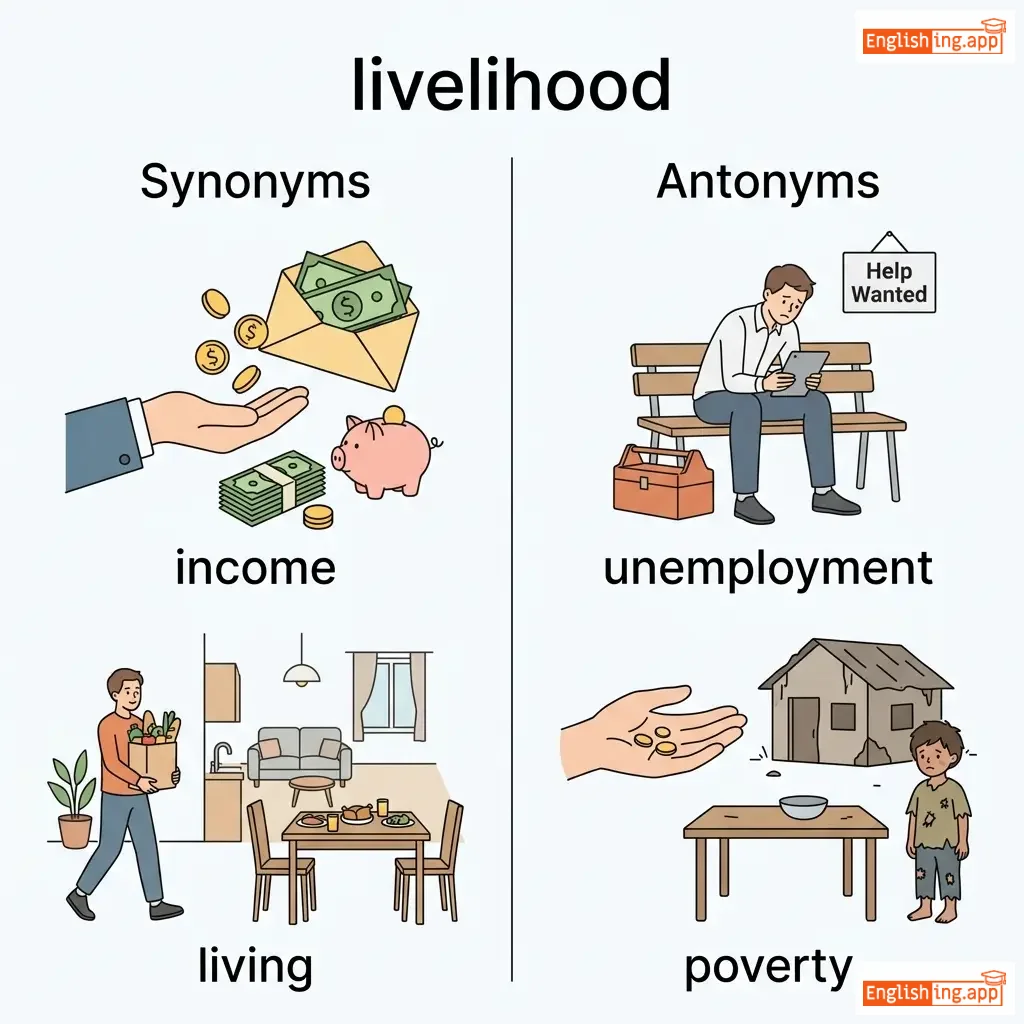
living, subsistence, income, occupation
••••••
|
unemployment, poverty
••••••
|
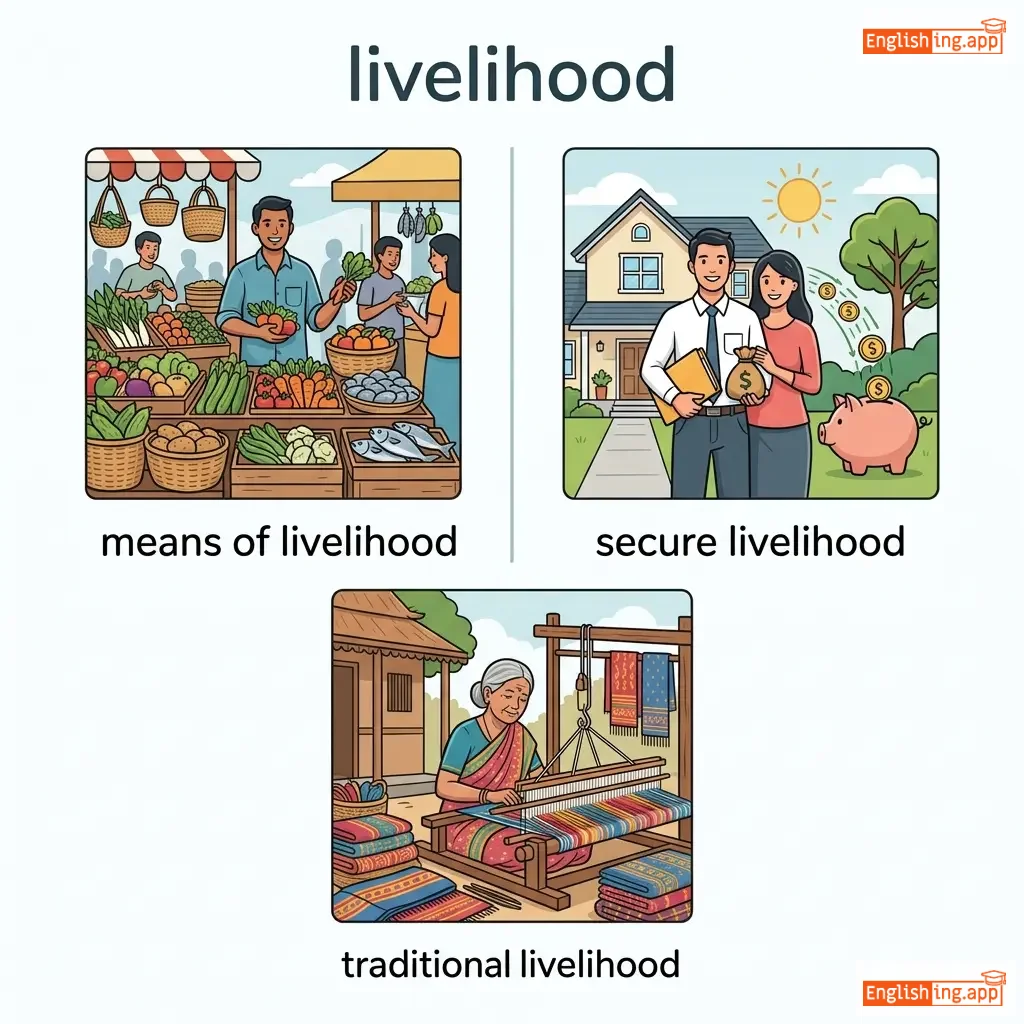
earn livelihood, source of livelihood, sustainable livelihood
••••••
|
‘生計’は生活を支えるための手段、例えば漁業がその役割を果たしています。
••••••
|
|
#796
-
|
noun
(ロンリネス)
••••••
|
- •••••• |
孤独
kodoku
••••••
|
- •••••• | - •••••• | - •••••• | - •••••• | - •••••• | - •••••• | - •••••• |
Kodoku sounds like 'co' in solitude, alone.
••••••
|
|
#797
-
|
noun
(ロンギング)
••••••
|
- •••••• |
切望; 待望
setsubou; taibou
••••••
|
- •••••• | - •••••• | - •••••• | - •••••• | - •••••• | - •••••• | - •••••• |
日本語でlongingは何かを強く望む気持ちや、待ち続ける感情を表します。
••••••
|
|
#798
-
|
noun
(ロンジチュード)
••••••
|
- •••••• |
経度
keido
••••••
|
- •••••• | - •••••• | - •••••• | - •••••• | - •••••• | - •••••• | - •••••• |
Longitude is the measure of east-west. In Japanese, it's '経度'.
••••••
|
|
#799
-
|
noun
(ループ)
••••••
|
- •••••• |
ループ; 循環; 回路
ruupu; junkan; kairu
••••••
|
- •••••• | - •••••• | - •••••• | - •••••• | - •••••• | - •••••• | - •••••• |
Loop in Japanese: ループは回り続ける。
••••••
|
|
#800
-
|
noun
(ラブ)
••••••
|
|
愛
rabu
••••••
|
- •••••• | - •••••• |
愛は忍耐強い。
rabu izu peishento
••••••
|
愛はすべてを征服する。
rabu konkaazu ooru
••••••
|
- •••••• | - •••••• | - •••••• |
AI in a heart keeps ラブ alive: remember that Love = ai (愛) and ラブ
••••••
|
Vocabulary Quiz
Test your vocabulary by matching words with their translations or meanings.
Login to take the quiz
Comments (0)
Share your thoughts and join the discussion.
Join the discussion by logging in
Login to CommentNo comments yet
Be the first to share your thoughts!