

Обновитесь для доступа ко всему словарю
Получите неограниченный доступ ко всем словам с подпиской Pro
Обновить до ProПеревод
Прошедшее
Причастие прошедшего времени
Третье лицо единственного числа
Герундий
Значение
Пример предложения
Перевод примера предложения
Синонимы
Антонимы
Коллокации
Мнемоника
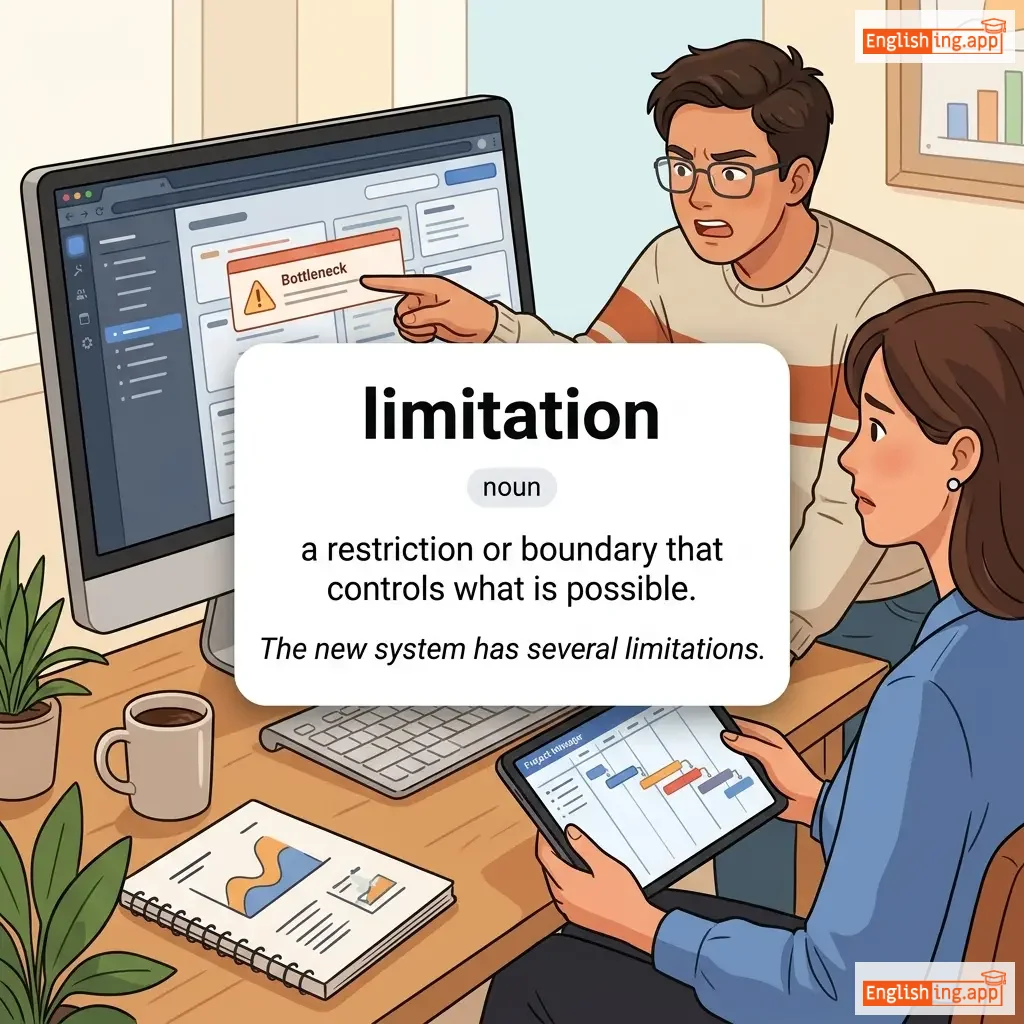
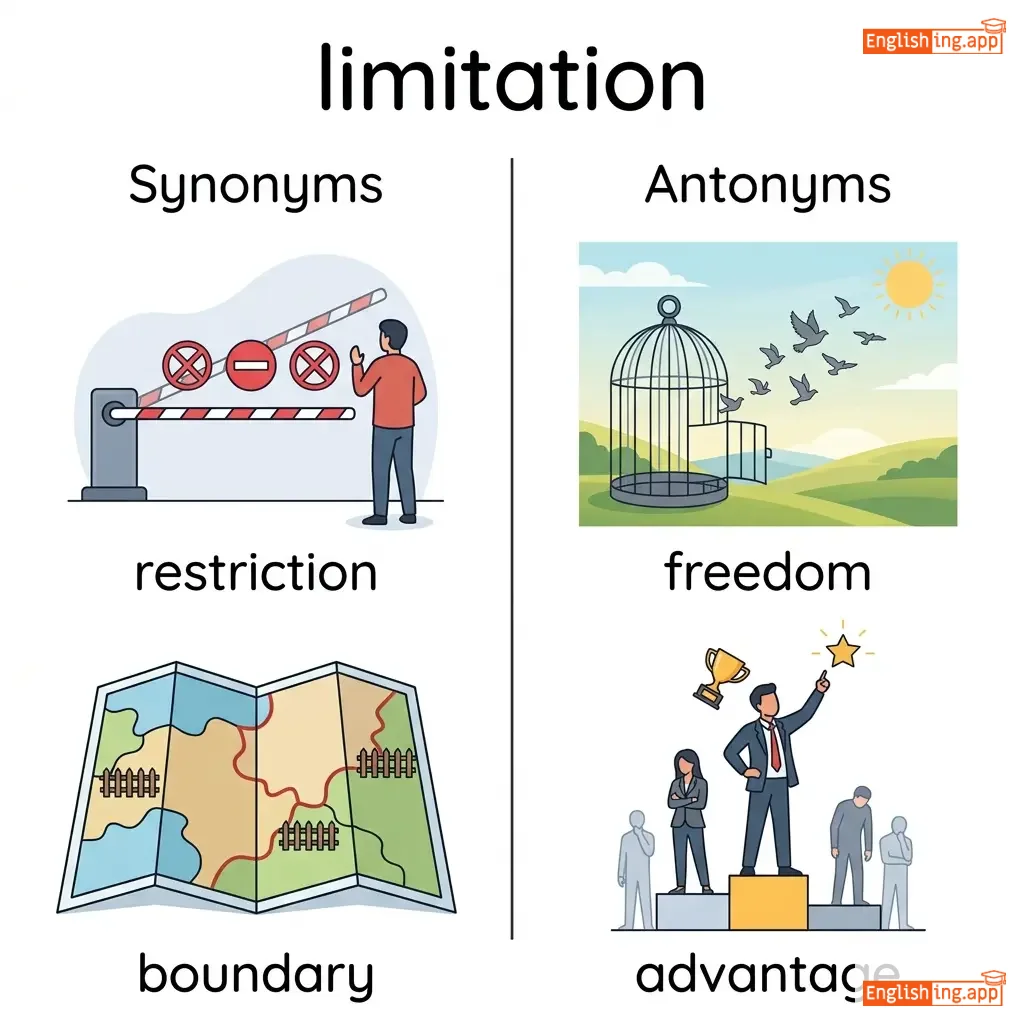
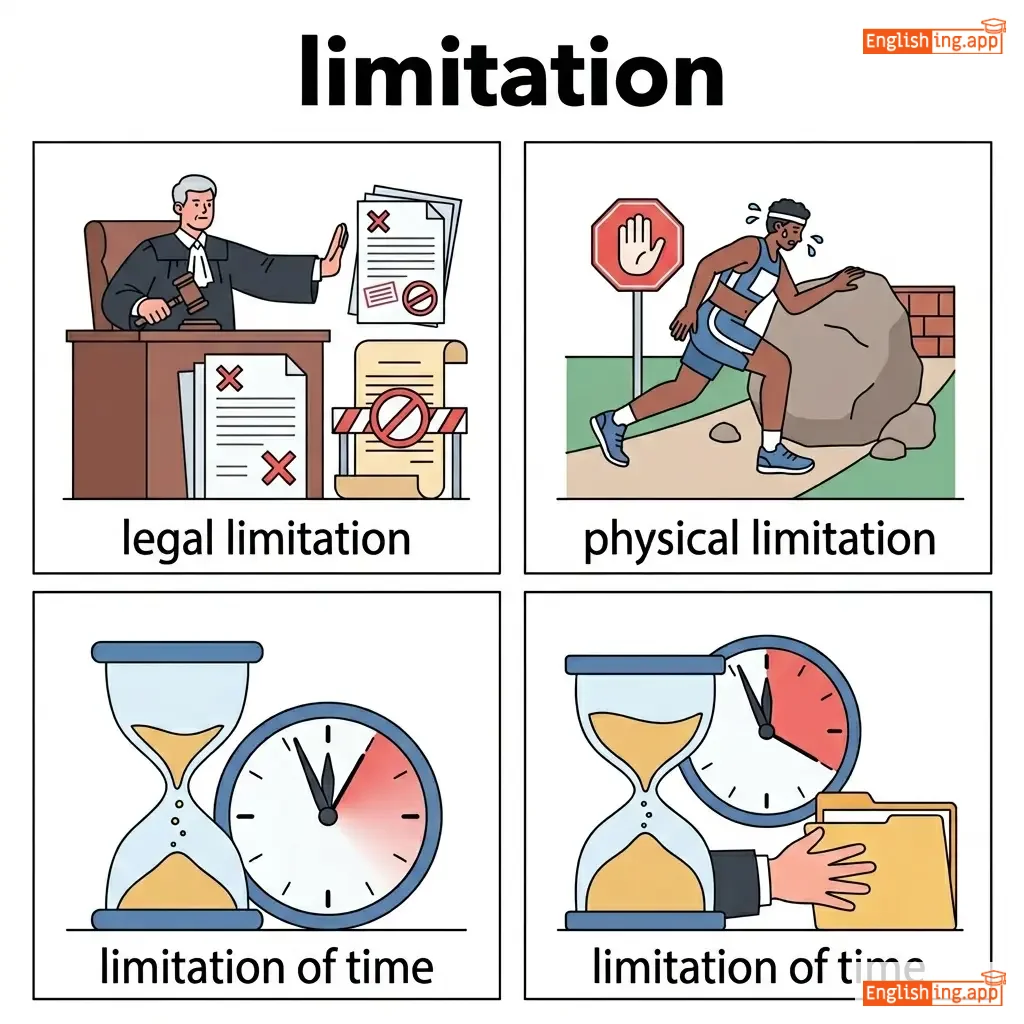
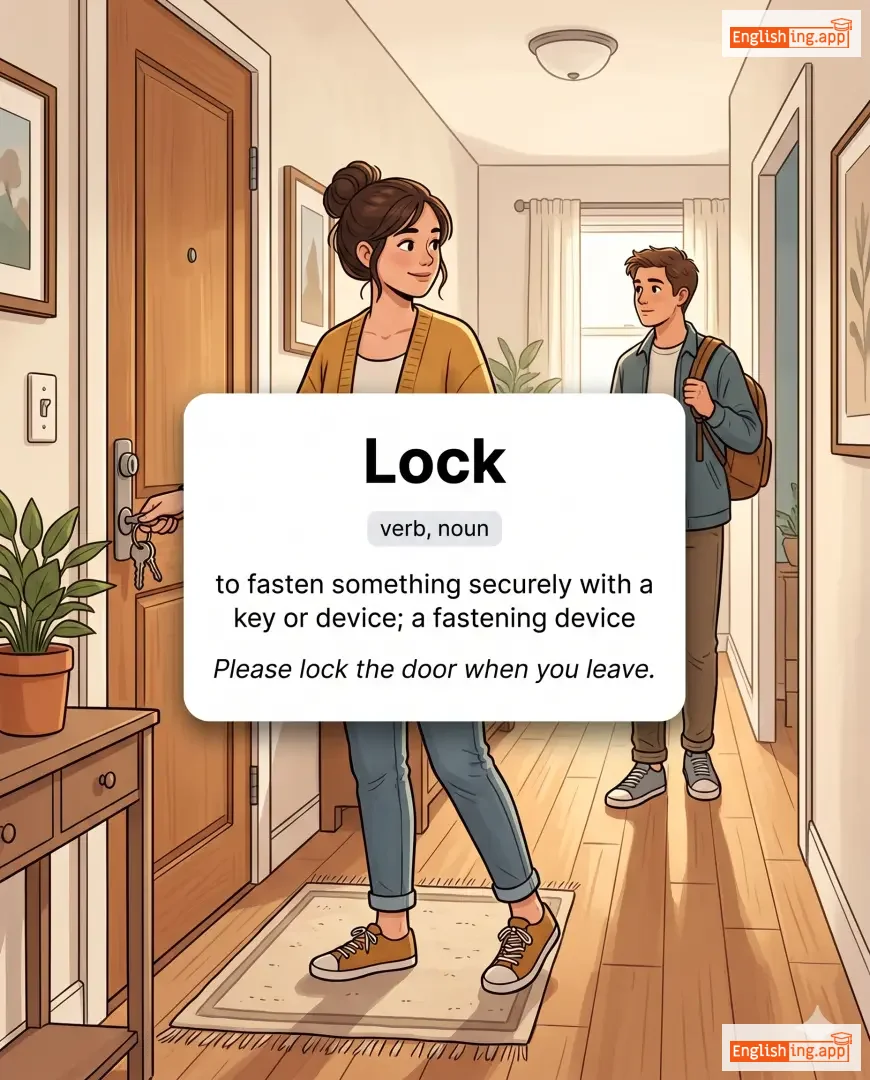
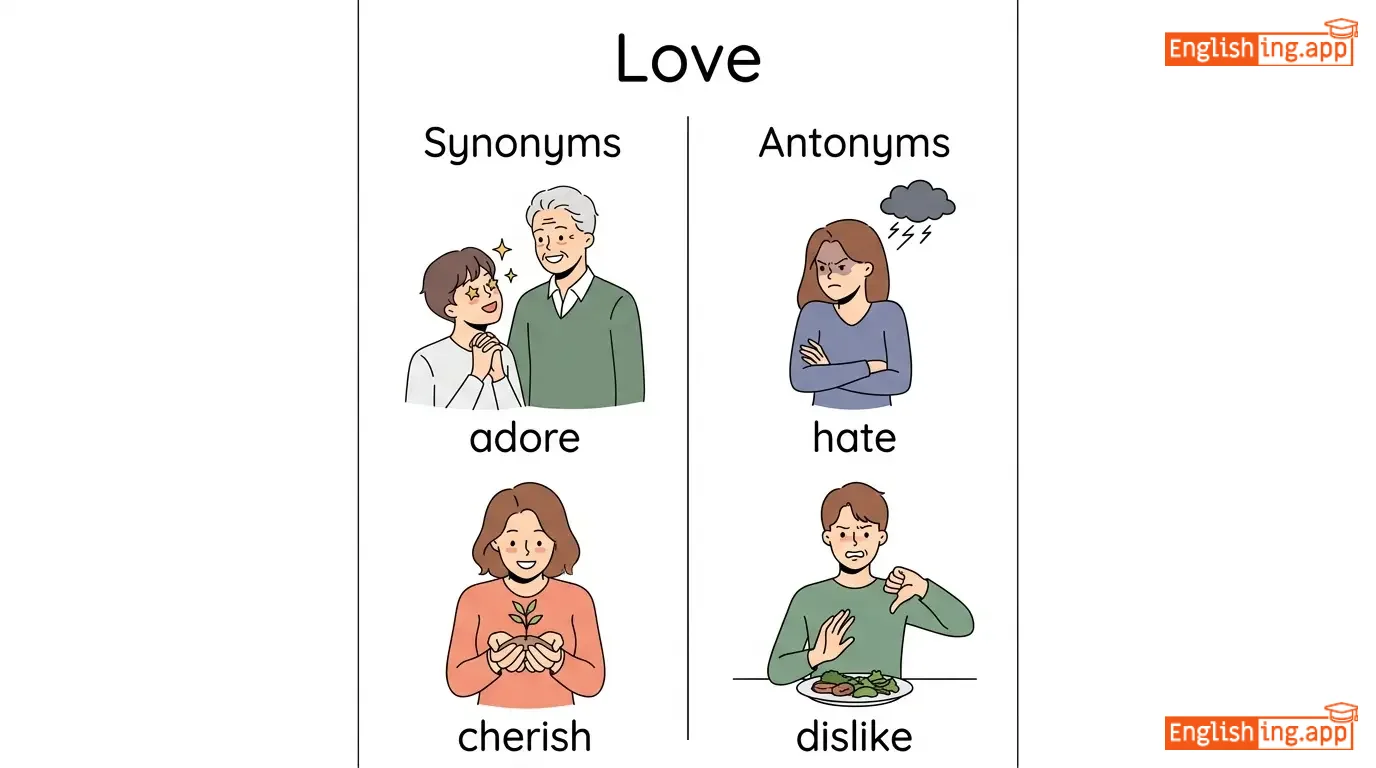
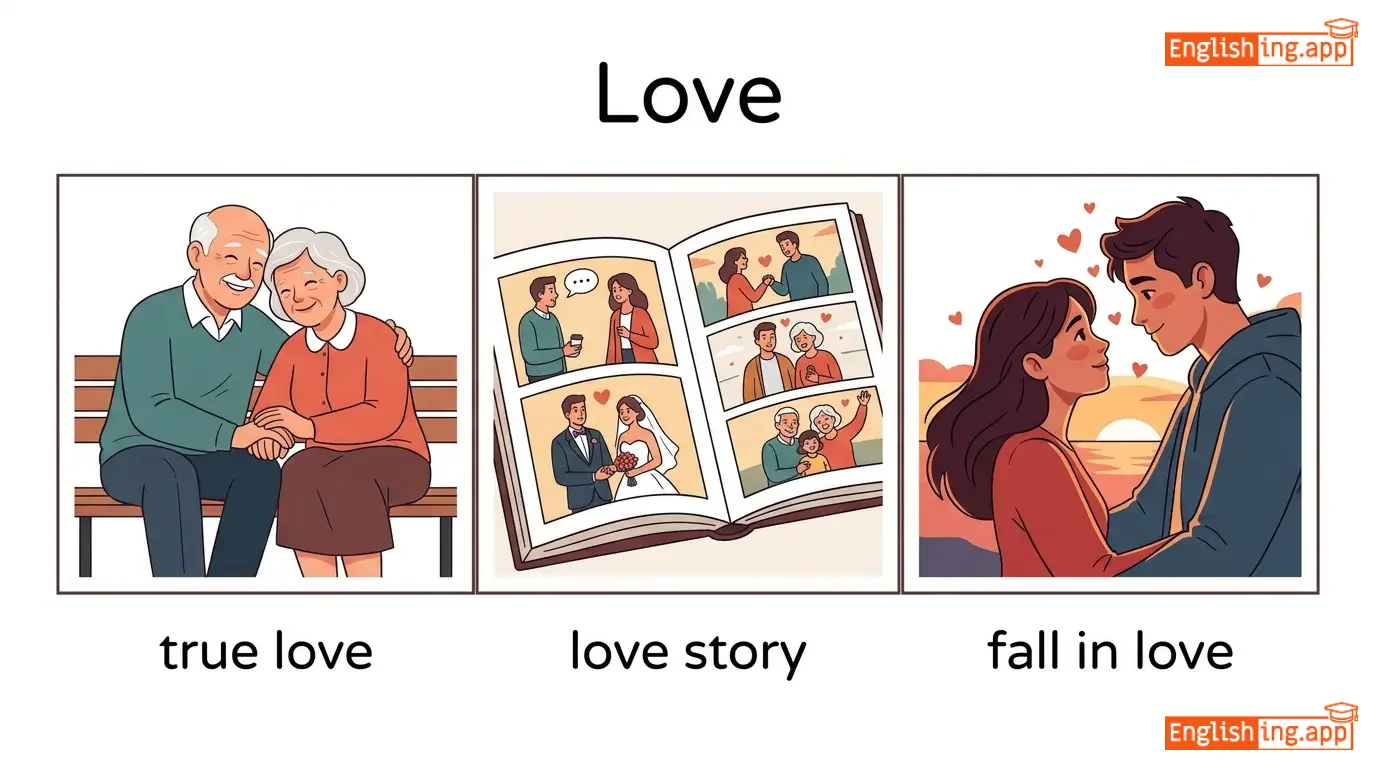
Swipe left or right, or use the buttons. Tap image to zoom.
Обновитесь для доступа ко всем предложениям
Получите неограниченный доступ ко всем предложениям с подпиской Pro
Обновить до ProПеревод примера предложения
Слово
Lesson 40Lesson 40 - Переключатель маски
|
Эмодзи
|
Слово | Images | Перевод | Значение | Пример предложения | Перевод примера предложения | Перевод примера выражения | Синонимы | Антонимы | Коллокации | Мнемоника |
|---|---|---|---|---|---|---|---|---|---|---|---|
|
#781
🎆
|
/ˈlaɪm.laɪt/
noun
(лаймлайт)
••••••
|
- •••••• |
центр общественного внимания; яркий свет, создаваемый нагреванием цилиндра известняка
laimlait
••••••
|
the focus of public attention; a bright light produced by heating a cylinder of lime
••••••
|
The celebrity enjoyed being in the limelight.
сельбрити насладился быть в центре внимания
••••••
|
Сельбрити наслаждался быть в центре внимания.
selibriti naslazhdalsya byt v tsentre vnimaniya
••••••
|
- •••••• |
spotlight, attention, publicity, prominence
••••••
|
obscurity, anonymity
••••••
|
in the limelight, steal the limelight, step into limelight
••••••
|
Limelight shining bright in the public eye
••••••
|
|
#782
😴
|
/ˈloʊ.fər/
noun
(лофер)
••••••
|
- •••••• |
бездельник, человек, который избегает работы или усилий
lofer
••••••
|
a person who avoids work or effort; an idler
••••••
|
Don't be a loafer, help us with the work.
Не будь лофером, помоги нам с работой.
••••••
|
Не будь лофером, помоги нам с работой.
Ne bud' lofyerom, pomogi nam s rabotoy.
••••••
|
- •••••• |
idler, sluggard, slacker, bum
••••••
|
worker, industrious person
••••••
|
lazy loafer, idle loafer
••••••
|
Лофер: От слова 'лоф', лентяй, который не хочет работать.
••••••
|
|
#783
💰
|
/loʊn/
noun
(лоʊн)
••••••
|
- •••••• |
кредит
lon
••••••
|
a thing that is borrowed, especially a sum of money that is expected to be paid back with interest
••••••
|
He took a loan to buy a new car.
Он взял кредит, чтобы купить новый автомобиль.
••••••
|
Он взял кредит, чтобы купить новый автомобиль.
On vzyal kredit, chtoby kupit' novyy avtomobil'.
••••••
|
- •••••• |
debt, credit, advance, mortgage
••••••
|
payment, repayment
••••••
|
bank loan, home loan, loan application
••••••
|
Loan in Russian, 'кредит', can be remembered for the loan taken for a new car.
••••••
|
|
#784
🧾
|
/ˈlaɪm.stoʊn/
noun
(laim ston)
••••••
|
- •••••• |
известняк
izvestnyak
••••••
|
a hard sedimentary rock, composed mainly of calcium carbonate or dolomite, used as building material and in the making of cement
••••••
|
The ancient building was made of limestone blocks.
di énsient bíl-ding wáz méid óf laimstón bloks
••••••
|
Древнее здание было построено из известняковых блоков
Drevnee zdanie bylo postroeno iz izvestnyakovykh blokov
••••••
|
- •••••• |
calcite, chalk, marble
••••••
|
sandstone, granite
••••••
|
limestone quarry, limestone blocks, limestone caves
••••••
|
Известняк используется в строительстве и при изготовлении цемента
••••••
|
|
#785
⛔
|
/ˈlɪm.ɪt/
noun
(лимит)
••••••
|
- •••••• |
предел; ограничение
limit
••••••
|
a point or level beyond which something does not or may not extend or pass; the greatest amount allowed
••••••
|
There is a speed limit on this road. |
На этой дороге есть ограничение скорости.
na etoy doroge yest' ogranichenie skorosti
••••••
|
- •••••• |
boundary, restriction, maximum, threshold
••••••
|
freedom, unlimited, boundless
••••••
|
speed limit, time limit, set limit
••••••
|
In Russian, 'предел' (predel) indicates a limit or boundary.
••••••
|
|
#786
🏠
|
/ˈloʊ.kəl/
noun
(локал)
••••••
|
- •••••• |
местный; региональный
lokal
••••••
|
belonging or relating to a particular area or neighborhood; a person living in a particular area
••••••
|
The local people are very friendly. |
Местные люди очень дружелюбны.
Mestnye lyudi ochen' druzhelyubny
••••••
|
- •••••• |
regional, neighborhood, community
••••••
|
foreign, distant, national
••••••
|
local people, local government, local area
••••••
|
Local = Локальный, всегда дружелюбные местные жители.
••••••
|
|
#787
🚫
|
/ˌlɪm.ɪˈteɪ.ʃən/
noun
(limitejshon)
••••••
|
|
ограничение
ogranichenie
••••••
|
a limiting rule or circumstance; a restriction; the action of limiting something
••••••
|
The main limitation of this plan is the budget. |
Основное ограничение этого плана - бюджет.
Osnovnoye ogranichenie etogo plana - byudzhet.
••••••
|
- •••••• |
restriction, constraint, drawback, shortcoming
••••••
|
freedom, advantage, strength
••••••
|
budget limitation, time limitation, overcome limitations
••••••
|
Ограничение на русском - как предел, который мы устанавливаем для чего-то.
••••••
|
|
#788
🔒
|
/lɔk/
noun
(lɔk)
••••••
|
|
замок
zamok
••••••
|
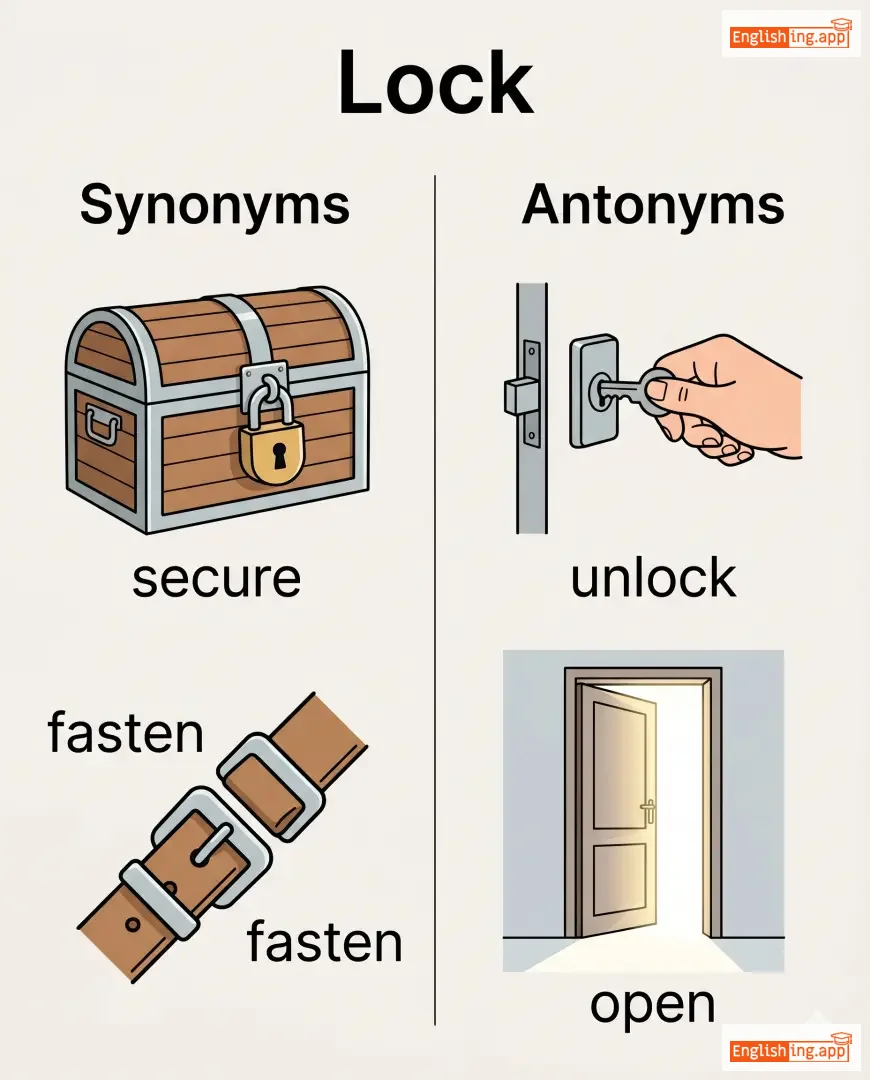
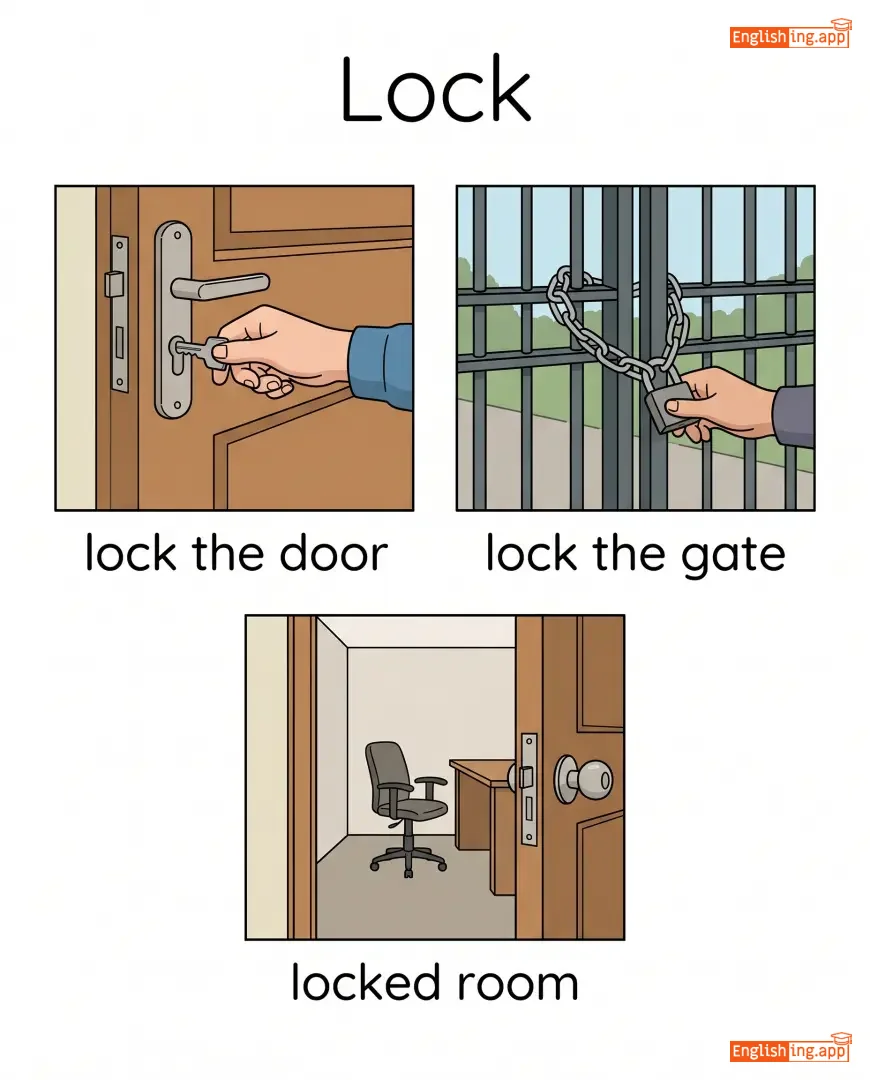
a mechanism for keeping a door, lid, etc., fastened, typically operated only by a key of a particular form
••••••
|
Make sure you lock the door before leaving.
meik schur ju lɔk dhe dɔr bifɔr lɪvɪŋ
••••••
|
Убедитесь, что вы закрыл дверь перед уходом.
Ubedites', chto vy zakryl dver' pered ukhodym
••••••
|
- •••••• |
fastener, latch, bolt, padlock
••••••
|
unlock, open
••••••
|
door lock, combination lock, lock and key
••••••
|
Lock = замок, замок сохраняет безопасность
••••••
|
|
#789
🌳
|
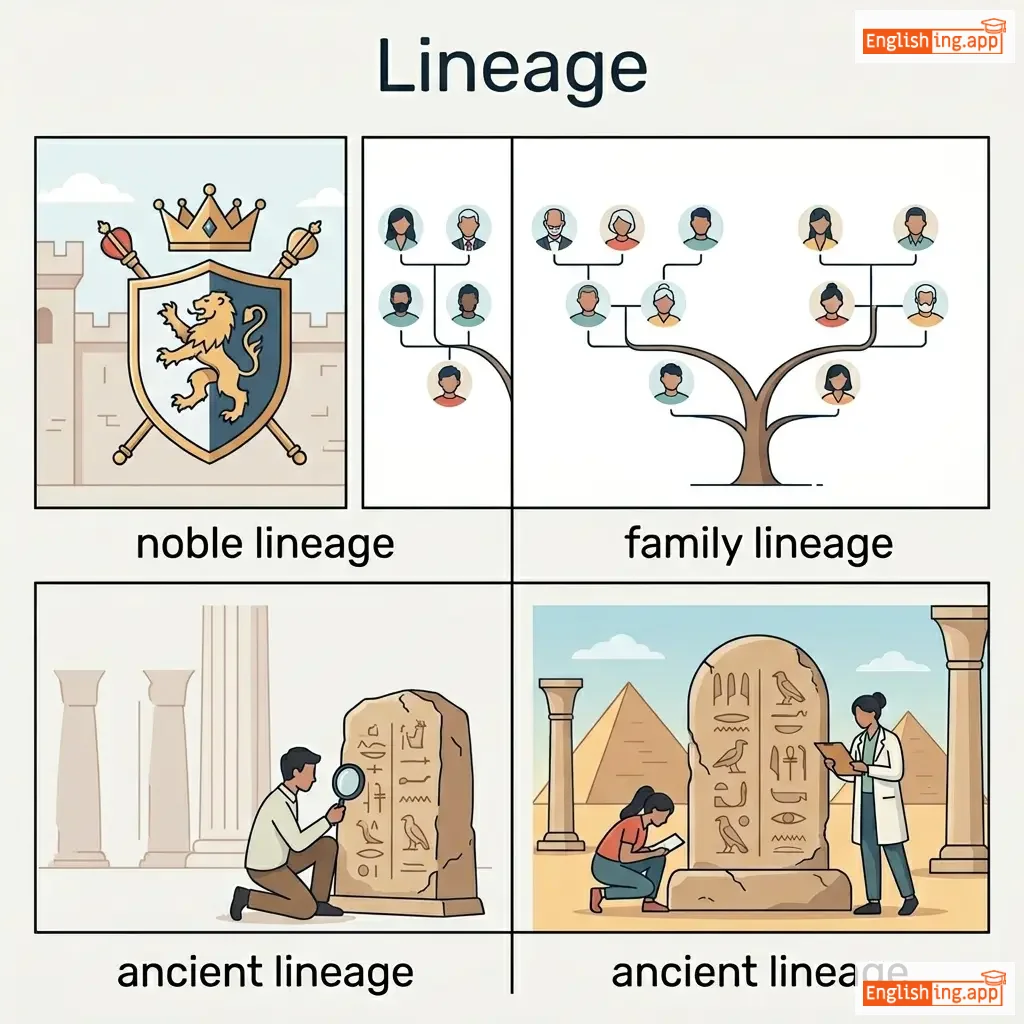
/ˈlɪn.i.ɪdʒ/
noun
(линейдж)
••••••
|
|
происхождение; родословная; семейное дерево;
lineidzh
••••••
|
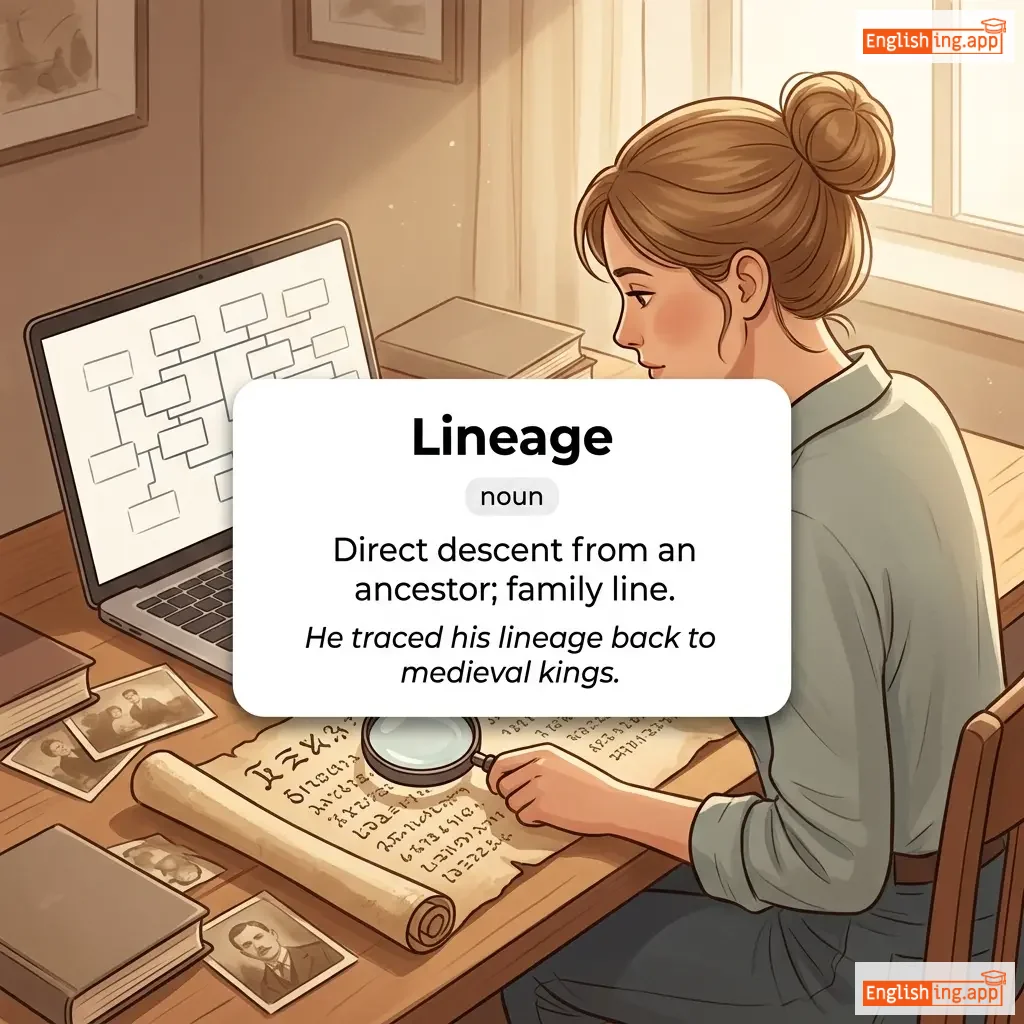
direct descent from an ancestor; ancestry or family tree; a sequence of species each evolved from its predecessor
••••••
|
She can trace her lineage back to the 16th century.
Она может проследить свое происхождение до 16 века.
••••••
|
Она может проследить свое происхождение до 16 века.
ona mozhet prosledit' svoe proiskhozhdeniye do 16 veka
••••••
|
- •••••• |
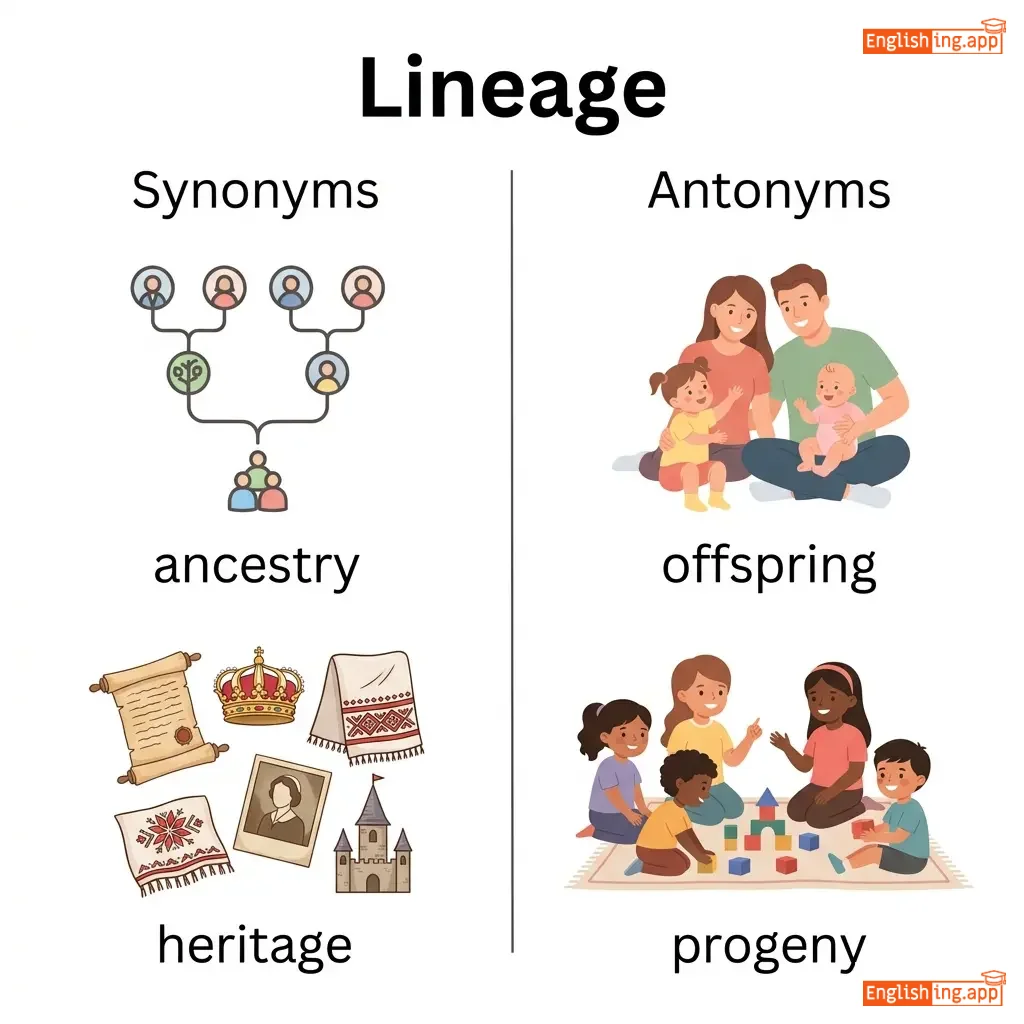
ancestry, heritage, descent, genealogy
••••••
|
descendant, offspring
••••••
|
royal lineage, family lineage, trace lineage
••••••
|
Lineage - Tracing family origins back
••••••
|
|
#790
🪵
|
/lɔːɡ/
noun
(лог)
••••••
|
|
бревно
brevno
••••••
|
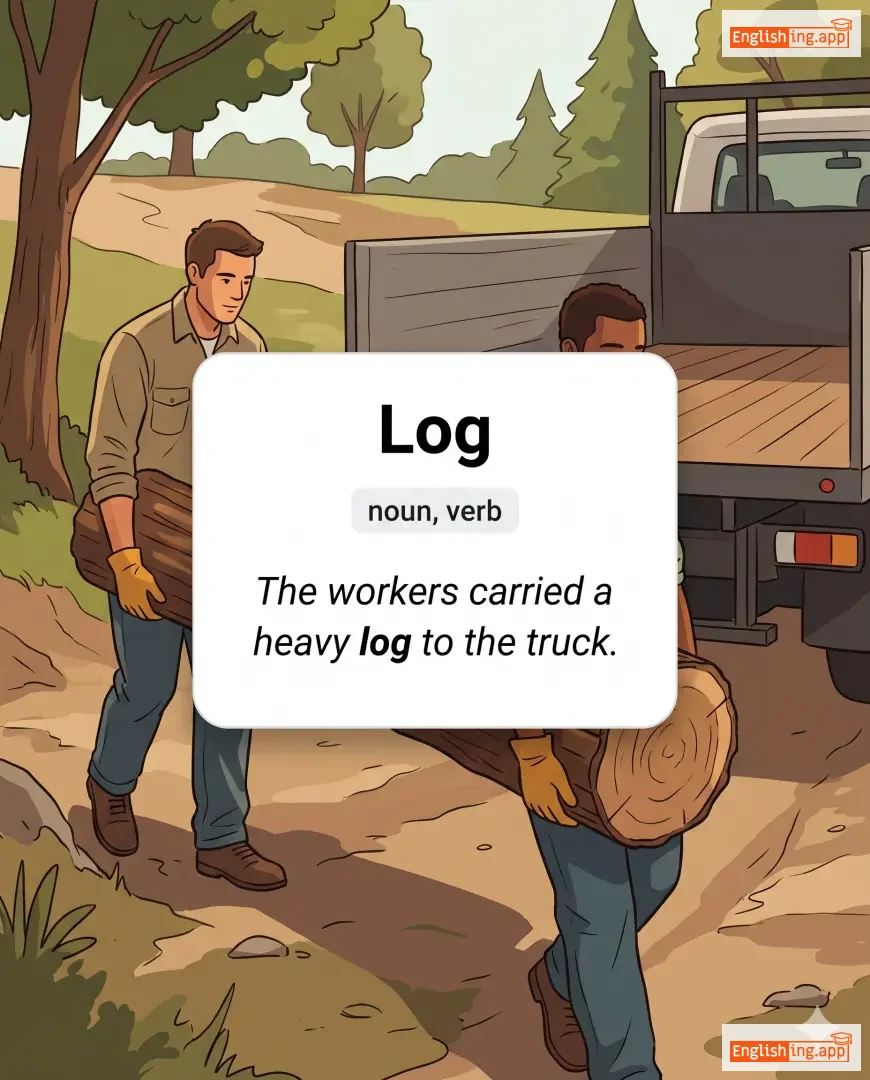
a piece of a dead or felled tree trunk or branch, especially one stripped of bark
••••••
|
They sat on a log by the campfire. |
Они сели на бревно у костра.
Oni sели na brevno u kostra
••••••
|
- •••••• |
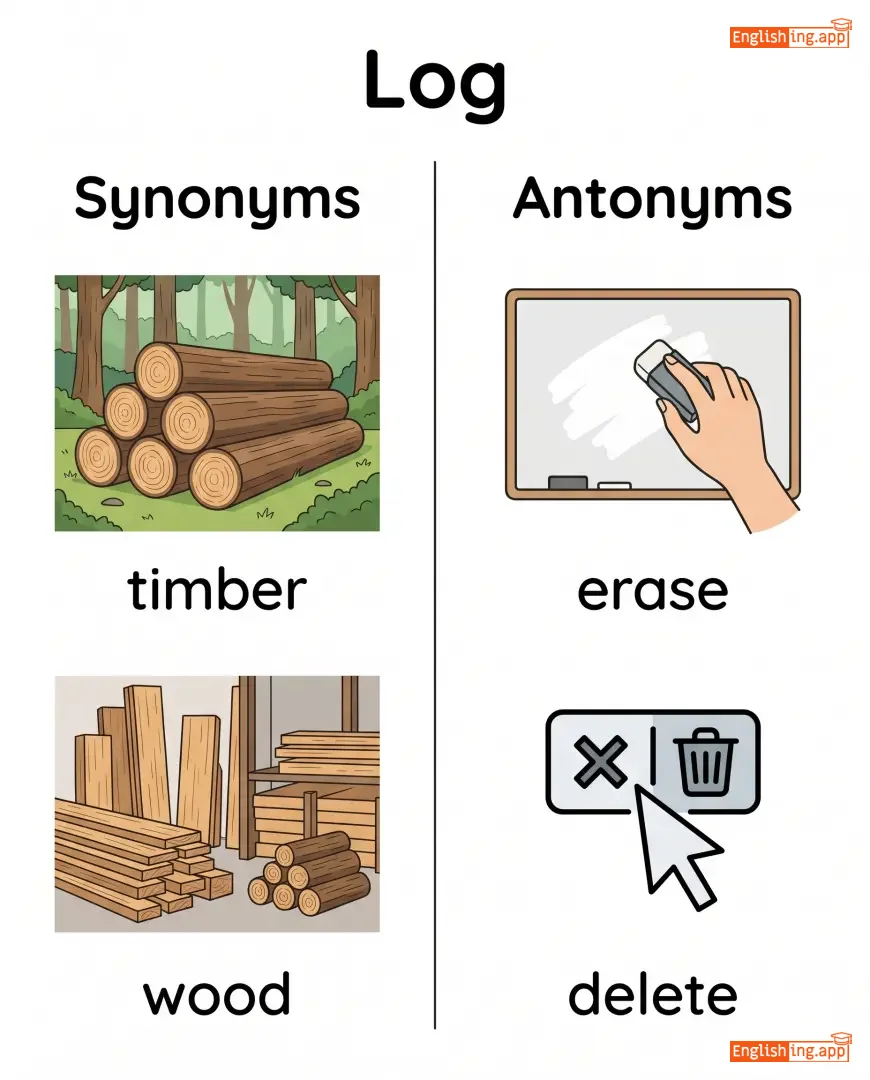
timber, trunk, wood, branch
••••••
|
leaf, twig
••••••
|
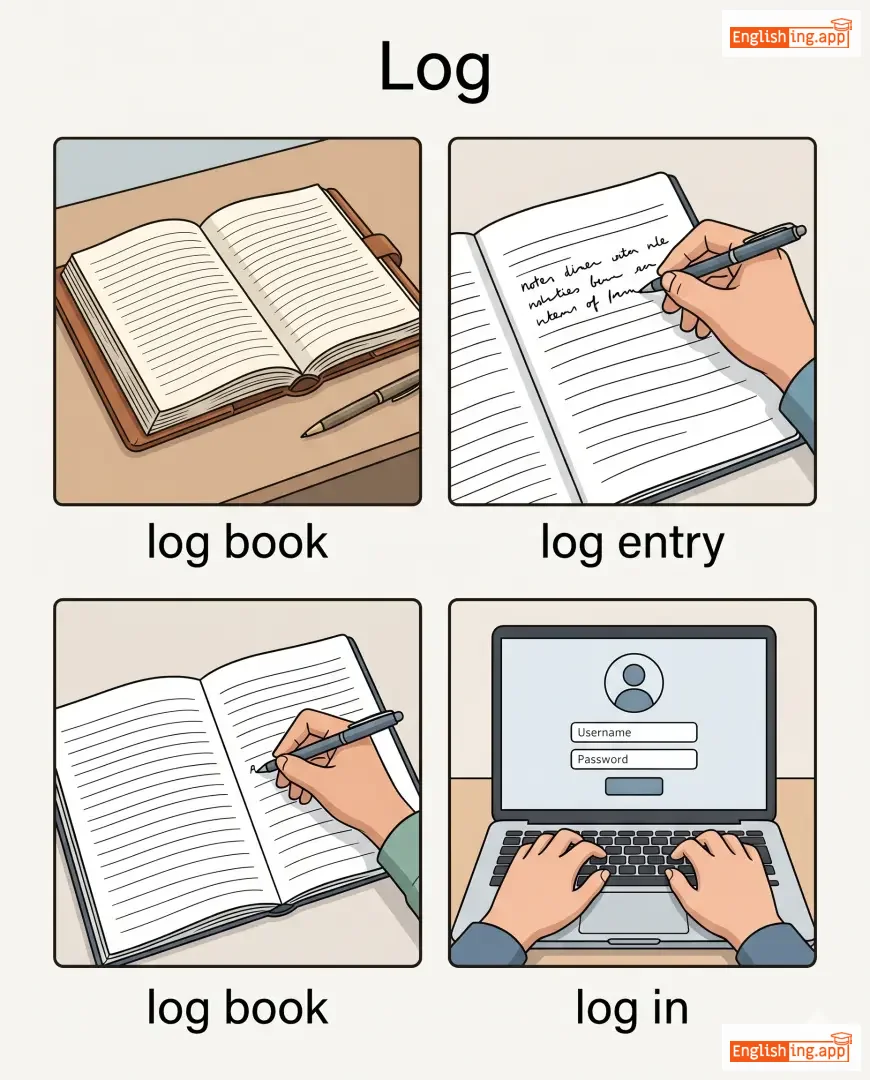
wooden log, fire log, log cabin
••••••
|
Представьте себе бревно у костра, когда слышите 'log'.
••••••
|
|
#791
💧
|
/ˈlɪk.wɪd/
noun
(likvid)
••••••
|
- •••••• |
жидкость
zhidkost
••••••
|
a substance that flows freely but is of constant volume, having a consistency like that of water or oil
••••••
|
Water is a liquid at room temperature.
Вода - это жидкость при комнатной температуре.
••••••
|
Вода - это жидкость при комнатной температуре.
Voda - eto zhidkost pri komnatnoy temperature.
••••••
|
- •••••• |
fluid, solution, beverage
••••••
|
solid, gas, crystal
••••••
|
liquid form, liquid nitrogen, clear liquid
••••••
|
Жидкость = Zhidkost (как вода или масло)
••••••
|
|
#792
📄
|
/lɪst/
noun
(лист)
••••••
|
- •••••• |
список
spisok
••••••
|
a number of connected items or names written or printed consecutively, typically one below the other
••••••
|
Make a list of things you need to buy. |
Составьте список вещей, которые вам нужно купить.
Sostav'te spisok veshchey, kotoryye vam nuzhno kupit'.
••••••
|
- •••••• |
catalog, inventory, record, register
••••••
|
random, scattered, disorder
••••••
|
shopping list, to-do list, make a list
••••••
|
Spisok is your Russian list!
••••••
|
|
#793
📚
|
/ˈlɪt.ər.ə.si/
noun
(литераси)
••••••
|
- •••••• |
грамотность
gramotnost
••••••
|
the ability to read and write; competence or knowledge in a specified area
••••••
|
Adult literacy programs help people learn to read.
Программы по обучению грамотности помогают людям научиться читать.
••••••
|
Программы по обучению грамотности помогают людям научиться читать.
Programmy po obucheniyu gramotnosti pomogayut lyudyam nauchit'sya chitat.
••••••
|
- •••••• |
education, learning, knowledge, competence
••••••
|
illiteracy, ignorance
••••••
|
adult literacy, digital literacy, literacy rate
••••••
|
Представьте себе слово 'грамотность' как способность читать и писать.
••••••
|
|
#794
📚
|
/ˈlɪt.ər.ə.ʧər/
noun
(литератур)
••••••
|
- •••••• |
литература
literatura
••••••
|
written works, especially those considered of superior or lasting artistic merit; books and writings published on a particular subject
••••••
|
She studied English literature at university.
Она изучала английскую литературу в университете.
••••••
|
Она изучала английскую литературу в университете.
Ona izuchala angliyskuyu literaturu v universitete.
••••••
|
- •••••• |
writings, texts, books, poetry
••••••
|
illiteracy, ignorance
••••••
|
English literature, classical literature, modern literature
••••••
|
Литература (literatura) расширяет горизонты и учит жизни.
••••••
|
|
#795
💼
|
/ˈlaɪv.li.θʊd/
noun
(лайвлихуд)
••••••
|
|
средства к существованию
sredstva k suschestvovaniyu
••••••
|
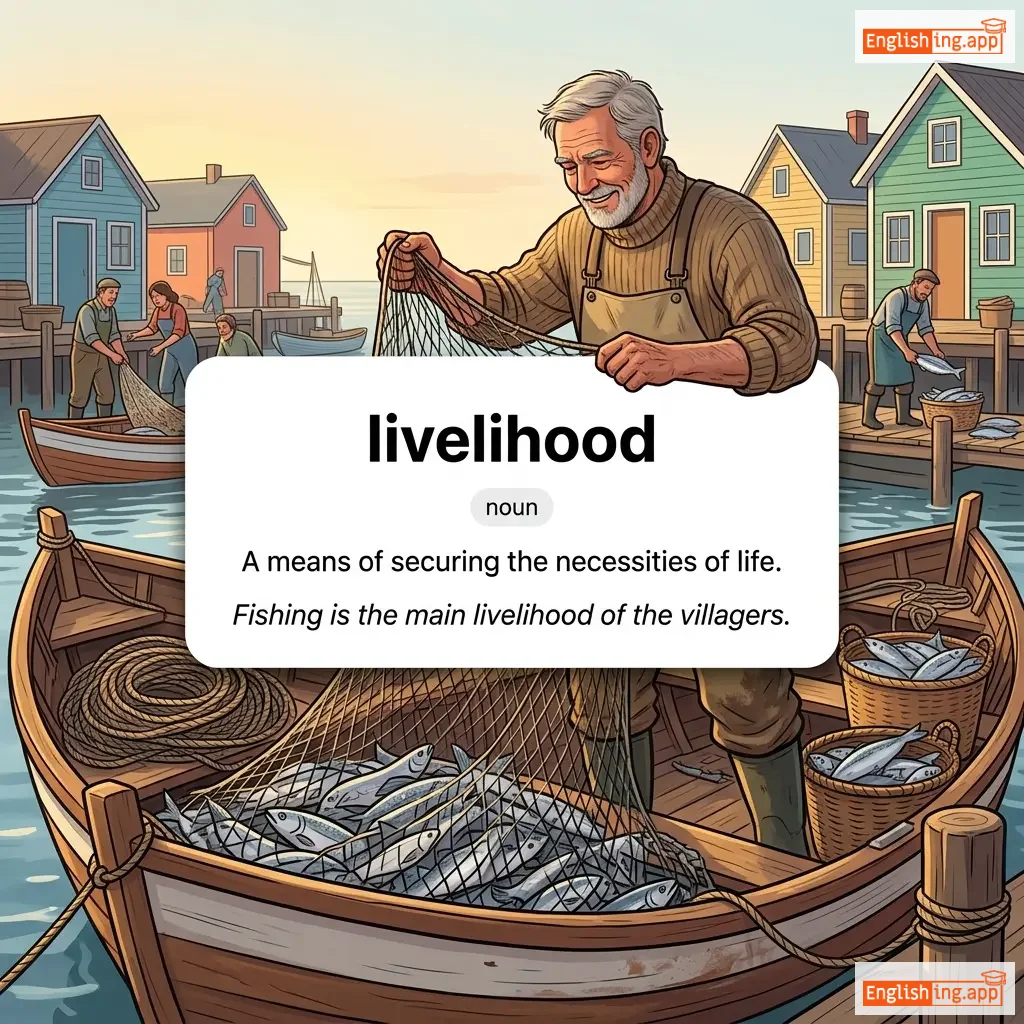
a means of securing the necessities of life; the work that provides income to support oneself and family
••••••
|
Fishing is their main source of livelihood. |
Рыболовство — их основной источник средств к существованию.
Rybolovstvo — ikh osnovnoy istochnik sredstv k suschestvovaniyu.
••••••
|
- •••••• |
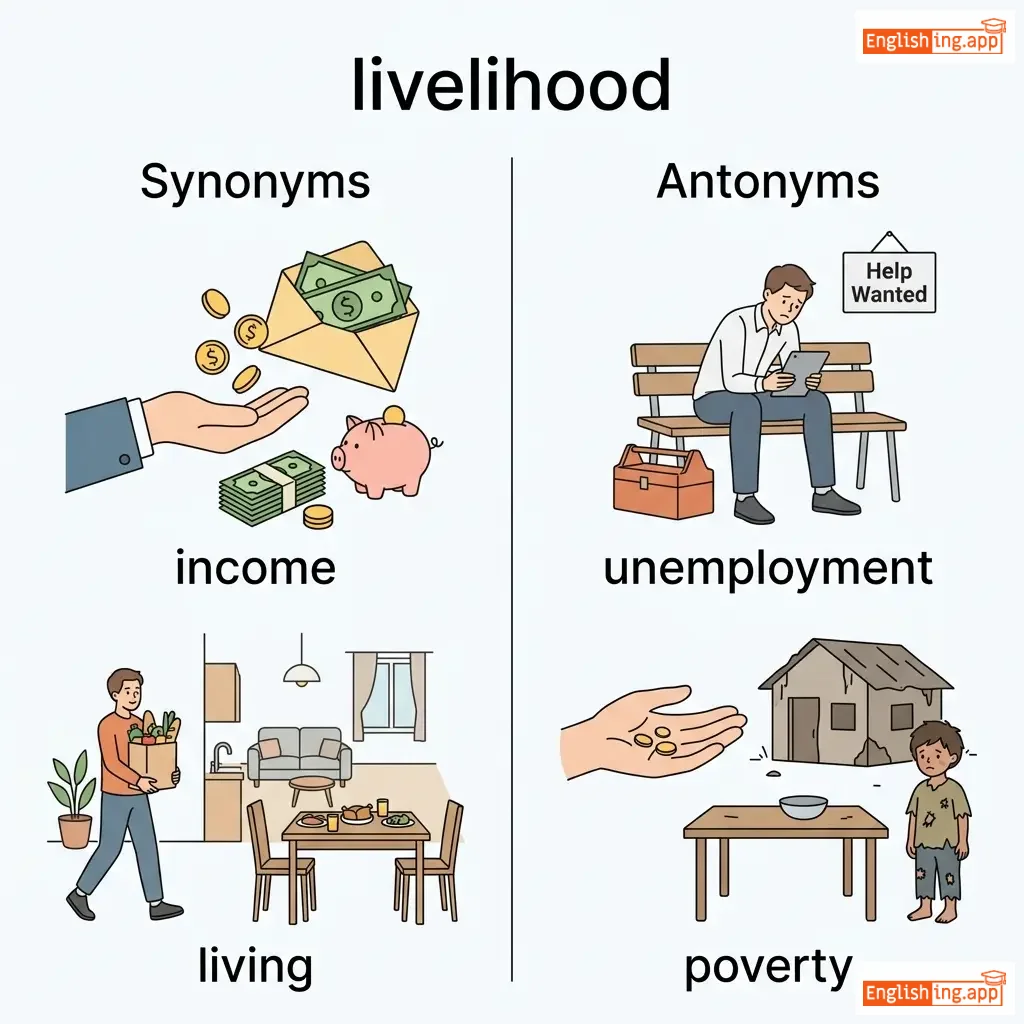
living, subsistence, income, occupation
••••••
|
unemployment, poverty
••••••
|
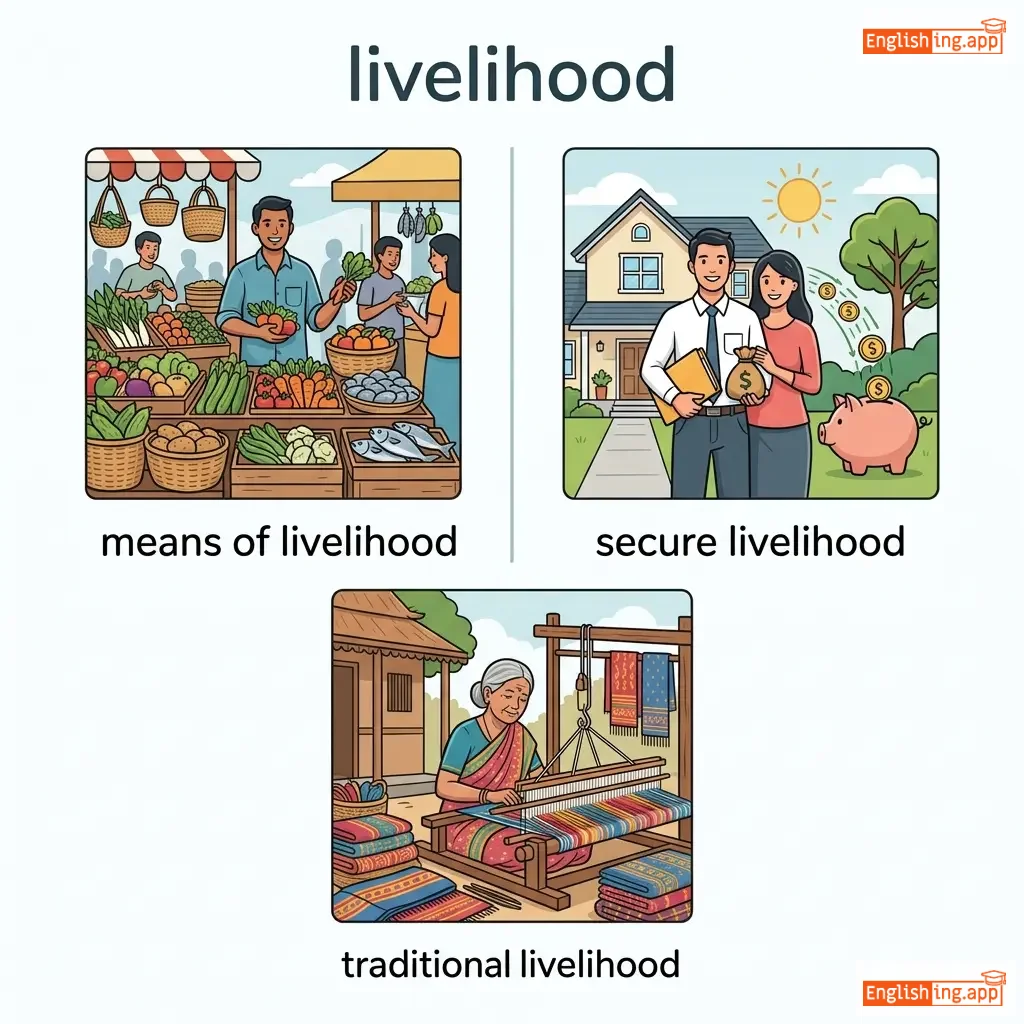
earn livelihood, source of livelihood, sustainable livelihood
••••••
|
‘Средства к существованию’ - это то, что помогает нам жить, как рыболовство помогает им.
••••••
|
|
#796
-
|
noun
(лонлинис)
••••••
|
- •••••• |
одиночество
odinochestvo
••••••
|
- •••••• | - •••••• | - •••••• | - •••••• | - •••••• | - •••••• | - •••••• |
Odin (one) relates to loneliness in Russian.
••••••
|
|
#797
-
|
noun
(лонгинг)
••••••
|
- •••••• |
тоска; стремление
toska; stremlenie
••••••
|
- •••••• | - •••••• | - •••••• | - •••••• | - •••••• | - •••••• | - •••••• |
В русском языке longing означает глубокое желание или тоску по чему-то или кому-то.
••••••
|
|
#798
-
|
noun
(лонгитуд)
••••••
|
- •••••• |
долгота
dolgota
••••••
|
- •••••• | - •••••• | - •••••• | - •••••• | - •••••• | - •••••• | - •••••• |
Longitude is measured east-west from Greenwich. In Russian, it's 'долгота'.
••••••
|
|
#799
-
|
noun
(луп)
••••••
|
- •••••• |
петля; цикл; виток
petlya; tsikl; vitok
••••••
|
- •••••• | - •••••• | - •••••• | - •••••• | - •••••• | - •••••• | - •••••• |
Loop in Russian: петля продолжает крутиться.
••••••
|
|
#800
-
|
noun
(Лове)
••••••
|
|
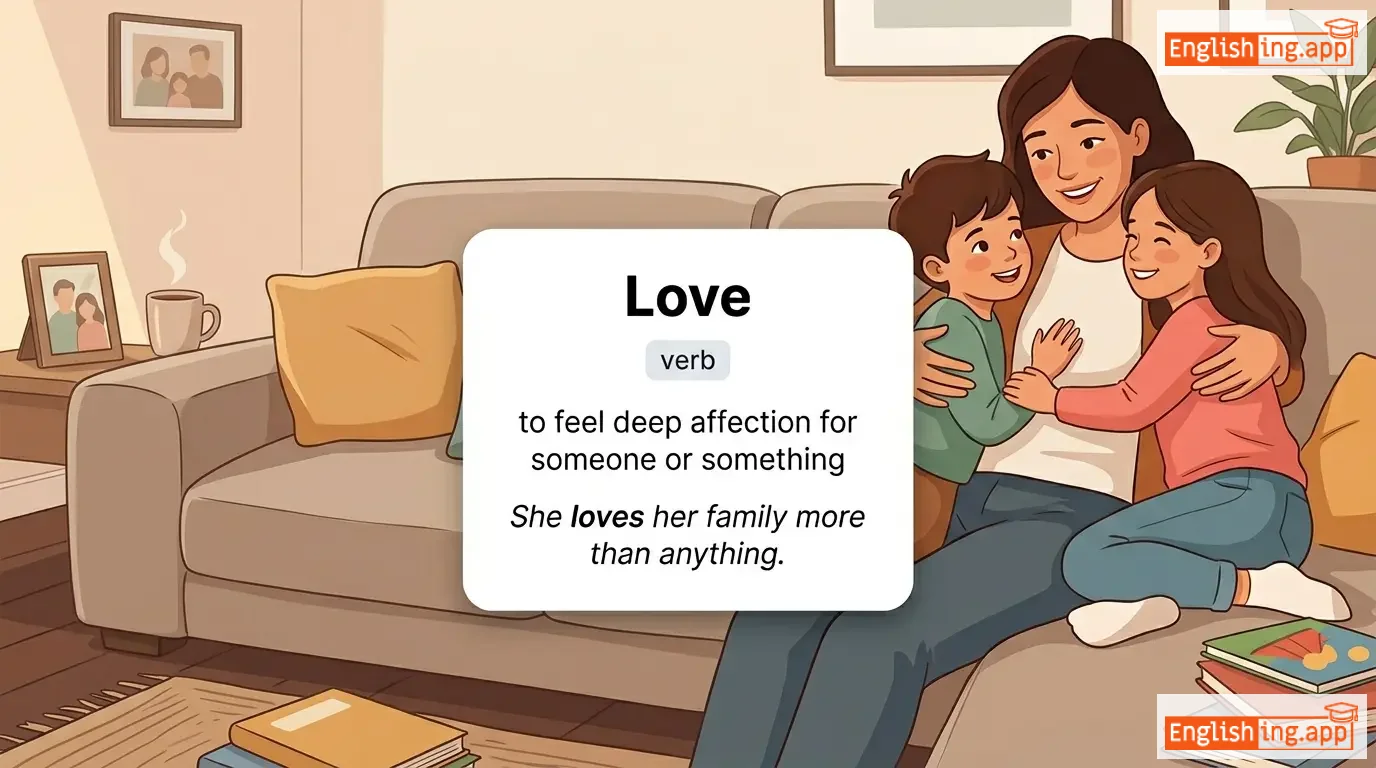
любовь
lyubov
••••••
|
- •••••• | - •••••• |
Любовь может изменить жизнь.
Lyubov mozhet izmenit zhizn
••••••
|
Любовь слепа.
lyubov slepa
••••••
|
- •••••• | - •••••• | - •••••• |
ЛЮБОВЬ and Love flow together in the heart: Lyubov = Love
••••••
|
Vocabulary Quiz
Test your vocabulary by matching words with their translations or meanings.
Login to take the quiz
Comments (0)
Share your thoughts and join the discussion.
Join the discussion by logging in
Login to CommentNo comments yet
Be the first to share your thoughts!