

Обновитесь для доступа ко всему словарю
Получите неограниченный доступ ко всем словам с подпиской Pro
Обновить до ProПеревод
Прошедшее
Причастие прошедшего времени
Третье лицо единственного числа
Герундий
Значение
Пример предложения
Перевод примера предложения
Синонимы
Антонимы
Коллокации
Мнемоника
Swipe left or right, or use the buttons. Tap image to zoom.
Обновитесь для доступа ко всем предложениям
Получите неограниченный доступ ко всем предложениям с подпиской Pro
Обновить до ProПеревод примера предложения
Слово
Lesson 46Lesson 46 - Переключатель маски
|
Эмодзи
|
Слово | Images | Перевод | Значение | Пример предложения | Перевод примера предложения | Синонимы | Антонимы | Коллокации | Мнемоника |
|---|---|---|---|---|---|---|---|---|---|---|
|
#901
🏠
|
/ˈmɔːr.ɡɪʤ/
noun
(мортеɡаʒ)
••••••
|
- •••••• |
ипотека
ipoteka
••••••
|
a legal agreement by which a bank lends money to buy property
••••••
|
They took out a mortgage to buy their first house. |
Они взяли ипотеку, чтобы купить свой первый дом.
Oni vzyali ipoteku, chtoby kupit' svoy pervyy dom.
••••••
|
home loan, housing loan, property loan
••••••
|
cash purchase, outright ownership
••••••
|
mortgage payment, mortgage rate, apply for mortgage
••••••
|
Ипотека - напоминает 'ипо' как ипотечный кредит и 'теку' как в 'текущий'.
••••••
|
|
#902
👨
|
/məˈstɑːʃ/
noun
(мус-тэш)
••••••
|
- •••••• |
усики
usiki
••••••
|
hair that grows on the upper lip of men
••••••
|
He grew a thick moustache for the play.
Он отрастил густые усы для пьесы.
••••••
|
Он отрастил густые усы для пьесы.
On otrastil gustye usy dlya pyesy.
••••••
|
mustache, whiskers, facial hair
••••••
|
clean-shaven, beardless
••••••
|
thick moustache, trim moustache, handlebar moustache
••••••
|
The Russian 'usiki' sounds like 'ushi,' connecting the upper lip and moustache concept!
••••••
|
|
#903
🌿
|
/mɔːs/
noun
(мосс)
••••••
|
- •••••• |
мох
moh
••••••
|
a small flowerless plant that grows in clumps in moist places
••••••
|
Green moss covered the old stone wall.
Зеленый мох покрыл старую каменную стену.
••••••
|
Зеленый мох покрыл старую каменную стену.
zelyonyy mok pokryl staruyu kamennuyu stenu.
••••••
|
bryophyte, lichen, algae
••••••
|
flowering plant, tree
••••••
|
green moss, rock moss, moss-covered
••••••
|
Мох — это растение, которое растет в местах с высокой влажностью.
••••••
|
|
#904
🎨
|
/ˈmjʊr.əl/
noun
(мурал)
••••••
|
- •••••• |
фреска
freska
••••••
|
a painting or artwork applied directly on a wall or ceiling
••••••
|
The artist painted a beautiful mural on the school wall.
Художник нарисовал красивый мурал на стене школы.
••••••
|
Художник нарисовал красивый мурал на стене школы.
Khudozhnik narisoval krasivyy mural na stene shkoly.
••••••
|
wall painting, fresco, wall art
••••••
|
easel painting, canvas art
••••••
|
wall mural, street mural, colorful mural
••••••
|
Мурал = картина на стене
••••••
|
|
#905
👩👶
|
/ˈmʌð.ər.hʊd/
noun
(mʌðərhud)
••••••
|
- •••••• |
материнство
materinstvo
••••••
|
the state of being a mother; the qualities of a mother
••••••
|
She embraced the joys and challenges of motherhood.
Она приняла радости и трудности материнства.
••••••
|
Она приняла радости и трудности материнства.
Ona prinяла radosti i trudnosti materinstva.
••••••
|
maternity, parenting, maternal role
••••••
|
childlessness, non-motherhood
••••••
|
embrace motherhood, early motherhood, single motherhood
••••••
|
Мама (mama) + жизнь (zhizn) = материнство
••••••
|
|
#906
🔍
|
/ˈmɪs.tər.i/
noun
(misteri)
••••••
|
- •••••• |
загадка; что-то необъяснимое
zagadka
••••••
|
something that is difficult or impossible to understand or explain
••••••
|
The disappearance of the plane remains a mystery.
Исчезновение самолета остается загадкой.
••••••
|
Исчезновение самолета остается загадкой.
Ischeznoveniye samolyota ostayotsya zagadkoy.
••••••
|
puzzle, enigma, riddle, secret
••••••
|
certainty, clarity, solution, answer
••••••
|
solve mystery, unsolved mystery, mystery novel
••••••
|
Загадка, которую никто не может разгадать.
••••••
|
|
#907
🏴
|
/ˈmʌð.ər.lænd/
noun
(мæðərlænd)
••••••
|
- •••••• |
родина; родная страна
rodina
••••••
|
the country where one was born or has citizenship; homeland
••••••
|
He always spoke fondly of his motherland.
Он всегда говорил с любовью о своей родине.
••••••
|
Он всегда говорил с любовью о своей родине.
On vsegda govorit s lyubov'yu o svoey rodine.
••••••
|
homeland, fatherland, native country, birthplace
••••••
|
foreign land, adopted country
••••••
|
love motherland, defend motherland, return to motherland
••••••
|
Rodina = Homeland, Think of 'Rod' (Root) and 'Inna' (inner, native)
••••••
|
|
#908
😂
|
/ˈmɒk.ər.i/
noun
(мокери)
••••••
|
- •••••• |
насмешка; издевательство;
nasmeshka; izdevatel'stvo
••••••
|
teasing and contemptuous language or behavior; ridicule
••••••
|
His speech was met with mockery from the audience. |
Его речь была встречена насмешками со стороны аудитории.
Ego rech' byla vstrechena nasmeshkami so storony auditorii.
••••••
|
ridicule, scorn, derision, teasing
••••••
|
respect, admiration, praise, honor
••••••
|
face mockery, make mockery, cruel mockery
••••••
|
Russian for 'mockery' sounds like 'nasmeshka' – 'nasmehit' means to mock.
••••••
|
|
#909
➡️
|
/ˈmoʊ.ʃən/
noun
(moʃɪn)
••••••
|
- •••••• |
движение; действие перемещения
dvizhienie; deystvie peremeshcheniya
••••••
|
the action of moving or being moved; a formal proposal
••••••
|
The car was in constant motion during the journey.
Машина была в постоянном движении во время путешествия.
••••••
|
Машина была в постоянном движении во время путешествия.
Mashina byla v postoyannom dvizhienii vo vremya puteshestviya.
••••••
|
movement, action, mobility, proposal
••••••
|
stillness, rest, immobility, stagnation
••••••
|
in motion, slow motion, set in motion
••••••
|
Движение, как в карусели – всё движется кругом!
••••••
|
|
#910
🌳
|
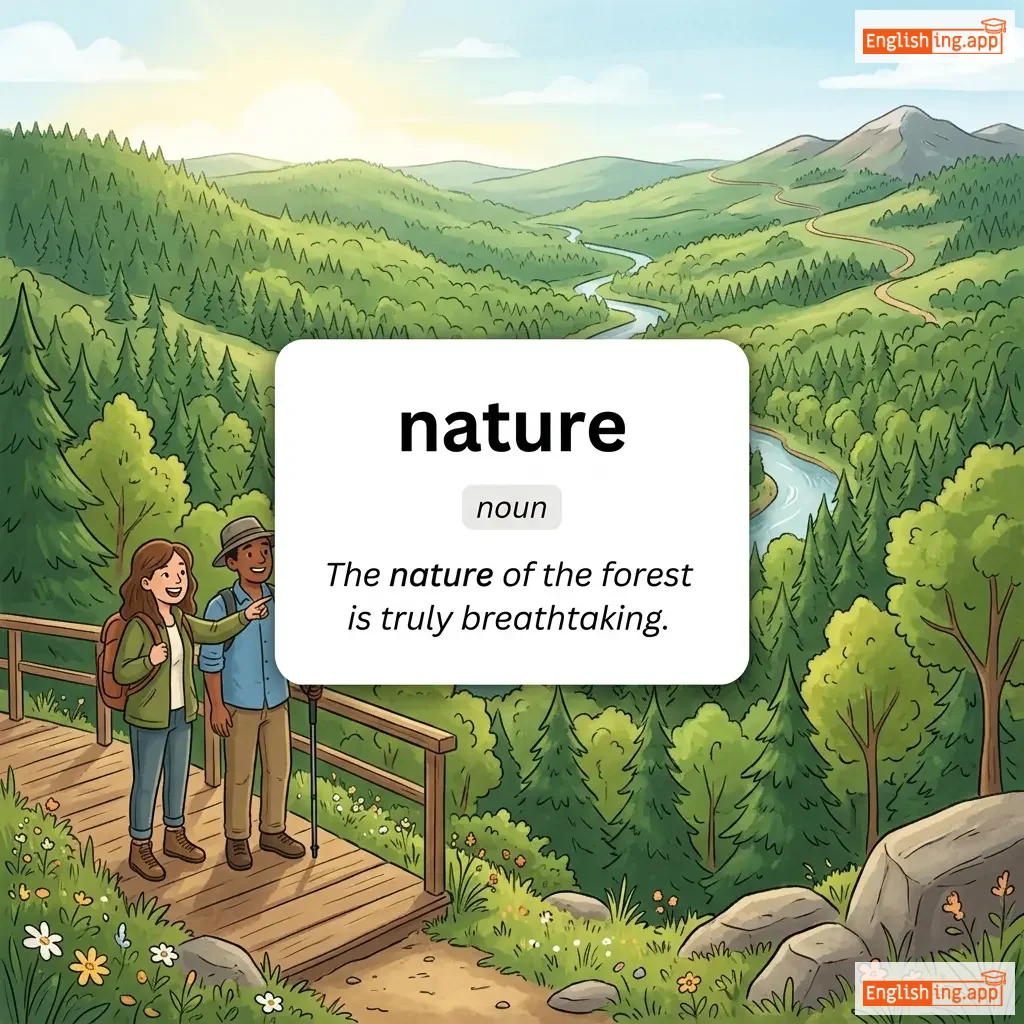
/ˈneɪ.tʃər/
noun
(природа)
••••••
|
|
природа; естественный мир; характер или основные качества чего-либо
priroda; yestestvennyy mir; kharakter ili osnovnye kachestva chego-libo
••••••
|
the natural world; the character or basic qualities of something
••••••
|
Children should spend more time in nature. |
Дети должны проводить больше времени на природе.
Deti dolzhny provodit' bol'she vremeni na prirode.
••••••
|
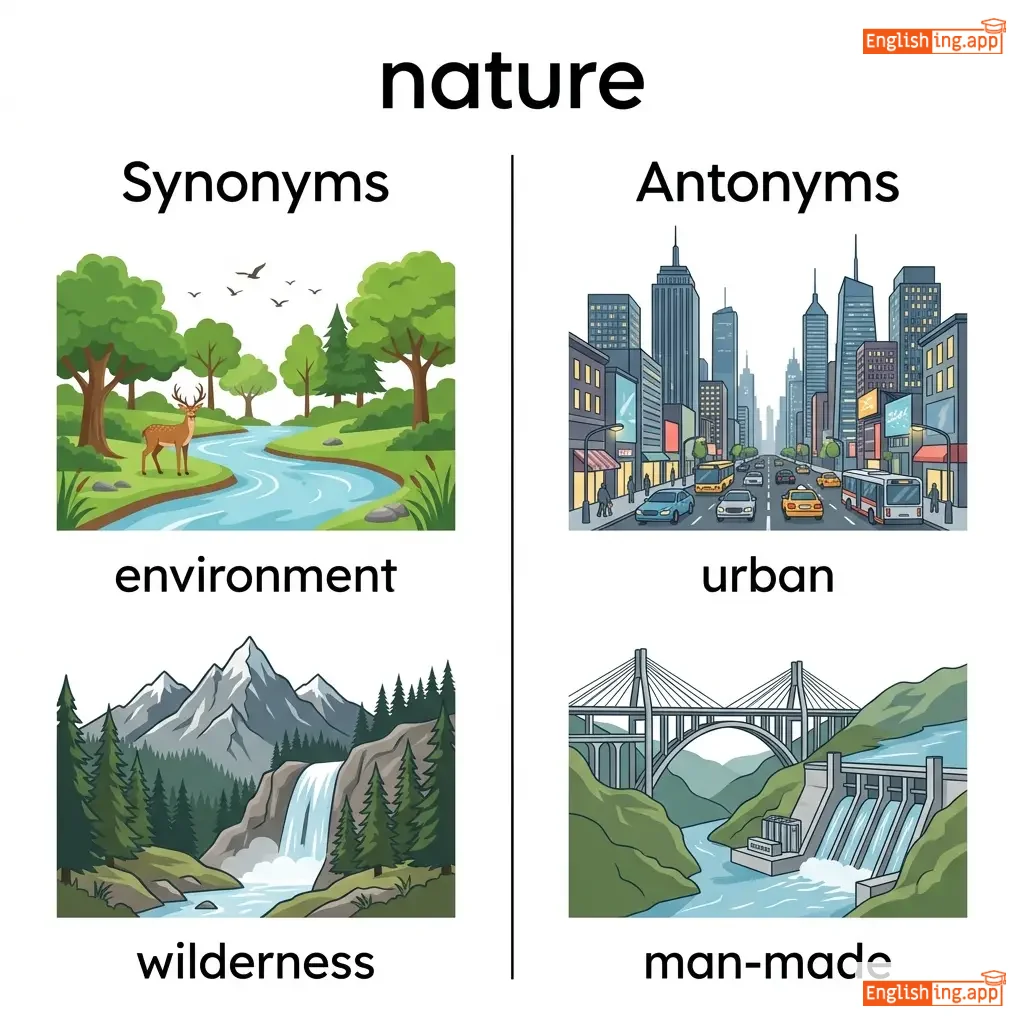
environment, wilderness, outdoors, character
••••••
|
artificiality, civilization, indoors
••••••
|
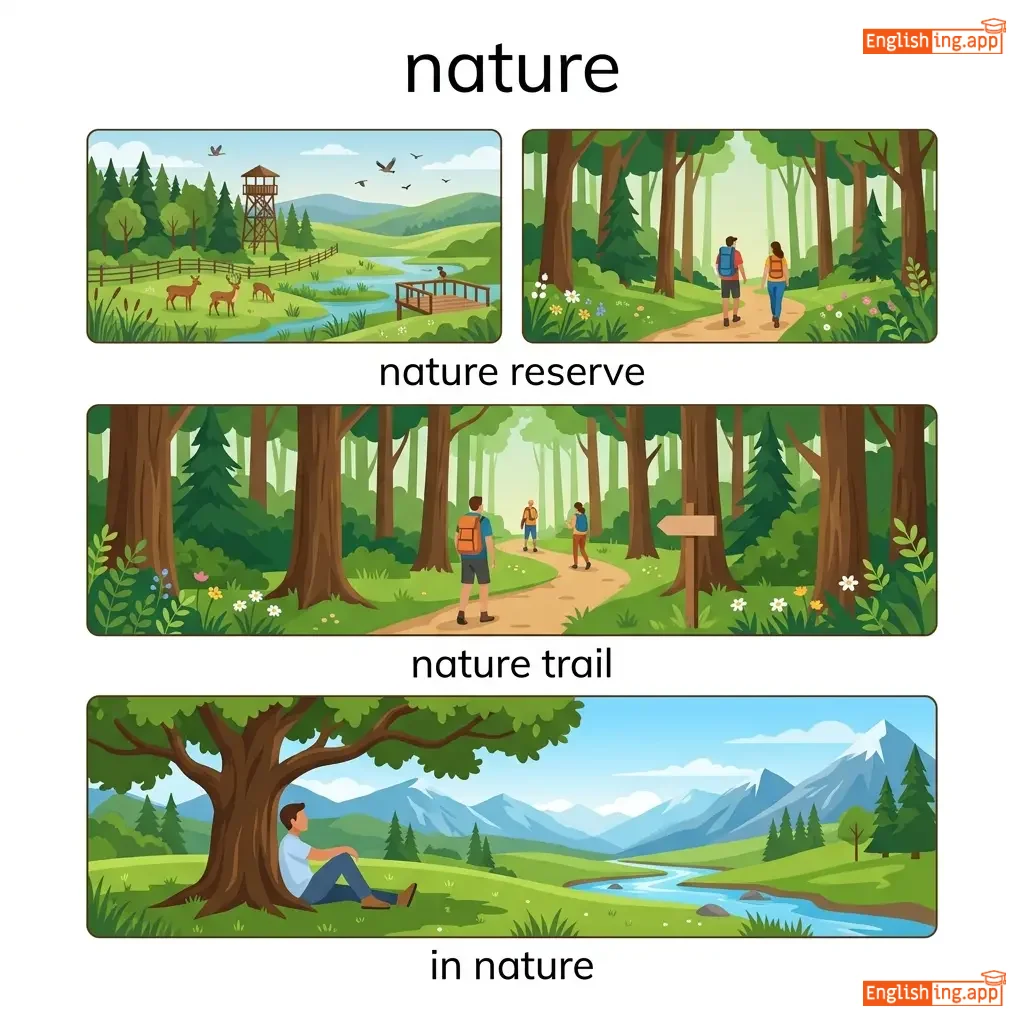
human nature, mother nature, laws of nature
••••••
|
Природа помогает восстановить силы и расслабиться.
••••••
|
|
#911
🎯
|
/ˈmoʊ.tɪv/
noun
(мотив)
••••••
|
- •••••• |
мотив; причина; побуждение
motiv; prichina; pobuzhdenie
••••••
|
a reason for doing something; what drives someone to act
••••••
|
The police are investigating the motive for the crime. |
Полиция расследует мотив преступления.
Politsiya rassleduyet motiv prestupleniya.
••••••
|
reason, purpose, intention, drive
••••••
|
randomness, purposelessness
••••••
|
hidden motive, ulterior motive, pure motive
••••••
|
Мотив - это то, что побуждает нас действовать, как двигатель для машины.
••••••
|
|
#912
🤢
|
/ˈnɔː.zi.ə/
noun
(тошнота)
••••••
|
- •••••• |
тошнота
toshnota
••••••
|
a feeling of sickness with an inclination to vomit
••••••
|
The motion of the boat caused severe nausea.
Движение лодки вызвало сильную тошноту.
••••••
|
Движение лодки вызвало сильную тошноту.
Dvizhenie lodki vyzvalo sil'nuyu toshnotu.
••••••
|
sickness, queasiness, vomiting urge
••••••
|
wellness, comfort, good health
••••••
|
severe nausea, morning nausea, cause nausea
••••••
|
Когда лодка качается, возникает тошнота.
••••••
|
|
#913
⚙️
|
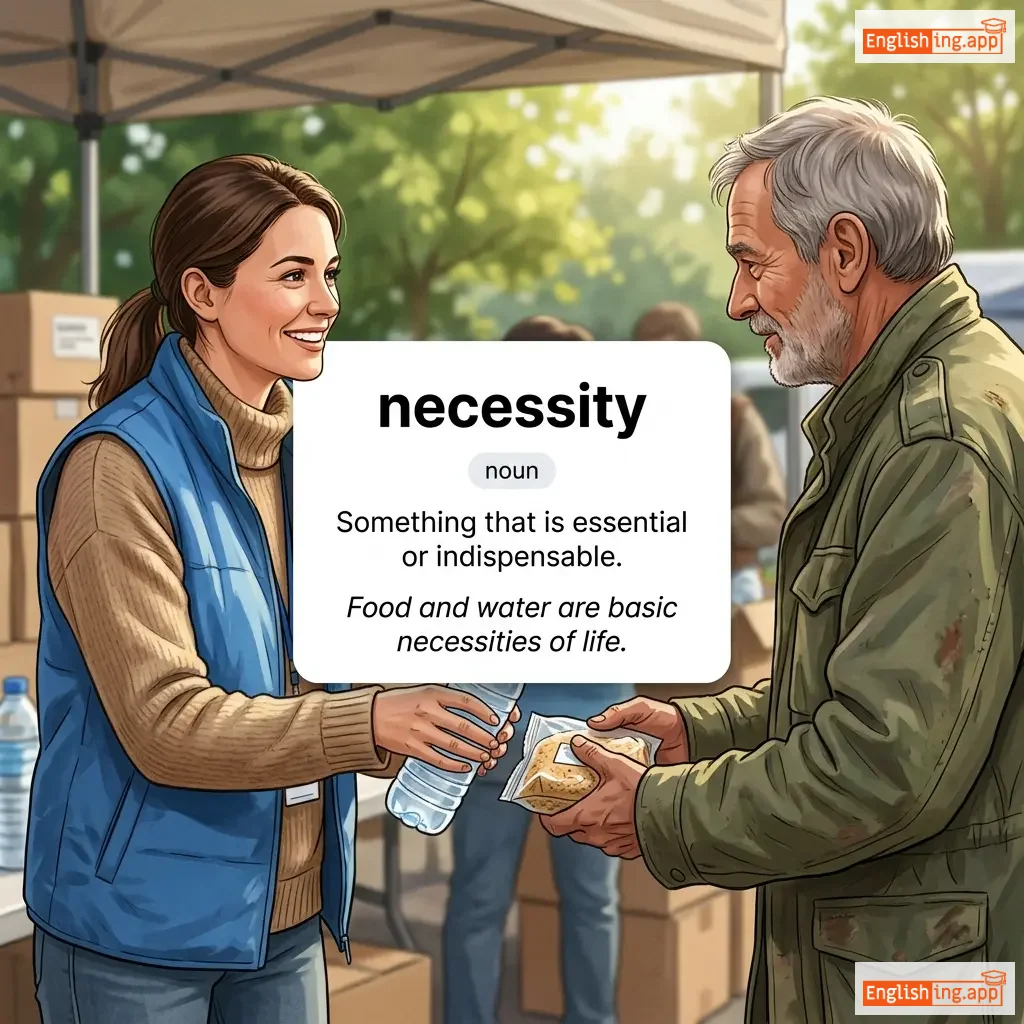
/nəˈses.ə.ti/
noun
(nəsɪsɪti)
••••••
|
|
необходимость
neobkhodimost
••••••
|
the fact of being required or indispensable; something essential
••••••
|
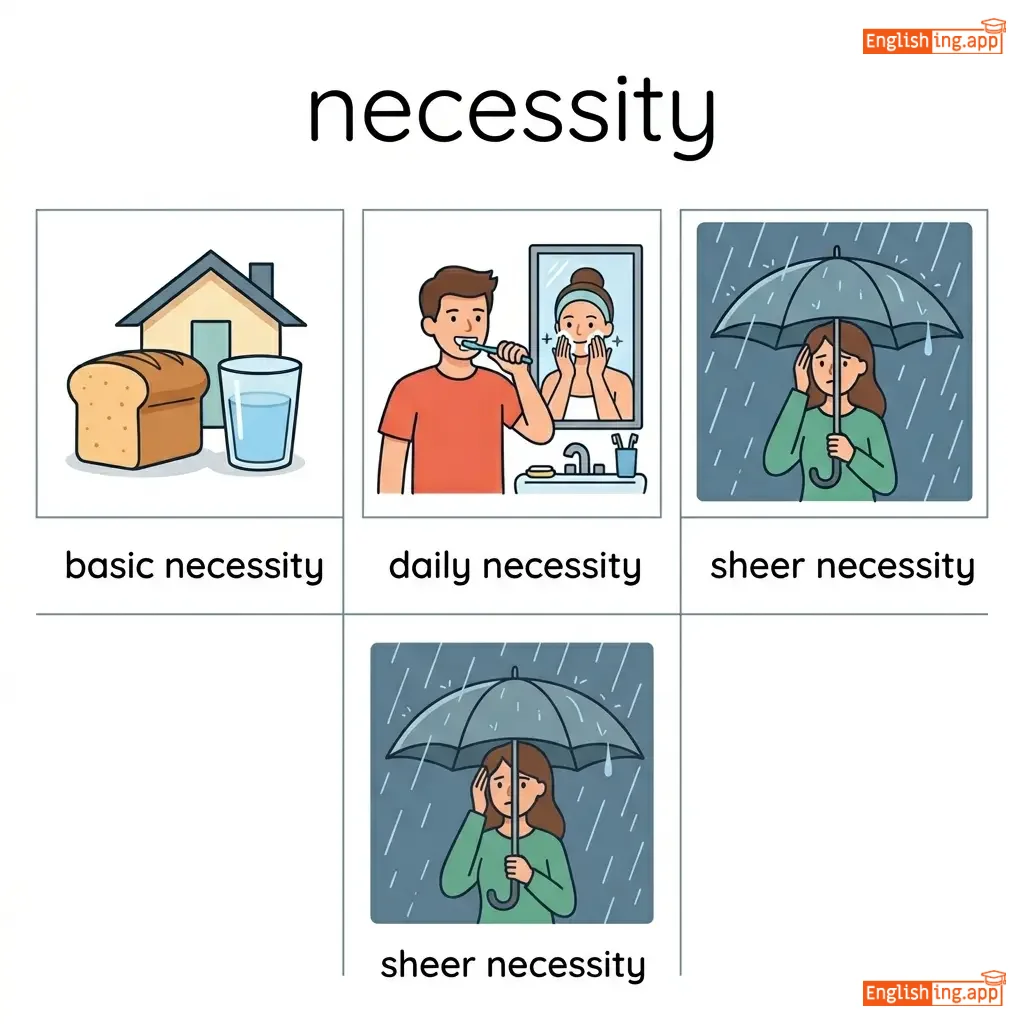
Clean water is a basic necessity of life. |
Чистая вода — это основная необходимость жизни.
Chistaya voda — eto osnovnaya neobkhodimost' zhizni.
••••••
|
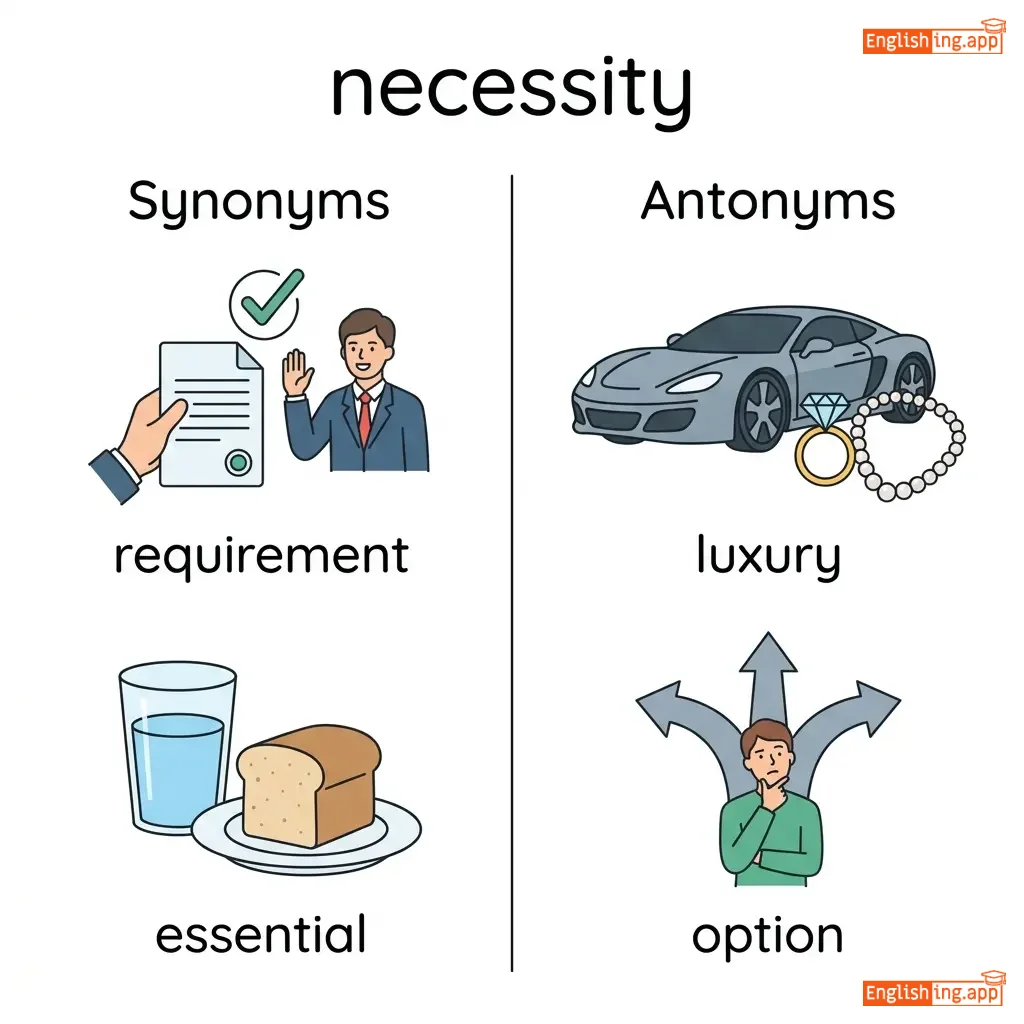
requirement, need, essential, must
••••••
|
luxury, option, choice, extra
••••••
|
basic necessity, absolute necessity, out of necessity
••••••
|
Необходимость — это то, без чего мы не можем жить.
••••••
|
|
#914
🏭
|
/moʊld/
noun
(Моулд)
••••••
|
- •••••• |
форма; плесень
mould
••••••
|
a hollow container used to give shape to molten material; fungus
••••••
|
She poured chocolate into the mould to make candies.
Она залила шоколад в форму, чтобы сделать конфеты.
••••••
|
Она залила шоколад в форму, чтобы сделать конфеты.
Ona zalila shokolad v formu chtoby sdelat konfety.
••••••
|
cast, form, template, frame
••••••
|
shapelessness, deformity
••••••
|
cake mould, plastic mould, break the mould
••••••
|
MOULD = ФОРМА; помни: MOULD держит форму, mold любит плесень.
••••••
|
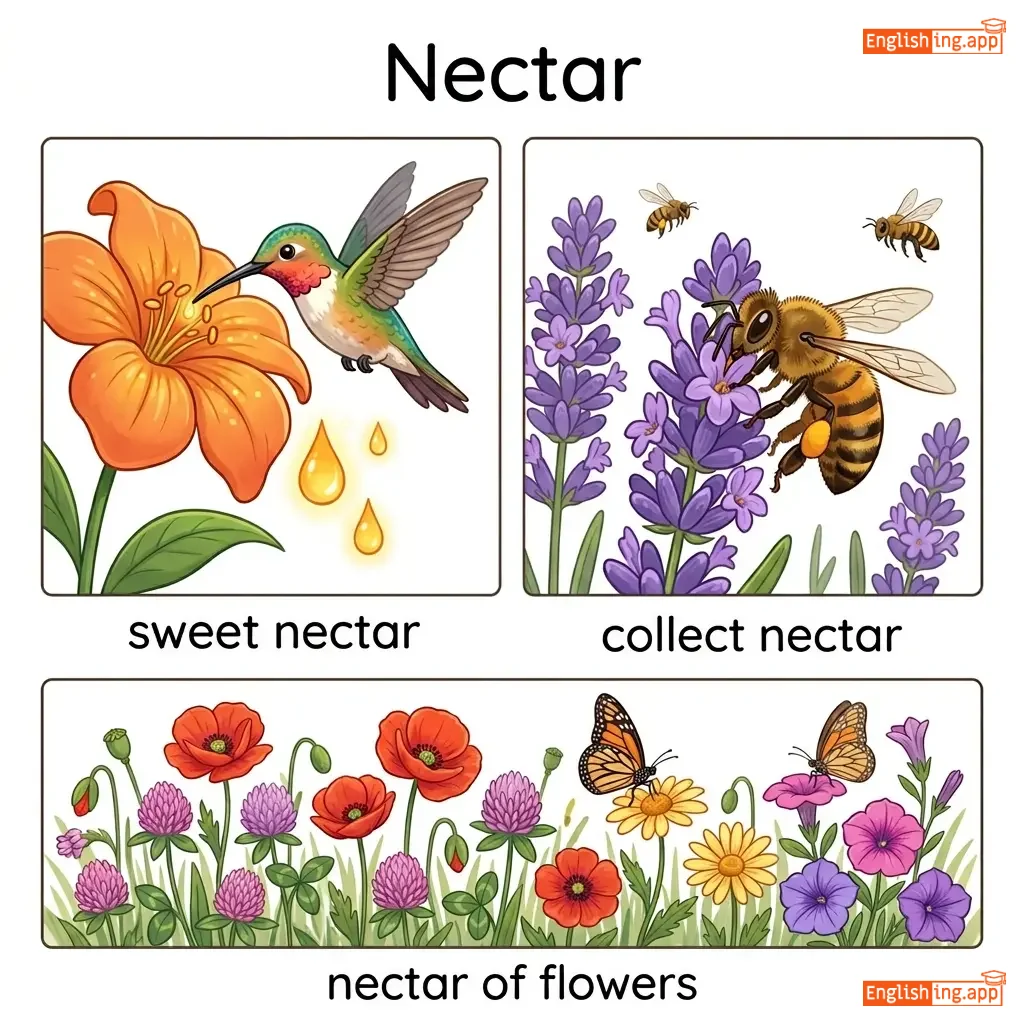
|
#915
🌼
|
/ˈnek.tər/
noun
(нектар)
••••••
|
|
сладкая жидкость, производимая цветами; любой вкусный напиток
nektar
••••••
|
a sweet liquid produced by flowers; any delicious drink
••••••
|
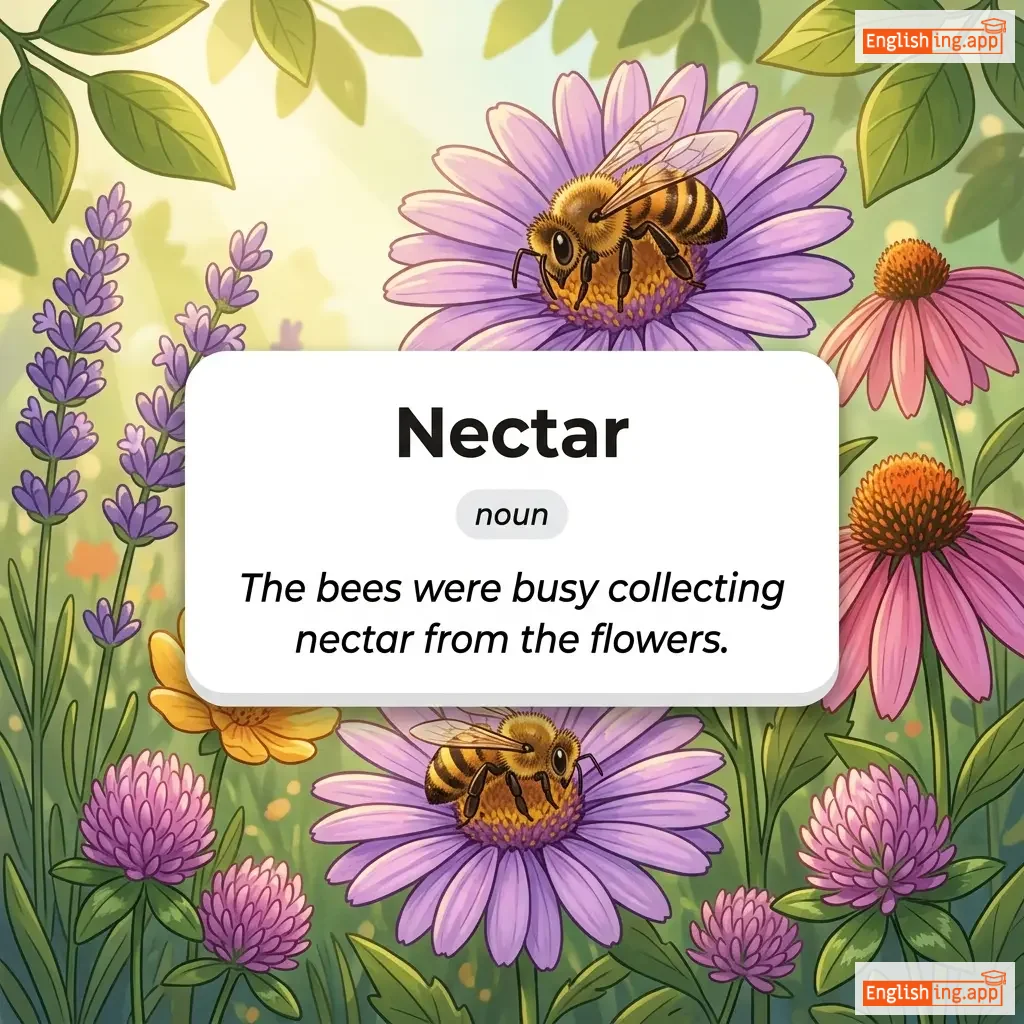
Bees collect nectar from flowers to make honey. |
Пчёлы собирают нектар с цветов, чтобы делать мёд.
Pchëly sobirayut nektar s tsvetov, chtoby delat' myod.
••••••
|
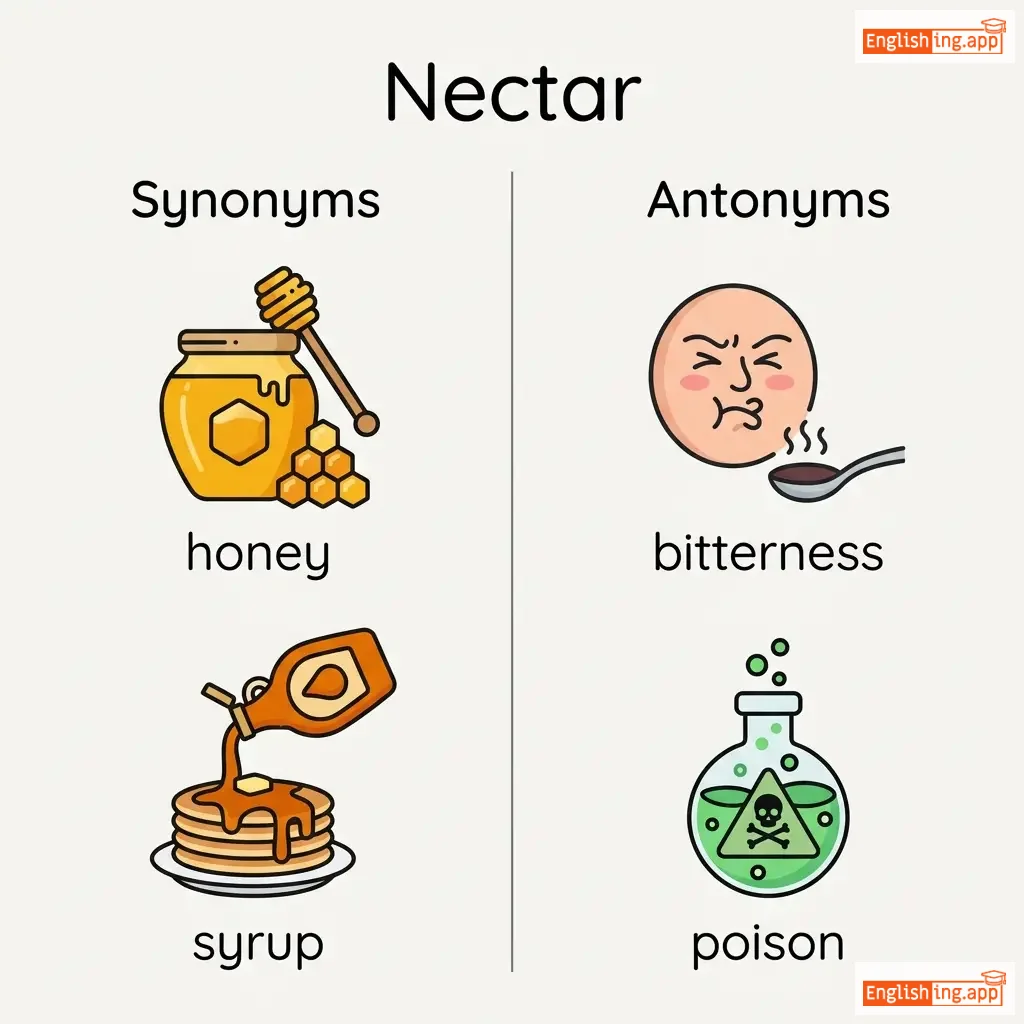
sweet liquid, ambrosia, honey, syrup
••••••
|
bitter liquid, poison
••••••
|
flower nectar, collect nectar, sweet nectar
••••••
|
Nectar in Russian sounds just as sweet!
••••••
|
|
#916
🏔️
|
/ˈmaʊn.tɪn/
noun
(маунтин)
••••••
|
- •••••• |
гора
gora
••••••
|
a large natural elevation of earth and rock rising above the ground
••••••
|
They climbed the highest mountain in the region. |
Они поднялись на самую высокую гору региона.
Oni podnyalis' na samuyu vysokuyu goru regiona.
••••••
|
peak, hill, summit, ridge
••••••
|
valley, plain, lowland
••••••
|
mountain range, mountain peak, climb mountain
••••••
|
Гора – это то, что мы видим сверху, когда смотрим на горы.
••••••
|
|
#917
⚠️
|
/ˈneɡ.lɪ.dʒəns/
noun
(неглиженс)
••••••
|
- •••••• |
халатность
khalatnost
••••••
|
failure to take proper care in doing something; carelessness
••••••
|
The accident was caused by driver negligence.
Авария произошла из-за халатности водителя.
••••••
|
Авария произошла из-за халатности водителя.
Avariya proizoshla iz-za khalatnosti voditelya.
••••••
|
carelessness, neglect, oversight, inattention
••••••
|
care, attention, diligence, responsibility
••••••
|
criminal negligence, gross negligence, medical negligence
••••••
|
Халатность - это как 'халат', когда нет должного ухода, и случаются ошибки.
••••••
|
|
#918
😢
|
/ˈmɔːr.nər/
noun
(морнэр)
••••••
|
- •••••• |
человек, присутствующий на похоронах
chelovek, prisutstvuyushchiy na pokhoronakh
••••••
|
a person who attends a funeral or shows grief for someone who has died
••••••
|
The mourners gathered at the cemetery to pay their respects. |
Плакальщики собрались на кладбище, чтобы отдать дань уважения.
Plakalschiki sobralis' na kladbishche, chtoby otdat' dan' uzhazheniya.
••••••
|
griever, bereaved person, funeral attendee
••••••
|
celebrant, rejoicer
••••••
|
chief mourner, mourners gathered, mourners wept
••••••
|
Mourners (плакальщики) mourn for the dead.
••••••
|
|
#919
🤝
|
/nɪˌɡoʊ.siˈeɪ.ʃən/
noun
(переговоры)
••••••
|
- •••••• |
обсуждение, направленное на достижение соглашения; торг
peregovory
••••••
|
discussion aimed at reaching an agreement; bargaining
••••••
|
The negotiation between the two companies lasted for weeks. |
Переговоры между двумя компаниями длились несколько недель.
Peregovory mezhdu dvumya kompaniyami dlilis' neskol'ko nedel'.
••••••
|
discussion, bargaining, talks, mediation
••••••
|
conflict, disagreement, deadlock
••••••
|
peace negotiation, contract negotiation, salary negotiation
••••••
|
Переговоры — это процесс, направленный на согласование.
••••••
|
|
#920
🕯️
|
/ˈmɔːr.nɪŋ/
noun
(мор-нинг)
••••••
|
- •••••• |
траур
trau-r
••••••
|
the expression of deep sorrow for someone who has died
••••••
|
The family is in mourning for their grandmother. |
Семья в трауре по своей бабушке.
Sem'ya v traure po svoey babushke.
••••••
|
grief, sorrow, bereavement, lamenting
••••••
|
celebration, joy, festivity
••••••
|
in mourning, period of mourning, mourning clothes
••••••
|
Traur is mourning in Russian, expressing sorrow for someone lost.
••••••
|
Vocabulary Quiz
Test your vocabulary by matching words with their translations or meanings.
Login to take the quiz
Comments (0)
Share your thoughts and join the discussion.
Join the discussion by logging in
Login to CommentNo comments yet
Be the first to share your thoughts!