

Обновитесь для доступа ко всему словарю
Получите неограниченный доступ ко всем словам с подпиской Pro
Обновить до ProПеревод
Прошедшее
Причастие прошедшего времени
Третье лицо единственного числа
Герундий
Значение
Пример предложения
Перевод примера предложения
Синонимы
Антонимы
Коллокации
Мнемоника
Swipe left or right, or use the buttons. Tap image to zoom.
Обновитесь для доступа ко всем предложениям
Получите неограниченный доступ ко всем предложениям с подпиской Pro
Обновить до ProПеревод примера предложения
Слово
Lesson 35Lesson 35 - Переключатель маски
|
Эмодзи
|
Слово | Images | Перевод | Значение | Пример предложения | Перевод примера предложения | Синонимы | Антонимы | Коллокации | Мнемоника |
|---|---|---|---|---|---|---|---|---|---|---|
|
#681
🤸
|
/dʒʌmp/
noun
(джамп)
••••••
|
|
прыжок
pryzhok
••••••
|
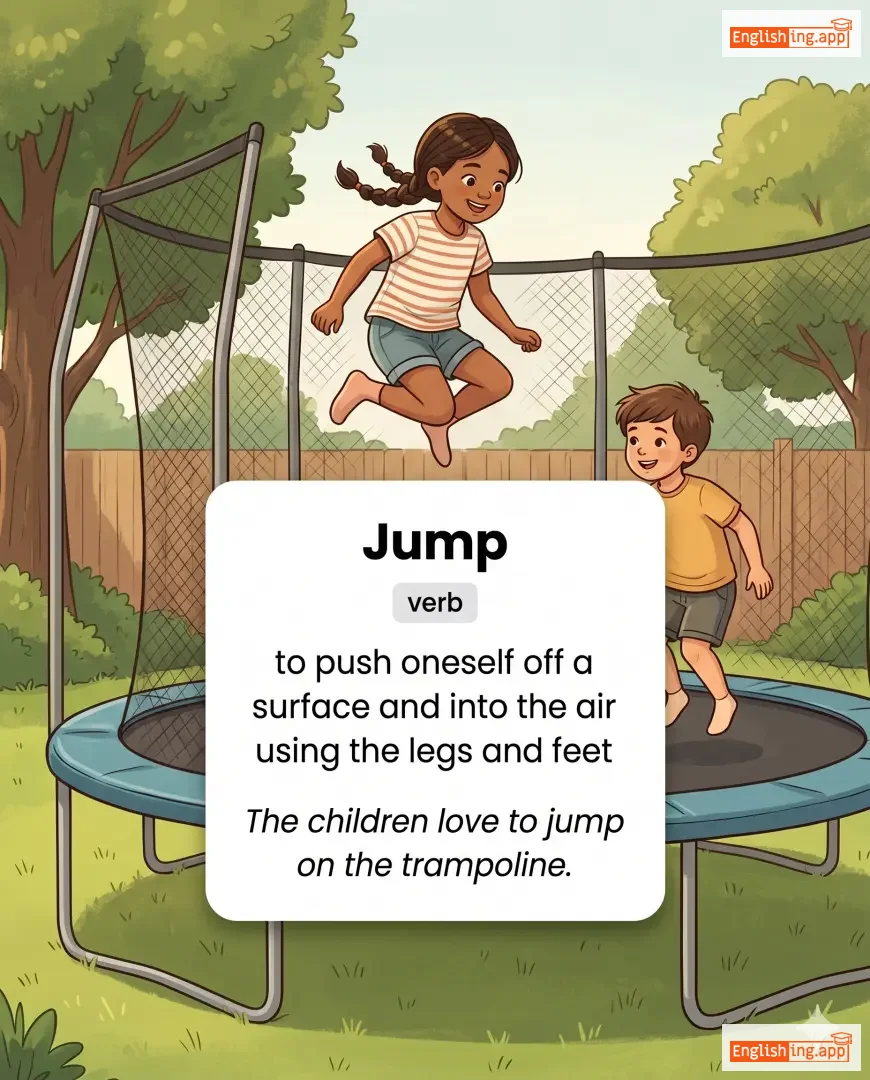
an act of jumping; a sudden movement upwards or forwards
••••••
|
The athlete made a perfect jump over the high bar.
Атлет совершил идеальный прыжок через высокую планку.
••••••
|
Атлет совершил идеальный прыжок через высокую планку.
Atlet sovershil ideal'nyy pryzhok cherez vysokuyu plankyu.
••••••
|
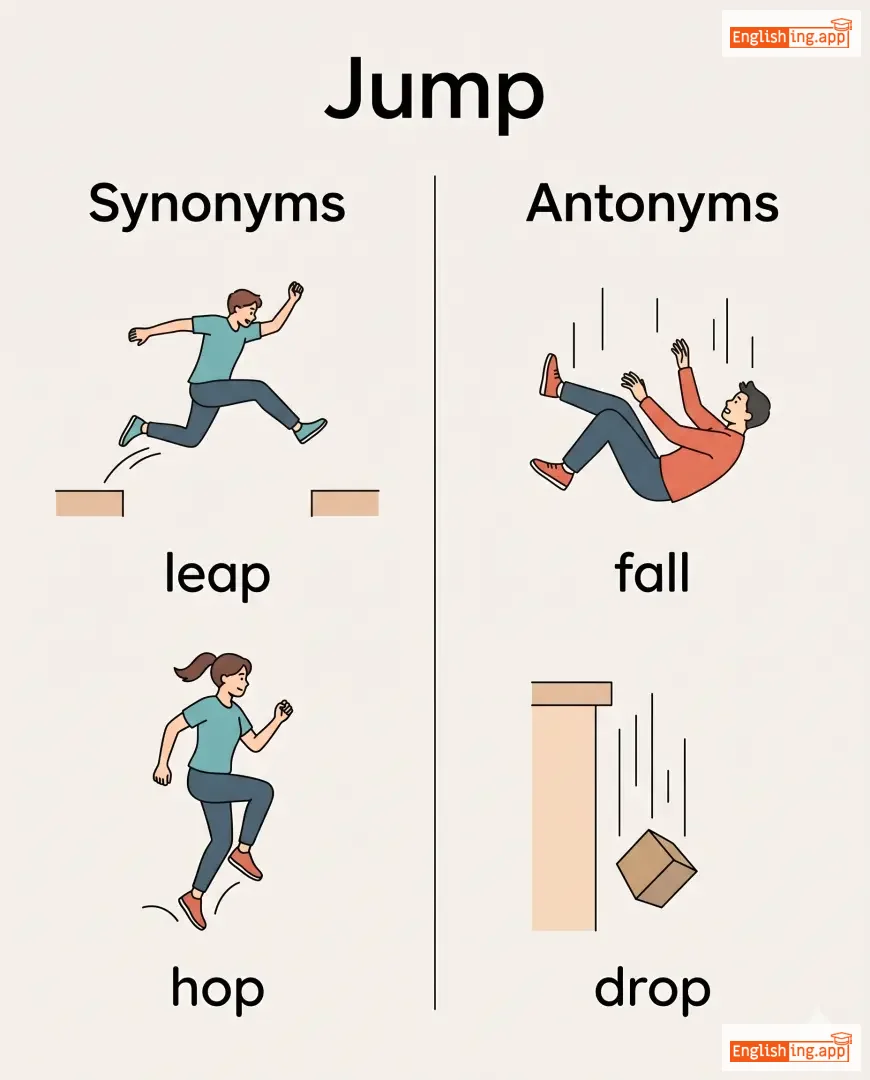
leap, bound, hop, spring
••••••
|
fall, drop, descend
••••••
|
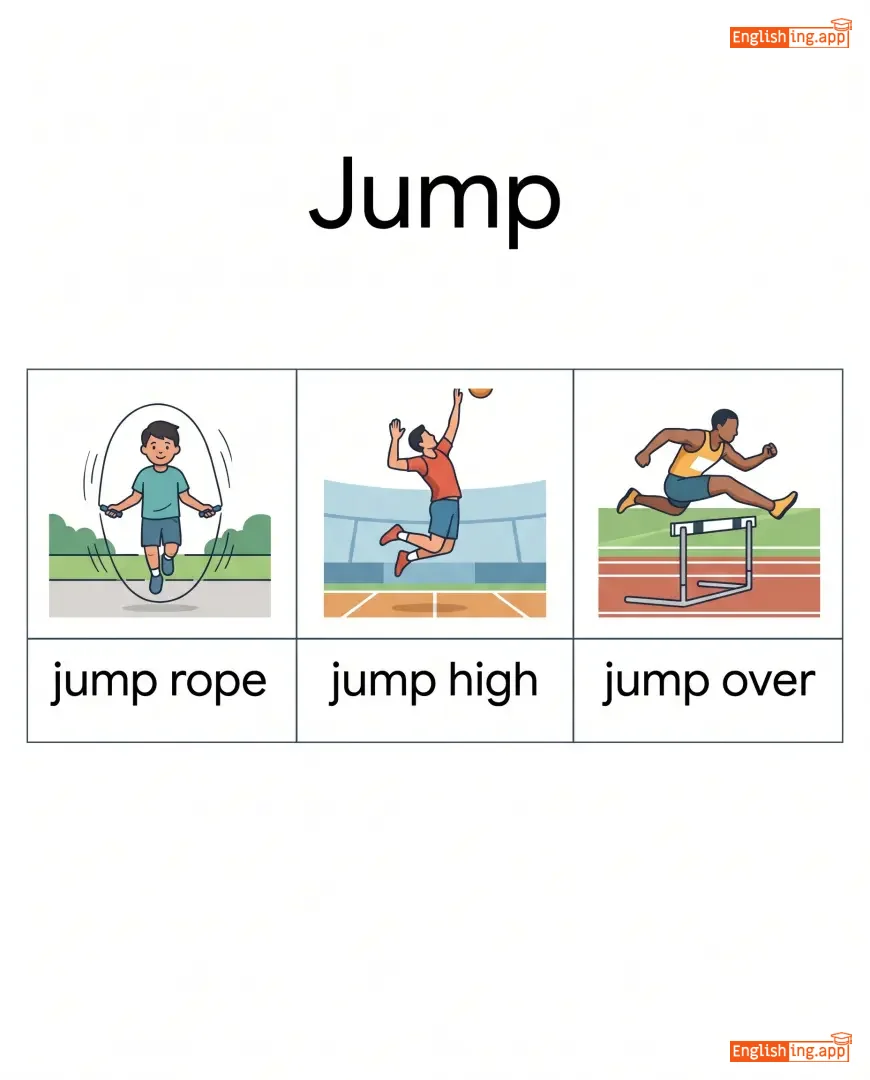
high jump, long jump, quantum jump
••••••
|
Привяжите слово 'прыжок' к резкому движению вверх.
••••••
|
|
#682
🧒
|
/ˈdʒuː.və.naɪl/
noun
(джувенайл)
••••••
|
- •••••• |
несовершеннолетний; юный
nesovershennoletniy, yunyy
••••••
|
a young person below the age of adult criminal responsibility; relating to young people
••••••
|
The juvenile court handles cases involving young offenders under eighteen. |
Суд для несовершеннолетних рассматривает дела, связанные с молодыми правонарушителями младше восемнадцати лет.
Sud dlya nesovershennoletnikh rassmatrivayet dela, svyazannye s molodymi pravonarushitelyami mladshe vosemnadtsati let.
••••••
|
young person, adolescent, minor, youth
••••••
|
adult, mature person, elder
••••••
|
juvenile court, juvenile delinquent, juvenile crime
••••••
|
Juvenile in Russian sounds like 'yunyy', meaning young criminals.
••••••
|
|
#683
👕
|
/ˈdʒʌm.pər/
noun
(ジャンパー)
••••••
|
- •••••• |
свитер;
sviter
••••••
|
a knitted garment worn on the upper body; a person or animal that jumps
••••••
|
She wore a warm woolen jumper during the cold winter evening.
Она носила теплый шерстяной свитер в холодный зимний вечер.
••••••
|
Она носила теплый шерстяной свитер в холодный зимний вечер.
Ona nosila teplyy sherstyanoy sviter v kholodnyy zimniy vecher.
••••••
|
sweater, pullover, jersey, cardigan
••••••
|
t-shirt, tank top, sleeveless top
••••••
|
woolen jumper, cable-knit jumper, school jumper
••••••
|
Свитер (Jumper) согревает в холодную погоду.
••••••
|
|
#684
🍛
|
/ˈkedʒ.ə.riː/
noun
(кеджери)
••••••
|
- •••••• |
кеджери
kedzhery
••••••
|
a European dish of cooked rice, fish, and hard-boiled eggs, originally from India
••••••
|
The breakfast menu featured traditional kedgeree with smoked haddock and eggs. |
В меню завтрака было традиционное кеджери с копченым хеддоком и яйцами.
V menyu zavtraka bylo traditsionnoye kedzhery s kopchyonym heddokom i yaytsami.
••••••
|
rice dish, pilaf, khichdi
••••••
|
raw ingredients, separate dishes
••••••
|
smoked haddock kedgeree, breakfast kedgeree, traditional kedgeree
••••••
|
Кеджери – это традиционное блюдо из Индии, популярное в Европе, с рисом, рыбой и яйцами.
••••••
|
|
#685
🚗
|
/ˈdʒʌŋk.ʃən/
noun
(yunktsiya)
••••••
|
- •••••• |
перекрёсток
perekryostok
••••••
|
a place where two or more roads or railway lines meet; a point where things join or connect
••••••
|
Turn left at the junction to reach the shopping center.
Поверните налево на перекрёстке, чтобы добраться до торгового центра.
••••••
|
Поверните налево на перекрёстке, чтобы добраться до торгового центра.
Povernite nalevo na perekryostke, chtoby dobratsya do togovogo tsentra.
••••••
|
intersection, crossroads, meeting point, connection
••••••
|
separation, division, dead end
••••••
|
railway junction, road junction, busy junction
••••••
|
Перекрёсток: Когда дороги пересекаются, поверни.
••••••
|
|
#686
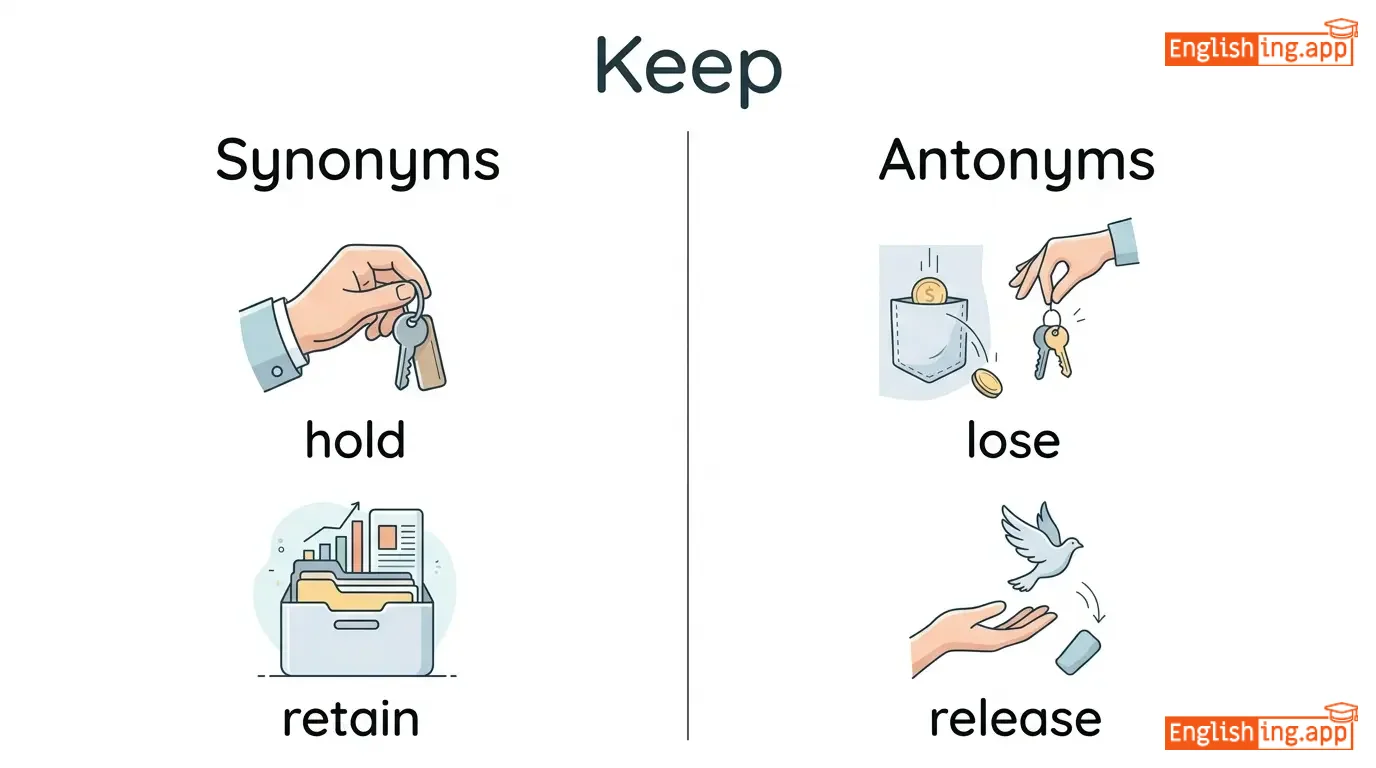
🏰
|
/kiːp/
noun
(kip)
••••••
|
|
содержание; самая сильная часть замка
soderzhanie; samaya sil'naya chast' zamka
••••••
|
food and other things necessary for living; the strongest part of a castle
••••••
|
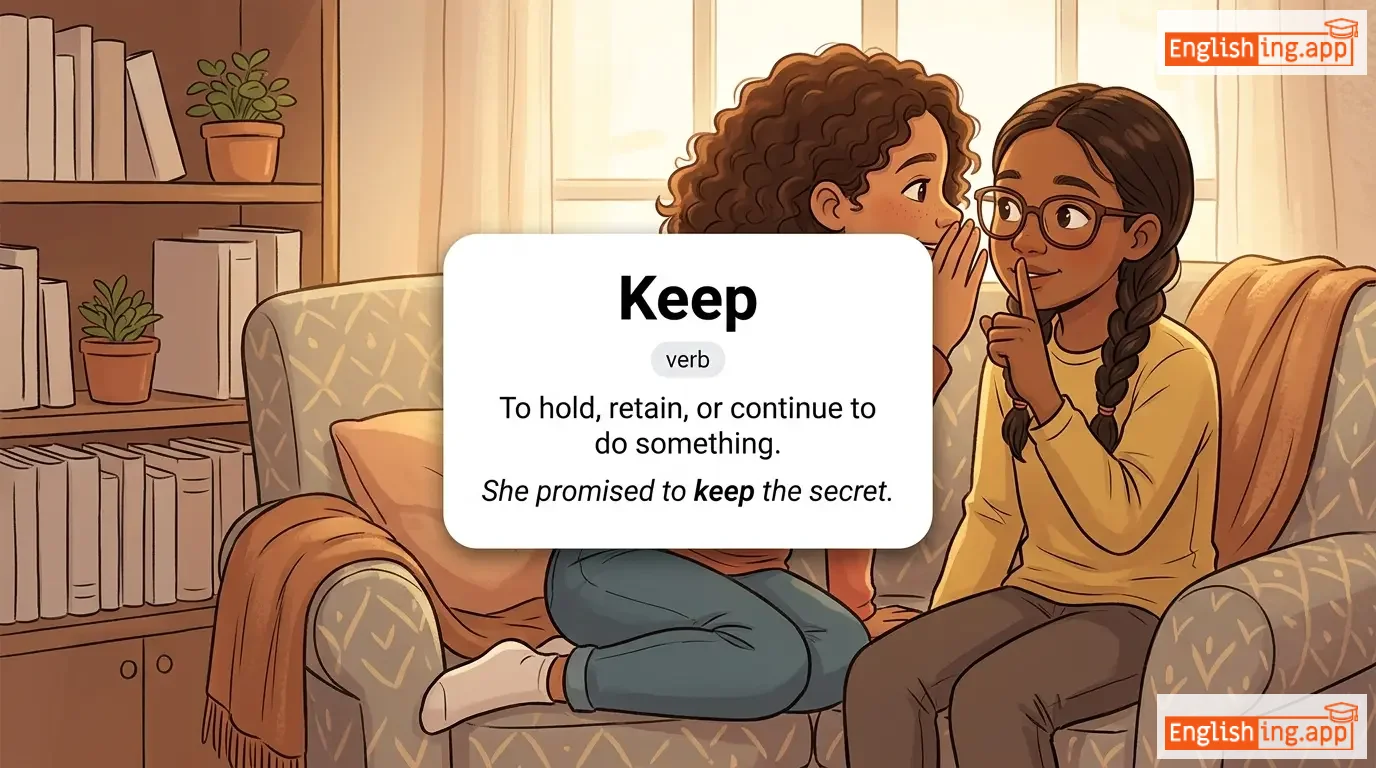
He worked hard to earn his keep and support his family. |
Он усердно работал, чтобы заработать на свое содержание и поддержать свою семью.
On usyerdno rabotal, chtoby zarabotat' na svoe soderzhaniye i podderzhat' svoyu sem'yu.
••••••
|
maintenance, sustenance, support, upkeep
••••••
|
abandonment, neglect, deprivation
••••••
|
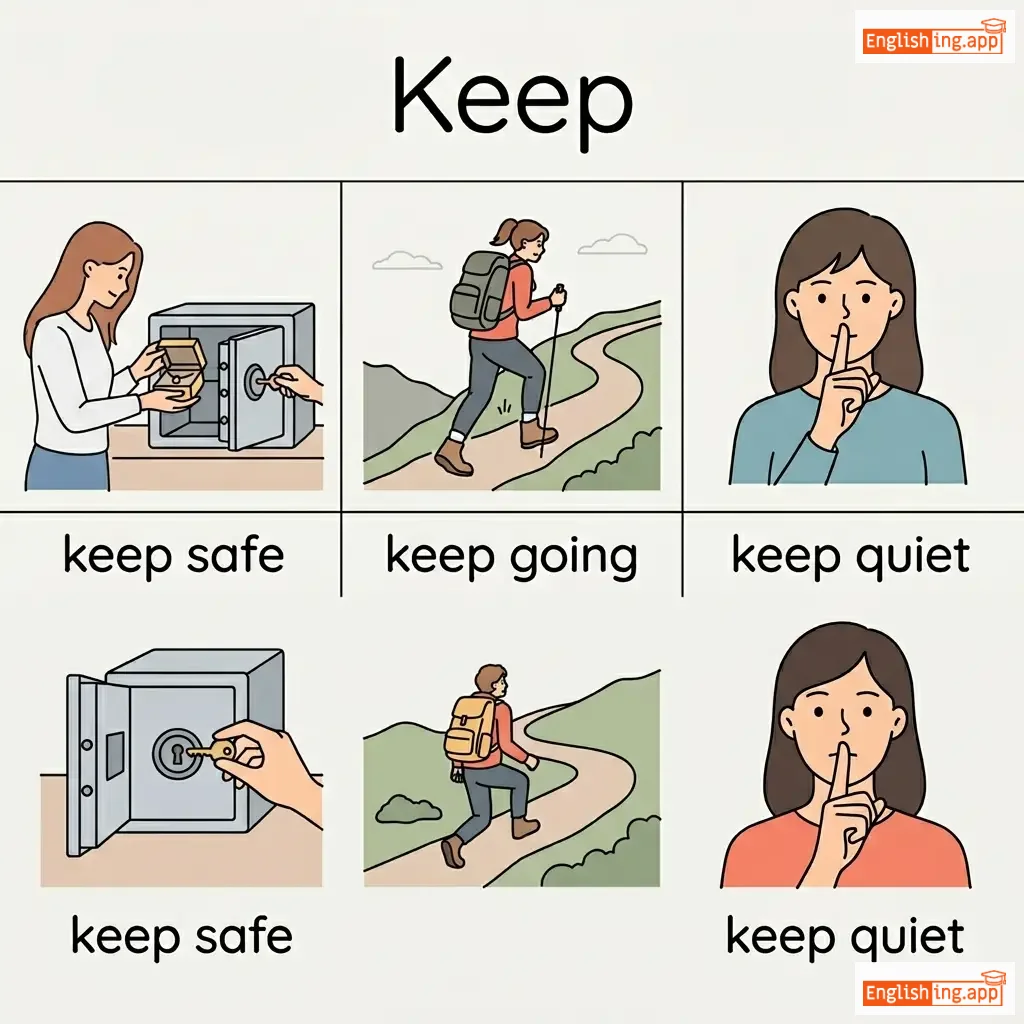
earn one's keep, for keeps, castle keep
••••••
|
Keep = Содержание, то, что нужно для жизни
••••••
|
|
#687
⏰
|
/ˈdʒʌŋk.tʃər/
noun
(джанктюр)
••••••
|
- •••••• |
критический момент
kriticheskiy moment
••••••
|
a particular point in events or time; a critical moment when important decisions must be made
••••••
|
At this juncture, we need to make a crucial decision about our future. |
В этот критический момент нам нужно принять важное решение о нашем будущем.
V etot kriticheskiy moment nam nuzhno prinyat' vazhnoe reshenie o nashem budushchem.
••••••
|
moment, point, stage, crossroads
••••••
|
continuity, stability, routine
••••••
|
critical juncture, this juncture, important juncture
••••••
|
Juncture - момент, когда важно принять решение для будущего.
••••••
|
|
#688
🔐
|
/ˈkiː.pər/
noun
(kipər)
••••••
|
- •••••• |
страж; смотритель;
strazh; smotritel
••••••
|
a person whose job it is to guard or take care of something or someone; a goalkeeper
••••••
|
The zoo keeper fed the animals every morning at eight o'clock.
Зоопарк кормил животных каждое утро в восемь часов.
••••••
|
Зоопарк кормил животных каждое утро в восемь часов.
Zoopark kormil zhivotnykh kazhdoe utro v vosem' chasov.
••••••
|
guardian, caretaker, custodian, warden
••••••
|
destroyer, neglector, abandoner
••••••
|
zoo keeper, goal keeper, secret keeper
••••••
|
Remember: a 'Keeper' guards like a 'strazh' in Russian!
••••••
|
|
#689
🌳
|
/ˈdʒʌŋ.ɡəl/
noun
(джангл)
••••••
|
- •••••• |
густой лес; джунгли;
gustoy les, dzhungli
••••••
|
a dense forest in a tropical climate; a place of bewildering complexity or ruthless struggle
••••••
|
The explorer got lost in the dense Amazon jungle for three days.
Исследователь заблудился в густых джунглях Амазонки на три дня.
••••••
|
Исследователь заблудился в густых джунглях Амазонки на три дня.
Issledovatel' zabludilsya v gustykh dzhunglyakh Amazonki na tri dnya.
••••••
|
forest, rainforest, wilderness, thicket
••••••
|
desert, clearing, city, civilization
••••••
|
dense jungle, tropical jungle, concrete jungle
••••••
|
Джунгли – это место, где легко заблудиться, как исследователь в Амазонке.
••••••
|
|
#690
🐕
|
/ˈken.əl/
noun
(ke-nel)
••••••
|
- •••••• |
собачий вольер; учреждение для разведения или размещения собак
sobachiy vol'er; uchrezhdenie dlya razvedeniya ili razmeshcheniya sobak
••••••
|
a small shelter for a dog; an establishment for the breeding or boarding of dogs
••••••
|
The dog slept comfortably in his wooden kennel in the backyard.
Собака спала удобно в своем деревянном вольере на заднем дворе.
••••••
|
Собака спала удобно в своем деревянном вольере на заднем дворе.
Sobaka spala udobno v svoem derevyannom vol'ere na zadnem dvore.
••••••
|
doghouse, shelter, boarding house, pen
••••••
|
open space, freedom, wild habitat
••••••
|
dog kennel, boarding kennel, breeding kennel
••••••
|
Собака спит в своем уютном вольере.
••••••
|
|
#691
👶
|
/ˈdʒuː.ni.ər/
noun
(джуниор)
••••••
|
- •••••• |
младший; новичок; нижестоящий
mladshiy; novichok; nizhestoyashchiy
••••••
|
a person who is younger or lower in rank than someone else; relating to young people
••••••
|
The junior employee was eager to learn from senior colleagues.
Младший сотрудник был готов учиться у старших коллег.
••••••
|
Младший сотрудник был готов учиться у старших коллег.
Mladshiy sotrudnik byl gotov uchitsya u starshikh kolleg.
••••••
|
younger, subordinate, novice, apprentice
••••••
|
senior, elder, superior, veteran
••••••
|
junior employee, junior school, junior partner
••••••
|
Junior in Russian sounds like a young person working hard to rise up.
••••••
|
|
#692
⛽
|
/ˈker.ə.siːn/
noun
(керосин)
••••••
|
- •••••• |
керосин
kerosin
••••••
|
a combustible hydrocarbon liquid widely used as a fuel in lamps and heating systems
••••••
|
The old lamp burned kerosene to provide light during power outages.
Старая лампа горела керосином, чтобы обеспечить свет во время отключений электроэнергии.
••••••
|
Старая лампа горела керосином, чтобы обеспечить свет во время отключений электроэнергии.
Staraya lampa goryela kerosinom, chtoby obespechit' svet vo vremya otklyucheniy elektroenergii.
••••••
|
paraffin oil, lamp oil, heating oil
••••••
|
electric power, solar energy, gas
••••••
|
kerosene lamp, kerosene heater, kerosene stove
••••••
|
Kerosene is the fuel that lights the way when the electricity goes out.
••••••
|
|
#693
🗑️
|
/dʒʌŋk/
noun
(джанк)
••••••
|
- •••••• |
мусор; хлам
musor, khlam
••••••
|
old or discarded articles that are considered useless or of little value; things of poor quality
••••••
|
He cleaned out the garage and threw away all the old junk. |
Он почистил гараж и выбросил весь старый мусор.
On pochistil garazh i vybrosil ves' staryy musor.
••••••
|
rubbish, trash, waste, clutter
••••••
|
treasure, valuable, asset, quality item
••••••
|
old junk, junk food, junk mail
••••••
|
Junk in Russian is 'мусор,' just like junk is garbage.
••••••
|
|
#694
🍅
|
/ˈketʃ.ʌp/
noun
(кетчуп)
••••••
|
- •••••• |
томатный соус
tomatnyy sous
••••••
|
a thick sauce made chiefly from tomatoes, vinegar, and spices
••••••
|
She squeezed some ketchup on her french fries before eating them. |
Она выжала немного кетчупа на свои картошки фри перед тем, как их съесть.
Ona vyzhala nemnogo ketchup na svoi kartoshki fri pered tem, kak ikh s'yest.
••••••
|
tomato sauce, condiment, relish
••••••
|
plain food, unseasoned
••••••
|
tomato ketchup, squeeze ketchup, ketchup bottle
••••••
|
Запомни: 'кетчуп' — это соус, который мы любим с картошкой фри.
••••••
|
|
#695
🪐
|
/ˈdʒuː.pɪ.tər/
noun
(юпитер)
••••••
|
- •••••• |
Юпитер; главный бог римской мифологии
Yupiter; glavnyj bog rimskoj mifologii
••••••
|
the largest planet in our solar system; the chief god of Roman mythology
••••••
|
Jupiter is known for its massive size and distinctive red spot.
Юпитер известен своим гигантским размером и отличительным красным пятном.
••••••
|
Юпитер известен своим гигантским размером и отличительным красным пятном.
Yupiter izvesten svoim gigantskim razmerom i otlichitel'nym krasnym pyatnom.
••••••
|
giant planet, gas giant, Jove
••••••
|
small planet, terrestrial planet
••••••
|
planet Jupiter, Jupiter's moons, Jupiter's atmosphere
••••••
|
Юпитер — это гигант, как и его роль в мифологии, он самый большой!
••••••
|
|
#696
🤿
|
/ˈket.əl/
noun
(чайник)
••••••
|
- •••••• |
чайник
chainik
••••••
|
a container used for boiling water, typically with a lid, spout, and handle
••••••
|
The electric kettle whistled when the water reached boiling point.
Электрический чайник засвистел, когда вода достигла точки кипения.
••••••
|
Электрический чайник засвистел, когда вода достигла точки кипения.
Elektricheskiy chainik zasvistel, kogda voda dostigla tochki kipeniya.
••••••
|
teapot, boiler, pot, vessel
••••••
|
cooler, freezer, ice bucket
••••••
|
electric kettle, tea kettle, boiling kettle
••••••
|
Чайник для кипячения воды, чтобы не забыть кипятить!
••••••
|
|
#697
🏩
|
/ˌdʒʊə.rɪsˈdɪk.ʃən/
noun
(yurisdiktsiya)
••••••
|
- •••••• |
юрисдикция
yurisdiktsiya
••••••
|
the official power to make legal decisions and judgments; the extent of this power
••••••
|
This case falls under the jurisdiction of the federal court. |
Это дело находится в юрисдикции федерального суда.
Eto delo nakhoditsya v yurisdiktsii federal'nogo suda.
••••••
|
authority, power, control, domain
••••••
|
powerlessness, anarchy, lawlessness
••••••
|
legal jurisdiction, federal jurisdiction, court jurisdiction
••••••
|
Юрисдикция определяет, где суд может принимать решения.
••••••
|
|
#698
🔑
|
/kiː/
noun
(ki)
••••••
|
- •••••• |
ключ
klyuch
••••••
|
a small piece of shaped metal used to operate a lock; something that provides a means of access
••••••
|
She lost her house key and couldn't get inside until the locksmith arrived.
Она потеряла свой ключ от дома и не могла войти, пока не пришел слесарь.
••••••
|
Она потеряла свой ключ от дома и не могла войти, пока не пришел слесарь.
Ona poteryala svoi klyuch ot doma i ne mogla voyti, poka ne prishel slesar'.
••••••
|
opener, access, solution, clue
••••••
|
lock, barrier, obstacle
••••••
|
house key, car key, master key
••••••
|
Klyuch = 'Klyuch' ot vsekh dverey.
••••••
|
|
#699
⚙️
|
/ˈdʒʌs.tɪs/
noun
(джастис)
••••••
|
|
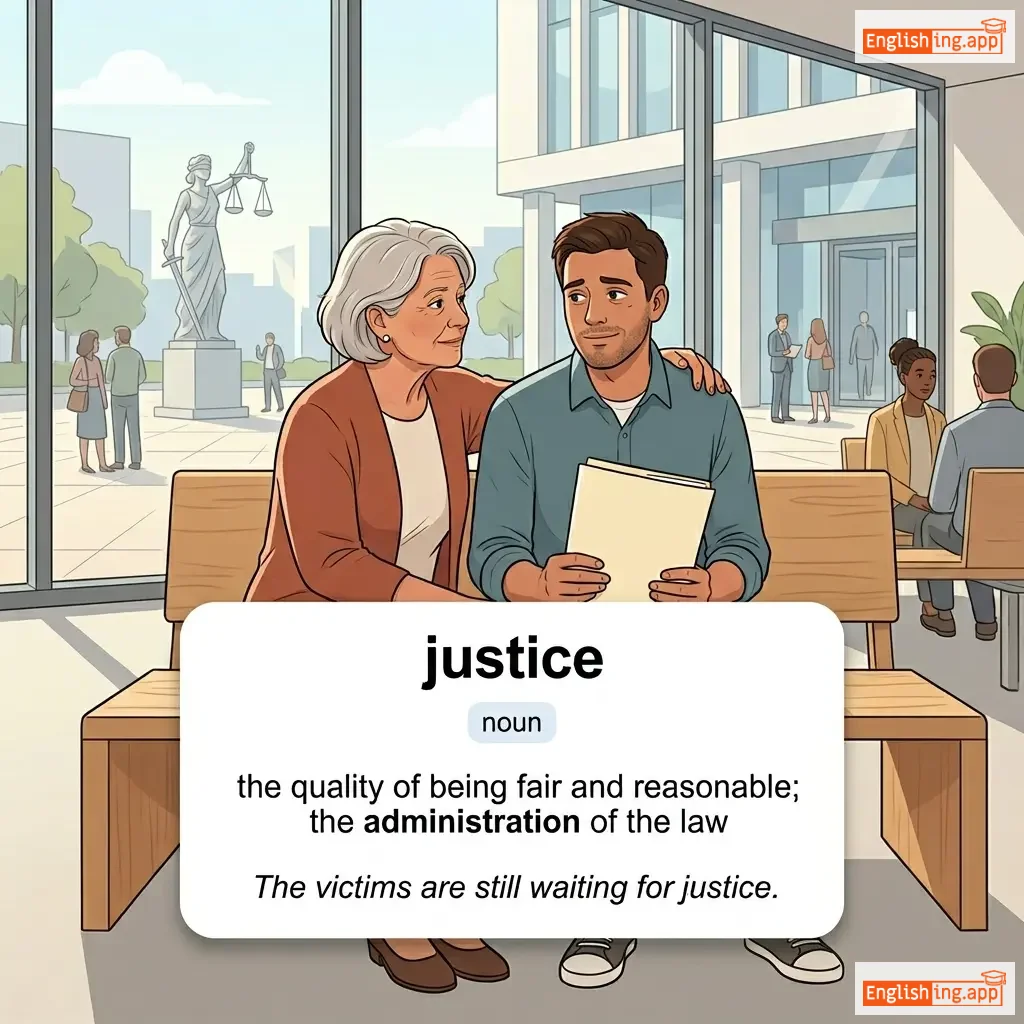
справедливость; суд; судья
spravedlivost', sud, sud'ya
••••••
|
just behavior or treatment; the quality of being fair and reasonable; a judge in a court of law
••••••
|
The family sought justice for their loved one through the legal system.
Семья искала правосудие для своего близкого через юридическую систему.
••••••
|
Семья искала правосудие для своего близкого через юридическую систему.
Sem'ya iskala pravosudiye dlya svoego blizkogo cherez yuridicheskuyu sistemu.
••••••
|
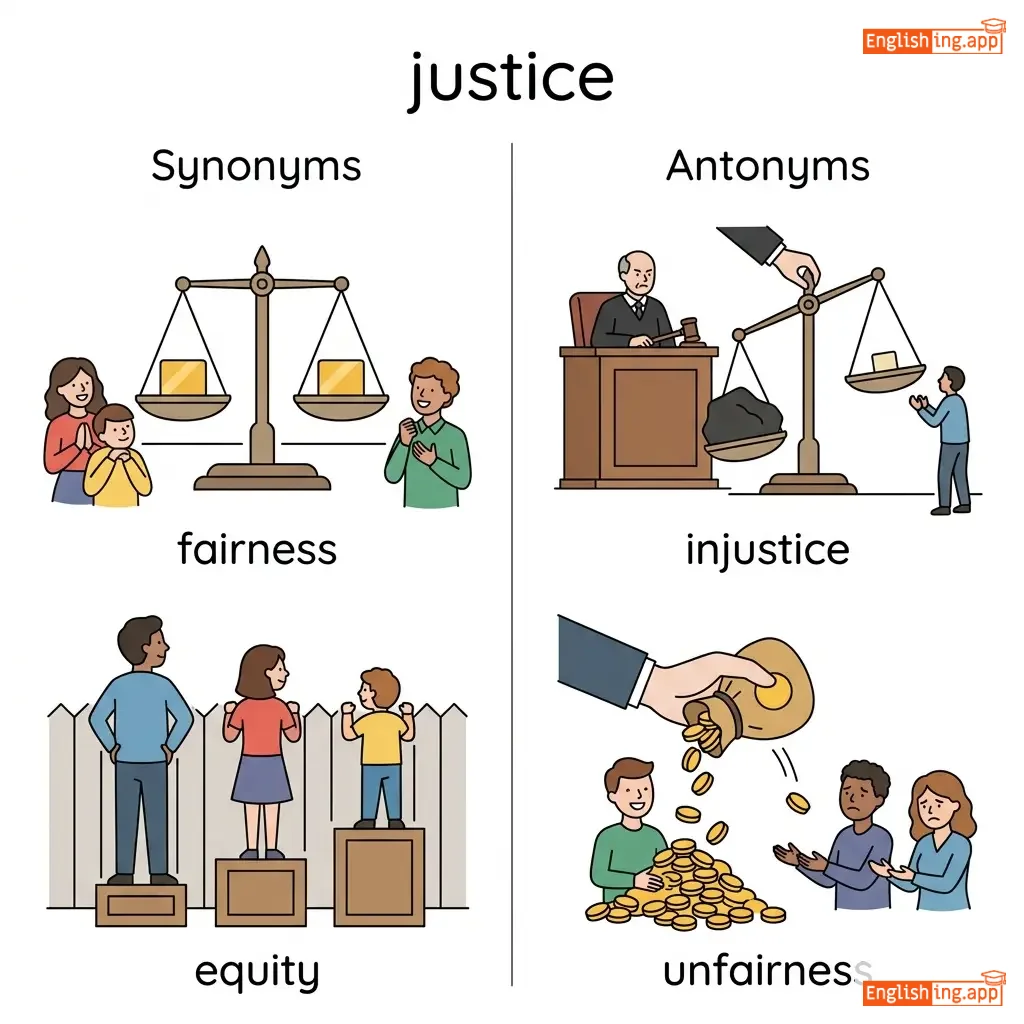
fairness, righteousness, equity, impartiality
••••••
|
injustice, unfairness, bias, prejudice
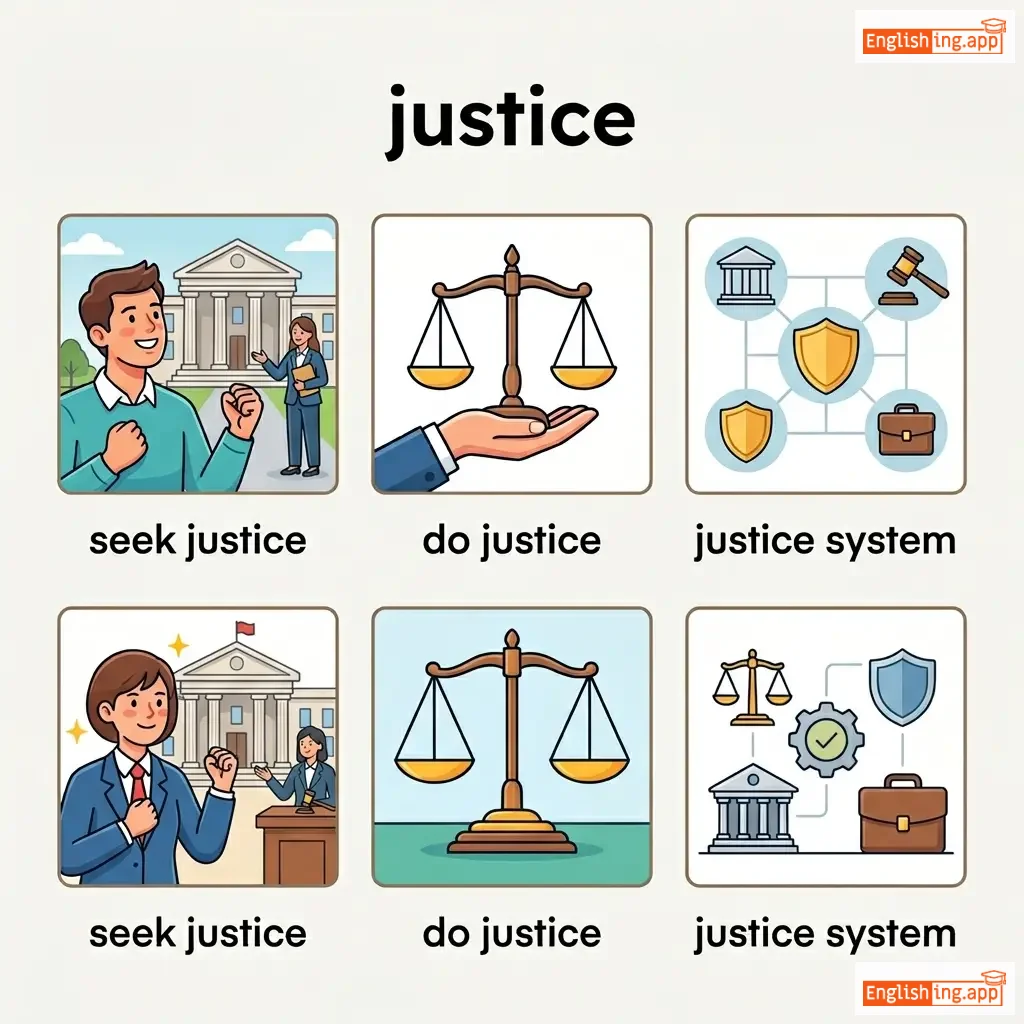
••••••
|
social justice, criminal justice, justice system
••••••
|
Justice in Russian, 'spravedlivost', is what a judge seeks in court.
••••••
|
|
#700
🦵
|
/kɪk/
noun
(kik)
••••••
|
|
удар ногой; пинок
udar nogoy; pinok
••••••
|
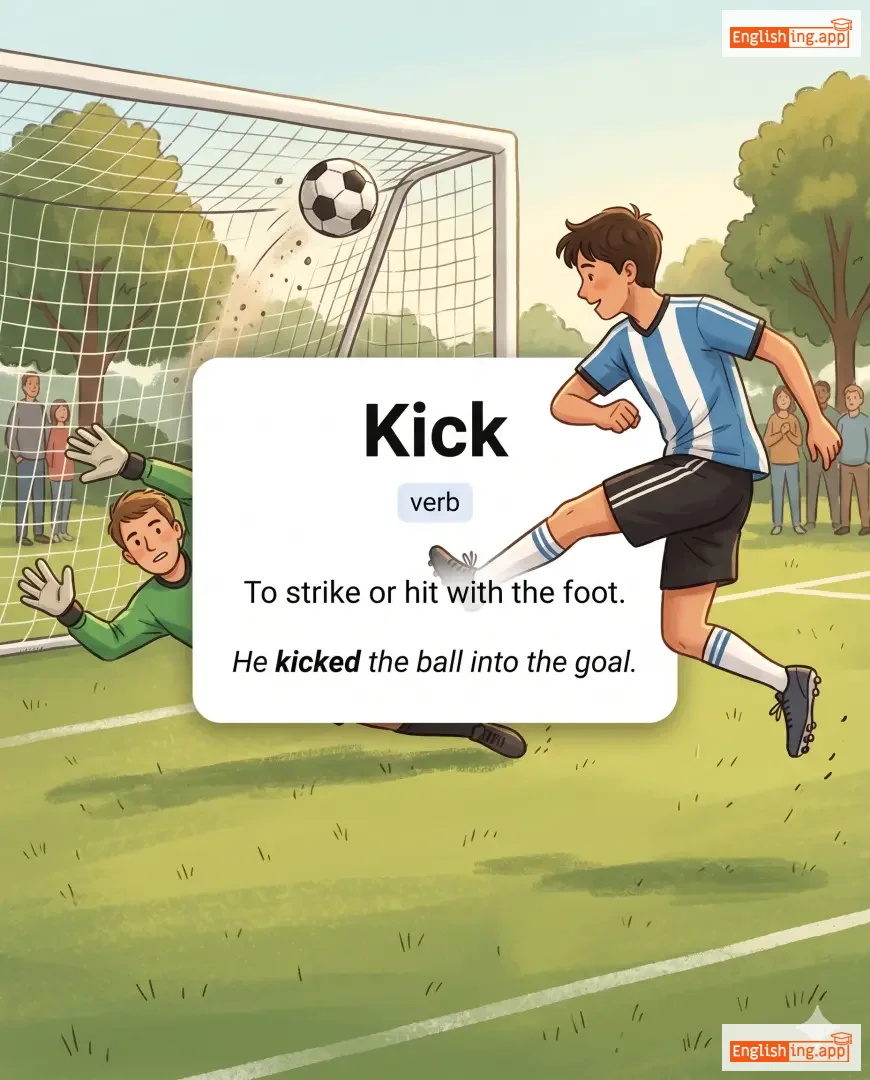
a blow or forceful thrust with the foot; a sudden strong feeling of excitement
••••••
|
The soccer player scored a goal with a powerful kick from outside the penalty area. |
Футболист забил гол с мощным ударом ногой снаружи штрафной площади.
Futbolist zabil gol s moshchnym udarom nogoy snaruzhi shtrafnoy ploshchadi.
••••••
|
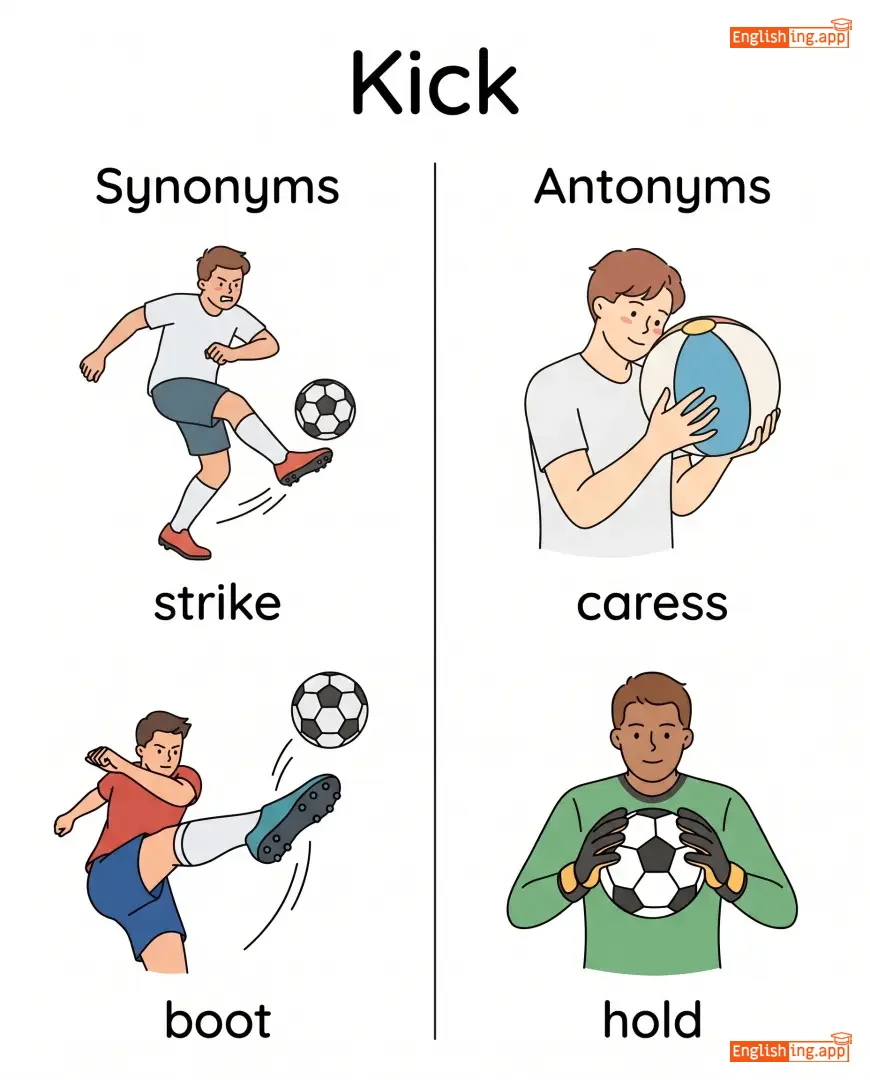
boot, strike, blow, thrust
••••••
|
caress, gentle touch, pat
••••••
|
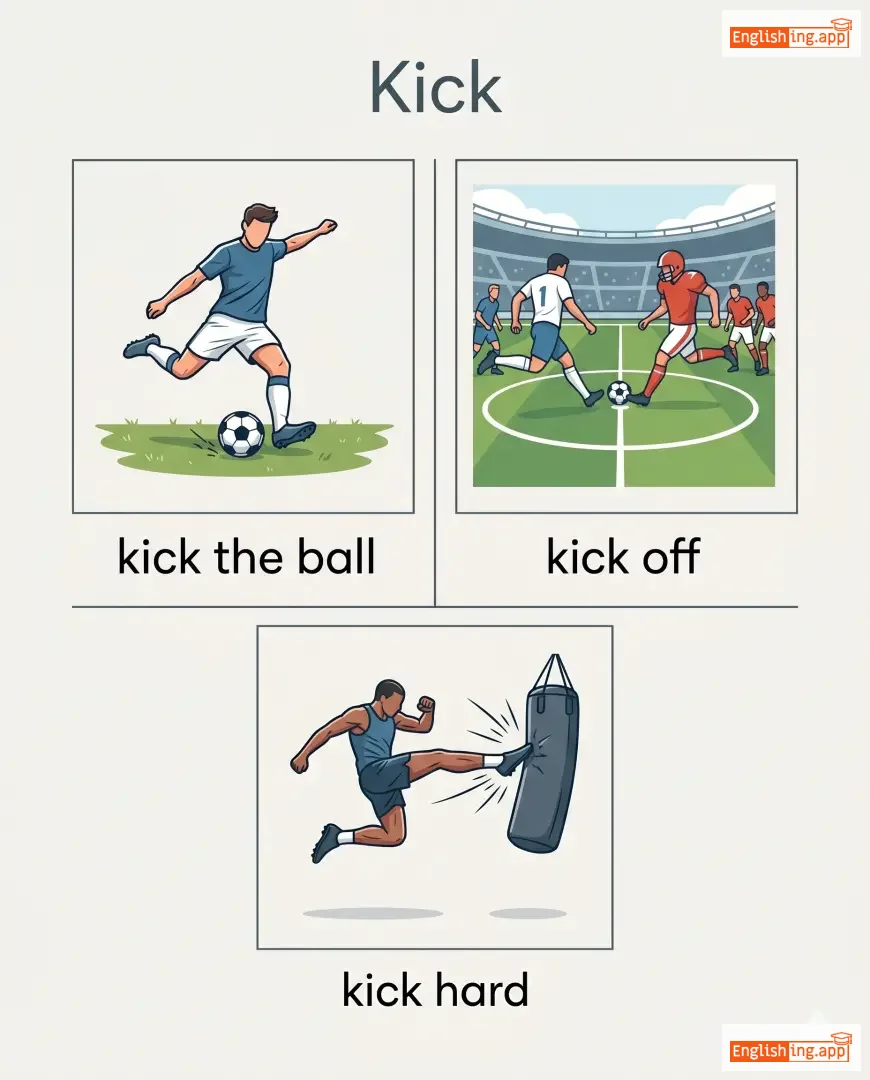
penalty kick, free kick, powerful kick
••••••
|
Когда ты даешь пинок, вдруг появляется сильное чувство волнения, как при забитом голе.
••••••
|
Vocabulary Quiz
Test your vocabulary by matching words with their translations or meanings.
Login to take the quiz
Comments (0)
Share your thoughts and join the discussion.
Join the discussion by logging in
Login to CommentNo comments yet
Be the first to share your thoughts!