

Обновитесь для доступа ко всему словарю
Получите неограниченный доступ ко всем словам с подпиской Pro
Обновить до ProПеревод
Прошедшее
Причастие прошедшего времени
Третье лицо единственного числа
Герундий
Значение
Пример предложения
Перевод примера предложения
Синонимы
Антонимы
Коллокации
Мнемоника


Swipe left or right, or use the buttons. Tap image to zoom.
Обновитесь для доступа ко всем предложениям
Получите неограниченный доступ ко всем предложениям с подпиской Pro
Обновить до ProПеревод примера предложения
Слово
Lesson 29Lesson 29 - Переключатель маски
|
Эмодзи
|
Слово | Images | Перевод | Значение | Пример предложения | Перевод примера предложения | Синонимы | Антонимы | Коллокации | Мнемоника |
|---|---|---|---|---|---|---|---|---|---|---|
|
#561
🌅
|
/ˈhɑːr.bɪn.dʒər/
noun
(харбиджер)
••••••
|
- •••••• |
предвестник
predvestnik
••••••
|
a person or thing that announces or signals the approach of another; a forerunner of something
••••••
|
The first robin of spring is often considered a harbinger of warmer weather to come. |
Первая снегирь весной часто считается предвестником более теплой погоды.
Pervaya snegir' vesnoy chasto schitayetsya predvestnikom boleye teploy pogody.
••••••
|
herald, forerunner, precursor, messenger
••••••
|
follower, aftermath, consequence, result
••••••
|
harbinger of spring, harbinger of change, early harbinger
••••••
|
предвестник = 'пред' (до) + 'вестник' (весть)
••••••
|
|
#562
📰
|
/ˈhed.ɪŋ/
noun
(хединг)
••••••
|
|
заголовок
zagolovok
••••••
|
a title at the head of a page or section of a book; the direction or course being followed
••••••
|
The newspaper article had a bold heading that immediately caught the reader's attention. |
В статье в газете был жирный заголовок, который сразу привлек внимание читателя.
V state v gazete byl zhirnyy zagolovok, kotoryy srazu privelyk vnimanie chitatelya.
••••••
|
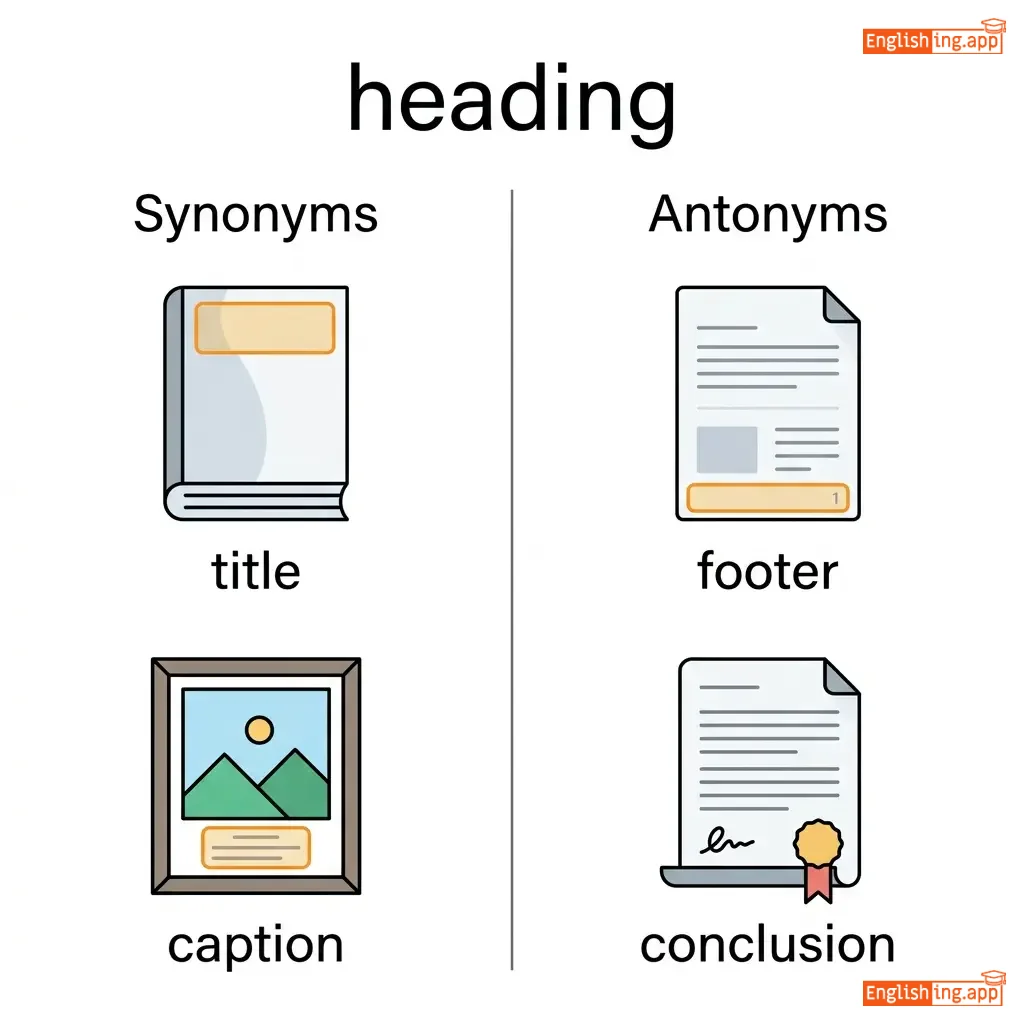
title, caption, header, direction
••••••
|
footer, conclusion, ending, tail
••••••
|
chapter heading, section heading, main heading
••••••
|
Заголовок – это заголовок, который выделяется и привлекает внимание.
••••••
|
|
#563
⚓
|
/ˈhɑːr.bər/
noun
(хар-бор)
••••••
|
- •••••• |
гавань
gavan'
••••••
|
a place on the coast where vessels may find shelter; a place of safety or refuge
••••••
|
The fishing boats returned safely to the harbour before the storm hit the coastline. |
Рыболовные лодки безопасно вернулись в гавань до того, как буря ударила по побережью.
Rybolovnyye lodki bezopasno vernulis' v gavan' do togo, kak burya udarila po poberez'yu.
••••••
|
port, haven, marina, dock
••••••
|
open sea, storm, danger, exposure
••••••
|
safe harbour, natural harbour, harbour master
••••••
|
Гавань - это безопасное место, как 'гавань' для судов.
••••••
|
|
#564
📈
|
/ˈhed.weɪ/
noun
(хедвей)
••••••
|
- •••••• |
прогресс; продвижение; успех
progress, prodvizhenie, uspekh
••••••
|
forward movement or progress, especially when this is slow or difficult
••••••
|
Despite the challenges, the research team made significant headway in developing the new vaccine. |
Несмотря на трудности, исследовательская группа достигла значительного прогресса в разработке новой вакцины.
Nesmotrya na trudnosti, issledovatelskaya gruppa dostigla znachitelnogo progressa v razrabotke novoy vaktsiny.
••••••
|
progress, advancement, improvement, development
••••••
|
setback, regression, decline, stagnation
••••••
|
make headway, significant headway, slow headway
••••••
|
No •••••• |
|
#565
😣
|
/ˈhɑːrd.ʃɪp/
noun
(хардишип)
••••••
|
- •••••• |
трудности, страдания
trudnosti, stradaniya
••••••
|
severe suffering or privation; difficulty or distress
••••••
|
Despite facing many hardships during the war, the family remained united and hopeful.
Несмотря на многие трудности во время войны, семья оставалась единой и полной надежды.
••••••
|
Несмотря на многие трудности во время войны, семья оставалась единой и полной надежды.
Nesmotrya na mnogiye trudnosti vo vremya voyny, sem'ya ostavalas' yedinoy i polnoy nadezhdy.
••••••
|
difficulty, adversity, suffering, trial
••••••
|
comfort, ease, prosperity, luxury
••••••
|
financial hardship, endure hardship, overcome hardship
••••••
|
Hardship — это тяжелые времена, но мы все же остаемся сильными.
••••••
|
|
#566
👂
|
/ˈhɪr.ɪŋ/
noun
(хиринг)
••••••
|
- •••••• |
слух; слушание
slukh; slushanie
••••••
|
the faculty of perceiving sounds; a session in which testimony and arguments are heard
••••••
|
The elderly man's hearing had deteriorated, so he needed to wear a hearing aid. |
Слух пожилого человека ухудшился, поэтому ему нужно было носить слуховой аппарат.
Slukh pozhilogo cheloveka ukhudshilsya, poetomu emu nuzhno bylo nosit' slukhovoy apparat.
••••••
|
audition, listening, trial, tribunal
••••••
|
deafness, silence, muteness, quiet
••••••
|
hearing aid, hearing loss, court hearing
••••••
|
Слух — это дар, который помогает нам воспринимать звуки, а слушание важно в суде.
••••••
|
|
#567
🎵
|
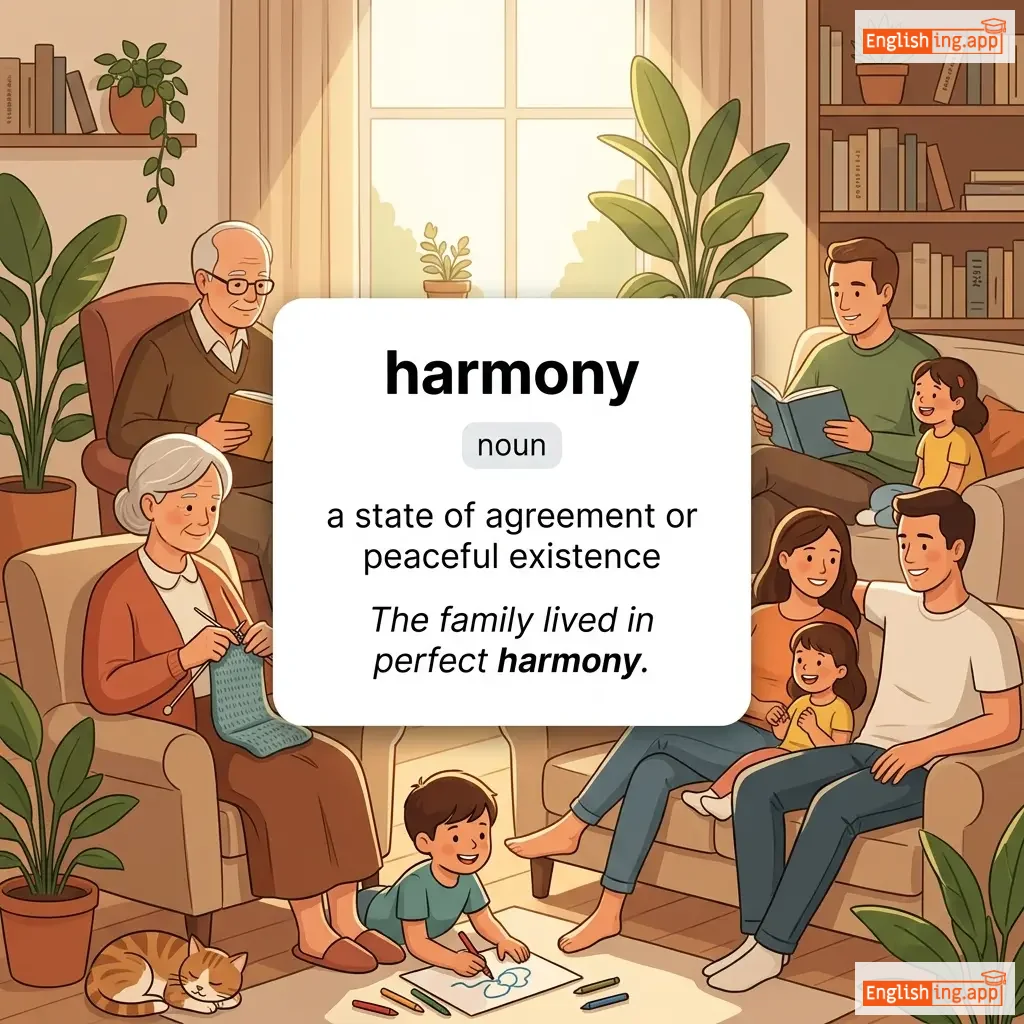
/ˈhɑːr.mə.ni/
noun
(garmoniya)
••••••
|
|
гармония; согласие; мир;
garmoniya, soglasiya, mir
••••••
|
the combination of simultaneously sounded musical notes to produce chords; agreement or concord
••••••
|
The choir sang in perfect harmony, creating a beautiful and peaceful atmosphere.
Хор пел в идеальной гармонии, создавая прекрасную и мирную атмосферу.
••••••
|
Хор пел в идеальной гармонии, создавая прекрасную и мирную атмосферу.
Khor pel v ideal'noy garmonii, sozdavaya prekrasnuyu i mirnuyu atmosferu.
••••••
|
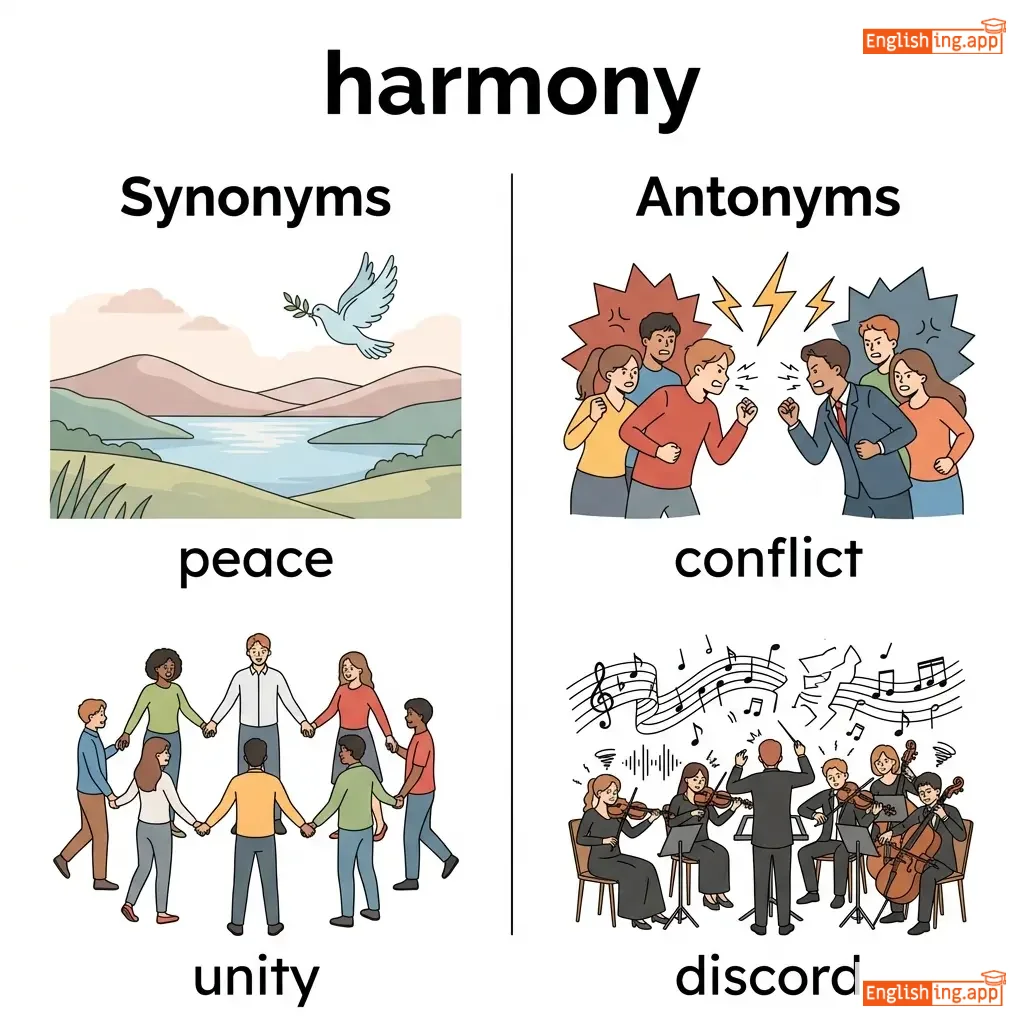
accord, unity, balance, peace
••••••
|
discord, conflict, disagreement, chaos
••••••
|
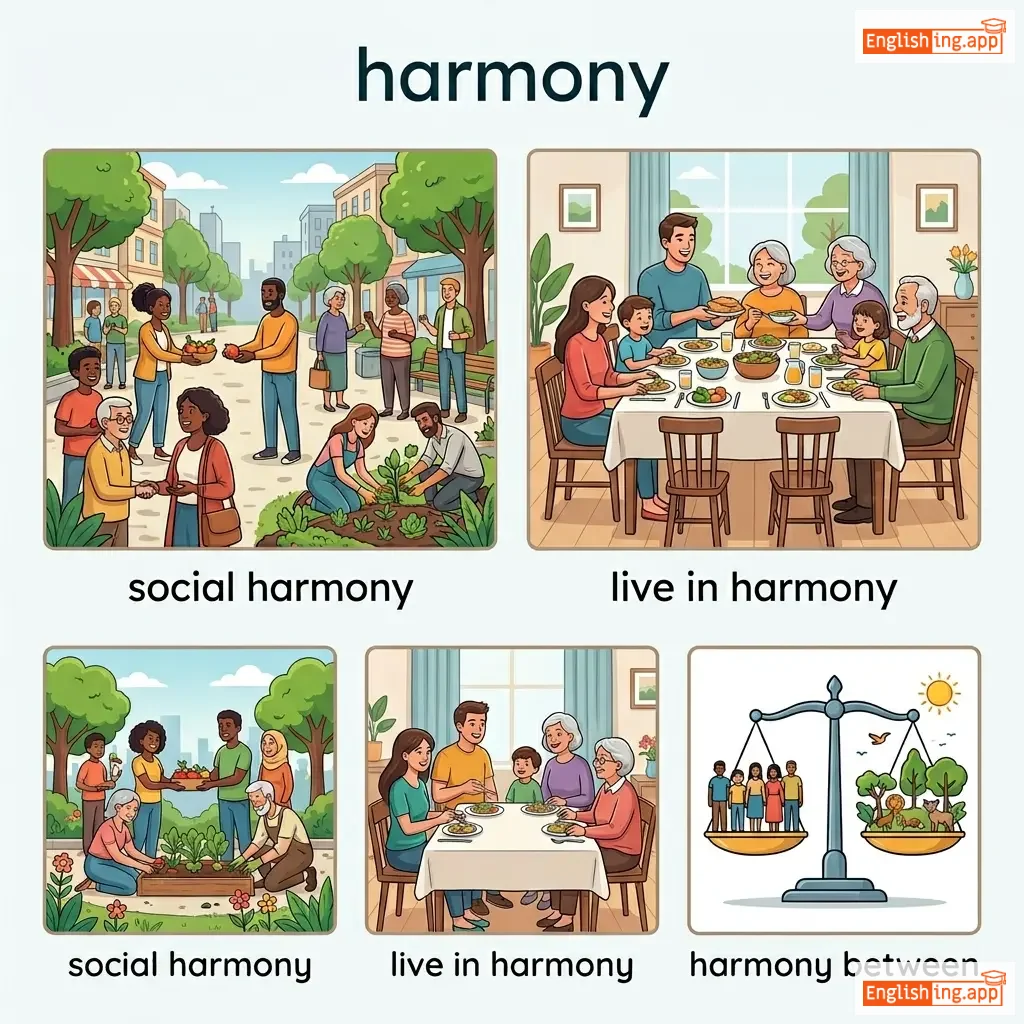
perfect harmony, live in harmony, social harmony
••••••
|
Гармония важна для музыки и жизни
••••••
|
|
#568
🗣️
|
/ˈhɪr.seɪ/
noun
(hyer-sey)
••••••
|
- •••••• |
слух
slukh
••••••
|
information received from other people that one cannot adequately substantiate; rumor
••••••
|
The accusations were based on hearsay rather than concrete evidence or eyewitness testimony. |
Обвинения основывались на слухах, а не на конкретных доказательствах или свидетельских показаниях.
Obvinenia osnovyvalis na slukhakh, a ne na konkretnykh dokazatel'stvakh ili svidetel'skikh pokazanijakh.
••••••
|
rumor, gossip, speculation, word of mouth
••••••
|
fact, evidence, proof, testimony
••••••
|
mere hearsay, based on hearsay, hearsay evidence
••••••
|
В России слухи распространяются быстро.
••••••
|
|
#569
😤
|
/ˈhæs.əl/
noun
(хасл)
••••••
|
- •••••• |
неудобство; беспокойство; трудность
neudobstvo, bespokoystvo, trudnost
••••••
|
irritating inconvenience; trouble or difficulty; a situation causing problems
••••••
|
Booking tickets online can save you the hassle of waiting in long queues at the theater. |
Бронирование билетов онлайн может избавить вас от неудобства ожидания в длинных очередях в театре.
Bronirovanie biletov onlayn mozhet izbavit' vas ot neudobstva ozhidaniya v dlinnykh ocheredyakh v teatre.
••••••
|
trouble, annoyance, bother, inconvenience
••••••
|
convenience, ease, help, assistance
••••••
|
avoid hassle, unnecessary hassle, too much hassle
••••••
|
Хасл (hassle) = неудобство
••••••
|
|
#570
⚱️
|
/hɜːrs/
noun
(хёрс)
••••••
|
- •••••• |
катафалк;
katafalk
••••••
|
a vehicle for conveying the coffin at a funeral; a funeral car
••••••
|
The black hearse slowly made its way to the cemetery, followed by a procession of mourners. |
Черный катафалк медленно двигался к кладбищу, за ним шла процессия скорбящих.
Chernyy katafalk medlenno dvigalsya k kladbishchu, za nim shla protsessiya skorbyashchikh.
••••••
|
funeral car, death wagon, mortuary vehicle, funeral carriage
••••••
|
wedding car, celebration vehicle, ambulance, rescue vehicle
••••••
|
funeral hearse, horse-drawn hearse, black hearse
••••••
|
Катафалк — последнее путешествие для умерших.
••••••
|
|
#571
⏰
|
/heɪst/
noun
(heist)
••••••
|
- •••••• |
спешка; торопливость
spezhka, toroplivost'
••••••
|
swiftness of motion; urgent need of quick action; excessive speed or urgency
••••••
|
In his haste to catch the train, he forgot to take his wallet from the table.
В своей спешке, чтобы поймать поезд, он забыл взять свой кошелек с стола.
••••••
|
В своей спешке, чтобы поймать поезд, он забыл взять свой кошелек с стола.
V svoey speške, chtoby poymat' poyezd, on zabyl vzyat' svoy koshelek s stola.
••••••
|
speed, hurry, rush, urgency
••••••
|
slowness, deliberation, patience, delay
••••••
|
in haste, make haste, haste makes waste
••••••
|
В спешке за поездом забыть кошелек
••••••
|
|
#572
☁️
|
/ˈhev.ən/
noun
(Хейвен)
••••••
|
- •••••• |
рай
ray
••••••
|
a place regarded in various religions as the abode of God and the angels; a place of eternal happiness
••••••
|
Many people believe that good souls go to heaven after they pass away from this world.
Многие люди верят, что добрые души попадают в рай после смерти.
••••••
|
Многие люди верят, что добрые души попадают в рай после смерти.
Mnogie lyudi veryat, chto dobrye dushi popadayut v ray posle smerti.
••••••
|
paradise, afterlife, eternity, bliss
••••••
|
hell, purgatory, damnation, suffering
••••••
|
go to heaven, heaven and earth, seventh heaven
••••••
|
Ray leads to Рай: imagine a bright ray guiding you to eternal счастье
••••••
|
|
#573
😡
|
/ˈheɪ.trəd/
noun
(хэтред)
••••••
|
- •••••• |
ненависть
nenavist'
••••••
|
intense dislike or ill will; a feeling of strong aversion
••••••
|
His hatred for injustice motivated him to become a human rights lawyer. |
Его ненависть к несправедливости побудила его стать адвокатом по правам человека.
Yego nenavist' k nespravedlivosti pobudila yego stat' advokatom po pravam cheloveka.
••••••
|
loathing, animosity, hostility, resentment
••••••
|
love, affection, admiration, fondness
••••••
|
deep hatred, racial hatred, hatred towards
••••••
|
Ненависть = сильное отвращение
••••••
|
|
#574
👑
|
/er/
noun
(эр)
••••••
|
- •••••• |
наследник
naslednik
••••••
|
a person legally entitled to the property or rank of another on that person's death
••••••
|
The young prince was the rightful heir to the throne and would become king someday. |
Юный принц был законным наследником престола и когда-нибудь станет королём.
Yunyy prints byl zakonnyy naslednikom prestola i kogda-nibud' stanet korolyom.
••••••
|
successor, inheritor, beneficiary, descendant
••••••
|
predecessor, ancestor, donor, grantor
••••••
|
rightful heir, sole heir, heir apparent
••••••
|
In Russia, the heir, or 'naslednik', has the legacy of the throne.
••••••
|
|
#575
💥
|
/ˈhæv.ək/
noun
(хэвок)
••••••
|
- •••••• |
широкомасштабное разрушение; большая путаница или беспорядок; хаос
shirokomasshtabnoe razrushenie; bolshaya putanitsa ili besporyadok; khaos
••••••
|
widespread destruction; great confusion or disorder; chaos
••••••
|
The hurricane wreaked havoc on the coastal towns, destroying homes and businesses. |
Ураган вызвал разрушение в прибрежных городах, разрушив дома и бизнес.
Uragan vyzval razrushenie v pribrezhnykh gorodakh, razrushiv doma i biznes.
••••••
|
destruction, chaos, devastation, mayhem
••••••
|
order, peace, construction, harmony
••••••
|
wreak havoc, cause havoc, widespread havoc
••••••
|
Представь, как ураган приводит к разрушению и хаосу.
••••••
|
|
#576
🔥
|
/hel/
noun
(хэл)
••••••
|
- •••••• |
ад; болезненное состояние; неприятный опыт
ad; boleznennoe sostoyanie; nepríyatnyi opyt
••••••
|
a place regarded in various religions as a spiritual realm of evil and suffering; an extremely unpleasant experience
••••••
|
Working in the factory during summer was absolute hell due to the extreme heat.
Работать на фабрике летом было настоящим адом из-за экстремальной жары.
••••••
|
Работать на фабрике летом было настоящим адом из-за экстремальной жары.
Rabotat' na fabrike letom bylo nastoyashchim adom iz-za ekstremal'noy zhary.
••••••
|
inferno, torment, nightmare, agony
••••••
|
heaven, paradise, bliss, joy
••••••
|
living hell, hell on earth, through hell
••••••
|
Представьте ад как жаркое место, похожее на фабрику летом.
••••••
|
|
#577
⚠️
|
/ˈhæz.ərd/
noun
(хазард)
••••••
|
- •••••• |
опасность; риск
opasnost, risk
••••••
|
a danger or risk; something that poses a threat to safety
••••••
|
Smoking is a serious health hazard that can lead to lung cancer and heart disease.
Курение - это серьезная угроза для здоровья, которая может привести к раку легких и заболеваниям сердца.
••••••
|
Курение - это серьезная угроза для здоровья, которая может привести к раку легких и заболеваниям сердца.
Kurenie - eto seryoznyaya ugroza dlya zdorov'ya, kotoraya mozhet privesti k raku legkikh i zabolevaniyam serdtsa.
••••••
|
danger, risk, peril, threat
••••••
|
safety, security, protection, benefit
••••••
|
health hazard, fire hazard, occupational hazard
••••••
|
In Russian, 'опасность' and 'риск' will remind you of the danger of a 'hazard.'
••••••
|
|
#578
⚓
|
/helm/
noun
(хелм)
••••••
|
- •••••• |
руль
rul
••••••
|
a tiller or wheel for steering a ship or boat; a position of leadership or control
••••••
|
The experienced captain took the helm and expertly navigated the ship through the storm. |
Опытный капитан взял руль и искусно направил корабль через шторм.
Opytniy kapitan vzyal rul' i iskusno napravyl korabl' cherez shtorm.
••••••
|
steering wheel, rudder, control, leadership
••••••
|
passenger seat, follower position, subordination, guidance
••••••
|
take the helm, at the helm, ship's helm
••••••
|
Руль – путь через шторм.
••••••
|
|
#579
🌫️
|
/heɪz/
noun
(hez)
••••••
|
- •••••• |
туман
tuman
••••••
|
a slight obscuration of the lower atmosphere, typically caused by fine suspended particles; confusion
••••••
|
The morning haze lifted gradually as the sun rose higher in the sky. |
Утренний туман постепенно исчез, когда солнце поднималось выше в небе.
Utrenny tuman postepenno ischez, kogda solntse podnimalos' vyshe v nebe.
••••••
|
mist, fog, vapor, blur
••••••
|
clarity, clearness, brightness, sharpness
••••••
|
morning haze, heat haze, haze of smoke
••••••
|
No •••••• |
|
#580
⛑️
|
/ˈhel.mət/
noun
(хелмет)
••••••
|
- •••••• |
шлем
shlem
••••••
|
a hard or padded protective hat worn by motorcyclists, construction workers, or soldiers
••••••
|
The cyclist always wore a bright yellow helmet for safety and visibility while riding.
Велосипедист всегда носил ярко-желтый шлем для безопасности и видимости во время езды.
••••••
|
Велосипедист всегда носил ярко-желтый шлем для безопасности и видимости во время езды.
Velosipedist vsegda nosil yarko-zheltyy shlem dlya bezopasnosti i vidimosti vo vremya ezdy.
••••••
|
hard hat, protective headgear, safety helmet, crash helmet
••••••
|
bare head, unprotected head, soft hat, cap
••••••
|
safety helmet, bicycle helmet, motorcycle helmet
••••••
|
Шлем = Защитный шлем на голове для безопасности.
••••••
|
Vocabulary Quiz
Test your vocabulary by matching words with their translations or meanings.
Login to take the quiz
Comments (0)
Share your thoughts and join the discussion.
Join the discussion by logging in
Login to CommentNo comments yet
Be the first to share your thoughts!