

Обновитесь для доступа ко всему словарю
Получите неограниченный доступ ко всем словам с подпиской Pro
Обновить до ProПеревод
Прошедшее
Причастие прошедшего времени
Третье лицо единственного числа
Герундий
Значение
Пример предложения
Перевод примера предложения
Синонимы
Антонимы
Коллокации
Мнемоника
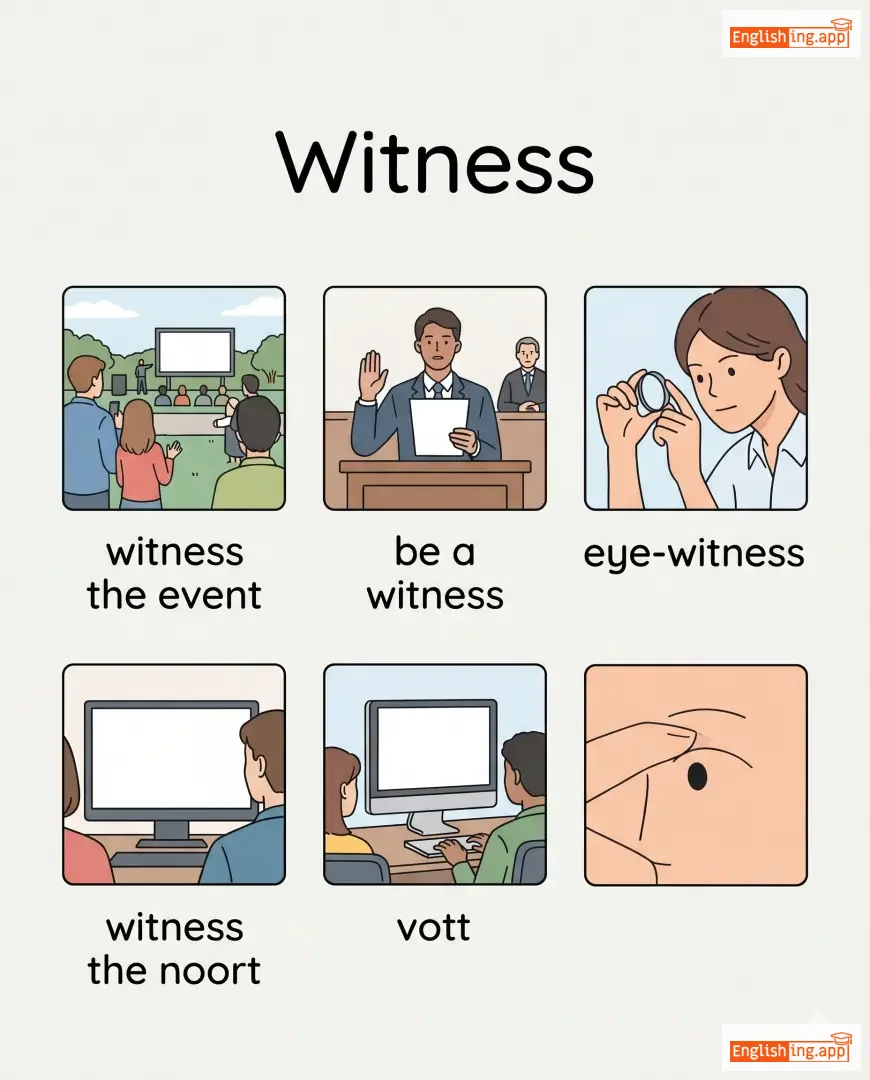
Swipe left or right, or use the buttons. Tap image to zoom.
Обновитесь для доступа ко всем предложениям
Получите неограниченный доступ ко всем предложениям с подпиской Pro
Обновить до ProПеревод примера предложения
Слово
Lesson 77Lesson 77 - Переключатель маски
|
Эмодзи
|
Слово | Images | Перевод | Значение | Пример предложения | Перевод примера предложения | Синонимы | Антонимы | Коллокации | Мнемоника |
|---|---|---|---|---|---|---|---|---|---|---|
|
#1521
🌿
|
/wiːd/
noun
(вид)
••••••
|
|
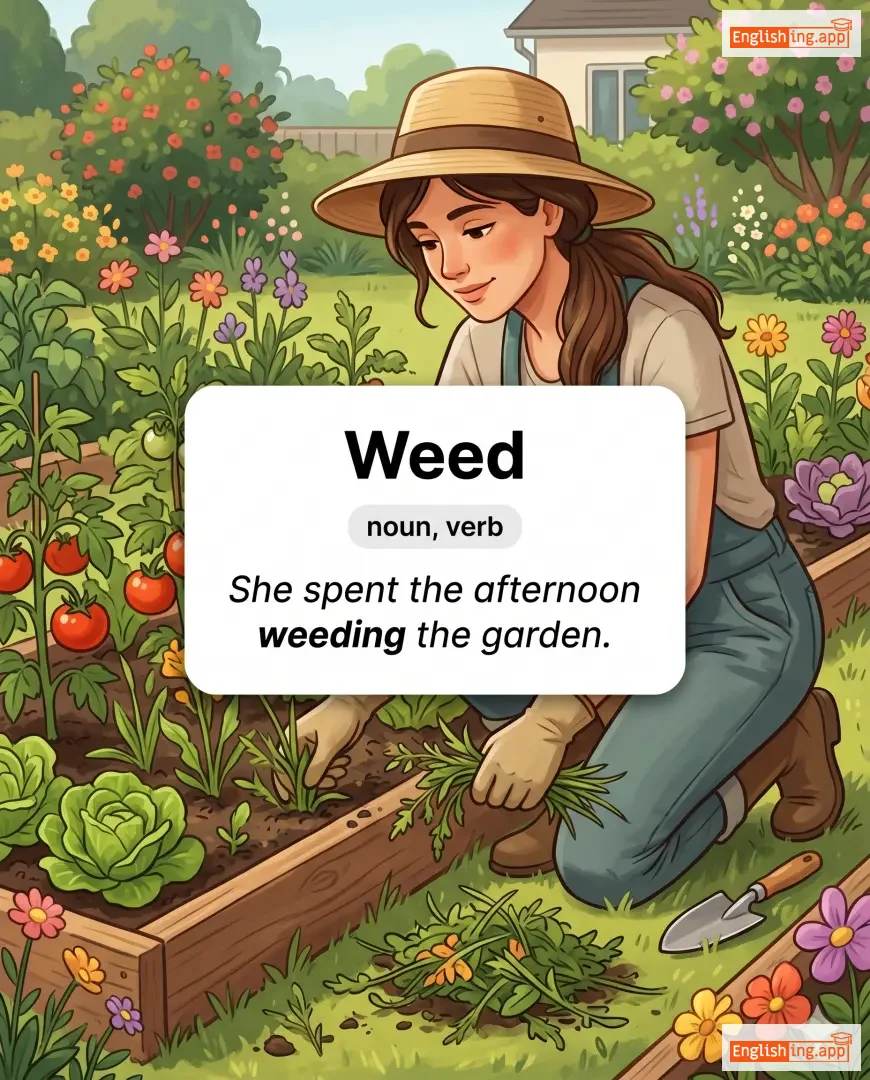
сорняк
sornyak
••••••
|
a wild plant growing where it is not wanted; unwanted plant
••••••
|
The garden was full of weeds that needed to be removed. |
Сад был полон сорняков, которые нужно было удалить.
Sad byl polon sornyakov, kotorye nuzhno bylo udalit'.
••••••
|
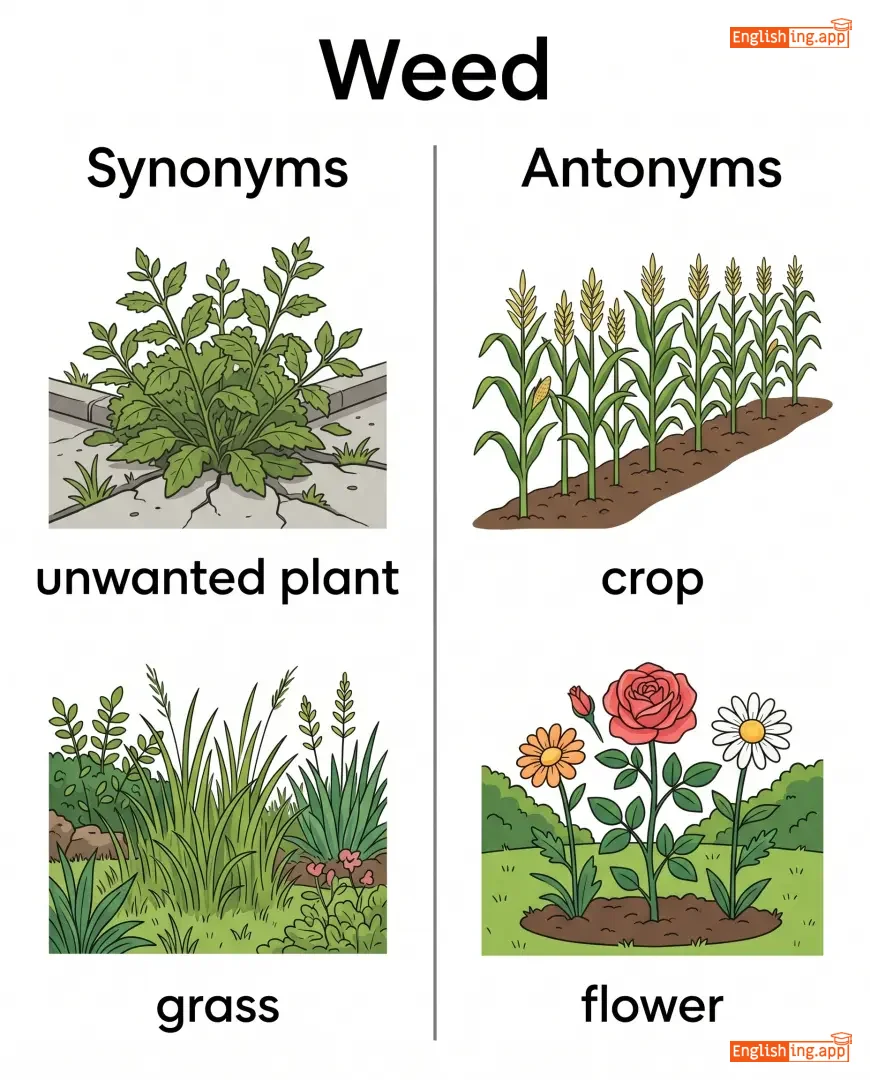
unwanted plant, wild plant
••••••
|
flower, crop, cultivated plant
••••••
|
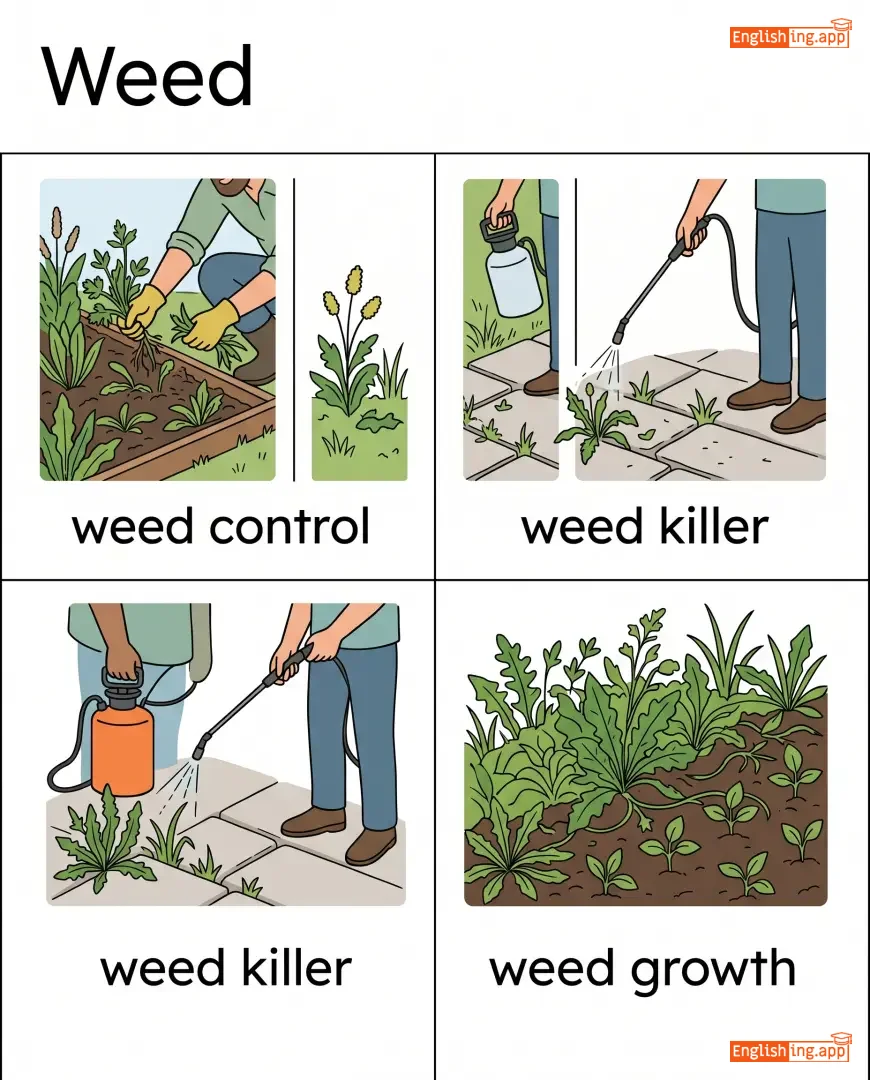
weed killer, garden weed, pull weeds
••••••
|
Сорняк в саду нужно удалить, если он не нужен.
••••••
|
|
#1522
↔️
|
/wɪdθ/
noun
(wɪdθ)
••••••
|
- •••••• |
ширина; протяженность
shirina; protiazhennost
••••••
|
the measurement or extent of something from side to side; breadth
••••••
|
The width of the river is about 50 meters.
Ширина реки составляет около 50 метров.
••••••
|
Ширина реки составляет около 50 метров.
Shirina reki sostavlyaet okolo 50 metrov.
••••••
|
breadth, span, extent
••••••
|
length, height, narrowness
••••••
|
full width, average width, total width
••••••
|
Представьте себе реку, чтобы запомнить значение слова 'width'.
••••••
|
|
#1523
🤝
|
/ˈwel.feər/
noun
(вельфер)
••••••
|
- •••••• |
благосостояние; благополучие; здоровье
blagosostoyanie; blagoslovie; zdorov'e
••••••
|
the health, happiness, and fortunes of a person or group; care and support
••••••
|
The government is responsible for the welfare of its citizens. |
Правительство несет ответственность за благосостояние своих граждан.
Pravitel'stvo neset otvetstvennost' za blagosostoyanie svoikh grazhdan.
••••••
|
well-being, benefit, good, prosperity
••••••
|
harm, disadvantage, detriment
••••••
|
social welfare, welfare state, welfare system
••••••
|
Вельфер = Вельф (welfare) + эра (era)
••••••
|
|
#1524
🌲
|
/ˈwɪldərnəs/
noun
(вилдернесс)
••••••
|
- •••••• |
дикая местность; нетронутая территория; пустыня
dikaya mestnost; netronutaya teritoriya; pustynya
••••••
|
an uncultivated, uninhabited, and inhospitable region; a wild or uncultivated state
••••••
|
They got lost in the wilderness for three days.
Они заблудились в дикой местности на три дня.
••••••
|
Они заблудились в дикой местности на три дня.
Oni zabludilis v dikoy mestnosti na tri dnya.
••••••
|
wild, wasteland, desert, backwoods
••••••
|
civilization, city, settlement, town
••••••
|
vast wilderness, wilderness area, into the wilderness
••••••
|
Представьте, как вы заблудились в пустыне или в диковой местности. 'Wilderness' в русском — это потерянный мир!
••••••
|
|
#1525
🕳️
|
/wel/
noun
(wel)
••••••
|
- •••••• |
колодец; благосостояние;
kolodets; blagostoyanie
••••••
|
a deep hole in the ground from which water is obtained
••••••
|
The villagers get water from the old well in the center of town.
Жители деревни получают воду из старого колодца в центре деревни.
••••••
|
Жители деревни получают воду из старого колодца в центре деревни.
Zhiteli derevni poluchayut vodu iz starogo kolodtsa v tsentre derevni.
••••••
|
water hole, spring, bore
••••••
|
hill, mound, elevation
••••••
|
water well, oil well, deep well
••••••
|
Колодец - источник воды и благосостояния для всей деревни.
••••••
|
|
#1526
🦉
|
/ˈwɪzdəm/
noun
(вɪздэм)
••••••
|
- •••••• |
мудрость; знание; рассудительность
mudrost'; znanie; rassuditel'nost'
••••••
|
the quality of having experience, knowledge, and good judgment; the soundness of an action or decision
••••••
|
Age brings wisdom and experience. |
Возраст приносит мудрость и опыт.
Vozrast prinosit mudrost' i opyt.
••••••
|
knowledge, intelligence, insight, prudence
••••••
|
foolishness, ignorance, stupidity, folly
••••••
|
ancient wisdom, conventional wisdom, words of wisdom
••••••
|
Russian: 'мудрость' = Wisdom
••••••
|
|
#1527
😊
|
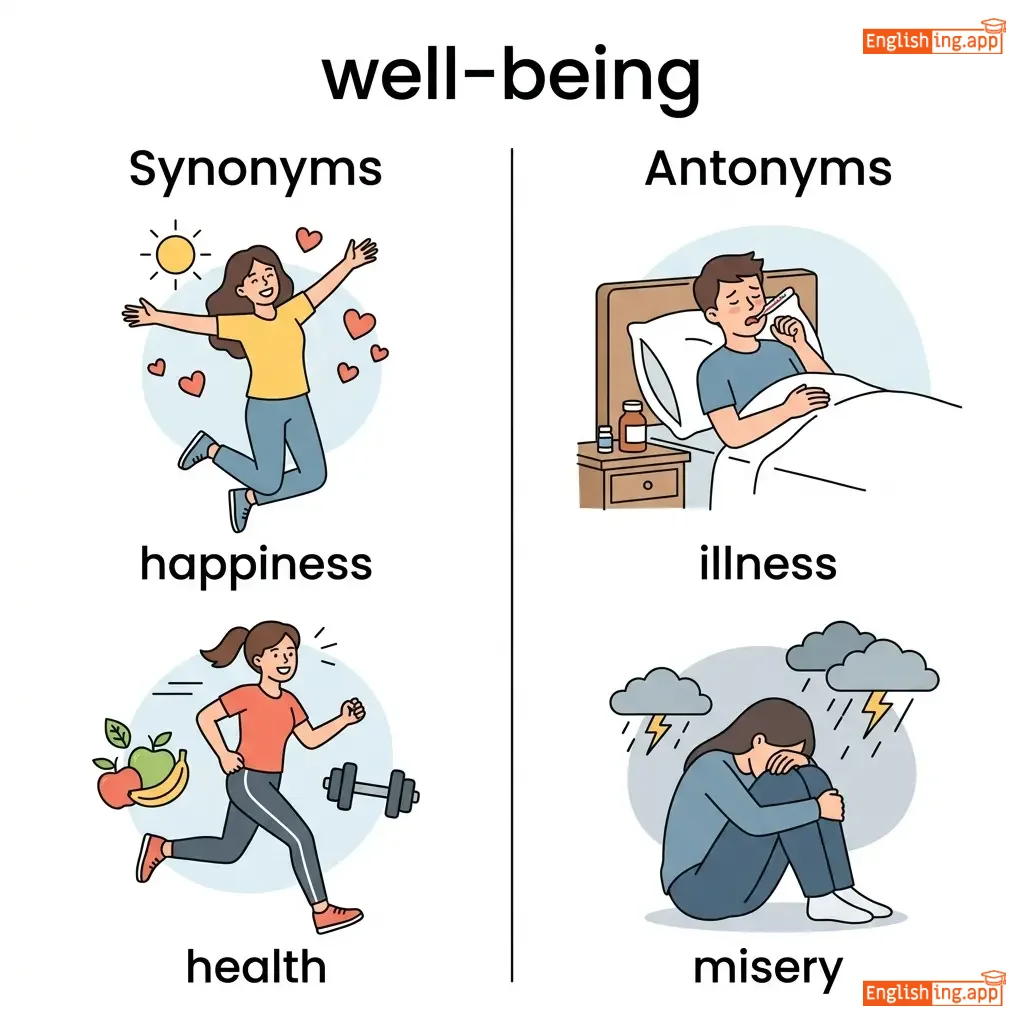
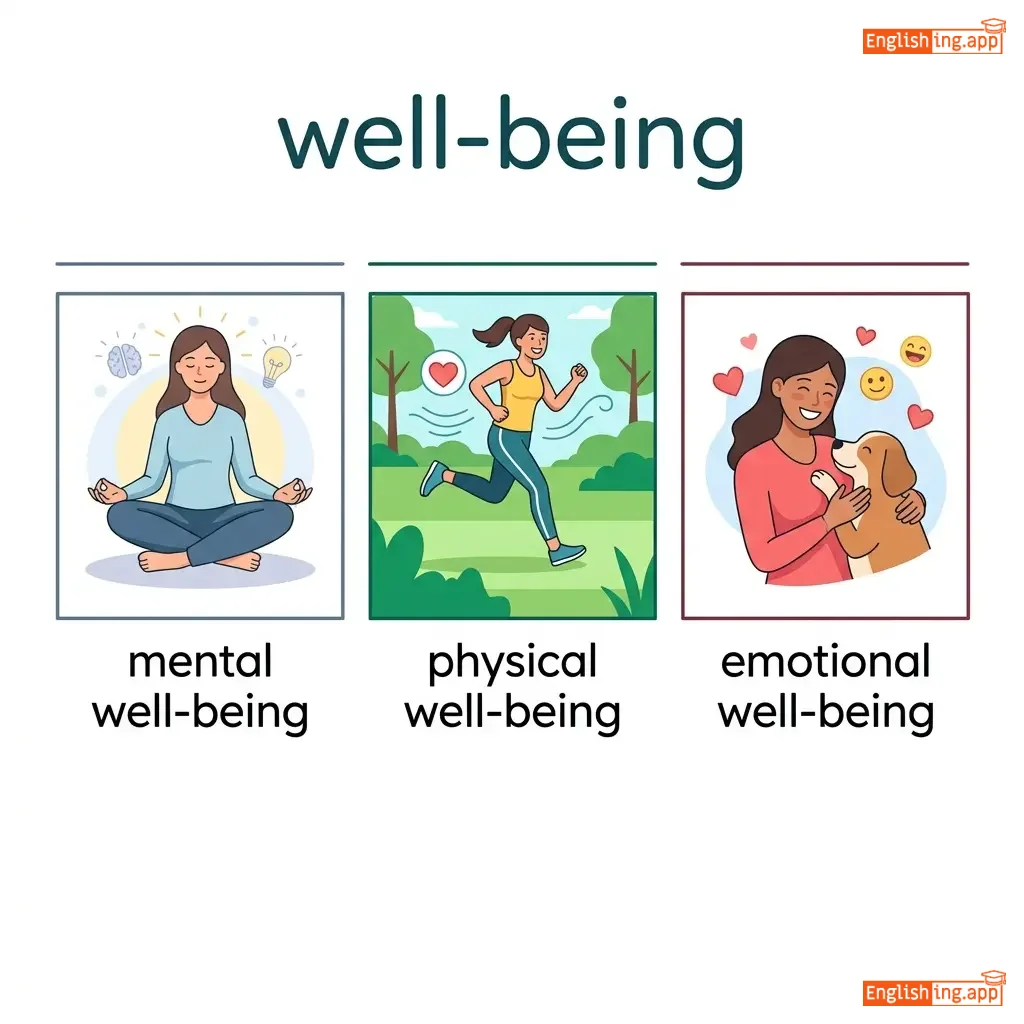
/ˈwel.biː.ɪŋ/
noun
(вɛлˈбинг)
••••••
|
|
благополучие
blagopoluchie
••••••
|
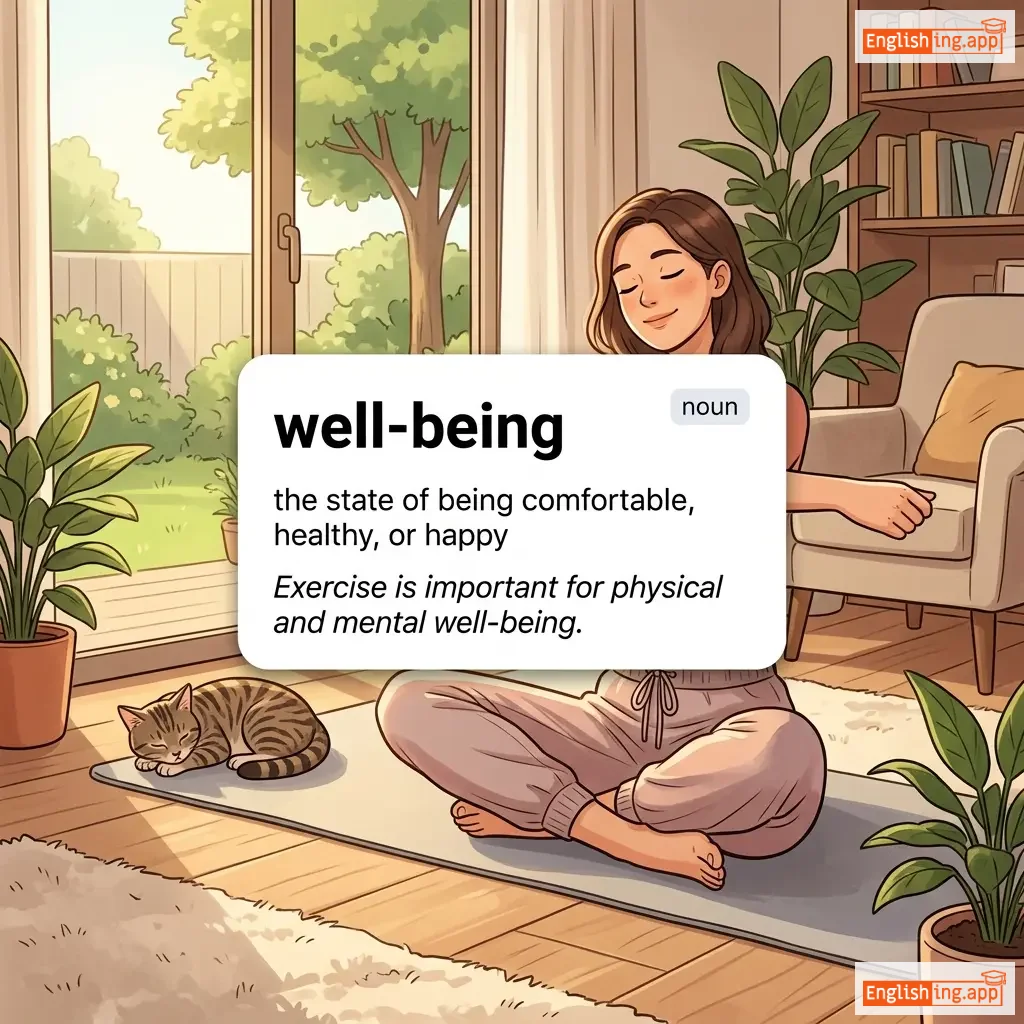
the state of being comfortable, healthy, or happy
••••••
|
Regular exercise contributes to physical and mental well-being. |
Регулярные упражнения способствуют физическому и психическому благополучию.
Regulyarnye uprazhneniya sposobyvayut fizicheskomu i psikhicheskomu blagopoluchiyu.
••••••
|
welfare, health, happiness, comfort
••••••
|
suffering, distress, misery
••••••
|
physical well-being, mental well-being, emotional well-being
••••••
|
Blagopoluchie means well-being in Russian, combining 'blago' (good) and 'poluchie' (condition).
••••••
|
|
#1528
🧠
|
/wɪt/
noun
(вит)
••••••
|
- •••••• |
остроумие
ostroumie
••••••
|
mental sharpness and inventiveness; keen intelligence; a natural aptitude for using words in a clever and amusing way
••••••
|
She has a sharp wit and quick sense of humor.
У нее острое остроумие и быстрое чувство юмора.
••••••
|
У нее острое остроумие и быстрое чувство юмора.
U nee ostroye ostroumiye i bystroye chuvstvo yumora.
••••••
|
intelligence, humor, cleverness, sharpness
••••••
|
dullness, stupidity, seriousness, foolishness
••••••
|
quick wit, sharp wit, dry wit
••••••
|
Wit = Остроумие (wit = ostroumie)
••••••
|
|
#1529
🤗
|
/ˈwel.wɪʃ.ər/
noun
(вɛл уишер)
••••••
|
- •••••• |
добродетель
dobrodetel
••••••
|
a person who desires happiness or success for another
••••••
|
Many well-wishers came to congratulate her on her graduation.
Мени вɛл-уишерз кэйм ту кэнгрэчюлейт хёр он хёр грэдуэйшн.
••••••
|
Многие добродетели пришли поздравить её с окончанием учёбы.
Mnogie dobrodeteli prishli pozdravit' yeё s okonchaniem uchyoby.
••••••
|
supporter, friend, admirer
••••••
|
enemy, opponent, rival
••••••
|
family well-wishers, close well-wishers
••••••
|
Добродетель = человек, который несет добро.
••••••
|
|
#1530
🧙♀️
|
/wɪtʃ/
noun
(вич)
••••••
|
- •••••• |
ведьма
vedma
••••••
|
a woman thought to have magic powers, especially evil ones; a practitioner of witchcraft
••••••
|
The old witch cast a spell on the prince.
Старая ведьма наложила заклятие на принца.
••••••
|
Старая ведьма наложила заклятие на принца.
Staryaya ved'ma nalozhila zaklyatie na printsa.
••••••
|
sorceress, enchantress, hag, magician
••••••
|
saint, angel, good fairy, healer
••••••
|
old witch, evil witch, witch doctor
••••••
|
Ведьма в русском - это как Witch на английском, 'ведьма' для запоминания.
••••••
|
|
#1531
🥛
|
/weɪ/
noun
(уэй)
••••••
|
- •••••• |
сыворотка
syvorotka
••••••
|
the watery part of milk that separates from the curds when making cheese
••••••
|
Whey protein is popular among athletes and bodybuilders. |
Протеин сыворотки популярен среди атлетов и бодибилдеров.
Protein syvorotki populyaren sredi atletov i bodibil'derov.
••••••
|
milk serum, liquid portion
••••••
|
curd, solid portion
••••••
|
whey protein, whey powder, sweet whey
••••••
|
Syvorotka = Whey, both are essential parts of dairy products used for health.
••••••
|
|
#1532
👁️
|
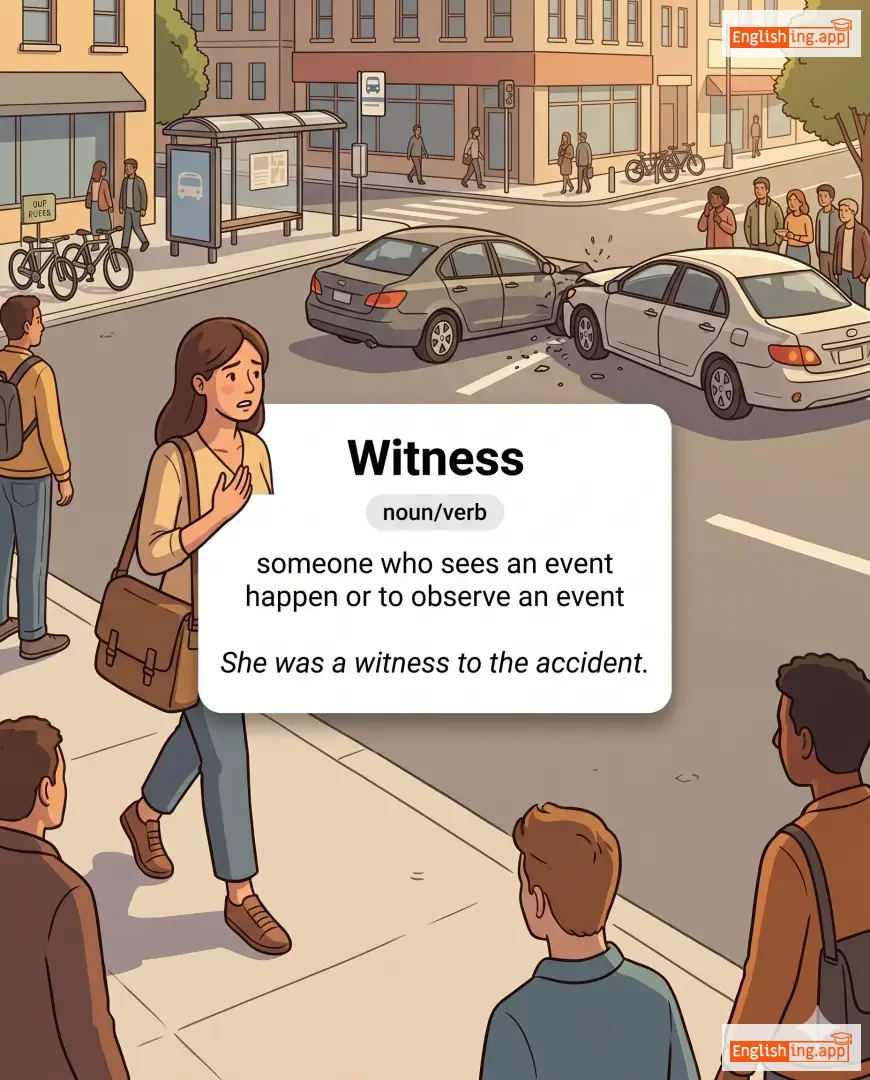
/ˈwɪtnəs/
noun
(witness)
••••••
|
|
свидетель
svidetel
••••••
|
a person who sees an event, typically a crime or accident; someone who gives evidence in a court of law
••••••
|
The witness testified in court yesterday. |
Свидетель дал показания в суде вчера.
Svidetel' dal pokazanija v sude vchera.
••••••
|
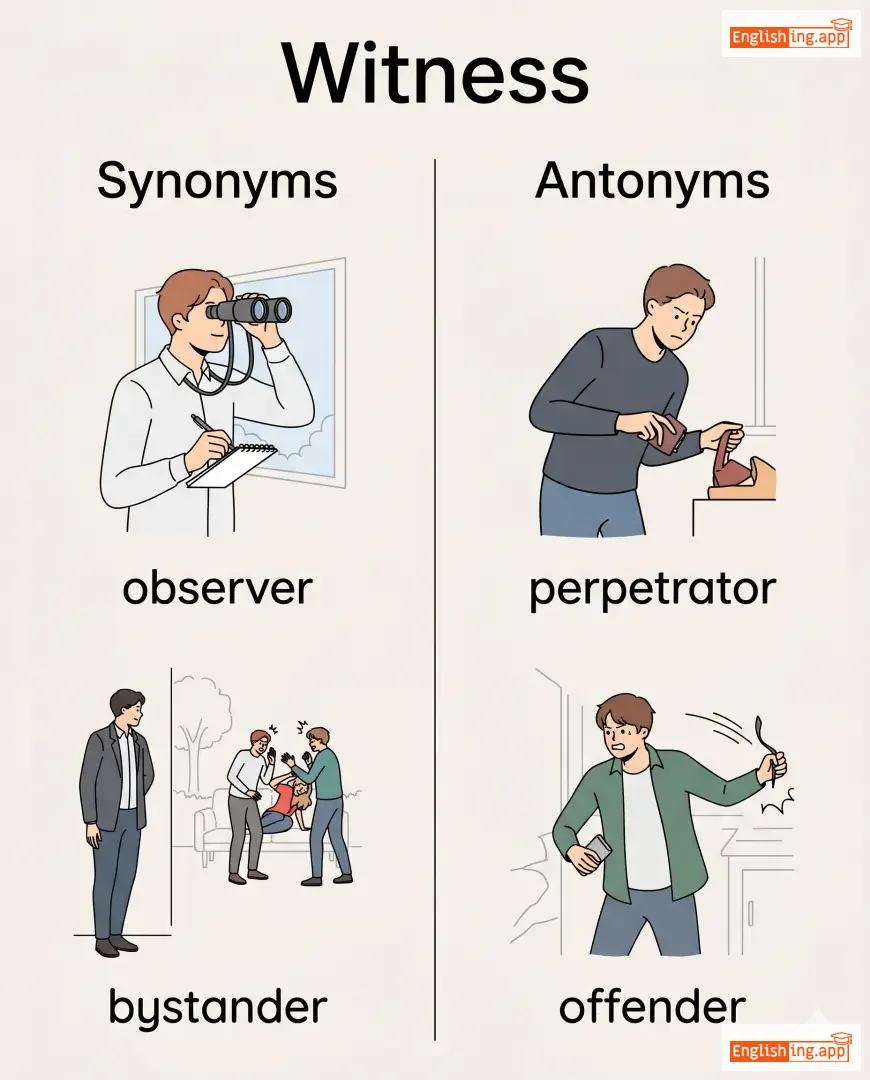
observer, bystander, eyewitness, spectator
••••••
|
participant, perpetrator, defendant, accused
••••••
|
key witness, star witness, reliable witness
••••••
|
Свидетель – тот, кто дает показания в суде.
••••••
|
|
#1533
📍
|
/ˈweər.ə.baʊts/
noun
(wɛər əˈbaʊts)
••••••
|
- •••••• |
местоположение; расположение
mestopolozhenie; raspolozhenie
••••••
|
the place where someone or something is located
••••••
|
Nobody knows the whereabouts of the missing person.
Никто не знает, где находится пропавший человек.
••••••
|
Никто не знает, где находится пропавший человек.
Nikto ne znaet, gde nakhoditsya propavshiy chelovek.
••••••
|
location, position, place
••••••
|
absence, unknown location
••••••
|
unknown whereabouts, current whereabouts
••••••
|
найти расположение по карте
••••••
|
|
#1534
🧙♂️
|
/ˈwɪzərd/
noun
(вɪзард)
••••••
|
- •••••• |
волшебник
volshebnik
••••••
|
a man who is supposed to have magical powers; a person who is very skilled in a particular area
••••••
|
The wizard performed amazing magic tricks.
Волшебник проделал потрясающие фокусы.
••••••
|
Волшебник проделал потрясающие фокусы.
Volshebnik prodelal potryasayushchie fokusy.
••••••
|
magician, sorcerer, conjurer, expert
••••••
|
novice, amateur, beginner, muggle
••••••
|
powerful wizard, wise wizard, computer wizard
••••••
|
Волшебник и Wizard — оба обладают магией и чудесами.
••••••
|
|
#1535
🕯️
|
/wɪk/
noun
(вик)
••••••
|
- •••••• |
фитиль свечи
fitil svechi
••••••
|
a cord or strand of cotton that burns to provide light in a candle or lamp
••••••
|
The candle wick needs to be trimmed for better burning. |
Фитиль свечи нужно обрезать для лучшего горения.
Fitil svechi nuzhno obrezat' dlya luchshego gorenija.
••••••
|
fuse, cord, string
••••••
|
flame, fire
••••••
|
candle wick, lamp wick, oil wick
••••••
|
Фитиль свечи горит, чтобы давать свет.
••••••
|
|
#1536
🙏
|
/ˈwɜːrʃɪp/
noun
(вёр-ship)
••••••
|
- •••••• |
богослужение
bogosluzhenie
••••••
|
the feeling or expression of reverence and adoration for a deity; religious devotion and practice
••••••
|
They gather every Sunday for worship.
Они собираются каждое воскресенье для богослужения.
••••••
|
Они собираются каждое воскресенье для богослужения.
Oni sobirayutsya kazhdoe voskresenye dlya bogosluzheniya.
••••••
|
prayer, devotion, reverence, adoration
••••••
|
blasphemy, disrespect, irreverence, sacrilege
••••••
|
place of worship, religious worship, morning worship
••••••
|
Worship in Russian is богослужение, remember it as the 'service' for worshiping God.
••••••
|
|
#1537
👩🦳
|
/ˈwɪd.oʊ/
noun
(видо)
••••••
|
- •••••• |
вдова
vdova
••••••
|
a woman whose husband has died and who has not married again
••••••
|
The widow received support from her family and community. |
Вдова получила поддержку от своей семьи и сообщества.
Vdova poluchila podderzhku ot svoey sem'i i soobshchestva.
••••••
|
bereaved woman, surviving spouse
••••••
|
wife, married woman
••••••
|
young widow, war widow, widow's pension
••••••
|
Вдова, без мужа, нуждается в поддержке.
••••••
|
|
#1538
💎
|
/wɜːrθ/
noun
(wɜːrθ)
••••••
|
- •••••• |
стоимость; цена;
stoimost; tsena
••••••
|
the value equivalent to that of someone or something; the level at which someone or something deserves to be valued
••••••
|
The painting is worth thousands of dollars. |
Картина стоит тысячи долларов.
Kartina stoit tysyachi dollarov.
••••••
|
value, price, merit, importance
••••••
|
worthlessness, insignificance, cheapness, valuelessness
••••••
|
net worth, true worth, self-worth
••••••
|
‘Стоимость’ – это то, что ценится в важном.
••••••
|
|
#1539
👨🦳
|
/ˈwɪd.oʊ.ər/
noun
(вɪдоуэр)
••••••
|
- •••••• |
вдовец
vdovec
••••••
|
a man whose wife has died and who has not married again
••••••
|
The elderly widower lived alone but had regular visits from his children. |
Пожилой вдовец жил один, но регулярно получал визиты от своих детей.
Pozhiloy vdovets zhil odin, no regulyarno poluchal vizity ot svoikh detey.
••••••
|
bereaved man, surviving husband
••••••
|
husband, married man
••••••
|
elderly widower, lonely widower
••••••
|
Вдовец — это тот, кто остался один после смерти жены.
••••••
|
|
#1540
😡
|
/ræθ/
noun
(рэт)
••••••
|
- •••••• |
гнев; ярость
gnev; yarost
••••••
|
extreme anger; intense fury or indignation
••••••
|
His wrath was terrible to behold.
Его гнев было страшно видеть.
••••••
|
Его гнев было страшно видеть.
Yego gnev bylo strashno videt'.
••••••
|
anger, fury, rage, indignation
••••••
|
calmness, peace, serenity, forgiveness
••••••
|
divine wrath, terrible wrath, face someone's wrath
••••••
|
Гнев, как буря, может разрушить все на своем пути.
••••••
|
Vocabulary Quiz
Test your vocabulary by matching words with their translations or meanings.
Login to take the quiz
Comments (0)
Share your thoughts and join the discussion.
Join the discussion by logging in
Login to CommentNo comments yet
Be the first to share your thoughts!