

Обновитесь для доступа ко всему словарю
Получите неограниченный доступ ко всем словам с подпиской Pro
Обновить до ProПеревод
Прошедшее
Причастие прошедшего времени
Третье лицо единственного числа
Герундий
Значение
Пример предложения
Перевод примера предложения
Синонимы
Антонимы
Коллокации
Мнемоника
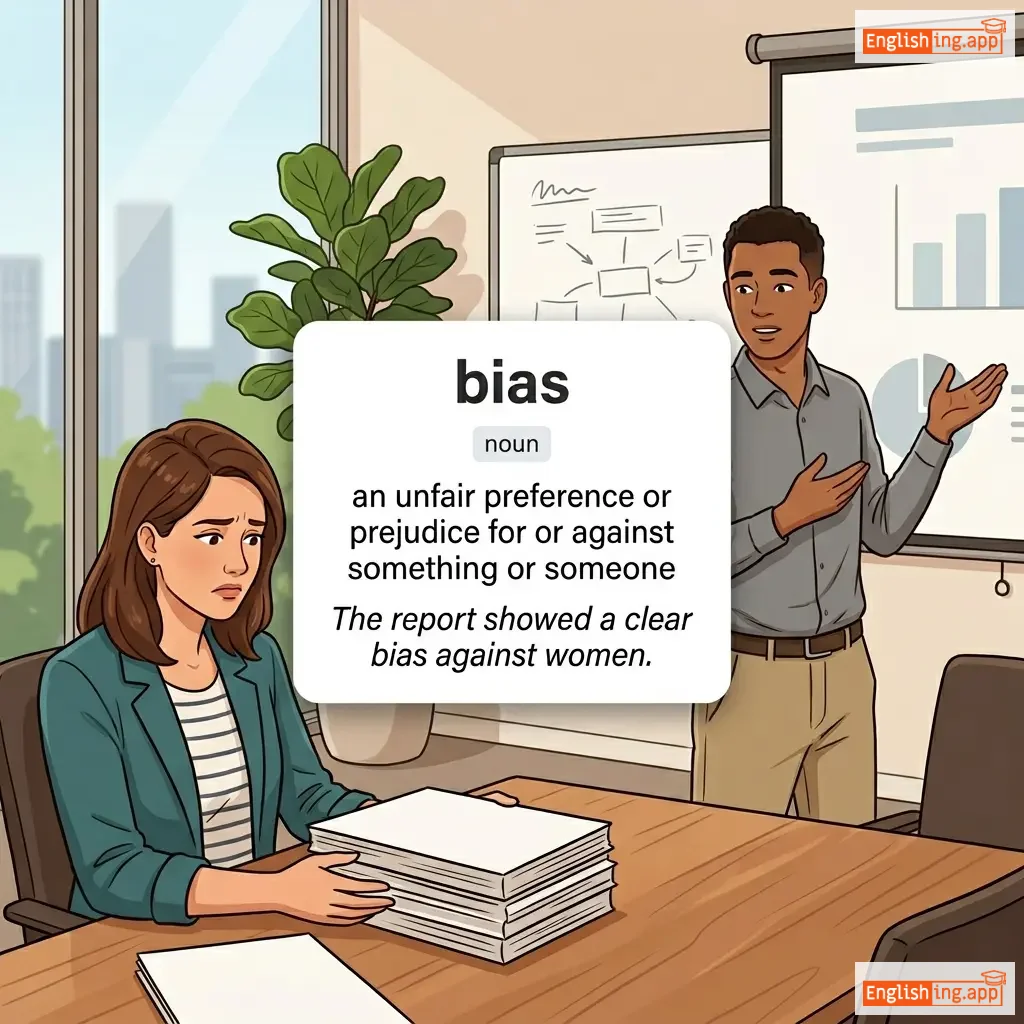
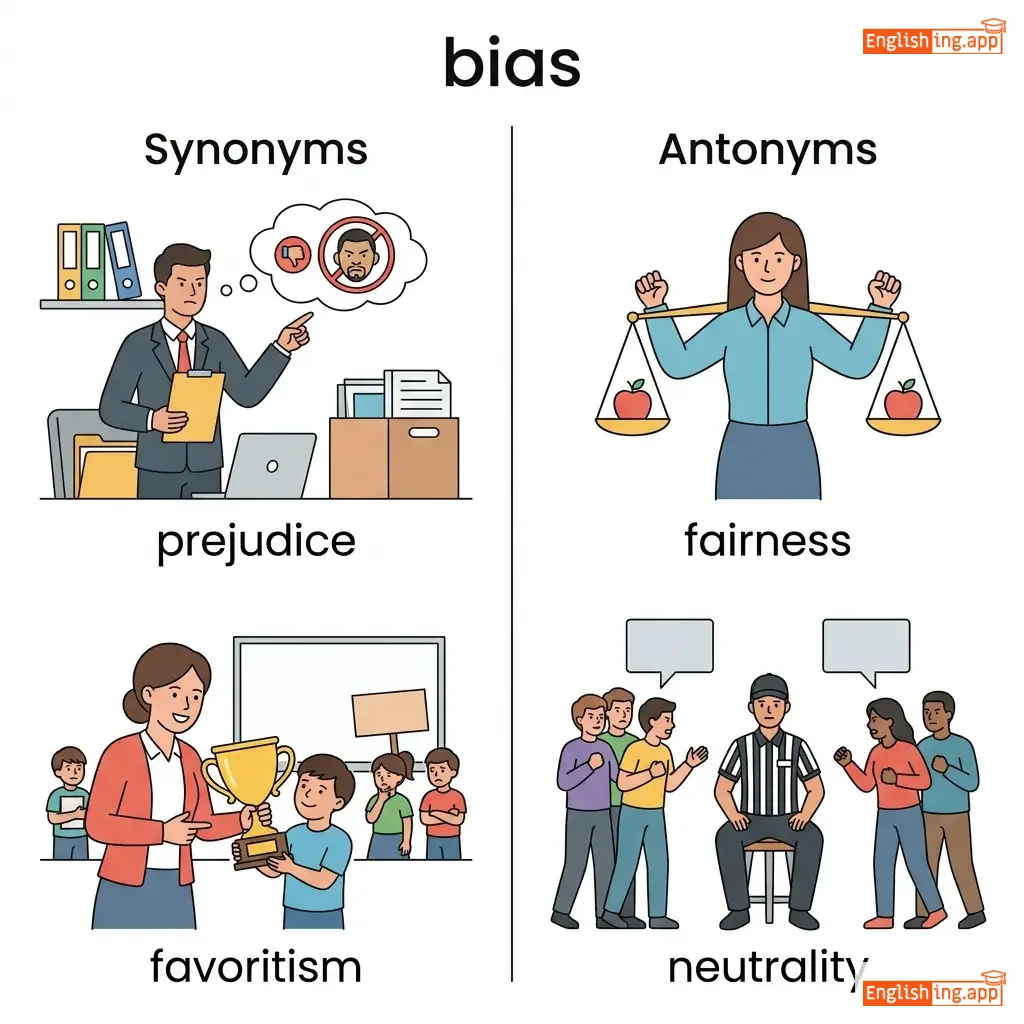
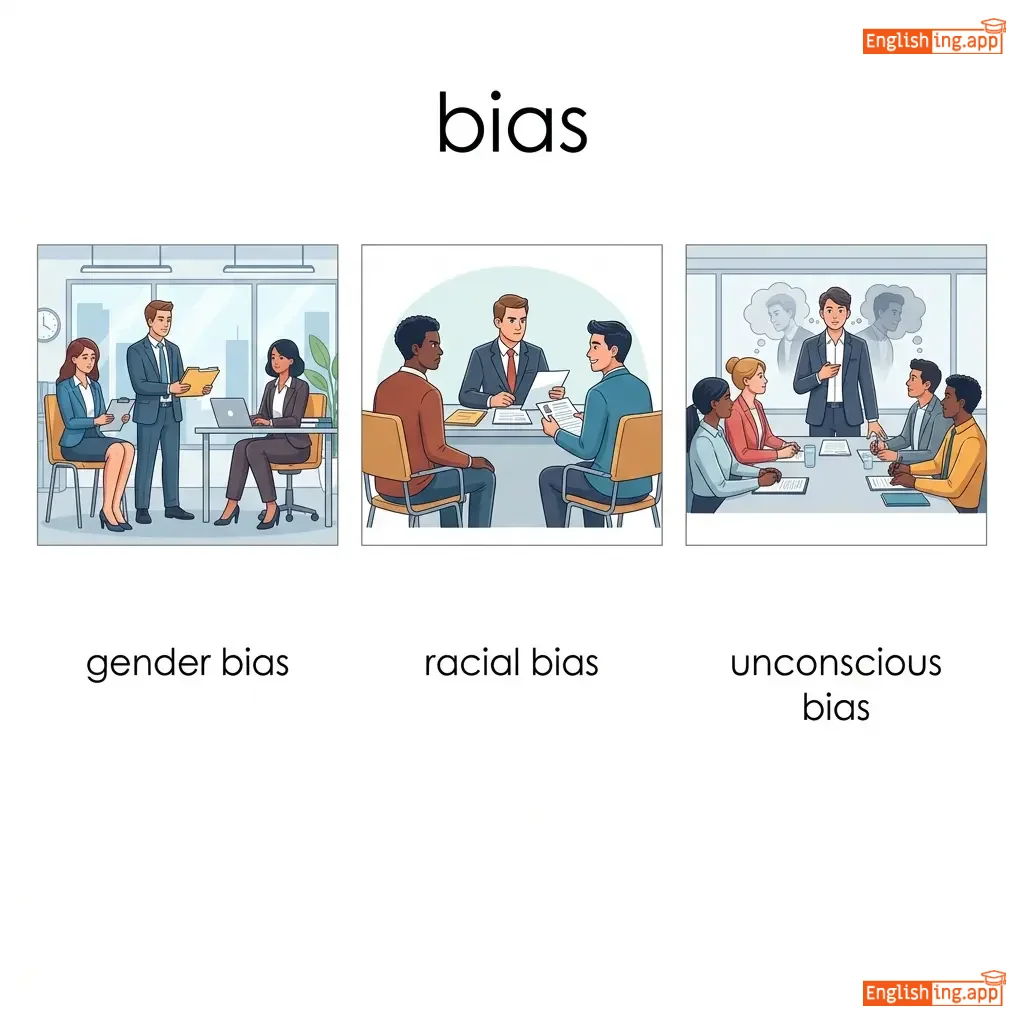
Swipe left or right, or use the buttons. Tap image to zoom.
Обновитесь для доступа ко всем предложениям
Получите неограниченный доступ ко всем предложениям с подпиской Pro
Обновить до ProПеревод примера предложения
Слово
Lesson 5Lesson 5 - Переключатель маски
|
Эмодзи
|
Слово | Images | Перевод | Значение | Пример предложения | Перевод примера предложения | Синонимы | Антонимы | Коллокации | Мнемоника |
|---|---|---|---|---|---|---|---|---|---|---|
|
#81
🏷️
|
/bɪd/
noun
(бид)
••••••
|
- •••••• |
ставка; предложение
stavka; predlozhenie
••••••
|
an offer to pay a certain amount for something; an attempt to obtain or achieve something
••••••
|
She made a bid for the antique vase at the auction.
Она сделала ставку на старинную вазу на аукционе.
••••••
|
Она сделала ставку на старинную вазу на аукционе.
Ona sdelala stavku na starinnuyu vazu na auksione.
••••••
|
offer, proposal, attempt
••••••
|
refusal, rejection
••••••
|
make a bid, bid farewell, highest bid
••••••
|
A 'bid' is like a 'stavka' you place in a Russian auction.
••••••
|
|
#82
🔴
|
/bleɪn/
noun
(blein)
••••••
|
- •••••• |
пузырь
puzir
••••••
|
an inflammatory swelling or sore on the skin; a blister or pustule
••••••
|
The doctor examined the blain on his arm.
Врач осмотрел пузырь на его руке.
••••••
|
Врач осмотрел пузырь на его руке.
Vrach osmotreli puzyr na yego ruke.
••••••
|
blister, pustule, sore
••••••
|
healthy skin
••••••
|
painful blain, infected blain, treat blain
••••••
|
Blain, a skin sore, translates to ‘puzir’ (Russian) for blister.
••••••
|
|
#83
💼
|
/bɪz/
noun
(биз)
••••••
|
- •••••• |
бизнес
biznes
••••••
|
business (informal); commercial enterprise or activity
••••••
|
He's been in the restaurant biz for twenty years. |
Он занимается ресторанным бизнесом уже двадцать лет.
On zanimayetsya restoran'nym biznesom uzhe dvadtsat' let.
••••••
|
business, trade, commerce
••••••
|
hobby, leisure
••••••
|
show biz, restaurant biz, entertainment biz
••••••
|
Biz = бизнес, когда кто-то работает в ресторане многие годы.
••••••
|
|
#84
😤
|
/ˈbɪtərnəs/
noun
(битарнесс)
••••••
|
- •••••• |
горечь
gorech
••••••
|
anger and disappointment at being treated unfairly; resentment; a sharp, unpleasant taste
••••••
|
She spoke with bitterness about her former employer.
Она говорила с горечью о своем бывшем работодателе.
••••••
|
Она говорила с горечью о своем бывшем работодателе.
Ona govorila s gorech'yu o svoem byvshem rabotodatele.
••••••
|
resentment, acrimony, rancor
••••••
|
sweetness, kindness, forgiveness
••••••
|
feel bitterness, taste of bitterness, overcome bitterness
••••••
|
In Russian, 'горечь' ('gorech') relates directly to bitterness, a sharp taste or feeling of resentment.
••••••
|
|
#85
🐕🦺
|
/bɪtʃ/
noun
(бич)
••••••
|
- •••••• |
сука;
suka
••••••
|
a female dog; an unpleasant or spiteful woman (offensive)
••••••
|
The bitch gave birth to five puppies.
Сука родила пятерых щенков.
••••••
|
Сука родила пятерых щенков.
Suka rodila pyaterykh shchenkov.
••••••
|
female dog
••••••
|
male dog, dog
••••••
|
breeding bitch, guard bitch
••••••
|
Сука, которая родила щенков.
••••••
|
|
#86
🔹
|
/bɪt/
noun
(бит)
••••••
|
- •••••• |
небольшой кусочек или количество чего-то; короткое время или расстояние
nebol'shoy kusochek ili kolichestvo chego-to; korotkoye vremya ili rasstoyanie
••••••
|
a small piece or quantity of something; a short time or distance
••••••
|
Can you wait a bit longer for me? |
Ты можешь подождать немного дольше для меня?
Ty mozhes' podozhdat' nemnogo dol'she dlya menya?
••••••
|
piece, fragment, portion
••••••
|
whole, entirety, lot
••••••
|
a bit more, bit by bit, every bit
••••••
|
Небольшое количество времени или вещи!
••••••
|
|
#87
👶
|
/bɜːrθ/
noun
(бёрт)
••••••
|
- •••••• |
рождение; начало; исток;
rozhdenie; nachalo; istok
••••••
|
the emergence of a baby or young from the body of its mother; the beginning or origin of something
••••••
|
The birth of their first child was a joyful moment.
рождение их первого ребенка было радостным моментом.
••••••
|
Рождение их первого ребенка было радостным моментом.
Rozhdenie ikh pervogo rebenka bylo radostnym momentom.
••••••
|
delivery, nativity, origin
••••••
|
death, end, conclusion
••••••
|
give birth, birth certificate, birth rate
••••••
|
Рождение (rozhdenie) как начало жизни
••••••
|
|
#88
🌍
|
/ˈbaɪoʊˌsfɪr/
noun
(bayosfir)
••••••
|
- •••••• |
биосфера
biosfera
••••••
|
the regions of the surface and atmosphere of the earth occupied by living organisms
••••••
|
Climate change is affecting the entire biosphere. |
Изменение климата влияет на всю биосферу.
Izmenenie klimata vliyayet na vsyu biosferu.
••••••
|
ecosphere, life zone
••••••
|
geosphere, atmosphere
••••••
|
protect biosphere, biosphere reserve, global biosphere
••••••
|
Биосфера - это все живое на Земле, от океанов до атмосферы, все что дышит и растет.
••••••
|
|
#89
📖
|
/baɪˈɒɡrəfi/
noun
(baɪˈɒɡrəfi)
••••••
|
- •••••• |
биография
biografiya
••••••
|
an account of someone's life written by someone else; the story of a person's life
••••••
|
I'm reading a fascinating biography of Albert Einstein. |
Я читаю увлекательную биографию Альберта Эйнштейна.
Ya chitayu uvyeklatel'nuyu biografiyu Alberta Eynshteyna.
••••••
|
life story, memoir, profile
••••••
|
fiction, novel
••••••
|
write a biography, read biography, authorized biography
••••••
|
Biografia in Russian and Biography in English both share the meaning of someone's life story.
••••••
|
|
#90
📋
|
/ˈbaɪoʊ ˌdeɪtə/
noun
(баяо-датá)
••••••
|
- •••••• |
резюме
rezjume
••••••
|
biographical data; a resume or curriculum vitae containing personal and professional information
••••••
|
Please submit your bio-data along with the job application. |
Пожалуйста, отправьте свое резюме вместе с заявкой на работу.
Pozhaluysta, otpravyte svoe rezjume vmeste s zayavkoy na rabotu.
••••••
|
resume, CV, curriculum vitae
••••••
|
- •••••• |
submit bio-data, personal bio-data, complete bio-data
••••••
|
Резюме: как паспорт для вашей карьеры, где указаны все важные данные.
••••••
|
|
#91
🌙
|
/bend/
noun
(бенд)
••••••
|
- •••••• |
поворот; изгиб
povorot, izgib
••••••
|
a curved or angled part of something; a turning point in a road or river
••••••
|
There is a sharp bend in the river ahead.
Впереди на реке резкий поворот.
••••••
|
Впереди на реке резкий поворот.
Vpered na reke rezkiy povorot.
••••••
|
curve, turn, twist, corner
••••••
|
straight, line
••••••
|
sharp bend, river bend, road bend, bend in the road
••••••
|
Bend = Поворот (Поворот перед вами)
••••••
|
|
#92
⚖️
|
/ˈbaɪəs/
noun
(bajaz)
••••••
|
|
предвзятость; склонность; предубеждение
predvzyatost, sklonnost, predbuzhdenie
••••••
|
prejudice in favor of or against something; an inclination or outlook
••••••
|
The judge showed no bias during the trial proceedings. |
Судья не проявил никакой предвзятости в ходе судебного разбирательства.
Sudiya ne proyavil nikakoy predvzyatosti v khode sudebnogo razbiratel'stva.
••••••
|
prejudice, partiality, favoritism, inclination
••••••
|
impartiality, fairness, neutrality, objectivity
••••••
|
cultural bias, unconscious bias, media bias, gender bias
••••••
|
Судья должен быть беспристрастным, без предвзятости.
••••••
|
|
#93
🐍
|
/bɪˈtreɪər/
noun
(betrayer)
••••••
|
- •••••• |
предатель; изменник
predatel', izmen'nik
••••••
|
a person who betrays someone or something; one who is disloyal
••••••
|
The betrayer was exposed and faced severe consequences.
Бетрейер был разоблачен и столкнулся с серьезными последствиями.
••••••
|
Предатель был разоблачен и столкнулся с серьезными последствиями.
Predatel' byl razoblachen i stolknulsya s seryoznymi posledstviyami.
••••••
|
traitor, turncoat, backstabber, double-crosser
••••••
|
loyalist, faithful person, ally, supporter
••••••
|
expose the betrayer, identify betrayer, betrayer revealed
••••••
|
Предатель всегда будет встречать наказание.
••••••
|
|
#94
💔
|
/bɪˈtreɪəl/
noun
(бетрейал)
••••••
|
- •••••• |
предательство; измена
predatel'stvo; izmena
••••••
|
the action of betraying one's country, group, or person; disloyalty
••••••
|
His betrayal of their friendship hurt her deeply. |
Его предательство их дружбы глубоко её ранило.
Yego predatel'stvo ikh druzhby gluboko yeye ranilo.
••••••
|
treachery, disloyalty, deception, backstabbing
••••••
|
loyalty, faithfulness, devotion, allegiance
••••••
|
act of betrayal, feel betrayed, betrayal of trust
••••••
|
Предательство - это когда ты подводишь своих близких.
••••••
|
|
#95
🛏️
|
/bɜːrθ/
noun
(бёрт)
••••••
|
- •••••• |
спальное место; место для сна на корабле, поезде или другом транспортном средстве
spal'noye mesto; mesto dlya sna na korable, poyezde ili drugom transportnom sredstve
••••••
|
a sleeping place in a ship, train, or other vehicle; a place where a ship can dock
••••••
|
I booked an upper berth on the overnight train. |
Я забронировал верхнюю полку в ночном поезде.
Ya zabroniroval verkhnyuyu polku v nochnom poyezde.
••••••
|
bunk, bed, sleeping place, dock, mooring
••••••
|
- •••••• |
upper berth, lower berth, ship berth, train berth
••••••
|
На корабле или поезде спальное место — это место для сна
••••••
|
|
#96
🎯
|
/bent/
noun
(бент)
••••••
|
- •••••• |
склонность; тенденция
sklonnost', tendenciya
••••••
|
a natural inclination or talent; a strong interest or liking for something
••••••
|
She has a natural bent for music and art. |
У нее есть естественная склонность к музыке и искусству.
U nee yest' estestvennaya sklonnost' k muzike i iskusstvu
••••••
|
inclination, tendency, aptitude, talent, disposition
••••••
|
aversion, dislike, inability
••••••
|
natural bent, artistic bent, bent for learning, musical bent
••••••
|
Бент всегда имеет склонность к искусству.
••••••
|
|
#97
😇
|
/bɪˈnɪɡnɪti/
noun
(бенигнити)
••••••
|
- •••••• |
доброта; мягкость; качество быть добрым или милосердным
dobrota; myagkost; kachestvo byt' dobrym ili miloserdnym
••••••
|
kindness; gentleness; the quality of being benign or gracious
••••••
|
Her benignity towards all people made her beloved by everyone.
Ее доброта к людям сделала ее любимой у всех.
••••••
|
Ее доброта к людям сделала ее любимой у всех.
Eyo dobrotá k lyudyam sdelala yeyo lyubimoy u vsekh
••••••
|
kindness, gentleness, compassion, goodness
••••••
|
malice, cruelty, harshness, unkindness
••••••
|
natural benignity, show benignity, acts of benignity
••••••
|
Imagine someone with such kindness that they are known as 'Benignity'.
••••••
|
|
#98
✅
|
/ˈbenɪfɪt/
noun
(бенефит)
••••••
|
- •••••• |
польза; выгода; преимущество
pol'za; vygoda; preimushchestvo
••••••
|
an advantage or profit gained from something; a helpful or good effect
••••••
|
Exercise has many health benefits for your body.
Упражнения имеют много пользы для вашего тела.
••••••
|
Упражнения имеют много пользы для вашего тела.
Uprazhneniya imeyut mnogo pol'zy dlya vashego tela.
••••••
|
advantage, profit, gain, good, help
••••••
|
disadvantage, harm, loss, detriment
••••••
|
health benefits, mutual benefit, social benefits, economic benefits
••••••
|
Упражнения — это выгодно для тела (польза от упражнений)
••••••
|
|
#99
🤝
|
/ˈbenɪˌfæktər/
noun
(бенефактор)
••••••
|
- •••••• |
благодетель; меценат; донор
blagodetel, metsenat, donor
••••••
|
a person who gives money or other help to support a person or cause; a patron
••••••
|
The anonymous benefactor donated millions to the hospital.
Анонимный благодетель пожертвовал миллионы в больницу.
••••••
|
Анонимный благодетель пожертвовал миллионы в больницу.
Anonimnyy blagodetel pozhertvoval milliony v bolnitsu.
••••••
|
patron, donor, sponsor, supporter, philanthropist
••••••
|
beneficiary, recipient, enemy
••••••
|
anonymous benefactor, generous benefactor, wealthy benefactor
••••••
|
Benefactor = someone who provides a benefit.
••••••
|
|
#100
🙏
|
/ˌbenɪˈdɪkʃən/
noun
(benediktsiya)
••••••
|
- •••••• |
благословение
blagoslovenie
••••••
|
a blessing, especially a ceremonial one; an expression of good wishes
••••••
|
The priest gave his benediction to the newlyweds.
Священник дал своё благословение новобрачным.
••••••
|
Священник дал своё благословение новобрачным.
Svyashchennik dal svoyo blagoslovenie novobrachnym.
••••••
|
blessing, prayer, invocation, good wishes
••••••
|
curse, malediction, condemnation
••••••
|
give benediction, receive benediction, papal benediction
••••••
|
Благословение - это выражение добрых пожеланий в важных жизненных моментах.
••••••
|
Vocabulary Quiz
Test your vocabulary by matching words with their translations or meanings.
Login to take the quiz
Comments (0)
Share your thoughts and join the discussion.
Join the discussion by logging in
Login to CommentNo comments yet
Be the first to share your thoughts!