

Обновитесь для доступа ко всему словарю
Получите неограниченный доступ ко всем словам с подпиской Pro
Обновить до ProПеревод
Прошедшее
Причастие прошедшего времени
Третье лицо единственного числа
Герундий
Значение
Пример предложения
Перевод примера предложения
Синонимы
Антонимы
Коллокации
Мнемоника
Swipe left or right, or use the buttons. Tap image to zoom.
Обновитесь для доступа ко всем предложениям
Получите неограниченный доступ ко всем предложениям с подпиской Pro
Обновить до ProПеревод примера предложения
Слово
Lesson 44Lesson 44 - Переключатель маски
|
Эмодзи
|
Слово | Images | Перевод | Значение | Пример предложения | Перевод примера предложения | Синонимы | Антонимы | Коллокации | Мнемоника |
|---|---|---|---|---|---|---|---|---|---|---|
|
#861
🎭
|
/maɪm/
noun
(майм)
••••••
|
- •••••• |
пantomim; актер пантомимы
mime
••••••
|
A performer who acts without words, using only gestures and body movements
••••••
|
The street mime entertained the crowd with his invisible box routine. |
Уличный пантомим развлекал толпу своей невидимой коробкой.
Ulichnyj pantomim razvlekal tol'pu svojej nevidimoj korobkoj.
••••••
|
pantomimist, silent performer, street performer
••••••
|
speaker, narrator, vocal performer
••••••
|
street mime, mime artist, mime performance, invisible box
••••••
|
Mime - это актер, который выражает эмоции без слов.
••••••
|
|
#862
😈
|
/ˈmɪs.kri.ənt/
noun
(miscriyant)
••••••
|
- •••••• |
злодей; преступник
miscreant
••••••
|
A person who behaves badly or illegally; a villain or criminal
••••••
|
The miscreant was caught stealing from the store.
Мискриант был пойман за кражей в магазине.
••••••
|
Злодей был пойман за кражей в магазине.
Zlodey byl poyman za krazhey v magazine.
••••••
|
villain, criminal, wrongdoer, scoundrel
••••••
|
hero, saint, good person, law-abiding citizen
••••••
|
dangerous miscreant, petty miscreant, notorious miscreant, young miscreant
••••••
|
Miscreant - A villain or criminal. In Russian, a 'zlodiy' is a criminal.
••••••
|
|
#863
🔄
|
/ˈmɪm.ɪk/
noun
(мимик)
••••••
|
- •••••• |
подражатель; подражать;
mimik
••••••
|
A person who copies or imitates the actions, speech, or mannerisms of others
••••••
|
The talented mimic could perfectly imitate famous celebrities.
Талантливый мимик мог идеально подражать известным знаменитостям.
••••••
|
Талантливый подражатель мог идеально подражать известным знаменитостям.
Talantlivyj podrazhatel mog ideal'no podrazhat' izvestnym zvezdam.
••••••
|
imitator, impersonator, copycat, impressionist
••••••
|
original, innovator, creator
••••••
|
talented mimic, voice mimic, animal mimic, perfect mimic
••••••
|
В русском языке 'подражатель' — это тот, кто подражает, как 'Mimic' в английском.
••••••
|
|
#864
❌
|
/ˌmɪsˈdiːd/
noun
(миссид)
••••••
|
- •••••• |
проступок; преступление
misdeed
••••••
|
A wicked or illegal act; wrongdoing
••••••
|
He regretted his past misdeeds and tried to make amends. |
Он сожалел о своих прошлых проступках и пытался загладить вину.
On sozhaleal o svoikh proshlykh postupkakh i pytalsya zagladit' vinu.
••••••
|
wrongdoing, offense, transgression, crime
••••••
|
good deed, virtue, righteousness, kindness
••••••
|
past misdeed, serious misdeed, minor misdeed, confess misdeed
••••••
|
Misdeed: Mis (плохой) deed (поступок) – плохой поступок
••••••
|
|
#865
⬇️
|
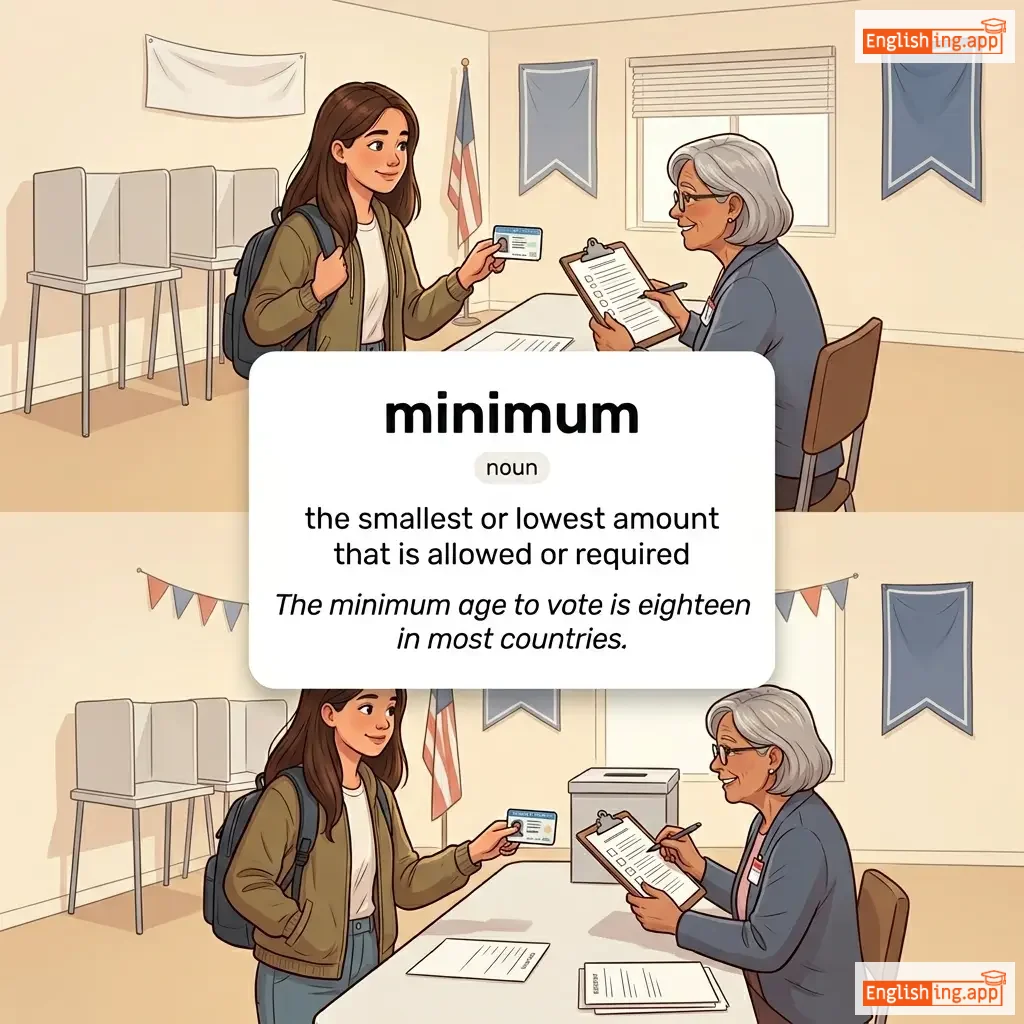
/ˈmɪn.ɪ.məm/
noun
(миниму́м)
••••••
|
|
минимум
minimum
••••••
|
The smallest or lowest amount, degree, or quantity possible or required
••••••
|
The minimum wage was increased to help workers cover basic expenses. |
Минимальная заработная плата была увеличена, чтобы помочь работникам покрывать основные расходы.
Minimal'naya zarabotnaya plata byla uvelichena, chtoby pomoch' rabotnikam pokryvat' osnovnye raskhody.
••••••
|
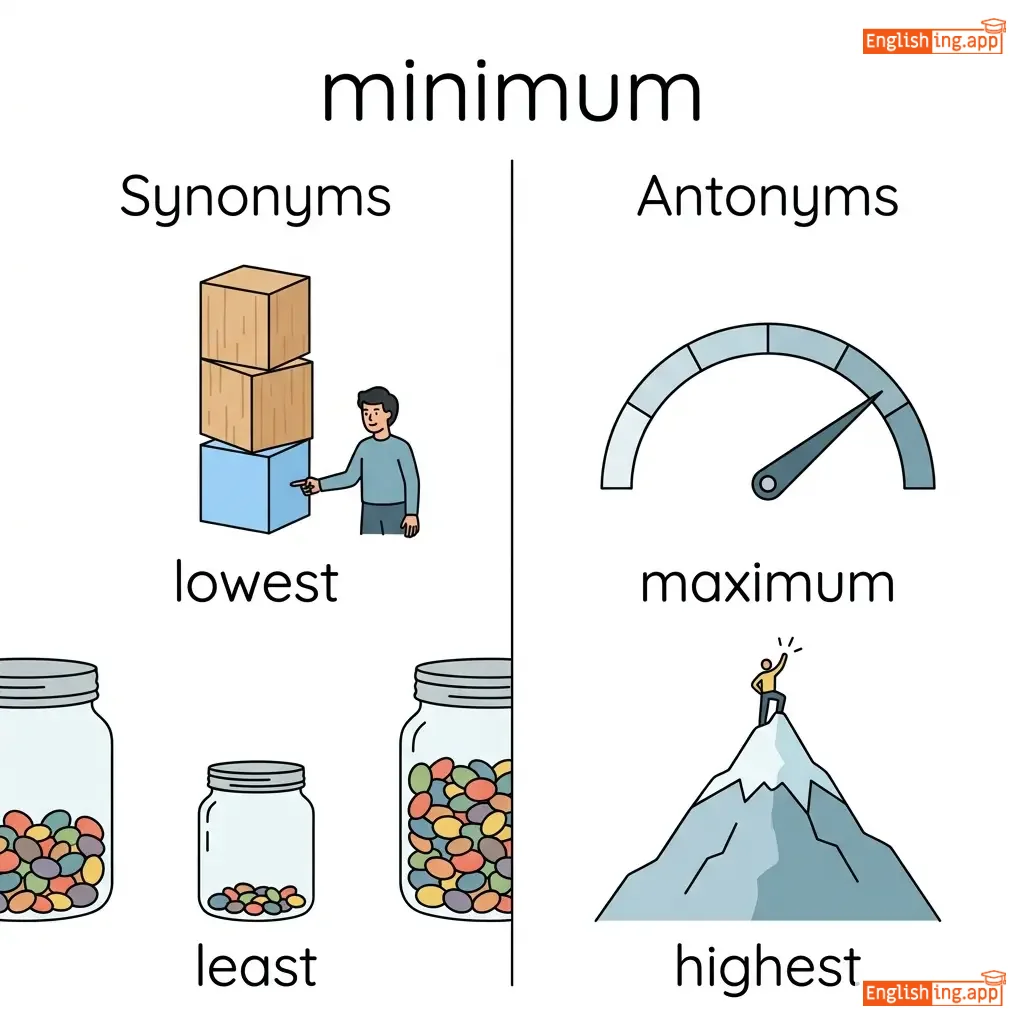
least, lowest, smallest, bottom
••••••
|
maximum, highest, most, peak
••••••
|
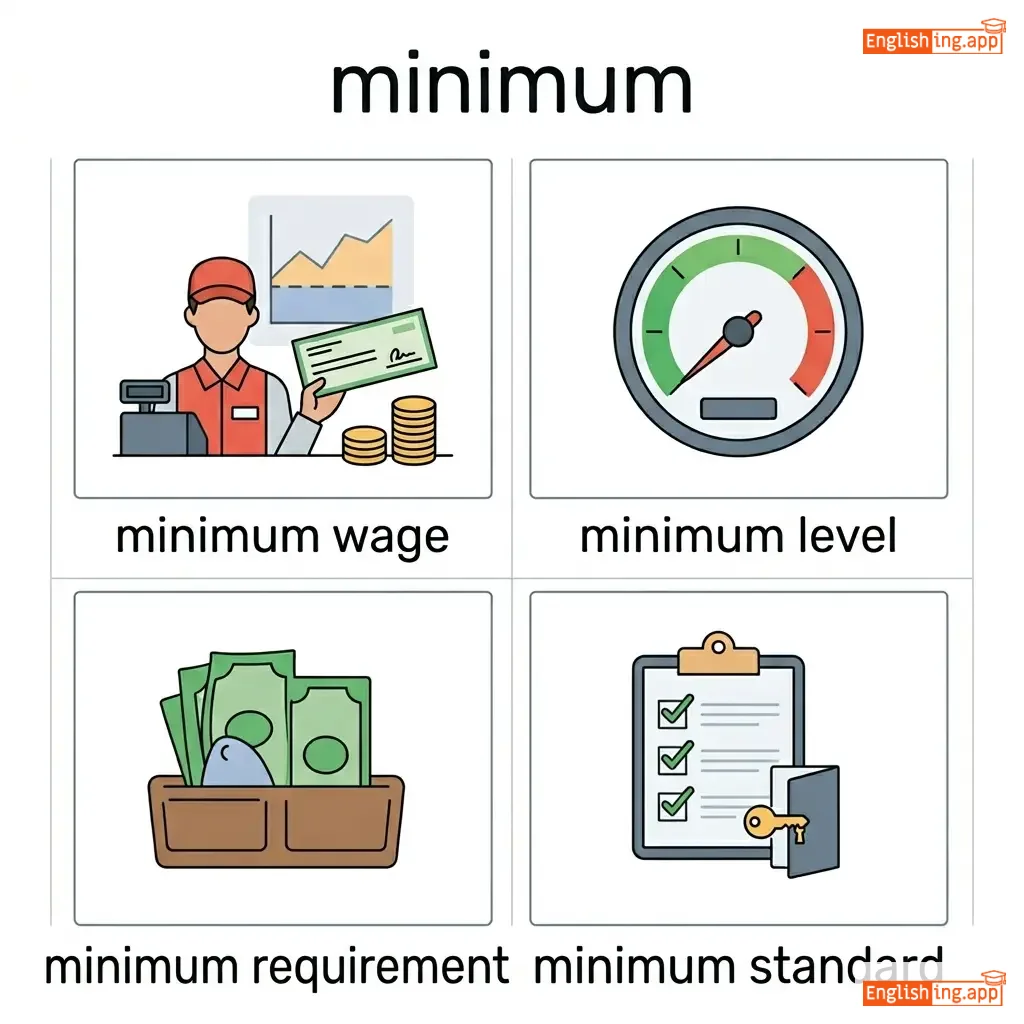
minimum wage, minimum requirement, minimum amount, bare minimum
••••••
|
In Russian, 'минимум' (minimum) is the same word, representing the smallest possible amount.
••••••
|
|
#866
😭
|
/ˈmɪz.ər.i/
noun
(мизери)
••••••
|
- •••••• |
несчастье; бедность; страдание
misery
••••••
|
Great mental or physical suffering; extreme unhappiness or distress
••••••
|
The poor family lived in complete misery after losing their home.
Бедная семья жила в полном ужасе после того, как потеряла свой дом.
••••••
|
Бедная семья жила в полном ужасе после того, как потеряла свой дом.
bednaya sem'ya zhila v polnom uzhasye posle togo, kak poteryala svoy dom.
••••••
|
suffering, anguish, distress, torment
••••••
|
happiness, joy, bliss, contentment
••••••
|
human misery, complete misery, endless misery, cause misery
••••••
|
Misery — это страдания, от которых хочется избавиться.
••••••
|
|
#867
🏛️
|
/ˈmɪn.ɪ.stri/
noun
(minisʲtɾʲijɪ)
••••••
|
- •••••• |
министерство
ministerstvo
••••••
|
A government department responsible for a particular area of public administration
••••••
|
The Ministry of Education announced new policies for schools. |
Министерство образования объявило новые политики для школ.
Ministerstvo obrazovaniya ob'yavilo novye politiki dlya shkol.
••••••
|
department, bureau, office, agency
••••••
|
private sector, corporation, business
••••••
|
government ministry, ministry office, ministry officials, ministry policy
••••••
|
Русский: 'Министерство' — место, где решаются вопросы управления.
••••••
|
|
#868
🤔
|
/mɪsˈɡɪv.ɪŋ/
noun
(мисгивинг)
••••••
|
- •••••• |
сомнение; беспокойство; неуверенность
misgiving
••••••
|
A feeling of doubt or apprehension about the outcome or consequences of something
••••••
|
She had serious misgivings about accepting the job offer.
У неё были серьёзные сомнения по поводу принятия предложения о работе.
••••••
|
У неё были серьёзные сомнения по поводу принятия предложения о работе.
U nee byli seryoznye somneniya po povodu prinyatiya predlozheniya o rabote.
••••••
|
doubt, apprehension, uncertainty, worry
••••••
|
confidence, certainty, assurance, trust
••••••
|
serious misgiving, grave misgiving, deep misgiving, have misgivings
••••••
|
Русский: 'сомнение' означает неуверенность, то же самое, что и 'misgiving'.
••••••
|
|
#869
🌿
|
/mɪnt/
noun
(минт)
••••••
|
- •••••• |
мята; монетный двор
myata; monetny dvor
••••••
|
An aromatic plant used for flavoring; also a place where money is manufactured
••••••
|
She added fresh mint leaves to the tea for a refreshing taste.
Она добавила свежие листья мяты в чай, чтобы придать ему освежающий вкус.
••••••
|
Она добавила свежие листья мяты в чай, чтобы придать ему освежающий вкус.
Ona dobavila svezhie list'ya myaty v chai, chtoby pridat' emu osvezhayushchiy vkus.
••••••
|
peppermint, spearmint, mentha
••••••
|
bitter herb, sour plant
••••••
|
fresh mint, mint leaves, mint tea, mint condition
••••••
|
Мята освежает, как холодная вода в жаркий день.
••••••
|
|
#870
😱
|
/ˈmɪs.hæp/
noun
(мишэп)
••••••
|
- •••••• |
несчастье; случайность; происшествие
mishep
••••••
|
An unlucky accident or unfortunate event, typically minor
••••••
|
The cooking mishap resulted in a burnt dinner.
Кулинарная ошибка привела к сгоревшему ужину.
••••••
|
Кулинарная ошибка привела к сгоревшему ужину.
Kulinarnaya oshibka privela k sgorevshemu uzhinu.
••••••
|
accident, misfortune, setback, incident
••••••
|
success, good fortune, blessing
••••••
|
minor mishap, kitchen mishap, traffic mishap, unfortunate mishap
••••••
|
Мишэп = кулинарное несчастье
••••••
|
|
#871
✨
|
/ˈmɪr.ɪ.kəl/
noun
(мирэкл)
••••••
|
- •••••• |
чудо
chudo
••••••
|
An extraordinary and welcome event that cannot be explained by natural or scientific laws
••••••
|
The patient's recovery was called a miracle by the doctors. |
Восстановление пациента было названо чудом врачами.
Vosstanovleniye patsiyenta bylo nazvano chudom vrachami
••••••
|
wonder, marvel, phenomenon, blessing
••••••
|
disaster, catastrophe, misfortune
••••••
|
medical miracle, modern miracle, miracle cure, miracle worker
••••••
|
Чудо (chudo) is like 'charmed'—an event that's magical and beyond belief.
••••••
|
|
#872
🎯
|
/ˈmɪʃ.ən/
noun
(mishon)
••••••
|
- •••••• |
важная задача или миссия, назначенная человеку или группе; конкретная цель или задание
mishon
••••••
|
An important task or assignment given to a person or group; a specific purpose or goal
••••••
|
The astronauts completed their mission to the space station. |
Астронавты завершили свою миссию на космическую станцию.
Astronavty zavershili svoiu missiu na kosmicheskuiu stantsiu.
••••••
|
task, assignment, objective, goal
••••••
|
aimlessness, purposelessness
••••••
|
space mission, rescue mission, secret mission, military mission
••••••
|
Mission in Russian is similar to 'mishon' where a task has a clear goal.
••••••
|
|
#873
🏜️
|
/mɪˈrɑːʒ/
noun
(мираж)
••••••
|
- •••••• |
мираж
mirazh
••••••
|
An optical illusion caused by atmospheric conditions, especially in deserts
••••••
|
The travelers saw a mirage of water in the desert.
Путешественники увидели мираж воды в пустыне.
••••••
|
Путешественники увидели мираж воды в пустыне.
Puteshestvenniki uvideli mirazh vody v pustyne.
••••••
|
illusion, hallucination, phantom, vision
••••••
|
reality, truth, fact
••••••
|
desert mirage, water mirage, optical mirage, distant mirage
••••••
|
Мираж – это иллюзия, как вода в пустыне, которую на самом деле не существует.
••••••
|
|
#874
⛪
|
/ˈmɪʃ.ən.ɛr.i/
noun
(мɪʃəˌнɛри)
••••••
|
- •••••• |
миссионер
missiyoner
••••••
|
A person sent on a religious mission to promote their faith in a foreign country
••••••
|
The missionary spent years teaching and helping people in remote villages.
Миссионер провел годы, обучая и помогая людям в удаленных деревнях.
••••••
|
Миссионер провел годы, обучая и помогая людям в удаленных деревнях.
Missiyoner provel godы, obuchaya i pomogaya lyudyam v udalennyh derevnyah.
••••••
|
evangelist, preacher, religious worker, apostle
••••••
|
atheist, non-believer, secular person
••••••
|
Christian missionary, foreign missionary, missionary work, missionary school
••••••
|
Миссионер = Миссия + Герой; Миссионеры - герои миссий.
••••••
|
|
#875
😡
|
/ˌmɪs.bɪˈheɪ.vjər/
noun
(misbehaviour)
••••••
|
- •••••• |
Плохое или неприемлемое поведение, особенно у детей или в формальных ситуациях
misbehaviour
••••••
|
Bad or unacceptable behavior, especially by children or in formal situations
••••••
|
The student was punished for his misbehaviour in class.
Студента наказали за его плохое поведение в классе.
••••••
|
Студента наказали за его плохое поведение в классе.
Studenta nakazali za yego plokhoje povedenie v klasse.
••••••
|
misconduct, bad behavior, wrongdoing, naughtiness
••••••
|
good behavior, proper conduct, obedience
••••••
|
student misbehaviour, serious misbehaviour, repeated misbehaviour, classroom misbehaviour
••••••
|
Russian: 'mis' sounds like 'плохое' for bad, and 'behaviour' for 'поведение'.
••••••
|
|
#876
🤦
|
/mɪˈsteɪk/
noun
(ミステイク)
••••••
|
- •••••• |
ошибка; оплошность;
oshibka; oploschnost;
••••••
|
An action or judgment that is misguided or wrong; an error
••••••
|
Making mistakes is part of the learning process.
メイキング ミステイクス イズ パート オブ ザ ラーニング プロセス。
••••••
|
Делать ошибки — это часть процесса обучения.
Delat' oshibki — eto chast' protsessa obucheniya.
••••••
|
error, blunder, fault, slip
••••••
|
correctness, accuracy, success
••••••
|
common mistake, serious mistake, honest mistake, learn from mistakes
••••••
|
Ошибки — часть пути к успеху.
••••••
|
|
#877
😈
|
/ˈmɪs.tʃɪf/
noun
(mishif)
••••••
|
- •••••• |
озорство
ozorstvo
••••••
|
Playful behavior that causes minor trouble or annoyance but is not meant to cause serious harm
••••••
|
The children were full of mischief during the summer holidays. |
Дети были полны озорства во время летних каникул.
Deti byli polny ozorstva vo vremya letnikh kanikul.
••••••
|
naughtiness, pranks, trouble, devilry
••••••
|
good behavior, obedience, virtue
••••••
|
childhood mischief, playful mischief, harmless mischief, get into mischief
••••••
|
Mischief — это озорство, когда дети шалят, но без злого умысла.
••••••
|
|
#878
😒
|
/ˌmɪsˈtrʌst/
noun
(мистрест)
••••••
|
- •••••• |
недоверие
nedeverie
••••••
|
Lack of trust; suspicion or doubt about someone or something
••••••
|
There was deep mistrust between the two political parties. |
Между двумя политическими партиями было глубокое недоверие.
Mezhdu dvumya politicheskimi partiyami bylo glubokoe nedoverie.
••••••
|
distrust, suspicion, doubt, wariness
••••••
|
trust, confidence, faith, belief
••••••
|
deep mistrust, mutual mistrust, growing mistrust, mistrust of authority
••••••
|
Недоверие is mistrust, no trust at all is недоверие.
••••••
|
|
#879
⚠️
|
/ˌmɪsˈkɒn.dʌkt/
noun
(mis-kondakt)
••••••
|
- •••••• |
непрофессиональное поведение
neprofessional'noe povedenie
••••••
|
Unacceptable or improper behavior, especially by a professional person
••••••
|
The officer was dismissed for professional misconduct. |
Офицер был уволен за профессиональное misconduct.
Ofitser byl uvolen za professional'noe misconduct.
••••••
|
wrongdoing, malpractice, impropriety, violation
••••••
|
good conduct, proper behavior, integrity
••••••
|
professional misconduct, serious misconduct, sexual misconduct, academic misconduct
••••••
|
Непрофессиональное поведение может привести к увольнению
••••••
|
|
#880
🤷
|
/ˌmɪs.ʌn.dəˈstæn.dɪŋ/
noun
(misunderstanding)
••••••
|
- •••••• |
недоразумение
nedorazumenie
••••••
|
A failure to understand something correctly; a disagreement or confusion between people
••••••
|
The argument was caused by a simple misunderstanding. |
Спор был вызван простым недоразумением.
Spor byl vyzvan prostym nedorazumeniem.
••••••
|
confusion, miscommunication, mix-up, disagreement
••••••
|
understanding, clarity, agreement, comprehension
••••••
|
clear up misunderstanding, avoid misunderstanding, cultural misunderstanding, serious misunderstanding
••••••
|
Недоразумение всегда приводит к ссорам
••••••
|
Vocabulary Quiz
Test your vocabulary by matching words with their translations or meanings.
Login to take the quiz
Comments (0)
Share your thoughts and join the discussion.
Join the discussion by logging in
Login to CommentNo comments yet
Be the first to share your thoughts!