

Обновитесь для доступа ко всему словарю
Получите неограниченный доступ ко всем словам с подпиской Pro
Обновить до ProПеревод
Прошедшее
Причастие прошедшего времени
Третье лицо единственного числа
Герундий
Значение
Пример предложения
Перевод примера предложения
Синонимы
Антонимы
Коллокации
Мнемоника
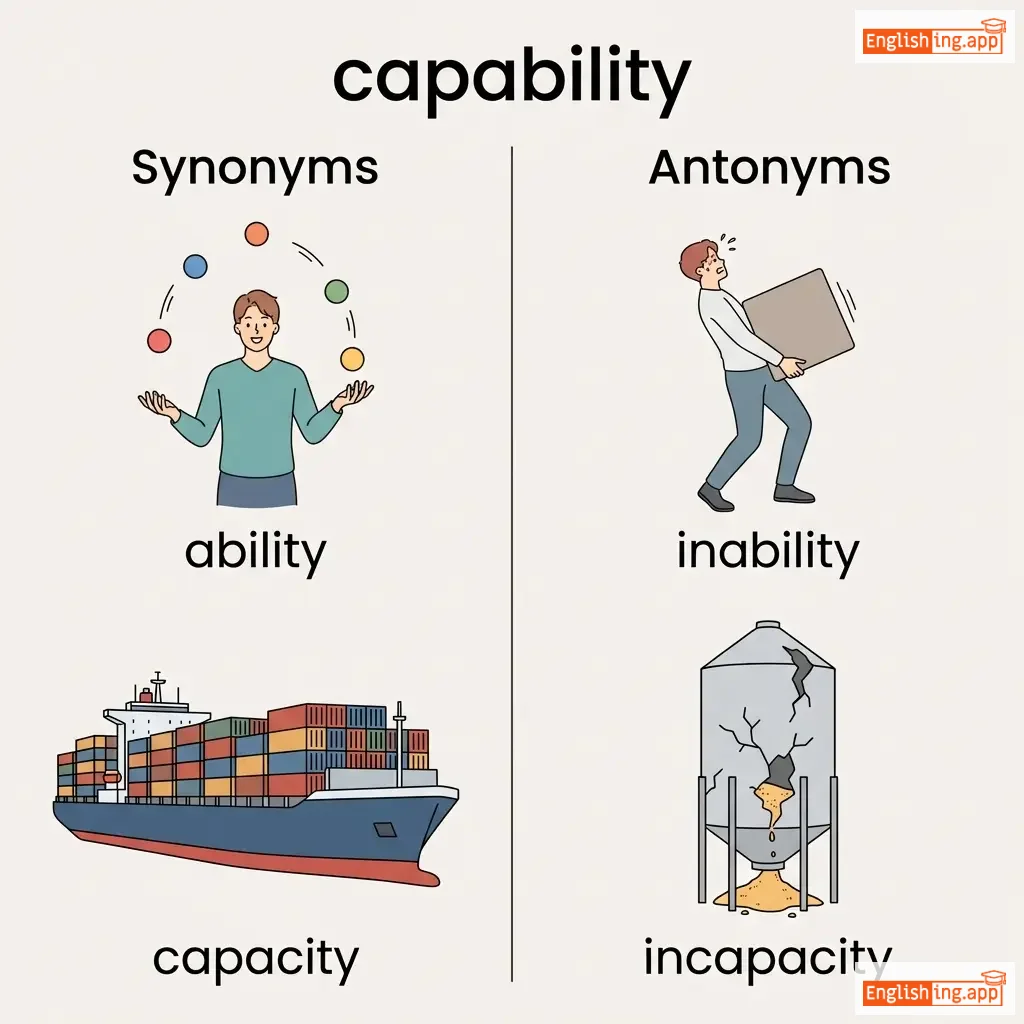
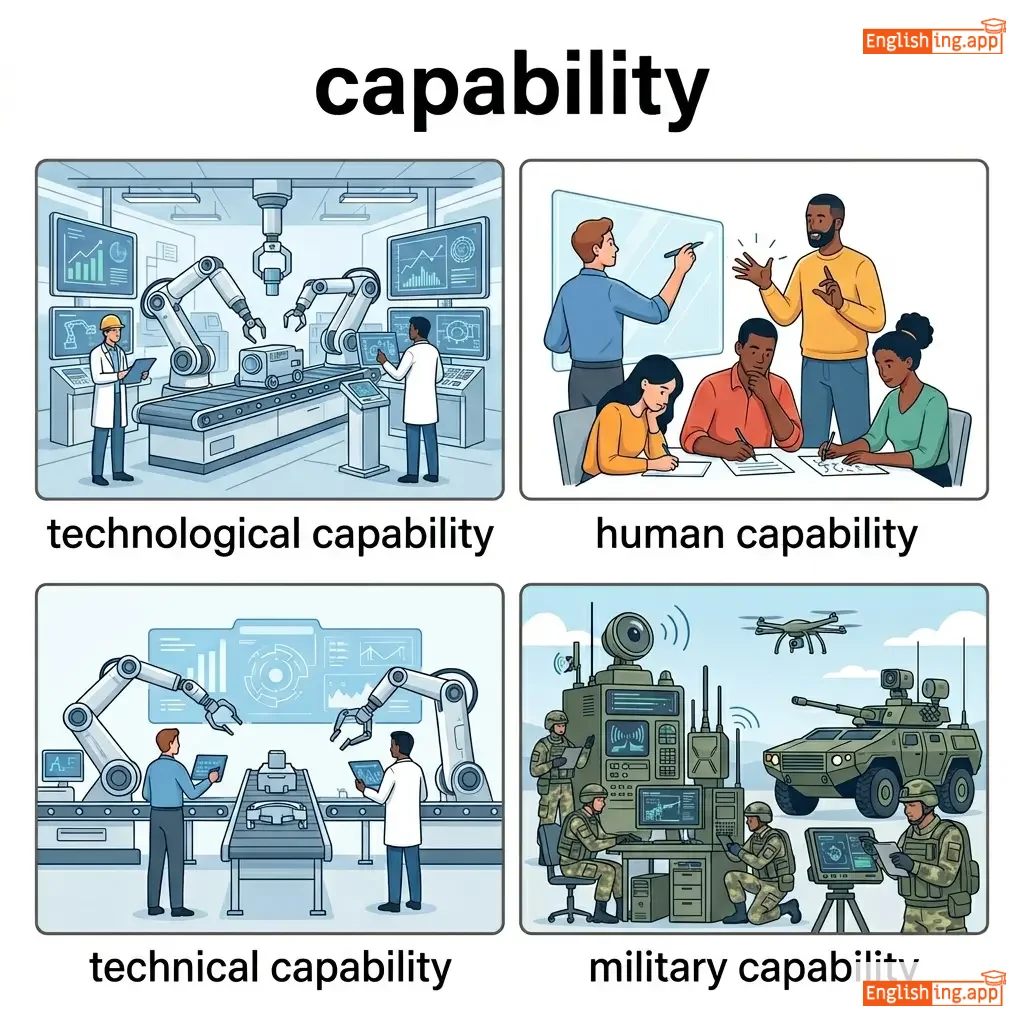
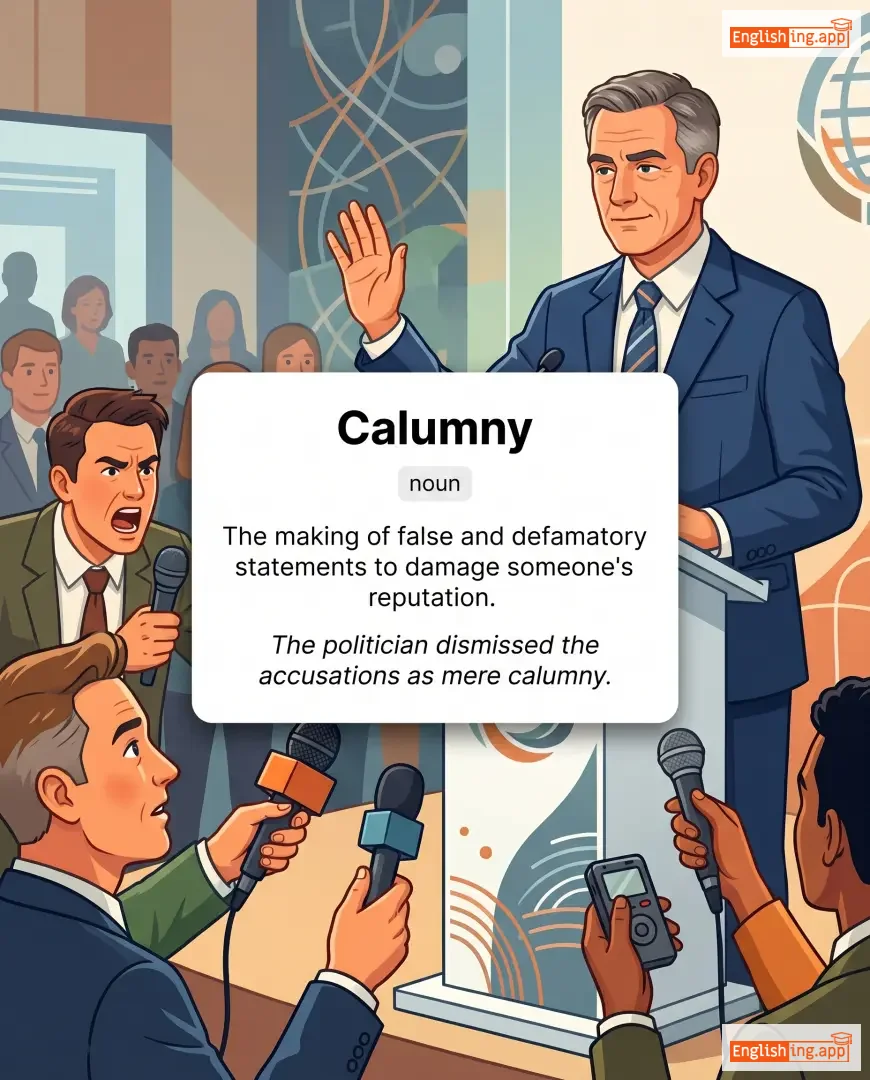
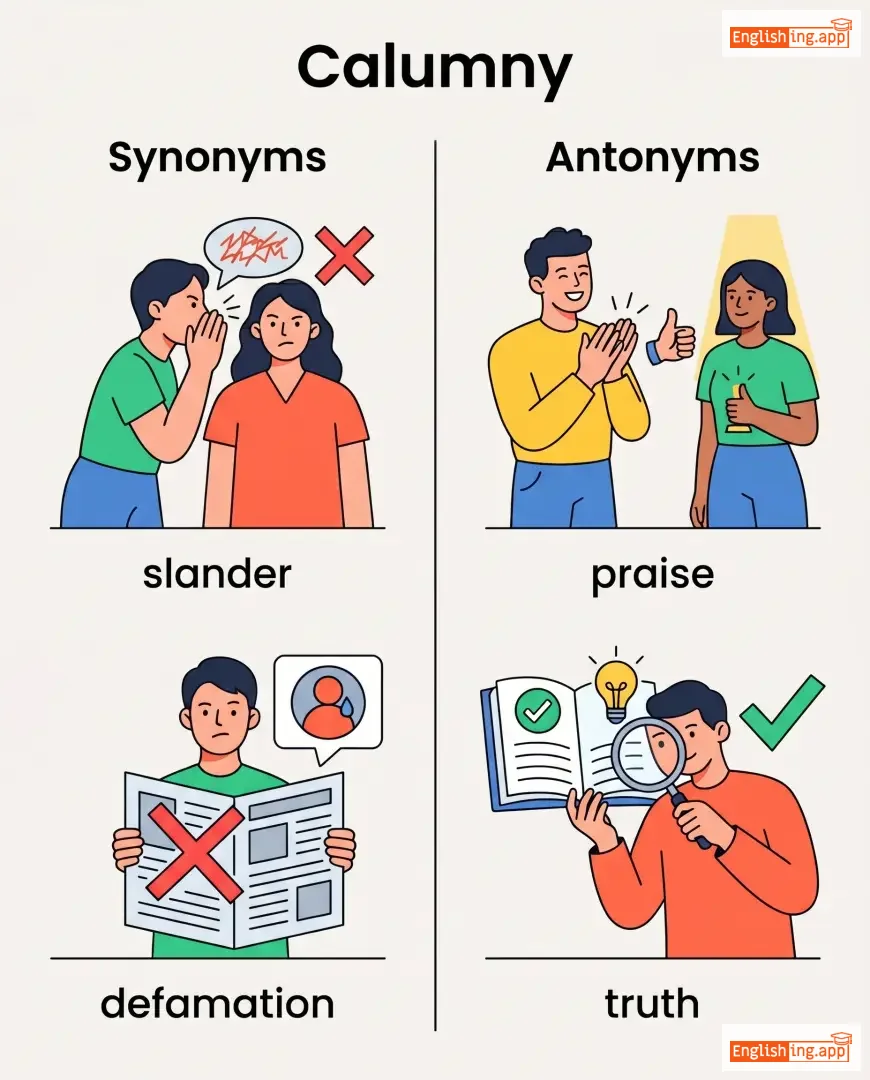
Swipe left or right, or use the buttons. Tap image to zoom.
Обновитесь для доступа ко всем предложениям
Получите неограниченный доступ ко всем предложениям с подпиской Pro
Обновить до ProПеревод примера предложения
Слово
Lesson 8Lesson 8 - Переключатель маски
|
Эмодзи
|
Слово | Images | Перевод | Значение | Пример предложения | Перевод примера предложения | Синонимы | Антонимы | Коллокации | Мнемоника |
|---|---|---|---|---|---|---|---|---|---|---|
|
#141
🧟
|
/ˈkæn.ɪ.bəl/
noun
(kanibal)
••••••
|
- •••••• |
каннибал
kannibal
••••••
|
a person who eats the flesh of other human beings
••••••
|
The explorer's journal described rumors of cannibals living on the remote island. |
Дневник исследователя описывал слухи о каннибалах, живущих на удаленном острове.
Dnevnik issledovatelya opisyval slukh o kannibalakh, zhivushchikh na udalennom ostrove.
••••••
|
man-eater, anthropophagite
••••••
|
vegetarian, humanitarian
••••••
|
savage cannibal, feared cannibal, cannibal tribe
••••••
|
Kаnnibal - 'Kan' (consume) + 'ibal' (bite) = Consumer of others' flesh.
••••••
|
|
#142
🥰
|
/kəˈres/
noun
(kaˈrʲes)
••••••
|
- •••••• |
ласковый жест
laskovy zhest
••••••
|
a gentle or loving touch
••••••
|
The mother's gentle caress calmed the crying baby.
Нежное прикосновение матери успокоило плачущего ребенка.
••••••
|
Нежное прикосновение матери успокоило плачущего ребенка.
Nezhnoe prikosnovenie materi uspokoilo plachushchego rebenka.
••••••
|
stroke, pat, cuddle, embrace
••••••
|
slap, hit, roughness
••••••
|
gentle caress, loving caress, tender caress
••••••
|
In Russian, think of a 'laskovy zhest' as a gentle, caring touch.
••••••
|
|
#143
🤦
|
/ˈker.ləs.nəs/
noun
(ker-les-nes)
••••••
|
- •••••• |
небрежность; халатность
nebrezhnost, khalatnost
••••••
|
failure to give sufficient attention to avoiding harm or errors
••••••
|
His carelessness with money led to serious financial problems. |
Его небрежность с деньгами привела к серьезным финансовым проблемам.
Ego nebrezhnost' s dengami privedla k ser'yezhnym finansovym problemam.
••••••
|
negligence, inattention, recklessness
••••••
|
carefulness, attention, diligence
••••••
|
due to carelessness, show carelessness, extreme carelessness
••••••
|
Небрежность может привести к серьёзным проблемам, если не быть осторожным.
••••••
|
|
#144
❤️
|
/ker/
noun
(кер)
••••••
|
- •••••• |
уход; защита; забота
uhod, zashchita, zabota
••••••
|
the provision of what is necessary for health, welfare, or protection
••••••
|
The nurse provided excellent care for the elderly patients. |
Медсестра предоставила отличную заботу пожилым пациентам.
Medsestra predostavila otlichnuyu zabotu pozhilym patsientam.
••••••
|
attention, concern, protection, treatment
••••••
|
neglect, carelessness, indifference
••••••
|
medical care, child care, take care
••••••
|
Забота — это защита и внимание.
••••••
|
|
#145
🐪
|
/ˈkær.ə.væn/
noun
(караван)
••••••
|
- •••••• |
караван
karavan
••••••
|
a group of people traveling together, especially through desert areas
••••••
|
The merchant caravan crossed the desert with camels carrying precious goods. |
Торговый караван пересек пустыню с верблюдами, которые несли ценные товары.
Torgovyy karavan peresek pustynyu s verblyudami, kotorye nesli tsennye tovaru.
••••••
|
convoy, procession, expedition
••••••
|
lone traveler, single vehicle
••••••
|
desert caravan, merchant caravan, camel caravan
••••••
|
Караван через пески, где каждый шаг приближает к цели.
••••••
|
|
#146
🔒
|
/kæpˈtɪv.ɪ.ti/
noun
(каптивити)
••••••
|
- •••••• |
плен
plen
••••••
|
the condition of being imprisoned or confined
••••••
|
After years of captivity, the prisoner was finally released.
После многих лет заключения, заключенный наконец был освобожден.
••••••
|
После многих лет заключения, заключенный наконец был освобожден.
Posle mnogikh let zaklyucheniya, zaklyuchennyy nakonechno byl osvobozhden.
••••••
|
imprisonment, confinement, detention
••••••
|
freedom, liberty, release
••••••
|
years of captivity, escape captivity, in captivity
••••••
|
Плен - это когда ты заперт, как пленник в тюрьме.
••••••
|
|
#147
⛓️
|
/ˈkæp.tɪv/
noun
(kaptiv)
••••••
|
- •••••• |
пленный
plennyy
••••••
|
a person who has been taken prisoner or an animal that has been confined
••••••
|
The captive was held in a small cell for several months.
Пленный был удержан в маленькой камере несколько месяцев.
••••••
|
Пленный был удержан в маленькой камере несколько месяцев.
Plennyy byl uderzhan v malen'koy kamere neskol'ko mesyatsev.
••••••
|
prisoner, hostage, detainee
••••••
|
free person, liberator
••••••
|
hold captive, captive audience, former captive
••••••
|
Plenny (Russian) means captive, one who is imprisoned or confined.
••••••
|
|
#148
🏢
|
/ˈkæp.ɪ.təl/
noun
(капитал)
••••••
|
- •••••• |
столица; капитал; средства
stolitsa; kapital; sredstva
••••••
|
the most important city or town of a country or region; wealth in the form of money or assets
••••••
|
Paris is the capital of France and also a major financial capital.
Париж — столица Франции и также важный финансовый центр.
••••••
|
Париж — столица Франции и также важный финансовый центр.
parizh — stolitsa frantsii i takzhe vazhnyy finansovyy tsentr.
••••••
|
metropolis, funds, assets, money
••••••
|
countryside, debt, liability
••••••
|
capital city, financial capital, venture capital
••••••
|
Capital is where everything important happens, just like Paris, which is the heart of France.
••••••
|
|
#149
📦
|
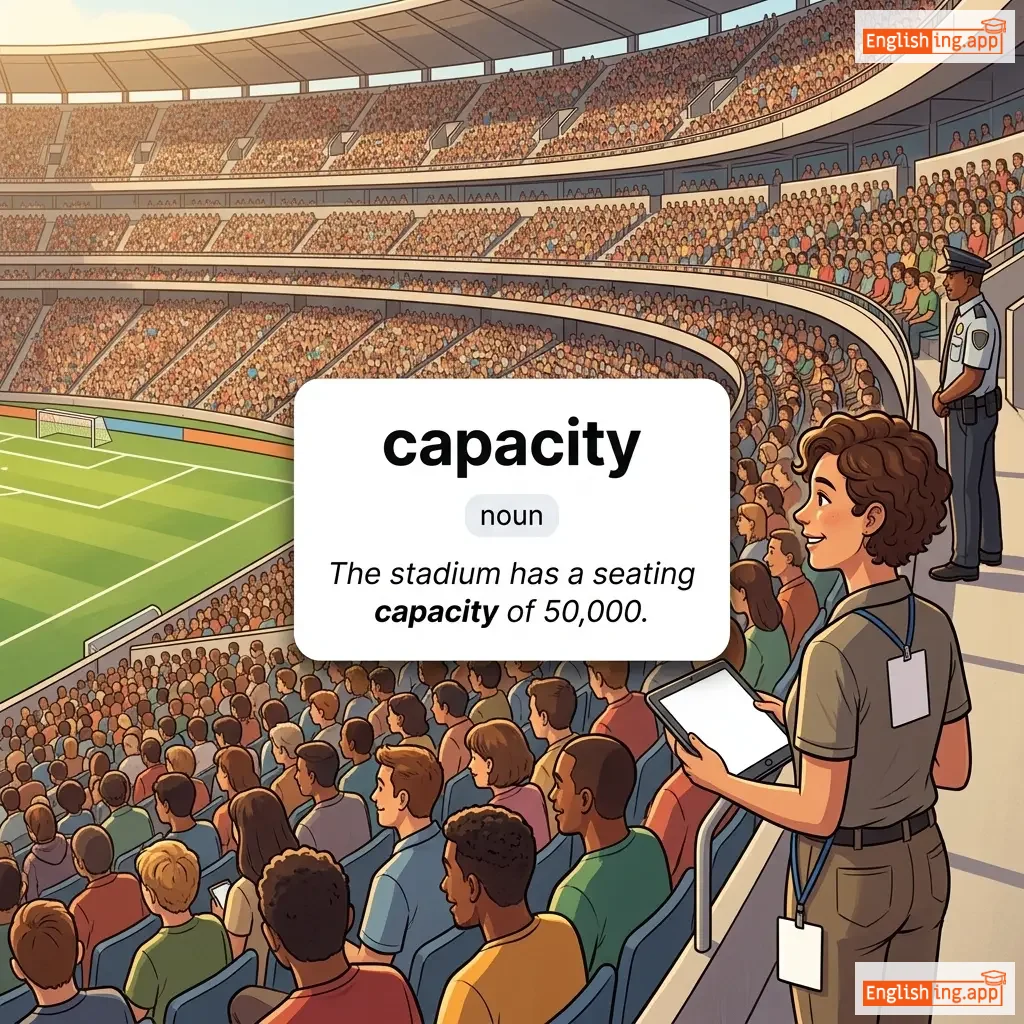
/kəˈpæs.ɪ.ti/
noun
(kapasiti)
••••••
|
|
вместимость; способность
vmeshimost, sposobnost
••••••
|
the maximum amount that something can contain; the ability or power to do something
••••••
|
The stadium has a capacity of fifty thousand spectators. |
Стадион вмещает пятьдесят тысяч зрителей.
Stadion vmeschayet pyat'desyat tysyach zriteley.
••••••
|
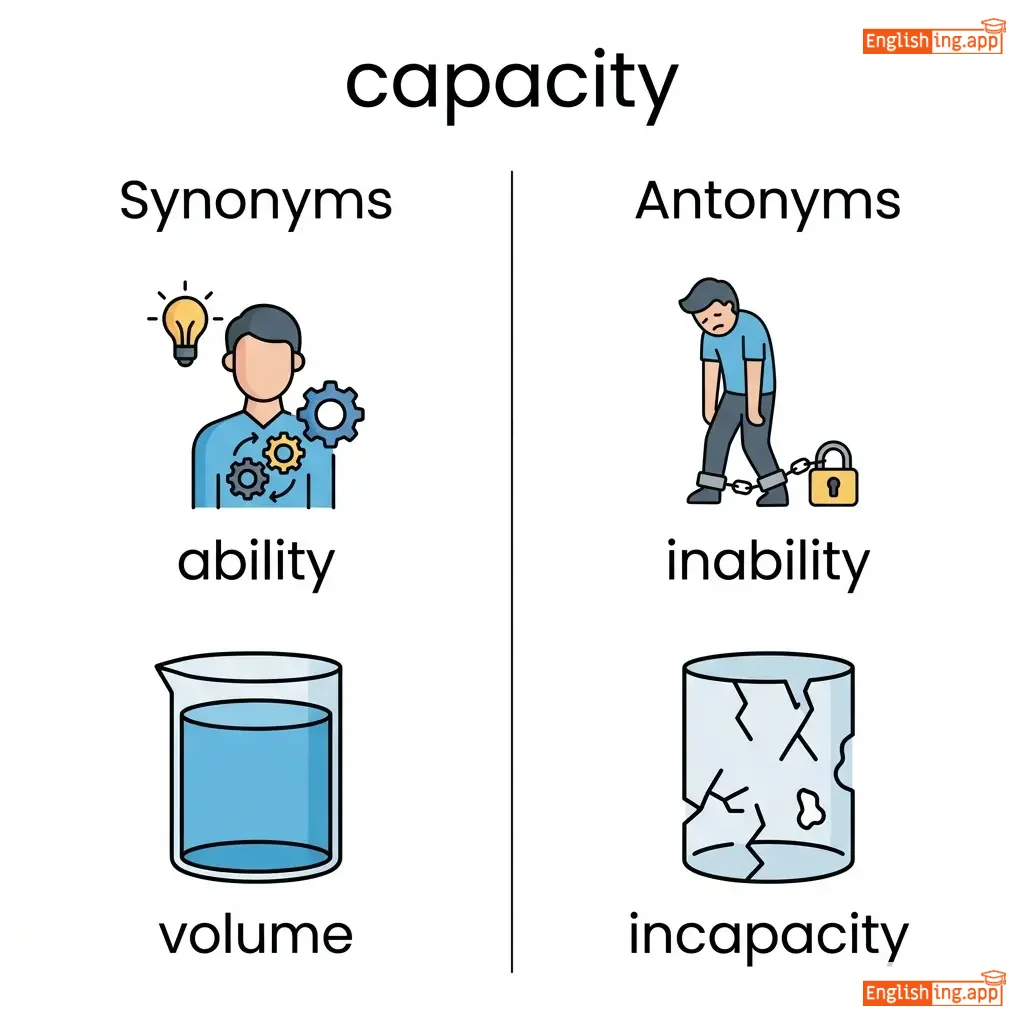
volume, ability, capability, potential
••••••
|
incapacity, inability, limitation
••••••
|
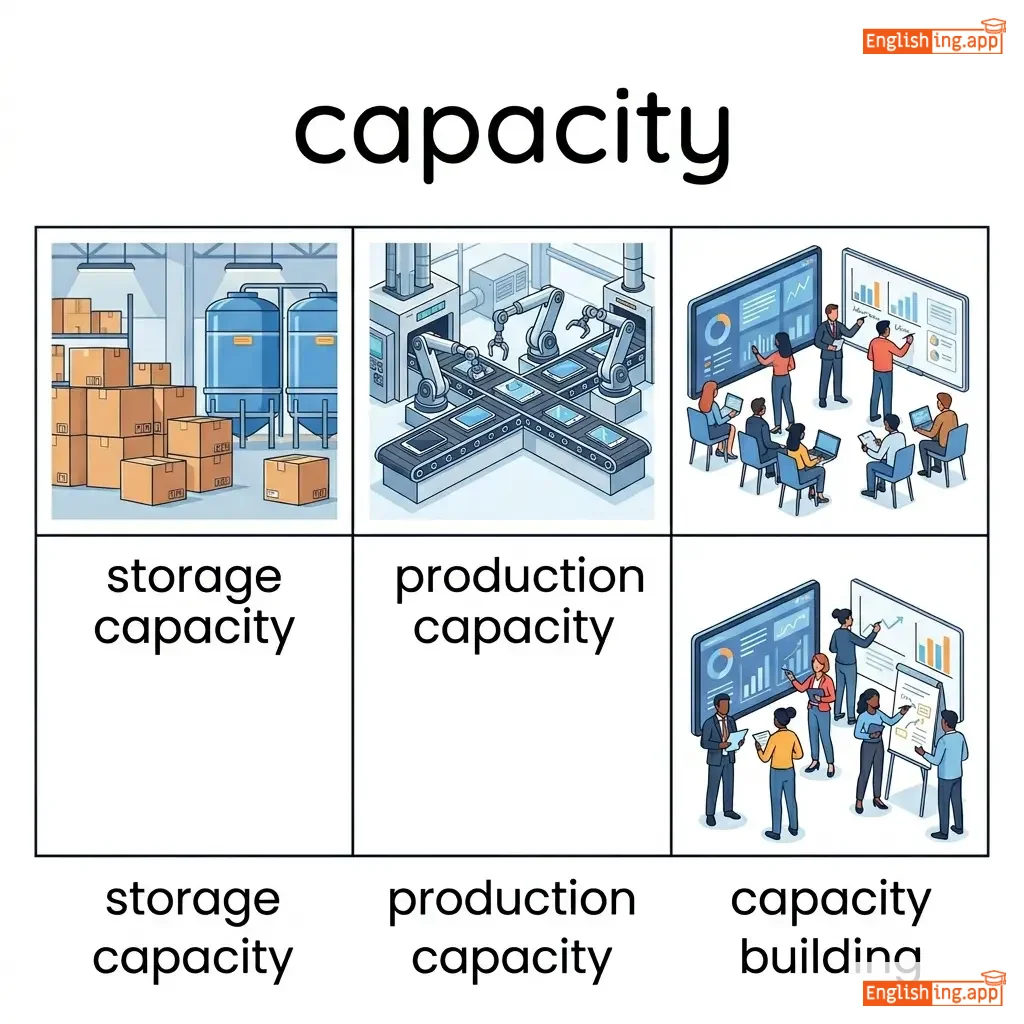
seating capacity, full capacity, mental capacity
••••••
|
Вместимость - как стадион для 50,000 человек!
••••••
|
|
#150
💪
|
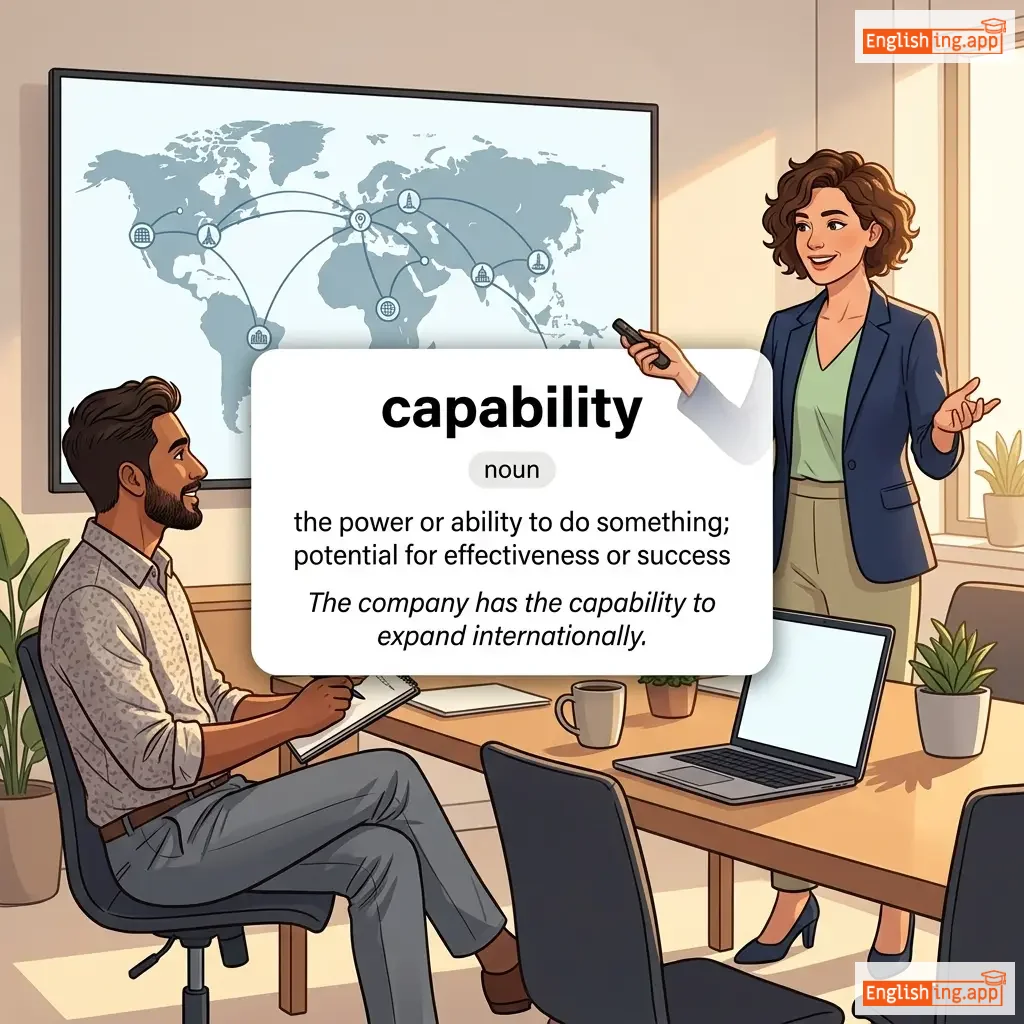
/ˌkɪ.pəˈbɪl.ɪ.ti/
noun
(способность)
••••••
|
|
способность
sposobnost
••••••
|
the ability or power to do, experience, or understand something
••••••
|
Her remarkable capability in mathematics earned her a scholarship.
Ее выдающаяся способность в математике принесла ей стипендию.
••••••
|
Ее выдающаяся способность в математике принесла ей стипендию.
Eyo vydajushchayasya sposobnost' v matematike prinesla yey stipendiyu.
••••••
|
ability, capacity, skill, competence
••••••
|
inability, incapacity, incompetence
••••••
|
technical capability, military capability, mental capability
••••••
|
Improve your способность (ability) to unlock more achievements.
••••••
|
|
#151
🍇
|
/bʌntʃ/
noun
(banch)
••••••
|
- •••••• |
букет; гроздь; пучок
bukhet, grozd', puchok
••••••
|
a number of things of the same type fastened together or occurring close together
••••••
|
She picked a bunch of flowers from the garden for her mother.
Она собрала букет цветов из сада для своей матери.
••••••
|
Она собрала букет цветов из сада для своей матери.
Ona sobrala buket tsvetov iz sada dlya svoey materi.
••••••
|
cluster, group, collection, bundle
••••••
|
single item, individual piece
••••••
|
bunch of flowers, bunch of grapes, bunch of keys
••••••
|
Букет цветов, собранный в саду.
••••••
|
|
#152
📢
|
/kæmˈpeɪn/
noun
(кампания)
••••••
|
- •••••• |
кампания
kampaniya
••••••
|
an organized course of action to achieve a particular goal; a series of military operations
••••••
|
The environmental campaign successfully raised awareness about climate change. |
Экологическая кампания успешно повысила осведомленность о изменении климата.
Ekologicheskaya kampaniya uspeshno povysila osvedomlennost' o izmenenii klimata.
••••••
|
drive, crusade, operation, movement
••••••
|
inaction, passivity
••••••
|
election campaign, advertising campaign, military campaign
••••••
|
Кампания (kampaniya) — как серьезный проект для решения важной проблемы.
••••••
|
|
#153
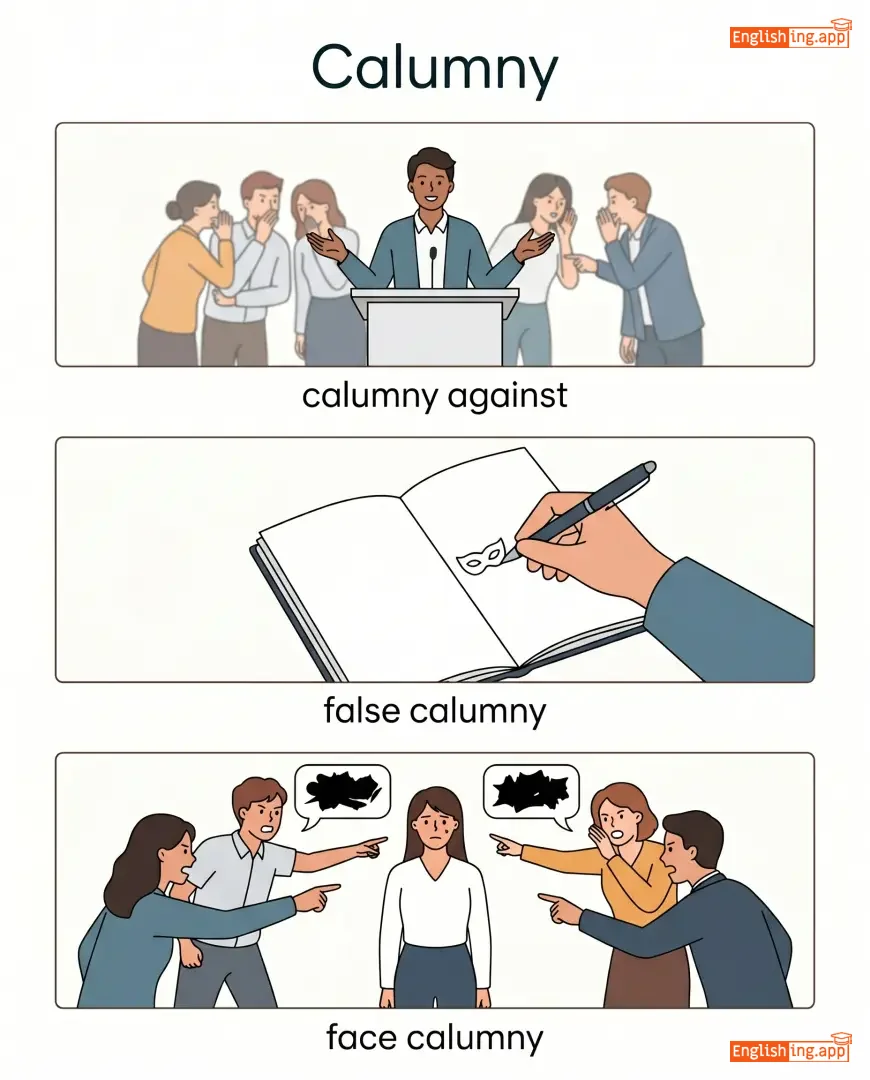
🗣️
|
/ˈkæl.əm.ni/
noun
(kalumni)
••••••
|
|
клевета
kleiveta
••••••
|
the making of false and defamatory statements about someone in order to damage their reputation
••••••
|
The politician sued the newspaper for spreading calumny about his personal life. |
Политик подал в суд на газету за распространение клеветы о его личной жизни.
Politik podal v sud na gazetu za rasprostranenie klevety o yevo lichnoy zhizni.
••••••
|
slander, defamation, libel, vilification
••••••
|
praise, commendation, tribute
••••••
|
spread calumny, victim of calumny, malicious calumny
••••••
|
клевета (клеветать) для разрушения репутации
••••••
|
|
#154
🧮
|
/ˌkæl.kjəˈleɪ.ʃən/
noun
(kal-kulyay-shin)
••••••
|
- •••••• |
расчет
raschet
••••••
|
a mathematical determination of the size or number of something
••••••
|
His calculation of the total cost was accurate to the penny.
Его расчет общей стоимости был точен до последнего пенни.
••••••
|
Его расчет общей стоимости был точен до последнего пенни.
ego raschet obshchey stoimosti byl tochen do poslednego penni.
••••••
|
computation, reckoning, estimation, arithmetic
••••••
|
guess, estimation without precision
••••••
|
mathematical calculation, quick calculation, accurate calculation
••••••
|
Расчет = точный математический процесс
••••••
|
|
#155
⚡
|
/kəˈlæm.ɪ.ti/
noun
(kalamiti)
••••••
|
- •••••• |
каламитет; катастрофа
kalamitet; katastrofa
••••••
|
an event causing great and often sudden damage or distress; a disaster
••••••
|
The earthquake was a terrible calamity that affected thousands of families.
Землетрясение было ужасной каламитетой, которое затронуло тысячи семей.
••••••
|
Землетрясение было ужасной каламитетой, которое затронуло тысячи семей.
Zemletryasenie bylo uzhasnoy kalamitetoy, kotoroye zatrunulo tysyachi semey.
••••••
|
disaster, catastrophe, tragedy, misfortune
••••••
|
blessing, fortune, success
••••••
|
natural calamity, terrible calamity, avoid calamity
••••••
|
Каламитет – это катастрофа, что в русском тоже вызывает ужас.
••••••
|
|
#156
😡
|
/kæd/
noun
(кэд)
••••••
|
- •••••• |
подлец; грубый
podlets, grubyy
••••••
|
a man who behaves dishonorably, especially toward women
••••••
|
Everyone at the party avoided him because he was known to be a cad.
Все на вечеринке избегали его, потому что он был известен как скверный человек.
••••••
|
Все на вечеринке избегали его, потому что он был известен как подлец.
Vse na vecherinke izbegali ego, potomu chto on byl izvesten kak podlets.
••••••
|
scoundrel, rogue, heel, bounder
••••••
|
gentleman, honorable man
••••••
|
complete cad, absolute cad, notorious cad
••••••
|
Подлец — это тот, кто поступает бесчестно, особенно по отношению к женщинам.
••••••
|
|
#157
🥬
|
/ˈkæb.ɪdʒ/
noun
(кэбидж)
••••••
|
- •••••• |
капуста
kapusta
••••••
|
a cultivated plant eaten as a vegetable, having thick green or purple leaves surrounding a spherical heart
••••••
|
She chopped the fresh cabbage to make coleslaw for dinner.
Она нарезала свежую капусту, чтобы приготовить салат из капусты на ужин.
••••••
|
Она нарезала свежую капусту, чтобы приготовить салат из капусты на ужин.
Ona narezala svezhuyu kapustu, chtoby prigotovity salat iz kapusty na uzhin.
••••••
|
cole, brassica
••••••
|
- •••••• |
fresh cabbage, green cabbage, cabbage soup
••••••
|
Kapusta = капуста для вкусного салата.
••••••
|
|
#158
🤷
|
/kəˈbɑl/
noun
(кабала)
••••••
|
- •••••• |
кабала
kabalá
••••••
|
a secret political clique or faction
••••••
|
The journalists exposed a cabal of corrupt politicians working together.
журналисты раскрыли кабалу коррумпированных политиков, работающих вместе.
••••••
|
Журналисты раскрыли кабалу коррумпированных политиков, работающих вместе.
Zhurnalisty raskryli kabalu kurrumpirovannykh politikov, rabotayushchikh vmeste.
••••••
|
conspiracy, clique, faction, coterie
••••••
|
open group, public organization
••••••
|
political cabal, secret cabal, powerful cabal
••••••
|
кабала = секрет + группа = секретная политическая группа
••••••
|
|
#159
💼
|
/ˈbɪz.nəs/
noun
(бизнэс)
••••••
|
- •••••• |
бизнес; предприятие; торговля
biznes, predpriyatie, torgovlya
••••••
|
work relating to the production, buying, and selling of goods or services
••••••
|
He started his own business after graduating from university.
Он начал свой бизнес после окончания университета.
••••••
|
Он начал свой бизнес после окончания университета.
On nachal svoy biznes posle okonchaniya universiteta.
••••••
|
commerce, trade, enterprise, company
••••••
|
hobby, leisure, personal activity
••••••
|
small business, business plan, family business
••••••
|
Бизнес требует знания рынка и умения принимать правильные решения.
••••••
|
|
#160
📦
|
/ˈbʌn.dəl/
noun
(бандэл)
••••••
|
- •••••• |
пакет; связка
paket, svyazka
••••••
|
a collection of things or quantity of material tied or wrapped up together
••••••
|
The mailman delivered a bundle of letters to our house.
Почтальон доставил пачку писем в наш дом.
••••••
|
Почтальон доставил пачку писем в наш дом.
Pochtalyon dostavil pachku pisem v nash dom.
••••••
|
package, parcel, pack, collection
••••••
|
single item, loose objects
••••••
|
bundle of sticks, bundle of clothes, bundle of papers
••••••
|
Пакет - это как связка писем, доставляемая почтальоном.
••••••
|
Vocabulary Quiz
Test your vocabulary by matching words with their translations or meanings.
Login to take the quiz
Comments (0)
Share your thoughts and join the discussion.
Join the discussion by logging in
Login to CommentNo comments yet
Be the first to share your thoughts!