

Обновитесь для доступа ко всему словарю
Получите неограниченный доступ ко всем словам с подпиской Pro
Обновить до ProПеревод
Прошедшее
Причастие прошедшего времени
Третье лицо единственного числа
Герундий
Значение
Пример предложения
Перевод примера предложения
Синонимы
Антонимы
Коллокации
Мнемоника


Swipe left or right, or use the buttons. Tap image to zoom.
Обновитесь для доступа ко всем предложениям
Получите неограниченный доступ ко всем предложениям с подпиской Pro
Обновить до ProПеревод примера предложения
Слово
Lesson 55Lesson 55 - Переключатель маски
|
Эмодзи
|
Слово | Images | Перевод | Значение | Пример предложения | Перевод примера предложения | Синонимы | Антонимы | Коллокации | Мнемоника |
|---|---|---|---|---|---|---|---|---|---|---|
|
#1081
🔝
|
/praɪˈɔːr.ə.ti/
noun
(прайорити)
••••••
|
- •••••• |
приоритет
pryoritee
••••••
|
something that is more important than other things and needs attention first
••••••
|
Health should be our top priority.
Здоровье должно быть нашим главным приоритетом.
••••••
|
Здоровье должно быть нашим главным приоритетом.
Zdorovye dolzhno byt nashim glavnym prioritetom.
••••••
|
importance, precedence, preference
••••••
|
insignificance, unimportance
••••••
|
top priority, high priority, first priority, priority list
••••••
|
Прайорити звучит как прайорити, значит приоритет = Put First, First things first.
••••••
|
|
#1082
📦
|
/ˈprɒd.ʌkt/
noun
(продукт)
••••••
|
- •••••• |
продукт
produkt
••••••
|
something that is manufactured or produced; the result of a process
••••••
|
The company launched a new product in the market.
Компания выпустила новый продукт на рынок.
••••••
|
Компания выпустила новый продукт на рынок.
Kompaniya vypustila novyy produkt na rynok.
••••••
|
item, goods, commodity, merchandise
••••••
|
raw material, ingredient
••••••
|
new product, quality product, end product, product development
••••••
|
Продукт = то, что производит компания.
••••••
|
|
#1083
⚖️
|
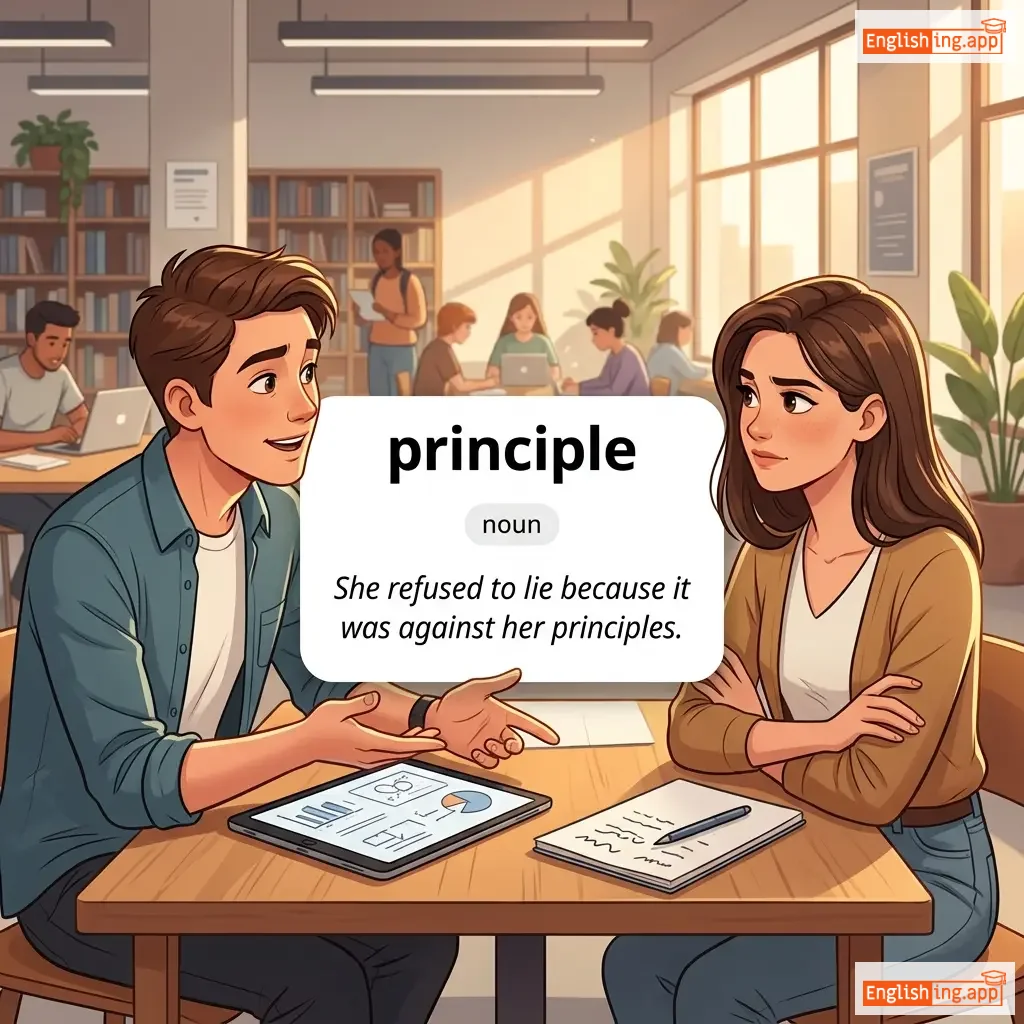
/ˈprɪn.sə.pəl/
noun
(printsipal)
••••••
|
|
принцип; вера; правило;
printsip; vera; pravilo;
••••••
|
a basic rule or belief about what is right and wrong that influences how you behave
••••••
|
It's against my principles to lie.
To oborachivayetsya protiv moikh printsipov, chto bylo obmanom.
••••••
|
Мне не подходит ложь по моим принципам.
Mne ne podkhodit lozh' po moim printsipam.
••••••
|
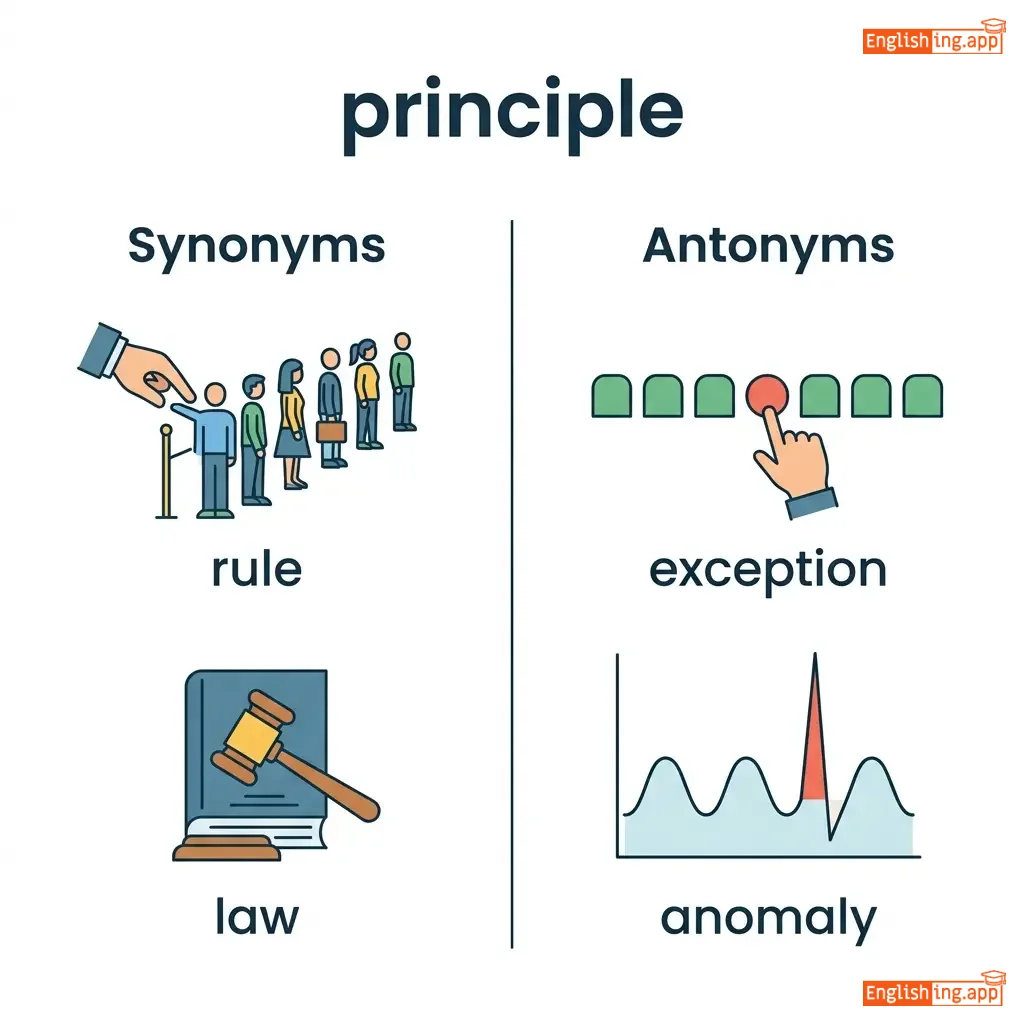
rule, law, standard, doctrine
••••••
|
exception, deviation
••••••
|
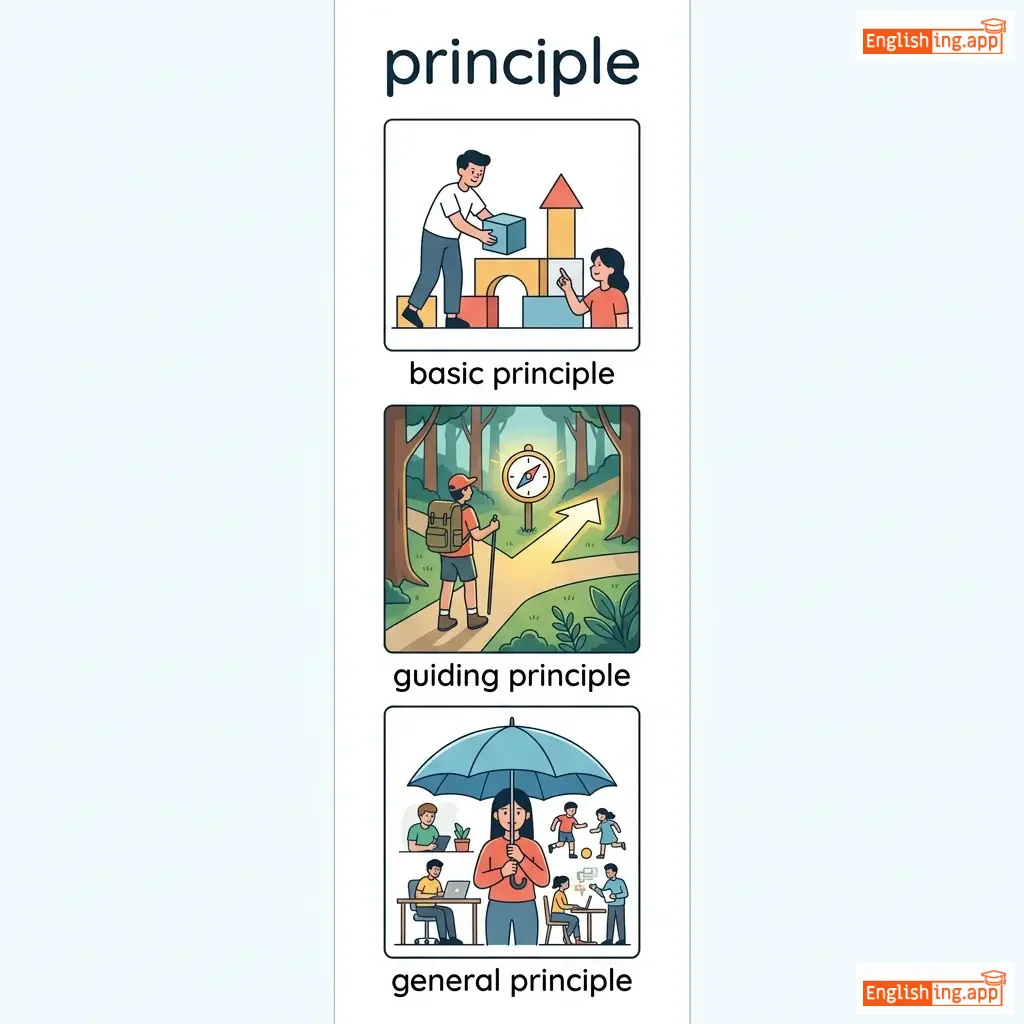
moral principles, basic principles, guiding principles, in principle
••••••
|
Russian mnemonic mixing 'principle' with 'принцип (printsip)'
••••••
|
|
#1084
👔
|
/prəˈfeʃ.ən/
noun
(профессия)
••••••
|
- •••••• |
профессия
professiya
••••••
|
a type of job that requires special education, training, or skill
••••••
|
Teaching is a noble profession that shapes future generations. |
Преподавание — благородная профессия, формирующая будущее поколение.
Prepodavanie — blagorodnaya professiya, formiruyushchaya budushchee pokolenie
••••••
|
career, occupation, vocation, job
••••••
|
hobby, pastime
••••••
|
medical profession, legal profession, teaching profession, professional ethics
••••••
|
Profession is like a sculptor shaping the future generations.
••••••
|
|
#1085
🖨️
|
/prɪnt/
noun
(принт)
••••••
|
- •••••• |
печатание; след; отпечаток;
print
••••••
|
words, letters, or pictures produced on paper using a machine; a mark made by pressing something onto a surface
••••••
|
The book is available in both digital and print versions. |
Книга доступна как в цифровой, так и в печатной версии.
Kniga dostupna kak v tsifrovoy, tak i v pechatnoy versii.
••••••
|
publication, impression, copy
••••••
|
digital, electronic
••••••
|
print media, print version, small print, fine print
••••••
|
Печать оставляет отпечаток, как след на бумаге.
••••••
|
|
#1086
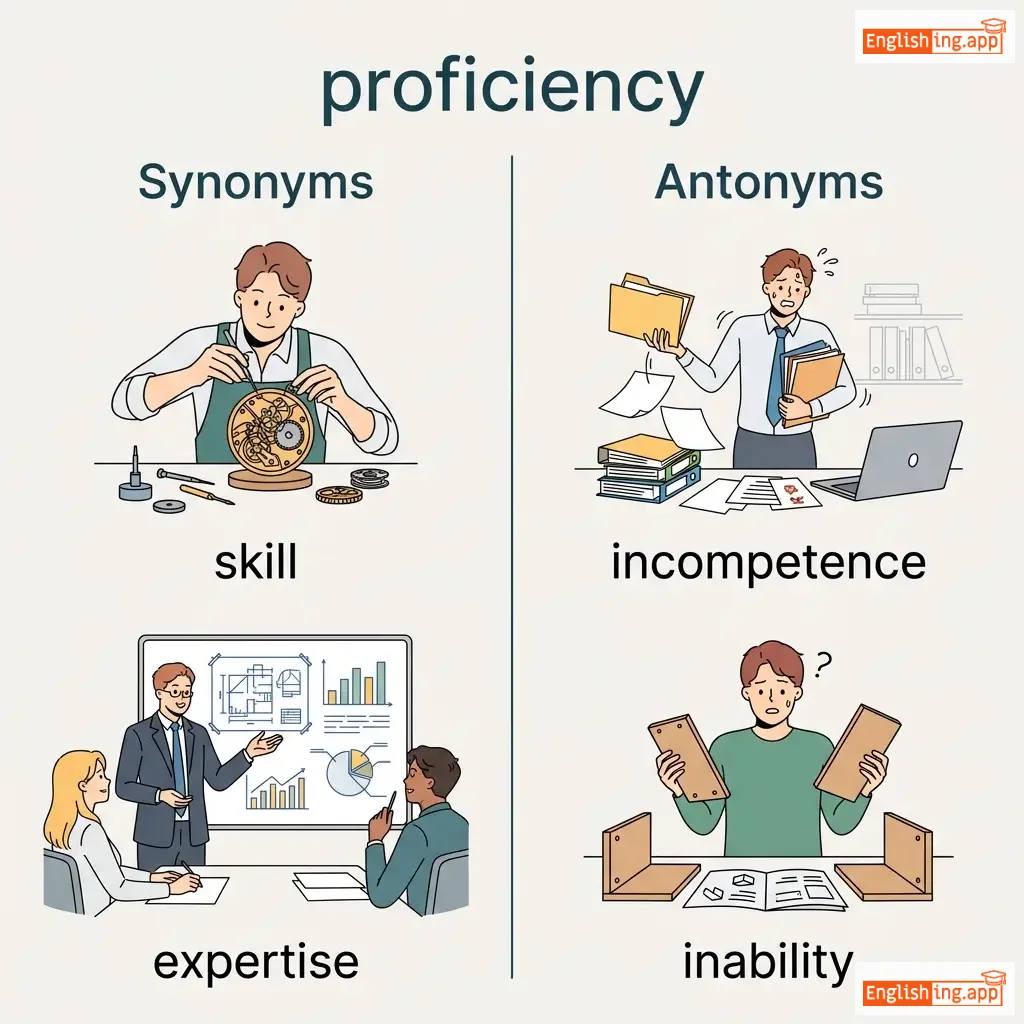
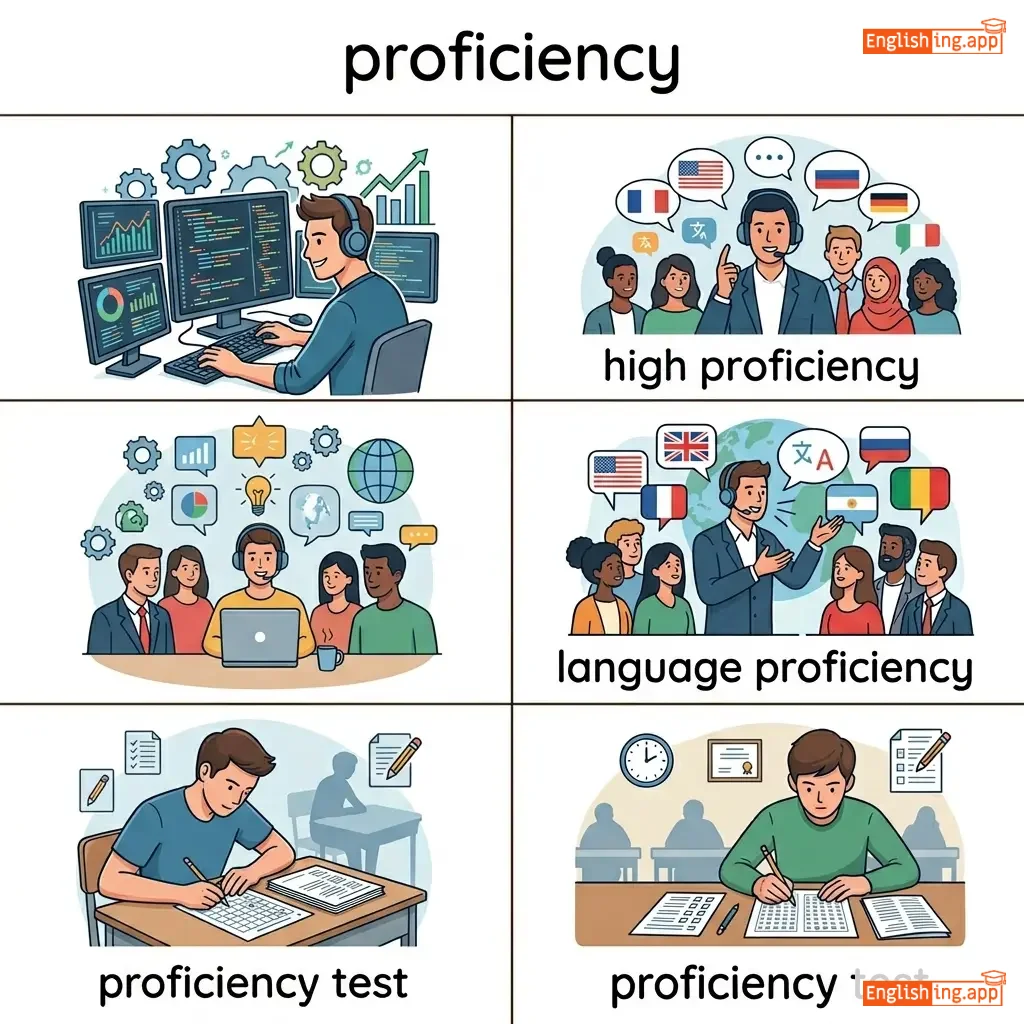
🎯
|
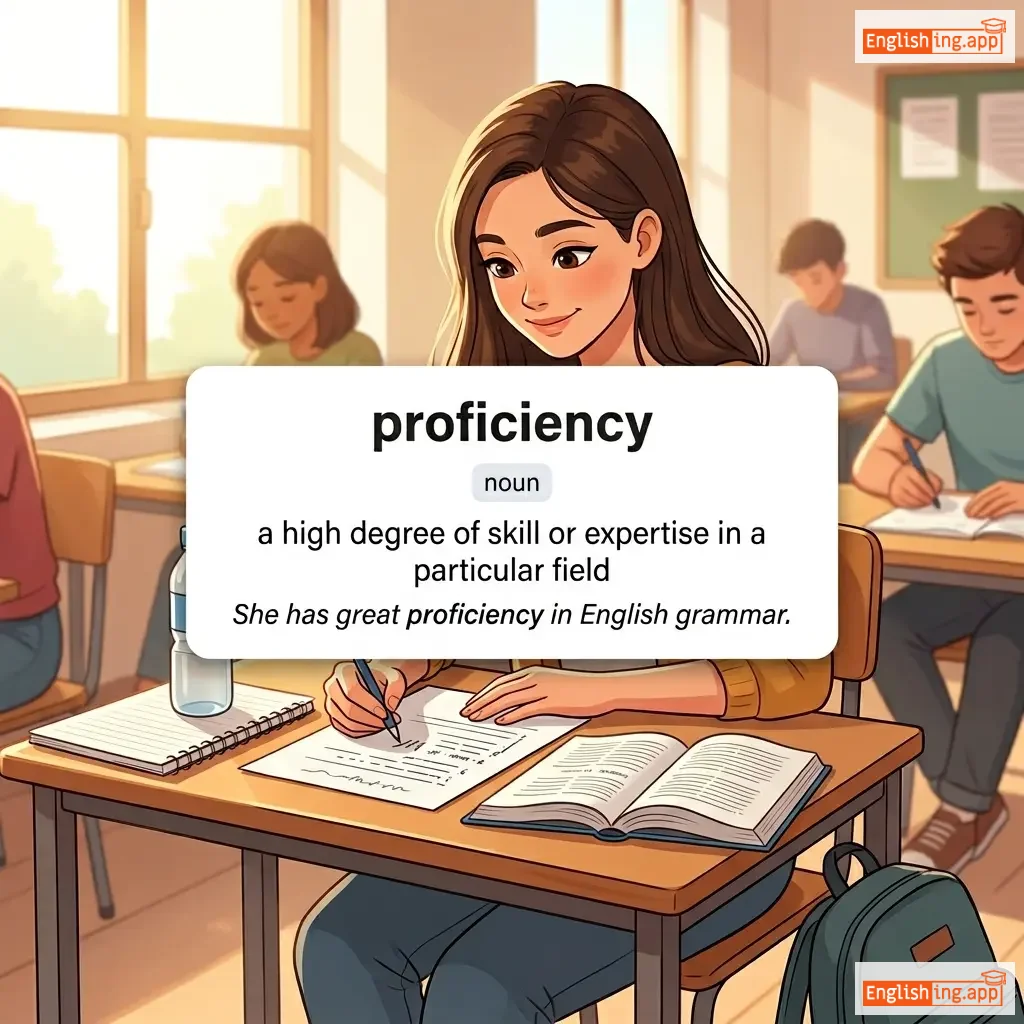
/prəˈfɪʃ.ən.si/
noun
(pro-fish-yen-si)
••••••
|
|
компетентность; умение; экспертность
kompetentnost
••••••
|
a high degree of competence or skill; expertise
••••••
|
Her proficiency in multiple languages helped her get the job. |
Её компетентность в нескольких языках помогла ей получить работу.
Eё kompetentnost' v neskol'kikh yazyki pomogla yey poluchit' rabotu.
••••••
|
skill, expertise, competence, mastery
••••••
|
incompetence, inexperience, inability
••••••
|
language proficiency, high proficiency, demonstrate proficiency, proficiency test
••••••
|
профессионал + мастер = высокий уровень
••••••
|
|
#1087
🔒
|
/ˈpraɪ.və.si/
noun
(prɪvəsi)
••••••
|
- •••••• |
конфиденциальность
konfidentsial'nost'
••••••
|
the state of being alone and not watched or disturbed by other people; the right to keep your personal information secret
••••••
|
Everyone has the right to privacy. |
Каждый имеет право на конфиденциальность.
Kazhdyy imeyet pravo na konfidentsial'nost'.
••••••
|
secrecy, confidentiality, solitude
••••••
|
publicity, exposure, openness
••••••
|
right to privacy, privacy policy, privacy settings, invasion of privacy
••••••
|
Конфиденциальность (privacy) — это как личное пространство для счастливой жизни.
••••••
|
|
#1088
💰
|
/ˈprɒf.ɪt/
noun
(профит)
••••••
|
- •••••• |
прибыль
profit
••••••
|
money that is earned in trade or business after paying costs
••••••
|
The company made a significant profit this quarter. |
Компания получила значительную прибыль в этом квартале.
Kompaniya poluchila znachitelnuyu pribyl v etom kvartale.
••••••
|
earnings, gain, income, revenue
••••••
|
loss, deficit, expense
••••••
|
net profit, gross profit, profit margin, make profit
••••••
|
Прибыль – это деньги, которые остаются после всех расходов
••••••
|
|
#1089
👑
|
/ˈprɪv.ə.lɪdʒ/
noun
(привилегия)
••••••
|
- •••••• |
привилегия
privilegija
••••••
|
a special right or advantage that only one person or group has
••••••
|
It's a privilege to work with such talented people.
Это привилегия работать с такими талантливыми людьми.
••••••
|
Это привилегия работать с такими талантливыми людьми.
Eto privilegiya rabotat' s takimi talantlivymi lyud'mi.
••••••
|
advantage, benefit, right, prerogative
••••••
|
disadvantage, burden, duty
••••••
|
special privilege, privilege to do, privilege of doing, abuse of privilege
••••••
|
привилегия — это особое право, доступное немногим
••••••
|
|
#1090
⬆️
|
/prəˈməʊ.ʃən/
noun
(промоушн)
••••••
|
- •••••• |
повышение; продвижение по службе
promoshn
••••••
|
the act of raising someone to a higher position; advertising to increase sales
••••••
|
She received a promotion to manager after five years of hard work.
Она получила повышение до менеджера после пяти лет упорной работы.
••••••
|
Она получила повышение до менеджера после пяти лет упорной работы.
Ona poluchila povyshenie do menedzhera posle pyati let upornoi raboty.
••••••
|
advancement, elevation, upgrade, marketing
••••••
|
demotion, reduction, downgrade
••••••
|
job promotion, sales promotion, promotion campaign, get promotion
••••••
|
Повышение приходит после усердной работы.
••••••
|
|
#1091
🎲
|
/ˌprɒb.əˈbɪl.ə.ti/
noun
(пробабилити)
••••••
|
- •••••• |
вероятность
veroyatnost
••••••
|
the likelihood that something will happen; a mathematical measure of how likely something is to occur
••••••
|
There is a high probability of rain tomorrow.
Есть высокая вероятность дождя завтра.
••••••
|
Завтра высокая вероятность дождя.
Zavtra vysokaya veroyatnost dozhdya.
••••••
|
likelihood, chance, possibility, odds
••••••
|
impossibility, certainty
••••••
|
high probability, low probability, probability theory, in all probability
••••••
|
вероятность = probability
••••••
|
|
#1092
📢
|
/ˌprɒp.əˈɡæn.də/
noun
(пропаганда)
••••••
|
- •••••• |
пропаганда; слухи
propaganda
••••••
|
information spread to promote a particular political cause or point of view
••••••
|
The government used propaganda to influence public opinion during the war. |
Правительство использовало пропаганду для влияния на общественное мнение во время войны.
Pravitel'stvo ispol'zovalo propagandu dlya vliyaniya na obshchestvennoe mnenie vo vremya voyny
••••••
|
publicity, promotion, advertising, misinformation
••••••
|
truth, facts, objective information
••••••
|
political propaganda, war propaganda, propaganda campaign, spread propaganda
••••••
|
пропаганда превращает войну в идеологическую борьбу
••••••
|
|
#1093
❓
|
/ˈprɒb.ləm/
noun
(проблема)
••••••
|
- •••••• |
проблема
problema
••••••
|
a situation that causes difficulties and needs to be dealt with or solved
••••••
|
We need to solve this problem quickly.
Нам нужно быстро решить эту проблему.
••••••
|
Нам нужно быстро решить эту проблему.
Nam nuzhno bystro reshit' etu problemu.
••••••
|
issue, difficulty, trouble, challenge
••••••
|
solution, answer, resolution
••••••
|
solve a problem, serious problem, major problem, problem solving
••••••
|
Проблема (Problema) - как в русском, так и в английском обозначает трудности.
••••••
|
|
#1094
🏠
|
/ˈprɒp.ə.ti/
noun
(Проперти)
••••••
|
- •••••• |
недвижимость
Properti
••••••
|
a building or land; something owned; a characteristic or quality
••••••
|
They bought a beautiful property in the countryside.
Они купили красивую недвижимость в сельской местности.
••••••
|
Они купили красивую недвижимость в сельской местности.
Oni kupili krasivuyu nedvizhimost v selskoy mestnosti.
••••••
|
estate, land, possession, asset
••••••
|
liability, debt
••••••
|
real property, private property, property value, property owner
••••••
|
Проперти = недвижимость: imagine a house with a big sticker 'Never Move' and caption 'это твое имущество'
••••••
|
|
#1095
📋
|
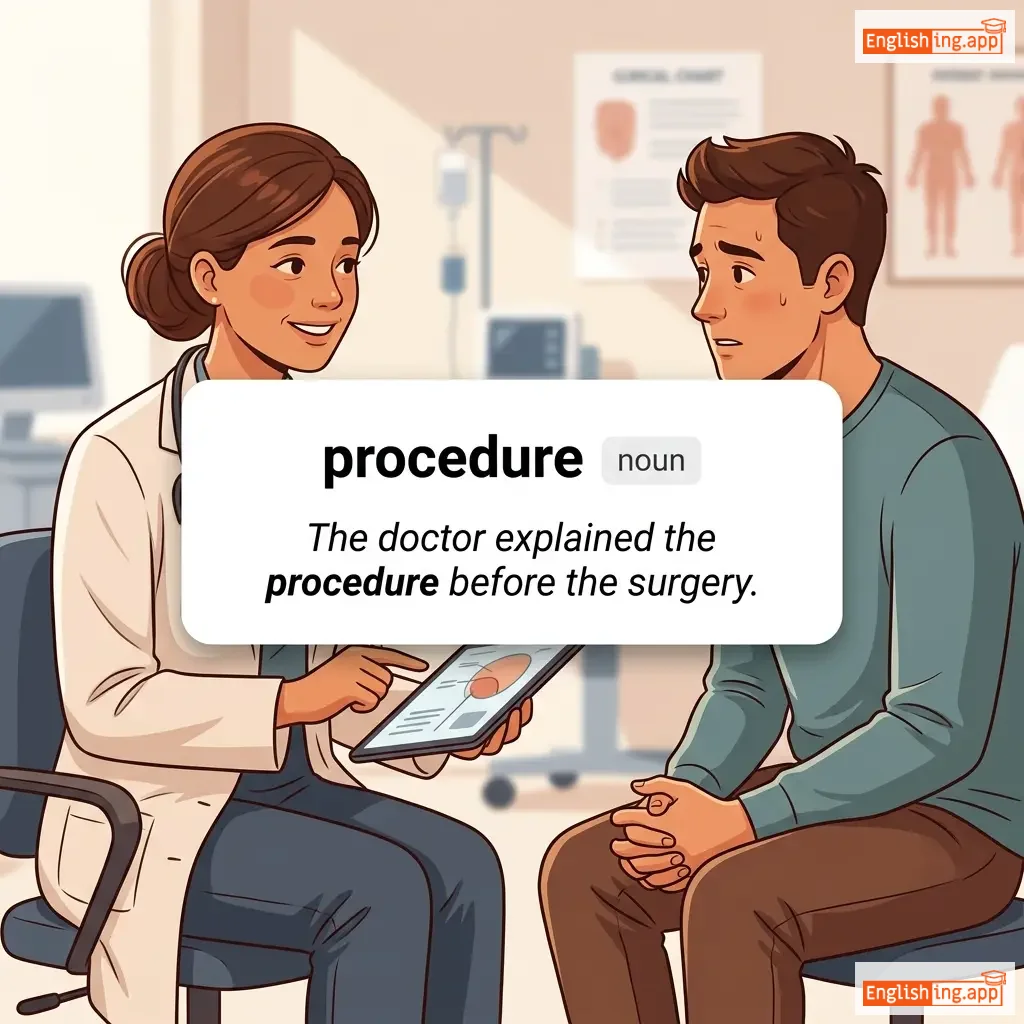
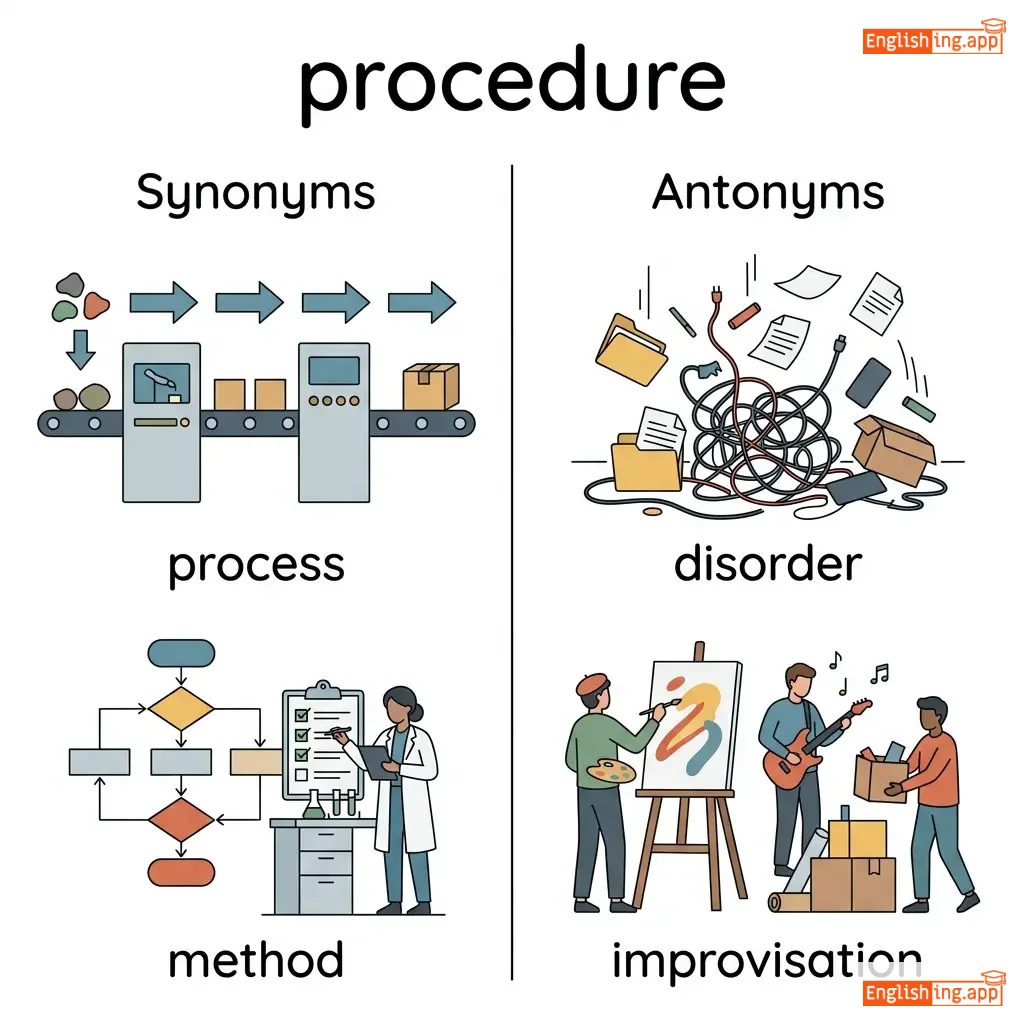
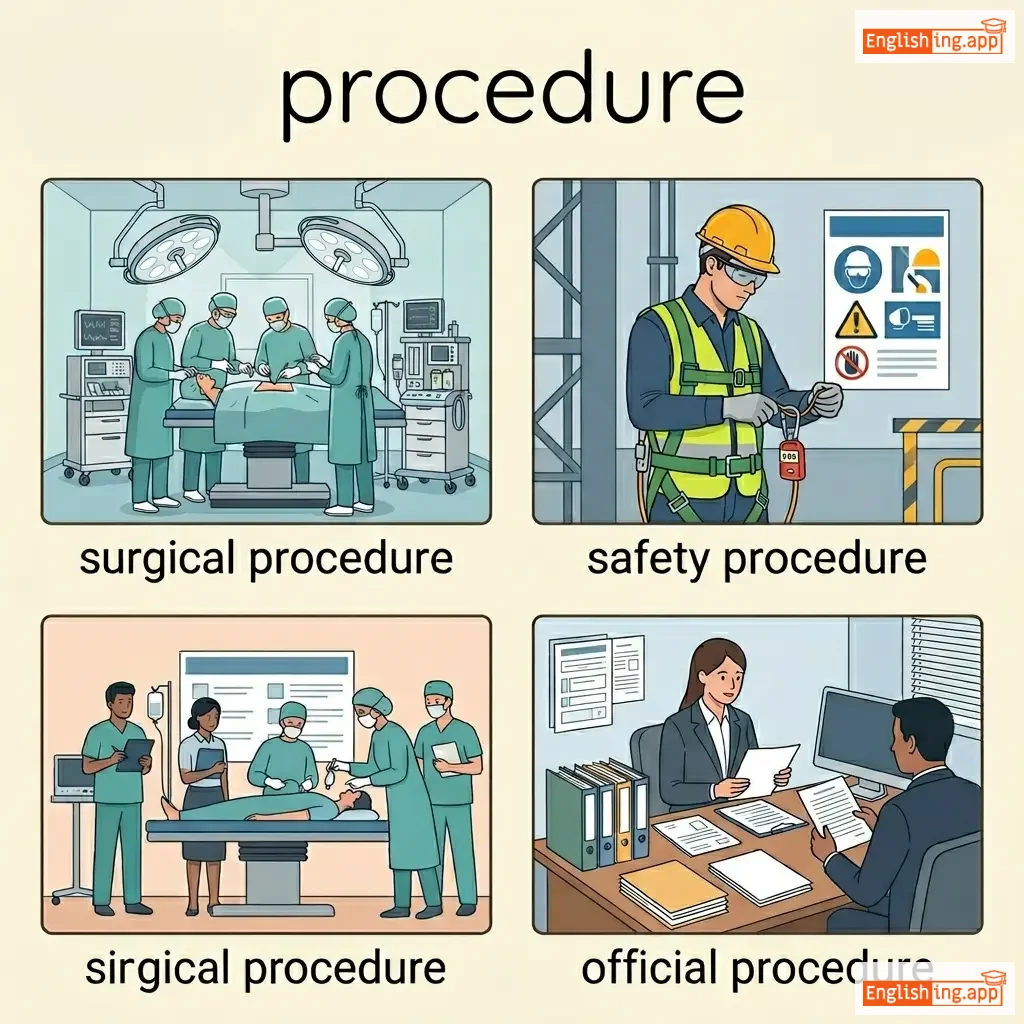
/prəˈsiː.dʒər/
noun
(процедура)
••••••
|
|
процедура
protsedura
••••••
|
a set of actions that are the official or accepted way of doing something
••••••
|
Please follow the safety procedure carefully.
Пожалуйста, следуйте процедуре безопасности внимательно.
••••••
|
Пожалуйста, следуйте процедуре безопасности внимательно.
Pozhaluysta, sleduyte protsedure bezopasnosti vnimatel'no.
••••••
|
process, method, system, protocol
••••••
|
chaos, disorder, improvisation
••••••
|
safety procedure, standard procedure, follow procedure, emergency procedure
••••••
|
Процедура: следуй процессу безопасности, чтобы все было под контролем.
••••••
|
|
#1096
📋
|
/prəˈpəʊ.zəl/
noun
(prəˈpoʊzəl)
••••••
|
|
предложение; план
predlozhenie; plan
••••••
|
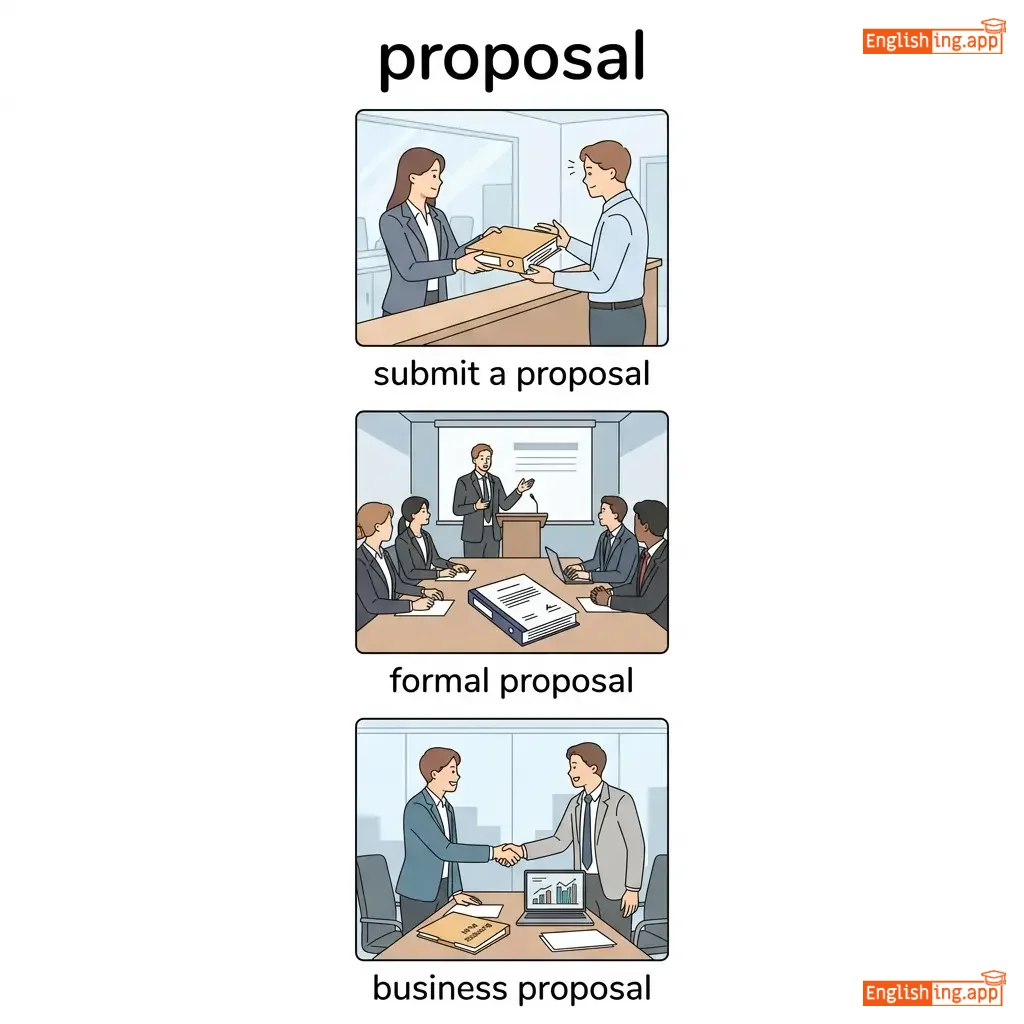
a plan or suggestion presented for consideration; an offer of marriage
••••••
|
The board will review the proposal at next week's meeting.
Совет рассмотрит предложение на встрече на следующей неделе.
••••••
|
Совет рассмотрит предложение на встрече на следующей неделе.
Sovet rassmotrit predlozhenie na vstreche na sleduyushchey nedele.
••••••
|
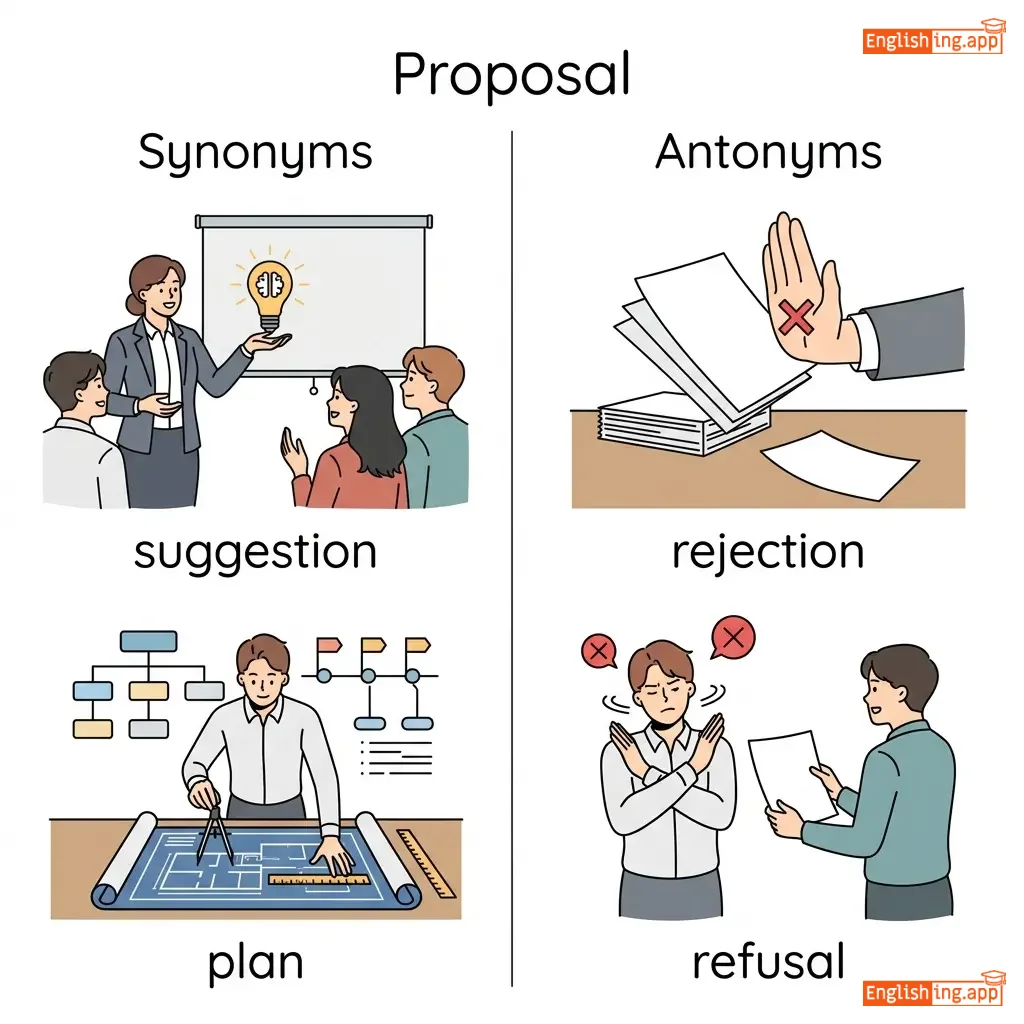
suggestion, plan, offer, recommendation
••••••
|
rejection, refusal, withdrawal
••••••
|
business proposal, marriage proposal, make proposal, accept proposal
••••••
|
Предложение - это идея, которая может быть предложением о браке.
••••••
|
|
#1097
🚶♂️🚶♀️
|
/prəˈseʃ.ən/
noun
(процессия)
••••••
|
- •••••• |
процессия; шествие;
protsessiya
••••••
|
a group of people or vehicles moving forward in an organized way, especially as part of a ceremony
••••••
|
The wedding procession walked slowly to the church.
свадебная процессия шла медленно к церкви.
••••••
|
Свадебная процессия шла медленно к церкви.
Svyadebnaya protsessiya shla medlenno k tserkvi.
••••••
|
parade, march, cortege, cavalcade
••••••
|
dispersal, scattering
••••••
|
wedding procession, funeral procession, religious procession, join the procession
••••••
|
Процессия - медленное движение на свадьбе.
••••••
|
|
#1098
🌟
|
/prɒˈsper.ə.ti/
noun
(просперити)
••••••
|
|
процветание; успех
prosperiti; uspek
••••••
|
the state of being successful and having wealth; economic well-being
••••••
|
The country enjoyed unprecedented prosperity during the economic boom.
страна наслаждалась беспрецедентным процветанием в период экономического подъема.
••••••
|
Страна наслаждалась беспрецедентным процветанием в период экономического подъема.
Strana naslazhdalas' bespretsedentnym protsvetyaniem v period ekonomicheskogo pod'yema.
••••••
|
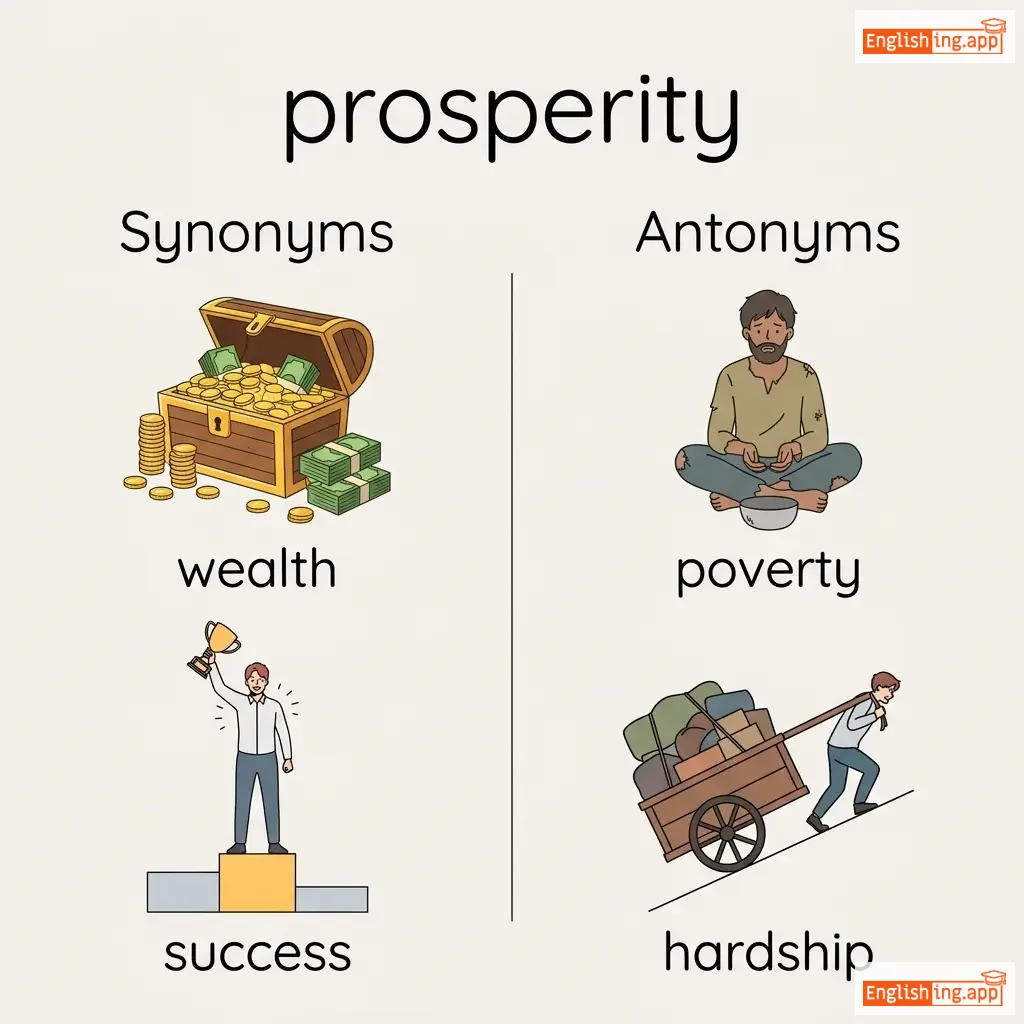
wealth, success, affluence, fortune
••••••
|
poverty, hardship, adversity, decline
••••••
|
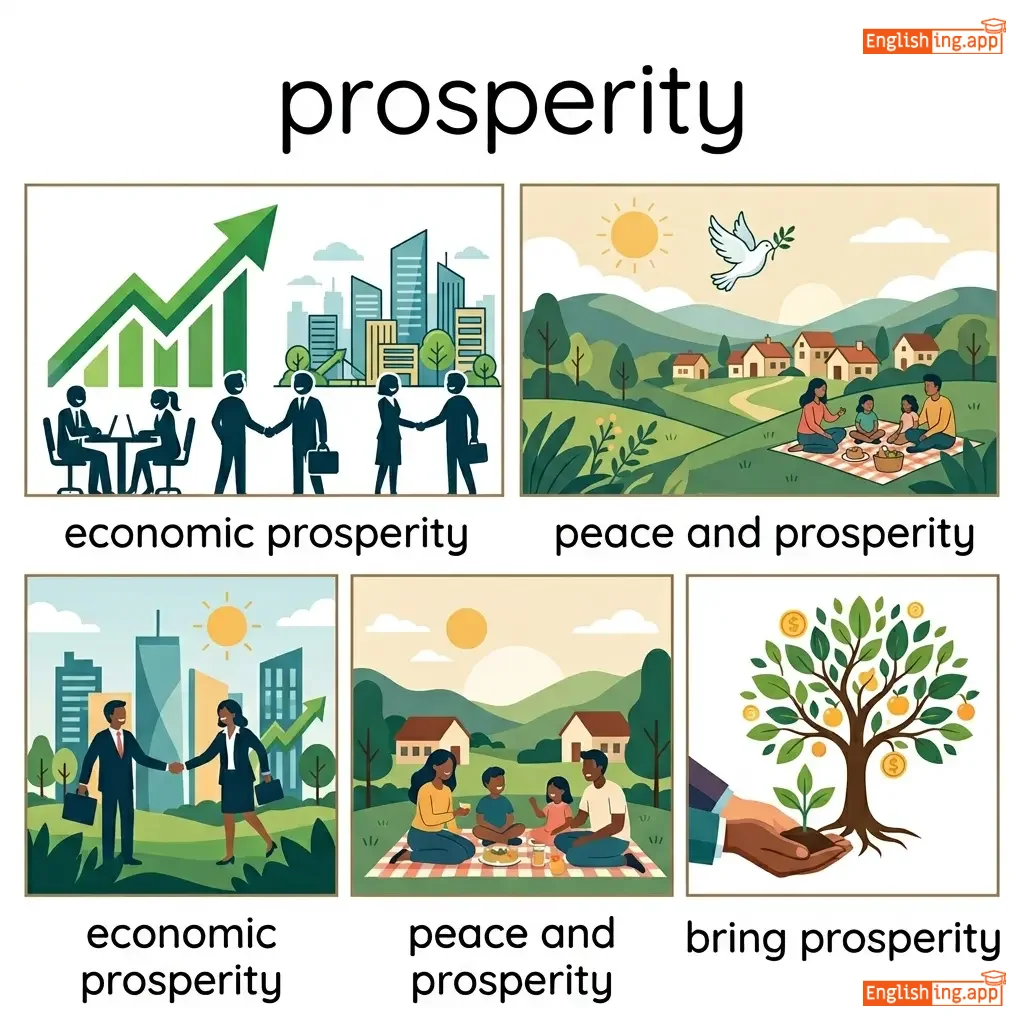
economic prosperity, bring prosperity, period of prosperity, shared prosperity
••••••
|
Процветание — это экономический успех и богатство.
••••••
|
|
#1099
📢
|
/ˌprɒk.ləˈmeɪ.ʃən/
noun
(Прокламашн)
••••••
|
- •••••• |
прокламация
proklamatsiya
••••••
|
an official public announcement, especially one made by someone in authority
••••••
|
The king issued a proclamation declaring peace.
Зе кинг ишьюд э прокламашн декларинг пиис.
••••••
|
Король издал прокламацию, провозгласив мир.
Korol izdal proklamatsiyu provozglasiv mir
••••••
|
announcement, declaration, decree, edict
••••••
|
silence, concealment
••••••
|
issue a proclamation, royal proclamation, official proclamation, proclamation of independence
••••••
|
Прокламация = Proclaim + a + tion; вообрази короля, который провозглашает мир — Proclaim мир!
••••••
|
|
#1100
🛡️
|
/prəˈtek.ʃən/
noun
(протекшн)
••••••
|
|
защита
zashchita
••••••
|
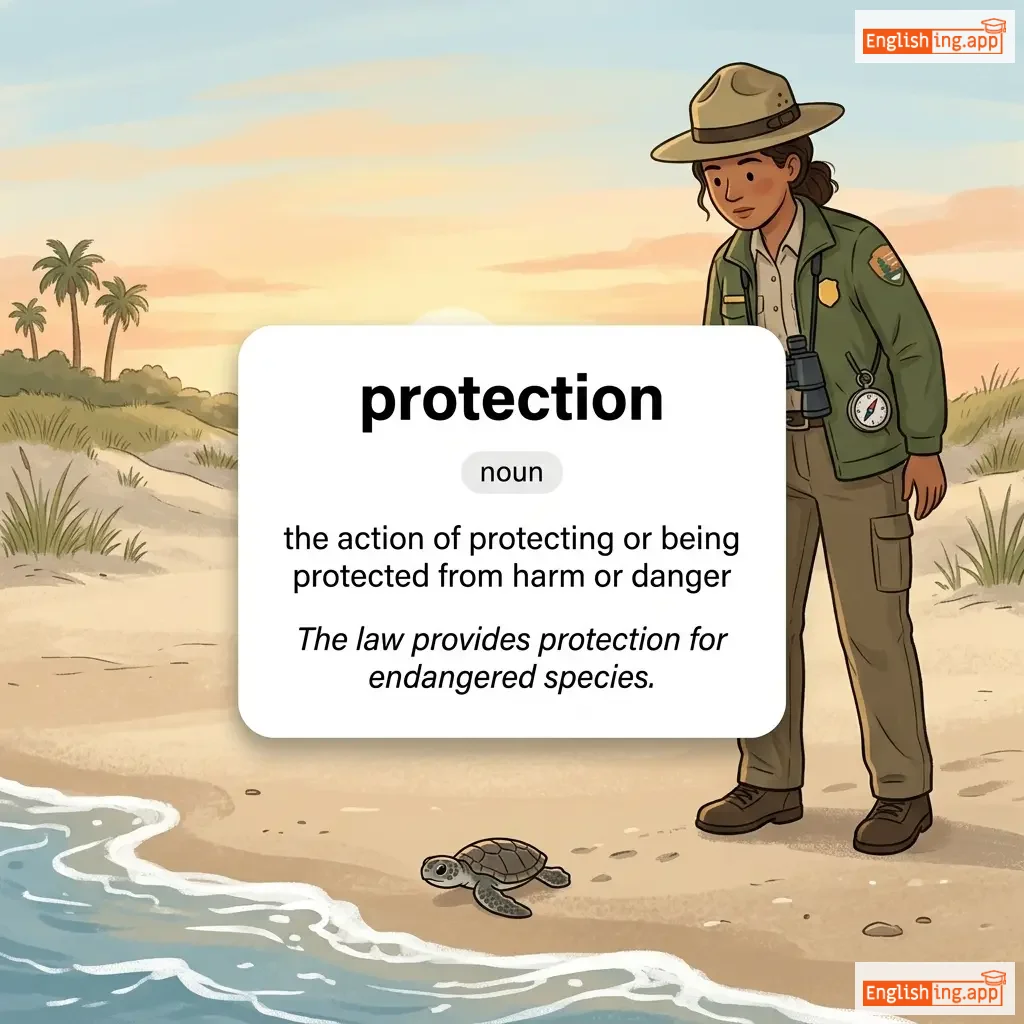
the act of keeping someone or something safe from harm or damage
••••••
|
The helmet provides protection for the cyclist's head. |
Шлем обеспечивает защиту головы велосипедиста.
Shlem obespechivaet zashchitu golovy velosipedista
••••••
|
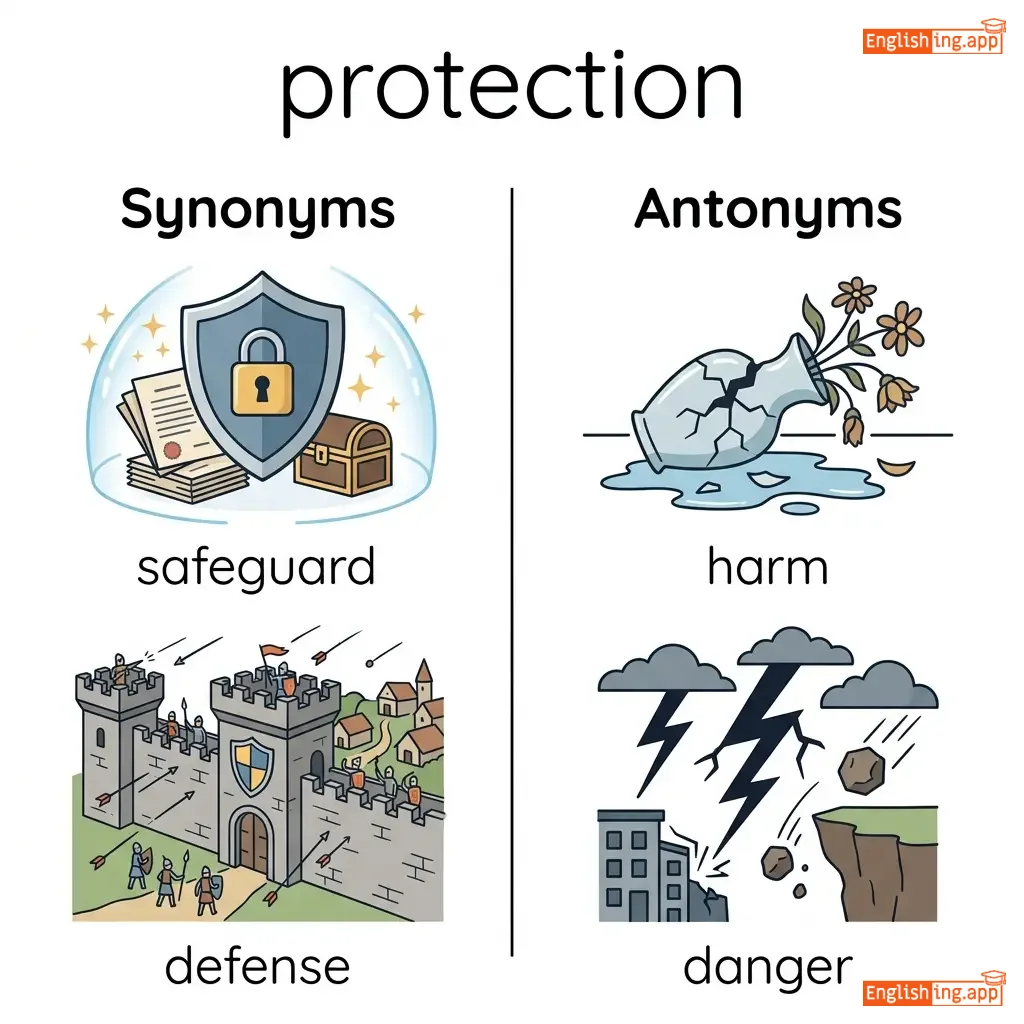
safety, security, defense, shelter
••••••
|
exposure, danger, vulnerability, harm
••••••
|
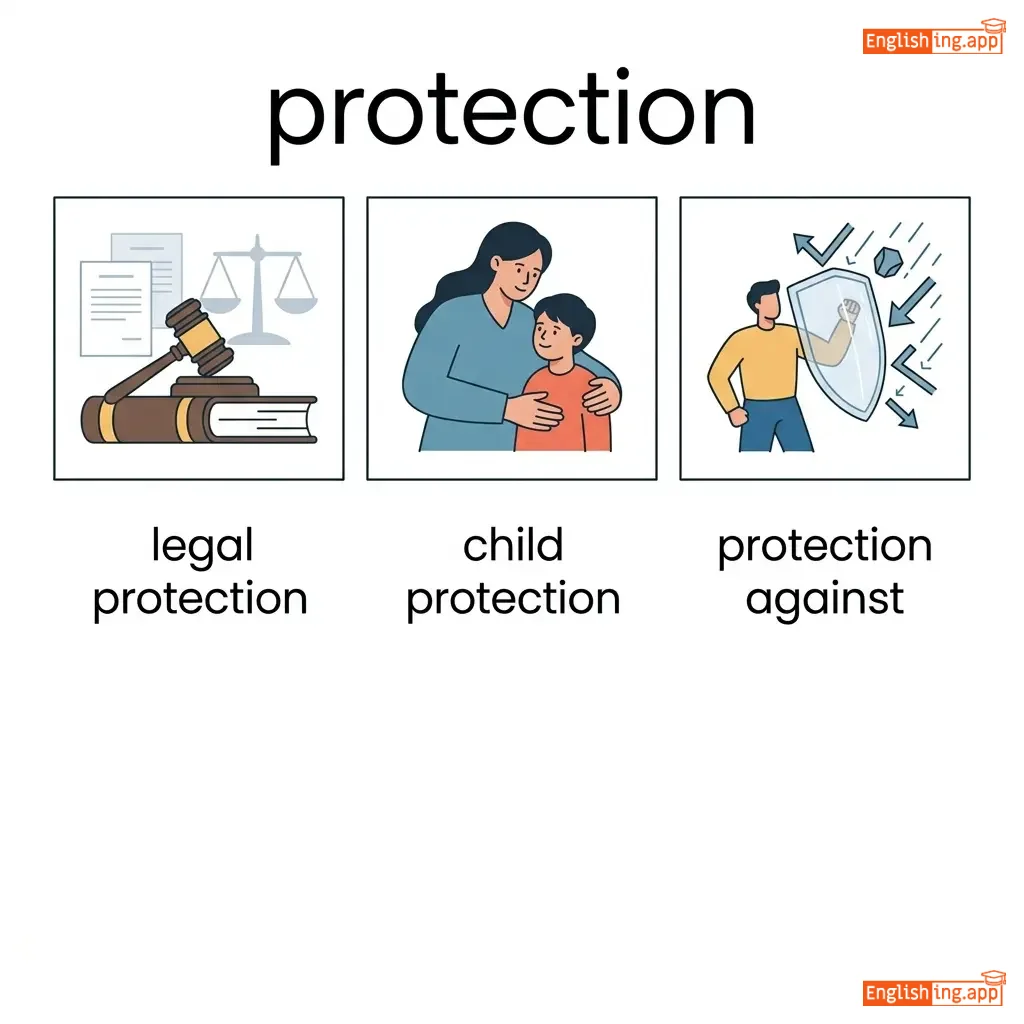
environmental protection, data protection, provide protection, under protection
••••••
|
Защита - это как шлем, который защищает вашу голову от повреждений.
••••••
|
Vocabulary Quiz
Test your vocabulary by matching words with their translations or meanings.
Login to take the quiz
Comments (0)
Share your thoughts and join the discussion.
Join the discussion by logging in
Login to CommentNo comments yet
Be the first to share your thoughts!