

Обновитесь для доступа ко всему словарю
Получите неограниченный доступ ко всем словам с подпиской Pro
Обновить до ProПеревод
Прошедшее
Причастие прошедшего времени
Третье лицо единственного числа
Герундий
Значение
Пример предложения
Перевод примера предложения
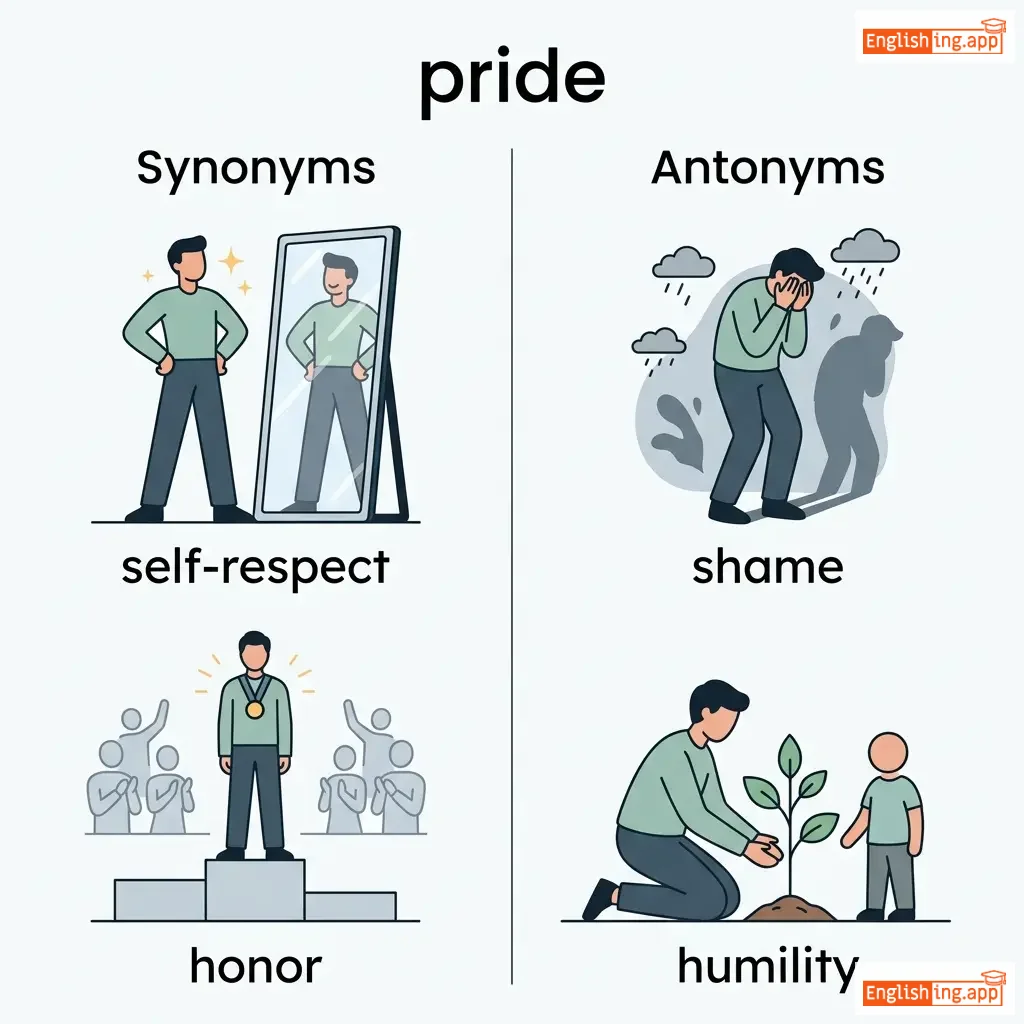
Синонимы
Антонимы
Коллокации
Мнемоника



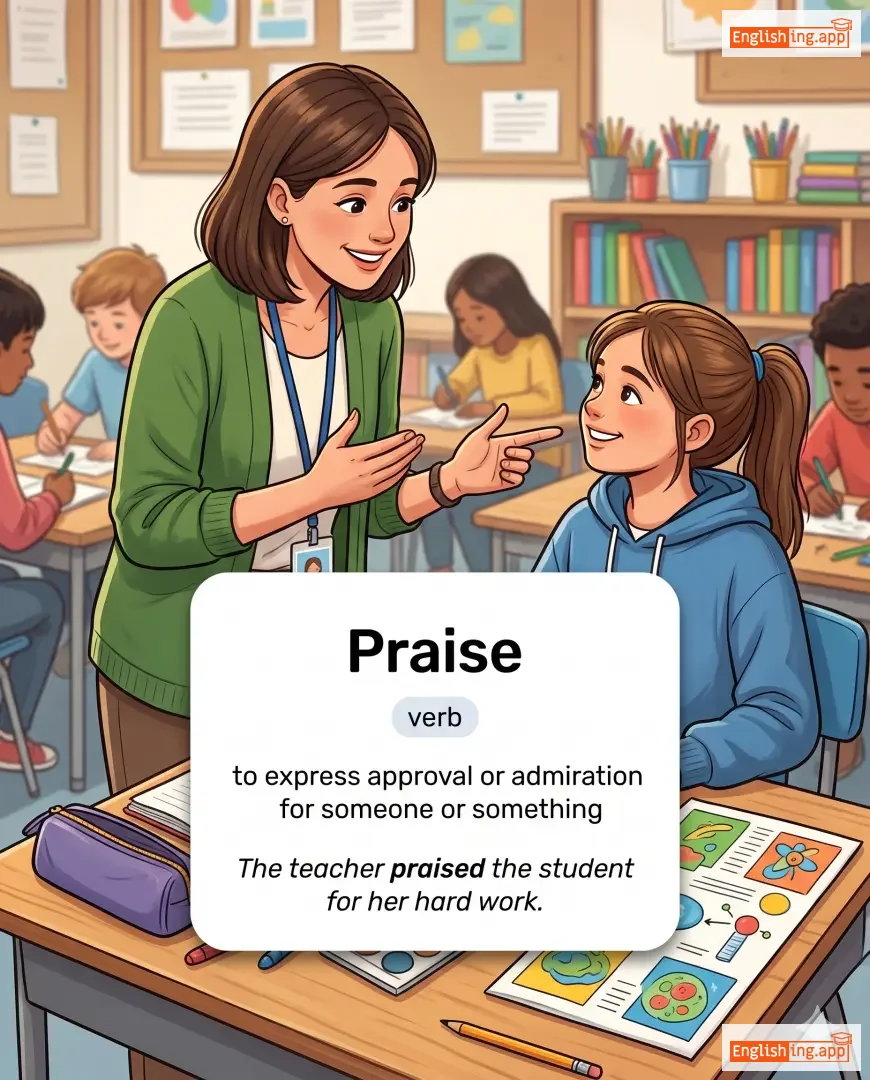
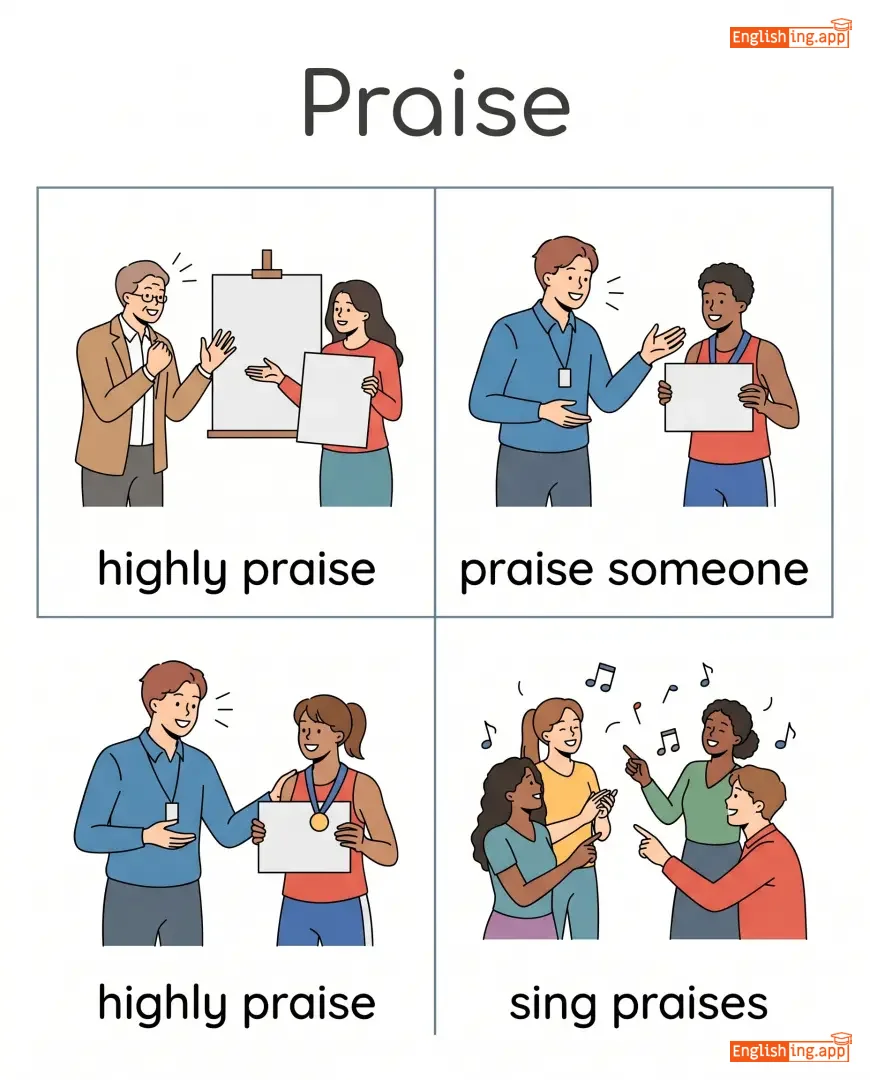
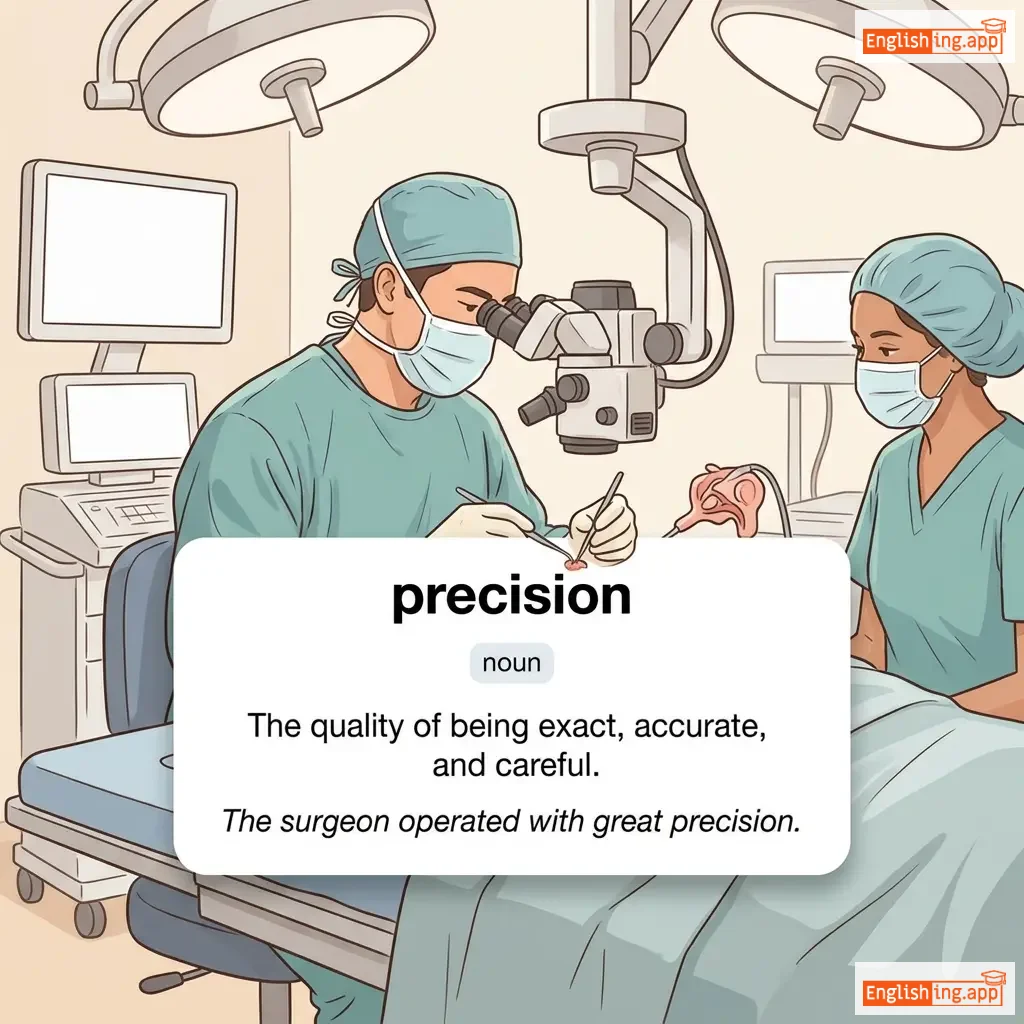
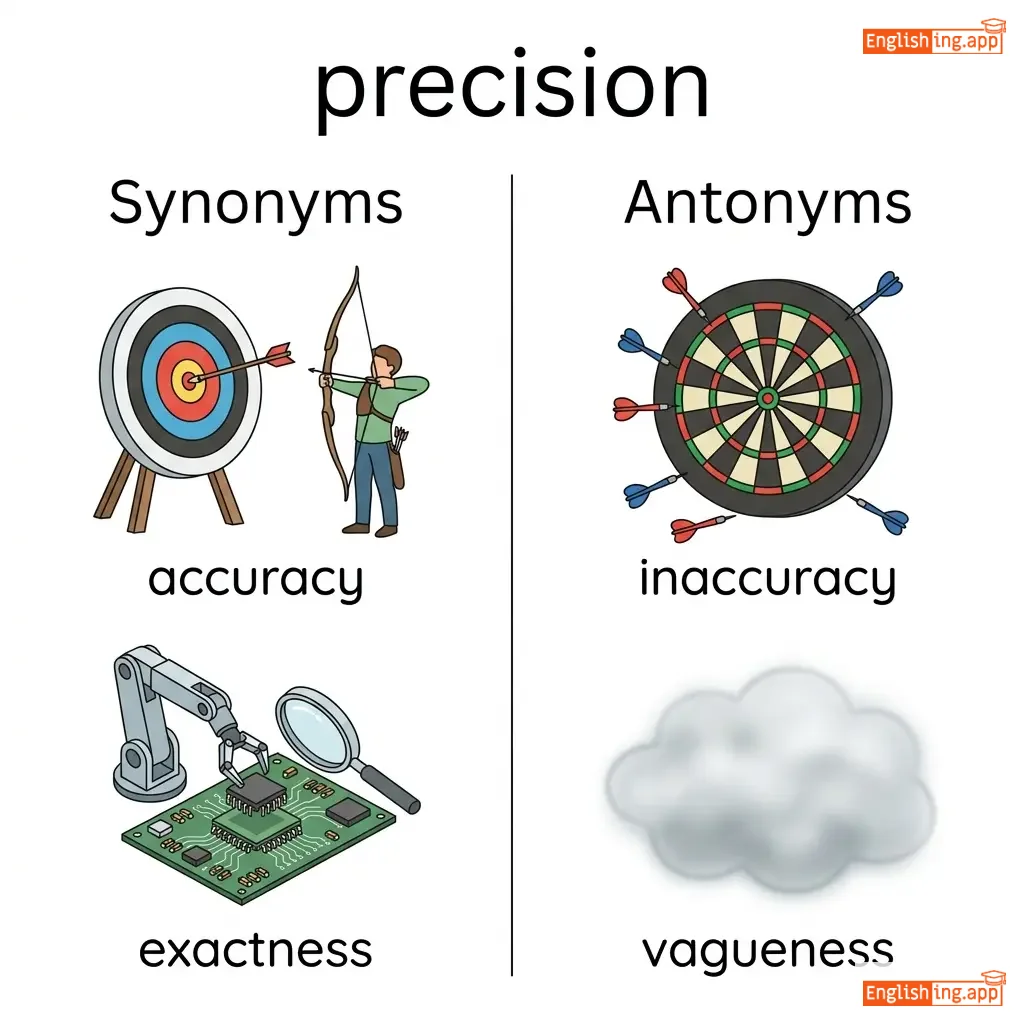


Swipe left or right, or use the buttons. Tap image to zoom.
Обновитесь для доступа ко всем предложениям
Получите неограниченный доступ ко всем предложениям с подпиской Pro
Обновить до ProПеревод примера предложения
Слово
Lesson 54Lesson 54 - Переключатель маски
|
Эмодзи
|
Слово | Images | Перевод | Значение | Пример предложения | Перевод примера предложения | Синонимы | Антонимы | Коллокации | Мнемоника |
|---|---|---|---|---|---|---|---|---|---|---|
|
#1061
👥
|
/ˌpɑːp.jəˈleɪ.ʃən/
noun
(populéishn)
••••••
|
|
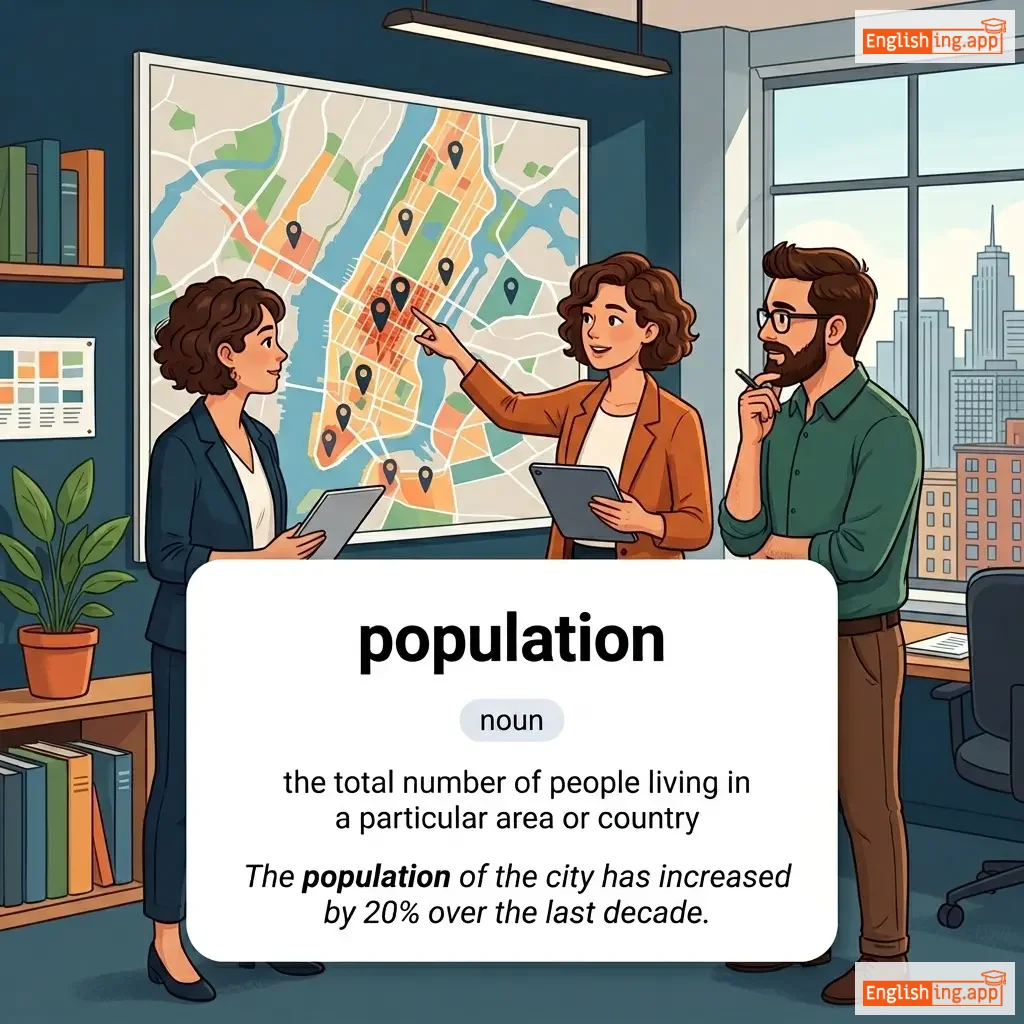
население
naselenie
••••••
|
the number of people living in a particular area; all the inhabitants of a particular place
••••••
|
The population of this city has grown rapidly in recent years. |
Число жителей этого города значительно увеличилось за последние годы.
Chislo zhiteley etogo goroda znachitel'no uvelichilos' za poslednie gody.
••••••
|
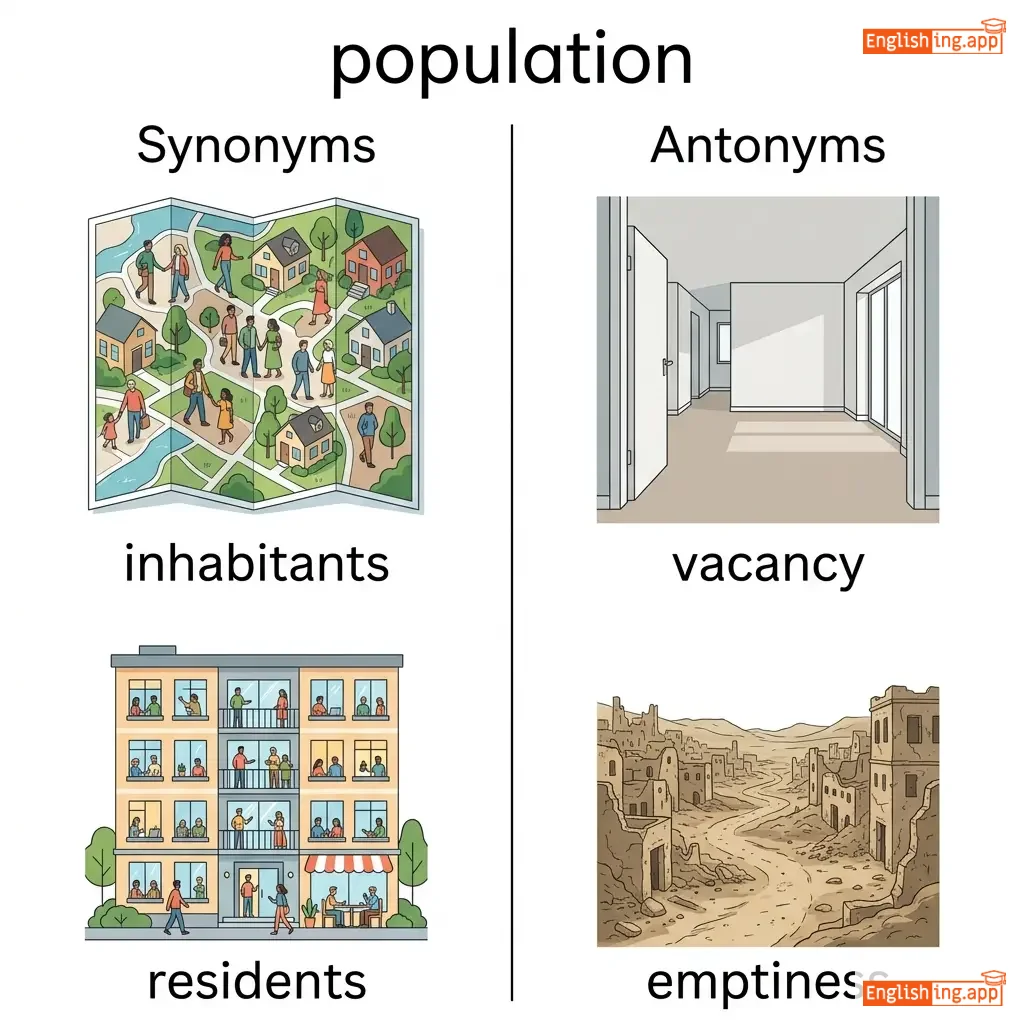
inhabitants, residents, citizens, people
••••••
|
depopulation, evacuation
••••••
|
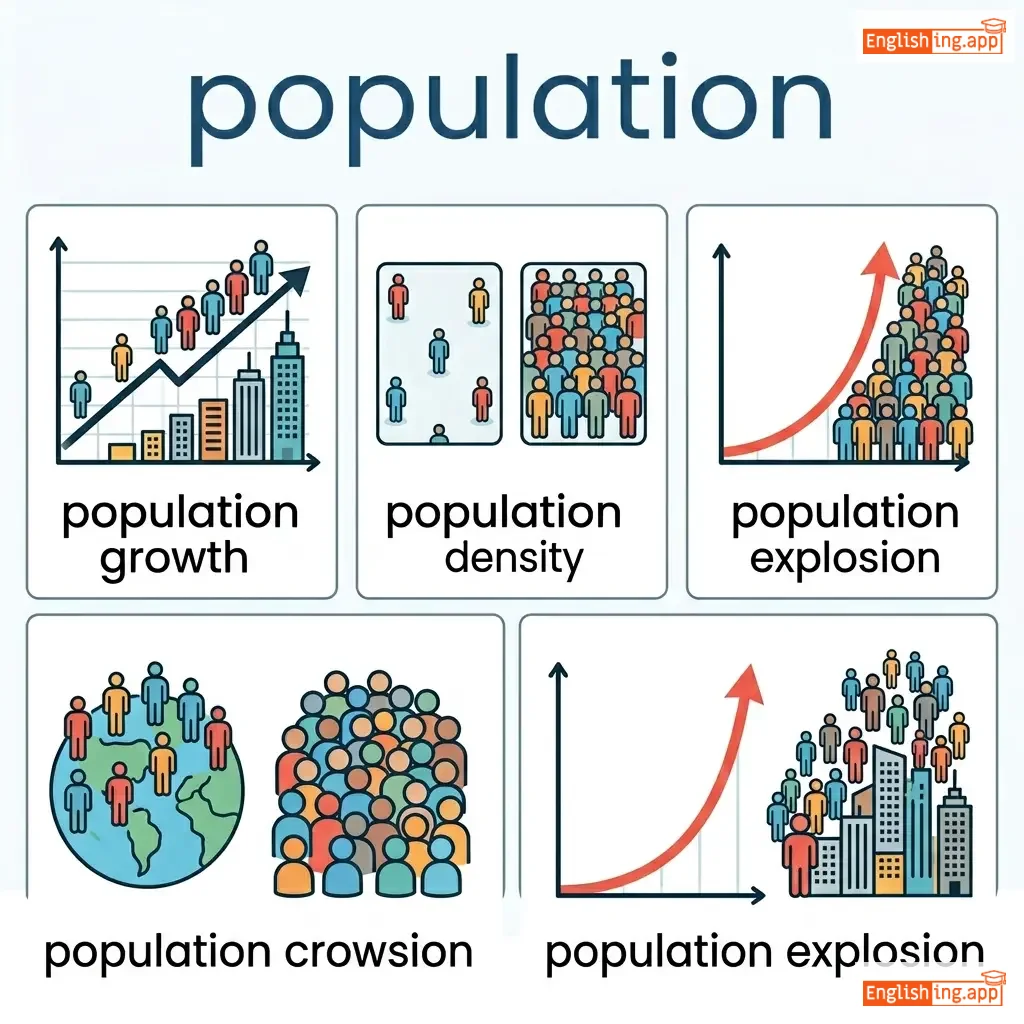
population growth, population density, aging population, urban population
••••••
|
‘Население’ reminds of 'Nash' for a city full of people.
••••••
|
|
#1062
👤
|
/ˈpref.ər.əns/
noun
(префе́ренс)
••••••
|
- •••••• |
предпочтение
predpochtienie
••••••
|
a greater liking for one alternative over another or others
••••••
|
She has a preference for classical music over pop music. |
Она предпочитает классическую музыку поп-музыке.
Ona predpochitayet klassicheskuyu muzyku pop-muzyke.
••••••
|
choice, selection, favor, predilection, inclination
••••••
|
aversion, dislike, rejection
••••••
|
personal preference, strong preference, show preference, state preference
••••••
|
Предпочтение = предпочитать, она предпочитает классическую музыку!
••••••
|
|
#1063
📍
|
/pəˈzɪʃ.ən/
noun
(позиция)
••••••
|
|
позиция; должность; место
pozitsiya; dolzhnost; mesto
••••••
|
a place where someone or something is located; a job or role; a particular way of thinking about something
••••••
|
She applied for a position as a teacher at the local school.
она подала заявку на должность учителя в местной школе.
••••••
|
Она подала заявку на должность учителя в местной школе.
Ona podala zaiavku na dolzhnost' uchitelya v mestnoi shkole.
••••••
|
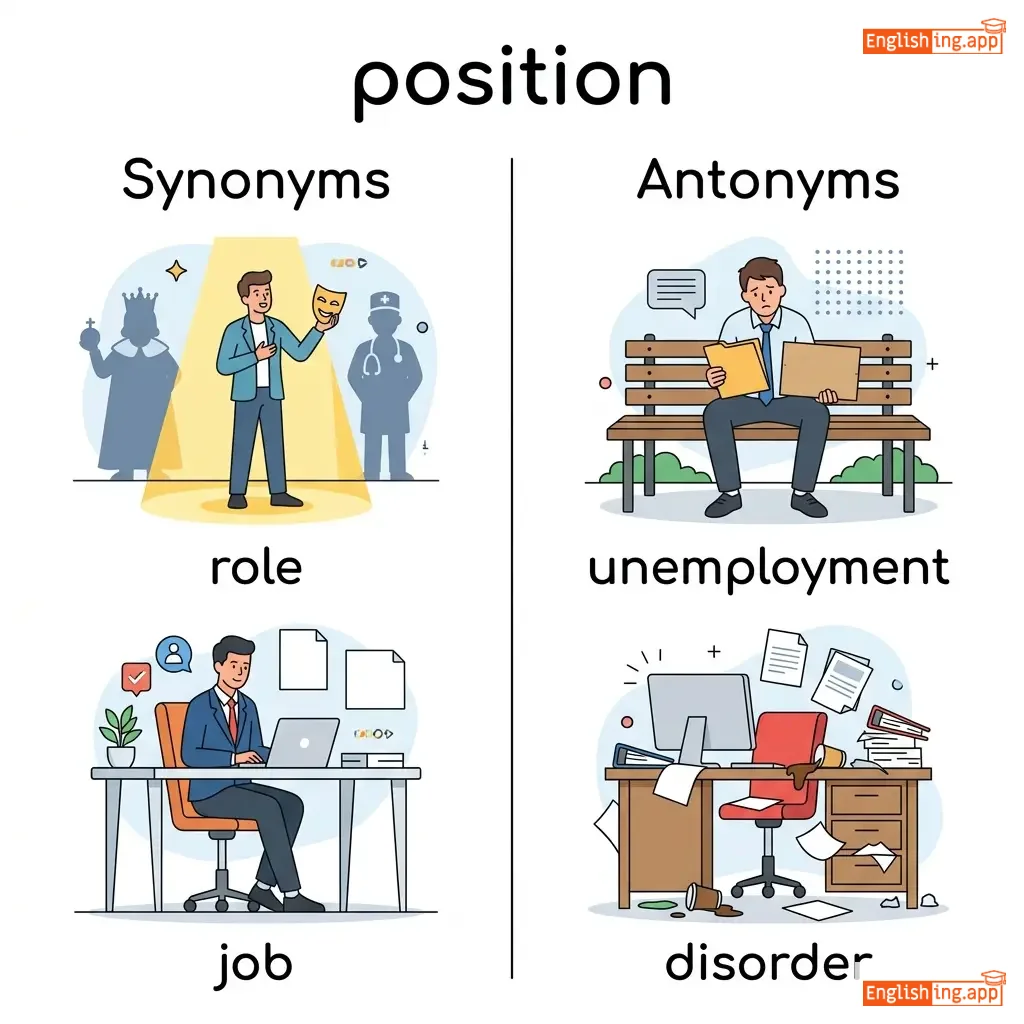
location, place, job, role, stance
••••••
|
displacement, unemployment
••••••
|
position paper, senior position, geographical position, take a position
••••••
|
Position (позиция) это как место, где ты находишься, твоя должность!
••••••
|
|
#1064
🚫
|
/ˈpredʒ.ə.dɪs/
noun
(prejudis)
••••••
|
- •••••• |
предвзятость
predvyatost
••••••
|
preconceived opinion that is not based on reason or actual experience
••••••
|
We must fight against prejudice and discrimination in our society.
Мы должны бороться с предвзятостью и дискриминацией в нашем обществе.
••••••
|
Мы должны бороться с предвзятостью и дискриминацией в нашем обществе.
My dolzhny borot'sya s predvzyatost'yu i diskriminatsiyey v nashem obshchestve
••••••
|
bias, discrimination, intolerance, bigotry
••••••
|
tolerance, fairness, impartiality, objectivity
••••••
|
racial prejudice, overcome prejudice, fight prejudice, deep prejudice
••••••
|
Предвзятость можно запомнить как 'пред' и 'взятость'
••••••
|
|
#1065
🏠
|
/pəˈzeʃ.ən/
noun
(pozɛʃən)
••••••
|
- •••••• |
владение; собственность; контроль
vladeniye; sobstvennost; kontrol
••••••
|
something that belongs to someone; the state of having or owning something
••••••
|
The house has been in their family's possession for generations.
дом находится в собственности их семьи уже несколько поколений.
••••••
|
Дом находится в собственности их семьи уже несколько поколений.
Dom nakhoditsya v sobstvennosti ikh sem'i uzhe neskol'ko pokoleniy.
••••••
|
ownership, property, belongings, assets
••••••
|
dispossession, loss
••••••
|
take possession, in possession of, personal possessions, illegal possession
••••••
|
Владение - это контроль.
••••••
|
|
#1066
👥
|
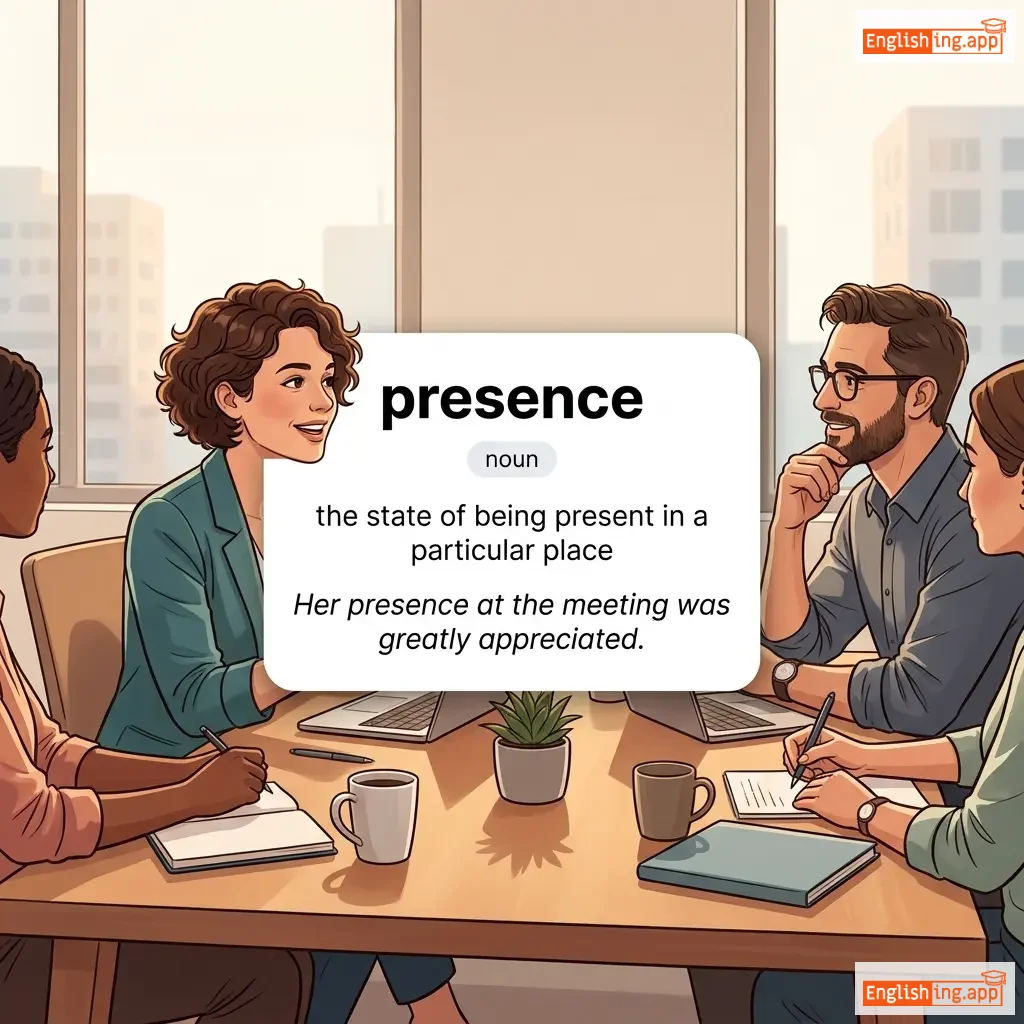
/ˈprez.əns/
noun
(prezens)
••••••
|
|
присутствие; быть присутствующим
prisutstvie; byt' prisutstvuyushchim
••••••
|
the fact or condition of being present
••••••
|
Your presence at the meeting is required.
Ваше присутствие на встрече требуется.
••••••
|
Ваше присутствие на встрече требуется.
Vashe prisutstvie na vstreche trebuyetsya.
••••••
|
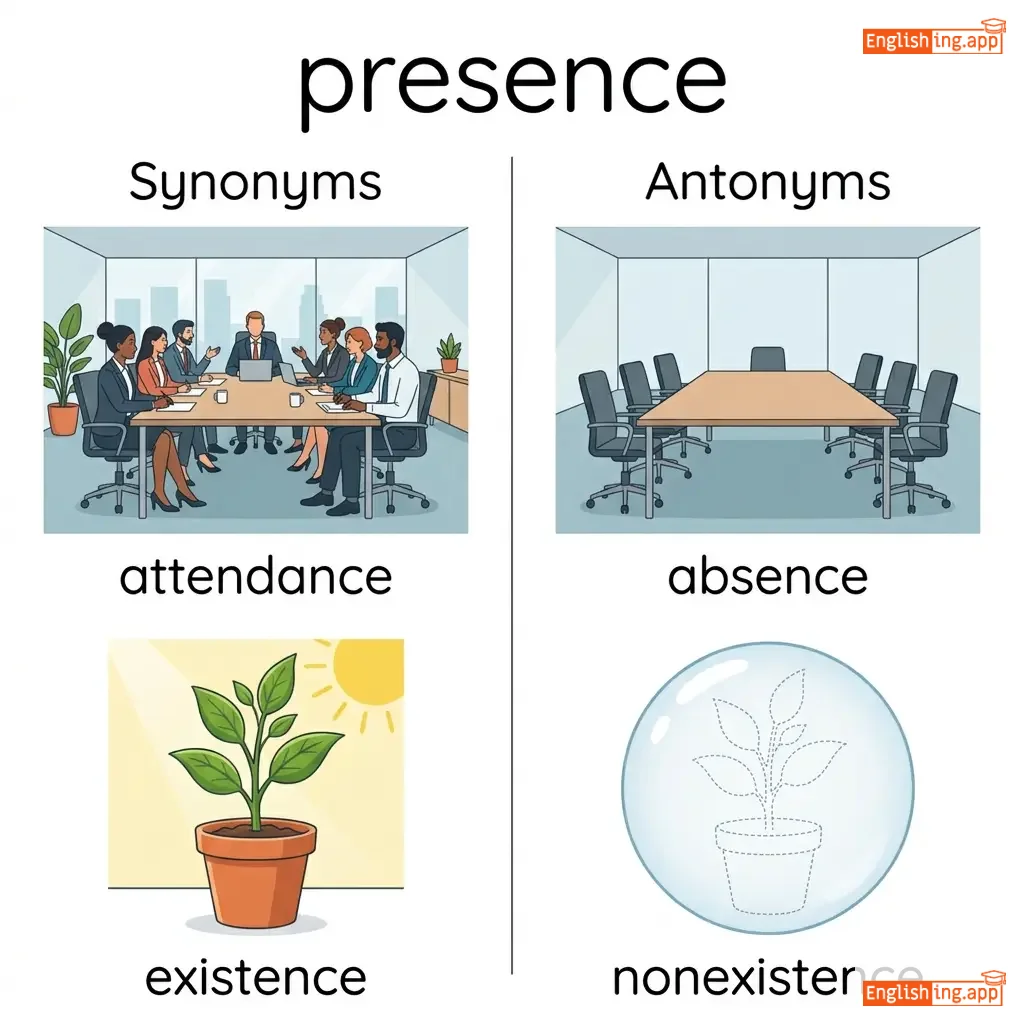
attendance, existence, being, company
••••••
|
absence, nonattendance, departure
••••••
|
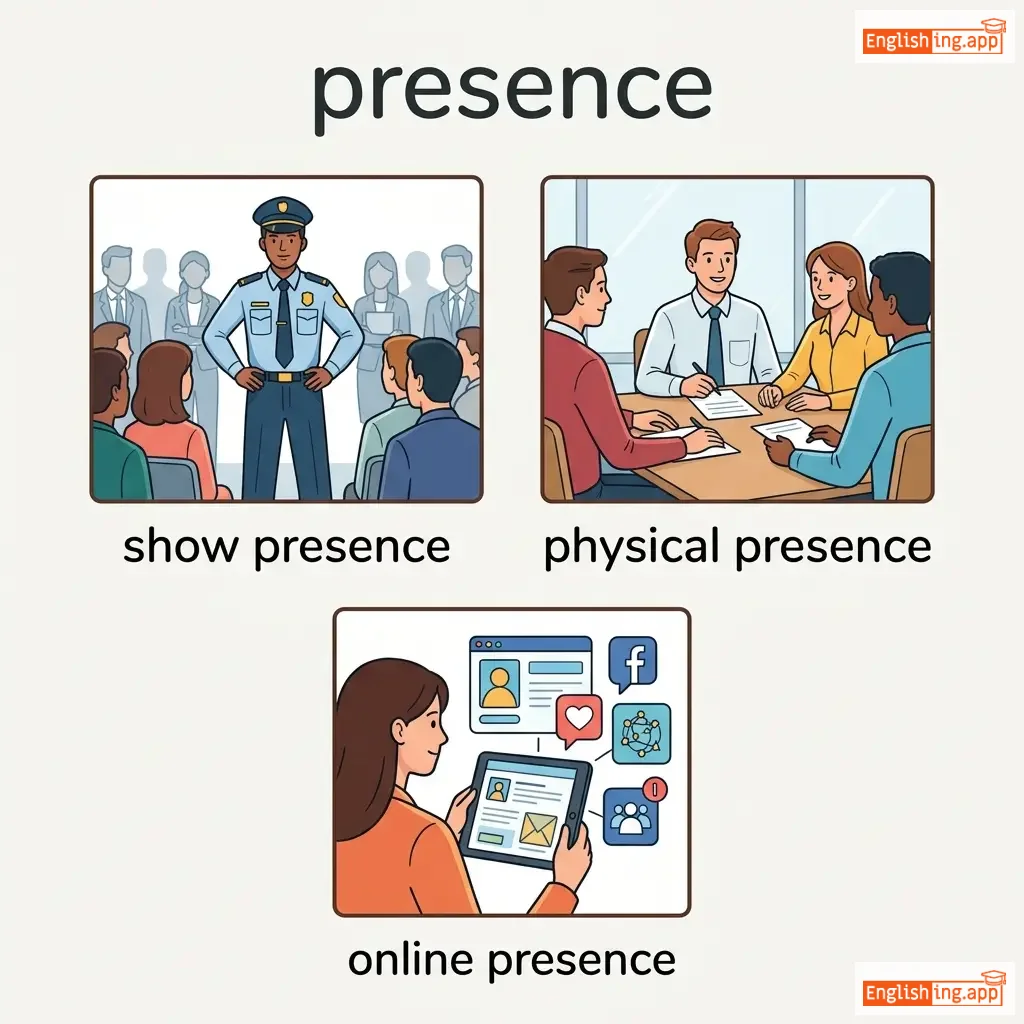
physical presence, strong presence, online presence, feel presence
••••••
|
Присутствие, быть там - быть присутствующим.
••••••
|
|
#1067
🧍
|
/ˈpɑːs.tʃər/
noun
(хэппинесс)
••••••
|
- •••••• |
счастье
schastye
••••••
|
the position in which someone holds their body; a particular attitude or approach
••••••
|
Good posture is important for preventing back pain. |
Она не могла скрыть свое счастье, когда получила награду.
Ona ne mogla skryt' svoe schast'ye, kogda poluchila nagradu.
••••••
|
stance, position, bearing, attitude
••••••
|
slouch, poor posture
••••••
|
good posture, poor posture, upright posture, defensive posture
••••••
|
No •••••• |
|
#1068
📊
|
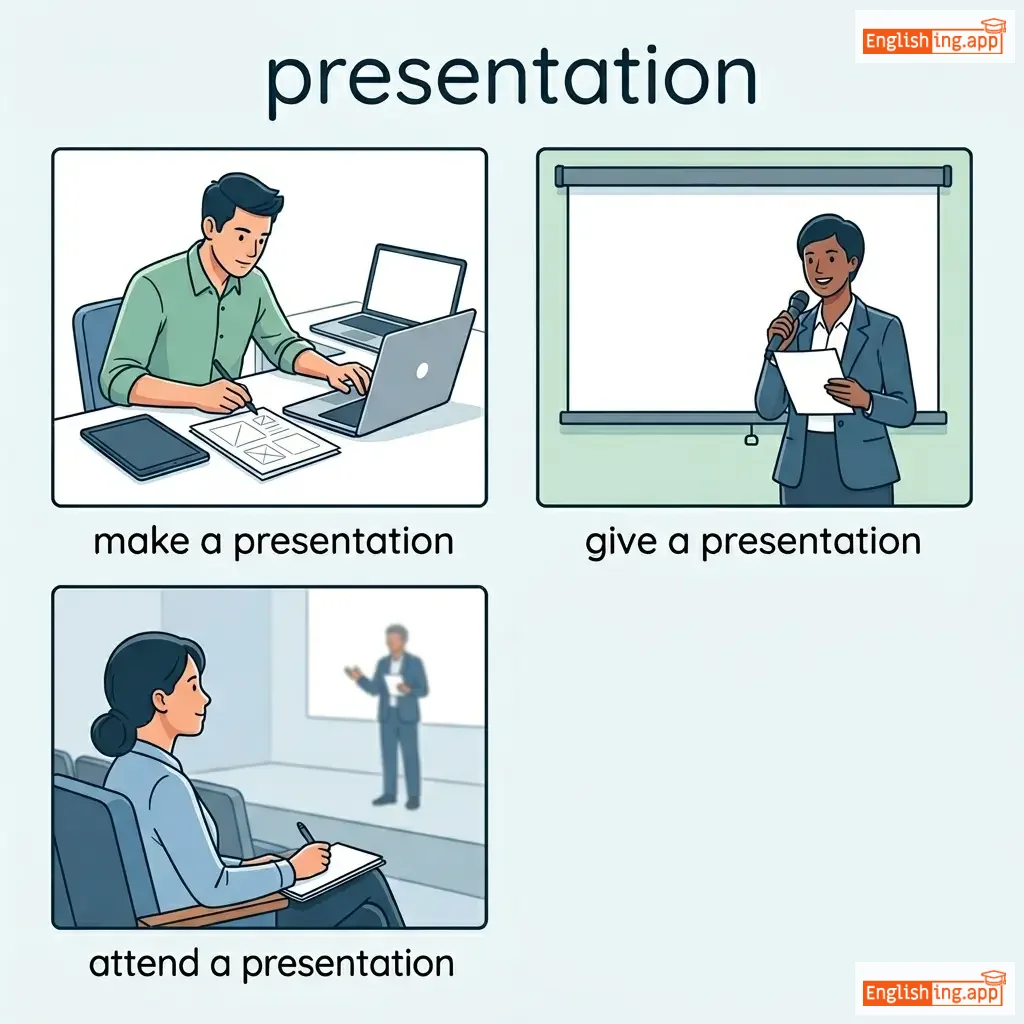
/ˌprez.ənˈteɪ.ʃən/
noun
(презентация)
••••••
|
|
презентация
prezentatsiya
••••••
|
the action of showing or explaining something to a group of people
••••••
|
She gave an excellent presentation about climate change.
Она сделала отличную презентацию по изменению климата.
••••••
|
Она сделала отличную презентацию по изменению климата.
Ona sdelala otlichnuyu prezentatsiyu po izmeneniyu klimata.
••••••
|
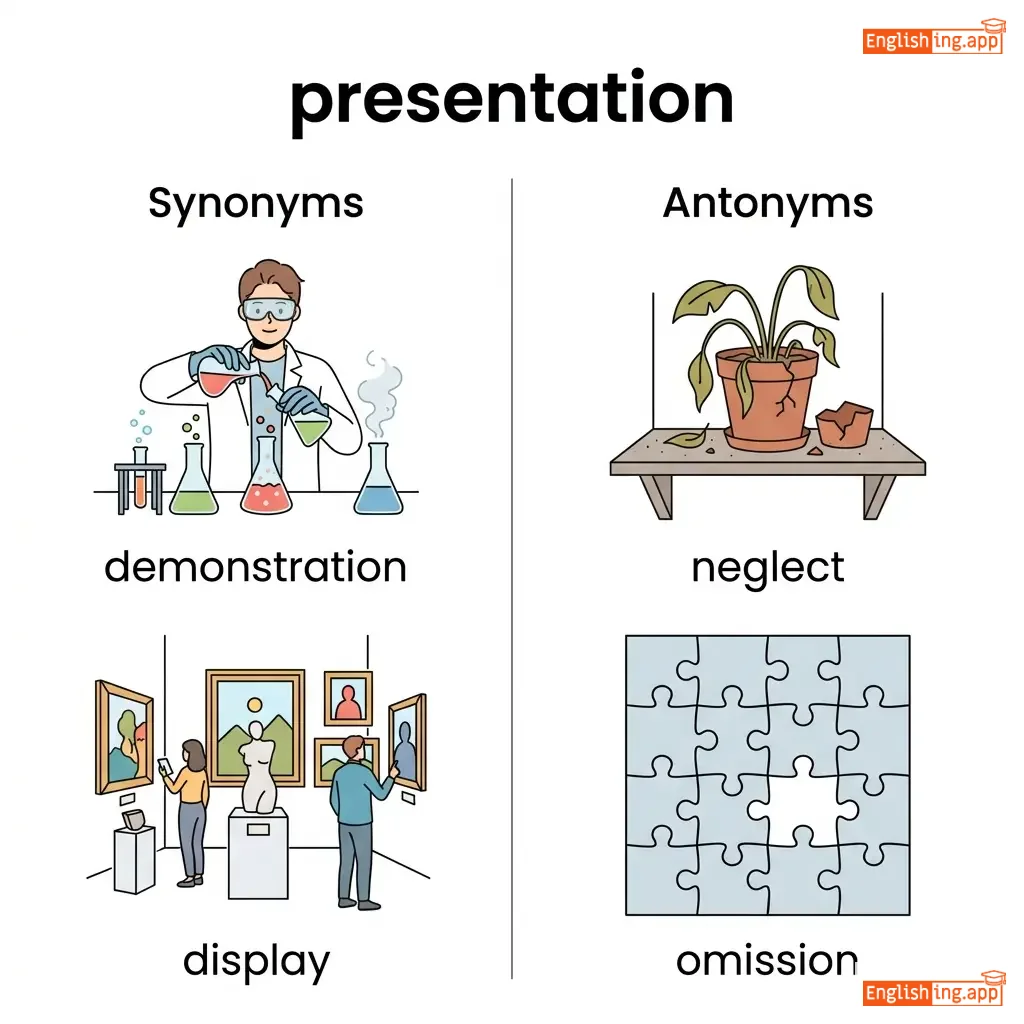
demonstration, display, speech, lecture, exhibition
••••••
|
concealment, hiding, withdrawal
••••••
|
give presentation, deliver presentation, PowerPoint presentation, oral presentation
••••••
|
Презентация - это показ, который помогает объяснить что-то
••••••
|
|
#1069
💸
|
/ˈpɑː.vər.t̬i/
noun
(нищета)
••••••
|
- •••••• |
нищета; нехватка основных потребностей
nishcheta
••••••
|
the state of being extremely poor; lack of basic necessities
••••••
|
Many organizations work to reduce poverty around the world.
Множество организаций работают над сокращением нищеты по всему миру.
••••••
|
Множество организаций работают над сокращением нищеты по всему миру.
Mnozhestvo organizatsiy rabotayut nad sokrashcheniyem nishchety po vsemu miru.
••••••
|
destitution, hardship, need, want
••••••
|
wealth, prosperity, affluence, riches
••••••
|
extreme poverty, poverty line, fight poverty, alleviate poverty
••••••
|
Нищета - это больше, чем бедность, это отсутствие надежды.
••••••
|
|
#1070
🛡️
|
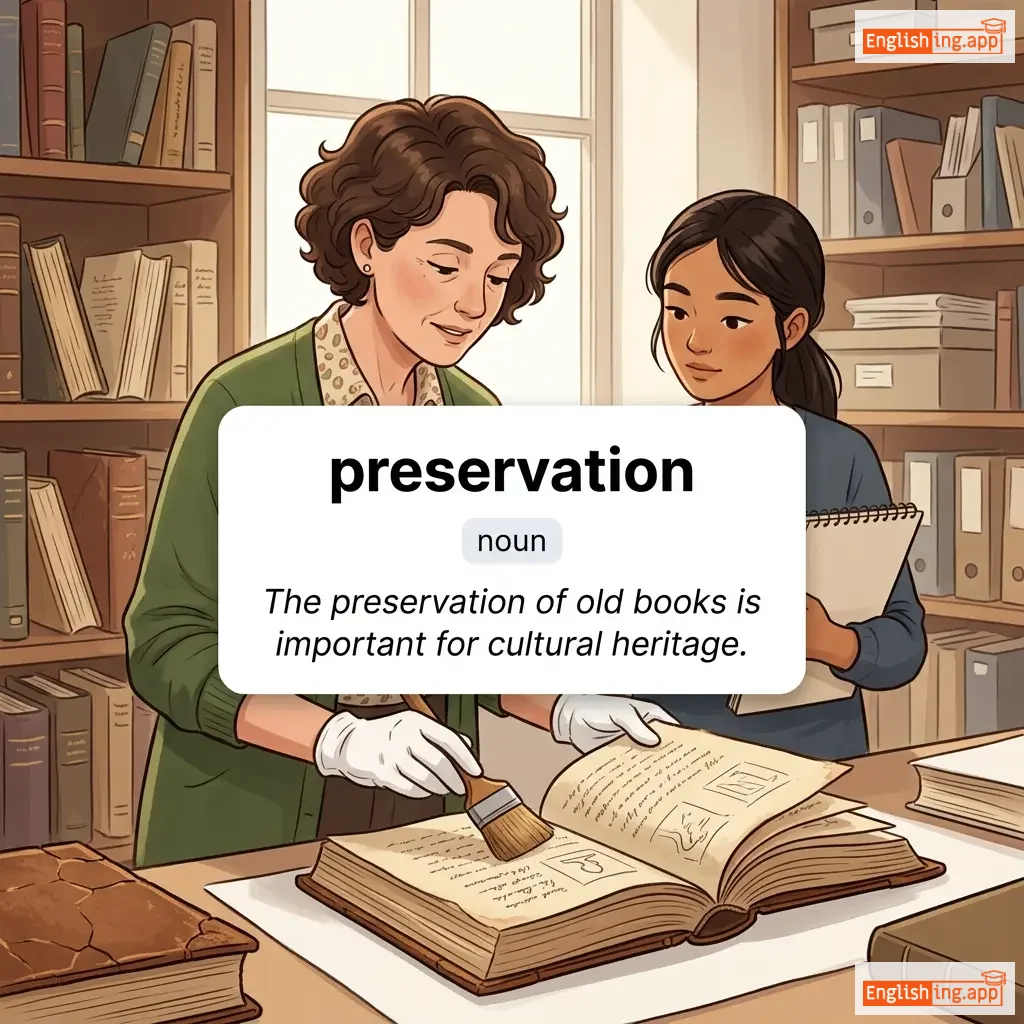
/ˌprez.əˈveɪ.ʃən/
noun
(презервация)
••••••
|
|
сохранение
sokhranenie
••••••
|
the action of maintaining something in its original or existing state
••••••
|
The preservation of historical buildings is very important.
Сохранение исторических зданий очень важно.
••••••
|
Сохранение исторических зданий очень важно.
Sokhranenie istoricheskikh zdaniy ochen' vazhno.
••••••
|
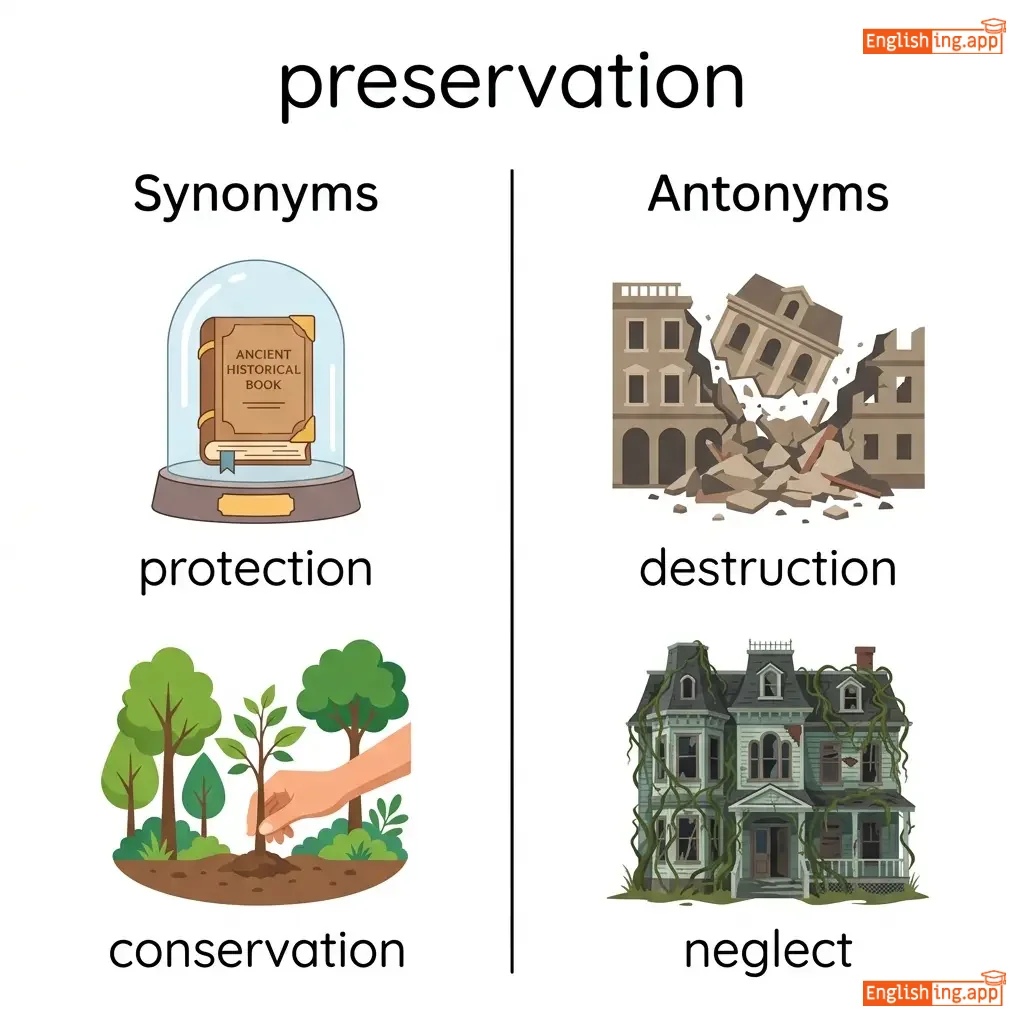
conservation, protection, maintenance, safeguarding
••••••
|
destruction, demolition, deterioration
••••••
|
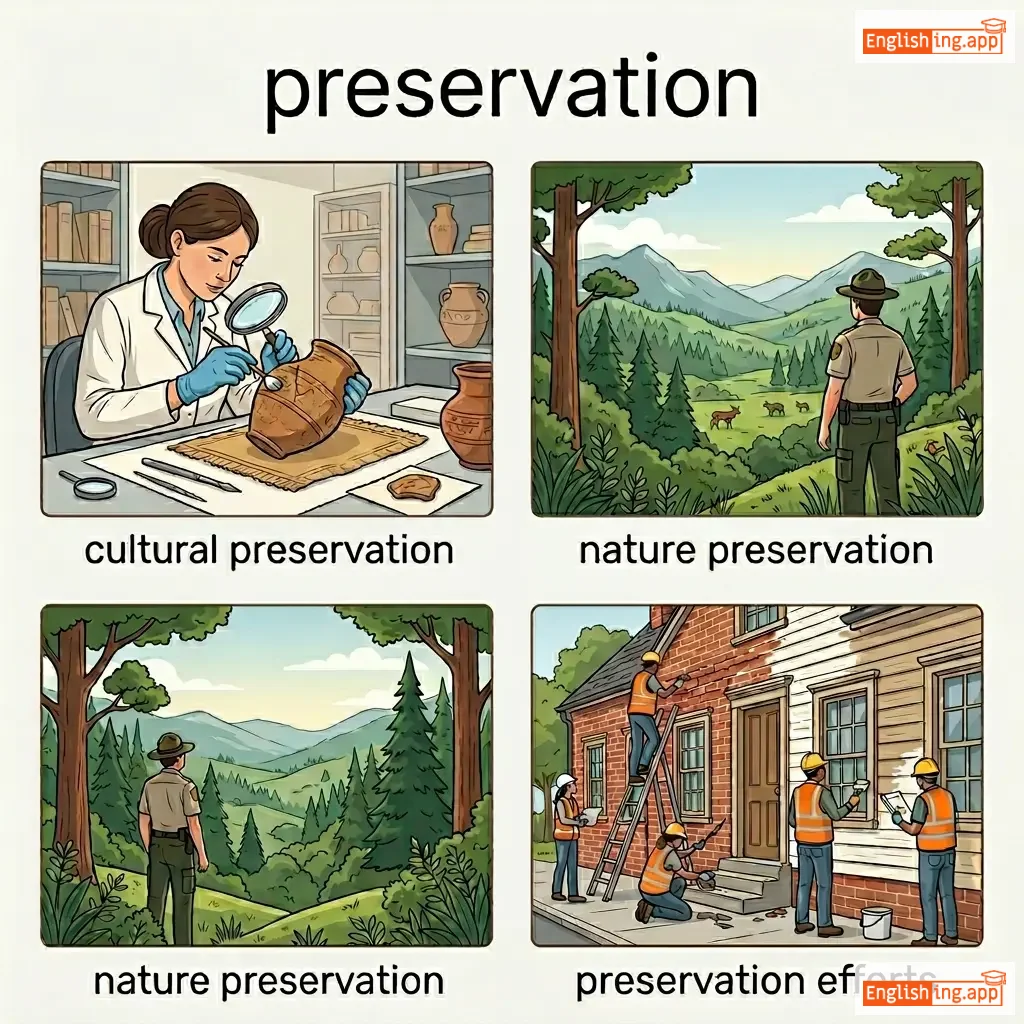
food preservation, wildlife preservation, historical preservation, self-preservation
••••••
|
Сохранение помогает сохранить историю для будущего.
••••••
|
|
#1071
👏
|
/preɪz/
noun
(preiz)
••••••
|
|
похвала
pokhvala
••••••
|
words that show approval or admiration; to express approval or admiration
••••••
|
The teacher gave praise to the students for their hard work. |
Учитель похвалил студентов за их усердную работу.
Uchitel' pokhvalil studentov za ikh usyerdnuyu rabotu.
••••••
|
compliment, commendation, approval, acclaim
••••••
|
criticism, blame, condemnation, disapproval
••••••
|
high praise, words of praise, praise someone, deserve praise
••••••
|
Похвала — как аплодисменты (Pokhvala — kak aplyodismenty)
••••••
|
|
#1072
🤔
|
/prɪˈzʌmp.ʃən/
noun
(prizʊmpʃɪn)
••••••
|
- •••••• |
презумпция; предположение;
prezumpsiya
••••••
|
an idea that is taken to be true without proof
••••••
|
There is a presumption of innocence in the legal system.
В юридической системе существует презумпция невиновности.
••••••
|
В юридической системе существует презумпция невиновности.
V yuridicheskoy sisteme sushchestvuyet prezumpsiya nevinovnosti.
••••••
|
assumption, supposition, belief, hypothesis
••••••
|
proof, certainty, fact, evidence
••••••
|
legal presumption, false presumption, reasonable presumption, presumption of innocence
••••••
|
Russian speakers can remember 'презумпция' (prezumpsiya) by linking it to 'предположение'.
••••••
|
|
#1073
⚠️
|
/prɪˈkɔː.ʃən/
noun
(пре-кау-сьон)
••••••
|
- •••••• |
предосторожность
predostorozhnost
••••••
|
an action taken in advance to prevent something dangerous or unpleasant from happening
••••••
|
As a precaution, we should bring extra water on the hike.
В качестве предосторожности мы должны взять с собой дополнительную воду на поход.
••••••
|
В качестве предосторожности мы должны взять с собой дополнительную воду на поход.
V kachestve predostorozhnosti my dolzhny vzyat' s soboy dopolnitel'nuyu vodu na pokhod.
••••••
|
safeguard, prevention, protection, measure
••••••
|
recklessness, carelessness, negligence
••••••
|
take precautions, safety precaution, as a precaution, precautionary measure
••••••
|
Предосторожность: когда заранее готовишься, чтобы избежать неприятностей.
••••••
|
|
#1074
🎭
|
/prɪˈtens/
noun
(притенс)
••••••
|
- •••••• |
притворство
pritvorstvo
••••••
|
an attempt to make something that is not the case appear true
••••••
|
He made no pretence of being interested in the conversation. |
Он не делал вид, что ему интересно в разговоре.
On ne delal vid, chto yemu interesno v razgovore.
••••••
|
pretense, facade, charade, deception, act
••••••
|
honesty, genuineness, sincerity, truth
••••••
|
false pretence, drop pretence, make pretence, under pretence
••••••
|
Это как играть роль, чтобы обмануть других, создавая ложное впечатление.
••••••
|
|
#1075
🎯
|
/prɪˈsɪʒ.ən/
noun
(прецизион)
••••••
|
|
точность
tochnost
••••••
|
the quality of being exact and accurate; the condition of being precise
••••••
|
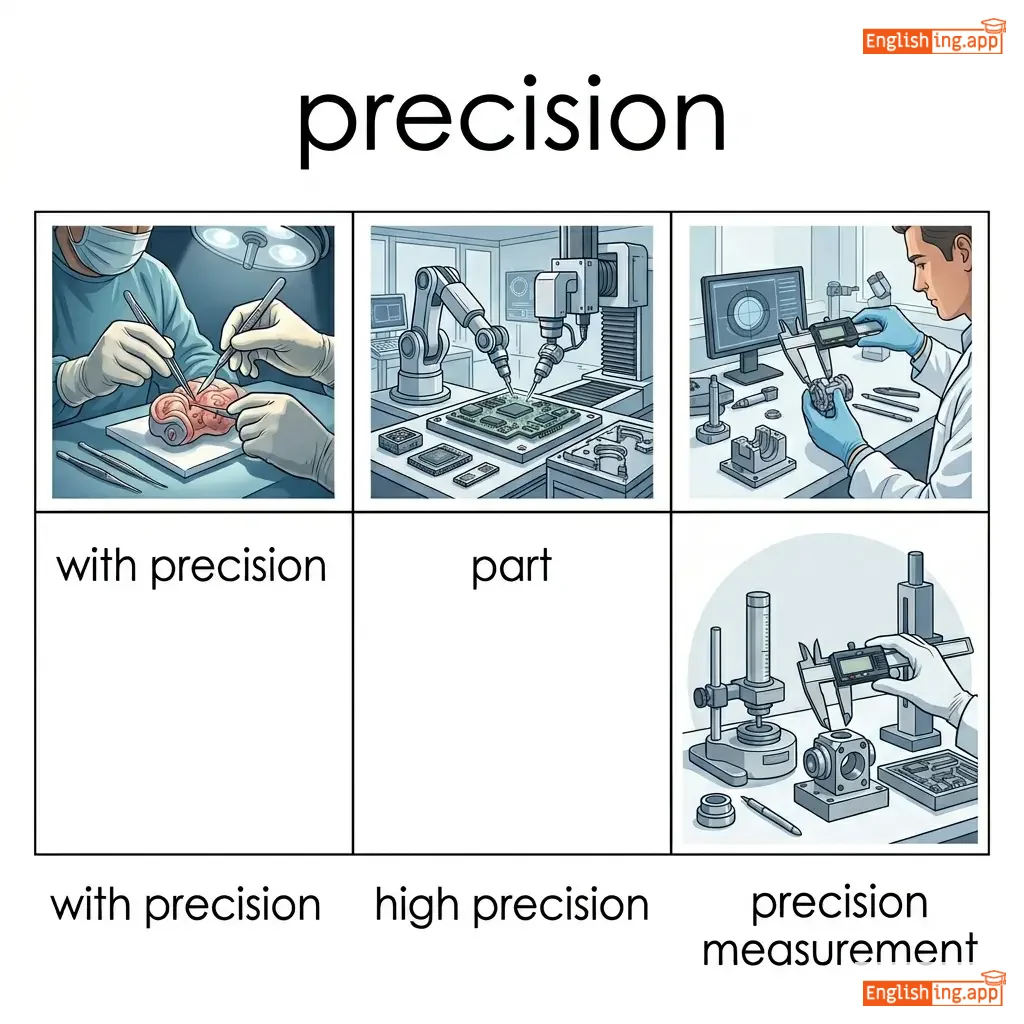
The surgeon operated with great precision and skill. |
Хирург оперировал с большой точностью и мастерством.
Khirurg operiroval s bol'shoy tochnost'yu i masterstvom
••••••
|
accuracy, exactness, correctness, detail
••••••
|
imprecision, inaccuracy, vagueness
••••••
|
surgical precision, mathematical precision, precision instrument, with precision
••••••
|
Точность важна при операции.
••••••
|
|
#1076
🎪
|
/ˈpriː.tekst/
noun
(притекст)
••••••
|
- •••••• |
предлог
predlog
••••••
|
a reason given in justification of a course of action that is not the real reason
••••••
|
He used illness as a pretext to avoid the meeting.
Он использовал болезнь как предлог, чтобы избежать встречи.
••••••
|
Он использовал болезнь как предлог, чтобы избежать встречи.
On ispol'zoval bolezn' kak predlog, chtoby izbezhat' vstrechi.
••••••
|
excuse, justification, cover, alibi, front
••••••
|
genuine reason, real motive, truth
••••••
|
under pretext, false pretext, use pretext, provide pretext
••••••
|
A pretext is like a 'predlog,' an excuse to justify avoiding something.
••••••
|
|
#1077
👤
|
/ˈpred.ə.ses.ər/
noun
(предшественник)
••••••
|
- •••••• |
предшественник
predshestvennik
••••••
|
a person who held a job or office before the current holder; something that came before another thing
••••••
|
The new manager learned from his predecessor's mistakes. |
Новый менеджер учился на ошибках своего предшественника.
Novyy menedzher uchilsya na oshibkakh svoego predshestvennika.
••••••
|
forerunner, antecedent, previous holder, former
••••••
|
successor, follower, descendant
••••••
|
immediate predecessor, worthy predecessor, predecessor company, predecessor's legacy
••••••
|
Предшественник: тот, кто был раньше, как старый наставник.
••••••
|
|
#1078
🚧
|
/prɪˈven.ʃən/
noun
(превеншн)
••••••
|
|
профилактика
profilaktika
••••••
|
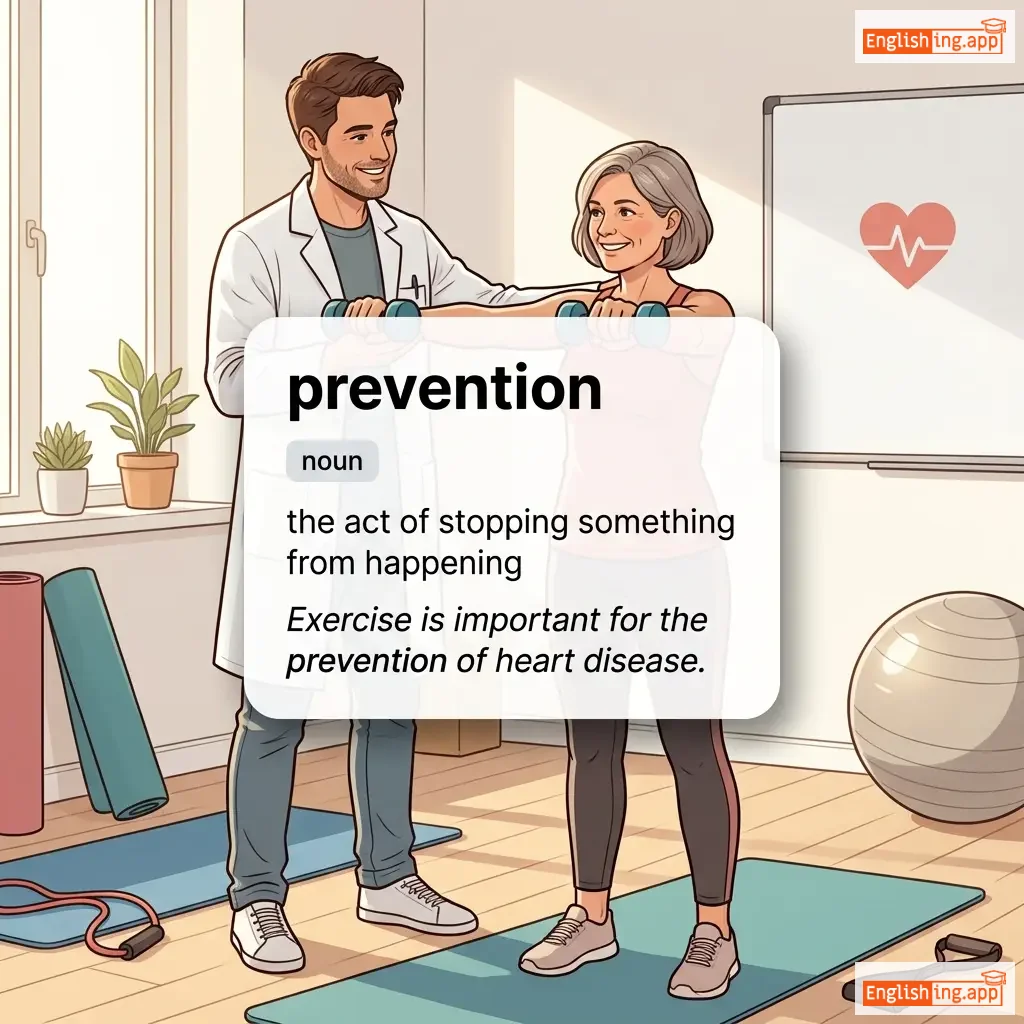
the action of stopping something from happening or arising
••••••
|
Prevention is better than cure when it comes to health.
Профилактика лучше лечения, когда речь идет о здоровье.
••••••
|
Профилактика лучше лечения, когда речь идет о здоровье.
Profilaktika luchshe lecheniya, kogda rech idet o zdorov'ye.
••••••
|
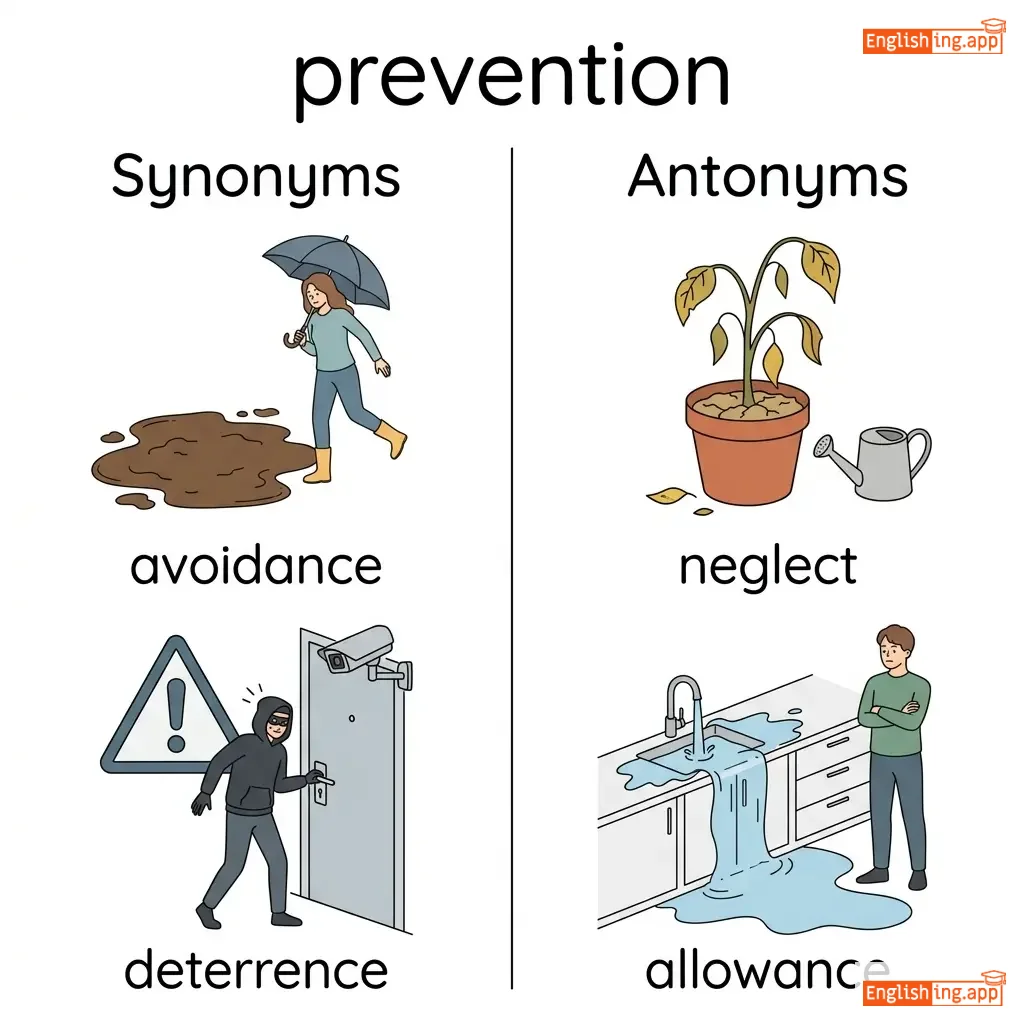
avoidance, deterrence, hindrance, obstruction
••••••
|
causation, encouragement, promotion
••••••
|
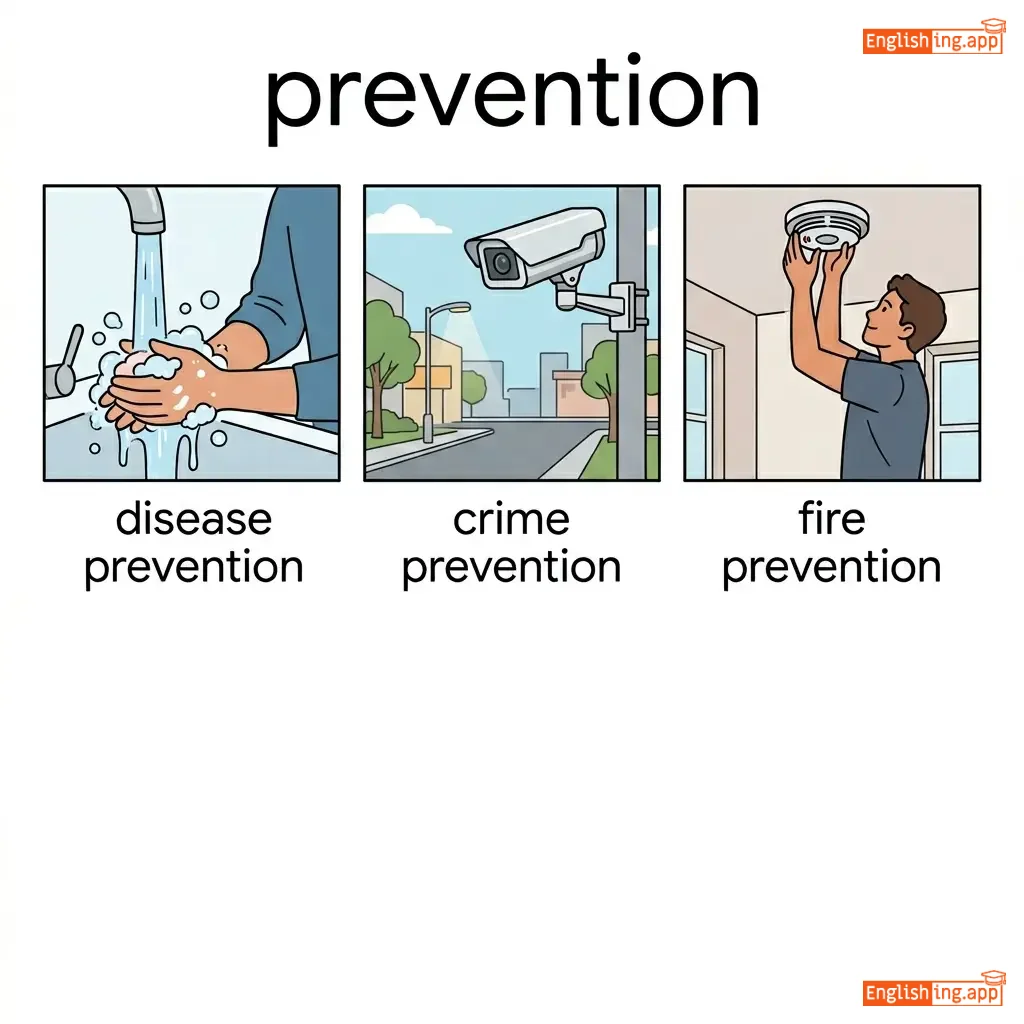
disease prevention, crime prevention, fire prevention, prevention program
••••••
|
Профилактика — лучший способ избежать заболеваний
••••••
|
|
#1079
🔮
|
/prɪˈdɪk.ʃən/
noun
(прогноз)
••••••
|
- •••••• |
прогноз
prognoz
••••••
|
a statement about what will happen in the future; a forecast
••••••
|
The weather prediction says it will rain tomorrow.
прогноз погоды говорит, что завтра будет дождь
••••••
|
Прогноз погоды говорит, что завтра будет дождь.
Prognoz pogody govorit, chto zavtra budet dozhd'.
••••••
|
forecast, prophecy, projection, prognosis
••••••
|
hindsight, retrospection, past knowledge
••••••
|
weather prediction, accurate prediction, make a prediction, prediction model
••••••
|
Прогноз предсказывает будущее, как прогноз погоды.
••••••
|
|
#1080
🦁
|
/praɪd/
noun
(прайд)
••••••
|
|
гордость
gordost
••••••
|
a feeling of deep pleasure or satisfaction derived from achievements
••••••
|
She takes great pride in her work.
Она гордится своей работой.
••••••
|
Она гордится своей работой.
Ona gorditsya svoey rabotoy.
••••••
|
dignity, self-esteem, satisfaction, honor
••••••
|
shame, humility, modesty, disgrace
••••••
|
take pride, feel pride, source of pride, national pride
••••••
|
Гордость — это чувство удовлетворения от успеха.
••••••
|
Vocabulary Quiz
Test your vocabulary by matching words with their translations or meanings.
Login to take the quiz
Comments (0)
Share your thoughts and join the discussion.
Join the discussion by logging in
Login to CommentNo comments yet
Be the first to share your thoughts!