

अनुवाद
भूतकाल
भूत कृदंत
तृतीय पुरुष एकवचन
जेरंड
मीनिंग
उदाहरण वाक्य
उदाहरण वाक्य अनुवाद
सिनोनिम्स
एंटोनिम्स
कॉलोकेशन्स
निमोनिक




Swipe left or right, or use the buttons. Tap image to zoom.
उदाहरण वाक्य अनुवाद
शब्द
Lesson 54Lesson 54 - मास्क टॉगल
|
इमोजी
|
शब्द | Images | अनुवाद | मीनिंग | उदाहरण वाक्य | उदाहरण वाक्य अनुवाद | सिनोनिम्स | एंटोनिम्स | कॉलोकेशन्स | निमोनिक |
|---|---|---|---|---|---|---|---|---|---|---|
|
#1061
👥
|
/ˌpɑːp.jəˈleɪ.ʃən/
noun
(पॉपुलेशन)
••••••
|
|
जनसंख्या
jansankhya
••••••
|
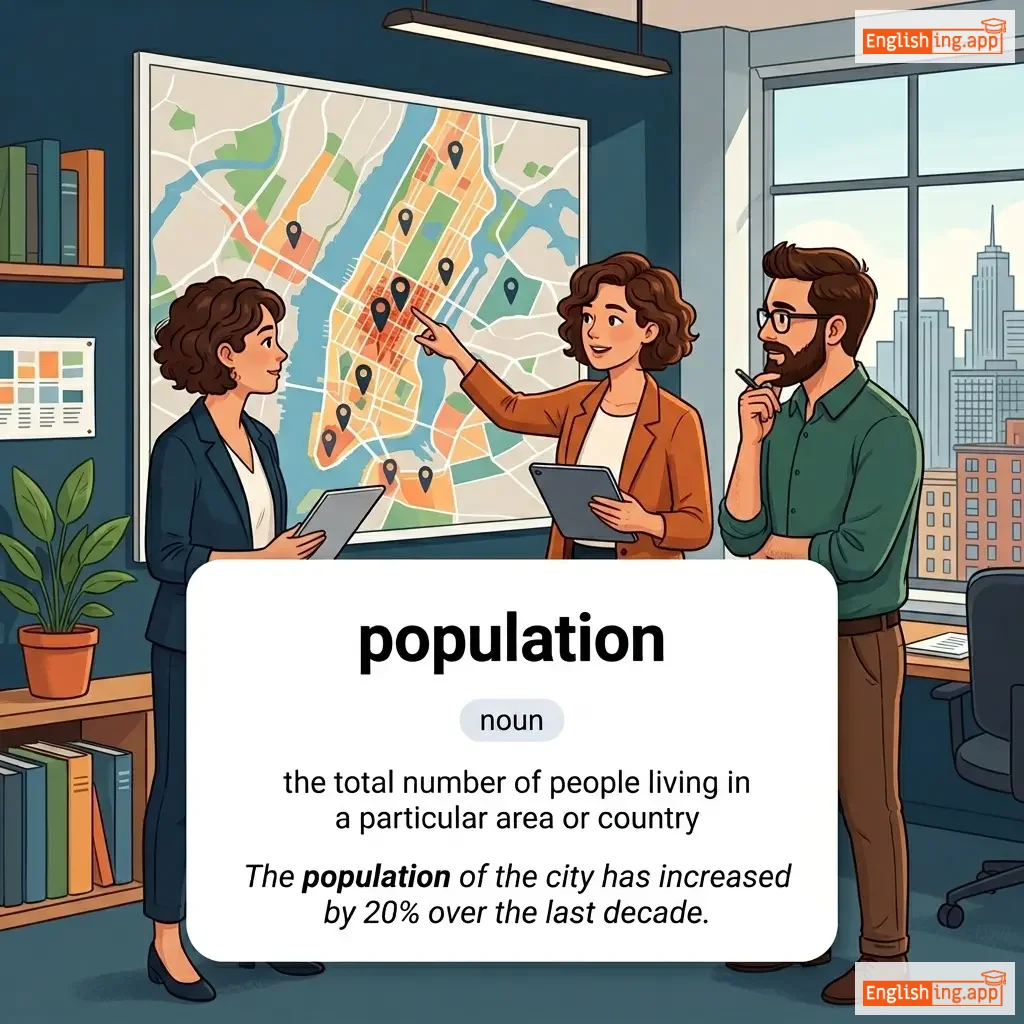
the number of people living in a particular area; all the inhabitants of a particular place
••••••
|
The population of this city has grown rapidly in recent years. |
इस शहर की जनसंख्या हाल के वर्षों में तेजी से बढ़ी है।
is shahar ki jansankhya haal ke varshon mein tezi se badhi hai。
••••••
|
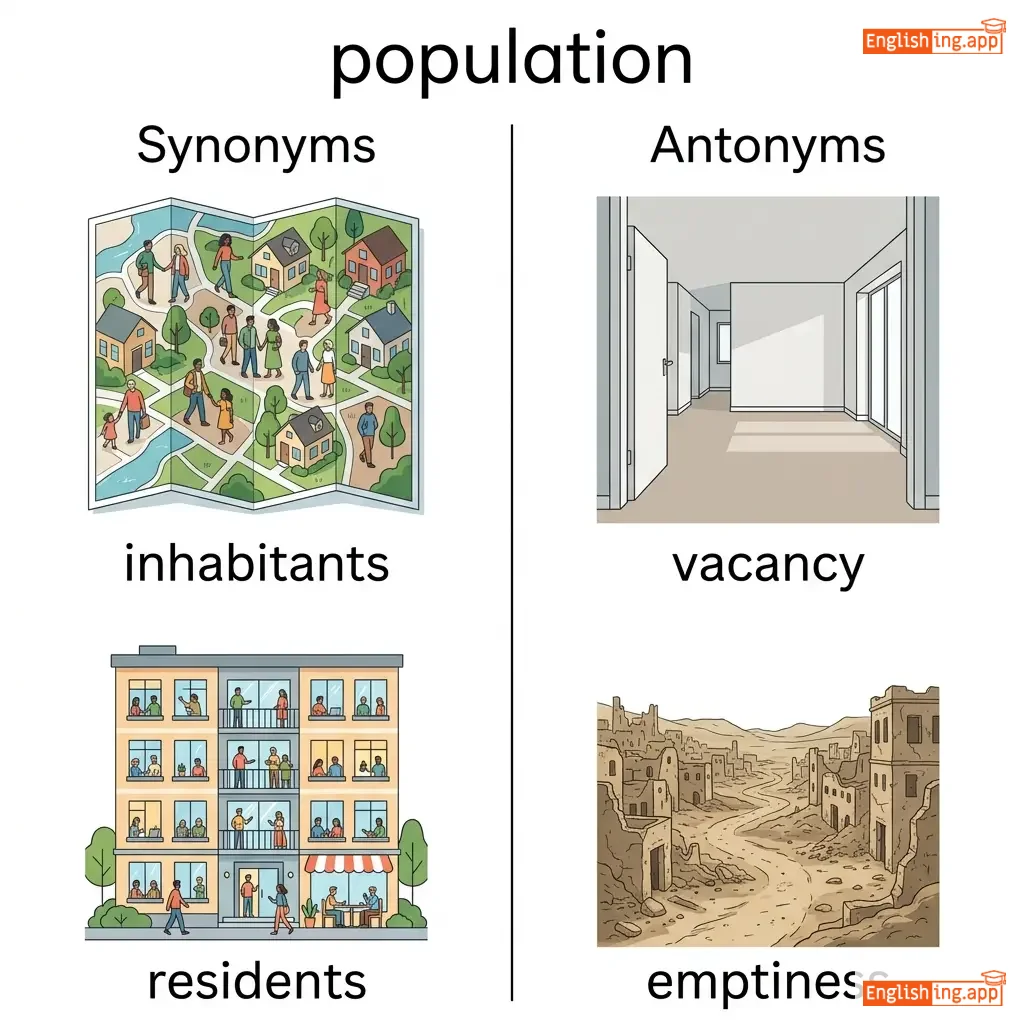
inhabitants, residents, citizens, people
••••••
|
depopulation, evacuation
••••••
|
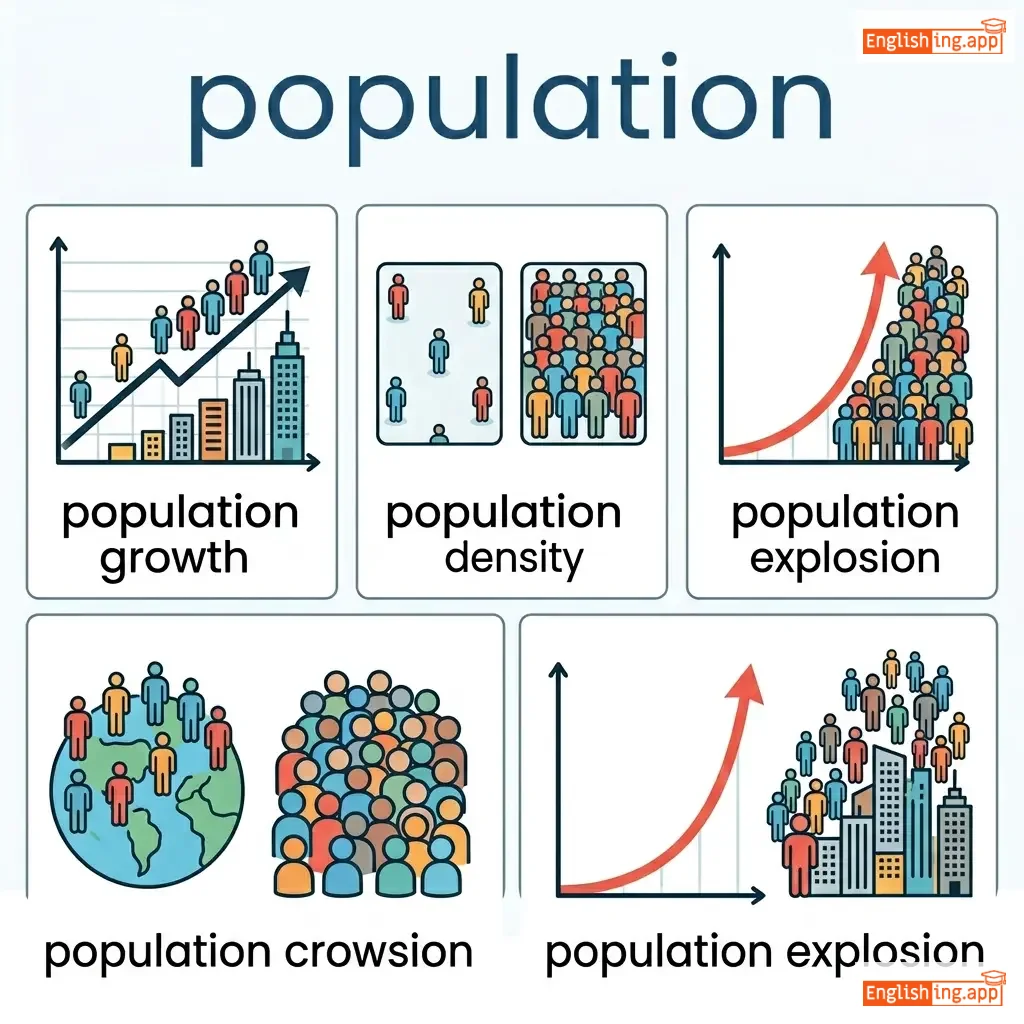
population growth, population density, aging population, urban population
••••••
|
Remember the word 'जनसंख्या' as 'Jana Sankhya' (Jana - people, Sankhya - count)
••••••
|
|
#1062
👤
|
/ˈpref.ər.əns/
noun
(प्रेफरेंस)
••••••
|
- •••••• |
प्राथमिकता
prathmikta
••••••
|
a greater liking for one alternative over another or others
••••••
|
She has a preference for classical music over pop music. |
उसे शास्त्रीय संगीत की तुलना में पॉप संगीत की प्राथमिकता है।
use shastriya sangeet ki tulna mein pop sangeet ki prathmikta hai。
••••••
|
choice, selection, favor, predilection, inclination
••••••
|
aversion, dislike, rejection
••••••
|
personal preference, strong preference, show preference, state preference
••••••
|
प्रेफरेंस = प्राथमिकता, वह अधिक पसंद करती है।
••••••
|
|
#1063
📍
|
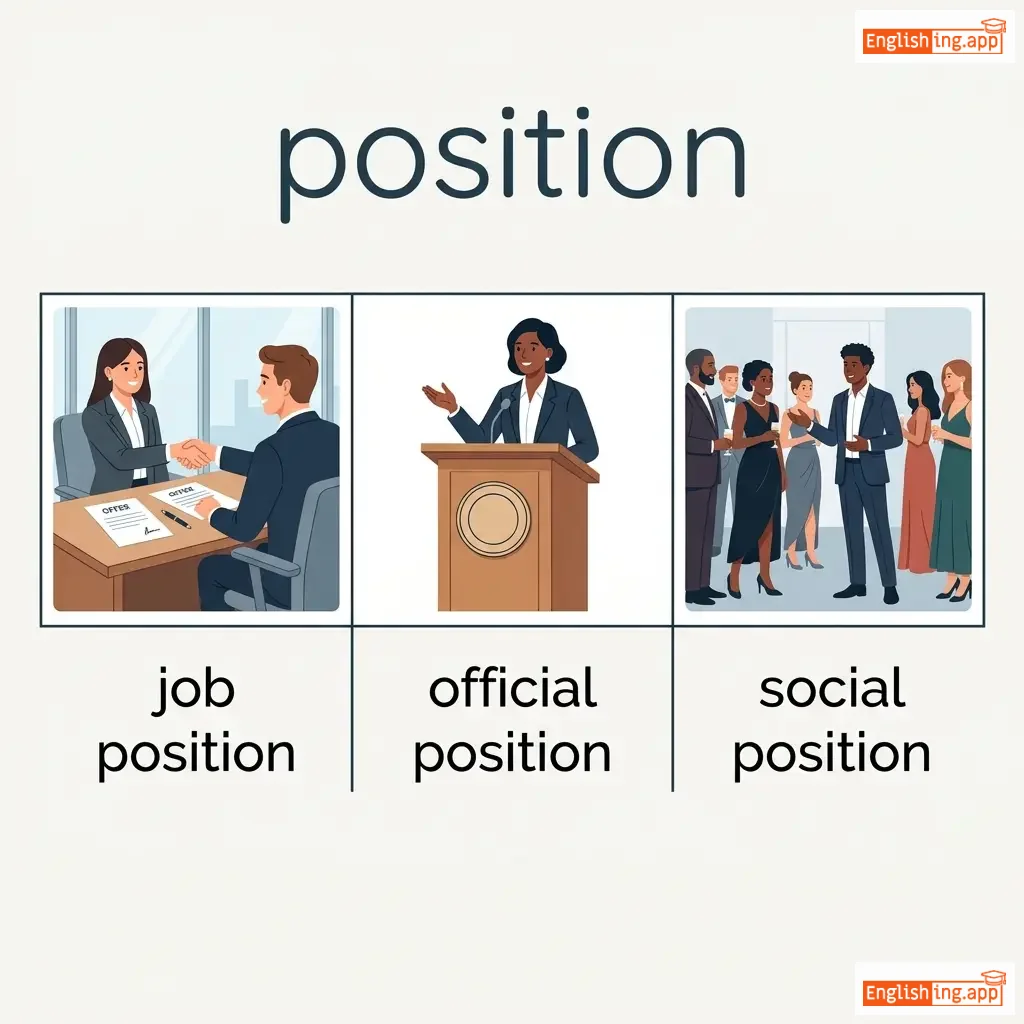
/pəˈzɪʃ.ən/
noun
(पोज़ीशन)
••••••
|
|
स्थिति; स्थान; पद
stithi; sthan; pad
••••••
|
a place where someone or something is located; a job or role; a particular way of thinking about something
••••••
|
She applied for a position as a teacher at the local school.
शी एप्लाइड फॉर अ पोज़ीशन ऐज़ अ टीचर ऐट द लोकल स्कूल।
••••••
|
उसने स्थानीय स्कूल में शिक्षक के रूप में एक पद के लिए आवेदन किया।
usne sthaaneey school mein shikshak ke roop mein ek pad ke liye aavedan kiya.
••••••
|
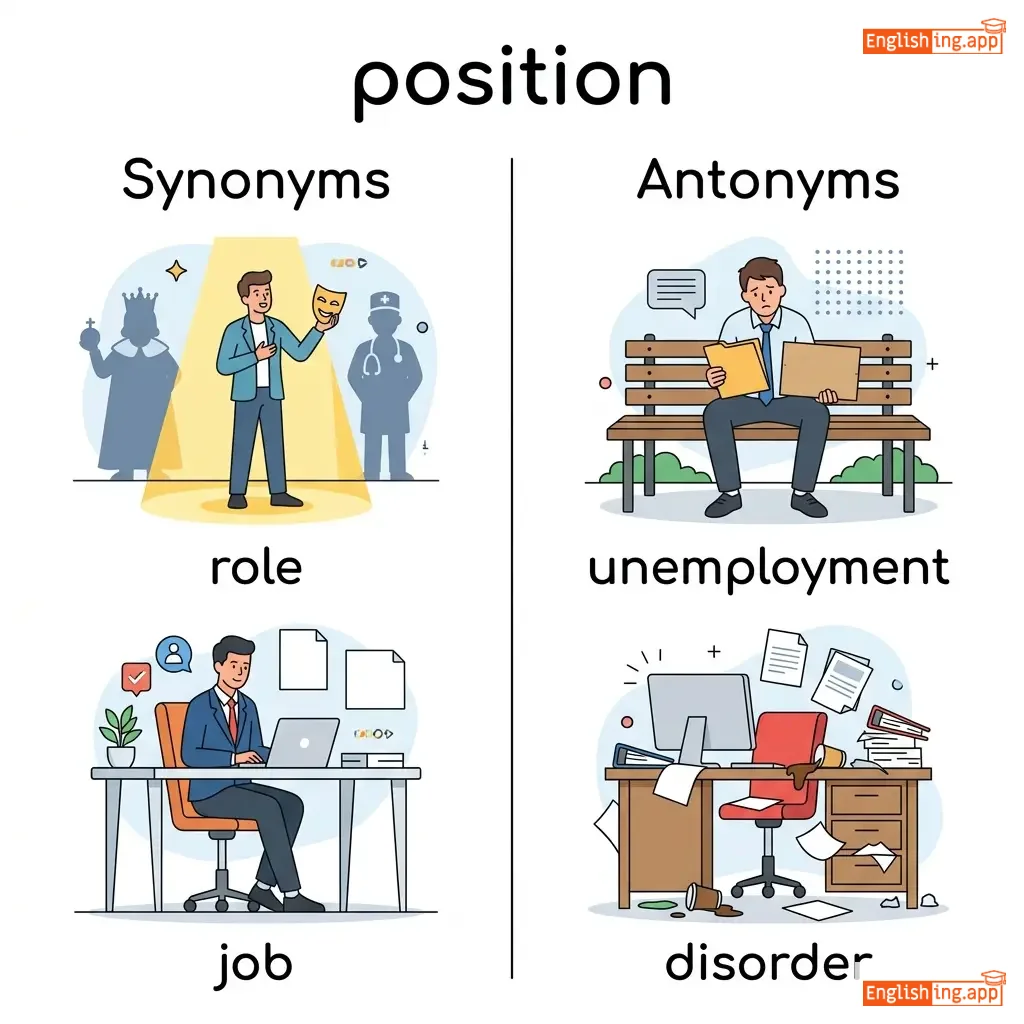
location, place, job, role, stance
••••••
|
displacement, unemployment
••••••
|
position paper, senior position, geographical position, take a position
••••••
|
Position (पोज़ीशन) में आप अपनी स्थिति (stithi) पहचानते हैं!
••••••
|
|
#1064
🚫
|
/ˈpredʒ.ə.dɪs/
noun
(प्रीजुडिस)
••••••
|
- •••••• |
प्रीजुडिस
prejudis
••••••
|
preconceived opinion that is not based on reason or actual experience
••••••
|
We must fight against prejudice and discrimination in our society.
हमें अपनी समाज में पूर्वाग्रह और भेदभाव के खिलाफ लड़ाई लड़नी चाहिए।
••••••
|
हमें अपनी समाज में पूर्वाग्रह और भेदभाव के खिलाफ लड़ाई लड़नी चाहिए।
humein apni samaaj mein purvagrah aur bhedbhaav ke khilaaf ladai ladni chahiye
••••••
|
bias, discrimination, intolerance, bigotry
••••••
|
tolerance, fairness, impartiality, objectivity
••••••
|
racial prejudice, overcome prejudice, fight prejudice, deep prejudice
••••••
|
प्रीजुडिस को 'प्री' और 'जुडिस' के साथ याद करें
••••••
|
|
#1065
🏠
|
/pəˈzeʃ.ən/
noun
(पॉज़ेशन)
••••••
|
- •••••• |
स्वामित्व; कब्जा; अधिकार
swamitva; kabza; adhikar
••••••
|
something that belongs to someone; the state of having or owning something
••••••
|
The house has been in their family's possession for generations.
द हाउस हैज़ बीन इन देयर फैमिलीज़ पॉज़ेशन फॉर जेनरेशन्स।
••••••
|
घर कई पीढ़ियों से उनके परिवार की संपत्ति में है।
ghar kai peedhiyon se unke parivaar ki sampatti mein hai
••••••
|
ownership, property, belongings, assets
••••••
|
dispossession, loss
••••••
|
take possession, in possession of, personal possessions, illegal possession
••••••
|
स्वामित्व में से स्व का ध्यान रखें
••••••
|
|
#1066
👥
|
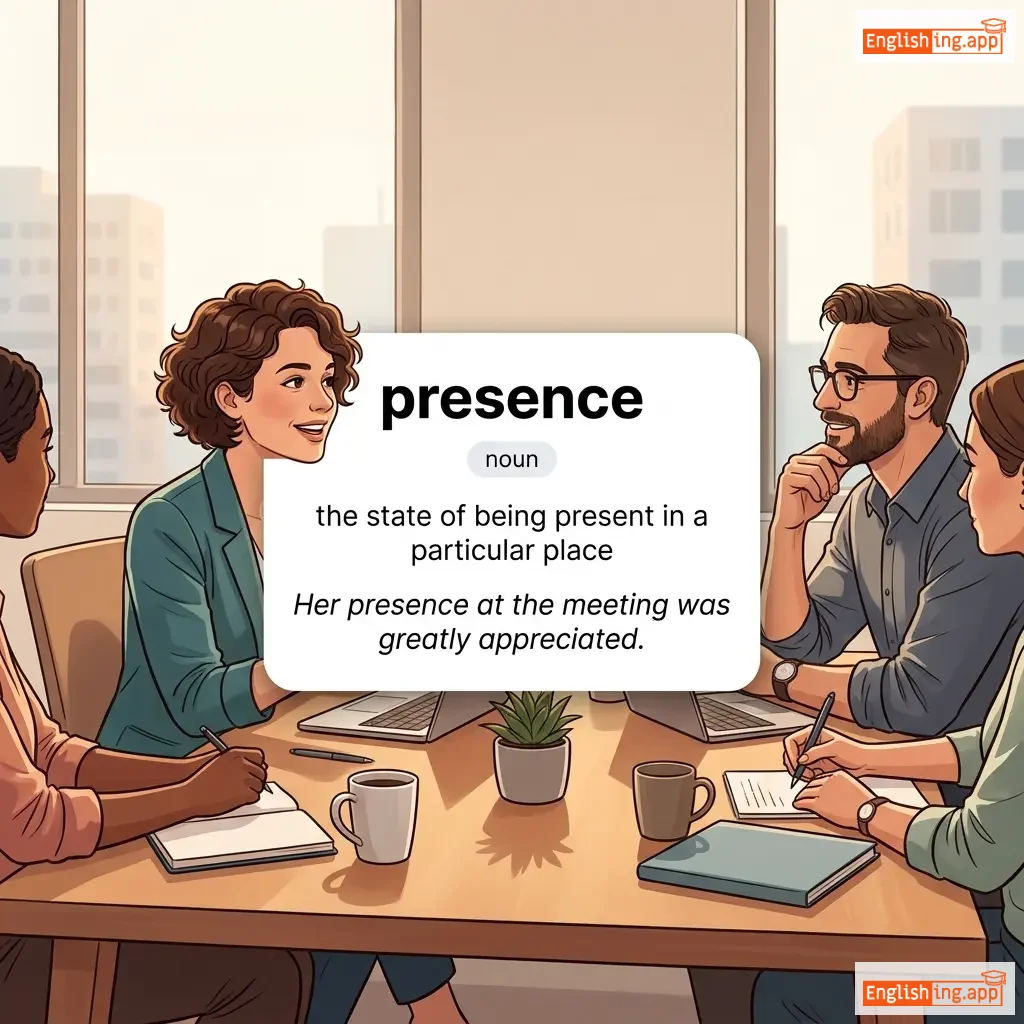
/ˈprez.əns/
noun
(प्रेज़ेन्स)
••••••
|
|
उपस्थिति; मौजुदगी
upasthiti; maujoodgi
••••••
|
the fact or condition of being present
••••••
|
Your presence at the meeting is required.
आपकी उपस्थिति बैठक में आवश्यक है।
••••••
|
बैठक में आपकी उपस्थिति आवश्यक है।
baithak mein aapki upasthiti aavashyak hai.
••••••
|
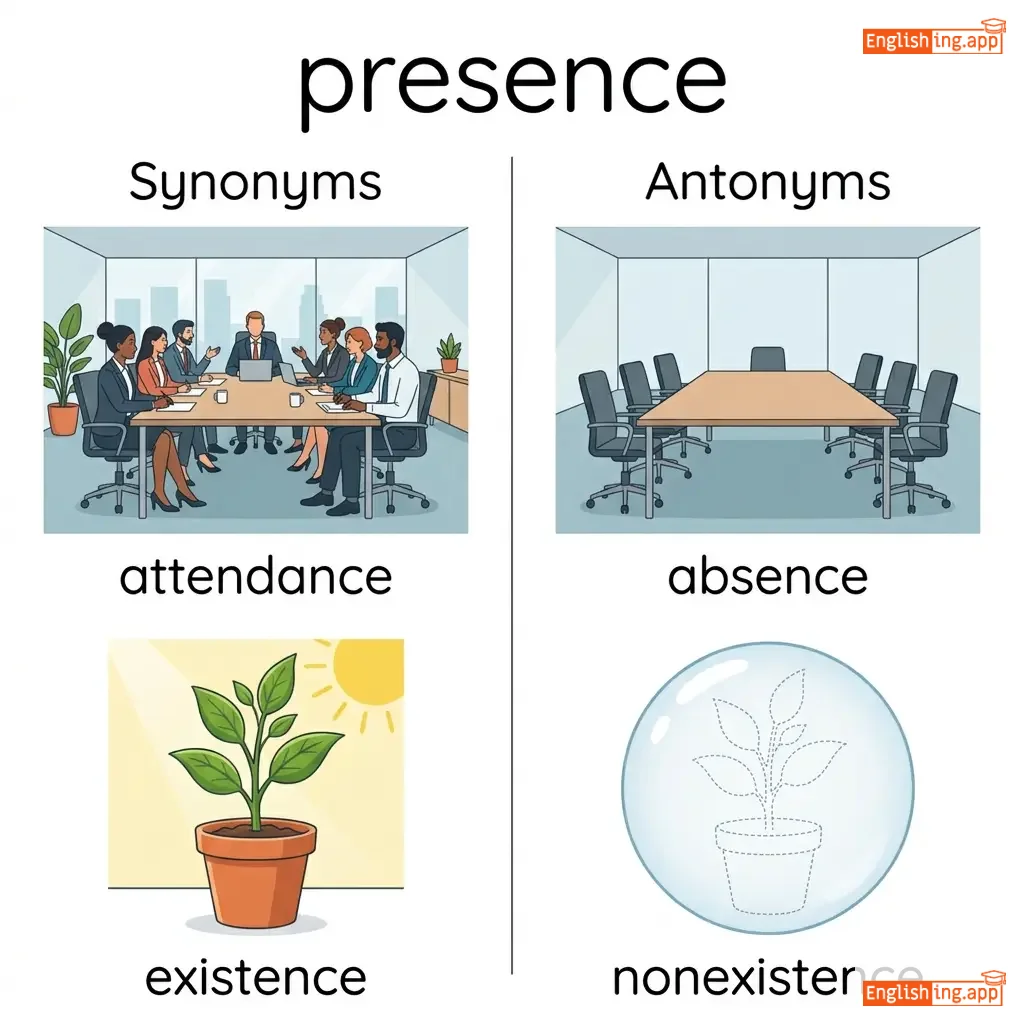
attendance, existence, being, company
••••••
|
absence, nonattendance, departure
••••••
|
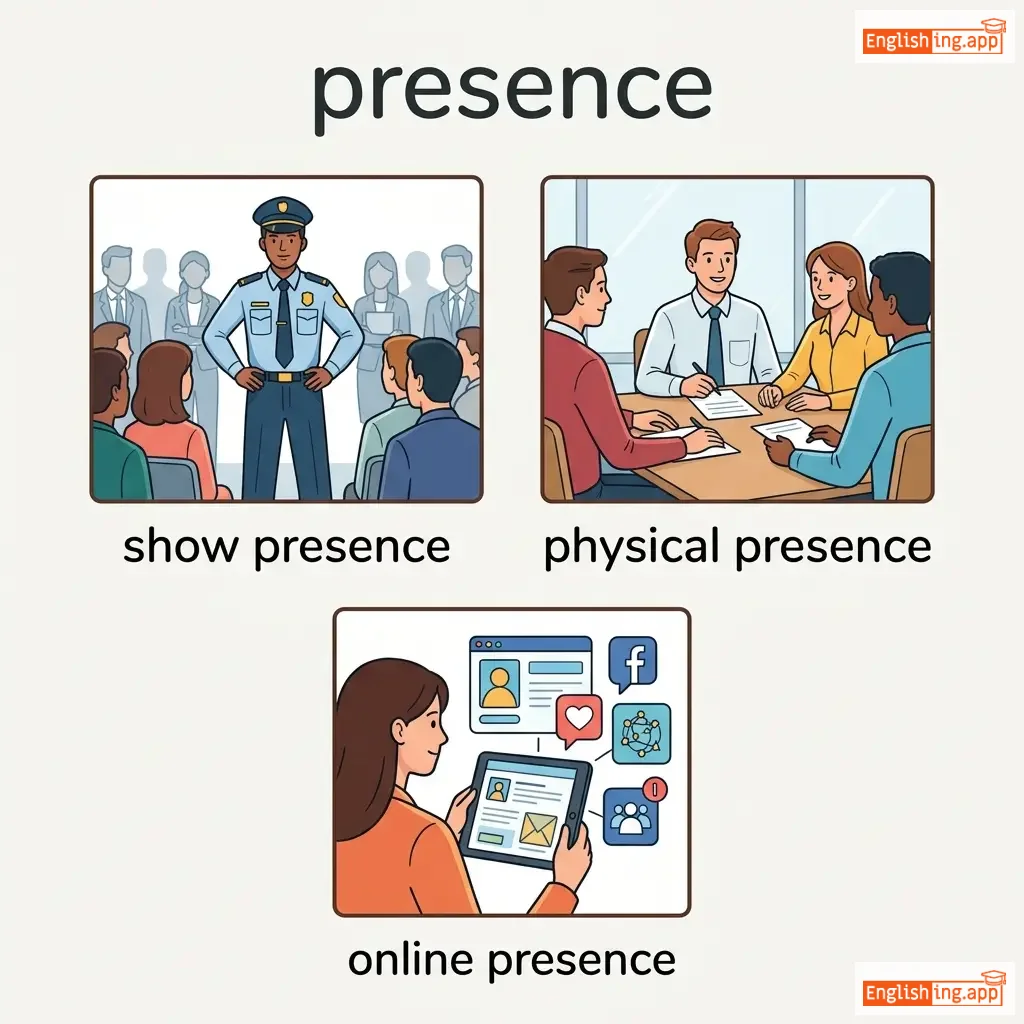
physical presence, strong presence, online presence, feel presence
••••••
|
Presence ka matalab hai presence hona.
••••••
|
|
#1067
🧍
|
/ˈpɑːs.tʃər/
noun
(हैपिनेस)
••••••
|
- •••••• |
सुख
sukh
••••••
|
the position in which someone holds their body; a particular attitude or approach
••••••
|
Good posture is important for preventing back pain. |
जब उसने पुरस्कार प्राप्त किया तो वह अपनी खुशी को छुपा नहीं सकी।
jab usne puraskaar praapt kiya to vah apni khushi ko chhupa nahi saki.
••••••
|
stance, position, bearing, attitude
••••••
|
slouch, poor posture
••••••
|
good posture, poor posture, upright posture, defensive posture
••••••
|
No •••••• |
|
#1068
📊
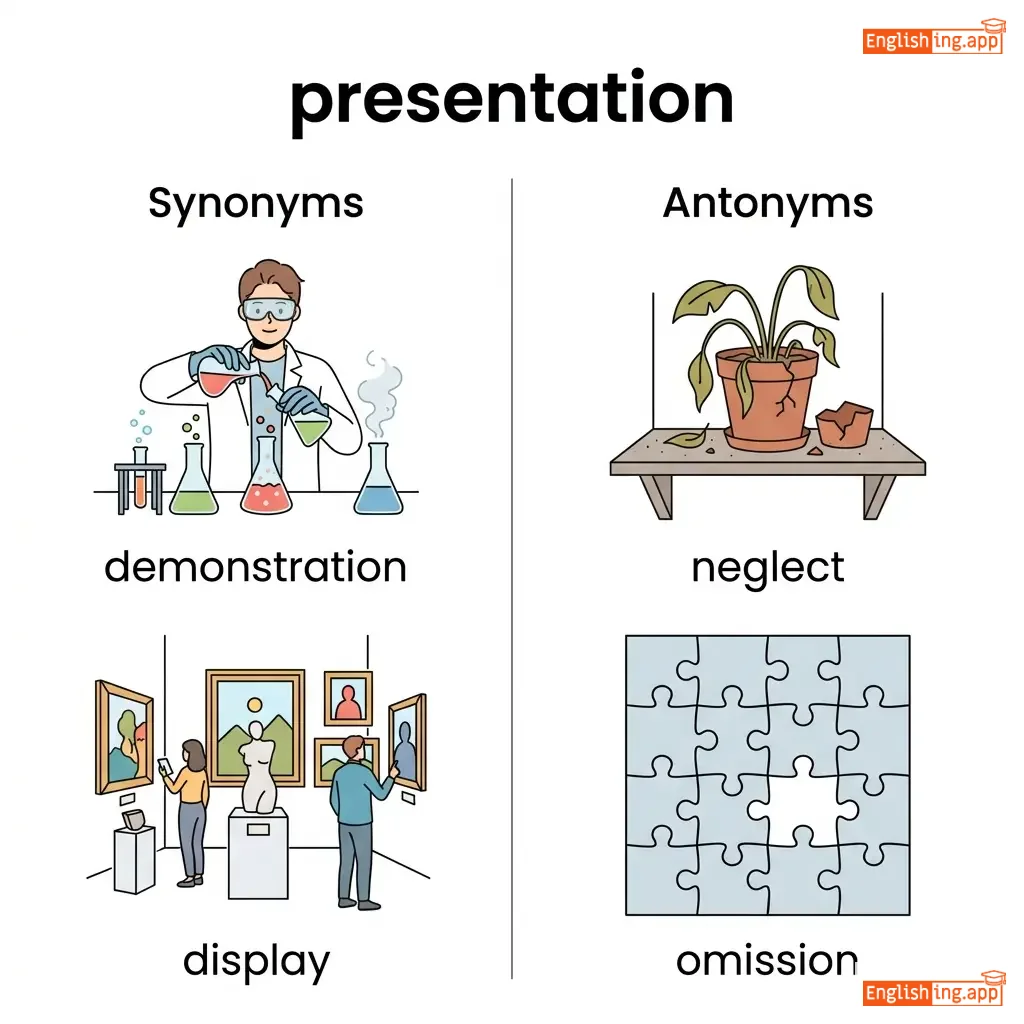
|
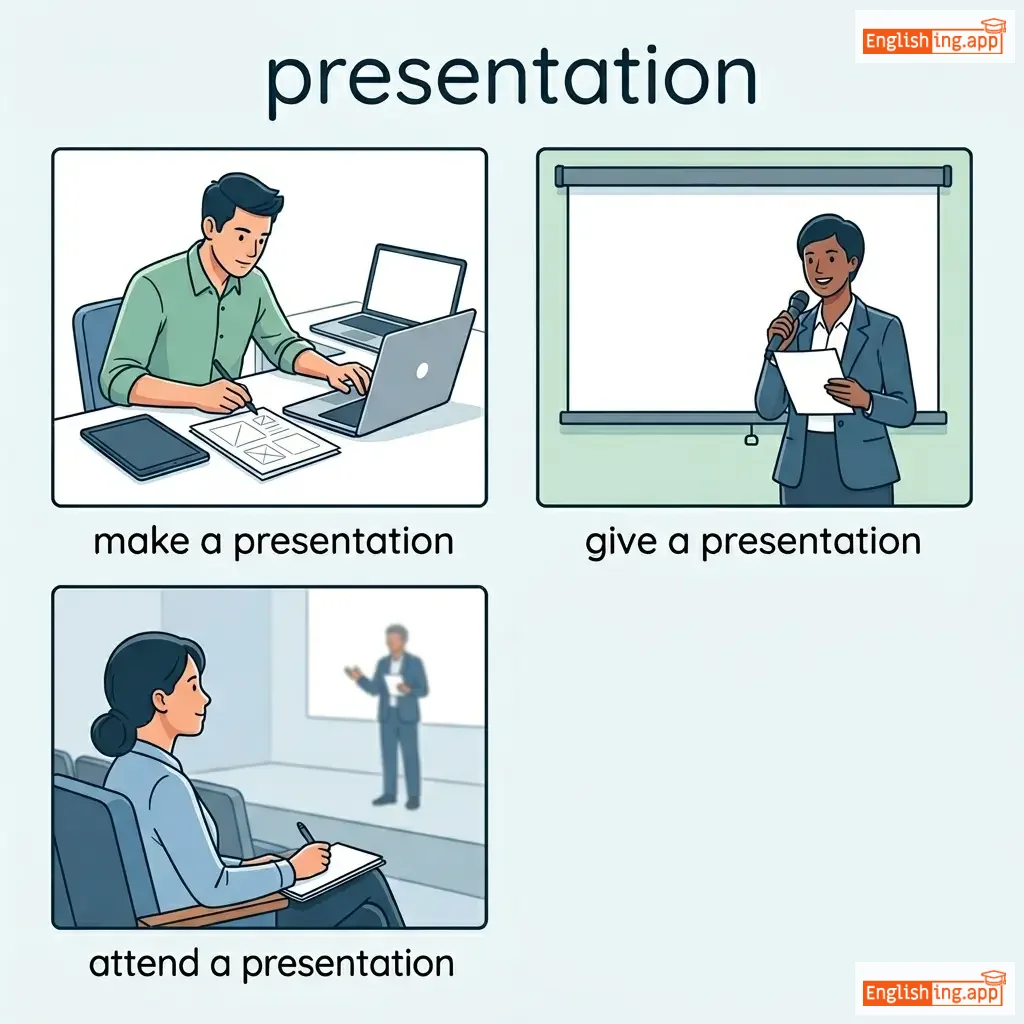
/ˌprez.ənˈteɪ.ʃən/
noun
(प्रेजेंटेशन)
••••••
|
|
प्रस्तुति
prastuti
••••••
|
the action of showing or explaining something to a group of people
••••••
|
She gave an excellent presentation about climate change.
उसने जलवायु परिवर्तन पर एक उत्कृष्ट प्रस्तुति दी।
••••••
|
उसने जलवायु परिवर्तन पर एक उत्कृष्ट प्रस्तुति दी।
usne jalvayu parivartan par ek utkrsht prastuti di.
••••••
|
demonstration, display, speech, lecture, exhibition
••••••
|
concealment, hiding, withdrawal
••••••
|
give presentation, deliver presentation, PowerPoint presentation, oral presentation
••••••
|
प्रस्तुति में प्रस्तुति की क्रिया और दिखाने का कार्य शामिल है
••••••
|
|
#1069
💸
|
/ˈpɑː.vər.t̬i/
noun
(गरीबी)
••••••
|
- •••••• |
गरीबी; आवश्यकताओं की कमी
garibi
••••••
|
the state of being extremely poor; lack of basic necessities
••••••
|
Many organizations work to reduce poverty around the world.
कई संगठन दुनिया भर में गरीबी को कम करने के लिए काम करते हैं।
••••••
|
कई संगठन दुनिया भर में गरीबी को कम करने के लिए काम करते हैं।
kai sangathan duniya bhar mein gareebi ko kam karne ke liye kaam karte hain
••••••
|
destitution, hardship, need, want
••••••
|
wealth, prosperity, affluence, riches
••••••
|
extreme poverty, poverty line, fight poverty, alleviate poverty
••••••
|
Garibi ko samajhna hai, to khud ko rakhna padega, sabke liye yeh zaroori hai.
••••••
|
|
#1070
🛡️
|
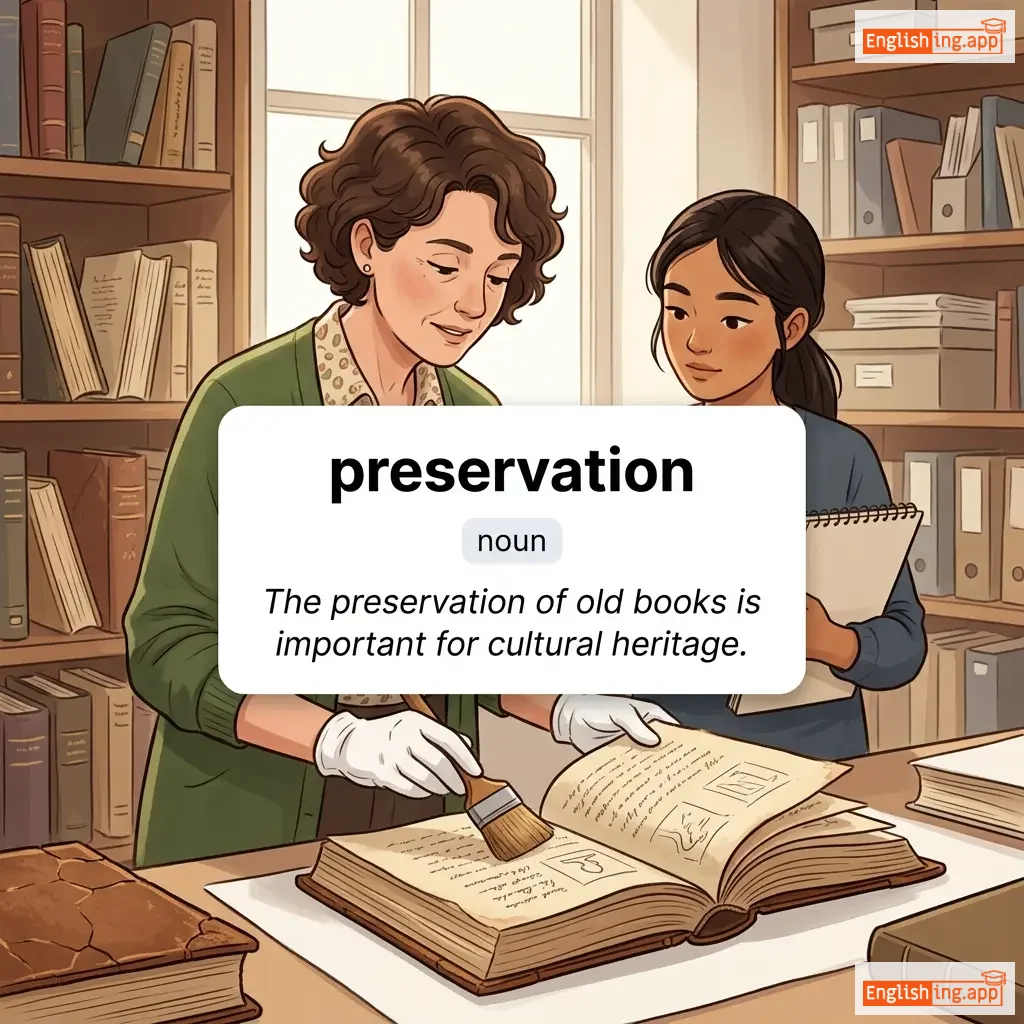
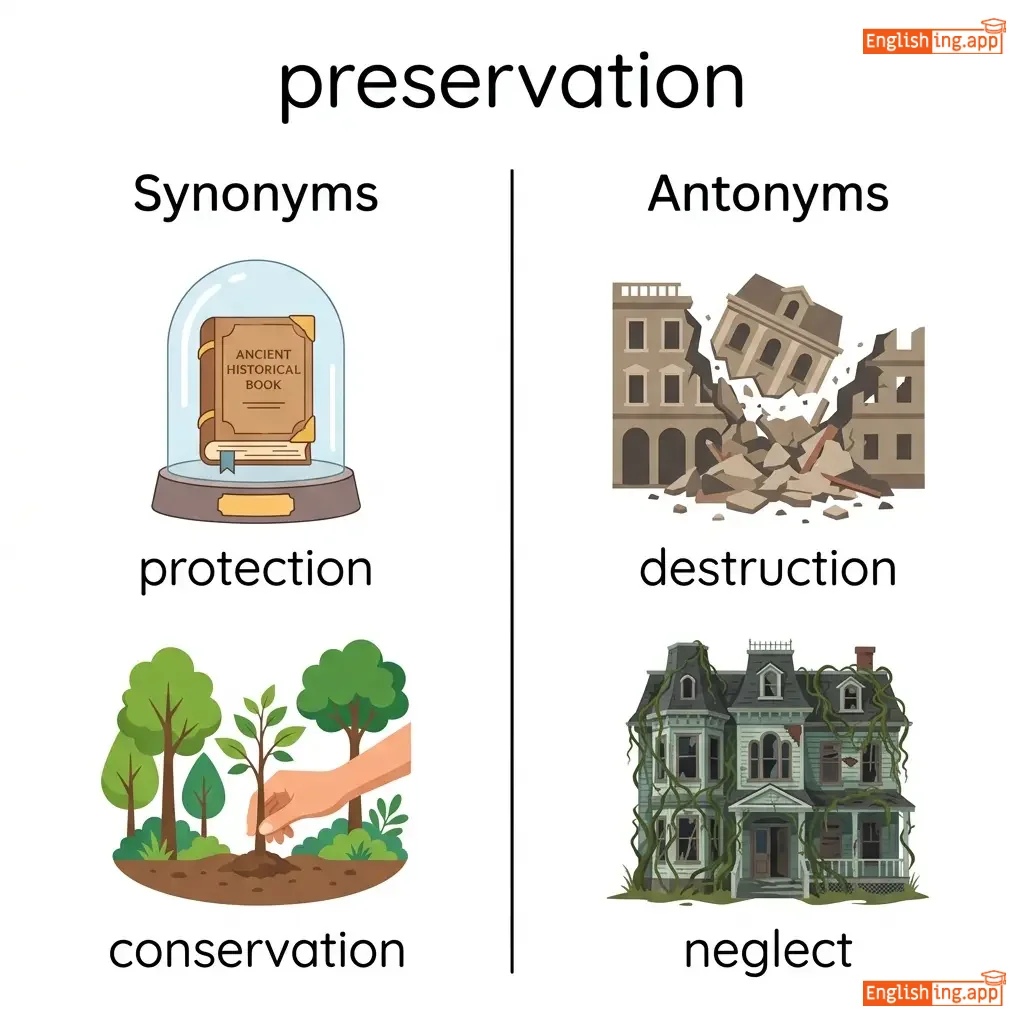
/ˌprez.əˈveɪ.ʃən/
noun
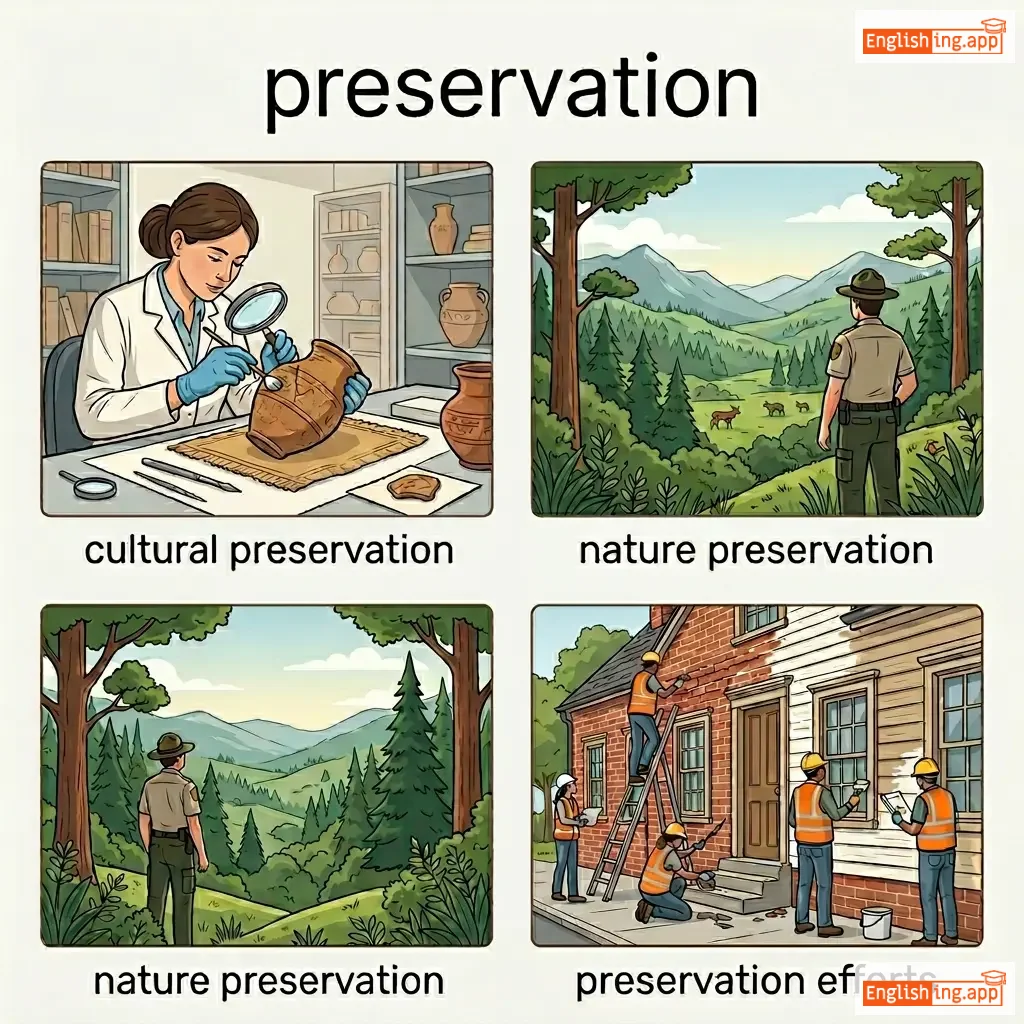
(प्रिज़र्वेशन)
••••••
|
|
संरक्षण
sarnakshan
••••••
|
the action of maintaining something in its original or existing state
••••••
|
The preservation of historical buildings is very important.
द प्रिज़र्वेशन ऑफ हिस्टोरिकल बिल्डिंग्स इज़ वेरी इंपोर्टेंट।
••••••
|
ऐतिहासिक इमारतों का संरक्षण बहुत महत्वपूर्ण है।
aithasik imaraton ka sarnakshan bahut mahatvapurn hai.
••••••
|
conservation, protection, maintenance, safeguarding
••••••
|
destruction, demolition, deterioration
••••••
|
food preservation, wildlife preservation, historical preservation, self-preservation
••••••
|
संरक्षण की प्रक्रिया में इमारतों को सुरक्षित रखना अहम है।
••••••
|
|
#1071
👏
|
/preɪz/
noun
(प्रेज़)
••••••
|
|
प्रशंसा
prashansa
••••••
|
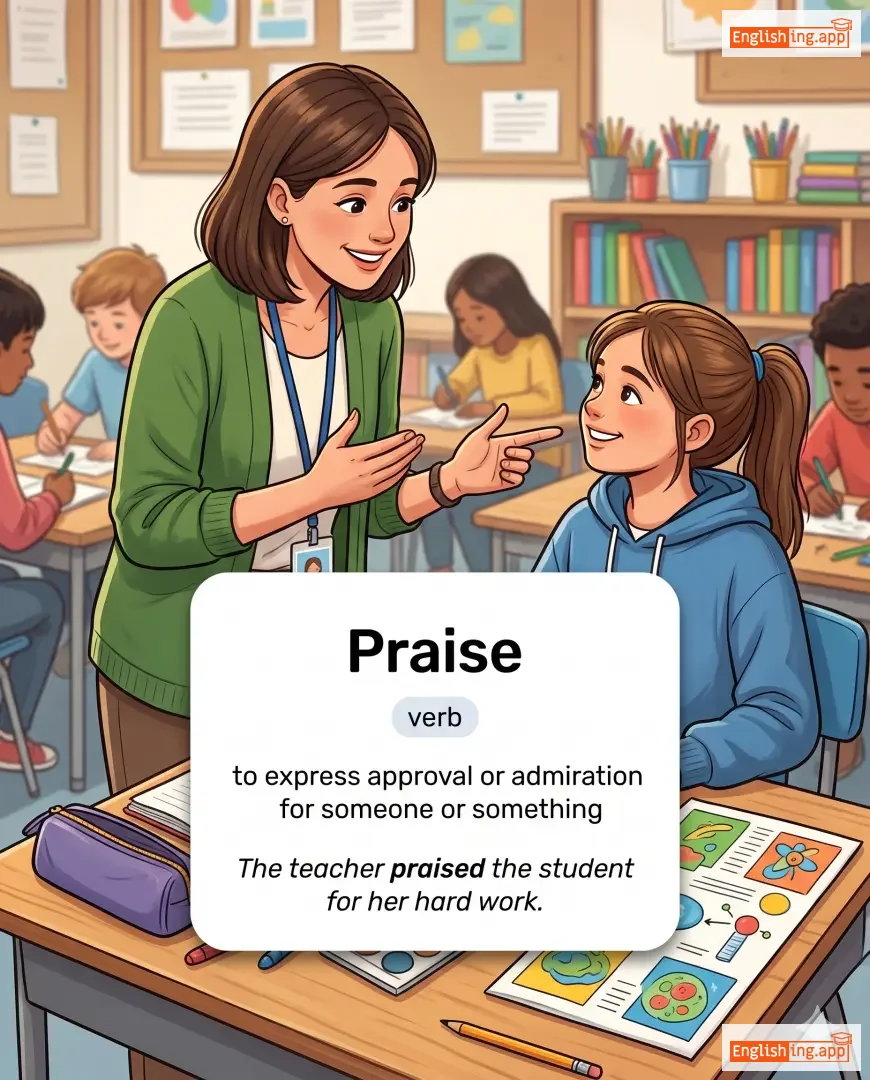
words that show approval or admiration; to express approval or admiration
••••••
|
The teacher gave praise to the students for their hard work. |
शिक्षक ने छात्रों की कठिन मेहनत के लिए उनकी प्रशंसा की।
shikshak ne chhatron ki kathin mehnat ke liye unki prashansa ki
••••••
|
compliment, commendation, approval, acclaim
••••••
|
criticism, blame, condemnation, disapproval
••••••
|
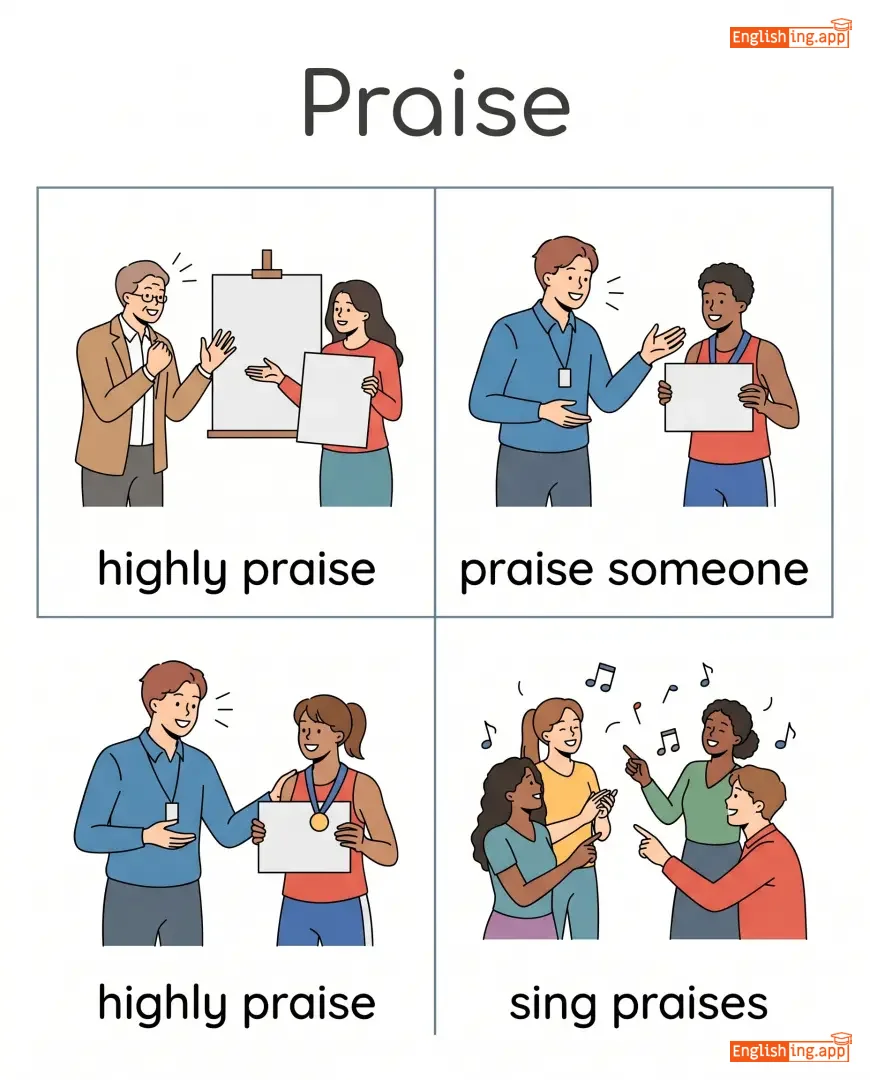
high praise, words of praise, praise someone, deserve praise
••••••
|
प्रशंसा में सारा श्रेय होता है (Praise mein sara shrey hota hai)
••••••
|
|
#1072
🤔
|
/prɪˈzʌmp.ʃən/
noun
(प्रिसम्पशन)
••••••
|
- •••••• |
अनुमान; धारणा; अनुमानितता;
prisampshan
••••••
|
an idea that is taken to be true without proof
••••••
|
There is a presumption of innocence in the legal system.
विधि प्रणाली में निर्दोषता की मान्यता है।
••••••
|
विधि प्रणाली में निर्दोषता की मान्यता है।
vidhi pranali mein nirdoshata ki manyata hai.
••••••
|
assumption, supposition, belief, hypothesis
••••••
|
proof, certainty, fact, evidence
••••••
|
legal presumption, false presumption, reasonable presumption, presumption of innocence
••••••
|
Hindi speakers remember 'Presumption' as 'Prisampshan', similar to 'अनुमान' (Anuman).
••••••
|
|
#1073
⚠️
|
/prɪˈkɔː.ʃən/
noun
(हैपीनेस)
••••••
|
- •••••• |
सावधानी
savdhani
••••••
|
an action taken in advance to prevent something dangerous or unpleasant from happening
••••••
|
As a precaution, we should bring extra water on the hike.
एज ए प्रीकॉशन, वी शुड ब्रिंग एक्स्ट्रा वॉटर ऑन द हाइक।
••••••
|
सावधानी के तौर पर, हमें हाइक पर अतिरिक्त पानी लाना चाहिए।
savdhani ke taur par, humein hike par atirikt paani laana chahiye
••••••
|
safeguard, prevention, protection, measure
••••••
|
recklessness, carelessness, negligence
••••••
|
take precautions, safety precaution, as a precaution, precautionary measure
••••••
|
Savdhani, जो आपको किसी अप्रिय घटना से बचाने का काम करती है।
••••••
|
|
#1074
🎭
|
/prɪˈtens/
noun
(प्रीटेंस)
••••••
|
- •••••• |
बना हुआ दिखावा
pretens
••••••
|
an attempt to make something that is not the case appear true
••••••
|
He made no pretence of being interested in the conversation. |
उसने बातचीत में रुचि रखने का कोई बनावटी दिखावा नहीं किया।
usne baatcheet mein ruchi rakhne ka koi banavati dikhawa nahi kiya.
••••••
|
pretense, facade, charade, deception, act
••••••
|
honesty, genuineness, sincerity, truth
••••••
|
false pretence, drop pretence, make pretence, under pretence
••••••
|
हैप्पीनेस की तरह दिखाना लेकिन झूठे रूप में, मतलब बना हुआ दिखावा।
••••••
|
|
#1075
🎯
|
/prɪˈsɪʒ.ən/
noun
(प्रेसिशन)
••••••
|
|
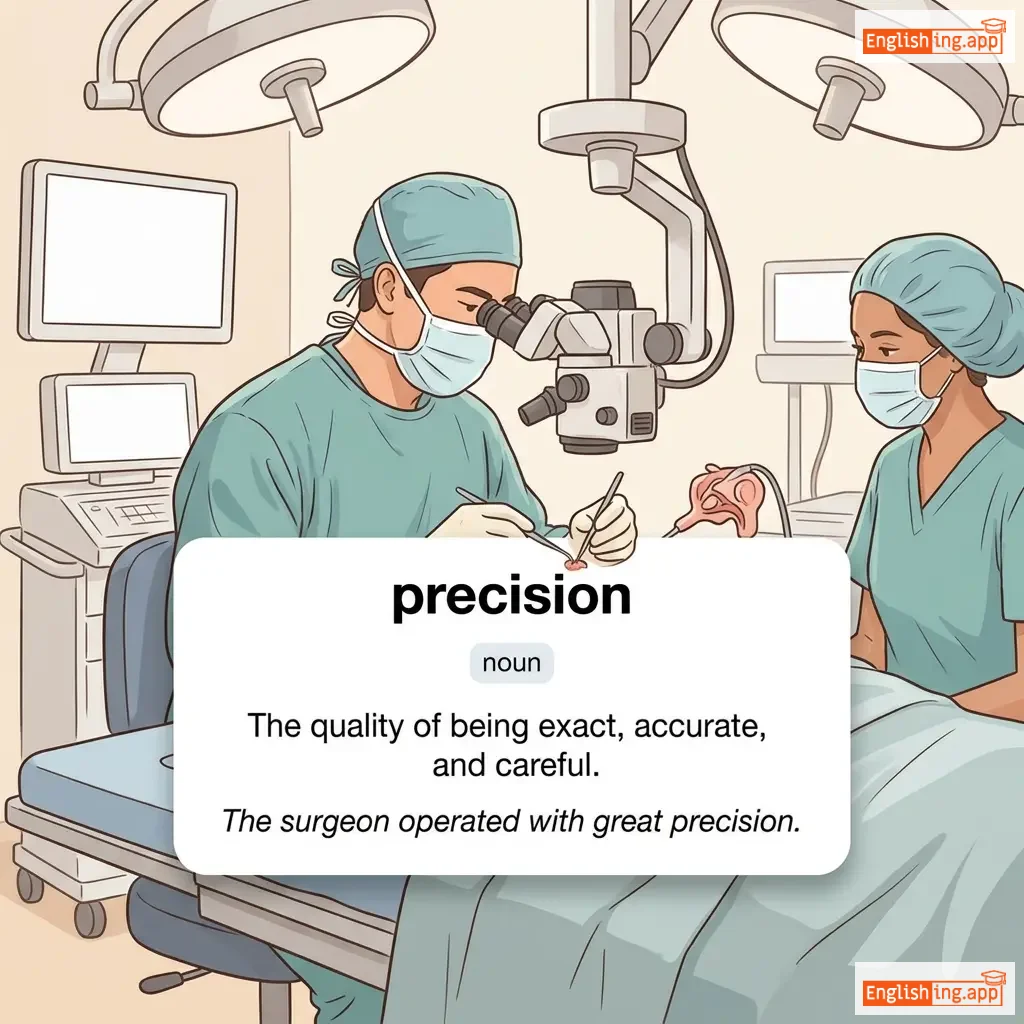
सटीकता
sateekta
••••••
|
the quality of being exact and accurate; the condition of being precise
••••••
|
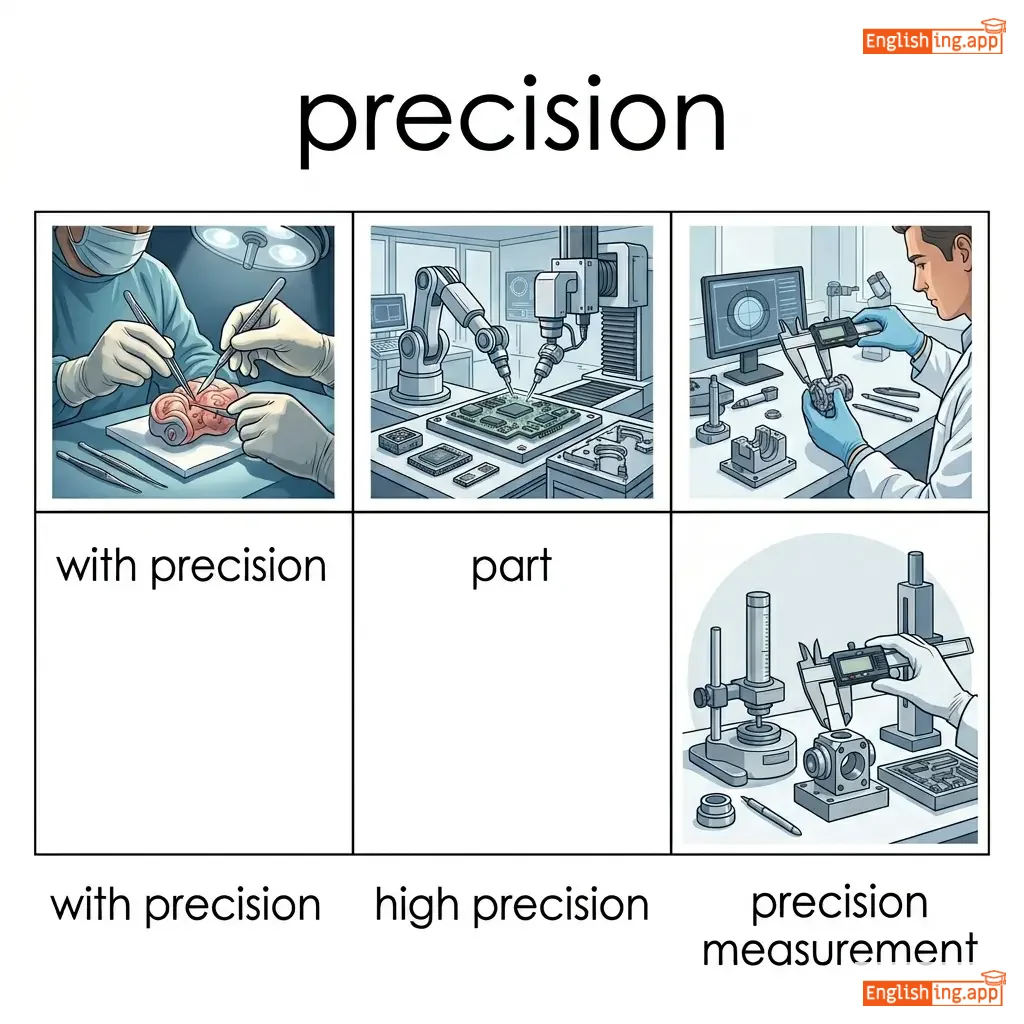
The surgeon operated with great precision and skill. |
सर्जन ने महान सटीकता और कौशल के साथ ऑपरेशन किया।
surgeon ne mahaan sateekta aur kaushal ke saath operation kiya
••••••
|
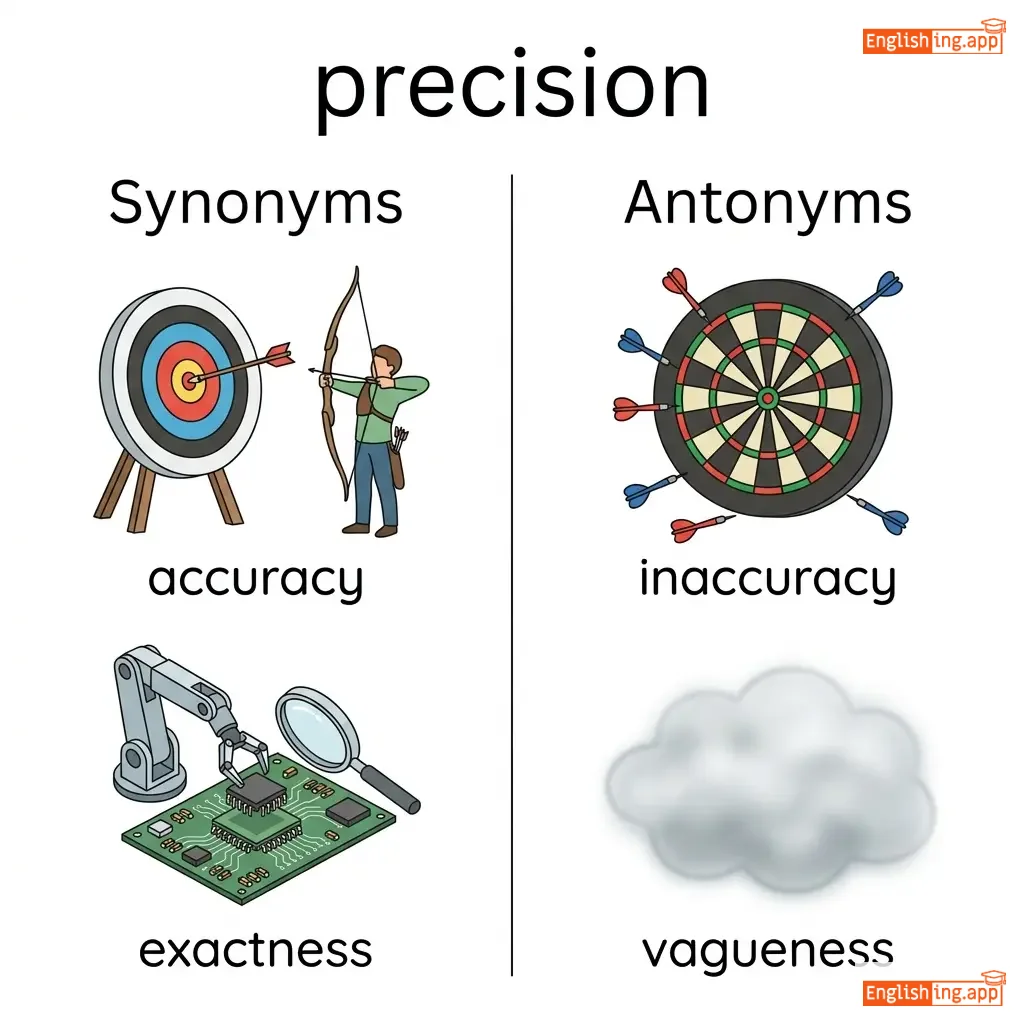
accuracy, exactness, correctness, detail
••••••
|
imprecision, inaccuracy, vagueness
••••••
|
surgical precision, mathematical precision, precision instrument, with precision
••••••
|
सटीकता के साथ सर्जन ऑपरेशन करता है।
••••••
|
|
#1076
🎪
|
/ˈpriː.tekst/
noun
(प्रीटेक्स्ट)
••••••
|
- •••••• |
बहाना; झूठा कारण
pretext
••••••
|
a reason given in justification of a course of action that is not the real reason
••••••
|
He used illness as a pretext to avoid the meeting.
उसने बैठक से बचने के लिए बीमारी को एक बहाने के रूप में इस्तेमाल किया।
••••••
|
उसने बैठक से बचने के लिए बीमारी को एक बहाने के रूप में इस्तेमाल किया।
usne baithak se bachne ke liye bimari ko ek bahaane ke roop mein istemal kiya.
••••••
|
excuse, justification, cover, alibi, front
••••••
|
genuine reason, real motive, truth
••••••
|
under pretext, false pretext, use pretext, provide pretext
••••••
|
Pretext is like an excuse or false reason, use it to remember how you 'pretext' something to get away with it.
••••••
|
|
#1077
👤
|
/ˈpred.ə.ses.ər/
noun
(प्रेडेससर)
••••••
|
- •••••• |
पूर्वज
purvaj
••••••
|
a person who held a job or office before the current holder; something that came before another thing
••••••
|
The new manager learned from his predecessor's mistakes. |
नए प्रबंधक ने अपने पूर्वज की गलतियों से सीखा।
naye prabandhak ne apne purvaj ki galtiyon se seekha
••••••
|
forerunner, antecedent, previous holder, former
••••••
|
successor, follower, descendant
••••••
|
immediate predecessor, worthy predecessor, predecessor company, predecessor's legacy
••••••
|
पूर्वज का अर्थ है वह जो पहले था, जैसे आपके पहले गुरु।
••••••
|
|
#1078
🚧
|
/prɪˈven.ʃən/
noun
(प्रिवेंशन)
••••••
|
|
रोकथाम
roktham
••••••
|
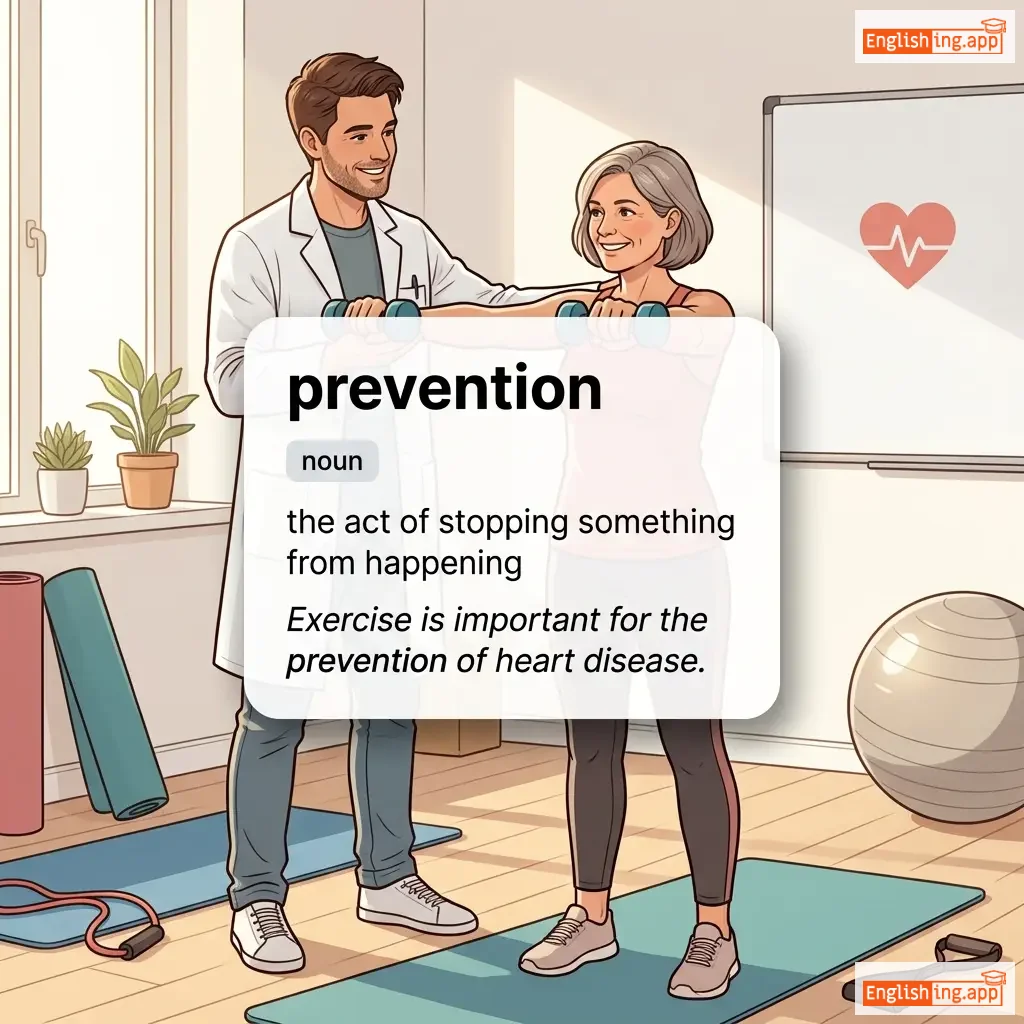
the action of stopping something from happening or arising
••••••
|
Prevention is better than cure when it comes to health.
प्रिवेंशन इस बेटर दैन क्योर वेन इट कम्स टू हेल्थ।
••••••
|
स्वास्थ्य के मामले में रोकथाम इलाज से बेहतर है।
swasthya ke maamle mein roktham ilaaj se behtar hai.
••••••
|
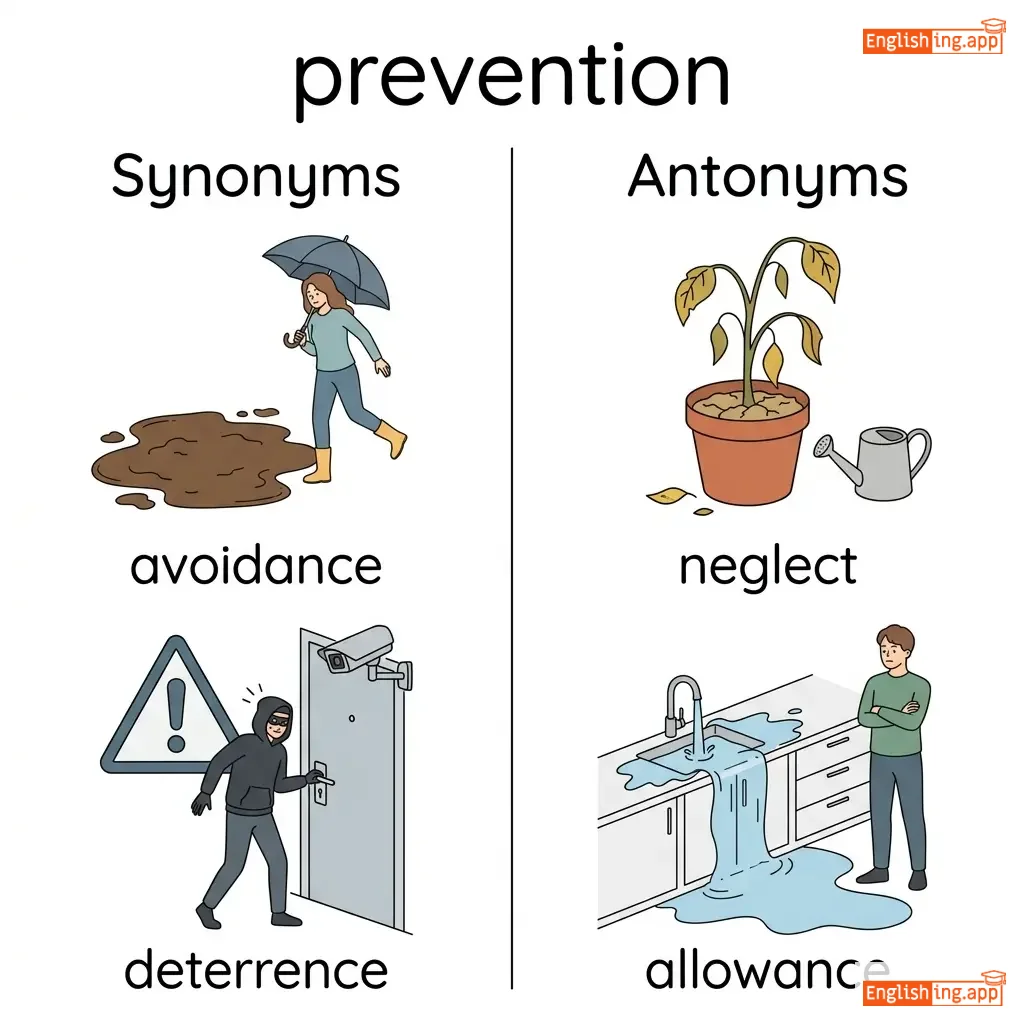
avoidance, deterrence, hindrance, obstruction
••••••
|
causation, encouragement, promotion
••••••
|
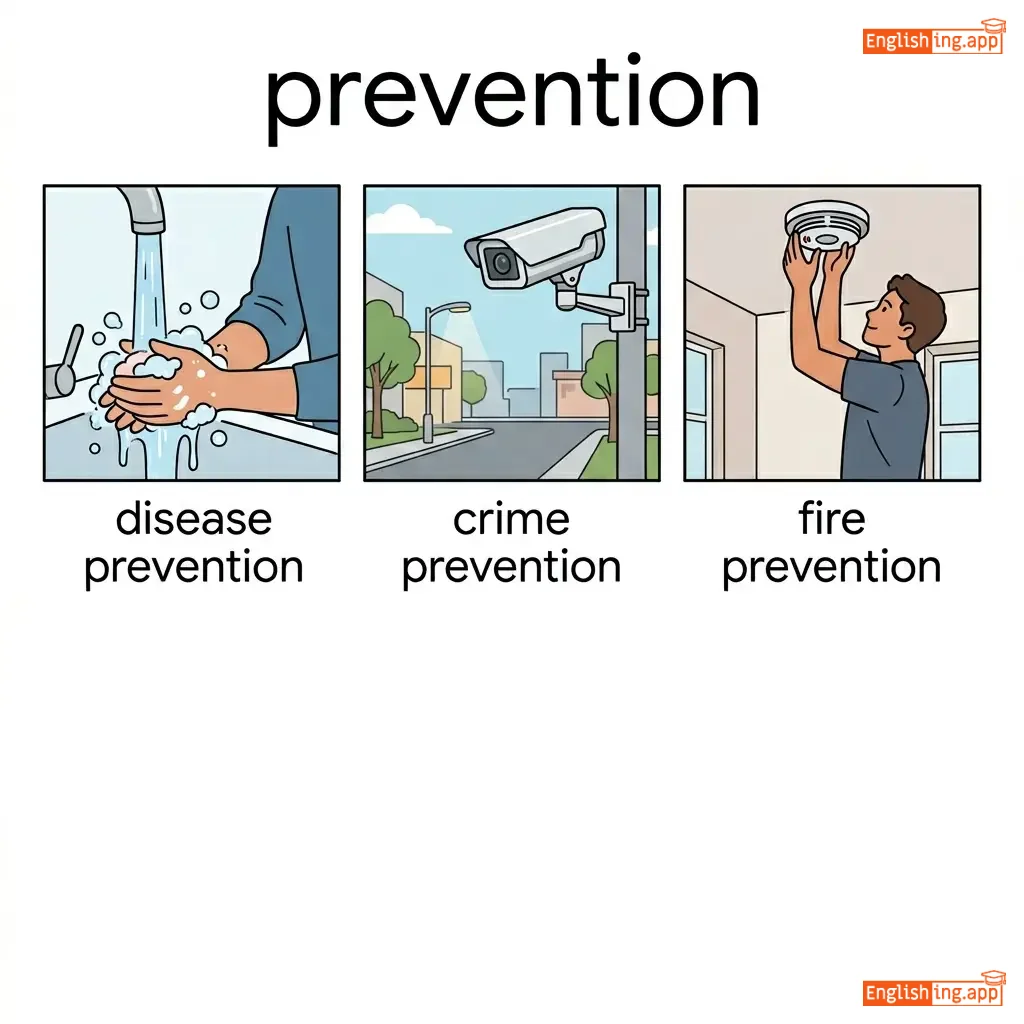
disease prevention, crime prevention, fire prevention, prevention program
••••••
|
Roktham se hum kuch hone se bachate hain
••••••
|
|
#1079
🔮
|
/prɪˈdɪk.ʃən/
noun
(प्रेडिक्शन)
••••••
|
- •••••• |
भविष्यवाणी
bhavishyavani
••••••
|
a statement about what will happen in the future; a forecast
••••••
|
The weather prediction says it will rain tomorrow.
द वेदर प्रेडिक्शन सेज़ इट विल रेन टुमॉरो
••••••
|
मौसम की भविष्यवाणी कहती है कि कल बारिश होगी।
mausam ki bhavishyavani kehti hai ki kal barish hogi
••••••
|
forecast, prophecy, projection, prognosis
••••••
|
hindsight, retrospection, past knowledge
••••••
|
weather prediction, accurate prediction, make a prediction, prediction model
••••••
|
भविष्यवाणी को भविष्य के बारे में अनुमान लगाने के रूप में याद रखें।
••••••
|
|
#1080
🦁
|
/praɪd/
noun
(प्राइड)
••••••
|
|
गर्व
garv
••••••
|
a feeling of deep pleasure or satisfaction derived from achievements
••••••
|
She takes great pride in her work.
वह अपने काम में गहरी गर्व महसूस करती है।
••••••
|
वह अपने काम में गहरी गर्व महसूस करती है।
vah apne kaam mein gehri garv mehsoos karti hai.
••••••
|
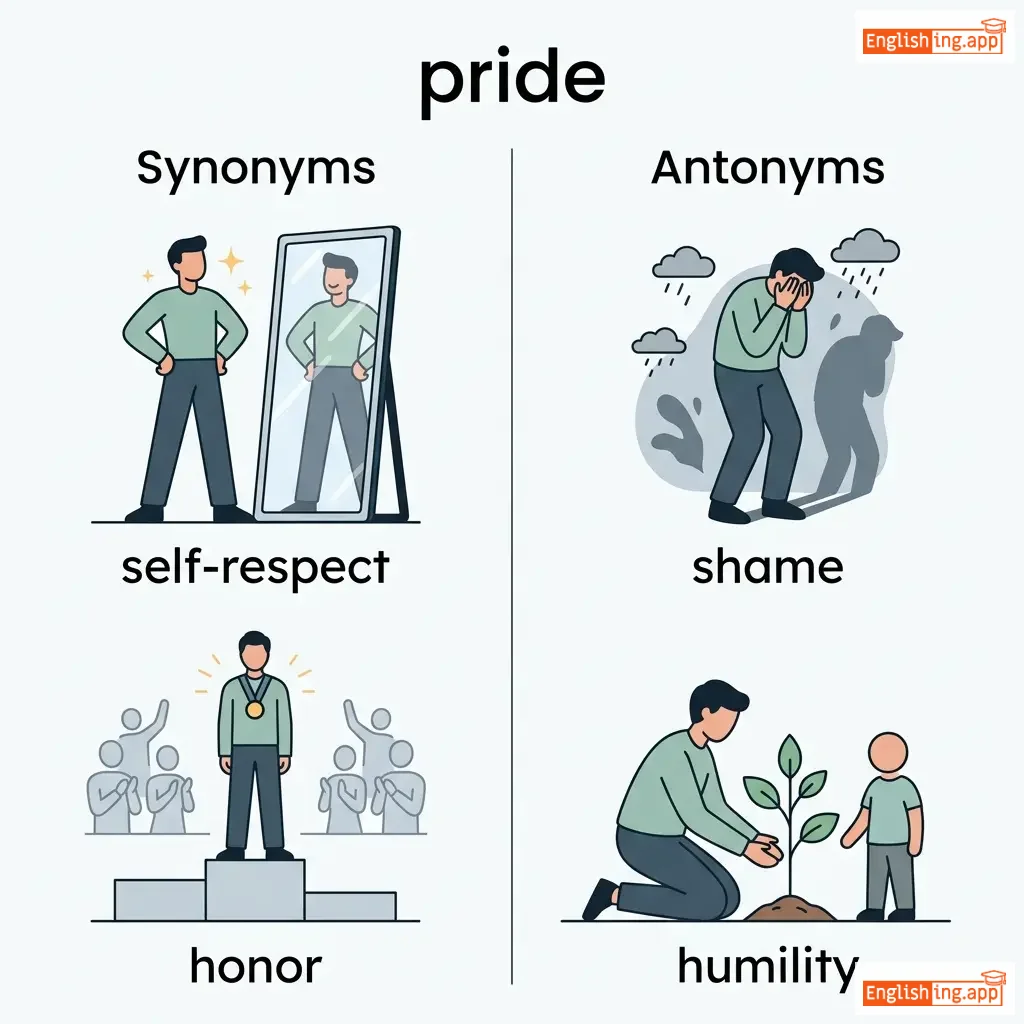
dignity, self-esteem, satisfaction, honor
••••••
|
shame, humility, modesty, disgrace
••••••
|
take pride, feel pride, source of pride, national pride
••••••
|
गर्व का मतलब है खुद पर गर्व महसूस करना।
••••••
|
Vocabulary Quiz
Test your vocabulary by matching words with their translations or meanings.
Login to take the quiz
Comments (0)
Share your thoughts and join the discussion.
Join the discussion by logging in
Login to CommentNo comments yet
Be the first to share your thoughts!