









Swipe left or right, or use the buttons. Tap image to zoom.
例句翻译
单词
Lesson 54Lesson 54 - 遮罩切换
|
表情符号
|
单词 | Images | 翻译 | 含义 | 例句 | 例句翻译 | 同义词 | 反义词 | 搭配词 | 助记符 |
|---|---|---|---|---|---|---|---|---|---|---|
|
#1061
👥
|
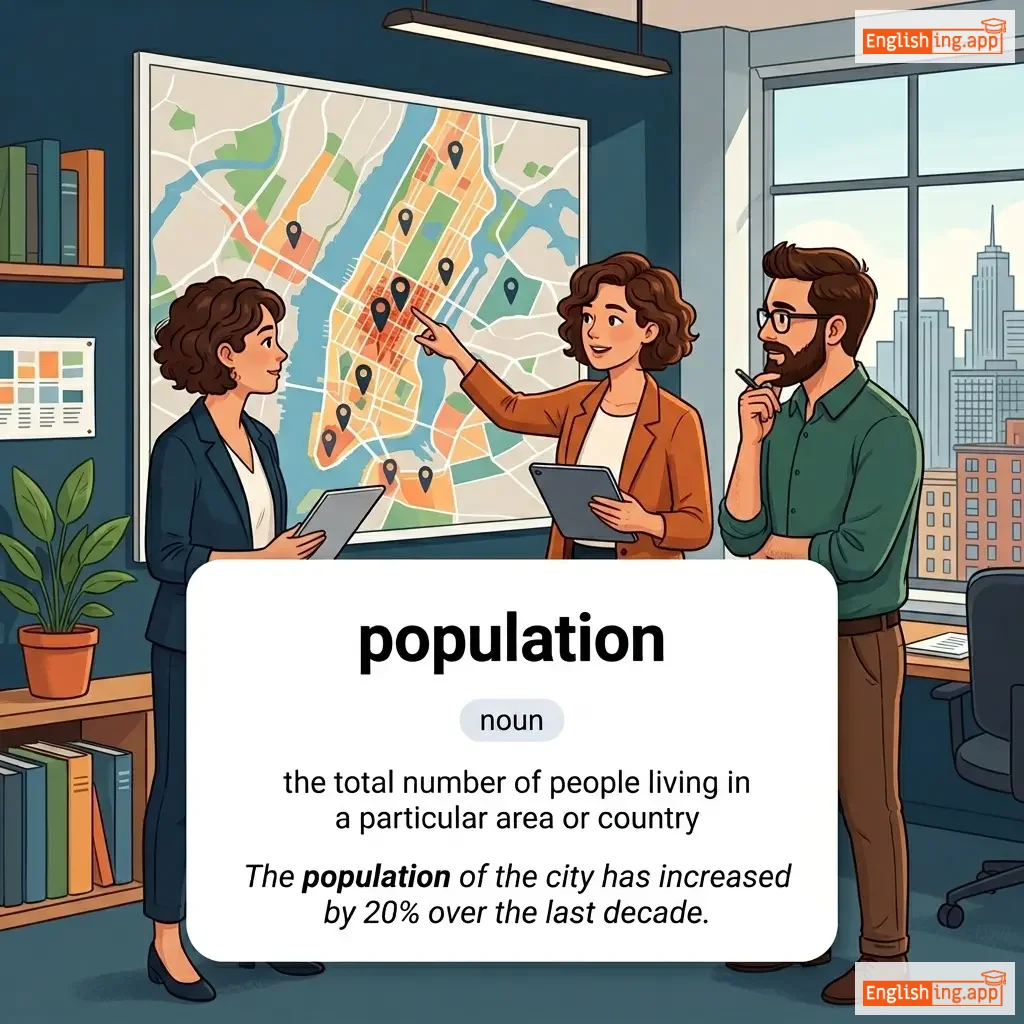
/ˌpɑːp.jəˈleɪ.ʃən/
noun
(pòpú lèixùn)
••••••
|
|
人口
rénkǒu
••••••
|
the number of people living in a particular area; all the inhabitants of a particular place
••••••
|
The population of this city has grown rapidly in recent years. |
这座城市的总人口在近年来迅速增长。
Zhèzuò chéngshì de zǒng rénkǒu zài jìnnián lái xùnsù zēngzhǎng.
••••••
|
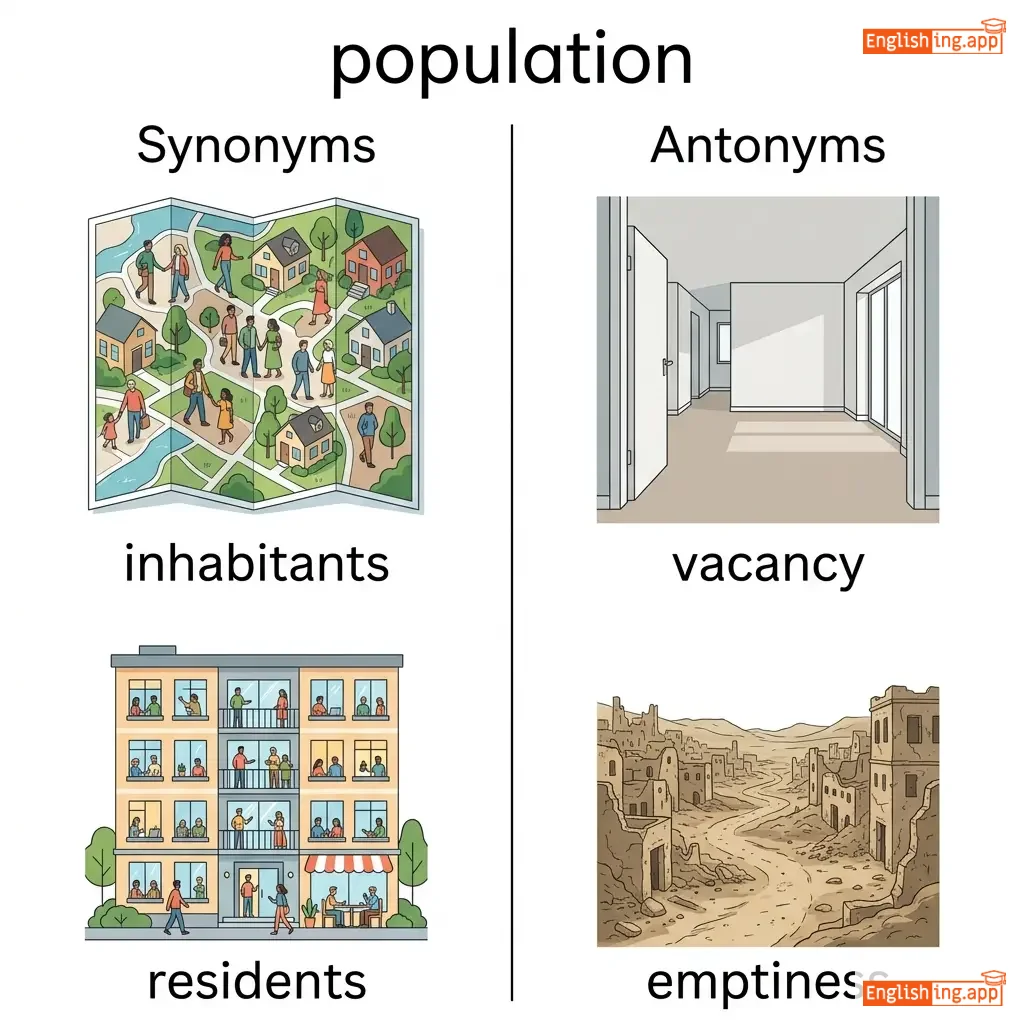
inhabitants, residents, citizens, people
••••••
|
depopulation, evacuation
••••••
|
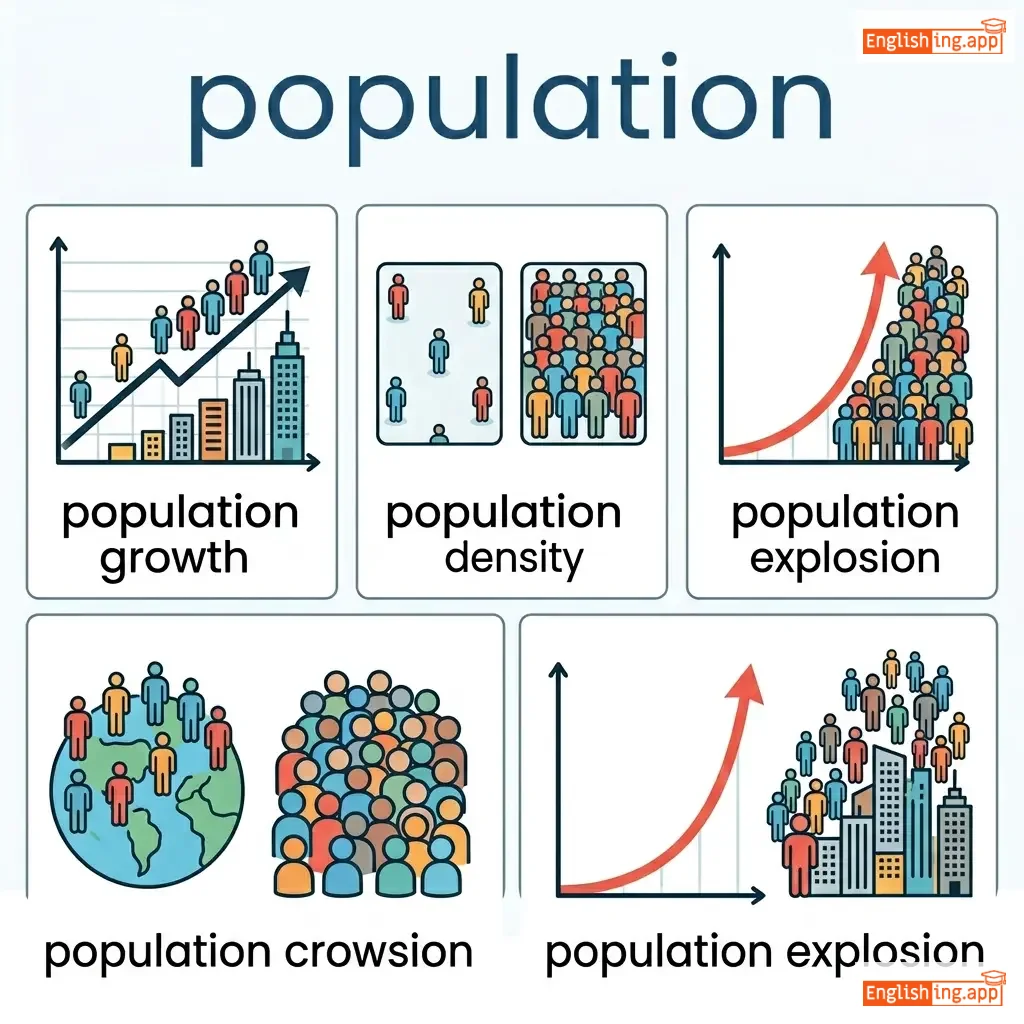
population growth, population density, aging population, urban population
••••••
|
‘人口’ sounds like ‘Renkou’ – think of counting people in a city!
••••••
|
|
#1062
👤
|
/ˈpref.ər.əns/
noun
(偏好)
••••••
|
- •••••• |
偏爱
pian ai
••••••
|
a greater liking for one alternative over another or others
••••••
|
She has a preference for classical music over pop music. |
她更喜欢古典音乐而不是流行音乐。
Ta geng xihuan gudian yinyue er bushi liuxing yinyue.
••••••
|
choice, selection, favor, predilection, inclination
••••••
|
aversion, dislike, rejection
••••••
|
personal preference, strong preference, show preference, state preference
••••••
|
偏好 = 偏爱,她偏爱古典音乐!
••••••
|
|
#1063
📍
|
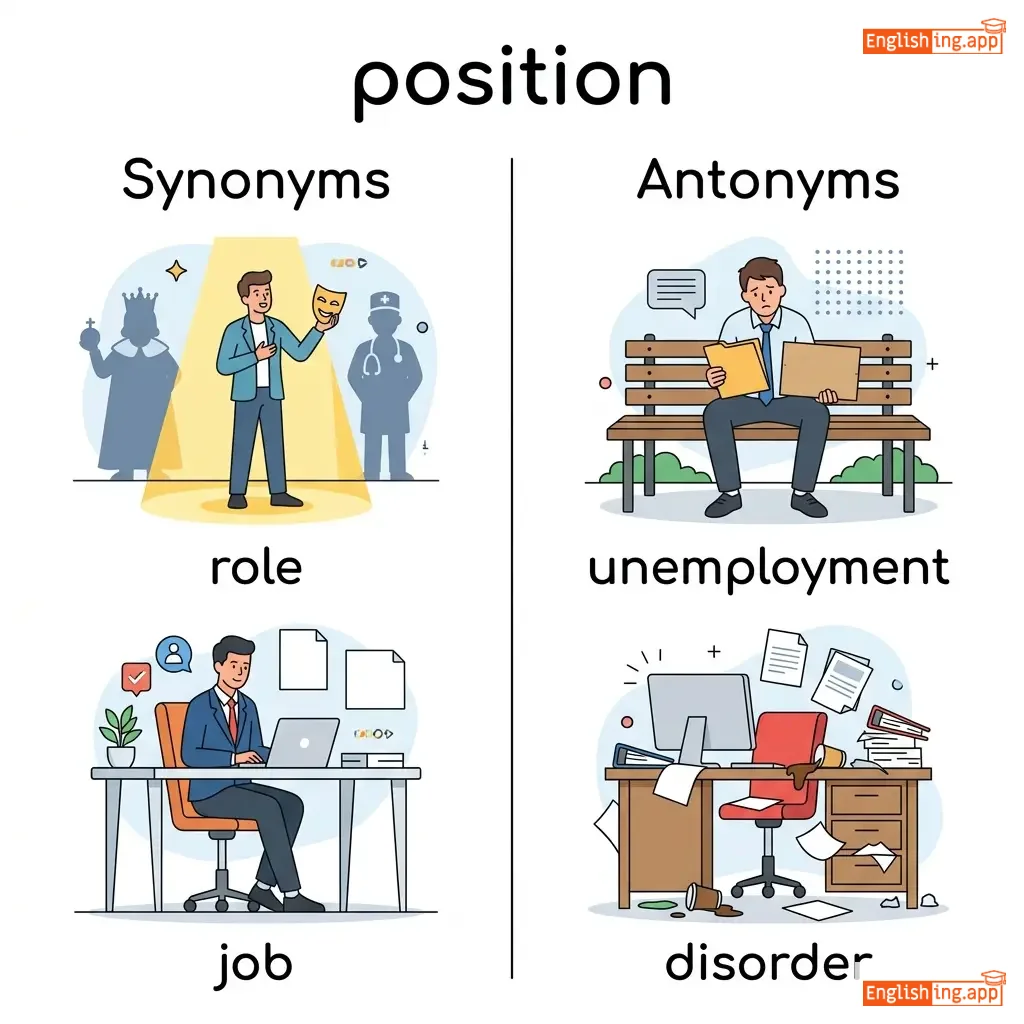
/pəˈzɪʃ.ən/
noun
(职位)
••••••
|
|
职位; 职位; 位置
zhiwei; zhiwei; weizhi
••••••
|
a place where someone or something is located; a job or role; a particular way of thinking about something
••••••
|
She applied for a position as a teacher at the local school.
她申请了本地学校的教师职位。
••••••
|
她申请了本地学校的教师职位。
Ta shenqingle bendi xuexiao de jiaoshi zhiwei.
••••••
|
location, place, job, role, stance
••••••
|
displacement, unemployment
••••••
|
position paper, senior position, geographical position, take a position
••••••
|
Position (职位) 就是你所在的职位,或者说你的角色!
••••••
|
|
#1064
🚫
|
/ˈpredʒ.ə.dɪs/
noun
(prejudis)
••••••
|
- •••••• |
偏见
pianjian
••••••
|
preconceived opinion that is not based on reason or actual experience
••••••
|
We must fight against prejudice and discrimination in our society.
我们必须在我们的社会中与偏见和歧视作斗争。
••••••
|
我们必须在我们的社会中与偏见和歧视作斗争。
Wo men bixu zai wo men de shehui zhong yu pianjian he qishi zuo douzheng
••••••
|
bias, discrimination, intolerance, bigotry
••••••
|
tolerance, fairness, impartiality, objectivity
••••••
|
racial prejudice, overcome prejudice, fight prejudice, deep prejudice
••••••
|
偏见想象为'偏'和'见'
••••••
|
|
#1065
🏠
|
/pəˈzeʃ.ən/
noun
(pòzéxiàn)
••••••
|
- •••••• |
财产; 所有权; 控制
caichan; suoyouquan; kongzhi
••••••
|
something that belongs to someone; the state of having or owning something
••••••
|
The house has been in their family's possession for generations.
这座房子已经成为他们家族的财产好几代人。
••••••
|
这座房子已经成为他们家族的财产好几代人。
Zhe zuo fangzi yijing chengwei tamen jiazu de caichan haoji dai ren.
••••••
|
ownership, property, belongings, assets
••••••
|
dispossession, loss
••••••
|
take possession, in possession of, personal possessions, illegal possession
••••••
|
拥有就是控制一切
••••••
|
|
#1066
👥
|
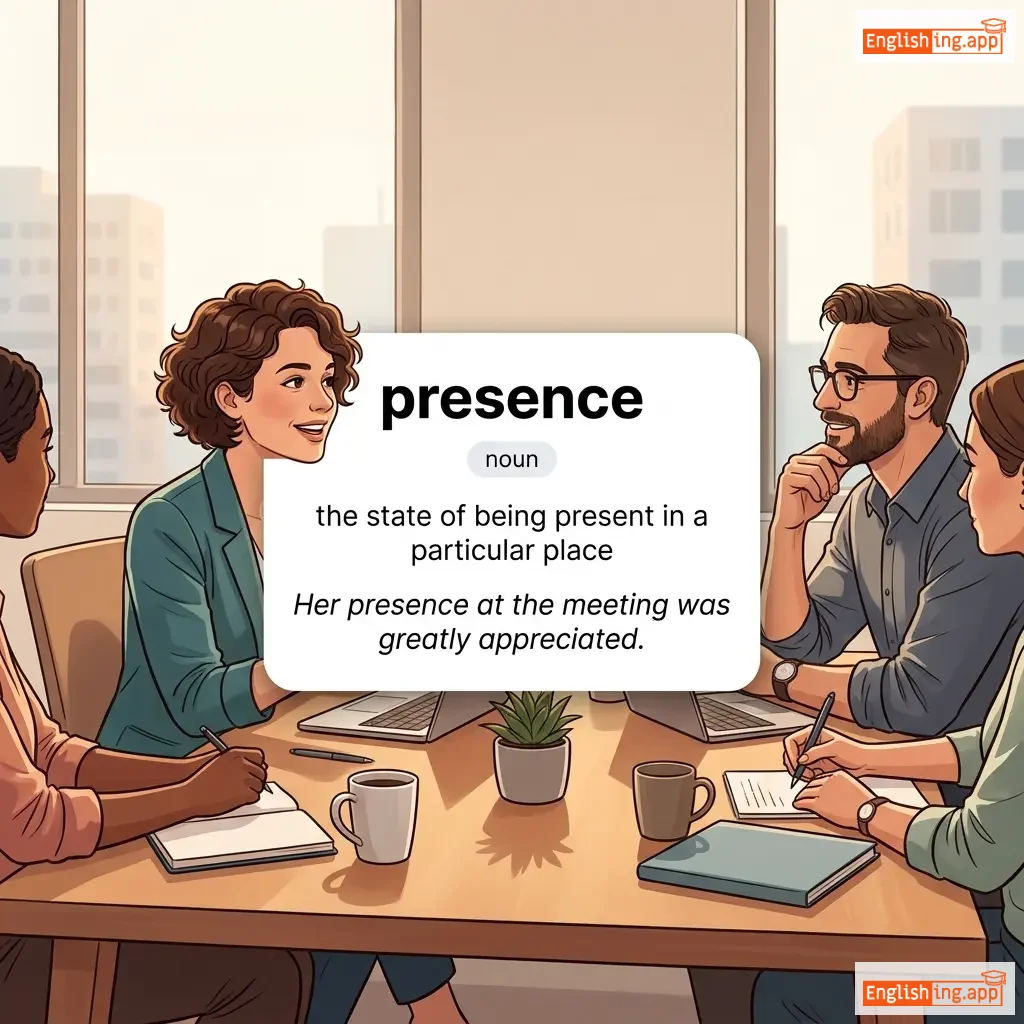
/ˈprez.əns/
noun
(prézéns)
••••••
|
|
出席; 在场
chuxi; zai chang
••••••
|
the fact or condition of being present
••••••
|
Your presence at the meeting is required.
您的出席会议是必要的。
••••••
|
您的出席会议是必要的。
Nín de chūxí huìyì shì bìyào de.
••••••
|
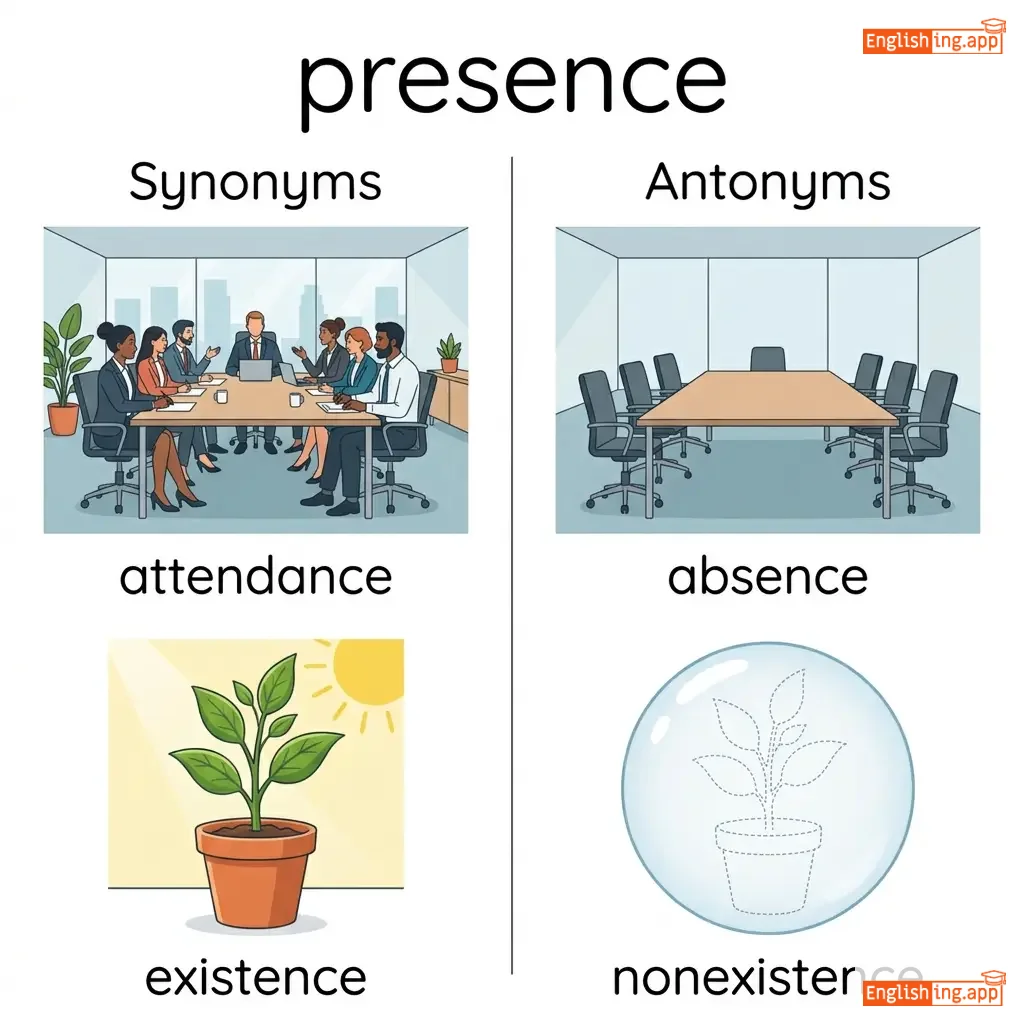
attendance, existence, being, company
••••••
|
absence, nonattendance, departure
••••••
|
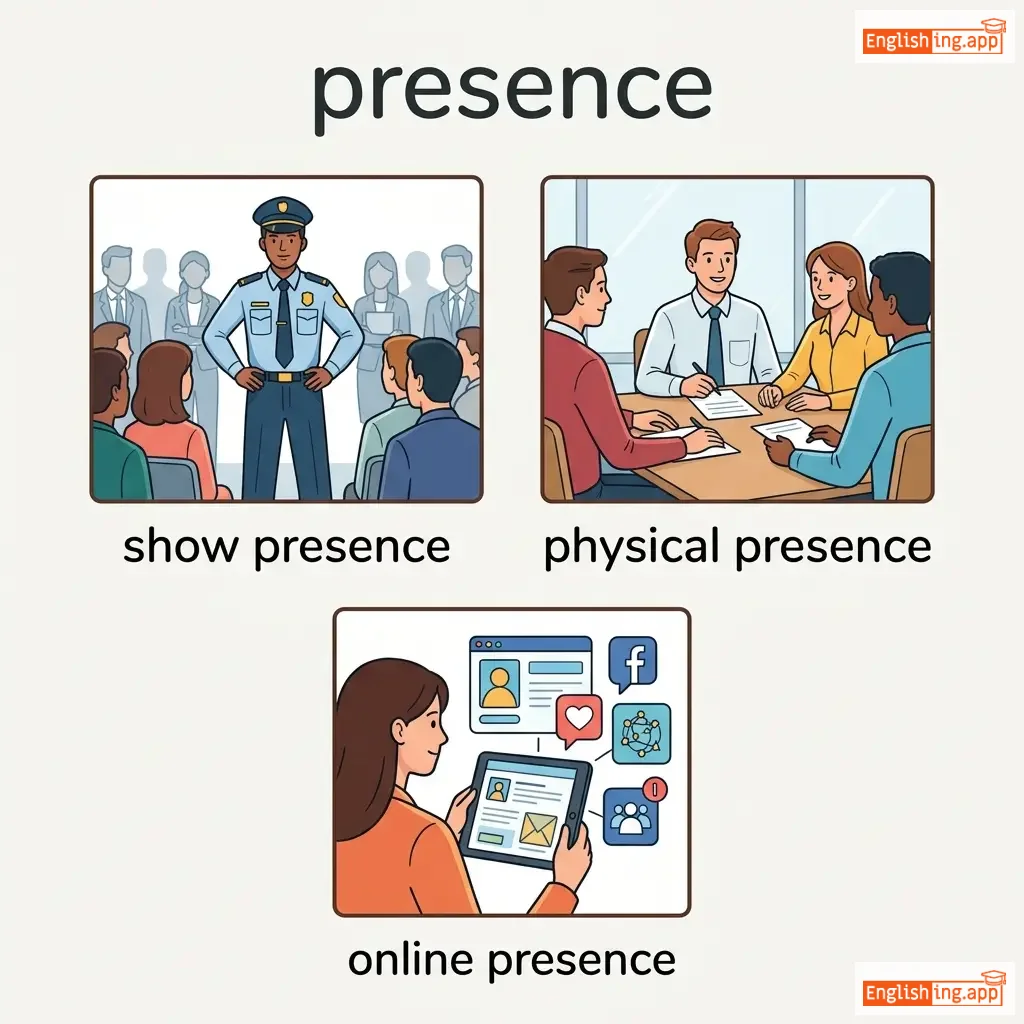
physical presence, strong presence, online presence, feel presence
••••••
|
Presence 在中文是出席,像是在会议中出席。
••••••
|
|
#1067
🧍
|
/ˈpɑːs.tʃər/
noun
(幸福)
••••••
|
- •••••• |
幸福
xingfu
••••••
|
the position in which someone holds their body; a particular attitude or approach
••••••
|
Good posture is important for preventing back pain. |
当她收到奖项时,她无法掩饰自己的幸福。
Dang ta shoudao jiangxiang shi, ta wufa yanshi ziji de xingfu.
••••••
|
stance, position, bearing, attitude
••••••
|
slouch, poor posture
••••••
|
good posture, poor posture, upright posture, defensive posture
••••••
|
No •••••• |
|
#1068
📊
|
/ˌprez.ənˈteɪ.ʃən/
noun
(展示)
••••••
|
|
展示
zhanshi
••••••
|
the action of showing or explaining something to a group of people
••••••
|
She gave an excellent presentation about climate change.
她做了一个关于气候变化的精彩展示。
••••••
|
她做了一个关于气候变化的精彩展示。
Ta zuo le yi ge guanyu qihou bianhua de jingcai zhanshi.
••••••
|
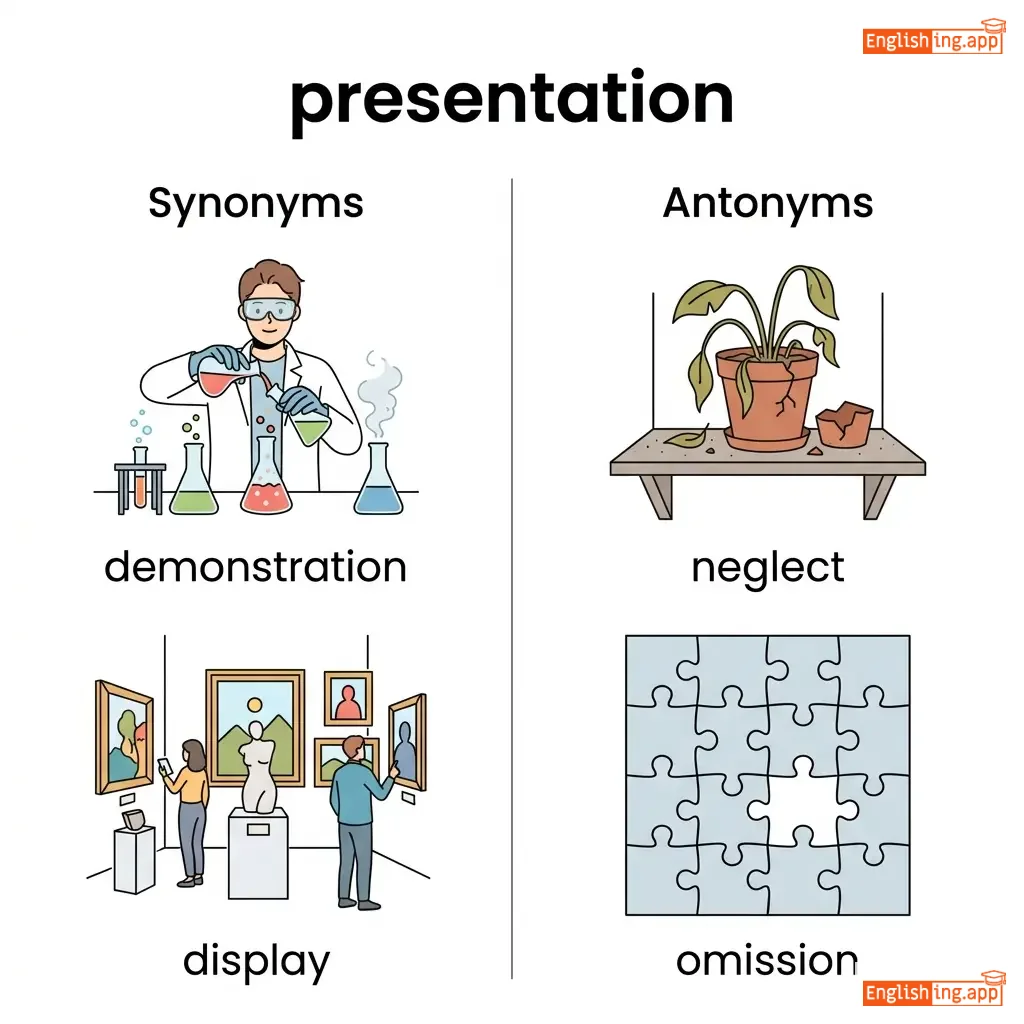
demonstration, display, speech, lecture, exhibition
••••••
|
concealment, hiding, withdrawal
••••••
|
give presentation, deliver presentation, PowerPoint presentation, oral presentation
••••••
|
展示意味着向别人展示新的概念或信息
••••••
|
|
#1069
💸
|
/ˈpɑː.vər.t̬i/
noun
(贫困)
••••••
|
- •••••• |
贫困; 缺乏基本需求
pínkùn
••••••
|
the state of being extremely poor; lack of basic necessities
••••••
|
Many organizations work to reduce poverty around the world.
许多组织致力于减少全球贫困。
••••••
|
许多组织致力于减少全球贫困。
Xǔduō zǔzhī zhìlì yú jiǎnshǎo quánqiú pínkùn.
••••••
|
destitution, hardship, need, want
••••••
|
wealth, prosperity, affluence, riches
••••••
|
extreme poverty, poverty line, fight poverty, alleviate poverty
••••••
|
贫困就是缺乏最基本的生存资源。
••••••
|
|
#1070
🛡️
|
/ˌprez.əˈveɪ.ʃən/
noun
(保存)
••••••
|
|
保存
baocun
••••••
|
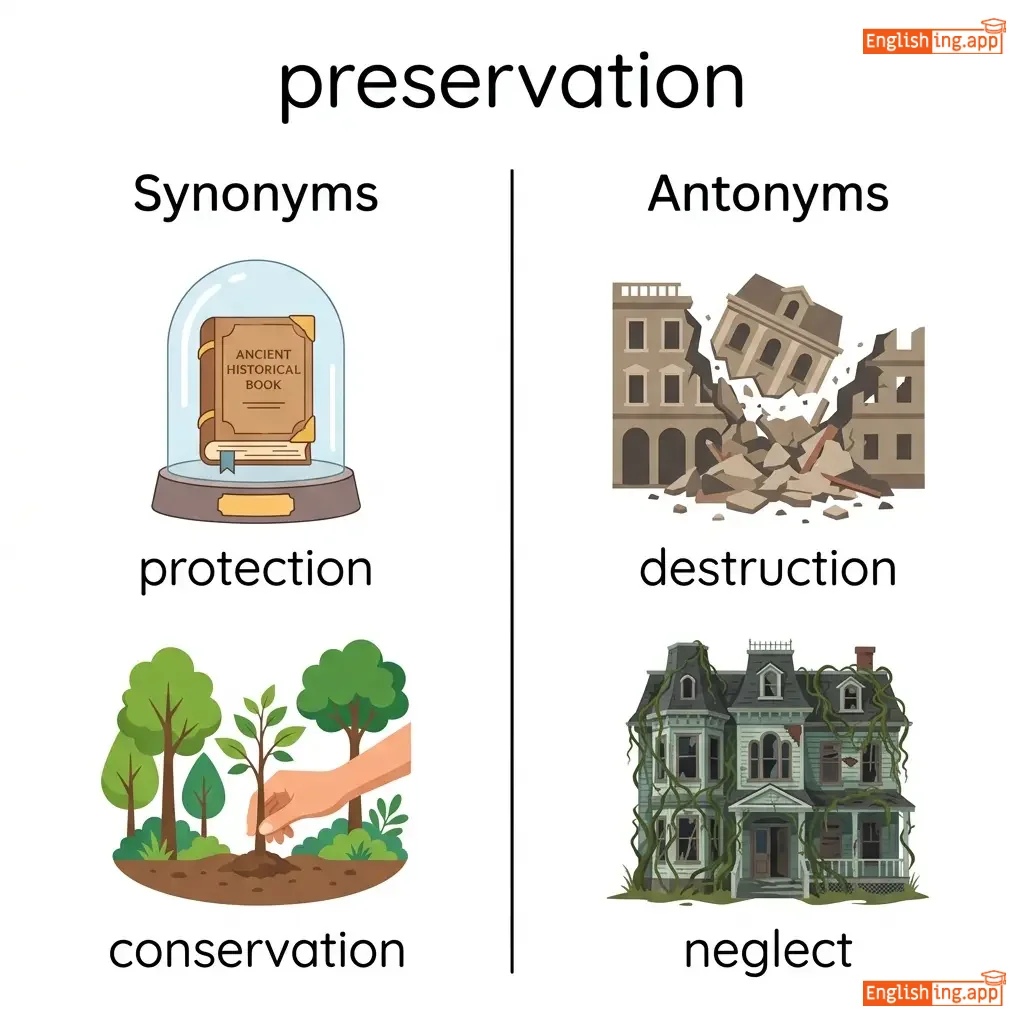
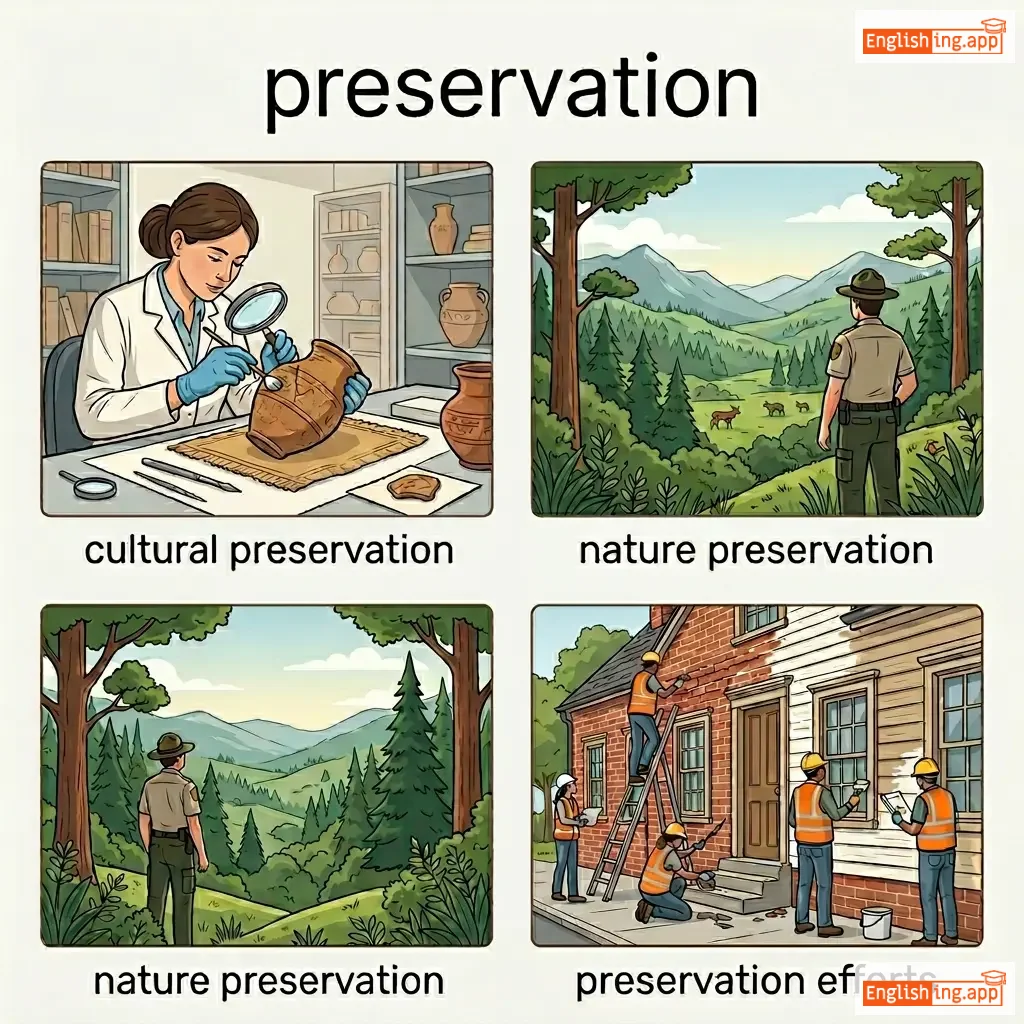
the action of maintaining something in its original or existing state
••••••
|
The preservation of historical buildings is very important.
历史建筑的保存非常重要。
••••••
|
历史建筑的保存非常重要。
Lishi jianzhu de baocun feichang zhongyao.
••••••
|
conservation, protection, maintenance, safeguarding
••••••
|
destruction, demolition, deterioration
••••••
|
food preservation, wildlife preservation, historical preservation, self-preservation
••••••
|
保存有助于保持历史的延续。
••••••
|
|
#1071
👏
|
/preɪz/
noun
(puleizi)
••••••
|
|
赞扬
zanyáng
••••••
|
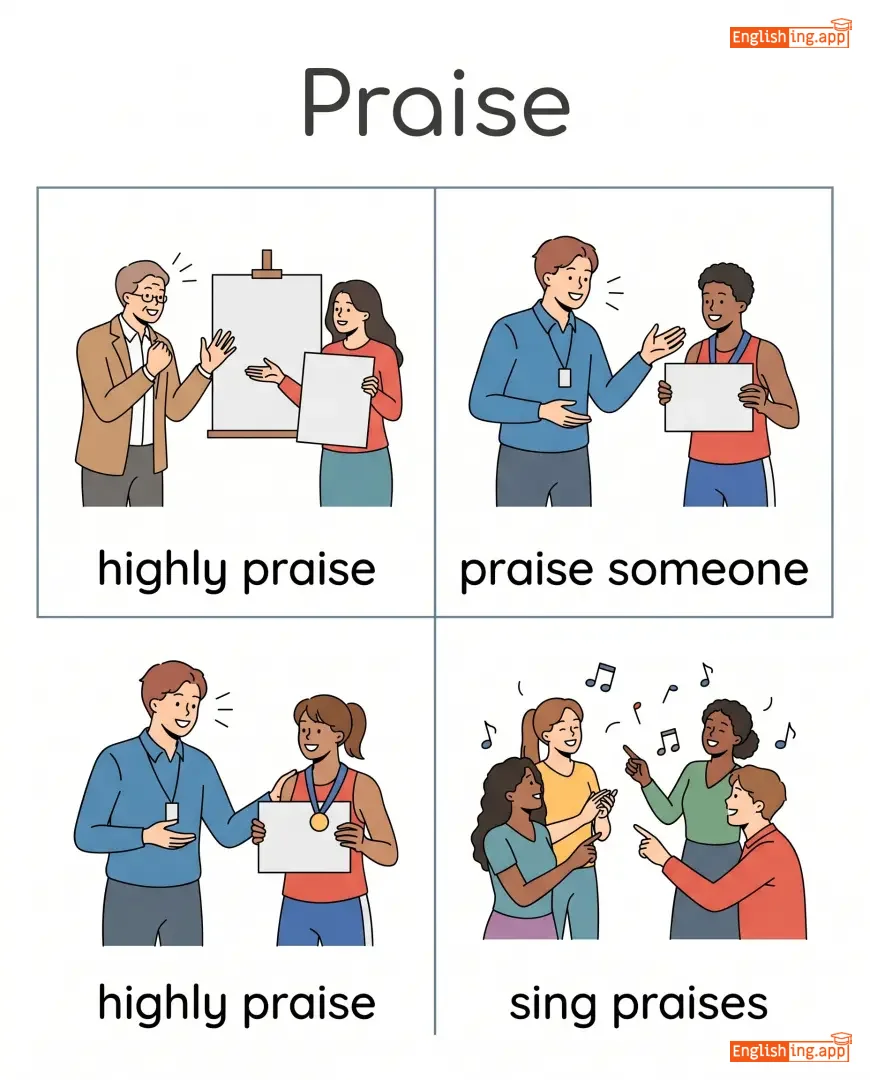
words that show approval or admiration; to express approval or admiration
••••••
|
The teacher gave praise to the students for their hard work. |
老师因为学生们的辛勤努力而表扬了他们。
Lǎoshī yīnwèi xuéshēngmen de xīnqín nǔlì ér biǎoyángle tāmen.
••••••
|
compliment, commendation, approval, acclaim
••••••
|
criticism, blame, condemnation, disapproval
••••••
|
high praise, words of praise, praise someone, deserve praise
••••••
|
赞扬就像掌声 (Zànyáng jiù xiàng zhǎngshēng)
••••••
|
|
#1072
🤔
|
/prɪˈzʌmp.ʃən/
noun
(pǔlìzēnɡɡēn)
••••••
|
- •••••• |
假设; 推定;
jiǎshè
••••••
|
an idea that is taken to be true without proof
••••••
|
There is a presumption of innocence in the legal system.
法律系统中有无罪推定。
••••••
|
法律系统中有无罪推定。
Fǎlǜ xìtǒng zhōng yǒu wúzuì tuīdìng.
••••••
|
assumption, supposition, belief, hypothesis
••••••
|
proof, certainty, fact, evidence
••••••
|
legal presumption, false presumption, reasonable presumption, presumption of innocence
••••••
|
Chinese speakers link '假设' (jiǎshè) with '假想', remembering the presumption concept.
••••••
|
|
#1073
⚠️
|
/prɪˈkɔː.ʃən/
noun
(预防)
••••••
|
- •••••• |
预防
yufang
••••••
|
an action taken in advance to prevent something dangerous or unpleasant from happening
••••••
|
As a precaution, we should bring extra water on the hike.
作为预防措施,我们应该在徒步旅行中带上额外的水。
••••••
|
作为预防措施,我们应该在徒步旅行中带上额外的水。
zuo wei yufang cuoshi, wo men ying gai zai tu bu lv xing zhong dai shang e wai de shui.
••••••
|
safeguard, prevention, protection, measure
••••••
|
recklessness, carelessness, negligence
••••••
|
take precautions, safety precaution, as a precaution, precautionary measure
••••••
|
预防: 提前采取措施,防止意外发生
••••••
|
|
#1074
🎭
|
/prɪˈtens/
noun
(pīrìtènsī)
••••••
|
- •••••• |
虚伪
xūwěi
••••••
|
an attempt to make something that is not the case appear true
••••••
|
He made no pretence of being interested in the conversation. |
他没有装作对谈话感兴趣。
Tā méiyǒu zhuāngzuò duì tánhuà gǎn xìngqù.
••••••
|
pretense, facade, charade, deception, act
••••••
|
honesty, genuineness, sincerity, truth
••••••
|
false pretence, drop pretence, make pretence, under pretence
••••••
|
装作一副样子,却是假装的虚伪行为。
••••••
|
|
#1075
🎯
|
/prɪˈsɪʒ.ən/
noun
(精准)
••••••
|
|
精确度
jingquedou
••••••
|
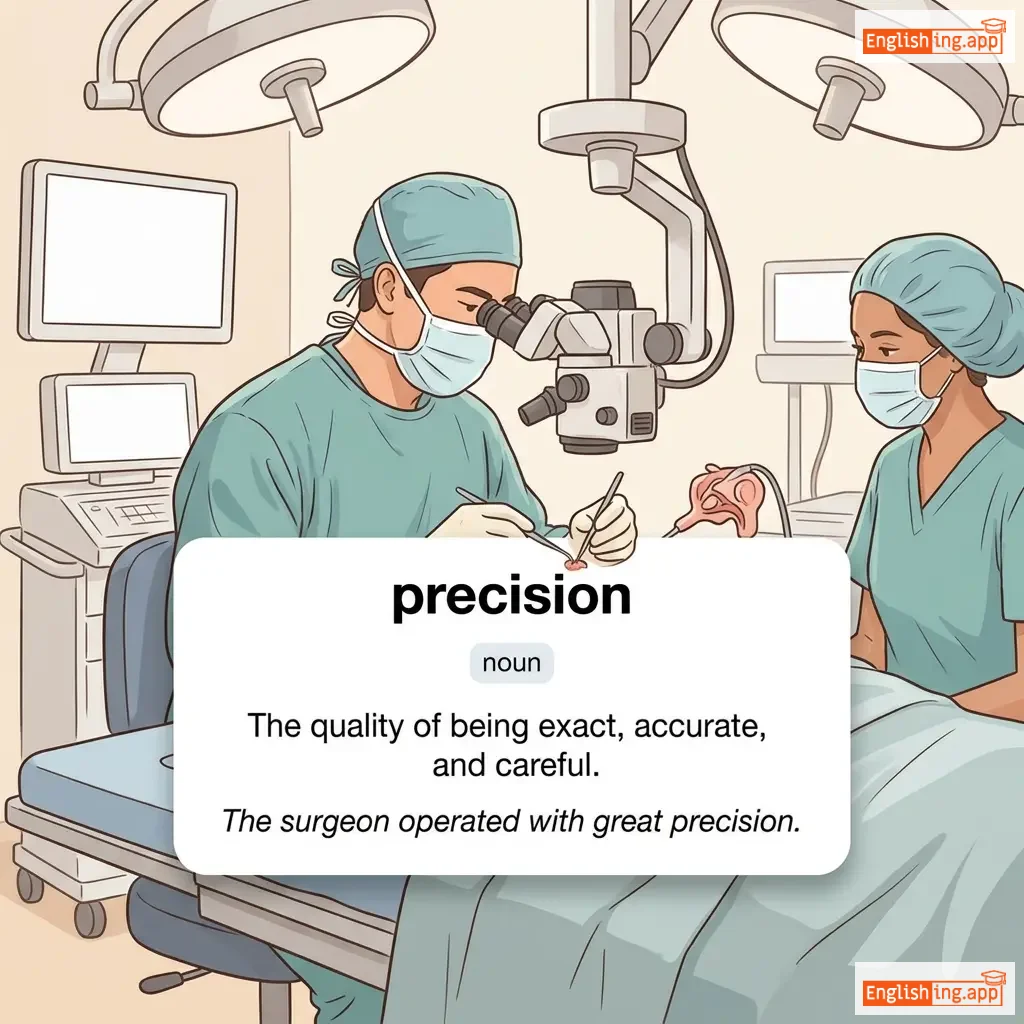
the quality of being exact and accurate; the condition of being precise
••••••
|
The surgeon operated with great precision and skill. |
外科医生以极高的精确度和技巧进行了手术。
Wàikē yīshēng yǐ jí gāo de jīngquèdù hé jìqiǎo jìnxíngle shǒushù
••••••
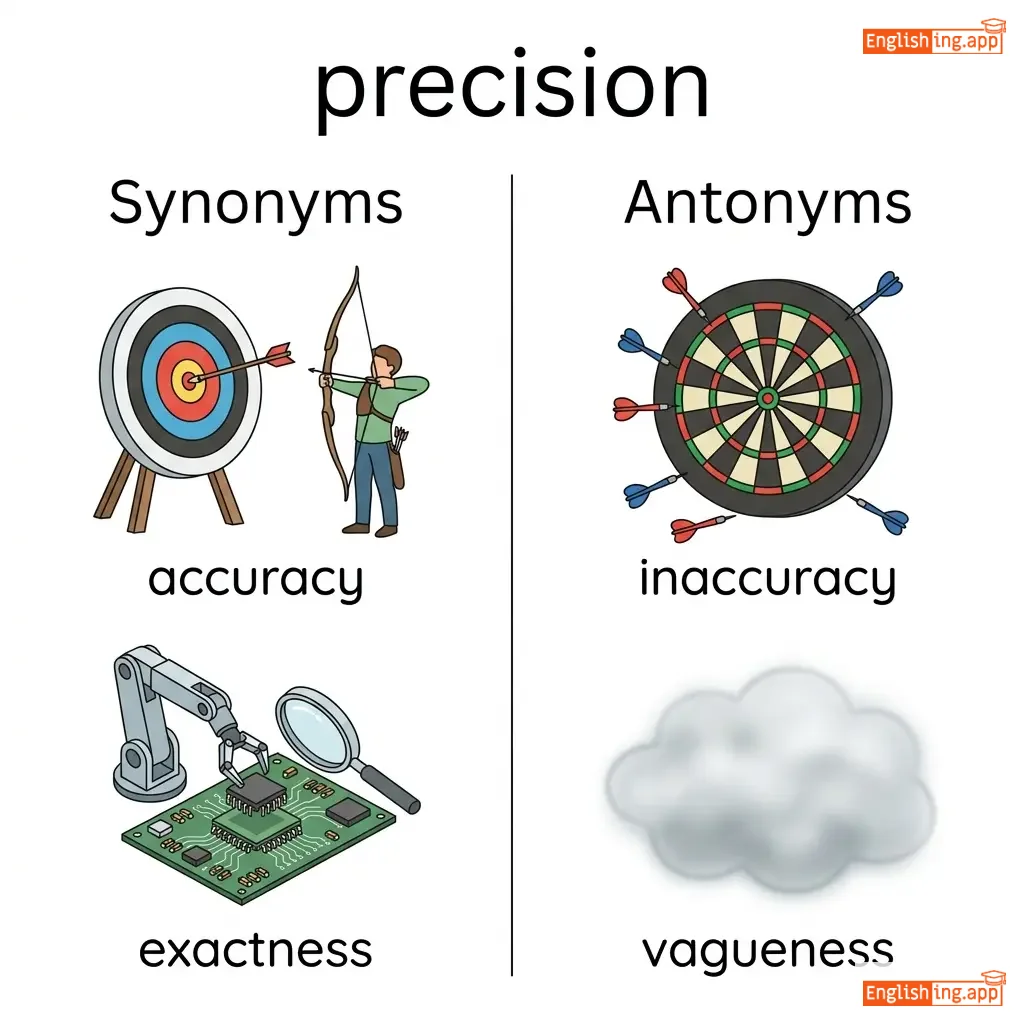
|
accuracy, exactness, correctness, detail
••••••
|
imprecision, inaccuracy, vagueness
••••••
|
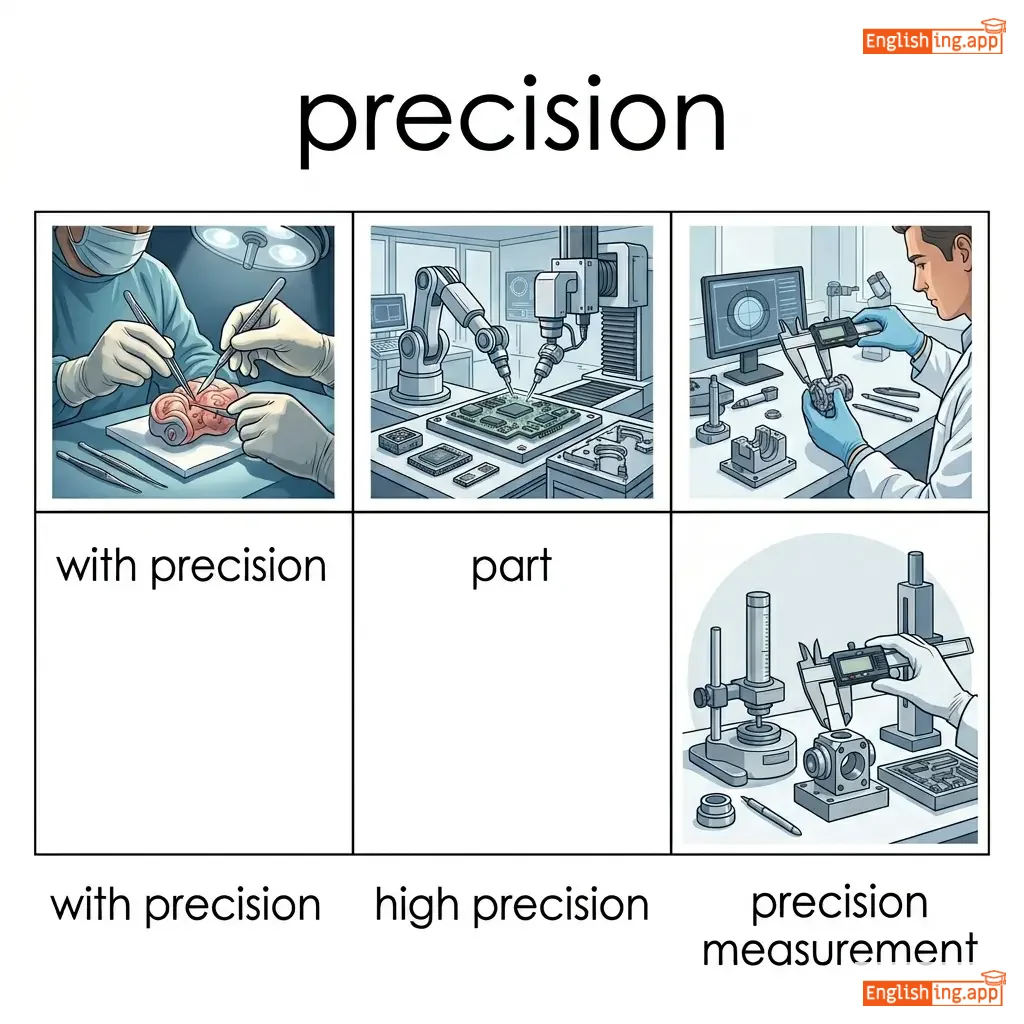
surgical precision, mathematical precision, precision instrument, with precision
••••••
|
精确的操作就像精准的手术一样。
••••••
|
|
#1076
🎪
|
/ˈpriː.tekst/
noun
(前提)
••••••
|
- •••••• |
借口
jiekou
••••••
|
a reason given in justification of a course of action that is not the real reason
••••••
|
He used illness as a pretext to avoid the meeting.
他用生病作为借口来避开会议。
••••••
|
他用生病作为借口来避开会议。
Ta yong shengbing zuo wei jiekou lai bikai huiyi.
••••••
|
excuse, justification, cover, alibi, front
••••••
|
genuine reason, real motive, truth
••••••
|
under pretext, false pretext, use pretext, provide pretext
••••••
|
Pretext is like '借口,' an excuse to cover up something.
••••••
|
|
#1077
👤
|
/ˈpred.ə.ses.ər/
noun
(前任)
••••••
|
- •••••• |
前任
qiánrèn
••••••
|
a person who held a job or office before the current holder; something that came before another thing
••••••
|
The new manager learned from his predecessor's mistakes. |
新经理从他的前任的错误中学习。
xīn jīnglǐ cóng tā de qiánrèn de cuòwù zhōng xuéxí.
••••••
|
forerunner, antecedent, previous holder, former
••••••
|
successor, follower, descendant
••••••
|
immediate predecessor, worthy predecessor, predecessor company, predecessor's legacy
••••••
|
前任:曾经是,像你以前的老师。
••••••
|
|
#1078
🚧
|
/prɪˈven.ʃən/
noun
(预防)
••••••
|
|
预防
yufang
••••••
|
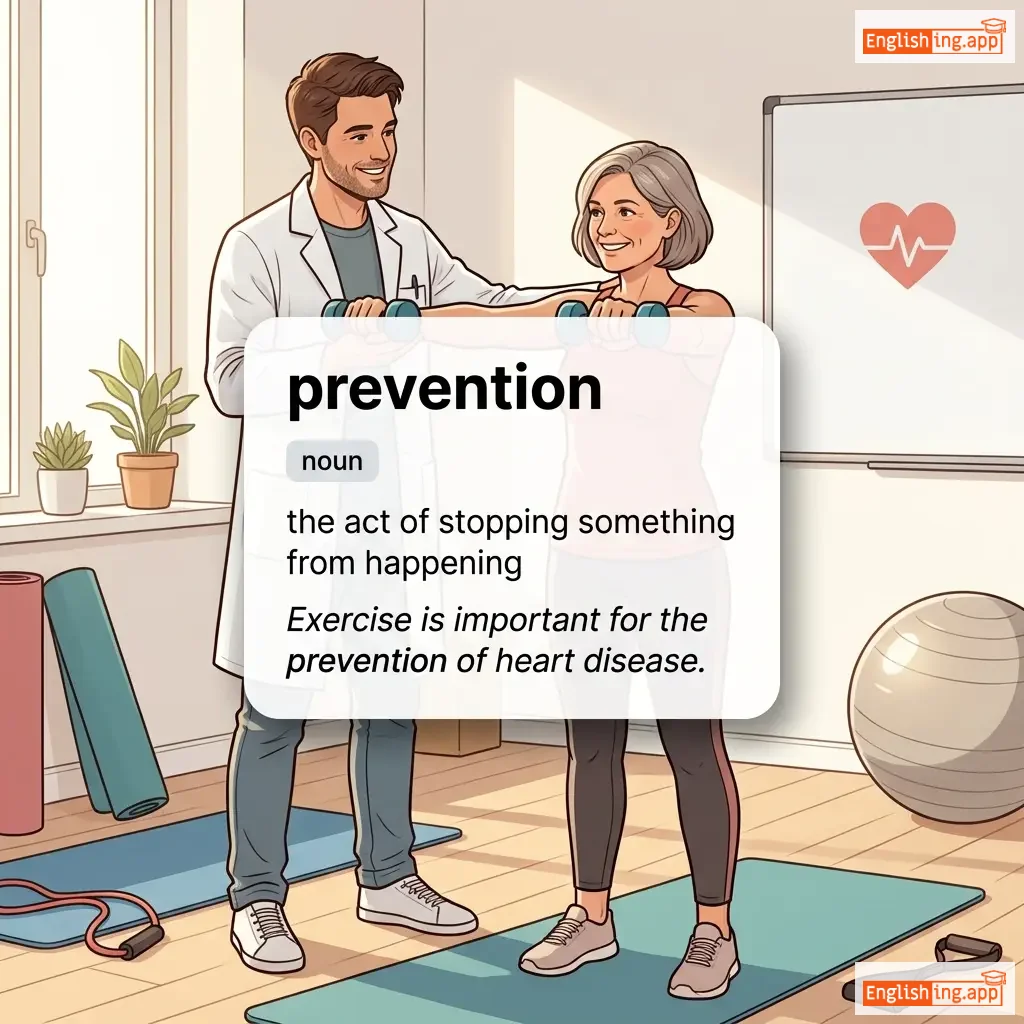
the action of stopping something from happening or arising
••••••
|
Prevention is better than cure when it comes to health.
预防胜于治疗,尤其在健康问题上。
••••••
|
预防胜于治疗,尤其在健康问题上。
Yufang shengyu zhilia, youqi zai jiankang wenti shang.
••••••
|
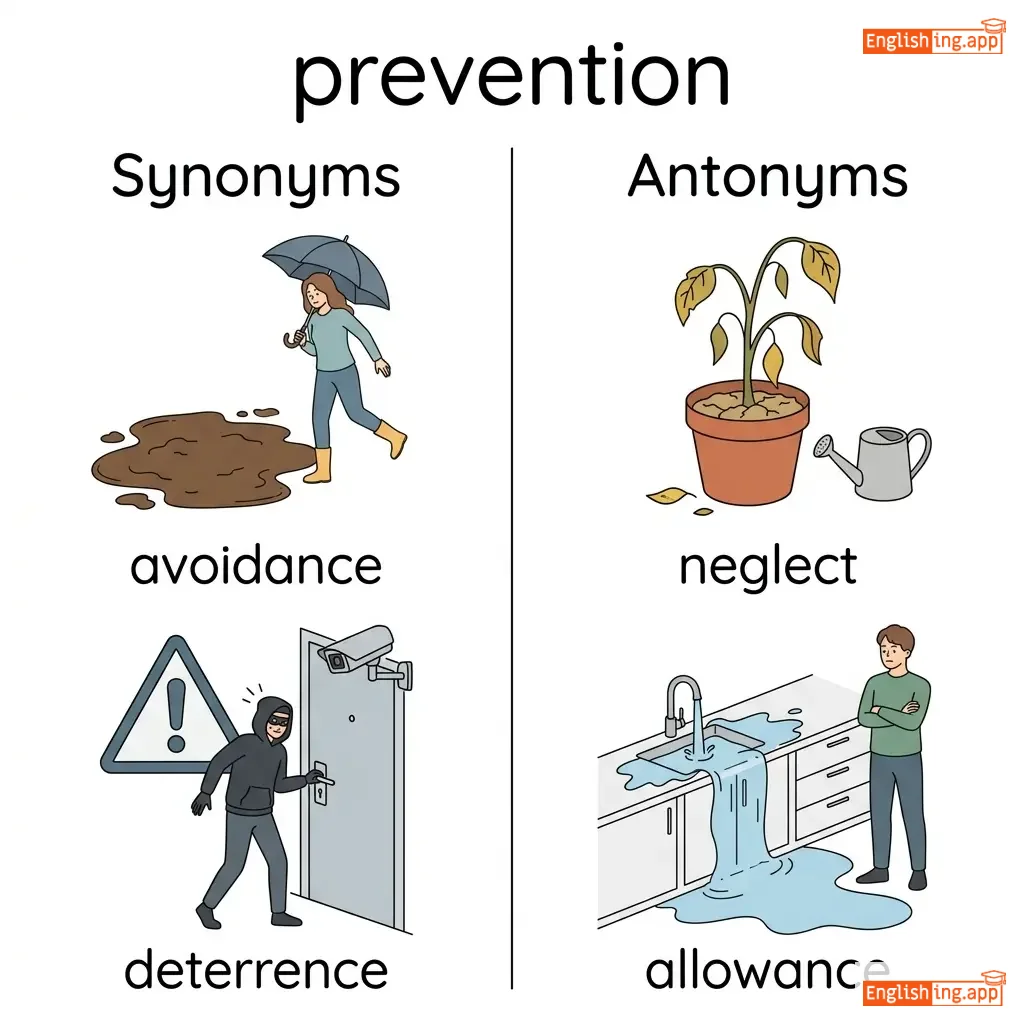
avoidance, deterrence, hindrance, obstruction
••••••
|
causation, encouragement, promotion
••••••
|
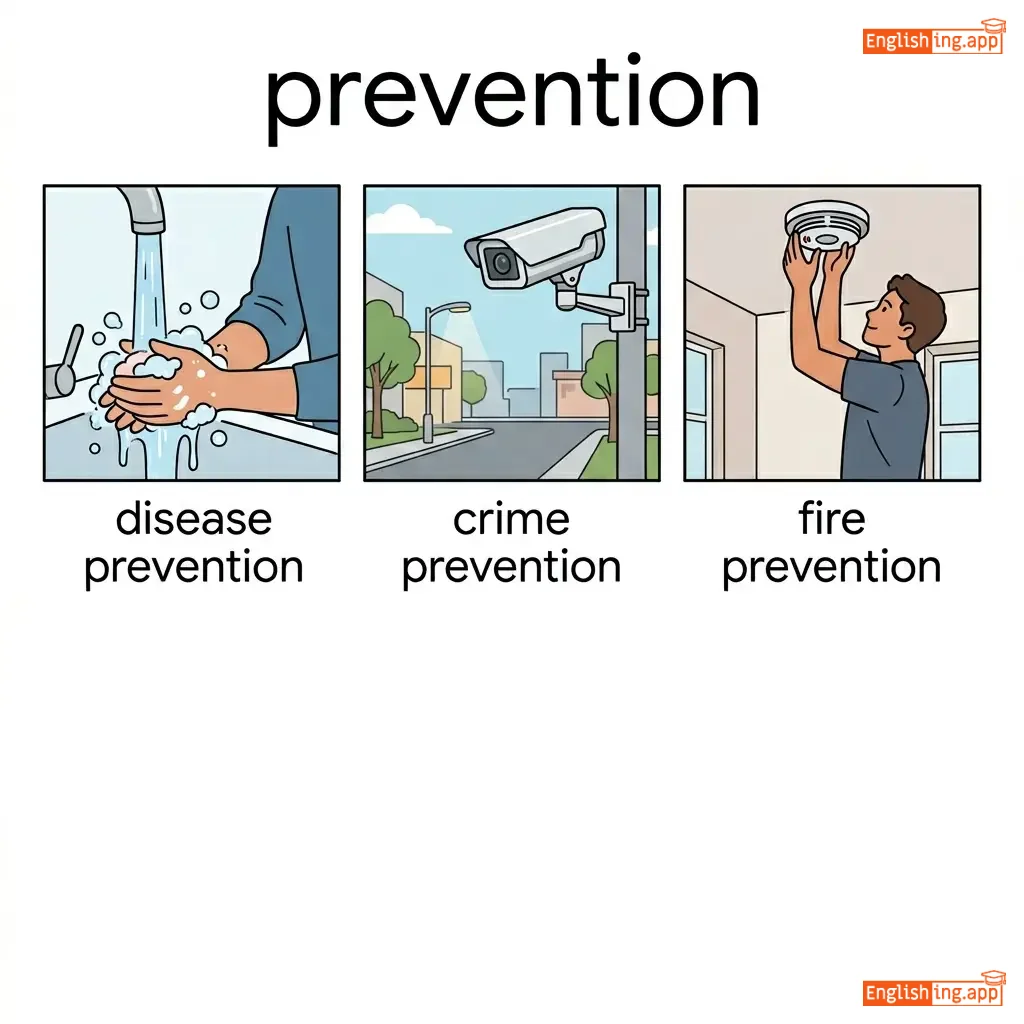
disease prevention, crime prevention, fire prevention, prevention program
••••••
|
预防是健康的关键
••••••
|
|
#1079
🔮
|
/prɪˈdɪk.ʃən/
noun
(预测)
••••••
|
- •••••• |
预测
yùcè
••••••
|
a statement about what will happen in the future; a forecast
••••••
|
The weather prediction says it will rain tomorrow.
天气预测说明天会下雨
••••••
|
天气预测说明天会下雨。
Tianqi yuce shuo mingtian hui xia yu.
••••••
|
forecast, prophecy, projection, prognosis
••••••
|
hindsight, retrospection, past knowledge
••••••
|
weather prediction, accurate prediction, make a prediction, prediction model
••••••
|
预测是对未来的预言。
••••••
|
|
#1080
🦁
|
/praɪd/
noun
(praɪd)
••••••
|
|
自豪
zìháo
••••••
|
a feeling of deep pleasure or satisfaction derived from achievements
••••••
|
She takes great pride in her work.
她为自己的工作感到非常自豪。
••••••
|
她为自己的工作感到非常自豪。
Tā wèi zìjǐ de gōngzuò gǎndào fēicháng zìháo.
••••••
|
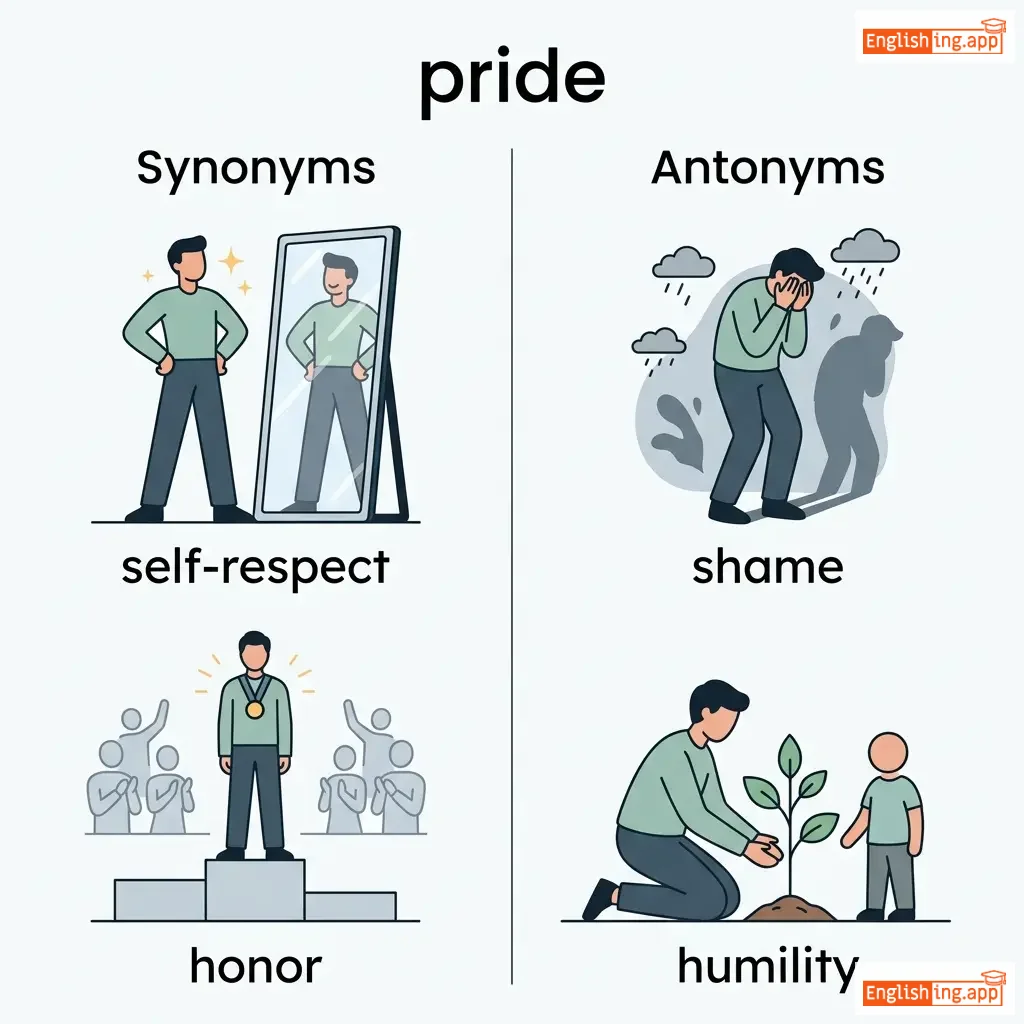
dignity, self-esteem, satisfaction, honor
••••••
|
shame, humility, modesty, disgrace
••••••
|
take pride, feel pride, source of pride, national pride
••••••
|
自豪是因成功而感到的喜悦。
••••••
|
Vocabulary Quiz
Test your vocabulary by matching words with their translations or meanings.
Login to take the quiz
Comments (0)
Share your thoughts and join the discussion.
Join the discussion by logging in
Login to CommentNo comments yet
Be the first to share your thoughts!