

Swipe left or right, or use the buttons. Tap image to zoom.
例句翻译
单词
Lesson 41Lesson 41 - 遮罩切换
|
表情符号
|
单词 | Images | 翻译 | 含义 | 例句 | 例句翻译 | 同义词 | 反义词 | 搭配词 | 助记符 |
|---|---|---|---|---|---|---|---|---|---|---|
|
#801
🍀
|
/lʌk/
noun
(lʌk)
••••••
|
- •••••• |
运气
yunqi
••••••
|
success or failure apparently brought by chance rather than through one's own actions
••••••
|
She had good luck with her job interview.
她在面试中有好运气。
••••••
|
她在面试中有好运气。
Tā zài miànshì zhōng yǒu hǎo yùnqì.
••••••
|
fortune, chance, fate, destiny
••••••
|
misfortune, bad luck, unluckiness
••••••
|
good luck, bad luck, stroke of luck
••••••
|
Luck = 运气, 如在正确的时机找到好运
••••••
|
|
#802
💼
|
/ˈmæɡneɪt/
noun
(富豪)
••••••
|
- •••••• |
富豪; 商业界或工业界的富有且有权势的人
fù háo
••••••
|
A wealthy and powerful businessperson or industrialist
••••••
|
The oil magnate owned dozens of refineries across the country.
石油富豪拥有全国各地的数十座炼油厂。
••••••
|
石油富豪拥有全国各地的数十座炼油厂。
Shí yóu fù háo yōng yǒu quán guó gè dì de shù shí zuò liàn yóu chǎng.
••••••
|
tycoon, mogul, baron, industrialist
••••••
|
pauper, worker, employee, subordinate
••••••
|
business magnate, oil magnate, media magnate, industrial magnate
••••••
|
富豪像磁铁一样吸引财富和权力。
••••••
|
|
#803
🧳
|
/ˈlʌɡ.ɪdʒ/
noun
(luggage)
••••••
|
- •••••• |
行李
xingli
••••••
|
suitcases or other bags in which to pack personal belongings for traveling
••••••
|
Please check your luggage at the airport counter. |
请在机场柜台检查您的行李。
qǐng zài jīchǎng guìtái jiǎnchá nín de xínglǐ.
••••••
|
baggage, suitcase, bags, belongings
••••••
|
emptiness, bare hands
••••••
|
carry luggage, check luggage, lost luggage
••••••
|
行李 (xingli) is used to carry your personal belongings when traveling.
••••••
|
|
#804
📏
|
/ˈmæɡnɪtuːd/
noun
(mángnìtúdí)
••••••
|
- •••••• |
震级;大小;重要性
zhènjí
••••••
|
The great size or extent of something; importance
••••••
|
The magnitude of the earthquake was measured at 7.5 on the Richter scale.
地震的震级在里氏规模上测量为7.5。
••••••
|
地震的震级在里氏规模上测量为7.5。
Dìzhèn de zhènjí zài lǐshì guīmó shàng cèliàng wèi 7.5.
••••••
|
size, extent, scale, importance, significance
••••••
|
insignificance, smallness, triviality, minuteness
••••••
|
earthquake magnitude, magnitude of the problem, order of magnitude, star magnitude
••••••
|
震级就像里氏震级一样,测量地震的强度。
••••••
|
|
#805
🧿
|
/lʌmp/
noun
(lamp)
••••••
|
- •••••• |
块; 团; 块状物
kuai; tuan; kuai zhuang wu
••••••
|
a compact mass of a substance, especially one without a definite or regular shape
••••••
|
She found a lump of sugar in the bowl.
她在碗里发现了一块糖
••••••
|
她在碗里发现了一块糖。
Ta zai wan li faxian le yi kuai tang.
••••••
|
chunk, mass, piece, clump
••••••
|
powder, liquid, dust
••••••
|
lump of sugar, hard lump, small lump
••••••
|
Lump 在中文里可以看作是 '块状物',像一块糖一样。
••••••
|
|
#806
🔧
|
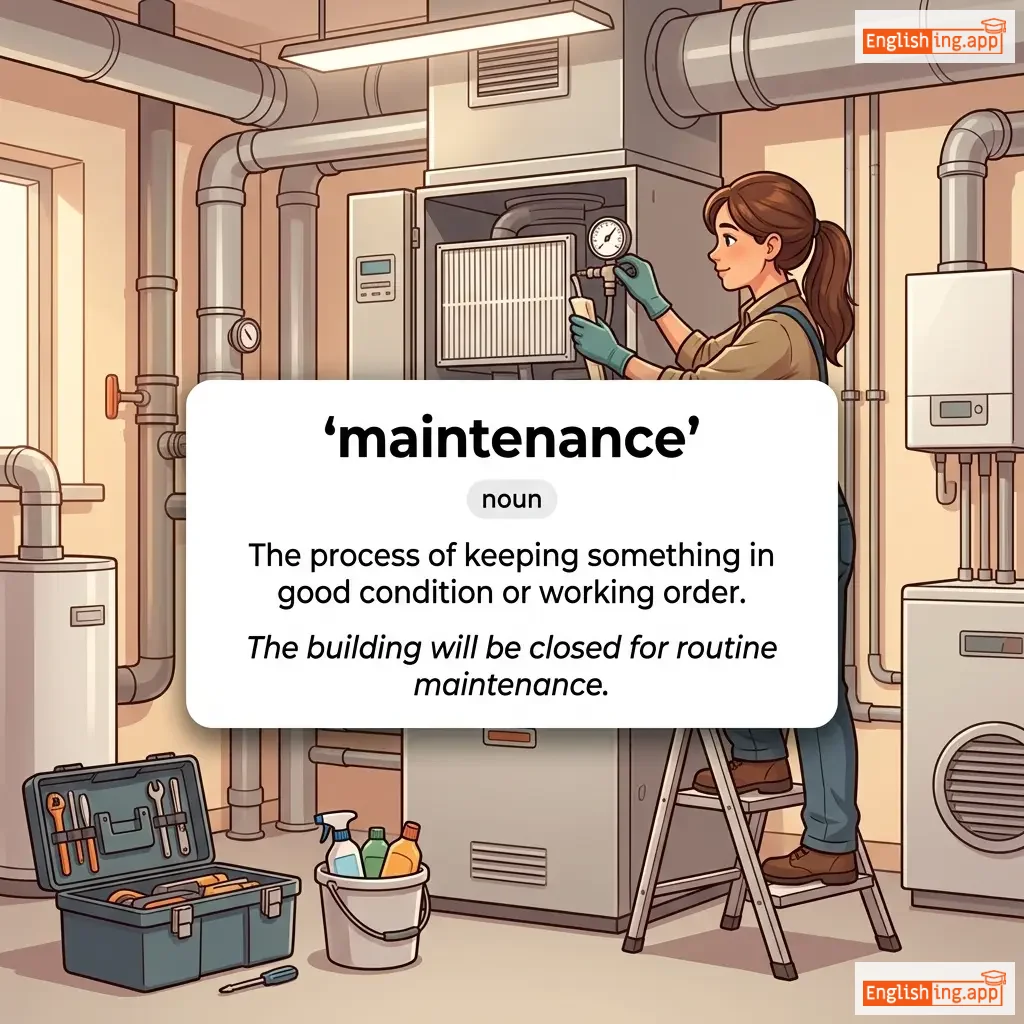
/ˈmeɪntənəns/
noun
(维护)
••••••
|
|
维护
weihu
••••••
|
The process of keeping something in good condition; upkeep
••••••
|
Regular maintenance of the car engine will extend its lifespan.
定期维护汽车发动机将延长其使用寿命。
••••••
|
定期维护汽车发动机将延长其使用寿命。
Dìngqī wéihù qìchē fādòngjī jiāng yáncháng qí shǐyòng shòumìng.
••••••
|
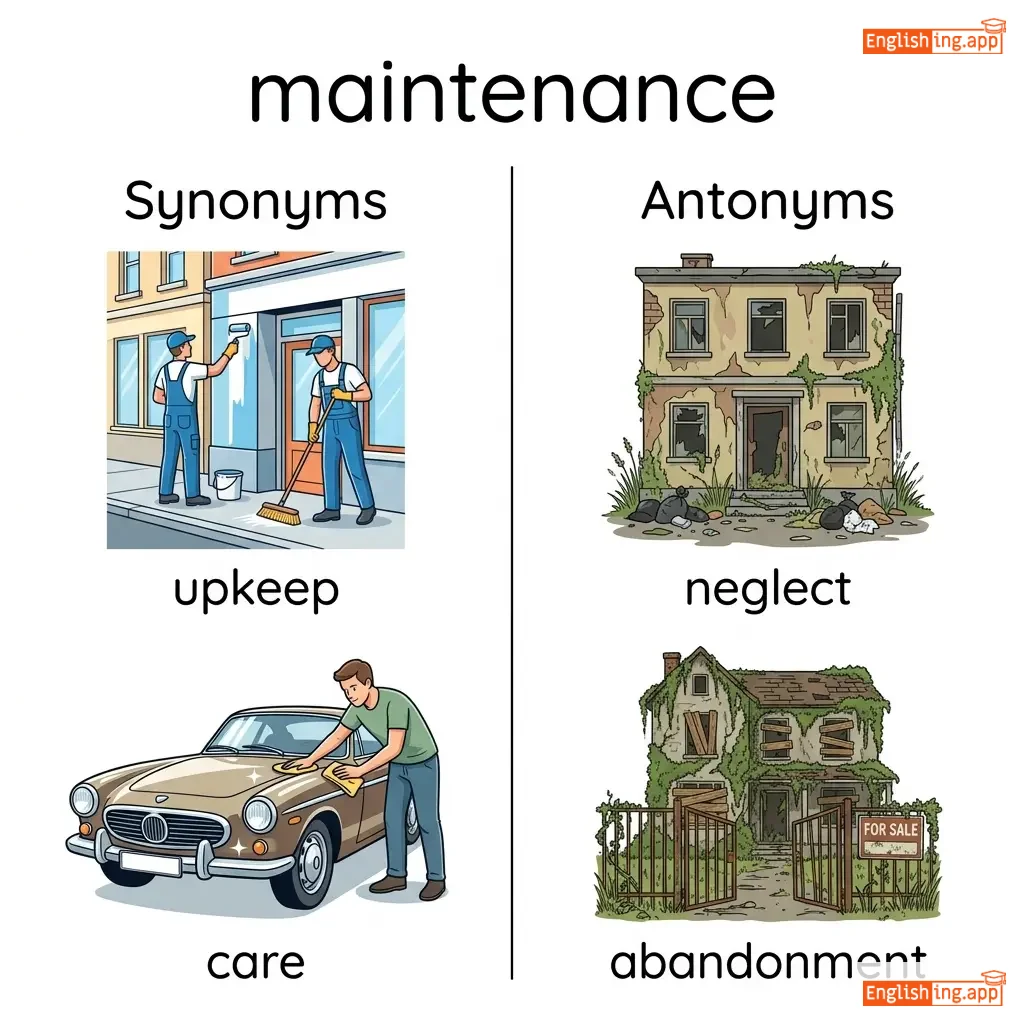
upkeep, care, preservation, servicing, repair
••••••
|
neglect, damage, destruction, deterioration
••••••
|
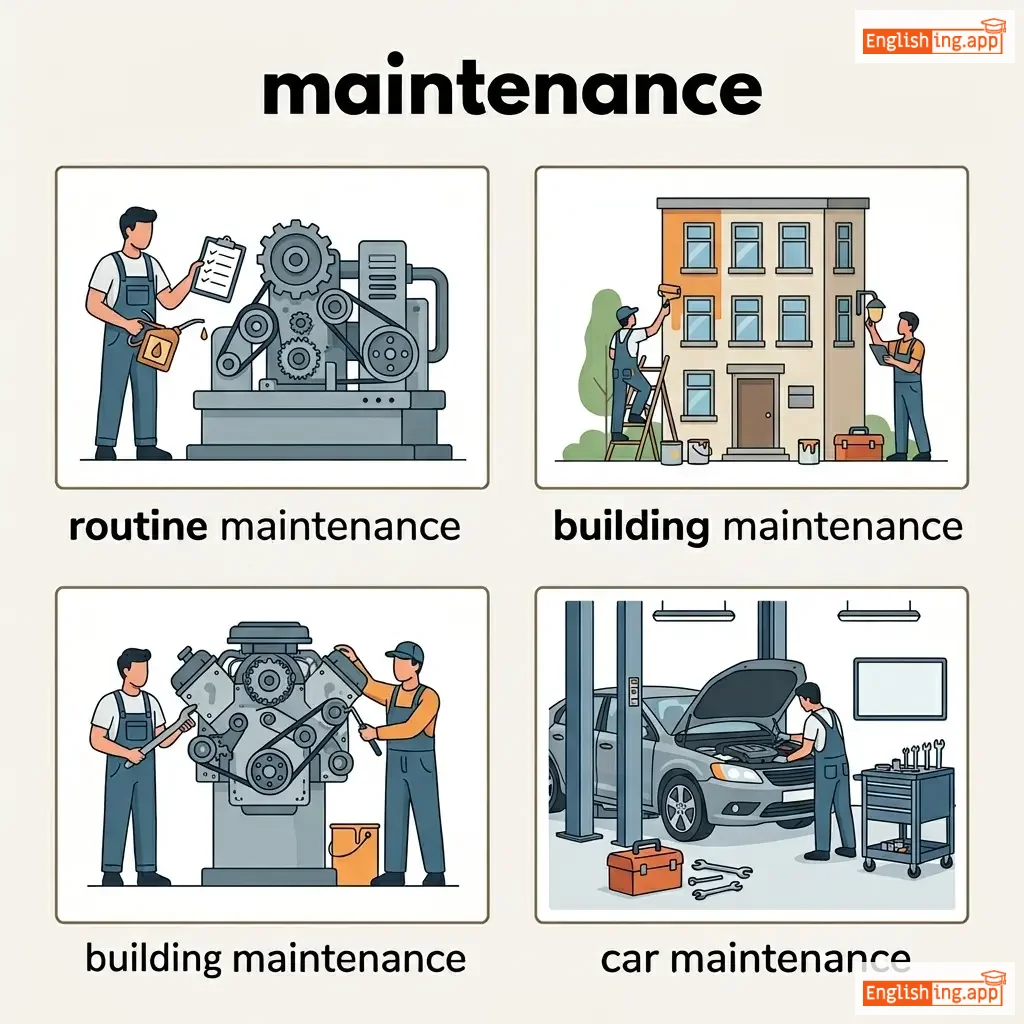
routine maintenance, maintenance costs, preventive maintenance, building maintenance
••••••
|
想象通过定期维护你的汽车发动机来延长它的使用寿命。
••••••
|
|
#807
🌑
|
/ˈluː.nər ɪˈklɪps/
noun
(lunar eclipse)
••••••
|
- •••••• |
月全食
yue quan shi
••••••
|
an eclipse in which the moon appears darkened as it passes into the earth's shadow
••••••
|
We watched the lunar eclipse from our backyard. |
我们从后院观看了月全食。
Wǒmen cóng hòuyuàn guānkànle yuè quán shí.
••••••
|
moon eclipse, celestial event
••••••
|
solar eclipse, full moon
••••••
|
total lunar eclipse, partial lunar eclipse, lunar eclipse viewing
••••••
|
月亮在月全食时进入地球的阴影
••••••
|
|
#808
👥
|
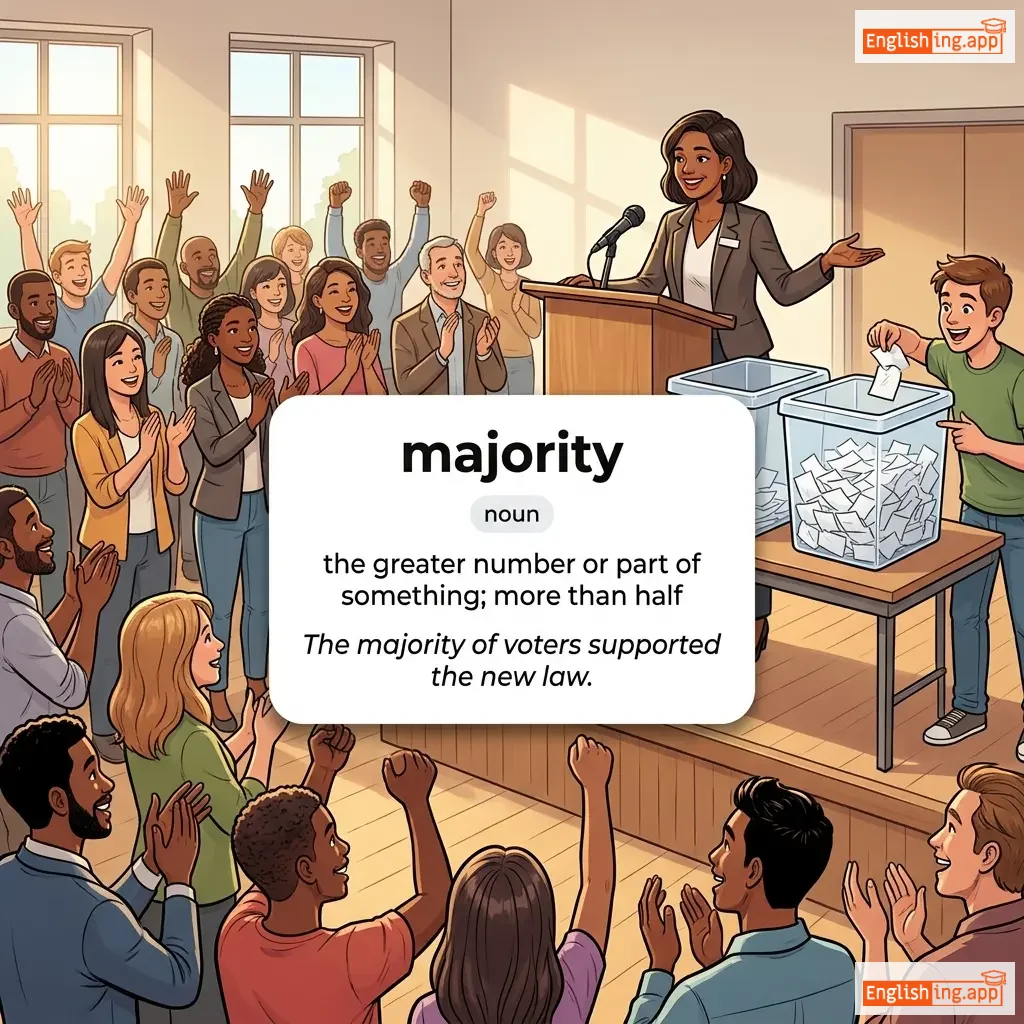
/məˈdʒɔːrəti/
noun
(mó-jū-ǐ-tī)
••••••
|
|
多数
duō shù
••••••
|
The greater number or part; more than half
••••••
|
The majority of students passed the final examination.
大多数学生通过了期末考试。
••••••
|
大多数学生通过了期末考试。
Dà duōshù xuéshēng tōngguòle qī mò kǎoshì.
••••••
|
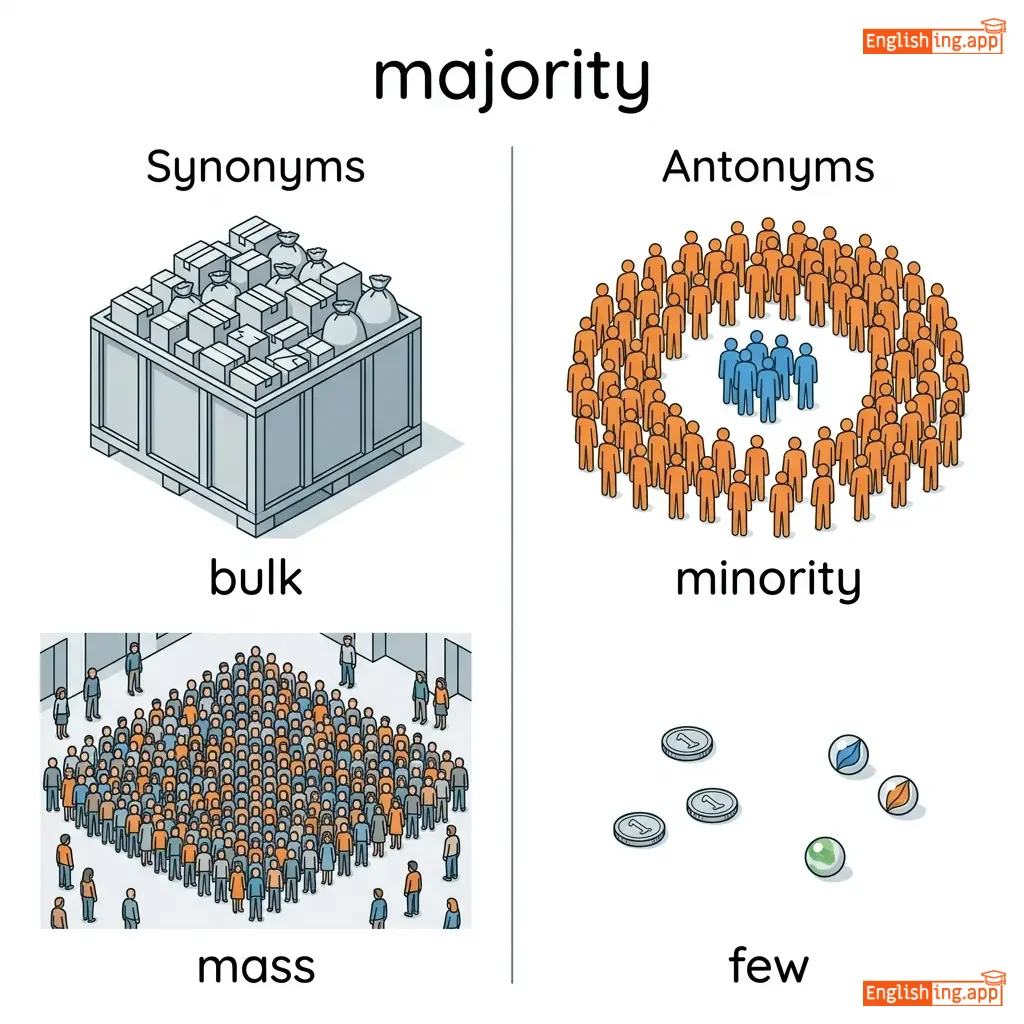
most, bulk, mass, plurality, preponderance
••••••
|
minority, few, handful, small portion
••••••
|
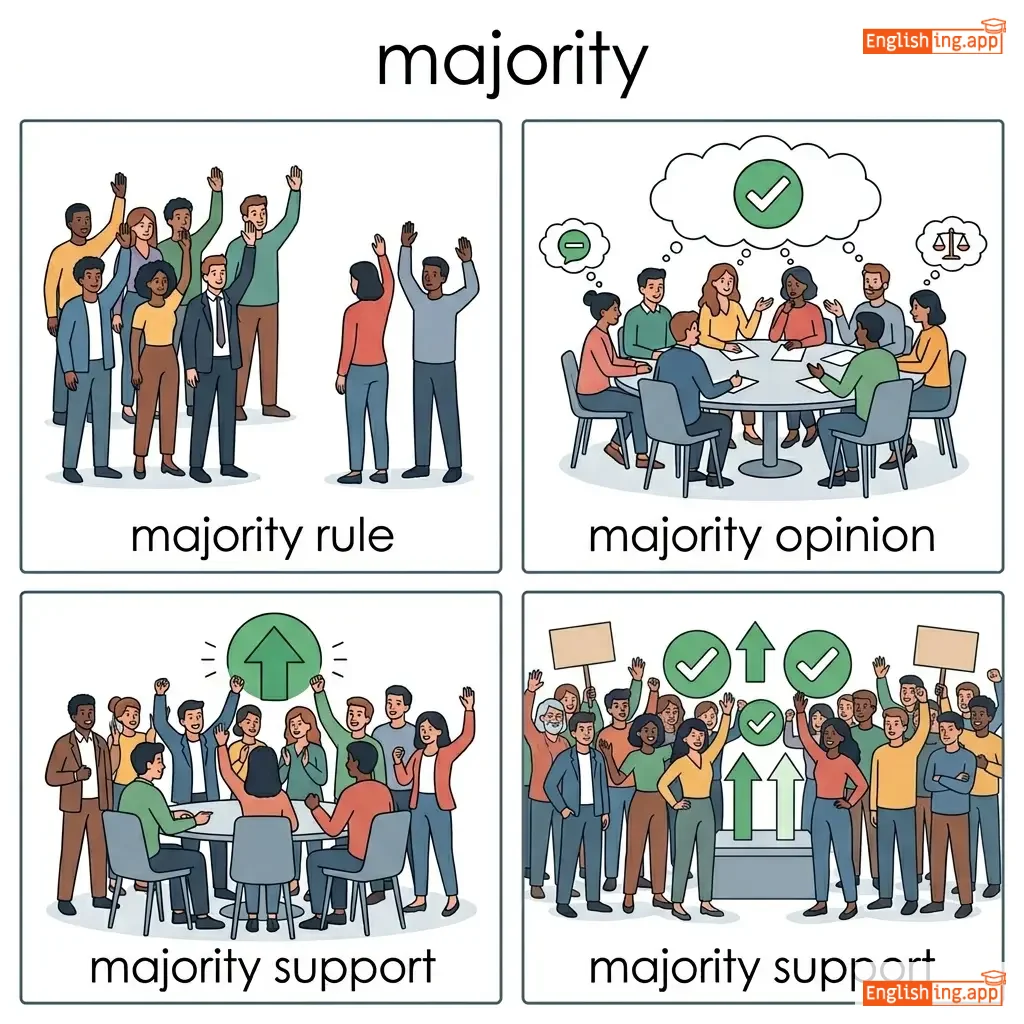
vast majority, simple majority, majority vote, majority opinion
••••••
|
多数 = 更多的数量,像 '多' = 更多
••••••
|
|
#809
🍲
|
/lʌntʃ/
noun
(lunch)
••••••
|
- •••••• |
午餐
wucan
••••••
|
a meal eaten in the middle of the day, typically one that is lighter or less formal than an evening meal
••••••
|
We had lunch at a nice restaurant downtown. |
我们在市中心的一家不错的餐厅吃了午餐。
Women zai shizhongxin de yijia bu cuo de canting chi le wucan.
••••••
|
midday meal, luncheon, noon meal
••••••
|
breakfast, dinner, supper
••••••
|
lunch break, pack lunch, business lunch
••••••
|
午餐是中午的餐点,轻松又美味
••••••
|
|
#810
🤒
|
/ˈmælədi/
noun
(马雷迪)
••••••
|
- •••••• |
病; 疾病; 麻烦
maledi
••••••
|
A disease or ailment; a serious problem
••••••
|
The doctor diagnosed a rare malady that affected her nervous system.
医生诊断出一种罕见的疾病,影响了她的神经系统。
••••••
|
医生诊断出一种罕见的疾病,影响了她的神经系统。
Yisheng zhenduan chu yizhong hanjian de jibing, yingxiang le ta de shenjing xitong.
••••••
|
disease, illness, ailment, disorder, affliction
••••••
|
health, wellness, vigor, strength
••••••
|
chronic malady, social malady, mysterious malady, hereditary malady
••••••
|
Malady in Chinese is related to illness, 'mal' meaning bad.
••••••
|
|
#811
🔥
|
/lʌst/
noun
(拉斯特)
••••••
|
- •••••• |
非常强烈的性欲;强烈的渴望某物
last
••••••
|
very strong sexual desire; a passionate desire for something
••••••
|
His lust for power corrupted him completely.
his lust for power corrupted him completely
••••••
|
他对权力的欲望完全腐蚀了他。
Ta dui quanli de yuwang wanquan fushi le ta.
••••••
|
desire, craving, passion, appetite
••••••
|
aversion, dislike, restraint
••••••
|
lust for power, lustful desires, overcome lust
••••••
|
Lust is a strong desire, like an urge to dominate or control.
••••••
|
|
#812
🤬
|
/ˌmæləˈdɪkʃən/
noun
(魔诅)
••••••
|
- •••••• |
诅咒
zuzhou
••••••
|
A magical word used to invoke a curse; an evil spell
••••••
|
The witch uttered a terrible malediction upon her enemies.
女巫对她的敌人施下了可怕的诅咒。
••••••
|
女巫对她的敌人施下了可怕的诅咒。
Nǚwū duì tā de dírén shī xià le kěpà de zǔzhòu.
••••••
|
curse, hex, spell, imprecation, anathema
••••••
|
blessing, benediction, praise, favor
••••••
|
ancient malediction, powerful malediction, utter a malediction, break a malediction
••••••
|
In Chinese, '诅咒' is a direct translation of curse, making it easier to connect with 'malediction'.
••••••
|
|
#813
💎
|
/ˈlʌk.ʃər.i/
noun
(lùkèxǐ)
••••••
|
- •••••• |
奢华
shēhuá
••••••
|
the state of great comfort and extravagant living; an inessential, desirable item that is expensive or difficult to obtain
••••••
|
They enjoyed the luxury of a five-star hotel.
他们享受着五星级酒店的奢华。
••••••
|
他们享受着五星级酒店的奢华。
Tāmen xiǎngshòuzhe wǔxīngjí jiǔdiàn de shēhuá.
••••••
|
extravagance, opulence, comfort, indulgence
••••••
|
necessity, simplicity, poverty
••••••
|
luxury hotel, luxury car, live in luxury
••••••
|
奢华 = luxury; Imagine staying in a luxurious five-star hotel in Beijing!
••••••
|
|
#814
😈
|
/ˈmælɪs/
noun
(马利斯)
••••••
|
- •••••• |
恶意; 仇恨; 敌意;
malisi
••••••
|
The intention or desire to do evil; ill will
••••••
|
There was no malice in his criticism, just honest feedback.
他的批评中没有恶意,只是诚实的反馈。
••••••
|
他的批评中没有恶意,只是诚实的反馈。
Tā de pīpíng zhōng méiyǒu èyì, zhǐshì chéngshí de fǎnkuì.
••••••
|
spite, hatred, venom, animosity, ill will
••••••
|
kindness, goodwill, benevolence, love
••••••
|
with malice, malice aforethought, pure malice, without malice
••••••
|
Malice sounds like '恶意' in Chinese, think of someone causing malice like '恶' (evil).
••••••
|
|
#815
🤔
|
/ˌmæk.ɪˈneɪ.ʃən/
noun
(mǎ-ki-néi-shùn)
••••••
|
- •••••• |
阴谋; 诡计;
yīnmóu; guǐjì;
••••••
|
a clever scheme or artful plot, usually with evil intent; crafty designing or plotting
••••••
|
The villain's machinations were finally exposed.
坏蛋的阴谋最终暴露了。
••••••
|
坏蛋的阴谋最终暴露了。
huài dàn de yīn móu zuì zhōng bào lù le.
••••••
|
plotting, scheming, conspiracy, intrigue
••••••
|
honesty, straightforwardness, openness
••••••
|
evil machinations, political machinations, secret machinations
••••••
|
阴谋 - 想法像机器的诡计
••••••
|
|
#816
🍽️
|
/ˌmælnuːˈtrɪʃən/
noun
(马尔营养不良)
••••••
|
- •••••• |
营养不良; 缺乏营养
yíngyǎng bù liáng
••••••
|
Lack of proper nutrition; poor nourishment
••••••
|
Malnutrition among children is a serious public health concern.
儿童营养不良是一个严重的公共卫生问题。
••••••
|
儿童营养不良是一个严重的公共卫生问题。
értóng yíngyǎng bù liáng shì yīgè yánzhòng de gōnggòng wèishēng wèntí.
••••••
|
undernourishment, starvation, deficiency, poor nutrition
••••••
|
nourishment, nutrition, wellness, healthy diet
••••••
|
severe malnutrition, childhood malnutrition, malnutrition rates, combat malnutrition
••••••
|
营养不良 = 孩子营养不够 = 健康问题
••••••
|
|
#817
🤪
|
/ˈmæd.nəs/
noun
(麦德内斯)
••••••
|
- •••••• |
疯狂; 疯狂的行为;
fengkuang; fengkuang de xingwei
••••••
|
the state of being mentally ill, especially severely; extremely foolish behavior
••••••
|
It would be madness to drive in this storm.
在这场风暴中开车是疯狂的。
••••••
|
在这场风暴中开车是疯狂的。
zai zhe chang fengbao zhong kaiche shi fengkuang de
••••••
|
insanity, lunacy, craziness, folly
••••••
|
sanity, rationality, wisdom
••••••
|
pure madness, madness to think, descent into madness
••••••
|
在暴风雨中开车就是疯狂!
••••••
|
|
#818
⚖️
|
/mælˈpræktɪs/
noun
(mālì pīngguī)
••••••
|
- •••••• |
医疗过失
yīliáo guòshī
••••••
|
Improper, illegal, or negligent professional behavior
••••••
|
The surgeon was sued for malpractice after the failed operation.
外科医生在手术失败后因医疗过失被起诉。
••••••
|
外科医生在手术失败后因医疗过失被起诉。
Wàikē yīshēng zài shǒushù shībài hòu yīn yīliáo guòshī bèi qǐsù.
••••••
|
negligence, misconduct, incompetence, unprofessionalism
••••••
|
competence, professionalism, proper practice, excellence
••••••
|
medical malpractice, malpractice lawsuit, malpractice insurance, legal malpractice
••••••
|
医疗过失就像错误的专业行为。
••••••
|
|
#819
👑
|
/ˌmæɡ.nəˈnɪ.mɪ.ti/
noun
(magnanimity)
••••••
|
|
宽宏大量; 慷慨
kuan hong da liang
••••••
|
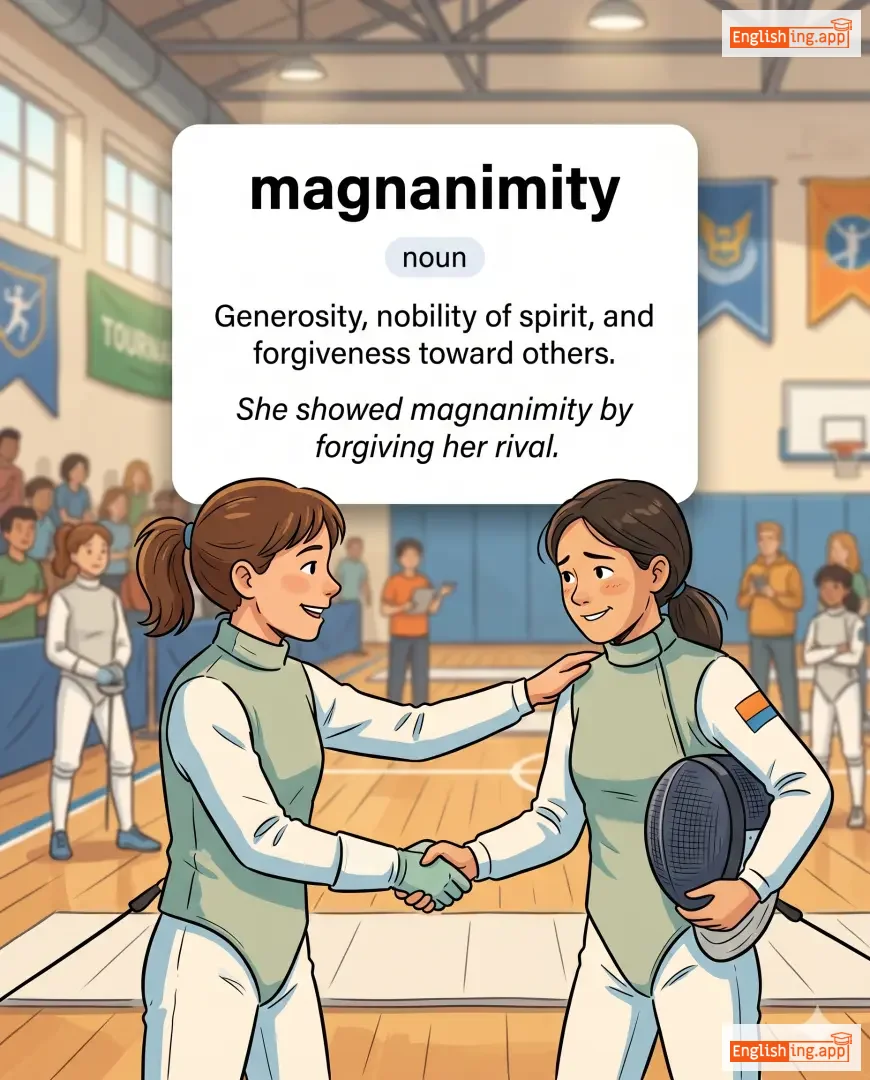
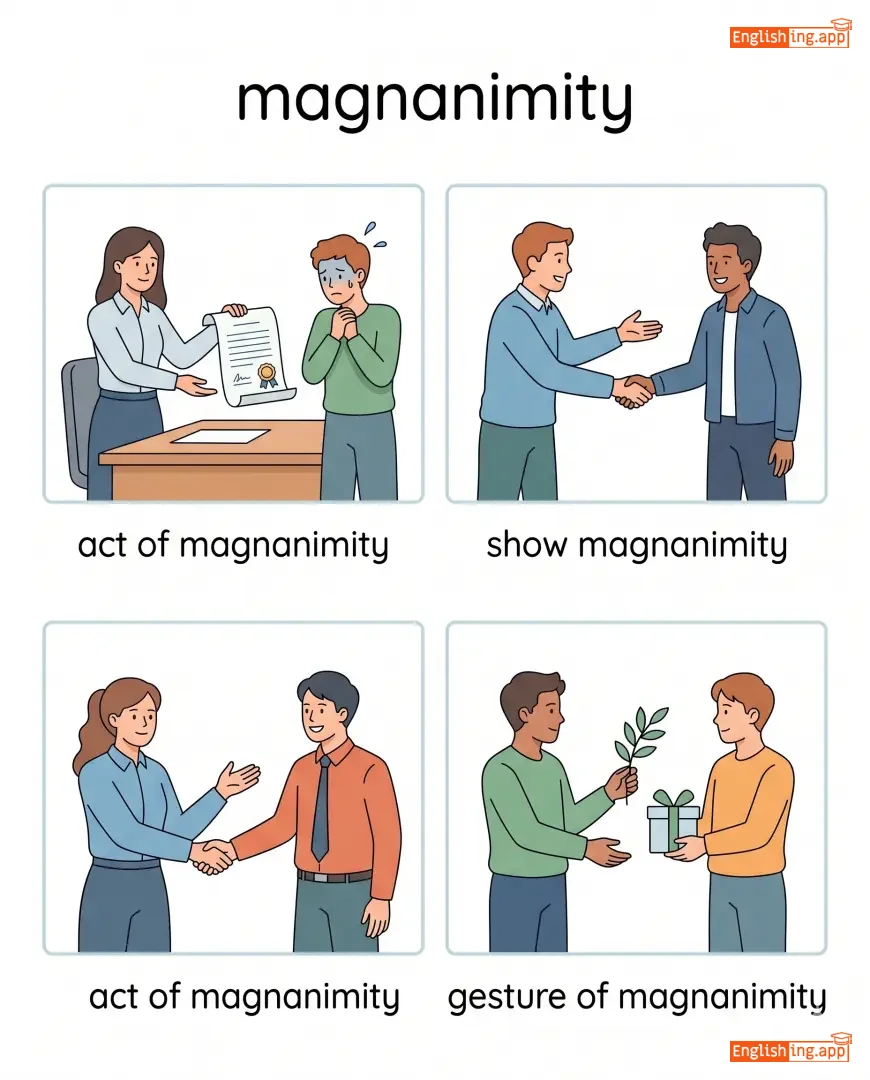
generosity in forgiving an insult or injury; nobility of spirit or action; generosity
••••••
|
He showed great magnanimity in victory. |
他在胜利中展现了伟大的宽宏大量。
Ta zai shengli zhong zhanshianle wei da de kuan hong da liang.
••••••
|
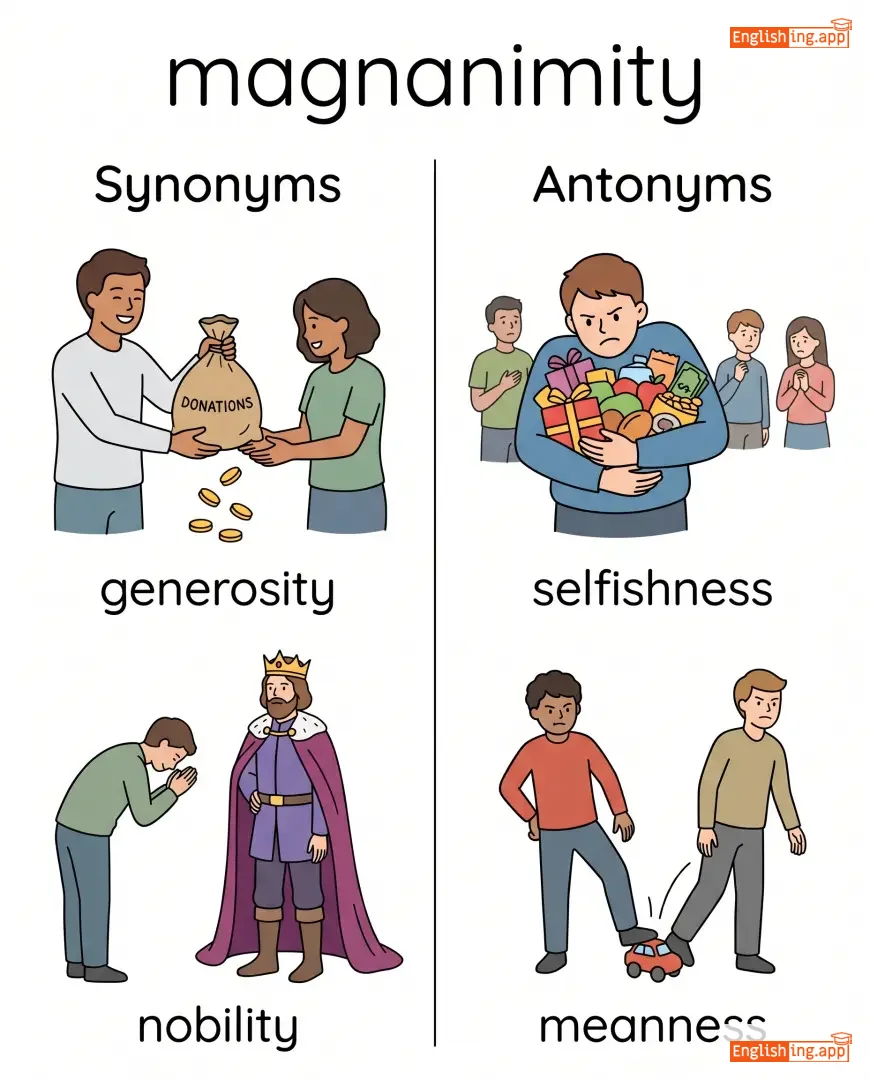
generosity, nobility, forgiveness, kindness
••••••
|
pettiness, meanness, vindictiveness
••••••
|
show magnanimity, act of magnanimity, great magnanimity
••••••
|
宽宏大量是一种高尚的心灵品质。
••••••
|
|
#820
🔥
|
/ˈmeɪniə/
noun
(疯狂)
••••••
|
- •••••• |
狂热; 极度的热情
kuángrè
••••••
|
Mental illness marked by periods of great excitement; extreme enthusiasm
••••••
|
She had a mania for collecting vintage postcards from around the world.
她有一个收集世界各地旧明信片的狂热。
••••••
|
她有一个收集世界各地旧明信片的狂热。
Tā yǒu yīgè shōují shìjiè gèdì jiù míngxìnpiàn de kuángrè.
••••••
|
obsession, craze, passion, frenzy, fixation
••••••
|
apathy, indifference, calm, tranquility
••••••
|
shopping mania, religious mania, sports mania, collecting mania
••••••
|
狂热 (kuángrè) is a passionate obsession, imagine someone collecting postcards from everywhere!
••••••
|
Vocabulary Quiz
Test your vocabulary by matching words with their translations or meanings.
Login to take the quiz
Comments (0)
Share your thoughts and join the discussion.
Join the discussion by logging in
Login to CommentNo comments yet
Be the first to share your thoughts!