


Swipe left or right, or use the buttons. Tap image to zoom.
例句翻译
单词
Lesson 26Lesson 26 - 遮罩切换
|
表情符号
|
单词 | Images | 翻译 | 含义 | 例句 | 例句翻译 | 同义词 | 反义词 | 搭配词 | 助记符 |
|---|---|---|---|---|---|---|---|---|---|---|
|
#501
🚪
|
/ˈɡeɪt.weɪ/
noun
(ゲートウェイ)
••••••
|
- •••••• |
入口; 大门
rùkǒu; dàmén
••••••
|
an entrance or opening that provides access to a place; a means of achieving a particular state or condition
••••••
|
The ancient stone gateway served as the entrance to the magnificent palace.
古老的石门作为通往宏伟宫殿的入口。
••••••
|
古老的石门作为通往宏伟宫殿的入口。
Gǔlǎo de shímén zuòwéi tōngwǎng hóngwěi gōngdiàn de rùkǒu.
••••••
|
entrance, portal, doorway, passage
••••••
|
exit, barrier, obstacle, blockade
••••••
|
gateway to success, gateway drug, internet gateway
••••••
|
In Chinese, 'rùkǒu' opens a world of possibilities, just like a gateway.
••••••
|
|
#502
👋
|
/ˈdʒes.tʃər/
noun
(ɡɛstʏr)
••••••
|
- •••••• |
手势
shǒushì
••••••
|
a movement of part of the body, especially a hand or the head, to express an idea or meaning
••••••
|
She made a welcoming gesture with her hands to invite the guests inside.
她用手做了一个欢迎的手势,邀请客人进来。
••••••
|
她用手做了一个欢迎的手势,邀请客人进来。
Tā yòng shǒu zuòle yīgè huānyíng de shǒushì, yāoqǐng kèrén jìnlái.
••••••
|
motion, signal, sign, indication
••••••
|
stillness, inaction, immobility, passivity
••••••
|
hand gesture, friendly gesture, gesture of goodwill
••••••
|
手势在中文里表示身体的动作来表达意思,像用手邀请别人进来。
••••••
|
|
#503
👁️
|
/ɡeɪz/
noun
(盖兹)
••••••
|
- •••••• |
定睛凝视;专注地看着某个方向
dìng jīng níng shì; zhuān zhù de kàn zhe mǒu gè fāng xiàng
••••••
|
a steady intent look; to look steadily and intently in a particular direction
••••••
|
She met his intense gaze across the crowded room and felt her heart skip a beat. |
她穿过拥挤的房间与他那凝视的眼神相遇,感到心跳停了一下。
Tā chuānguò yōng jǐ de fáng jiān yǔ tā nà níng shì de yǎn shén xiāng yù, gǎn dào xīn tiào tíng le yī xià.
••••••
|
stare, look, glance, regard
••••••
|
glance away, avoid looking, turn away, ignore
••••••
|
steady gaze, piercing gaze, admiring gaze
••••••
|
No •••••• |
|
#504
👻
|
/ɡoʊst/
noun
(ɡoʊst)
••••••
|
- •••••• |
鬼魂
guihun
••••••
|
an apparition of a dead person believed to be able to become visible to the living; a spirit
••••••
|
The old mansion was rumored to be haunted by the ghost of its former owner.
这座老宅据说被前主人幽灵的鬼魂所困扰。
••••••
|
据说这座老宅被前任主人的鬼魂困扰。
Jushuo zhezuo laozhai bei qianren zhuren de gui hun kunrao.
••••••
|
spirit, phantom, specter, apparition
••••••
|
living being, physical form, reality, substance
••••••
|
ghost story, ghost town, haunted by ghost
••••••
|
鬼魂-鬼影。像幽灵一样漂浮,带来寒冷。
••••••
|
|
#505
📰
|
/ɡəˈzet/
noun
(报纸)
••••••
|
- •••••• |
公报
gongbao
••••••
|
an official journal or newspaper, especially one published by an organization or government
••••••
|
The promotion was officially announced in the government gazette last week. |
这项晋升在上周的政府公报中正式公布。
Zhè xiàng jìnshēng zài shàng zhōu de zhèngfǔ gōngbào zhōng zhèngshì gōngbù.
••••••
|
journal, newspaper, publication, bulletin
••••••
|
private correspondence, secret document, classified information, unpublished material
••••••
|
government gazette, official gazette, gazette notification
••••••
|
公报是政府发布正式通知的地方。
••••••
|
|
#506
🗿
|
/ˈdʒaɪ.ənt/
noun
(dʒaɪənt)
••••••
|
- •••••• |
巨人;神话中的或想象中的人形生物,但超人类的尺寸
juren; shenhua zhong de huo xiangxiang zhong de renxing shengwu, dan chaorenlei de chijun
••••••
|
an imaginary or mythical being of human form but superhuman size; something of great size or force
••••••
|
The technology giant announced record profits for the third consecutive quarter.
科技巨头宣布连续第三个季度创下创纪录的利润。
••••••
|
科技巨头宣布连续第三个季度创下创纪录的利润。
Keji juti shenbu liánxù dì sān gè jìdù chuàngxià chuàngjìlù de lìrùn.
••••••
|
colossus, titan, behemoth, mammoth
••••••
|
dwarf, pygmy, miniature, tiny
••••••
|
technology giant, sleeping giant, corporate giant
••••••
|
想象一个巨人!他只是太强大了!
••••••
|
|
#507
💎
|
/dʒem/
noun
(杰姆)
••••••
|
- •••••• |
宝石
baoshi
••••••
|
a precious or semi-precious stone, especially when cut and polished or engraved; something prized for its beauty or worth
••••••
|
The antique necklace featured a rare sapphire gem surrounded by diamonds.
这条古董项链上镶嵌着一颗稀有的蓝宝石宝石,四周环绕着钻石。
••••••
|
这条古董项链上镶嵌着一颗稀有的蓝宝石宝石,四周环绕着钻石。
Zhè tiáo gǔdǒng xiàngliàn shàng xiāngqiàn zhe yī kē xīyǒu de lánbǎoshí bǎoshí, sìzhōu huánrào zhe zuànshí.
••••••
|
jewel, precious stone, treasure, gemstone
••••••
|
worthless stone, common rock, fake jewelry, imitation
••••••
|
precious gem, rare gem, hidden gem
••••••
|
想象一颗闪亮的蓝宝石被钻石环绕,就像一件古董珠宝。
••••••
|
|
#508
⚰️
|
/ˈdʒɪb.ɪt/
noun
(吉贝特)
••••••
|
- •••••• |
绞刑架
jiaoxingjia
••••••
|
a gallows for hanging criminals; an upright post with a projecting arm for hanging the bodies of criminals
••••••
|
In medieval times, criminals were often executed on a gibbet as a public warning. |
在中世纪,罪犯常常在绞刑架上被处决,作为公众警告。
zài zhōng shìjì, zuìfàn chángcháng zài jiǎo xíng jià shàng bèi chǔjué, zuòwéi gōngzhòng jǐnggào.
••••••
|
gallows, scaffold, hanging post, execution frame
••••••
|
sanctuary, safety, protection, refuge
••••••
|
public gibbet, medieval gibbet, gibbet execution
••••••
|
吉贝特是中文中代表罪犯绞死的绞刑架,形象地展示了‘Gibbet’的功能。
••••••
|
|
#509
⚧️
|
/ˈdʒen.dər/
noun
(性别)
••••••
|
- •••••• |
性别
xingbie
••••••
|
either of the two sexes (male and female); the range of characteristics pertaining to masculinity and femininity
••••••
|
The company promotes gender equality by ensuring equal opportunities for all employees.
公司通过确保所有员工享有平等的机会来促进性别平等。
••••••
|
公司通过确保所有员工享有平等的机会来促进性别平等。
Gongsī tōngguò quèbǎo suǒyǒu yuángōng xiǎngyǒu píngděng de jīhuì lái cùjìn xìngbié píngděng.
••••••
|
sex, classification, category, type
••••••
|
genderless, neutral, unspecified, ambiguous
••••••
|
gender equality, gender roles, gender identity
••••••
|
性别 (xingbie) – 两个性别的差异帮助我们更好理解男女之间的不同.
••••••
|
|
#510
🎁
|
/ɡɪft/
noun
(gift)
••••••
|
- •••••• |
礼物; 天赋;
lǐwù, tiānfù
••••••
|
a thing given willingly to someone without payment; a present; a natural ability or talent
••••••
|
She received a beautiful jewelry gift from her grandmother on her birthday.
她在生日时收到了祖母送的精美珠宝礼物。
••••••
|
她在生日时收到了祖母送的精美珠宝礼物。
Tā zài shēngrì shí shōu dào le zǔmǔ sòng de jīngměi zhūbǎo lǐwù.
••••••
|
present, offering, donation, talent
••••••
|
debt, burden, obligation, payment
••••••
|
birthday gift, gift wrap, natural gift
••••••
|
Gift in Chinese is '礼物' and it comes from the heart, just like the joy of receiving a gift.
••••••
|
|
#511
👨👩👧👦
|
/ˌdʒen.əˈreɪ.ʃən/
noun
(jiérénéishèn)
••••••
|
- •••••• |
一代人; 生产;
yīdài rén, shēngchǎn
••••••
|
all the people born and living at about the same time; the production or creation of something
••••••
|
Each generation faces unique challenges that shape their worldview and values.
每一代都面临着独特的挑战,这些挑战塑造了他们的世界观和价值观。
••••••
|
每一代都面临着独特的挑战,这些挑战塑造了他们的世界观和价值观。
Měi yī dài dōu miànlín zhe dútè de tiǎozhàn, zhèxiē tiǎozhàn sùzào le tāmen de shìjièguān hé jiàzhíguān.
••••••
|
cohort, age group, era, production
••••••
|
individual, single person, destruction, consumption
••••••
|
younger generation, generation gap, next generation
••••••
|
一代人创造了新的世界观。
••••••
|
|
#512
🫚
|
/ˈdʒɪn.dʒər/
noun
(dʒɪn.dʒər)
••••••
|
- •••••• |
姜
jiang
••••••
|
a hot fragrant spice made from the rhizome of a plant; the plant itself
••••••
|
The chef added fresh ginger to the stir-fry to enhance its flavor and aroma. |
厨师在炒菜中加入了新鲜的姜,以增强其味道和香气。
chushi zai chaocai zhong jiaru le xinxian de jiang, yi zengqiang qi weidao he xiangqi.
••••••
|
spice, root, rhizome, seasoning
••••••
|
bland ingredient, tasteless herb, mild spice, sweet element
••••••
|
fresh ginger, ginger root, ginger tea
••••••
|
No •••••• |
|
#513
🤲
|
/ˌdʒen.əˈrɒs.ə.ti/
noun
(慷慨)
••••••
|
- •••••• |
慷慨
kāngkǎi
••••••
|
the quality of being kind and generous; willingness to give money, help, kindness freely
••••••
|
The billionaire's generosity was evident in his numerous charitable donations to hospitals. |
亿万富翁的慷慨在他对医院的众多慈善捐赠中显而易见。
Yìwàn fùwēng de kāngkǎi zài tā duì yīyuàn de zhòngduō císhàn juānzèng zhōng xiǎn'ér yìjiàn.
••••••
|
kindness, benevolence, charity, magnanimity
••••••
|
stinginess, selfishness, greed, meanness
••••••
|
show generosity, act of generosity, overwhelming generosity
••••••
|
In Chinese, 慷慨 (kāngkǎi) represents the generous heart, just like the word generosity in English.
••••••
|
|
#514
💡
|
/dʒɪst/
noun
(吉斯特)
••••••
|
- •••••• |
要点
yaodian
••••••
|
the substance or essence of a speech or text; the main point
••••••
|
I missed the beginning of the lecture, but I caught the gist of the professor's argument.
我错过了讲座的开始,但我理解了教授论点的要点。
••••••
|
我错过了讲座的开始,但我理解了教授论点的要点。
Wo cuoguo le jiangzuo de kaishi, dan wo lijiule jiaoshou lundian de yaodian.
••••••
|
essence, core, substance, main point
••••••
|
detail, elaboration, complication, tangent
••••••
|
get the gist, main gist, gist of argument
••••••
|
Gist = 'Gist' sounds like '要点' in Chinese, which helps to remember the main point.
••••••
|
|
#515
🧠
|
/ˈdʒiː.ni.əs/
noun
(ˈdʒenius)
••••••
|
- •••••• |
天才
tiāncái
••••••
|
exceptional intellectual or creative power or other natural ability; a person who has such ability
••••••
|
Einstein was recognized as a genius for his groundbreaking contributions to physics. |
爱因斯坦因其在物理学上的开创性贡献而被认为是天才。
Ài yīn sī tǎn yīn qí zài wùlǐxué shàng de kāichuàng xìng gòngxiàn ér bèi rènwéi shì tiāncái.
••••••
|
brilliance, talent, intellect, mastermind
••••••
|
idiot, fool, mediocrity, dunce
••••••
|
mathematical genius, creative genius, evil genius
••••••
|
天才 = Genius = Smart
••••••
|
|
#516
✨
|
/ˈɡlæm.ər/
noun
(魅力)
••••••
|
- •••••• |
魅力; 吸引力; 魅惑;
mèilì; xīyǐn lì; mèihuò;
••••••
|
an attractive or exciting quality that makes certain people or things seem appealing; alluring charm
••••••
|
The glamour of Hollywood attracted young actors from around the world.
好莱坞的魅力吸引了世界各地的年轻演员。
••••••
|
好莱坞的魅力吸引了世界各地的年轻演员。
Hǎoláiwù de mèilì xīyǐnle shìjiè gèdì de niánqīng yǎnyuán.
••••••
|
charm, allure, appeal, magnetism
••••••
|
plainness, dullness, ordinariness, simplicity
••••••
|
Hollywood glamour, old glamour, glamour industry
••••••
|
The word '魅力' sounds like 'mèi lì' in Chinese, similar to the English 'glamour'.
••••••
|
|
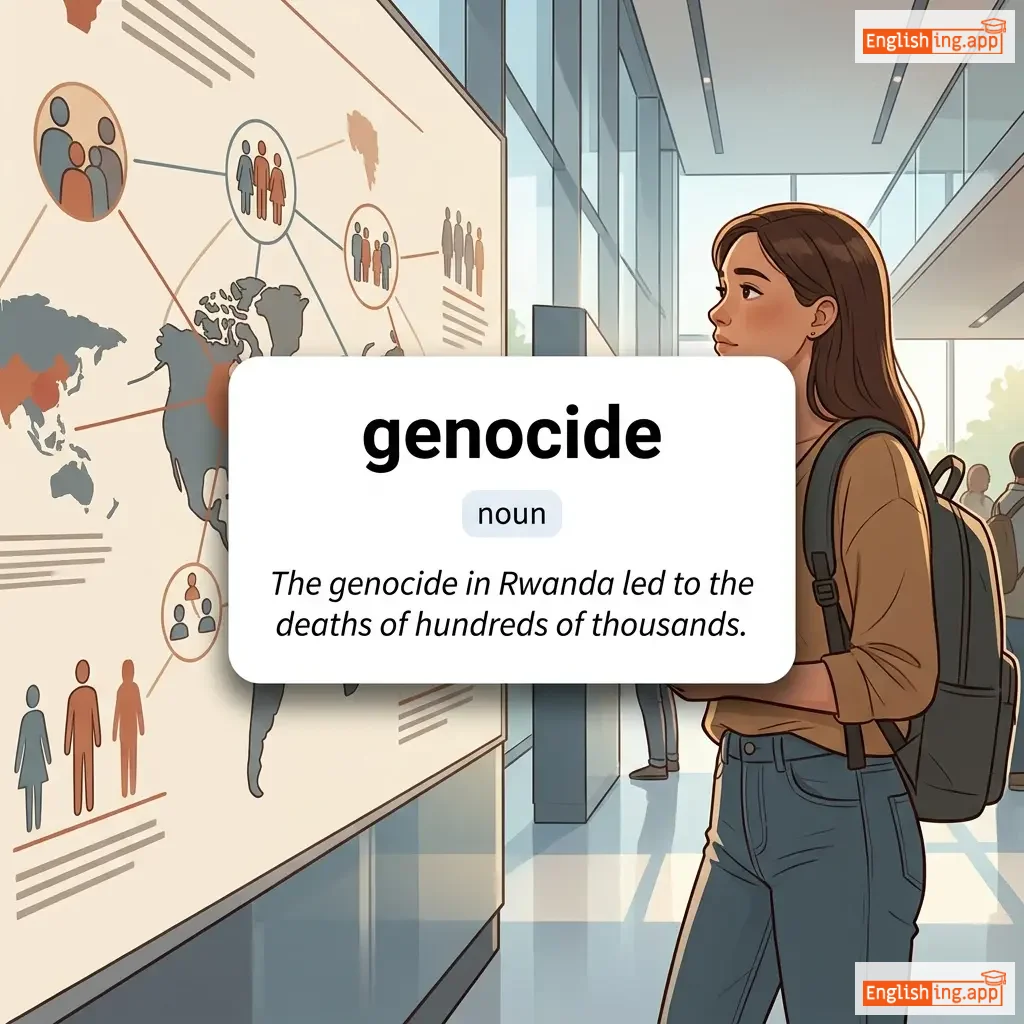
#517
☠️
|
/ˈdʒen.ə.saɪd/
noun
(种族灭绝)
••••••
|
|
种族灭绝
zhǒngzú mièjué
••••••
|
the deliberate killing of a large group of people, especially those of a particular ethnic group or nation
••••••
|
The international court condemned the systematic genocide committed during the war. |
国际法院谴责了在战争期间进行的系统性种族灭绝。
guójì fǎyuàn qiǎnzéle zài zhànzhēng qījiān jìnxíng de xìtǒngxì zhǒngzú mièjué.
••••••
|
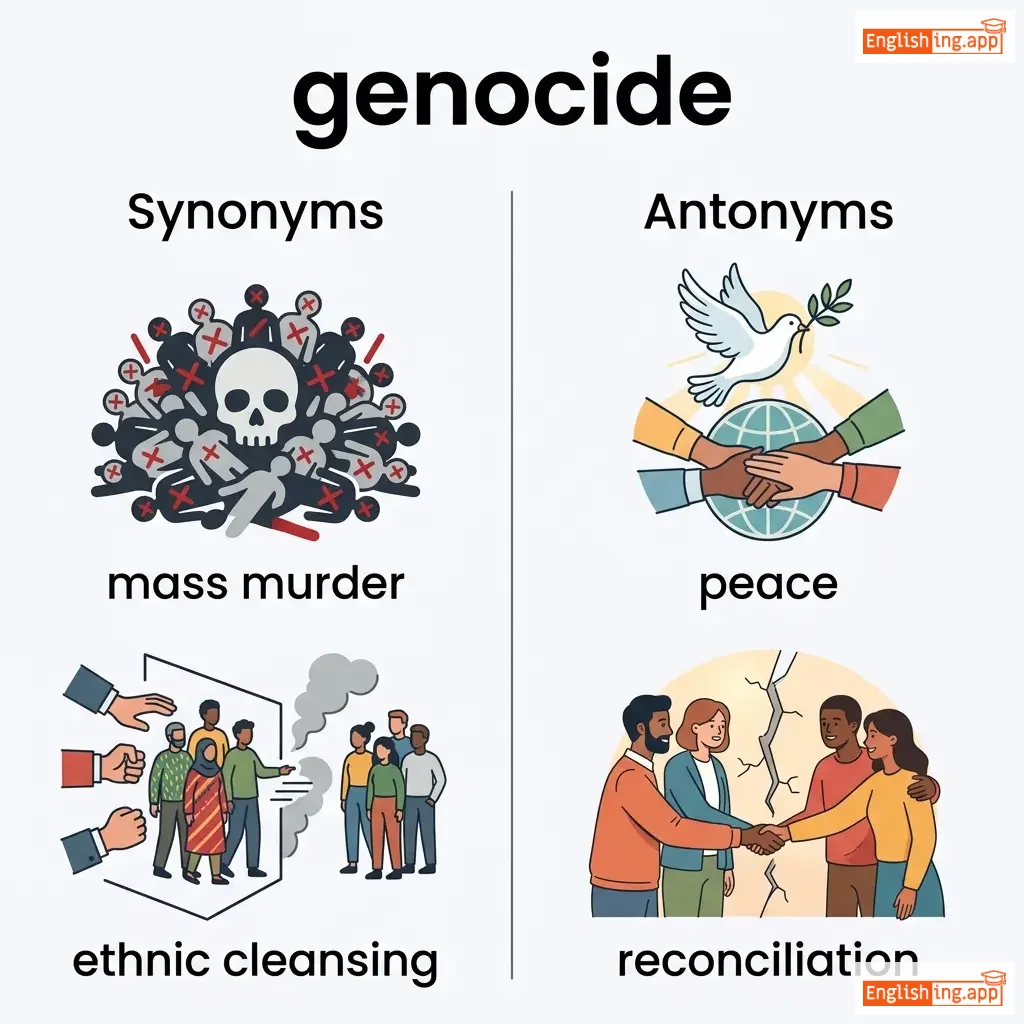
mass murder, ethnic cleansing, extermination, massacre
••••••
|
protection, preservation, salvation, rescue
••••••
|
prevent genocide, genocide prevention, ethnic genocide
••••••
|
种族灭绝是指杀害一个种族,像种族灭绝一样记住。
••••••
|
|
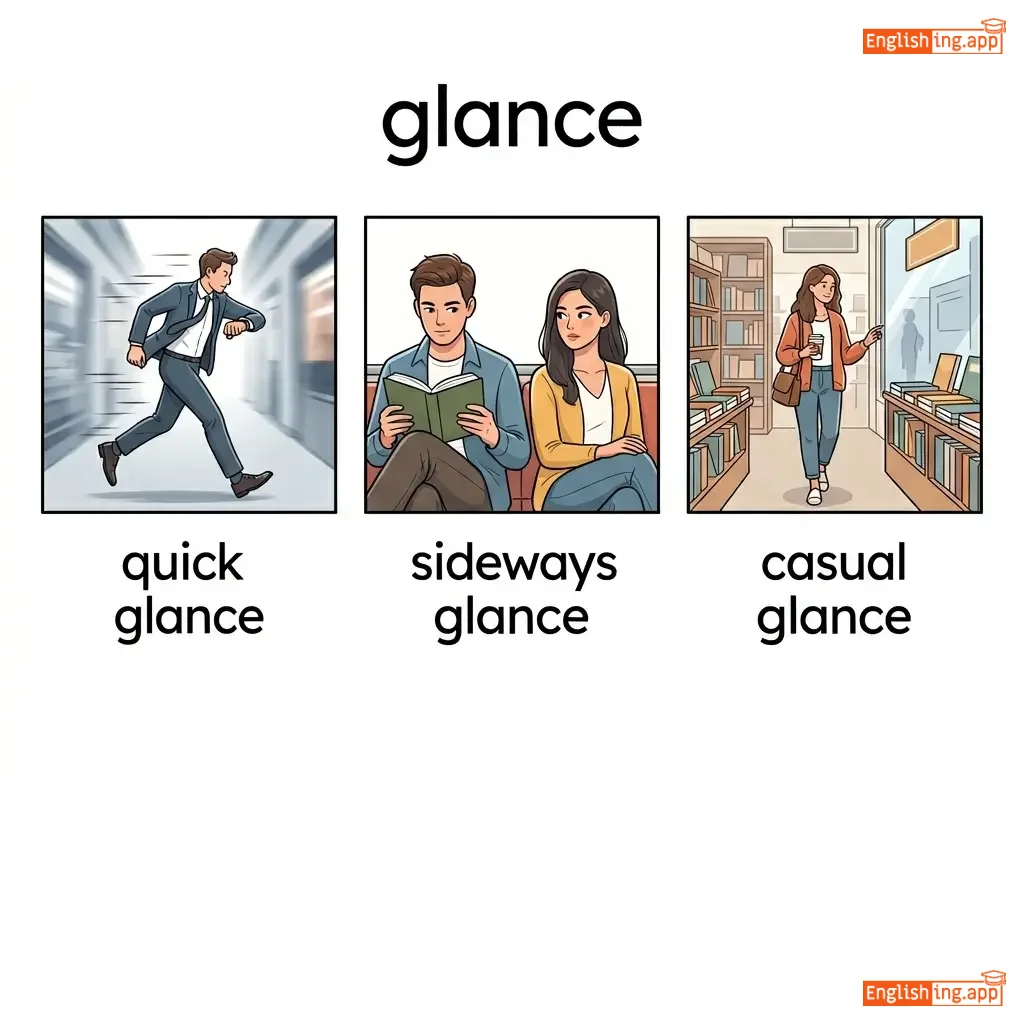
#518
👀
|
/ɡlæns/
noun
(格兰斯)
••••••
|
|
一瞥; 快速的看
yīpiē; kuàisù de kàn
••••••
|
a quick look; a brief or hurried look
••••••
|
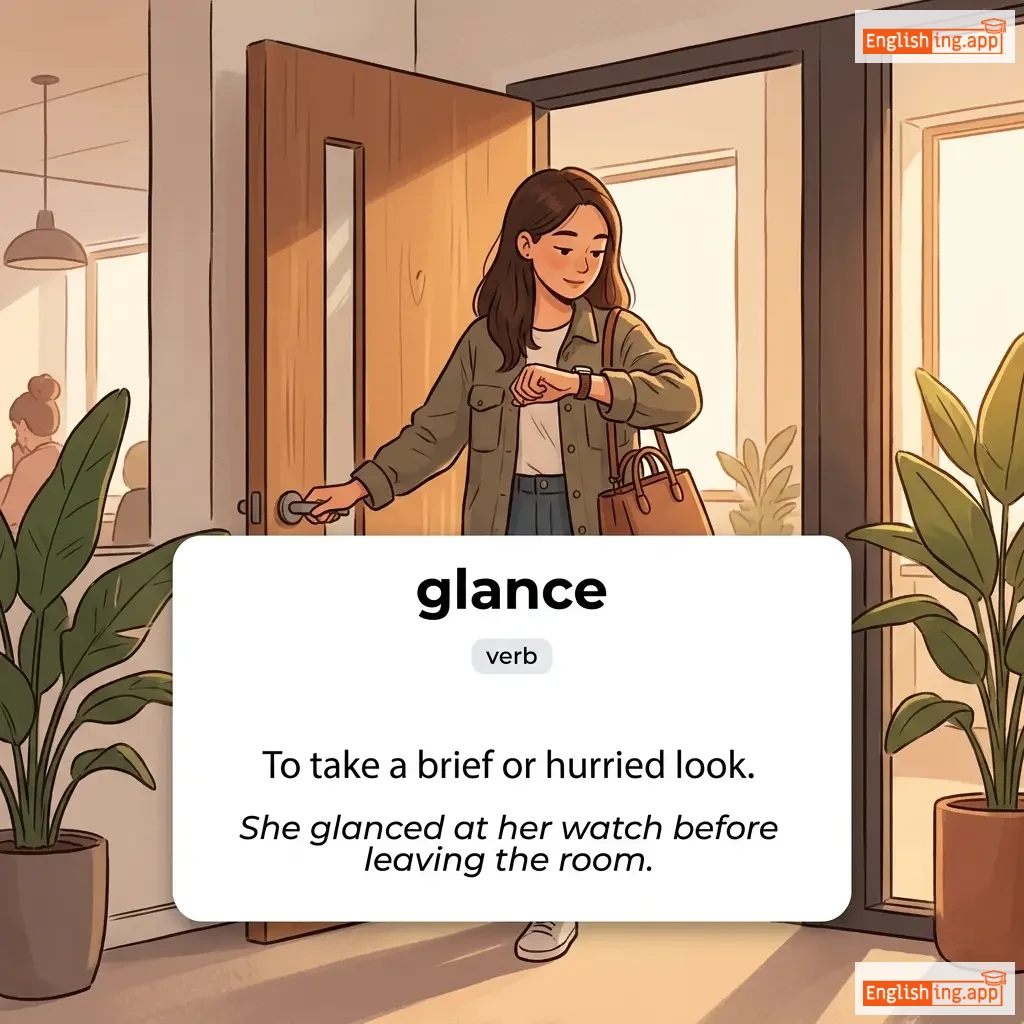
She took a quick glance at her watch to check the time before the meeting.
她快速地看了一眼手表,在会议前查看时间。
••••••
|
她快速地看了一眼手表,在会议前查看时间。
Tā kuàisù de kànle yī yǎn shǒubiǎo, zài huìyì qián chákàn shíjiān.
••••••
|
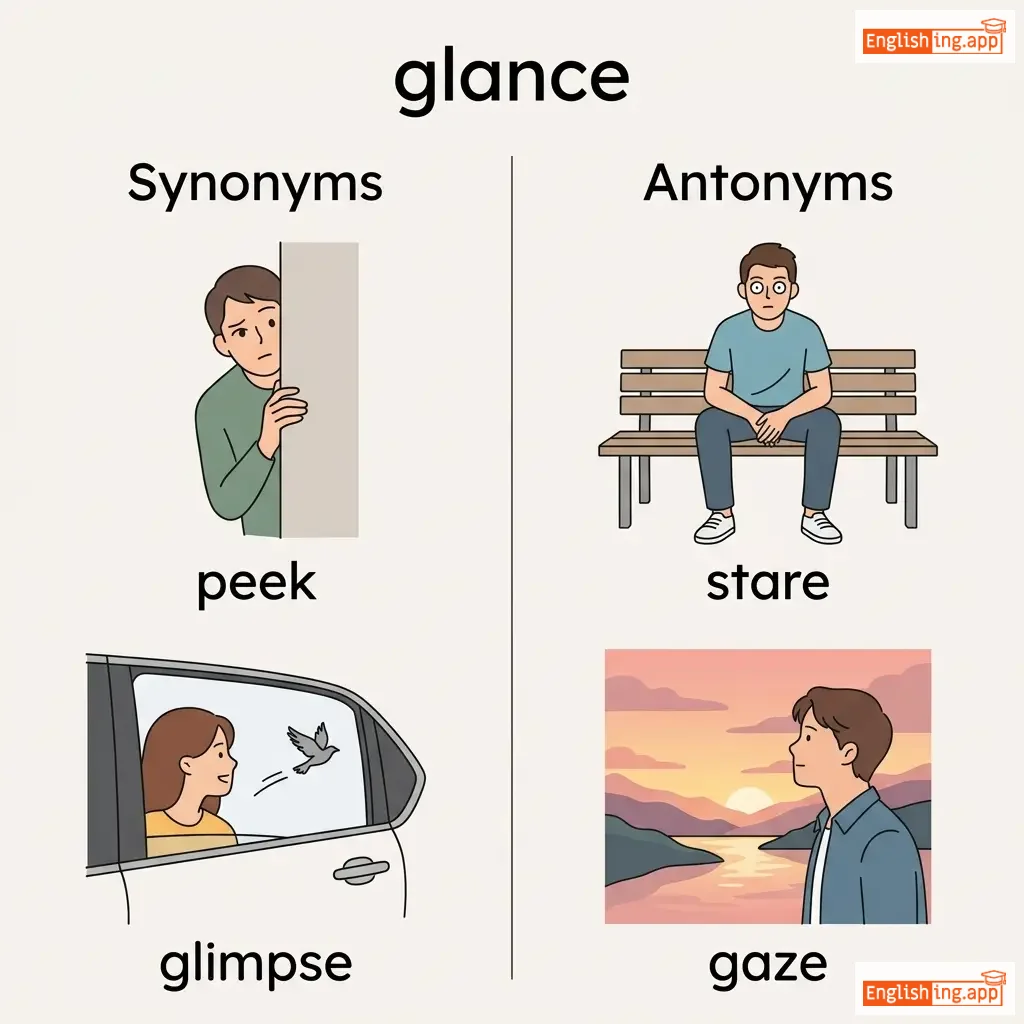
look, peek, glimpse, gaze
••••••
|
stare, scrutiny, examination, focus
••••••
|
quick glance, stolen glance, glance around
••••••
|
Glance – 快速一瞥手表,看看会议的时间。
••••••
|
|
#519
🎩
|
/dʒenˈtɪl.ə.ti/
noun
(绅士风度)
••••••
|
- •••••• |
绅士风度; 精致
shenshifengdu, jingzhi
••••••
|
social superiority as demonstrated by polite and refined manners; the quality of being well-mannered and refined
••••••
|
Her natural gentility and grace made her popular among high society circles. |
她的自然绅士风度和优雅使她在上层社会圈子中非常受欢迎。
Ta de ziran shenshifengdu he youya shi ta zai shangceng shehui quanzi zhong feichang shou huanying.
••••••
|
refinement, elegance, politeness, sophistication
••••••
|
rudeness, vulgarity, coarseness, boorishness
••••••
|
natural gentility, refined gentility, old-fashioned gentility
••••••
|
No •••••• |
|
#520
😠
|
/ɡler/
noun
(格勒尔)
••••••
|
- •••••• |
愤怒的或生气的凝视;强烈和刺眼的光线
fèn nù de huò shēng qì de níng shì; qiáng liè hé cì yǎn de guāng xiàn
••••••
|
a fierce or angry stare; a strong and dazzling light
••••••
|
The teacher's stern glare silenced the noisy students immediately.
老师严厉的目光立刻让吵闹的学生安静下来。
••••••
|
老师严厉的目光立刻让吵闹的学生安静下来。
lǎoshī yánlì de mùguāng lìkè ràng chǎonào de xuéshēng ānjìng xiàlái.
••••••
|
stare, scowl, brightness, dazzle
••••••
|
smile, gentleness, dimness, softness
••••••
|
angry glare, sun glare, glare of lights
••••••
|
格勒尔,愤怒的光亮凝视
••••••
|
Vocabulary Quiz
Test your vocabulary by matching words with their translations or meanings.
Login to take the quiz
Comments (0)
Share your thoughts and join the discussion.
Join the discussion by logging in
Login to CommentNo comments yet
Be the first to share your thoughts!