

Swipe left or right, or use the buttons. Tap image to zoom.
例句翻译
单词
Lesson 78Lesson 78 - 遮罩切换
|
表情符号
|
单词 | Images | 翻译 | 含义 | 例句 | 例句翻译 | 同义词 | 反义词 | 搭配词 | 助记符 |
|---|---|---|---|---|---|---|---|---|---|---|
|
#1541
🚢
|
/rek/
noun
(rek)
••••••
|
- •••••• |
破坏; 残骸;
pohuai; canhai;
••••••
|
the destruction or disabling of a ship or vehicle; something that has been badly damaged or destroyed
••••••
|
The car wreck blocked the highway for hours.
汽车事故封锁了高速公路好几个小时。
••••••
|
汽车事故封锁了高速公路好几个小时。
qiche shigu fengsuo le gaosu gonglu hao ji ge xiaoshi.
••••••
|
wreckage, ruin, destruction, crash
••••••
|
repair, construction, preservation, restoration
••••••
|
car wreck, ship wreck, train wreck
••••••
|
破坏是由于严重损坏或毁坏导致的。
••••••
|
|
#1542
🤪
|
/ˈzeɪni/
noun
(zèini)
••••••
|
- •••••• |
古怪,滑稽的人;爱玩的
guai, huaji de ren; ai wan de
••••••
|
amusingly unconventional and idiosyncratic; a comical person; foolishly playful
••••••
|
He has a zany sense of humor that makes everyone laugh. |
他有一个古怪的幽默感,让每个人都笑了。
Ta you yi ge guai de youmo gan, rang mei ge ren dou xiao le
••••••
|
silly, crazy, wacky, comical
••••••
|
serious, solemn, conventional, normal
••••••
|
zany humor, zany antics, zany character
••••••
|
一个让大家笑的古怪幽默感
••••••
|
|
#1543
👵
|
/ˈrɪŋkəl/
noun
(rinkel)
••••••
|
- •••••• |
皱纹
zhòuwén
••••••
|
a small line or fold in something, especially fabric or skin; a crease
••••••
|
She noticed a few wrinkles around her eyes. |
她注意到她眼睛周围有几条皱纹。
Tā zhùyì dào tā yǎnjīng zhōuwéi yǒu jǐ tiáo zhòuwén.
••••••
|
crease, fold, line, furrow
••••••
|
smoothness, flatness, evenness, youth
••••••
|
facial wrinkles, wrinkle cream, wrinkle-free
••••••
|
皱纹就像衣服上的褶皱,随着时间的推移出现。
••••••
|
|
#1544
🔥
|
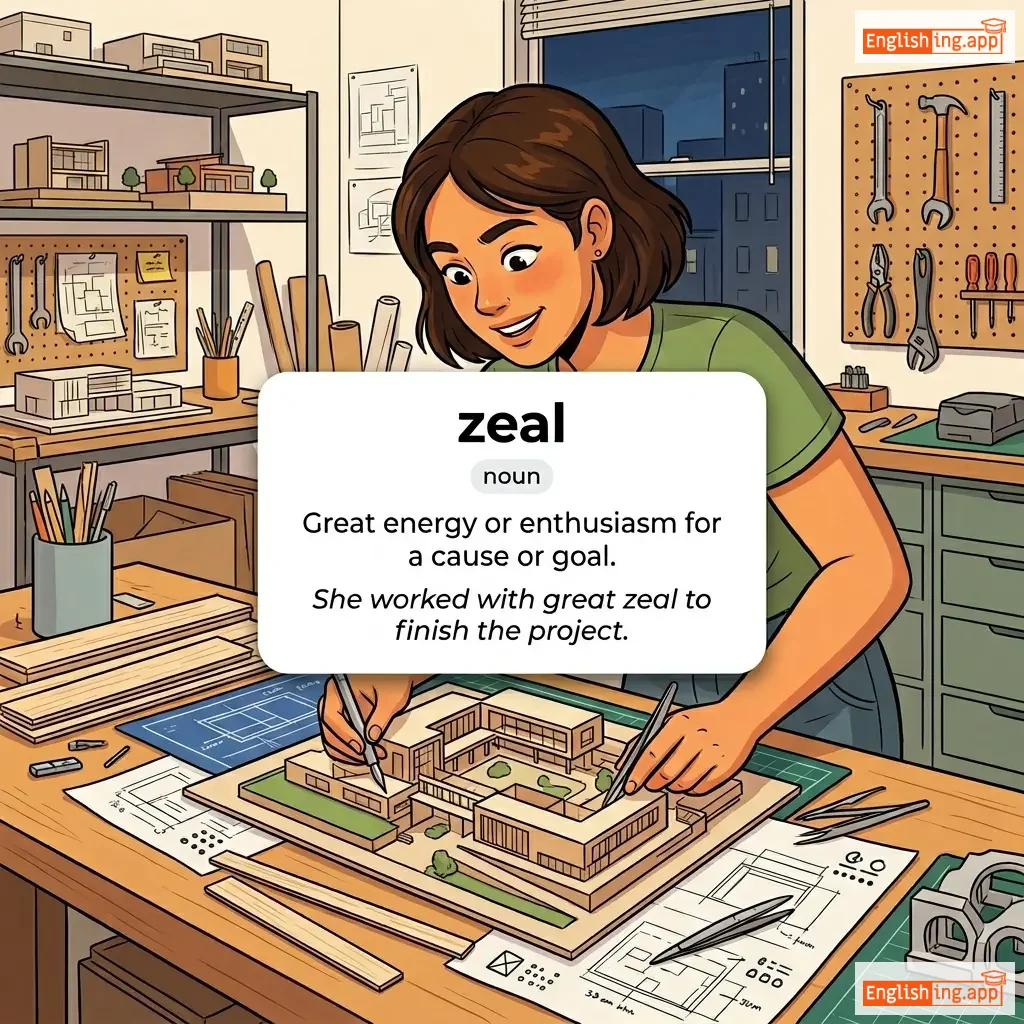
/ziːl/
noun
(zīl)
••••••
|
|
热情; 热忱;
rèqíng; rèchén
••••••
|
great energy or enthusiasm in pursuit of a cause or objective; passionate dedication
••••••
|
She worked with great zeal to help the poor.
她带着极大的热情工作,帮助贫困的人。
••••••
|
她带着极大的热情工作,帮助贫困的人。
Tā dàizhe jídà de rèqíng gōngzuò, bāngzhù pínkùn de rén.
••••••
|
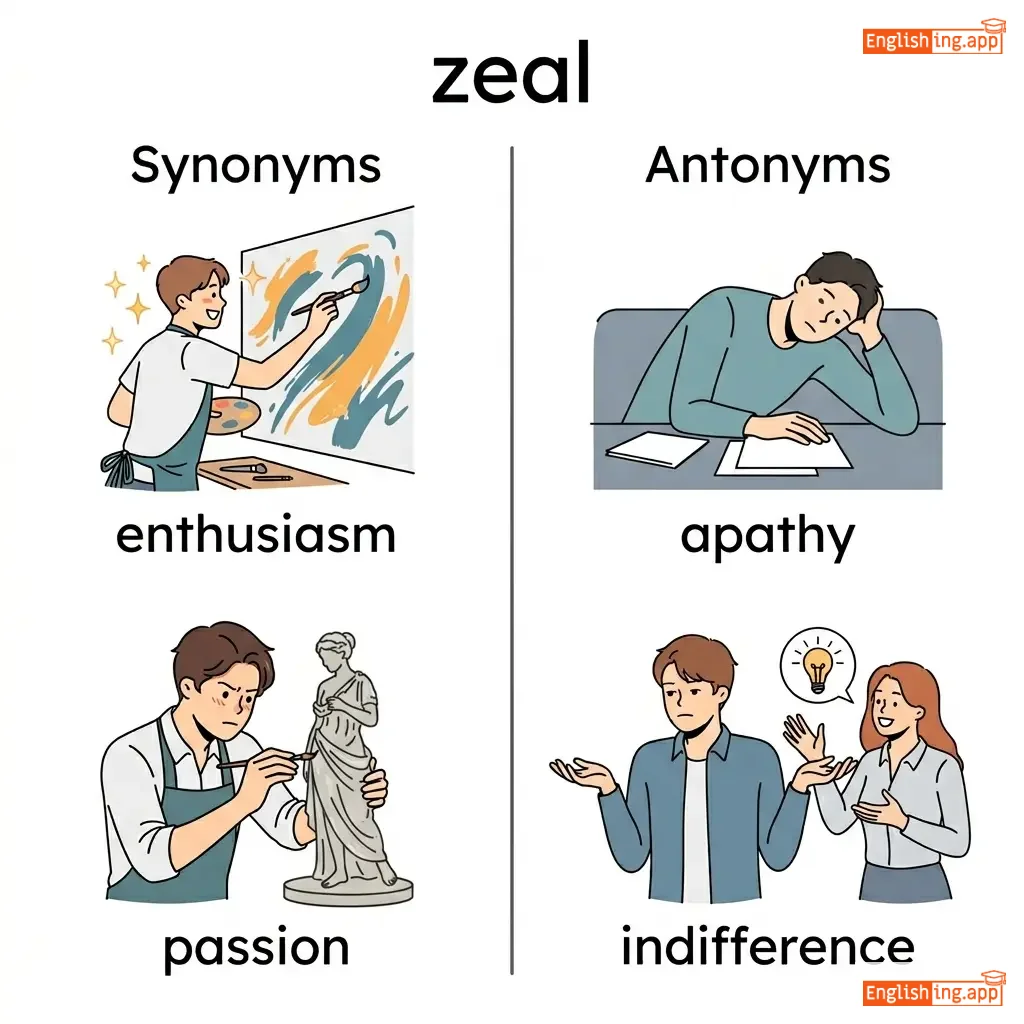
enthusiasm, passion, fervor, dedication
••••••
|
apathy, indifference, lethargy, laziness
••••••
|
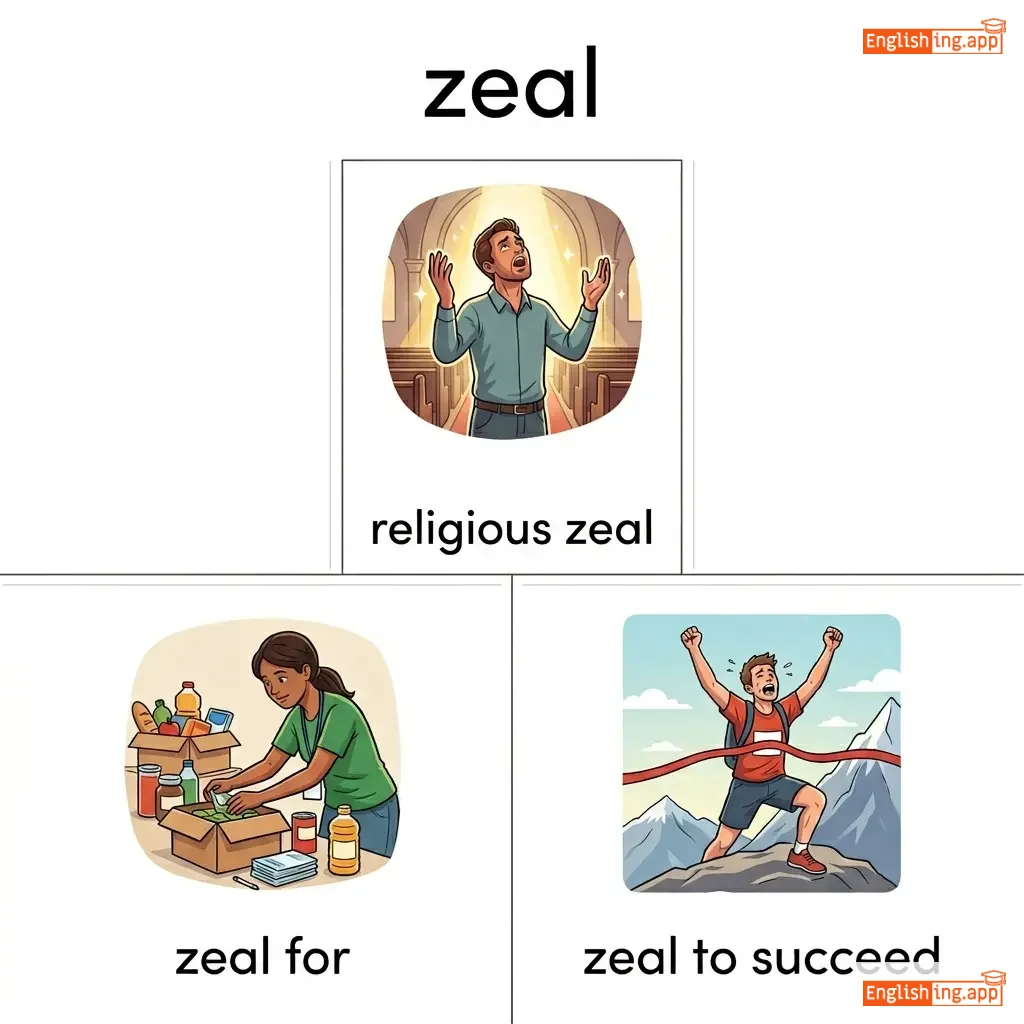
religious zeal, missionary zeal, work with zeal
••••••
|
热情是你在努力工作时所需要的动力!
••••••
|
|
#1545
🏡
|
/jɑːrd/
noun
(院子)
••••••
|
- •••••• |
院子; 附近的空地
yuànzi; fùjìn de kòngdì
••••••
|
a unit of linear measure equal to 3 feet; an area of land immediately adjacent to a building
••••••
|
The children played in the back yard. |
孩子们在后院玩耍。
Háizimen zài hòuyuàn wánshuǎ
••••••
|
courtyard, garden, measure, enclosure
••••••
|
indoor, interior, inside, building
••••••
|
back yard, front yard, school yard
••••••
|
Yard = 院子,孩子们在院子里玩
••••••
|
|
#1546
🏠
|
/zɪˈnɑːnə/
noun
(泽娜娜)
••••••
|
- •••••• |
泽娜娜
zenanna
••••••
|
the part of a house reserved for women; women's quarters in Muslim households; harem
••••••
|
The zenanna was beautifully decorated with intricate patterns. |
泽娜娜用复杂的图案美丽地装饰。
Zenanna yòng fùzá de tú'àn měilì de zhuāngshì.
••••••
|
harem, women's quarters, purdah, seraglio
••••••
|
public space, mixed area, open house, common room
••••••
|
traditional zenanna, zenanna system, zenanna quarters
••••••
|
Zenanna 就像女性的专属空间,像后宫一样。
••••••
|
|
#1547
🧶
|
/jɑːrn/
noun
(yarn)
••••••
|
- •••••• |
纱线
shaxian
••••••
|
spun thread used for knitting, weaving, or sewing; a long or rambling story
••••••
|
She bought colorful yarn for knitting a sweater. |
她买了彩色的纱线来编织一件毛衣。
Ta mǎi le cǎisè de shāxiàn lái biānzhī yī jiàn máoyī.
••••••
|
thread, fiber, wool, string
••••••
|
fabric, cloth, material, textile
••••••
|
wool yarn, cotton yarn, spin yarn
••••••
|
纱线 (shaxian) 用于编织毛衣。
••••••
|
|
#1548
⚡
|
/zest/
noun
(zest)
••••••
|
- •••••• |
热情;精力与兴奋;柑橘类水果的外皮
reqing
••••••
|
great enthusiasm and energy; excitement and vigor; the outer peel of a citrus fruit
••••••
|
She approached the new job with tremendous zest.
她带着极大的热情投入新工作。
••••••
|
她带着极大的热情投入新工作。
Ta daizhe jida de reqing touru xin gongzuo.
••••••
|
enthusiasm, vigor, passion, excitement
••••••
|
apathy, lethargy, indifference, boredom
••••••
|
zest for life, with great zest, lemon zest
••••••
|
Zest是你心中的柑橘热情!
••••••
|
|
#1549
😪
|
/jɔːn/
noun
(yawn)
••••••
|
- •••••• |
哈欠
haqian
••••••
|
an involuntary opening of the mouth and inhalation of air due to tiredness or boredom
••••••
|
She couldn't suppress a yawn during the boring lecture. |
她在无聊的讲座中无法抑制哈欠。
Ta zai wuliao de jiangzuo zhong wufa yizhi haqian.
••••••
|
gape, stretch, drowse, tired breath
••••••
|
alertness, attention, wakefulness, energy
••••••
|
big yawn, suppress a yawn, contagious yawn
••••••
|
哈欠(haqian)像是我们在感到疲惫或无聊时常做的动作。
••••••
|
|
#1550
⚡
|
/ˈzɪɡzæɡ/
noun
(zigzag)
••••••
|
- •••••• |
具有突然的交替向左和向右转的路径或线条;急转弯的图案
jùyǒu túrán de jiāotì xiàng zuǒ hé xiàng yòu zhuǎn de lùjìng huò xiàntiáo; jí zhuǎnwān de tú'àn
••••••
|
a line or course having abrupt alternate right and left turns; a pattern of sharp turns
••••••
|
The road follows a zigzag pattern up the mountain.
这条路在山上呈锯齿形曲线。
••••••
|
这条路在山上呈锯齿形曲线。
Zhè tiáo lù zài shān shàng chéng jùchǐxíng qūxiàn.
••••••
|
winding, meandering, serpentine, crooked
••••••
|
straight, direct, linear, smooth
••••••
|
zigzag pattern, zigzag line, zigzag path
••••••
|
锯齿形就像 zigzag 一样,弯来弯去
••••••
|
|
#1551
😱
|
/jel/
noun
(yīl)
••••••
|
|
叫喊; 尖叫; 哭喊
jiao han; jian jiao; ku han
••••••
|
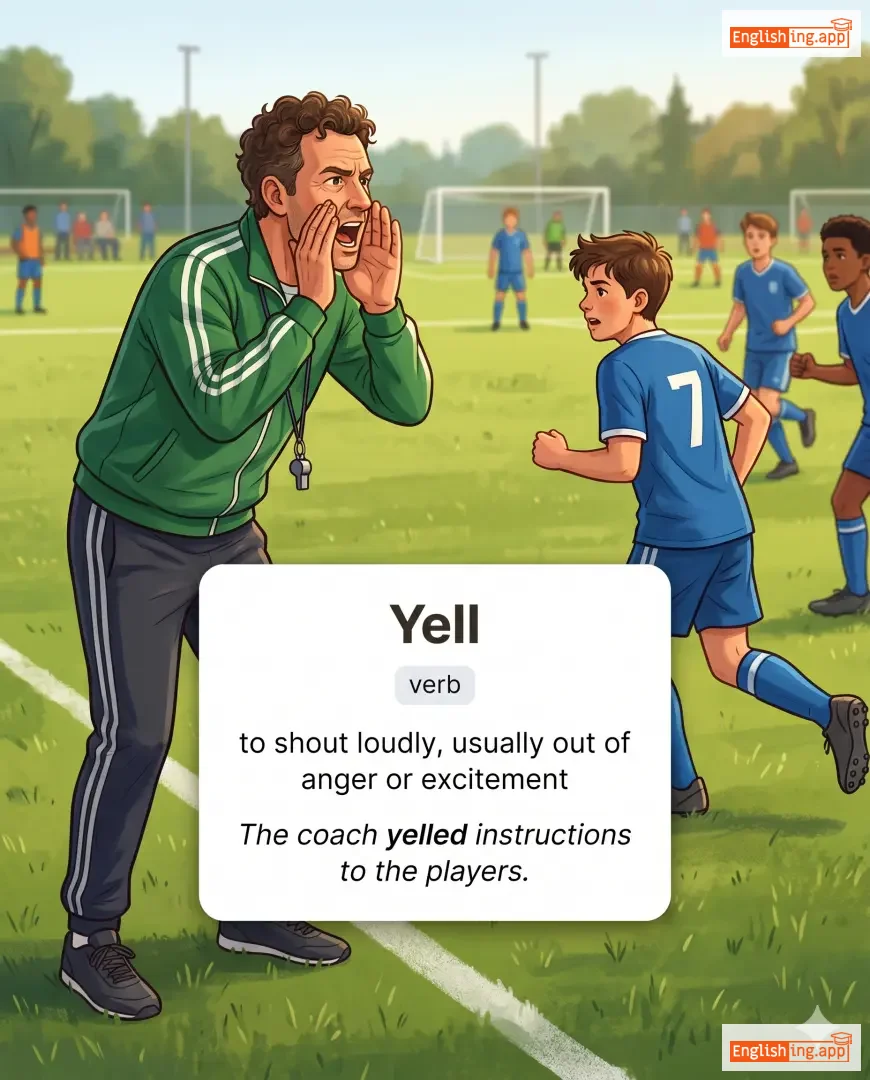
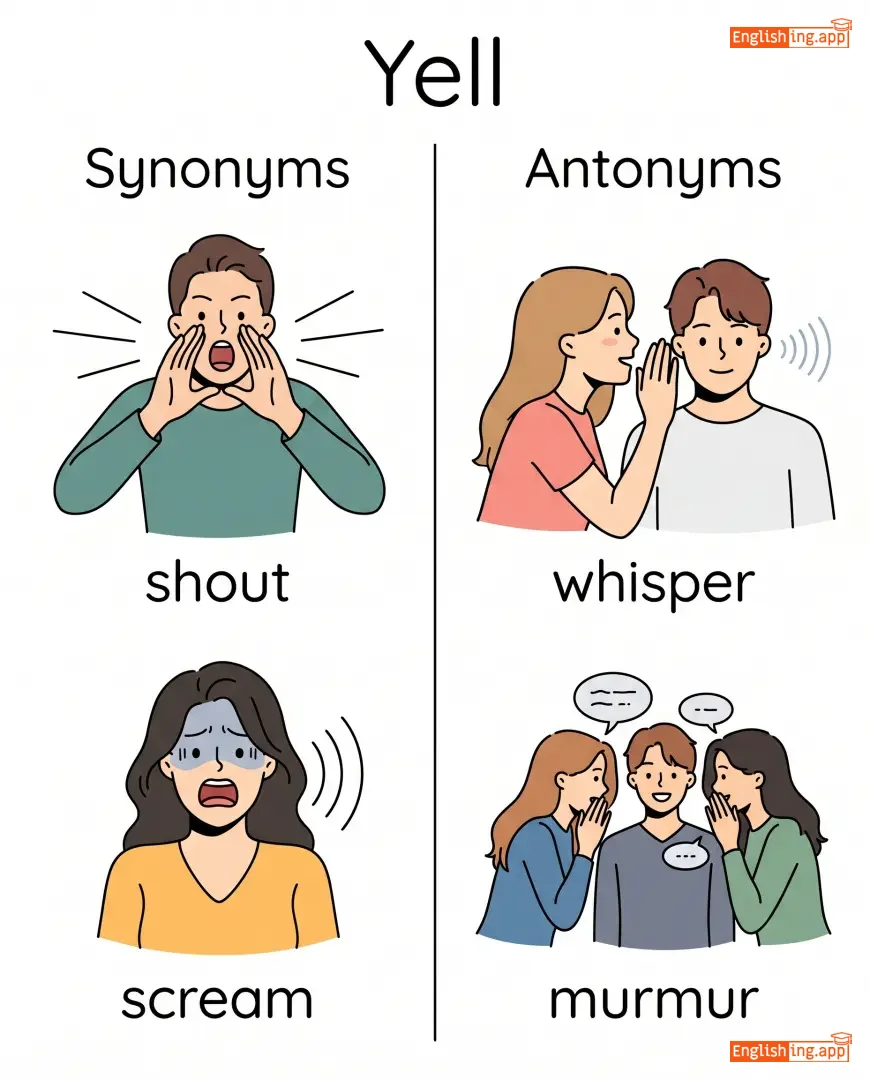
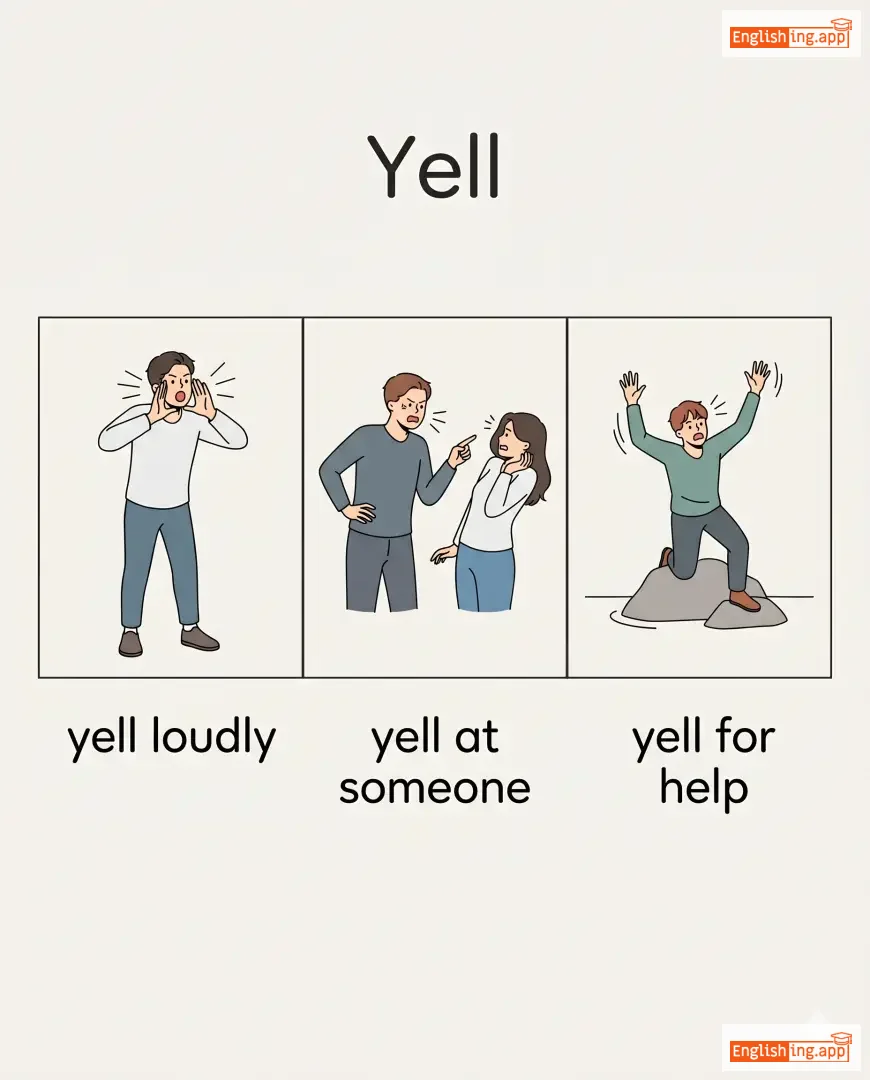
a loud, sharp cry of pain, surprise, or delight; to shout loudly
••••••
|
He let out a yell when he saw the spider. |
他看到蜘蛛时发出了尖叫。
Tā kàn dào zhīzhū shí fāchūle jiānjiào.
••••••
|
shout, scream, cry, howl
••••••
|
whisper, murmur, silence, quiet
••••••
|
loud yell, angry yell, yell for help
••••••
|
Mandarin 'jiào hǎn' (shouting) and English 'yell' both refer to loud cries.
••••••
|
|
#1552
♑
|
/ˈzoʊdiæk/
noun
(紫微斗数)
••••••
|
- •••••• |
星座
xingzuo
••••••
|
a belt of the heavens within which lie the paths of the sun, moon, and planets; the twelve astrological signs
••••••
|
What is your zodiac sign?
你的紫微斗数是什么?
••••••
|
你的星座是什么?
ni de xingzuo shi shenme?
••••••
|
horoscope, star signs, astrology, constellation
••••••
|
science, facts, reality, astronomy
••••••
|
zodiac sign, zodiac calendar, Chinese zodiac
••••••
|
Zodiac = 星座 = star zodiac
••••••
|
|
#1553
🦁
|
/zuː/
noun
(zoo)
••••••
|
- •••••• |
动物园
dongwuyuan
••••••
|
an establishment that maintains a collection of wild animals for study, conservation, or display to the public
••••••
|
We visited the zoo to see the lions and elephants.
我们参观了动物园,看到了狮子和大象。
••••••
|
我们参观了动物园,看到了狮子和大象。
Wo men canguan le dongwuyuan, kankan le shizi he daxiang.
••••••
|
menagerie, wildlife park, safari park, animal park
••••••
|
wild habitat, natural environment, wilderness, freedom
••••••
|
visit the zoo, zoo animals, city zoo
••••••
|
动物园,像‘Zoo’,是我们可以看到动物的地方。
••••••
|
|
#1554
🐄
|
/joʊk/
noun
(尤克)
••••••
|
- •••••• |
轭
è
••••••
|
a wooden crosspiece that is fastened over the necks of two animals and attached to a plow or cart; a burden or oppressive situation
••••••
|
The oxen were joined by a wooden yoke.
这些牛被木制的轭连接在一起。
••••••
|
这些牛被木制的轭连接在一起。
Zhèxiē niú bèi mù zhì de è lián jiē zài yīqǐ.
••••••
|
harness, burden, bond, restraint
••••••
|
freedom, liberation, independence, release
••••••
|
wooden yoke, under the yoke, yoke of oppression
••••••
|
Yoke sounds like '轭' which helps you remember the burden borne by animals.
••••••
|
|
#1555
🍳
|
/joʊlk/
noun
(yolk)
••••••
|
- •••••• |
蛋黄
dàn huáng
••••••
|
the yellow internal part of a bird's egg, especially a hen's egg, which is rich in protein and fat
••••••
|
She separated the egg white from the yolk. |
她将蛋清与蛋黄分开。
Tā jiāng dànqīng yǔ dànhuáng fēnkāi.
••••••
|
egg center, yellow part, vitellus, nucleus
••••••
|
egg white, albumen, shell, exterior
••••••
|
egg yolk, runny yolk, separate the yolk
••••••
|
Dàn huáng, jī dàn de huáng sè
••••••
|
|
#1556
🧒
|
/ˈjʌŋstər/
noun
(yángsī tè)
••••••
|
- •••••• |
年轻人; 一个孩子或青少年; 经验较年轻的人
niánqīngrén; yīgè háizi huò qīngshàonián; jīngyàn jiào niánqīng de rén
••••••
|
a young person; a child or teenager; someone who is young in experience
••••••
|
The youngster showed great talent in sports.
这个年轻人在运动中展示了很大的天赋。
••••••
|
这个年轻人在运动中展示了很大的天赋。
Zhège niánqīngrén zài yùndòng zhōng zhǎnshìle hěn dà de tiānfù.
••••••
|
youth, teenager, adolescent, kid
••••••
|
adult, elder, senior, oldster
••••••
|
talented youngster, bright youngster, local youngsters
••••••
|
Youngsters (年轻人) show their great potential in sports.
••••••
|
|
#1557
👦
|
/juːθ/
noun
(youth)
••••••
|
- •••••• |
青春; 年轻人
qīngchūn; niánqīng rén
••••••
|
the period between childhood and adult age; young people collectively; the state of being young
••••••
|
He spent his youth traveling around the world.
他在年轻时环游世界。
••••••
|
他在年轻时环游世界。
Tā zài niánqīng shí huán yóu shìjiè.
••••••
|
adolescence, teenage years, young people, vigor
••••••
|
old age, maturity, elderhood, adulthood
••••••
|
in one's youth, youth culture, eternal youth
••••••
|
青春在中文中代表年轻和无限的可能性!
••••••
|
Vocabulary Quiz
Test your vocabulary by matching words with their translations or meanings.
Login to take the quiz
Comments (0)
Share your thoughts and join the discussion.
Join the discussion by logging in
Login to CommentNo comments yet
Be the first to share your thoughts!