

Swipe left or right, or use the buttons. Tap image to zoom.
例句翻译
单词
Lesson 31Lesson 31 - 遮罩切换
|
表情符号
|
单词 | Images | 翻译 | 含义 | 例句 | 例句翻译 | 同义词 | 反义词 | 搭配词 | 助记符 |
|---|---|---|---|---|---|---|---|---|---|---|
|
#601
🏠
|
/hoʊst/
noun
(hòu sī)
••••••
|
- •••••• |
主人; 接待客人或娱乐他们的人; 大量的东西
zhǔrén; jiēdài kèrén huò yúlè tāmen de rén; dàliàng de dōngxi
••••••
|
a person who receives or entertains other people as guests; a large number of things
••••••
|
The gracious host welcomed all the guests with warm smiles and refreshments.
热情的主人欢迎所有客人,带着温暖的笑容和点心。
••••••
|
热情的主人欢迎所有客人,带着温暖的笑容和点心。
Rèqíng de zhǔrén huānyíng suǒyǒu kèrén, dàizhe wēnnuǎn de xiàoróng hé diǎnxīn.
••••••
|
entertainer, hostess, presenter, organizer
••••••
|
guest, visitor, attendee, stranger
••••••
|
gracious host, party host, host family
••••••
|
Host = 热情的主人总是欢迎所有的客人。
••••••
|
|
#602
🗿
|
/ˈaɪ.dəl/
noun
(艾德尔)
••••••
|
- •••••• |
偶像; 受人崇拜的人
ǒu xiàng, shòu rén chóng bài de rén
••••••
|
an image or representation of a god used as an object of worship; a person who is greatly admired
••••••
|
The singer became a teenage idol after her hit song topped the charts worldwide. |
这位歌手在她的热门歌曲登顶全球排行榜后成为了青少年偶像。
zhè wèi gēshǒu zài tā de rèmén gēqǔ dēngdǐng quánqiú páiháng bǎng hòu chéngwéile qīngshàonián ǒuxiàng.
••••••
|
icon, hero, deity, statue
••••••
|
nobody, unknown, ordinary person, commoner
••••••
|
pop idol, teenage idol, worship idol
••••••
|
偶像 (ǒuxiàng) 就是那种受人崇拜的人,就像神一样。
••••••
|
|
#603
🔗
|
/ˈhɑː.stɪdʒ/
noun
(hóu shí jí)
••••••
|
- •••••• |
人质
renzhi
••••••
|
a person seized or held as security for the fulfillment of a condition; captive
••••••
|
The police negotiated carefully to secure the release of all hostages unharmed. |
警方小心谈判,确保所有人质无伤释放。
Jingfang xiaoxin tanpan, quebao suoyou renzhi wu shang shifang.
••••••
|
captive, prisoner, detainee, victim
••••••
|
captor, liberator, rescuer, free person
••••••
|
take hostage, hostage situation, release hostages
••••••
|
人质和质押同样意义,都是被束缚的保证。
••••••
|
|
#604
🤷
|
/ˈɪɡ.nər.əns/
noun
(yìgnuólènsī)
••••••
|
- •••••• |
无知
wuzhi
••••••
|
lack of knowledge or information; the state of being uninformed about something
••••••
|
His ignorance about basic computer skills made it difficult for him to find a job. |
他对基本计算机技能的无知使他很难找到工作。
Ta dui jiben jisuanji jineng de wuzhi shi ta hen nan zhao dao gongzuo.
••••••
|
unawareness, lack of knowledge, illiteracy, inexperience
••••••
|
knowledge, awareness, education, understanding
••••••
|
willful ignorance, profound ignorance, ignorance about
••••••
|
In Chinese, '无知' (wuzhi) directly conveys the meaning of 'ignorance' through its literal translation.
••••••
|
|
#605
🥘
|
/ˈhɑːtʃ.pɑːtʃ/
noun
(霍奇波奇)
••••••
|
- •••••• |
杂乱无章的混合物; 一堆混杂的东西
zaluan wuzhang de hunhewu; yi dui hunza de dongxi
••••••
|
a confused mixture; a jumbled assortment of things
••••••
|
The room was a hotchpotch of old furniture, books, and random decorations. |
房间里堆满了旧家具、书籍和随意摆放的装饰品,杂乱无章。
Fangjian li duimanle jiu jiaju, shūjí hé suíyì bǎifàng de zhuāngshìpǐn, záluàn wúzhāng.
••••••
|
mixture, jumble, medley, mishmash
••••••
|
order, organization, system, arrangement
••••••
|
hotchpotch of ideas, complete hotchpotch, confused hotchpotch
••••••
|
Hotchpotch in Chinese – ‘杂乱无章的混合物’ – a chaotic mix!
••••••
|
|
#606
✍️
|
/ɪˌledʒ.əˈbɪl.ə.ti/
noun
(yī-lè-jī-bǐ-lì-tī)
••••••
|
- •••••• |
难以辨认
nanyi bianren
••••••
|
the quality of being impossible or difficult to read; unclear writing or print
••••••
|
The doctor's handwriting was famous for its illegibility among the pharmacy staff. |
医生的字迹因其难以辨认而在药房工作人员中广为人知。
Yisheng de ziji yin qi nanyi bianren er zai yaofang gongzuoren yuan zhong guangwei renzhi.
••••••
|
unreadability, unclear writing, indecipherability, obscurity
••••••
|
legibility, clarity, readability, clear writing
••••••
|
handwriting illegibility, complete illegibility, famous illegibility
••••••
|
难以辨认的字迹就像医生的签名,大家都不懂!
••••••
|
|
#607
🎵
|
/hʌm/
noun
(hām)
••••••
|
- •••••• |
嗡嗡声
wēngwēng shēng
••••••
|
a low continuous sound; to make a low continuous droning sound
••••••
|
The constant hum of the air conditioner helped her fall asleep peacefully. |
空调的持续嗡嗡声帮助她安然入睡。
kōngtiáo de chíxù wēngwēng shēng bāngzhù tā ān rán rùshuì.
••••••
|
buzz, drone, murmur, whir
••••••
|
silence, quiet, stillness, hush
••••••
|
constant hum, low hum, electrical hum
••••••
|
想象蜂蜜的嗡嗡声,它和‘hum’一样。
••••••
|
|
#608
🎩
|
/ɪˈluː.ʒən/
noun
(幻觉)
••••••
|
- •••••• |
幻觉
huànjué
••••••
|
a thing that is or is likely to be wrongly perceived or interpreted; a false idea or belief
••••••
|
The magician created a spectacular illusion that made the elephant appear to vanish. |
魔术师创造了一个壮观的幻觉,使得大象看起来像消失了一样。
Móshùshī chuàngzào le yīgè zhuànguān de huànjué, shǐdé dàxiàng kàn qǐlái xiàng xiāoshī le yīyàng.
••••••
|
delusion, mirage, deception, fantasy
••••••
|
reality, fact, truth, actuality
••••••
|
optical illusion, grand illusion, create illusion
••••••
|
幻觉像魔法一样让事物消失
••••••
|
|
#609
🎭
|
/hɪˈpɑː.krə.si/
noun
(希波克里西)
••••••
|
- •••••• |
伪善
hypokrisi
••••••
|
the practice of claiming to have moral standards that one does not actually possess; insincerity
••••••
|
His hypocrisy was exposed when he criticized others for the same mistakes he had made.
当他因为自己犯过的同样错误而指责别人时,他的伪善暴露无遗。
••••••
|
当他因为自己犯过的同样错误而指责别人时,他的伪善暴露无遗。
dang ta yinwei ziji fan guo de tongyang cuowu er zhi ze bi ren shi ta de wei shan bao lu wu yi
••••••
|
insincerity, pretense, duplicity, deception
••••••
|
sincerity, honesty, integrity, genuineness
••••••
|
moral hypocrisy, expose hypocrisy, sheer hypocrisy
••••••
|
Hypocrisy mnemonic: hypo = 假, cris(y) = 西西 (see see), so 记成 假 西西 就是 伪善
••••••
|
|
#610
📷
|
/ˈɪm.ɪdʒ/
noun
(图像)
••••••
|
- •••••• |
图像; 形象; 表象
tuxiang, xingxiang, biaoxiang
••••••
|
a representation of the external form of a person or thing in art; a mental picture or impression
••••••
|
The company worked hard to improve its public image after the scandal. |
公司在丑闻后努力改善其公众形象。
Gongsi zai chouwen hou nuli gaishan qi gongzhong xingxiang.
••••••
|
picture, representation, reflection, impression
••••••
|
reality, original, substance, actual object
••••••
|
public image, brand image, mirror image
••••••
|
No •••••• |
|
#611
🎭
|
/ˈhɪp.ə.krɪt/
noun
(伪君子)
••••••
|
- •••••• |
伪君子; 假仁假义者
wěi jūn zǐ, jiǎ rén jiǎ yì zhě
••••••
|
a person who acts in contradiction to their stated beliefs or feelings; a pretender
••••••
|
Don't be a hypocrite by demanding honesty from others while lying yourself.
不要做伪君子,要求别人诚实,而自己却撒谎。
••••••
|
不要做伪君子,要求别人诚实,而自己却撒谎。
Bùyào zuò wěi jūn zǐ, yāoqiú biérén chéngshí, ér zìjǐ què sāhuǎng.
••••••
|
pretender, fraud, deceiver, impostor
••••••
|
sincere person, honest individual, genuine person, authentic individual
••••••
|
complete hypocrite, religious hypocrite, call someone hypocrite
••••••
|
A hypocrite's mask always cracks under truth.
••••••
|
|
#612
🌈
|
/ɪˌmædʒ.ɪˈneɪ.ʃən/
noun
(想象)
••••••
|
- •••••• |
想象; 创造性思维
xiangxiang; chuangzaoxing siwei
••••••
|
the faculty or action of forming new ideas or images not present to the senses; creative thinking
••••••
|
Children's imagination allows them to turn a cardboard box into a spaceship or castle.
孩子们的想象力让他们能把一个纸箱变成太空船或城堡。
••••••
|
孩子们的想象力让他们能把一个纸箱变成太空船或城堡。
Haizimen de xiangxiangli rang tamen neng ba yige zhixiang bian cheng taikongchuan huo chengbao.
••••••
|
creativity, fantasy, vision, inventiveness
••••••
|
reality, fact, actuality, literalness
••••••
|
vivid imagination, wild imagination, use imagination
••••••
|
孩子们的想象力帮助他们将纸箱变为宇宙飞船
••••••
|
|
#613
💡
|
/aɪˈdiː.ə/
noun
(主意)
••••••
|
- •••••• |
主意; 概念; 提议
zhuyi, gainian, tiyi
••••••
|
a thought or suggestion as to a possible course of action; a concept or mental impression
••••••
|
She had a brilliant idea for solving the company's efficiency problem.
她有一个解决公司效率问题的精彩主意。
••••••
|
她有一个解决公司效率问题的精彩主意。
Tā yǒu yīgè jiějué gōngsī xiàolǜ wèntí de jīngcǎi zhǔyì.
••••••
|
concept, notion, thought, plan
••••••
|
reality, fact, ignorance, confusion
••••••
|
brilliant idea, good idea, new idea
••••••
|
主意就像一盏灯照亮你的思维,带来新发现。
••••••
|
|
#614
⚖️
|
/ɪmˈbæl.əns/
noun
(音巴兰斯)
••••••
|
- •••••• |
不平衡
bupingheng
••••••
|
lack of proportion or relation between corresponding things; unequal distribution
••••••
|
The doctor said the patient's dizziness was caused by an inner ear imbalance.
医生说病人的头晕是由内耳不平衡引起的。
••••••
|
医生说病人的头晕是由内耳不平衡引起的。
Yisheng shuo bingren de touyun shi you nei er bupingheng yinqi de.
••••••
|
inequality, disproportion, instability, unevenness
••••••
|
balance, equilibrium, stability, proportion
••••••
|
chemical imbalance, trade imbalance, work-life imbalance
••••••
|
Imbalance: 想象一个天平不平衡,这就是中文的“不平衡”。
••••••
|
|
#615
🌟
|
/aɪˈdiː.ə.lɪ.zəm/
noun
(aɪˈdiː.ə.lɪ.zəm)
••••••
|
- •••••• |
理想主义
lǐxiǎng zhǔyì
••••••
|
the pursuit of high principles and noble goals; unrealistic pursuit of perfection
••••••
|
His youthful idealism motivated him to join various social justice movements. |
他的青春理想主义激励他加入了各种社会公正运动。
Tā de qīngchūn lǐxiǎng zhǔyì jīlì tā jiārùle gè zhǒng shèhuì gōngzhèng yùndòng.
••••••
|
perfectionism, optimism, utopianism, romanticism
••••••
|
realism, pragmatism, cynicism, materialism
••••••
|
youthful idealism, political idealism, romantic idealism
••••••
|
理想主义就是永远追求高尚的目标和理念。
••••••
|
|
#616
🎭
|
/ˌɪm.ɪˈteɪ.ʃən/
noun
(模仿)
••••••
|
- •••••• |
模仿; 复制; 仿制品
mofang; fuzhi; fangzhi pin
••••••
|
the action of using someone or something as a model; a copy of something original
••••••
|
His imitation of the famous actor was so good that everyone burst into laughter.
他的模仿非常成功,大家都笑了出来。
••••••
|
他的模仿非常成功,大家都笑了出来。
tā de mófǎng fēicháng chénggōng, dàjiā dōu xiàole chūlái.
••••••
|
copy, replica, mimicry, reproduction
••••••
|
original, authentic, genuine, real
••••••
|
perfect imitation, cheap imitation, imitation leather
••••••
|
Imitation - Think of how Chinese actors perform imitations of famous roles in films to remember this.
••••••
|
|
#617
🆔
|
/aɪˈden.tə.ti/
noun
(aɪˈdɛntɪti)
••••••
|
|
身份; 存在
shenfen, cunzai
••••••
|
the characteristics determining who or what a person or thing is; proof of who someone is
••••••
|
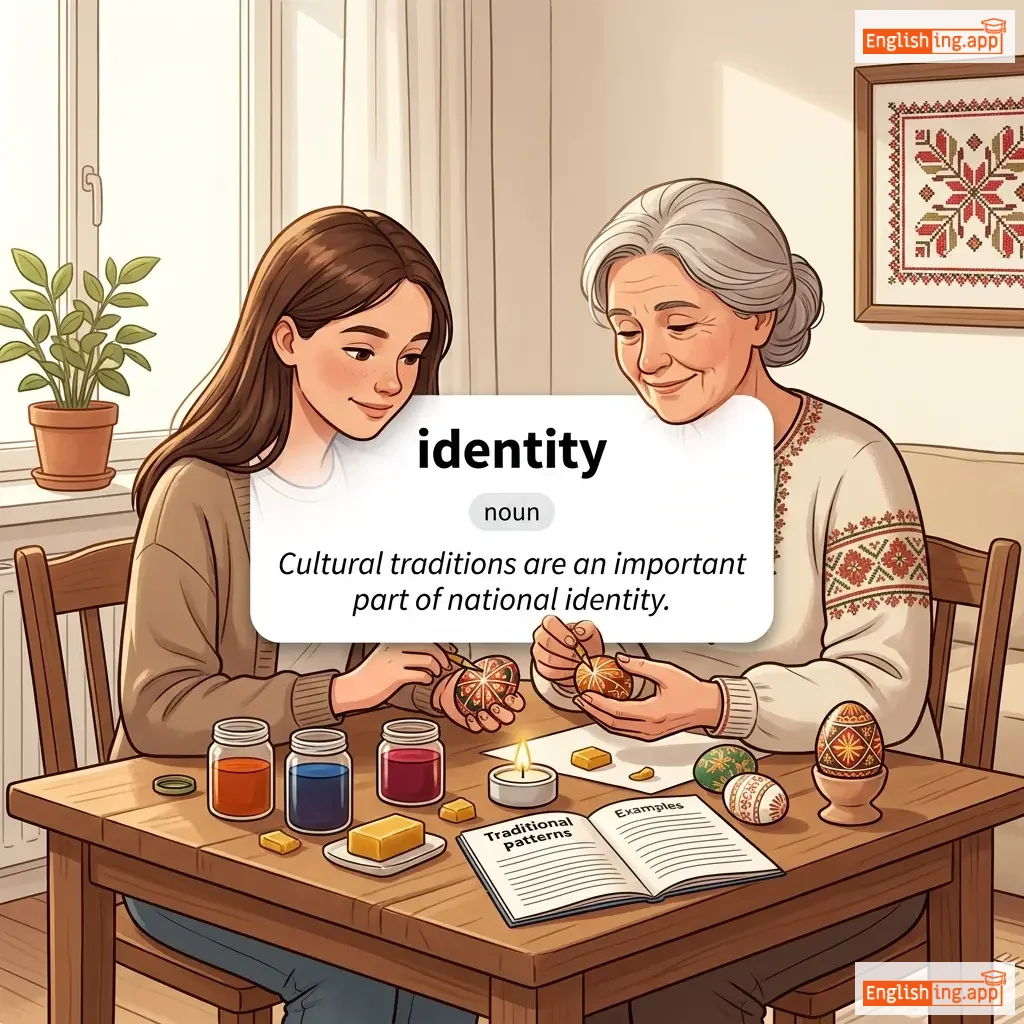
She struggled to maintain her cultural identity while living in a foreign country. |
她在异国他乡生活时努力保持她的文化身份。
Ta zai yiguo taixiang shenghuo shi nuli baochi ta de wenhua shenfen.
••••••
|
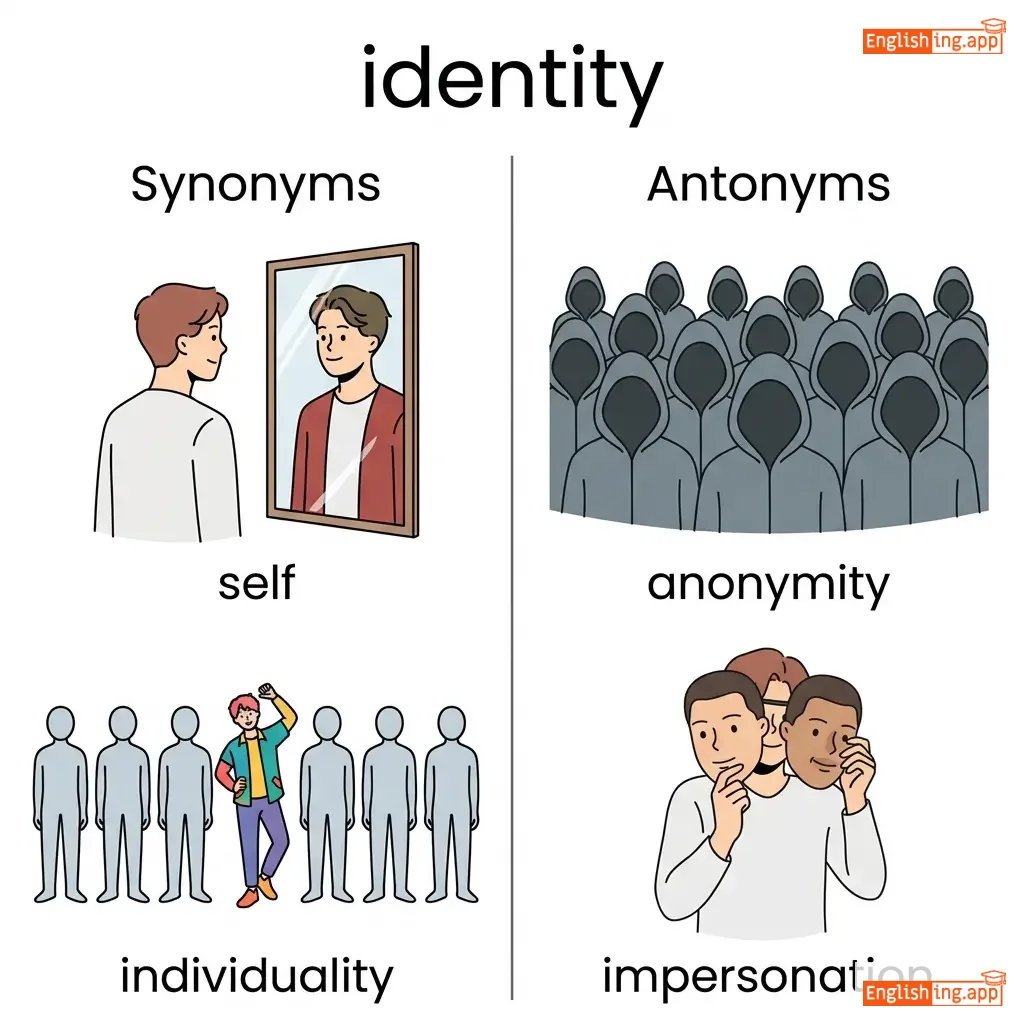
character, personality, individuality, self
••••••
|
anonymity, uniformity, sameness, conformity
••••••
|
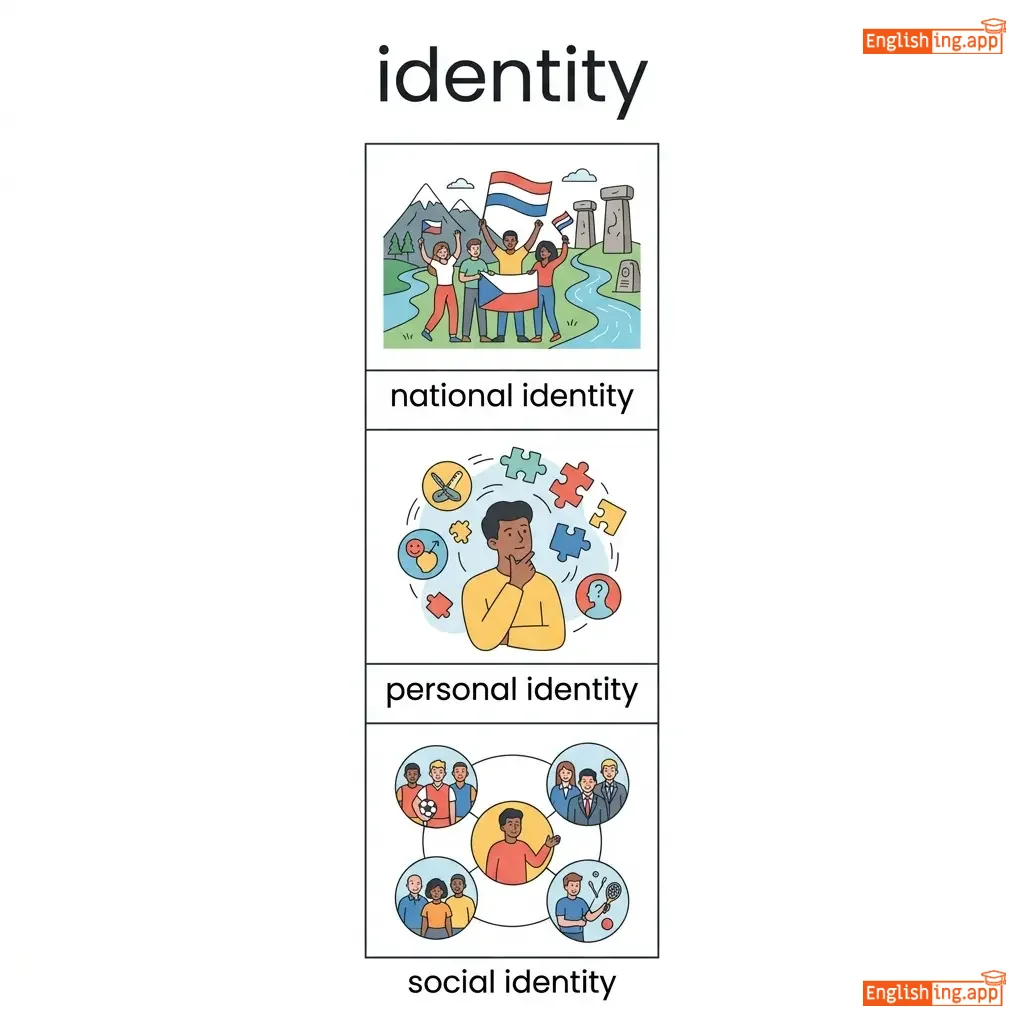
cultural identity, personal identity, identity card
••••••
|
Your identity shows your unique essence to the world.
••••••
|
|
#618
💥
|
/ˈɪm.pækt/
noun
(冲击)
••••••
|
|
冲击; 打击; 碰撞;
chongji, daji, pengzhuang
••••••
|
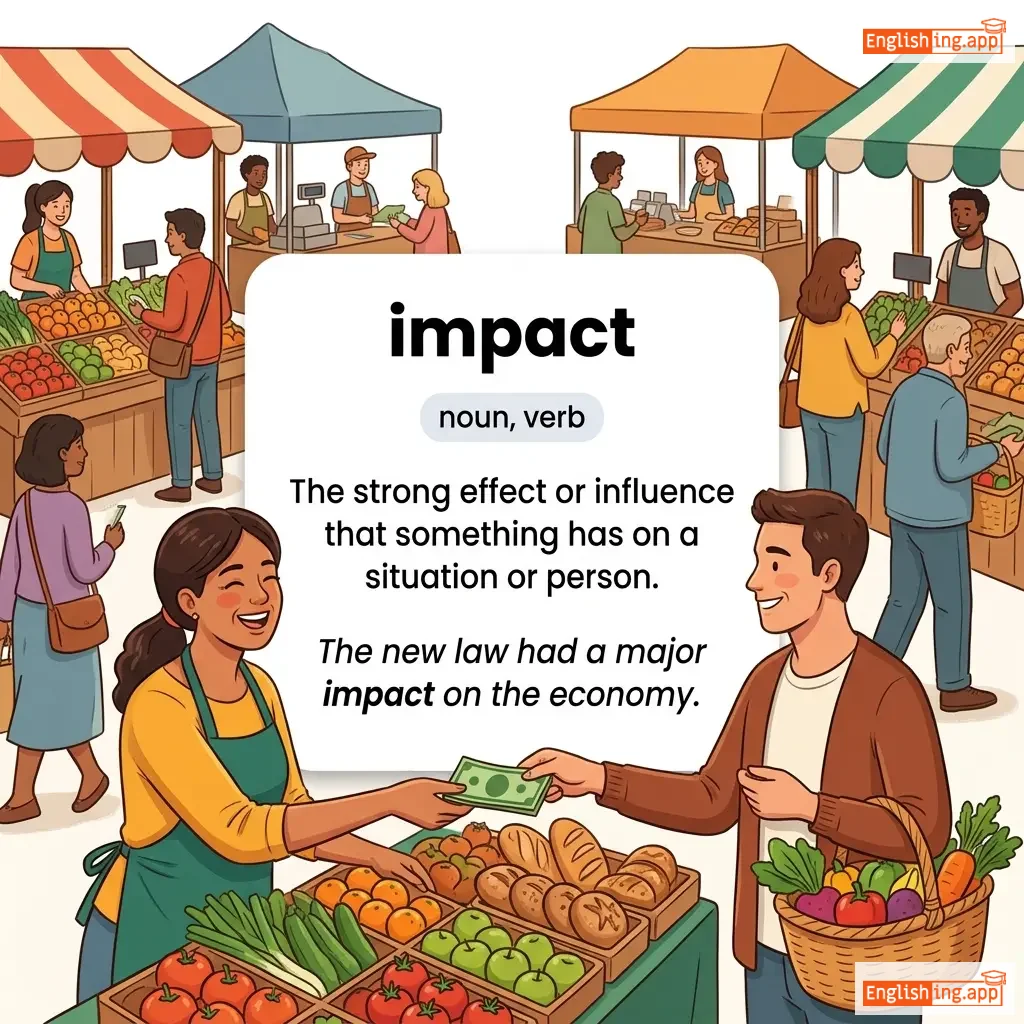
the action of one object coming forcibly into contact with another; a marked effect or influence
••••••
|
The new environmental policies had a significant impact on reducing pollution levels. |
新的环境政策对减少污染水平产生了重大影响。
Xin de huanjing zhengce dui jianshao wuran shuiping chanshengle zhongda yingxiang.
••••••
|
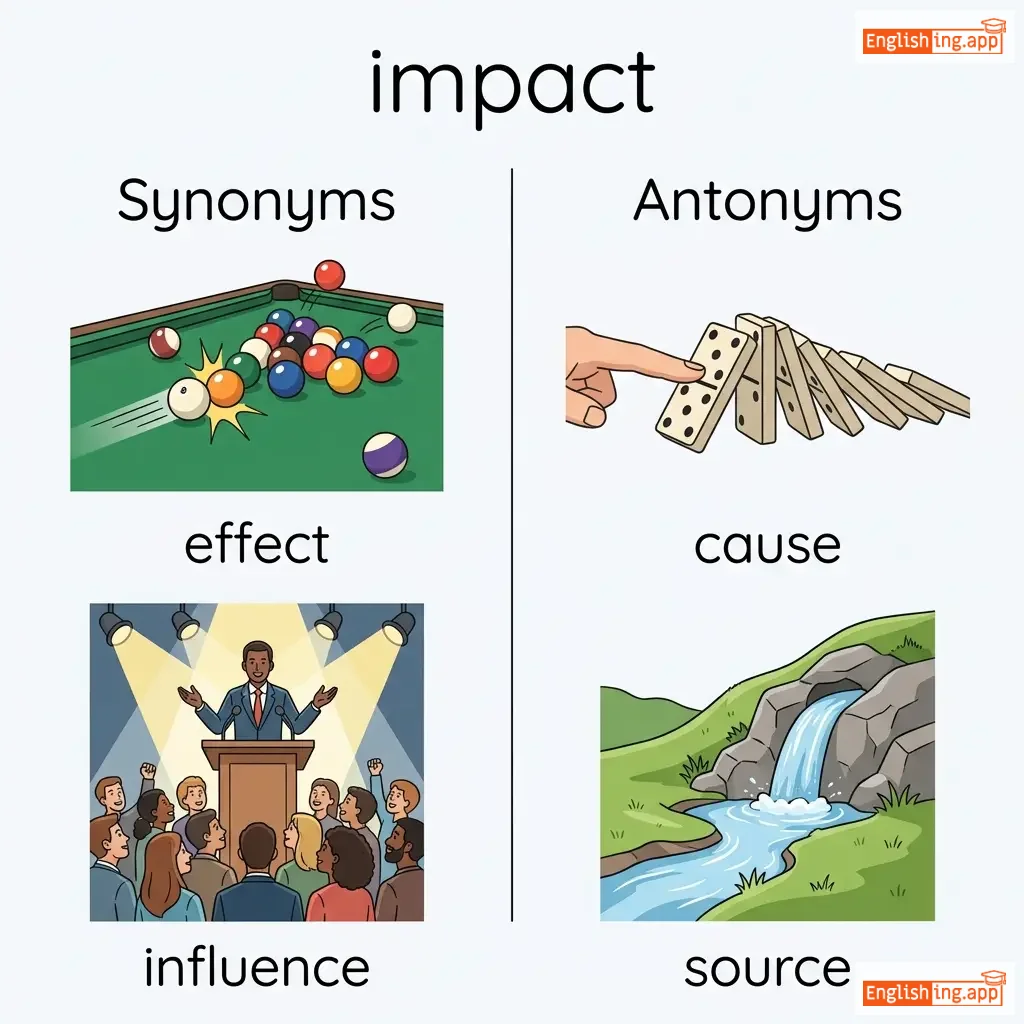
effect, influence, consequence, collision
••••••
|
insignificance, unimportance, lack of effect, gentle touch
••••••
|
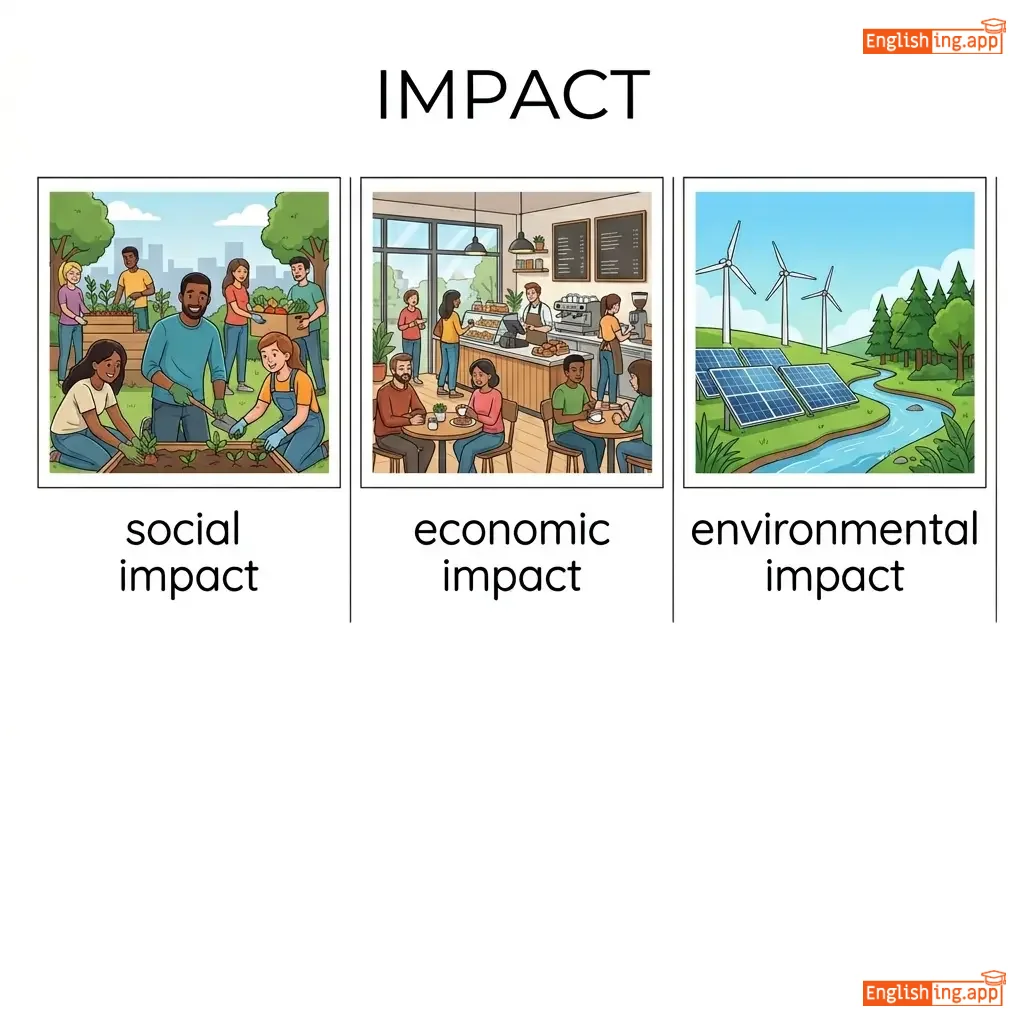
major impact, environmental impact, impact assessment
••••••
|
冲击力让一切都改变!
••••••
|
|
#619
🤦
|
/ˈɪd.i.ə.si/
noun
(愚蠢)
••••••
|
- •••••• |
愚蠢
yúchǔn
••••••
|
extremely stupid behavior or actions; foolishness
••••••
|
The decision to ignore safety protocols was pure idiocy that endangered everyone. |
忽视安全协议的决定是纯粹的愚蠢,危及了每个人。
Hūshì ānquán xiéyì de juédìng shì chúncuì de yúchǔn, wéijíle měi gèrén.
••••••
|
stupidity, foolishness, absurdity, nonsense
••••••
|
wisdom, intelligence, brilliance, cleverness
••••••
|
pure idiocy, complete idiocy, sheer idiocy
••••••
|
愚蠢的行为让我们想起那些做傻事的人。
••••••
|
|
#620
🚧
|
/ɪmˈped.ɪ.mənt/
noun
(障碍)
••••••
|
|
障碍,阻碍
zhàng'ài, zǔ'ài
••••••
|
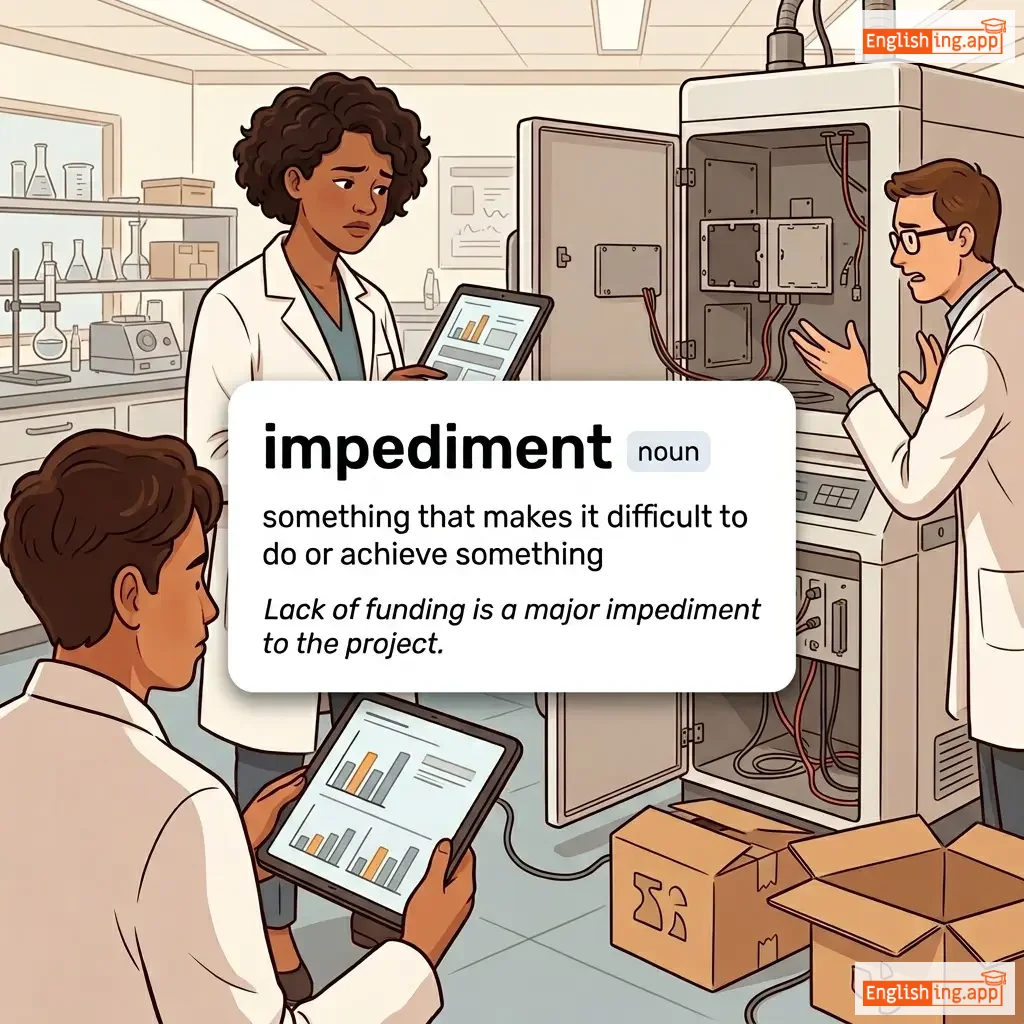
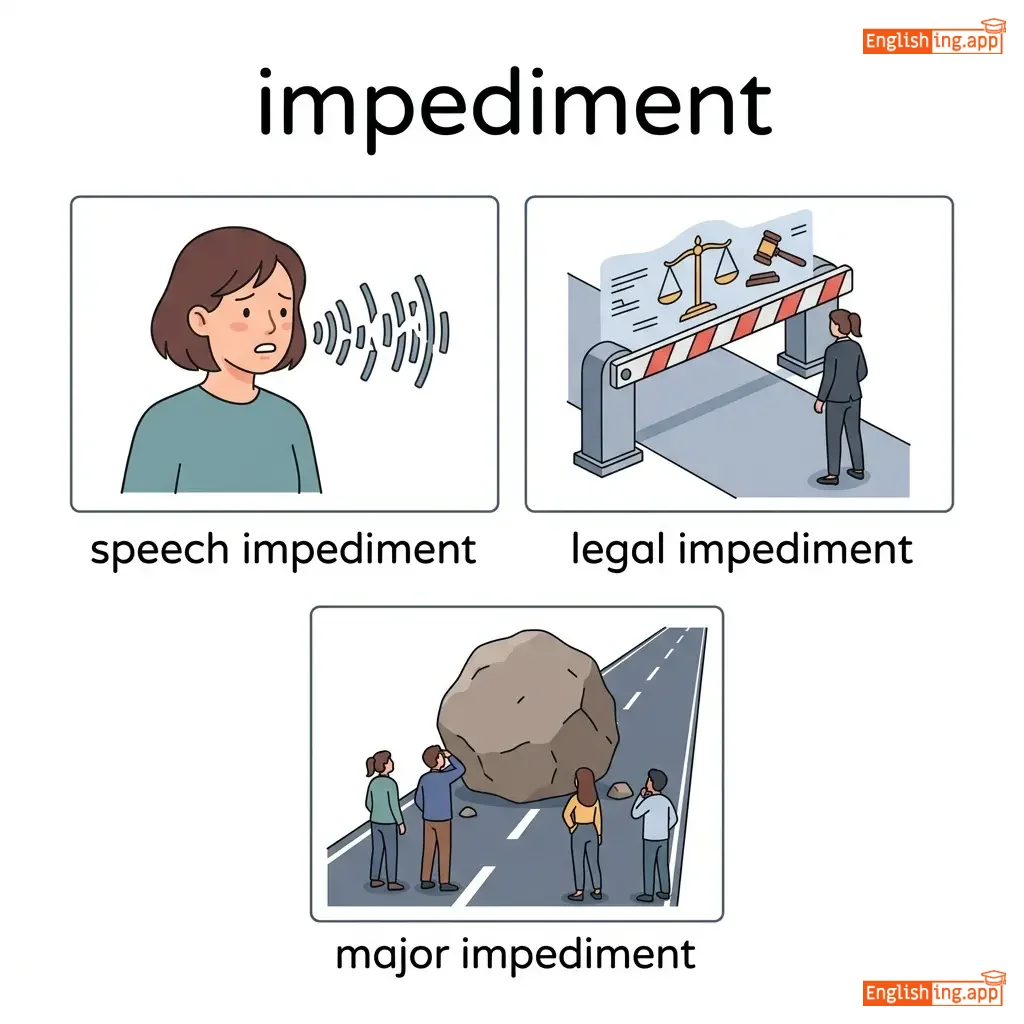
a hindrance or obstruction in doing something; something that makes progress difficult
••••••
|
Lack of funding proved to be the main impediment to completing the research project.
缺乏资金证明是完成研究项目的主要障碍。
••••••
|
缺乏资金证明是完成研究项目的主要障碍。
quēfá zījīn zhèngmíng shì wánchéng yánjiū xiàngmù de zhǔyào zhàng'ài.
••••••
|
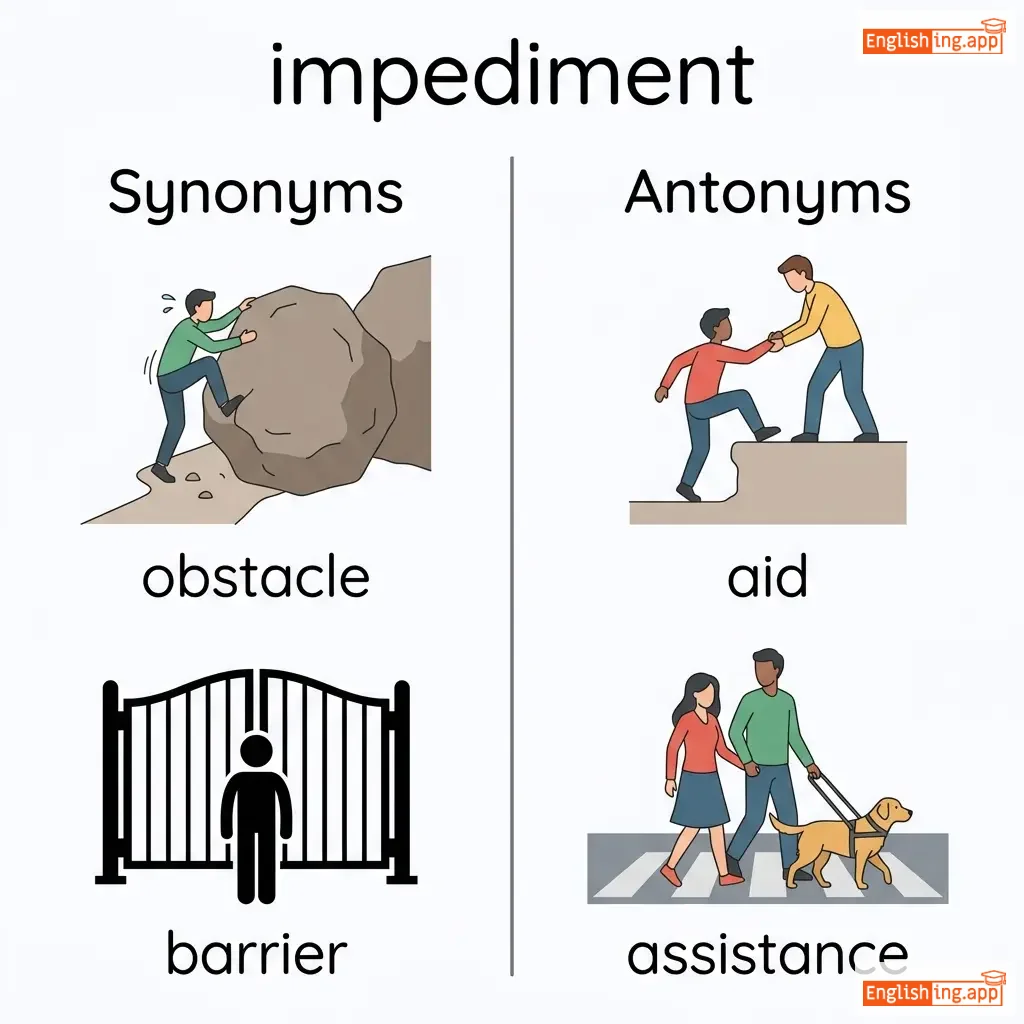
obstacle, barrier, hindrance, obstruction
••••••
|
help, assistance, facilitation, aid
••••••
|
major impediment, speech impediment, remove impediment
••••••
|
Impediment sounds like 'impede', meaning something that stops progress.
••••••
|
Vocabulary Quiz
Test your vocabulary by matching words with their translations or meanings.
Login to take the quiz
Comments (0)
Share your thoughts and join the discussion.
Join the discussion by logging in
Login to CommentNo comments yet
Be the first to share your thoughts!