

Swipe left or right, or use the buttons. Tap image to zoom.
例句翻译
单词
Lesson 5Lesson 5 - 遮罩切换
|
表情符号
|
单词 | Images | 翻译 | 含义 | 例句 | 例句翻译 | 同义词 | 反义词 | 搭配词 | 助记符 |
|---|---|---|---|---|---|---|---|---|---|---|
|
#81
🏷️
|
/bɪd/
noun
(比德)
••••••
|
- •••••• |
出价; 投标
chūjià; tóubiāo
••••••
|
an offer to pay a certain amount for something; an attempt to obtain or achieve something
••••••
|
She made a bid for the antique vase at the auction.
她在拍卖会上出价购买那只古董花瓶。
••••••
|
她在拍卖会上出价购买那只古董花瓶。
Tā zài pāimài huì shàng chūjià gòumǎi nà zhī gǔdǒng huāpíng.
••••••
|
offer, proposal, attempt
••••••
|
refusal, rejection
••••••
|
make a bid, bid farewell, highest bid
••••••
|
A 'bid' is like a 'chūjià' (出价) in Chinese auctions.
••••••
|
|
#82
🔴
|
/bleɪn/
noun
(blein)
••••••
|
- •••••• |
水泡
shuǐ pào
••••••
|
an inflammatory swelling or sore on the skin; a blister or pustule
••••••
|
The doctor examined the blain on his arm.
医生检查了他手臂上的水泡。
••••••
|
医生检查了他手臂上的水泡。
Yīshēng jiǎnchále tā shǒubì shàng de shuǐpào.
••••••
|
blister, pustule, sore
••••••
|
healthy skin
••••••
|
painful blain, infected blain, treat blain
••••••
|
Blain, the swelling, is remembered as ‘shuǐ pào’ (Chinese) for blister.
••••••
|
|
#83
💼
|
/bɪz/
noun
(bìz)
••••••
|
- •••••• |
生意
shēngyì
••••••
|
business (informal); commercial enterprise or activity
••••••
|
He's been in the restaurant biz for twenty years. |
他已经在餐饮生意中工作了二十年。
Tā yǐjīng zài cānyǐn shēngyì zhōng gōngzuò le èrshí nián.
••••••
|
business, trade, commerce
••••••
|
hobby, leisure
••••••
|
show biz, restaurant biz, entertainment biz
••••••
|
Biz = 生意, 就是从事餐饮行业二十年的人。
••••••
|
|
#84
😤
|
/ˈbɪtərnəs/
noun
(bítərnəs)
••••••
|
- •••••• |
苦涩
kǔsè
••••••
|
anger and disappointment at being treated unfairly; resentment; a sharp, unpleasant taste
••••••
|
She spoke with bitterness about her former employer.
她谈到了对以前雇主的愤怒。
••••••
|
她谈到了对以前雇主的愤怒。
Tā tán dào le duì yǐqián gùzhǔ de fènnù.
••••••
|
resentment, acrimony, rancor
••••••
|
sweetness, kindness, forgiveness
••••••
|
feel bitterness, taste of bitterness, overcome bitterness
••••••
|
In Chinese, '苦涩' ('kǔsè') conveys bitterness, relating to both taste and emotional bitterness.
••••••
|
|
#85
🐕🦺
|
/bɪtʃ/
noun
(bich)
••••••
|
- •••••• |
母狗;
mǔ gǒu
••••••
|
a female dog; an unpleasant or spiteful woman (offensive)
••••••
|
The bitch gave birth to five puppies.
那只母狗生下了五只小狗。
••••••
|
那只母狗生下了五只小狗。
Nà zhī mǔ gǒu shēng xiàle wǔ zhī xiǎo gǒu.
••••••
|
female dog
••••••
|
male dog, dog
••••••
|
breeding bitch, guard bitch
••••••
|
母狗生下小狗,令人厌烦。
••••••
|
|
#86
🔹
|
/bɪt/
noun
(比特)
••••••
|
- •••••• |
一小块或某物的少量; 短时间或短距离
yi xiao kuai huo mou wu de shao liang; duan shi jian huo duan ju li
••••••
|
a small piece or quantity of something; a short time or distance
••••••
|
Can you wait a bit longer for me? |
你能为我再等一会儿吗?
Ni neng wei wo zai deng yi hui er ma?
••••••
|
piece, fragment, portion
••••••
|
whole, entirety, lot
••••••
|
a bit more, bit by bit, every bit
••••••
|
一个小小的时间段或事物!
••••••
|
|
#87
👶
|
/bɜːrθ/
noun
(bɜːrθ)
••••••
|
- •••••• |
出生; 起源; 开端;
chūshēng; qǐyuán; kāiduān
••••••
|
the emergence of a baby or young from the body of its mother; the beginning or origin of something
••••••
|
The birth of their first child was a joyful moment.
他们第一个孩子的出生是一个喜悦的时刻。
••••••
|
他们第一个孩子的出生是一个喜悦的时刻。
Tāmen dì yī gè háizi de chūshēng shì yīgè xǐyuè de shíkè.
••••••
|
delivery, nativity, origin
••••••
|
death, end, conclusion
••••••
|
give birth, birth certificate, birth rate
••••••
|
出生 (chūshēng) 如同生命的开端
••••••
|
|
#88
🌍
|
/ˈbaɪoʊˌsfɪr/
noun
(bàiyòu sīfēi'ěr)
••••••
|
- •••••• |
生物圈
shengwuquan
••••••
|
the regions of the surface and atmosphere of the earth occupied by living organisms
••••••
|
Climate change is affecting the entire biosphere. |
气候变化正在影响整个生物圈。
qihou bianhua zhengzai yingxiang zhengge shengwuquan.
••••••
|
ecosphere, life zone
••••••
|
geosphere, atmosphere
••••••
|
protect biosphere, biosphere reserve, global biosphere
••••••
|
生物圈代表地球上所有生命的区域,从海洋到大气层,充满了生命。
••••••
|
|
#89
📖
|
/baɪˈɒɡrəfi/
noun
(bàiógélì)
••••••
|
- •••••• |
传记
zhuanji
••••••
|
an account of someone's life written by someone else; the story of a person's life
••••••
|
I'm reading a fascinating biography of Albert Einstein. |
我正在阅读一部关于阿尔伯特·爱因斯坦的迷人传记。
Wo zhengzai yuedu yi bu guanyu A'erbote Aiyinsitan de miren zhuanji.
••••••
|
life story, memoir, profile
••••••
|
fiction, novel
••••••
|
write a biography, read biography, authorized biography
••••••
|
The word '传记' in Chinese shares a similar meaning to 'Biography' in English, referring to someone's life.
••••••
|
|
#90
📋
|
/ˈbaɪoʊ ˌdeɪtə/
noun
(bāyó-dàtǎ)
••••••
|
- •••••• |
简历
jianli
••••••
|
biographical data; a resume or curriculum vitae containing personal and professional information
••••••
|
Please submit your bio-data along with the job application. |
请将您的简历与求职申请一起提交。
Qǐng jiāng nín de jiǎnlì yǔ qiúzhí shēnqǐng yīqǐ tíjiāo.
••••••
|
resume, CV, curriculum vitae
••••••
|
- •••••• |
submit bio-data, personal bio-data, complete bio-data
••••••
|
简历 (jianli) 是你职业生涯的重要证明,类似于生活中的身份证明。
••••••
|
|
#91
🌙
|
/bend/
noun
(bend)
••••••
|
- •••••• |
弯曲; 转弯
wanqu, zhuanwan
••••••
|
a curved or angled part of something; a turning point in a road or river
••••••
|
There is a sharp bend in the river ahead.
前方河流有一个急转弯。
••••••
|
前方河流有一个急转弯。
qianfang heliu you yige ji zhuanwan.
••••••
|
curve, turn, twist, corner
••••••
|
straight, line
••••••
|
sharp bend, river bend, road bend, bend in the road
••••••
|
Bend = 转弯 (弯曲转变)
••••••
|
|
#92
⚖️
|
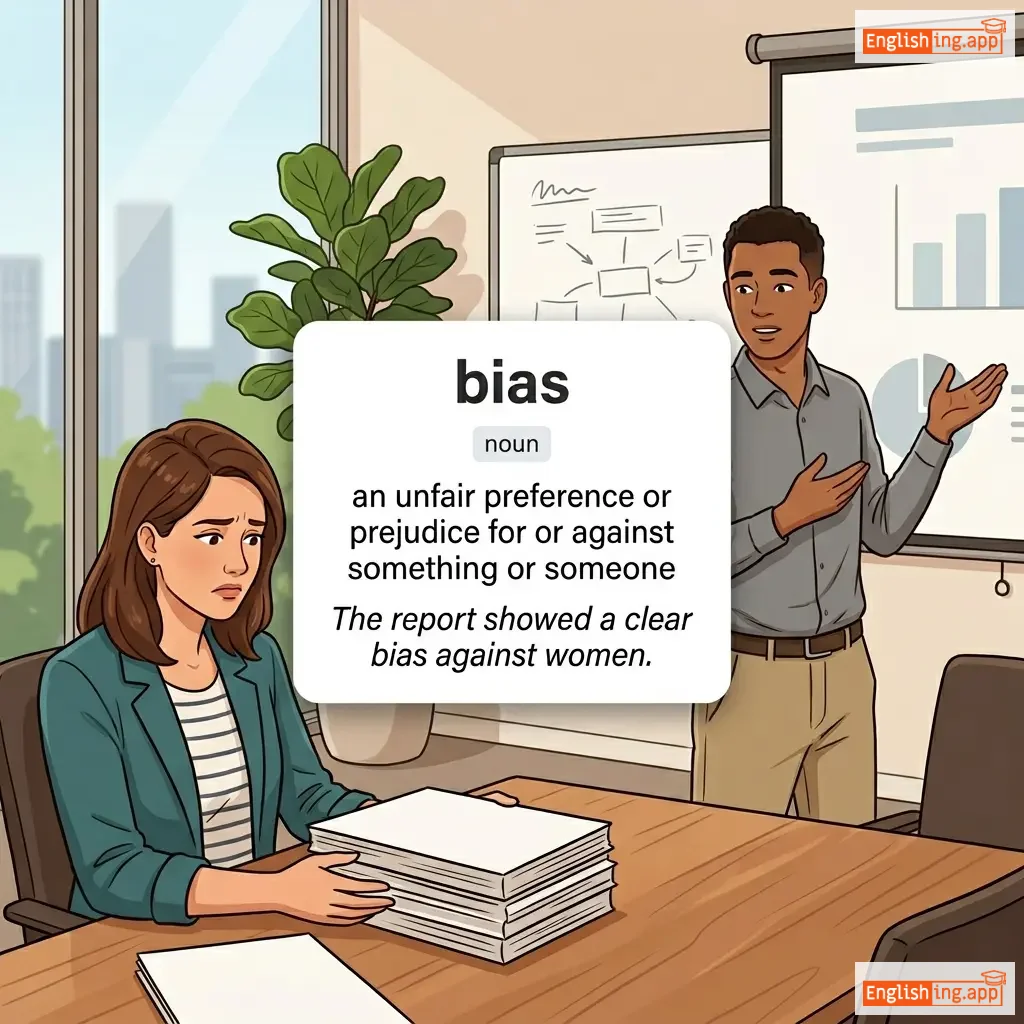
/ˈbaɪəs/
noun
(bài'āsī)
••••••
|
|
偏见; 倾向; 偏好
pianjian, qingxiang, pianhao
••••••
|
prejudice in favor of or against something; an inclination or outlook
••••••
|
The judge showed no bias during the trial proceedings. |
法官在审判过程中没有表现出任何偏见。
Fǎguān zài shěnpàn guòchéng zhōng méiyǒu biǎoxiàn chū rènhé piānjiàn.
••••••
|
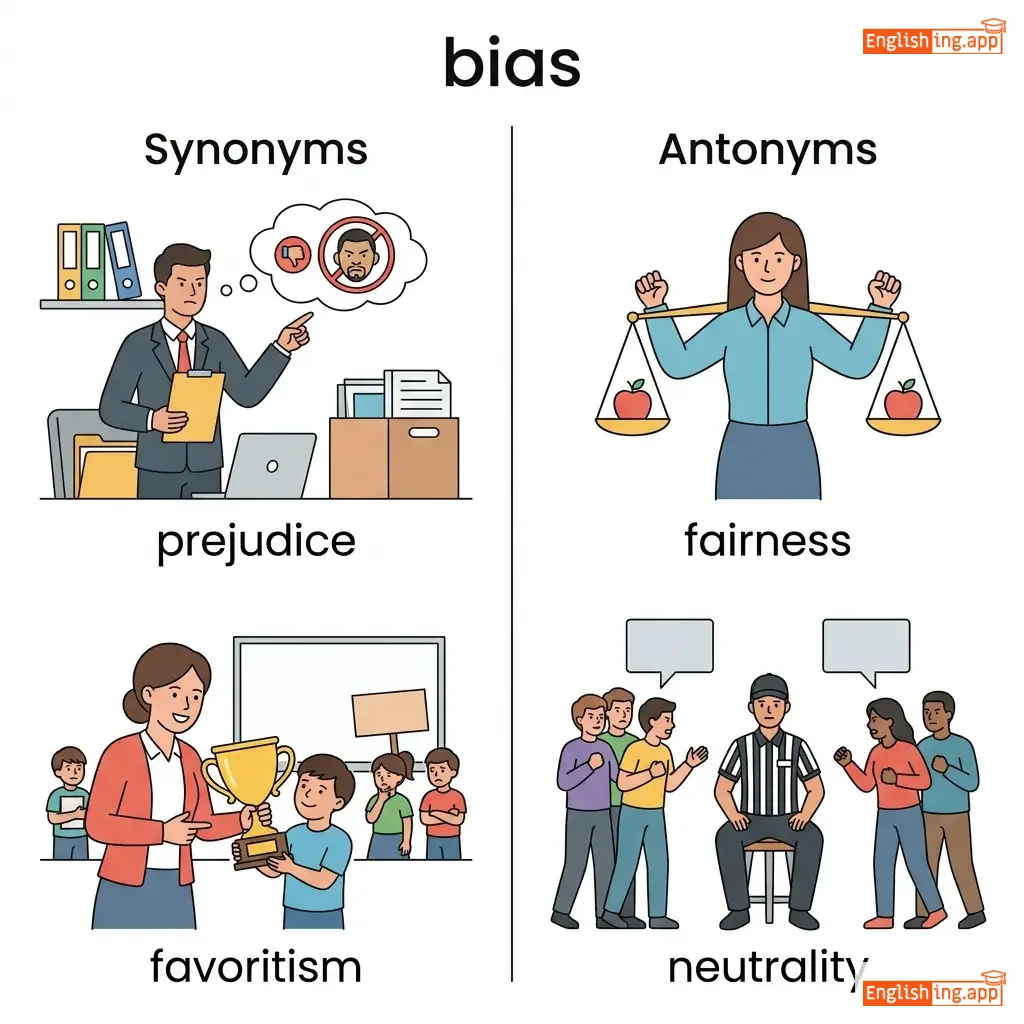
prejudice, partiality, favoritism, inclination
••••••
|
impartiality, fairness, neutrality, objectivity
••••••
|
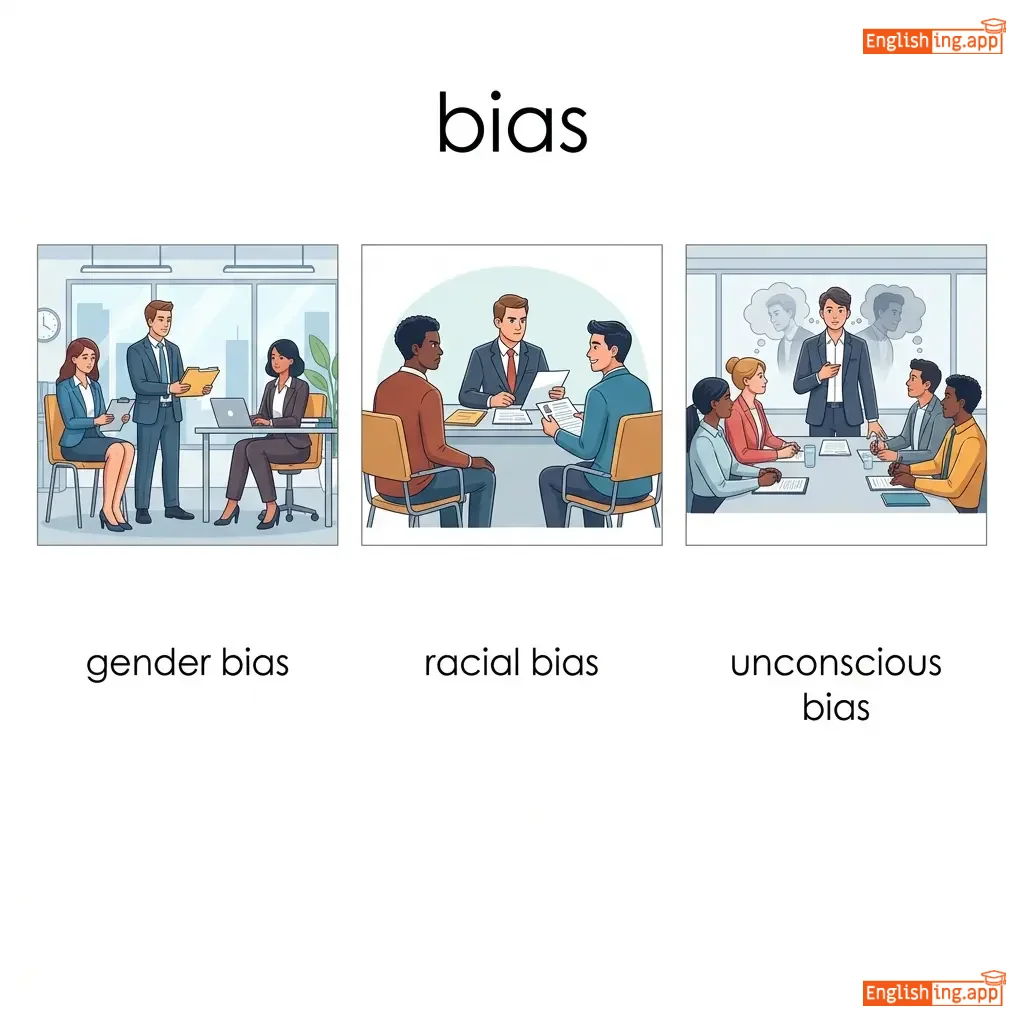
cultural bias, unconscious bias, media bias, gender bias
••••••
|
审判要公正,不能有偏见。
••••••
|
|
#93
🐍
|
/bɪˈtreɪər/
noun
(betrayer)
••••••
|
- •••••• |
背叛者; 不忠者
bèipàn zhě, bù zhōng zhě
••••••
|
a person who betrays someone or something; one who is disloyal
••••••
|
The betrayer was exposed and faced severe consequences.
背叛者被曝光并面临严重后果。
••••••
|
背叛者被曝光并面临严重后果。
Bèipàn zhě bèi pùguāng bìng miànlín yánzhòng hòuguǒ.
••••••
|
traitor, turncoat, backstabber, double-crosser
••••••
|
loyalist, faithful person, ally, supporter
••••••
|
expose the betrayer, identify betrayer, betrayer revealed
••••••
|
背叛者最终无法逃脱惩罚。
••••••
|
|
#94
💔
|
/bɪˈtreɪəl/
noun
(贝特雷尔)
••••••
|
- •••••• |
背叛; 不忠
bèipàn; bù zhōng
••••••
|
the action of betraying one's country, group, or person; disloyalty
••••••
|
His betrayal of their friendship hurt her deeply. |
他对他们友谊的背叛深深伤害了她。
Tā duì tāmen yǒuyì de bèipàn shēnshēn shānghài le tā.
••••••
|
treachery, disloyalty, deception, backstabbing
••••••
|
loyalty, faithfulness, devotion, allegiance
••••••
|
act of betrayal, feel betrayed, betrayal of trust
••••••
|
背叛就是不忠,像是朋友间的背叛。
••••••
|
|
#95
🛏️
|
/bɜːrθ/
noun
(berth)
••••••
|
- •••••• |
卧铺; 船、火车或其他交通工具上的睡觉地方
wòpù; chuán, huǒchē huò qítā jiāotōng gōngjù shàng de shuìjiào dìfāng
••••••
|
a sleeping place in a ship, train, or other vehicle; a place where a ship can dock
••••••
|
I booked an upper berth on the overnight train. |
我在夜间列车上预订了一个上铺。
Wǒ zài yèjiān lièchē shàng yùdìngle yīgè shàngpù.
••••••
|
bunk, bed, sleeping place, dock, mooring
••••••
|
- •••••• |
upper berth, lower berth, ship berth, train berth
••••••
|
在船或火车上,卧铺是睡觉的地方
••••••
|
|
#96
🎯
|
/bent/
noun
(bent)
••••••
|
- •••••• |
倾向; 倾向性
qingxiang, qingxiangxing
••••••
|
a natural inclination or talent; a strong interest or liking for something
••••••
|
She has a natural bent for music and art. |
她对音乐和艺术有天生的倾向。
ta dui yinyue he yishu you tiansheng de qingxiang
••••••
|
inclination, tendency, aptitude, talent, disposition
••••••
|
aversion, dislike, inability
••••••
|
natural bent, artistic bent, bent for learning, musical bent
••••••
|
‘Bent’ 是一个自然的倾向,指向艺术和音乐。
••••••
|
|
#97
😇
|
/bɪˈnɪɡnɪti/
noun
(贝尼尼提)
••••••
|
- •••••• |
仁慈;温柔;仁爱或优雅的品质
renci; wenrou; ren'ai huo youya de pinzhi
••••••
|
kindness; gentleness; the quality of being benign or gracious
••••••
|
Her benignity towards all people made her beloved by everyone.
她对所有人的仁慈使她受到所有人的喜爱。
••••••
|
她对所有人的仁慈使她受到所有人的喜爱。
Ta dui suoyou ren de renci shi ta shoudao suoyou ren de xihui
••••••
|
kindness, gentleness, compassion, goodness
••••••
|
malice, cruelty, harshness, unkindness
••••••
|
natural benignity, show benignity, acts of benignity
••••••
|
Imagine someone’s kindness being so pure, it’s called 'Benignity'.
••••••
|
|
#98
✅
|
/ˈbenɪfɪt/
noun
(贝尼费特)
••••••
|
- •••••• |
好处; 利益; 益处
haochu; liyi; yichu
••••••
|
an advantage or profit gained from something; a helpful or good effect
••••••
|
Exercise has many health benefits for your body.
运动对你的身体有许多健康益处。
••••••
|
运动对你的身体有许多健康益处。
Yundong dui nide shenti you xu duo jiankang yichu.
••••••
|
advantage, profit, gain, good, help
••••••
|
disadvantage, harm, loss, detriment
••••••
|
health benefits, mutual benefit, social benefits, economic benefits
••••••
|
运动带来好处 (运动有益于身体)
••••••
|
|
#99
🤝
|
/ˈbenɪˌfæktər/
noun
(贝内法克特)
••••••
|
- •••••• |
捐赠人; 慈善家; 赞助人
juānzèngrén, císhànjiā, zànzhùrén
••••••
|
a person who gives money or other help to support a person or cause; a patron
••••••
|
The anonymous benefactor donated millions to the hospital.
匿名捐助者向医院捐赠了数百万。
••••••
|
匿名捐助者向医院捐赠了数百万。
Ānonymu juānzhùzhě xiàng yīyuàn juānzèngle shù bǎi wàn.
••••••
|
patron, donor, sponsor, supporter, philanthropist
••••••
|
beneficiary, recipient, enemy
••••••
|
anonymous benefactor, generous benefactor, wealthy benefactor
••••••
|
Benefit + factor = a person who benefits others.
••••••
|
|
#100
🙏
|
/ˌbenɪˈdɪkʃən/
noun
(贝内迪克兴)
••••••
|
- •••••• |
祝福
zhufu
••••••
|
a blessing, especially a ceremonial one; an expression of good wishes
••••••
|
The priest gave his benediction to the newlyweds.
牧师给新婚夫妇带来了祝福。
••••••
|
牧师给新婚夫妇带来了祝福。
Mùshī gěi xīnhūn fūfù dàilái le zhùfú.
••••••
|
blessing, prayer, invocation, good wishes
••••••
|
curse, malediction, condemnation
••••••
|
give benediction, receive benediction, papal benediction
••••••
|
祝福 (zhùfú) 是在生命的重要时刻表达美好祝愿的方式。
••••••
|
Vocabulary Quiz
Test your vocabulary by matching words with their translations or meanings.
Login to take the quiz
Comments (0)
Share your thoughts and join the discussion.
Join the discussion by logging in
Login to CommentNo comments yet
Be the first to share your thoughts!