







Swipe left or right, or use the buttons. Tap image to zoom.
例句翻译
单词
Lesson 2Lesson 2 - 遮罩切换
|
表情符号
|
单词 | Images | 翻译 | 含义 | 例句 | 例句翻译 | 同义词 | 反义词 | 搭配词 | 助记符 |
|---|---|---|---|---|---|---|---|---|---|---|
|
#21
🤝
|
/əˈlaɪəns/
noun
(ā lì àn sī)
••••••
|
|
联盟
liánméng
••••••
|
a union or association formed for mutual benefit, especially between countries or organizations
••••••
|
The two countries formed a strong alliance for trade.
这两个国家为贸易建立了一个强大的联盟。
••••••
|
这两个国家为贸易建立了一个强大的联盟。
Zhè liǎng gè guójiā wèi màoyì jiànlìle yīgè qiángdà de liánméng.
••••••
|
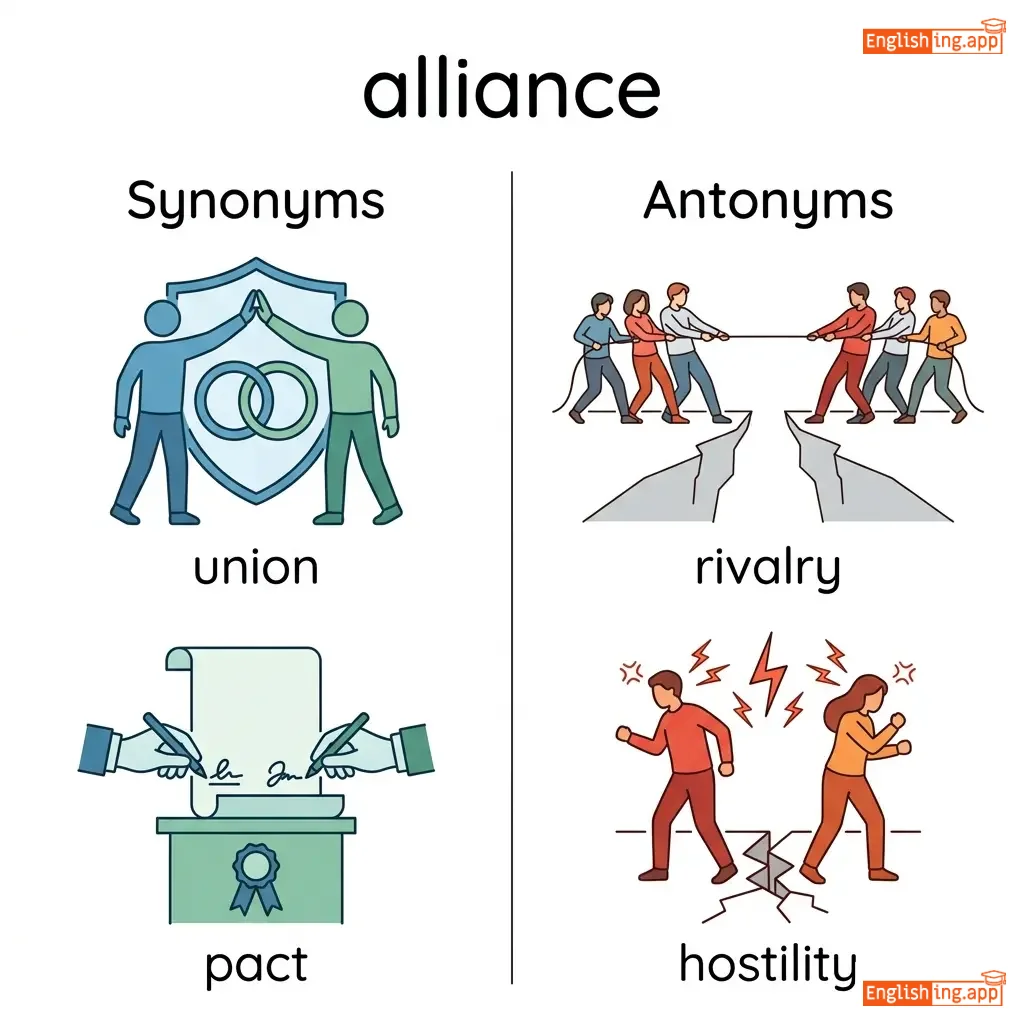
partnership, coalition, union, pact
••••••
|
opposition, rivalry, conflict
••••••
|
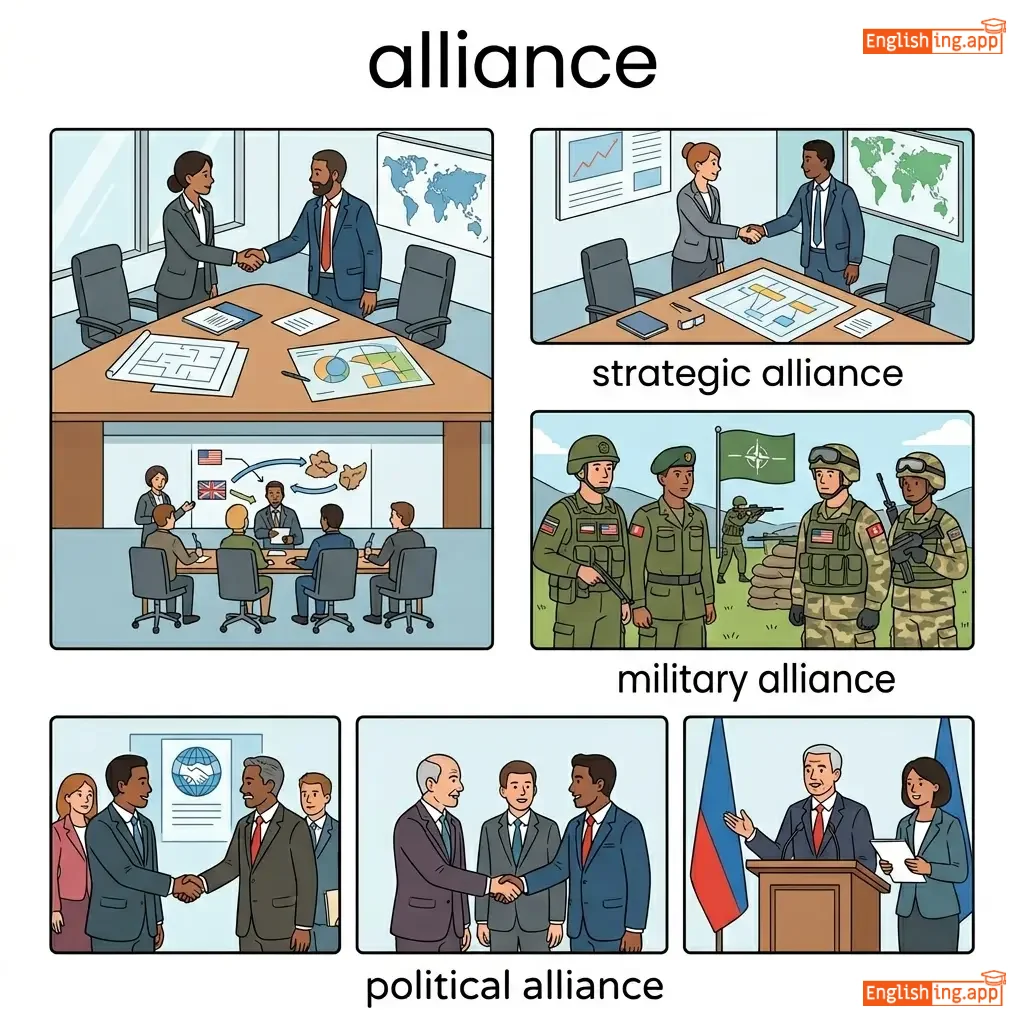
strategic alliance, military alliance, form an alliance
••••••
|
Liánméng zhège zhōngwén gēn 'alliance' xiāngtóng, yī zhǒng guójiā zhī jiān de lián hé.
••••••
|
|
#22
⚓
|
/ˈæŋkər/
noun
(锚)
••••••
|
- •••••• |
锚
máo
••••••
|
a heavy object used to moor a vessel to the sea bottom; a person or thing that provides stability or confidence
••••••
|
The ship dropped its anchor in the harbor.
船只在港口投下了锚。
••••••
|
船只在港口投下了锚。
Chuánzhī zài gǎngkǒu tóuxiàle máo.
••••••
|
mooring, support, foundation, mainstay
••••••
|
- •••••• |
drop anchor, weigh anchor, news anchor
••••••
|
锚让船稳稳的停在海上,就像思想一样稳定。
••••••
|
|
#23
👴
|
/ˈænsestər/
noun
(ænsɛstər)
••••••
|
- •••••• |
祖先
zuxian
••••••
|
a person, typically one more remote than a grandparent, from whom one is descended
••••••
|
She researched her family tree to learn about her ancestors.
她研究了家谱,了解她的祖先。
••••••
|
她研究了家谱,了解她的祖先。
Tā yánjiūle jiāpǔ, liǎojiě tā de zǔxiān.
••••••
|
forefather, foremother, predecessor, forebear
••••••
|
descendant, offspring, progeny
••••••
|
ancient ancestor, common ancestor, trace ancestors
••••••
|
祖先 (ancestor) 是你家族的历史根源。
••••••
|
|
#24
🔍
|
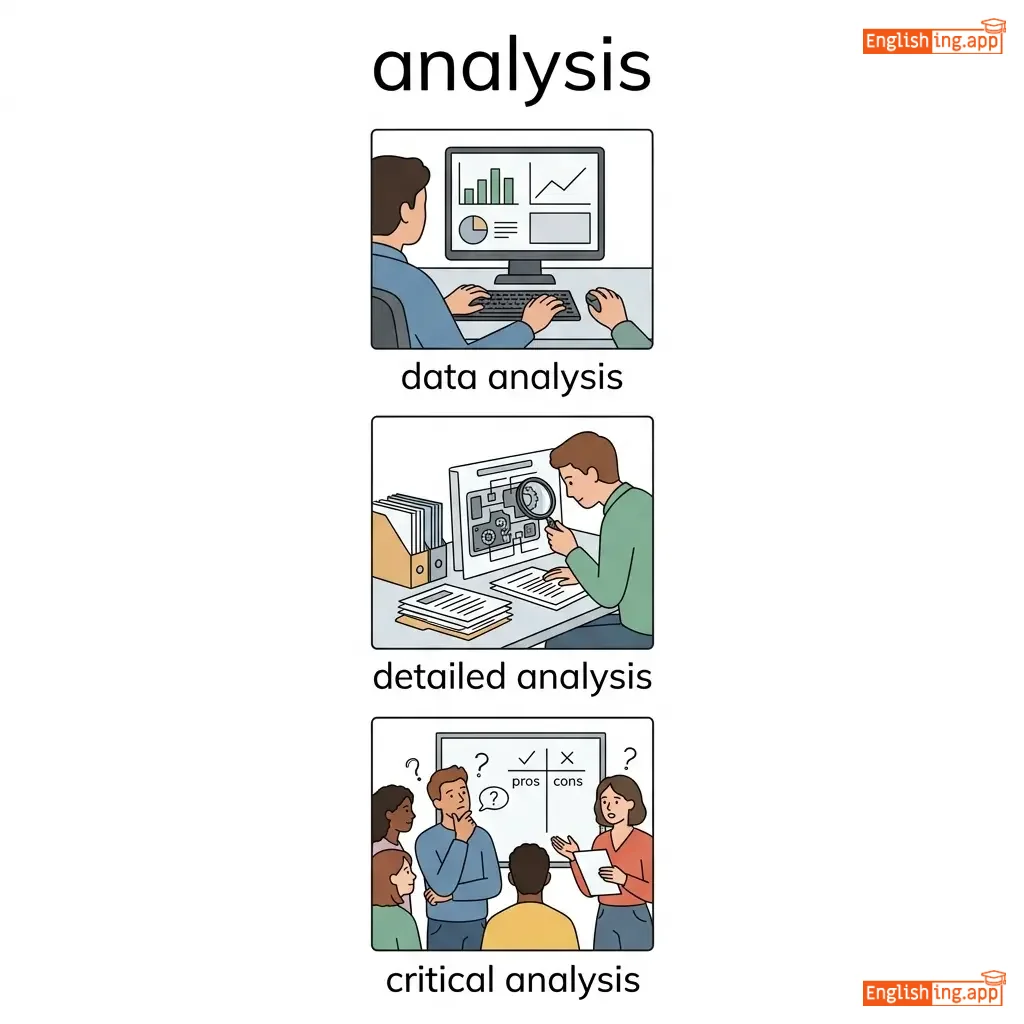
/əˈnæləsɪs/
noun
(分析)
••••••
|
|
分析
fenxi
••••••
|
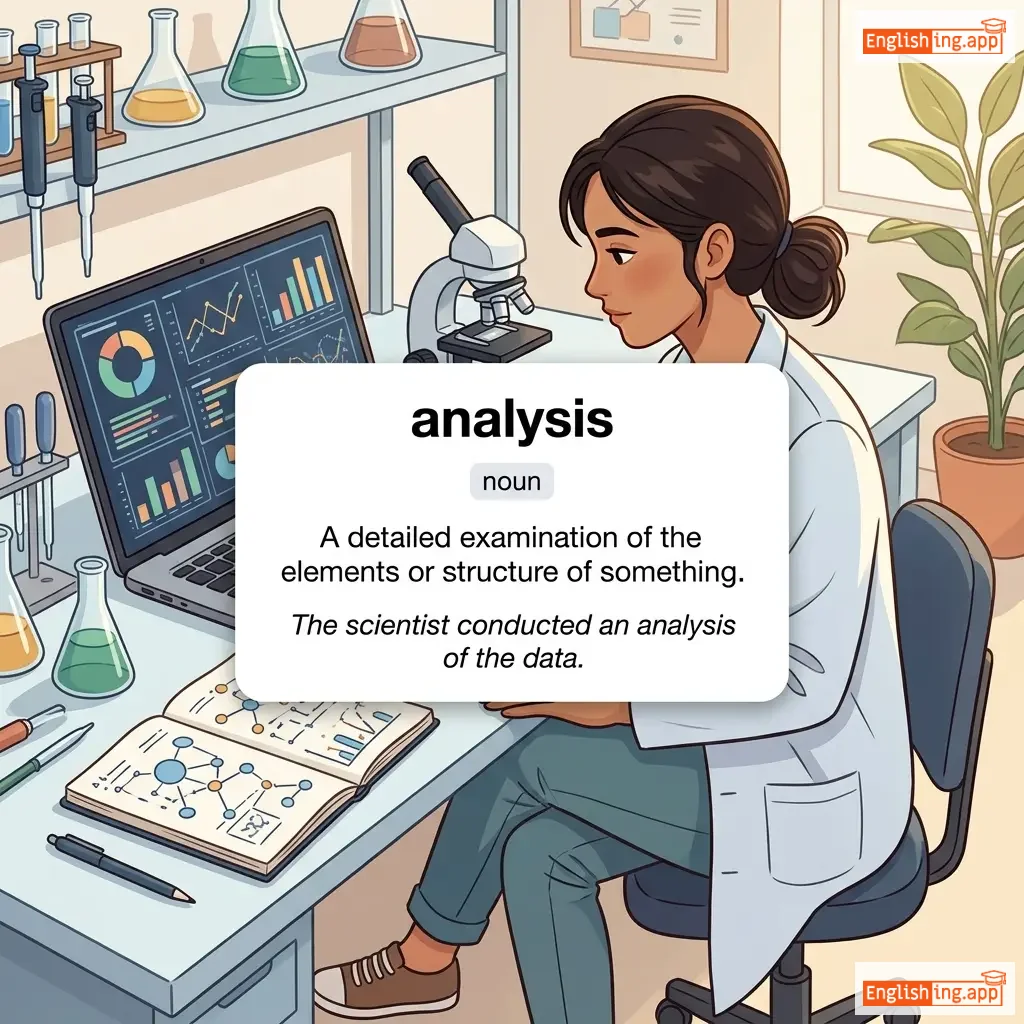
detailed examination of the elements or structure of something
••••••
|
The scientist conducted a thorough analysis of the data. |
科学家对数据进行了详细分析。
Kexuejia dui shuju jinxingle xiangxi fenxi.
••••••
|
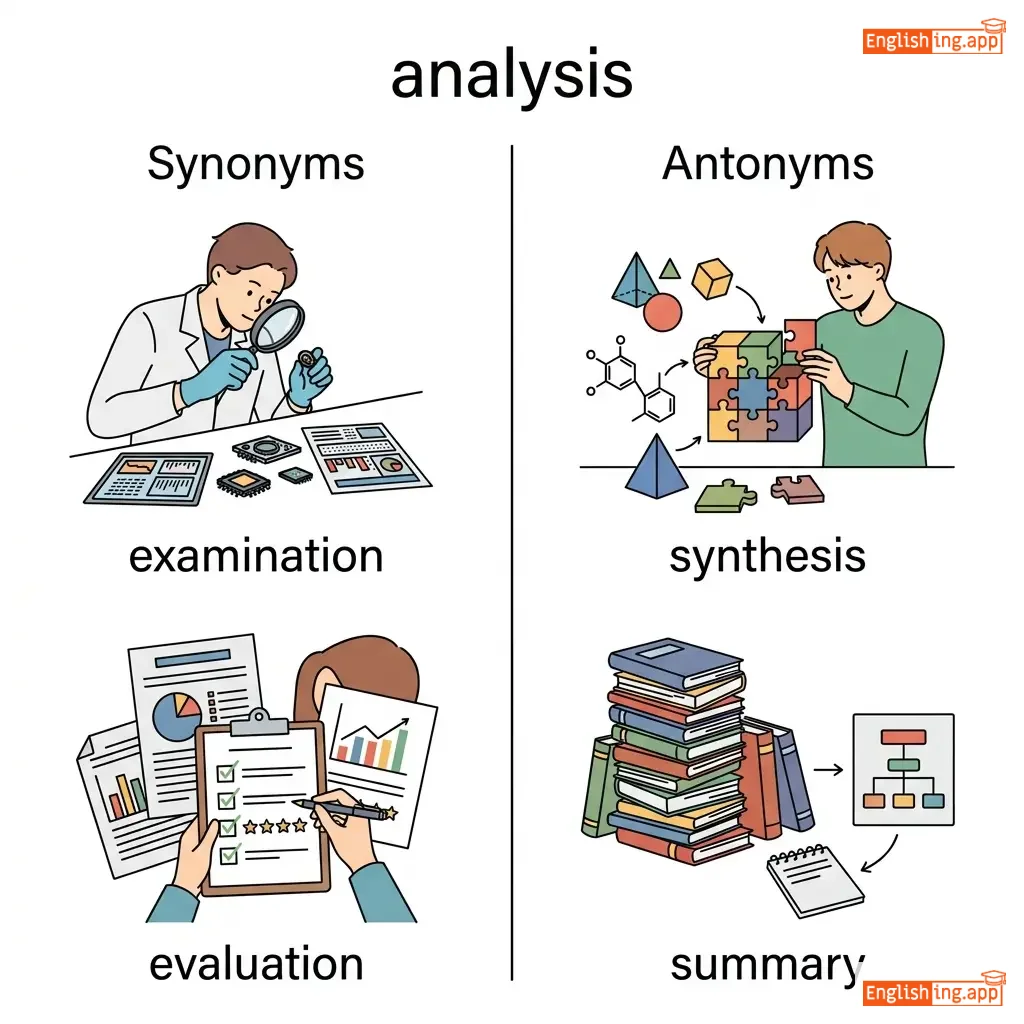
examination, study, investigation, evaluation
••••••
|
synthesis, combination, integration
••••••
|
detailed analysis, data analysis, statistical analysis
••••••
|
中文里的'分析'与英文的'Analysis'相似。
••••••
|
|
#25
🎪
|
/əˈmjuːzmənt/
noun
(娱乐)
••••••
|
- •••••• |
娱乐; 快乐; 娱乐活动
yule; kuaile; yule huodong
••••••
|
the state or experience of finding something funny; entertainment or recreational activities
••••••
|
The children's laughter showed their amusement at the clown's performance.
孩子们的笑声展示了他们对小丑表演的娱乐。
••••••
|
孩子们的笑声展示了他们对小丑表演的娱乐。
Haizimen de xiaosheng zhanshi le tamen dui xiaochou biaoyan de yule.
••••••
|
entertainment, enjoyment, fun, pleasure
••••••
|
boredom, displeasure, annoyance
••••••
|
great amusement, public amusement, amusement park
••••••
|
Yule means enjoyment and fun
••••••
|
|
#26
🧿
|
/ˈæmjʊlət/
noun
(阿穆雷特)
••••••
|
|
护身符; 护符
hùshēn fú; hù fú
••••••
|
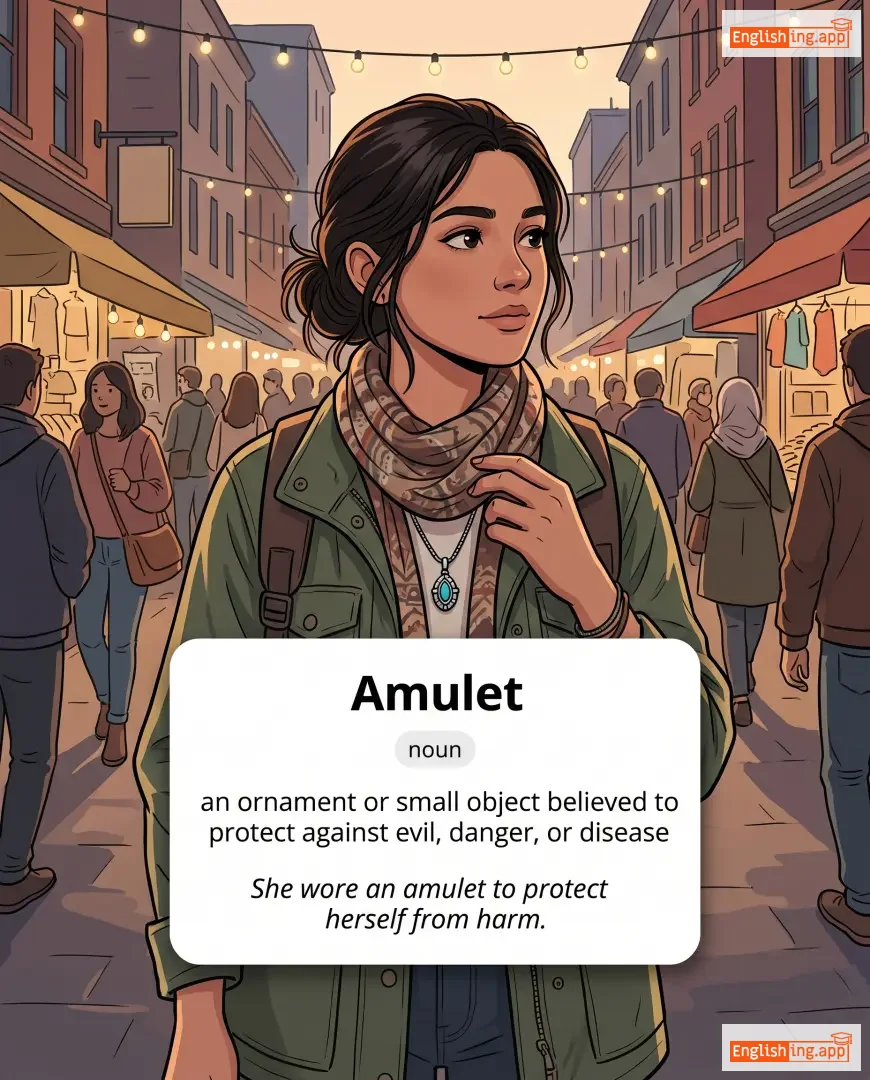
an ornament or small piece of jewelry thought to give protection against evil, danger, or disease
••••••
|
She wore a silver amulet around her neck for good luck.
她戴着一条银色的护身符在脖子上祈求好运。
••••••
|
她戴着一条银色的护身符在脖子上祈求好运。
Tā dàizhe yītiáo yínsè de hùshēn fú zài bózi shàng qíqiú hǎo yùn.
••••••
|
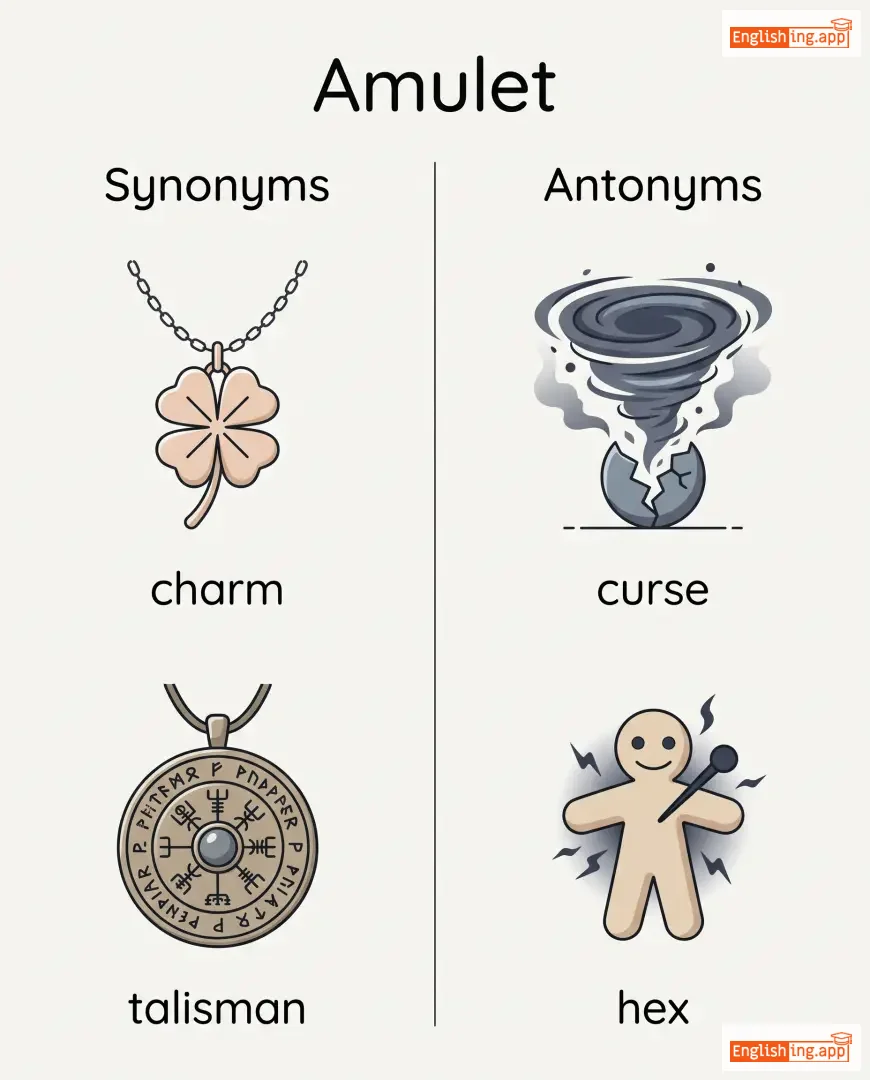
charm, talisman, pendant, lucky charm
••••••
|
- •••••• |
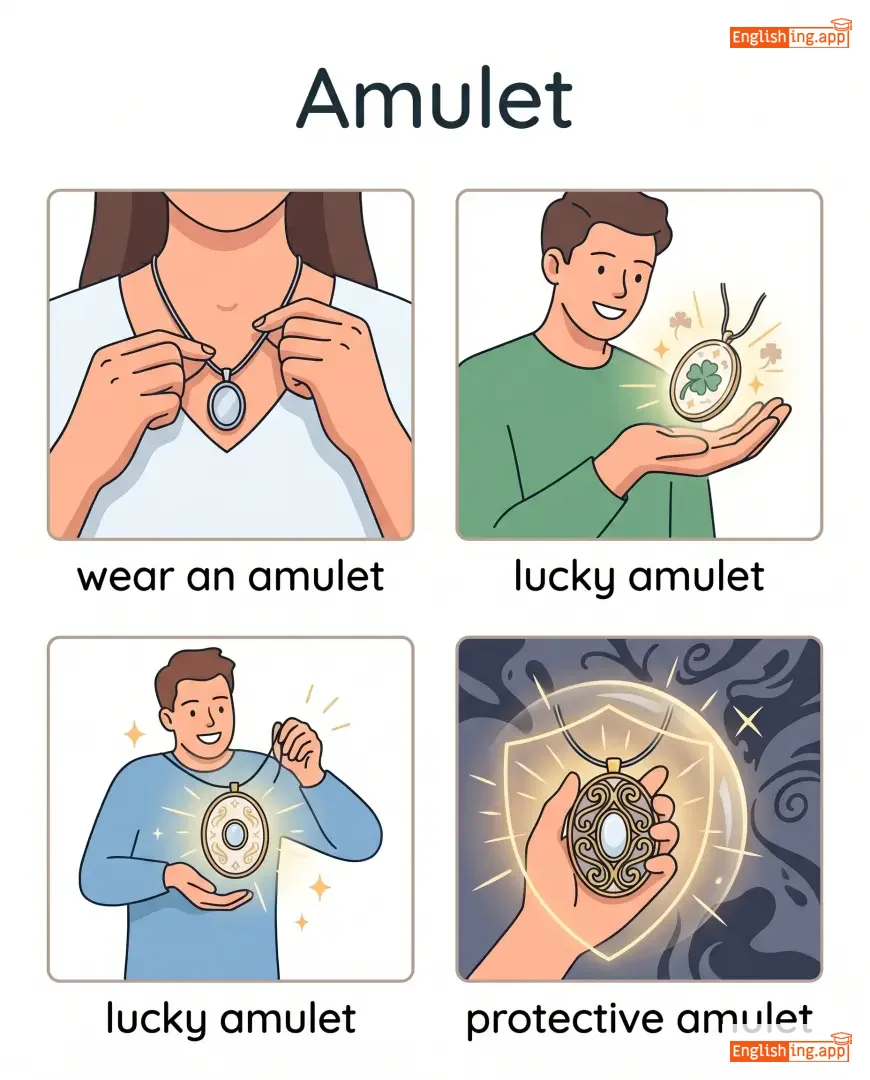
protective amulet, ancient amulet, wear an amulet
••••••
|
护身符 - 用来保平安,保护你
••••••
|
|
#27
🎯
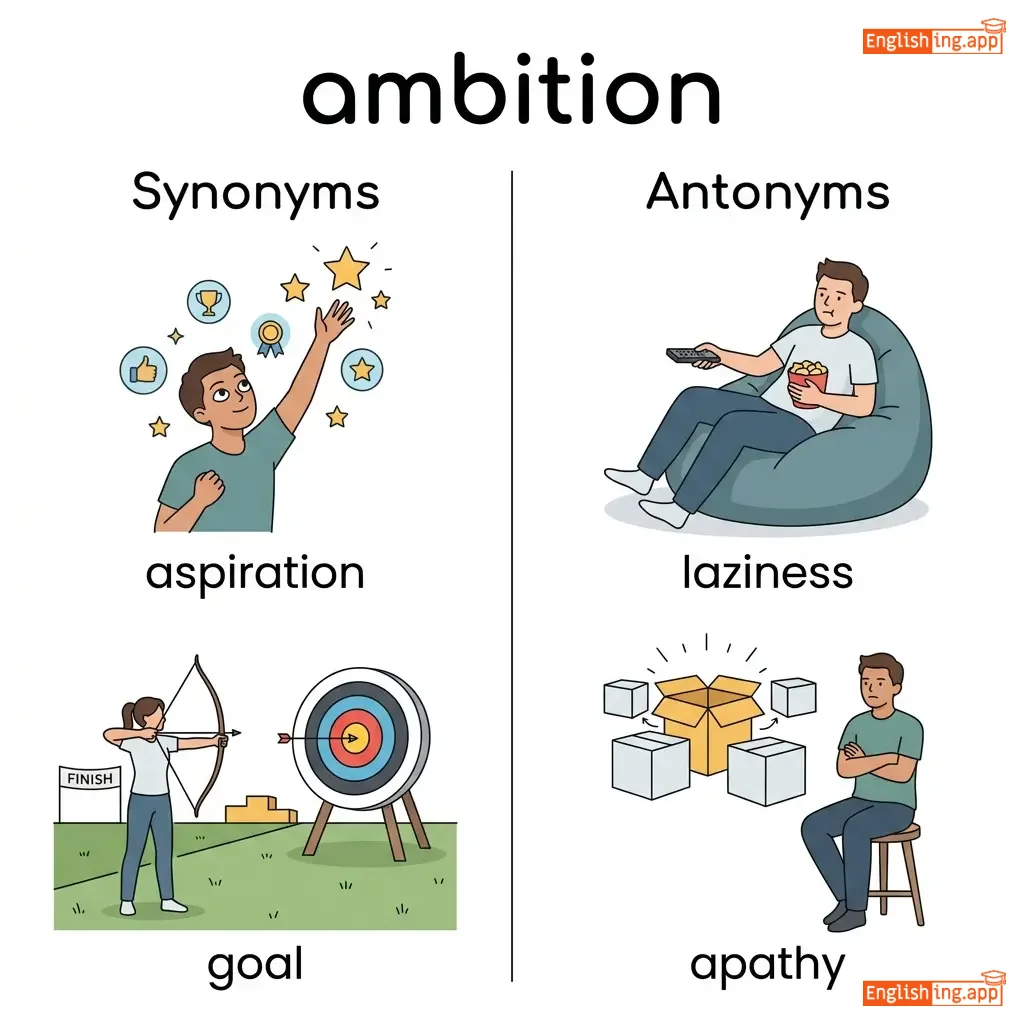
|
/æmˈbɪʃən/
noun
(安比申)
••••••
|
|
抱负
bàofù
••••••
|
a strong desire to do or to achieve something, typically requiring determination and hard work
••••••
|
Her ambition is to become a successful doctor.
她的志向是成为一名成功的医生。
••••••
|
她的志向是成为一名成功的医生。
Tā de zhìxiàng shì chéngwéi yī míng chénggōng de yīshēng.
••••••
|
aspiration, drive, determination, goal
••••••
|
apathy, laziness, contentment
••••••
|
personal ambition, political ambition, fulfill ambition
••••••
|
Ambition = '抱负' in Chinese; stay focused and determined to reach your goals.
••••••
|
|
#28
🏛️
|
/æmˈbæsədər/
noun
(大使)
••••••
|
- •••••• |
大使
dàshǐ
••••••
|
an accredited diplomat sent by a country as its official representative to a foreign country
••••••
|
The ambassador met with government officials to discuss trade agreements. |
大使与政府官员会面,讨论贸易协议。
Dàshǐ yǔ zhèngfǔ guānyuán huìmiàn, tǎolùn màoyì xiéyì.
••••••
|
diplomat, envoy, representative, emissary
••••••
|
- •••••• |
foreign ambassador, diplomatic ambassador, appoint an ambassador
••••••
|
大使代表国家进行国际间的外交事务。
••••••
|
|
#29
⛪
|
/ˈɔːltər/
noun
(祭坛)
••••••
|
- •••••• |
祭坛
jìtán
••••••
|
a raised structure on which offerings or sacrifices are made to a deity
••••••
|
The bride and groom stood before the altar during the ceremony. |
新郎和新娘在仪式中站在祭坛前。
xīnláng hé xīnniáng zài yíshì zhōng zhàn zài jìtán qián.
••••••
|
shrine, sanctuary, platform
••••••
|
- •••••• |
church altar, wedding altar, sacrifice at the altar
••••••
|
中文中的'祭坛'是宗教仪式中用来献祭的地方。
••••••
|
|
#30
💰
|
/əˈlaʊəns/
noun
(āluòwǎnsī)
••••••
|
- •••••• |
津贴
jintie
••••••
|
a sum of money paid regularly to a person; permission to do something
••••••
|
Children receive a weekly allowance for helping with chores. |
孩子们每周会因帮助做家务而获得津贴。
Haizimen mei zhou hui yin bangzhu zuo jiawu er huode jintie.
••••••
|
stipend, payment, allocation, quota
••••••
|
prohibition, ban, restriction
••••••
|
monthly allowance, pocket allowance, travel allowance
••••••
|
孩子们的津贴
••••••
|
|
#31
⚡
|
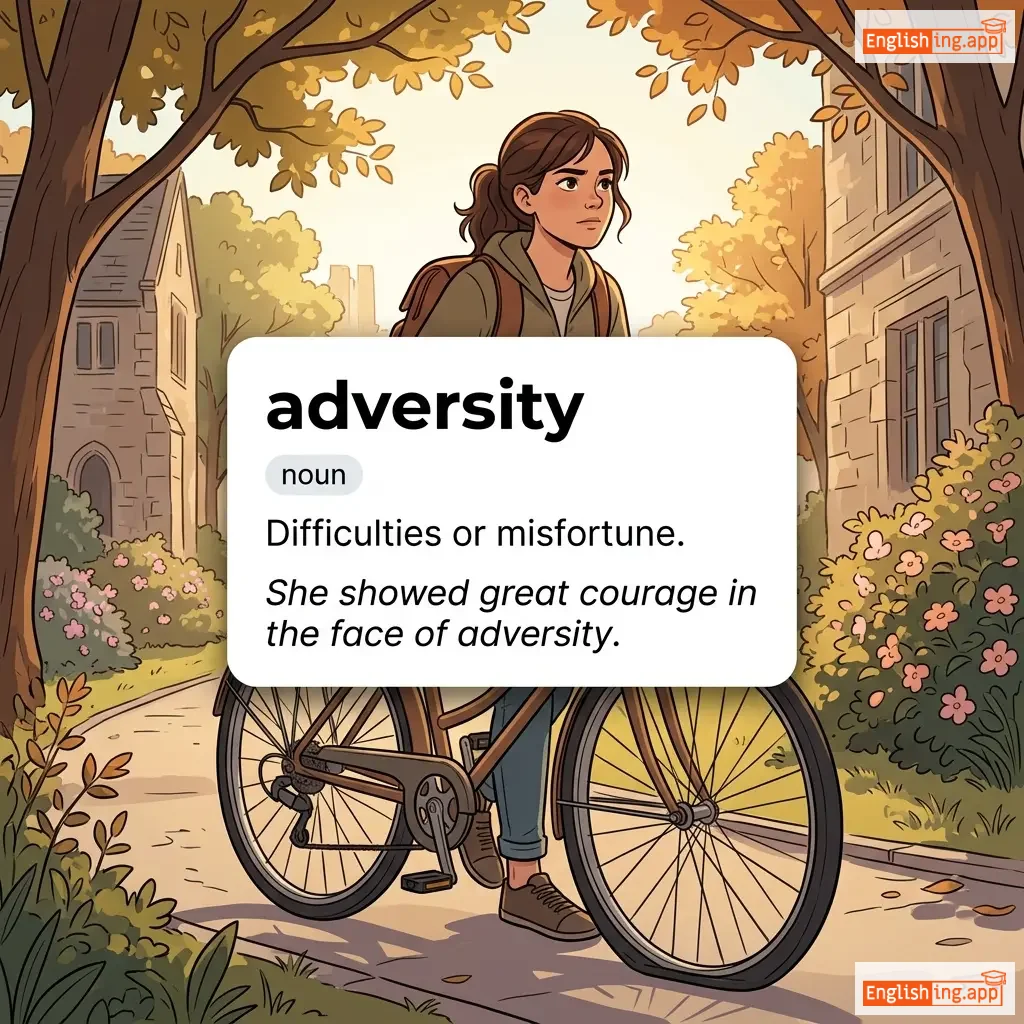
/ædˈvɜːr.sə.ti/
noun
(厄运)
••••••
|
|
逆境; 苦难;
nìjìng; kǔnàn
••••••
|
difficulties or misfortune; hardship
••••••
|
She showed great courage in the face of adversity.
她在厄运面前展现了极大的勇气。
••••••
|
她在厄运面前展现了极大的勇气。
Tā zài èyùn miànqián zhǎnxiànle jí dà de yǒngqì.
••••••
|
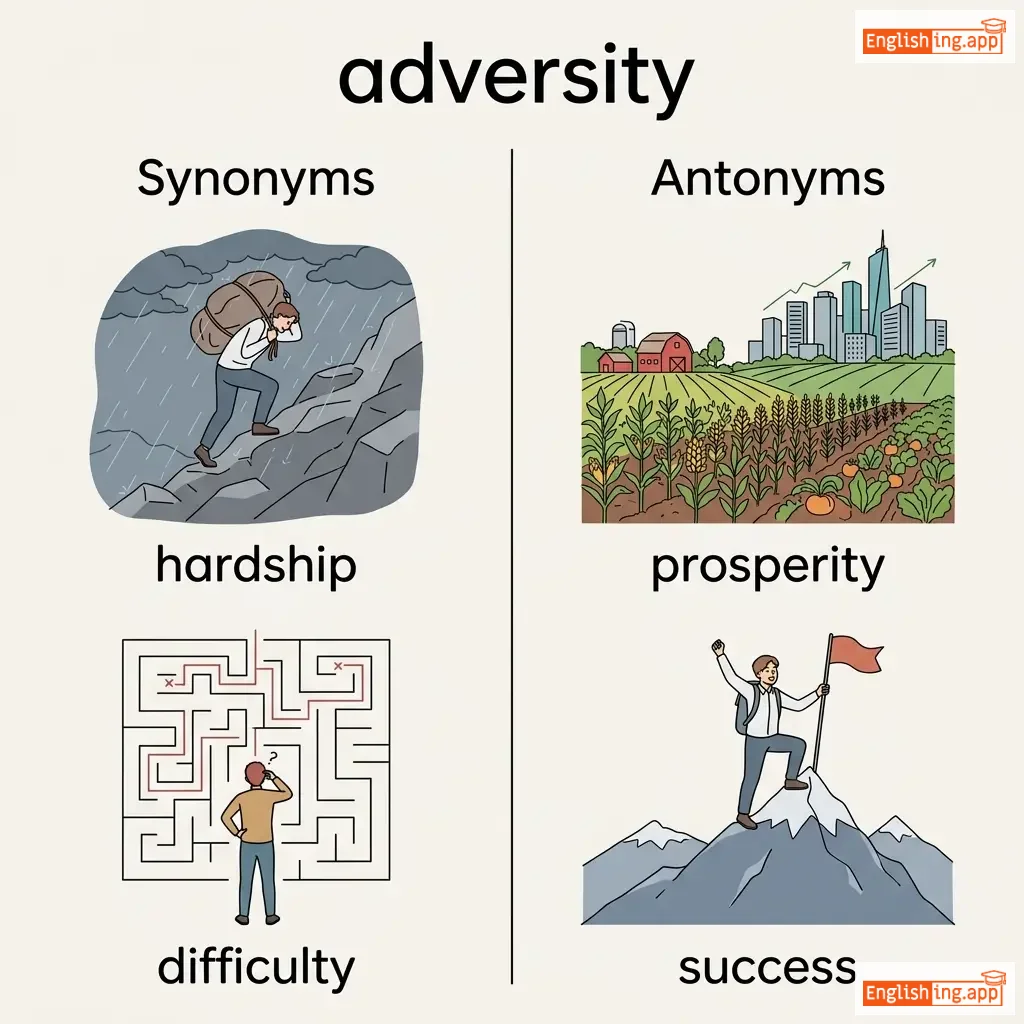
hardship, misfortune, difficulty, trouble
••••••
|
prosperity, fortune, success, ease
••••••
|
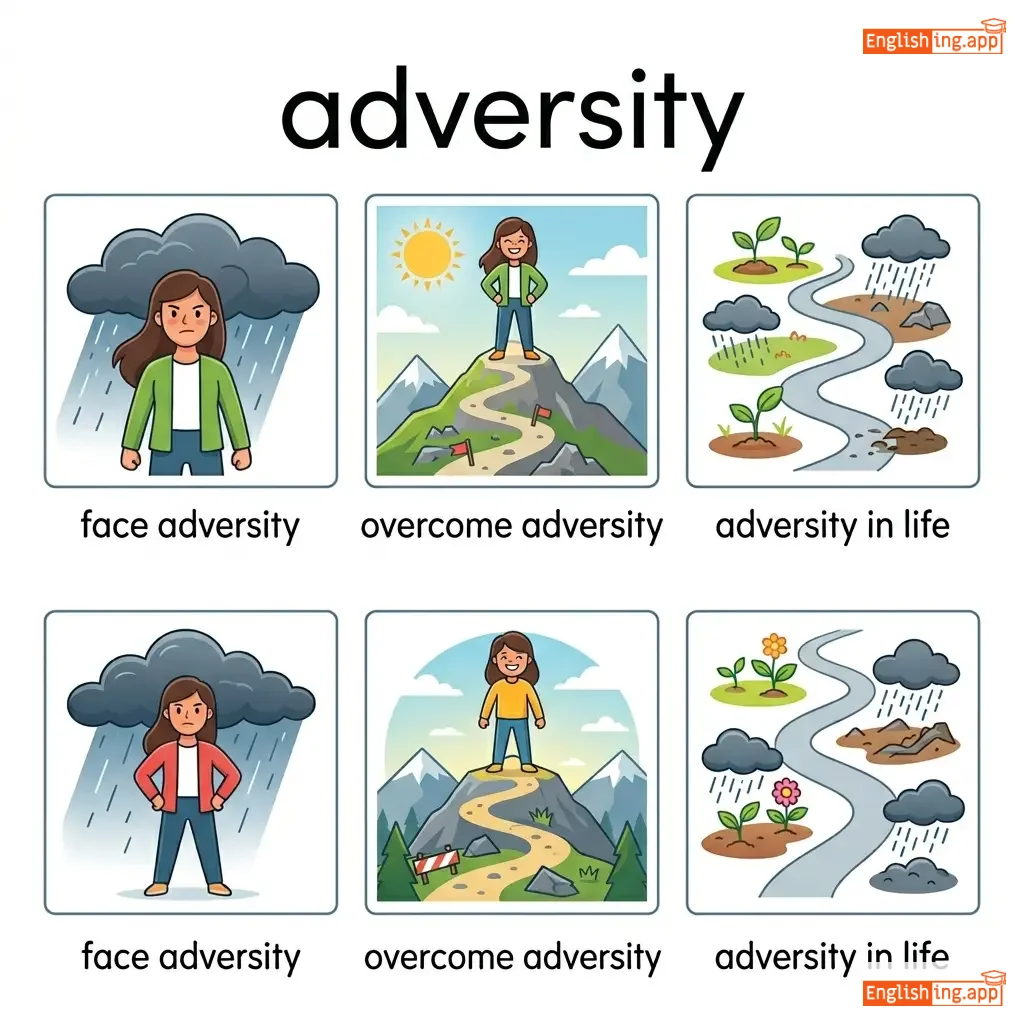
face adversity, overcome adversity, in adversity
••••••
|
In Chinese, adversity is 厄运 (è yùn), which represents facing tough situations.
••••••
|
|
#32
⚖️
|
/ˌæl.əˈɡeɪ.ʃən/
noun
(àlìɡeɪʃən)
••••••
|
- •••••• |
指控
zhǐkòng
••••••
|
a claim that someone has done something wrong or illegal
••••••
|
The allegation against him was proven false. |
对他的指控被证明是假的。
duì tā de zhǐkòng bèi zhèngmíng shì jiǎ de.
••••••
|
accusation, charge, claim, assertion
••••••
|
vindication, exoneration, proof of innocence
••••••
|
serious allegation, false allegation, investigate allegation
••••••
|
指控 (Zhǐkòng) — 当某人做错事时,指控就会发生。
••••••
|
|
#33
👽
|
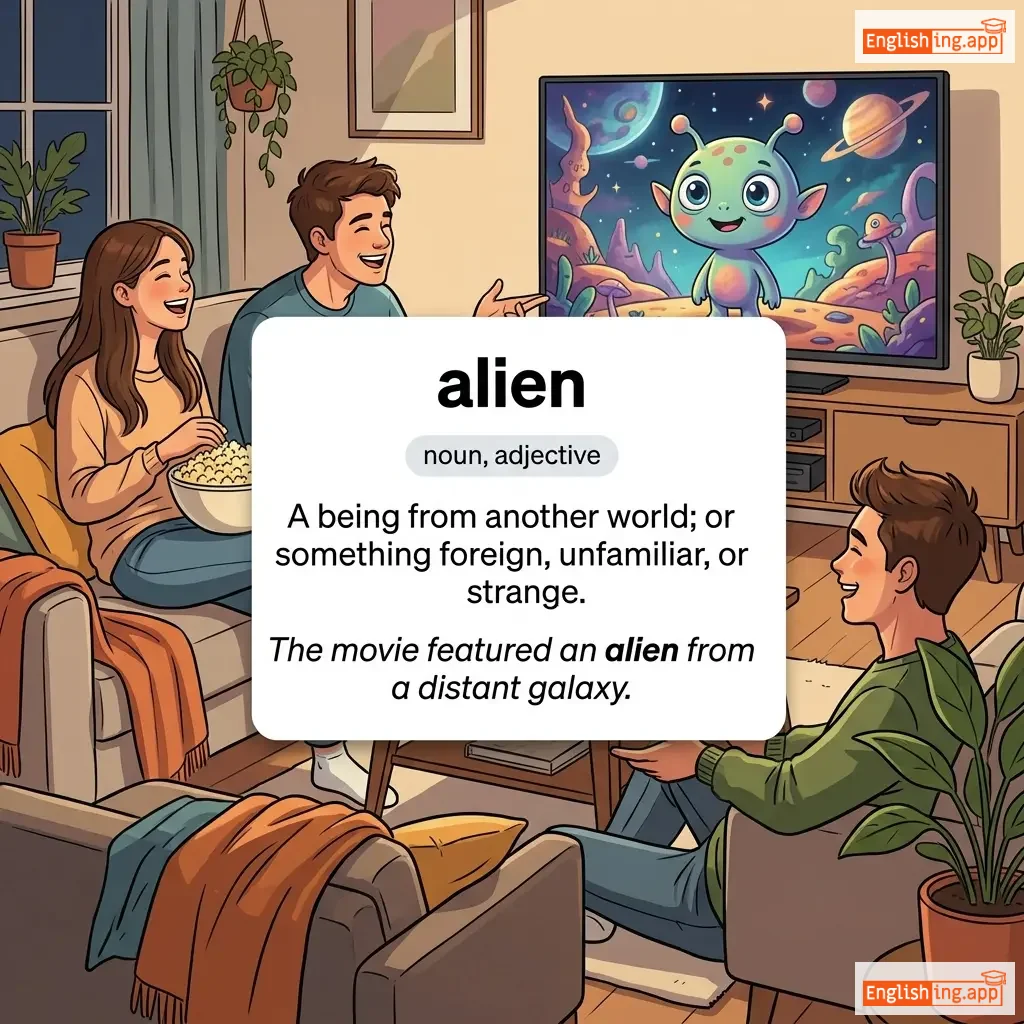
/ˈeɪ.li.ən/
noun
(外星人)
••••••
|
|
外星人; 异常; 奇怪
wàixīngrén; yìcháng; qíguài
••••••
|
a foreigner; being from another world or place; strange
••••••
|
The customs were alien to their culture.
这些风俗对他们的文化来说是陌生的。
••••••
|
这些风俗对他们的文化来说是陌生的。
Zhèxiē fēngsú duì tāmen de wénhuà lái shuō shì mòshēng de.
••••••
|
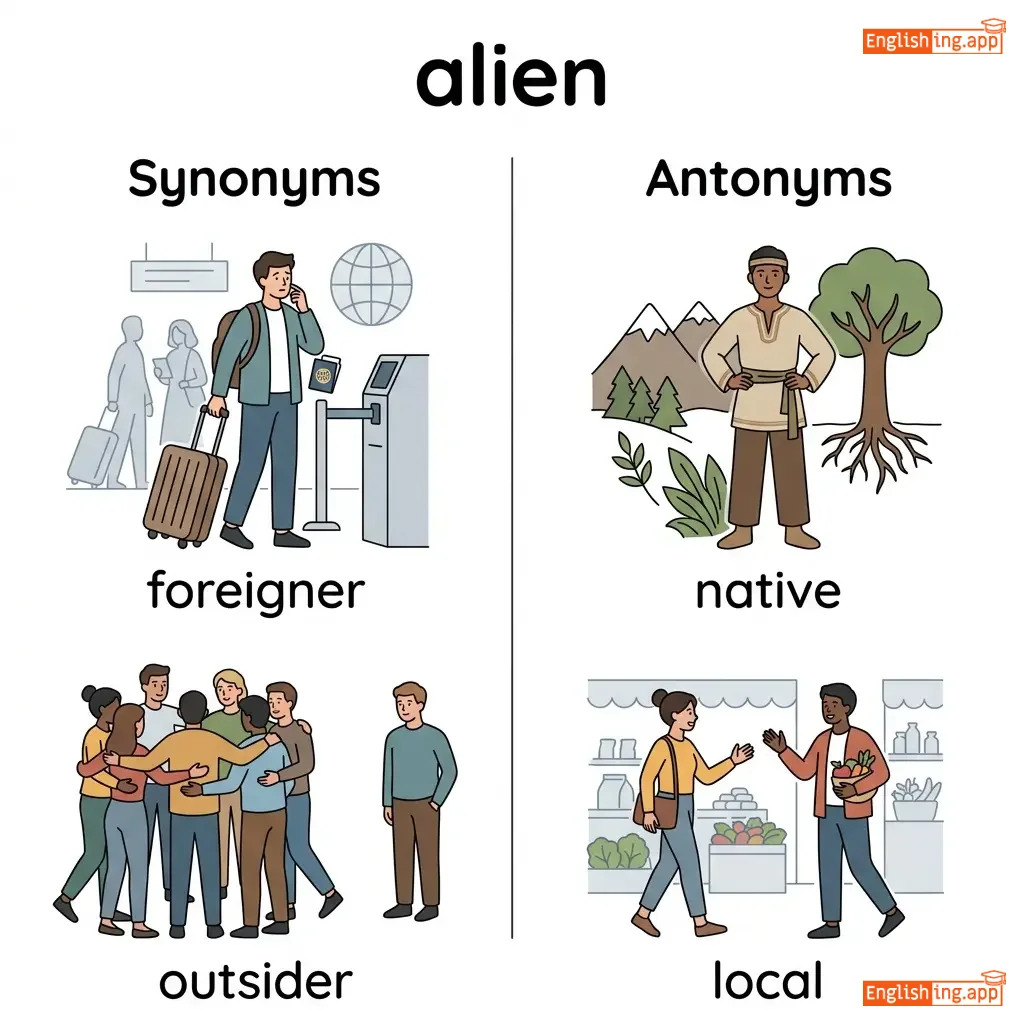
foreign, strange, unfamiliar, outsider
••••••
|
native, familiar, domestic, local
••••••
|
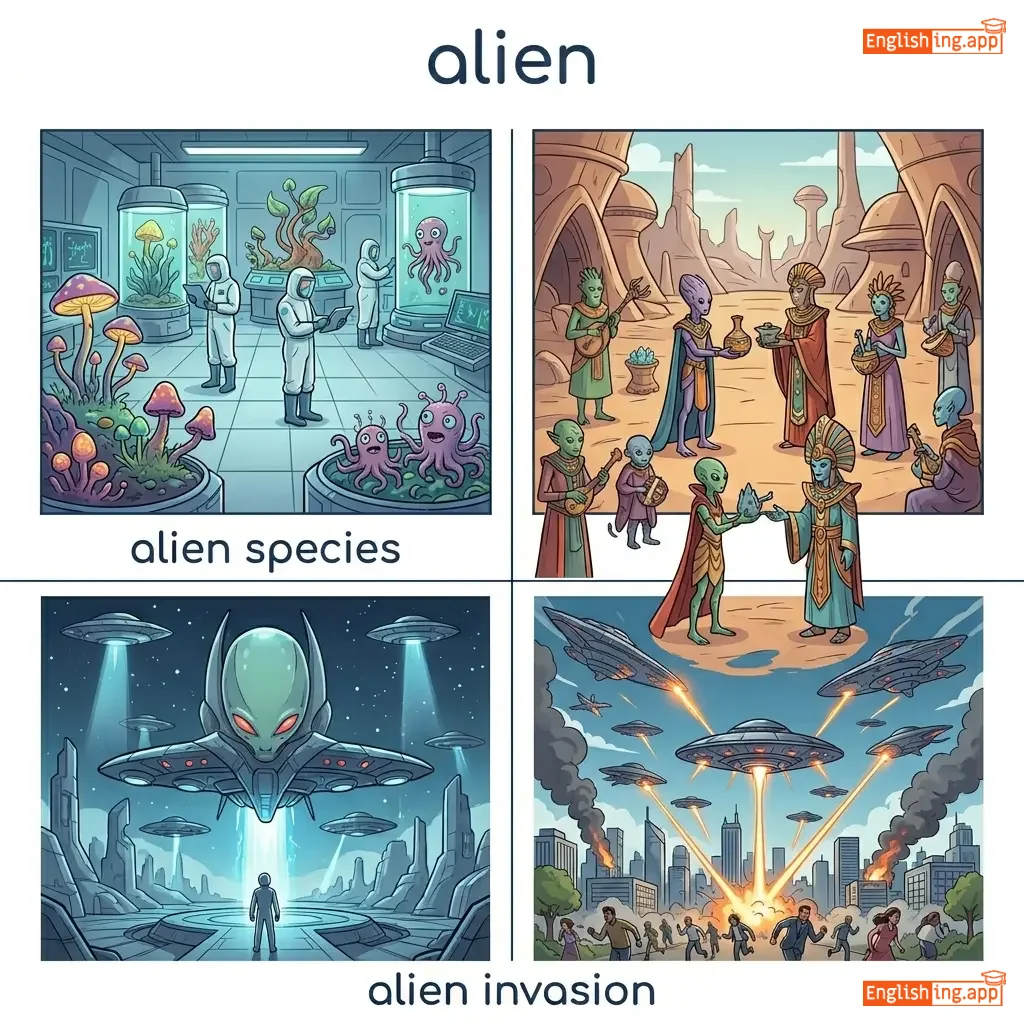
alien culture, alien concept, illegal alien
••••••
|
外星人就像陌生且奇怪的事物。
••••••
|
|
#34
🤝
|
/əˈɡriː.mənt/
noun
(艾格里门特)
••••••
|
|
协议; 一致; 达成协议
xieyi
••••••
|
a negotiated arrangement between parties; harmony of opinion
••••••
|
They signed a business agreement yesterday. |
他们昨天签署了商业协议。
Tamen zuotian qianshu le shangye xieyi.
••••••
|
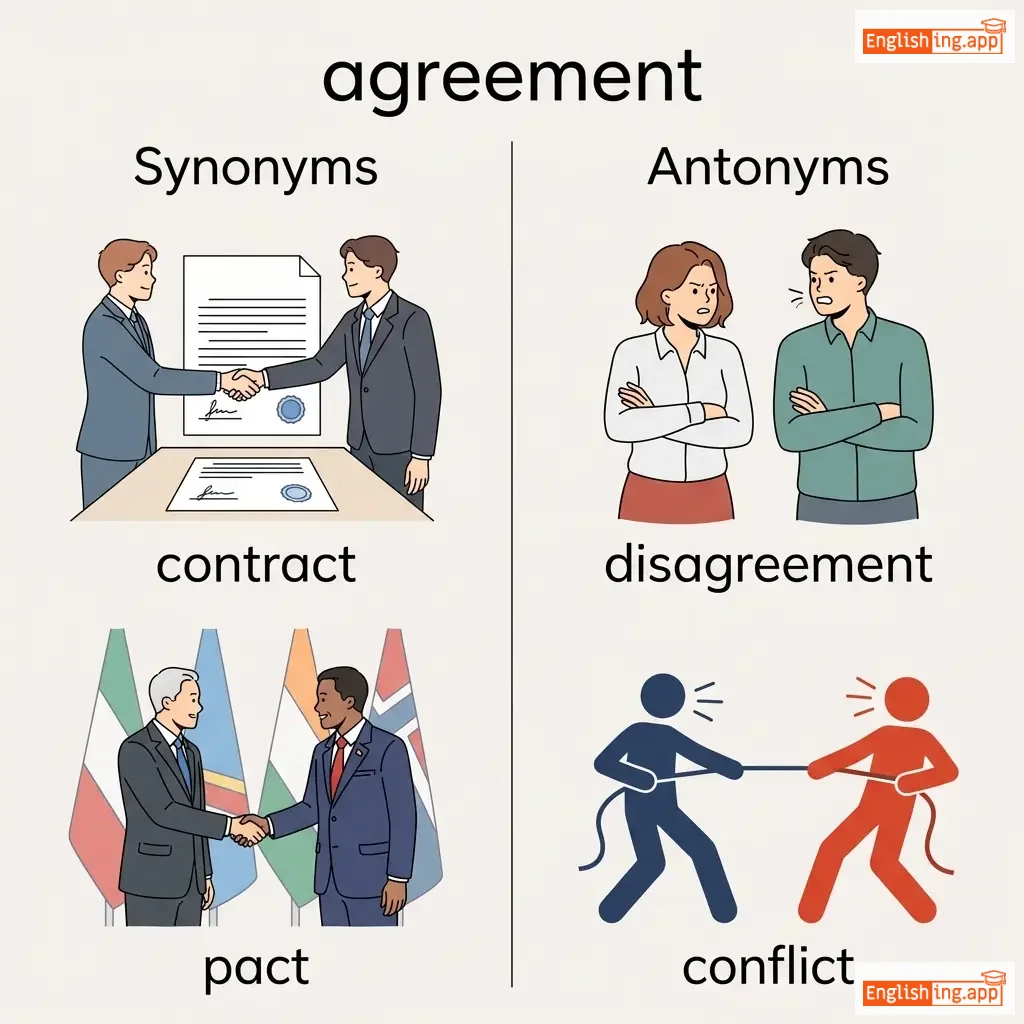
contract, deal, pact, accord
••••••
|
disagreement, conflict, dispute, discord
••••••
|
reach agreement, sign agreement, mutual agreement
••••••
|
签署协议就像是达成Agreement一样正式
••••••
|
|
#35
😫
|
/ˈæɡ.ə.ni/
noun
(埃戈尼)
••••••
|
- •••••• |
极度的身体或精神痛苦;剧烈的疼痛
jidu de shenti huo jingshen tongku; julei de tengtong
••••••
|
extreme physical or mental suffering; intense pain
••••••
|
He was in agony after the accident.
事故后他痛苦不堪。
••••••
|
事故后他痛苦不堪。
shigu hou ta tongku bukan.
••••••
|
pain, suffering, torture, anguish
••••••
|
bliss, comfort, relief, pleasure
••••••
|
in agony, agony of defeat, prolonged agony
••••••
|
Agony means severe pain, both physical and mental.
••••••
|
|
#36
📝
|
/əˈdʒen.də/
noun
(àjiéndà)
••••••
|
- •••••• |
议程
yìchéng
••••••
|
a list of items to be discussed at a meeting; a plan of action
••••••
|
The meeting agenda includes budget discussions. |
会议议程包括预算讨论。
Huìyì yìchéng bāokuò yùsuàn tǎolùn.
••••••
|
schedule, program, plan, itinerary
••••••
|
spontaneity, improvisation
••••••
|
meeting agenda, hidden agenda, political agenda
••••••
|
议程就是会议要讨论的事项,就像英文的agenda一样。
••••••
|
|
#37
🏢
|
/ˈeɪ.dʒən.si/
noun
(艾金西)
••••••
|
- •••••• |
代理机构; 代理人办公室
dàilǐ jīgòu
••••••
|
a business or organization that provides a particular service
••••••
|
She works for a travel agency downtown. |
她在市中心的旅行社工作。
Tā zài shì zhōngxīn de lǚxíng shè gōngzuò.
••••••
|
organization, bureau, company, firm
••••••
|
individual, freelance
••••••
|
travel agency, advertising agency, government agency
••••••
|
Think of an 'agency' planning your trip.
••••••
|
|
#38
🤝
|
/əˌfɪl.iˈeɪ.ʃən/
noun
(隶属)
••••••
|
|
与组织或团体的联系或关联
yu zuzhi huo tuanti de lianxi huo guanlian
••••••
|
connection or association with an organization or group
••••••
|
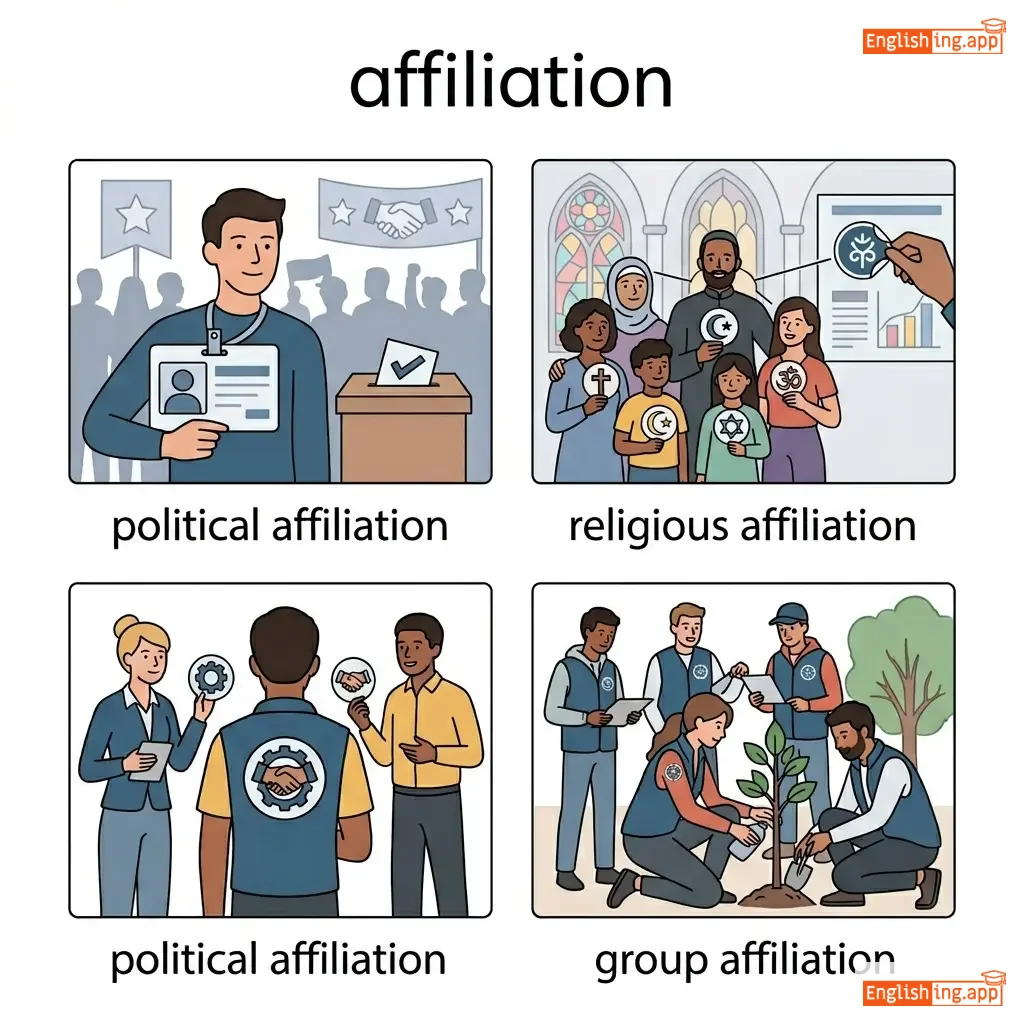
His political affiliation influenced his career decisions. |
他的政治隶属关系影响了他的职业决策。
Tā de zhèngzhì lìshǔ guānxi yǐngxiǎng le tā de zhíyè juécè.
••••••
|
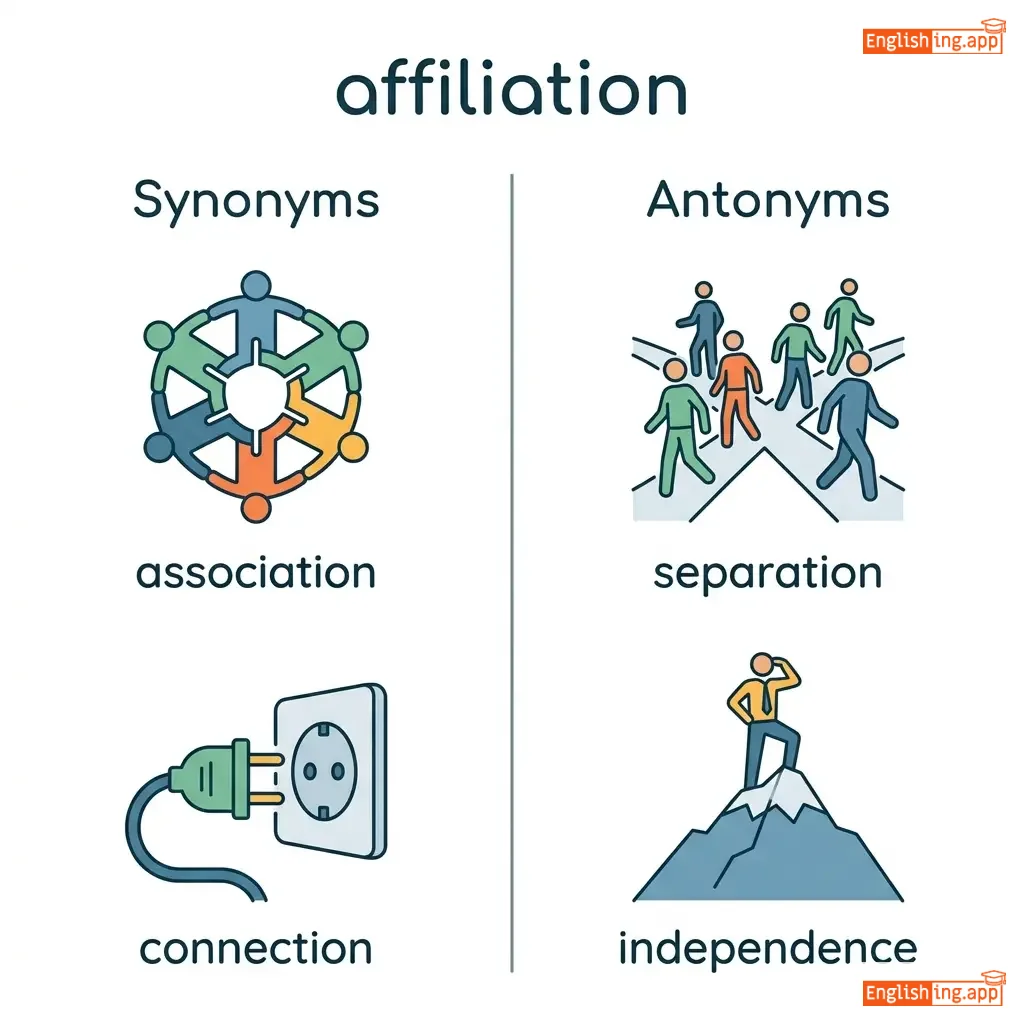
association, connection, membership, alliance
••••••
|
dissociation, separation, independence
••••••
|
political affiliation, religious affiliation, party affiliation
••••••
|
In Chinese, '隶属' can remind you of the connection or affiliation with an organization.
••••••
|
|
#39
❤️
|
/əˈfek.ʃən/
noun
(àifèixiàng)
••••••
|
- •••••• |
喜爱; 爱情
xǐ'ài; àiqíng
••••••
|
a feeling of liking or caring for someone or something
••••••
|
She has deep affection for her grandmother.
她对她的祖母有着深深的喜爱。
••••••
|
她对她的祖母有着深深的喜爱。
Tā duì tā de zǔmǔ yǒuzhe shēnshēn de xǐ'ài.
••••••
|
love, fondness, tenderness, care
••••••
|
hatred, dislike, indifference, hostility
••••••
|
deep affection, show affection, feel affection
••••••
|
爱是深深的关怀和喜爱。
••••••
|
|
#40
📋
|
/əˈfer/
noun
(事务)
••••••
|
- •••••• |
事件; 事务;
shìjiàn; shìwù
••••••
|
an event or situation; a matter that someone deals with
••••••
|
The wedding was a grand affair with hundreds of guests. |
婚礼是一个盛大的事件,邀请了数百位宾客。
hūnlǐ shì yīgè shèngdà de shìjiàn, yāoqǐng le shù bǎi wèi bīnkè.
••••••
|
matter, business, concern, event
••••••
|
triviality, insignificance
••••••
|
business affair, love affair, family affair
••••••
|
记住,'事件' 或 '事务' 都属于 'affair'。
••••••
|
Vocabulary Quiz
Test your vocabulary by matching words with their translations or meanings.
Login to take the quiz
Comments (0)
Share your thoughts and join the discussion.
Join the discussion by logging in
Login to CommentNo comments yet
Be the first to share your thoughts!