



Swipe left or right, or use the buttons. Tap image to zoom.
例句翻译
单词
Lesson 75Lesson 75 - 遮罩切换
|
表情符号
|
单词 | Images | 翻译 | 含义 | 例句 | 例句翻译 | 同义词 | 反义词 | 搭配词 | 助记符 |
|---|---|---|---|---|---|---|---|---|---|---|
|
#1481
🏢
|
/ˈven.juː/
noun
(wén yù)
••••••
|
- •••••• |
场地
chang di
••••••
|
a place where an event or activity takes place
••••••
|
The wedding venue was beautifully decorated. |
婚礼场地被精美装饰。
hunli changdi bei jingmei zhuangshi
••••••
|
location, place, site, setting
••••••
|
- •••••• |
wedding venue, concert venue, sports venue
••••••
|
场地是事件的所在。
••••••
|
|
#1482
🏆
|
/ˈvɪk.tər.i/
noun
(vɪkˈtɔri)
••••••
|
|
胜利
shengli
••••••
|
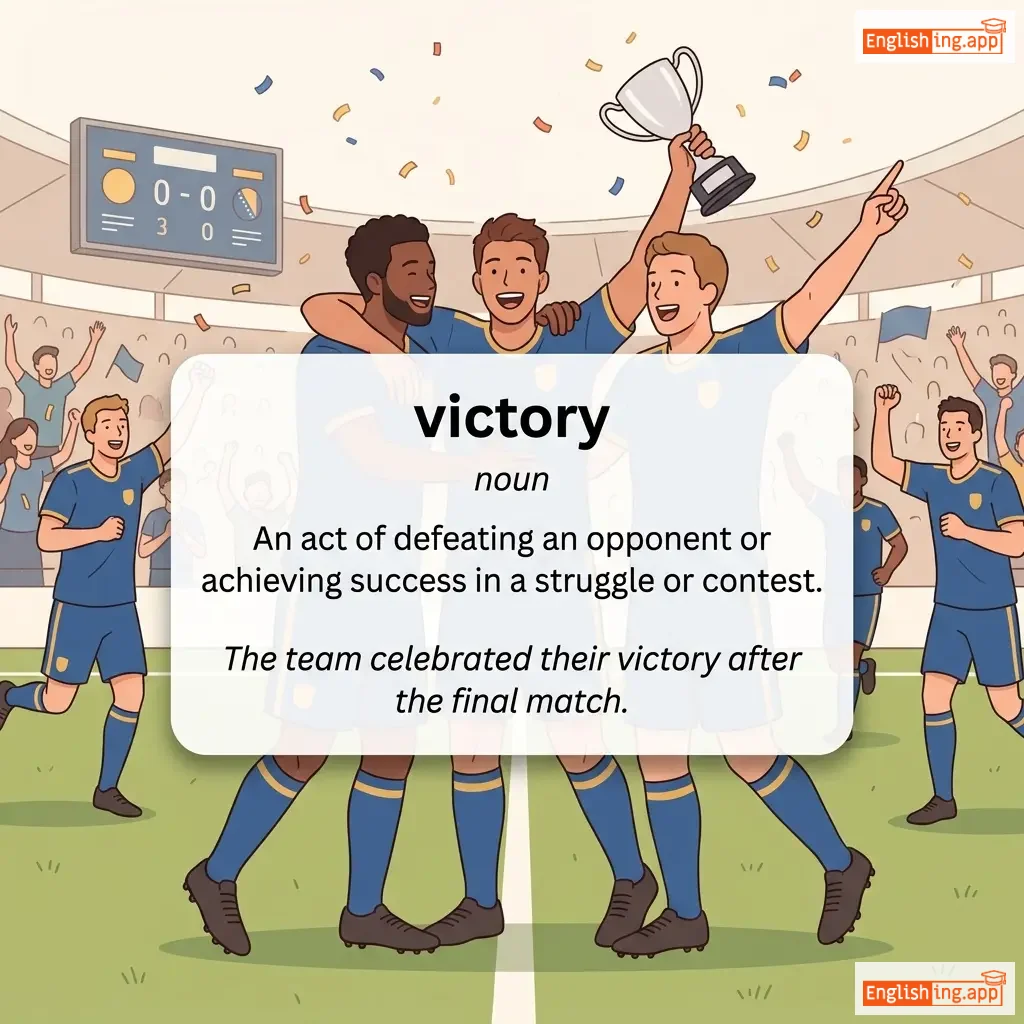
success in a struggle or contest; the defeat of an enemy or opponent
••••••
|
The team celebrated their victory in the championship. |
球队在锦标赛中庆祝了他们的胜利。
Qiúduì zài jǐnbiāosài zhōng qìngzhùle tāmen de shènglì.
••••••
|
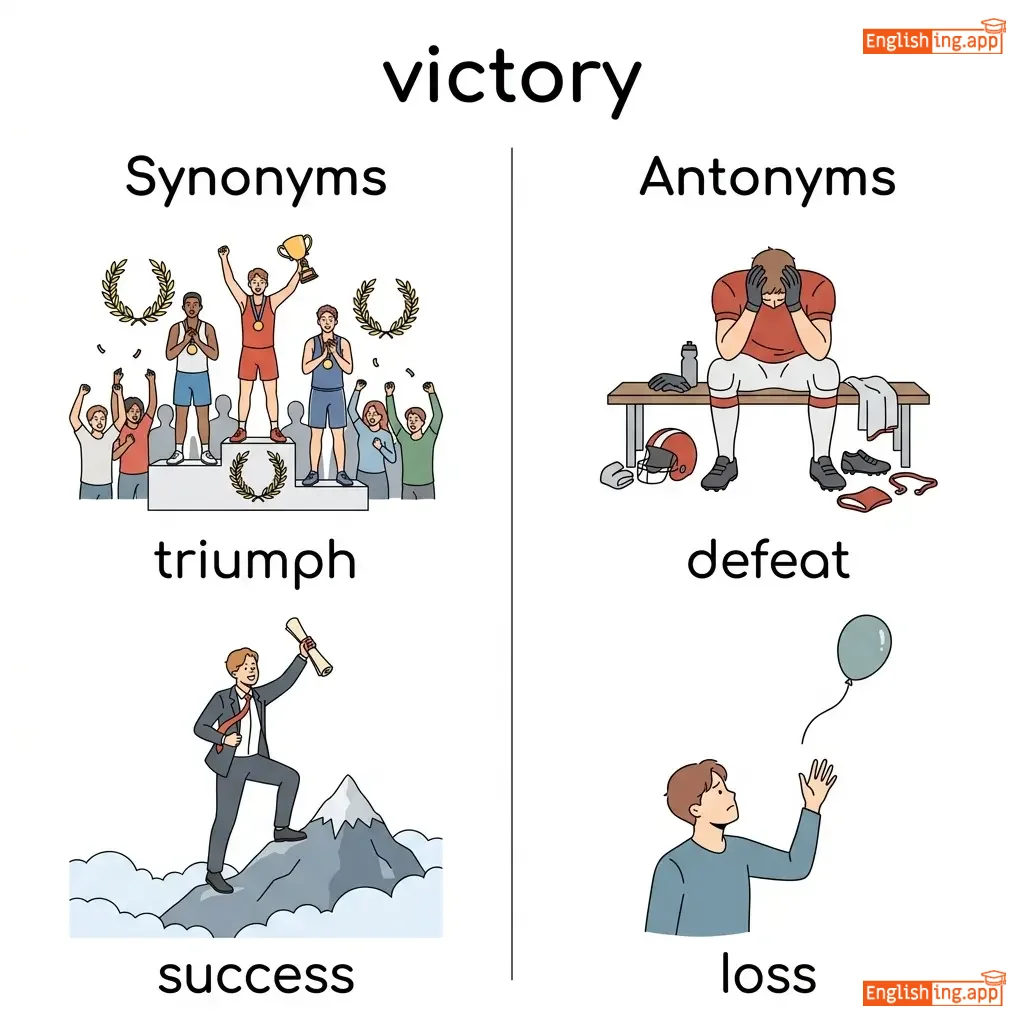
triumph, success, win, conquest
••••••
|
defeat, loss, failure
••••••
|
victory celebration, victory speech, decisive victory
••••••
|
‘胜利’是胜利的意思, 就像 ‘victory’!
••••••
|
|
#1483
🚪
|
/vɜːrdʒ/
noun
(vɜːrdʒ)
••••••
|
- •••••• |
边缘; 极限; 门槛
verge
••••••
|
the edge or border of something; very close to happening
••••••
|
She was on the verge of tears. |
她几乎要哭出来了。
tā jīhū yào kū chūlái le.
••••••
|
edge, border, brink, threshold
••••••
|
center, middle, interior
••••••
|
on the verge of, verge of collapse, verge of tears
••••••
|
她在 verge 上,几乎哭出声来。
••••••
|
|
#1484
👁️
|
/vjuː/
noun
(vju)
••••••
|
- •••••• |
视野; 观点; 意见
shìyě; guāndiǎn; yìjiàn
••••••
|
the ability to see something; a particular way of considering or regarding something; an opinion
••••••
|
The mountain view from our hotel room was breathtaking.
从我们酒店房间看出去的山景令人叹为观止。
••••••
|
从我们酒店房间看出去的山景令人叹为观止。
Cóng wǒmen jiǔdiàn fángjiān kàn chūqù de shānjǐng lìng rén tànhuì guānzhǐ.
••••••
|
sight, perspective, opinion, outlook
••••••
|
blindness, ignorance
••••••
|
point of view, bird's eye view, scenic view
••••••
|
从山顶的视野令人陶醉!
••••••
|
|
#1485
🔴
|
/vərˈmɪl.jən/
noun
(维米利昂)
••••••
|
- •••••• |
鲜红色-橙色; 这种颜色的颜料
vermillion
••••••
|
a bright red-orange color; a pigment of this color
••••••
|
The artist used vermillion paint for the sunset.
艺术家为日落使用了维米利昂颜料。
••••••
|
艺术家为日落使用了维米利昂颜料。
Yìshùjiā wèi rìluò shǐyòngle wéimìlì'áng yánliào.
••••••
|
scarlet, crimson, red-orange, cinnabar
••••••
|
blue, green, cyan
••••••
|
vermillion paint, vermillion color, bright vermillion
••••••
|
维米利昂像日落一样温暖和明亮。
••••••
|
|
#1486
👀
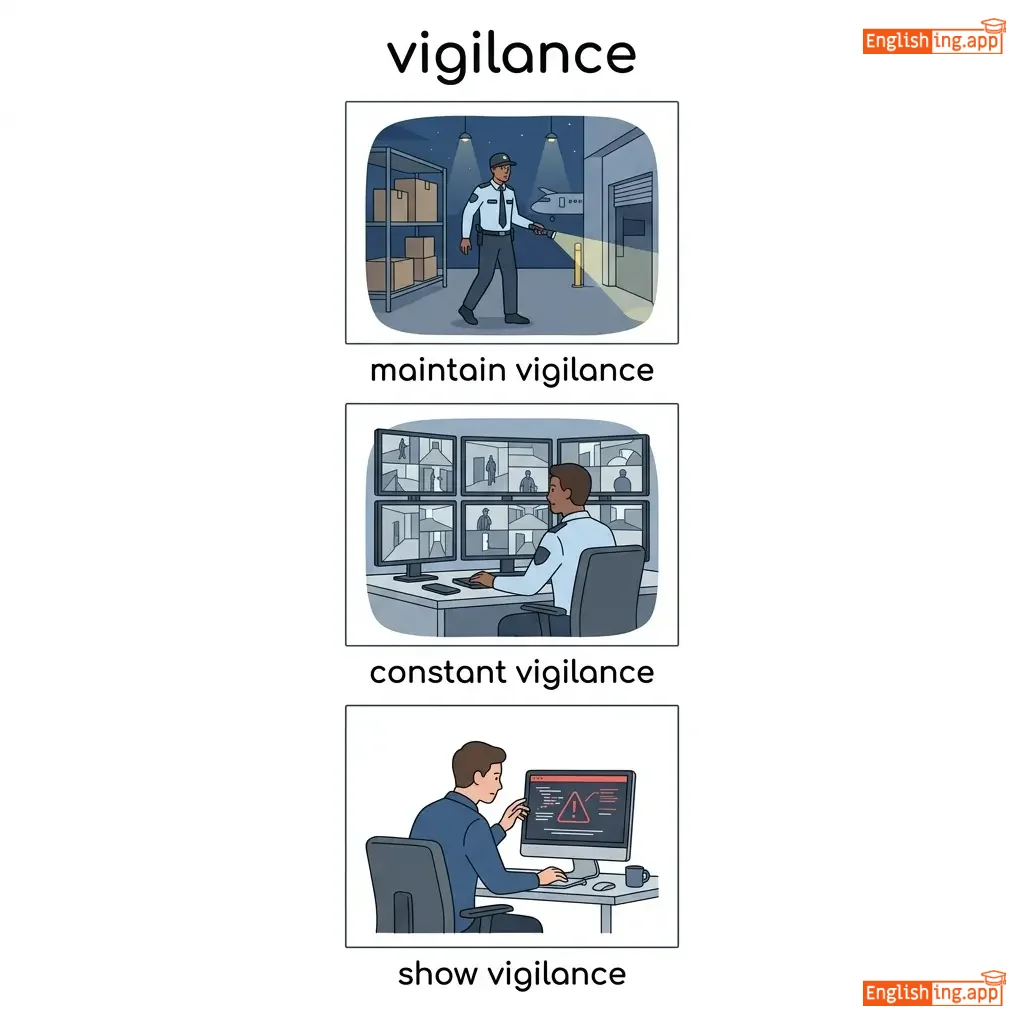
|
/ˈvɪdʒ.ɪ.ləns/
noun
(警觉)
••••••
|
|
警觉; 持续警惕
jǐngjué; chíxù jǐngtì
••••••
|
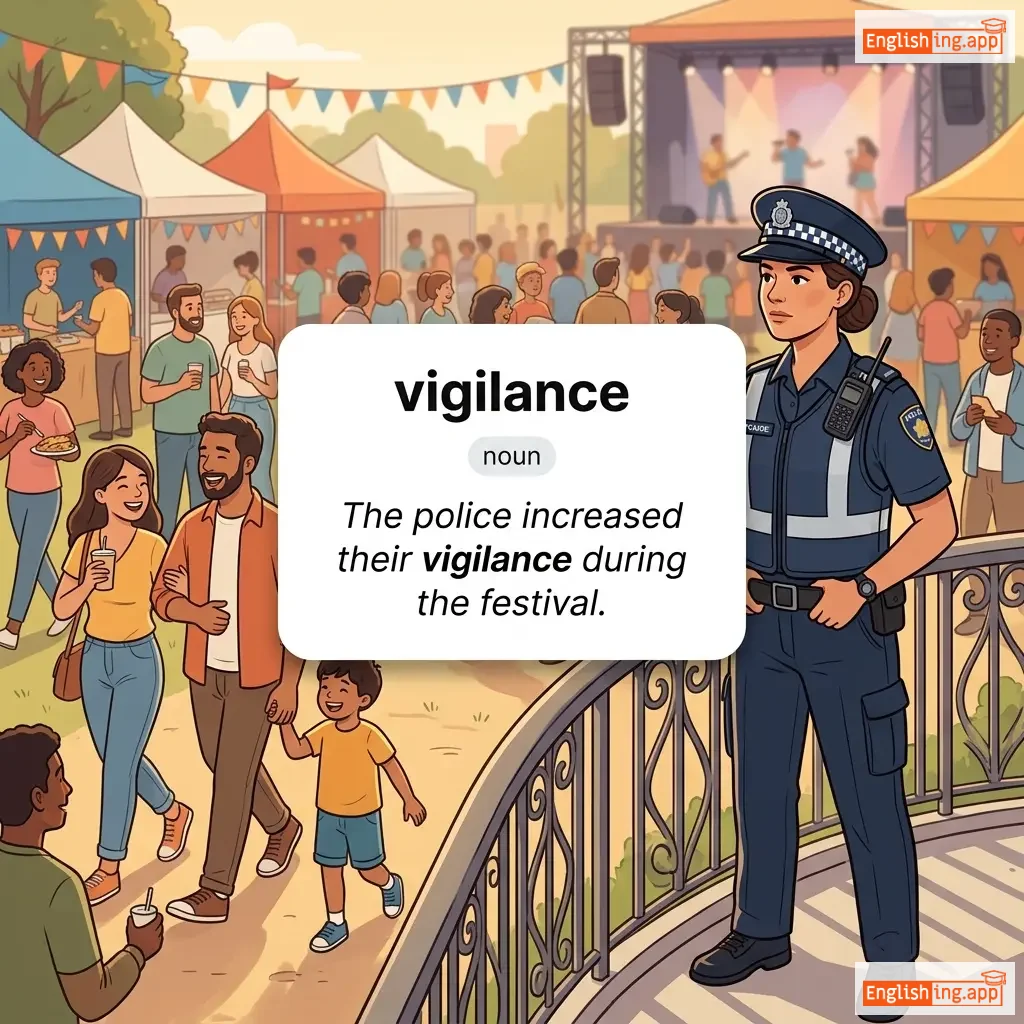
the action or state of keeping careful watch for possible danger or difficulties
••••••
|
Security guards must maintain constant vigilance at the airport. |
安保人员必须保持机场的持续警觉。
Ānbǎo rényuán bìxū bǎochí jīchǎng de chíxù jǐngjué.
••••••
|
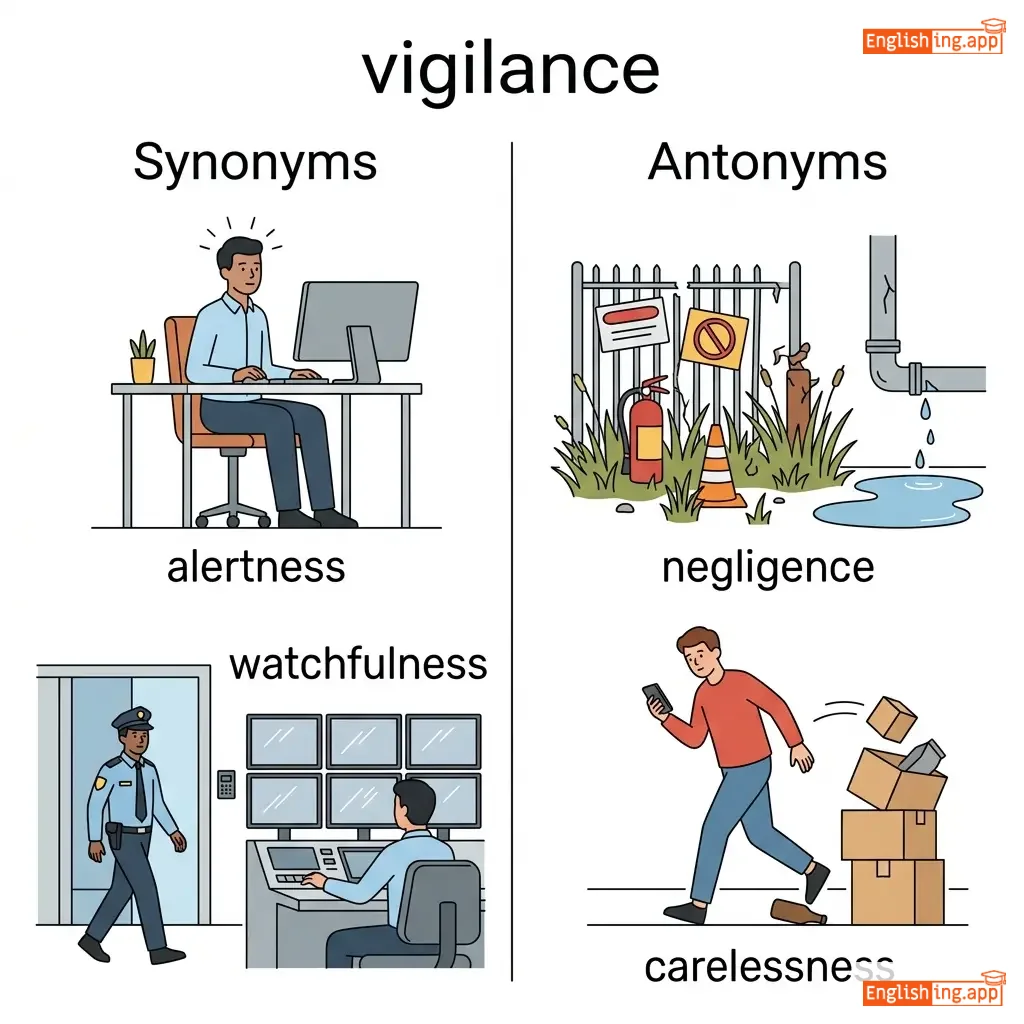
watchfulness, alertness, caution, surveillance
••••••
|
negligence, carelessness, inattention
••••••
|
constant vigilance, maintain vigilance, security vigilance
••••••
|
警觉就像保安一样时刻保持警惕,随时准备应对危险。
••••••
|
|
#1487
📝
|
/ˈvɜːr.ʒən/
noun
(wò ěr xùn)
••••••
|
- •••••• |
版本; 形式; 叙述
bǎn běn
••••••
|
a particular form or variation of something; an account of an event
••••••
|
This is the latest version of the software.
这是软件的最新版本。
••••••
|
这是软件的最新版本。
Zhè shì ruǎnjiàn de zuìxīn bǎnběn.
••••••
|
edition, variant, form, adaptation
••••••
|
original, prototype
••••••
|
latest version, new version, updated version
••••••
|
版本 = 变体 (软件的版本)
••••••
|
|
#1488
💪
|
/ˈvɪɡ.ər/
noun
(vɪɡɔr)
••••••
|
- •••••• |
身体力量和健康;努力、能量和热情
vigour
••••••
|
physical strength and good health; effort, energy, and enthusiasm
••••••
|
She approached her work with renewed vigour after the vacation. |
假期后,她以焕然一新的活力投入工作。
jiàqī hòu, tā yǐ huànrán yīxīn de huólì tóurù gōngzuò.
••••••
|
energy, strength, vitality, enthusiasm
••••••
|
weakness, lethargy, fatigue
••••••
|
youthful vigour, physical vigour, renewed vigour
••••••
|
In Chinese, 'vigour' means energy and physical health. Picture someone with renewed enthusiasm after a vacation.
••••••
|
|
#1489
🚢
|
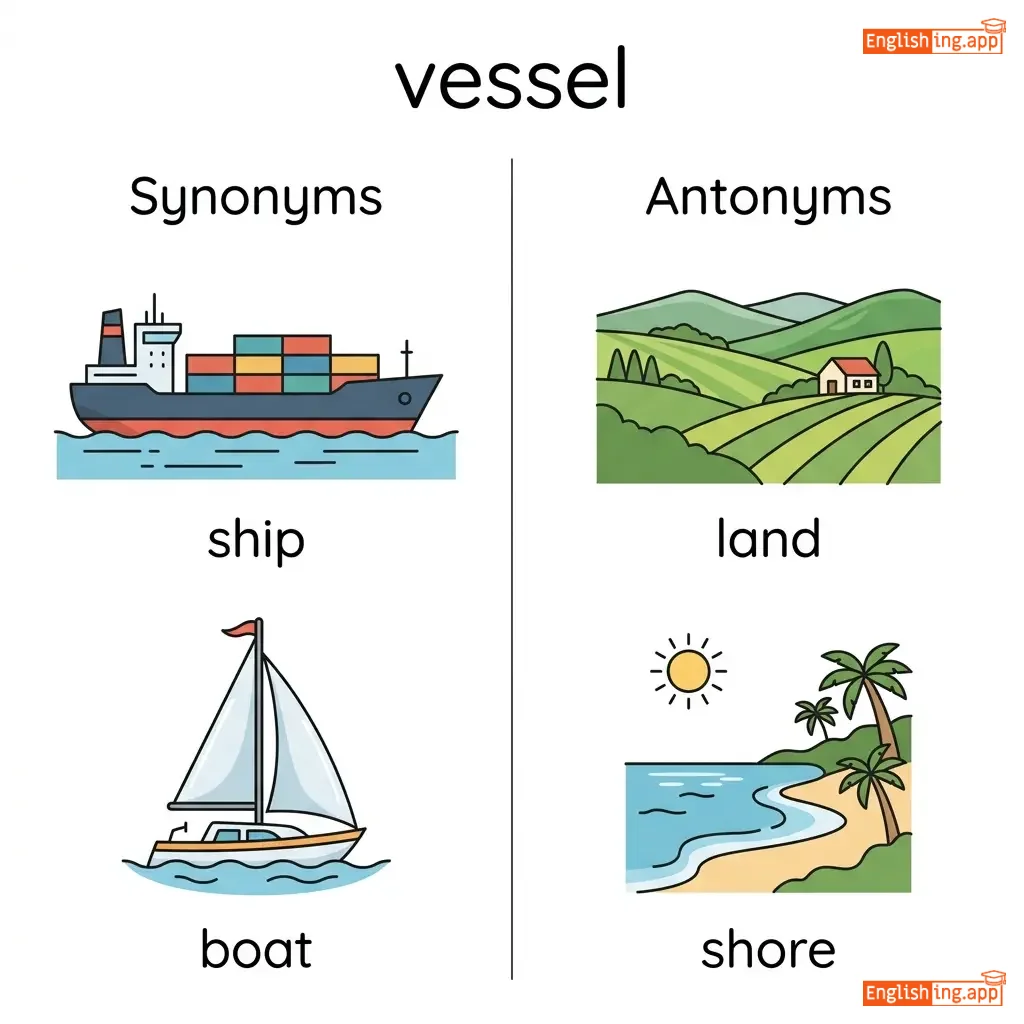
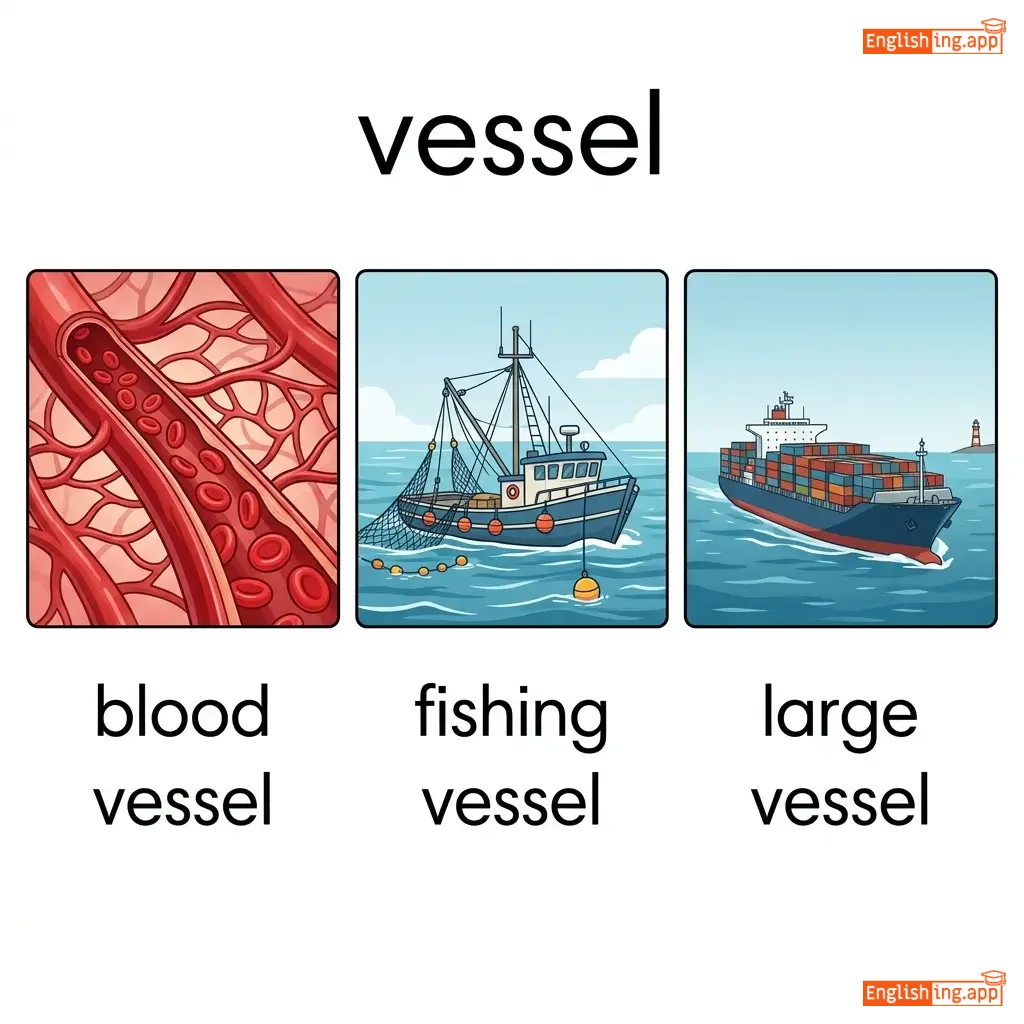
/ˈves.əl/
noun
(韦塞尔)
••••••
|
|
船只或船;用于容纳液体的容器
weiser
••••••
|
a ship or boat; a container for holding liquids
••••••
|
The cargo vessel arrived at the port.
货船到达港口。
••••••
|
货船到达港口。
huo chuan daoda gangkou.
••••••
|
ship, boat, container, receptacle
••••••
|
- •••••• |
cargo vessel, blood vessel, drinking vessel
••••••
|
Vessel - 作为一个大型的容器,船在海上承载着货物,正如液体容器保持着液体。
••••••
|
|
#1490
🚫
|
/ˌvaɪ.əˈleɪ.ʃən/
noun
(wēi ōu lēi shēn)
••••••
|
- •••••• |
违反; 违反规则
wéifǎn; wéifǎn guīzé
••••••
|
the action of violating someone or something; the action of breaking or failing to comply with a rule or formal agreement
••••••
|
The company was fined for violation of environmental regulations.
该公司因违反环境法规而被罚款。
••••••
|
该公司因违反环境法规而被罚款。
Gāi gōngsī yīn wéifǎn huánjìng fǎguī ér bèi fákuǎn.
••••••
|
breach, infringement, transgression, contravention
••••••
|
compliance, observance, adherence
••••••
|
traffic violation, human rights violation, rule violation
••••••
|
In Chinese, '违反' refers to the act of violation or breaching rules, aligning with the English meaning.
••••••
|
|
#1491
🏺
|
/ˈves.tɪdʒ/
noun
(wēi sī tì jí)
••••••
|
- •••••• |
痕迹
henji
••••••
|
a trace or remnant of something that is disappearing or no longer exists
••••••
|
No vestige of the ancient city remains.
No wēi sī tì jí ǒf ðə ēn shī ēnt shì tì rǐˈmeɪnz.
••••••
|
古老城市的痕迹已经不再存在。
gǔlǎo chéngshì de hén jì yǐ jīng bù zài cúnzài
••••••
|
trace, remnant, remains, relic
••••••
|
entirety, whole, complete
••••••
|
last vestige, vestige of hope, no vestige
••••••
|
痕迹 = 古老时代留下的微小印记。
••••••
|
|
#1492
⚔️
|
/ˈvaɪ.ə.ləns/
noun
(wài-yóu-lìng-sī)
••••••
|
- •••••• |
暴力; 残忍; 极端强度
baoli; canren; jiduān qiángdù
••••••
|
behavior involving physical force intended to hurt, damage, or kill; extreme force or intensity
••••••
|
The government condemned all forms of violence against civilians.
政府谴责了一切形式的暴力行为,尤其是针对平民。
••••••
|
政府谴责了一切形式的暴力行为,尤其是针对平民。
zhèngfǔ qiǎnzéle yīqiè xíngshì de bàolì xíngwéi, yóuqí shì zhēnduì píngmín.
••••••
|
brutality, aggression, force, cruelty
••••••
|
peace, gentleness, nonviolence
••••••
|
domestic violence, prevent violence, acts of violence
••••••
|
暴力像风暴一样猛烈!
••••••
|
|
#1493
📳
|
/vaɪˈbreɪ.ʃən/
noun
(wēi bō)
••••••
|
- •••••• |
震动
zhendong
••••••
|
a rapid back and forth movement; oscillation
••••••
|
The phone's vibration woke me up.
电话的震动把我吵醒了。
••••••
|
电话的震动把我吵醒了。
Dianhua de zhendong ba wo chaoxingle.
••••••
|
oscillation, tremor, pulsation, quiver
••••••
|
stillness, stability, motionlessness
••••••
|
phone vibration, sound vibration, vibration mode
••••••
|
震动像是电话响起的声音,'震动'。
••••••
|
|
#1494
✨
|
/ˈvɜː.tʃuː/
noun
(wòěrchū)
••••••
|
- •••••• |
美德;道德;有用的品质
měidé; dàodé; yǒuyòng de pǐnzhí
••••••
|
behavior showing high moral standards; a good or useful quality of a thing
••••••
|
Honesty is considered the highest virtue in many cultures.
诚实在许多文化中被认为是最高的美德。
••••••
|
诚实在许多文化中被认为是最高的美德。
Chéngshí zài xǔduō wénhuà zhōng bèi rènwéi shì zuìgāo de měidé.
••••••
|
goodness, morality, integrity, excellence
••••••
|
vice, immorality, wickedness
••••••
|
moral virtue, cardinal virtue, virtue ethics
••••••
|
‘Virtue’ sounds like ‘美德’, which means virtue in Chinese.
••••••
|
|
#1495
⚠️
|
/vaɪs/
noun
(瓦伊斯)
••••••
|
- •••••• |
恶习; 不道德行为; 缺点
vice
••••••
|
an immoral or wicked behavior; a moral failing or fault
••••••
|
Smoking is his only vice. |
吸烟是他唯一的恶习。
Xīyān shì tā wéiyī de èxí.
••••••
|
fault, weakness, sin, immorality
••••••
|
virtue, goodness, morality, strength
••••••
|
moral vice, hidden vice, overcome vice
••••••
|
恶习就像吸烟,坏习惯难以戒掉。
••••••
|
|
#1496
🙋
|
/ˌvɒl.ənˈtɪər/
noun
(志愿者)
••••••
|
- •••••• |
志愿者
zhìyuàn zhě
••••••
|
a person who freely offers to take part in an enterprise or undertake a task
••••••
|
Many volunteers helped distribute food to the homeless. |
许多志愿者帮助无家可归的人分发食物。
xǔ duō zhì yuàn zhě bāng zhù wú jiā kě guī de rén fēn fā shí wù.
••••••
|
helper, assistant, supporter, contributor
••••••
|
employee, professional, paid worker
••••••
|
volunteer work, volunteer organization, community volunteer
••••••
|
志愿者帮助他人,没有报酬。
••••••
|
|
#1497
📍
|
/vɪˈsɪn.ə.ti/
noun
(维西尼提)
••••••
|
- •••••• |
附近; 邻近
vicinity
••••••
|
the area near or surrounding a particular place; neighborhood
••••••
|
There are many shops in the vicinity of the school.
学校附近有很多商店。
••••••
|
学校附近有很多商店。
xuexiao fujin you henduo shangdian.
••••••
|
neighborhood, area, locality, proximity
••••••
|
distance, remoteness
••••••
|
in the vicinity, immediate vicinity, general vicinity
••••••
|
Vicinity 在中文里意味着'附近'或'邻近'。
••••••
|
|
#1498
🚢
|
/ˈvɔɪ.ɪdʒ/
noun
(wòyázhī)
••••••
|
- •••••• |
航程; 海上航行
hangcheng; haishang hangxing
••••••
|
a long journey involving travel by sea or in space
••••••
|
The ship's voyage across the Atlantic took two weeks.
船只穿越大西洋的航行花了两周。
••••••
|
船只穿越大西洋的航行花了两周。
Chuán zhī chuānyuè dàxīyáng de hángxíng huāle liǎng zhōu.
••••••
|
journey, trip, expedition, cruise
••••••
|
stay, residence, sojourn
••••••
|
maiden voyage, sea voyage, long voyage
••••••
|
Think of 'Voyage' as a '航程' (voyage) by sea.
••••••
|
|
#1499
😢
|
/ˈvɪk.tɪm/
noun
(维克提姆)
••••••
|
- •••••• |
受害者
shòuhài zhě
••••••
|
a person who suffers harm, injury, or death as a result of an event or action
••••••
|
The victim was taken to the hospital immediately. |
受害者立即被送往医院。
Shòuhài zhě lìjí bèi sòng wǎng yīyuàn.
••••••
|
casualty, sufferer, target, prey
••••••
|
perpetrator, aggressor, attacker
••••••
|
crime victim, accident victim, victim support
••••••
|
In Chinese, '受害者' (shòuhài zhě) is similar to 'suffer' in English.
••••••
|
|
#1500
😤
|
/vʌlˈɡær.ɪ.ti/
noun
(沃尔加里蒂)
••••••
|
- •••••• |
粗俗
cūsú
••••••
|
the quality of being rude, offensive, or indecent; lack of sophistication or good taste
••••••
|
The comedian's jokes were criticized for their vulgarity. |
喜剧演员的笑话因其粗俗而受到批评。
xǐjù yǎnyuán de xiàohuà yīn qí cūsú ér shòudào pīpíng.
••••••
|
crudeness, coarseness, indecency, impropriety
••••••
|
refinement, sophistication, elegance
••••••
|
avoid vulgarity, display vulgarity, crude vulgarity
••••••
|
Imagine a comedian telling jokes so rude that they are criticized for their vulgarity.
••••••
|
Vocabulary Quiz
Test your vocabulary by matching words with their translations or meanings.
Login to take the quiz
Comments (0)
Share your thoughts and join the discussion.
Join the discussion by logging in
Login to CommentNo comments yet
Be the first to share your thoughts!