

Swipe left or right, or use the buttons. Tap image to zoom.
例句翻译
单词
Lesson 77Lesson 77 - 遮罩切换
|
表情符号
|
单词 | Images | 翻译 | 含义 | 例句 | 例句翻译 | 同义词 | 反义词 | 搭配词 | 助记符 |
|---|---|---|---|---|---|---|---|---|---|---|
|
#1521
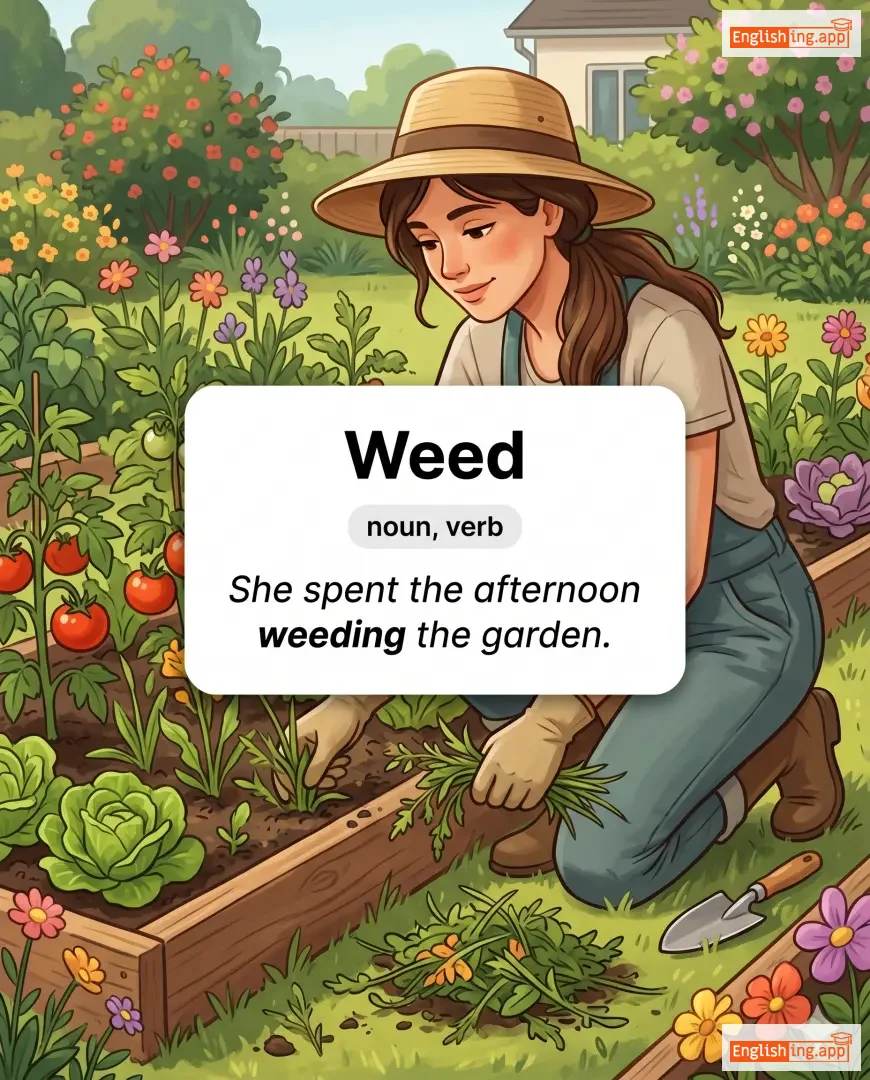
🌿
|
/wiːd/
noun
(wēid)
••••••
|
|
杂草
zácǎo
••••••
|
a wild plant growing where it is not wanted; unwanted plant
••••••
|
The garden was full of weeds that needed to be removed. |
花园里满是杂草,需要清除。
Huāyuán lǐ mǎn shì zácǎo, xūyào qīngchú.
••••••
|
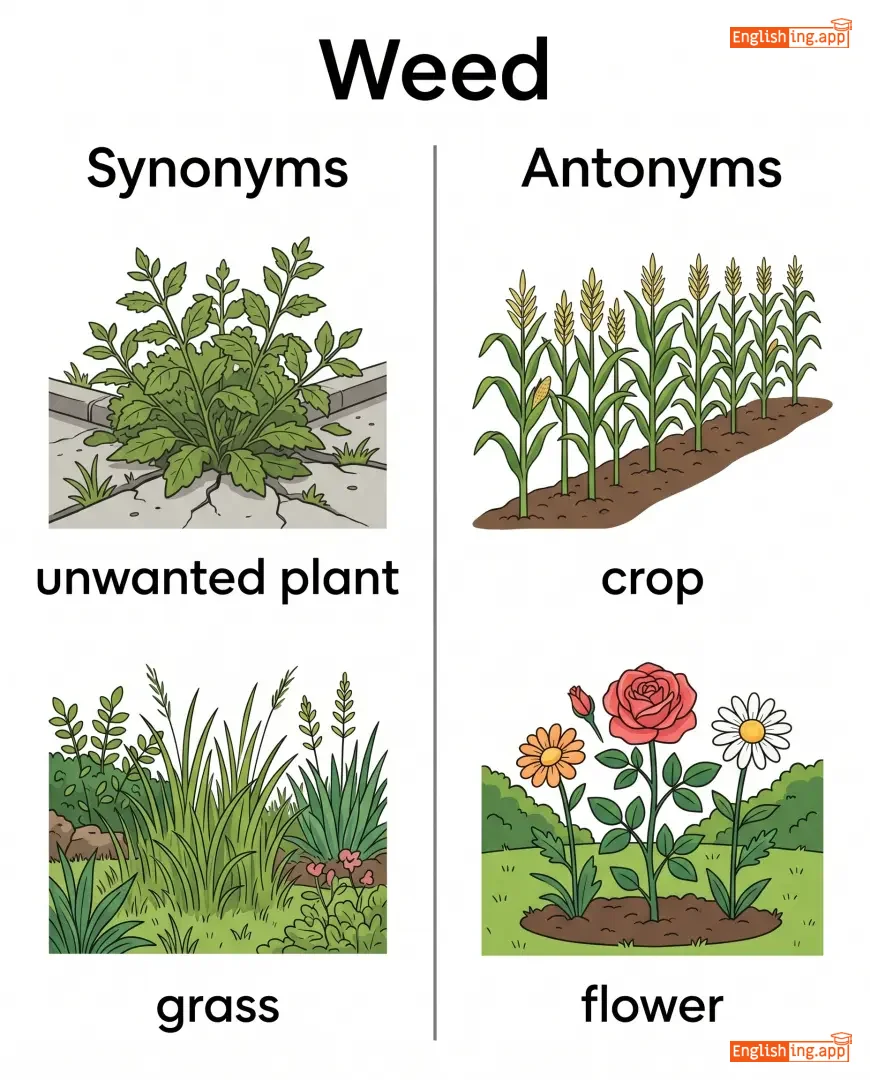
unwanted plant, wild plant
••••••
|
flower, crop, cultivated plant
••••••
|
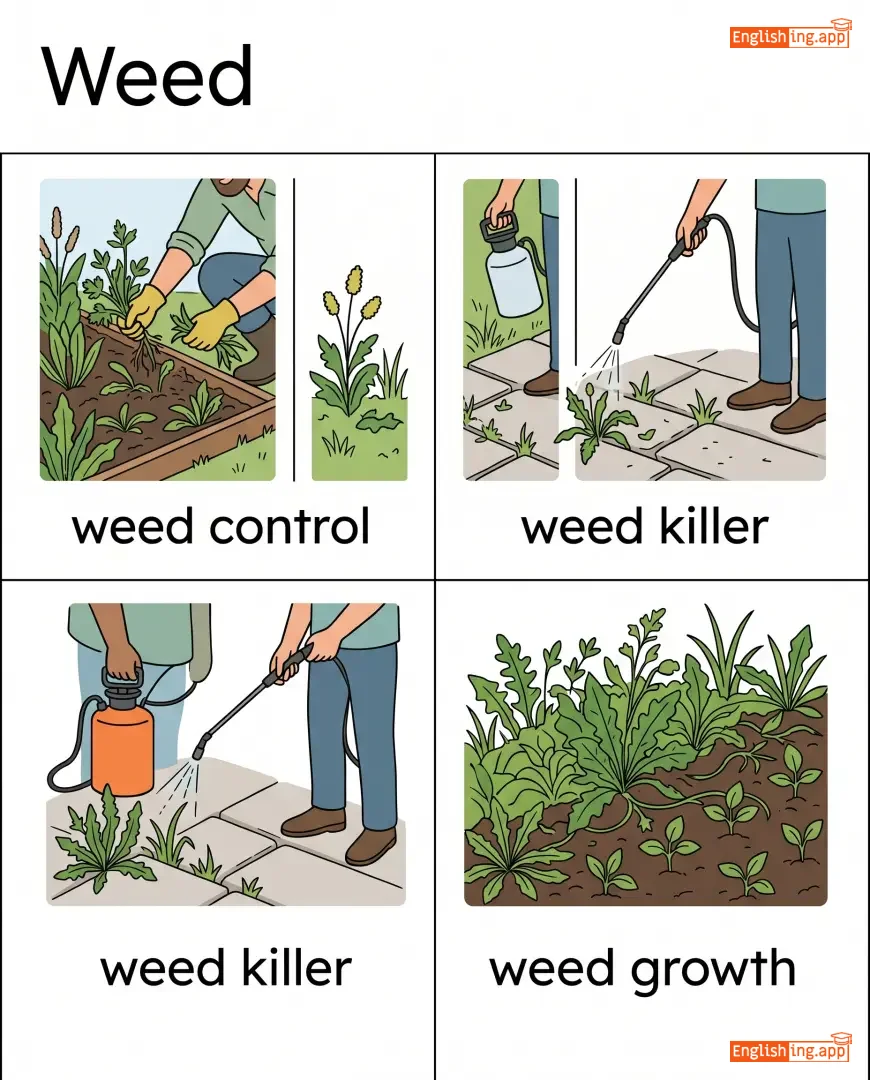
weed killer, garden weed, pull weeds
••••••
|
杂草要清除,尤其是在花园里。
••••••
|
|
#1522
↔️
|
/wɪdθ/
noun
(wɪdθ)
••••••
|
- •••••• |
宽度; 广度
kuandu; guangdu
••••••
|
the measurement or extent of something from side to side; breadth
••••••
|
The width of the river is about 50 meters.
河流的宽度大约为50米。
••••••
|
河流的宽度大约为50米。
Heliu de kuandu dayue wei 50 mi.
••••••
|
breadth, span, extent
••••••
|
length, height, narrowness
••••••
|
full width, average width, total width
••••••
|
想象河流的宽度来记住'width'的意思。
••••••
|
|
#1523
🤝
|
/ˈwel.feər/
noun
(welfare)
••••••
|
- •••••• |
福利; 健康; 幸福
fuli; jiankang; xingfu
••••••
|
the health, happiness, and fortunes of a person or group; care and support
••••••
|
The government is responsible for the welfare of its citizens. |
政府负责公民的福利。
Zhengfu fuze gongmin de fuli.
••••••
|
well-being, benefit, good, prosperity
••••••
|
harm, disadvantage, detriment
••••••
|
social welfare, welfare state, welfare system
••••••
|
福利 = 福利 (fù lì) 是福,意味着给人帮助
••••••
|
|
#1524
🌲
|
/ˈwɪldərnəs/
noun
(威尔德内斯)
••••••
|
- •••••• |
荒野; 无人区; 沙漠
huangye; wurenqu; shamo
••••••
|
an uncultivated, uninhabited, and inhospitable region; a wild or uncultivated state
••••••
|
They got lost in the wilderness for three days.
他们在荒野中迷路了三天。
••••••
|
他们在荒野中迷路了三天。
Tāmen zài huāng yě zhōng mí lù le sān tiān.
••••••
|
wild, wasteland, desert, backwoods
••••••
|
civilization, city, settlement, town
••••••
|
vast wilderness, wilderness area, into the wilderness
••••••
|
想象在荒野中迷路。'Wilderness' 就是那片辽阔的、无人之地。
••••••
|
|
#1525
🕳️
|
/wel/
noun
(wēiěr)
••••••
|
- •••••• |
井; 福利;
jing; fuli
••••••
|
a deep hole in the ground from which water is obtained
••••••
|
The villagers get water from the old well in the center of town.
村民们从村中心的老水井取水。
••••••
|
村民们从村中心的老水井取水。
Cūnmínmen cóng cūn zhōngxīn de lǎo shuǐjǐng qǔ shuǐ.
••••••
|
water hole, spring, bore
••••••
|
hill, mound, elevation
••••••
|
water well, oil well, deep well
••••••
|
井提供水源,确保村民们的福利。
••••••
|
|
#1526
🦉
|
/ˈwɪzdəm/
noun
(wɪzdəm)
••••••
|
- •••••• |
智慧; 知识; 判断力
zhìhuì; zhīshi; pànduàn lì
••••••
|
the quality of having experience, knowledge, and good judgment; the soundness of an action or decision
••••••
|
Age brings wisdom and experience. |
年龄带来智慧和经验。
niánlíng dàilái zhìhuì hé jīngyàn.
••••••
|
knowledge, intelligence, insight, prudence
••••••
|
foolishness, ignorance, stupidity, folly
••••••
|
ancient wisdom, conventional wisdom, words of wisdom
••••••
|
Chinese: '智慧' = Wisdom
••••••
|
|
#1527
😊
|
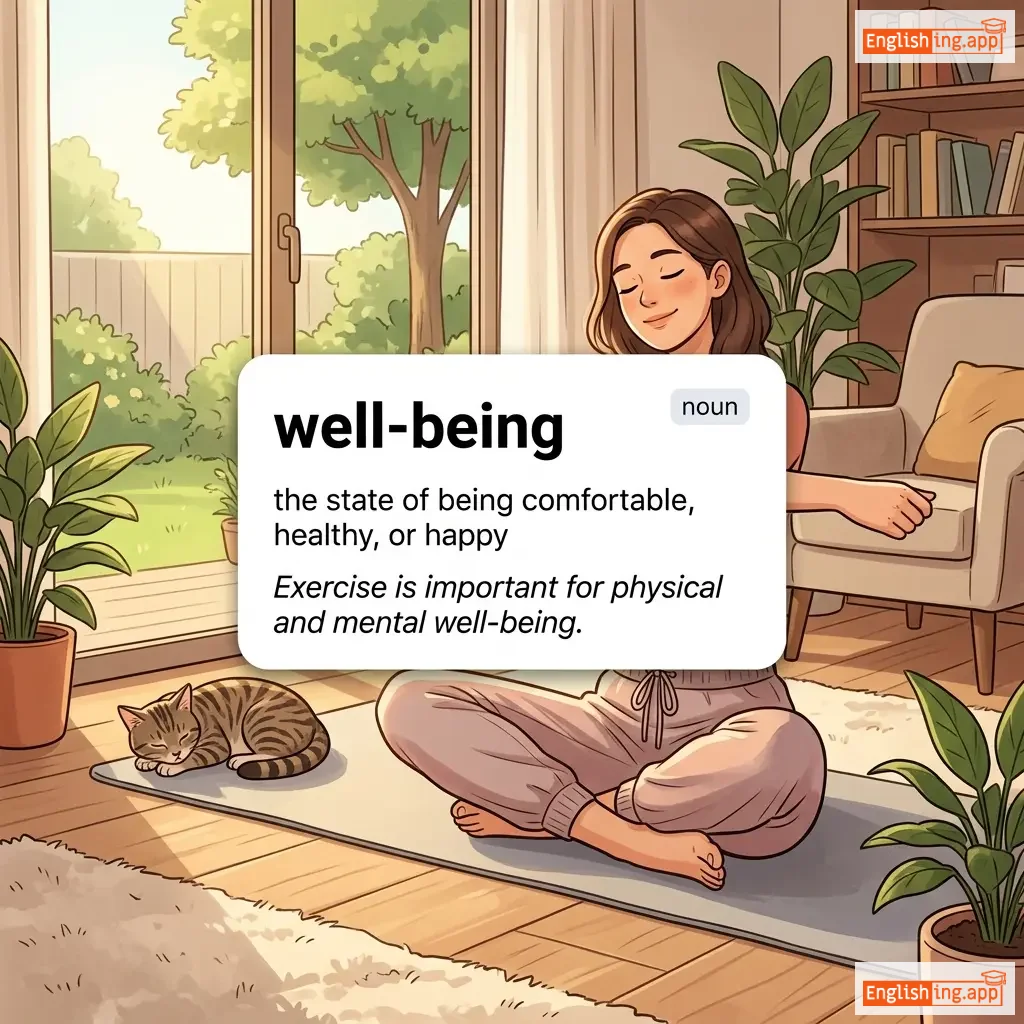
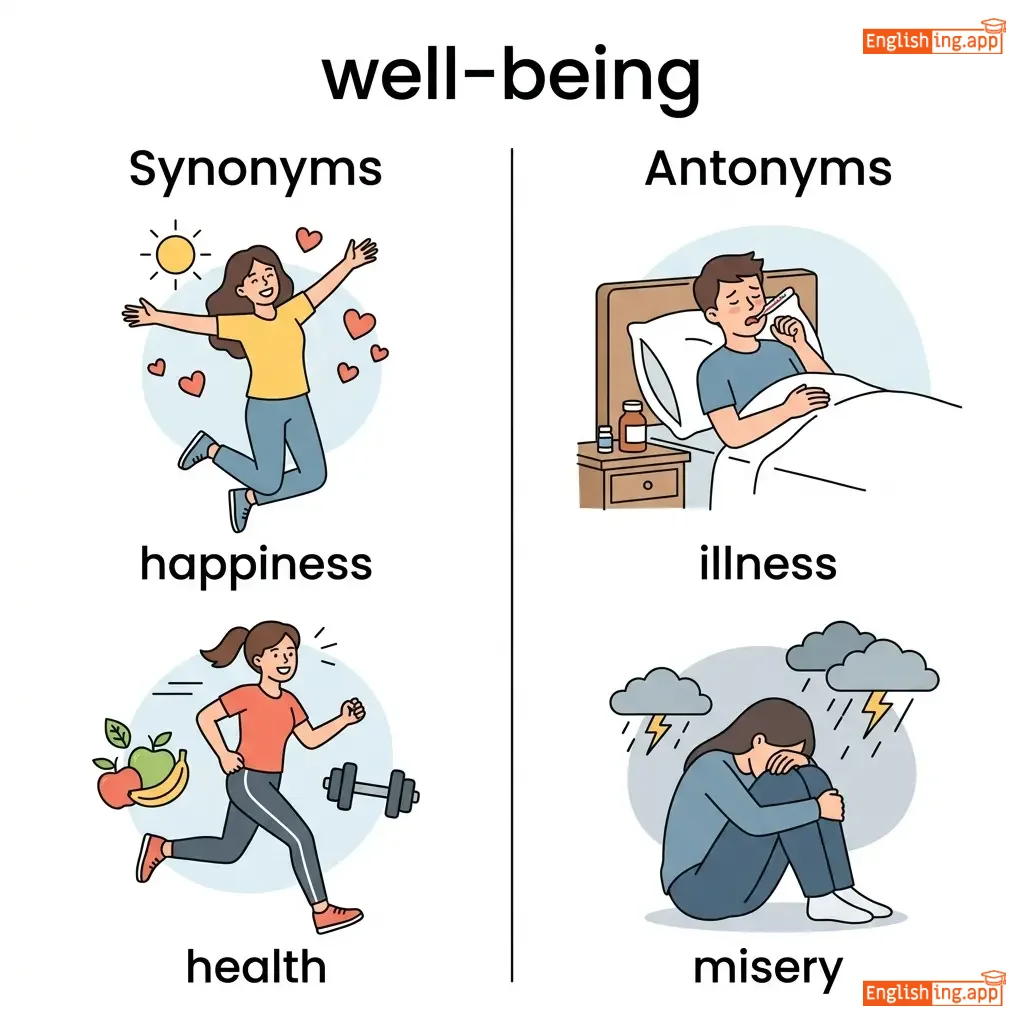
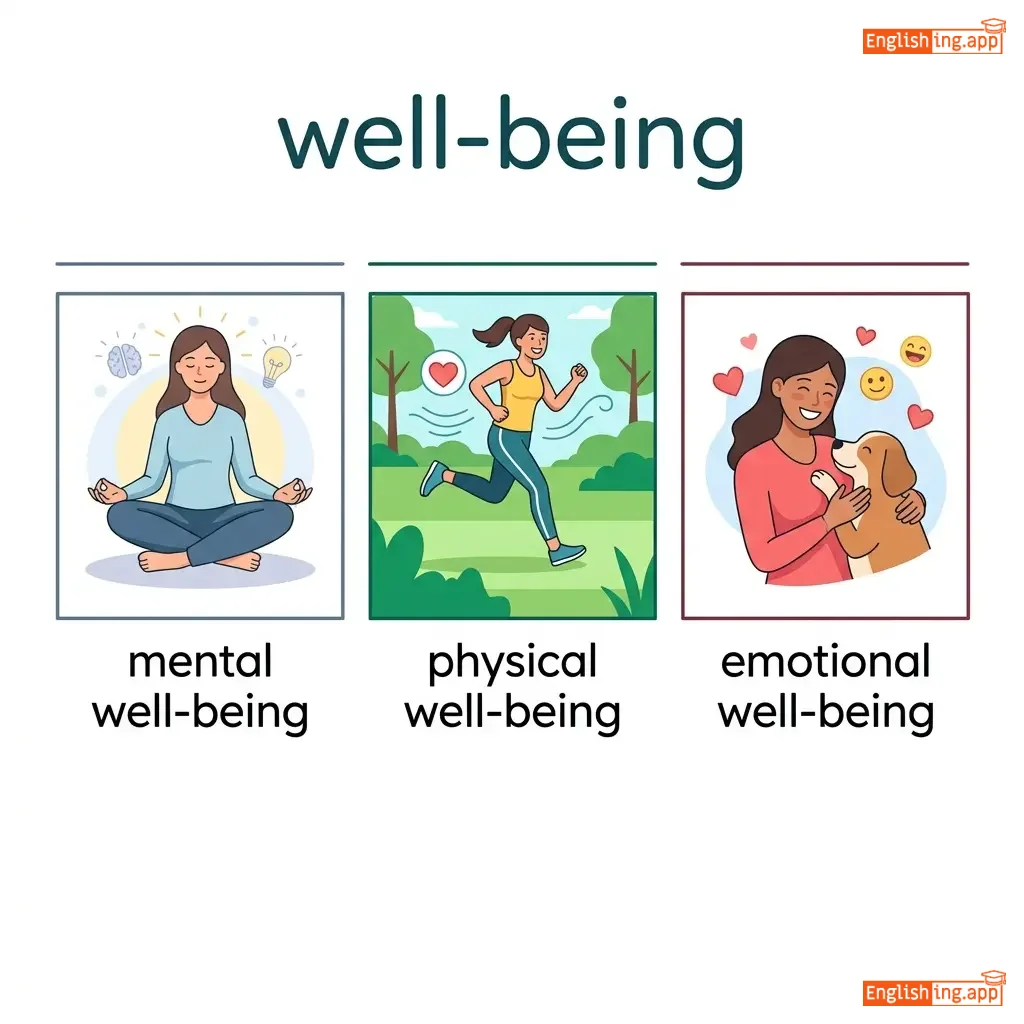
/ˈwel.biː.ɪŋ/
noun
(wɛlˈbiɪŋ)
••••••
|
|
福祉
fú zhǐ
••••••
|
the state of being comfortable, healthy, or happy
••••••
|
Regular exercise contributes to physical and mental well-being. |
定期锻炼有助于身体和心理的福祉。
Dìngqī duànliàn yǒuzhù yú shēntǐ hé xīnlǐ de fú zhǐ.
••••••
|
welfare, health, happiness, comfort
••••••
|
suffering, distress, misery
••••••
|
physical well-being, mental well-being, emotional well-being
••••••
|
福祉 (fú zhǐ) in Chinese is like 'well-being,' where '福' means happiness and '祉' means well-being.
••••••
|
|
#1528
🧠
|
/wɪt/
noun
(维特)
••••••
|
- •••••• |
机智
jizhi
••••••
|
mental sharpness and inventiveness; keen intelligence; a natural aptitude for using words in a clever and amusing way
••••••
|
She has a sharp wit and quick sense of humor.
她有敏锐的智慧和快速的幽默感。
••••••
|
她有敏锐的智慧和快速的幽默感。
Tā yǒu mǐnruì de zhìhuì hé kuàisù de yōumò gǎn.
••••••
|
intelligence, humor, cleverness, sharpness
••••••
|
dullness, stupidity, seriousness, foolishness
••••••
|
quick wit, sharp wit, dry wit
••••••
|
Wit = 机智 (wit = jizhi)
••••••
|
|
#1529
🤗
|
/ˈwel.wɪʃ.ər/
noun
(wɛl wɪʃər)
••••••
|
- •••••• |
祝愿者
zhù yuàn zhě
••••••
|
a person who desires happiness or success for another
••••••
|
Many well-wishers came to congratulate her on her graduation.
Meni wɛl wɪʃərz keɪm tuː kəngræʧuleɪt hɜːr ɒn hɜːr grædʒueɪʃən.
••••••
|
许多祝愿者来祝贺她毕业。
Xǔduō zhùyuàn zhě lái zhùhè tā bìyè.
••••••
|
supporter, friend, admirer
••••••
|
enemy, opponent, rival
••••••
|
family well-wishers, close well-wishers
••••••
|
祝愿者 = 祝愿别人成功与幸福。
••••••
|
|
#1530
🧙♀️
|
/wɪtʃ/
noun
(witch)
••••••
|
- •••••• |
女巫
nǚwū
••••••
|
a woman thought to have magic powers, especially evil ones; a practitioner of witchcraft
••••••
|
The old witch cast a spell on the prince.
老女巫对王子施了个魔法。
••••••
|
老女巫对王子施了个魔法。
Lǎo nǚwū duì wángzǐ shīle gè mófǎ.
••••••
|
sorceress, enchantress, hag, magician
••••••
|
saint, angel, good fairy, healer
••••••
|
old witch, evil witch, witch doctor
••••••
|
女巫的中文发音与英语的witch相似,'女巫'帮助你记住。
••••••
|
|
#1531
🥛
|
/weɪ/
noun
(whey)
••••••
|
- •••••• |
乳清
ruqing
••••••
|
the watery part of milk that separates from the curds when making cheese
••••••
|
Whey protein is popular among athletes and bodybuilders. |
乳清蛋白在运动员和健美选手中非常受欢迎。
Ruqing danbai zai yundongyuan he jianmei xuanshou zhong feichang shou huanying.
••••••
|
milk serum, liquid portion
••••••
|
curd, solid portion
••••••
|
whey protein, whey powder, sweet whey
••••••
|
Ruqing = Whey, both are related to the liquid from milk for health.
••••••
|
|
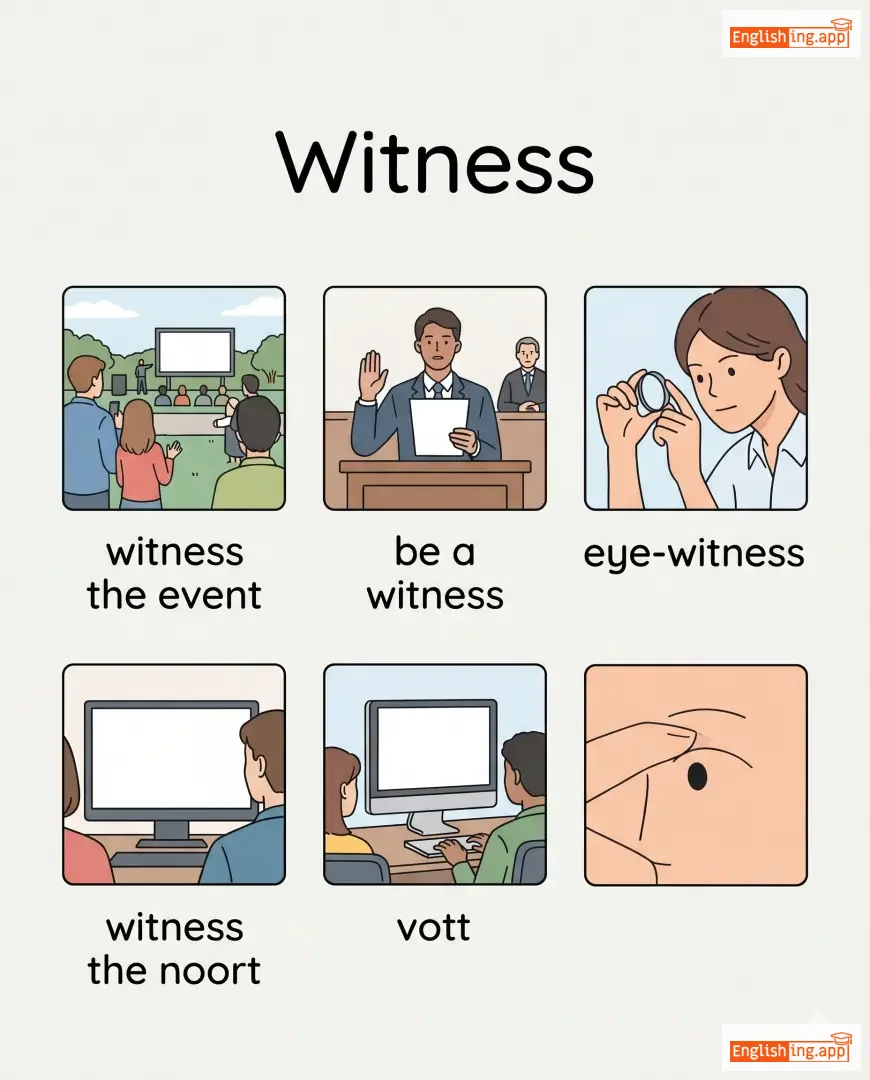
#1532
👁️
|
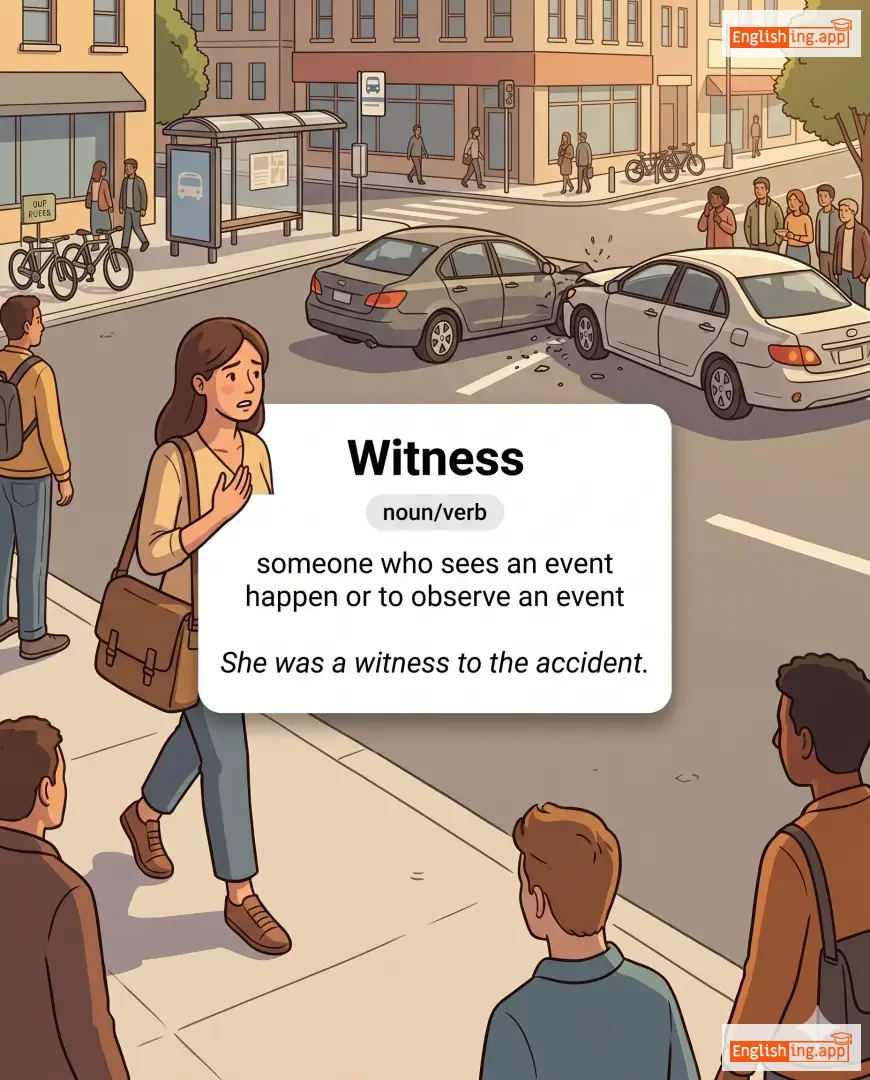
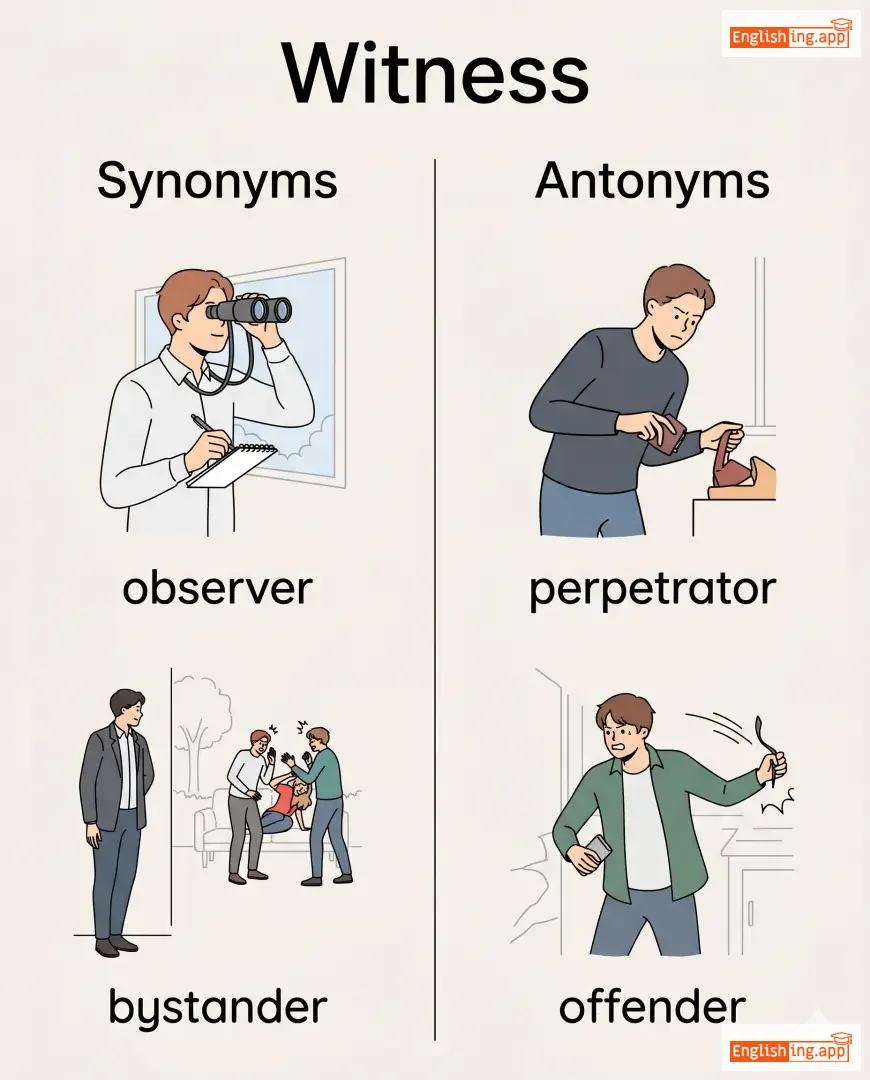
/ˈwɪtnəs/
noun
(witness)
••••••
|
|
证人
zhèngrén
••••••
|
a person who sees an event, typically a crime or accident; someone who gives evidence in a court of law
••••••
|
The witness testified in court yesterday. |
证人昨天在法庭上作证。
Zhèngrén zuótiān zài fǎtíng shàng zuòzhèng.
••••••
|
observer, bystander, eyewitness, spectator
••••••
|
participant, perpetrator, defendant, accused
••••••
|
key witness, star witness, reliable witness
••••••
|
证人 – 就是那个在法庭上作证的人。
••••••
|
|
#1533
📍
|
/ˈweər.ə.baʊts/
noun
(wɛər əˈbaʊts)
••••••
|
- •••••• |
下落; 位置
xiàluò; wèizhì
••••••
|
the place where someone or something is located
••••••
|
Nobody knows the whereabouts of the missing person.
没有人知道失踪者的下落。
••••••
|
没有人知道失踪者的下落。
Méiyǒu rén zhīdào shīzōng zhě de xiàluò.
••••••
|
location, position, place
••••••
|
absence, unknown location
••••••
|
unknown whereabouts, current whereabouts
••••••
|
找到失踪位置像地图一样
••••••
|
|
#1534
🧙♂️
|
/ˈwɪzərd/
noun
(wīzārd)
••••••
|
- •••••• |
巫师
wūshī
••••••
|
a man who is supposed to have magical powers; a person who is very skilled in a particular area
••••••
|
The wizard performed amazing magic tricks.
那位巫师展示了惊人的魔术。
••••••
|
那位巫师展示了惊人的魔术。
nà wèi wūshī zhǎnshìle jīngrén de móshù.
••••••
|
magician, sorcerer, conjurer, expert
••••••
|
novice, amateur, beginner, muggle
••••••
|
powerful wizard, wise wizard, computer wizard
••••••
|
巫师是使用魔法的Wizard,他们的魔术令人惊讶。
••••••
|
|
#1535
🕯️
|
/wɪk/
noun
(wīk)
••••••
|
- •••••• |
蜡烛芯
làzhú xīn
••••••
|
a cord or strand of cotton that burns to provide light in a candle or lamp
••••••
|
The candle wick needs to be trimmed for better burning. |
蜡烛芯需要修剪,以便更好地燃烧。
Làzhú xīn xūyào xiūjiǎn, yǐbiàn gèng hǎo de ránshāo.
••••••
|
fuse, cord, string
••••••
|
flame, fire
••••••
|
candle wick, lamp wick, oil wick
••••••
|
蜡烛芯为黑暗中提供光亮
••••••
|
|
#1536
🙏
|
/ˈwɜːrʃɪp/
noun
(wó-shí-pu)
••••••
|
- •••••• |
崇拜
chóngbài
••••••
|
the feeling or expression of reverence and adoration for a deity; religious devotion and practice
••••••
|
They gather every Sunday for worship.
他们每个星期天都聚集在一起进行崇拜。
••••••
|
他们每个星期天都聚集在一起进行崇拜。
Tāmen měi gè xīngqī tiān dōu jùjí zài yīqǐ jìnxíng chóngbài.
••••••
|
prayer, devotion, reverence, adoration
••••••
|
blasphemy, disrespect, irreverence, sacrilege
••••••
|
place of worship, religious worship, morning worship
••••••
|
Worship in Chinese is 崇拜, remember it by associating it with devotion to a deity.
••••••
|
|
#1537
👩🦳
|
/ˈwɪd.oʊ/
noun
(widō)
••••••
|
- •••••• |
寡妇
guǎfù
••••••
|
a woman whose husband has died and who has not married again
••••••
|
The widow received support from her family and community. |
寡妇得到了她的家人和社区的支持。
Guǎfù dédàole tā de jiārén hé shèqū de zhīchí.
••••••
|
bereaved woman, surviving spouse
••••••
|
wife, married woman
••••••
|
young widow, war widow, widow's pension
••••••
|
寡妇,生活中没有丈夫,获得帮助。
••••••
|
|
#1538
💎
|
/wɜːrθ/
noun
(wɜːrθ)
••••••
|
- •••••• |
价值; 价格;
jiàzhí; jiàgé
••••••
|
the value equivalent to that of someone or something; the level at which someone or something deserves to be valued
••••••
|
The painting is worth thousands of dollars. |
这幅画值数千美元。
zhè fú huà zhí shù qiān měiyuán.
••••••
|
value, price, merit, importance
••••••
|
worthlessness, insignificance, cheapness, valuelessness
••••••
|
net worth, true worth, self-worth
••••••
|
‘价值’代表为重要事物给予的东西。
••••••
|
|
#1539
👨🦳
|
/ˈwɪd.oʊ.ər/
noun
(wīduōwèiér)
••••••
|
- •••••• |
鳏夫
guānfū
••••••
|
a man whose wife has died and who has not married again
••••••
|
The elderly widower lived alone but had regular visits from his children. |
那位年长的鳏夫独自生活,但定期接受孩子们的拜访。
Nà wèi niáncháng de guānfū dúzì shēnghuó, dàn dìngqī jiēshòu háizimen de bàifǎng.
••••••
|
bereaved man, surviving husband
••••••
|
husband, married man
••••••
|
elderly widower, lonely widower
••••••
|
鳏夫是指丧妻后不再婚的男人。
••••••
|
|
#1540
😡
|
/ræθ/
noun
(rath)
••••••
|
- •••••• |
愤怒; 怒火
fèn nù; nù huǒ
••••••
|
extreme anger; intense fury or indignation
••••••
|
His wrath was terrible to behold.
他的愤怒让人无法忍受。
••••••
|
他的愤怒让人无法忍受。
tā de fèn nù ràng rén wú fǎ rěn shòu.
••••••
|
anger, fury, rage, indignation
••••••
|
calmness, peace, serenity, forgiveness
••••••
|
divine wrath, terrible wrath, face someone's wrath
••••••
|
愤怒就像是无法抑制的火山爆发。
••••••
|
Vocabulary Quiz
Test your vocabulary by matching words with their translations or meanings.
Login to take the quiz
Comments (0)
Share your thoughts and join the discussion.
Join the discussion by logging in
Login to CommentNo comments yet
Be the first to share your thoughts!