


Swipe left or right, or use the buttons. Tap image to zoom.
例句翻译
单词
Lesson 20Lesson 20 - 遮罩切换
|
表情符号
|
单词 | Images | 翻译 | 含义 | 例句 | 例句翻译 | 同义词 | 反义词 | 搭配词 | 助记符 |
|---|---|---|---|---|---|---|---|---|---|---|
|
#381
💎
|
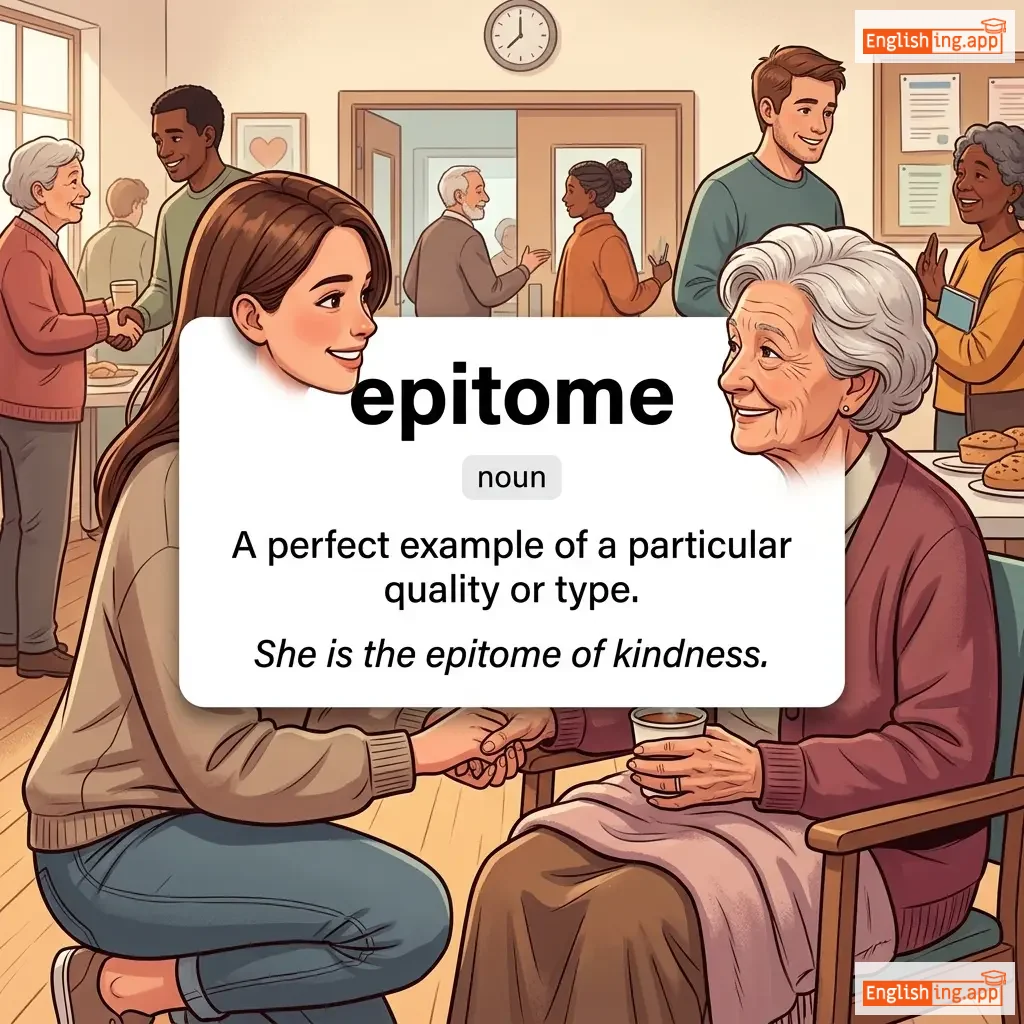
/ɪˈpɪt.ə.mi/
noun
(典范)
••••••
|
|
典范
dianfan
••••••
|
a perfect example of a particular quality or type; a representation in typical fashion
••••••
|
She was the epitome of grace and elegance at the formal dinner. |
她在正式晚宴上是优雅与高贵的典范。
Tā zài zhèngshì wǎnyàn shàng shì yōuyǎ yǔ gāoguì de diǎnfàn.
••••••
|
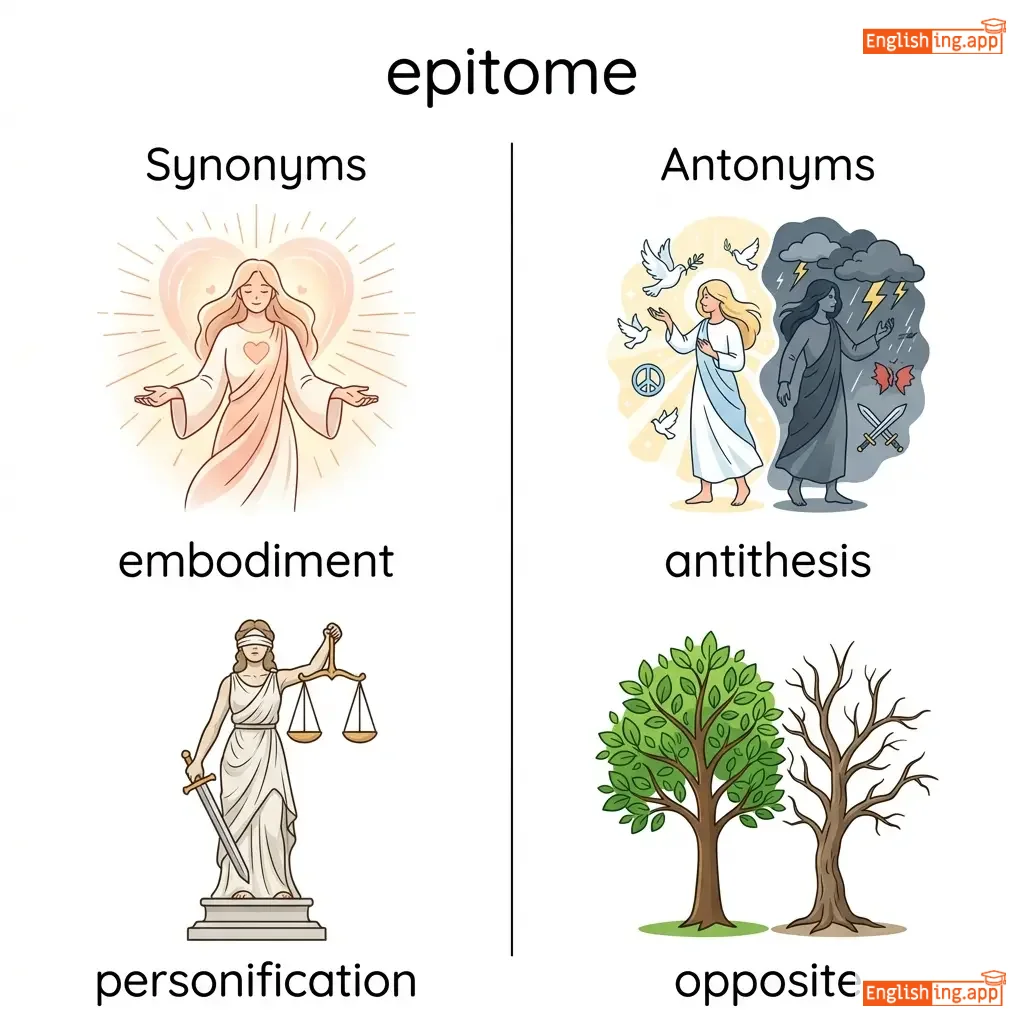
embodiment, example, personification, representation
••••••
|
opposite, antithesis, contradiction, deviation
••••••
|
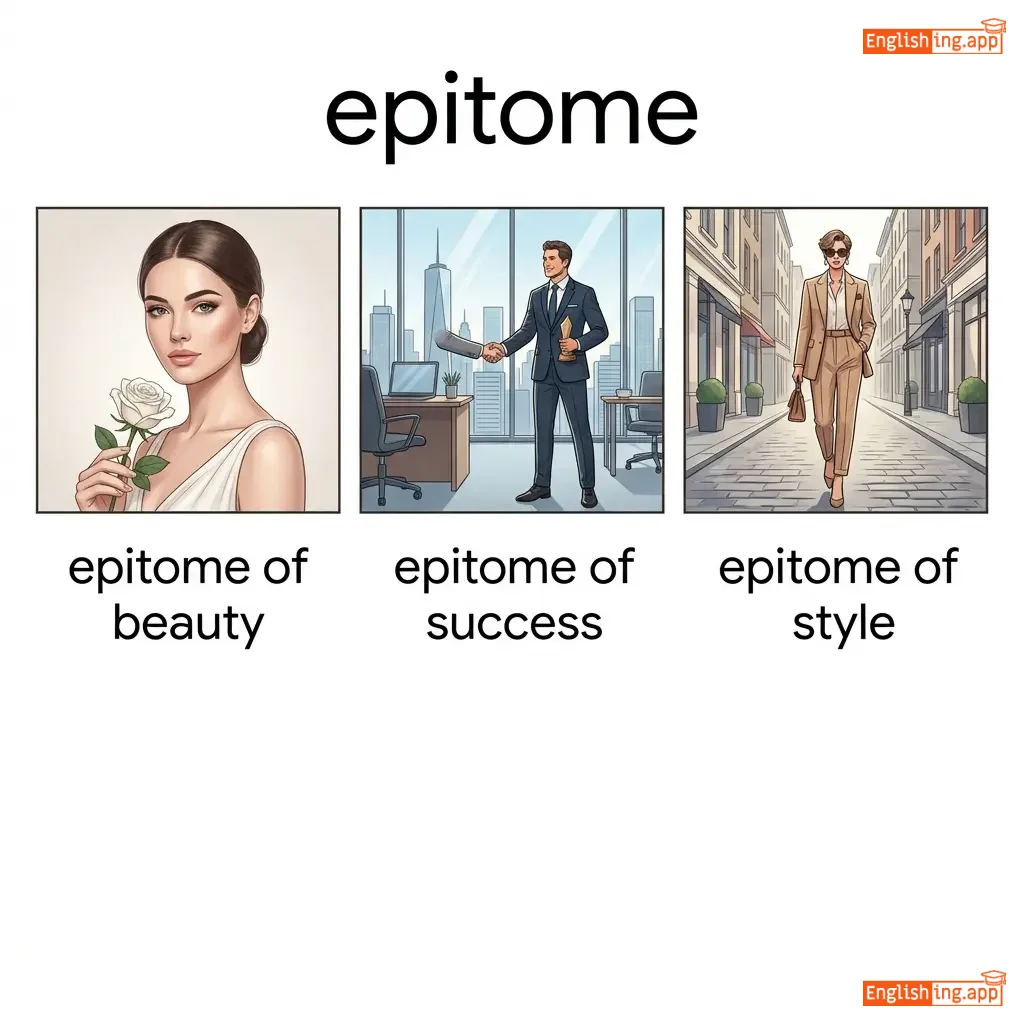
epitome of beauty, epitome of success, perfect epitome
••••••
|
在中文中,'典范'表示一类事物的完美体现。
••••••
|
|
#382
📈
|
/ɪɡˌzædʒ.əˈreɪ.ʃən/
noun
(yìzhāng)
••••••
|
- •••••• |
夸张
kuazhang
••••••
|
a statement that represents something as better or worse than it really is
••••••
|
His story about the fish he caught was clearly an exaggeration. |
他关于他抓到的鱼的故事显然是夸张的。
Tā guānyú tā zhuā dào de yú de gùshì xiǎnrán shì kuāzhāng de.
••••••
|
overstatement, hyperbole, amplification, embellishment
••••••
|
understatement, moderation, restraint, accuracy
••••••
|
gross exaggeration, slight exaggeration, without exaggeration
••••••
|
夸张 = 让事情看起来过大
••••••
|
|
#383
⏳
|
/ˈɪə.rə/
noun
(时代)
••••••
|
- •••••• |
时代
shídài
••••••
|
a long and distinct period of history with a particular feature or characteristic
••••••
|
The Renaissance was an era of great artistic and cultural achievement. |
文艺复兴是一个伟大的艺术和文化成就的时代。
wényì fùxīng shì yīgè wěidà de yìshù hé wénhuà chéngjiù de shídài
••••••
|
age, epoch, period, time
••••••
|
moment, instant, brief period, short time
••••••
|
new era, modern era, era of peace
••••••
|
在中文中,'时代'指的是具有历史意义的时期,例如'艺术时代'。
••••••
|
|
#384
📝
|
/ɪɡˌzæm.ɪˈniː/
noun
(éjámínī)
••••••
|
- •••••• |
考生
kaosheng
••••••
|
a person who is being tested in an examination
••••••
|
Each examinee was given two hours to complete the test.
Yīch éjámínī wǎz gīven tú àwèrzu tú kòngplìt dē tèsī.
••••••
|
每个考生都有两小时来完成考试。
Měi gè kǎoshēng dōu yǒu liǎng xiǎoshí lái wánchéng kǎoshì.
••••••
|
candidate, test taker, student, applicant
••••••
|
examiner, teacher, instructor, assessor
••••••
|
qualified examinee, nervous examinee, examinee number
••••••
|
Kaosheng (exam taker) comes from 'kao' (test).
••••••
|
|
#385
🌊
|
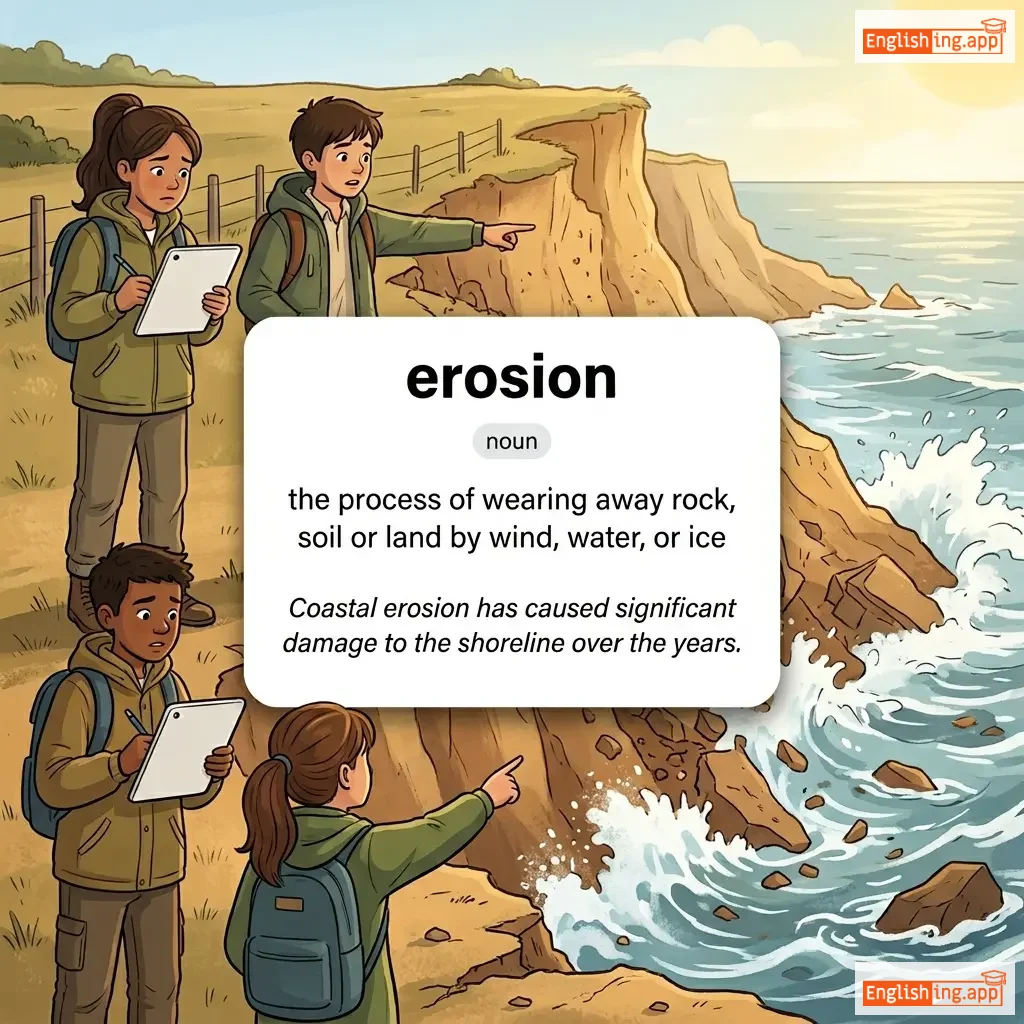
/ɪˈroʊ.ʒən/
noun
(侵蚀)
••••••
|
|
侵蚀
qin shi
••••••
|
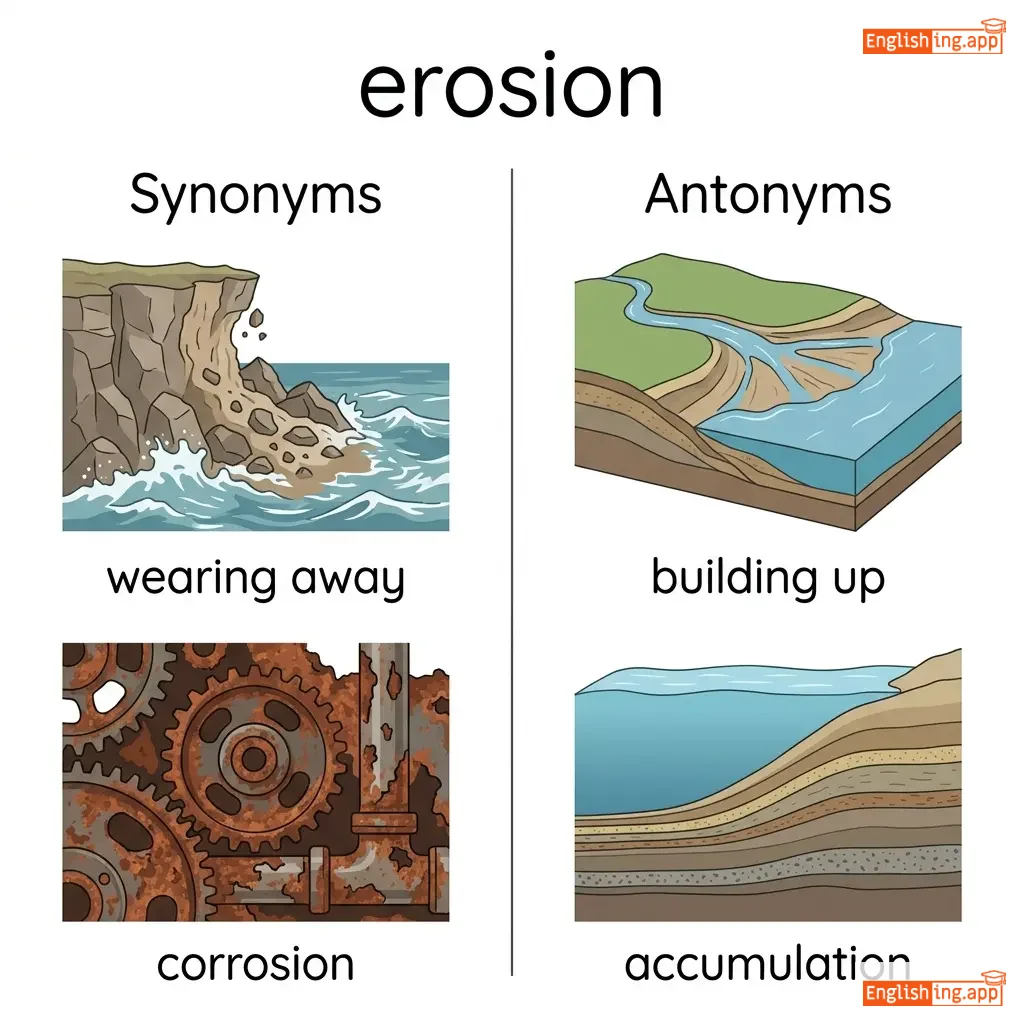
the process of wearing away rock, soil, or land by wind, water, or ice
••••••
|
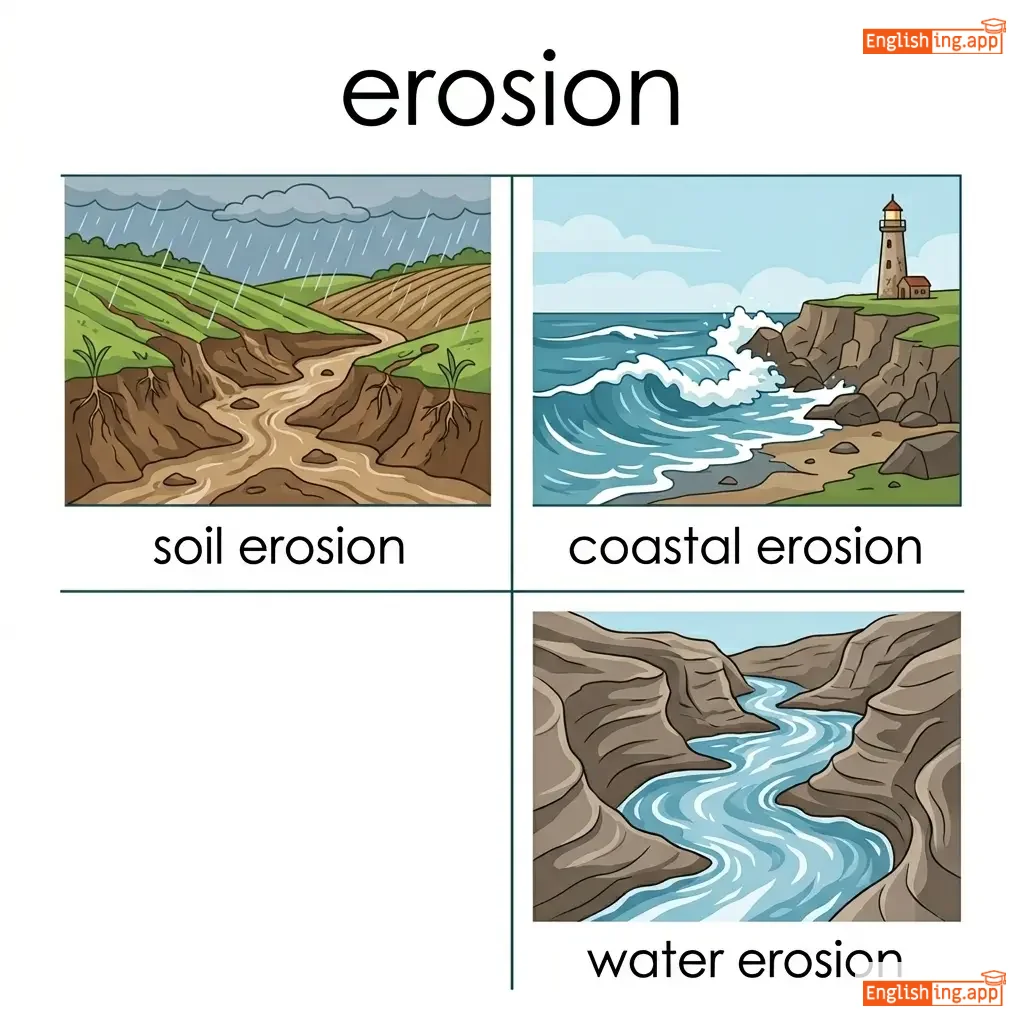
Coastal erosion has caused significant damage to the shoreline over the years. |
海岸侵蚀在多年中对海岸线造成了重大损害。
Hai'an qin shi zai duo nian zhong dui hai'an xian zao cheng le zhong da sun hai.
••••••
|
wearing away, corrosion, weathering, deterioration
••••••
|
building up, accumulation, deposition, construction
••••••
|
soil erosion, coastal erosion, water erosion
••••••
|
侵蚀是风和水通过长期作用慢慢消耗土地。
••••••
|
|
#386
🚫
|
/ɪkˈsep.ʃən/
noun
(ɪkˈsɛpʃən)
••••••
|
- •••••• |
例外
liwai
••••••
|
a person or thing that is excluded from a general statement or does not follow a rule
••••••
|
Most students passed the exam, with the exception of a few who were absent. |
大多数学生通过了考试,唯一的例外是几位缺席的学生。
Dà duōshù xuéshēng tōngguòle kǎoshì, wéiyī de lìwài shì jǐ wèi quēxí de xuéshēng.
••••••
|
exclusion, anomaly, deviation, special case
••••••
|
rule, norm, standard, inclusion
••••••
|
without exception, make exception, rare exception
••••••
|
例外 = 不符合常规
••••••
|
|
#387
❌
|
/ˈer.ər/
noun
(错误)
••••••
|
- •••••• |
错误; 失误
cuowu, shiwu
••••••
|
a mistake; something done incorrectly or wrong
••••••
|
The error in the calculation led to incorrect results.
计算中的错误导致了不正确的结果。
••••••
|
计算中的错误导致了不正确的结果。
Jisuan zhong de cuowu daozhi le bu zhèngquè de jiéguǒ.
••••••
|
mistake, fault, blunder, inaccuracy
••••••
|
accuracy, correctness, precision, truth
••••••
|
human error, common error, avoid error
••••••
|
错误 (cuowu) 导致失败
••••••
|
|
#388
📊
|
/ɪkˈses/
noun
(ɪkˈsɛs)
••••••
|
- •••••• |
过剩; 多余
guòshèng, duōyú
••••••
|
an amount of something that is more than necessary, permitted, or desirable
••••••
|
The excess food from the party was donated to the local shelter.
派对剩余的食物被捐赠给了当地的庇护所。
••••••
|
派对剩余的食物被捐赠给了当地的庇护所。
Pàiduì shèngyú de shíwù bèi juānzèng gěi le dāngdì de bìhùsuǒ.
••••••
|
surplus, abundance, overflow, extra
••••••
|
shortage, deficiency, lack, scarcity
••••••
|
excess weight, in excess, excess baggage
••••••
|
Excess in Chinese, '过剩', means more than needed. Remember '过' as 'going over'.
••••••
|
|
#389
🌋
|
/ɪˈrʌp.ʃən/
noun
(喷发)
••••••
|
- •••••• |
火山喷发
huǒshān pēn fā
••••••
|
a sudden violent occurrence or outburst; volcanic explosion
••••••
|
The volcanic eruption forced thousands of people to evacuate the area. |
火山喷发迫使成千上万的人疏散该地区。
Huǒshān pēn fā pòshǐ chéngqiān shàngwàn de rén shūsàn gāi dìqū.
••••••
|
explosion, outbreak, burst, discharge
••••••
|
calm, quiet, suppression, containment
••••••
|
volcanic eruption, skin eruption, sudden eruption
••••••
|
火山的喷发像是突如其来的爆发,强烈而猛烈
••••••
|
|
#390
🔄
|
/ɪksˈtʃeɪndʒ/
noun
(ɪksˈʧeɪndʒ)
••••••
|
|
交换
jiao huan
••••••
|
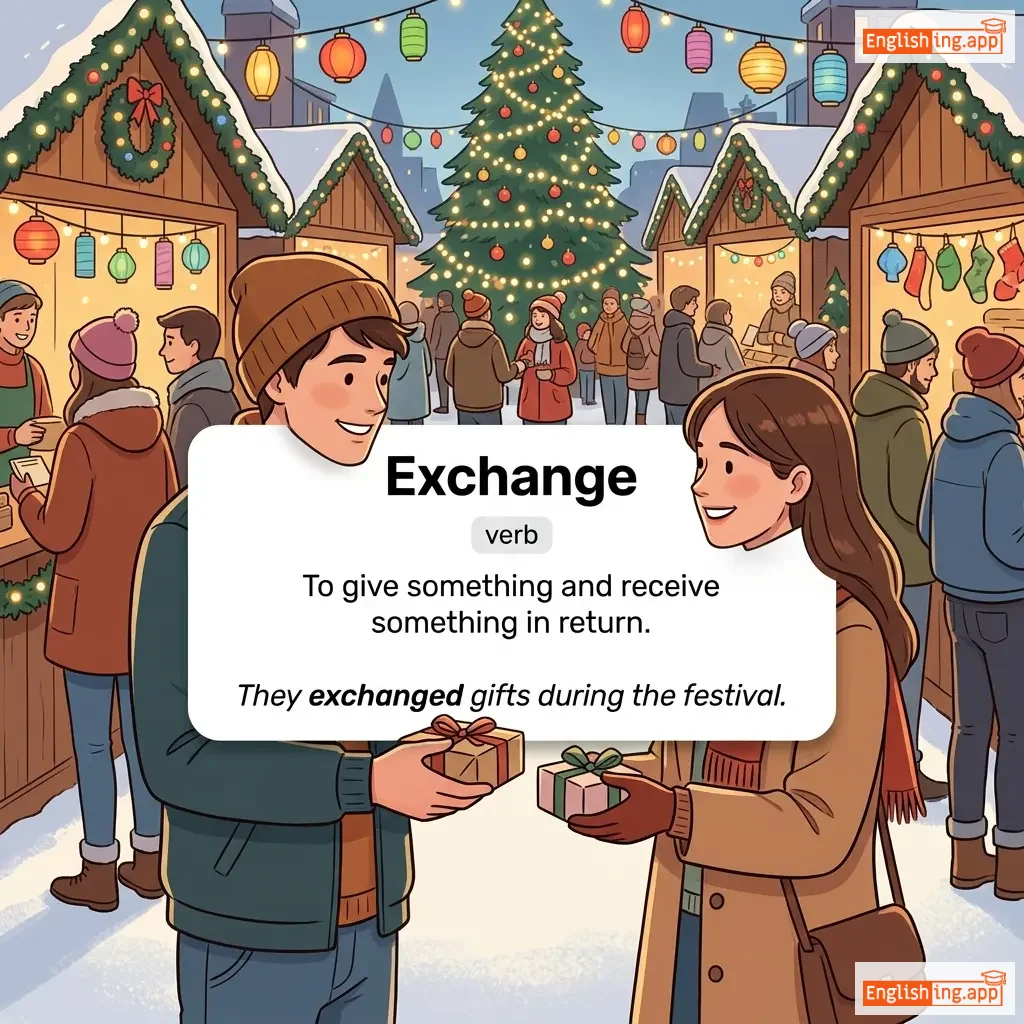
an act of giving one thing and receiving another in return
••••••
|
The exchange of gifts is a common tradition during the holidays.
节日期间互赠礼物是一个常见的传统。
••••••
|
节日期间互赠礼物是一个常见的传统。
Jieri qijian hu zang liwu shi yige changjian de chuantong.
••••••
|
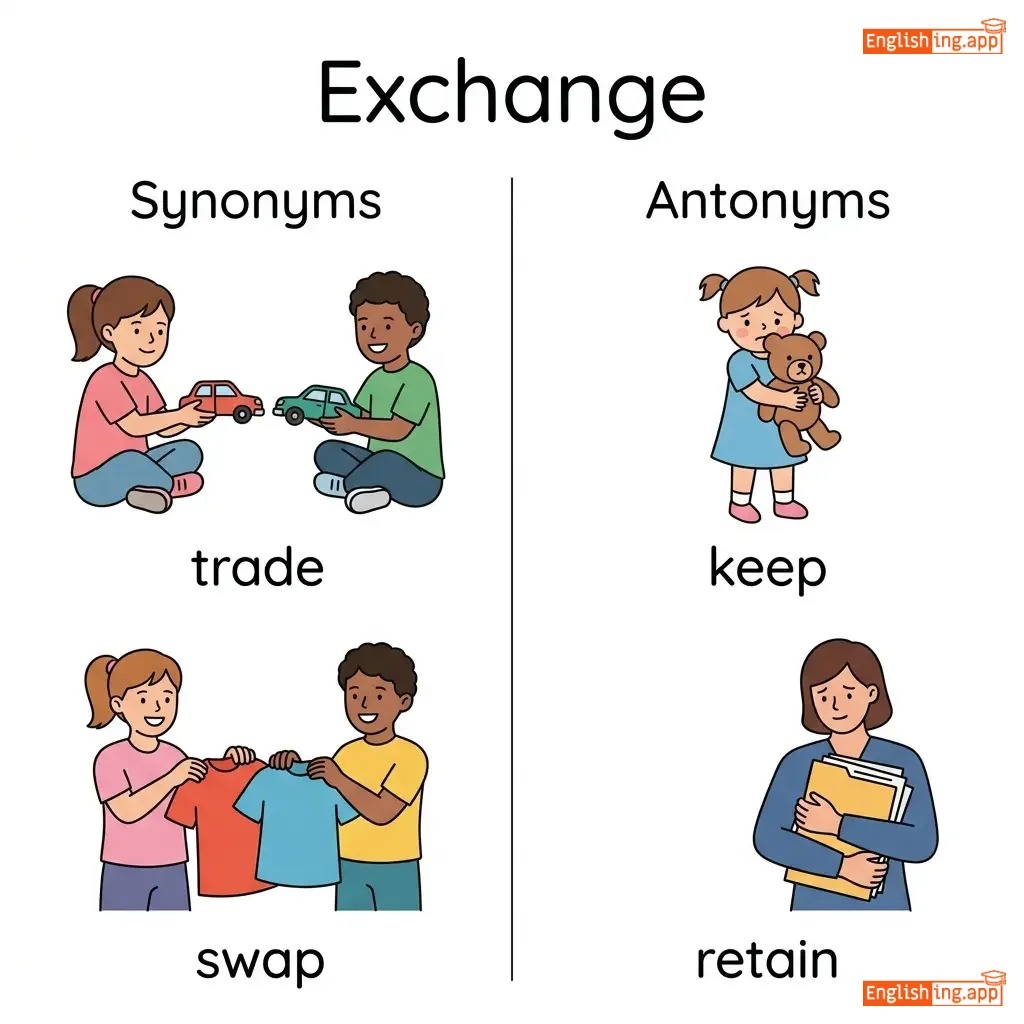
trade, swap, barter, transaction
••••••
|
keeping, retention, hoarding, withholding
••••••
|
currency exchange, student exchange, exchange rate
••••••
|
Imagine exchanging gifts during a holiday celebration.
••••••
|
|
#391
🏃♂️
|
/ɪˈskeɪp/
noun
(é sī kè pǔ)
••••••
|
- •••••• |
逃脱; 逃离; 解救
taotuo, taoli, jiejiu
••••••
|
an act of breaking free from confinement or control; a way out
••••••
|
The prisoner's escape from the jail shocked the authorities. |
囚犯从监狱的逃脱震惊了当局。
qiufan cong jianyu de taotuo zhenjing le dangju.
••••••
|
flight, getaway, breakout, freedom
••••••
|
capture, imprisonment, confinement, entrapment
••••••
|
narrow escape, escape route, escape plan
••••••
|
逃脱就是Escape,像囚犯逃出监狱。
••••••
|
|
#392
🎉
|
/ɪkˈsaɪt.mənt/
noun
(兴奋)
••••••
|
- •••••• |
兴奋
xingfen
••••••
|
a feeling of great enthusiasm and eagerness
••••••
|
The children could barely contain their excitement about the upcoming field trip.
孩子们几乎无法抑制他们对即将到来的学校旅行的兴奋。
••••••
|
孩子们几乎无法抑制他们对即将到来的学校旅行的兴奋。
Haizimen jihu wufang yizhi tamen dui jijiang daolai de xuexiao luxing de xingfen.
••••••
|
enthusiasm, thrill, exhilaration, elation
••••••
|
boredom, indifference, calm, apathy
••••••
|
great excitement, contain excitement, excitement builds
••••••
|
兴奋和excitement的意思相同!
••••••
|
|
#393
💧
|
/ˈes.əns/
noun
(essence)
••••••
|
- •••••• |
本质
ben zhi
••••••
|
the intrinsic nature or indispensable quality of something
••••••
|
The essence of good teaching is the ability to inspire students. |
优秀教学的本质是能够激励学生。
you xiu jiao xue de ben zhi shi neng gou ji li xue sheng.
••••••
|
core, heart, soul, fundamental nature
••••••
|
superficiality, appearance, exterior, surface
••••••
|
essence of life, capture essence, pure essence
••••••
|
本质上,教学的精髓是激发学生的潜力。
••••••
|
|
#394
🚌
|
/ɪkˈskɜː.ʃən/
noun
(ɛksˈkʊrʲsʲɪɪn)
••••••
|
- •••••• |
短途旅行;旅游
duǎntú lǚxíng, lǚyóu
••••••
|
a short journey or trip, especially one engaged in as a leisure activity
••••••
|
The school organized an excursion to the science museum for all students. |
学校为所有学生组织了去科学博物馆的短途旅行。
Xuéxiào wèi suǒyǒu xuéshēng zǔzhīle qù kēxué bówùguǎn de duǎntú lǚxíng.
••••••
|
trip, outing, expedition, tour
••••••
|
stay, residence, remaining, stationary
••••••
|
day excursion, school excursion, guided excursion
••••••
|
No •••••• |
|
#395
🤝
|
/ˈet.ɪ.kət/
noun
(è tì kè)
••••••
|
- •••••• |
礼仪
li yi
••••••
|
the customary code of polite behavior in society or among members of a particular profession
••••••
|
Proper etiquette requires standing when a lady enters the room. |
适当的礼仪要求在女士进入房间时起立。
shidang de liyi yaoqiu zai nushi jinru fangjian shi qili.
••••••
|
manners, protocol, courtesy, civility
••••••
|
rudeness, impoliteness, discourtesy, bad manners
••••••
|
social etiquette, proper etiquette, business etiquette
••••••
|
‘礼仪’在中文中代表着社会规范和礼貌。
••••••
|
|
#396
🤷
|
/ɪkˈskjuːs/
noun
(ɪkˈskjuːz)
••••••
|
- •••••• |
借口
jièkǒu
••••••
|
a reason or explanation put forward to defend or justify a fault or offense
••••••
|
Being tired is not a valid excuse for not completing your homework. |
疲劳不是一个有效的借口,不能完成作业。
píláo bù shì yīgè yǒuxiào de jièkǒu, bùnéng wánchéng zuòyè.
••••••
|
justification, reason, explanation, pretext
••••••
|
accountability, responsibility, admission, confession
••••••
|
make excuse, valid excuse, poor excuse
••••••
|
Chinese '借口' (jièkǒu) refers to excuses used to justify actions.
••••••
|
|
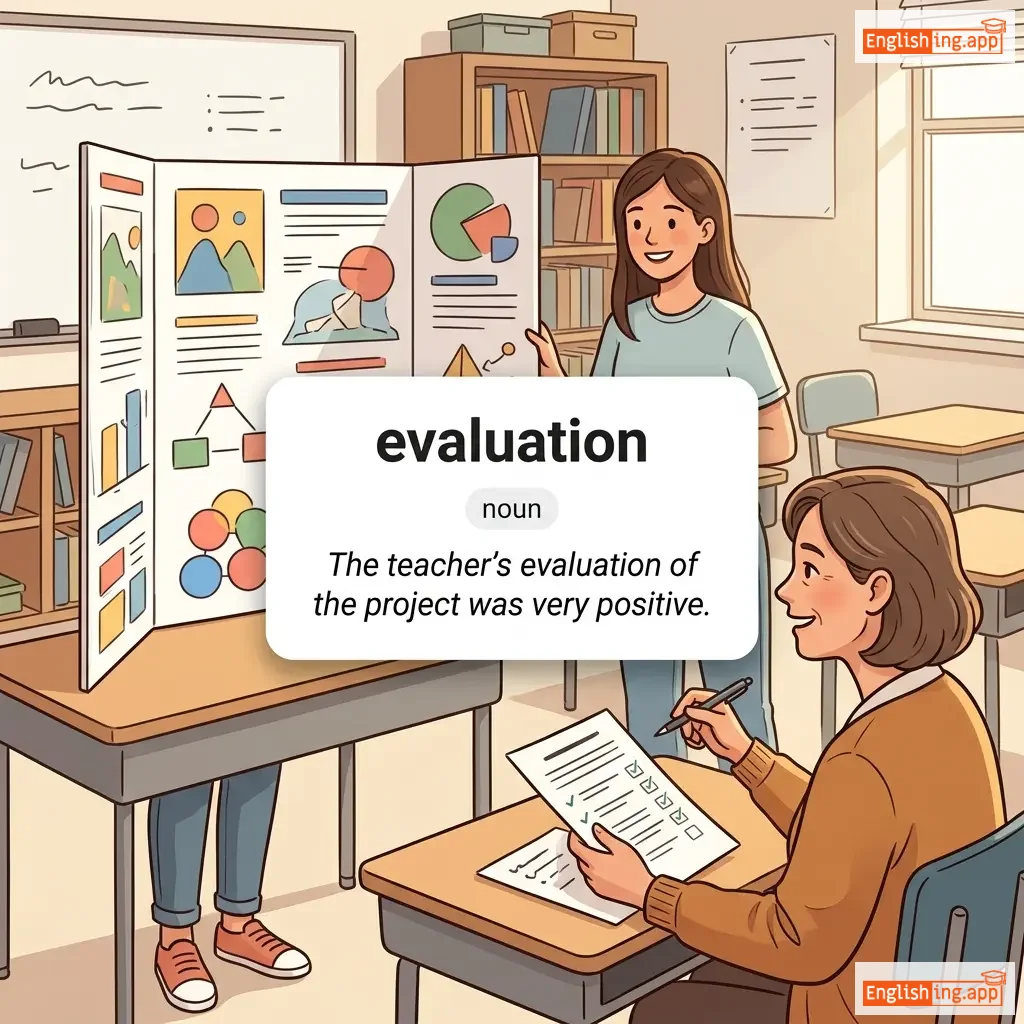
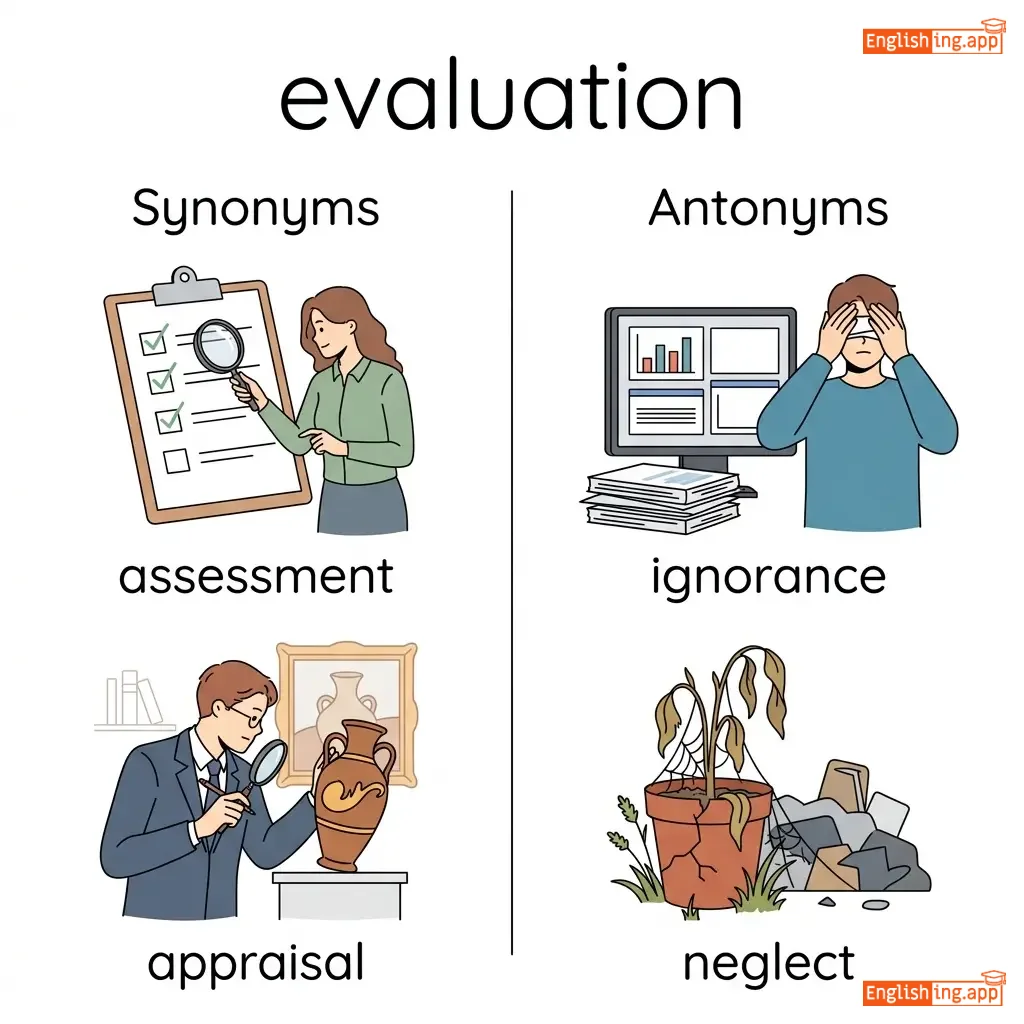
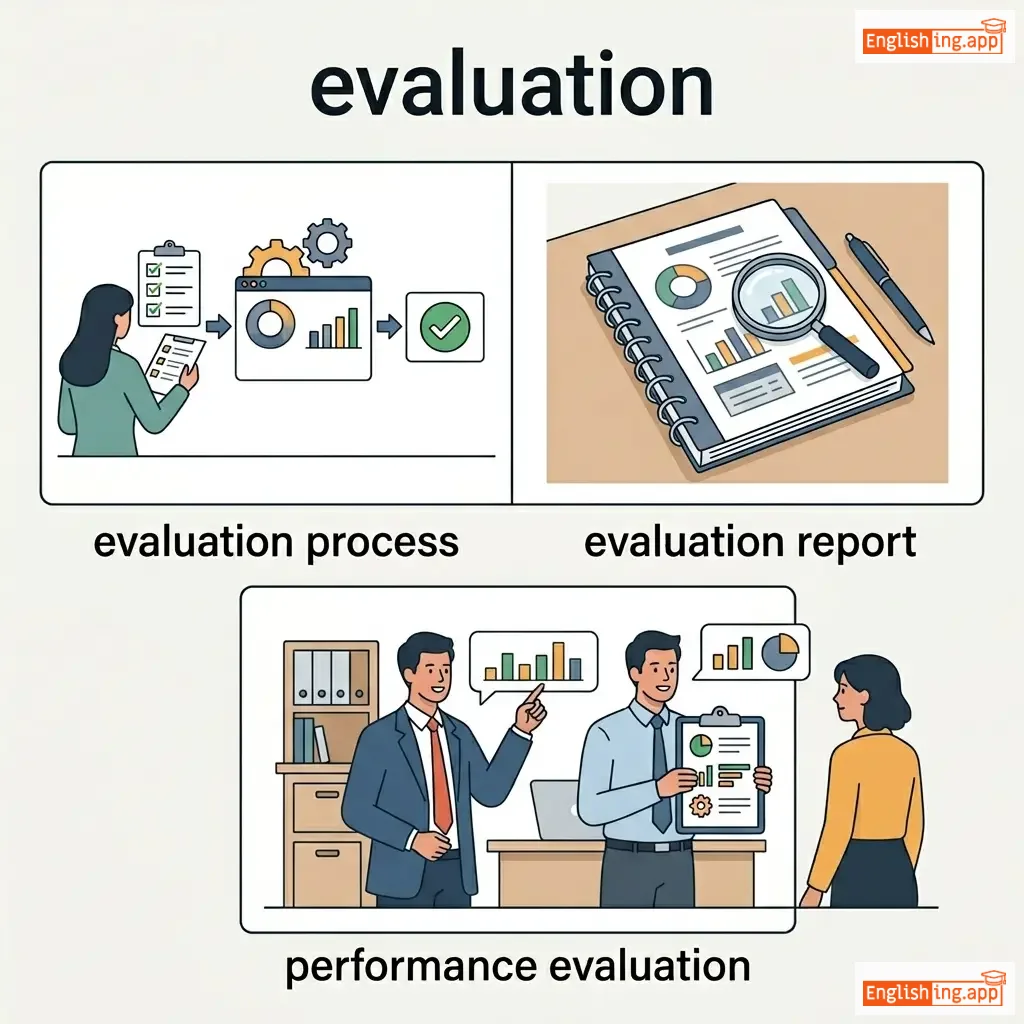
#397
📊
|
/ɪˌvæl.juˈeɪ.ʃən/
noun
(yíwàlièxiùn)
••••••
|
|
评估
pinggu
••••••
|
the making of a judgment about the amount, number, or value of something
••••••
|
The teacher's evaluation of the student's work was very thorough.
教师对学生作业的评估非常详细。
••••••
|
教师对学生作业的评估非常详细。
Jiaoshi dui xuesheng zuoye de pinggu feichang xiangxi.
••••••
|
assessment, appraisal, analysis, review
••••••
|
ignorance, neglect, oversight, disregard
••••••
|
performance evaluation, careful evaluation, evaluation process
••••••
|
评估是对某事物重要性和价值的判断
••••••
|
|
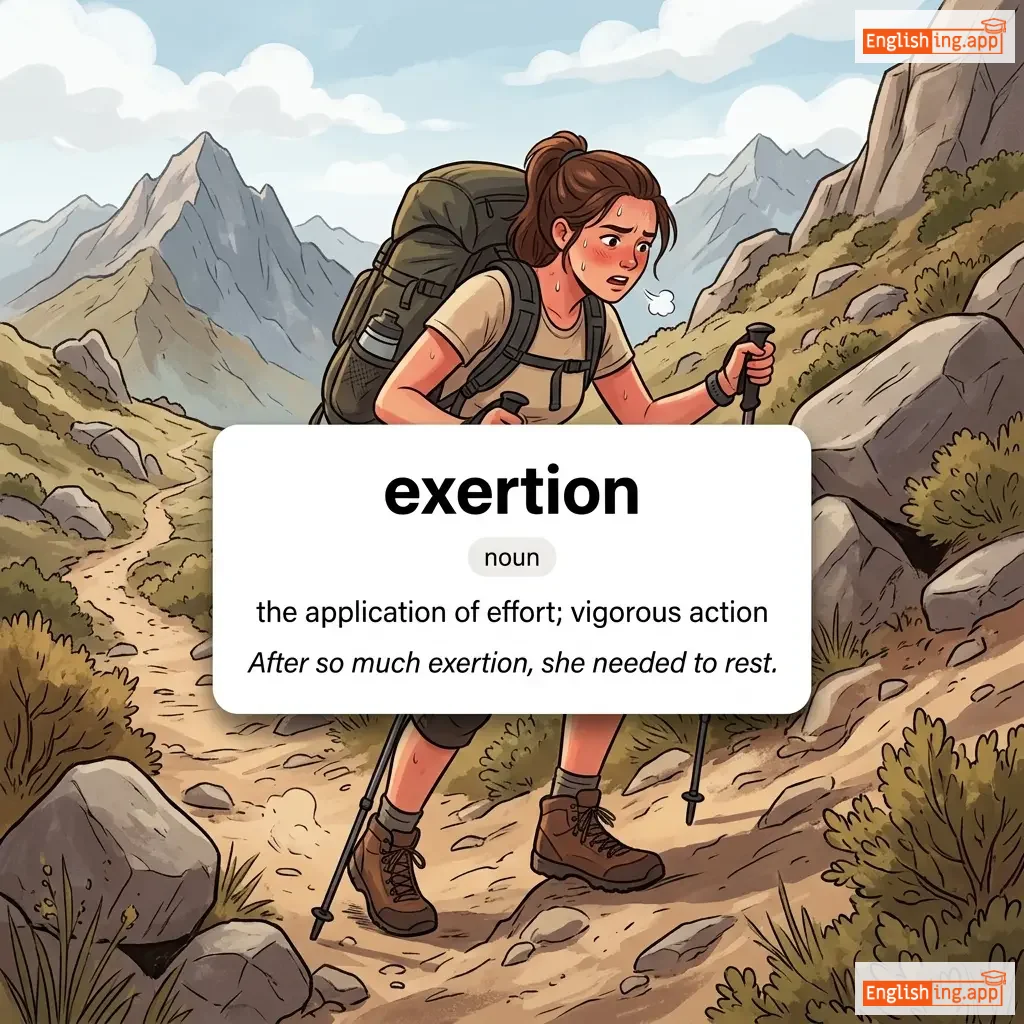
#398
💪
|
/ɪɡˈzɜː.ʃən/
noun
(艾克瑟提昂)
••••••
|
|
努力;劳力
nuli, laoli
••••••
|
physical or mental effort; the application of force, effort, or pressure
••••••
|
The mountain climb required considerable physical exertion from all the hikers.
爬山需要所有登山者付出相当大的体力劳动。
••••••
|
爬山需要所有登山者付出相当大的体力劳动。
Pa shan xuyao suoyou deng shanzhe fuchu xiangdang da de tili laodong.
••••••
|
effort, strain, work, labor
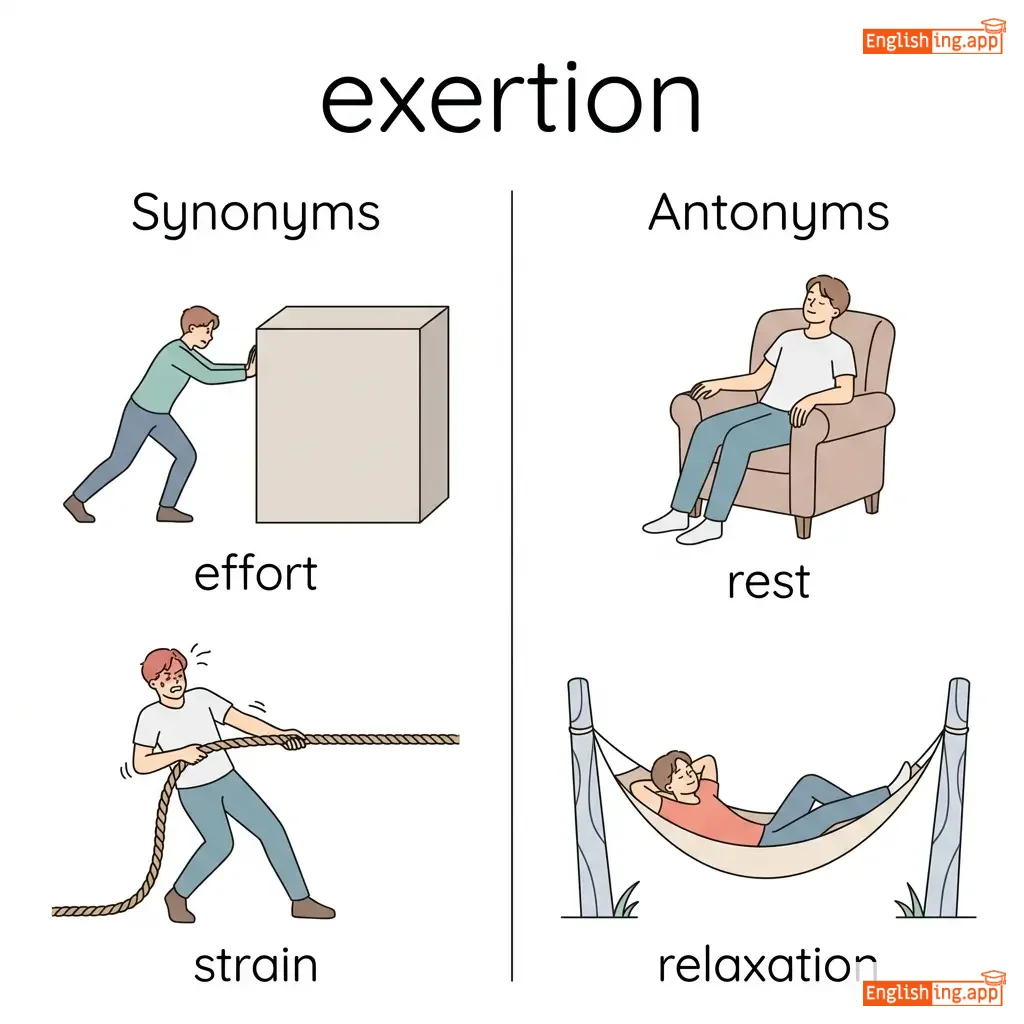
••••••
|
rest, relaxation, ease, inactivity
••••••
|
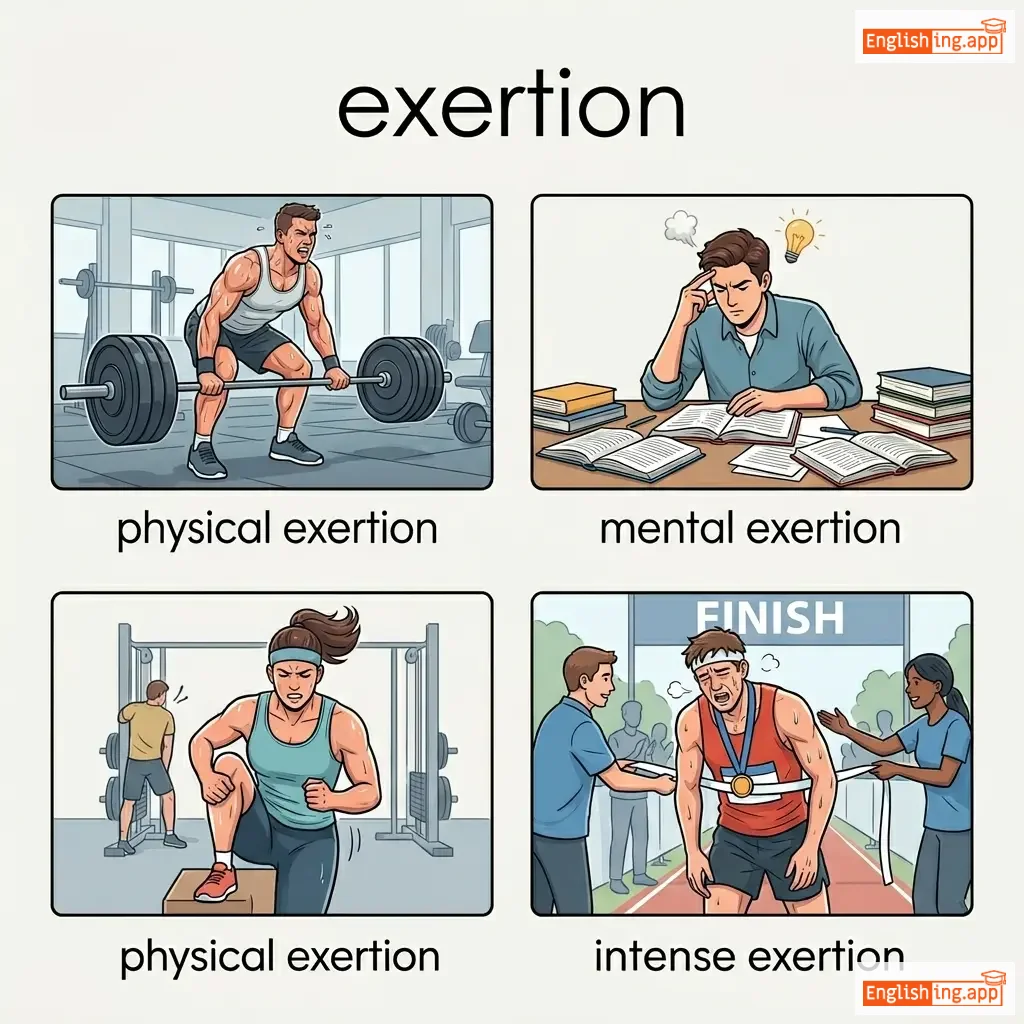
physical exertion, mental exertion, avoid exertion
••••••
|
Exertion! 在身体和心理上都有所努力!
••••••
|
|
#399
🔍
|
/ˈev.ɪ.dəns/
noun
(éwídénsī)
••••••
|
- •••••• |
证据
zhèngjù
••••••
|
the available body of facts or information indicating whether a belief or proposition is true
••••••
|
The detective found crucial evidence that solved the mysterious case. |
侦探找到了至关重要的证据,解开了神秘案件。
zhēntàn zhǎodàole zhìguān zhòngyào de zhèngjù, jiěkāile shénmì ànjiàn.
••••••
|
proof, testimony, confirmation, documentation
••••••
|
doubt, uncertainty, speculation, assumption
••••••
|
strong evidence, clear evidence, evidence suggests
••••••
|
zhèngjù is the Mandarin word for evidence
••••••
|
|
#400
🎨
|
/ˌek.sɪˈbɪʃ.ən/
noun
(èksìbìshēn)
••••••
|
- •••••• |
展览
zhanlan
••••••
|
a public display of works of art or other items of interest
••••••
|
The art exhibition featured paintings from local artists throughout the region. |
这场艺术展览展示了来自本地区的本地艺术家的画作。
Zhe chang yishu zhanlan zhanshi le laizi bendiqu de bendi yishujia de huazuo.
••••••
|
display, show, exposition, presentation
••••••
|
concealment, hiding, storage, private collection
••••••
|
art exhibition, trade exhibition, exhibition hall
••••••
|
Exhibition = 展览 (展 = display + 览 = view) 'display' can help remember this.
••••••
|
Vocabulary Quiz
Test your vocabulary by matching words with their translations or meanings.
Login to take the quiz
Comments (0)
Share your thoughts and join the discussion.
Join the discussion by logging in
Login to CommentNo comments yet
Be the first to share your thoughts!