


Swipe left or right, or use the buttons. Tap image to zoom.
例句翻译
单词
Lesson 70Lesson 70 - 遮罩切换
|
表情符号
|
单词 | Images | 翻译 | 含义 | 例句 | 例句翻译 | 同义词 | 反义词 | 搭配词 | 助记符 |
|---|---|---|---|---|---|---|---|---|---|---|
|
#1381
📈
|
/ˈten.dən.si/
noun
(趋势)
••••••
|
- •••••• |
趋势
qushi
••••••
|
an inclination toward a particular characteristic or type of behavior
••••••
|
She has a tendency to arrive late for meetings.
她有迟到的趋势。
••••••
|
她有迟到的趋势。
Ta you chidao de qushi.
••••••
|
inclination, propensity, disposition, proclivity
••••••
|
aversion, disinclination, reluctance
••••••
|
natural tendency, strong tendency, growing tendency, general tendency
••••••
|
In Chinese, '趋势' is like the tendency of being 'late' for meetings, just like how the 'train' is always delayed.
••••••
|
|
#1382
🌳
|
/ˈθɪk.ɪt/
noun
(thiket)
••••••
|
- •••••• |
灌木丛; 茂密的灌木生长
thiket
••••••
|
a dense group of bushes or trees; a thick growth of shrubs
••••••
|
The rabbit disappeared into the thicket. |
兔子消失在灌木丛中。
Tùzǐ xiāoshī zài guànmù cóng zhōng.
••••••
|
grove, copse, undergrowth, brush
••••••
|
clearing, open space, meadow
••••••
|
dense thicket, thorny thicket, impenetrable thicket
••••••
|
兔子跑进 thiket
••••••
|
|
#1383
💝
|
/ˈten.dər.nəs/
noun
(tenderness)
••••••
|
- •••••• |
温柔
wēnróu
••••••
|
gentleness and kindness; the quality of being easily hurt or damaged
••••••
|
The mother showed great tenderness while caring for her sick child. |
母亲在照顾生病的孩子时表现出了极大的温柔。
Mǔqīn zài zhàogù shēngbìng de háizi shí biǎoxiàn chūle jí dà de wēnróu.
••••••
|
gentleness, kindness, compassion, softness
••••••
|
harshness, roughness, cruelty, hardness
••••••
|
gentle tenderness, loving tenderness, maternal tenderness, infinite tenderness
••••••
|
温柔是一种关爱,像是春风
••••••
|
|
#1384
🌹
|
/θɔːn/
noun
(刺)
••••••
|
- •••••• |
刺
ci
••••••
|
a sharp pointed part of a plant; something that causes pain or annoyance
••••••
|
Be careful of the thorns on the rose bush.
小心玫瑰丛中的刺。
••••••
|
小心玫瑰丛中的刺。
Xiǎoxīn méiguī cóng zhōng de cì.
••••••
|
spike, prickle, barb, spine
••••••
|
smooth surface, soft part
••••••
|
sharp thorn, rose thorn, thorn in side
••••••
|
刺 (thorn) - Imagine a sharp thorn on a rose!
••••••
|
|
#1385
😰
|
/ˈten.ʃən/
noun
(紧张)
••••••
|
- •••••• |
紧张
jinzhang
••••••
|
mental or emotional strain; a strained state or condition
••••••
|
The deadline created a lot of tension in the office. |
截止日期在办公室造成了很大的紧张。
Jiezhi riqi zai bangongshi zaochengle hendà de jinzhang.
••••••
|
stress, strain, pressure, anxiety
••••••
|
relaxation, calmness, peace, tranquility
••••••
|
high tension, mounting tension, release tension, muscle tension
••••••
|
紧张是当最后期限临近时的感觉。
••••••
|
|
#1386
⚠️
|
/θret/
noun
(suìlì)
••••••
|
- •••••• |
威胁
weixie
••••••
|
a statement of intention to inflict harm; a person or thing likely to cause danger
••••••
|
The storm poses a serious threat to coastal areas.
暴风雨对沿海地区构成严重威胁。
••••••
|
暴风雨对沿海地区构成严重威胁。
Baofengyu dui yanhai diqu goucheng yan zhong weixie
••••••
|
menace, danger, warning, intimidation
••••••
|
safety, protection, security, reassurance
••••••
|
serious threat, empty threat, threat assessment
••••••
|
暴风雨是沿海地区的威胁,象征着危险的来临。
••••••
|
|
#1387
⏳
|
/ˈten.jər/
noun
(泰纽尔)
••••••
|
- •••••• |
任期
renqi
••••••
|
the period of time during which someone holds an office or position
••••••
|
During his tenure as CEO, the company expanded globally. |
在他担任CEO期间,公司实现了全球扩展。
Zai ta danren CEO qi jian, gongsi shixian le quanqiu kuozhan.
••••••
|
term, period, duration, incumbency
••••••
|
dismissal, termination, end
••••••
|
long tenure, successful tenure, tenure track, academic tenure
••••••
|
‘任’代表工作,‘期’是时间,合起来是工作期,代表任职的时间段。
••••••
|
|
#1388
⚡
|
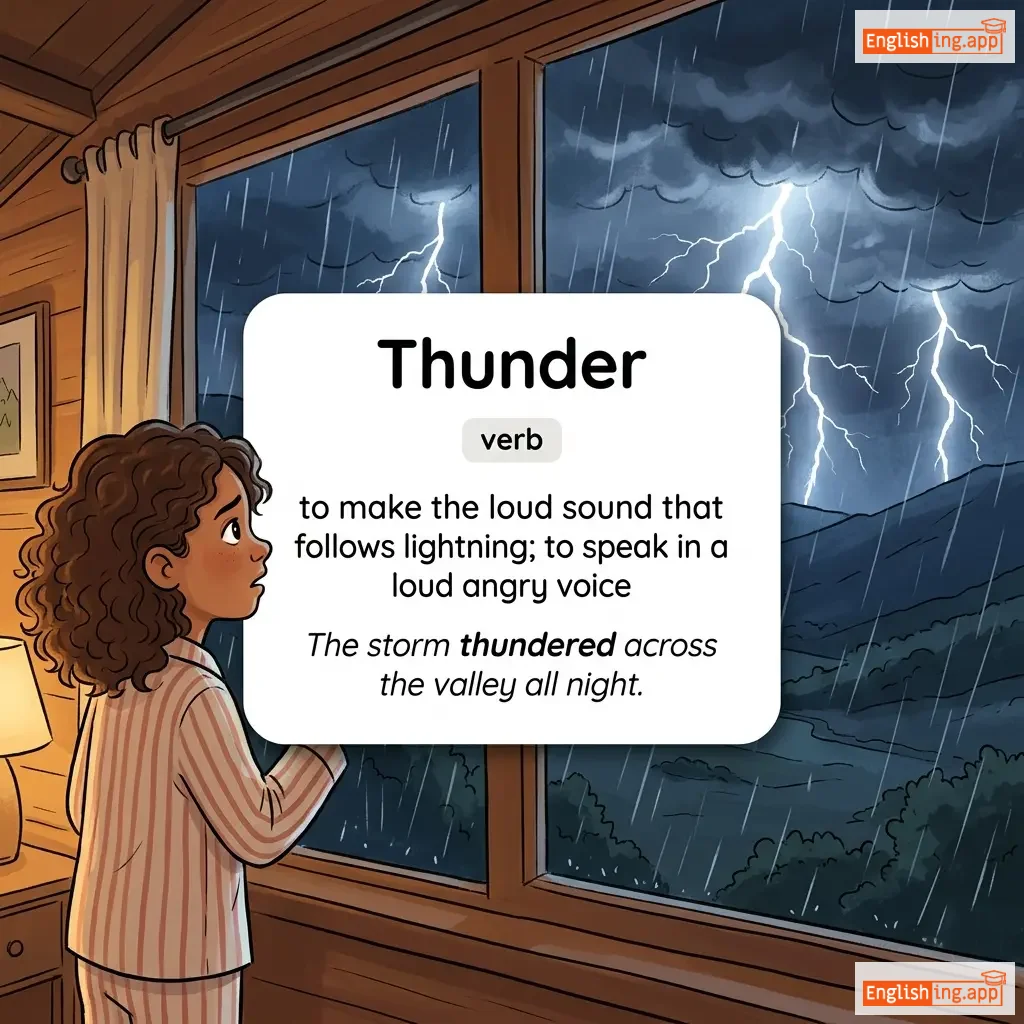
/ˈθʌn.dər/
noun
(雷声)
••••••
|
|
雷声
léi shēng
••••••
|
the loud rumbling sound that follows lightning; to make a loud deep sound
••••••
|
We heard thunder rolling across the sky. |
我们听到雷声滚过天空。
Wǒmen tīngdào léishēng gǔn guò tiānkōng.
••••••
|
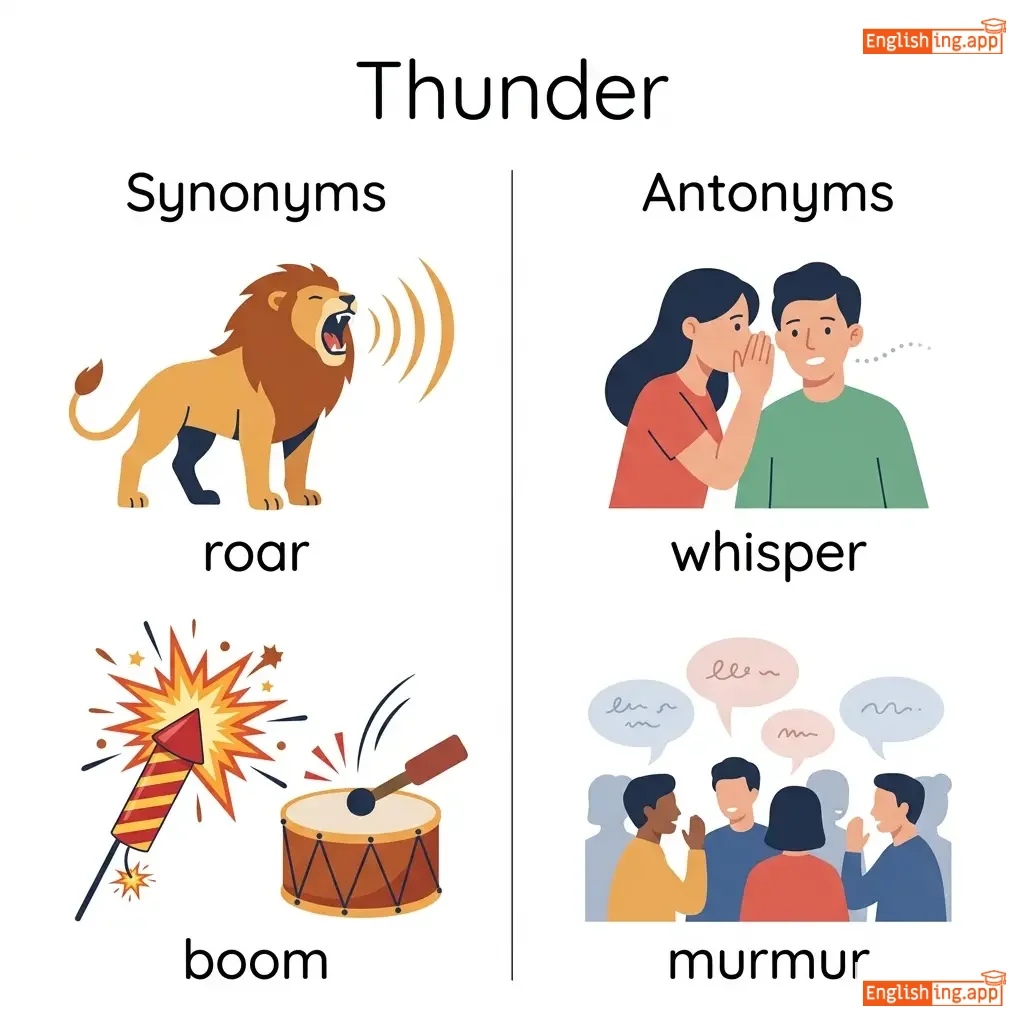
rumble, roar, boom, crash
••••••
|
silence, whisper, quiet
••••••
|
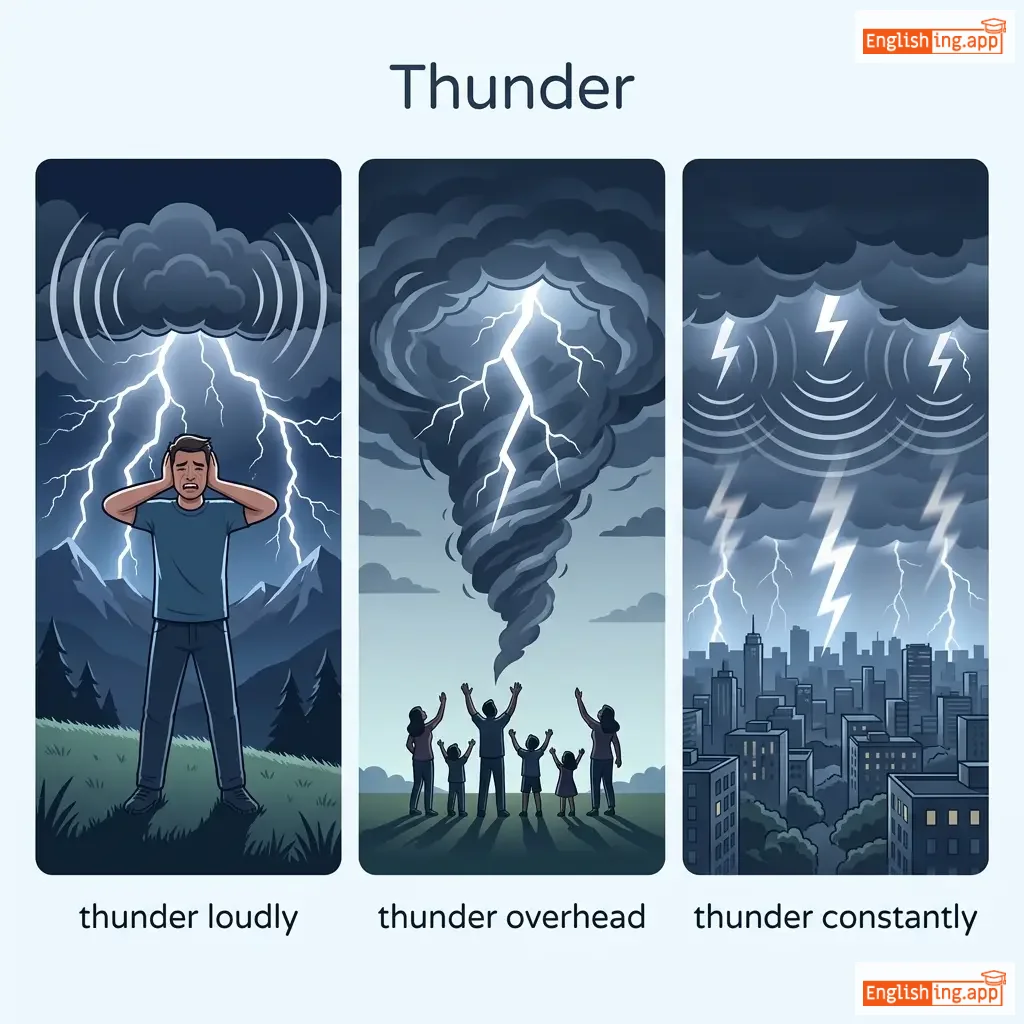
thunder and lightning, distant thunder, thunder clap
••••••
|
雷声是闪电之后的回应。
••••••
|
|
#1389
🗺️
|
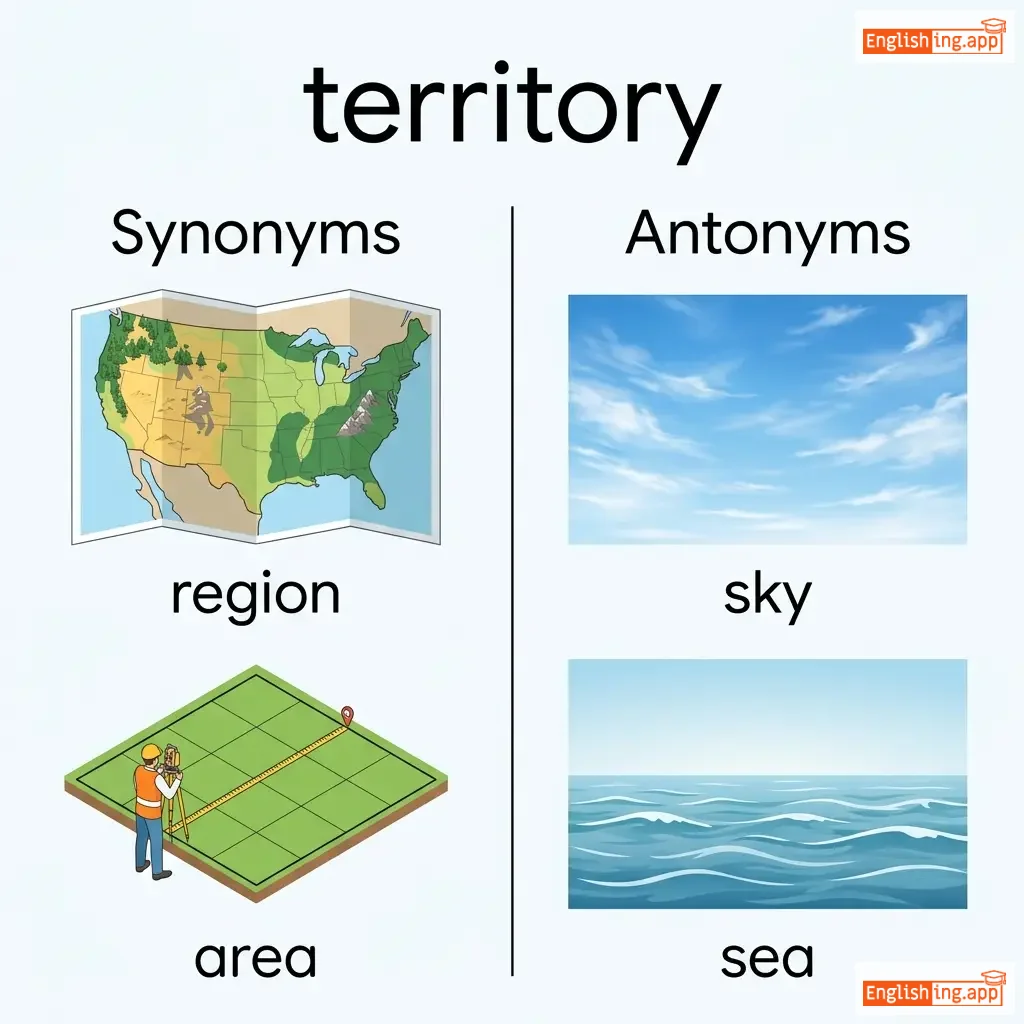
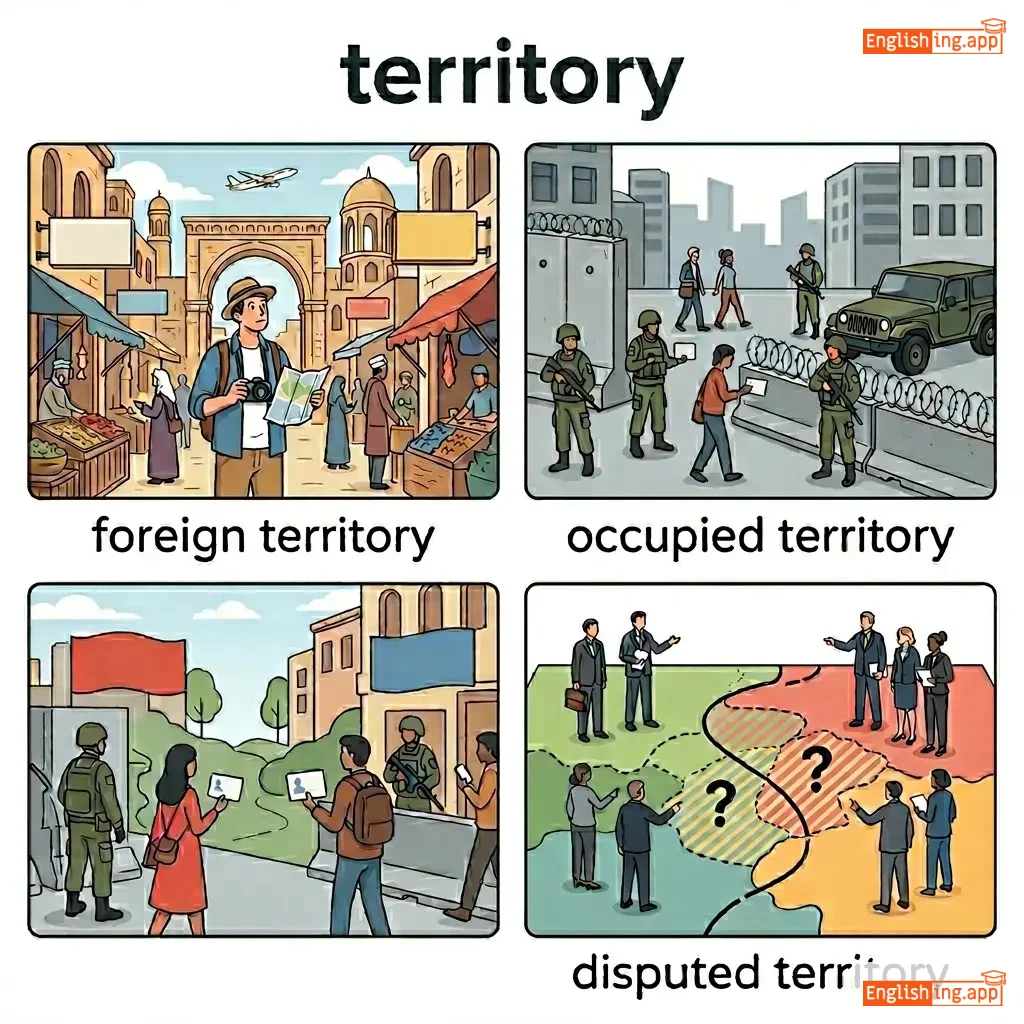
/ˈter.ɪ.tər.i/
noun
(领土)
••••••
|
|
领土
lǐngtǔ
••••••
|
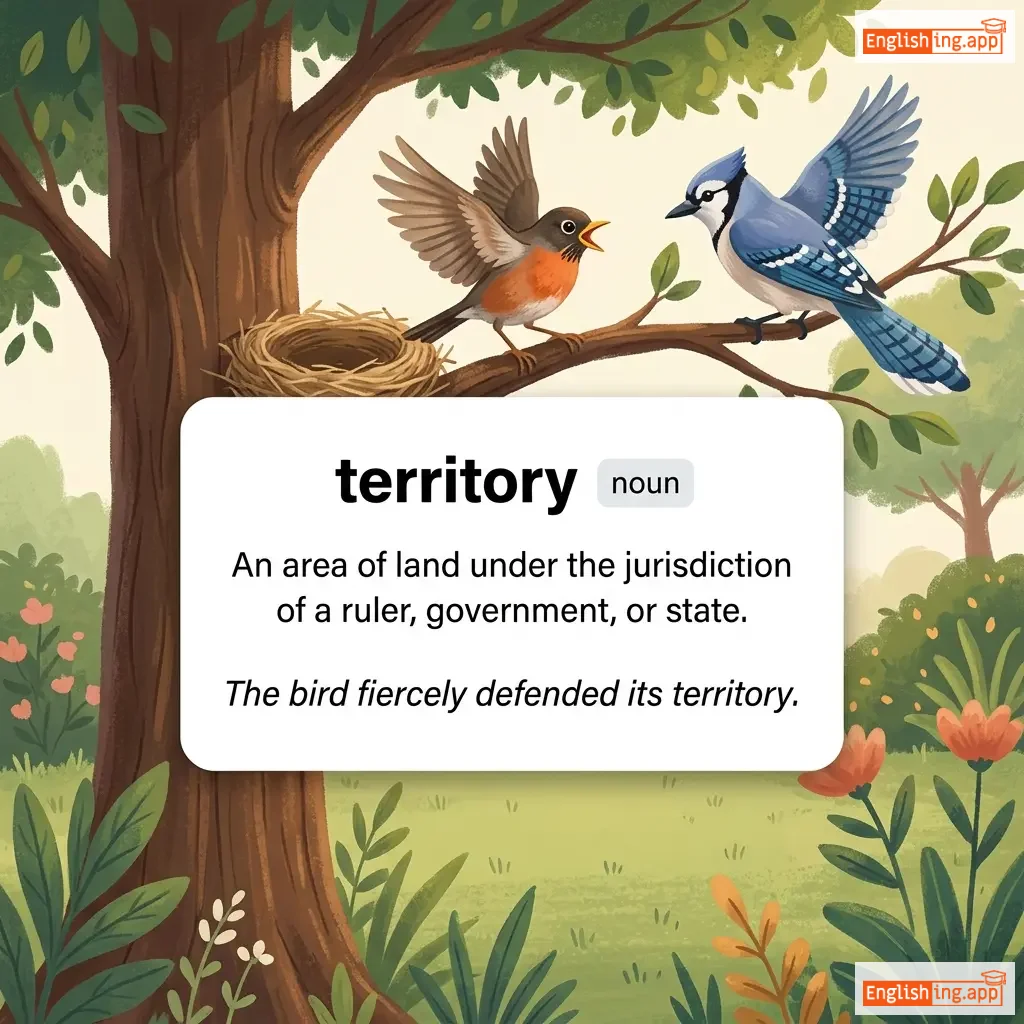
an area of land under the jurisdiction of a ruler or state
••••••
|
The wolf pack defended their territory from intruders.
狼群保护了他们的领土不受入侵者的侵害。
••••••
|
狼群保护了他们的领土不受入侵者的侵害。
Láng qún bǎohùle tāmen de lǐngtǔ bù shòu rùqīn zhě de qīnhài.
••••••
|
region, area, zone, district
••••••
|
borderland, neutral zone
••••••
|
uncharted territory, familiar territory, enemy territory, disputed territory
••••••
|
Territory 就是你捍卫的领土,就像狼群捍卫它们的领土一样。
••••••
|
|
#1390
🍺
|
/ˈtɪd.li/
adjective
(蒂德利)
••••••
|
- •••••• |
微醉; 小或微小
tiddli
••••••
|
slightly drunk; small or tiny
••••••
|
After a few drinks, he felt a bit tiddley. |
喝了几杯后,他觉得有点儿tiddli。
He le ji bei hou, ta juede you dian'er tiddli.
••••••
|
tipsy, merry, small, tiny
••••••
|
sober, large, huge
••••••
|
a bit tiddley, feeling tiddley
••••••
|
微醉时,感觉像 'tiddli'。
••••••
|
|
#1391
😱
|
/ˈter.ər/
noun
(恐怖)
••••••
|
- •••••• |
恐怖; 使用暴力和恐吓达到政治目的
kǒngbù; shǐyòng bàolì hé kǒngxià dádào zhèngzhì mùdì
••••••
|
extreme fear; the use of violence and intimidation for political aims
••••••
|
The loud explosion filled everyone with terror.
巨大的爆炸让每个人都充满了恐惧。
••••••
|
巨大的爆炸让每个人都充满了恐惧。
Jùdà de bàozhà ràng měi gèrén dōu chōngmǎnle kǒngjù.
••••••
|
fear, horror, panic, dread
••••••
|
courage, bravery, fearlessness, calm
••••••
|
sheer terror, reign of terror, terror attack, night terror
••••••
|
恐怖通常用于控制人们的思想,带来极端的恐惧感。
••••••
|
|
#1392
📅
|
/ˈtaɪm.teɪ.bəl/
noun
(taɪmˈteɪbəl)
••••••
|
- •••••• |
时间表
shíjiānbiǎo
••••••
|
a schedule showing planned activities or events at particular times
••••••
|
Please check the train timetable for departure times.
请查看火车时刻表以获取出发时间。
••••••
|
请查看火车时刻表以获取出发时间。
Qǐng chákàn huǒchē shíkèbiǎo yǐ huòqǔ chūfā shíjiān.
••••••
|
schedule, agenda, program, itinerary
••••••
|
spontaneity, improvisation
••••••
|
train timetable, school timetable, bus timetable
••••••
|
时间表帮助你规划你的活动时间!
••••••
|
|
#1393
💣
|
/ˈter.ər.ɪ.zəm/
noun
(恐怖主义)
••••••
|
- •••••• |
恐怖主义
kǒngbù zhǔyì
••••••
|
the unlawful use of violence and intimidation against civilians for political aims
••••••
|
The government increased security measures to prevent terrorism. |
政府加强了安全措施以防止恐怖主义。
zhèngfǔ jiāqiángle ānquán cuòshī yǐ fángzhǐ kǒngbù zhǔyì.
••••••
|
extremism, radicalism, violence, insurgency
••••••
|
peace, nonviolence, diplomacy, harmony
••••••
|
international terrorism, domestic terrorism, counter-terrorism, war on terrorism
••••••
|
恐怖主义会使社会陷入混乱,安全措施是必不可少的。
••••••
|
|
#1394
🧁
|
/ˈtɪt.bɪt/
noun
(tɪtbɪt)
••••••
|
- •••••• |
一小块美味的食物; 一小段有趣的信息
titbit
••••••
|
a small piece of tasty food; a small interesting piece of information
••••••
|
She served delicious titbits at the party. |
她在派对上提供了美味的小吃。
ta zai paidui shang tigongle meiwei de xiaochi
••••••
|
morsel, snack, delicacy, treat
••••••
|
main course, full meal
••••••
|
tasty titbit, delicious titbit, gossip titbit
••••••
|
小小的 titbit 就像派对上的美味小吃一样迷人。
••••••
|
|
#1395
📜
|
/ˌtes.tɪˈmoʊ.ni.əl/
noun
(tɛstɪˈmoʊniəl)
••••••
|
- •••••• |
推荐信
tuījiàn xìn
••••••
|
a formal statement testifying to someone's character and qualifications
••••••
|
The professor wrote a glowing testimonial for her former student.
教授为她的前学生写了一个出色的推荐信。
••••••
|
教授为她的前学生写了一个出色的推荐信。
Jiàoshòu wèi tā de qián xuéshēng xiěle yīgè chū sè de tuījiàn xìn.
••••••
|
recommendation, reference, endorsement, certificate
••••••
|
criticism, condemnation, disapproval
••••••
|
glowing testimonial, written testimonial, character testimonial, testimonial letter
••••••
|
推荐信是对某人的赞美,就像 Testimonial 给人力量。
••••••
|
|
#1396
📖
|
/ˈtaɪ.təl/
noun
(tài té)
••••••
|
- •••••• |
标题; 称号; 荣誉
taitel
••••••
|
the name of a book, movie, or other work; a word used before someone's name to show rank or status
••••••
|
The title of the book is very interesting. |
这本书的标题非常有趣。
Zhè běn shū de biāotí fēicháng yǒuqù
••••••
|
heading, name, caption, designation
••••••
|
subtitle, content, body
••••••
|
book title, job title, movie title
••••••
|
就像书的标题一样,称号和荣誉能帮助人们识别身份。
••••••
|
|
#1397
⚖️
|
/ˈtes.tɪ.moʊ.ni/
noun
(证词)
••••••
|
- •••••• |
证词; 证据
zhèngcí; zhèngjù
••••••
|
a formal written or spoken statement given in a court of law; evidence or proof
••••••
|
The witness gave compelling testimony during the trial. |
证人在审判过程中提供了令人信服的证词。
Zhèngrén zài shěnpàn guòchéng zhōng tígōngle lìng rén xìnfú de zhèngcí.
••••••
|
evidence, statement, declaration, deposition
••••••
|
denial, refutation, contradiction
••••••
|
eyewitness testimony, false testimony, sworn testimony, expert testimony
••••••
|
证词总能证明真相。
••••••
|
|
#1398
🤝
|
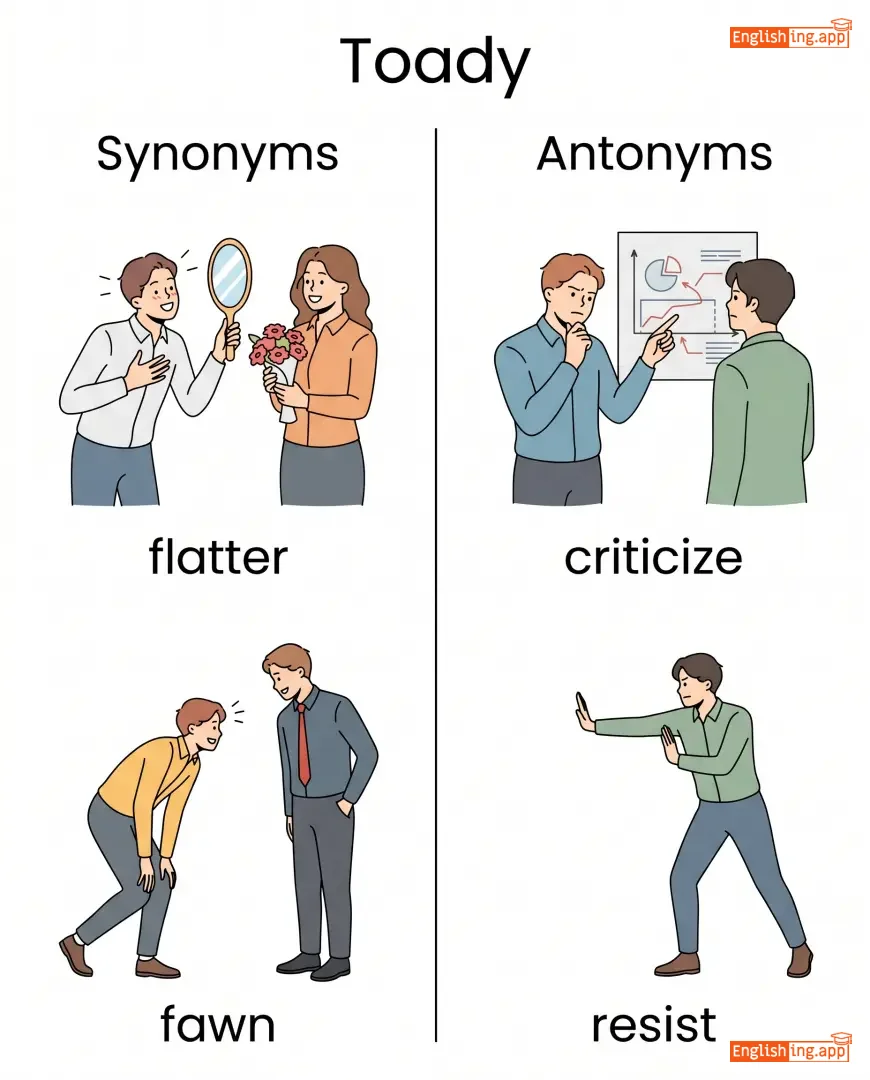
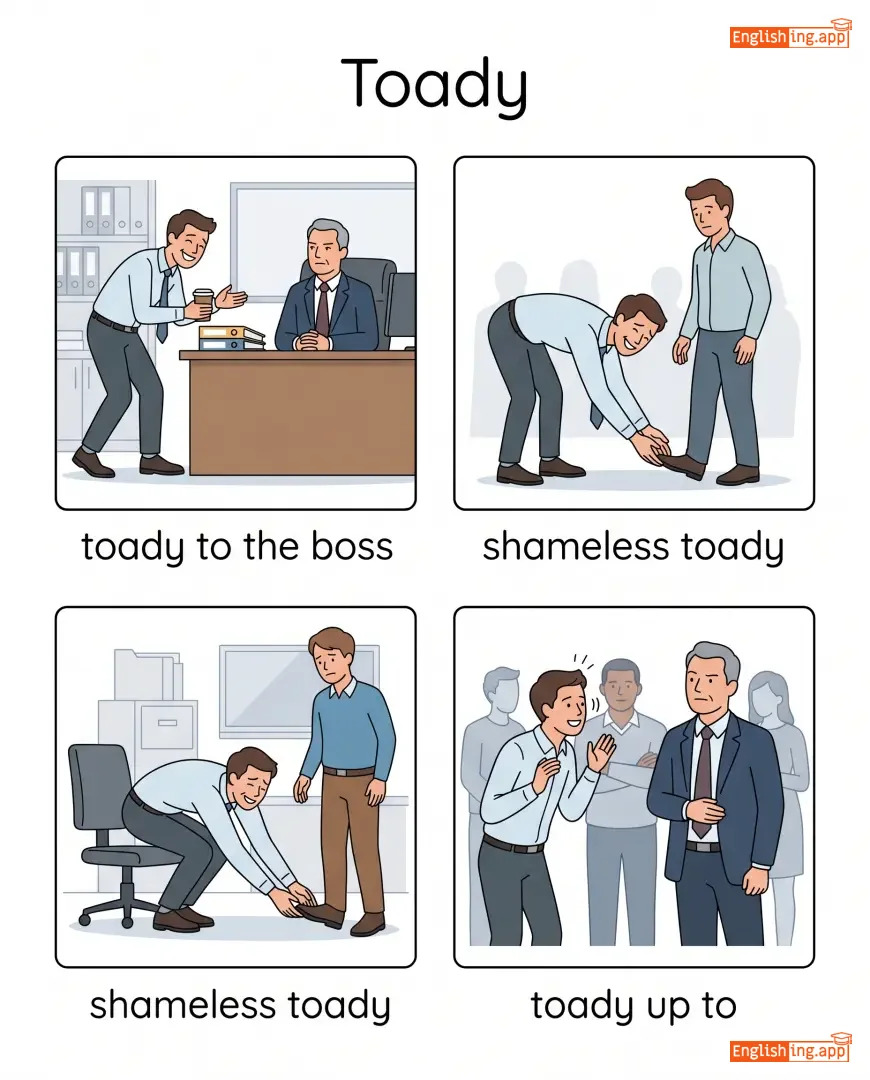
/ˈtoʊ.di/
noun
(托迪)
••••••
|
|
拍马屁者
pai ma pi zhe
••••••
|
a person who acts obsequiously to gain favor; a sycophant
••••••
|
He was known as a toady who always agreed with the boss.
他被认为是一个总是同意老板的阿谀奉承者。
••••••
|
他被认为是一个总是同意老板的阿谀奉承者。
Ta bei renwei shi yi ge zongshi tongyi laoban de a yu feng cheng zhe.
••••••
|
sycophant, flatterer, yes-man, bootlicker
••••••
|
critic, opponent, independent thinker
••••••
|
office toady, political toady
••••••
|
拍马屁者 = 总是顺从老板
••••••
|
|
#1399
💡
|
/ˈθɪr.i/
noun
(理论)
••••••
|
- •••••• |
理论
lilun
••••••
|
a supposition or system of ideas intended to explain something
••••••
|
Einstein's theory of relativity revolutionized physics.
爱因斯坦的相对论理论彻底改变了物理学。
••••••
|
爱因斯坦的相对论理论彻底改变了物理学。
Ai yinsitan de xiangduilun lilun chedi gaibian le wulixue.
••••••
|
hypothesis, principle, concept, doctrine
••••••
|
practice, fact, reality, certainty
••••••
|
scientific theory, economic theory, political theory, conspiracy theory
••••••
|
理论像是用来解锁宇宙秘密的钥匙。
••••••
|
|
#1400
🤗
|
/ˈtɒl.ər.əns/
noun
(tuo-lei-ren-si)
••••••
|
- •••••• |
宽容
kuanrong
••••••
|
the ability to accept different opinions or behavior; willingness to allow something to exist
••••••
|
Religious tolerance is important in a diverse society.
宗教宽容在多元化的社会中很重要。
••••••
|
宗教宽容在多元化的社会中很重要。
Zongjiao kuanrong zai duoyuanhua de shehui zhong hen zhongyao.
••••••
|
acceptance, patience, understanding, forbearance
••••••
|
intolerance, prejudice, bigotry, rejection
••••••
|
religious tolerance, zero tolerance, tolerance level
••••••
|
宽容让不同的声音得以存在
••••••
|
Vocabulary Quiz
Test your vocabulary by matching words with their translations or meanings.
Login to take the quiz
Comments (0)
Share your thoughts and join the discussion.
Join the discussion by logging in
Login to CommentNo comments yet
Be the first to share your thoughts!