



Swipe left or right, or use the buttons. Tap image to zoom.
例句翻译
单词
Lesson 39Lesson 39 - 遮罩切换
|
表情符号
|
单词 | Images | 翻译 | 含义 | 例句 | 例句翻译 | 同义词 | 反义词 | 搭配词 | 助记符 |
|---|---|---|---|---|---|---|---|---|---|---|
|
#761
⚖️
|
/lɪˈɡæl.ə.ti/
noun
(合法性)
••••••
|
- •••••• |
合法性
hefa xing
••••••
|
the quality or state of being legal; accordance with the law
••••••
|
The lawyer questioned the legality of the contract.
律师质疑合同的合法性。
••••••
|
律师质疑合同的合法性。
Lüshi zhiyi hetong de hefaxing.
••••••
|
lawfulness, legitimacy, validity
••••••
|
illegality, unlawfulness
••••••
|
question legality, legal legality, establish legality
••••••
|
合法性和合法是相同的,像遵守法律一样
••••••
|
|
#762
🤥
|
/ˈlaɪ.ər/
noun
(làiyà)
••••••
|
- •••••• |
骗子
pianzi
••••••
|
a person who tells lies; someone who does not tell the truth
••••••
|
Nobody trusts him because he is a liar.
没有人相信他,因为他是个骗子。
••••••
|
没有人相信他,因为他是个骗子。
Méiyǒu rén xiāngxìn tā, yīnwèi tā shì gè piànzi.
••••••
|
deceiver, fibber, fabricator, prevaricator
••••••
|
truth-teller, honest person
••••••
|
compulsive liar, pathological liar, notorious liar
••••••
|
骗子总是被揭露。
••••••
|
|
#763
📜
|
/ˈledʒ.ənd/
noun
(lèizhēnd)
••••••
|
- •••••• |
传说; 神话
chuan shuo; shen hua
••••••
|
a traditional story sometimes popularly regarded as historical but unauthenticated; an extremely famous or notorious person
••••••
|
The legend of King Arthur has inspired many books.
亚瑟王的传奇激发了许多书籍。
••••••
|
亚瑟王的传奇激发了许多书籍。
Yasewang de chuanshuo jifa le xuduo shuji.
••••••
|
myth, folklore, tale, story
••••••
|
fact, history, reality
••••••
|
ancient legend, urban legend, living legend
••••••
|
‘传说’是中国故事中的经典,通常包括神话与历史人物。
••••••
|
|
#764
🕓
|
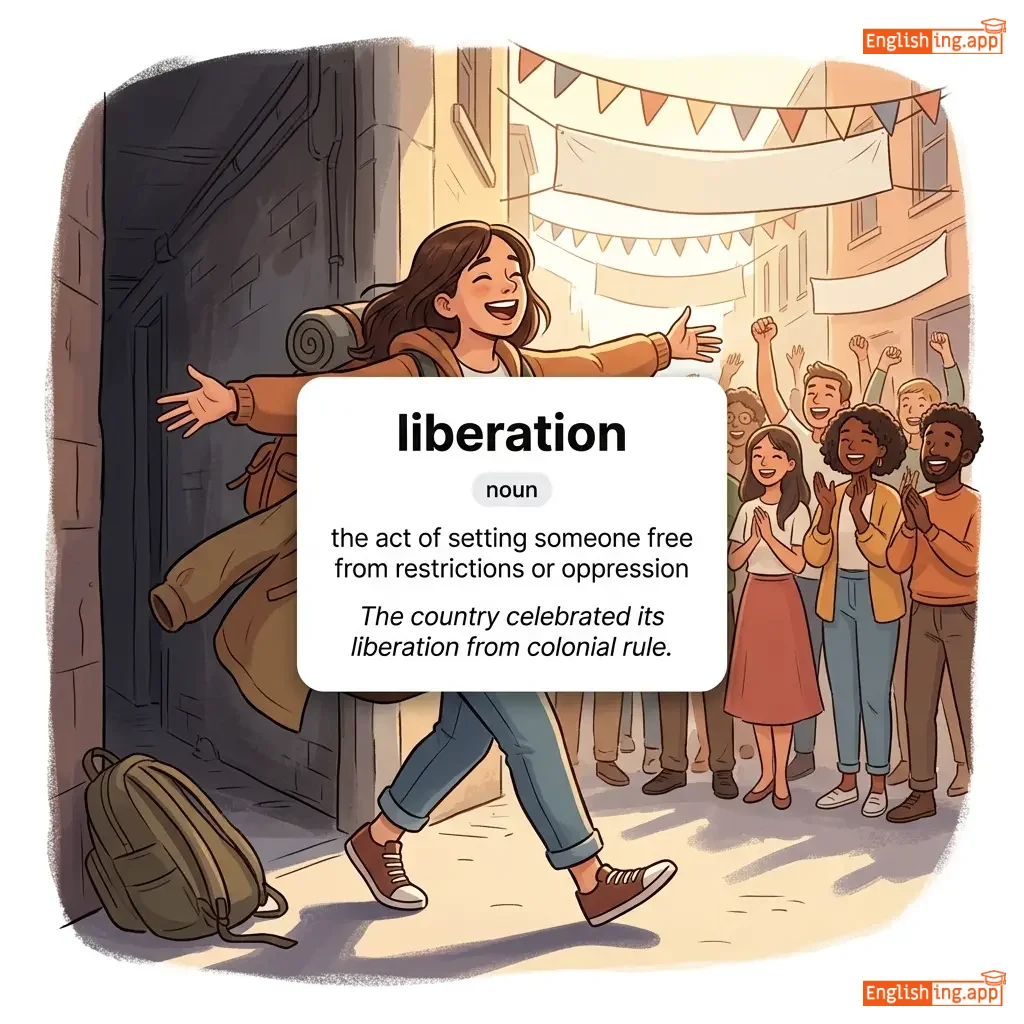
/ˌlɪb.əˈreɪ.ʃən/
noun
(解放)
••••••
|
|
解放; 自由;
jiefang
••••••
|
the action of setting someone free from imprisonment, slavery, or oppression; release
••••••
|
The liberation of the country took many years. |
国家的解放花了很多年。
guójiā de jiěfàng huāle hěn duō nián.
••••••
|
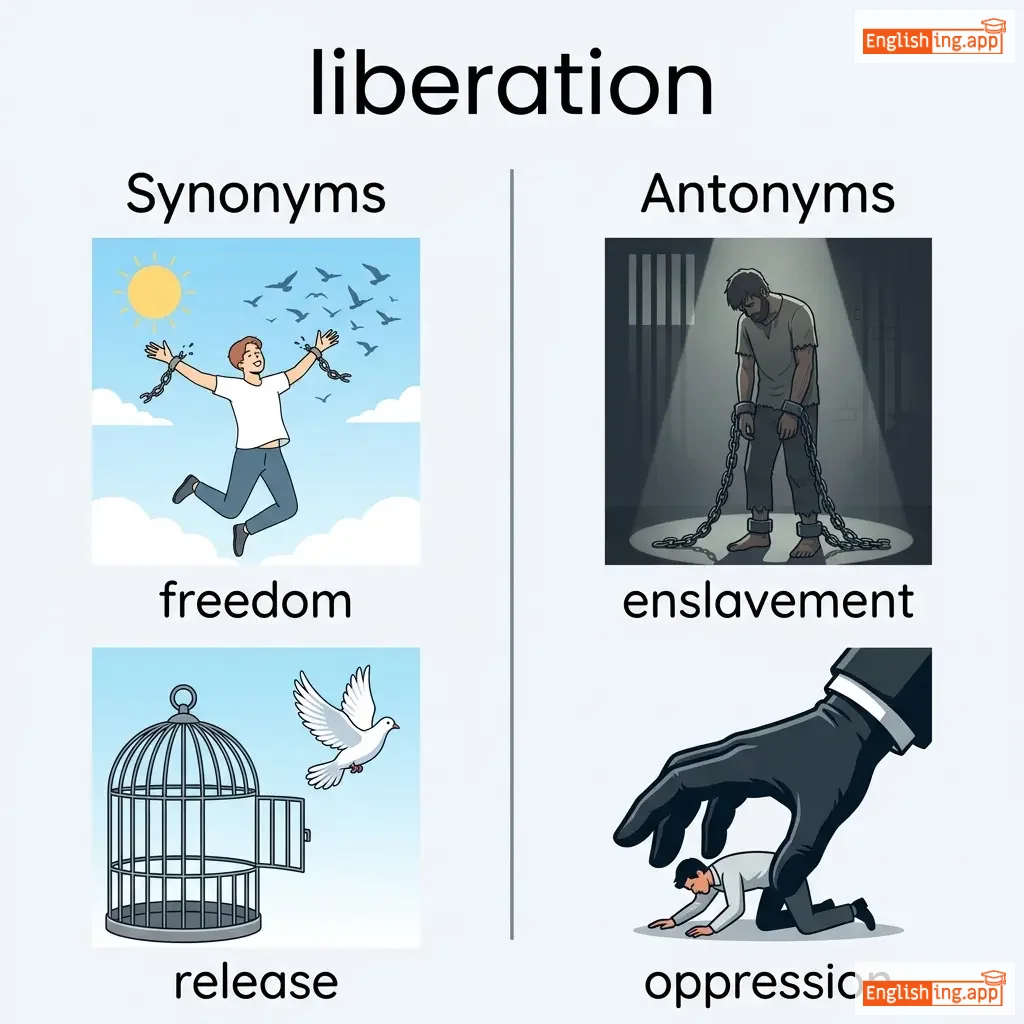
freedom, emancipation, release, independence
••••••
|
oppression, captivity, enslavement
••••••
|
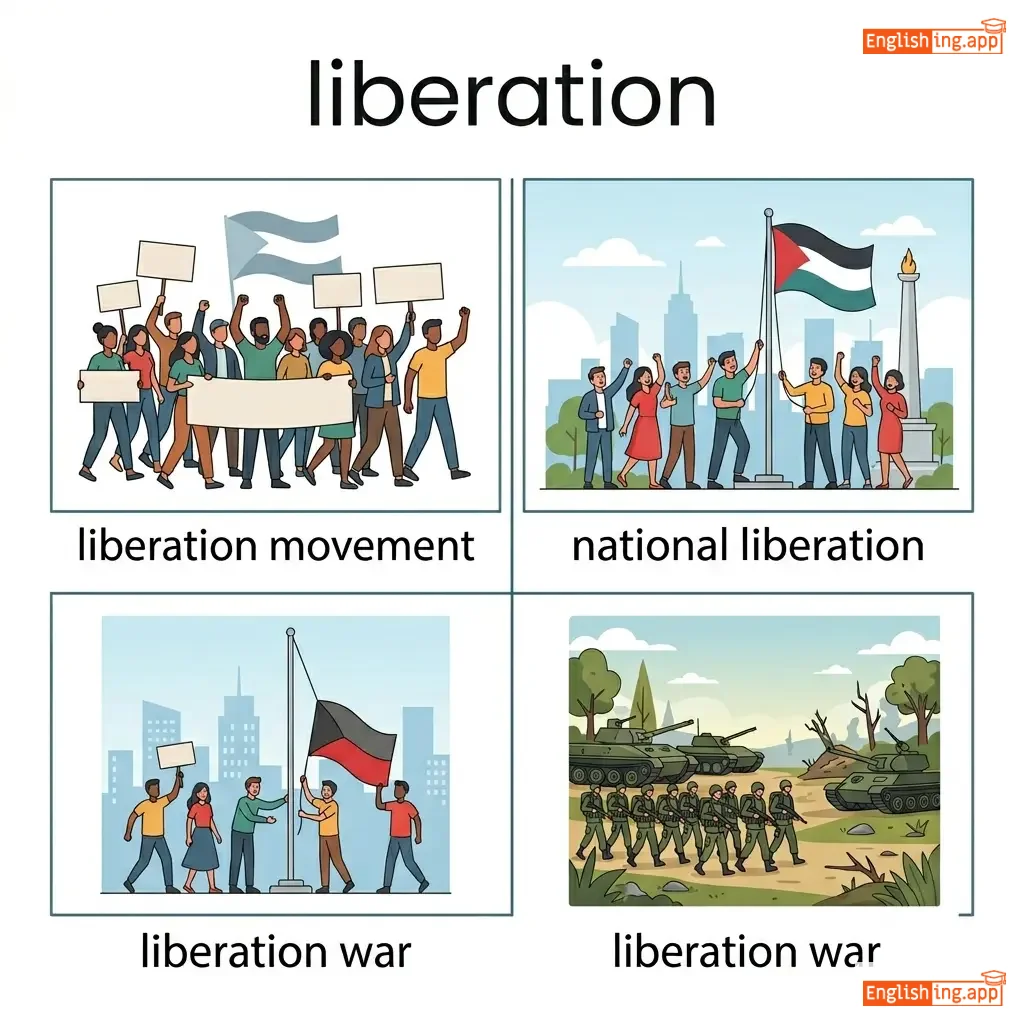
national liberation, women's liberation, liberation movement
••••••
|
In Chinese, '解放' means liberation and '自由' means the freedom it brings.
••••••
|
|
#765
🏝️
|
/ˈleʒ.ər/
noun
(léʒər)
••••••
|
- •••••• |
闲暇; 休闲
lejar
••••••
|
time when one is not working or occupied; free time used for enjoyment
••••••
|
She enjoys reading books in her leisure time. |
她喜欢在闲暇时间阅读书籍。
Ta xihuan zai xianxia shijian yuedu shuju
••••••
|
free time, relaxation, recreation
••••••
|
work, labor, duty
••••••
|
leisure time, leisure activities, at leisure
••••••
|
在闲暇时,享受阅读的乐趣
••••••
|
|
#766
🗽
|
/ˈlɪb.ər.ti/
noun
(自由)
••••••
|
- •••••• |
自由
ziyou
••••••
|
the state of being free within society from oppressive restrictions imposed by authority on one's way of life, behavior, or political views
••••••
|
The Statue of Liberty represents freedom and democracy. |
自由女神像象征着自由和民主。
Ziyou nushenxiang xiangzheng zhe ziyou he minzhu.
••••••
|
freedom, independence, autonomy
••••••
|
captivity, oppression, tyranny
••••••
|
personal liberty, civil liberties, take liberties
••••••
|
Chinese '自由' is liberty. '自由' refers to freedom, and it sounds like 'ziyou.'
••••••
|
|
#767
📏
|
/leŋθ/
noun
(lɛŋθ)
••••••
|
- •••••• |
长度
chángdù
••••••
|
the measurement or extent of something from end to end; the greater of two or the greatest of three dimensions
••••••
|
The length of the table is two meters. |
桌子的长度是两米。
zhuōzi de chángdù shì liǎng mǐ
••••••
|
extent, span, distance, measurement
••••••
|
width, breadth, shortness
••••••
|
full length, arm's length, at length
••••••
|
长度 (chángdù) is related to length, measuring distances.
••••••
|
|
#768
📚
|
/ˈlaɪ.brər.i/
noun
(lái brěi lì)
••••••
|
- •••••• |
图书馆
tú shū guǎn
••••••
|
a building or room containing collections of books, periodicals, and sometimes films and recorded music for people to read, borrow, or refer to
••••••
|
She goes to the library every weekend to study. |
她每个周末都会去图书馆学习。
Tā měi gè zhōu mò dōu huì qù tú shū guǎn xué xí
••••••
|
archive, repository, collection, reading room
••••••
|
bookstore, market
••••••
|
public library, university library, library card
••••••
|
图书馆是阅读和借书的地方
••••••
|
|
#769
🌱
|
/ˈlen.tɪl/
noun
(lèntílì)
••••••
|
- •••••• |
小扁豆
xiǎo biǎn dòu
••••••
|
a high-protein pulse which is dried and then soaked and cooked prior to eating
••••••
|
She cooked red lentils for dinner tonight. |
她今晚做了红扁豆作为晚餐。
tā jīn wǎn zuò le hóng biǎn dòu zuò wǎn cān
••••••
|
pulse, legume, dal
••••••
|
meat, grain
••••••
|
red lentils, green lentils, lentil soup
••••••
|
像小扁豆一样,小而充满能量!
••••••
|
|
#770
📋
|
/ˈlaɪ.səns/
noun
(làisēnsi)
••••••
|
- •••••• |
许可证
xǔkě zhèng
••••••
|
a permit from an authority to own or use something, do a particular thing, or carry on a trade
••••••
|
You need a driving licence to operate a car.
你需要驾驶执照才能驾驶汽车。
••••••
|
你需要驾驶执照才能驾驶汽车。
Nǐ xūyào jiàshǐ zhízhào cáinéng jiàshǐ qìchē.
••••••
|
permit, authorization, certificate, warrant
••••••
|
prohibition, ban
••••••
|
driving licence, business licence, licence holder
••••••
|
许可证 - 就像是给你开车的许可证。
••••••
|
|
#771
📚
|
/ˈles.ən/
noun
(le-xi-ong)
••••••
|
- •••••• |
课
ke
••••••
|
a period of learning or teaching; an experience that teaches you something
••••••
|
Today's math lesson was about fractions. |
今天的数学课是关于分数的。
Jintian de shuxue ke shi guanyu fenshu de
••••••
|
class, instruction, tutorial, teaching
••••••
|
ignorance, confusion
••••••
|
learn lesson, teach lesson, lesson plan
••••••
|
把'课'和学习过程联系在一起。
••••••
|
|
#772
📄
|
/ˌlaɪ.sənˈsiː/
noun
(lɑɪˈsɛnsɪ)
••••••
|
- •••••• |
许可证持有者
xuke zheng chi you zhe
••••••
|
a person or organization that holds a license to do something
••••••
|
The licensee is responsible for following all regulations.
许可证持有者负责遵守所有规定。
••••••
|
许可证持有者负责遵守所有规定。
Xuke zheng chi you zhe fu ze zun shou suo you gui ding.
••••••
|
permit holder, authorized person
••••••
|
licensor, unauthorized person
••••••
|
software licensee, franchise licensee
••••••
|
Chinese '许可证持有者' matches 'licensee' closely.
••••••
|
|
#773
😴
|
/ˈleθ.ər.dʒi/
noun
(莱瑟吉)
••••••
|
- •••••• |
昏睡; 疲劳和不活跃
letharji
••••••
|
a lack of energy and enthusiasm; tiredness and inactivity
••••••
|
The hot weather caused a feeling of lethargy. |
炎热的天气引发了昏睡的感觉。
yanre de tianqi yinfale hunshui de ganjue
••••••
|
sluggishness, torpor, inertia, fatigue
••••••
|
energy, vigor, vitality, alertness
••••••
|
overcome lethargy, mental lethargy, feeling of lethargy
••••••
|
Letharji - 莱瑟吉 - 当你感到疲倦时就像在昏睡
••••••
|
|
#774
🍺
|
/lɪd/
noun
(lid)
••••••
|
- •••••• |
盖子
gài zi
••••••
|
a removable or hinged cover for the top of a container
••••••
|
Please put the lid back on the jar.
请把盖子重新放在瓶子上。
••••••
|
请把盖子重新放在瓶子上。
Qǐng bǎ gài zi chóngxīn fàng zài píng zi shàng.
••••••
|
cover, cap, top
••••••
|
bottom, base
••••••
|
jar lid, pot lid, tight lid
••••••
|
盖子 (gài zi) 是 lid 的意思.
••••••
|
|
#775
✉️
|
/ˈlet.ər/
noun
(莱特)
••••••
|
- •••••• |
字母; 信
letter
••••••
|
a character representing one or more of the sounds used in speech; a written message, typically sent in an envelope
••••••
|
She wrote a letter to her grandmother. |
她给她的祖母写了一封信。
Tā gěi tā de zǔmǔ xiěle yī fēng xìn.
••••••
|
character, alphabet, correspondence, note
••••••
|
number, symbol, call
••••••
|
write letter, capital letter, love letter
••••••
|
The word 'letter' sounds like '信' (letter) in Chinese.
••••••
|
|
#776
💡
|
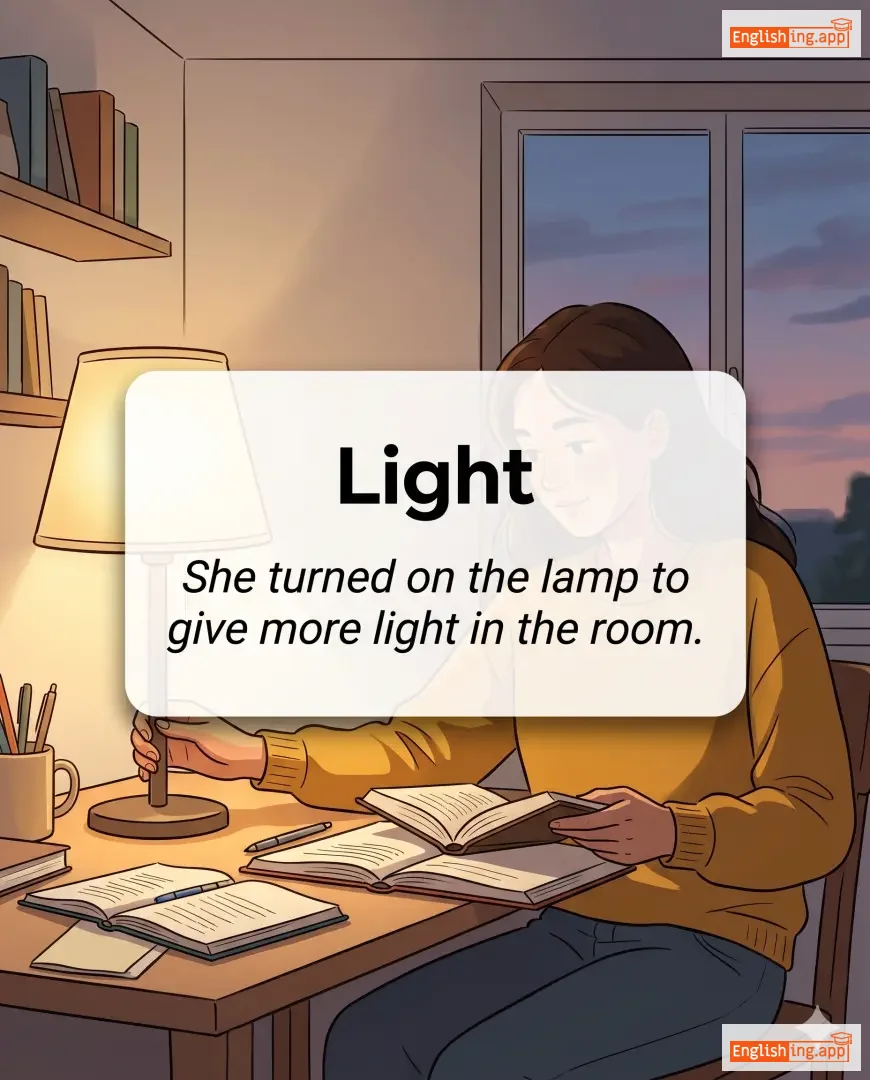
/laɪt/
noun
(lait)
••••••
|
|
光
guang
••••••
|
the natural agent that stimulates sight and makes things visible; electromagnetic radiation of any wavelength
••••••
|
Turn on the light, it's getting dark.
turn on the light, it's getting dark
••••••
|
开灯吧,天黑了。
kāi dēng ba, tiān hēi le
••••••
|
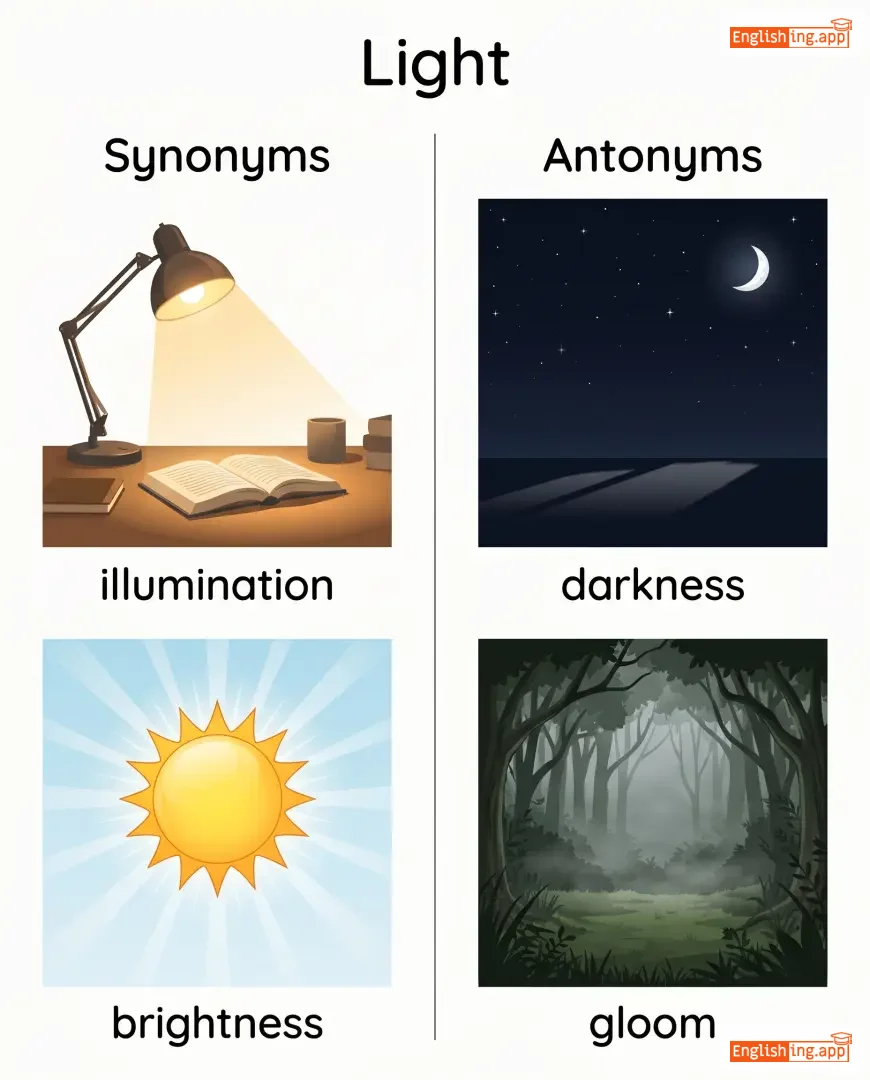
illumination, brightness, radiance, glow
••••••
|
darkness, shadow, gloom
••••••
|
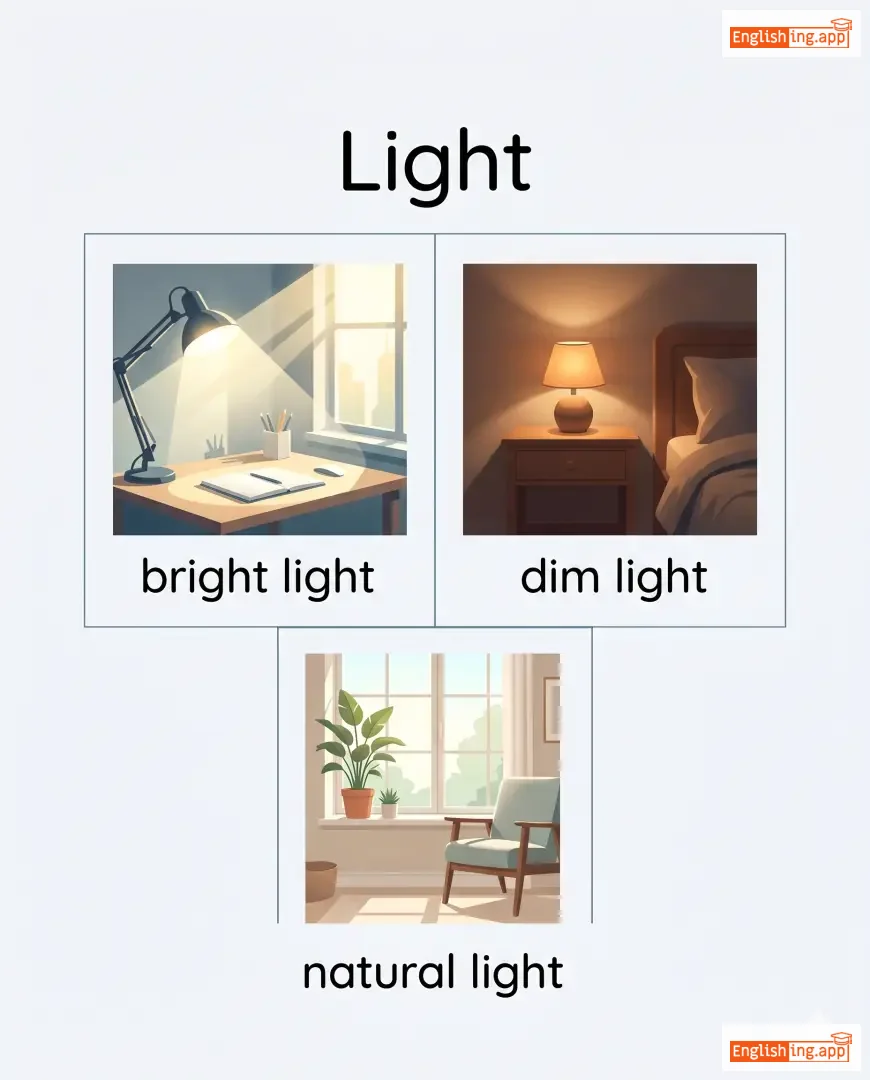
bright light, natural light, light switch
••••••
|
Guang means light, shining brightly all around.
••••••
|
|
#777
😄
|
/ˈlev.ɪ.ti/
noun
(莱维蒂)
••••••
|
|
轻浮; 轻率; 缺乏尊重
leviti
••••••
|
humor or frivolity, especially the treatment of a serious matter with humor or in a manner lacking due respect
••••••
|
The levity in the courtroom was inappropriate.
法庭上的轻浮是不合适的。
••••••
|
法庭上的轻浮是不合适的。
fating shang de qingfu shi bu he shi de.
••••••
|
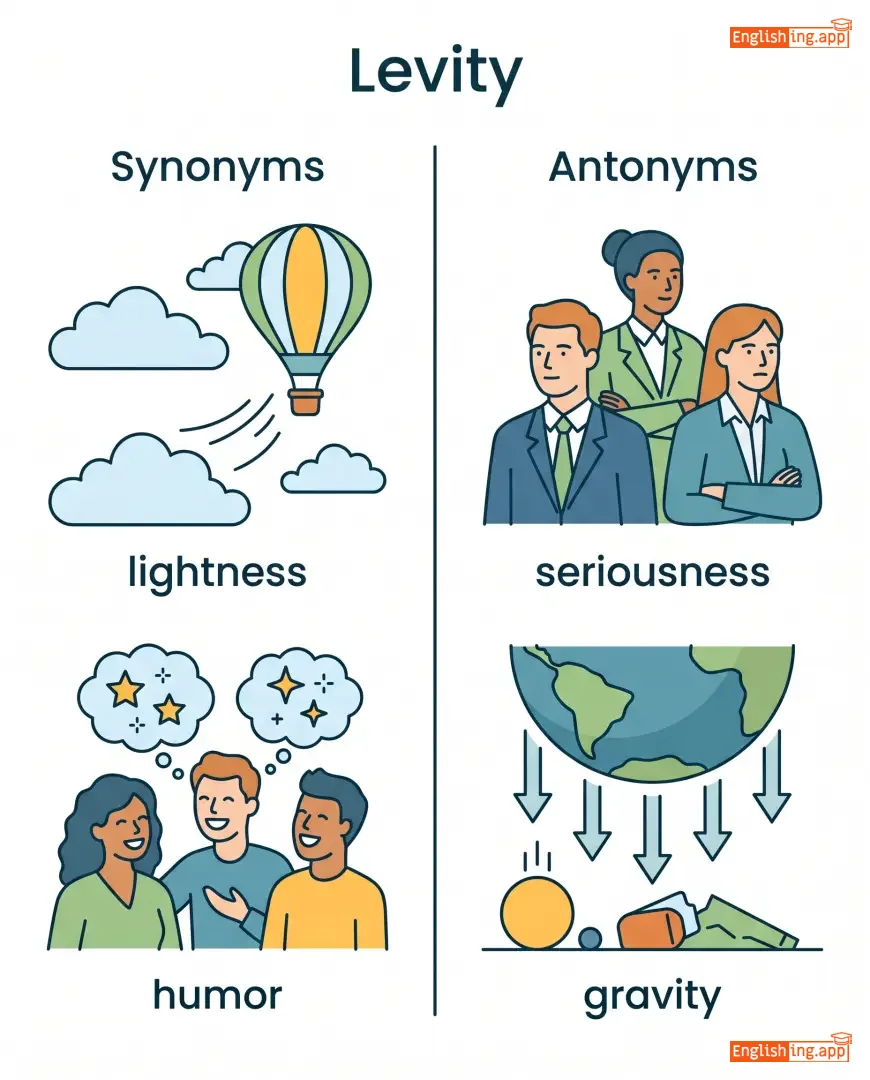
frivolity, humor, lightness, flippancy
••••••
|
gravity, seriousness, solemnity
••••••
|
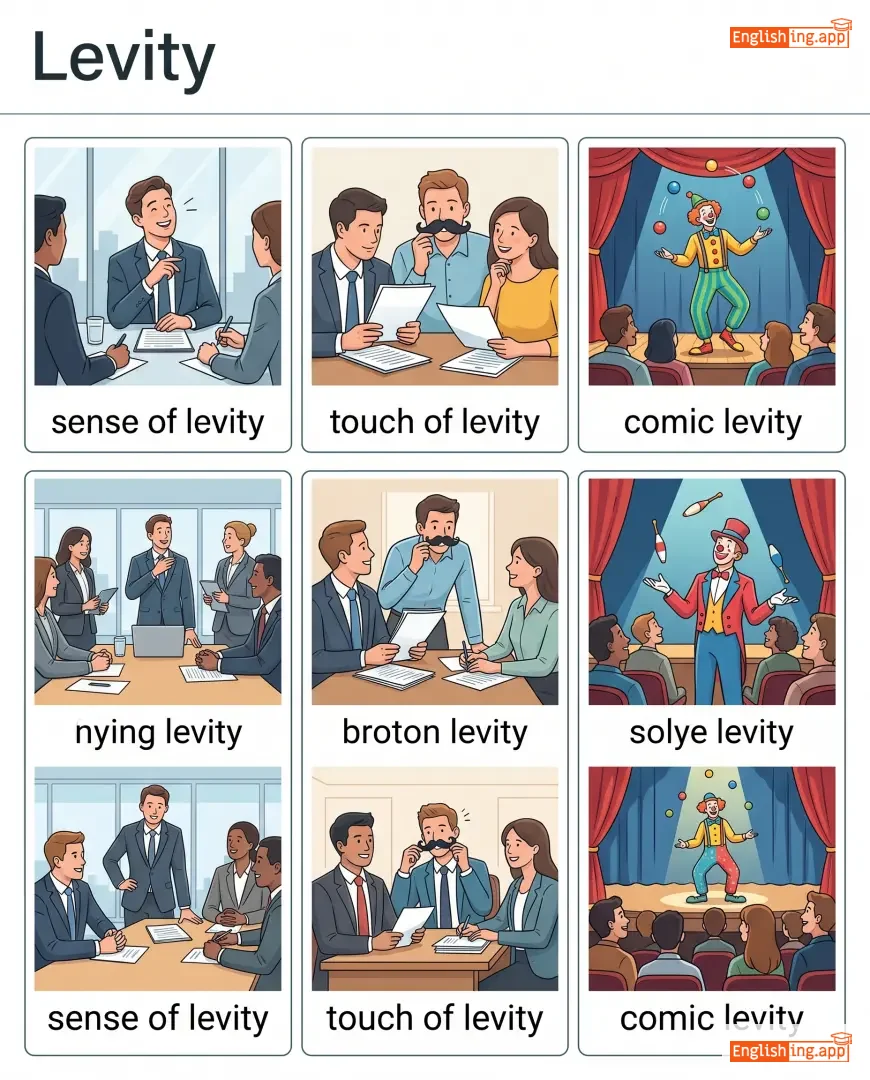
inappropriate levity, moment of levity
••••••
|
幽默有度,尊重是首位
••••••
|
|
#778
🕰️
|
/ˈlaɪk.nəs/
noun
(ˈlaɪk.nəs)
••••••
|
- •••••• |
相似; 类似
likeness
••••••
|
the fact or quality of being alike; resemblance; a portrait or representation
••••••
|
The portrait shows a strong likeness to her grandmother.
这幅肖像与她的祖母有很强的相似之处。
••••••
|
这幅肖像与她的祖母有很强的相似之处。
Zhè fú xiàoxiàng yǔ tā de zǔmǔ yǒu hěn qiáng de xiāngsì zhī chù.
••••••
|
resemblance, similarity, portrait, image
••••••
|
difference, dissimilarity
••••••
|
striking likeness, family likeness, perfect likeness
••••••
|
相似的肖像和祖母的回忆
••••••
|
|
#779
💳
|
/ˌlaɪ.əˈbɪl.ɪ.ti/
noun
(赖比利提)
••••••
|
|
责任
zeren
••••••
|
the state of being responsible for something, especially by law; a person or thing whose presence or behavior is likely to cause embarrassment or put one at a disadvantage
••••••
|
The company accepted liability for the accident. |
公司接受了事故的责任。
Gongsi jieshou le shigu de zeren
••••••
|
responsibility, obligation, debt, burden
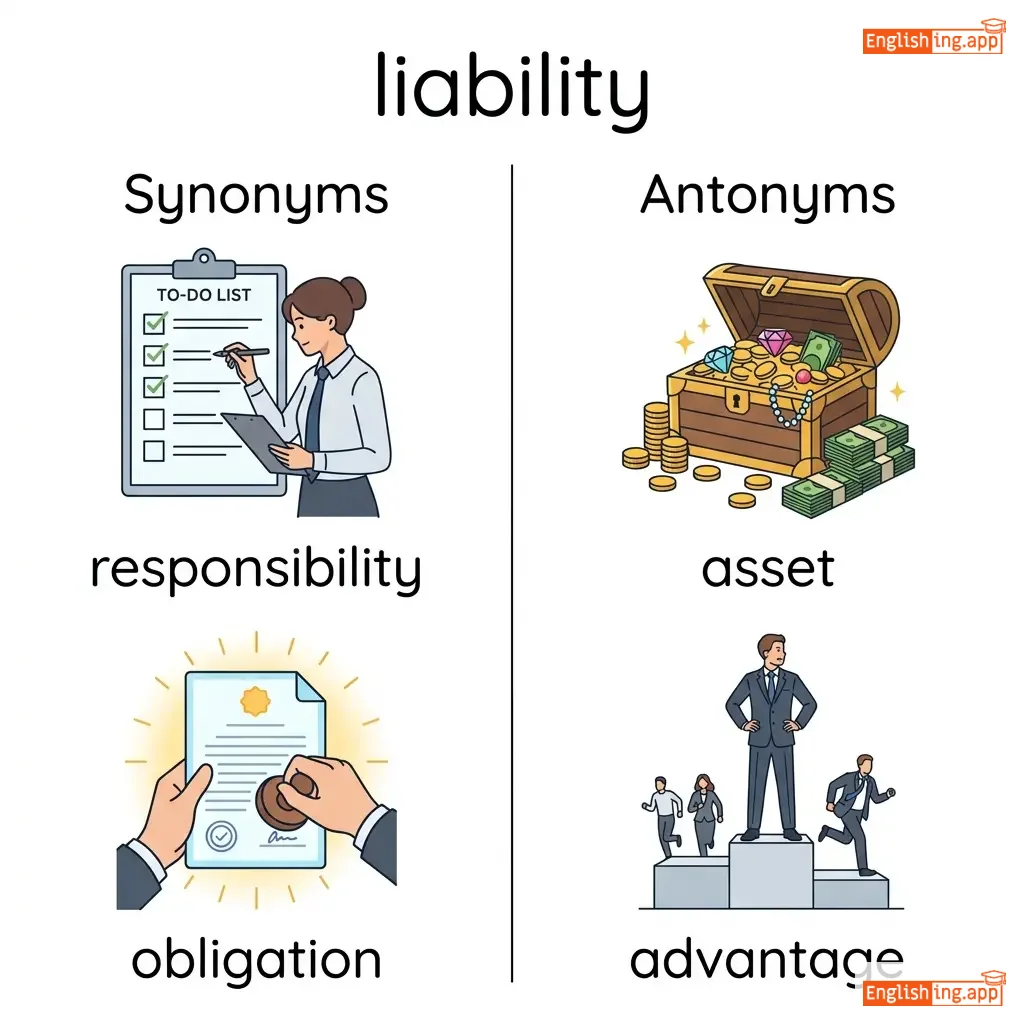
••••••
|
asset, advantage, benefit
••••••
|
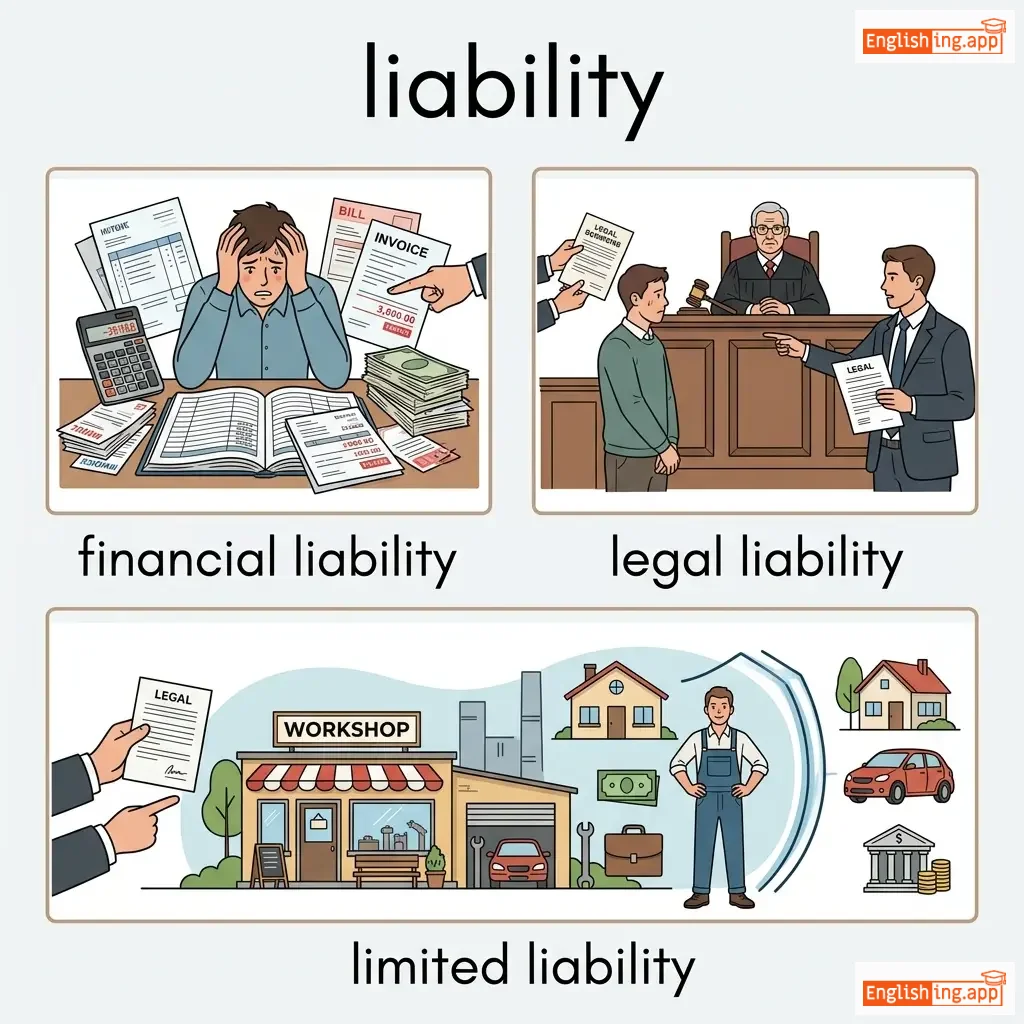
legal liability, financial liability, limited liability
••••••
|
In Chinese, '责任' (zeren) means responsibility, directly corresponding to liability.
••••••
|
|
#780
❤️
|
/ˈlaɪ.kɪŋ/
noun
(laiking)
••••••
|
- •••••• |
喜好; 爱好; 偏爱
laiking
••••••
|
a feeling of regard or fondness; a preference or taste for something
••••••
|
She has developed a liking for classical music.
she has developed a liking for classical music
••••••
|
她对古典音乐产生了喜好。
Tā duì gǔdiǎn yīnyuè chǎnshēngle xǐhào.
••••••
|
fondness, preference, taste, affection
••••••
|
dislike, aversion, hatred
••••••
|
take a liking, develop liking, to your liking
••••••
|
'Liking' 就是你喜欢的东西,就像是你喜欢古典音乐!
••••••
|
Vocabulary Quiz
Test your vocabulary by matching words with their translations or meanings.
Login to take the quiz
Comments (0)
Share your thoughts and join the discussion.
Join the discussion by logging in
Login to CommentNo comments yet
Be the first to share your thoughts!