









Swipe left or right, or use the buttons. Tap image to zoom.
例句翻译
单词
Lesson 24Lesson 24 - 遮罩切换
|
表情符号
|
单词 | Images | 翻译 | 含义 | 例句 | 例句翻译 | 同义词 | 反义词 | 搭配词 | 助记符 |
|---|---|---|---|---|---|---|---|---|---|---|
|
#461
🤸
|
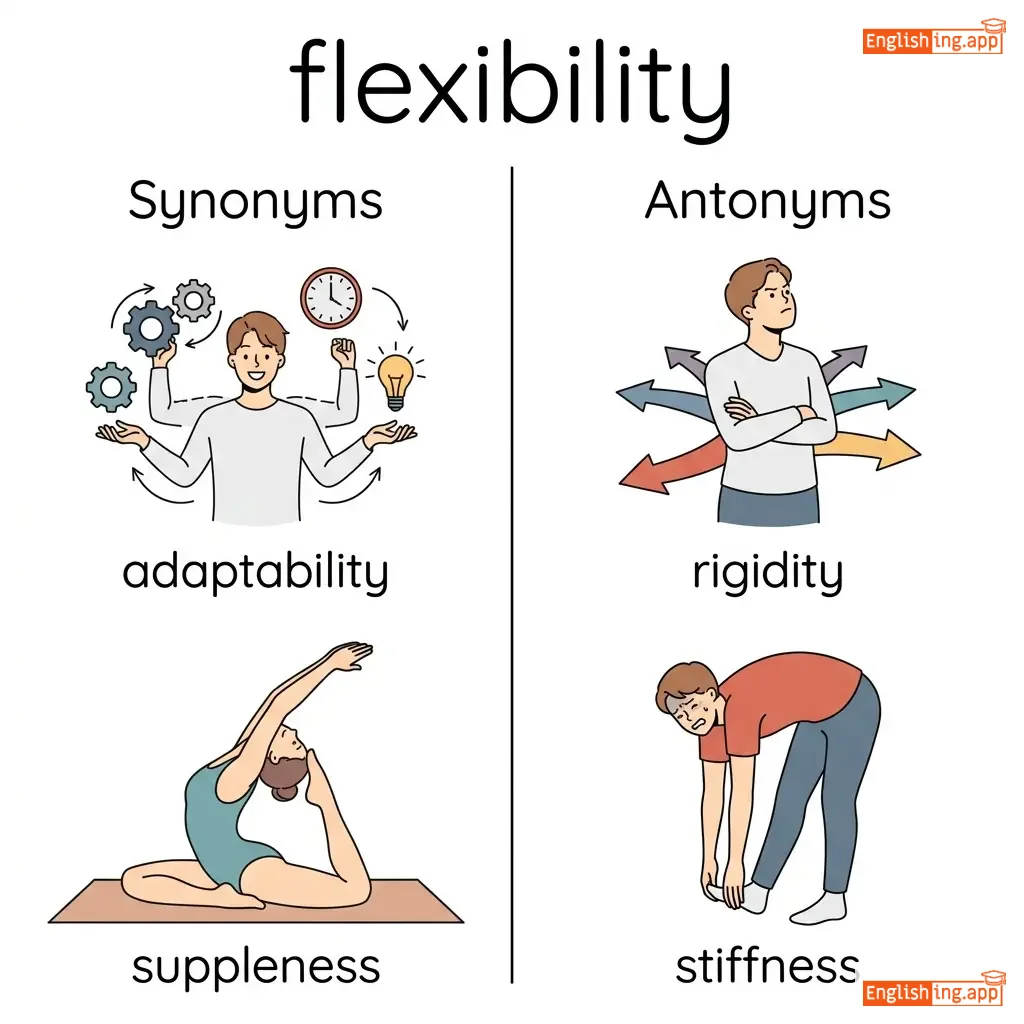
/ˌflek.səˈbɪl.ə.ti/
noun
(灵活性)
••••••
|
|
灵活性; 适应能力
línghuóxìng, shìyìng nénglì
••••••
|
the quality of bending easily without breaking; willingness to change or compromise
••••••
|
The job requires flexibility in working hours and the ability to adapt quickly. |
这份工作要求在工作时间上的灵活性和迅速适应的能力。
Zhè fèn gōngzuò yāoqiú zài gōngzuò shíjiān shàng de línghuóxìng hé xùnsù shìyìng de nénglì.
••••••
|
adaptability, versatility, pliability, elasticity
••••••
|
rigidity, inflexibility, stiffness, stubbornness
••••••
|
mental flexibility, workplace flexibility, show flexibility
••••••
|
灵活性 = 灵活性 (适应变化的能力)
••••••
|
|
#462
➗
|
/ˈfræk.ʃən/
noun
(分数)
••••••
|
- •••••• |
分数; 部分
fenshu, bufen
••••••
|
a numerical quantity that is not a whole number; a small or tiny part of something
••••••
|
Only a small fraction of the population voted in the local election.
只有一小部分人口在当地选举中投票。
••••••
|
只有一小部分人口在当地选举中投票。
Zhi you yi xiao bufen renkou zai dangdi xuanju zhong tou piao.
••••••
|
portion, segment, part, piece
••••••
|
whole, entirety, total, complete
••••••
|
small fraction, proper fraction, fraction of time
••••••
|
分数 = 部分,像 '分数' 是一个小部分
••••••
|
|
#463
🗣️
|
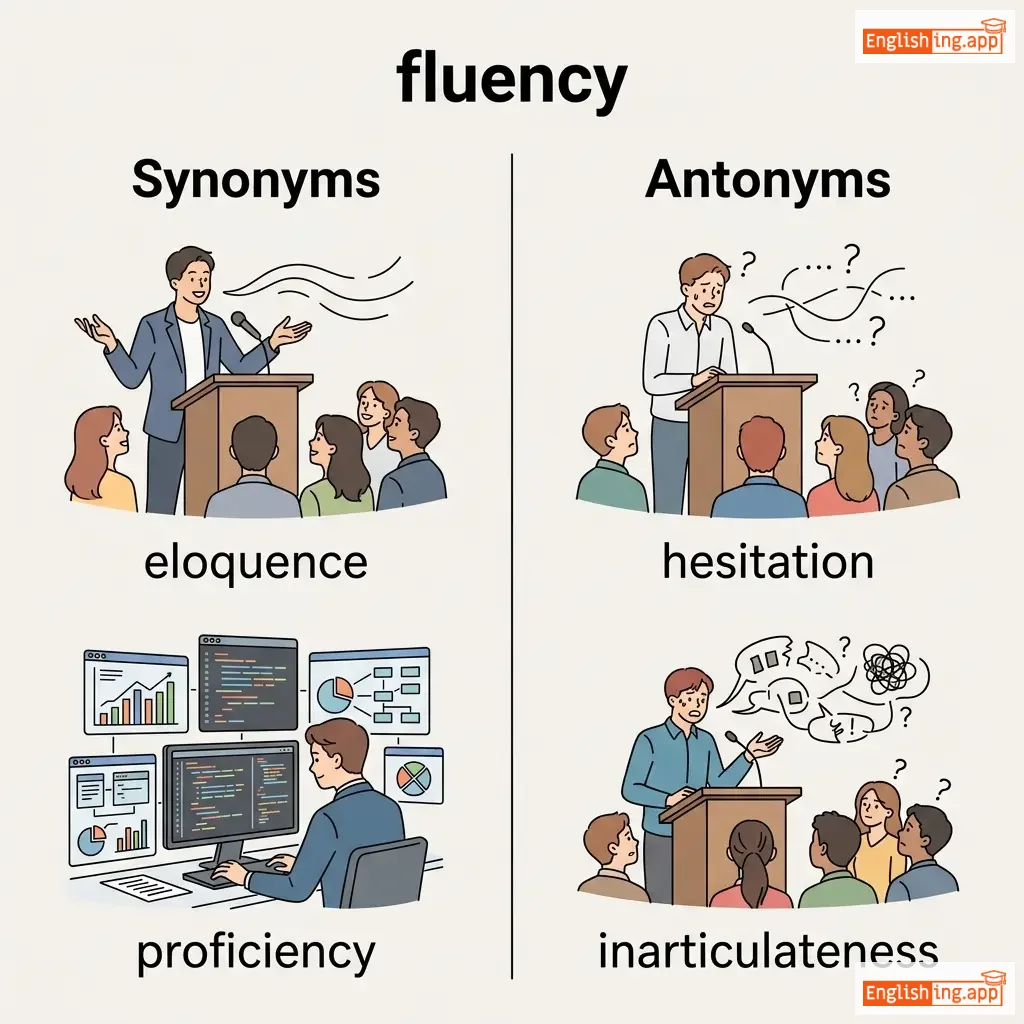
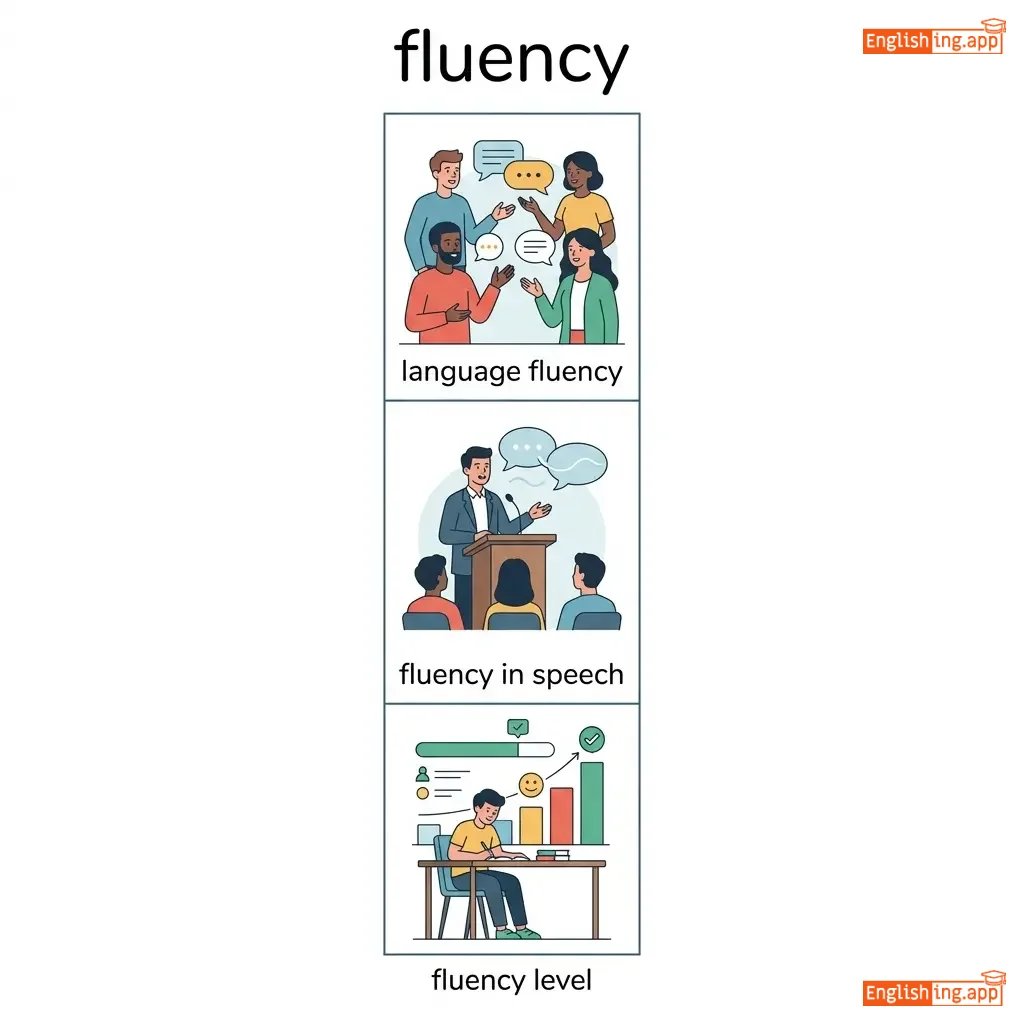
/ˈfluː.ən.si/
noun
(流利性)
••••••
|
|
流利性; 流畅
liú lì xìng, liú chàng
••••••
|
the ability to speak or write a language easily and accurately; smooth and effortless speech
••••••
|
Her fluency in three languages made her an excellent translator.
她在三种语言中的流利性使她成为了一名优秀的翻译。
••••••
|
她在三种语言中的流利性使她成为了一名优秀的翻译。
Tā zài sān zhǒng yǔyán zhōng de liúlìxìng shǐ tā chéngwéi le yī míng yōuxiù de fānyì.
••••••
|
eloquence, articulateness, proficiency, smoothness
••••••
|
stuttering, hesitation, awkwardness, incoherence
••••••
|
language fluency, verbal fluency, fluency in English
••••••
|
Fluency in Chinese: 流利 (liú lì) like smooth as flowing water.
••••••
|
|
#464
😤
|
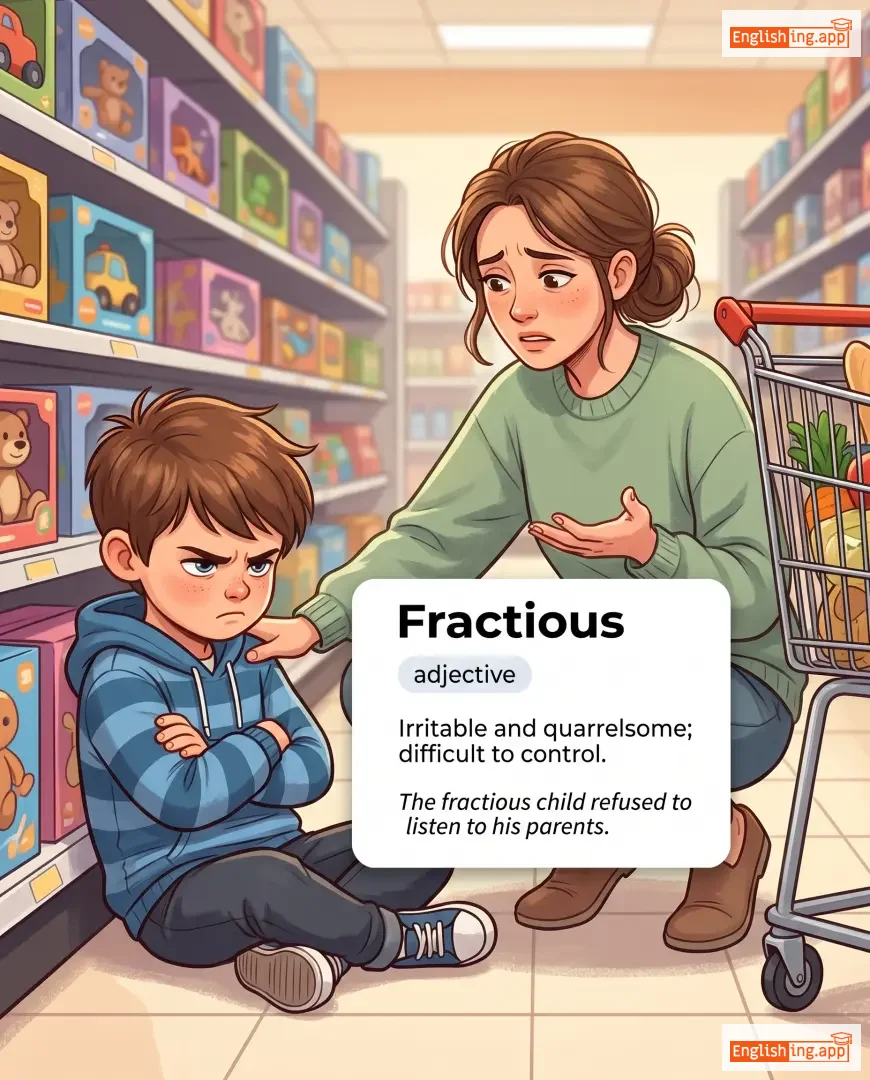
/ˈfræk.ʃəs/
adjective
(fulekshes)
••••••
|
|
暴躁的;易怒的;难以控制的
baozhao de; yinuru de; nanyi kongzhi de
••••••
|
irritable and quarrelsome; difficult to control; bad-tempered
••••••
|
The fractious child refused to follow any of the teacher's instructions.
那个易怒的孩子拒绝遵循老师的任何指示。
••••••
|
那个易怒的孩子拒绝遵循老师的任何指示。
Nàgè yìnù de háizi jùjué zūnxún lǎoshī de rènhé zhǐshì.
••••••
|
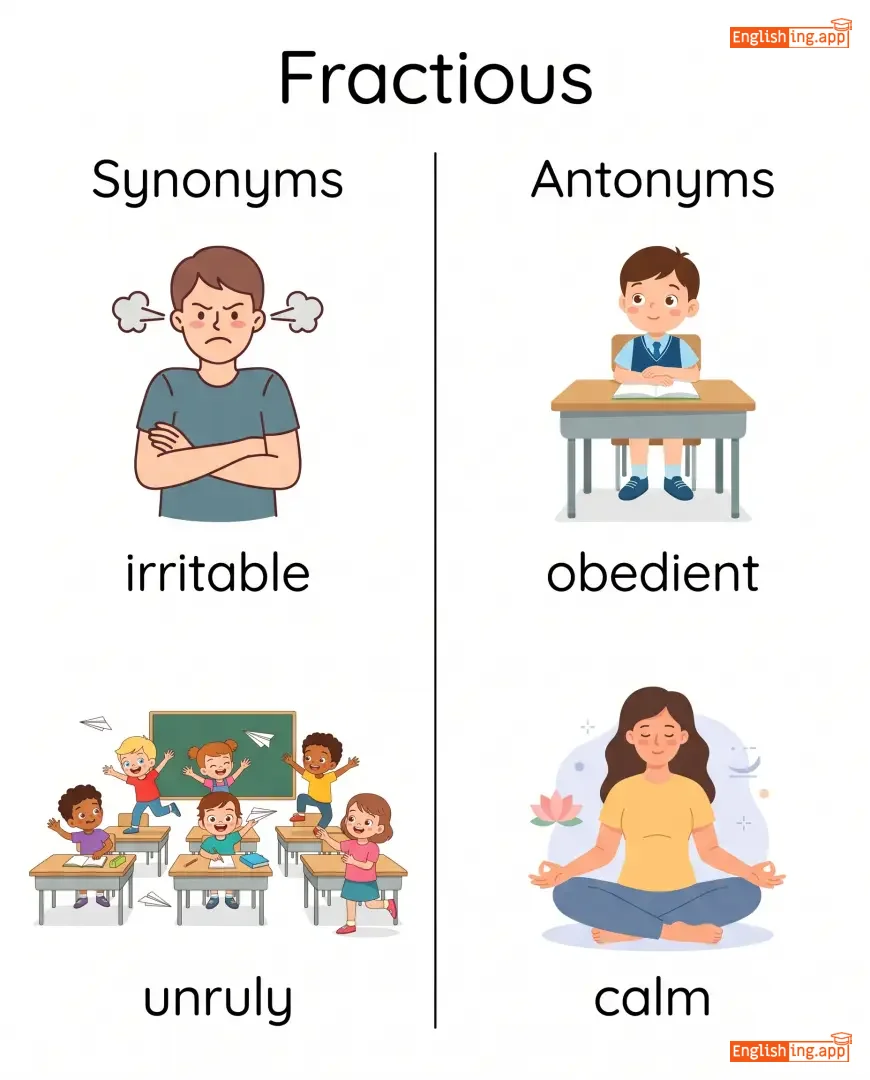
quarrelsome, irritable, unruly, rebellious
••••••
|
obedient, cooperative, agreeable, compliant
••••••
|
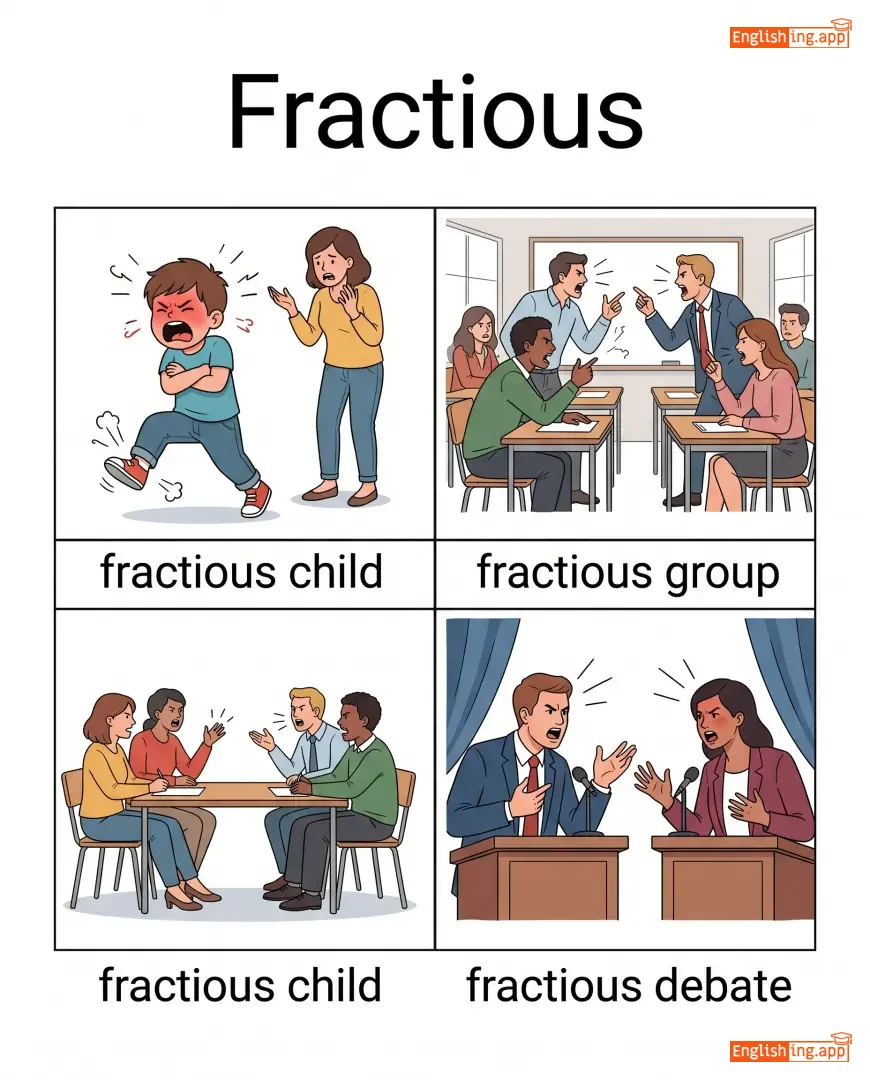
fractious behavior, fractious child, fractious mood
••••••
|
Fractious in Chinese is like a child who refuses to follow any instructions, '暴躁的'.
••••••
|
|
#465
🫧
|
/foʊm/
noun
(泡沫)
••••••
|
- •••••• |
泡沫
paomo
••••••
|
a mass of small bubbles formed on or in liquid; frothy white mass
••••••
|
The waves crashed against the rocks, creating white foam on the shore. |
波浪撞击岩石,形成了岸边的白色泡沫。
Bolang zhuangji yanshi, xingcheng le anbian de baise paomo.
••••••
|
froth, bubbles, lather, suds
••••••
|
solid, stillness, calm, flat
••••••
|
sea foam, shaving foam, foam rubber
••••••
|
泡沫和 Foam 有相似的意思,记住这个词很简单!
••••••
|
|
#466
🦴
|
/ˈfræk.tʃər/
noun
(骨折)
••••••
|
- •••••• |
骨折; 骨裂
gǔzhé, gǔliè
••••••
|
the cracking or breaking of a hard object or material; a break in a bone
••••••
|
The doctor confirmed that he had a hairline fracture in his wrist.
医生确认他在手腕上有一条细小的骨折。
••••••
|
医生确认他在手腕上有一条细小的骨折。
Yīshēng quèrèn tā zài shǒuwàn shàng yǒu yī tiáo xìxiǎo de gǔzhé.
••••••
|
break, crack, split, rupture
••••••
|
healing, mending, repair, wholeness
••••••
|
bone fracture, stress fracture, hairline fracture
••••••
|
骨折在中文中与'破裂'相关,帮助记住骨头折断的意思。
••••••
|
|
#467
💪
|
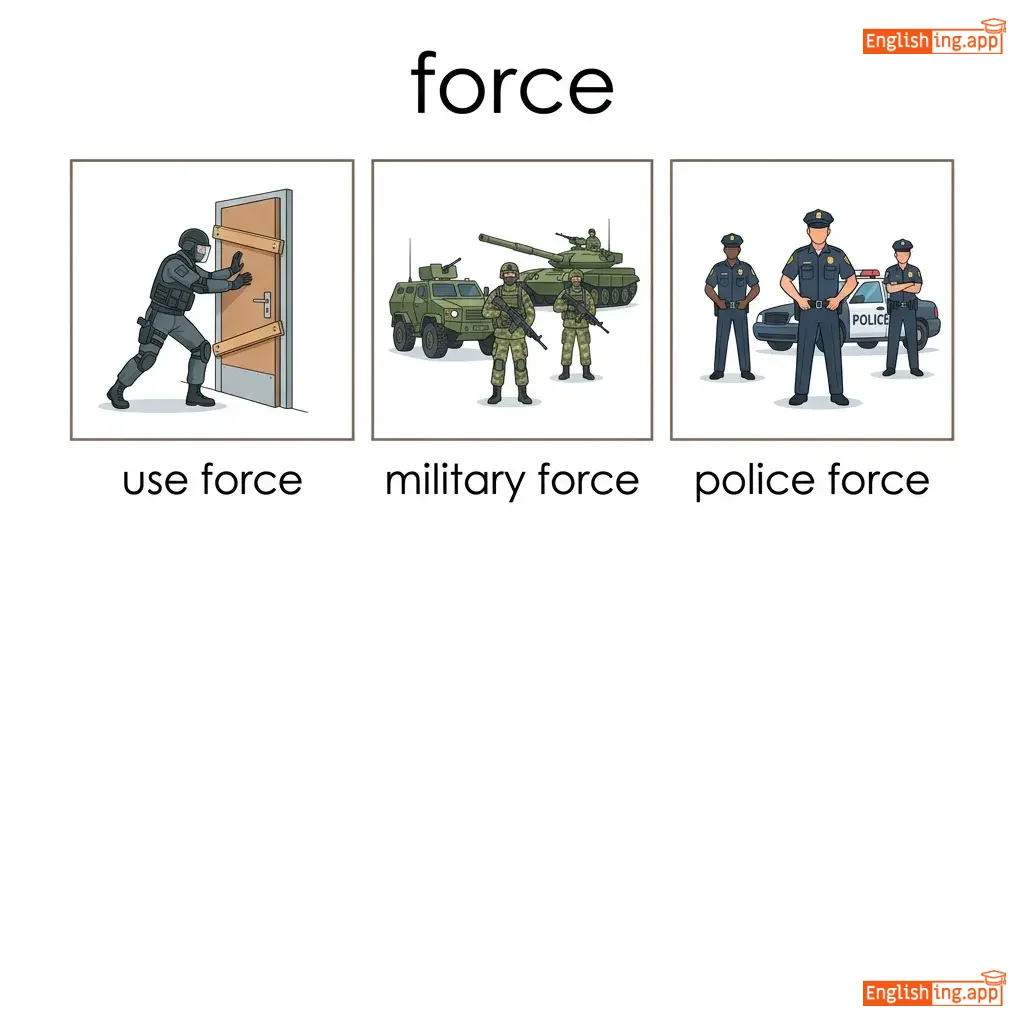
/fɔːrs/
noun
(fórs)
••••••
|
|
力; 能量; 强度;
lì, néngliàng, qiángdù
••••••
|
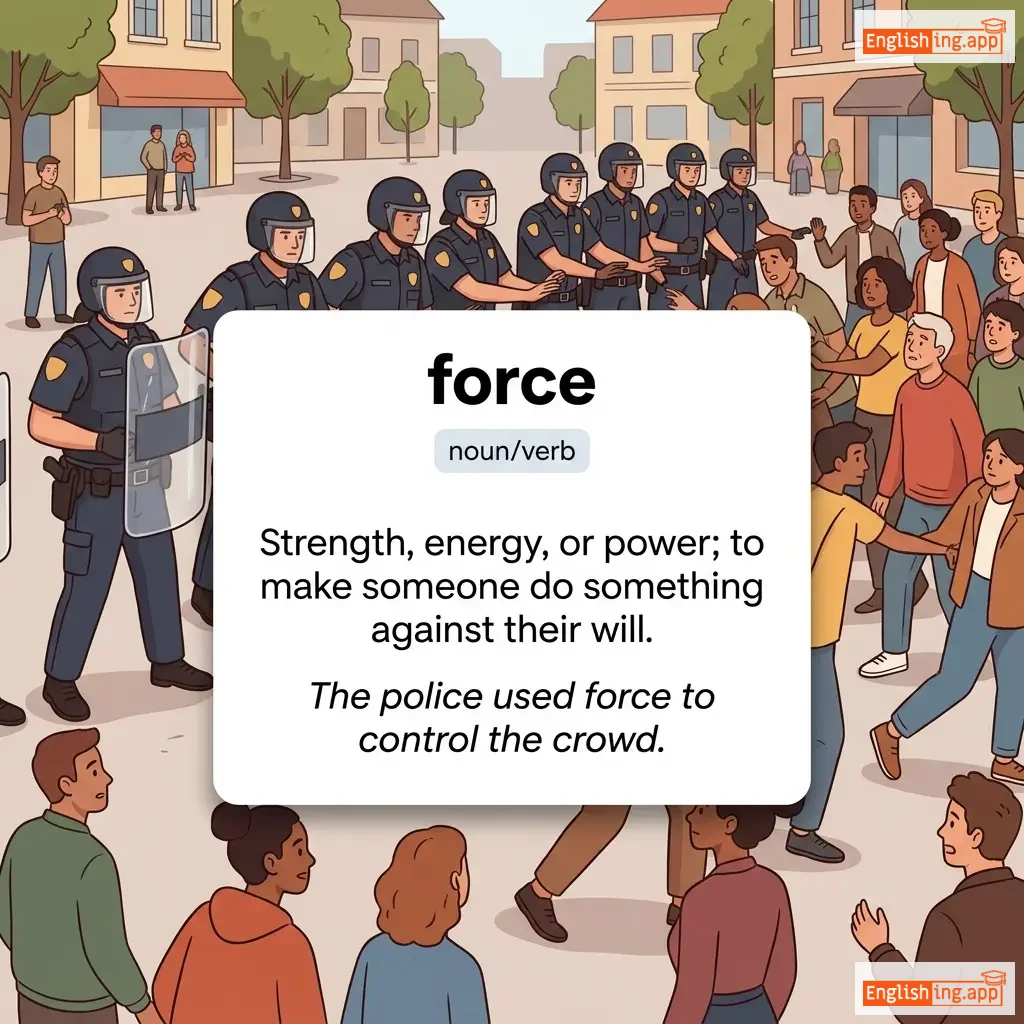
strength or energy as an attribute of physical action or movement; coercion or compulsion
••••••
|
The force of the wind knocked down several trees during the storm.
风的力量在暴风雨中打倒了几棵树。
••••••
|
风的力量在暴风雨中打倒了几棵树。
Fēng de lìliàng zài bàofēngyǔ zhōng dǎ dǎo le jǐ kē shù.
••••••
|
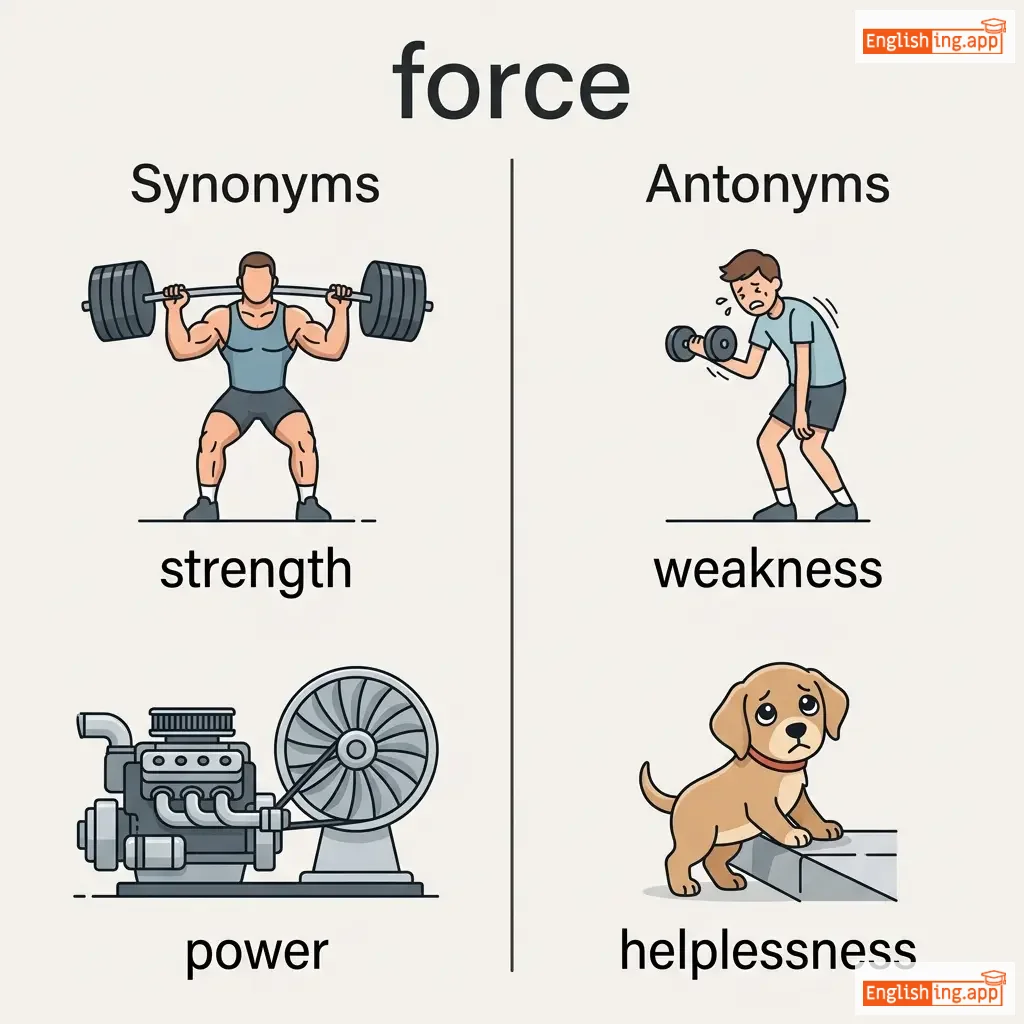
power, strength, energy, might
••••••
|
weakness, gentleness, persuasion, softness
••••••
|
military force, use force, force of nature
••••••
|
力 = 强度,强大的东西有力。
••••••
|
|
#468
🖼️
|
/freɪm/
noun
(fú ruì mǔ)
••••••
|
|
框架; 结构
kuangjia, jiegou
••••••
|
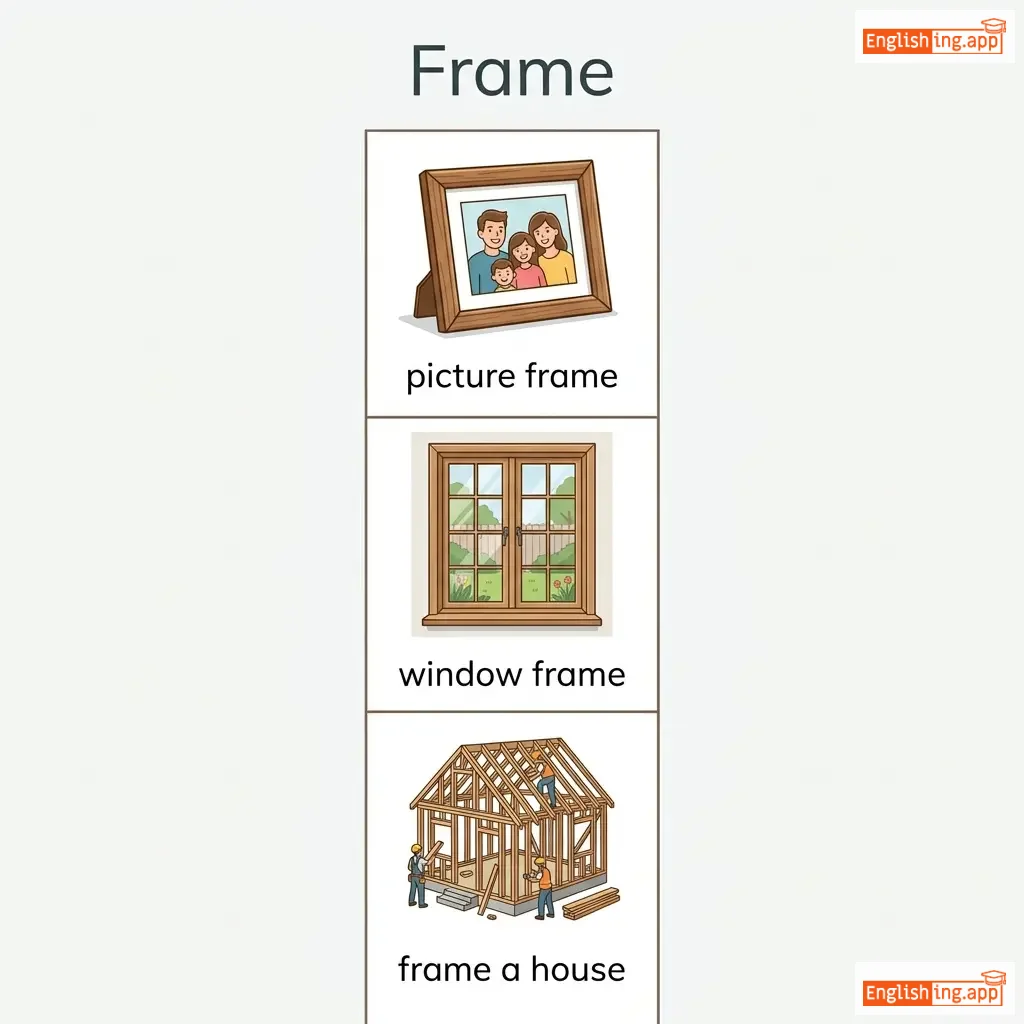
a rigid structure that surrounds or encloses something; the basic structure of something
••••••
|
She bought a beautiful wooden frame for her graduation photograph. |
她为她的毕业照买了一个漂亮的木框。
Tā wèi tā de bìyè zhào mǎile yīgè piàoliang de mù kuàng.
••••••
|
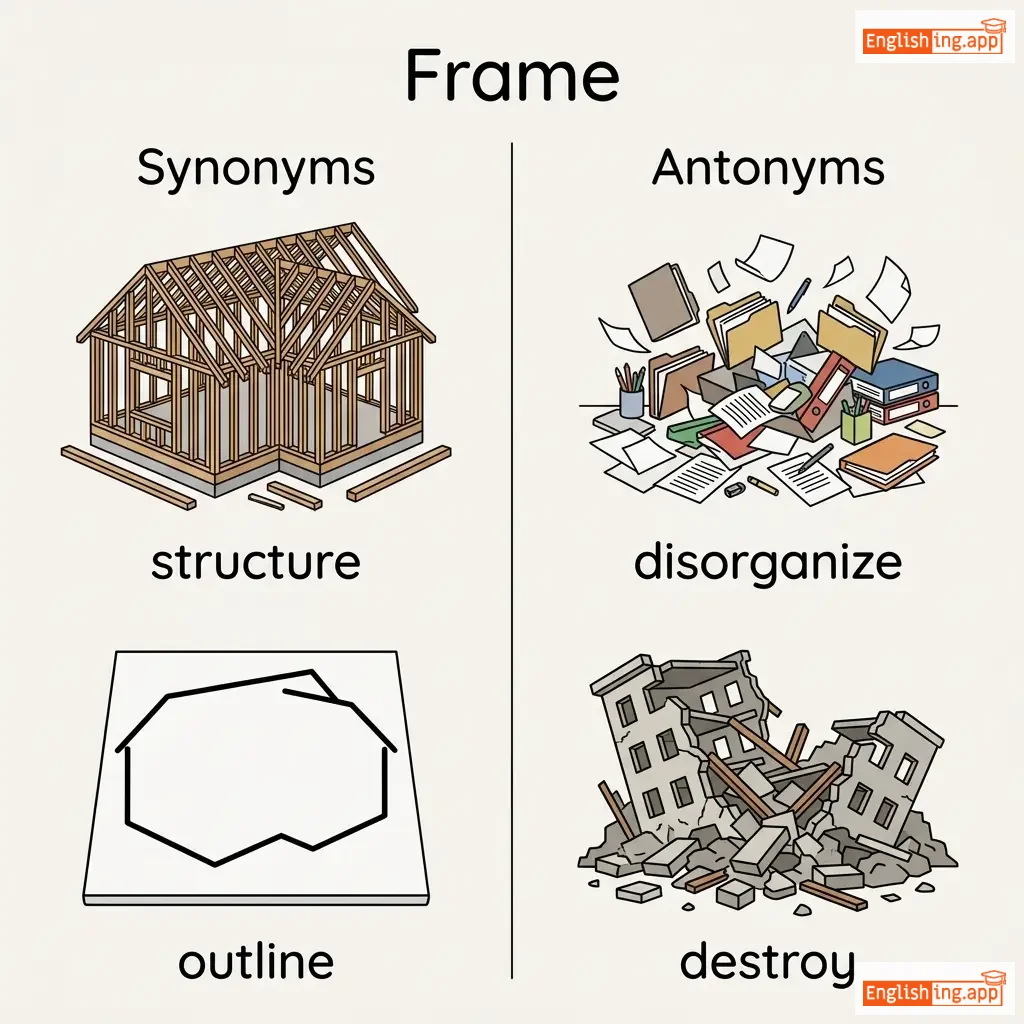
border, structure, framework, outline
••••••
|
center, interior, core, middle
••••••
|
picture frame, door frame, frame of mind
••••••
|
框架在中文中也是为一张图画提供边界。
••••••
|
|
#469
🌤️
|
/ˈfɔːr.kæst/
noun
(fǒkàsī)
••••••
|
- •••••• |
天气预报
tiānqì yùbào
••••••
|
a prediction or estimate of future events, especially coming weather conditions
••••••
|
The weather forecast predicted heavy rain for the entire weekend. |
天气预报预测整个周末将有大雨。
Tiānqì yùbào yùcè zhěnggè zhōumò jiāng yǒu dàyǔ.
••••••
|
prediction, projection, outlook, prognosis
••••••
|
hindsight, retrospection, past event, history
••••••
|
weather forecast, economic forecast, forecast accuracy
••••••
|
No •••••• |
|
#470
🧩
|
/ˈfræɡ.mənt/
noun
(碎片)
••••••
|
- •••••• |
碎片; 片段;
suìpiàn, piànduàn
••••••
|
a small part broken or separated off something; an incomplete or isolated portion
••••••
|
Archaeologists found fragments of ancient pottery buried in the soil. |
考古学家在土壤中发现了古代陶器的碎片。
kaogu xuejia zai tuchang zhong faxian le gudai taoqi de suipian.
••••••
|
piece, part, portion, shard
••••••
|
whole, complete, entirety, totality
••••••
|
bone fragment, memory fragment, text fragment
••••••
|
碎片就像拼图的一部分,一片一片拼出来完整的图。
••••••
|
|
#471
🎩
|
/fɔːrˈmæl.ə.ti/
noun
(fǎmàlìtì)
••••••
|
- •••••• |
形式
xíngshì
••••••
|
the rigid observance of rules of convention or etiquette; a thing done simply to comply with requirements
••••••
|
The signing of the contract was just a formality; the deal was already agreed upon.
签署合同只是一个形式;交易已经达成。
••••••
|
签署合同只是一个形式;交易已经达成。
Qiānshǔ hétóng zhīshì yīgè xíngshì; jiāoyì yǐjīng dáchéng.
••••••
|
ceremony, protocol, procedure, convention
••••••
|
informality, casualness, spontaneity, flexibility
••••••
|
mere formality, legal formality, observe formalities
••••••
|
Formality = For + mal (Chinese for formal)
••••••
|
|
#472
🌸
|
/ˈfreɪ.ɡrəns/
noun
(fú gé lǎn sī)
••••••
|
- •••••• |
香气; 香水
xiangqi, xiangshui
••••••
|
a pleasant, sweet smell; a perfume or cologne
••••••
|
The fragrance of jasmine flowers filled the entire garden in the evening. |
夜晚,茉莉花的香气弥漫整个花园。
Yèwǎn, mòlì huā de xiāngqì mímàn zhěnggè huāyuán.
••••••
|
aroma, scent, perfume, smell
••••••
|
stench, odor, foulness, bad smell
••••••
|
floral fragrance, sweet fragrance, delicate fragrance
••••••
|
No •••••• |
|
#473
📋
|
/ˈfɔːr.mæt/
noun
(格式)
••••••
|
- •••••• |
格式
geshi
••••••
|
the way in which something is arranged or set out; the shape, size, and presentation of a book or document
••••••
|
Please submit your report in PDF format by the end of the week. |
请在本周末之前以PDF格式提交您的报告。
Qing zai ben zhoumo zhijian yi PDF geshi tijiao nin de baogao.
••••••
|
layout, structure, arrangement, design
••••••
|
disorder, chaos, confusion, disarray
••••••
|
file format, video format, standard format
••••••
|
In Chinese, format refers to how a document or report is structured, just like a PDF!
••••••
|
|
#474
🚫
|
/frɔːd/
noun
(弗劳德)
••••••
|
- •••••• |
欺诈
qizha
••••••
|
wrongful or criminal deception intended to result in financial or personal gain
••••••
|
The company was investigated for credit card fraud and money laundering. |
公司因信用卡欺诈和洗钱被调查。
Gōngsī yīn xìnyòngkǎ qīzhà hé xǐqián bèi diàochá.
••••••
|
deception, scam, swindle, trickery
••••••
|
honesty, truth, legitimacy, authenticity
••••••
|
credit fraud, insurance fraud, identity fraud
••••••
|
欺诈带来损失
••••••
|
|
#475
🦁
|
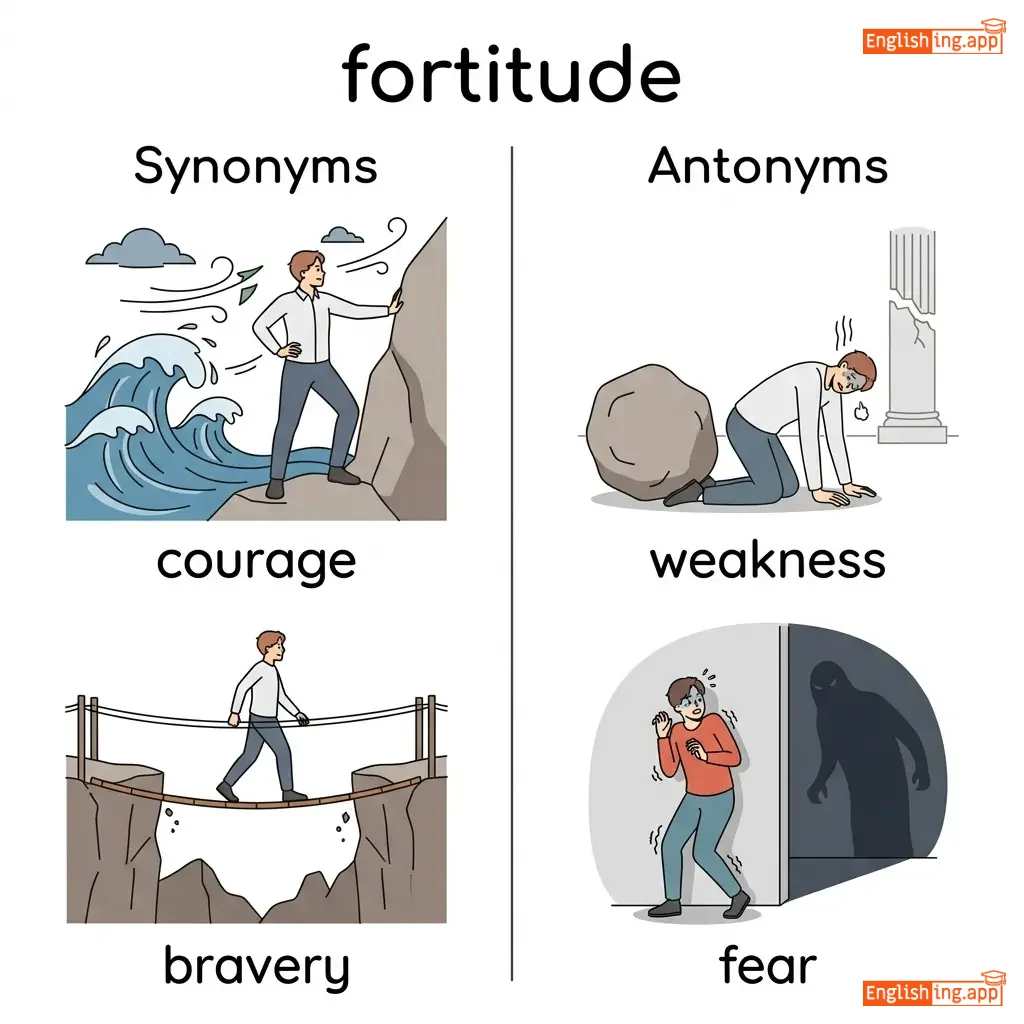
/ˈfɔːr.tə.tuːd/
noun
(福尔蒂图德)
••••••
|
|
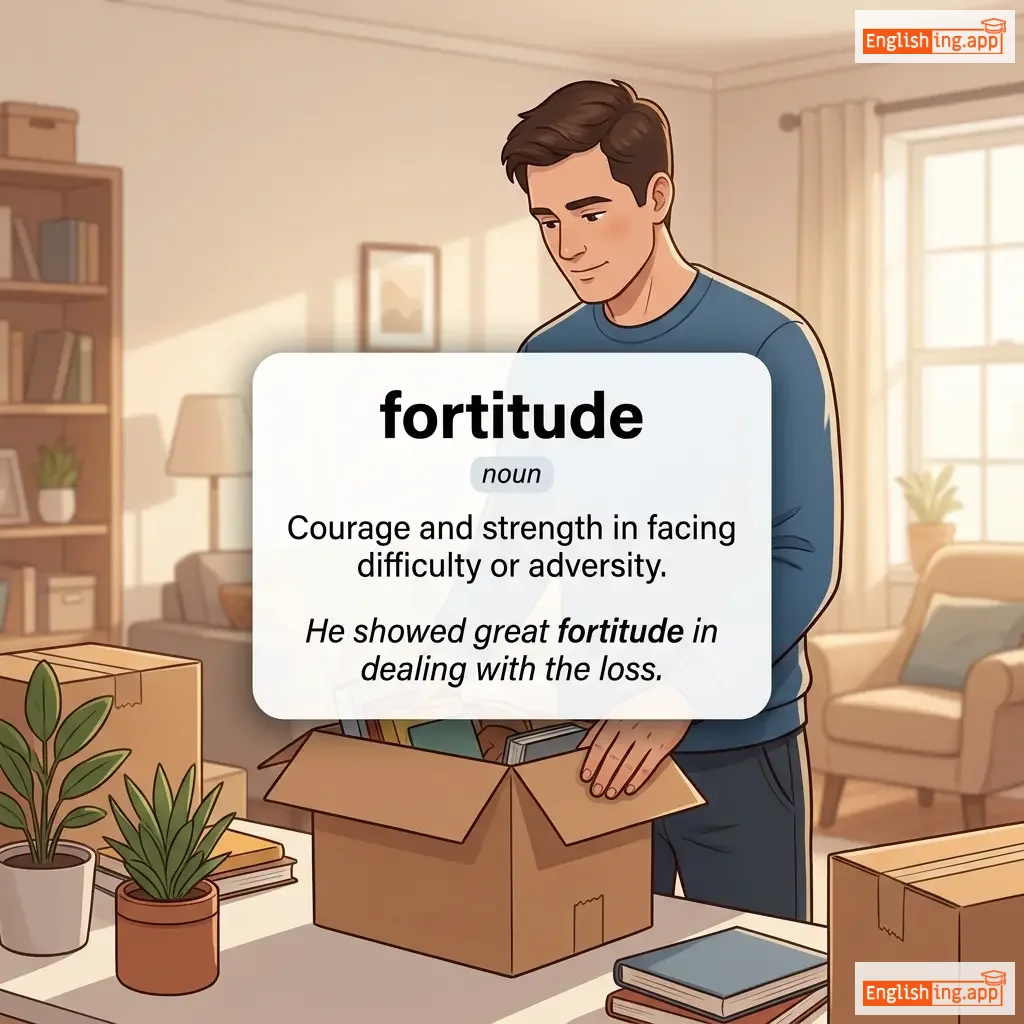
坚韧; 在逆境中展现出的勇气; 面对困难时的精神和情感力量
jianren, zai nìjìng zhōng zhǎnxiàn chū de yǒngqì, miànduì kùnnán shí de jīngshén hé qínggǎn lìliàng
••••••
|
courage in pain or adversity; mental and emotional strength in facing difficulty
••••••
|
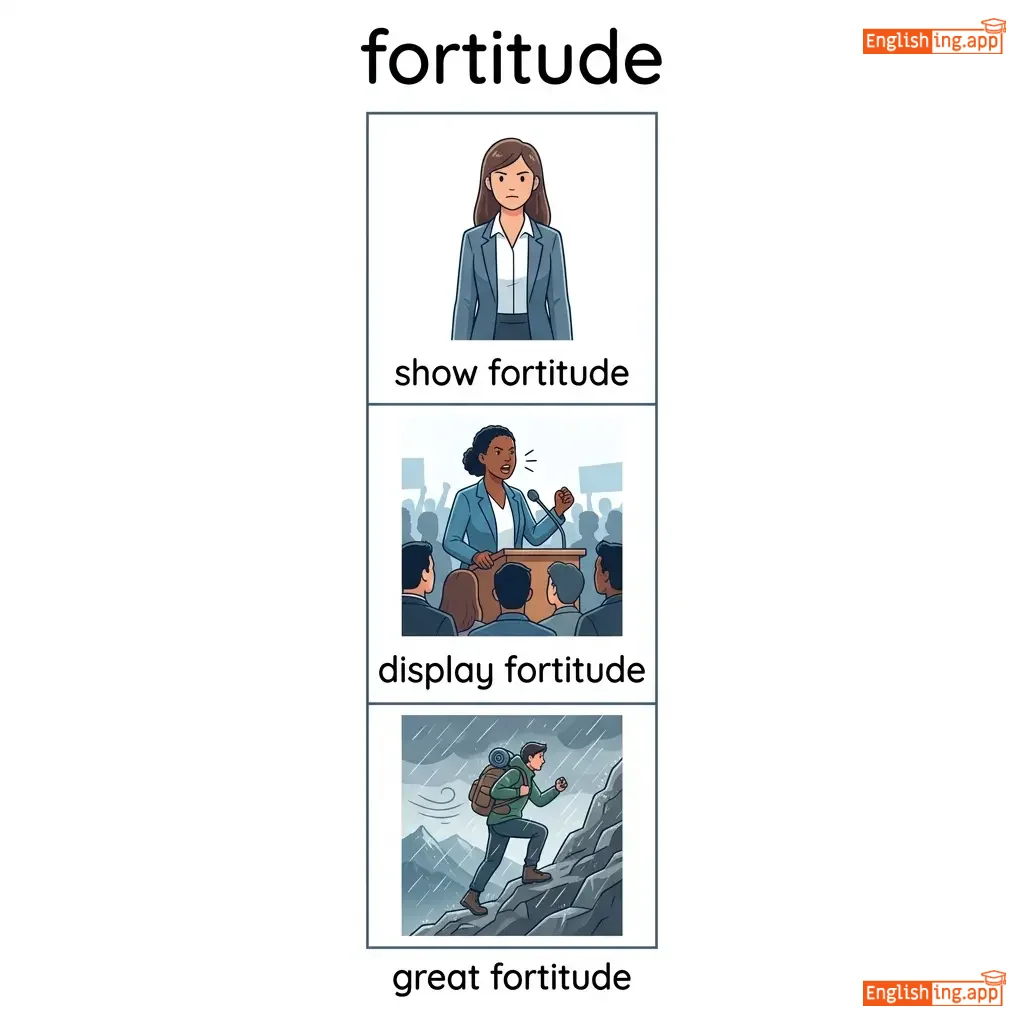
She showed great fortitude during her long battle with illness.
她在与疾病作斗争的漫长过程中表现出了巨大的坚韧。
••••••
|
她在与疾病作斗争的漫长过程中表现出了巨大的坚韧。
Tā zài yǔ jíbìng zuò dòuzhēng de màncháng guòchéng zhōng biǎoxiàn chūle jùdà de jiānrèn.
••••••
|
courage, bravery, endurance, resilience
••••••
|
cowardice, weakness, frailty, timidity
••••••
|
moral fortitude, show fortitude, inner fortitude
••••••
|
Fortitude in Chinese: '坚韧' (jianren) – Remember 'jianren' as the strength to endure adversity.
••••••
|
|
#476
👩🦰
|
/ˈfrek.əl/
noun
(frekəl)
••••••
|
- •••••• |
雀斑
quèbān
••••••
|
a small brownish spot on the skin, often becoming more pronounced through exposure to the sun
••••••
|
Her face was covered with cute freckles that appeared every summer.
她的脸上覆盖着可爱的雀斑,每年夏天都会出现。
••••••
|
她的脸上覆盖着可爱的雀斑,每年夏天都会出现。
Tā de liǎn shàng fùgài zhe kě'ài de quèbān, měi nián xiàtiān dōu huì chūxiàn.
••••••
|
spot, mark, speckle, blemish
••••••
|
clear skin, unmarked, smooth, spotless
••••••
|
facial freckles, sun freckles, cute freckles
••••••
|
雀斑是阳光下显现的皮肤小斑点。
••••••
|
|
#477
🍀
|
/ˈfɔːr.tʃən/
noun
(福运)
••••••
|
- •••••• |
运气; 财富; 命运
yunqi, caifu, mingyun
••••••
|
chance or luck as an external, arbitrary force affecting human affairs; a large amount of money or assets
••••••
|
He made his fortune by investing wisely in technology companies. |
他通过明智地投资科技公司赚到了财富。
Ta tong guo ming zhi de tou zi ke ji gong si zhuan dao le cai fu.
••••••
|
luck, fate, wealth, prosperity
••••••
|
misfortune, poverty, bad luck, hardship
••••••
|
good fortune, fortune teller, make fortune
••••••
|
在中文中,'fortune'象征着幸运和财富,就像获得意外的好运。
••••••
|
|
#478
🕊️
|
/ˈfriː.dəm/
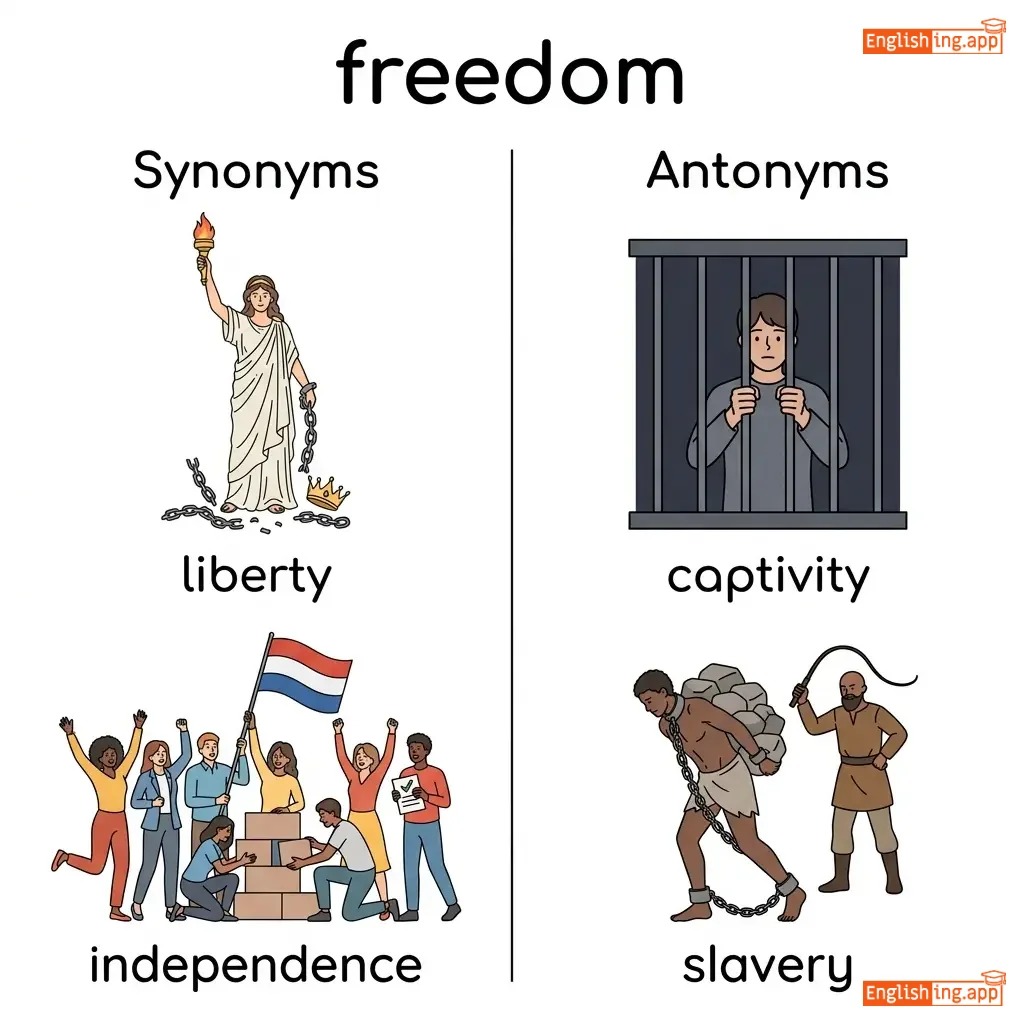
noun
(fùlìdēng)
••••••
|
|
自由
zìyóu
••••••
|
the power or right to act, speak, or think as one wants without hindrance or restraint
••••••
|
The country celebrated its freedom from colonial rule with great enthusiasm.
这个国家以极大的热情庆祝摆脱殖民统治的自由。
••••••
|
这个国家以极大的热情庆祝摆脱殖民统治的自由。
Zhège guójiā yǐ jí dà de rèqíng qìngzhù bǎituō zhímín tǒngzhì de zìyóu.
••••••
|
liberty, independence, autonomy, emancipation
••••••
|
captivity, slavery, oppression, bondage
••••••
|
freedom of speech, personal freedom, fight for freedom
••••••
|
In Chinese, '自由' means freedom – break free, be free!
••••••
|
|
#479
👨💼
|
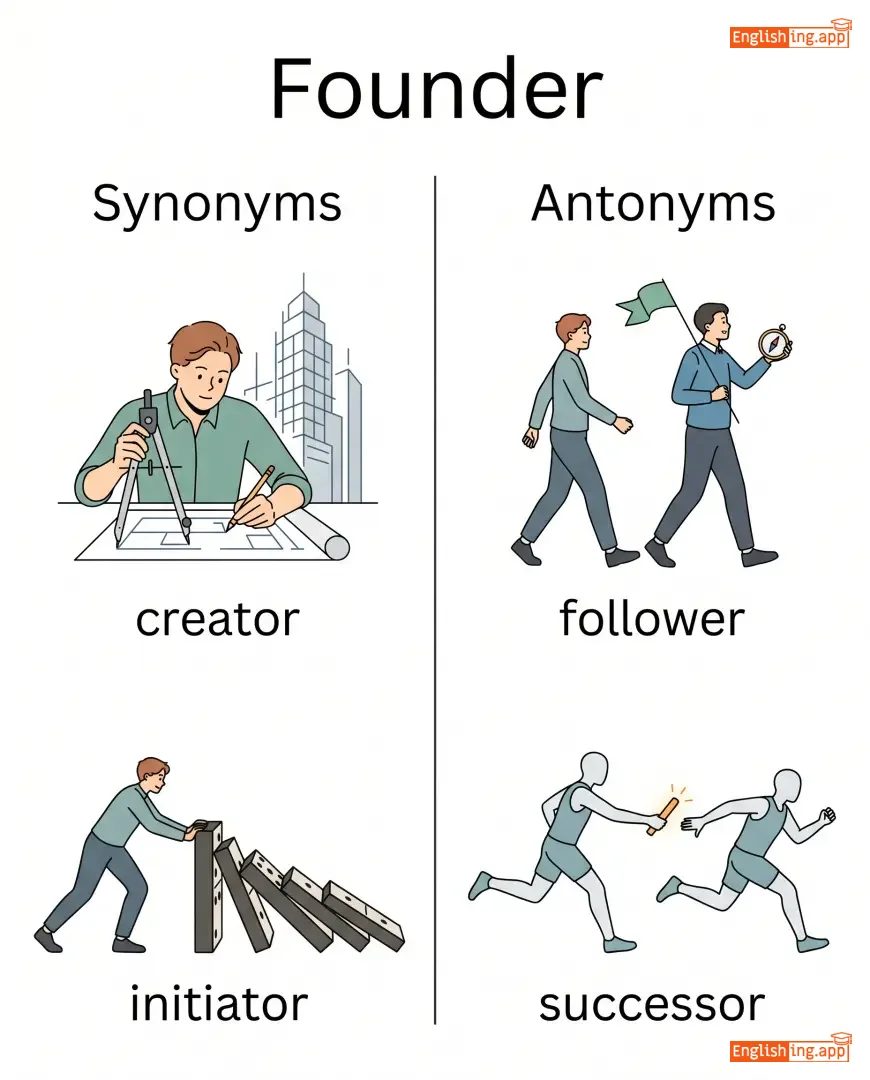
/ˈfaʊn.dər/
noun
(fāndé)
••••••
|
|
创始人
chuangshi ren
••••••
|
a person who establishes an institution or settlement; someone who starts or creates something
••••••
|
Steve Jobs was the co-founder of Apple Inc. and revolutionized personal computing. |
史蒂夫·乔布斯是苹果公司联合创始人,并且革命性地改变了个人计算机。
Shidifu Qiaobusi shi Pingguo gongsi lianhe chuangshiren, bingqie gemingxingdi gaibianle geren jisuanji.
••••••
|
creator, establisher, originator, pioneer
••••••
|
follower, destroyer, imitator, successor
••••••
|
company founder, founding father, co-founder
••••••
|
创始人 - 就像史蒂夫·乔布斯那样,创建了一家公司。
••••••
|
|
#480
🌪️
|
/ˈfren.zi/
noun
(frenzi)
••••••
|
- •••••• |
狂热
kuangre
••••••
|
a state or period of uncontrolled excitement or wild behavior; intense activity
••••••
|
The announcement of the sale created a shopping frenzy at the mall.
销售公告在商场引发了一场购物狂潮。
••••••
|
销售公告在商场引发了一场购物狂潮。
Xiaoshou gonggao zai shangchang yinfale yi chang gouwu kuangchao.
••••••
|
hysteria, mania, rage, excitement
••••••
|
calmness, tranquility, peace, composure
••••••
|
feeding frenzy, buying frenzy, media frenzy
••••••
|
Frenzy = 购物狂潮是疯狂的兴奋和活动!
••••••
|
Vocabulary Quiz
Test your vocabulary by matching words with their translations or meanings.
Login to take the quiz
Comments (0)
Share your thoughts and join the discussion.
Join the discussion by logging in
Login to CommentNo comments yet
Be the first to share your thoughts!