


Swipe left or right, or use the buttons. Tap image to zoom.
例句翻译
单词
Lesson 6Lesson 6 - 遮罩切换
|
表情符号
|
单词 | Images | 翻译 | 含义 | 例句 | 例句翻译 | 同义词 | 反义词 | 搭配词 | 助记符 |
|---|---|---|---|---|---|---|---|---|---|---|
|
#101
🤦
|
/ˈblʌn.dər/
noun
(布兰德)
••••••
|
|
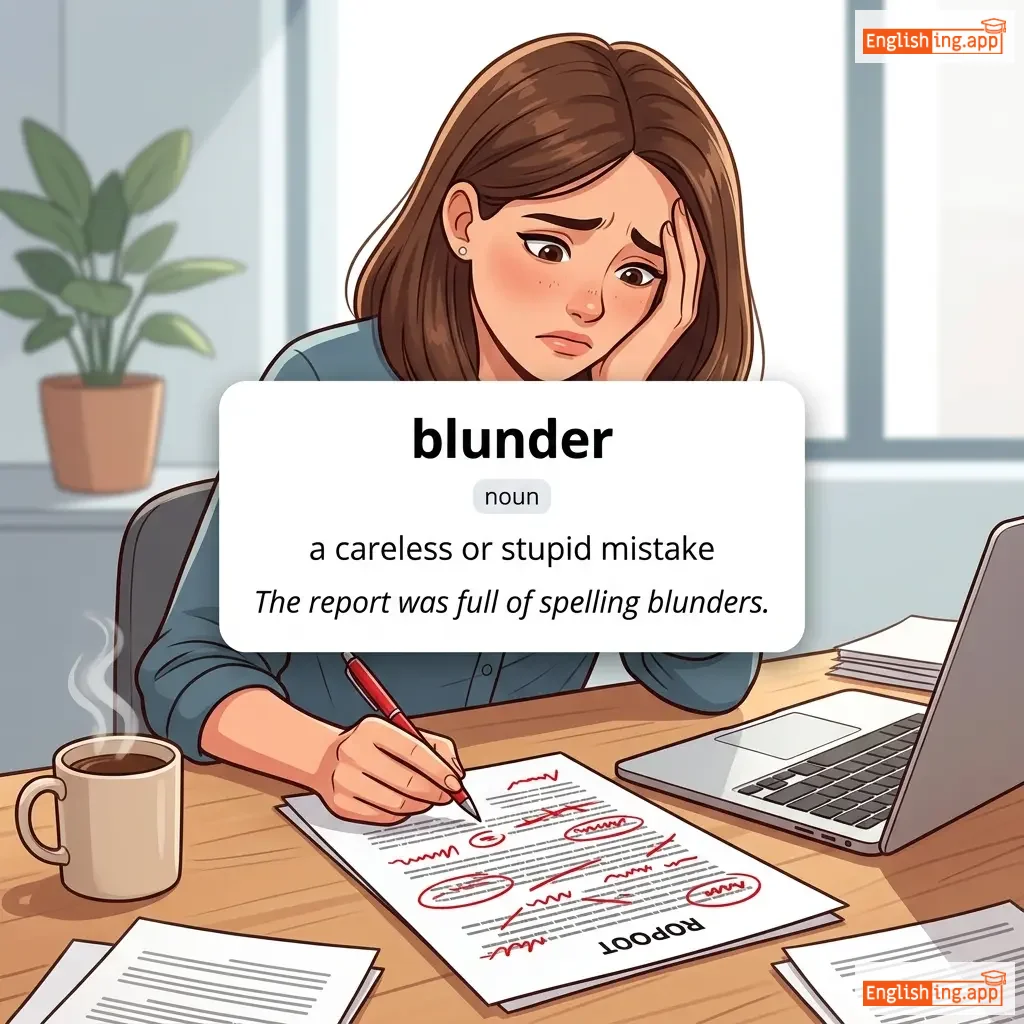
大错; 粗心大意
dà cuò, cūxīn dàyì
••••••
|
a stupid or careless mistake
••••••
|
Making that investment was a terrible blunder that cost him everything.
做这个投资是一个可怕的错误,导致他失去了一切。
••••••
|
做这个投资是一个可怕的错误,导致他失去了一切。
Zuò zhège tóuzī shì yīgè kěpà de cuòwù, dǎozhì tā shīqùle yīqiè.
••••••
|
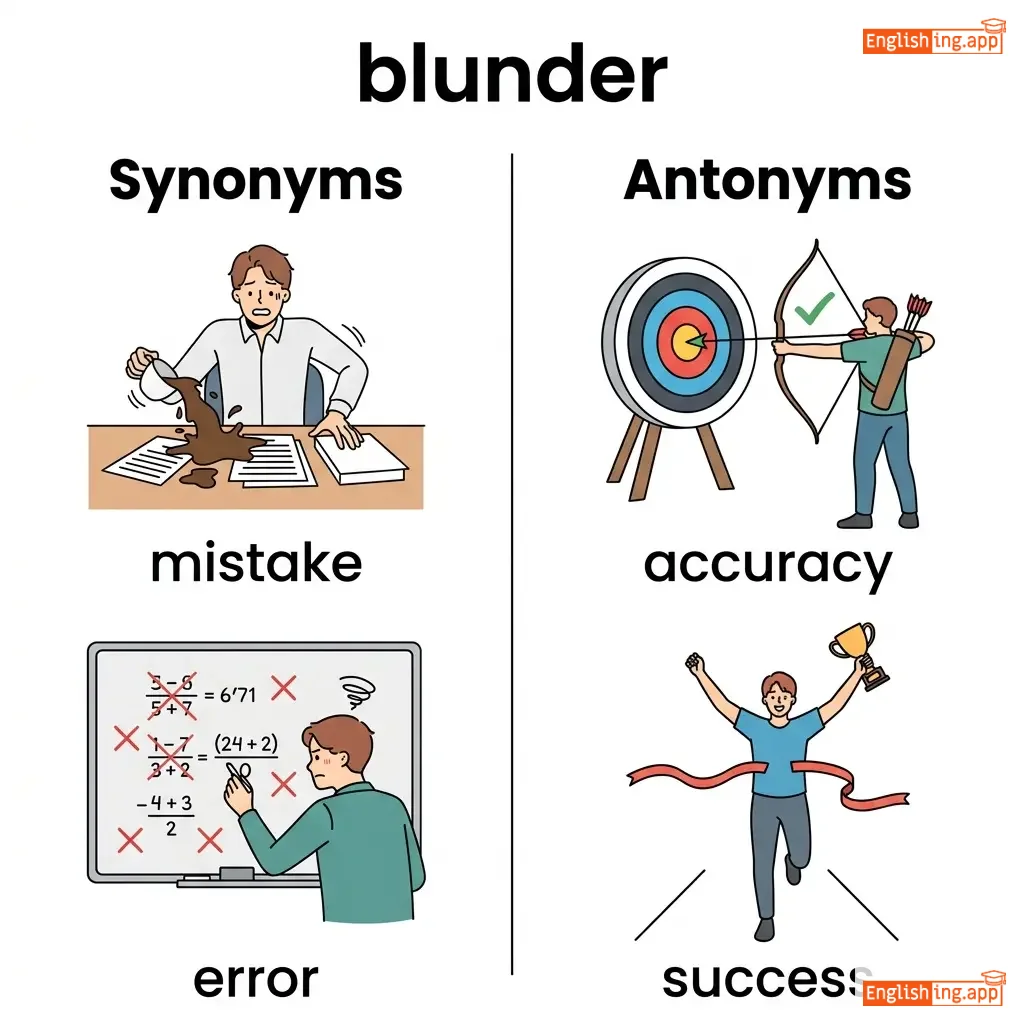
mistake, error, slip-up, gaffe
••••••
|
success, achievement, accuracy
••••••
|
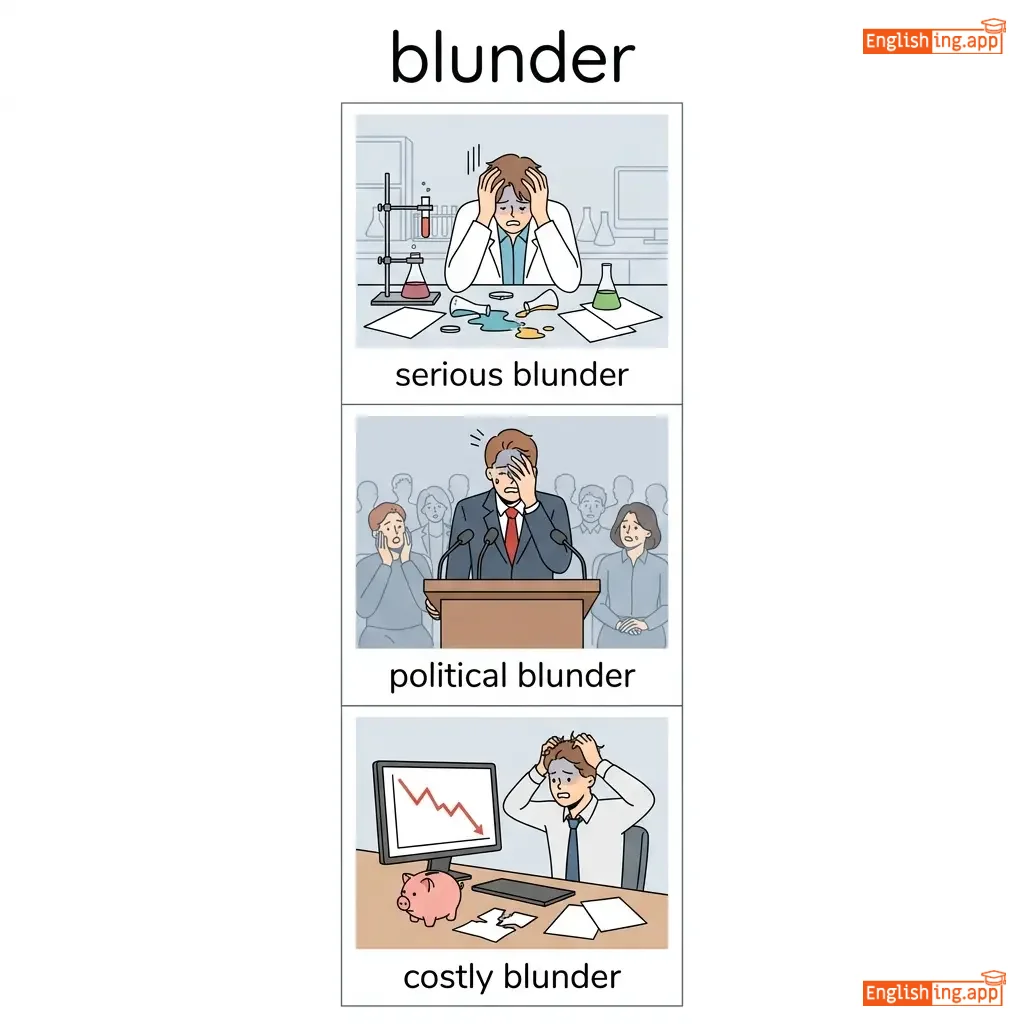
costly blunder, terrible blunder, avoid blunder
••••••
|
In Chinese, '大错' means 'Big mistake,' just like a blunder.
••••••
|
|
#102
💵
|
/ˈboʊ.nəs/
noun
(博纳斯)
••••••
|
- •••••• |
奖金
jiangjin
••••••
|
an amount of money added to wages on a seasonal basis, especially as a reward for good performance
••••••
|
She received a year-end bonus for her excellent work performance.
她因出色的工作表现而获得了年终奖金。
••••••
|
她因出色的工作表现而获得了年终奖金。
Ta yin chuse de gongzuo biaoxian er huode le nianzhong jiangjin.
••••••
|
reward, incentive, extra payment, gratuity
••••••
|
deduction, penalty, fine
••••••
|
annual bonus, performance bonus, cash bonus
••••••
|
Jiangjin in Chinese means 'bonus' – a reward for your work!
••••••
|
|
#103
🦴
|
/boʊn/
noun
(bōn)
••••••
|
- •••••• |
骨头
gǔtóu
••••••
|
any of the hard parts inside a human or animal that make up its frame
••••••
|
The doctor said the bone was completely healed after the fracture. |
医生说,骨头在骨折后完全恢复了。
yīshēng shuō, gǔtóu zài gǔzhé hòu wánquán huīfùle.
••••••
|
skeleton, frame, structure
••••••
|
flesh, muscle, tissue
••••••
|
broken bone, bone structure, bone marrow
••••••
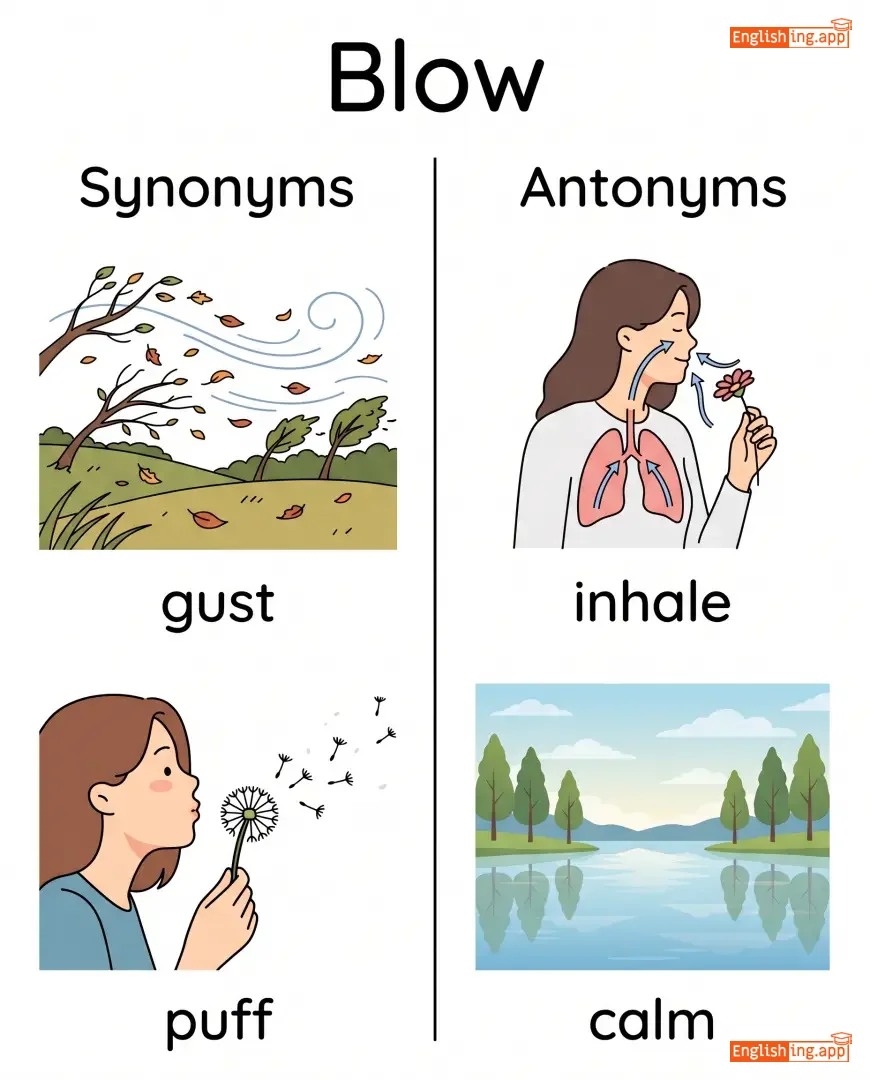
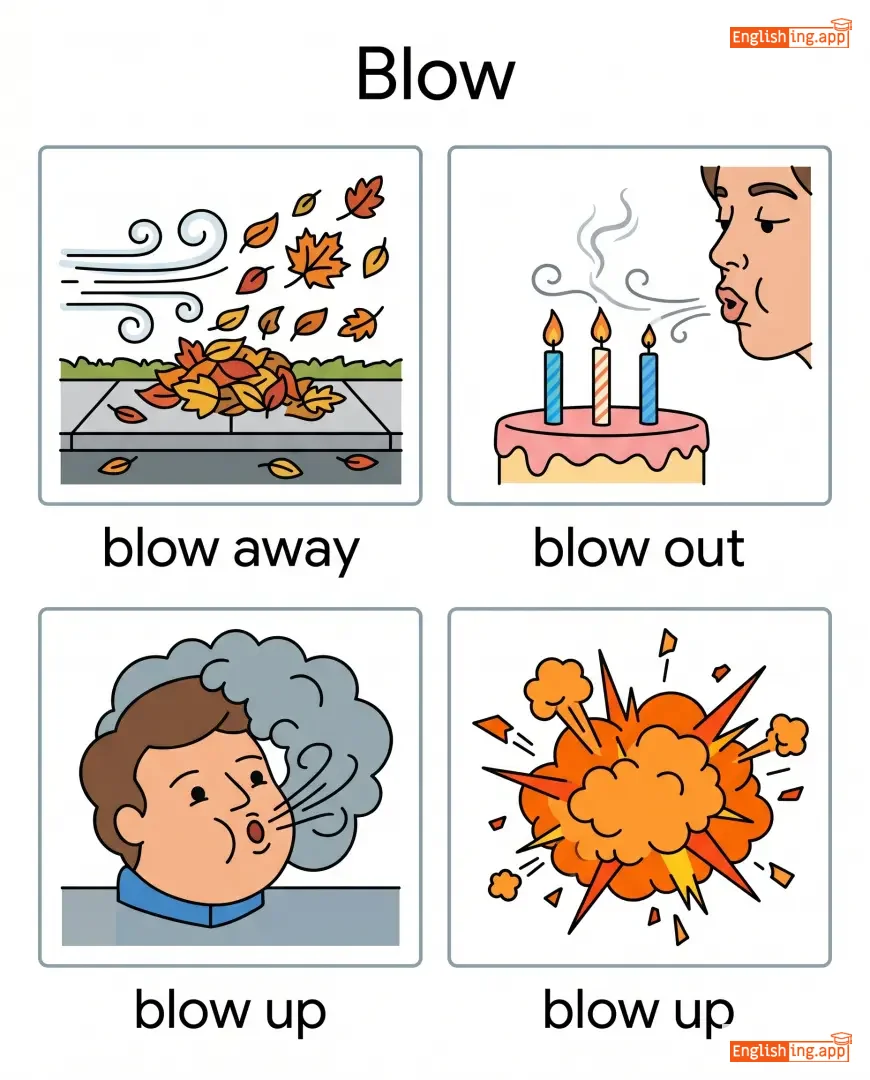
|
骨头构成骨架,像骨架的骨 (bone)。
••••••
|
|
#104
⛓️
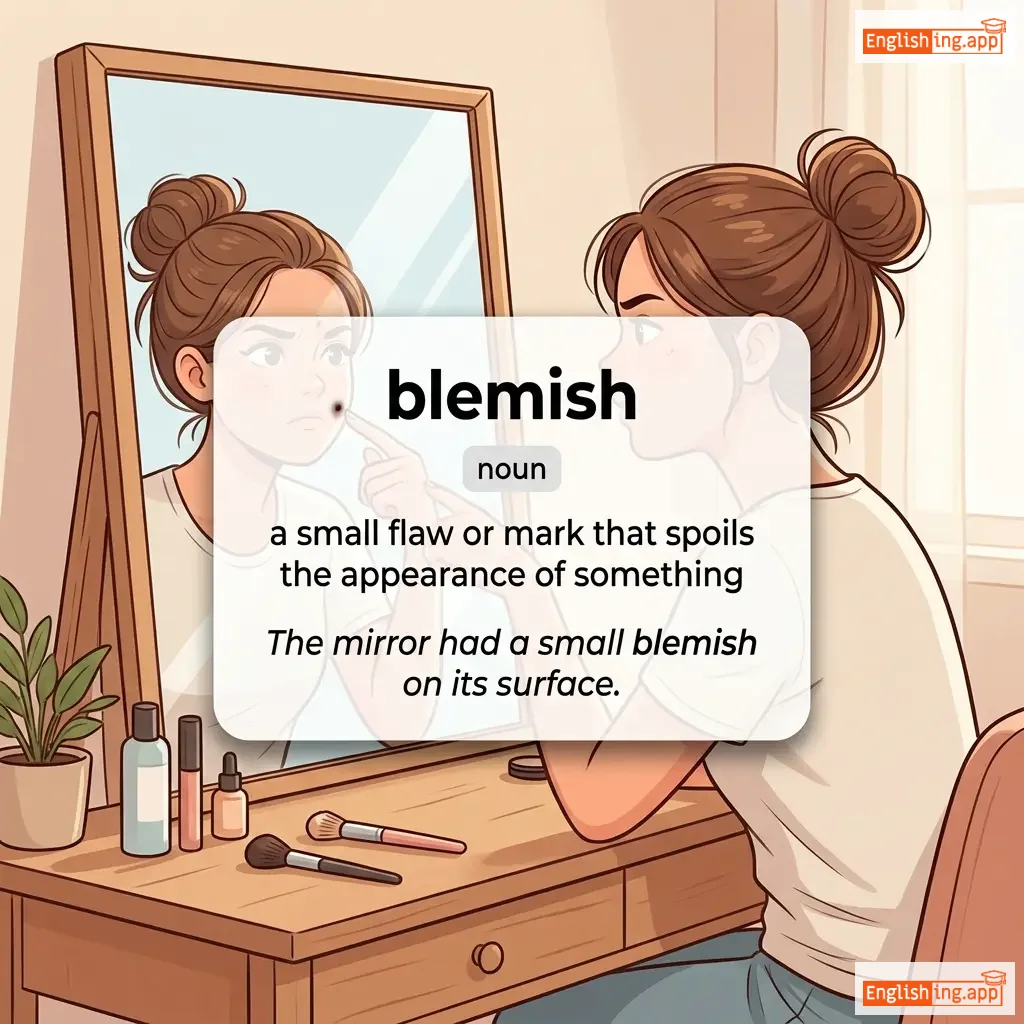
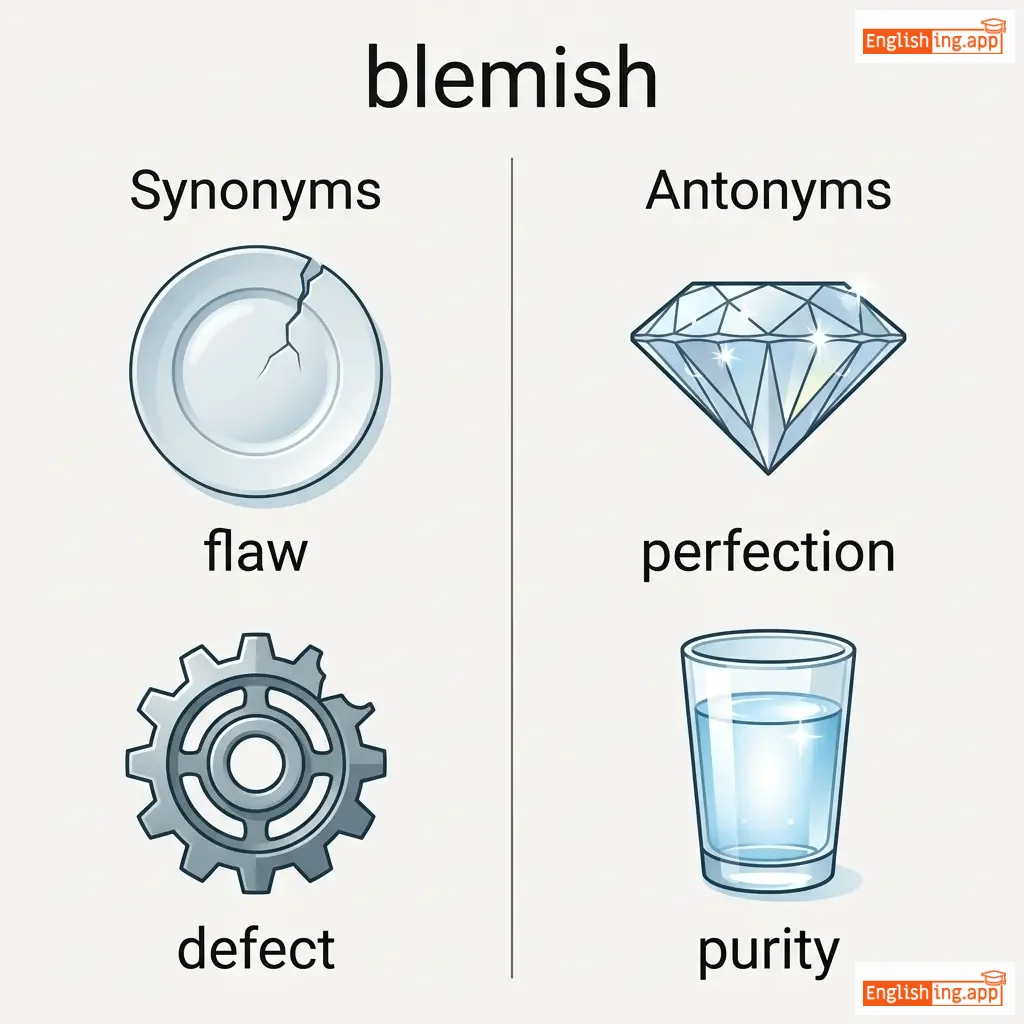
|
/ˈbɑn.dɪdʒ/
noun
(bōn dé jí)
••••••
|
- •••••• |
奴役; 囚禁
nuyì, qiújìn
••••••
|
the state of being a slave; the state of being under the control of a force or influence
••••••
|
The people fought to escape from the bondage of oppression.
人们为了摆脱压迫的束缚而斗争。
••••••
|
人们为了摆脱压迫的束缚而斗争。
Rénmen wèile bǎituō yāpò de shùfù ér dòuzhēng.
••••••
|
slavery, captivity, servitude, subjugation
••••••
|
freedom, liberty, independence
••••••
|
escape bondage, break bondage, in bondage
••••••
|
奴役就像是囚禁,被某种力量控制着。
••••••
|
|
#105
🤝
|
/bɑnd/
noun
(邦德)
••••••
|
- •••••• |
纽带; 债券
niǔdài; zhàiquàn
••••••
|
a close connection joining two or more people; a certificate of debt issued by a government or corporation
••••••
|
The strong bond between the mother and child was evident. |
母亲与孩子之间的强烈纽带是显而易见的。
Mǔqīn yǔ háizi zhī jiān de qiángliè niǔdài shì xiǎn'ér yìjiàn de.
••••••
|
connection, tie, link, relationship
••••••
|
separation, division, disconnect
••••••
|
strong bond, family bond, government bond
••••••
|
Bond - 纽带, 就像母亲和孩子之间的纽带。
••••••
|
|
#106
💰
|
/bəˈnæn.zə/
noun
(博南萨)
••••••
|
- •••••• |
一种突然增加财富、好运或利润的情况或事件
yī zhǒng túrán zēngjiā cáifù, hǎo yùn huò lìrùn de qíngkuàng huò shìjiàn
••••••
|
a situation or event that creates a sudden increase in wealth, good fortune, or profits
••••••
|
The oil discovery was a bonanza for the small country. |
石油的发现对这个小国来说是一个博南萨。
Shíyóu de fāxiàn duì zhège xiǎo guó lái shuō shì yīgè bónán sà.
••••••
|
windfall, jackpot, treasure trove, gold mine
••••••
|
disaster, loss, misfortune
••••••
|
oil bonanza, profit bonanza, unexpected bonanza
••••••
|
博南萨:就像突然发现石油一样的巨大好运
••••••
|
|
#107
🛏️
|
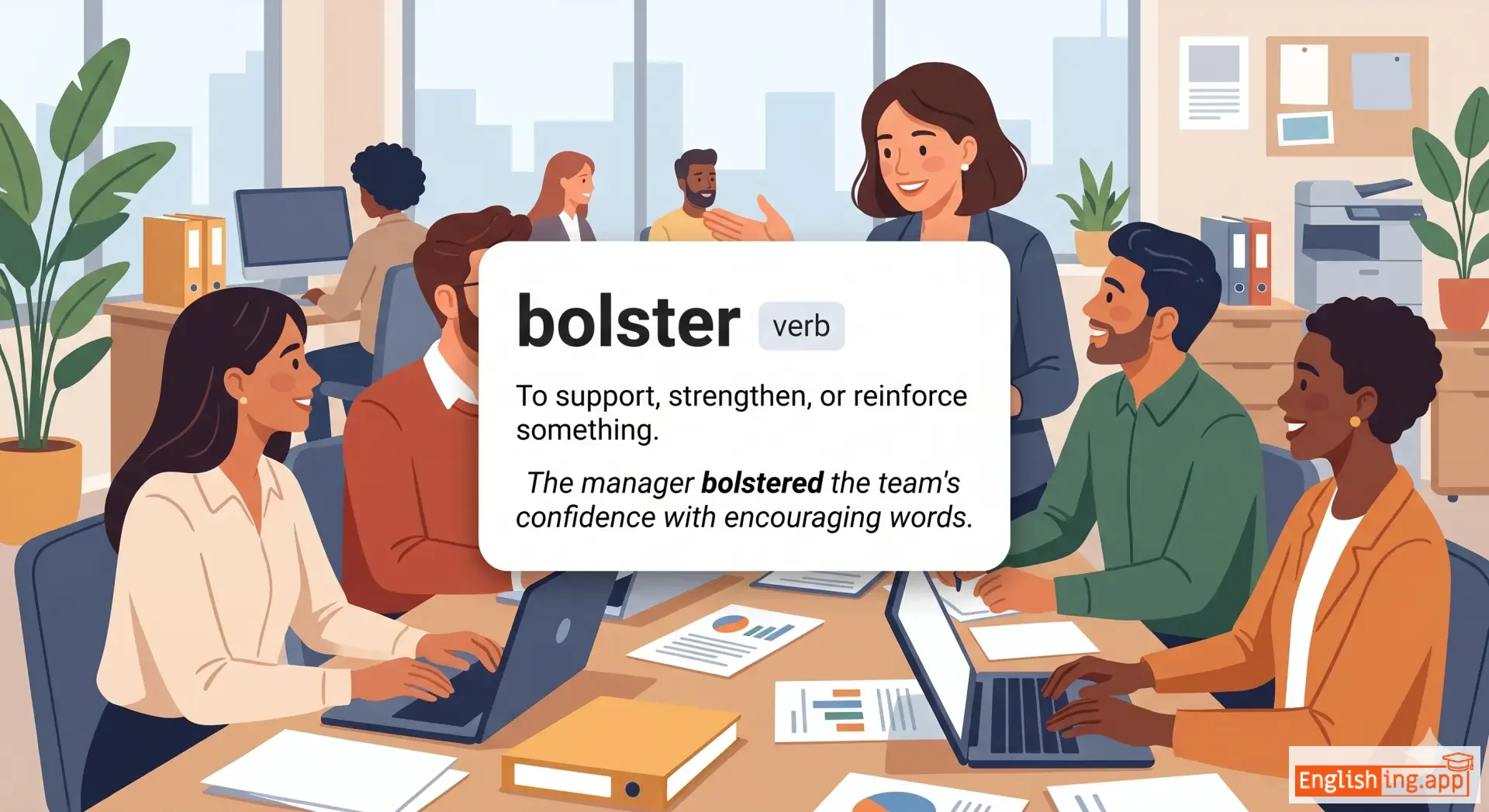
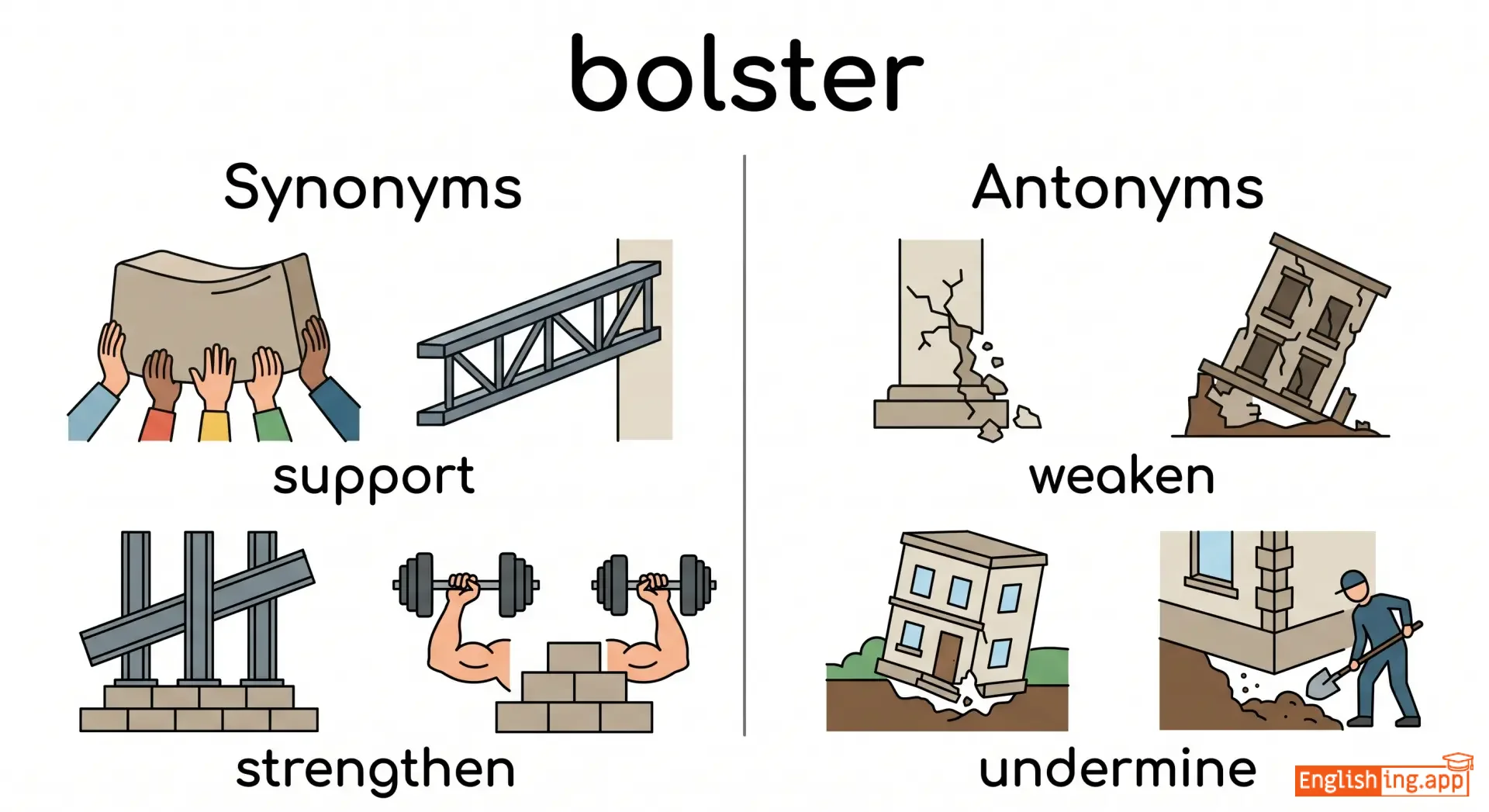
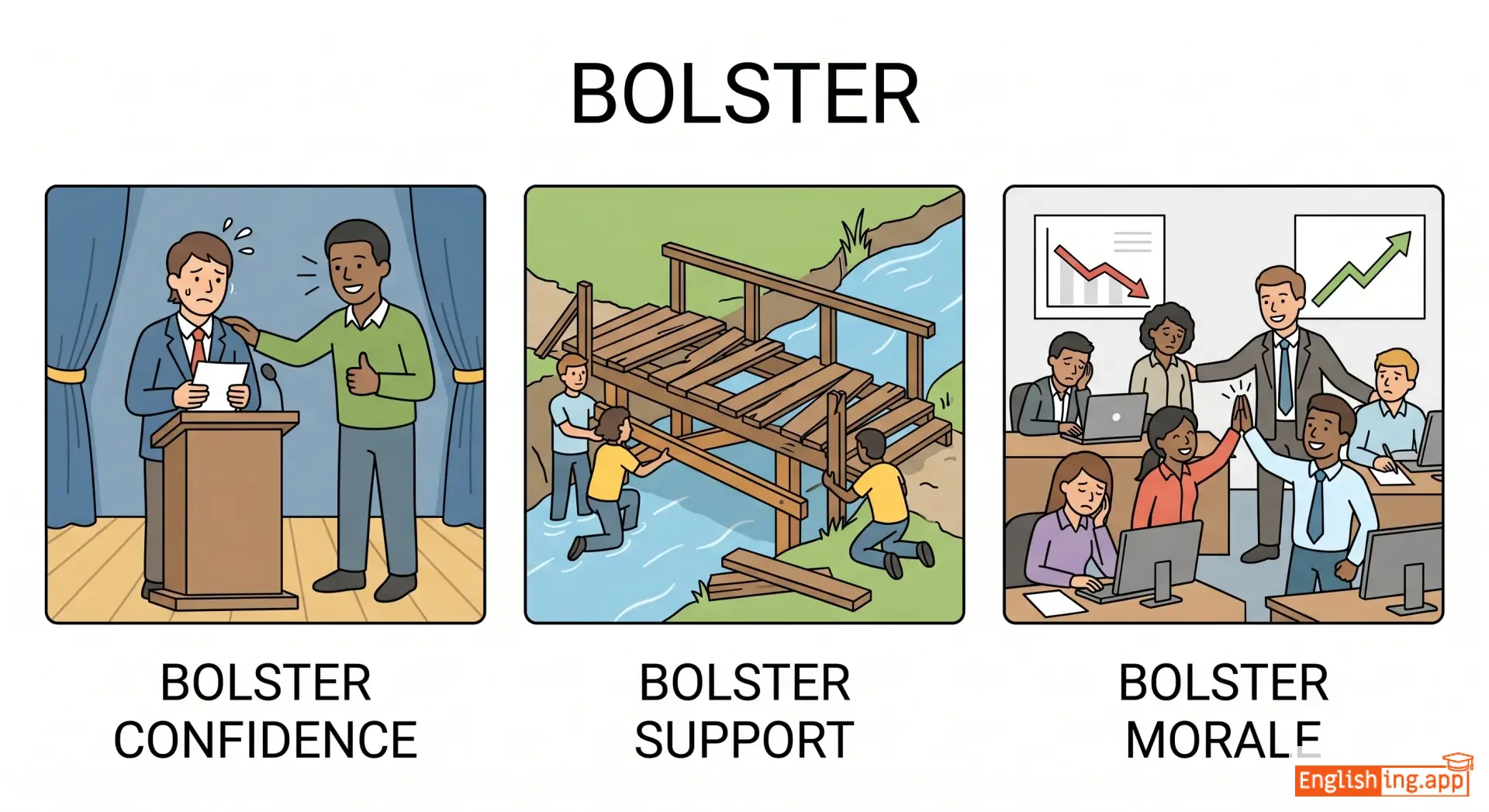
/ˈboʊl.stər/
noun
(博尔斯特)
••••••
|
|
支撑枕头
zhīchēng zhěntou
••••••
|
a long thick pillow that is placed under other pillows for support
••••••
|
She placed a bolster behind her back for extra comfort while reading.
她把一个博尔斯特枕头放在背后,以便在阅读时更舒适。
••••••
|
她把一个博尔斯特枕头放在背后,以便在阅读时更舒适。
Tā bǎ yīgè bó ěr sī tè zhěntou fàng zài bèihòu, yǐbiàn zài yuèdú shí gèng shūshì.
••••••
|
pillow, cushion, support
••••••
|
- •••••• |
bed bolster, neck bolster, support bolster
••••••
|
Bolster = 支撑舒适
••••••
|
|
#108
🦁
|
/ˈboʊld.nəs/
noun
(boldness)
••••••
|
- •••••• |
大胆; 勇气
dàdǎn, yǒngqì
••••••
|
willingness to take risks; confidence and courage in behavior
••••••
|
Her boldness in confronting the problem impressed everyone. |
她在面对问题时的大胆让所有人都印象深刻。
Tā zài miànduì wèntí shí de dàdǎn ràng suǒyǒu rén dōu yìnxiàng shēnkè.
••••••
|
courage, bravery, daring, audacity
••••••
|
timidity, cowardice, hesitation
••••••
|
show boldness, act with boldness, surprising boldness
••••••
|
大胆 (dàdǎn) 就是 boldness,在行为中展示勇气。
••••••
|
|
#109
🦠
|
/bɔɪl/
noun
(boil)
••••••
|
- •••••• |
脓疱; 疖
nóng pāo, jié
••••••
|
a painful, pus-filled bump under the skin caused by infected hair follicles
••••••
|
The painful boil on his neck required medical treatment. |
他脖子上的疼痛脓疱需要医疗处理。
tā bó zi shàng de téng tòng nóng pāo xū yào yī liáo chù lǐ.
••••••
|
abscess, pustule, carbuncle
••••••
|
healthy skin
••••••
|
painful boil, infected boil, treat boil
••••••
|
脓疱是皮肤下由感染引起的脓肿,通常很疼。
••••••
|
|
#110
💪
|
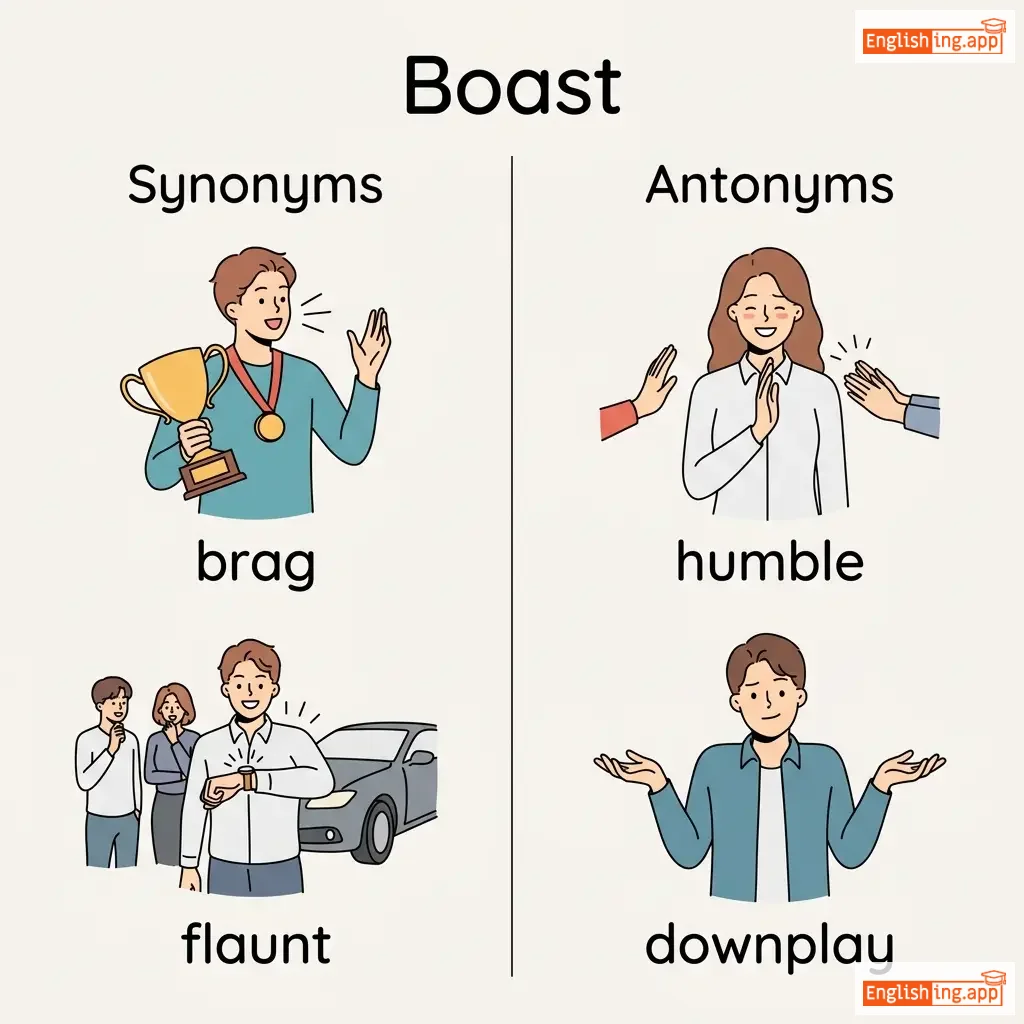
/boʊst/
noun
(bost)
••••••
|
|
自夸; 吹牛; 骄傲
zì kuā, chuī niú, jiāo ào
••••••
|
an act of talking with excessive pride about one's achievements
••••••
|
His constant boast about his wealth annoyed everyone.
His constant boast about his wealth annoyed everyone.
••••••
|
他不断吹嘘自己的财富让所有人都很烦。
Tā bùduàn chuīxū zìjǐ de cáifù ràng suǒyǒu rén dōu hěn fán.
••••••
|
brag, pride, show-off, swagger
••••••
|
modesty, humility, understatement
••••••
|
empty boast, idle boast, proud boast
••••••
|
不断的吹嘘会让别人讨厌你。
••••••
|
|
#111
🛏️
|
/ˈblæŋ.kɪt/
noun
(blanket)
••••••
|
- •••••• |
毯子
tǎnzi
••••••
|
a large piece of woolen or similar material used as a covering for warmth
••••••
|
She wrapped herself in a warm blanket on the cold night. |
她在寒冷的夜晚把自己裹在温暖的毯子里。
Tā zài hánlěng de yèwǎn bǎ zìjǐ guǒ zài wēnnuǎn de tǎnzi lǐ.
••••••
|
cover, throw, comforter, quilt
••••••
|
- •••••• |
warm blanket, electric blanket, blanket coverage
••••••
|
毯子让你在寒冷的夜晚感到温暖
••••••
|
|
#112
👑
|
/ˌbluː ˈblʌd/
noun
(蓝血)
••••••
|
- •••••• |
蓝血
lán xiě
••••••
|
a person of noble birth; aristocrat
••••••
|
She came from a family of blue-bloods with centuries of royal heritage. |
她来自一个拥有数百年王室遗产的蓝血家族。
Tā láizì yīgè yǒngyǒu shù bǎi nián wángshì yíchǎn de lán xiě jiāzú.
••••••
|
aristocrat, noble, patrician, elite
••••••
|
commoner, peasant, plebeian
••••••
|
true blue-blood, old blue-blood family
••••••
|
蓝血 (blue-blood) 代表贵族血统和皇室家族。
••••••
|
|
#113
👊
|
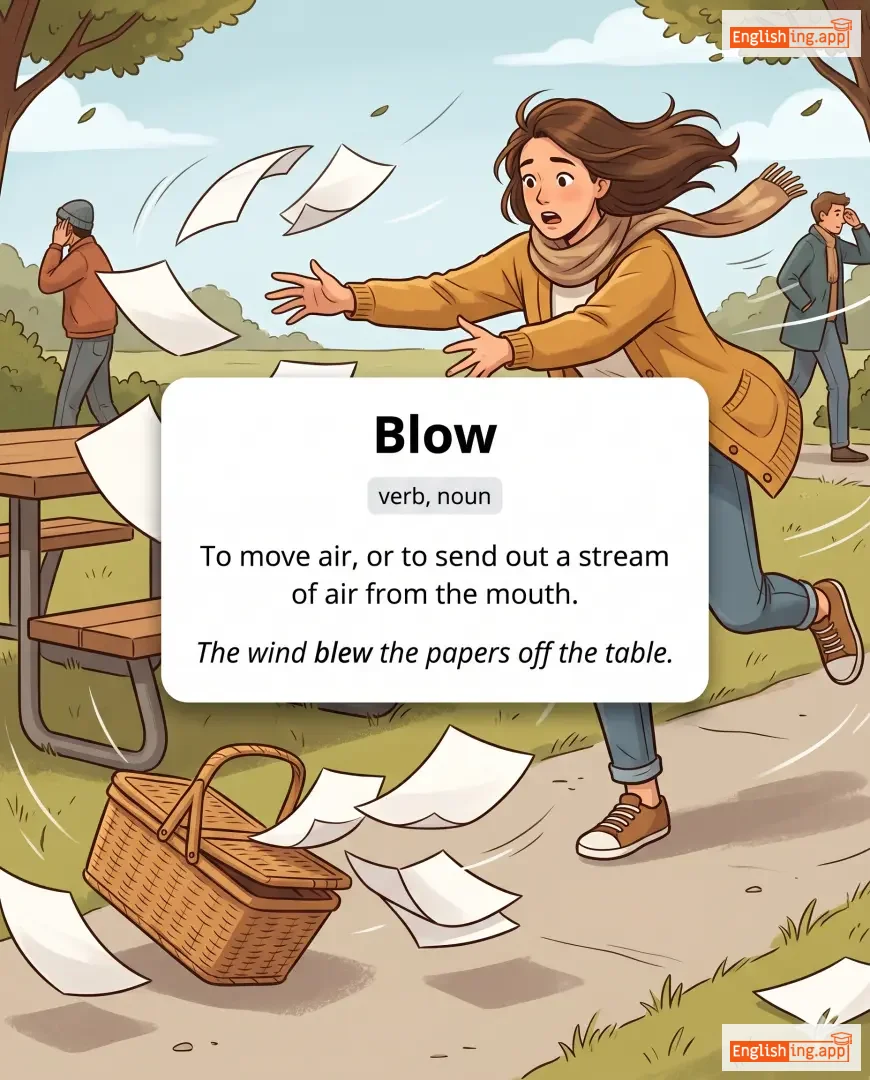
/bloʊ/
noun
(布洛)
••••••
|
|
打击;用手、武器或坚硬物体的强力打击
dǎjí; yòng shǒu, wǔqì huò jiānyìng wùtǐ de qiánglì dǎjí
••••••
|
a powerful stroke with a hand, weapon, or hard object
••••••
|
The boxer delivered a devastating blow to his opponent. |
拳击手给对手造成了毁灭性的打击。
Quánjī shǒu gěi duìshǒu zàochéngle huǐmièxìng de dǎjí.
••••••
|
strike, hit, punch, impact
••••••
|
caress, gentle touch
••••••
|
fatal blow, crushing blow, deliver a blow
••••••
|
No •••••• |
|
#114
🩸
|
/ˈblʌd.ʃed/
noun
(blʌdʃed)
••••••
|
- •••••• |
流血; 屠杀
liúxuè; túshā
••••••
|
the killing or wounding of people, typically in large numbers during a conflict
••••••
|
The peace treaty was signed to prevent further bloodshed.
和平条约被签署,以防止进一步的流血。
••••••
|
和平条约被签署,以防止进一步的流血。
Hépíng tiáoyuē bèi qiānshǔ, yǐ fángzhǐ jìnyībù de liúxuè.
••••••
|
carnage, slaughter, violence, killing
••••••
|
peace, harmony, non-violence
••••••
|
prevent bloodshed, avoid bloodshed, end bloodshed
••••••
|
流血 (liúxuè) 和 血 (xuè) 在‘bloodshed’中非常相似
••••••
|
|
#115
🚫
|
/ˈblɒk.ɪdʒ/
noun
(阻塞)
••••••
|
- •••••• |
阻塞
zuse
••••••
|
an obstruction that makes movement or flow difficult or impossible
••••••
|
The drain blockage caused water to overflow in the kitchen. |
排水管的阻塞导致水在厨房溢出。
Páishuǐguǎn de zǔsè dǎozhì shuǐ zài chúfáng yìchū.
••••••
|
obstruction, clog, jam, barrier
••••••
|
clearance, flow, passage
••••••
|
drain blockage, road blockage, arterial blockage
••••••
|
Zuse - Blockage in Chinese and English
••••••
|
|
#116
🚧
|
/blɒˈkeɪd/
noun
(blòu kè dé)
••••••
|
- •••••• |
封锁
fengsuo
••••••
|
an act or means of sealing off a place to prevent goods or people from entering or leaving
••••••
|
The naval blockade prevented supplies from reaching the port. |
海军封锁阻止了物资到达港口。
Haijun fengsuo zhuzhile wuzi daoda gangkou.
••••••
|
siege, embargo, barrier, obstruction
••••••
|
access, opening, passage
••••••
|
naval blockade, economic blockade, lift blockade
••••••
|
No •••••• |
|
#117
🩹
|
/ˈblɪs.tər/
noun
(水泡)
••••••
|
- •••••• |
水泡
shuǐpào
••••••
|
a small bubble on the skin filled with serum and caused by friction, burning, or other damage
••••••
|
The new shoes gave her a painful blister on her heel.
新鞋子在她的脚后跟上造成了一个痛苦的水泡。
••••••
|
新鞋子在她的脚后跟上造成了一个痛苦的水泡。
Xīn xiézi zài tā de jiǎo hòu gēn shàng zàochéngle yīgè tòngkǔ de shuǐpào.
••••••
|
bubble, sore, lesion
••••••
|
healthy skin
••••••
|
blood blister, water blister, blister pack
••••••
|
水泡像一个小气球,因摩擦或烧伤形成,带来疼痛感
••••••
|
|
#118
😇
|
/blɪs/
noun
(blis)
••••••
|
- •••••• |
极致的幸福;极大的喜悦
jízhì de xìngfú, jí dà de xǐyuè
••••••
|
perfect happiness; great joy
••••••
|
She felt pure bliss while watching the beautiful sunset.
她在观看美丽的日落时感到纯粹的幸福。
••••••
|
她在观看美丽的日落时感到纯粹的幸福。
Tā zài guānkàn měilì de rìluò shí gǎndào chúncuì de xìngfú.
••••••
|
happiness, joy, ecstasy, rapture
••••••
|
misery, suffering, agony
••••••
|
pure bliss, domestic bliss, ignorance is bliss
••••••
|
Bliss in Chinese can be felt when experiencing perfect happiness, like watching a sunset.
••••••
|
|
#119
🙏
|
/ˈbles.ɪŋ/
noun
(blessing)
••••••
|
- •••••• |
祝福; 礼物;
zhufú, lǐwù
••••••
|
a beneficial thing for which one is grateful; divine favor
••••••
|
Having good health is a blessing that we should cherish.
Having good health is a blessing that we should cherish.
••••••
|
拥有良好的健康是我们应该珍惜的祝福。
Yǒngyǒu liánghǎo de jiànkāng shì wǒmen yīnggāi zhēnxī de zhùfú.
••••••
|
benediction, favor, gift, grace
••••••
|
curse, misfortune, burden
••••••
|
divine blessing, count blessings, mixed blessing
••••••
|
祝福就是一种有益的礼物,值得我们感恩。
••••••
|
|
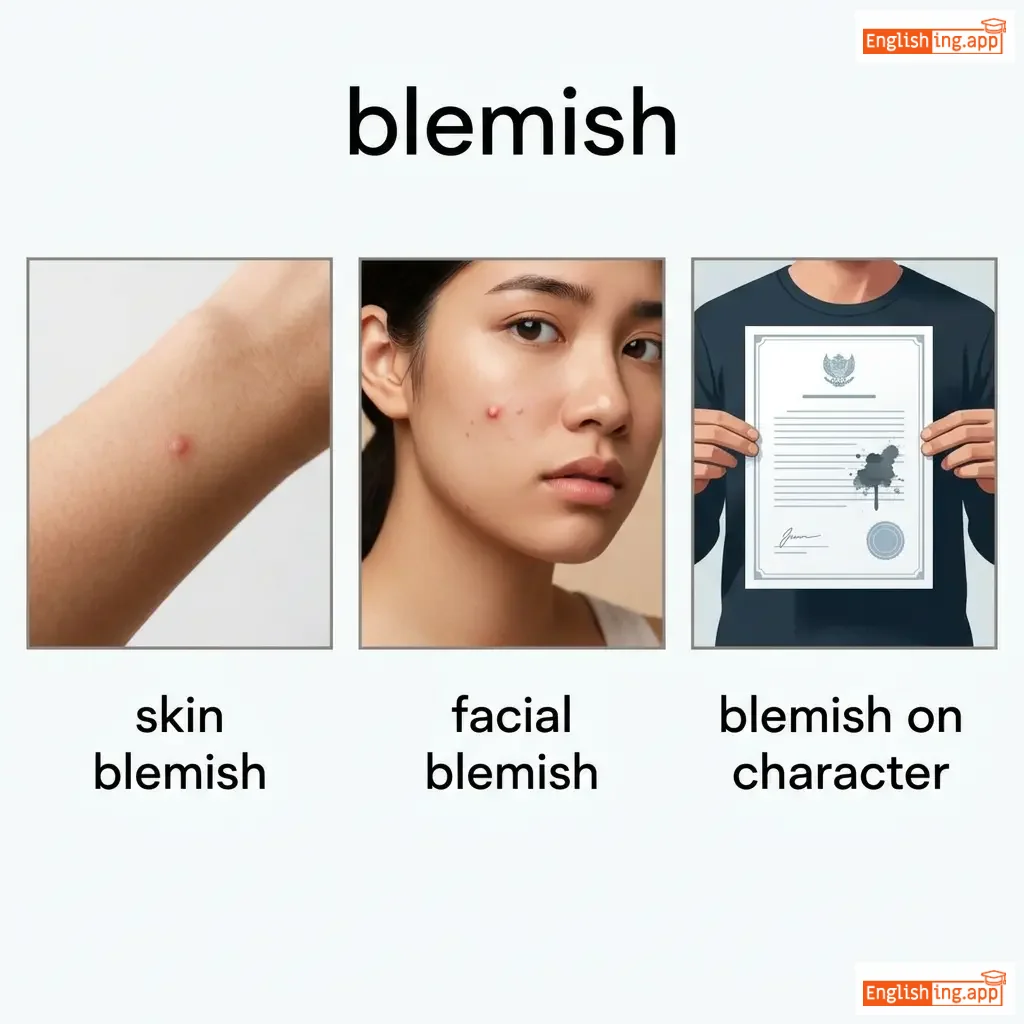
#120
🔴
|
/ˈblem.ɪʃ/
noun
(布雷米什)
••••••
|
|
瑕疵; 疤痕; 不完美
xiaci, bahen, bu wanmei
••••••
|
a mark, flaw, or imperfection that spoils the appearance of something
••••••
|
The scar was a small blemish on her otherwise perfect skin.
那道疤痕是她完美皮肤上的小瑕疵。
••••••
|
那道疤痕是她完美皮肤上的小瑕疵。
Na dao ba hen shi ta wan mei pi fu shang de xiao xia ci.
••••••
|
flaw, defect, mark, stain, spot
••••••
|
perfection, beauty, enhancement
••••••
|
skin blemish, minor blemish, without blemish
••••••
|
伤口是一种容易留下瑕疵的无形痕迹
••••••
|
Vocabulary Quiz
Test your vocabulary by matching words with their translations or meanings.
Login to take the quiz
Comments (0)
Share your thoughts and join the discussion.
Join the discussion by logging in
Login to CommentNo comments yet
Be the first to share your thoughts!