




Swipe left or right, or use the buttons. Tap image to zoom.
例句翻译
单词
Lesson 21Lesson 21 - 遮罩切换
|
表情符号
|
单词 | Images | 翻译 | 含义 | 例句 | 例句翻译 | 同义词 | 反义词 | 搭配词 | 助记符 |
|---|---|---|---|---|---|---|---|---|---|---|
|
#401
🏝️
|
/ˈek.saɪl/
noun
(èksài'ěr)
••••••
|
- •••••• |
流亡
liúwáng
••••••
|
the state of being barred from one's native country; enforced removal from one's homeland
••••••
|
The political leader was forced into exile after the military coup.
政治领袖在军事政变后被迫流亡。
••••••
|
政治领袖在军事政变后被迫流亡。
Zhèngzhì lǐngxiù zài jūnshì zhèngbiàn hòu bèi pò liúwáng.
••••••
|
banishment, deportation, expulsion, ostracism
••••••
|
return, homecoming, welcome, inclusion
••••••
|
forced exile, political exile, exile from homeland
••••••
|
Imagine a leader being forced into exile after a military coup.
••••••
|
|
#402
😊
|
/ɪkˈspreʃ.ən/
noun
(表达)
••••••
|
- •••••• |
表达; 表现;
biaoda, biaoxian
••••••
|
the act of making thoughts or feelings known; a look on someone's face
••••••
|
The artist's painting was a beautiful expression of her inner emotions.
艺术家的画作是她内心情感的美丽表达。
••••••
|
艺术家的画作是她内心情感的美丽表达。
Yishujia de huazuoshi ta neixin qinggan de mei li biaoda.
••••••
|
manifestation, display, demonstration, articulation
••••••
|
suppression, concealment, hiding, repression
••••••
|
facial expression, creative expression, freedom of expression
••••••
|
Chinese '表达' is a similar meaning to 'expression' in English, both about showing feelings.
••••••
|
|
#403
🌍
|
/ɪɡˈzɪs.təns/
noun
(èɡzɪsˈtɛns)
••••••
|
- •••••• |
存在
cúnzài
••••••
|
the fact or state of living or having objective reality; being alive
••••••
|
Scientists are searching for evidence of life's existence on other planets. |
科学家正在寻找其他星球上生命存在的证据。
Kēxuéjiā zhèngzài xúnzhǎo qítā xīngqiú shàng shēngmìng cúnzài de zhèngjù.
••••••
|
being, presence, reality, actuality
••••••
|
nonexistence, absence, death, void
••••••
|
human existence, prove existence, existence of life
••••••
|
Existence在中文是存在,象科学家们在寻找生命的存在。
••••••
|
|
#404
🔌
|
/ɪkˈsten.ʃən/
noun
(ɪkˈstɛnʃən)
••••••
|
- •••••• |
延长; 扩展
yáncháng; kuòzhǎn
••••••
|
the action of extending something; additional time or space
••••••
|
The professor granted an extension for the assignment deadline.
教授为作业截止日期延长了时间。
••••••
|
教授为作业截止日期延长了时间。
Jiàoshòu wèi zuòyè jiézhǐ rìqī yánchángle shíjiān.
••••••
|
expansion, enlargement, prolongation, continuation
••••••
|
reduction, contraction, shortening, curtailment
••••••
|
file extension, deadline extension, extension cord
••••••
|
Extension sounds like '延长' in Chinese, representing time extension.
••••••
|
|
#405
📈
|
/ɪkˈspæn.ʃən/
noun
(扩展)
••••••
|
|
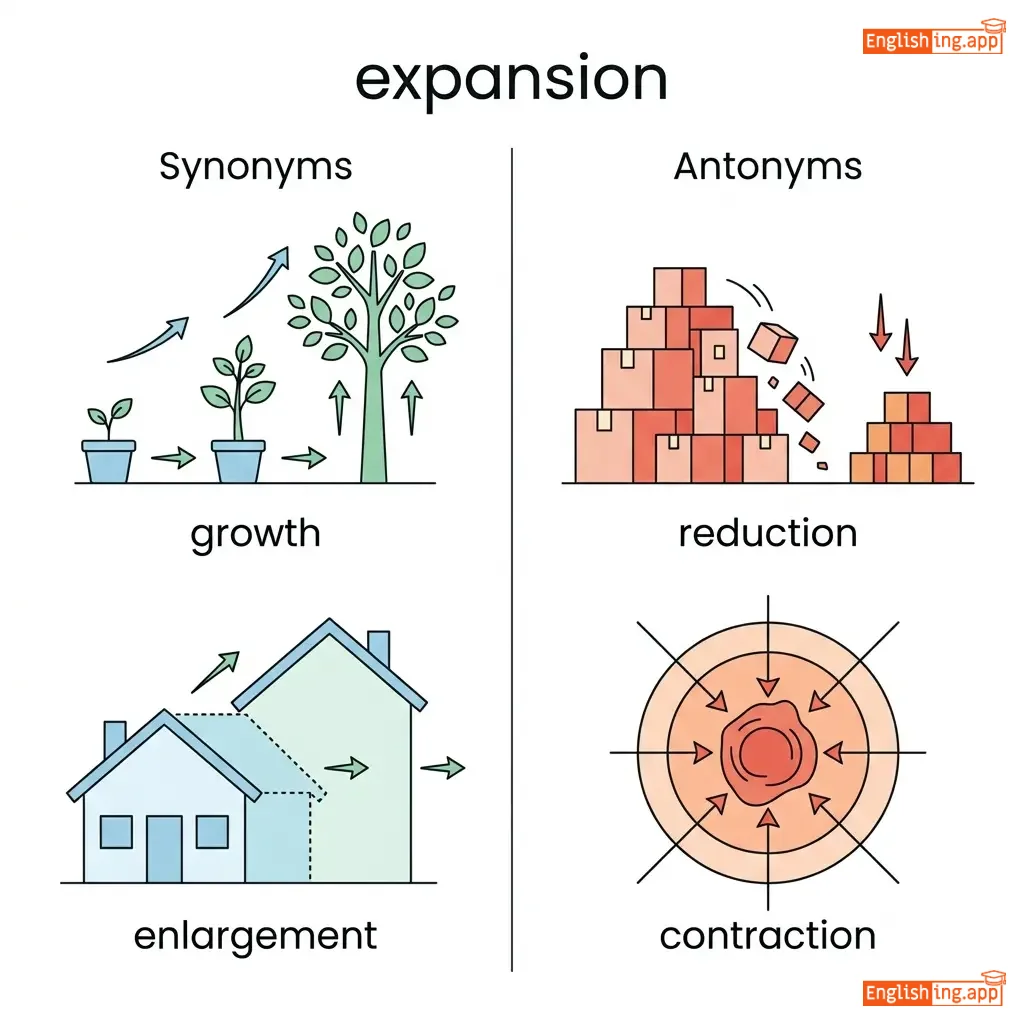
扩展; 扩大;
kuòzhǎn, kuòdà
••••••
|
the action of becoming larger or more extensive; growth in size or scope
••••••
|
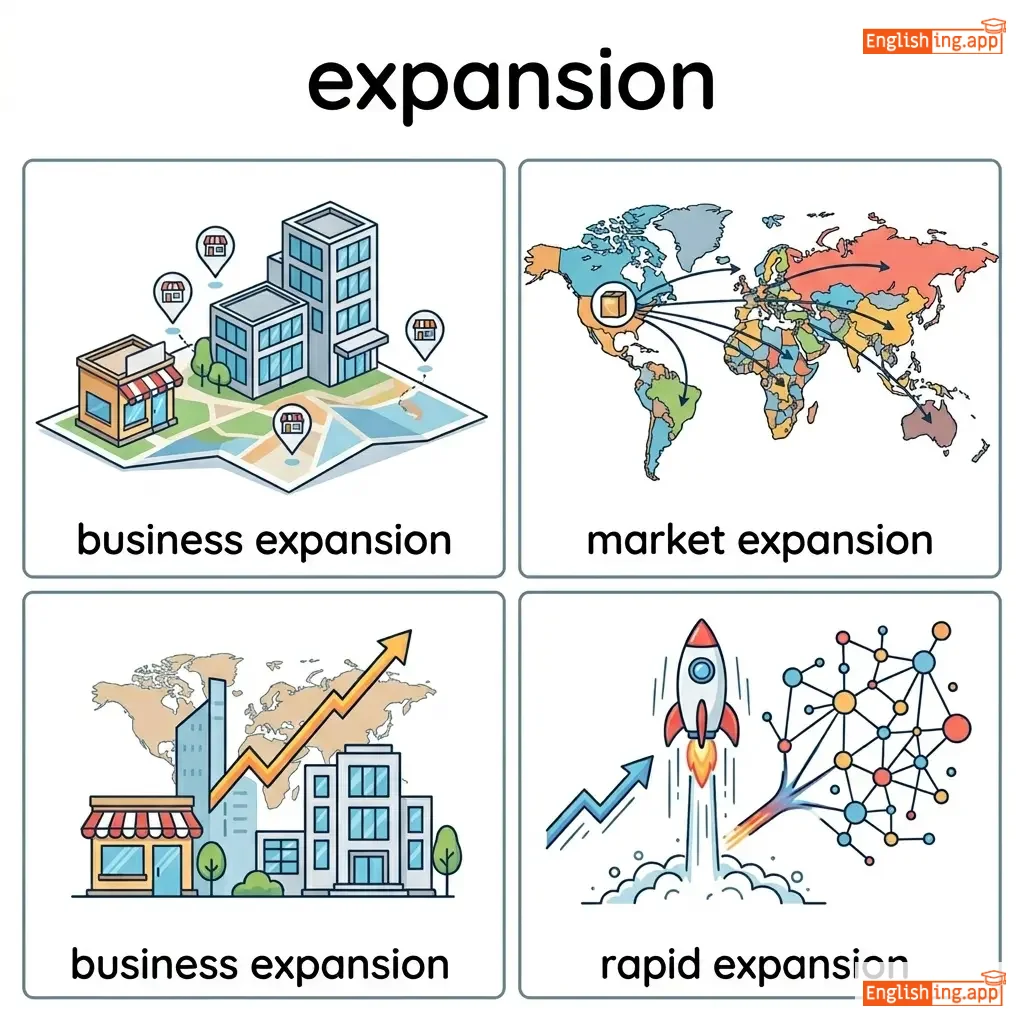
The company announced the expansion of its operations to three new countries.
公司宣布将其运营扩展到三个新国家。
••••••
|
公司宣布将其运营扩展到三个新国家。
Gōngsī xuānbù jiāng qí yùnyíng kuòzhǎn dào sān gè xīn guójiā.
••••••
|
growth, enlargement, extension, development
••••••
|
contraction, reduction, shrinkage, decline
••••••
|
business expansion, rapid expansion, expansion plan
••••••
|
Expansion grows or extends, just like 'expanding' in Chinese.
••••••
|
|
#406
📏
|
/ɪkˈstent/
noun
(ekstent)
••••••
|
- •••••• |
范围; 范围程度
fànwéi, fànwéi chéngdù
••••••
|
the area covered by something; the degree to which something has spread
••••••
|
The extent of the damage caused by the flood was enormous.
洪水造成的损害范围非常大。
••••••
|
洪水造成的损害范围非常大。
hóngshuǐ zàochéng de sǔnhài fànwéi fēicháng dà.
••••••
|
scope, range, degree, magnitude
••••••
|
limitation, restriction, confinement, boundary
••••••
|
to some extent, full extent, great extent
••••••
|
In Chinese, '范围' (fànwéi) reminds you of the vast extent or scope, just like the flood damage.
••••••
|
|
#407
🤞
|
/ˌek.spekˈteɪ.ʃən/
noun
(èksīpèktèishùn)
••••••
|
- •••••• |
期望; 希望;
qīwàng, xīwàng
••••••
|
a strong belief that something will happen or be the case; anticipation
••••••
|
The new teacher exceeded everyone's expectations with her innovative teaching methods.
新老师通过其创新的教学方法超越了所有人的期望。
••••••
|
新老师通过其创新的教学方法超越了所有人的期望。
Xīn lǎoshī tōngguò qí chuàngxīn de jiàoxué fāngfǎ chāoyuèle suǒyǒu rén de qīwàng.
••••••
|
anticipation, hope, prospect, assumption
••••••
|
despair, hopelessness, doubt, uncertainty
••••••
|
high expectations, meet expectations, beyond expectations
••••••
|
期望是对创新教师方法的信任。
••••••
|
|
#408
💎
|
/ɪkˈstræv.ə.ɡəns/
noun
(奢华)
••••••
|
- •••••• |
过度开支; 浪费
guò dù kāi zhī; làng fèi
••••••
|
lack of restraint in spending money; excessive expense
••••••
|
The wedding celebration was criticized for its unnecessary extravagance. |
婚礼庆典因不必要的奢华而受到批评。
hūn lǐ qìng diǎn yīn bù bì yào de shē huá ér shòu dào pī pīng.
••••••
|
lavishness, excess, luxury, wastefulness
••••••
|
frugality, thrift, economy, moderation
••••••
|
financial extravagance, unnecessary extravagance, lifestyle extravagance
••••••
|
奢华意味着浪费,像在昂贵的婚礼上一样。
••••••
|
|
#409
🏔️
|
/ˌek.spɪˈdɪʃ.ən/
noun
(远征)
••••••
|
- •••••• |
远征
yuǎnzhēng
••••••
|
a journey undertaken by a group of people with a particular purpose; organized trip for exploration
••••••
|
The mountain climbing expedition required months of careful planning and preparation. |
登山远征需要数月的精心规划和准备。
Dēngshān yuǎnzhēng xūyào shù yuè de jīngxīn guīhuà hé zhǔnbèi.
••••••
|
journey, voyage, mission, exploration
••••••
|
stay, residence, inactivity, rest
••••••
|
scientific expedition, Arctic expedition, expedition team
••••••
|
Expedition = 远征 = 为了探索而组织的旅行
••••••
|
|
#410
🌡️
|
/ɪkˈstriːm/
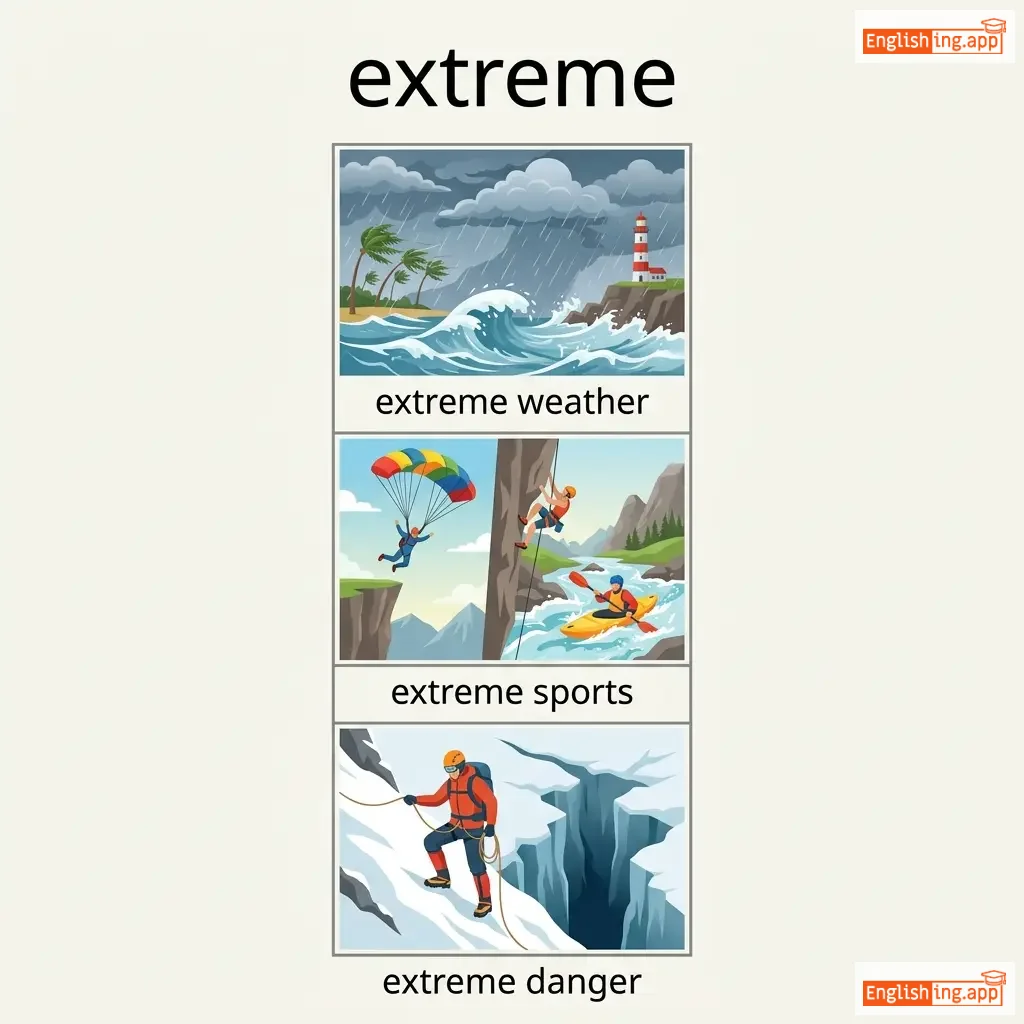
noun
(èkstrīm)
••••••
|
|
极端; 过度
jíduān, guòdù
••••••
|
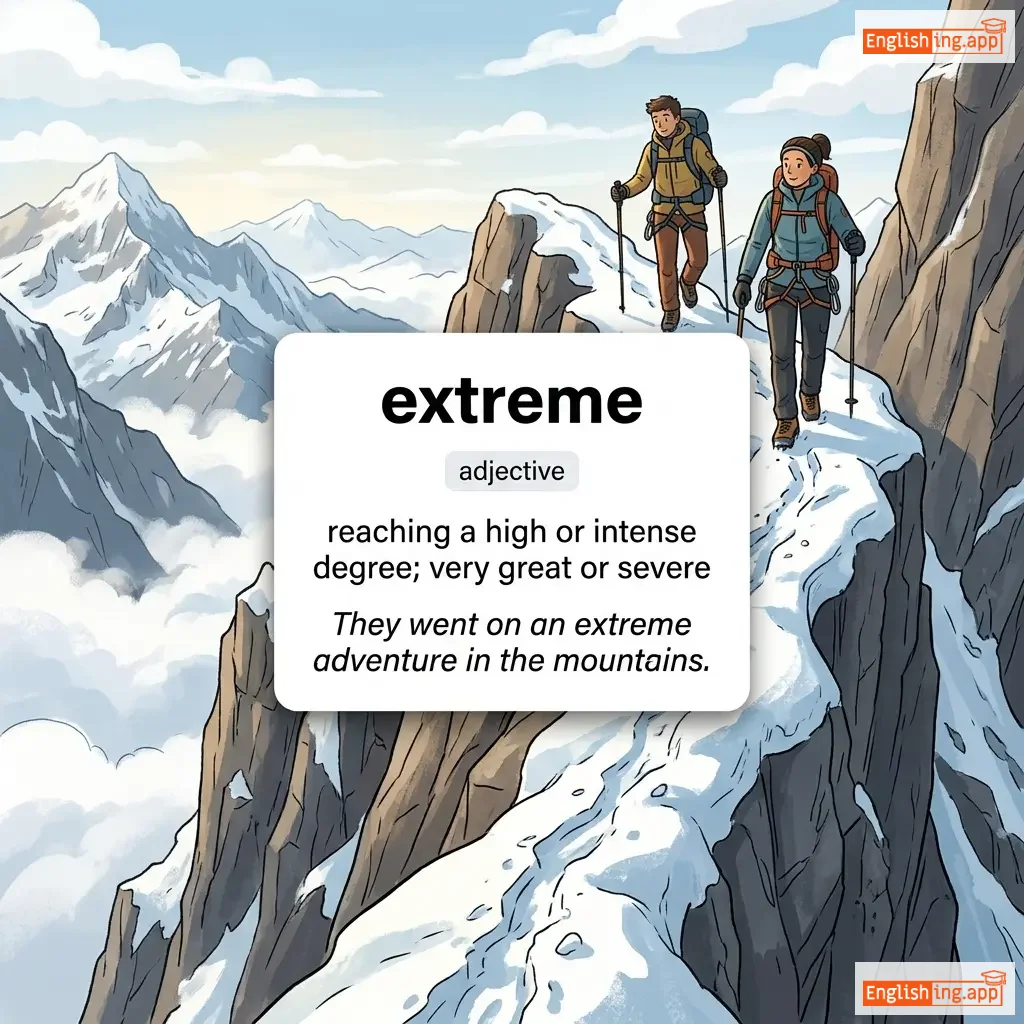
either of two abstract things that are as different from each other as possible
••••••
|
The weather went from one extreme to another within a single day.
dē wéðer wént frôm wân èkstrīm tū anðer wíðin ā síngəl dè.
••••••
|
天气在一天内从一个极端变到另一个极端。
tiānqì zài yītiān nèi cóng yīgè jíduān biàn dào lìng yīgè jíduān.
••••••
|
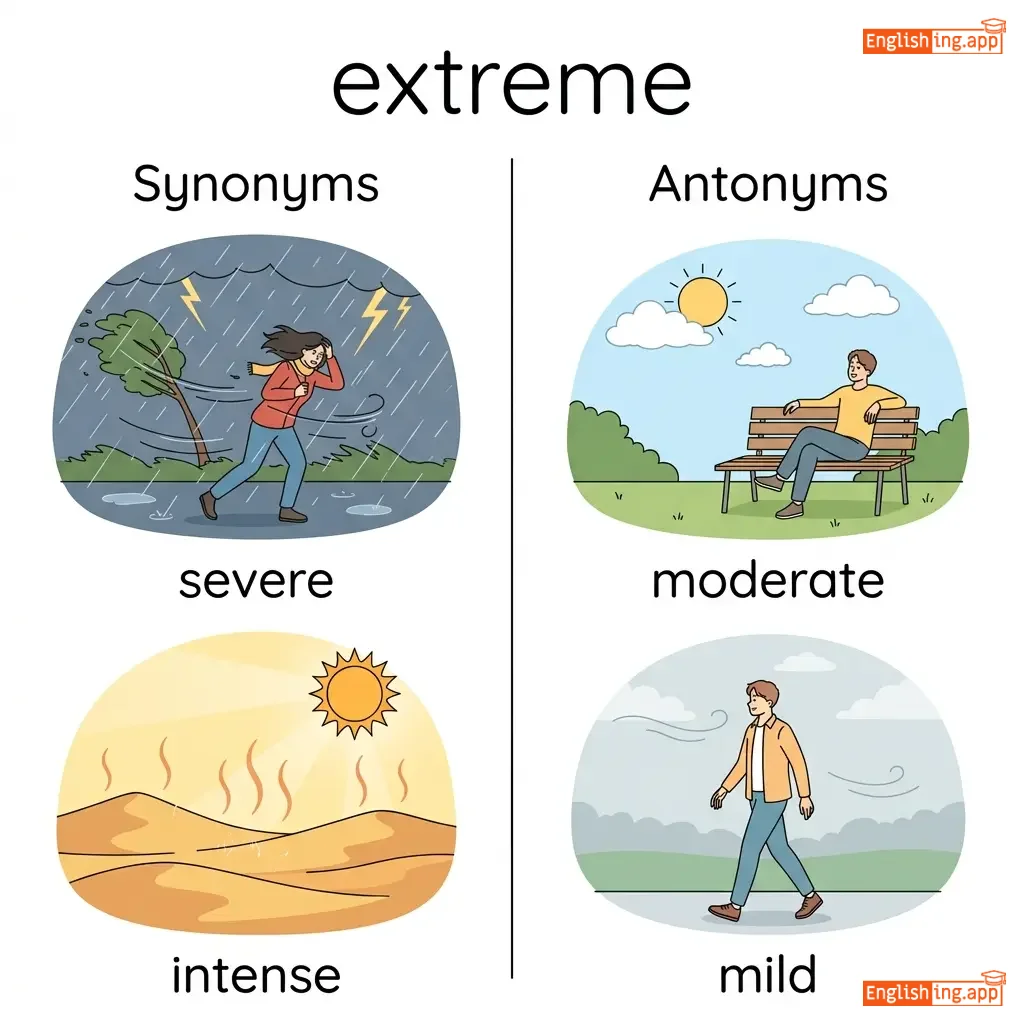
maximum, utmost, limit, boundary
••••••
|
moderate, average, middle, center
••••••
|
extreme weather, extreme measures, go to extremes
••••••
|
Extreme可以记住,因为天气在一天内从一个极端变到另一个极端。
••••••
|
|
#411
💸
|
/ɪkˈspen.dɪ.tʃər/
noun
(ikˈspendɪtʃər)
••••••
|
|
开支; 支出
kaizhi, zhichu
••••••
|
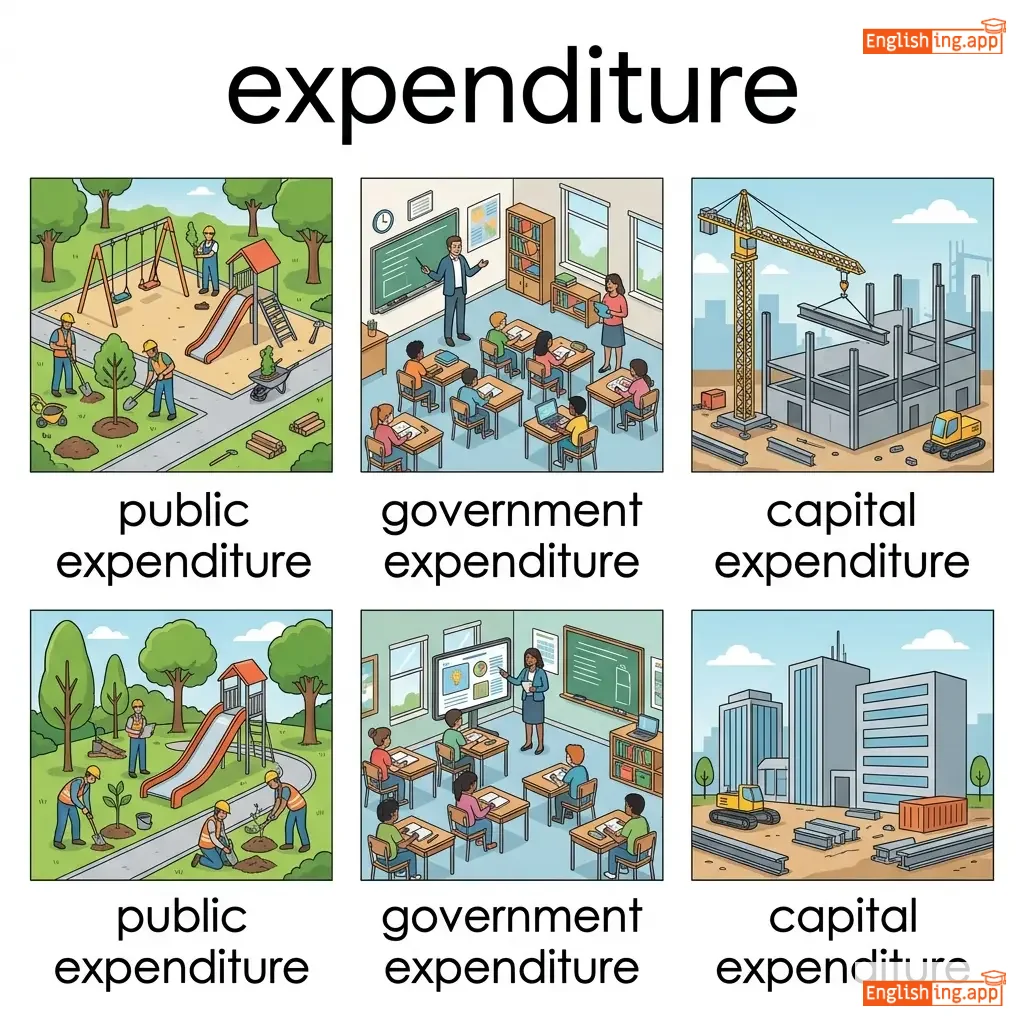
the action of spending funds; an amount of money spent
••••••
|
The government needs to reduce its expenditure on unnecessary projects. |
政府需要减少不必要项目的开支。
zhèngfǔ xūyào jiǎnshǎo bù bìyào xiàngmù de kāizhī.
••••••
|
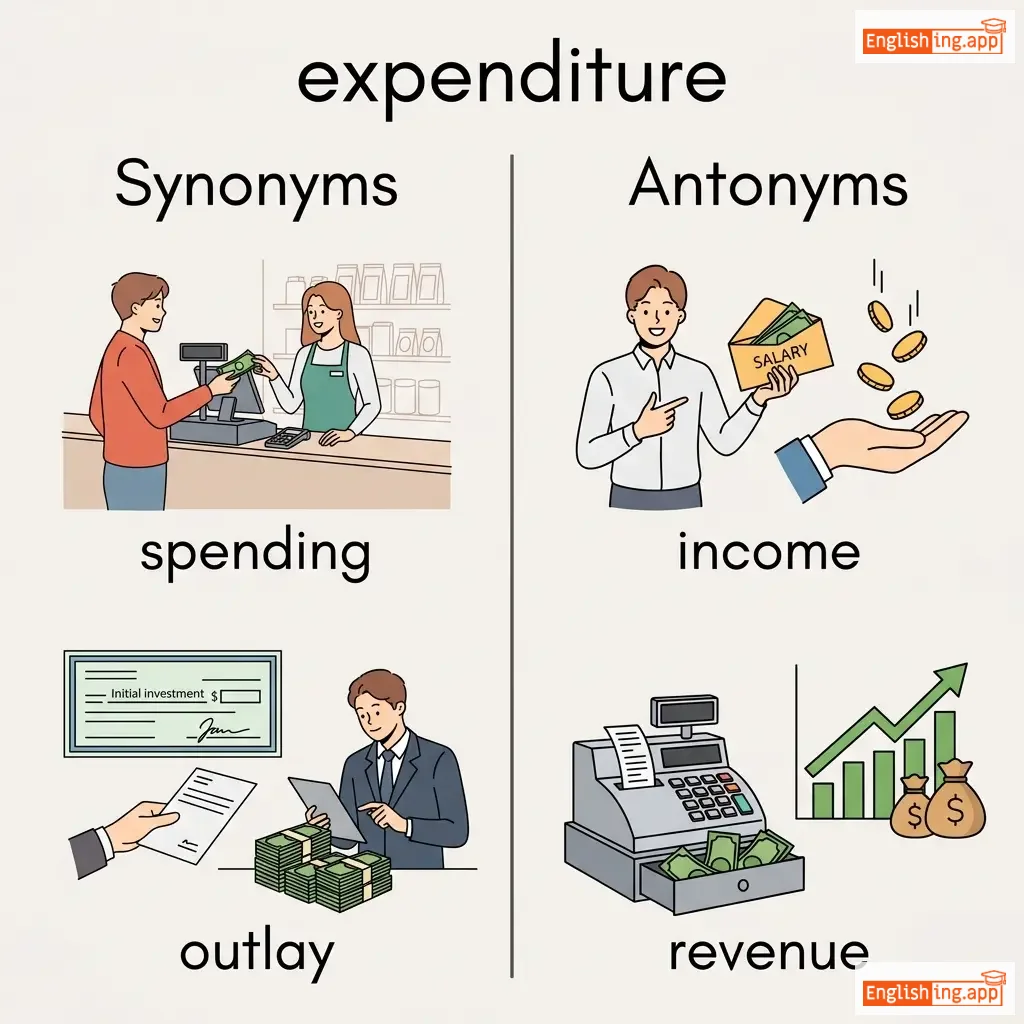
spending, cost, expense, outlay
••••••
|
income, revenue, earnings, savings
••••••
|
government expenditure, reduce expenditure, capital expenditure
••••••
|
中文的'开支'与'Expenditure'有相似的含义,指的是花费的钱。
••••••
|
|
#412
⚡
|
/ɪkˈstriː.mɪst/
noun
(ɪkˈstrɪːmɪst)
••••••
|
- •••••• |
极端分子
jíduān fènzǐ
••••••
|
a person who holds extreme political or religious views
••••••
|
The government is taking measures to prevent extremist activities. |
政府正在采取措施防止极端分子活动。
zhèngfǔ zhèngzài cǎiqǔ cuòshī fángzhǐ jíduān fènzǐ huódòng.
••••••
|
radical, fanatic, militant, fundamentalist
••••••
|
moderate, centrist, liberal, tolerant
••••••
|
political extremist, religious extremist, extremist group
••••••
|
极端分子常常推崇极端的思想。
••••••
|
|
#413
💰
|
/ɪkˈspens/
noun
(èks-pēns)
••••••
|
- •••••• |
费用; 支出;
fèiyòng, zhīchū
••••••
|
the cost required for something; money spent on something
••••••
|
The travel expense for the business trip was covered by the company. |
商务旅行的费用由公司承担。
shāngwù lǚxíng de fèiyòng yóu gōngsī chéngdān.
••••••
|
cost, charge, fee, expenditure
••••••
|
income, profit, gain, revenue
••••••
|
travel expense, medical expense, living expense
••••••
|
Expense = 费用, picture the cost of a work trip covered
••••••
|
|
#414
👁️
|
/ˈaɪ.saɪt/
noun
(ai-sai)
••••••
|
- •••••• |
视力
shili
••••••
|
the ability to see; vision
••••••
|
Regular eye checkups are important for maintaining good eyesight. |
定期眼部检查对于保持良好的视力至关重要。
Dingqi yanbu jiancha duiyu baochi lianghao de shili zhiguai zhongyao.
••••••
|
vision, sight, visual ability, perception
••••••
|
blindness, sightlessness, visual impairment, darkness
••••••
|
poor eyesight, sharp eyesight, eyesight problems
••••••
|
Shili (Chinese) - similar to 'sight', and both refer to vision.
••••••
|
|
#415
🎯
|
/ɪkˈspɪə.ri.əns/
noun
(ɛksˈpɪə.ri.əns)
••••••
|
- •••••• |
经验
jingyan
••••••
|
practical contact with and observation of facts or events; knowledge gained through involvement
••••••
|
Her years of teaching experience made her an excellent mentor for new teachers.
她多年的教学经验使她成为新教师的优秀导师。
••••••
|
她多年的教学经验使她成为新教师的优秀导师。
Ta duonian de jiaoxue jingyan shi ta chengwei xin jiaoshi de youxiu daoshi.
••••••
|
knowledge, expertise, skill, background
••••••
|
inexperience, ignorance, naivety, unfamiliarity
••••••
|
work experience, life experience, gain experience
••••••
|
经验让我们通过实践和参与来学习。
••••••
|
|
#416
😒
|
/ˈaɪ.sɔːr/
noun
(ai-suo-er)
••••••
|
- •••••• |
令人不悦的视觉效果; 恶心的景象
lìng rén bù yuè de shìjué xiàoguǒ; èxīn de jǐngxiàng
••••••
|
something that is very ugly and unpleasant to look at
••••••
|
The abandoned building has become an eyesore in the neighborhood.
废弃的建筑已成为社区中的眼中钉。
••••••
|
废弃的建筑已成为社区中的眼中钉。
Fèiqì de jiànzhú yǐ chéngwéi shèqū zhōng de yǎnzhōng dīng.
••••••
|
blight, ugliness, monstrosity, disfigurement
••••••
|
beauty, attraction, sight for sore eyes, ornament
••••••
|
urban eyesore, neighborhood eyesore, become an eyesore
••••••
|
废弃建筑像眼中钉,令人不悦。
••••••
|
|
#417
💡
|
/ˌek.spləˈneɪ.ʃən/
noun
(eksplaneishen)
••••••
|
- •••••• |
解释; 阐明;
jie shi, chan ming
••••••
|
a statement or account that makes something clear; clarification of meaning
••••••
|
The teacher gave a detailed explanation of the complex mathematical concept.
老师详细解释了这个复杂的数学概念。
••••••
|
老师详细解释了这个复杂的数学概念。
Lǎoshī xiángxì jiěshìle zhège fùzá de shùxué gàiniàn.
••••••
|
clarification, description, interpretation, elucidation
••••••
|
confusion, mystery, ambiguity, obscurity
••••••
|
clear explanation, detailed explanation, provide explanation
••••••
|
解释让所有事情变得简单明了。
••••••
|
|
#418
👁️🗨️
|
/ˈaɪ.wɪt.nəs/
noun
(ai-wei-tnes)
••••••
|
- •••••• |
目击者
muji zhe
••••••
|
a person who has seen something happen and can give evidence about it
••••••
|
The police interviewed several eyewitnesses to the accident. |
警方采访了多位事故的目击者。
jing fang cai fang le duo wei shi gu de mu ji zhe.
••••••
|
observer, witness, bystander, onlooker
••••••
|
participant, perpetrator, absent person, non-observer
••••••
|
eyewitness account, eyewitness testimony, reliable eyewitness
••••••
|
记住'目击者'就是现场看见事情发生的人。
••••••
|
|
#419
⛏️
|
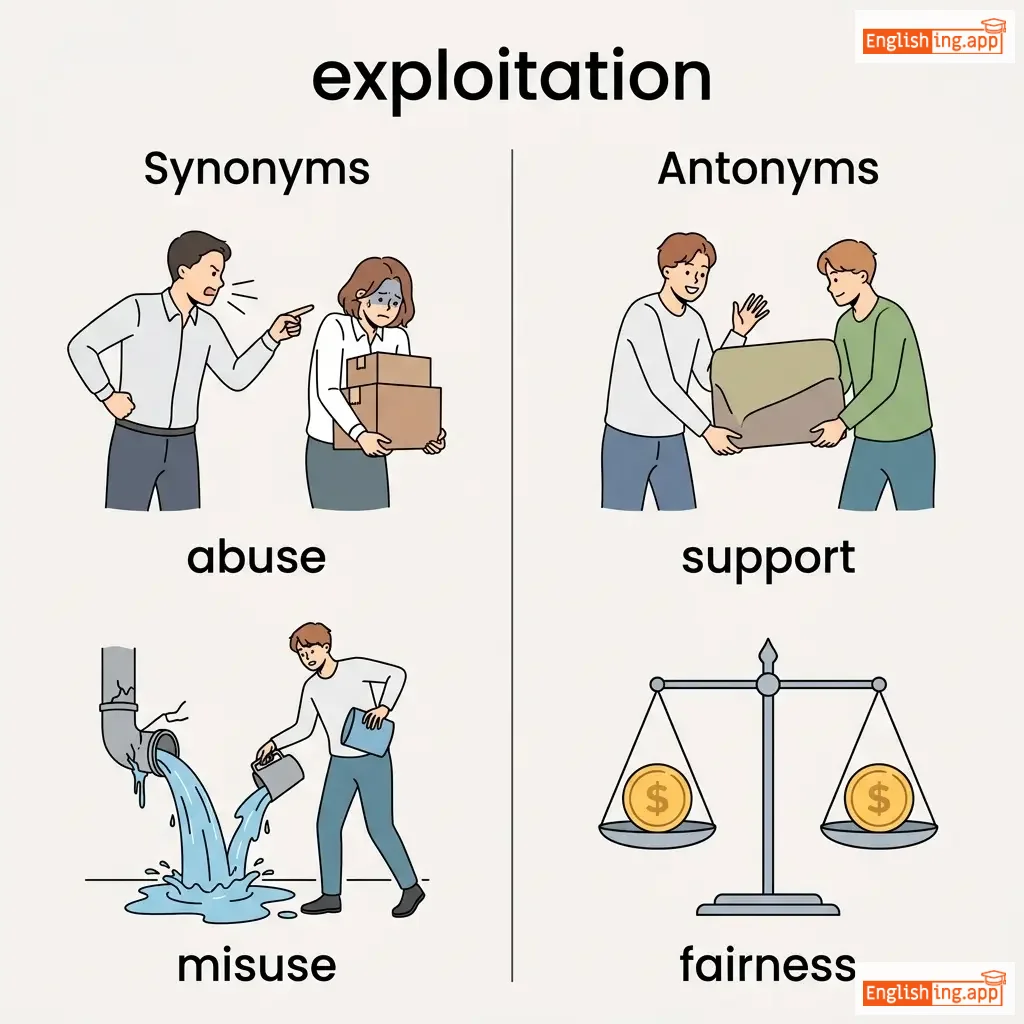
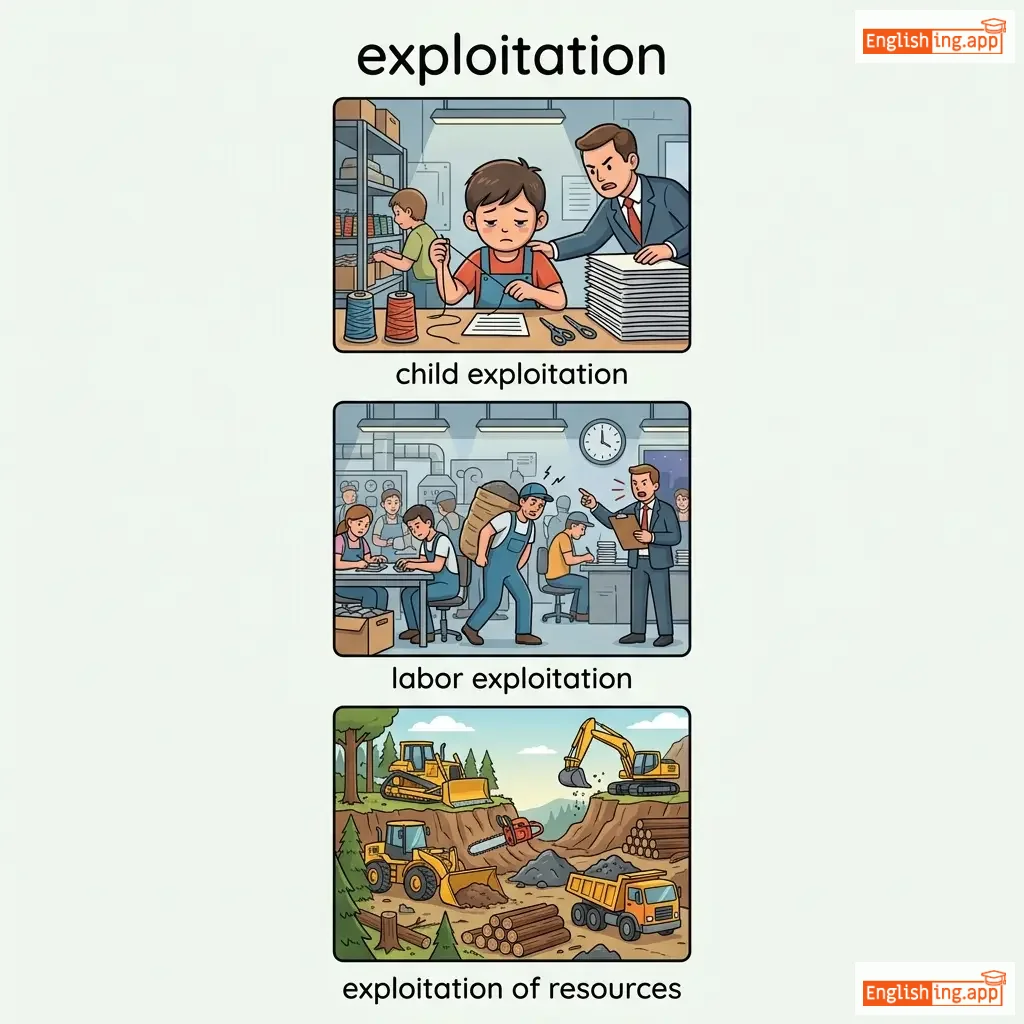
/ˌek.splɔɪˈteɪ.ʃən/
noun
(ɛk.splɔɪˈteɪʃən)
••••••
|
|
剥削; 滥用
bōxuē, lànyòng
••••••
|
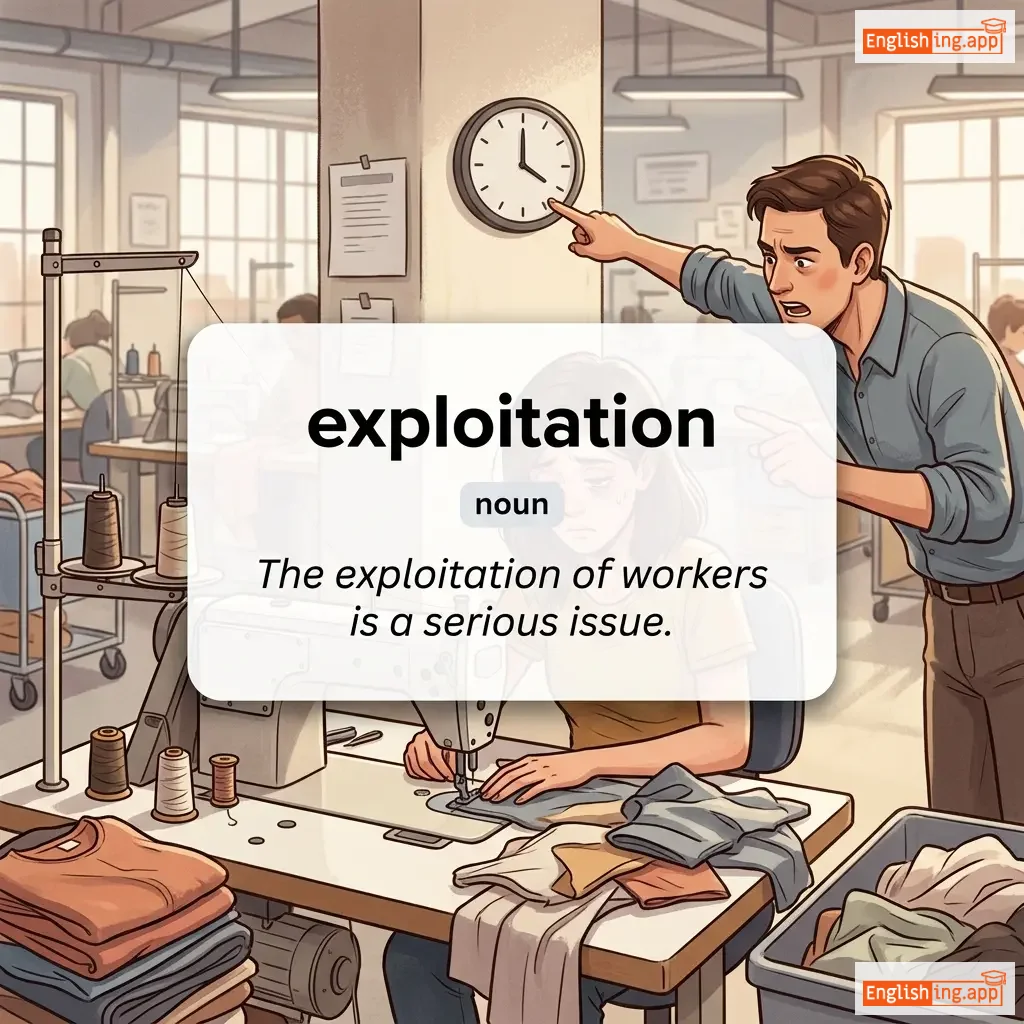
the action of treating someone unfairly in order to benefit from their work; misuse
••••••
|
The company was accused of worker exploitation due to poor working conditions. |
公司因恶劣的工作条件被指控剥削工人。
Gōngsī yīn èliè de gōngzuò tiáojiàn bèi zhǐkòng bōxuē gōngrén.
••••••
|
abuse, misuse, oppression, manipulation
••••••
|
protection, fairness, justice, respect
••••••
|
worker exploitation, resource exploitation, prevent exploitation
••••••
|
Exploitation is an unfair use of someone’s work, like 'lànyòng' (misuse).
••••••
|
|
#420
🤥
|
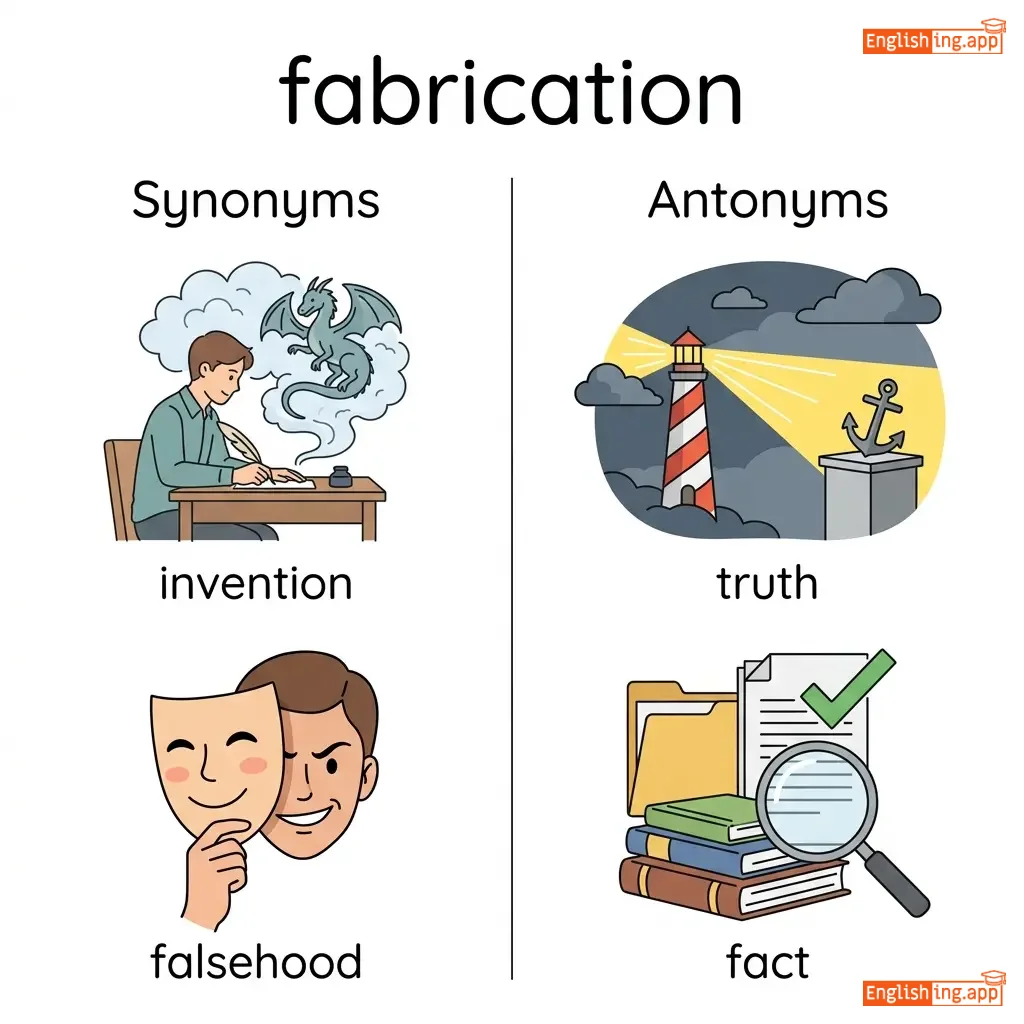
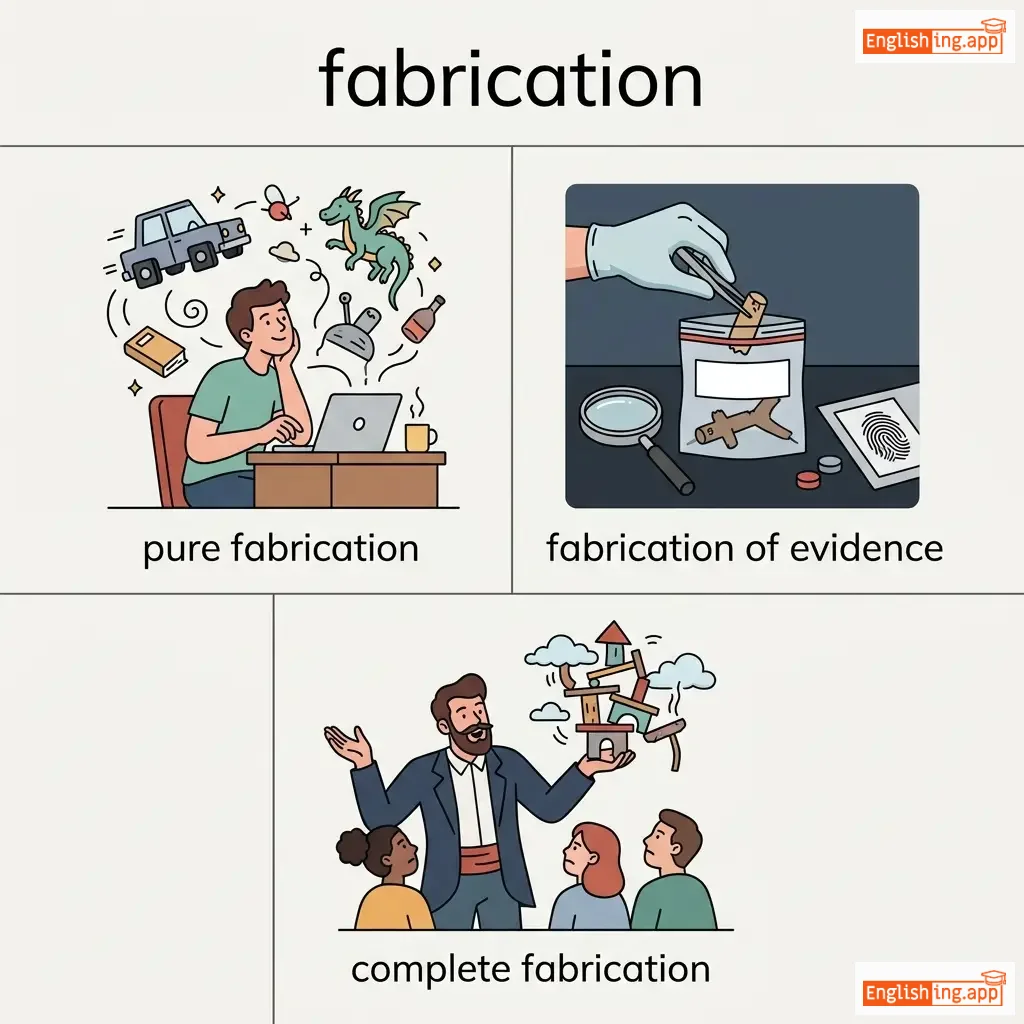
/ˌfæb.rɪˈkeɪ.ʃən/
noun
(伪造)
••••••
|
|
伪造; 谎言; 捏造
weizao; huangyan; niezao
••••••
|
something that is made up or invented; a lie or false story
••••••
|
The journalist was fired for publishing fabrications instead of facts. |
记者因发布伪造的内容而被解雇,而不是事实。
Jizhe yin fabu weizao de neirong er bei jiegu, er bushi shishi.
••••••
|
invention, falsehood, lie, fiction
••••••
|
truth, fact, reality, authenticity
••••••
|
pure fabrication, fabrication of evidence, complete fabrication
••••••
|
伪造 = 假的 (jia de) + 制造 (zhizao) = 捏造的事实
••••••
|
Vocabulary Quiz
Test your vocabulary by matching words with their translations or meanings.
Login to take the quiz
Comments (0)
Share your thoughts and join the discussion.
Join the discussion by logging in
Login to CommentNo comments yet
Be the first to share your thoughts!