

Обновитесь для доступа ко всему словарю
Получите неограниченный доступ ко всем словам с подпиской Pro
Обновить до ProПеревод
Прошедшее
Причастие прошедшего времени
Третье лицо единственного числа
Герундий
Значение
Пример предложения
Перевод примера предложения
Синонимы
Антонимы
Коллокации
Мнемоника
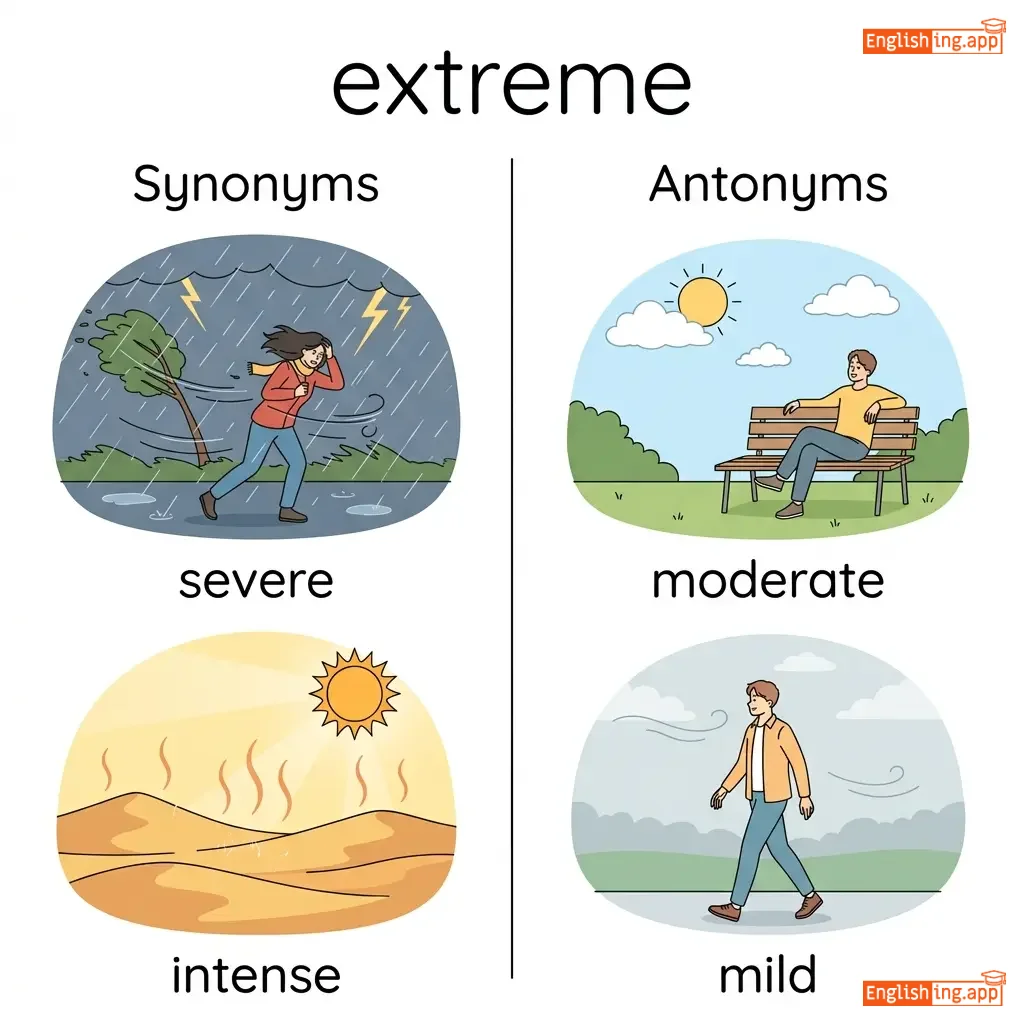
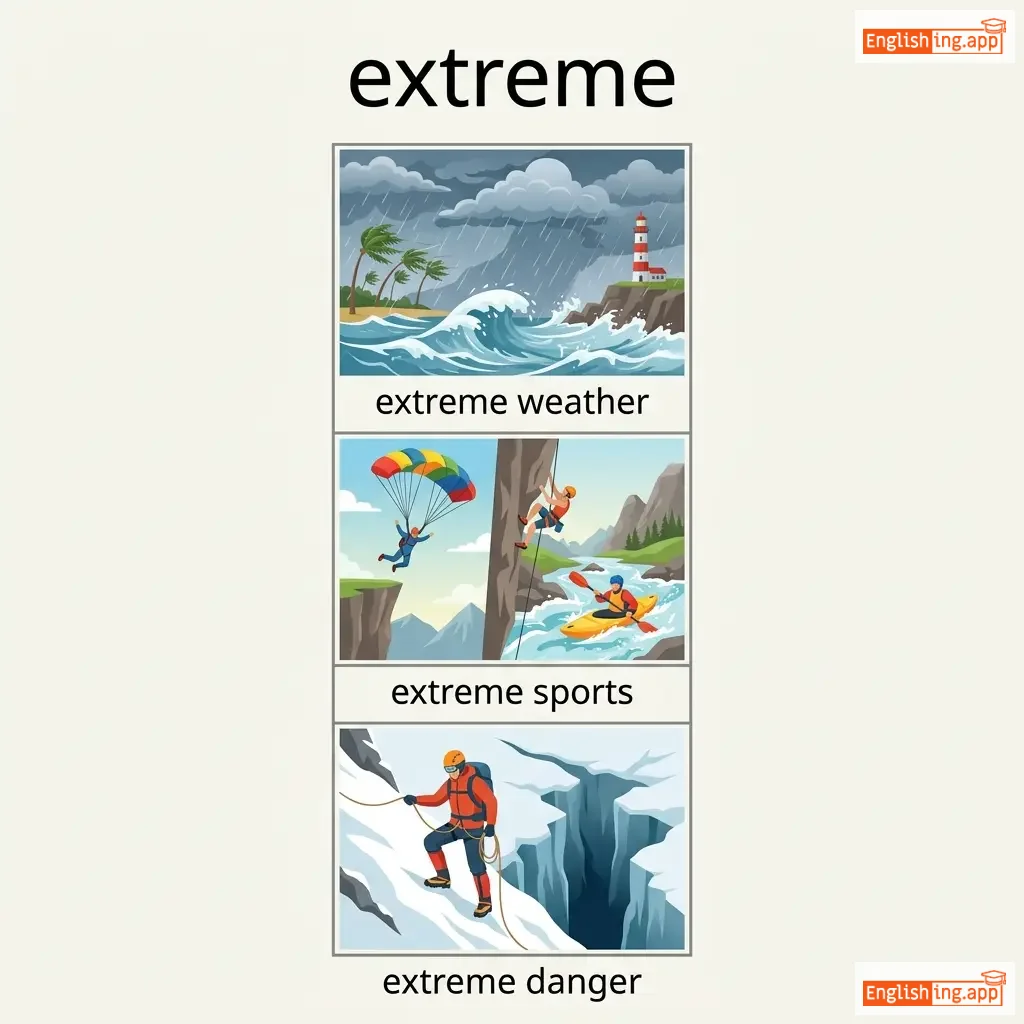
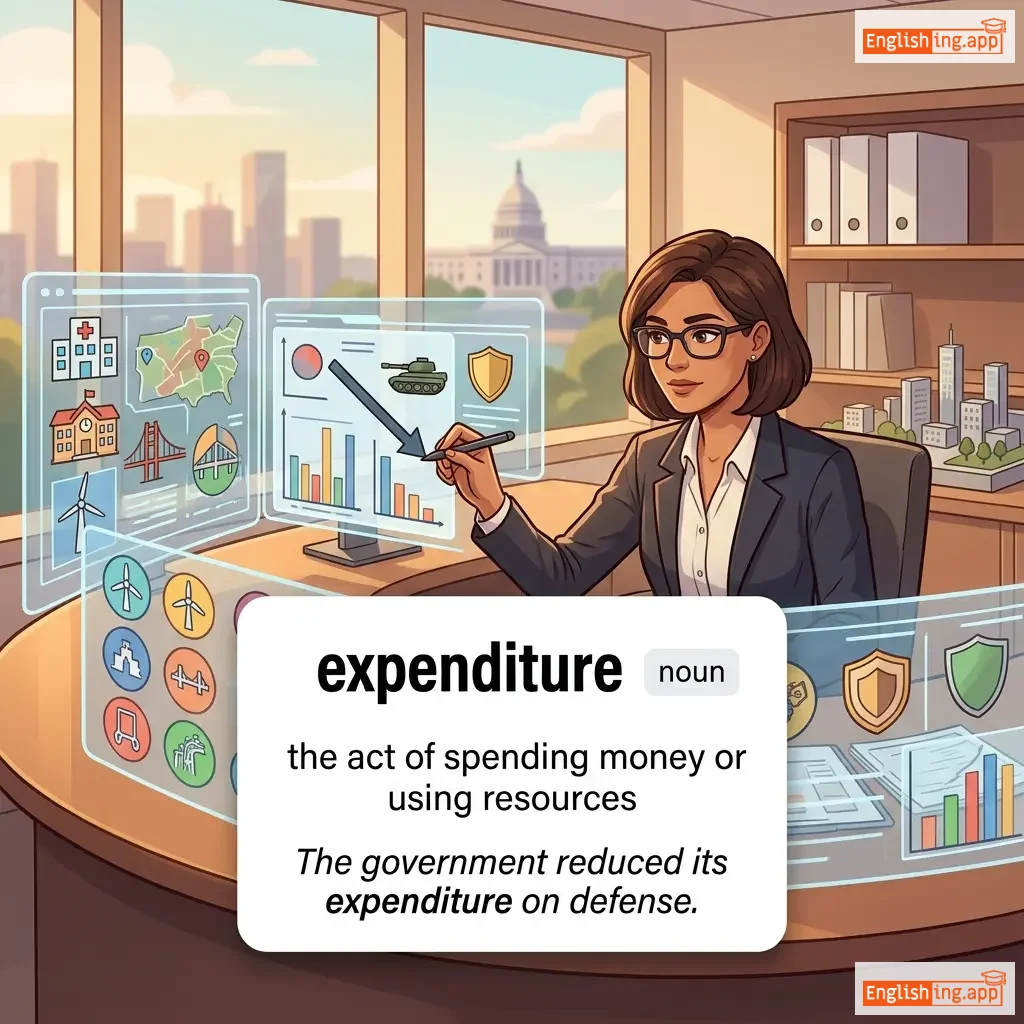
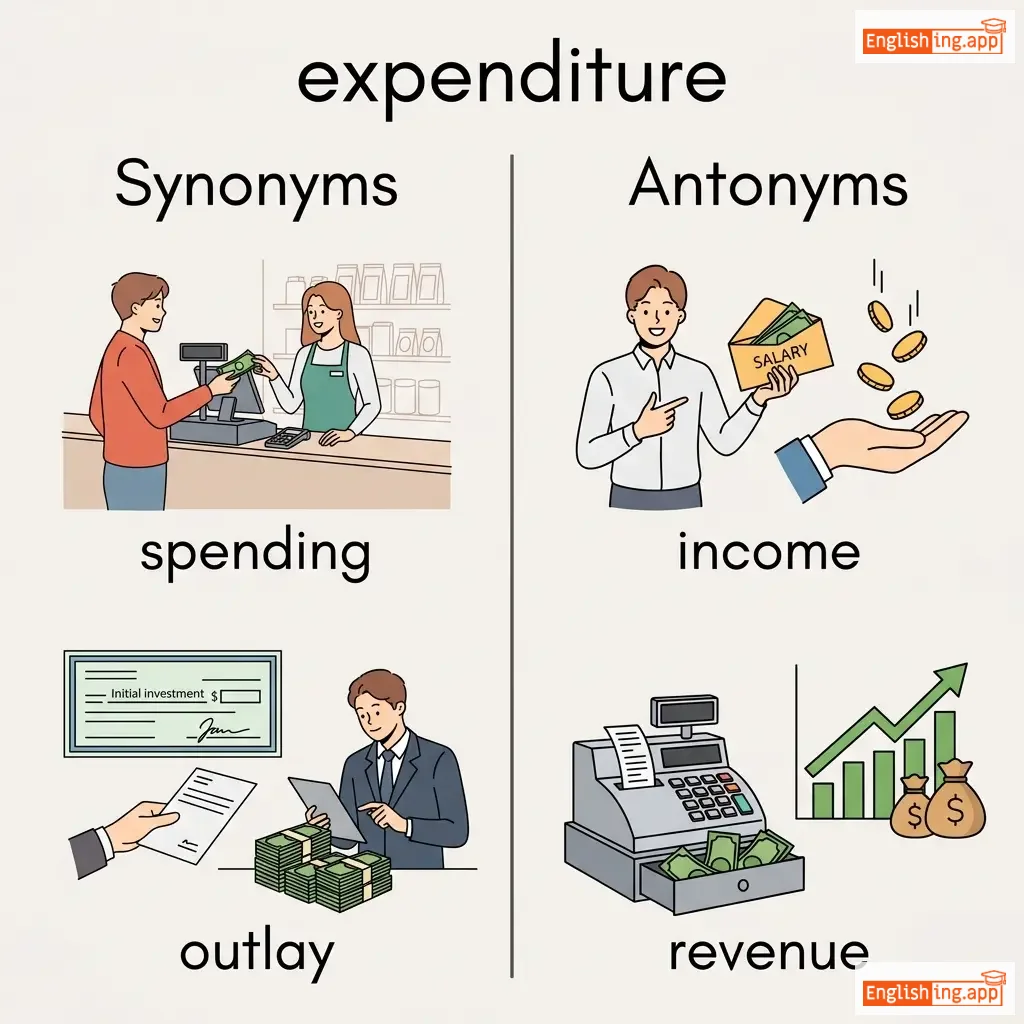
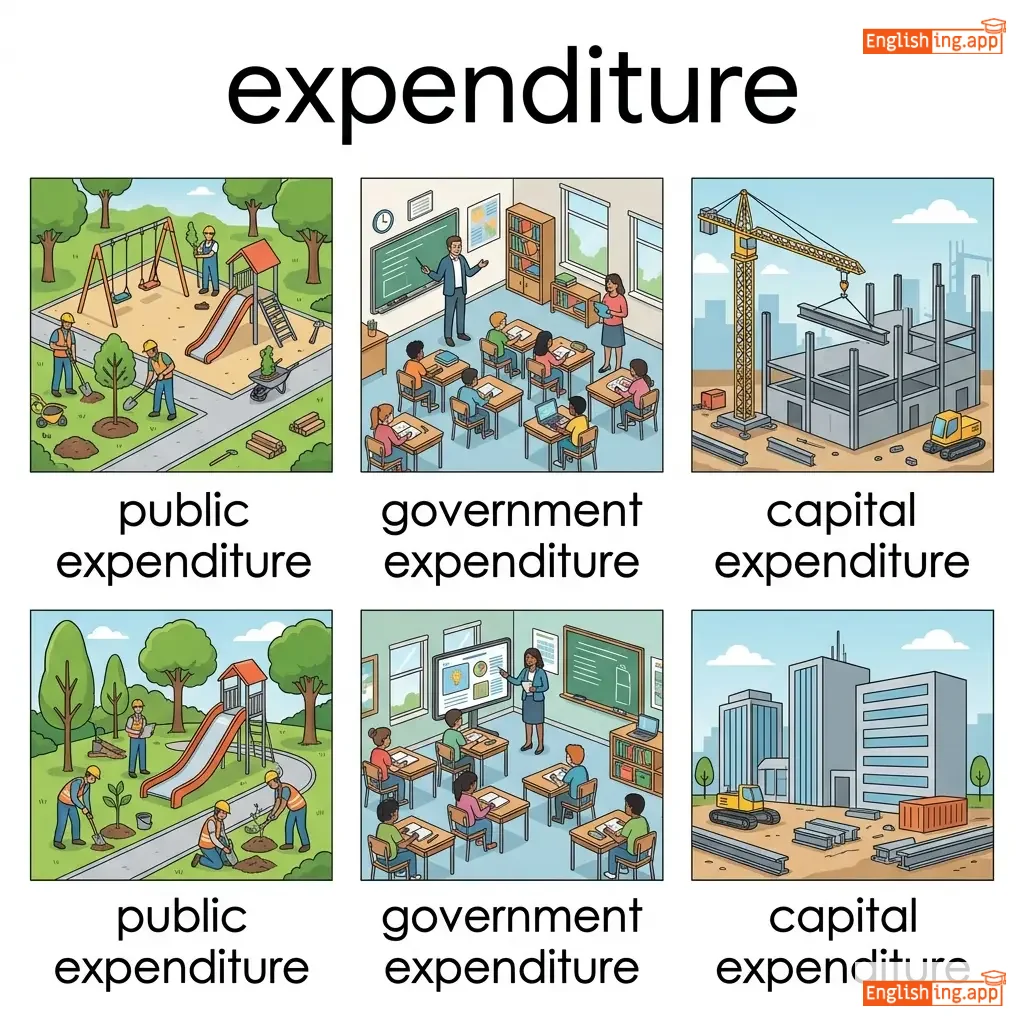
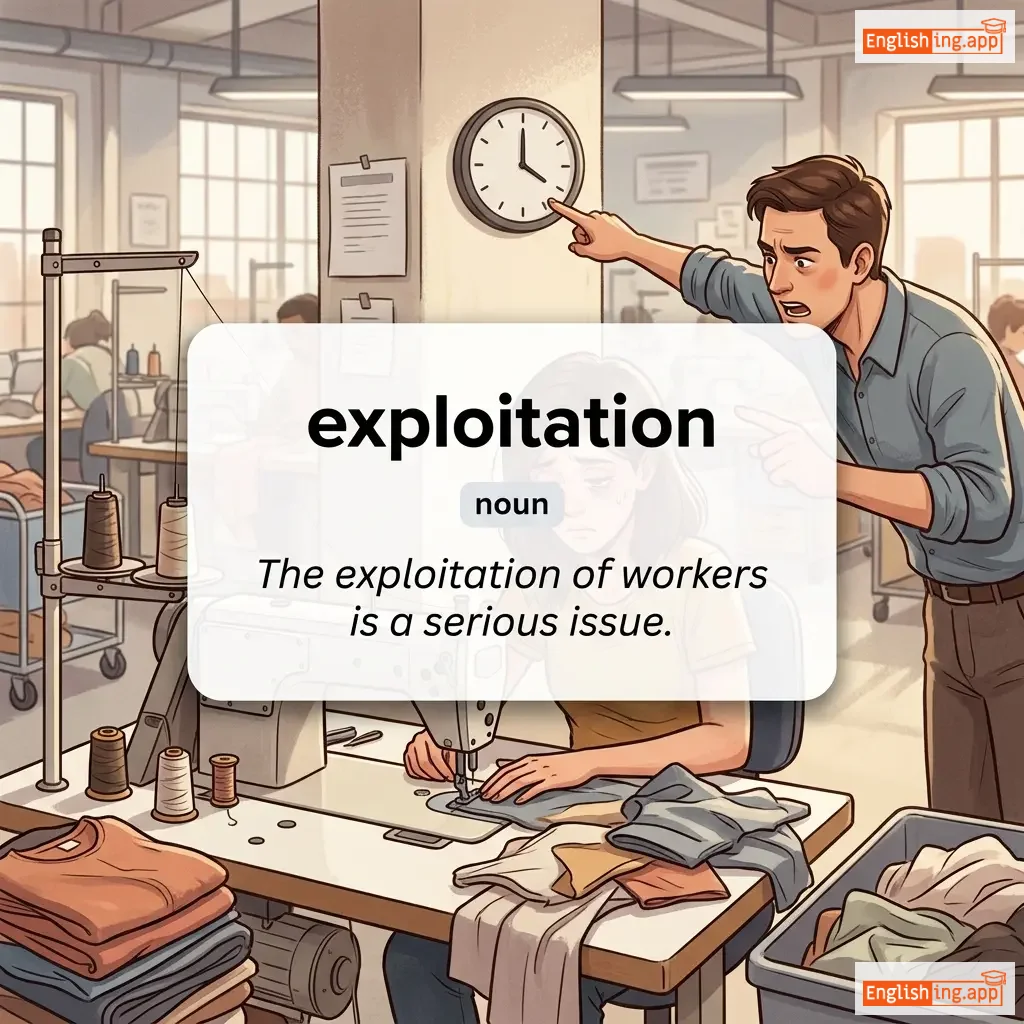
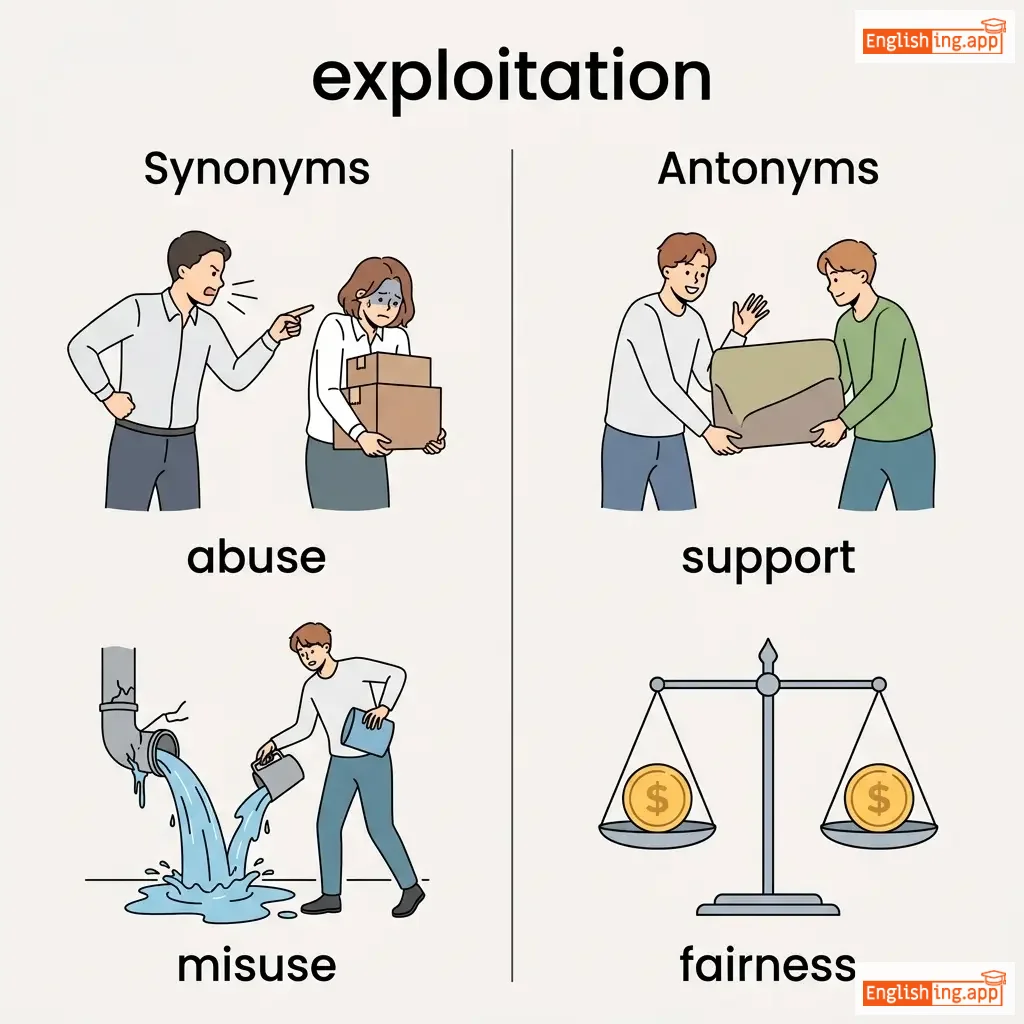
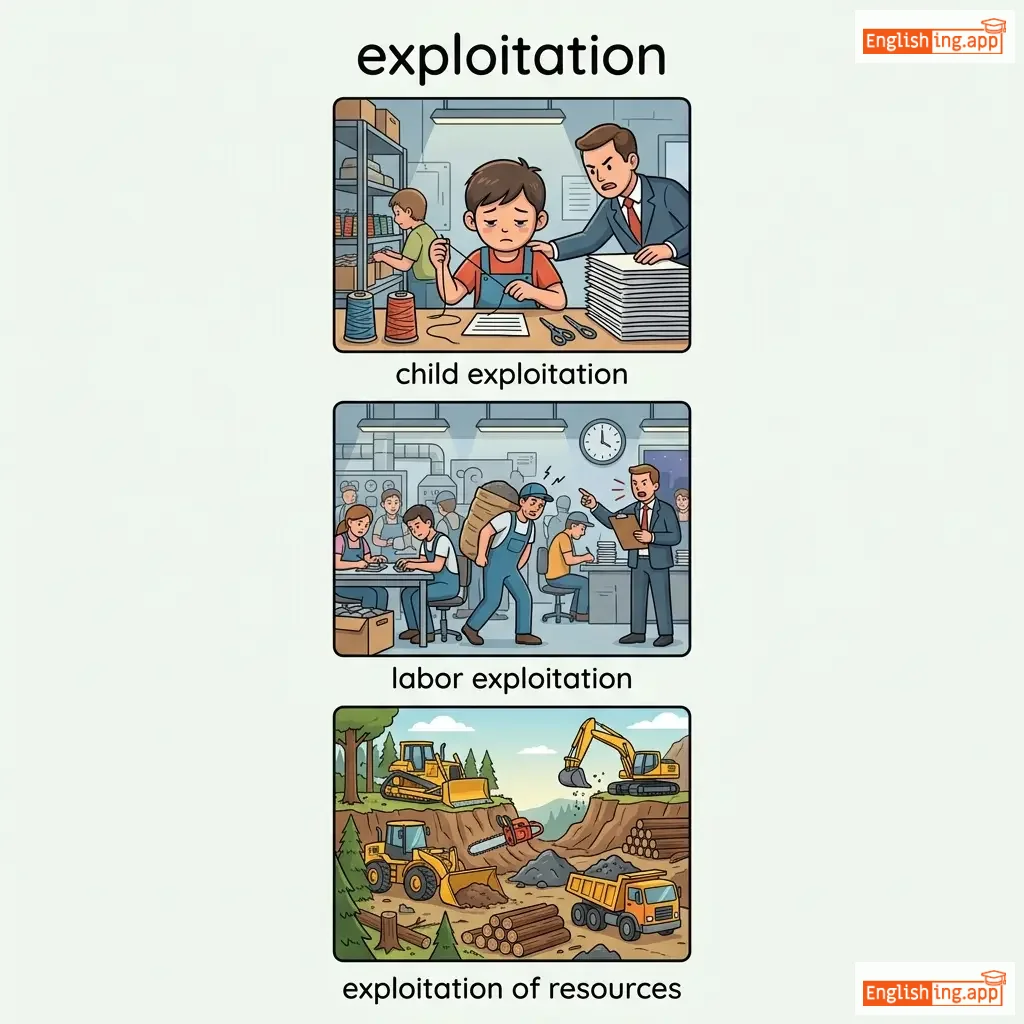
Swipe left or right, or use the buttons. Tap image to zoom.
Обновитесь для доступа ко всем предложениям
Получите неограниченный доступ ко всем предложениям с подпиской Pro
Обновить до ProПеревод примера предложения
Слово
Lesson 21Lesson 21 - Переключатель маски
|
Эмодзи
|
Слово | Images | Перевод | Значение | Пример предложения | Перевод примера предложения | Синонимы | Антонимы | Коллокации | Мнемоника |
|---|---|---|---|---|---|---|---|---|---|---|
|
#401
🏝️
|
/ˈek.saɪl/
noun
(eksail)
••••••
|
- •••••• |
изгнание
izgnanie
••••••
|
the state of being barred from one's native country; enforced removal from one's homeland
••••••
|
The political leader was forced into exile after the military coup.
Политический лидер был вынужден покинуть страну после военного переворота.
••••••
|
Политический лидер был вынужден покинуть страну после военного переворота.
Politicheskiy lider byl vynuzhden pokinut' stranu posle voyennogo perevorota.
••••••
|
banishment, deportation, expulsion, ostracism
••••••
|
return, homecoming, welcome, inclusion
••••••
|
forced exile, political exile, exile from homeland
••••••
|
Imagine a leader being forced into exile after a military coup.
••••••
|
|
#402
😊
|
/ɪkˈspreʃ.ən/
noun
(экспрессия)
••••••
|
- •••••• |
выражение; проявление;
vyrazhenie, proyavlenie
••••••
|
the act of making thoughts or feelings known; a look on someone's face
••••••
|
The artist's painting was a beautiful expression of her inner emotions.
Картина художника была красивым выражением его внутренних эмоций.
••••••
|
Картина художника была красивым выражением его внутренних эмоций.
Kartina khudozhnika byla krasivym vyrazheniem ego vnutrennikh emotsiy.
••••••
|
manifestation, display, demonstration, articulation
••••••
|
suppression, concealment, hiding, repression
••••••
|
facial expression, creative expression, freedom of expression
••••••
|
Russian 'выражение' is similar to 'expression' in English, both referring to showing emotions.
••••••
|
|
#403
🌍
|
/ɪɡˈzɪs.təns/
noun
(ɪɡˈzɪs.təns)
••••••
|
- •••••• |
существование
sushchestvovanie
••••••
|
the fact or state of living or having objective reality; being alive
••••••
|
Scientists are searching for evidence of life's existence on other planets. |
Ученые ищут доказательства существования жизни на других планетах.
Uchenye ishchut dokazahtel'stva sushchestvovaniya zhizni na drugikh planetakh.
••••••
|
being, presence, reality, actuality
••••••
|
nonexistence, absence, death, void
••••••
|
human existence, prove existence, existence of life
••••••
|
Существование — это быть живым, как ученые, которые ищут доказательства жизни.
••••••
|
|
#404
🔌
|
/ɪkˈsten.ʃən/
noun
(ɪkˈstɛntʃən)
••••••
|
- •••••• |
продление; расширение
prodlenie; rasshirenie
••••••
|
the action of extending something; additional time or space
••••••
|
The professor granted an extension for the assignment deadline.
Профессор дал продление срока для выполнения задания.
••••••
|
Профессор дал продление срока для выполнения задания.
Professor dal prodlenie sroka dlya vypolneniya zadaniya.
••••••
|
expansion, enlargement, prolongation, continuation
••••••
|
reduction, contraction, shortening, curtailment
••••••
|
file extension, deadline extension, extension cord
••••••
|
Extension sounds like 'Продление' in Russian, referring to extending time or space.
••••••
|
|
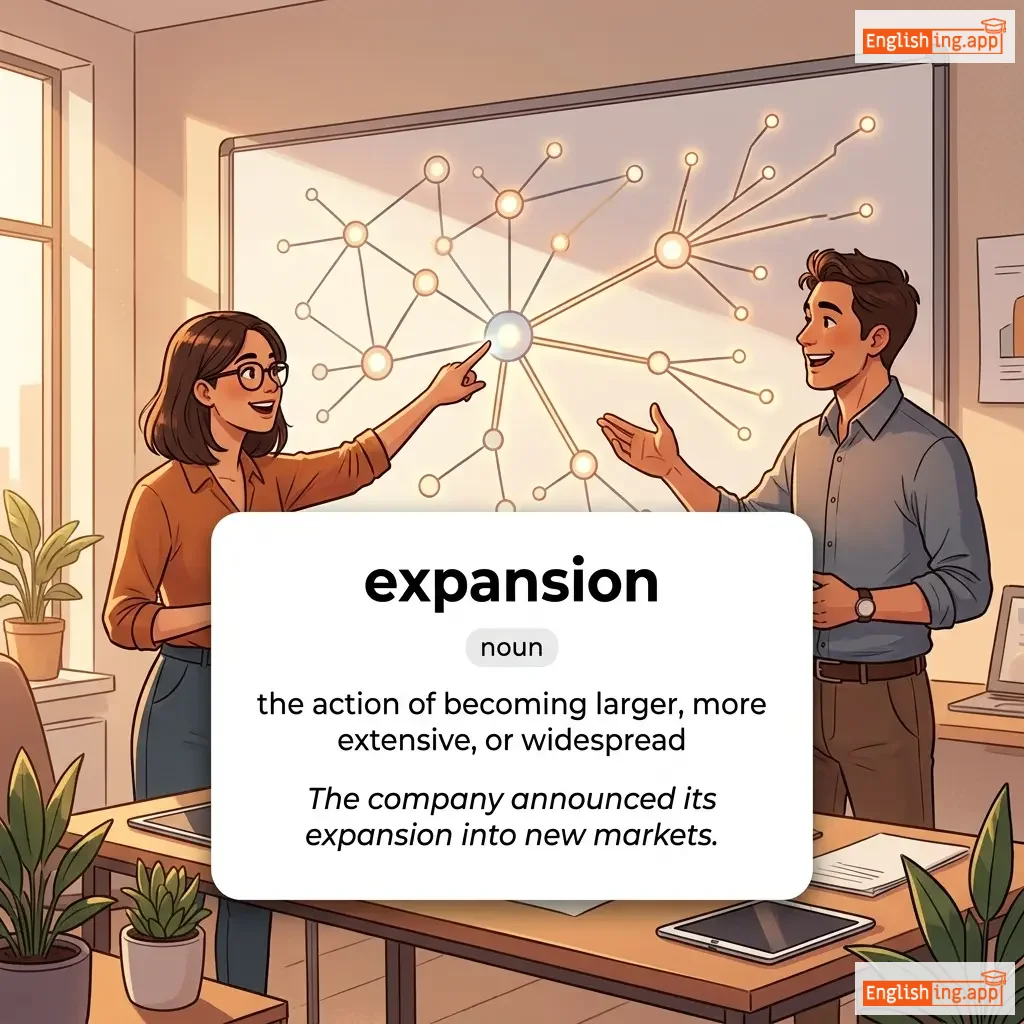
#405
📈
|
/ɪkˈspæn.ʃən/
noun
(экспансион)
••••••
|
|
экспансия; расширение;
eksapansiya, rasshireniye
••••••
|
the action of becoming larger or more extensive; growth in size or scope
••••••
|
The company announced the expansion of its operations to three new countries.
Компания объявила об экспансии своих операций в три новые страны.
••••••
|
Компания объявила об экспансии своих операций в три новые страны.
Kompanija objavila ob ekspansii svoikh operatsiy v tri novye strany.
••••••
|
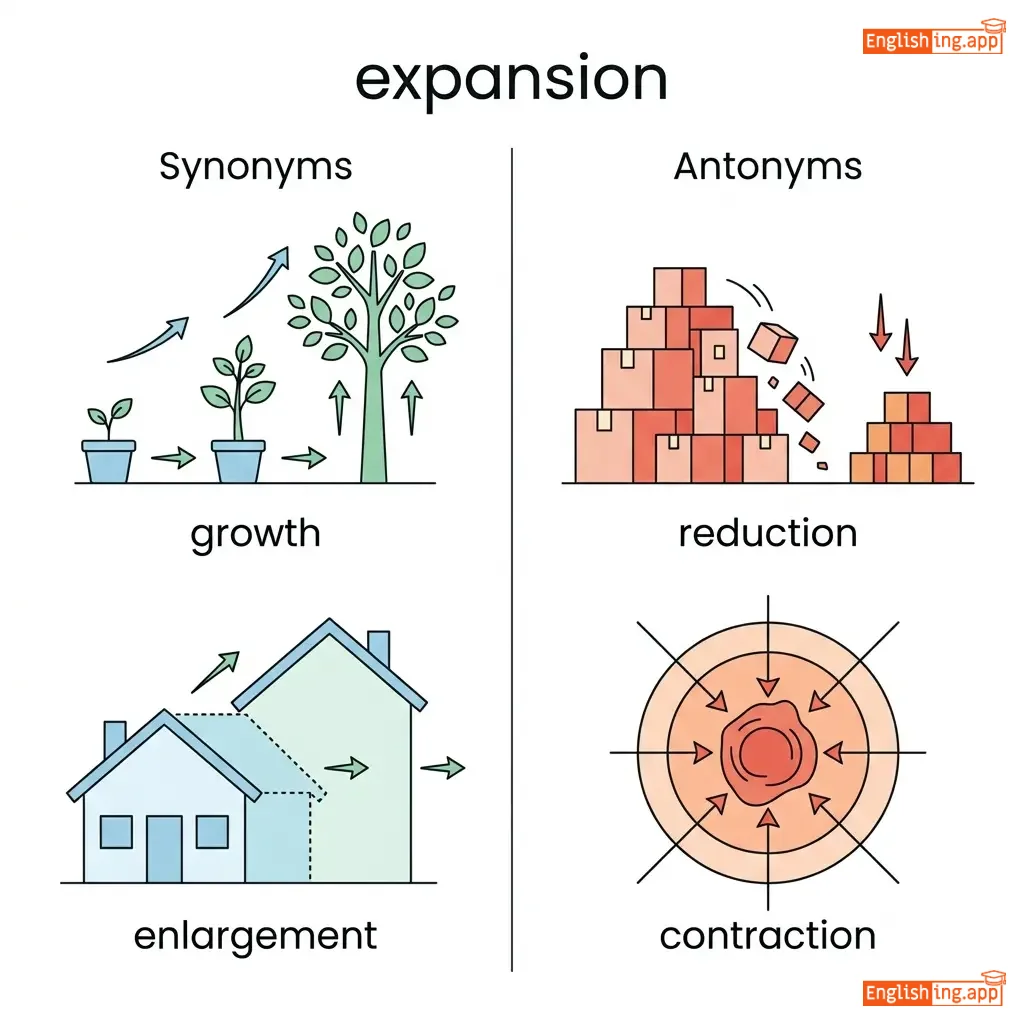
growth, enlargement, extension, development
••••••
|
contraction, reduction, shrinkage, decline
••••••
|
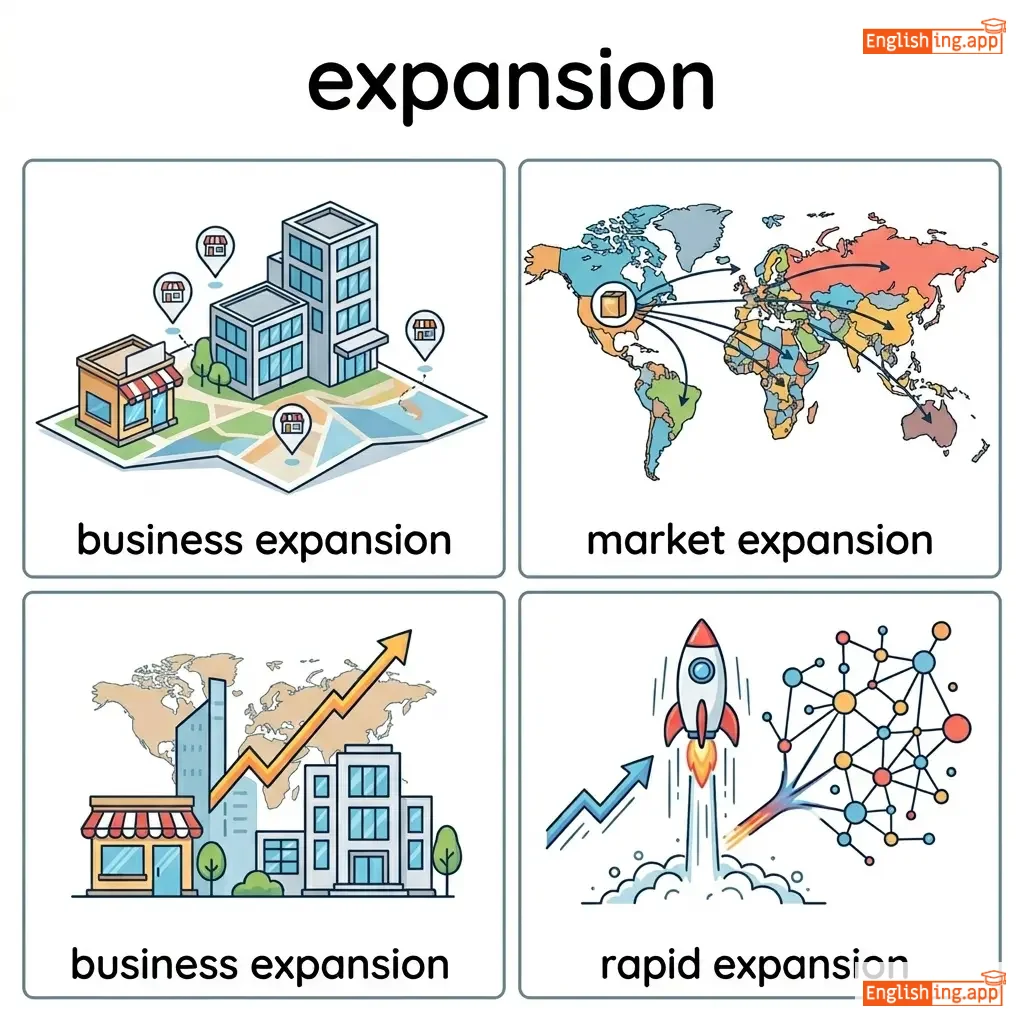
business expansion, rapid expansion, expansion plan
••••••
|
Expansion is like growing or extending, spreading wider.
••••••
|
|
#406
📏
|
/ɪkˈstent/
noun
(экстент)
••••••
|
- •••••• |
масштаб; степень; область
masshtab, stepen, oblast
••••••
|
the area covered by something; the degree to which something has spread
••••••
|
The extent of the damage caused by the flood was enormous.
масштаб ущерба, вызванного наводнением, был огромным.
••••••
|
Масштаб ущерба, вызванного наводнением, был огромным.
masshtab uscherba, vyzvannogo navodneniem, byl ogromnym.
••••••
|
scope, range, degree, magnitude
••••••
|
limitation, restriction, confinement, boundary
••••••
|
to some extent, full extent, great extent
••••••
|
In Russian, 'масштаб' (masshtab) refers to the extent or scale of something, like damage or coverage.
••••••
|
|
#407
🤞
|
/ˌek.spekˈteɪ.ʃən/
noun
(ekspektéishon)
••••••
|
- •••••• |
ожидание; надежда;
ozhidanije, nadezhda
••••••
|
a strong belief that something will happen or be the case; anticipation
••••••
|
The new teacher exceeded everyone's expectations with her innovative teaching methods.
Новый преподаватель превзошел все ожидания с помощью своих инновационных методов преподавания.
••••••
|
Новый преподаватель превзошел все ожидания с помощью своих инновационных методов преподавания.
Novyj prepodavatel' prevzoshel vse ozhidaniya s pomoshch'yu svoikh innovatsionnykh metodov prepodavaniya.
••••••
|
anticipation, hope, prospect, assumption
••••••
|
despair, hopelessness, doubt, uncertainty
••••••
|
high expectations, meet expectations, beyond expectations
••••••
|
Ожидания формируются через инновации.
••••••
|
|
#408
💎
|
/ɪkˈstræv.ə.ɡəns/
noun
(экстравагантность)
••••••
|
- •••••• |
избыточные траты; расточительство
izbytochnye traty; rastochtitel'stvo
••••••
|
lack of restraint in spending money; excessive expense
••••••
|
The wedding celebration was criticized for its unnecessary extravagance. |
Свадебное торжество было раскритиковано за ненужные излишества.
Svadebnoe torzhestvo bylo raskritikovano za nenuzhnye izlishestva.
••••••
|
lavishness, excess, luxury, wastefulness
••••••
|
frugality, thrift, economy, moderation
••••••
|
financial extravagance, unnecessary extravagance, lifestyle extravagance
••••••
|
Экстравагантность означает расточительство, например, на дорогой свадьбе.
••••••
|
|
#409
🏔️
|
/ˌek.spɪˈdɪʃ.ən/
noun
(экспедиция)
••••••
|
- •••••• |
экспедиция
ekspedicija
••••••
|
a journey undertaken by a group of people with a particular purpose; organized trip for exploration
••••••
|
The mountain climbing expedition required months of careful planning and preparation. |
Экспедиция по восхождению на гору потребовала месяцев тщательной подготовки и планирования.
Ekspedicija po voskhozhdeniyu na goru potrebovala mesyatsev tscshchatel'noy podgotovki i planirovaniya.
••••••
|
journey, voyage, mission, exploration
••••••
|
stay, residence, inactivity, rest
••••••
|
scientific expedition, Arctic expedition, expedition team
••••••
|
Экспедиция = путешествие с целью исследования
••••••
|
|
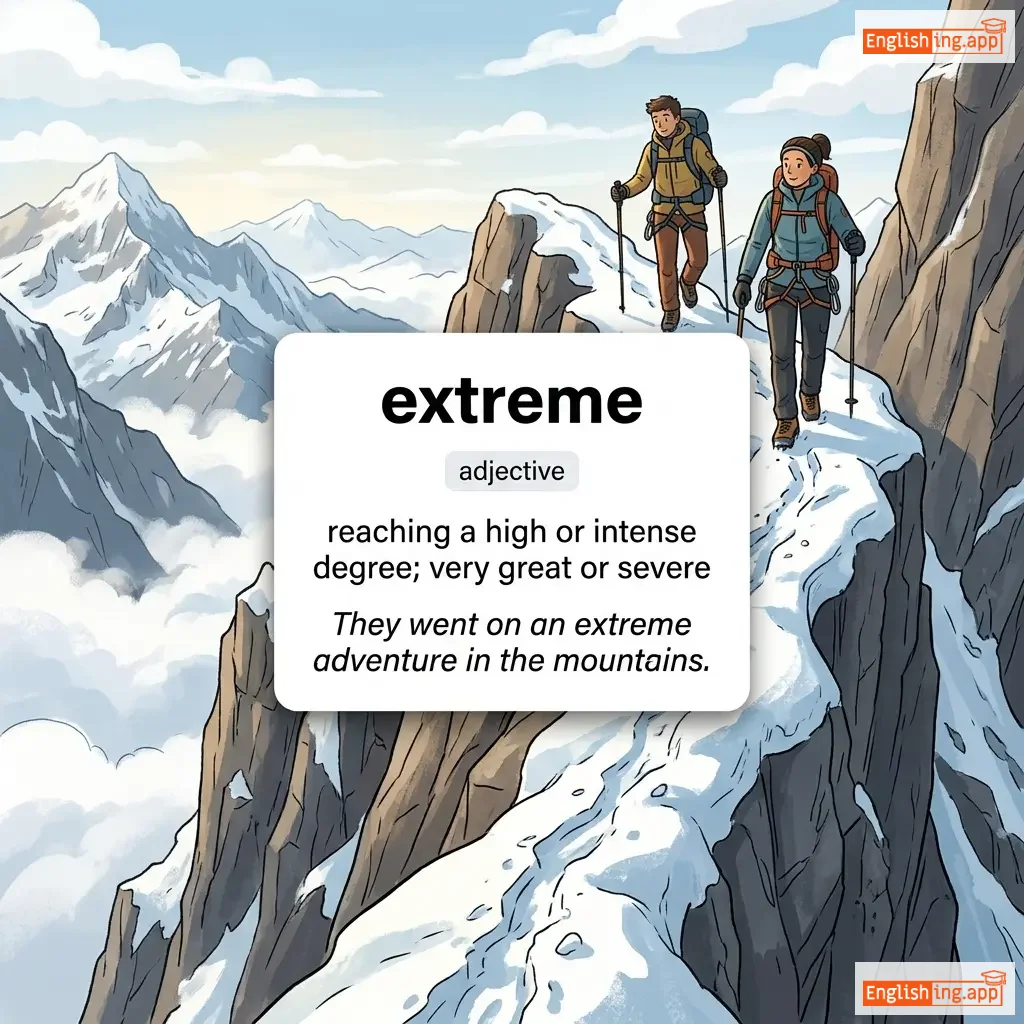
#410
🌡️
|
/ɪkˈstriːm/
noun
(ekstrim)
••••••
|
|
крайность; чрезмерность
krajnost', chrezmernist'
••••••
|
either of two abstract things that are as different from each other as possible
••••••
|
The weather went from one extreme to another within a single day.
de wéðer wént frôm wân ekstrím tu anóðer wíðin a síngəl dé.
••••••
|
Погода изменилась от одной крайности к другой за один день.
Pogoda izmenilas' ot odnoy krajnosti k drugoy za odin den'.
••••••
|
maximum, utmost, limit, boundary
••••••
|
moderate, average, middle, center
••••••
|
extreme weather, extreme measures, go to extremes
••••••
|
Extreme запоминается, потому что погода изменилась от одной крайности к другой.
••••••
|
|
#411
💸
|
/ɪkˈspen.dɪ.tʃər/
noun
(ekspendichar)
••••••
|
|
расходы; затраты
raskhody, zatraty
••••••
|
the action of spending funds; an amount of money spent
••••••
|
The government needs to reduce its expenditure on unnecessary projects. |
Правительству нужно сократить свои расходы на ненужные проекты.
Pravitel'stvu nuzhno sokratit' svoi raskhody na nenuzhnyye proyekty.
••••••
|
spending, cost, expense, outlay
••••••
|
income, revenue, earnings, savings
••••••
|
government expenditure, reduce expenditure, capital expenditure
••••••
|
В русском языке 'расходы' также означают трату денег, что соответствует 'Expenditure'.
••••••
|
|
#412
⚡
|
/ɪkˈstriː.mɪst/
noun
(ɪkˈstrʲimʲɪst)
••••••
|
- •••••• |
экстремист
ekstremist
••••••
|
a person who holds extreme political or religious views
••••••
|
The government is taking measures to prevent extremist activities. |
Правительство предпринимает меры по предотвращению экстремистской деятельности.
Pravitel'stvo predprinimayet mery po predotvrashcheniyu ekstremistskoy deyatel'nosti.
••••••
|
radical, fanatic, militant, fundamentalist
••••••
|
moderate, centrist, liberal, tolerant
••••••
|
political extremist, religious extremist, extremist group
••••••
|
Экстремист — человек, который всегда за крайности.
••••••
|
|
#413
💰
|
/ɪkˈspens/
noun
(ehk-spens)
••••••
|
- •••••• |
расходы; затраты;
raskhody, zatraty
••••••
|
the cost required for something; money spent on something
••••••
|
The travel expense for the business trip was covered by the company. |
Командировочные расходы были покрыты компанией.
Komandirovochnye raskhody byli pokryty kompaniyey.
••••••
|
cost, charge, fee, expenditure
••••••
|
income, profit, gain, revenue
••••••
|
travel expense, medical expense, living expense
••••••
|
Expense = Расходы, like business trip costs paid by the company
••••••
|
|
#414
👁️
|
/ˈaɪ.saɪt/
noun
(ay-sayt)
••••••
|
- •••••• |
зрение
zreniye
••••••
|
the ability to see; vision
••••••
|
Regular eye checkups are important for maintaining good eyesight. |
Регулярные осмотры глаз важны для поддержания хорошего зрения.
Regulyarnye osmotry glaz vazhny dlya podderzhaniya khoroshego zreniya.
••••••
|
vision, sight, visual ability, perception
••••••
|
blindness, sightlessness, visual impairment, darkness
••••••
|
poor eyesight, sharp eyesight, eyesight problems
••••••
|
Zreniye (Russian) - directly translates to 'vision', same as in English.
••••••
|
|
#415
🎯
|
/ɪkˈspɪə.ri.əns/
noun
(eksˈpʲerʲɪˌɛnts)
••••••
|
- •••••• |
опыт
opyt
••••••
|
practical contact with and observation of facts or events; knowledge gained through involvement
••••••
|
Her years of teaching experience made her an excellent mentor for new teachers.
Её многолетний опыт преподавания сделал её отличным наставником для новых учителей.
••••••
|
Её многолетний опыт преподавания сделал её отличным наставником для новых учителей.
Eyo mnogoletenniy opyt prepodavaniya sdelal yeyo otlichnym nastavnikoм dlya novykh uchiteley.
••••••
|
knowledge, expertise, skill, background
••••••
|
inexperience, ignorance, naivety, unfamiliarity
••••••
|
work experience, life experience, gain experience
••••••
|
Опыт приходит с действием, именно поэтому мы учимся через опыт.
••••••
|
|
#416
😒
|
/ˈaɪ.sɔːr/
noun
(ai-sor)
••••••
|
- •••••• |
позорное зрелище; неприятное для глаз
pozornoe zrelishche; nepriyatnoe dlya glaz
••••••
|
something that is very ugly and unpleasant to look at
••••••
|
The abandoned building has become an eyesore in the neighborhood.
Заброшенное здание стало позором для района.
••••••
|
Заброшенное здание стало позорным зрелищем для района.
Zabroshennoye zdanie stalo pozornym zrelishchem dlya rayona.
••••••
|
blight, ugliness, monstrosity, disfigurement
••••••
|
beauty, attraction, sight for sore eyes, ornament
••••••
|
urban eyesore, neighborhood eyesore, become an eyesore
••••••
|
Позорное зрелище – как заброшенное здание.
••••••
|
|
#417
💡
|
/ˌek.spləˈneɪ.ʃən/
noun
(ekspleneishn)
••••••
|
- •••••• |
объяснение; разъяснение;
ob'yasnenie, raz'yasnenie
••••••
|
a statement or account that makes something clear; clarification of meaning
••••••
|
The teacher gave a detailed explanation of the complex mathematical concept.
Учитель дал подробное объяснение сложной математической концепции.
••••••
|
Учитель дал подробное объяснение сложной математической концепции.
Uchitel' dal podrobnoye ob'yasneniye slozhnoy matematicheskoy kontseptsii.
••••••
|
clarification, description, interpretation, elucidation
••••••
|
confusion, mystery, ambiguity, obscurity
••••••
|
clear explanation, detailed explanation, provide explanation
••••••
|
Объяснение помогает понять сложное.
••••••
|
|
#418
👁️🗨️
|
/ˈaɪ.wɪt.nəs/
noun
(ai-vitness)
••••••
|
- •••••• |
очевидец
ochevidets
••••••
|
a person who has seen something happen and can give evidence about it
••••••
|
The police interviewed several eyewitnesses to the accident. |
Полиция опросила нескольких очевидцев происшествия.
Politsiya oprosila neskol'ko ochevidtsev proishestviya.
••••••
|
observer, witness, bystander, onlooker
••••••
|
participant, perpetrator, absent person, non-observer
••••••
|
eyewitness account, eyewitness testimony, reliable eyewitness
••••••
|
Очевидец - это тот, кто был свидетелем происшествия.
••••••
|
|
#419
⛏️
|
/ˌek.splɔɪˈteɪ.ʃən/
noun
(эксплойтейшн)
••••••
|
|
эксплуатация; злоупотребление
ekspluatatsiya, zlooprabilenie
••••••
|
the action of treating someone unfairly in order to benefit from their work; misuse
••••••
|
The company was accused of worker exploitation due to poor working conditions. |
Компания была обвинена в эксплуатации работников из-за плохих условий труда.
Kompaniya byla obvinena v ekspluatatsii rabotnikov iz-za plokhikh usloviy truda.
••••••
|
abuse, misuse, oppression, manipulation
••••••
|
protection, fairness, justice, respect
••••••
|
worker exploitation, resource exploitation, prevent exploitation
••••••
|
Exploitation is a bad form of using someone's work, like 'zlooprabilenie'.
••••••
|
|
#420
🤥
|
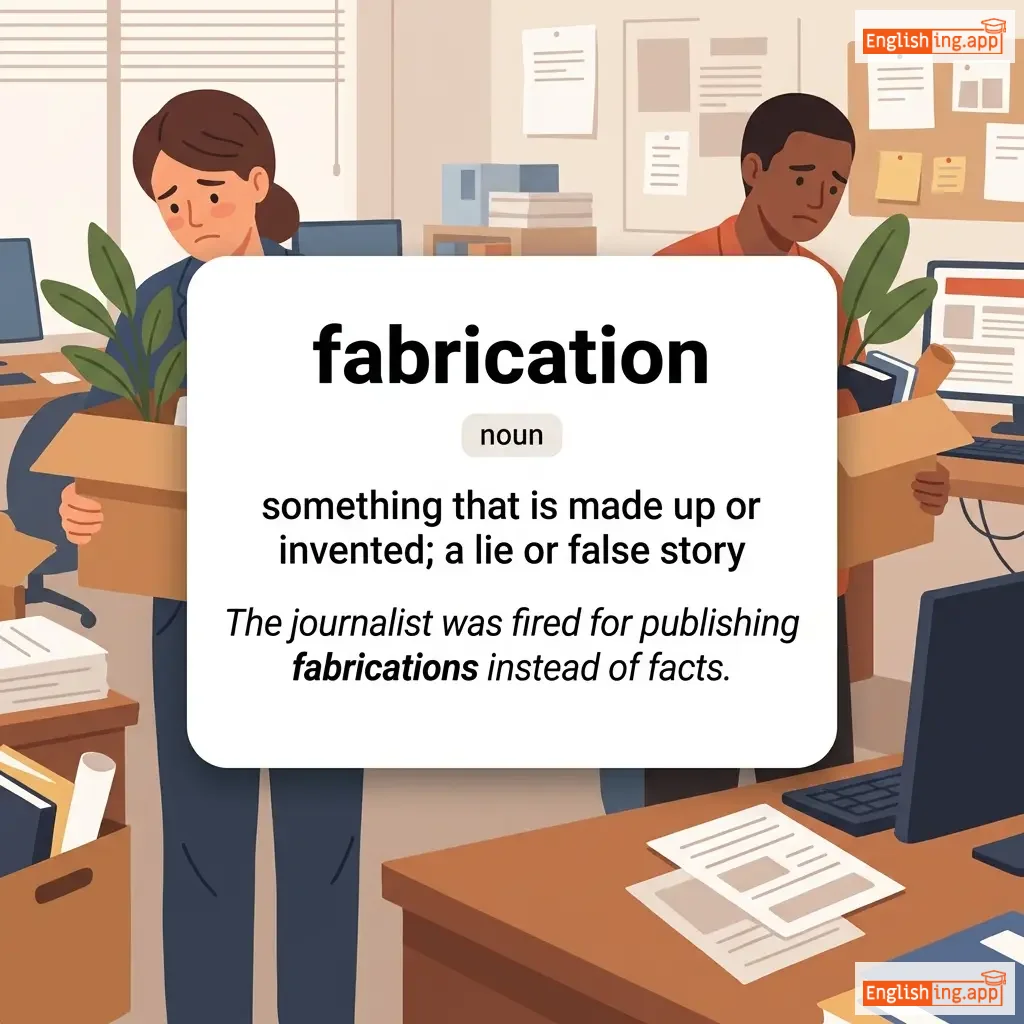
/ˌfæb.rɪˈkeɪ.ʃən/
noun
(фабрикация)
••••••
|
|
фабрикация; ложь; вымысел
fabrikatciya; lozh; vymysel
••••••
|
something that is made up or invented; a lie or false story
••••••
|
The journalist was fired for publishing fabrications instead of facts. |
Журналиста уволили за публикацию фабрикаций вместо фактов.
Zhurnalista uvolili za publikatsiyu fabrikatsiy vmesto faktov.
••••••
|
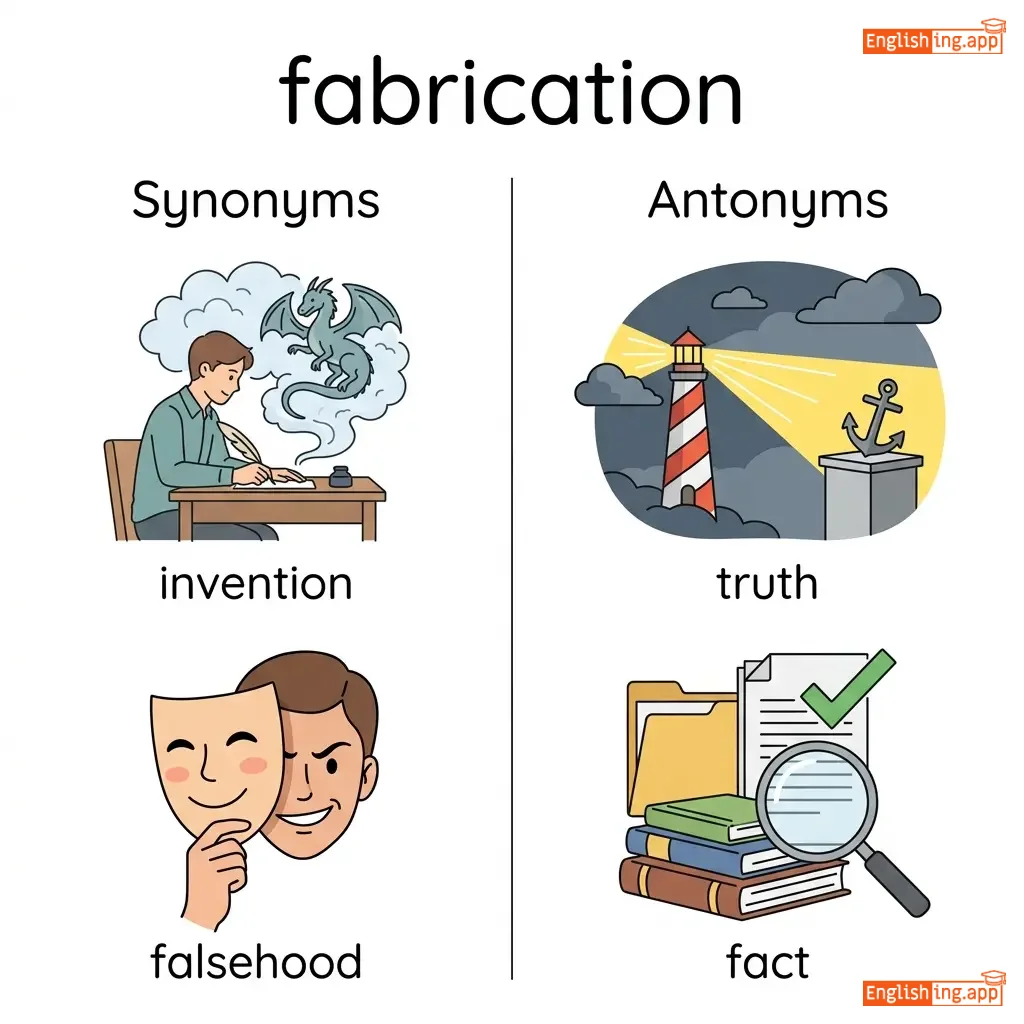
invention, falsehood, lie, fiction
••••••
|
truth, fact, reality, authenticity
••••••
|
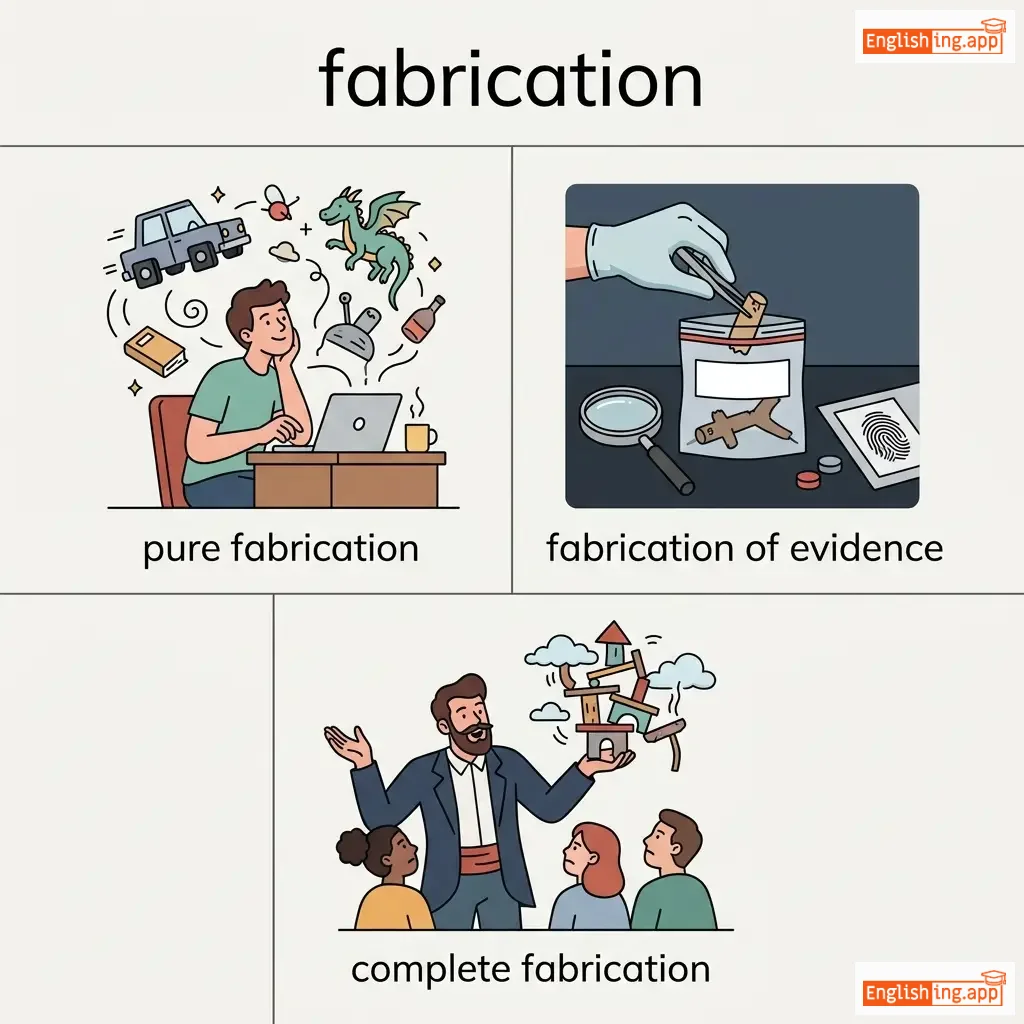
pure fabrication, fabrication of evidence, complete fabrication
••••••
|
Фабрикация = фабрика + история = вымышленная ложь
••••••
|
Vocabulary Quiz
Test your vocabulary by matching words with their translations or meanings.
Login to take the quiz
Comments (0)
Share your thoughts and join the discussion.
Join the discussion by logging in
Login to CommentNo comments yet
Be the first to share your thoughts!