

Обновитесь для доступа ко всему словарю
Получите неограниченный доступ ко всем словам с подпиской Pro
Обновить до ProПеревод
Прошедшее
Причастие прошедшего времени
Третье лицо единственного числа
Герундий
Значение
Пример предложения
Перевод примера предложения
Синонимы
Антонимы
Коллокации
Мнемоника



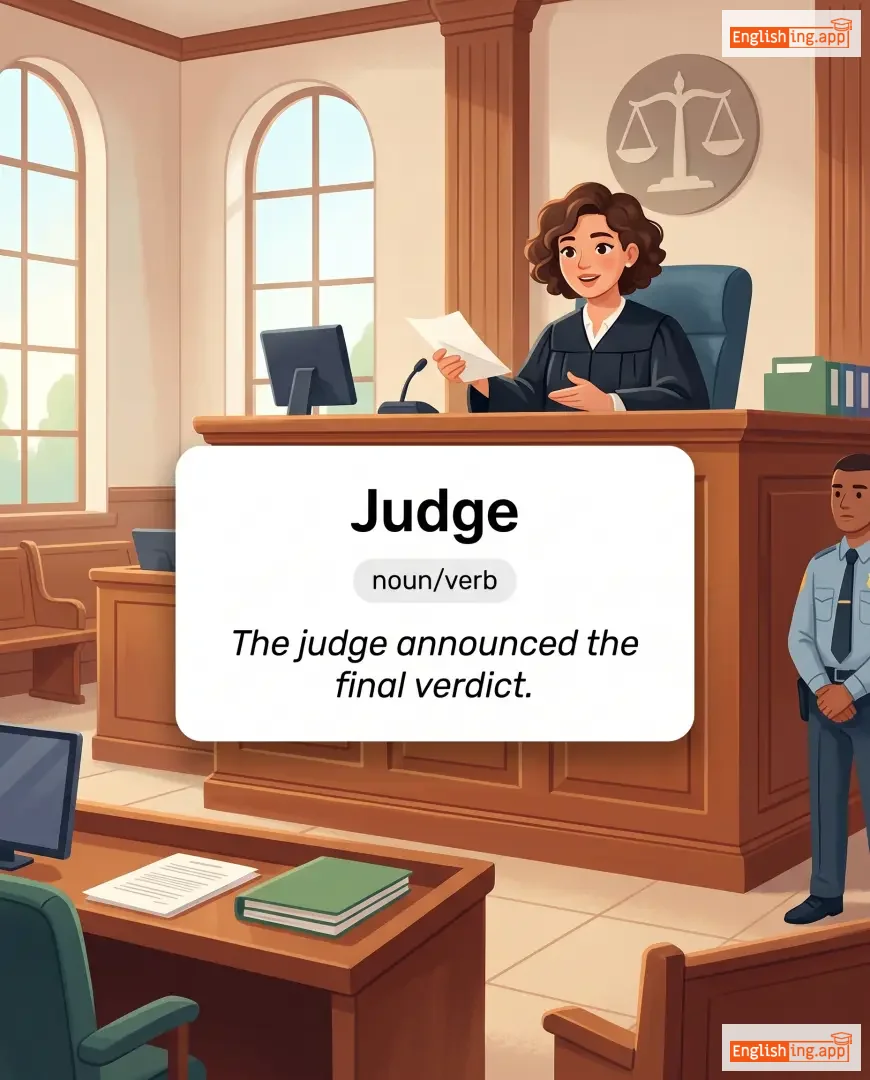
Swipe left or right, or use the buttons. Tap image to zoom.
Обновитесь для доступа ко всем предложениям
Получите неограниченный доступ ко всем предложениям с подпиской Pro
Обновить до ProПеревод примера предложения
Слово
Lesson 34Lesson 34 - Переключатель маски
|
Эмодзи
|
Слово | Images | Перевод | Значение | Пример предложения | Перевод примера предложения | Синонимы | Антонимы | Коллокации | Мнемоника |
|---|---|---|---|---|---|---|---|---|---|---|
|
#661
😄
|
/dʒest/
noun
(джест)
••••••
|
- •••••• |
шутка; прикол
shutka, pricol
••••••
|
a thing said or done for amusement; a joke
••••••
|
His comment was made in jest, not to offend anyone. |
Его комментарий был сделан в шутку, чтобы не обидеть никого.
Ego kommentariy byl sdelan v shutku, chtoby ne obidet' nikogo.
••••••
|
joke, quip, witticism, banter
••••••
|
seriousness, earnestness, gravity
••••••
|
in jest, cruel jest, harmless jest
••••••
|
In Russian, 'шутка' is a jest that is made for humor and fun.
••••••
|
|
#662
🕯️
|
/ˈdʒɒs.stɪk/
noun
(джосс-стик)
••••••
|
- •••••• |
благовоние
blagovonie
••••••
|
a thin stick of incense that is burned for its pleasant smell, especially in religious ceremonies
••••••
|
She lit a joss-stick in the temple during her prayers.
Она зажгла жезл благовония в храме во время молитвы.
••••••
|
Она зажгла жезл благовония в храме во время молитвы.
Ona zazhgla zhezl blagovoniya v khrame vo vremya molitvy.
••••••
|
incense stick, agarbatti, dhoop
••••••
|
extinguisher, candle snuffer
••••••
|
light joss-stick, burning joss-stick, temple joss-stick
••••••
|
Joss-stick в русском языке – это 'благовоние', которое мы используем в храмах.
••••••
|
|
#663
🃏
|
/ˈdʒes.tər/
noun
(джес-тер)
••••••
|
- •••••• |
шут; клоун
shut, kloun
••••••
|
a professional joker or fool at a medieval court; someone who jokes a lot
••••••
|
The court jester entertained the king with witty remarks and amusing tricks. |
Дворцовый шут развлекал короля остроумными замечаниями и забавными трюками.
Dvortsovyy shut razvlekal korolya ostruvnymi zamechaniyami i zabavnymi tryukami.
••••••
|
fool, clown, buffoon, comedian
••••••
|
serious person, sage, scholar
••••••
|
court jester, royal jester, wise jester
••••••
|
Jester = шут, всегда смешит всех.
••••••
|
|
#664
📔
|
/ˈdʒɒt.ər/
noun
(йоттер)
••••••
|
- •••••• |
блокнот
bloknot
••••••
|
a small notebook for writing quick notes or reminders
••••••
|
The student carried a jotter to write down important points during lectures. |
Студент принес блокнот, чтобы записать важные моменты во время лекций.
Student prines bloknot, chtoby zapisat' vazhnyye momenty vo vremya lektsiy.
••••••
|
notebook, notepad, memo pad, diary
••••••
|
textbook, reference book, manual
••••••
|
small jotter, pocket jotter, spiral jotter
••••••
|
Jotter = блокнот для заметок
••••••
|
|
#665
✈️
|
/dʒet/
noun
(джет)
••••••
|
- •••••• |
реактивный самолет
reaktivnyy samolyot
••••••
|
a rapid stream of liquid, gas, or flame; an aircraft powered by jet engines
••••••
|
The jet took off smoothly and reached cruising altitude quickly.
Самолет взлетел плавно и быстро достиг крейсерской высоты.
••••••
|
Самолет взлетел плавно и быстро достиг крейсерской высоты.
Samolyot vzletel plavno i bystro dostig kreyserskoy vysoty.
••••••
|
aircraft, plane, stream, spray
••••••
|
propeller plane, slow flow
••••••
|
jet engine, water jet, jet fuel
••••••
|
Реактивный самолет летит быстро, как стрела.
••••••
|
|
#666
📰
|
/ˈdʒɜːr.nəl/
noun
(журнАл)
••••••
|
- •••••• |
журнал
zhurnal
••••••
|
a newspaper or magazine that deals with a particular subject; a daily record of events
••••••
|
She kept a personal journal to record her thoughts and experiences. |
Она вела личный журнал, чтобы записывать свои мысли и переживания.
Ona vela lichnyy zhurnal, chtoby zapisivat' svoi mysli i perezhivaniya.
••••••
|
diary, newspaper, magazine, record
••••••
|
fiction, novel, fantasy
••••••
|
academic journal, medical journal, daily journal
••••••
|
No •••••• |
|
#667
🛥️
|
/ˈdʒet.i/
noun
(джети)
••••••
|
- •••••• |
причал
prichal
••••••
|
a landing stage or small pier at which boats can dock or be moored
••••••
|
The fishing boats were tied up at the wooden jetty near the harbor. |
Рыболовные лодки были пришвартованы к деревянному причалу рядом с портом.
Rybolovnye lodki byli prishvartovany k derevyannomu prichalu ryadom s portom.
••••••
|
pier, dock, wharf, landing stage
••••••
|
shore, mainland, coast
••••••
|
wooden jetty, stone jetty, harbor jetty
••••••
|
Причал - место, где лодки останавливаются, как причал для кораблей.
••••••
|
|
#668
🧳
|
/ˈdʒɜːr.ni/
noun
(джёрни)
••••••
|
- •••••• |
путешествие
puteshestvie
••••••
|
an act of travelling from one place to another; a long and often difficult process of personal development
••••••
|
Their journey across the country took three weeks to complete.
Их путешествие по стране заняло три недели.
••••••
|
Их путешествие по стране заняло три недели.
ikh puteshestviye po strane zanyalo tree nedely.
••••••
|
trip, voyage, travel, expedition
••••••
|
destination, arrival, stay
••••••
|
long journey, safe journey, return journey
••••••
|
A long and difficult journey (путешествие) through Russia.
••••••
|
|
#669
💎
|
/ˈdʒuː.əl/
noun
(дʒуэл)
••••••
|
- •••••• |
драгоценный камень; ювелирное изделие; украшение
dragotsenny kamyen, yuvelirnoye izdeliye, ukrasheniye
••••••
|
a precious stone, typically a single crystal or piece of a hard lustrous or translucent mineral; a valuable ornament
••••••
|
The crown was adorned with precious jewels from around the world.
Корона была украшена драгоценными камнями со всего мира.
••••••
|
Корона была украшена драгоценными камнями со всего мира.
Korona byla ukrashena dragotsennymi kamnyami so vsego mira.
••••••
|
gem, precious stone, diamond, ornament
••••••
|
worthless stone, pebble, glass
••••••
|
precious jewel, crown jewels, family jewel
••••••
|
Драгоценные камни — это украшения, которые сияют на короне.
••••••
|
|
#670
😊
|
/dʒɔɪ/
noun
(джой)
••••••
|
- •••••• |
радость
radost
••••••
|
a feeling of great pleasure and happiness; a person or thing that causes delight
••••••
|
The children's laughter filled the house with joy during the holiday celebration. |
Смех детей наполнил дом радостью во время праздничного торжества.
Smeh detey napolnil dom radost'yu vo vremya prazdnichnogo torzhestva.
••••••
|
happiness, delight, pleasure, bliss
••••••
|
sadness, sorrow, grief, misery
••••••
|
pure joy, great joy, tears of joy
••••••
|
Radost is like Joy, the sound of happiness echoing through.
••••••
|
|
#671
🔔
|
/ˈdʒɪŋ.ɡəl/
noun
(ʒɪŋɡəl)
••••••
|
- •••••• |
легкий металлический звук, создаваемый при встряхивании металлических предметов; короткая запоминающаяся песня
lehkij metallicheskiy zvuk, sozdavayemyj pri vstryakhivanii metallicheskikh predmetov; korotkaya zapominayushchayasya pesnya
••••••
|
a light ringing sound such as that made by metal objects being shaken together; a short catchy song
••••••
|
The jingle of keys could be heard as she walked down the hallway. |
Звук ключей был слышен, когда она шла по коридору.
Zvuk klyuchej byl slyshen, kogda ona shla po koridoru.
••••••
|
chime, tinkle, ring, melody
••••••
|
silence, quiet, stillness
••••••
|
advertising jingle, bell jingle, key jingle
••••••
|
Как только звучит джингл, ты сразу вспоминаешь его.
••••••
|
|
#672
🎉
|
/ˈdʒuː.bɪ.liː/
noun
(юбилей)
••••••
|
- •••••• |
юбилей; особое торжество
yubiley
••••••
|
a special anniversary celebration, especially the 25th, 50th, or 60th anniversary of an important event
••••••
|
The school celebrated its golden jubilee with a grand ceremony. |
Школа отпраздновала свое золотое юбилейное торжество с большой церемонией.
Shkola otprazdnovala svoe zolotoe yubilejnoe torzhestvo s bol'shoy tseremoniey.
••••••
|
anniversary, celebration, commemoration, festivity
••••••
|
beginning, inauguration, start
••••••
|
golden jubilee, silver jubilee, diamond jubilee
••••••
|
Отпразднуй свой 'юбилей' с блеском!
••••••
|
|
#673
💼
|
/dʒɒb/
noun
(джоб)
••••••
|
|
работа; должность; занятие
rabota, dolzhnost, zanyatie
••••••
|
a paid position of regular employment; a task or piece of work
••••••
|
She found a new job at the technology company after graduation. |
Она нашла новую работу в технологической компании после окончания учебы.
Ona nashla novuyu rabotu v tekhnologicheskoy kompanii posle okonchaniya ucheby.
••••••
|
work, employment, occupation, career
••••••
|
unemployment, leisure, retirement
••••••
|
full-time job, dream job, job interview
••••••
|
No •••••• |
|
#674
⚖️
|
/dʒʌdʒ/
noun
(джʌдж)
••••••
|
|
судья; арбитр
sudya, arbitur
••••••
|
a public official appointed to decide cases in a law court; a person who decides the results of a competition
••••••
|
The judge carefully reviewed all the evidence before making a decision.
Судья тщательно проверил все доказательства перед вынесением решения.
••••••
|
Судья тщательно проверил все доказательства перед вынесением решения.
Sudya tchatel'no proveryl vse dokazahtel'stva pered vyneseniyem resheniya.
••••••
|
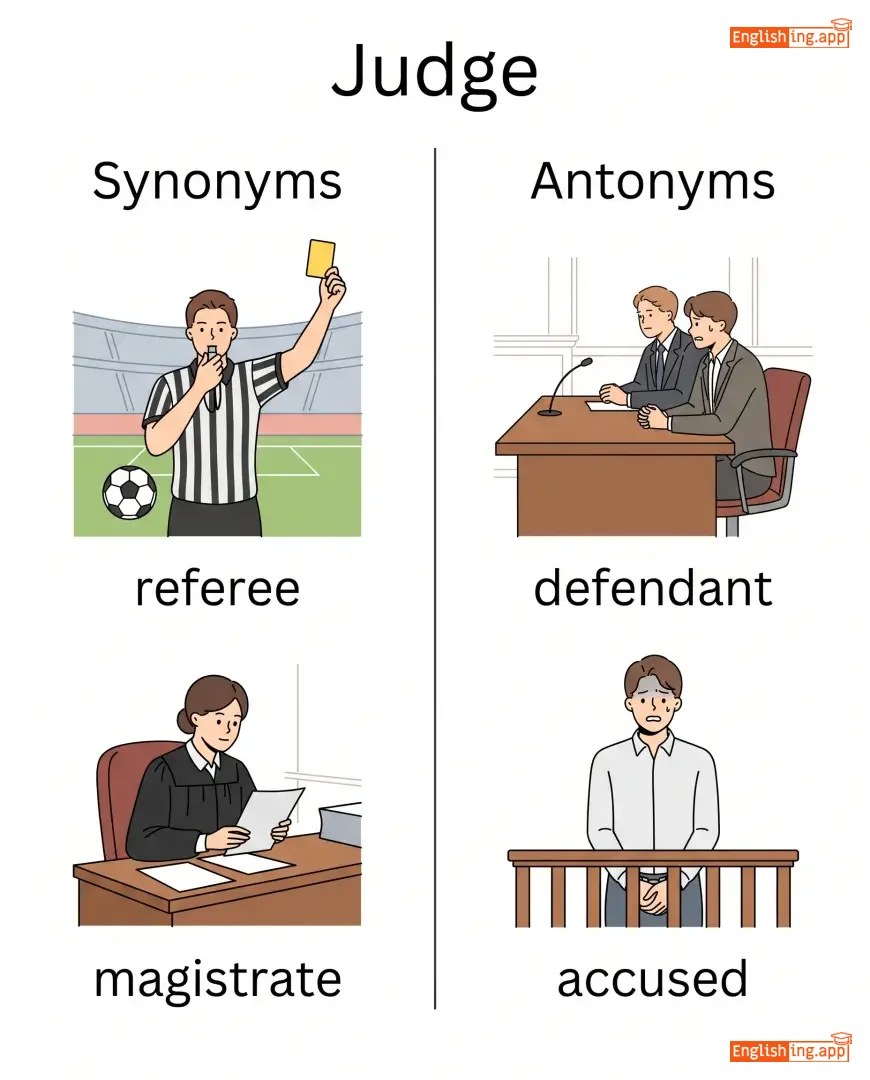
magistrate, justice, referee, arbitrator
••••••
|
defendant, accused, participant
••••••
|
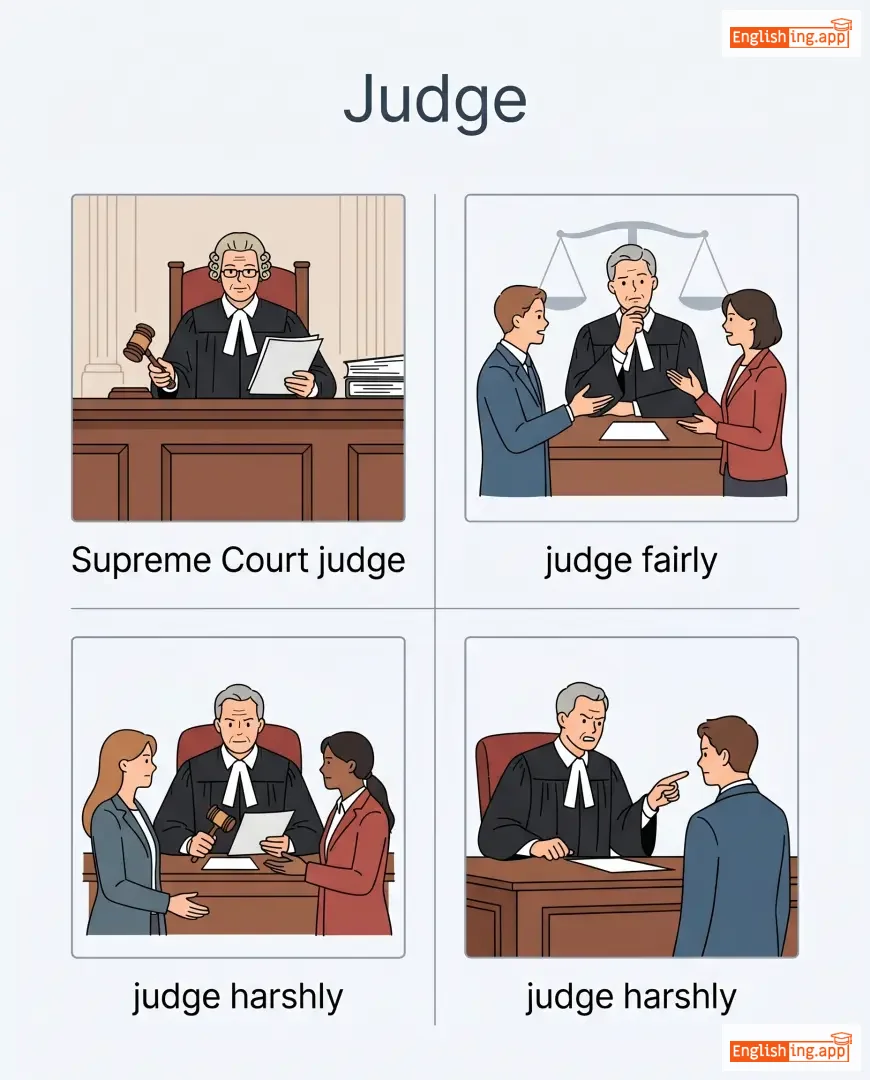
chief judge, trial judge, federal judge
••••••
|
Судья решает, так что всегда принимай правильное решение.
••••••
|
|
#675
🦴
|
/dʒɔɪnt/
noun
(джоинт)
••••••
|
- •••••• |
сустав; совместно
sustav, sovmestno
••••••
|
a point at which parts of the body are connected; shared by two or more people
••••••
|
The joint effort of the team led to the project's success.
Совместные усилия команды привели к успеху проекта.
••••••
|
Совместные усилия команды привели к успеху проекта.
Sovmestnye usiliya komandy privedi k uspekhu proekta.
••••••
|
connection, union, link, combined
••••••
|
separation, individual, divided
••••••
|
joint venture, knee joint, joint effort
••••••
|
Помни, что сустав соединяет части тела, как общие усилия для достижения успеха.
••••••
|
|
#676
📜
|
/ˈdʒʌdʒ.mənt/
noun
(дʒʌдʒмэнт)
••••••
|
- •••••• |
судебное решение; приговор
sudebnoe reshenie, prigovor
••••••
|
the ability to make considered decisions or form sensible opinions; an official decision made by a judge or court
••••••
|
The jury's judgement was based on careful consideration of all the facts. |
Приговор присяжных был основан на тщательном рассмотрении всех фактов.
Prigovor prisyazhnykh byl osnovan na tscchatel'nom rassmotrenii vsekh faktov.
••••••
|
decision, verdict, ruling, opinion
••••••
|
indecision, uncertainty, doubt
••••••
|
court judgement, final judgement, moral judgement
••••••
|
Приговор (prigovor) означает окончательное решение после размышлений.
••••••
|
|
#677
😂
|
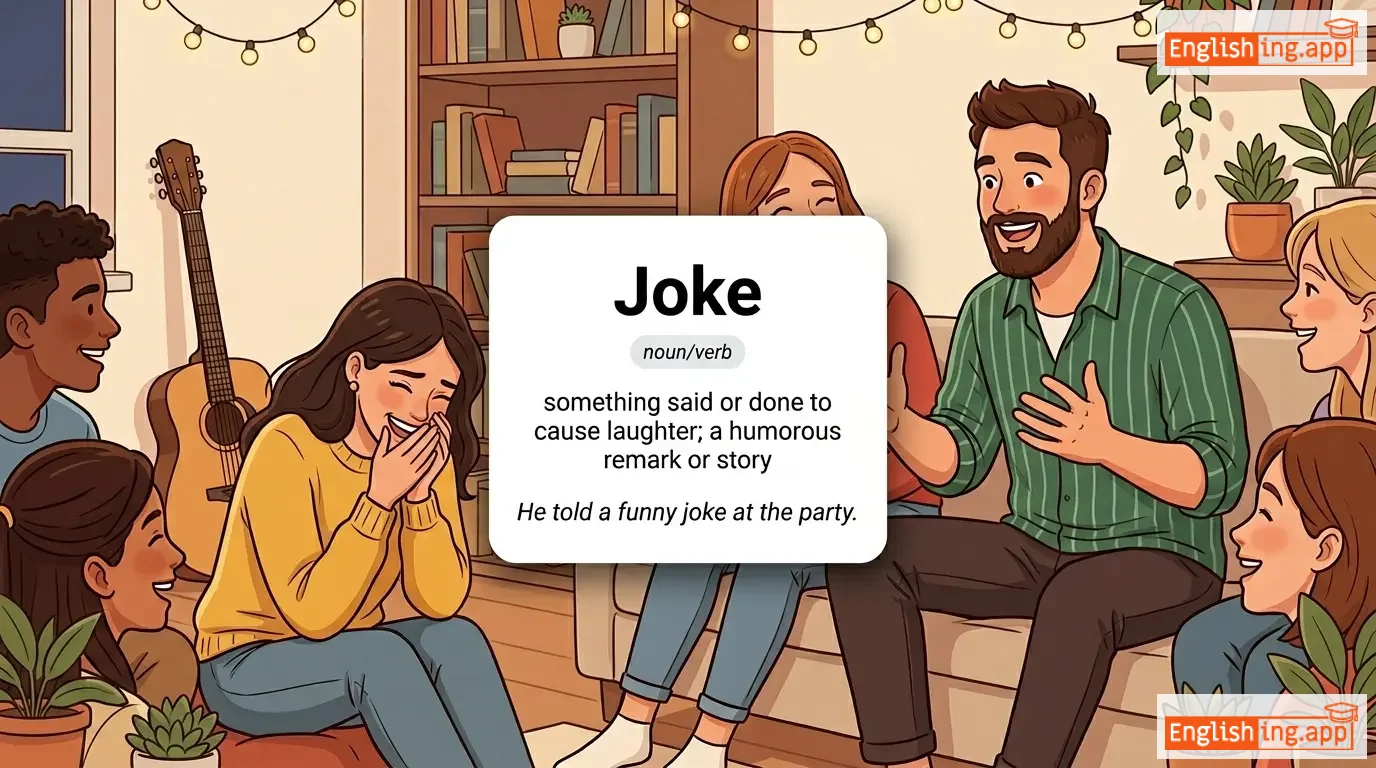
/dʒoʊk/
noun
(шутка)
••••••
|
|
шутка; юмор; что-то, что вызывает смех
shutka, yumor, chto-to chto vyzyvaet smeh
••••••
|
a thing that someone says to cause amusement or laughter; something not to be taken seriously
••••••
|
Everyone laughed at his funny joke during the dinner party.
Все смеялись над его забавной шуткой во время ужина.
••••••
|
Все смеялись над его забавной шуткой во время ужина.
Vse smeyalis' nad ego zabavnoy shutkoy vo vremya uzhina.
••••••
|
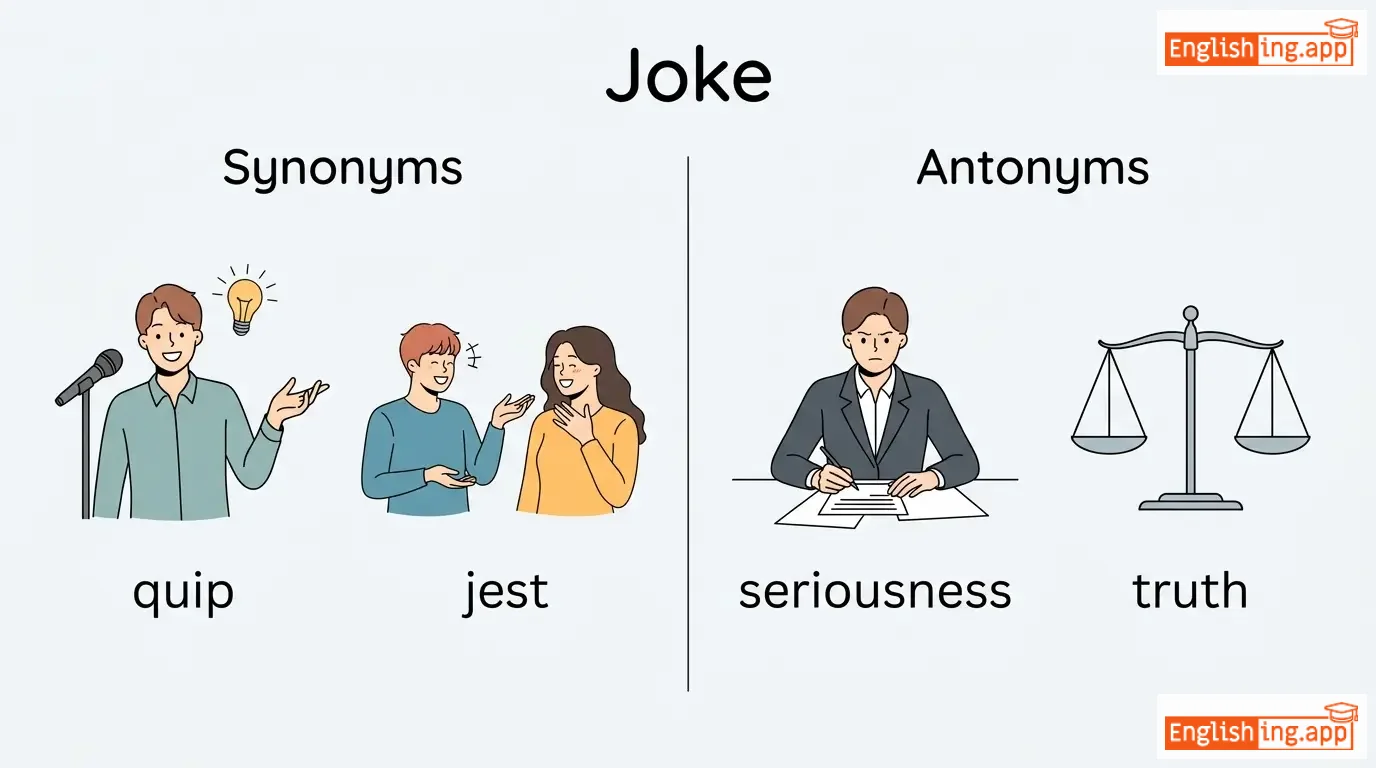
jest, gag, quip, witticism
••••••
|
seriousness, tragedy, solemnity
••••••
|
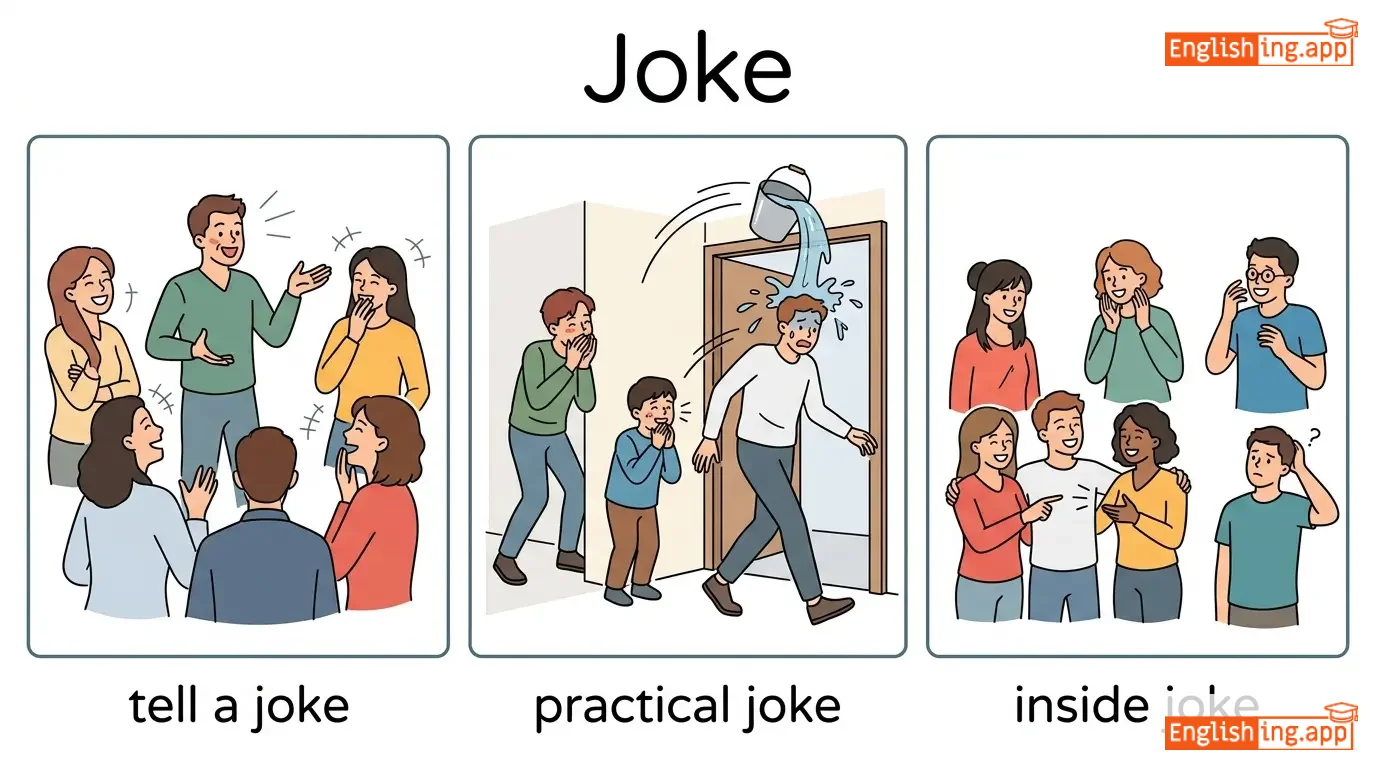
funny joke, practical joke, inside joke
••••••
|
Шутки всегда вызывают смех
••••••
|
|
#678
🍶
|
/dʒʌɡ/
noun
(жаг)
••••••
|
- •••••• |
кувшин
kivshin
••••••
|
a large container for liquids, with a narrow mouth and a handle
••••••
|
She poured fresh orange juice from the glass jug into her cup. |
Она вылила свежий апельсиновый сок из стеклянного кувшина в свою чашку.
Ona vylila svezhiy apelsinovyy sok iz steklyannogo kivshina v svoyu chashku.
••••••
|
pitcher, vessel, container, pot
••••••
|
cup, glass, mug
••••••
|
water jug, milk jug, ceramic jug
••••••
|
Кувшин полный, напиток льется!
••••••
|
|
#679
|
/ˈdʒoʊ.kər/
noun
(Джокер)
••••••
|
- •••••• |
джокер
Dzhoker
••••••
|
a playing card with a picture of a jester, used as a wild card; a person who is fond of joking
••••••
|
He used the joker card to complete his winning hand in the poker game.
Он использовал карту джокера, чтобы собрать выигрышную руку в покерной игре.
••••••
|
Он использовал карту джокера, чтобы собрать выигрышную руку в покерной игре.
On ispolzoval kartu dzhokera chtoby sobrat vyigryshnuyu ruku v pokernoy igre
••••••
|
wild card, jester, comedian, prankster
••••••
|
serious person, regular card, standard card
••••••
|
wild joker, red joker, class joker
••••••
|
Джокер любит jokes, joker подбрасывает улыбки, и wild карта делает игру ярче
••••••
|
|
#680
🧃
|
/dʒuːs/
noun
(джус)
••••••
|
- •••••• |
сок (из фруктов/овощей или из мяса)
sok (iz fruktov/ovoshchey ili iz myasa)
••••••
|
the liquid obtained from or present in fruit or vegetables; the liquid that comes from meat when it is cooked
••••••
|
The fresh apple juice was delicious and packed with vitamins. |
Свежий яблочный сок был вкусным и полным витаминов.
Svezhiy yablochnyy sok byl vkusnym i polnym vitaminov.
••••••
|
extract, liquid, nectar, essence
••••••
|
pulp, solid, fiber
••••••
|
fruit juice, orange juice, fresh juice
••••••
|
Сок (сок) - это жидкость (жидкость), получаемая из фруктов и овощей.
••••••
|
Vocabulary Quiz
Test your vocabulary by matching words with their translations or meanings.
Login to take the quiz
Comments (0)
Share your thoughts and join the discussion.
Join the discussion by logging in
Login to CommentNo comments yet
Be the first to share your thoughts!