

Обновитесь для доступа ко всему словарю
Получите неограниченный доступ ко всем словам с подпиской Pro
Обновить до ProПеревод
Прошедшее
Причастие прошедшего времени
Третье лицо единственного числа
Герундий
Значение
Пример предложения
Перевод примера предложения
Синонимы
Антонимы
Коллокации
Мнемоника




Swipe left or right, or use the buttons. Tap image to zoom.
Обновитесь для доступа ко всем предложениям
Получите неограниченный доступ ко всем предложениям с подпиской Pro
Обновить до ProПеревод примера предложения
Слово
Lesson 10Lesson 10 - Переключатель маски
|
Эмодзи
|
Слово | Images | Перевод | Значение | Пример предложения | Перевод примера предложения | Синонимы | Антонимы | Коллокации | Мнемоника |
|---|---|---|---|---|---|---|---|---|---|---|
|
#181
😄
|
/ˈtʃʌk.əl/
noun
(ʧʌkl)
••••••
|
- •••••• |
сдержанный смех
sderzhannyi smekh
••••••
|
a quiet or suppressed laugh; to laugh quietly or with amusement
••••••
|
He gave a soft chuckle when he heard the funny joke.
Он сдержал тихий смех, услышав забавную шутку.
••••••
|
Он сдержал тихий смех, услышав забавную шутку.
On sderzhal tikhii smekh, uslyshav zabavnuyu shutku.
••••••
|
giggle, snicker, laugh softly, titter
••••••
|
cry, sob, wail
••••••
|
soft chuckle, quiet chuckle, give a chuckle
••••••
|
Смех сдержанный, как 'chuckle' в тишине
••••••
|
|
#182
📞
|
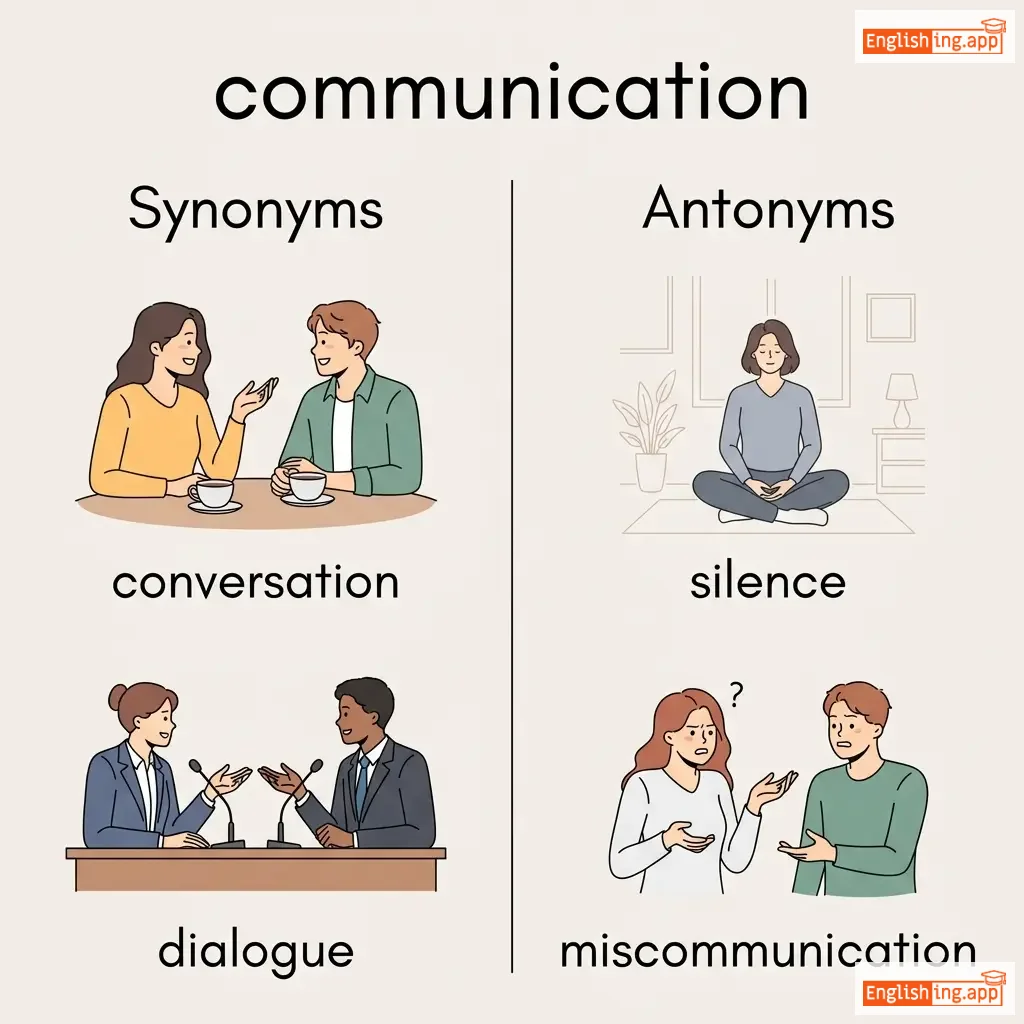
/kəˌmjuː.nɪˈkeɪ.ʃən/
noun
(коммуникация)
••••••
|
|
коммуникация; обмен информацией или идеями; средство связи
kommunikatsiya, obmen informatsiyey ili ideyami, sredstva svyazi
••••••
|
the imparting or exchanging of information or ideas; means of connection between people or places
••••••
|
Good communication is essential for a successful business relationship.
Хорошая коммуникация необходима для успешных деловых отношений.
••••••
|
Хорошая коммуникация необходима для успешных деловых отношений.
Khoroshaya kommunikatsiya neobkhodima dlya uspeshnykh delovykh otnosheniy.
••••••
|
interaction, correspondence, dialogue, contact
••••••
|
silence, isolation, disconnection
••••••
|
effective communication, mass communication, communication skills
••••••
|
В русском языке 'коммуникация' означает обмен информацией и установление связей.
••••••
|
|
#183
🛌
|
/ˈkʌm.fərt/
noun
(комфорт)
••••••
|
- •••••• |
комфорт; удобство
komfort, udobstvo
••••••
|
a state of physical ease and freedom from pain or constraint; relief from distress or anxiety
••••••
|
The soft sofa provided great comfort after a long day at work.
Мягкий диван принес большой комфорт после долгого рабочего дня.
••••••
|
Мягкий диван принес большой комфорт после долгого рабочего дня.
Myagkiy divan prines bol'shoy komfort posle dolgogo rabochego dnya.
••••••
|
ease, relief, solace, consolation
••••••
|
discomfort, pain, distress, agony
••••••
|
provide comfort, great comfort, comfort zone
••••••
|
Comfort in Russian is 'комфорт', very similar to English!
••••••
|
|
#184
🚗💥
|
/kəˈlɪʒ.ən/
noun
(коллизия)
••••••
|
- •••••• |
коллизия; столкновение
koliziya, stolknoveniye
••••••
|
an instance of one moving object hitting violently against another; a conflict of opposing ideas or interests
••••••
|
The collision between two cars caused a major traffic jam.
Коллизия двух машин вызвала большую пробку.
••••••
|
Коллизия двух машин вызвала большую пробку.
Koliziya dvukh mashin vyzvala bol'shuyu probku.
••••••
|
crash, impact, clash, smash
••••••
|
separation, avoidance, harmony
••••••
|
car collision, head-on collision, avoid collision
••••••
|
Когда два объекта сталкиваются, это коллизия.
••••••
|
|
#185
📚
|
/kəˈlek.ʃən/
noun
(kəˈlɛkʃən)
••••••
|
- •••••• |
коллекция; собрание; архив
kollektsiya; sobranie; arkhiv
••••••
|
a group of objects gathered together; the action or process of collecting
••••••
|
She has an impressive collection of vintage books in her library.
У неё есть впечатляющая коллекция старинных книг в её библиотеке.
••••••
|
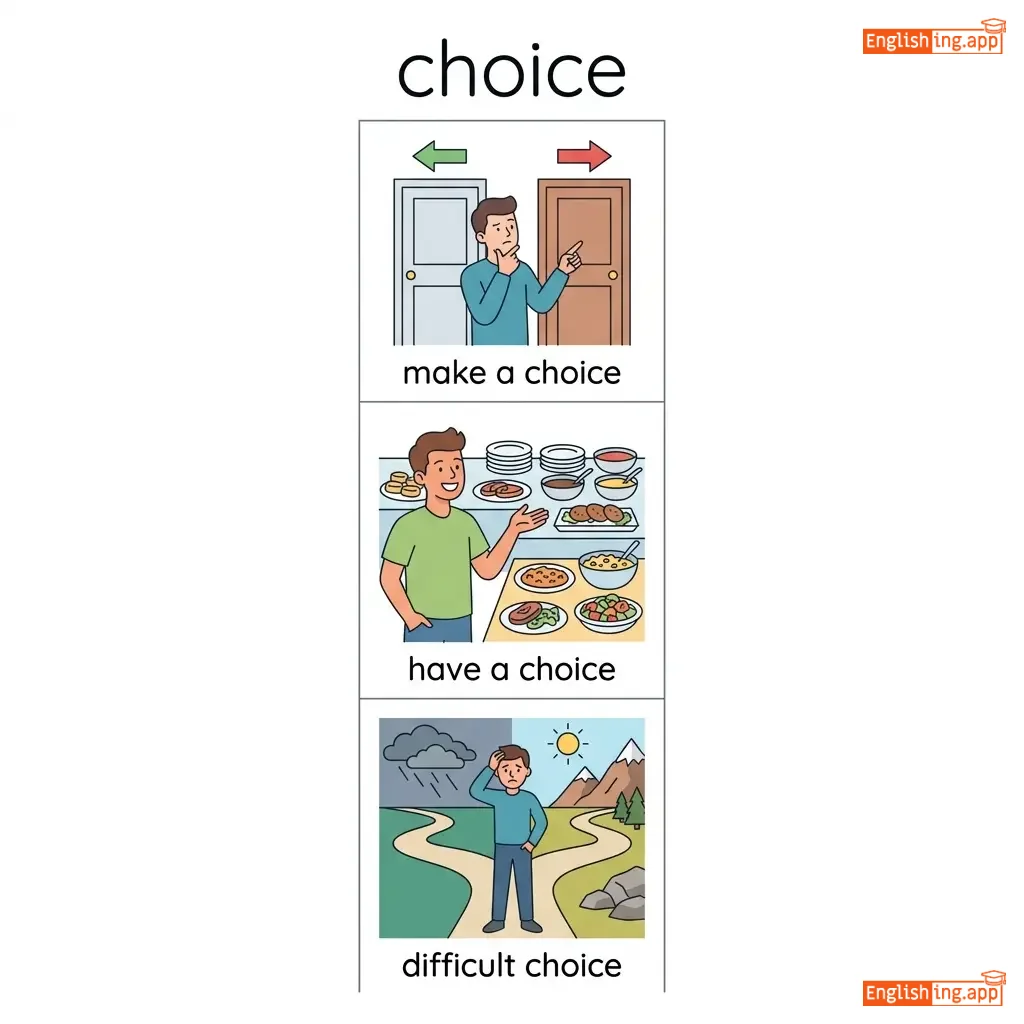
У неё есть впечатляющая коллекция старинных книг в её библиотеке.
U nee yest' vpechatlyayushchaya kollektsiya starinnykh knig v yeye biblioteke.
••••••
|
accumulation, assembly, compilation, anthology
••••••
|
distribution, dispersal, scattering
••••••
|
art collection, book collection, stamp collection
••••••
|
Представь коллекцию старинных книг, собранных в одном месте.
••••••
|
|
#186
🎲
|
/koʊˈɪn.sɪ.dəns/
noun
(kɔɪnˈsɪdəns)
••••••
|
- •••••• |
совпадение
sovpadenie
••••••
|
a remarkable occurrence of events or circumstances without apparent causal connection; chance happening
••••••
|
It was a strange coincidence that they both wore the same dress to the party.
Это было странное совпадение, что они оба пришли на вечеринку в одинаковых платьях.
••••••
|
Это было странное совпадение, что они оба пришли на вечеринку в одинаковых платьях.
Eto bylo strannoe sovpadenie, chto oni oba prishli na vecherinku v odinakovyh platyakh.
••••••
|
chance, accident, fluke, serendipity
••••••
|
plan, intention, design, purpose
••••••
|
strange coincidence, mere coincidence, what a coincidence
••••••
|
совпадение (sovpadenie) = случайное совпадение
••••••
|
|
#187
🤝
|
/ˌkovuːɪɡˈzɪs.təns/
noun
(ko-ek-sis-ten-tsiya)
••••••
|
- •••••• |
сосуществование
sosushchestvovanie
••••••
|
the state of existing together at the same time or in the same place; peaceful cohabitation
••••••
|
The peaceful co-existence of different cultures makes this city unique. |
Мирное сосуществование различных культур делает этот город уникальным.
Mirnoe sosushchestvovanie razlichnykh kultur delayet etot gorod unikal'nym.
••••••
|
cohabitation, harmony, peaceful living, tolerance
••••••
|
conflict, war, hostility, separation
••••••
|
peaceful co-existence, cultural co-existence, promote co-existence
••••••
|
Сосуществование означает мирное сосуществование
••••••
|
|
#188
🤡
|
/klaʊn/
noun
(клоун)
••••••
|
- •••••• |
клоун; комический артист, особенно в цирке, который носит традиционный костюм и преувеличенный макияж
kloyn; komicheskiy artist, osobenno v tserke, kotoryy nosit traditsionnyy kostyum i preuvelichennyy makiyazh
••••••
|
a comic entertainer, especially one in a circus, wearing a traditional costume and exaggerated makeup
••••••
|
The children laughed loudly at the funny clown's silly antics.
Дети громко смеялись над глупыми выходками смешного клоуна.
••••••
|
Дети громко смеялись над глупыми выходками смешного клоуна.
Deti gromko smeyalis' nad glupymi vykhodkami smeshnogo kloyna.
••••••
|
jester, comedian, entertainer, buffoon
••••••
|
serious person, scholar, intellectual
••••••
|
circus clown, funny clown, class clown
••••••
|
Клоун делает всех счастливыми своими шутками!
••••••
|
|
#189
🏆
|
/ˈklaɪ.mæks/
noun
(климакс)
••••••
|
- •••••• |
кульминационный момент
kul'minatsionnyy moment
••••••
|
the most intense, exciting, or important point of something; the highest or most intense point in a process
••••••
|
The movie reached its climax during the final battle scene. |
Фильм достиг кульминационного момента во время последней сцены битвы.
Film dostig kul'minatsionnogo momenta vo vremya posledney stseny bitvy.
••••••
|
peak, pinnacle, culmination, apex
••••••
|
beginning, start, anticlimax
••••••
|
reach climax, dramatic climax, story climax
••••••
|
В русском 'кульминационный' связан с высшей точкой, как и 'климакс'.
••••••
|
|
#190
🌍
|
/ˈsɜːr.kəmˌsˌtæn.sɪz/
noun
(sərkəmstænsiz)
••••••
|
- •••••• |
обстоятельства
obstoyatel'stva
••••••
|
the conditions that affect a situation, action, or event; facts or conditions connected with or relevant to an event
••••••
|
Under normal circumstances, she would have arrived by now. |
При обычных обстоятельствах она уже бы пришла.
Pri obychnykh obstoyatel'stvakh ona uzhe by prishla.
••••••
|
conditions, situation, context, environment
••••••
|
isolation, simplicity
••••••
|
unusual circumstances, difficult circumstances, under circumstances
••••••
|
Обстоятельства = все, что влияет на происходящее вокруг.
••••••
|
|
#191
😊
|
/tʃiːk/
noun
(chik)
••••••
|
- •••••• |
щека; нахальство;
shchoka, nakhalstvo
••••••
|
either side of the face below the eye; impudent or disrespectful behavior
••••••
|
The baby's rosy cheeks showed she was healthy and happy.
Розовые щеки ребенка показали, что она здорова и счастлива.
••••••
|
Розовые щеки ребенка показали, что она здорова и счастлива.
Rozovyye shchoki rebenka pokazali, chto ona zdorova i schastliva.
••••••
|
face, jowl, impudence, audacity
••••••
|
respect, politeness, modesty
••••••
|
rosy cheeks, chubby cheeks, turn the other cheek
••••••
|
Think of the 'shch' sound for cheeks in Russian.
••••••
|
|
#192
📅
|
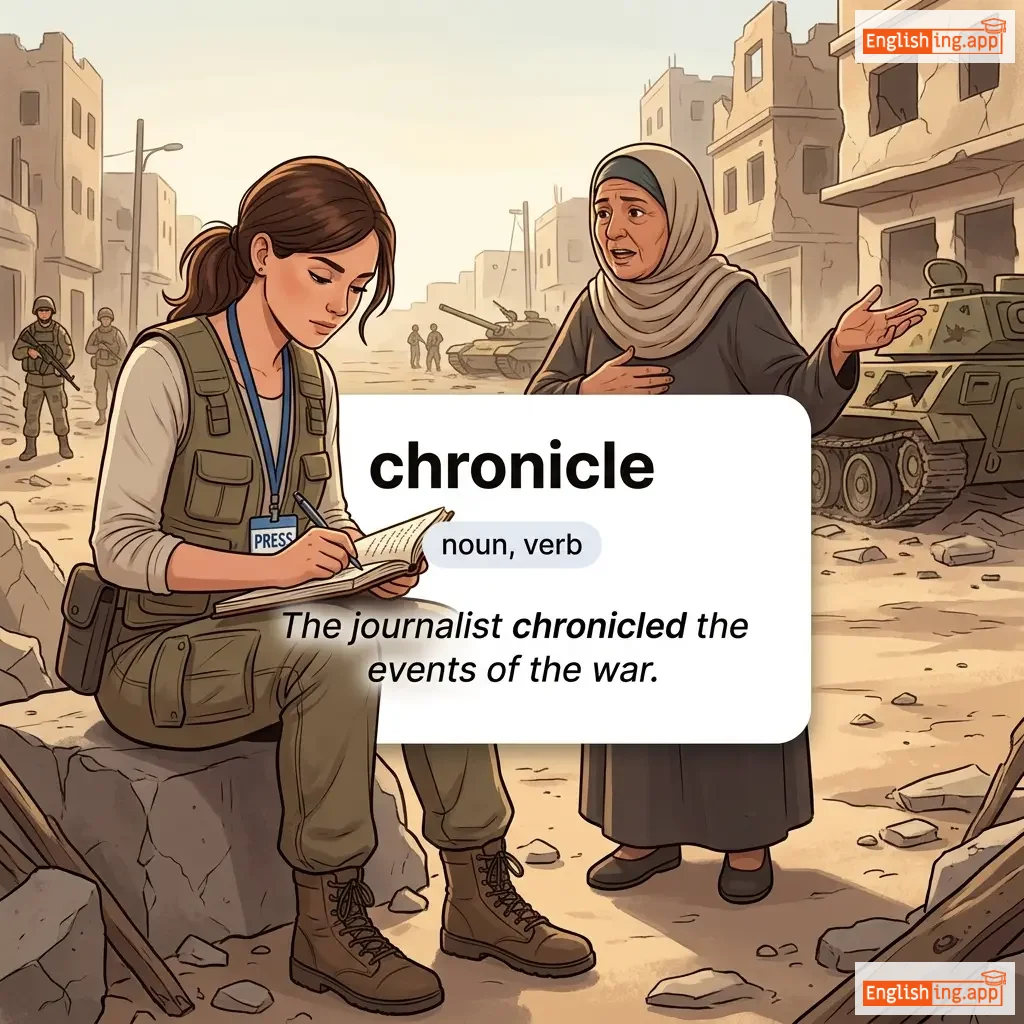
/ˈkrɑn.ɪ.kəl/
noun
(кроникл)
••••••
|
|
хроника; исторический рассказ
kronikal, istoricheskiy rasskaz
••••••
|
a factual written account of important or historical events in the order they happened
••••••
|
The historian wrote a detailed chronicle of the medieval period. |
Историк написал подробную хронику средневекового периода.
Istorik napisal podrobnuyu khroniku srednevekovogo perioda.
••••••
|
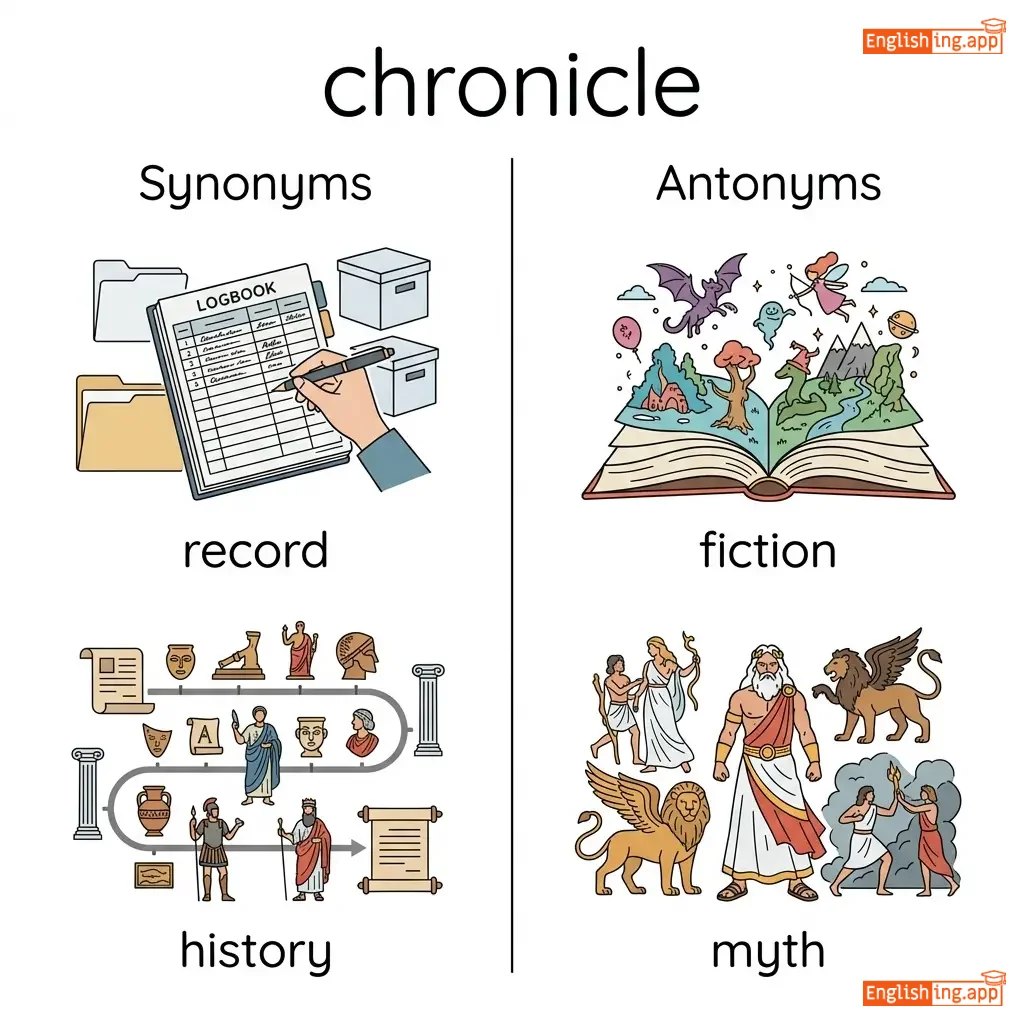
record, account, history, annals
••••••
|
fiction, myth, legend
••••••
|
historical chronicle, ancient chronicle, chronicle events
••••••
|
Khronika: 'Khron' relates to time, a story in time.
••••••
|
|
#193
🎵
|
/ˈkɔːr.əs/
noun
(koras)
••••••
|
- •••••• |
хор; часть песни, которая повторяется после каждого куплета
khor; chast pesni, kotoraya povtoryayetsya posle kazhdogo kupleta
••••••
|
a large organized group of singers; a part of a song that is repeated after each verse
••••••
|
The school chorus performed beautifully at the annual concert.
Школьный хор выступил великолепно на ежегодном концерте.
••••••
|
Школьный хор выступил великолепно на ежегодном концерте.
Shkol'nyy khor vystupil velikolepno na yezhegodnom kontserte.
••••••
|
choir, ensemble, refrain, group
••••••
|
solo, individual, single voice
••••••
|
school chorus, chorus line, join the chorus
••••••
|
Хор состоит из многих певцов, как школьный хор, где ученики поют вместе.
••••••
|
|
#194
✅
|
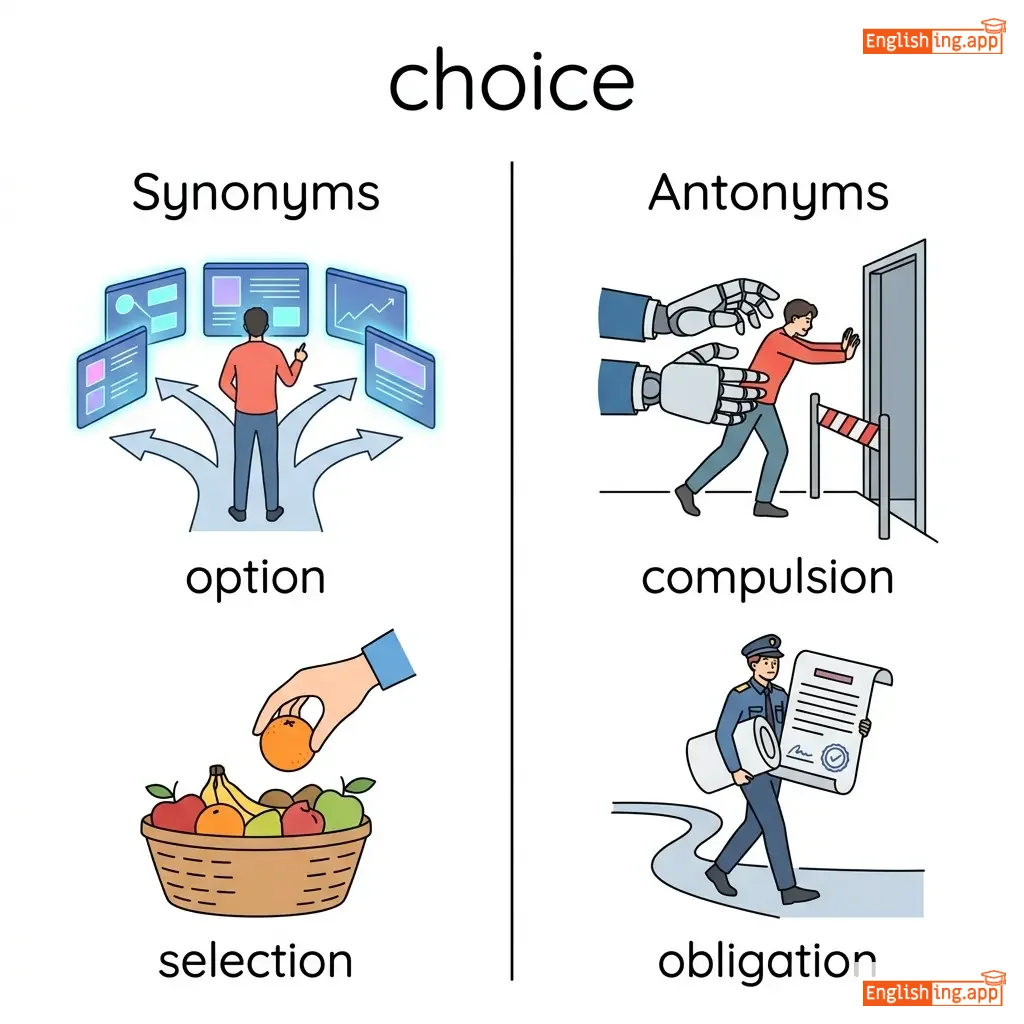
/tʃɔɪs/
noun
(чойс)
••••••
|
|
выбор
vybor
••••••
|
an act of selecting or making a decision when faced with two or more possibilities
••••••
|
She had to make a difficult choice between her career and family. |
Ей пришлось сделать трудный выбор между карьерой и семьей.
Ejj prishlos' sdelat' trudnyj vybor mezhdu kar'eroy i sem'ey.
••••••
|
option, selection, preference, alternative
••••••
|
compulsion, obligation, necessity
••••••
|
make a choice, difficult choice, good choice
••••••
|
Выбор — это момент, когда тебе нужно выбрать между двумя дорогами
••••••
|
|
#195
📝
|
/tʃɪt/
noun
(чит)
••••••
|
- •••••• |
заметка, квитанция
zametka, kvitantsiya
••••••
|
a short note, typically a brief informal letter; a voucher for a sum owed
••••••
|
She left a chit on the table asking him to call her back.
Она оставила чиркут на столе, прося его перезвонить.
••••••
|
Она оставила чиркут на столе, прося его перезвонить.
Ona ostavila chirkut na stole, prosya ego perezvonit'.
••••••
|
note, slip, voucher, receipt
••••••
|
formal letter, long message
••••••
|
leave a chit, pay chit, credit chit
••••••
|
Чит - это короткая записка, как напоминание.
••••••
|
|
#196
🙂
|
/tʃɪn/
noun
(чин)
••••••
|
- •••••• |
подбородок
podborodok
••••••
|
the protruding part of the face below the mouth, formed by the apex of the lower jaw
••••••
|
He stroked his beard thoughtfully, resting his hand on his chin.
Он задумчиво гладил свою бороду, положив руку на подбородок.
••••••
|
Он задумчиво гладил свою бороду, положив руку на подбородок.
On zadumchivo gladil svoyu borodu, polozhiv ruku na podborodok.
••••••
|
jaw, mandible
••••••
|
forehead, top of head
••••••
|
double chin, pointed chin, weak chin
••••••
|
Положи руку на подбородок (chin) для размышлений.
••••••
|
|
#197
🌶️
|
/ˈtʃɪl.i/
noun
(чили)
••••••
|
- •••••• |
холодно; острый перец;
kholodno, ostryy perets
••••••
|
noticeably cold; a hot-tasting pod of a variety of capsicum, used as a spice
••••••
|
The chef added red chilli to make the curry spicier. |
Шеф-повар добавил красный чили, чтобы сделать карри острее.
Shef-povar dobavil krasnyy chili, chtoby sdelat' karri ostrye.
••••••
|
cold, pepper, capsicum, spice
••••••
|
warm, mild, bland
••••••
|
chilly weather, red chilli, green chilli
••••••
|
Chili in Russian - both chilly and spicy, just like in English!
••••••
|
|
#198
❄️
|
/tʃɪl/
noun
(чил)
••••••
|
- •••••• |
холод; чувство страха или тревоги; расслабиться
kholod; chuvstvo strakha ili trevogi; rasslabilis'
••••••
|
an unpleasant feeling of coldness; a feeling of fear or anxiety; to relax
••••••
|
There was a chill in the air as autumn approached. |
В воздухе ощущался холод, когда приближалась осень.
V vozdukhe oshchushchalsya kholod, kogda priblizhalas' osen'.
••••••
|
coldness, coolness, shiver, relaxation
••••••
|
warmth, heat, tension
••••••
|
morning chill, chill out, catch a chill
••••••
|
Chill - Когда холодно, нужно расслабиться и успокоиться!
••••••
|
|
#199
👕
|
/tʃest/
noun
(чест)
••••••
|
- •••••• |
грудь; сундук
grud, sunduk
••••••
|
the front surface of a person's or animal's body between the neck and abdomen; a large strong box
••••••
|
The doctor listened to his chest with a stethoscope. |
Доктор слушал его грудь с помощью стетоскопа.
Doktor slushal ego grud' s pomoshch'yu stethoskopa.
••••••
|
torso, breast, trunk, box
••••••
|
back, spine, rear
••••••
|
chest pain, treasure chest, chest of drawers
••••••
|
Грудь хранит важное, как сундук с сокровищами.
••••••
|
|
#200
🧀
|
/tʃiːz/
noun
(чиз)
••••••
|
- •••••• |
сыр
syr
••••••
|
a food made from the pressed curds of milk; used for photography to make people smile
••••••
|
She added grated cheese to the pasta for extra flavor. |
Она добавила тертый сыр в пасту для дополнительного вкуса.
ona dobavila tertyj syr v pastu dlya dopolnitel'nogo vkusa.
••••••
|
dairy product, curd, fromage
••••••
|
liquid milk, fresh milk
••••••
|
grated cheese, melted cheese, cheese sandwich
••••••
|
Syr (сыр) is cheese in Russian
••••••
|
Vocabulary Quiz
Test your vocabulary by matching words with their translations or meanings.
Login to take the quiz
Comments (0)
Share your thoughts and join the discussion.
Join the discussion by logging in
Login to CommentNo comments yet
Be the first to share your thoughts!