

Обновитесь для доступа ко всему словарю
Получите неограниченный доступ ко всем словам с подпиской Pro
Обновить до ProПеревод
Прошедшее
Причастие прошедшего времени
Третье лицо единственного числа
Герундий
Значение
Пример предложения
Перевод примера предложения
Синонимы
Антонимы
Коллокации
Мнемоника
Swipe left or right, or use the buttons. Tap image to zoom.
Обновитесь для доступа ко всем предложениям
Получите неограниченный доступ ко всем предложениям с подпиской Pro
Обновить до ProПеревод примера предложения
Слово
Lesson 31Lesson 31 - Переключатель маски
|
Эмодзи
|
Слово | Images | Перевод | Значение | Пример предложения | Перевод примера предложения | Синонимы | Антонимы | Коллокации | Мнемоника |
|---|---|---|---|---|---|---|---|---|---|---|
|
#601
🏠
|
/hoʊst/
noun
(хост)
••••••
|
- •••••• |
хозяин; тот, кто принимает гостей или развлекает их; большое количество вещей
hozyain; tot, kto prinimaet gostey ili razvlekaet ikh; bol'shoye kolichestvo veshchey
••••••
|
a person who receives or entertains other people as guests; a large number of things
••••••
|
The gracious host welcomed all the guests with warm smiles and refreshments.
Добрый хозяин встретил всех гостей с теплыми улыбками и угощениями.
••••••
|
Добрый хозяин встретил всех гостей с теплыми улыбками и угощениями.
Dobryy khozyain vstretil vsekh gostey s teplymi ulibkami i ugoshcheniyami.
••••••
|
entertainer, hostess, presenter, organizer
••••••
|
guest, visitor, attendee, stranger
••••••
|
gracious host, party host, host family
••••••
|
Host = Хозяин всегда рад встречать гостей!
••••••
|
|
#602
🗿
|
/ˈaɪ.dəl/
noun
(айдол)
••••••
|
- •••••• |
идол; человек, восхищающийся
idol, chelovek, voskhishchayushchiesya
••••••
|
an image or representation of a god used as an object of worship; a person who is greatly admired
••••••
|
The singer became a teenage idol after her hit song topped the charts worldwide. |
Певица стала подростковым кумиром после того, как ее хит поднялся на вершину мировых чартов.
Pevitsa stala podrostkovym kumoirom posle togo, kak yeye khit podnyalsya na vershinu mirovykh chartov.
••••••
|
icon, hero, deity, statue
••••••
|
nobody, unknown, ordinary person, commoner
••••••
|
pop idol, teenage idol, worship idol
••••••
|
Идол (идол) — это человек, которому поклоняются и восхищаются.
••••••
|
|
#603
🔗
|
/ˈhɑː.stɪdʒ/
noun
(hɔsˈtʲɛdʒ)
••••••
|
- •••••• |
заложник
zalozhnik
••••••
|
a person seized or held as security for the fulfillment of a condition; captive
••••••
|
The police negotiated carefully to secure the release of all hostages unharmed. |
Полиция осторожно вела переговоры, чтобы обеспечить освобождение всех заложников невредимыми.
Politsiya ostorozhno vela peregovory, chtoby obespechit' osvobozhdenie vsekh zalozhnikov nevredimymi.
••••••
|
captive, prisoner, detainee, victim
••••••
|
captor, liberator, rescuer, free person
••••••
|
take hostage, hostage situation, release hostages
••••••
|
Заложник и залог — всегда запомните, что это тот, кто в руках удерживающего.
••••••
|
|
#604
🤷
|
/ˈɪɡ.nər.əns/
noun
(игнорэнс)
••••••
|
- •••••• |
невежество
nevezhestvo
••••••
|
lack of knowledge or information; the state of being uninformed about something
••••••
|
His ignorance about basic computer skills made it difficult for him to find a job. |
Его невежество в базовых компьютерных навыках затрудняло ему поиск работы.
Ego nevezhestvo v bazovykh komp'yuternykh navykakh zatrudnyalo yemu poisk raboty.
••••••
|
unawareness, lack of knowledge, illiteracy, inexperience
••••••
|
knowledge, awareness, education, understanding
••••••
|
willful ignorance, profound ignorance, ignorance about
••••••
|
In Russian, 'nevezhestvo' is a good match for 'ignorance' and helps recall the meaning.
••••••
|
|
#605
🥘
|
/ˈhɑːtʃ.pɑːtʃ/
noun
(хотчпотч)
••••••
|
- •••••• |
беспорядочная смесь; куча перемешанных вещей
besporyadochnaya smes; kucha peremeshannykh veshchey
••••••
|
a confused mixture; a jumbled assortment of things
••••••
|
The room was a hotchpotch of old furniture, books, and random decorations. |
Комната была беспорядочной смесью старой мебели, книг и случайных украшений.
Komnata byla besporyadochnoy smes'yu staroy mebeli, knig i sluchaynykh ukrasheny.
••••••
|
mixture, jumble, medley, mishmash
••••••
|
order, organization, system, arrangement
••••••
|
hotchpotch of ideas, complete hotchpotch, confused hotchpotch
••••••
|
Hotchpotch in Russian is ‘беспорядочная смесь’ – just a mess of things!
••••••
|
|
#606
✍️
|
/ɪˌledʒ.əˈbɪl.ə.ti/
noun
(ɪlˈlɛdʒɪbɪlɪti)
••••••
|
- •••••• |
неразборчивость
nerazborchivost
••••••
|
the quality of being impossible or difficult to read; unclear writing or print
••••••
|
The doctor's handwriting was famous for its illegibility among the pharmacy staff. |
Рукопись врача была известна своей неразборчивостью среди персонала аптеки.
Rukopis' vracha byla izvestna svoey nerazborchivost'yu sredi personala apteki.
••••••
|
unreadability, unclear writing, indecipherability, obscurity
••••••
|
legibility, clarity, readability, clear writing
••••••
|
handwriting illegibility, complete illegibility, famous illegibility
••••••
|
Если рукопись невозможно прочитать, это неразборчивость!
••••••
|
|
#607
🎵
|
/hʌm/
noun
(хам)
••••••
|
- •••••• |
гудение
gudenie
••••••
|
a low continuous sound; to make a low continuous droning sound
••••••
|
The constant hum of the air conditioner helped her fall asleep peacefully. |
Постоянное гудение кондиционера помогло ей спокойно уснуть.
Postoyannoe gudenie konditsionera pomoglo yey spokoyno usnut'.
••••••
|
buzz, drone, murmur, whir
••••••
|
silence, quiet, stillness, hush
••••••
|
constant hum, low hum, electrical hum
••••••
|
Гудение как постоянный звук напоминает 'hum'.
••••••
|
|
#608
🎩
|
/ɪˈluː.ʒən/
noun
(иллюзия)
••••••
|
- •••••• |
иллюзия
illyuziya
••••••
|
a thing that is or is likely to be wrongly perceived or interpreted; a false idea or belief
••••••
|
The magician created a spectacular illusion that made the elephant appear to vanish. |
Фокусник создал зрелищную иллюзию, из-за которой слон казался исчезнувшим.
Fokusnik sozdal zrelishnuyu illyuziyu, iz-za kotoroy slon kazalsya ischeznuvshim.
••••••
|
delusion, mirage, deception, fantasy
••••••
|
reality, fact, truth, actuality
••••••
|
optical illusion, grand illusion, create illusion
••••••
|
Иллюзия — это как магия, исчезающие вещи
••••••
|
|
#609
🎭
|
/hɪˈpɑː.krə.si/
noun
(haɪˈpɒkrɪsi)
••••••
|
- •••••• |
лицемерие; фальшь; обман;
litsemeriie, fal'sh, obman
••••••
|
the practice of claiming to have moral standards that one does not actually possess; insincerity
••••••
|
His hypocrisy was exposed when he criticized others for the same mistakes he had made.
его лицемерие было раскрыто, когда он критиковал других за те же ошибки, которые он сам совершил.
••••••
|
его лицемерие было раскрыто, когда он критиковал других за те же ошибки, которые он сам совершил.
ego litsemeriie bylo raskryto, kogda on kritikoval drugikh za te zhe oshibki, kotorye on sam sovershil.
••••••
|
insincerity, pretense, duplicity, deception
••••••
|
sincerity, honesty, integrity, genuineness
••••••
|
moral hypocrisy, expose hypocrisy, sheer hypocrisy
••••••
|
Лицемерие — это маска, скрывающая истинное лицо человека.
••••••
|
|
#610
📷
|
/ˈɪm.ɪdʒ/
noun
(изображение)
••••••
|
- •••••• |
изображение; картина; изображение; образ
izobrazhenie, kartina, obraz
••••••
|
a representation of the external form of a person or thing in art; a mental picture or impression
••••••
|
The company worked hard to improve its public image after the scandal. |
Компания усердно работала над улучшением своего публичного имиджа после скандала.
Kampaniya usyerdno rabotala nad uluchsheniem svoego publichnogo imidzha posle skandala.
••••••
|
picture, representation, reflection, impression
••••••
|
reality, original, substance, actual object
••••••
|
public image, brand image, mirror image
••••••
|
No •••••• |
|
#611
🎭
|
/ˈhɪp.ə.krɪt/
noun
(гипокрит)
••••••
|
- •••••• |
лицемер; обманщик; притворщик
litsemer, obmanshchik, pritvorshchik
••••••
|
a person who acts in contradiction to their stated beliefs or feelings; a pretender
••••••
|
Don't be a hypocrite by demanding honesty from others while lying yourself.
Не будь лицемером, требуя честности от других, в то время как ты сам лжешь.
••••••
|
Не будь лицемером, требуя честности от других, в то время как ты сам лжешь.
Ne bud' litsemerom, trebuyu chestnosti ot drugikh, v to vremya kak ty sam lzhyosh'.
••••••
|
pretender, fraud, deceiver, impostor
••••••
|
sincere person, honest individual, genuine person, authentic individual
••••••
|
complete hypocrite, religious hypocrite, call someone hypocrite
••••••
|
A hypocrite hides their truth under a mask of lies.
••••••
|
|
#612
🌈
|
/ɪˌmædʒ.ɪˈneɪ.ʃən/
noun
(имагинация)
••••••
|
- •••••• |
воображение; творческая способность
voobrazhenie; tvorcheskaya sposobnost
••••••
|
the faculty or action of forming new ideas or images not present to the senses; creative thinking
••••••
|
Children's imagination allows them to turn a cardboard box into a spaceship or castle.
Воображение детей позволяет им превращать картонную коробку в космический корабль или замок.
••••••
|
Воображение детей позволяет им превращать картонную коробку в космический корабль или замок.
Voobrazheniye detey pozvolyaet im prevrashchat' kartonnuyu korobku v kosmicheskiy korabl' ili zamok.
••••••
|
creativity, fantasy, vision, inventiveness
••••••
|
reality, fact, actuality, literalness
••••••
|
vivid imagination, wild imagination, use imagination
••••••
|
Воображение детей помогает им превращать коробку в космический корабль
••••••
|
|
#613
💡
|
/aɪˈdiː.ə/
noun
(идея)
••••••
|
- •••••• |
идея; концепция; предложение
ideya, kontseptsiya, predlozheniye
••••••
|
a thought or suggestion as to a possible course of action; a concept or mental impression
••••••
|
She had a brilliant idea for solving the company's efficiency problem.
У нее была блестящая идея для решения проблемы эффективности компании.
••••••
|
У нее была блестящая идея для решения проблемы эффективности компании.
U nee byla blyestyashchaya ideya dlya resheniya problemy effektivnosti kompanii.
••••••
|
concept, notion, thought, plan
••••••
|
reality, fact, ignorance, confusion
••••••
|
brilliant idea, good idea, new idea
••••••
|
Идея — это как светлый момент в голове, как яркая вспышка.
••••••
|
|
#614
⚖️
|
/ɪmˈbæl.əns/
noun
(имбаланс)
••••••
|
- •••••• |
дисбаланс
disbalans
••••••
|
lack of proportion or relation between corresponding things; unequal distribution
••••••
|
The doctor said the patient's dizziness was caused by an inner ear imbalance.
Доктор сказал, что головокружение пациента было вызвано дисбалансом во внутреннем ухе.
••••••
|
Доктор сказал, что головокружение пациента было вызвано дисбалансом во внутреннем ухе.
Doktor skazal, chto golovokruzhenie patsienta bylo vyzvano disbalansom vo vnutrennem uke.
••••••
|
inequality, disproportion, instability, unevenness
••••••
|
balance, equilibrium, stability, proportion
••••••
|
chemical imbalance, trade imbalance, work-life imbalance
••••••
|
Imbalance: Представь, что у тебя в руках неуравновешенная чаша весов — это дисбаланс по-русски.
••••••
|
|
#615
🌟
|
/aɪˈdiː.ə.lɪ.zəm/
noun
(айˈдиː.ə.лɪ.зəm)
••••••
|
- •••••• |
Идеализм
Idealizm
••••••
|
the pursuit of high principles and noble goals; unrealistic pursuit of perfection
••••••
|
His youthful idealism motivated him to join various social justice movements. |
Его юношеский идеализм мотивировал его присоединиться к различным движениям социальной справедливости.
Ego yunoshestkiy idealizm motiviroval ego prisoyedinit'sya k razlichnym dvizhheniyam sotsial'noy spravedlivosti.
••••••
|
perfectionism, optimism, utopianism, romanticism
••••••
|
realism, pragmatism, cynicism, materialism
••••••
|
youthful idealism, political idealism, romantic idealism
••••••
|
Идеализм = всегда стремиться к высоким целям и принципам.
••••••
|
|
#616
🎭
|
/ˌɪm.ɪˈteɪ.ʃən/
noun
(имитация)
••••••
|
- •••••• |
имитация; подражание; копия
imitatsiya; podrazhaniye; kopiya
••••••
|
the action of using someone or something as a model; a copy of something original
••••••
|
His imitation of the famous actor was so good that everyone burst into laughter.
его имитация знаменитого актера была так хороша, что все расхохотались.
••••••
|
его имитация знаменитого актера была так хороша, что все расхохотались.
ego imitatsiya znameenitogo aktiera byla tak khorosha, chto vse rakhokhotalis'.
••••••
|
copy, replica, mimicry, reproduction
••••••
|
original, authentic, genuine, real
••••••
|
perfect imitation, cheap imitation, imitation leather
••••••
|
Imitation - Remember how Russian actors imitate famous roles by thinking of this word.
••••••
|
|
#617
🆔
|
/aɪˈden.tə.ti/
noun
(айденти́ти)
••••••
|
|
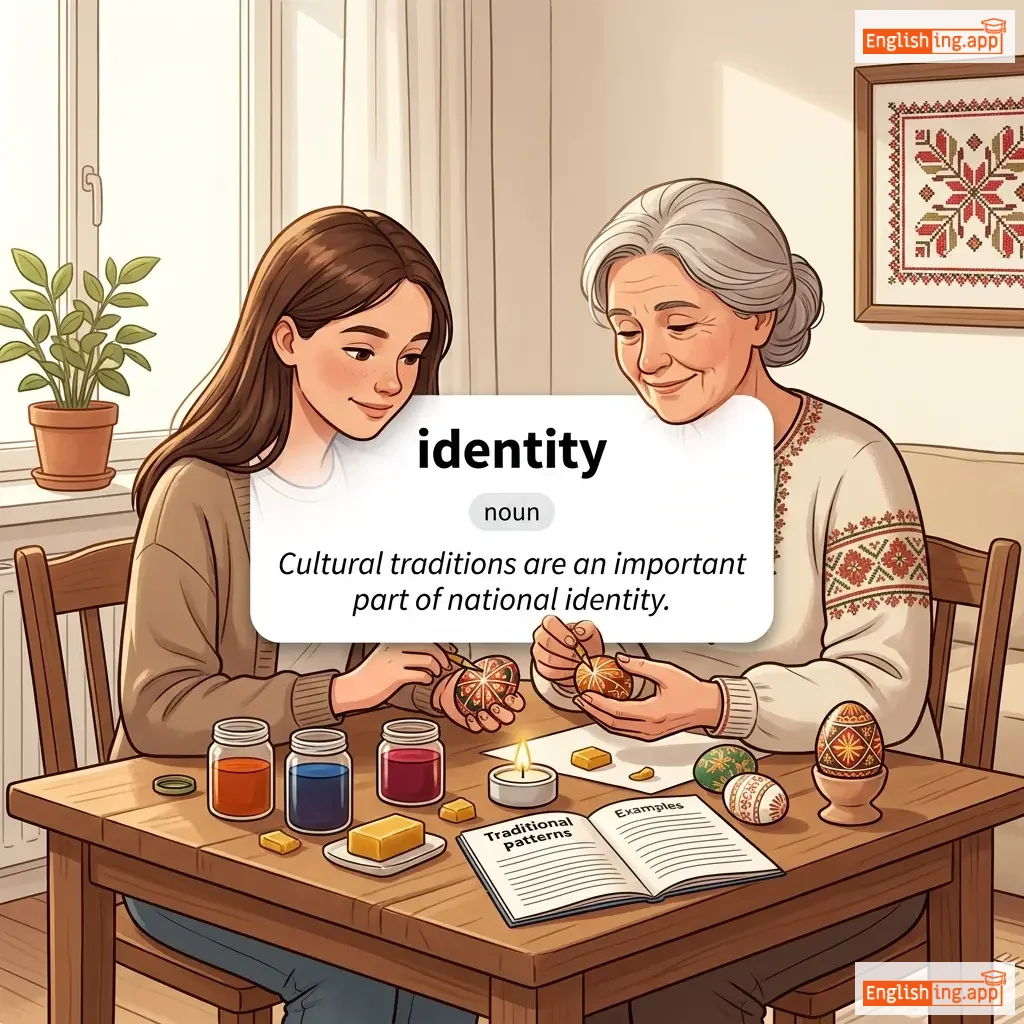
идентичность; сущность
identichnost, suschnost
••••••
|
the characteristics determining who or what a person or thing is; proof of who someone is
••••••
|
She struggled to maintain her cultural identity while living in a foreign country. |
Она боролась за сохранение своей культурной идентичности, живя в чуждой стране.
Ona borolas' za sokhranenie svoey kul'turnoy identichnosti, zhivya v chuzhdoy strane.
••••••
|
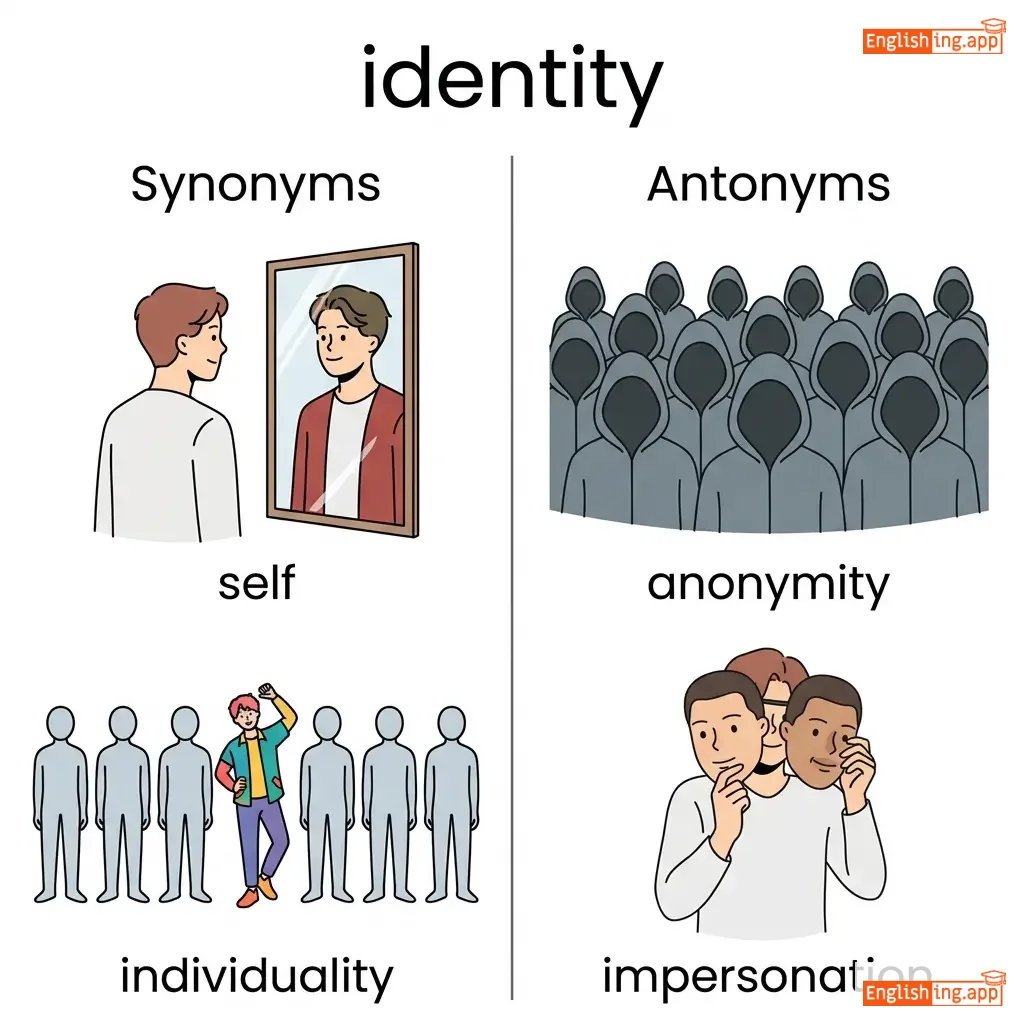
character, personality, individuality, self
••••••
|
anonymity, uniformity, sameness, conformity
••••••
|
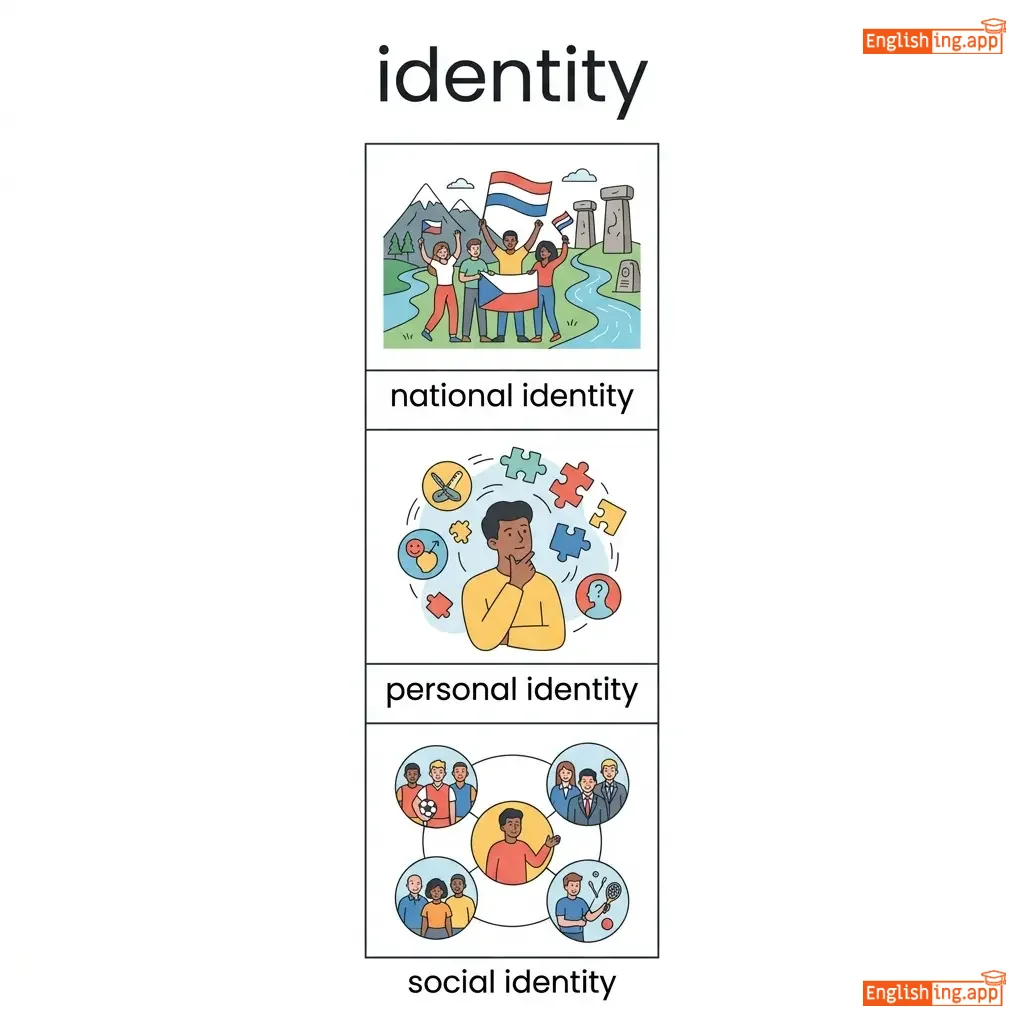
cultural identity, personal identity, identity card
••••••
|
Identity reveals who you truly are, your essence.
••••••
|
|
#618
💥
|
/ˈɪm.pækt/
noun
(импакт)
••••••
|
|
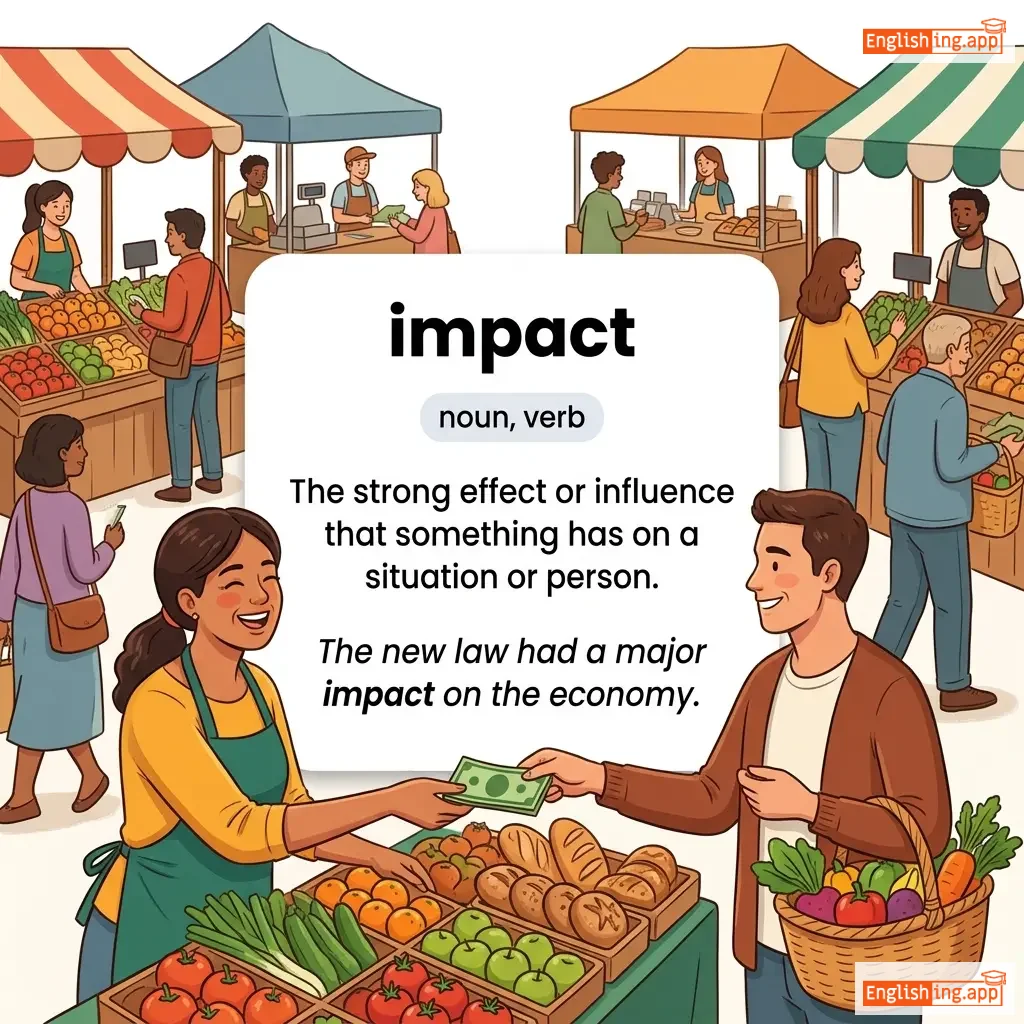
влияние; удар; столкновение;
vliyaniye, udar, stolknoveniye
••••••
|
the action of one object coming forcibly into contact with another; a marked effect or influence
••••••
|
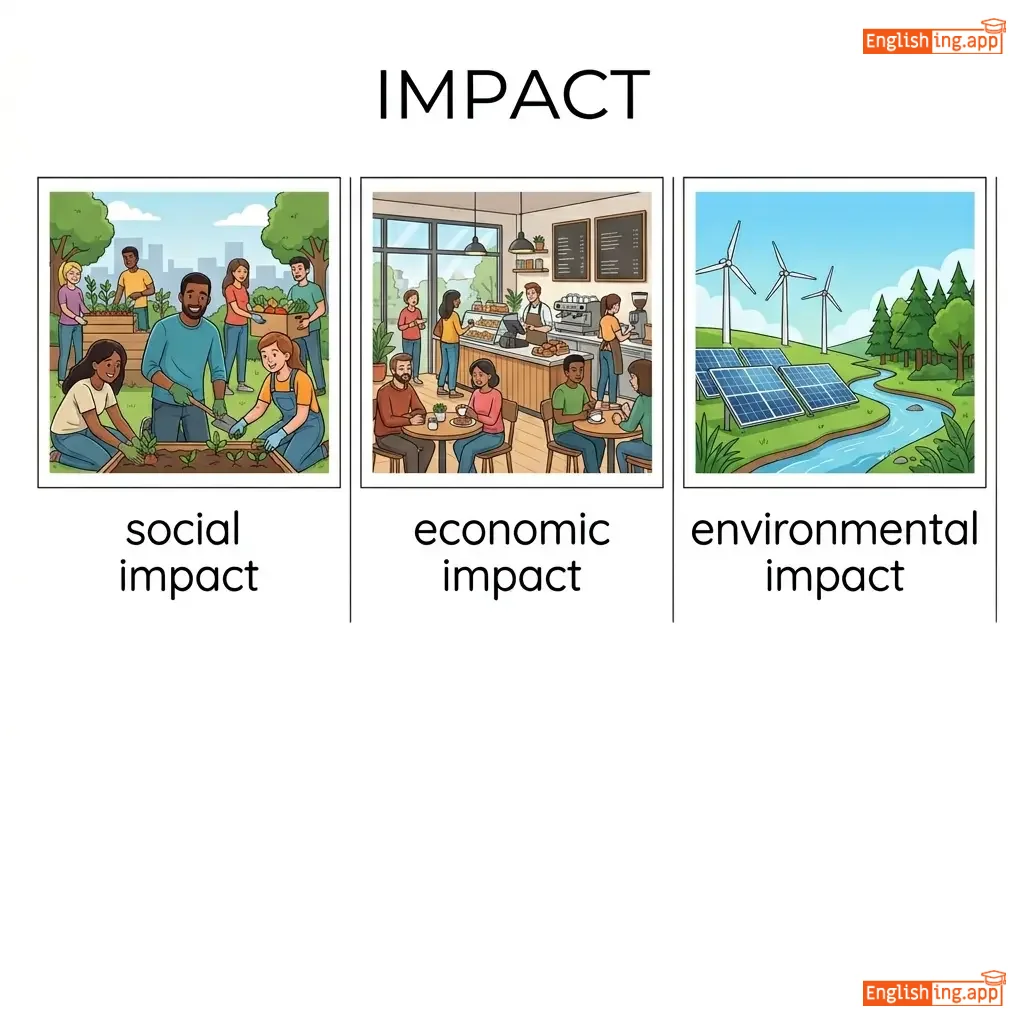
The new environmental policies had a significant impact on reducing pollution levels. |
Новые экологические политики оказали значительное влияние на снижение уровня загрязнения.
Novye ekologoicheskiye politiki okazali znachitel'noye vliyaniye na snizheniye urovnya zagriazneniya.
••••••
|
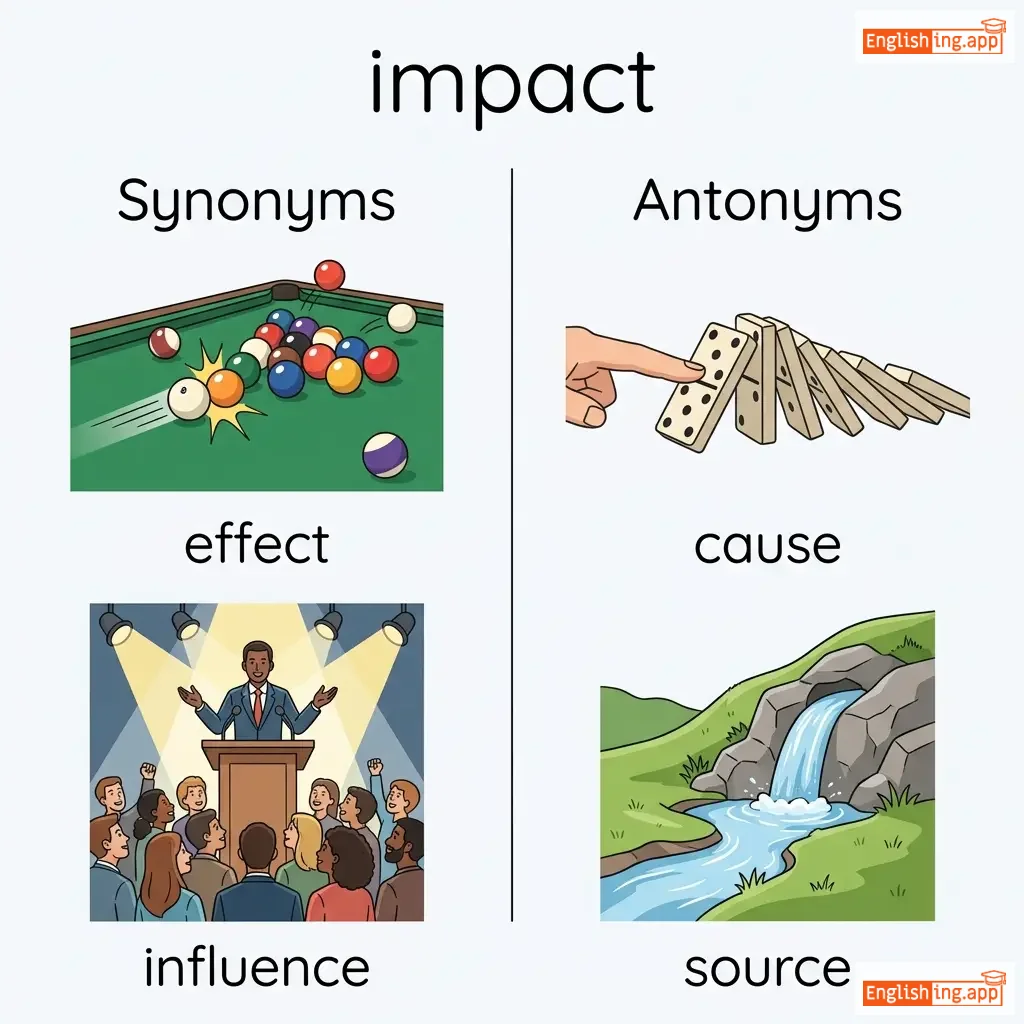
effect, influence, consequence, collision
••••••
|
insignificance, unimportance, lack of effect, gentle touch
••••••
|
major impact, environmental impact, impact assessment
••••••
|
Влияние этого удара невозможно игнорировать!
••••••
|
|
#619
🤦
|
/ˈɪd.i.ə.si/
noun
(идиотизм)
••••••
|
- •••••• |
идиотизм
idiotizm
••••••
|
extremely stupid behavior or actions; foolishness
••••••
|
The decision to ignore safety protocols was pure idiocy that endangered everyone. |
Решение игнорировать протоколы безопасности было чистым идиотизмом, который поставил всех в опасность.
Reshenie ignorirovat' protokoly bezopasnosti bylo chistym idiotizmom, kotoryi postavil vsekh v opasnost'.
••••••
|
stupidity, foolishness, absurdity, nonsense
••••••
|
wisdom, intelligence, brilliance, cleverness
••••••
|
pure idiocy, complete idiocy, sheer idiocy
••••••
|
Идиотизм - это как 'идиот', запомнить можно легко!
••••••
|
|
#620
🚧
|
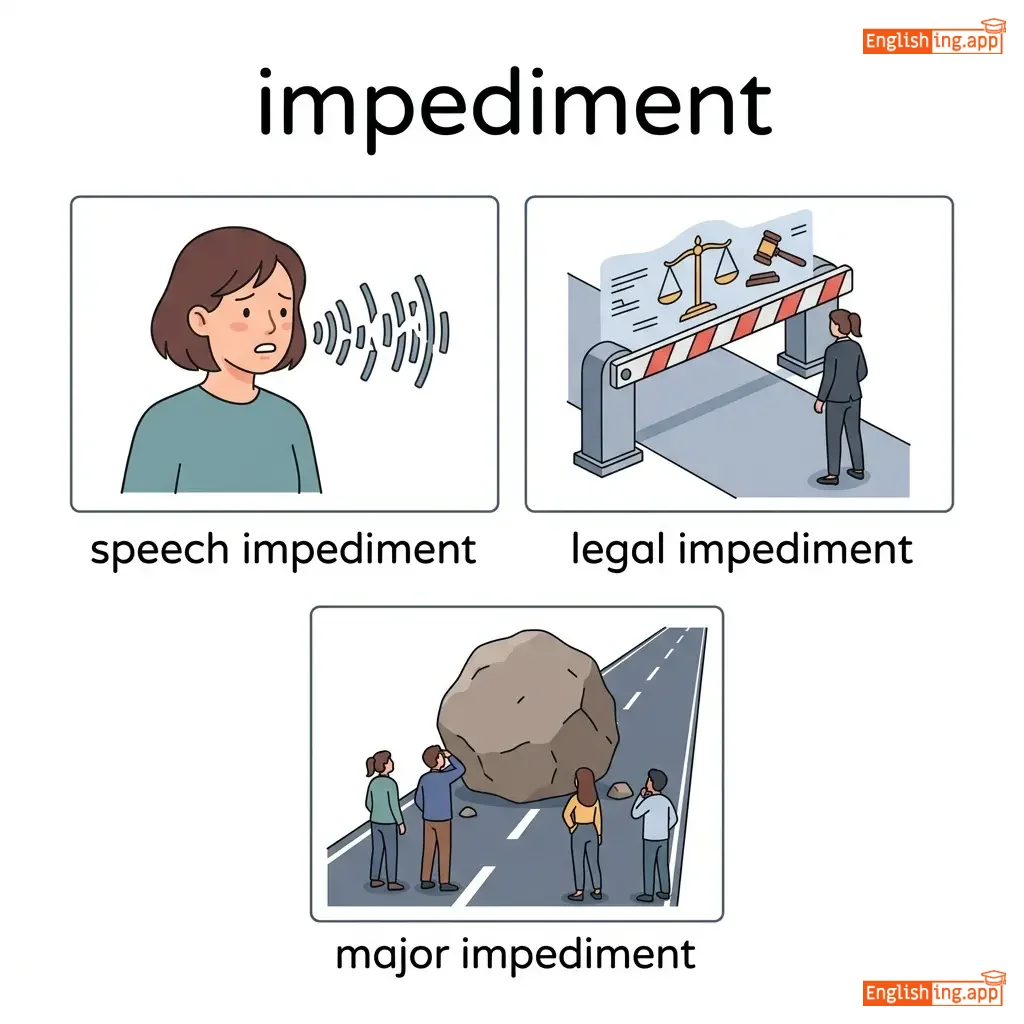
/ɪmˈped.ɪ.mənt/
noun
(импедимент)
••••••
|
|
препятствие, барьер
prepyatstvie, bar'er
••••••
|
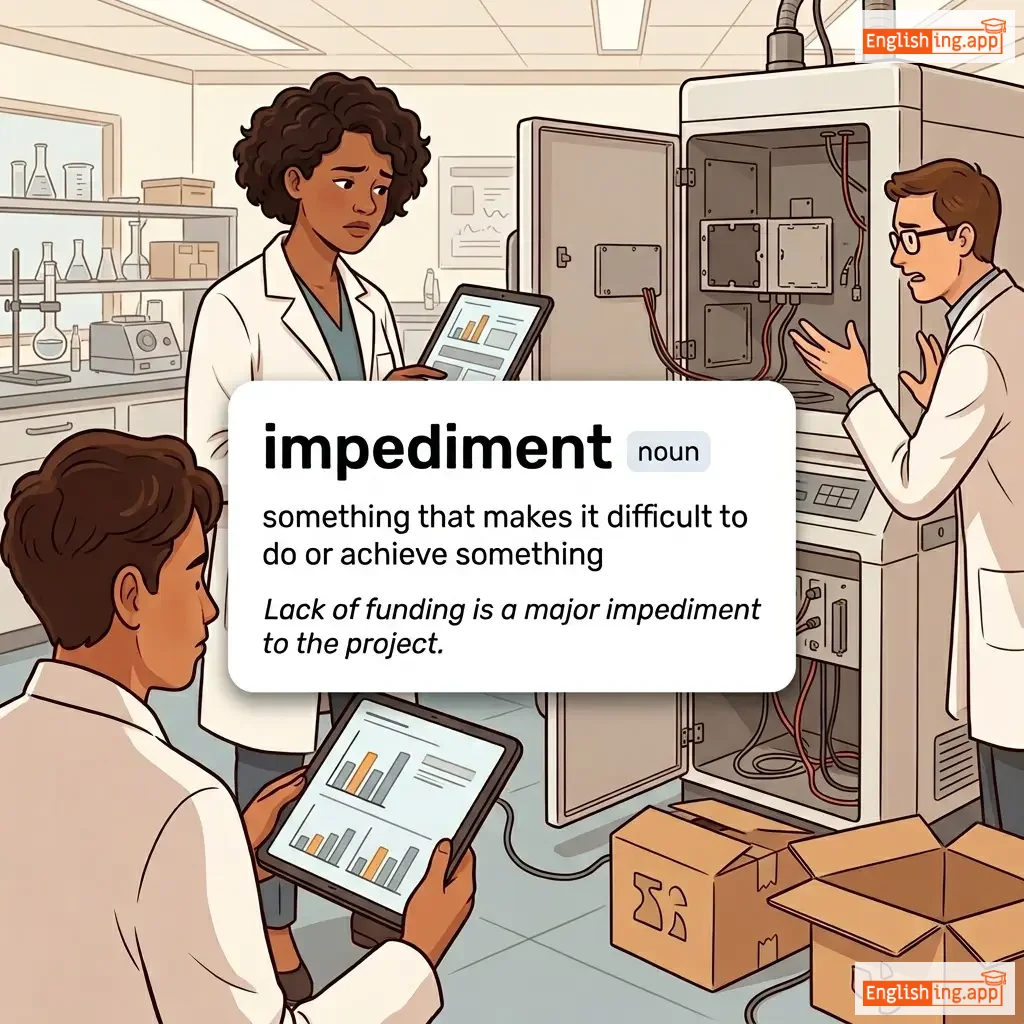
a hindrance or obstruction in doing something; something that makes progress difficult
••••••
|
Lack of funding proved to be the main impediment to completing the research project.
Отсутствие финансирования стало основным препятствием для завершения исследовательского проекта.
••••••
|
Отсутствие финансирования стало основным препятствием для завершения исследовательского проекта.
Otstutstvie finansirovaniya stalo osnovnym prepyatstviem dlya zaversheniya issledovatelskogo proyekte.
••••••
|
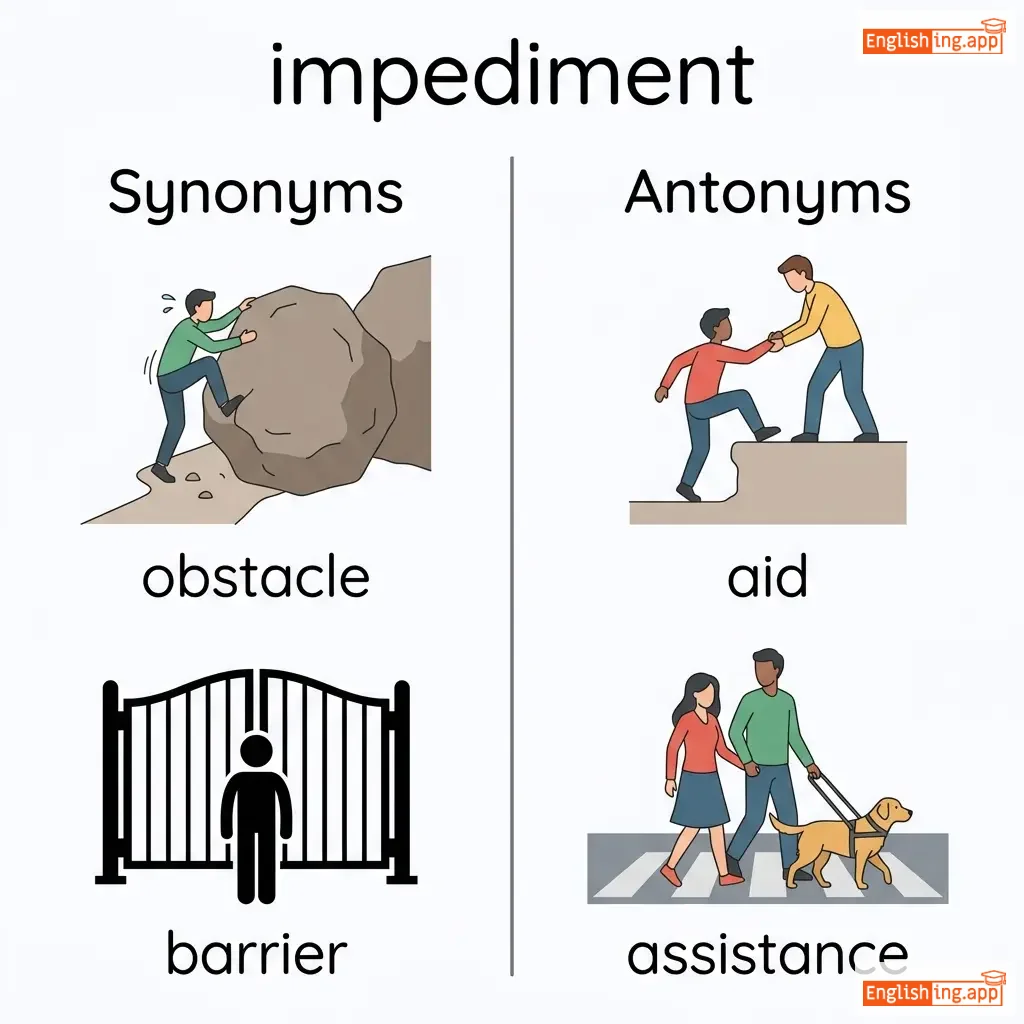
obstacle, barrier, hindrance, obstruction
••••••
|
help, assistance, facilitation, aid
••••••
|
major impediment, speech impediment, remove impediment
••••••
|
Impediment напоминает 'impede' - что-то, что останавливает твой прогресс.
••••••
|
Vocabulary Quiz
Test your vocabulary by matching words with their translations or meanings.
Login to take the quiz
Comments (0)
Share your thoughts and join the discussion.
Join the discussion by logging in
Login to CommentNo comments yet
Be the first to share your thoughts!