

Обновитесь для доступа ко всему словарю
Получите неограниченный доступ ко всем словам с подпиской Pro
Обновить до ProПеревод
Прошедшее
Причастие прошедшего времени
Третье лицо единственного числа
Герундий
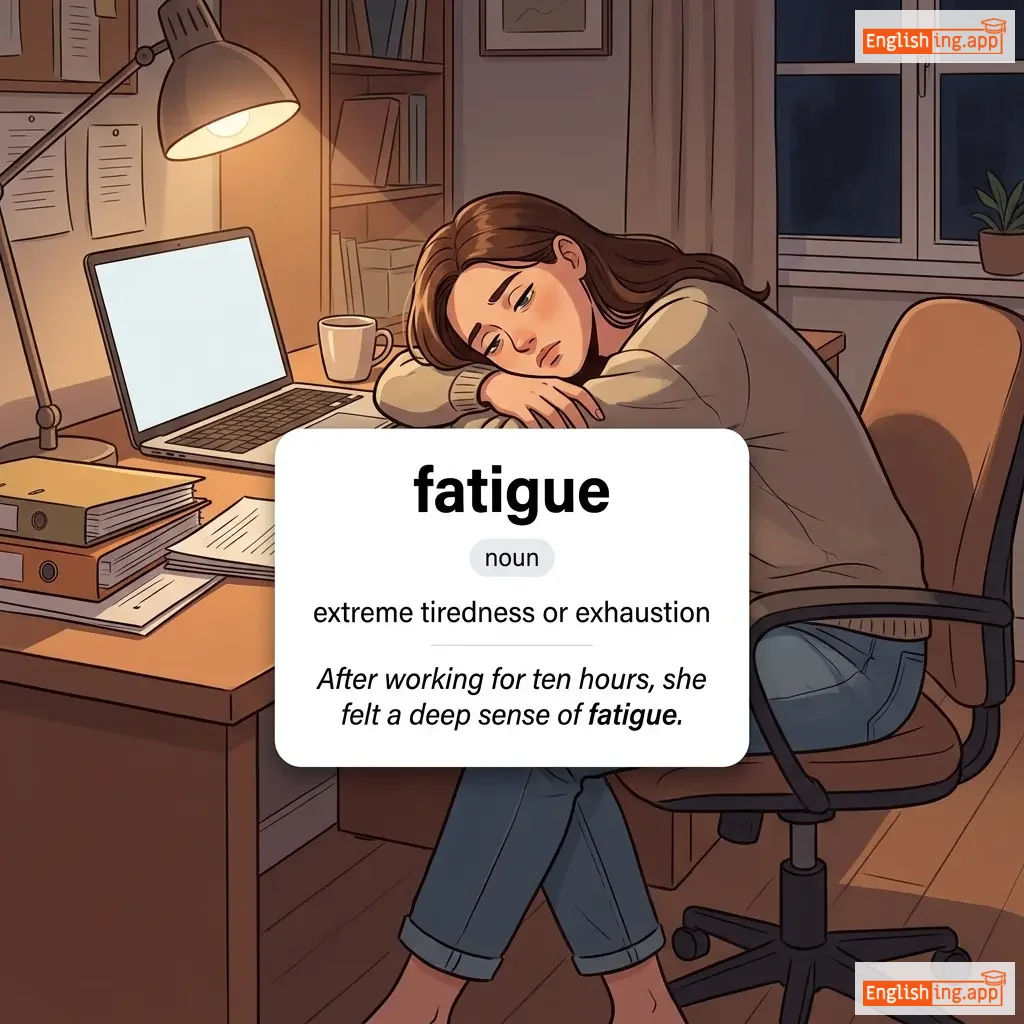
Значение
Пример предложения
Перевод примера предложения
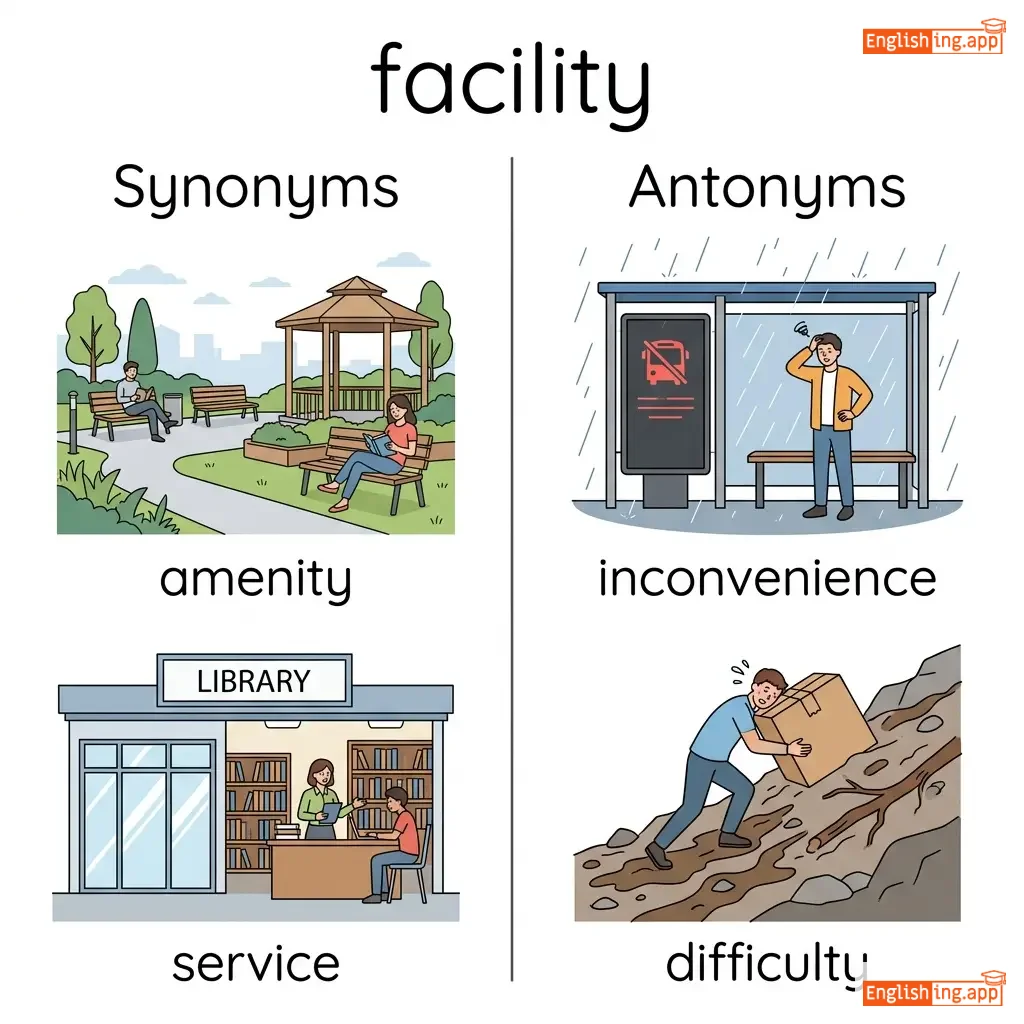
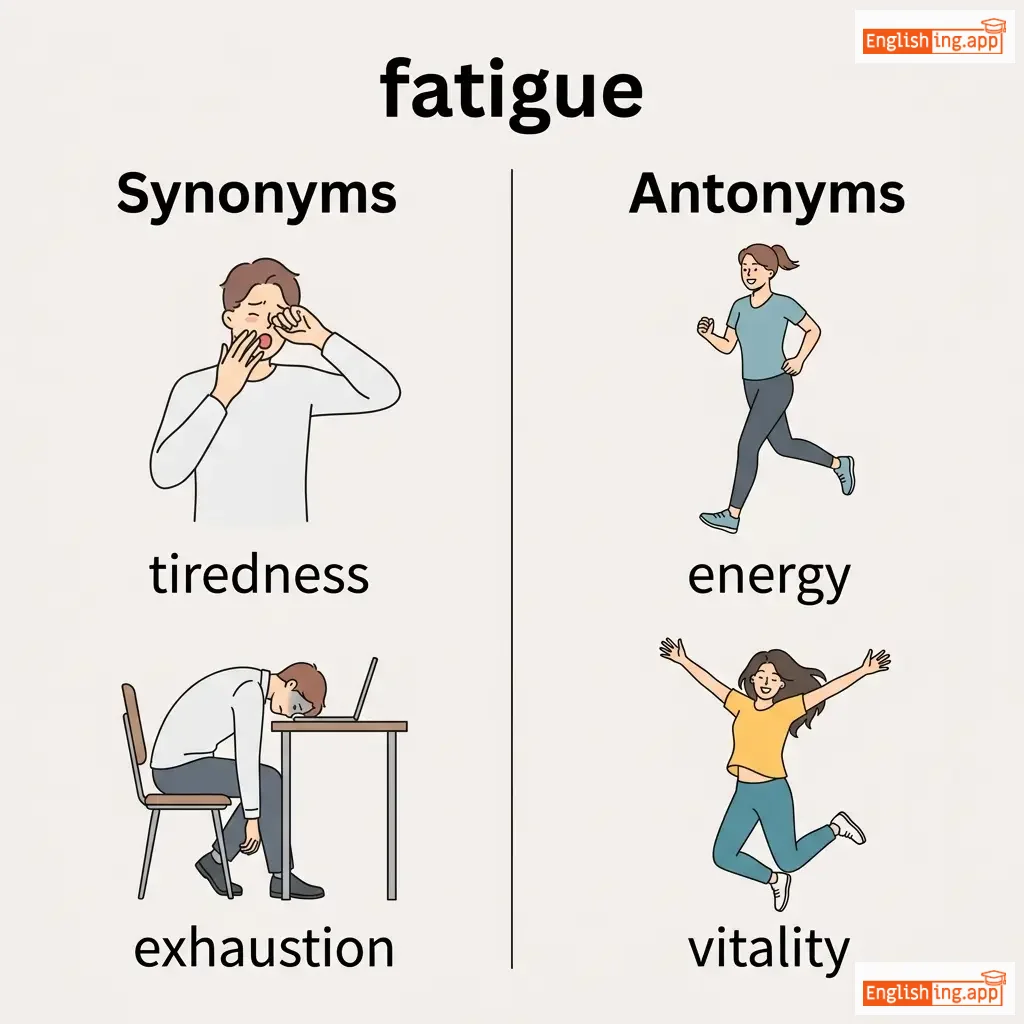
Синонимы
Антонимы
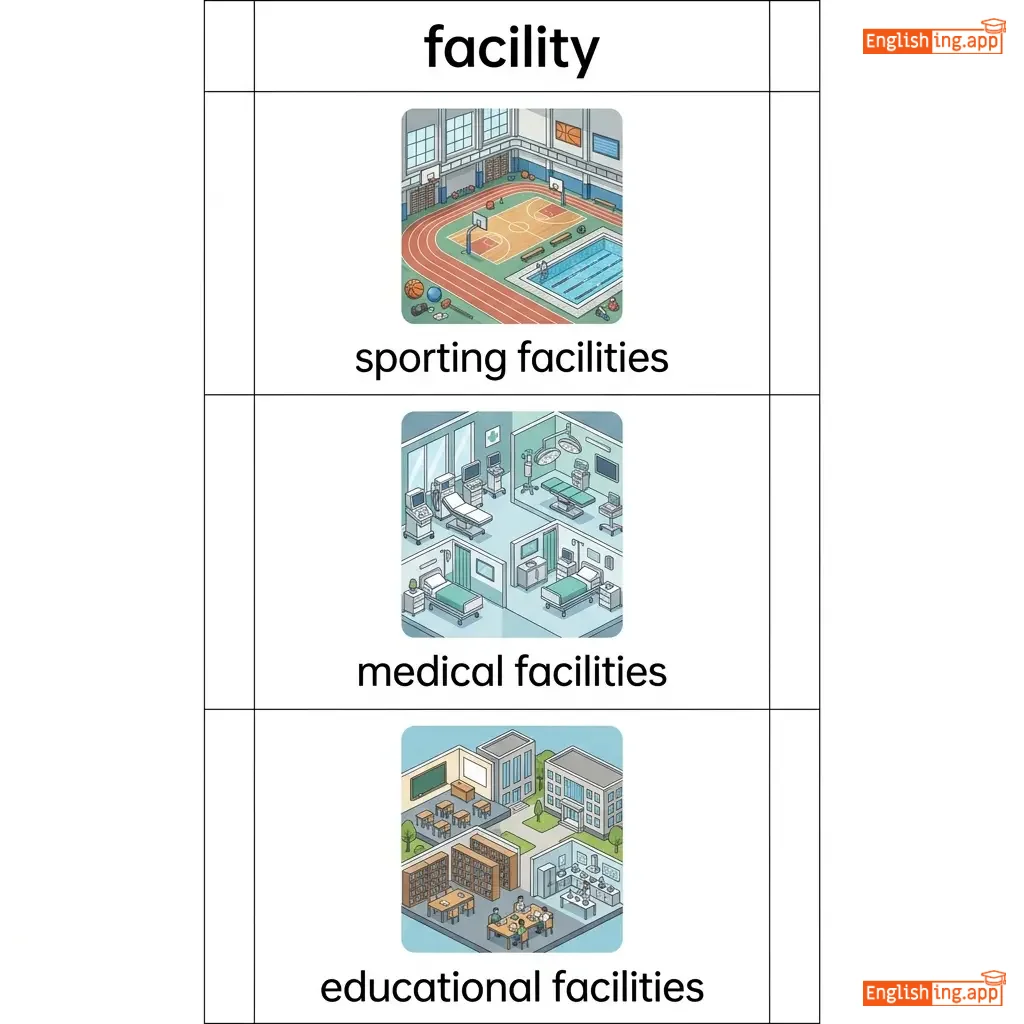
Коллокации
Мнемоника

Swipe left or right, or use the buttons. Tap image to zoom.
Обновитесь для доступа ко всем предложениям
Получите неограниченный доступ ко всем предложениям с подпиской Pro
Обновить до ProПеревод примера предложения
Слово
Lesson 22Lesson 22 - Переключатель маски
|
Эмодзи
|
Слово | Images | Перевод | Значение | Пример предложения | Перевод примера предложения | Синонимы | Антонимы | Коллокации | Мнемоника |
|---|---|---|---|---|---|---|---|---|---|---|
|
#421
🏢
|
/fəˈsɪl.ə.ti/
noun
(фасилити)
••••••
|
|
объект; удобство
obiekt; udobstvo
••••••
|
a building, service, or piece of equipment provided for a particular purpose
••••••
|
The new sports facility includes a swimming pool and gymnasium.
новый спортивный объект включает в себя бассейн и тренажерный зал.
••••••
|
Новый спортивный объект включает в себя бассейн и тренажерный зал.
novyy sportivnyy ob'ekt vklyuchayet v sebya basseyn i trenazhernyy zal.
••••••
|
amenity, service, installation, resource
••••••
|
inconvenience, difficulty, obstacle, hindrance
••••••
|
sports facility, medical facility, research facility
••••••
|
Facility на русском = 'объект' для занятий спортом
••••••
|
|
#422
🪭
|
/fæn/
noun
(фэн)
••••••
|
- •••••• |
поклонник; фанат; вентилятор
poklonnik, fanat, ventilator
••••••
|
a person who has a strong interest in or admiration for a particular person or thing; a device for creating air current
••••••
|
She is a huge fan of classical music and attends every concert in the city.
ши из э хьюдж фэн оф классикал мьюзик энд этендс эври концерт ин зэ сити
••••••
|
Она большой фанат классической музыки и посещает каждый концерт в городе.
Ona bolshoy fanat klassicheskoy muzyki i poseshaet kazhdyy kontsert v gorode.
••••••
|
enthusiast, admirer, supporter, devotee
••••••
|
critic, opponent, detractor, hater
••••••
|
sports fan, electric fan, fan base
••••••
|
In Russian, ‘фанат’ means fan — remember it’s also used for sports fans and music lovers.
••••••
|
|
#423
👥
|
/ˈfæk.ʃən/
noun
(fækʃən)
••••••
|
- •••••• |
фракция
fraktsiya
••••••
|
a small organized dissenting group within a larger one
••••••
|
Different factions within the party disagreed about the new policy. |
Разные фракции внутри партии не согласились с новой политикой.
Raznye fraktsii vnutri partii ne soglasilis' s novoy politikoy.
••••••
|
group, sect, clique, wing
••••••
|
unity, whole, entirety, consensus
••••••
|
political faction, rival faction, faction within party
••••••
|
фракция - как группа, которая идет против основной массы.
••••••
|
|
#424
✨
|
/ˈfæn.si/
noun
(fén-si)
••••••
|
- •••••• |
влечение; воображение или фантазия
vlechenie, voobrazhenie ili fantaziya
••••••
|
a feeling of liking or wanting something; imagination or fantasy
••••••
|
The child had a fancy for becoming a famous astronaut when he grew up. |
У ребенка было желание стать известным астронавтом, когда он вырастет.
U rebenka bylo zhelanie stat izvestnym astronautom, kogda on vyrastet.
••••••
|
whim, desire, imagination, fantasy
••••••
|
reality, fact, certainty, truth
••••••
|
take a fancy, flight of fancy, fancy dress
••••••
|
Fancy - It's like wishing to fly, a fancy in the child's heart.
••••••
|
|
#425
⚠️
|
/ˈfeɪ.lɪŋ/
noun
(feiling)
••••••
|
- •••••• |
неудача; ошибка; слабость
neudacha, oshibka, slabost
••••••
|
a weakness, especially in a person's character; a fault
••••••
|
His only failing is that he talks too much during meetings.
Его единственная ошибка - это то, что он слишком много говорит на собраниях.
••••••
|
Его единственная неудача - это то, что он слишком много говорит на собраниях.
Yego edinstvennaya neudacha - eto to, chto on slishkom mnogo govorit na sobraniyakh.
••••••
|
weakness, fault, defect, shortcoming
••••••
|
strength, virtue, asset, advantage
••••••
|
personal failing, human failing, minor failing
••••••
|
Ошибка - это возможность начать заново, но с большим опытом.
••••••
|
|
#426
👋
|
/ˌfer.ˈwel/
noun
(фэрвел)
••••••
|
- •••••• |
прощание
proshchaniye
••••••
|
an act of parting or of marking someone's departure
••••••
|
The company organized a farewell party for the retiring manager. |
Компания организовала прощальную вечеринку для уходящего менеджера.
Kompanija organizovala proshchal'nuyu vecherinku dlya ukhodyashchego menedzhera.
••••••
|
goodbye, departure, parting, send-off
••••••
|
welcome, greeting, arrival, hello
••••••
|
farewell party, bid farewell, farewell speech
••••••
|
Proshchaniye is the Russian equivalent of farewell, marking the final goodbye.
••••••
|
|
#427
❌
|
/ˈfeɪ.ljər/
noun
(фэйлиёр)
••••••
|
- •••••• |
неудача
neudacha
••••••
|
lack of success; an unsuccessful person, enterprise, or thing
••••••
|
The project's failure was due to poor planning and communication. |
Неудача проекта была вызвана плохим планированием и коммуникацией.
Neudacha proekta byla vyzvana plokhim planirovanie i kommunikatsiey.
••••••
|
defeat, disappointment, breakdown, collapse
••••••
|
success, achievement, victory, triumph
••••••
|
complete failure, failure to act, failure rate
••••••
|
Неудача - это шаг к успешному результату.
••••••
|
|
#428
😍
|
/ˌfæs.ɪˈneɪ.ʃən/
noun
(фасцинация)
••••••
|
- •••••• |
очарование; привлечение; восхищение
ocharovanie, prityazhenie, voskhishchenie
••••••
|
the power to fascinate someone; the state of being intensely interested
••••••
|
Her fascination with ancient history led her to become an archaeologist. |
Ее увлечение древней историей привело ее к археологии.
Eyo uvlashchenie drevney istoriey privedlo ye to arkheologii.
••••••
|
captivation, charm, allure, enchantment
••••••
|
boredom, disinterest, repulsion, aversion
••••••
|
hold fascination, fascination with science, endless fascination
••••••
|
Fascinación = Очарование (ocharovanie) = привлекать внимание
••••••
|
|
#429
🧚♀️
|
/ˈfer.i.teɪl/
noun
(fɛri-teyl)
••••••
|
- •••••• |
сказка
skazka
••••••
|
a children's story about magical and imaginary beings and lands
••••••
|
Children love listening to fairy-tales before bedtime. |
Дети любят слушать сказки перед сном.
Deti lyubyat slushat' skazki pered snom.
••••••
|
folk tale, fantasy, fable, story
••••••
|
reality, fact, truth, non-fiction
••••••
|
classic fairy-tale, fairy-tale ending, fairy-tale character
••••••
|
Сказки полны волшебства и магии перед сном.
••••••
|
|
#430
🔮
|
/feɪt/
noun
(фэйт)
••••••
|
- •••••• |
судьба
sudba
••••••
|
the development of events beyond a person's control, regarded as determined by a supernatural power
••••••
|
Many people believe that fate determines the course of their lives. |
Многие люди верят, что судьба определяет ход их жизни.
Mnogie lyudi veryat, chto sudba opredelyaet khod ikh zhizni.
••••••
|
destiny, fortune, karma, providence
••••••
|
choice, free will, control, chance
••••••
|
twist of fate, sealed fate, tempt fate
••••••
|
Russian 'sudba' and English 'fate' both refer to the unchangeable course of life.
••••••
|
|
#431
🙏
|
/feɪθ/
noun
(фейт)
••••••
|
- •••••• |
вера; доверие; религиозная вера;
vera, doverie, religioznaya vera
••••••
|
complete trust or confidence in someone or something; strong belief in religion
••••••
|
She had unwavering faith in her team's ability to succeed.
Она имела непоколебимую веру в способности своей команды добиться успеха.
••••••
|
Она имела непоколебимую веру в способности своей команды добиться успеха.
Ona imela nepokolebimuyu veru v sposobnosti svoey komandy dobitsya uspekha.
••••••
|
belief, trust, confidence, conviction
••••••
|
doubt, disbelief, skepticism, mistrust
••••••
|
religious faith, have faith, faith in humanity
••••••
|
Вера тверда, как 'В' в вере.
••••••
|
|
#432
😴
|
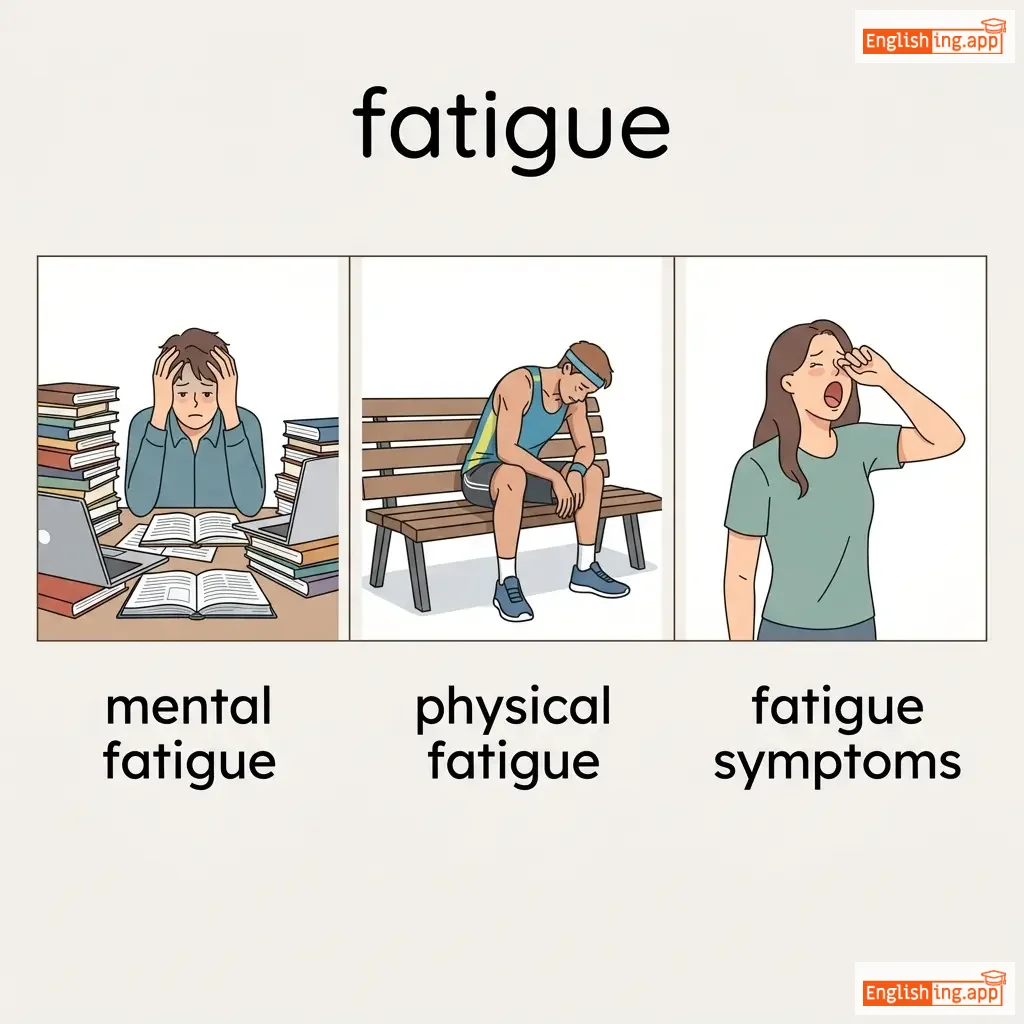
/fəˈtiːɡ/
noun
(фатиг)
••••••
|
|
усталость
ustalost
••••••
|
extreme tiredness resulting from mental or physical exertion or illness
••••••
|
After working for twelve hours straight, he was overcome by fatigue.
После работы двенадцать часов подряд, его одолела усталость.
••••••
|
После работы двенадцать часов подряд, его одолела усталость.
Posle raboty dvenadtsat' chasov podryad, ego odolela ustalost.
••••••
|
exhaustion, weariness, tiredness, burnout
••••••
|
energy, vitality, freshness, vigor
••••••
|
muscle fatigue, mental fatigue, chronic fatigue
••••••
|
Fatigue = усталость, similar sound in Russian.
••••••
|
|
#433
🎭
|
/feɪk/
noun
(feik)
••••••
|
- •••••• |
подделка; мошенничество; фальшивый предмет
poddelka, moshennichestvo, falshivyy predmet
••••••
|
a thing that is not genuine; a forgery or sham
••••••
|
The painting was discovered to be a fake worth very little money.
Картина была обнаружена как фальшивка, стоимость которой была очень низкой.
••••••
|
Картина была обнаружена как подделка с очень низкой стоимостью.
Kartina byla obnaruzhena kak poddelka s ochen' nizkoy stoimost'yu.
••••••
|
counterfeit, forgery, imitation, fraud
••••••
|
genuine, authentic, real, original
••••••
|
fake news, fake passport, fake jewelry
••••••
|
Fake предмет – это подделка, как что-то ненастоящее.
••••••
|
|
#434
❌
|
/fɔːlt/
noun
(фо́лт)
••••••
|
- •••••• |
вина; ошибка; дефект
vina, oshibka, defekt
••••••
|
an unattractive or unsatisfactory feature; responsibility for an accident or misfortune
••••••
|
The accident was caused by a fault in the car's braking system.
Авария была вызвана неисправностью в тормозной системе автомобиля.
••••••
|
Авария была вызвана неисправностью в тормозной системе автомобиля.
Avariya byla vyzvana neispravnost' v tormoznoy sisteme avtomobilya.
••••••
|
defect, flaw, error, mistake
••••••
|
perfection, strength, virtue, merit
••••••
|
at fault, find fault, mechanical fault
••••••
|
Fault (ошибка) - когда машина ломается из-за дефекта и виновен кто-то.
••••••
|
|
#435
🤥
|
/ˈfɔːls.hʊd/
noun
(fɔlshud)
••••••
|
- •••••• |
ложь; обман
lozh; obman
••••••
|
the state of being untrue; a lie
••••••
|
The politician was caught spreading falsehoods about his opponent.
Политика был пойман на распространении лжи о своем противнике.
••••••
|
Политика был пойман на распространении лжи о своем противнике.
Politika byl poyman na rasprostranenii lozhi o svoem protivnike.
••••••
|
lie, untruth, deception, dishonesty
••••••
|
truth, honesty, fact, reality
••••••
|
spread falsehood, deliberate falsehood, pure falsehood
••••••
|
Falsehood на русском означает ложь или обман, когда кто-то врет.
••••••
|
|
#436
🤝
|
/ˈfeɪ.vər/
noun
(фэйвэр)
••••••
|
- •••••• |
одолжение; помощь; доброта
odolozhenie, pomoshch, dobrotа
••••••
|
approval, support, or liking for someone or something; a kind or helpful act
••••••
|
Could you do me a favour and help me move this heavy box?
Не могли бы вы сделать мне одолжение и помочь мне переместить эту тяжелую коробку?
••••••
|
Не могли бы вы сделать мне одолжение и помочь мне переместить эту тяжелую коробку?
Ne mogli by vy sdelat’ mne odolozhenie i pomoch’ mne peremestit’ etu tyazheluyu korobku?
••••••
|
kindness, help, assistance, good turn
••••••
|
disfavour, hindrance, harm, disadvantage
••••••
|
ask a favour, return favour, curry favour
••••••
|
Favour sounds like ‘friend’ who always helps you out.
••••••
|
|
#437
⭐
|
/feɪm/
noun
(fem)
••••••
|
- •••••• |
слава
slava
••••••
|
the condition of being known or talked about by many people
••••••
|
The young actor achieved international fame with his latest movie.
Молодой актер достиг международной славы благодаря своему последнему фильму.
••••••
|
Молодой актер достиг международной славы благодаря последнему фильму.
Molodoy akter dostig mezhdunarodnoy slavy blagodarya poslednemu filmu.
••••••
|
renown, celebrity, reputation, prominence
••••••
|
obscurity, anonymity, unknown, insignificance
••••••
|
international fame, rise to fame, fame and fortune
••••••
|
Fame напоминает славу, как в русском 'слава'.
••••••
|
|
#438
😨
|
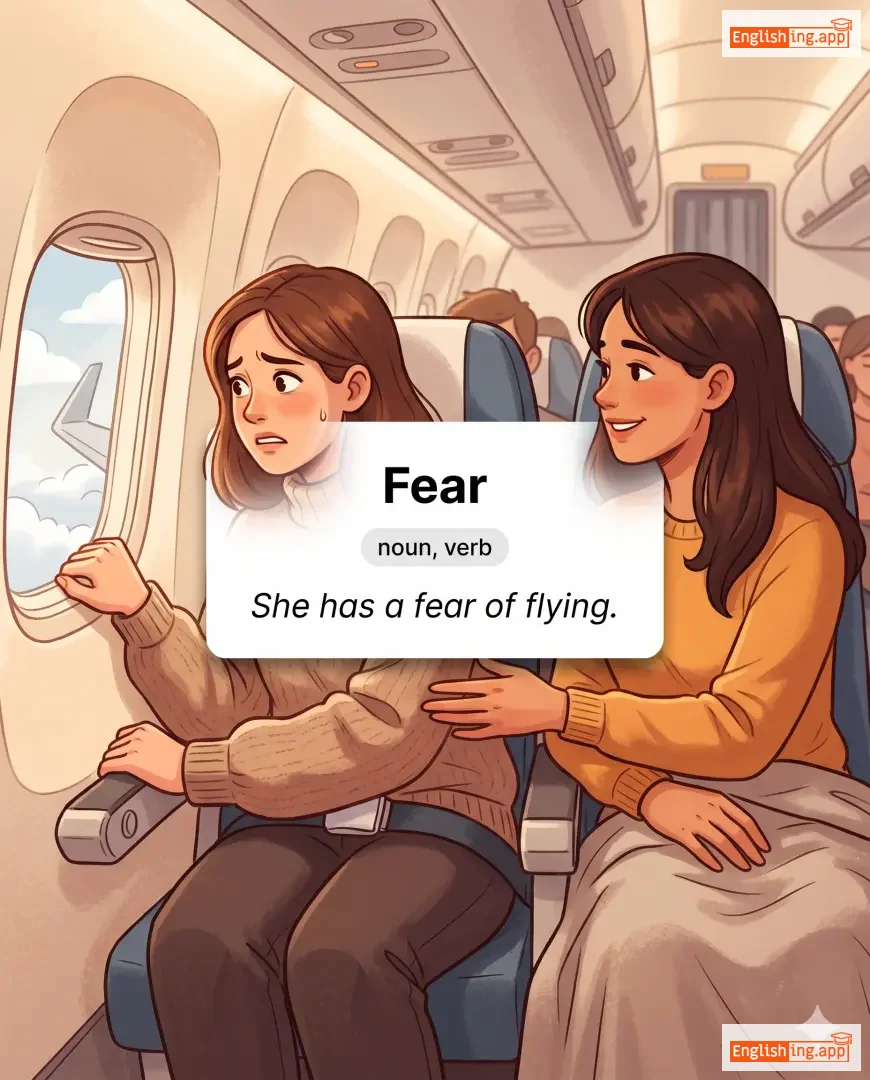
/fɪər/
noun
(фиар)
••••••
|
|
страх; опасение
strakh; opaseniye
••••••
|
an unpleasant emotion caused by the belief that someone or something is dangerous
••••••
|
She overcame her fear of heights by taking rock climbing lessons. |
Она преодолела свой страх высоты, пройдя уроки скалолазания.
Ona preodolela svoy strakh vysoty, proyda uroki skalolazaniya.
••••••
|
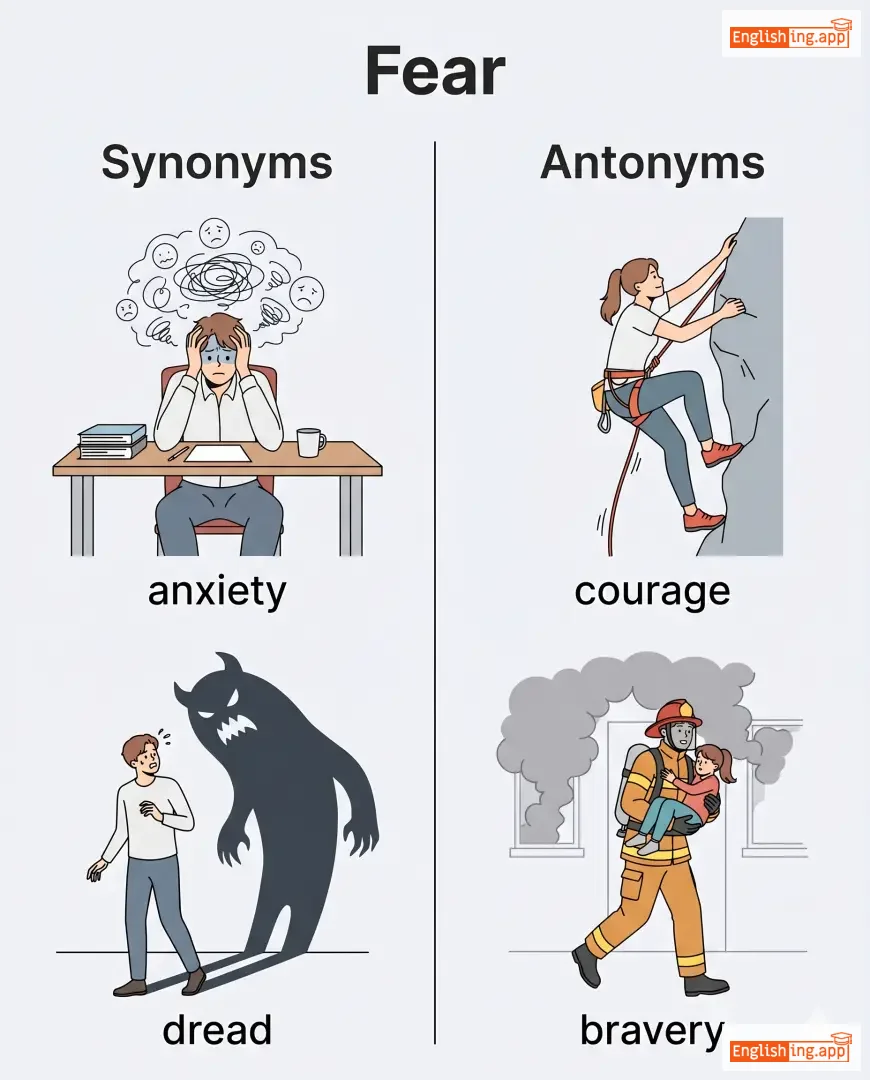
anxiety, terror, dread, panic
••••••
|
courage, bravery, confidence, fearlessness
••••••
|
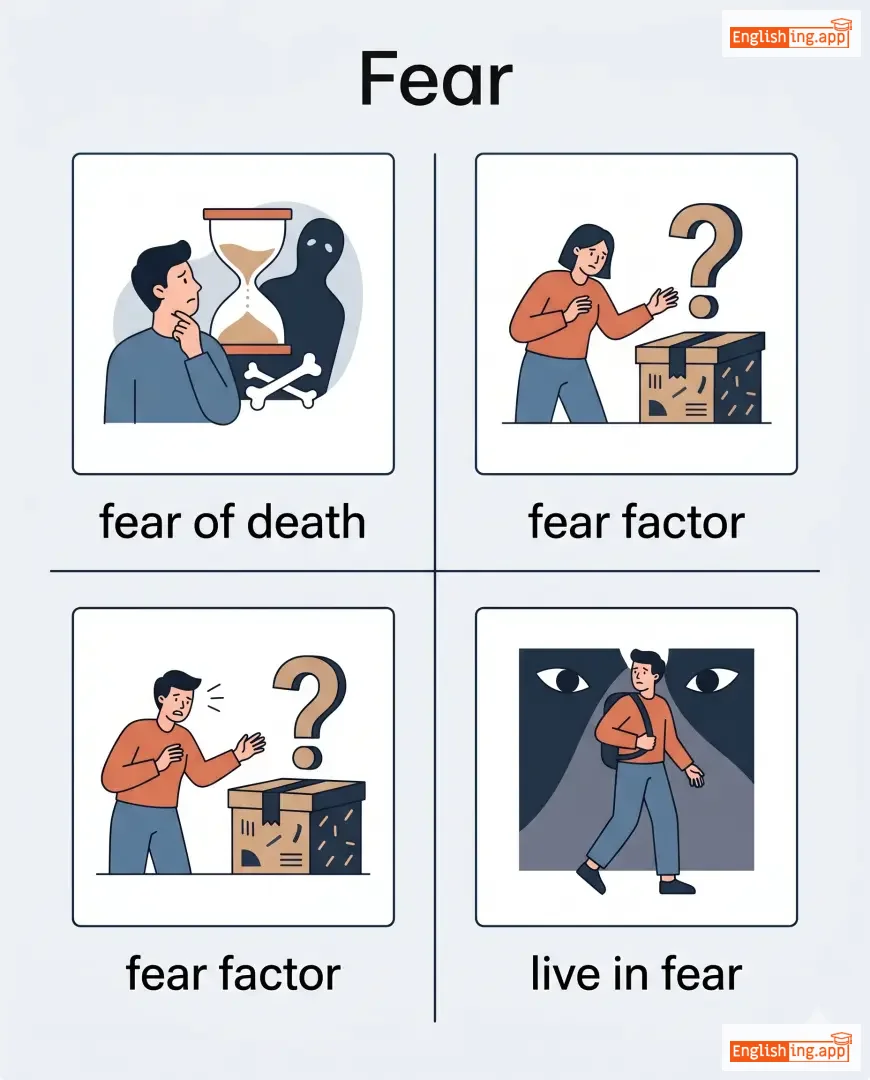
fear of failure, overcome fear, face fear
••••••
|
Страх — это то, что заставляет нас бояться того, что не известно.
••••••
|
|
#439
🌾
|
/ˈfæm.ɪn/
noun
(фэ́мин)
••••••
|
- •••••• |
голод
golod
••••••
|
extreme scarcity of food; a period when food is extremely scarce
••••••
|
The severe drought led to widespread famine in the region.
Тяжелая засуха привела к широкомасштабному голоду в регионе.
••••••
|
Тяжелая засуха привела к широкомасштабному голоду в регионе.
Tyazhelaya zasukha privela k shirokomasshtabnomu golodu v regione.
••••••
|
starvation, hunger, scarcity, shortage
••••••
|
abundance, plenty, feast, surplus
••••••
|
widespread famine, famine relief, famine conditions
••••••
|
Голод в России - это связанное с 'famine' бедствие
••••••
|
|
#440
🍽️
|
/fiːst/
noun
(фист)
••••••
|
- •••••• |
пир; празднество
pir, prazdnestvo
••••••
|
a large meal, typically one in celebration of something; an annual religious celebration
••••••
|
The wedding feast included traditional dishes from both families' cultures. |
Свадебный пир включал традиционные блюда обеих семейных культур.
Svadebnyy pir vklyuchal traditsionnye blyuda obeykh semeynukh kultur.
••••••
|
banquet, celebration, festival, meal
••••••
|
famine, fast, starvation, hunger
••••••
|
wedding feast, feast day, feast your eyes
••••••
|
Пир напоминает о больших праздниках и семейных собраниях.
••••••
|
Vocabulary Quiz
Test your vocabulary by matching words with their translations or meanings.
Login to take the quiz
Comments (0)
Share your thoughts and join the discussion.
Join the discussion by logging in
Login to CommentNo comments yet
Be the first to share your thoughts!