

Обновитесь для доступа ко всему словарю
Получите неограниченный доступ ко всем словам с подпиской Pro
Обновить до ProПеревод
Прошедшее
Причастие прошедшего времени
Третье лицо единственного числа
Герундий
Значение
Пример предложения
Перевод примера предложения
Синонимы
Антонимы
Коллокации
Мнемоника

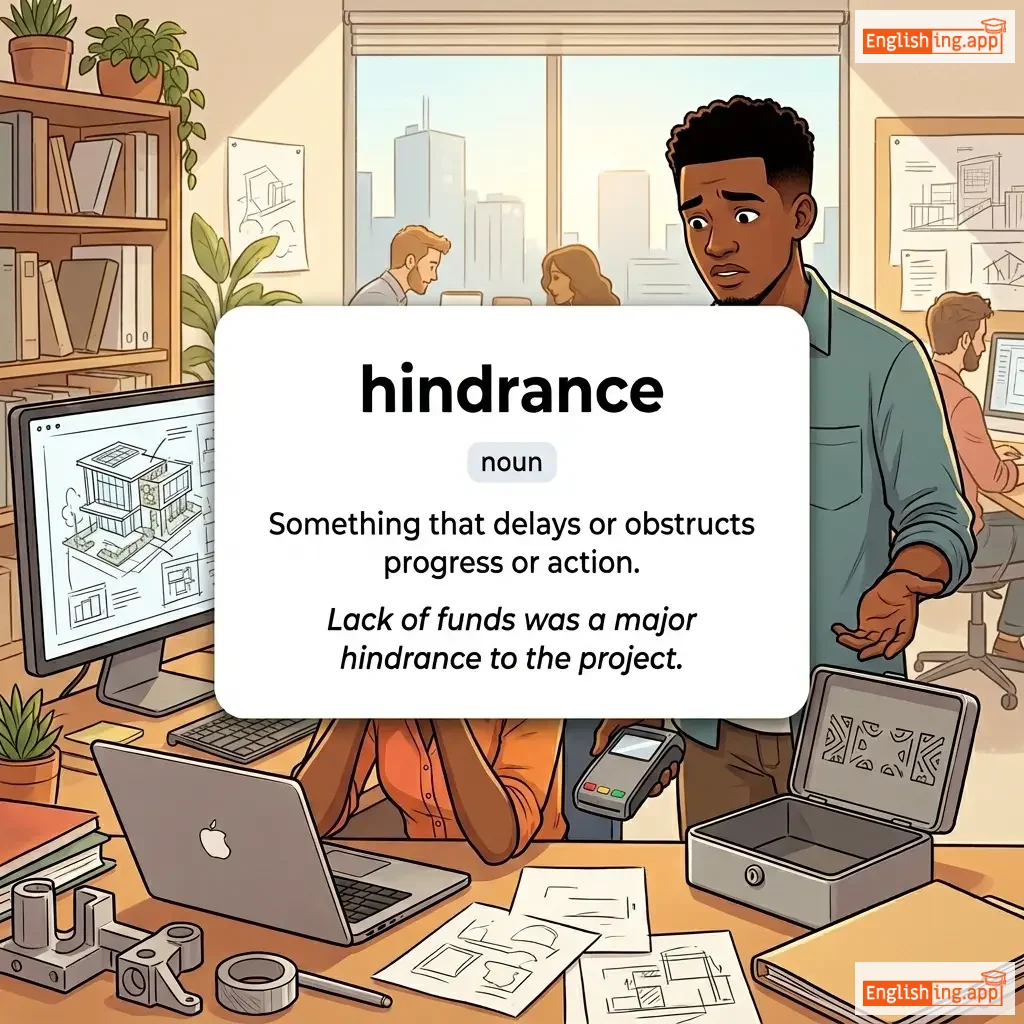
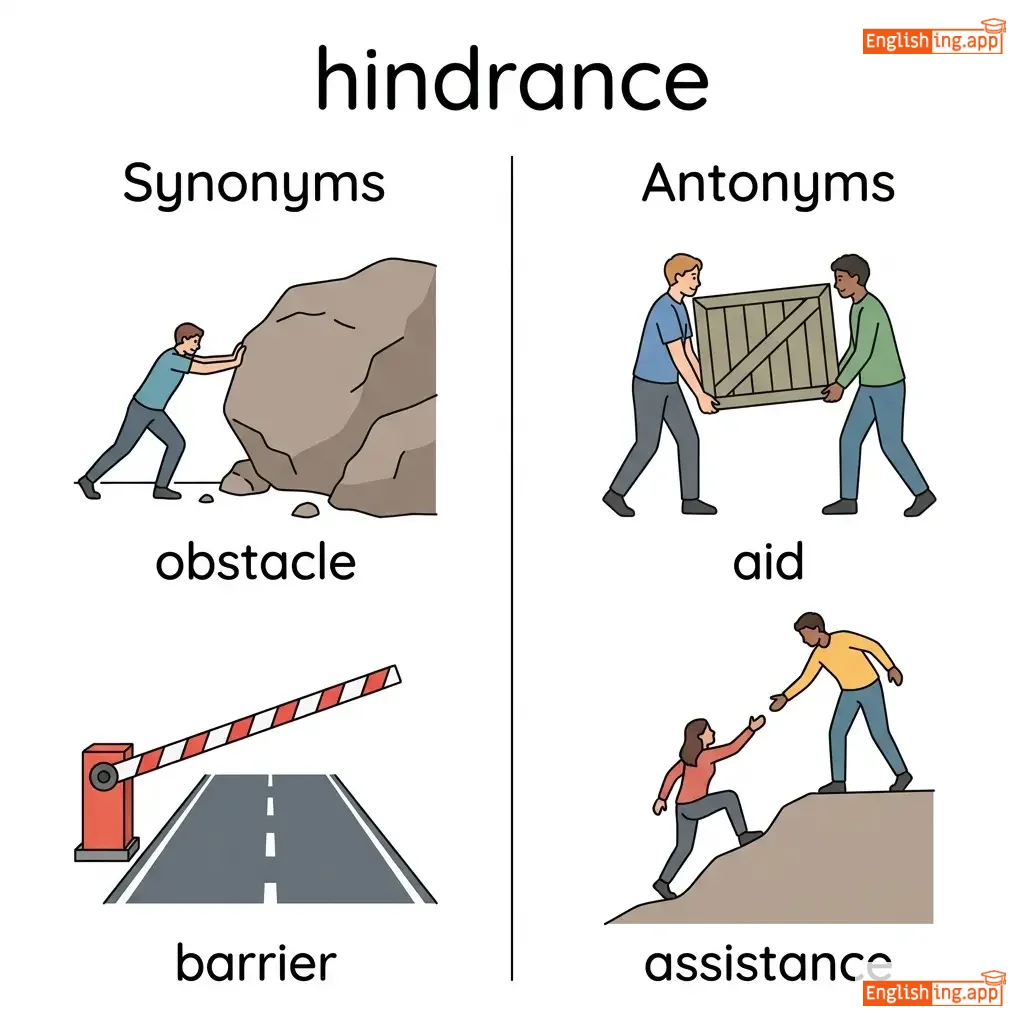
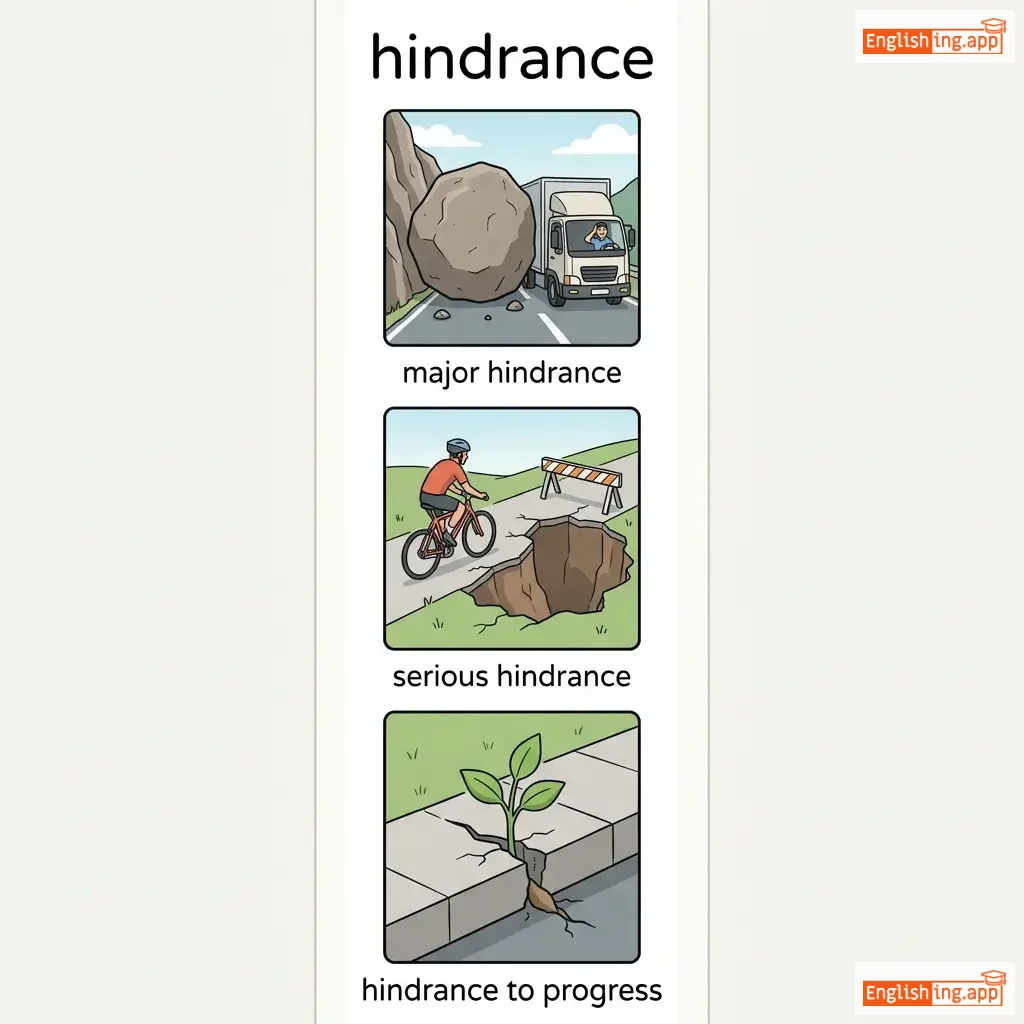
Swipe left or right, or use the buttons. Tap image to zoom.
Обновитесь для доступа ко всем предложениям
Получите неограниченный доступ ко всем предложениям с подпиской Pro
Обновить до ProПеревод примера предложения
Слово
Lesson 30Lesson 30 - Переключатель маски
|
Эмодзи
|
Слово | Images | Перевод | Значение | Пример предложения | Перевод примера предложения | Синонимы | Антонимы | Коллокации | Мнемоника |
|---|---|---|---|---|---|---|---|---|---|---|
|
#581
⚓
|
/ˈhelmz.mən/
noun
(хелмсман)
••••••
|
- •••••• |
штурман; капитан
shturman; kapitan
••••••
|
a person who steers a ship or boat; the person at the helm of a vessel
••••••
|
The experienced helmsman skillfully guided the yacht through the narrow channel during the storm. |
Опытный штурман умело провел яхту через узкий канал во время шторма.
Opytniy shturman umelo provel yahtu cherez uzkiy kanal vo vremya shtorma.
••••••
|
navigator, pilot, steersman, captain
••••••
|
passenger, crew member, landlubber, novice
••••••
|
experienced helmsman, skilled helmsman, ship's helmsman
••••••
|
No •••••• |
|
#582
🐝
|
/haɪv/
noun
(haiv)
••••••
|
- •••••• |
улей; место, полное активности
uley; mesto, polnoe aktivnostī
••••••
|
a structure in which bees live and produce honey; a place full of busy activity
••••••
|
The garden was buzzing with activity as bees flew back and forth from their hive. |
Сад гудел от активности, когда пчёлы летали взад и вперёд от своего улья.
Sad gudel ot aktivnosti, kogda pchyoly letali vzad i vpered ot svoego ul'ya.
••••••
|
beehive, nest, colony, swarm
••••••
|
emptiness, solitude, inactivity, stillness
••••••
|
bee hive, hive of activity, busy hive
••••••
|
Представьте себе сад, полный пчёл, жужжащих вокруг своего улья, создавая атмосферу активности.
••••••
|
|
#583
🆘
|
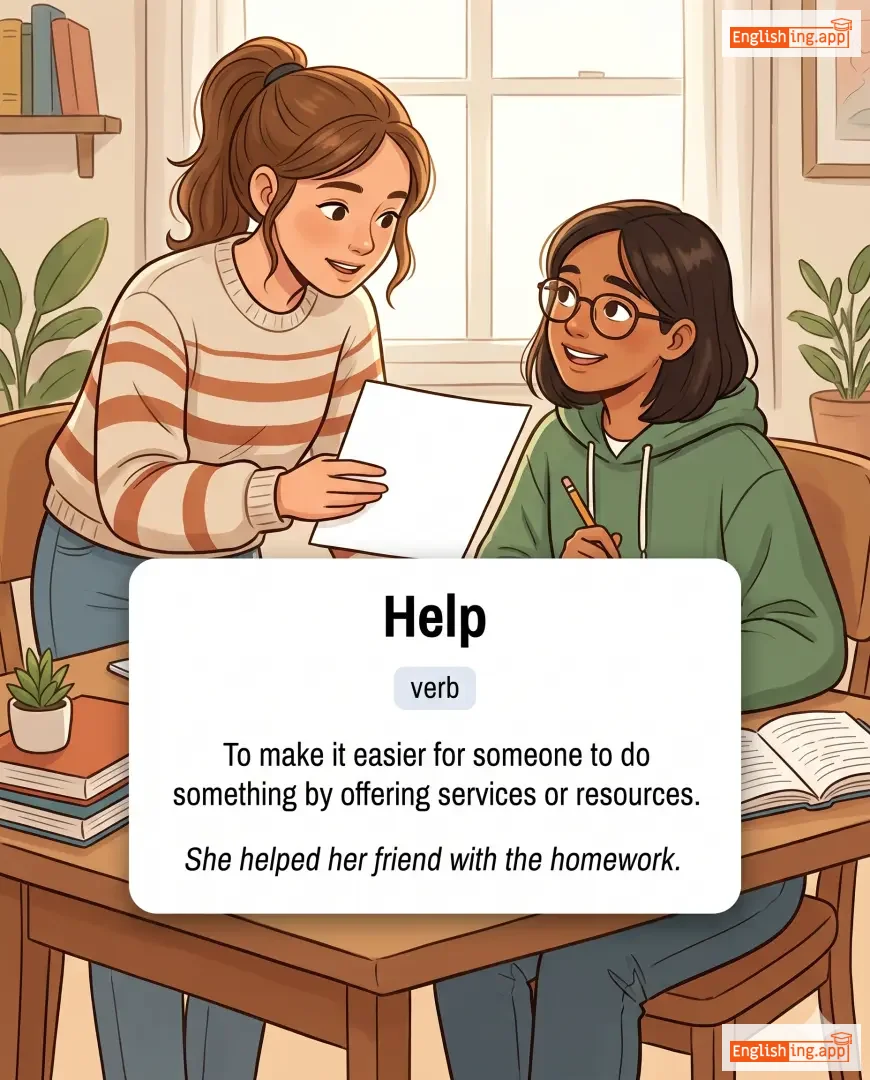
/help/
noun
(хелп)
••••••
|
|
помощь; поддержка
pomoshch, podderzhka
••••••
|
the action of helping someone to do something; assistance or support
••••••
|
The volunteer offered his help to carry the elderly woman's groceries to her car. |
Волонтёр предложил свою помощь, чтобы донести покупки пожилой женщины до её машины.
Volontyor predlozhil svoyu pomoshch, chtoby donesti pokupki pozhiloy zhenshchiny do yeye mashiny.
••••••
|
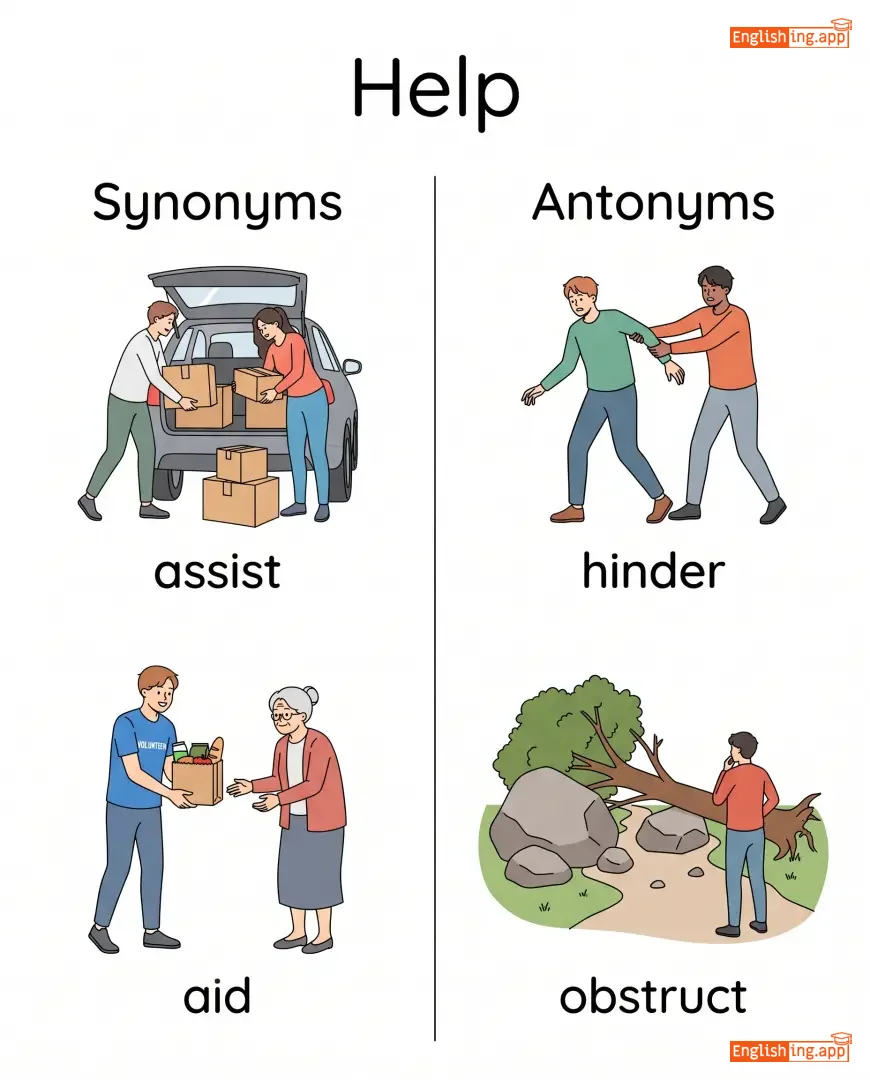
assistance, aid, support, service
••••••
|
hindrance, obstruction, harm, interference
••••••
|
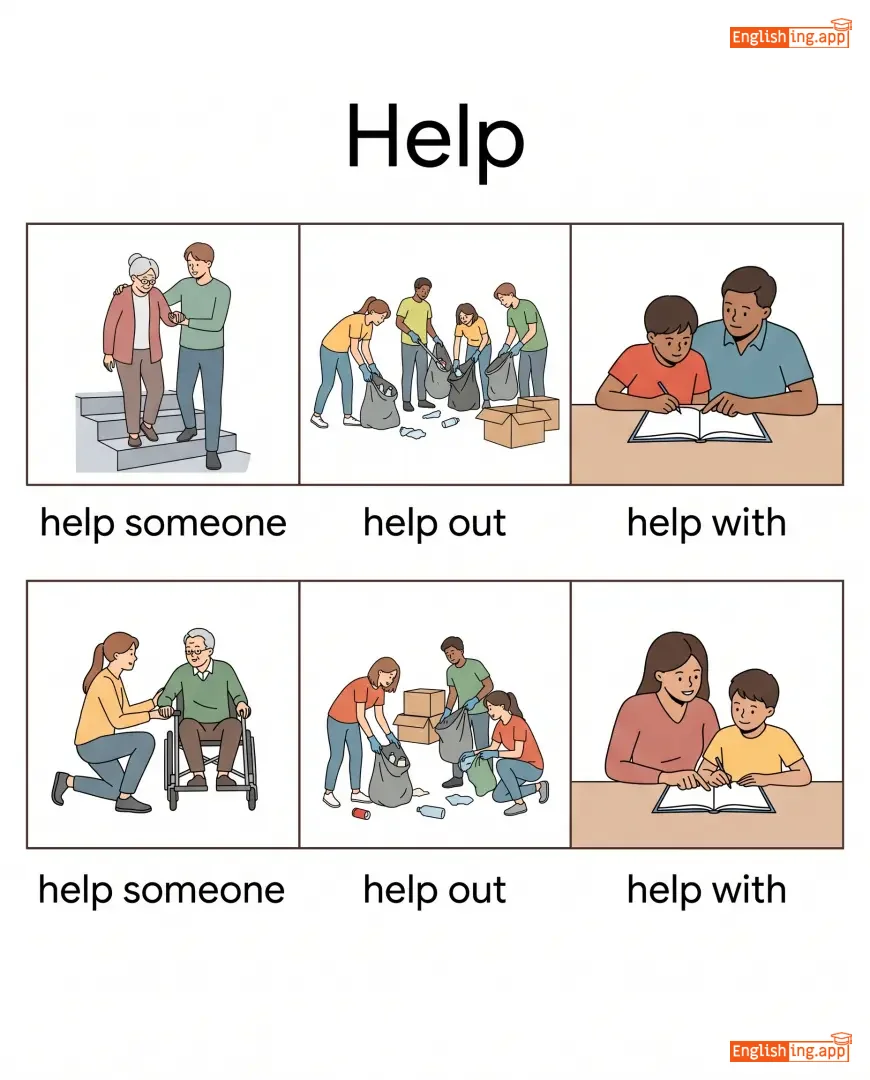
ask for help, offer help, need help
••••••
|
Help = Помощь (Pomoshch), вспомни, когда кто-то просит о помощи, мы ему предлагаем помощь.
••••••
|
|
#584
🎭
|
/hoʊks/
noun
(hokcs)
••••••
|
- •••••• |
обман; шутка; фальшивка
obman, shutka, falshivka
••••••
|
a humorous or malicious deception; something intended to trick or deceive people
••••••
|
The news about aliens landing turned out to be an elaborate hoax created by pranksters.
Новости о приземлении инопланетян оказались elaborate hoax, созданной розыгрышниками.
••••••
|
Новости о приземлении инопланетян оказались elaborate hoax, созданной розыгрышниками.
Novosti o prizeremlenii inoplanetjan okazalis' elaborate hoax, sozdannoj rozygrishnikami.
••••••
|
deception, fraud, trick, scam
••••••
|
truth, fact, reality, authenticity
••••••
|
elaborate hoax, internet hoax, hoax call
••••••
|
A hoax tricks people in many ways.
••••••
|
|
#585
🌿
|
/ˈhen.ə/
noun
(khena)
••••••
|
- •••••• |
хна
khna
••••••
|
a reddish-brown dye made from the powdered leaves of a tropical shrub, used to color hair and decorate skin
••••••
|
The bride's hands were beautifully decorated with intricate henna patterns for her wedding ceremony.
Руки невесты были красиво украшены сложными узорами хны для ее свадебной церемонии.
••••••
|
Руки невесты были красиво украшены сложными узорами хны для ее свадебной церемонии.
Ruki nevesty byli krasivo ukrasheny slozhnymi uzorami khny dlya yeye svadebnoy tseremonii.
••••••
|
mehndi, natural dye, temporary tattoo, body art
••••••
|
permanent ink, chemical dye, synthetic color, artificial pigment
••••••
|
henna tattoo, henna design, henna paste
••••••
|
Хна используется для украшения рук, особенно в свадебных церемониях, таких как в Индии и на Ближнем Востоке.
••••••
|
|
#586
🎨
|
/ˈhɑː.bi/
noun
(хобби)
••••••
|
- •••••• |
хобби; любимое занятие; увлечение
hobbi, lyubimoye zanyatiye, uvlecheniye
••••••
|
an activity done regularly in one's leisure time for pleasure; a pastime or recreation
••••••
|
Photography became her favorite hobby after she received a camera for her birthday. |
Фотография стала её любимым хобби, когда она получила камеру на день рождения.
Fotografiya stala yeyo lyubimym hobbi, kogda ona poluchila kameru na den' rozhdeniya.
••••••
|
pastime, interest, pursuit, recreation
••••••
|
work, job, profession, obligation
••••••
|
favorite hobby, hobby horse, pursue hobby
••••••
|
Хобби - это занятие, которое приносит радость, как фотография.
••••••
|
|
#587
🏛️
|
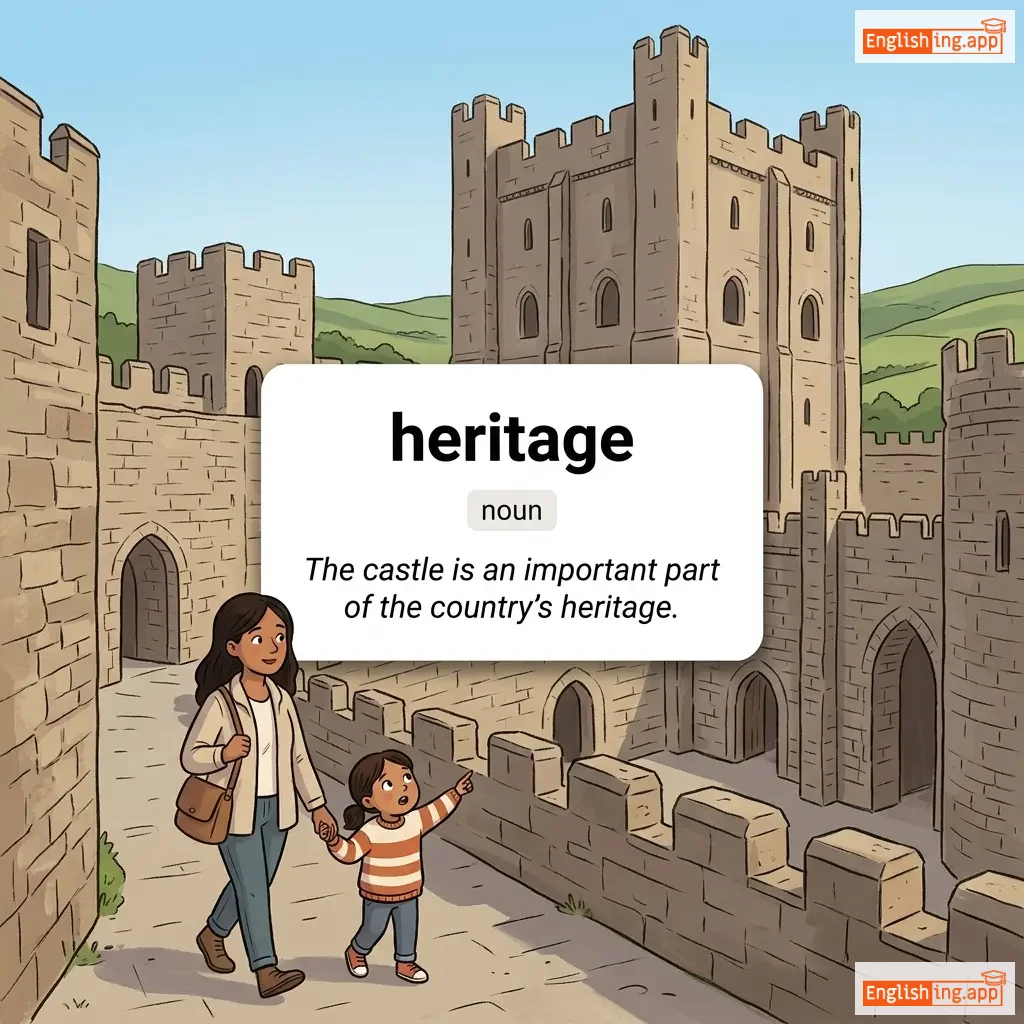
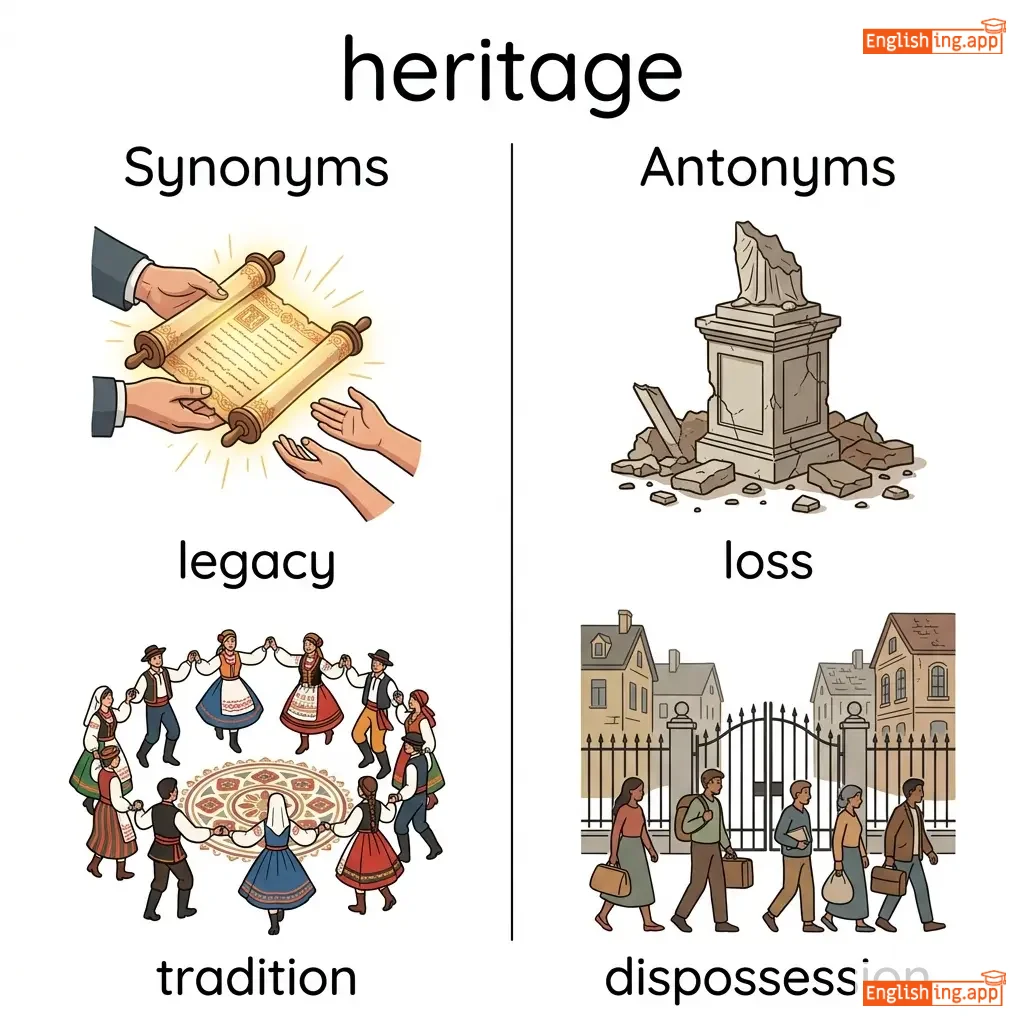
/ˈher.ɪ.tɪdʒ/
noun
(херитедж)
••••••
|
|
наследие
nasledie
••••••
|
features belonging to the culture of a particular society that are passed down from previous generations
••••••
|
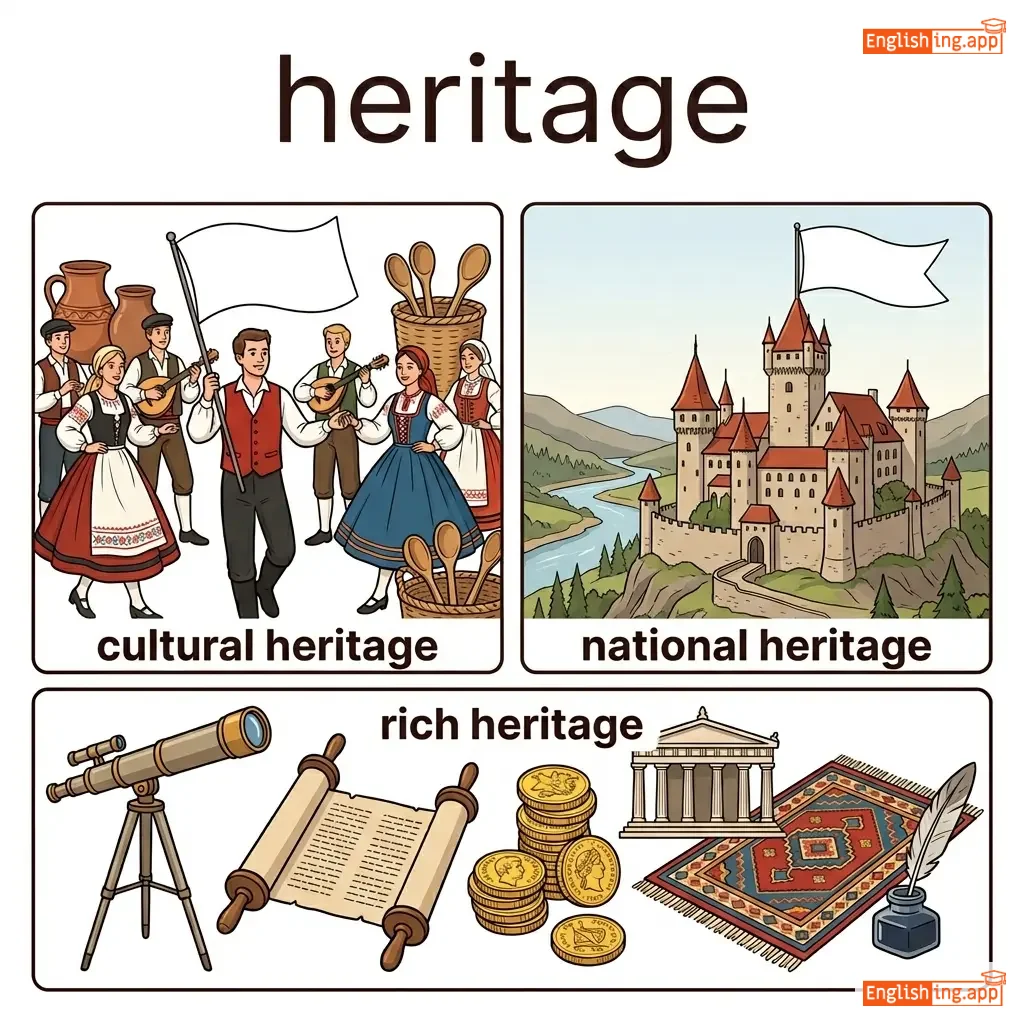
The ancient castle is an important part of the country's cultural heritage and attracts many tourists.
Старый замок является важной частью культурного наследия страны и привлекает многих туристов.
••••••
|
Старый замок является важной частью культурного наследия страны и привлекает многих туристов.
Staryi zamok yavlyaetsya vazhnoy chastyu kulturnogo naslediya strany i privlekaet mnogikh turistov.
••••••
|
tradition, legacy, inheritance, culture
••••••
|
innovation, modernity, novelty, break from tradition
••••••
|
cultural heritage, world heritage, heritage site
••••••
|
Наследие (nasledie) - Наследие включает культуру и традиции, передаваемые от поколения к поколению.
••••••
|
|
#588
🕳️
|
/hoʊl/
noun
(khole)
••••••
|
- •••••• |
дыра; отверстие;
dyra, otverstie
••••••
|
a hollow place in a solid body or surface; an opening through something
••••••
|
The dog dug a deep hole in the backyard to bury its favorite bone. |
Собака вырыла глубокую дыру во дворе, чтобы похоронить свою любимую кость.
Sobaka vyrila glubokuyu dyru vo dvore, chtoby pokhoronit' svoyu lyubimuyu kost'.
••••••
|
opening, cavity, gap, pit
••••••
|
solid, bump, protrusion, surface
••••••
|
deep hole, hole in the wall, make hole
••••••
|
Дыра – это отверстие, которое собака копает в земле.
••••••
|
|
#589
🏕️
|
/ˈhɜː.mɪt/
noun
(эрмит)
••••••
|
- •••••• |
человек, живущий в одиночестве как религиозная дисциплина; тот, кто удаляется от общества
chelovek, zhivushchiy v odinochestve kak religioznaya diskiplina; tot, kto udalyaetsya ot obshchestva
••••••
|
a person living in solitude as a religious discipline; someone who withdraws from society
••••••
|
The old hermit lived alone in a small cabin deep in the mountains, away from civilization. |
Старый отшельник жил один в маленькой хижине в горах, вдали от цивилизации.
Staryy otshel'nik zhíl odin v malenkoy khizhine v gorakh, vdali ot tsivilizatsii.
••••••
|
recluse, ascetic, solitary, loner
••••••
|
socialite, extrovert, community person, gregarious person
••••••
|
mountain hermit, religious hermit, old hermit
••••••
|
Отшельник, как и отшельничество, означает уединение, жить в одиночестве.
••••••
|
|
#590
🙏
|
/ˈhɑː.mɪdʒ/
noun
(hɑmɑʒ)
••••••
|
- •••••• |
почтение; уважение; дань
pochtenie, uvazhenie, dan'
••••••
|
special honor or respect shown publicly; tribute paid to someone in recognition of their merit
••••••
|
The memorial service was a touching homage to the brave soldiers who sacrificed their lives. |
Мемориальная служба была трогательным почтением к храбрым солдатам, которые пожертвовали своими жизнями.
Memorial'naya sluzhba byla trogatelnym pochteniem k khrabrym soldatam, kotorye pozhertvovali svoimi zhiznyami.
••••••
|
tribute, honor, respect, reverence
••••••
|
disrespect, dishonor, insult, contempt
••••••
|
pay homage, homage to heroes, touching homage
••••••
|
Pochtenie - дань уважения, как память о героях
••••••
|
|
#591
🤔
|
/ˌhez.ɪˈteɪ.ʃən/
noun
(хезитейшн)
••••••
|
- •••••• |
колебание; сомнение
kolebanie, somnenie
••••••
|
the action of pausing or delaying; uncertainty or unwillingness to act
••••••
|
After a moment of hesitation, she decided to accept the challenging job offer from the company.
После момента колебания она решила принять сложное предложение о работе от компании.
••••••
|
После момента колебания она решила принять сложное предложение о работе от компании.
posle momenta kolebaniya ona reshilas' prinyat' slozhnoe predlozhenie o rabote ot kompanii.
••••••
|
doubt, uncertainty, pause, indecision
••••••
|
certainty, confidence, decisiveness, determination
••••••
|
without hesitation, moment of hesitation, show hesitation
••••••
|
Hesitation – Колебание: когда ты сомневаешься, прежде чем действовать.
••••••
|
|
#592
😢
|
/ˈhoʊm.sɪk/
adjective
(khom-sik)
••••••
|
- •••••• |
тоска по дому; желание вернуться домой
toska po domu; zhelanie vernut'sya domoy
••••••
|
experiencing a longing for one's home during a period of absence from it; missing home
••••••
|
After three months studying abroad, Maria felt increasingly homesick for her family.
После трех месяцев учебы за границей, Мария все больше чувствовала тоску по дому.
••••••
|
После трех месяцев учебы за границей, Мария все больше чувствовала тоску по дому.
Posle trekh mesyatsev ucheby za granitsey, Maria vse bol'she chuvstvovala tosku po domu.
••••••
|
nostalgic, longing, yearning, missing home
••••••
|
content, settled, comfortable, at home
••••••
|
feel homesick, homesick student, getting homesick
••••••
|
In Russian, 'тоска' (toska) describes a deep longing, like homesickness.
••••••
|
|
#593
🌟
|
/ˈheɪ.deɪ/
noun
(хэй дэй)
••••••
|
- •••••• |
золотой век; расцвет; пик
zolotoy vek; rastsvet; pik
••••••
|
the period of a person's or thing's greatest success, popularity, or vigor; prime time
••••••
|
During her heyday as a singer, she performed in sold-out concerts around the world. |
Во время своего золотого века как певица она выступала на распроданных концертах по всему миру.
Vo vremya svoego zolotogo veka kak pevitsa ona vystupala na rasprodannykh kontsertakh po vsemy miru.
••••••
|
prime, golden age, peak, zenith
••••••
|
decline, downfall, nadir, low point
••••••
|
in heyday, heyday of success, past heyday
••••••
|
Золотой век — как момент на пике твоей карьеры, или 'hey day'.
••••••
|
|
#594
⚖️
|
/ˈhɑː.mɪ.saɪd/
noun
(хомисайд)
••••••
|
- •••••• |
убийство
ubiystvo
••••••
|
the deliberate and unlawful killing of one person by another; murder
••••••
|
The detective was assigned to investigate the homicide that occurred downtown last night. |
Детектив был назначен для расследования убийства, которое произошло в центре города прошлой ночью.
Detektiv byl naznachen dlya rassledovaniya ubiystva, kotoroe proizoshlo v tsentre goroda proshloy noch'yu.
••••••
|
murder, killing, manslaughter, assassination
••••••
|
protection, preservation, life-saving, rescue
••••••
|
homicide investigation, homicide detective, commit homicide
••••••
|
No •••••• |
|
#595
👑
|
/ˈhaɪ.nəs/
noun
(hayness)
••••••
|
- •••••• |
Высочество; королевский титул
vysochectvo, korolevskiy titul
••••••
|
a title given to a person of royal rank; the quality or state of being high or elevated
••••••
|
Your Highness, the royal carriage is ready to take you to the state banquet this evening. |
Ваше Высочество, королевская карета готова отвезти вас на государственный банкет сегодня вечером.
Vashe Vysochectvo, korolevskaya karet is ready to take you to the state banquet tonight.
••••••
|
majesty, excellence, nobility, royalty
••••••
|
lowliness, commoner status, humbleness, ordinary rank
••••••
|
Your Highness, Royal Highness, address Highness
••••••
|
Высочество = королевский титул + высокое
••••••
|
|
#596
⛪
|
/ˈhɑː.mə.li/
noun
(хо-ми-ле)
••••••
|
|
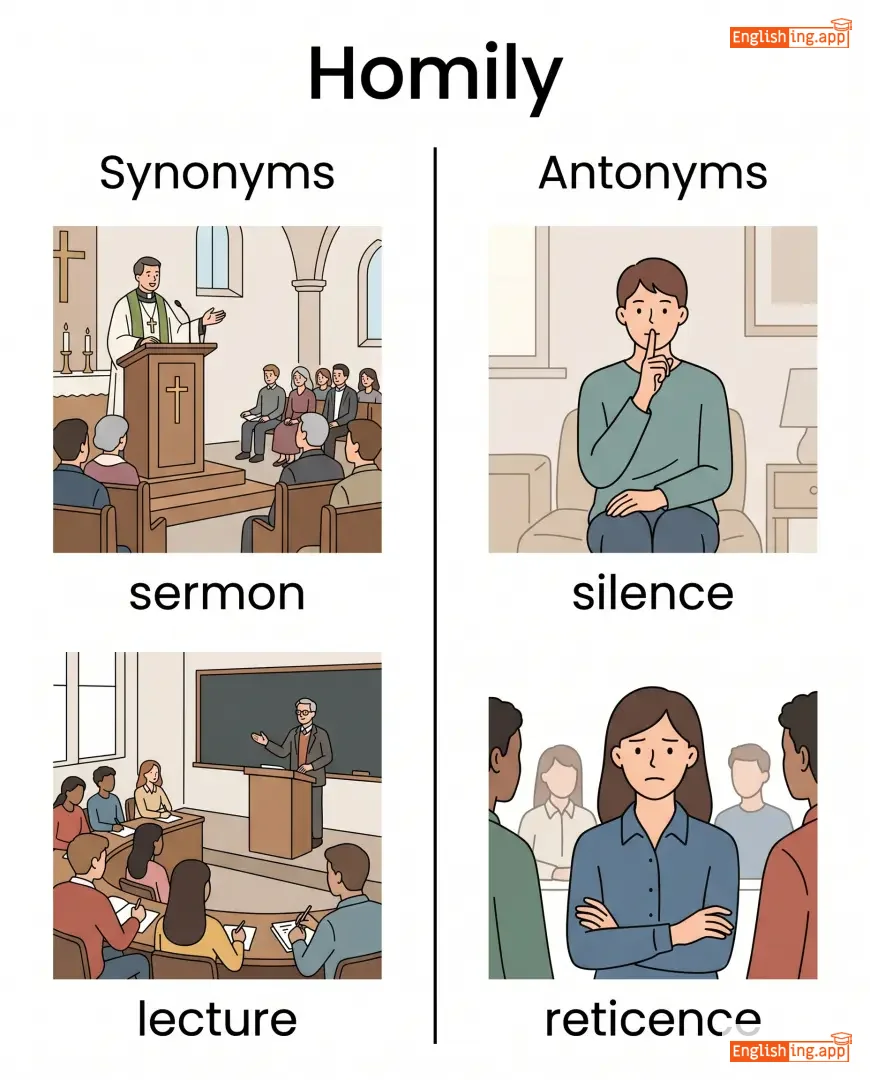
проповедь; моральная лекция
propoved; moral'naya lektsiya
••••••
|
a religious discourse delivered as part of a church service; a tedious moralizing lecture
••••••
|
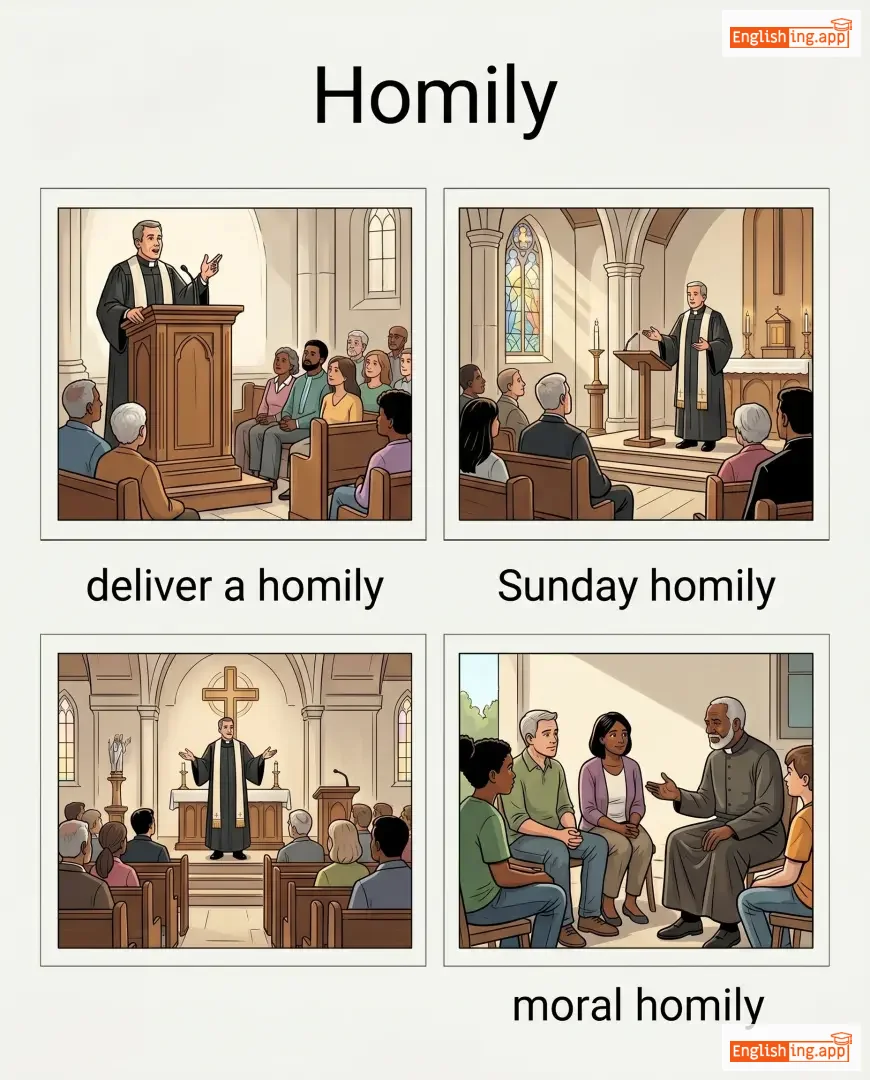
The priest delivered an inspiring homily about compassion and forgiveness during Sunday service. |
Священник произнес вдохновляющую проповедь о сострадании и прощении во время воскресной службы.
Svyashchennik proyznos vdokhnovlyayushchuyu propoved' o sostradanii i proshchenii vo vremya voskresnoy sluzhby.
••••••
|
sermon, lecture, discourse, preaching
••••••
|
silence, quiet, wordlessness, muteness
••••••
|
Sunday homily, inspiring homily, deliver homily
••••••
|
Propoved = проповедь - это скучное лекция в церкви.
••••••
|
|
#597
🏔️
|
/hɪl/
noun
(хил)
••••••
|
- •••••• |
холм; пригорок
kholm, prigorok
••••••
|
a naturally raised area of land, not as high or craggy as a mountain
••••••
|
The children enjoyed rolling down the grassy hill behind their house during summer vacation. |
Дети наслаждались катанием с травяного холма за домом во время летних каникул.
Deti naslazhdalis' kataniem s travianogo kholma za domom vo vremia letnikh kanikul.
••••••
|
mound, elevation, rise, slope
••••••
|
valley, depression, hollow, plain
••••••
|
rolling hills, steep hill, grassy hill
••••••
|
Холм (kholm) - это не гора, но на нем тоже можно весело кататься.
••••••
|
|
#598
😱
|
/ˈhɔːr.ər/
noun
(хоррор)
••••••
|
- •••••• |
ужас; интенсивное чувство страха; отвращение
uzhas, intensivnoe chuvstvo strakha, otrashchenie
••••••
|
an intense feeling of fear, shock, or disgust; something that causes such feelings
••••••
|
The survivors described the horror of the earthquake that destroyed their entire village.
выжившие описали ужас землетрясения, которое разрушило всю их деревню.
••••••
|
Выжившие описали ужас землетрясения, которое разрушило всю их деревню.
Vyzhivshie opisali uzhas zemletryaseniya, kotoroye razrushilo vsyu ikh derevnyu.
••••••
|
terror, fear, dread, nightmare
••••••
|
delight, pleasure, joy, comfort
••••••
|
horror movie, horror story, in horror
••••••
|
Ужас — это чувство страха, которое мы испытываем, когда что-то страшное разрушает всё.
••••••
|
|
#599
🚧
|
/ˈhɪn.drəns/
noun
(хиндренс)
••••••
|
|
препятствие; затруднение;
prepyatstvie, zatrudnenie
••••••
|
a thing that provides resistance, delay, or obstruction to something or someone
••••••
|
The heavy rain proved to be a major hindrance to the outdoor wedding ceremony. |
Сильный дождь стал серьезным препятствием для свадебной церемонии на свежем воздухе.
Sil'nyj dozhd' stal ser'eznym prepyatstviem dlya svadebnoj tseremonii na svezhem vozdukhe.
••••••
|
obstacle, barrier, impediment, obstruction
••••••
|
help, assistance, facilitation, support
••••••
|
major hindrance, without hindrance, overcome hindrance
••••••
|
Хиндренс напоминает слово для 'препятствия'.
••••••
|
|
#600
🏠
|
/ˌhɑː.spɪˈtæl.ə.ti/
noun
(госпитали́тет)
••••••
|
- •••••• |
гостеприимство
gostepriimstvo
••••••
|
the friendly and generous reception and entertainment of guests or strangers
••••••
|
The hotel staff's exceptional hospitality made our vacation truly memorable and enjoyable.
Исключительное гостеприимство персонала отеля сделало наш отпуск по-настоящему незабываемым и приятным.
••••••
|
Исключительное гостеприимство персонала отеля сделало наш отпуск по-настоящему незабываемым и приятным.
Isklyuchitel'noe gostepriimstvo personala otelya sdelalo nash otpuskn po-nastoyashchemu nezabyvayushchimsya i priyatnym.
••••••
|
welcome, generosity, warmth, kindness
••••••
|
hostility, rudeness, coldness, inhospitality
••••••
|
warm hospitality, hospitality industry, show hospitality
••••••
|
Гостеприимство - это когда встречают как дома.
••••••
|
Vocabulary Quiz
Test your vocabulary by matching words with their translations or meanings.
Login to take the quiz
Comments (0)
Share your thoughts and join the discussion.
Join the discussion by logging in
Login to CommentNo comments yet
Be the first to share your thoughts!