

Обновитесь для доступа ко всему словарю
Получите неограниченный доступ ко всем словам с подпиской Pro
Обновить до ProПеревод
Прошедшее
Причастие прошедшего времени
Третье лицо единственного числа
Герундий
Значение
Пример предложения
Перевод примера предложения
Синонимы
Антонимы
Коллокации
Мнемоника






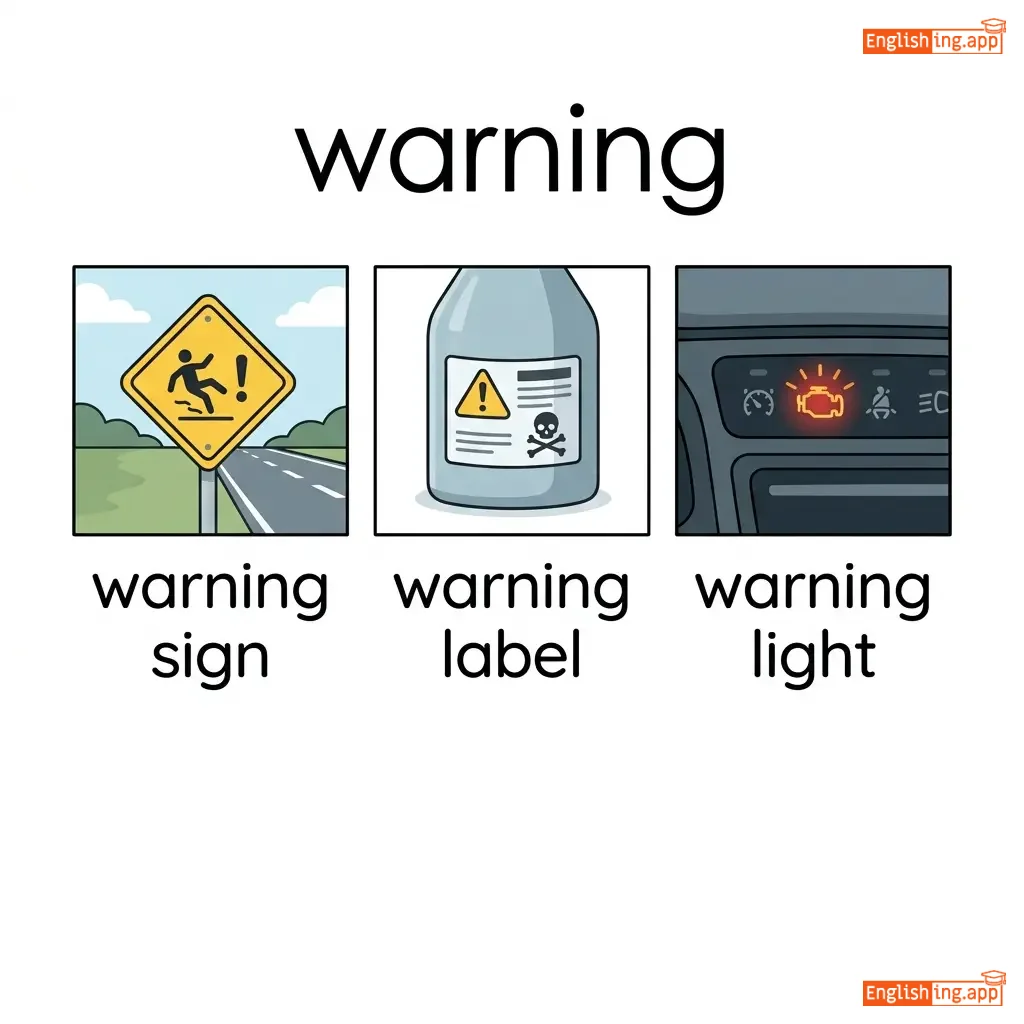
Swipe left or right, or use the buttons. Tap image to zoom.
Обновитесь для доступа ко всем предложениям
Получите неограниченный доступ ко всем предложениям с подпиской Pro
Обновить до ProПеревод примера предложения
Слово
Lesson 76Lesson 76 - Переключатель маски
|
Эмодзи
|
Слово | Images | Перевод | Значение | Пример предложения | Перевод примера предложения | Синонимы | Антонимы | Коллокации | Мнемоника |
|---|---|---|---|---|---|---|---|---|---|---|
|
#1501
😄
|
/wæɡ/
noun
(вэг)
••••••
|
- •••••• |
шутник; человек, который любит шутить
veg
••••••
|
a humorous or playful person; someone who enjoys joking around
••••••
|
The class wag always made everyone laugh with his clever jokes. |
Шутник в классе всегда заставлял всех смеяться своими умными шутками.
Shutnik v klasse vsegda zastavlyal vsekh smeyatsya svoimi umnymi shutkami.
••••••
|
joker, comedian, wit, jester
••••••
|
serious person, bore, killjoy
••••••
|
class wag, office wag, little wag
••••••
|
Wag на русском означает 'шутник', человек, который всегда делает всех счастливыми своими шутками.
••••••
|
|
#1502
⚔️
|
/ˈwɒr.i.ər/
noun
(воин)
••••••
|
- •••••• |
воин; смелый или опытный боец
voyn
••••••
|
a person who fights in battles; a brave or experienced fighter
••••••
|
The brave warrior defended his village from the invaders. |
Смелый воин защищал свою деревню от захватчиков.
Smelyy voin zashchishchal svoyu derevnyu ot zakhvatchikov.
••••••
|
fighter, soldier, combatant, champion
••••••
|
coward, pacifist, civilian
••••••
|
brave warrior, ancient warrior, warrior spirit, warrior culture
••••••
|
Воин всегда смел и решителен, как истинный борец.
••••••
|
|
#1503
💰
|
/weɪdʒ/
noun
(вэйдж)
••••••
|
- •••••• |
зарплата; оплата труда;
vaydz
••••••
|
money paid to someone for work, especially for work done by the hour or day
••••••
|
The company increased the minimum wage for all workers. |
Компания увеличила минимальную зарплату для всех работников.
Kompaniya uvelichila minimal'nuyu zarplatu dlya vsekh rabotnikov.
••••••
|
salary, pay, earnings, remuneration
••••••
|
debt, expense, cost
••••••
|
minimum wage, hourly wage, wage increase, living wage
••••••
|
No •••••• |
|
#1504
🗑️
|
/ˈweɪ.stɪdʒ/
noun
(veystej)
••••••
|
- •••••• |
расточительство
rastochitel'stvo
••••••
|
the action of using or expending something carelessly or without purpose
••••••
|
The company reduced food wastage by implementing better inventory management. |
Компания сократила расточительство пищи, внедрив лучшую систему управления запасами.
Kompaniya sokratila rastochitel'stvo pishchi, vnedriv luchshuyu sistemu uvelicheniya zapasov.
••••••
|
waste, squandering, misuse, loss
••••••
|
conservation, saving, preservation, efficiency
••••••
|
food wastage, energy wastage, reduce wastage, prevent wastage
••••••
|
Расточительство — это бесполезное использование, когда экономия всегда лучшая!
••••••
|
|
#1505
👶
|
/weɪf/
noun
(вейф)
••••••
|
- •••••• |
бездомный или брошенный ребенок; бродяга или заблудшее животное
weif
••••••
|
a homeless or abandoned child; a stray person or animal
••••••
|
The charity helps waifs and strays find homes and families. |
Благотворительность помогает бездомным и бродягам найти дома и семьи.
Blagotvoritel'nost' pomogayet bezdomnym i brodyagam nayti doma i sem'i.
••••••
|
orphan, stray, abandoned child, foundling
••••••
|
cared child, protected person
••••••
|
waifs and strays, homeless waif, abandoned waif
••••••
|
Бездомное существо находит приют с помощью благотворительности.
••••••
|
|
#1506
⌚
|
/wɒtʃ/
noun
(вотч)
••••••
|
|
часы; наблюдение; слежка
chasy; nablyudenie; slezhka
••••••
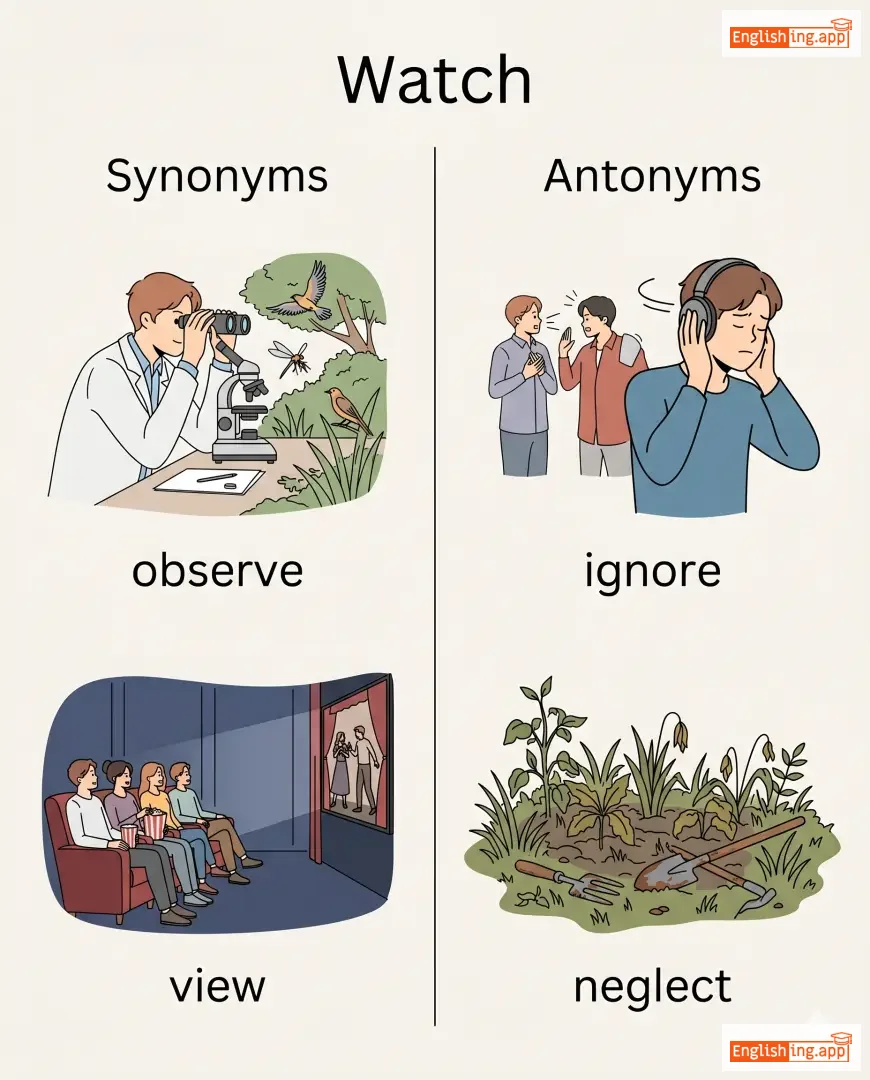
|
a small timepiece worn on the wrist; the act of observing or monitoring
••••••
|
He checked his watch to see if he was late for the meeting.
Он посмотрел на свои часы, чтобы проверить, не опоздал ли он на встречу.
••••••
|
Он посмотрел на свои часы, чтобы проверить, не опоздал ли он на встречу.
On posmotrel na svoi chasy, chtoby proverit', ne opozdal li on na vstrechu.
••••••
|
timepiece, clock, observe, monitor
••••••
|
ignore, neglect, overlook
••••••
|
wrist watch, pocket watch, watch time, keep watch
••••••
|
Часы на запястье – это как охранник времени, всегда на посту.
••••••
|
|
#1507
😭
|
/weɪl/
noun
(вейл)
••••••
|
- •••••• |
стон; жалоба
wail
••••••
|
a prolonged cry of pain, grief, or anger; to cry loudly
••••••
|
The child's wail could be heard throughout the house. |
Крик ребенка можно было услышать по всему дому.
Krik rebenka mozhnо bylo uslyshat' po vsemy domu.
••••••
|
cry, howl, sob, lament
••••••
|
laugh, giggle, chuckle
••••••
|
mournful wail, plaintive wail, wail of despair
••••••
|
Wail (стон) - это крик боли или горя, который все слышат
••••••
|
|
#1508
🌊
|
/weɪv/
noun
(weiv)
••••••
|
|
волна; подъём
volna; pod'yom
••••••
|
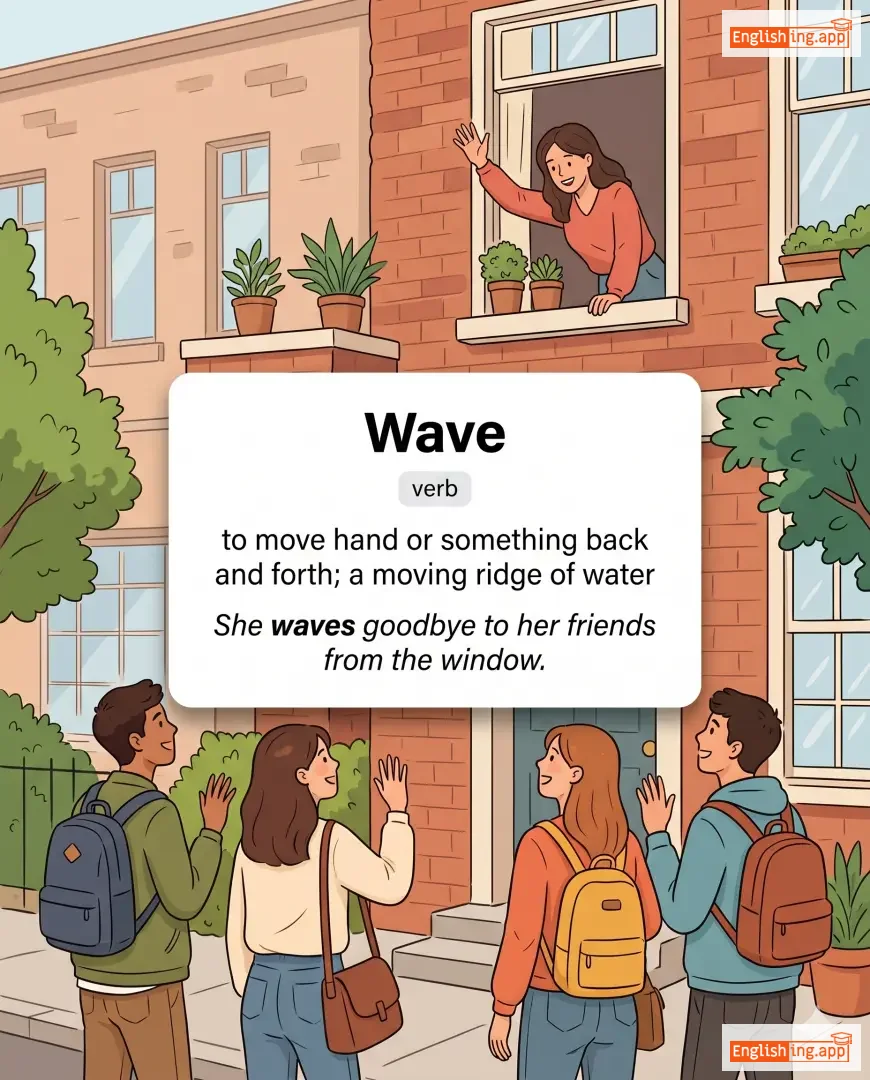
a moving ridge on the surface of water; a gesture of greeting or farewell
••••••
|
The surfer rode the big wave all the way to the shore. |
Сёрфер проехал большую волну до берега.
Syorfer proyekhal bol'shuyu volnu do berega.
••••••
|
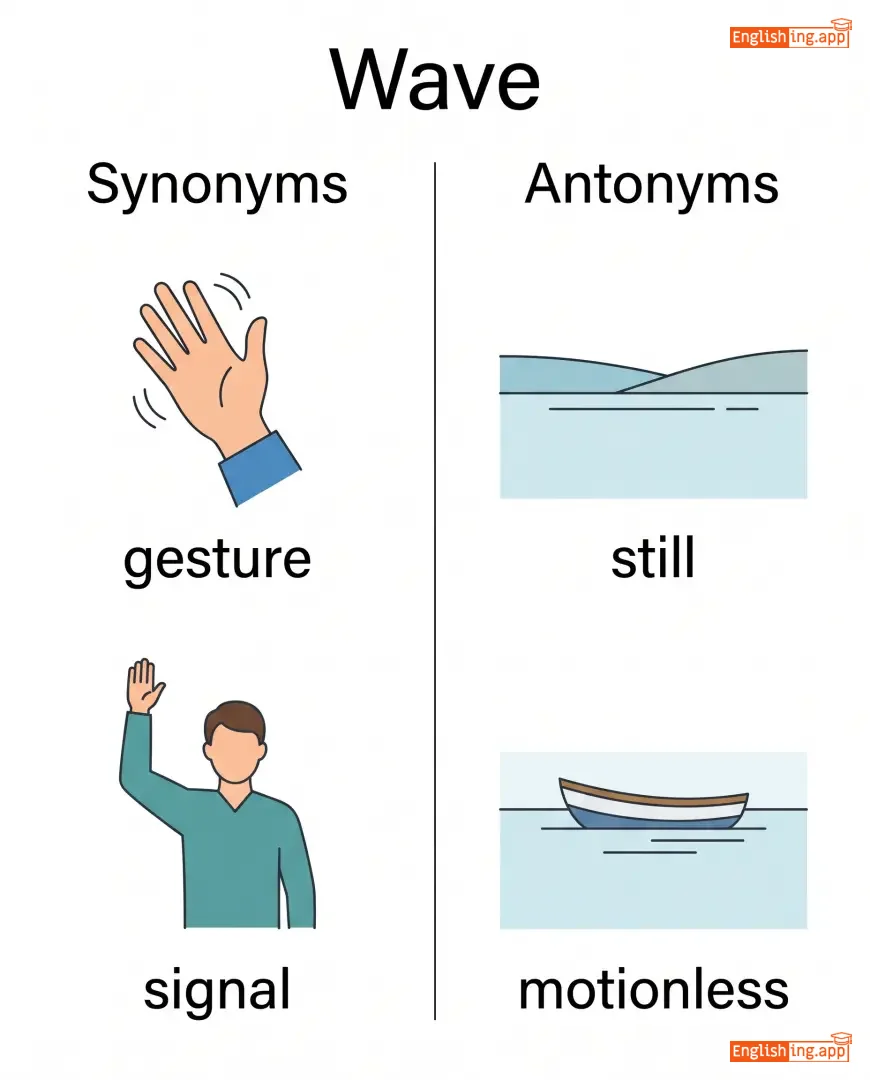
ripple, surge, breaker, billow
••••••
|
stillness, calm, flatness
••••••
|
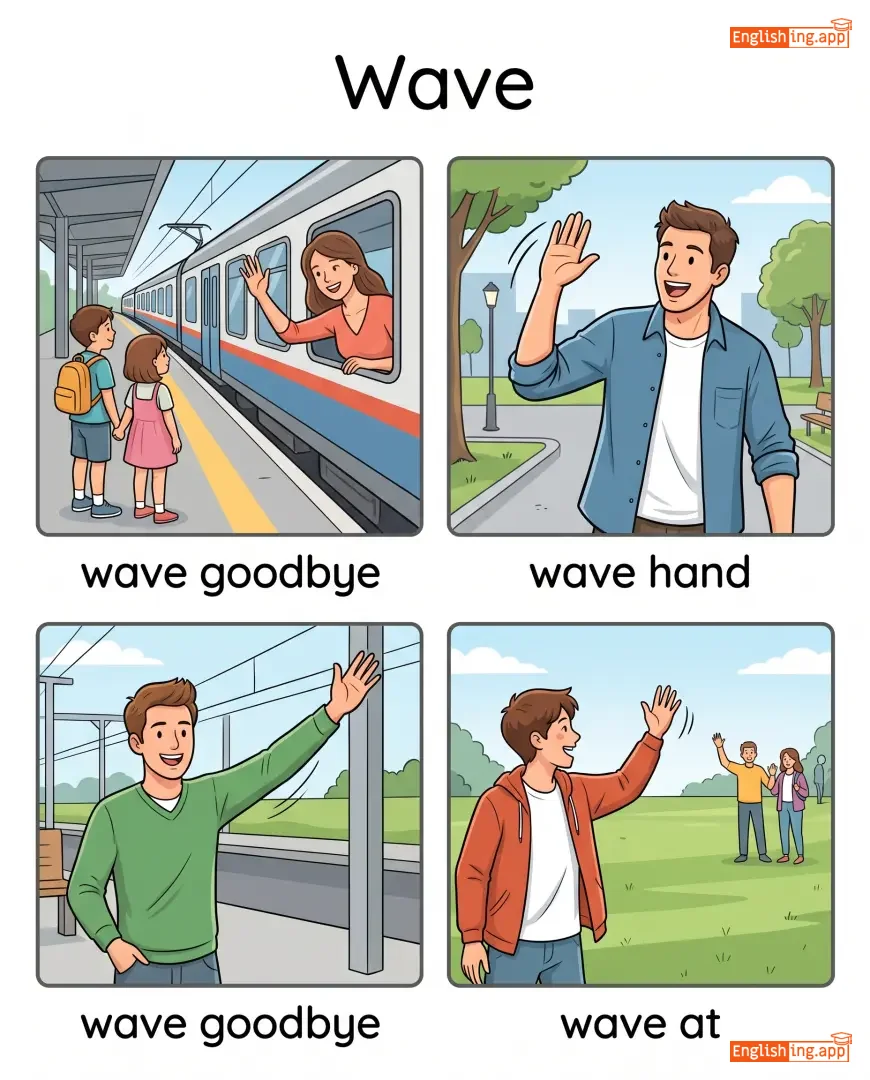
ocean wave, sound wave, heat wave, wave goodbye
••••••
|
Волна, на которой можно кататься и жест приветствия!
••••••
|
|
#1509
👛
|
/ˈwɒlɪt/
noun
(воллет)
••••••
|
- •••••• |
кошелек
koshelek
••••••
|
a small folding case for carrying money, credit cards, and identification
••••••
|
He pulled out his wallet to pay for the coffee. |
Он достал свой кошелек, чтобы заплатить за кофе.
On dostal svoy koshelek, chtoby zaplatit' za kofe.
••••••
|
purse, billfold, pocketbook
••••••
|
safe, vault, treasury
••••••
|
leather wallet, digital wallet, wallet chain, lost wallet
••••••
|
В кошельке всегда храним деньги и карты
••••••
|
|
#1510
🕯️
|
/wæks/
noun
(вэкс)
••••••
|
- •••••• |
воск
vosk
••••••
|
a solid substance that melts when heated, used for making candles and polishing
••••••
|
She used candle wax to seal the old letter. |
Она использовала воск от свечи, чтобы запечатать старое письмо.
Ona ispol'zovala vosk ot svechi, chtoby zapyatatat' staroe pis'mo.
••••••
|
paraffin, beeswax, polish, coating
••••••
|
liquid, solvent, thinner
••••••
|
candle wax, car wax, beeswax, wax coating
••••••
|
Воск используется в свечах, как и 'воск' в воск
••••••
|
|
#1511
🚶
|
/ˈwɒndərər/
noun
(вандерер)
••••••
|
- •••••• |
блуждающий; человек, который путешествует без определенной цели
vanderer
••••••
|
a person who travels aimlessly; someone who roams from place to place
••••••
|
The wanderer explored different countries without a fixed destination.
Бродяга исследовал разные страны, не имея постоянного места назначения.
••••••
|
Бродяга исследовал разные страны, не имея постоянного места назначения.
Brodjaga issledoval raznye strany, ne imeya postoyannogo mesta naznacheniya.
••••••
|
traveler, nomad, roamer, drifter
••••••
|
settler, resident, homebody
••••••
|
lonely wanderer, restless wanderer, eternal wanderer
••••••
|
Бродяга = человек без цели, похож на Wanderer
••••••
|
|
#1512
🛤️
|
/weɪ/
noun
(weɪ)
••••••
|
- •••••• |
путь; способ; метод; стиль;
put'; sposob; metod; stil';
••••••
|
a method, style, or manner of doing something; a road or path
••••••
|
There must be a better way to solve this problem.
Должен быть лучший способ решить эту проблему.
••••••
|
Должен быть лучший способ решить эту проблему.
Dolzhen byt' luchshiy sposob reshit' etu problemu.
••••••
|
method, path, route, manner, approach
••••••
|
obstacle, barrier, dead end
••••••
|
best way, right way, new way, way out
••••••
|
Way в русском языке означает путь, и вы всегда можете выбрать свой собственный путь.
••••••
|
|
#1513
💸
|
/wɒnt/
noun
(вонт)
••••••
|
|
недостаток; потребность
nedostatok; potrebnost
••••••
|
lack or shortage of something; poverty or need
••••••
|
There is a want of fresh water in the drought-affected areas.
В зонах, пострадавших от засухи, не хватает пресной воды.
••••••
|
В зонах, пострадавших от засухи, не хватает пресной воды.
V zonakh, postradavshikh ot zasukhi, ne khvataet presnoy vody.
••••••
|
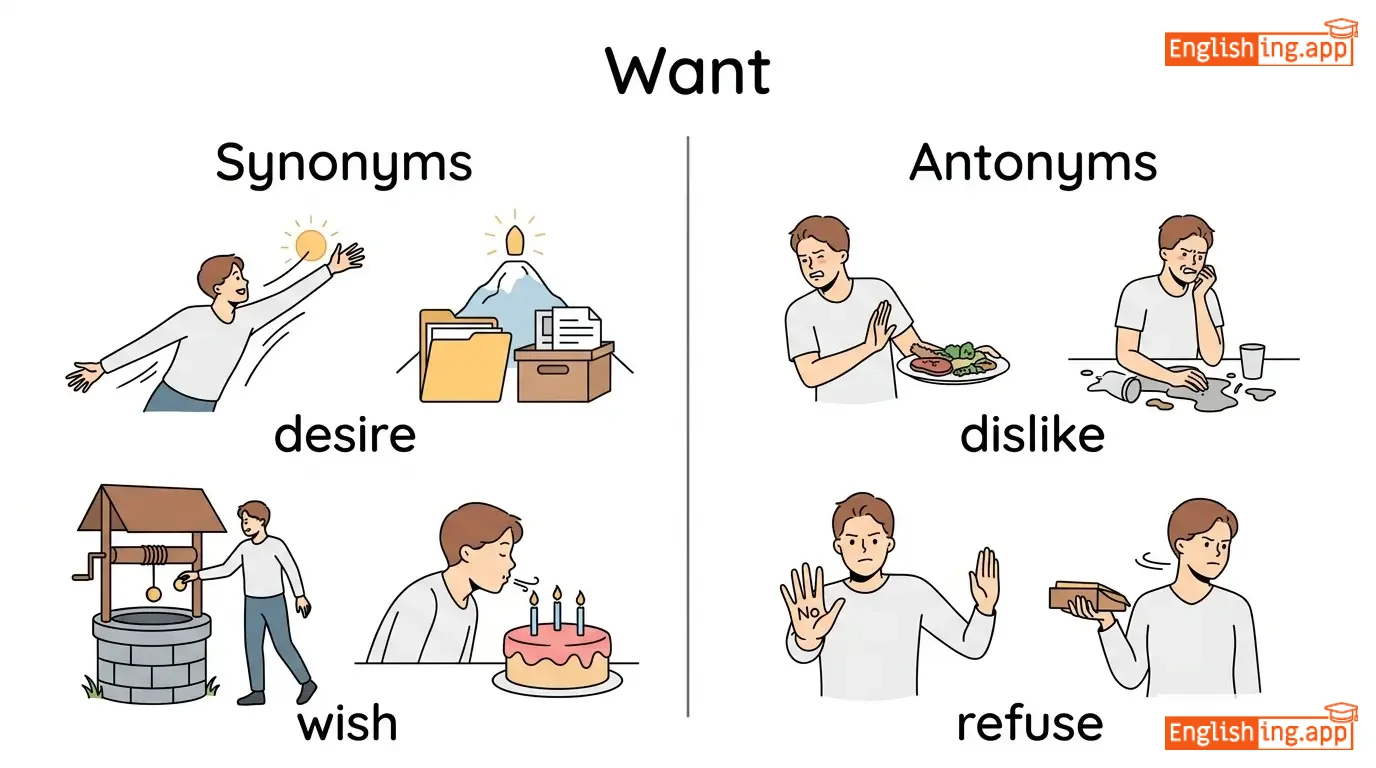
lack, need, shortage, deficiency
••••••
|
abundance, plenty, surplus, excess
••••••
|
want of money, want of food, for want of
••••••
|
Want в английском языке означает недостаток или потребность, как в нехватке воды.
••••••
|
|
#1514
💰
|
/welθ/
noun
(wɛlθ)
••••••
|
|
богатство
bogatstvo
••••••
|
an abundance of valuable possessions or money; prosperity
••••••
|
His wealth came from years of hard work and smart investments.
hɪz wɛlθ keɪm frɒm jɪərz ʌv hɑrd wɜrk ænd smɑrt ɪnvɛstmənts.
••••••
|
Его богатство пришло от многолетней упорной работы и умных инвестиций.
Ego bogatstvo prishlo ot mnogoletney upornoy raboty i umnykh investitsiy.
••••••
|
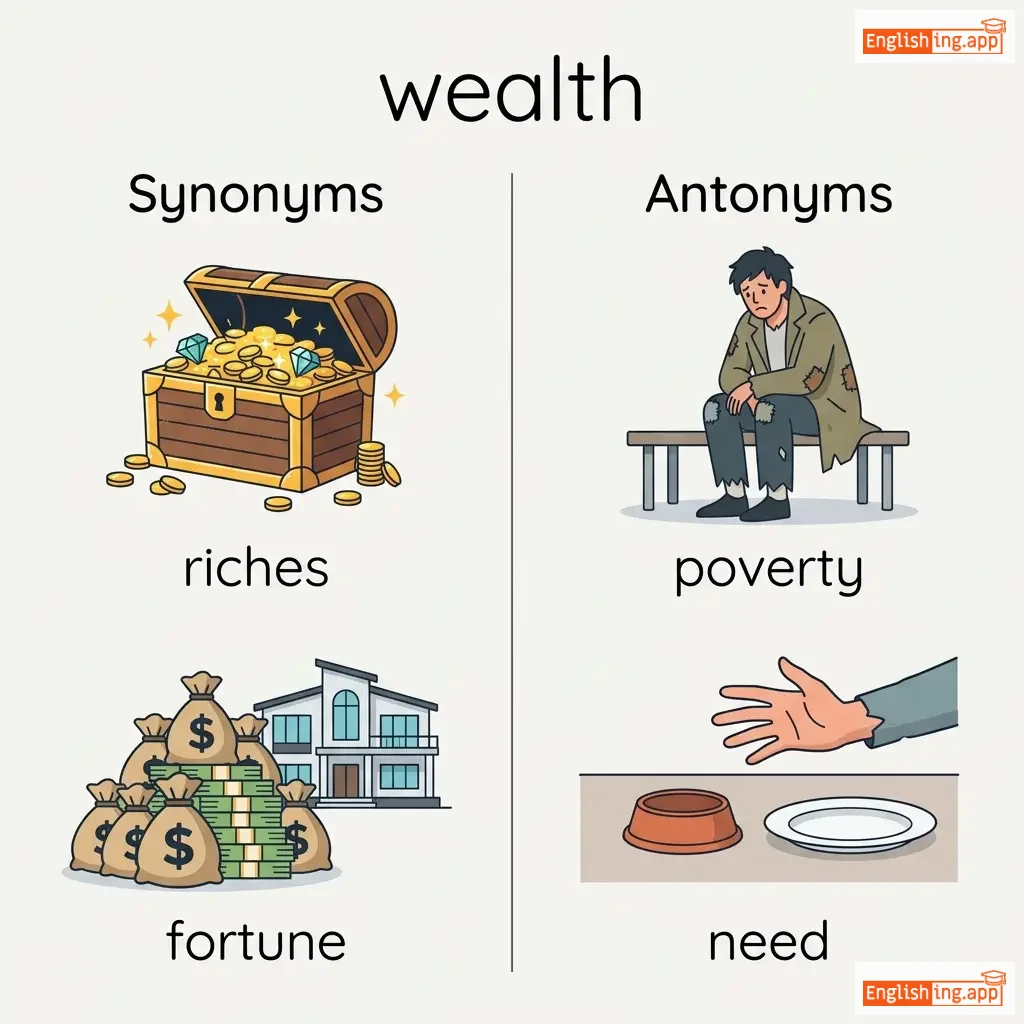
riches, fortune, prosperity, affluence
••••••
|
poverty, destitution, want, need
••••••
|
great wealth, personal wealth, wealth creation, wealth distribution
••••••
|
Богатство приходит через труд и разумные вложения.
••••••
|
|
#1515
⚔️
|
/ˈwɔːfeər/
noun
(война)
••••••
|
- •••••• |
война
voyna
••••••
|
armed conflict between different countries or groups; the activity of fighting a war
••••••
|
Modern warfare involves advanced technology and strategic planning. |
Современная война включает в себя передовые технологии и стратегическое планирование.
Sovremennaya voyina vklyuchayet v sebya peredovye tekhnologii i strategicheskoe planirovaniye.
••••••
|
combat, battle, conflict, fighting
••••••
|
peace, harmony, truce, ceasefire
••••••
|
modern warfare, guerrilla warfare, chemical warfare, psychological warfare
••••••
|
Война требует стратегии и технологий для победы.
••••••
|
|
#1516
🗡️
|
/ˈwep.ən/
noun
(вэпэн)
••••••
|
- •••••• |
оружие
oruzhiye
••••••
|
a thing designed or used for inflicting bodily harm or physical damage
••••••
|
The police found a dangerous weapon at the crime scene.
Полиция нашла опасное оружие на месте преступления.
••••••
|
Полиция нашла опасное оружие на месте преступления.
Politsiya nashla opasnoe oruzhiye na meste prestupleniya.
••••••
|
arm, armament, firearm, tool of violence
••••••
|
shield, protection, defense, peace
••••••
|
deadly weapon, nuclear weapon, weapon of mass destruction, concealed weapon
••••••
|
Оружие — это символ защиты или атаки, предназначенное для причинения вреда.
••••••
|
|
#1517
⚠️
|
/ˈwɔːnɪŋ/
noun
(ворнинг)
••••••
|
|
предупреждение
preduprezhdenie
••••••
|
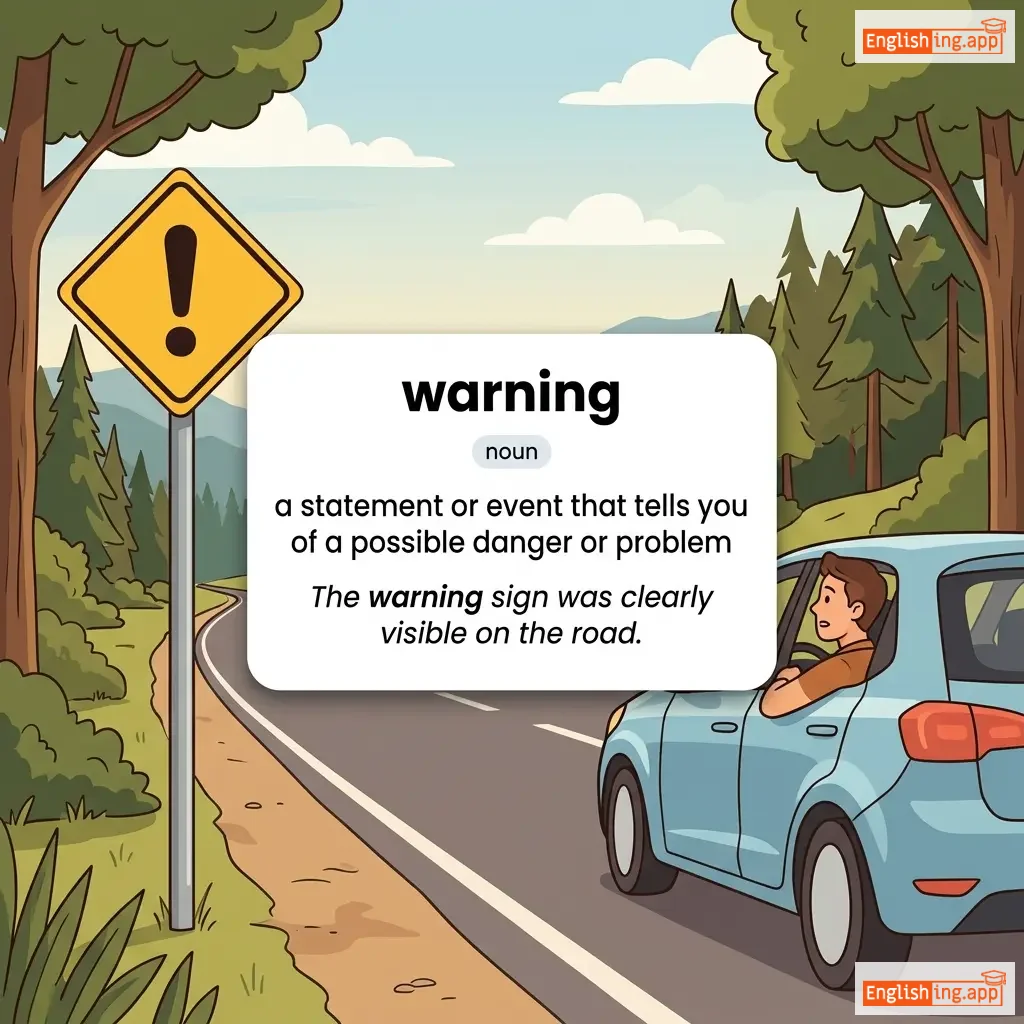
a statement or event that indicates a possible or impending danger, problem, or other unpleasant situation
••••••
|
The weather service issued a severe storm warning.
Метеорологическая служба выпустила предупреждение о сильной буре.
••••••
|
Метеорологическая служба выпустила предупреждение о сильной буре.
Meteorologicheskaya sluzhba vypustila preduprezhdenie o sil'noy bure.
••••••
|
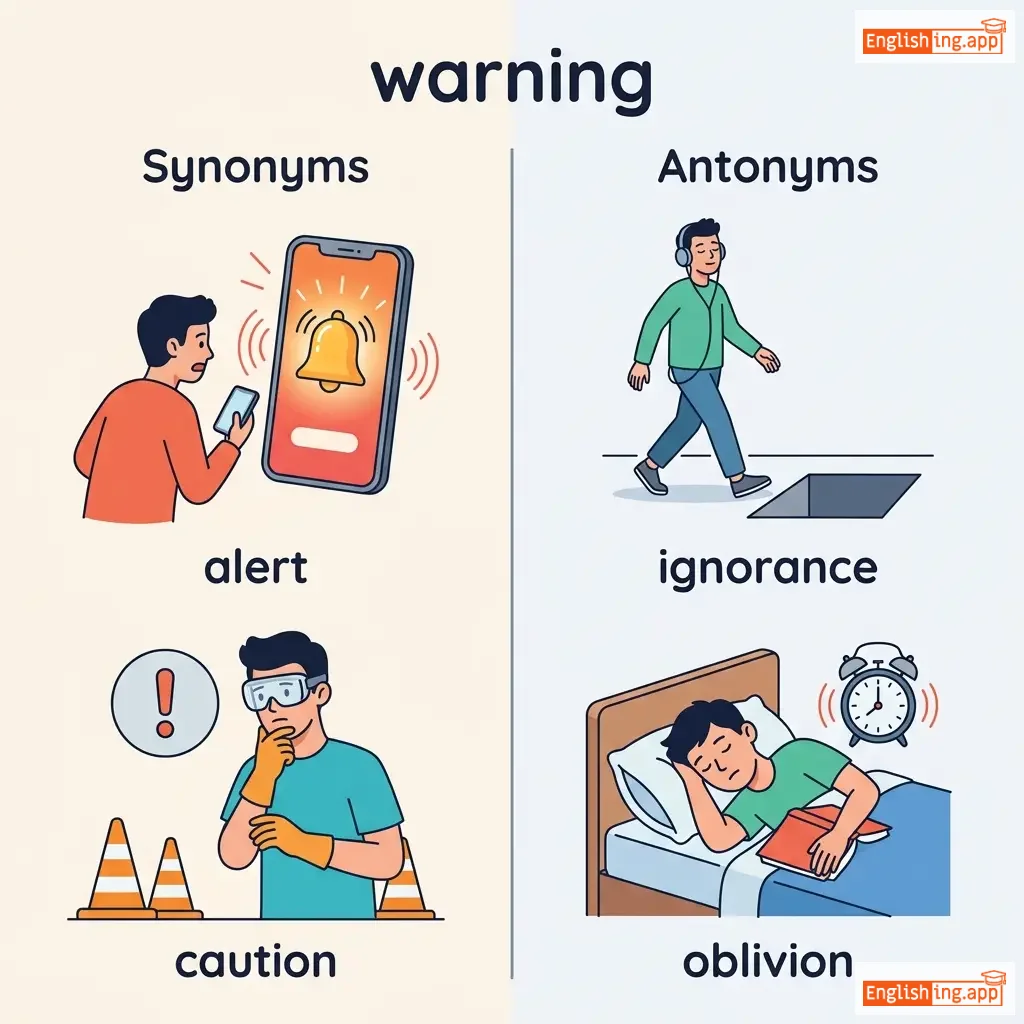
alert, caution, notice, alarm
••••••
|
assurance, guarantee, safety, security
••••••
|
warning sign, early warning, final warning, health warning
••••••
|
Preduprezhdenie – это предупреждение, как warning, и означает сигнал о возможной опасности.
••••••
|
|
#1518
🧀
|
/wedʒ/
noun
(вэдж)
••••••
|
- •••••• |
клин; вбивать; раскалывать
klin; vbivat; raskalyvat
••••••
|
a triangular piece of wood or metal used for splitting or securing; a piece of cheese or cake
••••••
|
He used a wooden wedge to split the log into smaller pieces. |
Он использовал деревянный клин, чтобы разделить бревно на более мелкие части.
On ispol'zoval derevyannyy klin, chtoby razdelit' brevno na boleye melkiye chasti.
••••••
|
triangle, slice, segment, piece
••••••
|
whole, unity, complete piece
••••••
|
cheese wedge, door wedge, wedge shape, driving wedge
••••••
|
Представь, что ты используешь клин для нарезки торта на части.
••••••
|
|
#1519
📋
|
/ˈwɒrənt/
noun
(warrant)
••••••
|
- •••••• |
ордер на обыск
order na obysk
••••••
|
a legal document that gives police the authority to do something; justification or authority for an action
••••••
|
The police obtained a search warrant before entering the building.
Полиция получила ордер на обыск перед тем, как войти в здание.
••••••
|
Полиция получила ордер на обыск перед тем, как войти в здание.
Politsiya poluchila order na obysk pered tem, kak voiti v zdanie.
••••••
|
authorization, permit, license, mandate
••••••
|
prohibition, ban, restriction
••••••
|
search warrant, arrest warrant, death warrant, warrant officer
••••••
|
Ордер на обыск — это разрешение для полиции действовать.
••••••
|
|
#1520
💒
|
/ˈwed.lɒk/
noun
(wɛd lɒk)
••••••
|
- •••••• |
брак
brak
••••••
|
the state of being married; matrimony
••••••
|
They have been happily united in wedlock for twenty years. |
Они счастливо связаны браком уже двадцать лет.
Oni schastlivo svyazany brakom uzhe dvadtsat' let.
••••••
|
marriage, matrimony, union, partnership
••••••
|
divorce, separation, singleness, celibacy
••••••
|
holy wedlock, born in wedlock, wedlock ceremony, blessed wedlock
••••••
|
Брак = б (be) + рак (marriage)
••••••
|
Vocabulary Quiz
Test your vocabulary by matching words with their translations or meanings.
Login to take the quiz
Comments (0)
Share your thoughts and join the discussion.
Join the discussion by logging in
Login to CommentNo comments yet
Be the first to share your thoughts!