





Swipe left or right, or use the buttons. Tap image to zoom.
例句翻译
单词
Lesson 76Lesson 76 - 遮罩切换
|
表情符号
|
单词 | Images | 翻译 | 含义 | 例句 | 例句翻译 | 同义词 | 反义词 | 搭配词 | 助记符 |
|---|---|---|---|---|---|---|---|---|---|---|
|
#1501
😄
|
/wæɡ/
noun
(瓦格)
••••••
|
- •••••• |
爱开玩笑的人; 喜欢开玩笑的人
wag
••••••
|
a humorous or playful person; someone who enjoys joking around
••••••
|
The class wag always made everyone laugh with his clever jokes. |
班级的那个玩笑鬼总是用机智的笑话让大家笑出声。
banji de nage wanxiao gui zongshi yong jizhi de xiaohua rang dada xiao chu sheng.
••••••
|
joker, comedian, wit, jester
••••••
|
serious person, bore, killjoy
••••••
|
class wag, office wag, little wag
••••••
|
Wag 在中文里是‘爱开玩笑的人’,总能通过幽默让大家笑起来。
••••••
|
|
#1502
⚔️
|
/ˈwɒr.i.ər/
noun
(战士)
••••••
|
- •••••• |
战士; 勇敢或经验丰富的战斗者
zhànshì
••••••
|
a person who fights in battles; a brave or experienced fighter
••••••
|
The brave warrior defended his village from the invaders. |
勇敢的战士保护了他的村庄免受入侵者的侵害。
Yǒnggǎn de zhànshì bǎohùle tā de cūnzhuāng miǎn shòu rùqīn zhě de qīnhài.
••••••
|
fighter, soldier, combatant, champion
••••••
|
coward, pacifist, civilian
••••••
|
brave warrior, ancient warrior, warrior spirit, warrior culture
••••••
|
一个战士永远英勇,像真正的战斗者一样。
••••••
|
|
#1503
💰
|
/weɪdʒ/
noun
(wéi jí)
••••••
|
- •••••• |
工资; 工钱;
wei ji
••••••
|
money paid to someone for work, especially for work done by the hour or day
••••••
|
The company increased the minimum wage for all workers. |
公司提高了所有工人的最低工资。
Gōngsī tígāo le suǒyǒu gōngrén de zuìdī gōngzī.
••••••
|
salary, pay, earnings, remuneration
••••••
|
debt, expense, cost
••••••
|
minimum wage, hourly wage, wage increase, living wage
••••••
|
No •••••• |
|
#1504
🗑️
|
/ˈweɪ.stɪdʒ/
noun
(wēi sī té jī)
••••••
|
- •••••• |
浪费
langfei
••••••
|
the action of using or expending something carelessly or without purpose
••••••
|
The company reduced food wastage by implementing better inventory management. |
公司通过实施更好的库存管理减少了食品浪费。
Gōngsī tōngguò shíshī gèng hǎo de kùcún guǎnlǐ jiǎnshǎo le shípǐn làngfèi.
••••••
|
waste, squandering, misuse, loss
••••••
|
conservation, saving, preservation, efficiency
••••••
|
food wastage, energy wastage, reduce wastage, prevent wastage
••••••
|
浪费让我们远离节俭,节约才是理智的选择!
••••••
|
|
#1505
👶
|
/weɪf/
noun
(wéifū)
••••••
|
- •••••• |
无家可归或被遗弃的孩子;流浪的人或动物
weifu
••••••
|
a homeless or abandoned child; a stray person or animal
••••••
|
The charity helps waifs and strays find homes and families. |
慈善机构帮助无家可归的孩子和流浪者找到家和家庭。
cí shàn jī gòu bāng zhù wú jiā kě guī de hái zi hé liú làng zhě zhǎo dào jiā hé jiā tíng.
••••••
|
orphan, stray, abandoned child, foundling
••••••
|
cared child, protected person
••••••
|
waifs and strays, homeless waif, abandoned waif
••••••
|
就像流浪的小动物,得到慈善机构的帮助找到家。
••••••
|
|
#1506
⌚
|
/wɒtʃ/
noun
(wotch)
••••••
|
|
手表; 监控; 观察
shǒubiǎo; jiānkòng; guānchá
••••••
|
a small timepiece worn on the wrist; the act of observing or monitoring
••••••
|
He checked his watch to see if he was late for the meeting.
他查看了他的手表,看看是否迟到了会议。
••••••
|
他查看了他的手表,看看是否迟到了会议。
Tā chá kànle tā de shǒubiǎo, kàn kàn shìfǒu chí dào le huìyì.
••••••
|
timepiece, clock, observe, monitor
••••••
|
ignore, neglect, overlook
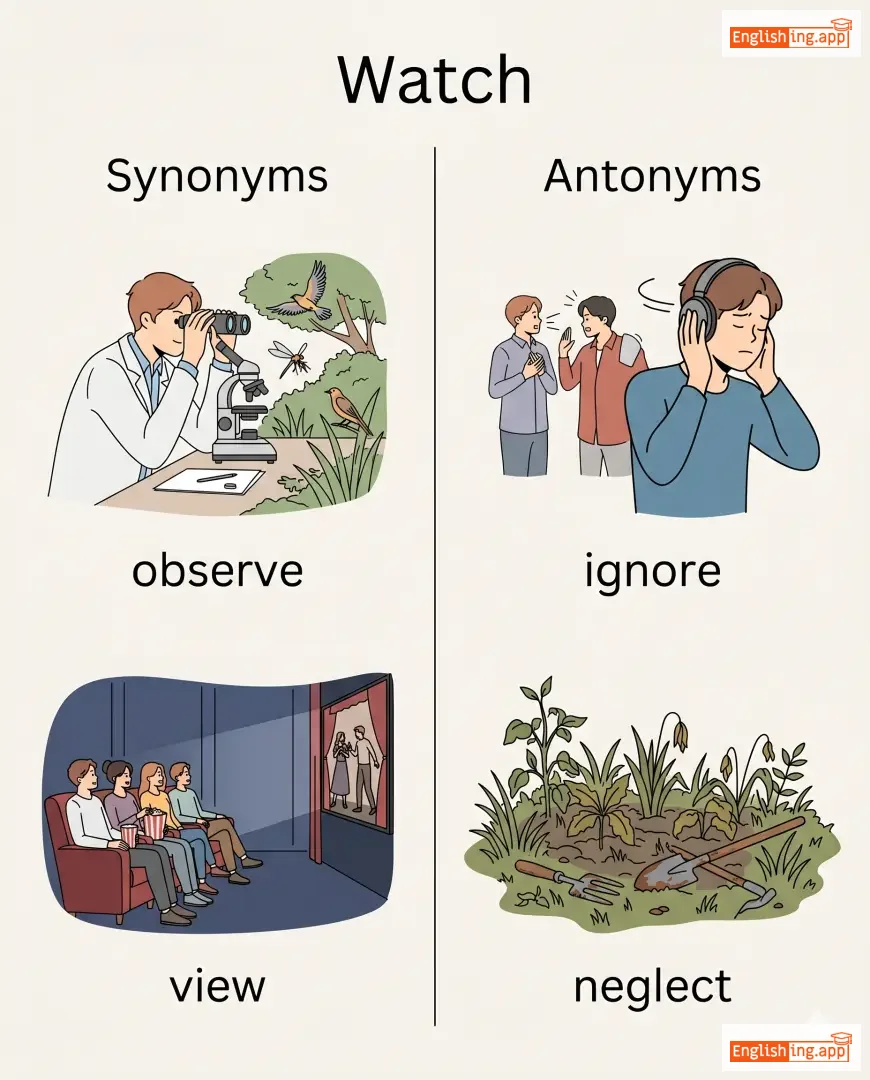
••••••
|
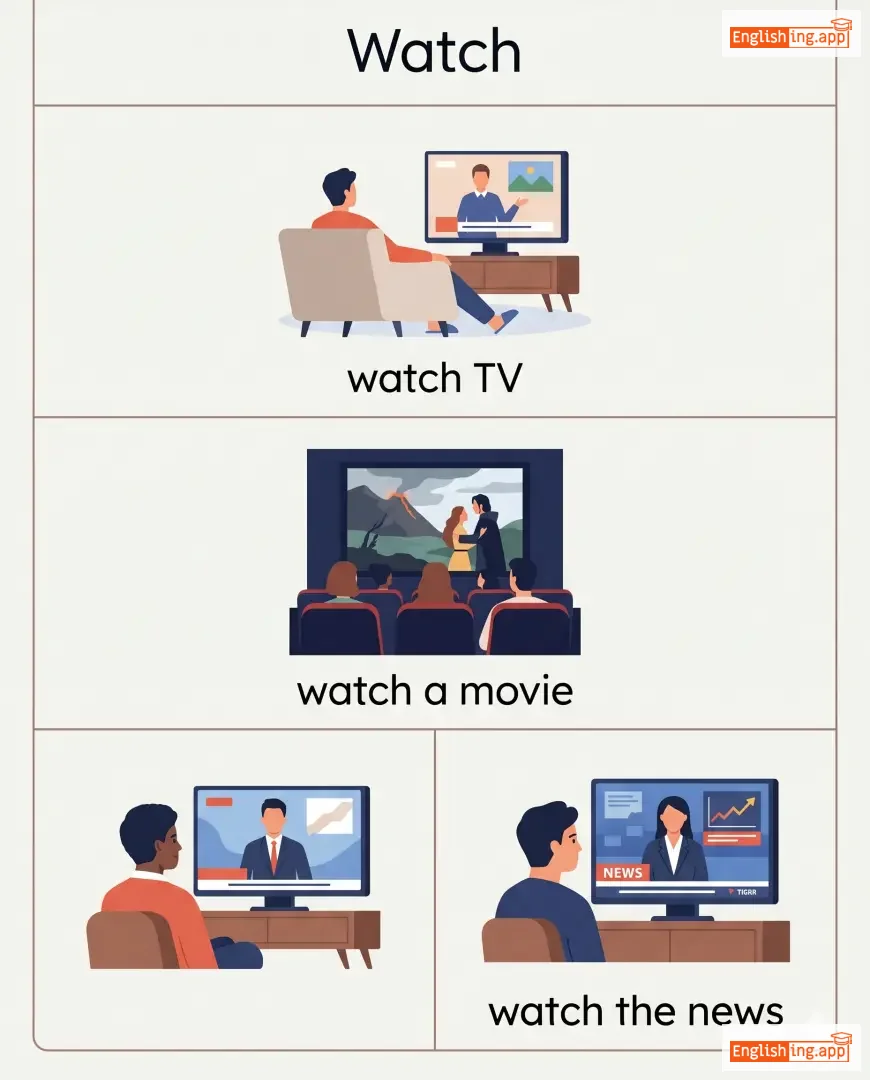
wrist watch, pocket watch, watch time, keep watch
••••••
|
手表像监控器一样,时刻在掌握时间。
••••••
|
|
#1507
😭
|
/weɪl/
noun
(韦尔)
••••••
|
- •••••• |
哀号; 叫喊
wail
••••••
|
a prolonged cry of pain, grief, or anger; to cry loudly
••••••
|
The child's wail could be heard throughout the house. |
孩子的哭声在整座房子里都能听到。
háizi de kūshēng zài zhěngzuò fángzi lǐ dōu néng tīngdào.
••••••
|
cry, howl, sob, lament
••••••
|
laugh, giggle, chuckle
••••••
|
mournful wail, plaintive wail, wail of despair
••••••
|
Wail (哀号) 是一种痛苦和悲伤的哭声,所有人都会听到
••••••
|
|
#1508
🌊
|
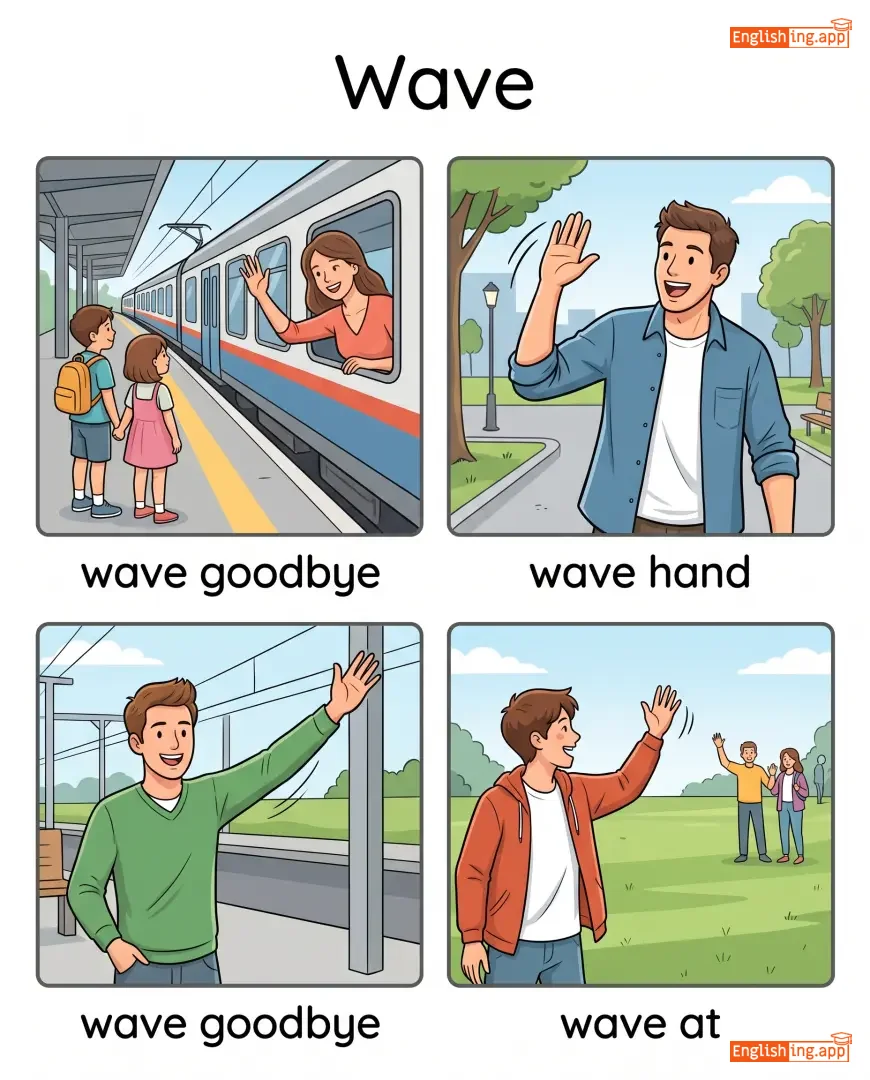
/weɪv/
noun
(wēi fū)
••••••
|
|
波浪; 浪潮
bōlàng; làngcháo
••••••
|
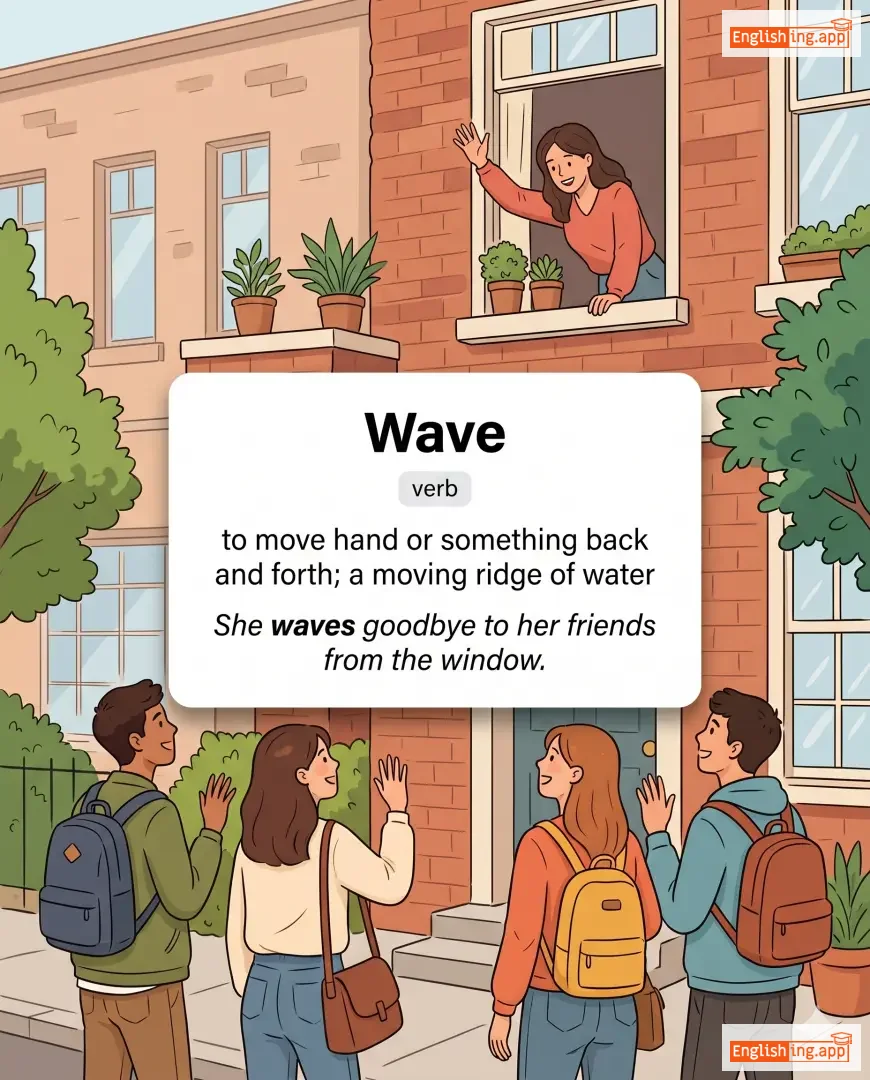
a moving ridge on the surface of water; a gesture of greeting or farewell
••••••
|
The surfer rode the big wave all the way to the shore. |
冲浪者骑上了大浪,一直冲到海滩。
Chōnglàng zhě qí shàng le dà làng, yīzhí chōng dào hǎitān.
••••••
|
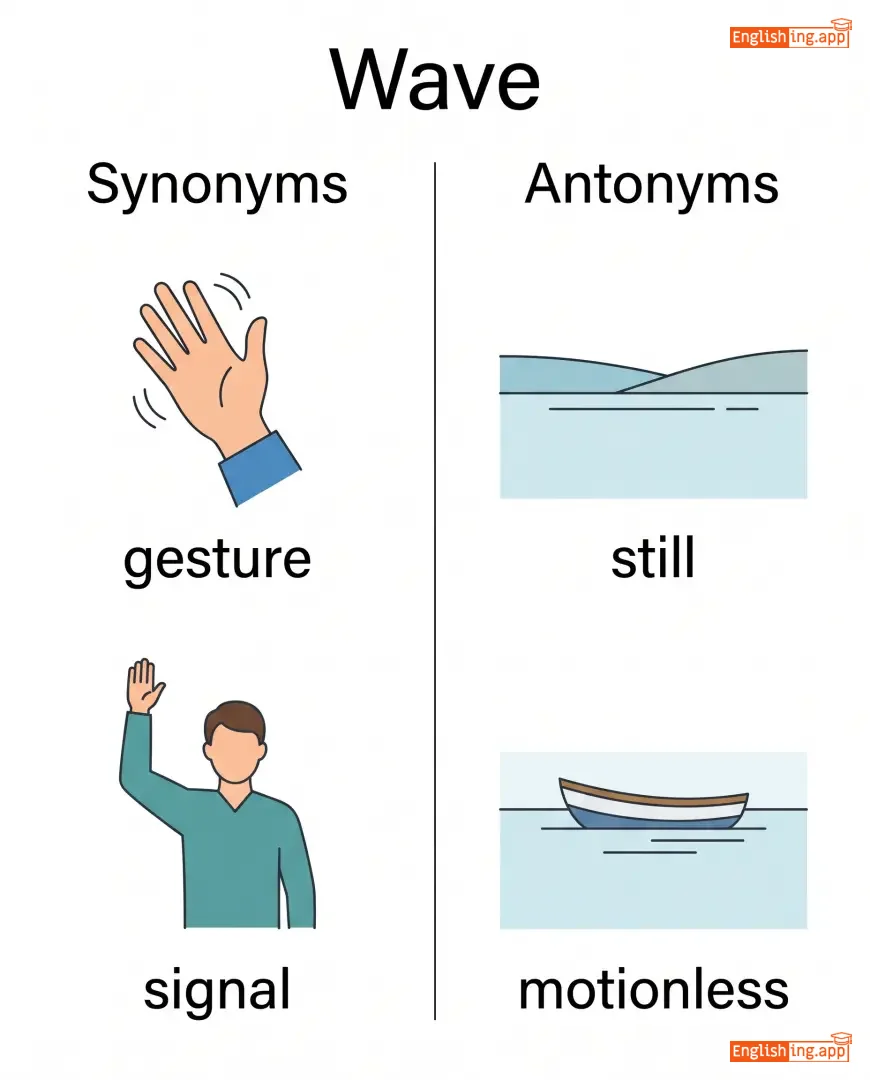
ripple, surge, breaker, billow
••••••
|
stillness, calm, flatness
••••••
|
ocean wave, sound wave, heat wave, wave goodbye
••••••
|
海浪翻滚,手挥告别!
••••••
|
|
#1509
👛
|
/ˈwɒlɪt/
noun
(wǒlè)
••••••
|
- •••••• |
钱包
qianbao
••••••
|
a small folding case for carrying money, credit cards, and identification
••••••
|
He pulled out his wallet to pay for the coffee. |
他拿出钱包付了咖啡的钱。
Ta nachu qianbao fu le kafei de qian.
••••••
|
purse, billfold, pocketbook
••••••
|
safe, vault, treasury
••••••
|
leather wallet, digital wallet, wallet chain, lost wallet
••••••
|
钱包是放钱和卡的地方
••••••
|
|
#1510
🕯️
|
/wæks/
noun
(waks)
••••••
|
- •••••• |
蜡
la
••••••
|
a solid substance that melts when heated, used for making candles and polishing
••••••
|
She used candle wax to seal the old letter. |
她用蜡烛蜡封住了旧信。
Ta yong la zhu la feng zhu le jiu xin.
••••••
|
paraffin, beeswax, polish, coating
••••••
|
liquid, solvent, thinner
••••••
|
candle wax, car wax, beeswax, wax coating
••••••
|
蜡用于蜡烛中,'蜡'是不可或缺的
••••••
|
|
#1511
🚶
|
/ˈwɒndərər/
noun
(wāndérè)
••••••
|
- •••••• |
流浪者; 旅行者,目的地不确定
liúlàng zhě
••••••
|
a person who travels aimlessly; someone who roams from place to place
••••••
|
The wanderer explored different countries without a fixed destination.
流浪者在没有固定目的地的情况下探索了不同的国家。
••••••
|
流浪者在没有固定目的地的情况下探索了不同的国家。
Liúlàng zhě zài méiyǒu gùdìng mùdìdì de qíngkuàng xià tànsuǒle bùtóng de guójiā.
••••••
|
traveler, nomad, roamer, drifter
••••••
|
settler, resident, homebody
••••••
|
lonely wanderer, restless wanderer, eternal wanderer
••••••
|
流浪者 = 没有目的地的旅行者,类似于Wanderer
••••••
|
|
#1512
🛤️
|
/weɪ/
noun
(wèi)
••••••
|
- •••••• |
方法;方式;道路;途径
fāngfǎ; fāngshì; dàolù; tújìng
••••••
|
a method, style, or manner of doing something; a road or path
••••••
|
There must be a better way to solve this problem.
应该有更好的方法来解决这个问题。
••••••
|
应该有更好的方法来解决这个问题。
Yīnggāi yǒu gèng hǎo de fāngfǎ lái jiějué zhège wèntí.
••••••
|
method, path, route, manner, approach
••••••
|
obstacle, barrier, dead end
••••••
|
best way, right way, new way, way out
••••••
|
Way类似于中文中的道路。想象走向目标的路。
••••••
|
|
#1513
💸
|
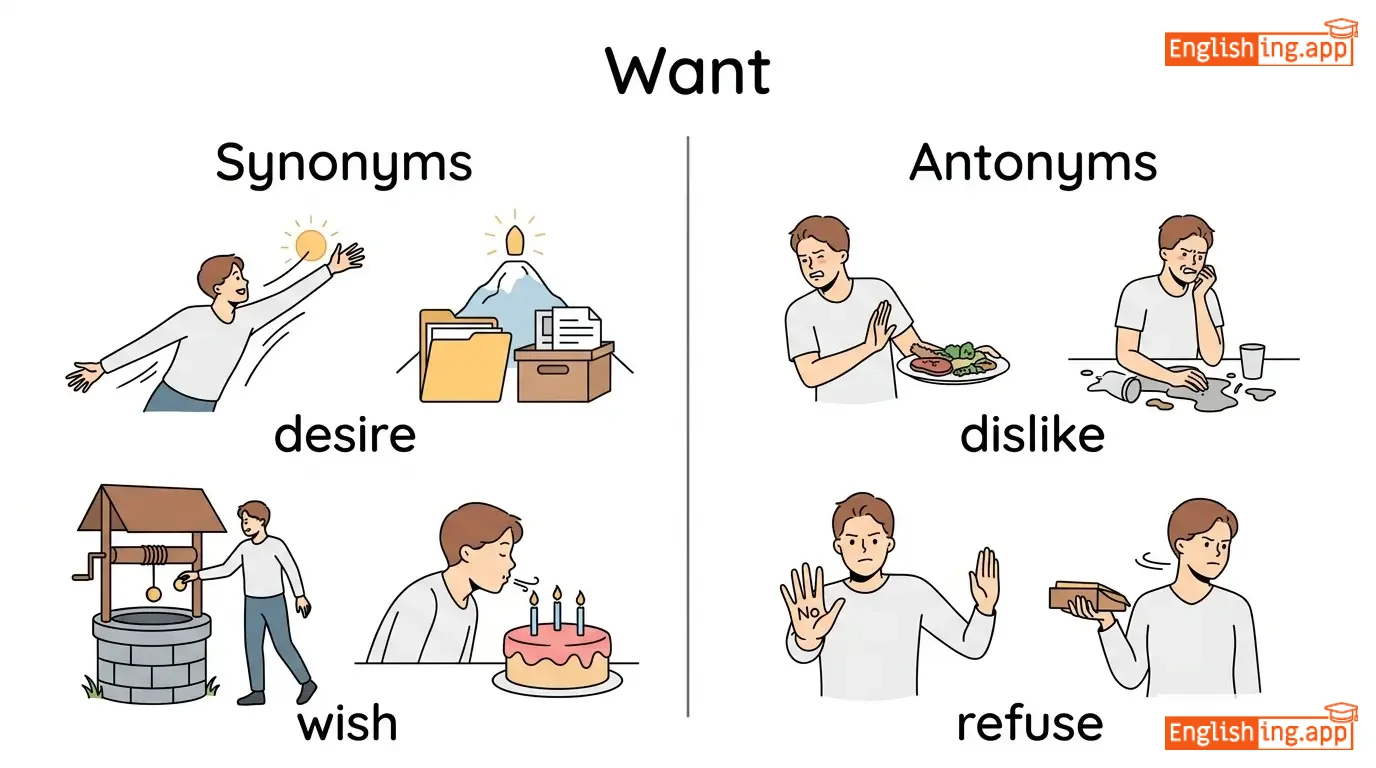
/wɒnt/
noun
(wont)
••••••
|
|
缺乏; 需求
quefa; xuqiu
••••••
|
lack or shortage of something; poverty or need
••••••
|
There is a want of fresh water in the drought-affected areas.
在干旱影响的地区,缺乏淡水。
••••••
|
在干旱影响的地区,缺乏淡水。
Zai ganhan yingxiang de diqu, quefa danshui.
••••••
|
lack, need, shortage, deficiency
••••••
|
abundance, plenty, surplus, excess
••••••
|
want of money, want of food, for want of
••••••
|
Want在英文中意味着缺乏或需求,如缺水。
••••••
|
|
#1514
💰
|
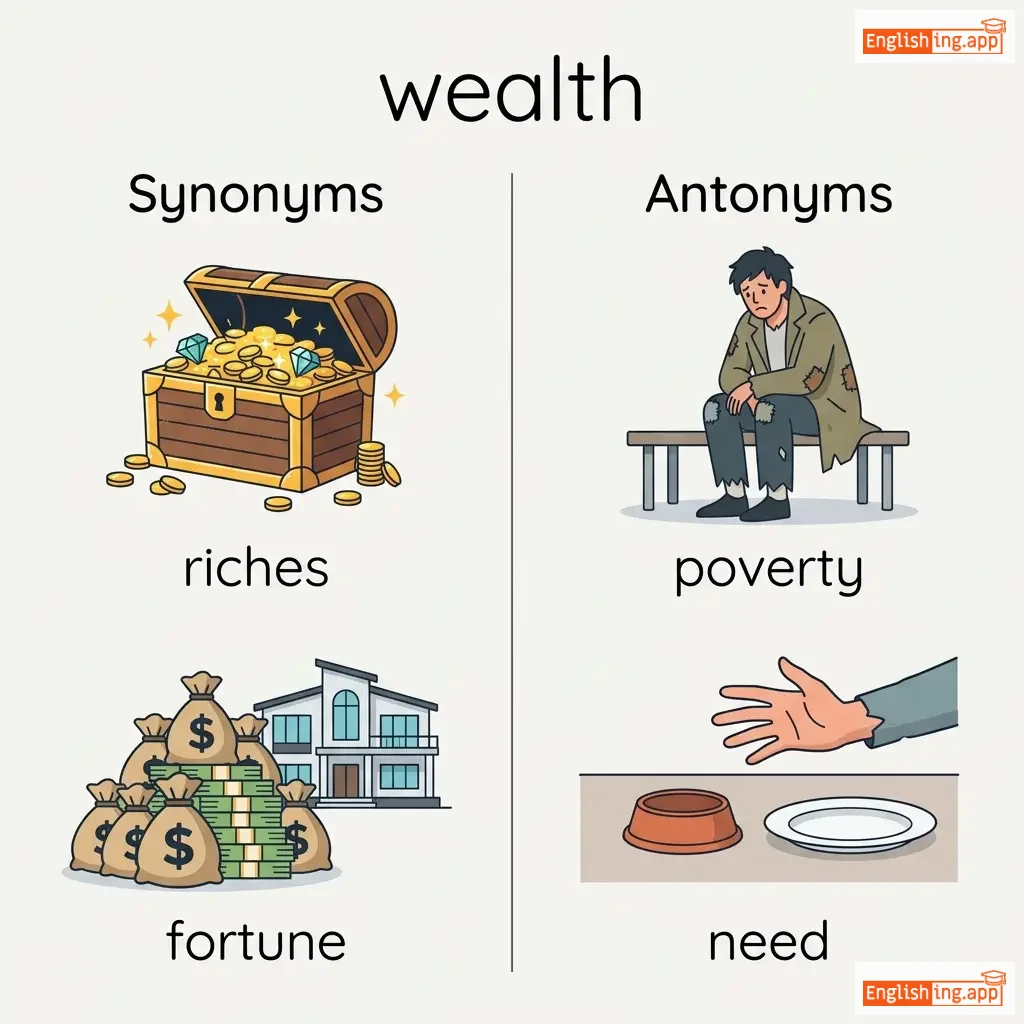
/welθ/
noun
(wɛlθ)
••••••
|
|
财富
cáifù
••••••
|
an abundance of valuable possessions or money; prosperity
••••••
|
His wealth came from years of hard work and smart investments.
hɪz wɛlθ keɪm frɒm jɪərz ʌv hɑrd wɜrk ænd smɑrt ɪnvɛstmənts.
••••••
|
他的财富来自多年的辛勤工作和聪明的投资。
Tā de cáifù láizì duōnián de xīnqín gōngzuò hé cōngmíng de tóuzī.
••••••
|
riches, fortune, prosperity, affluence
••••••
|
poverty, destitution, want, need
••••••
|
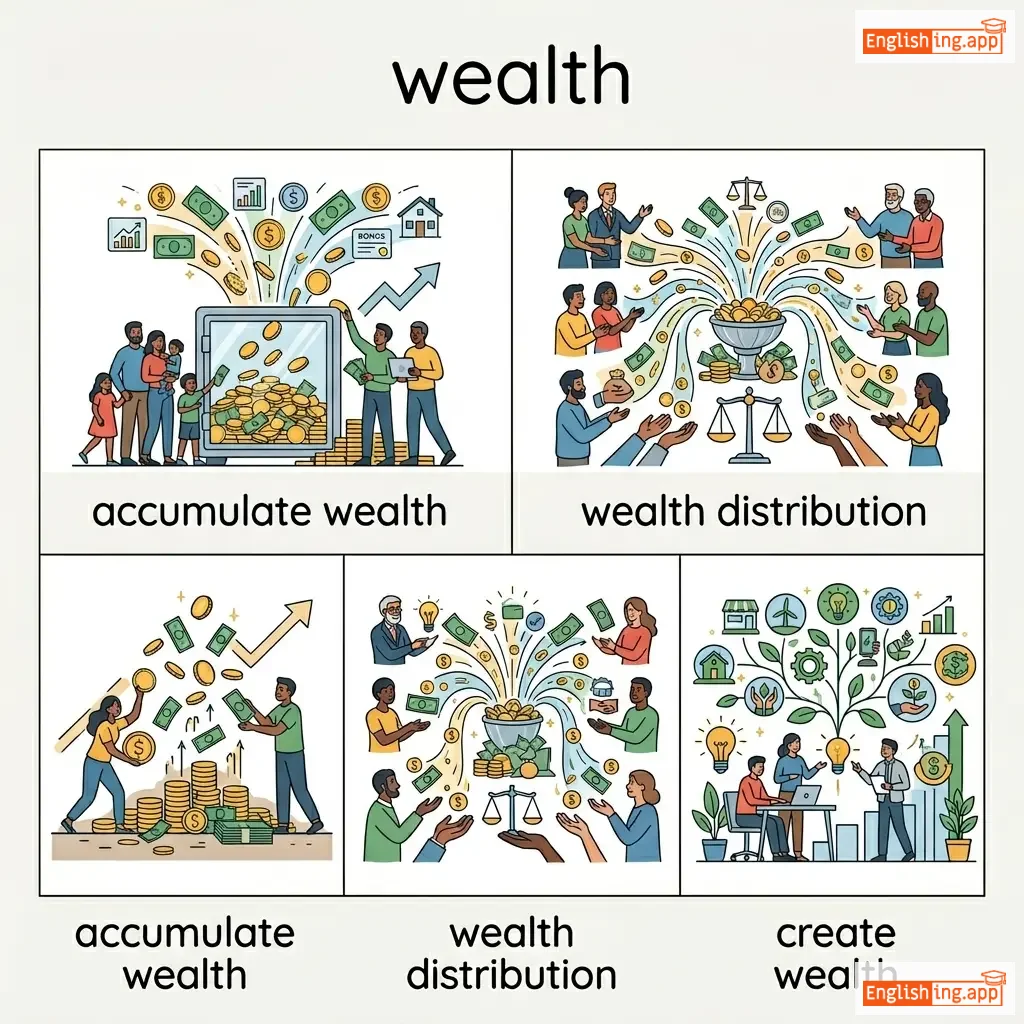
great wealth, personal wealth, wealth creation, wealth distribution
••••••
|
财富是从聪明的投资和辛勤的工作中积累的。
••••••
|
|
#1515
⚔️
|
/ˈwɔːfeər/
noun
(战争)
••••••
|
- •••••• |
战争
zhànzhēng
••••••
|
armed conflict between different countries or groups; the activity of fighting a war
••••••
|
Modern warfare involves advanced technology and strategic planning. |
现代战争涉及先进的技术和战略规划。
xiàndài zhànzhēng shèjí xiānjìn de jìshù hé zhànlüè guīhuà.
••••••
|
combat, battle, conflict, fighting
••••••
|
peace, harmony, truce, ceasefire
••••••
|
modern warfare, guerrilla warfare, chemical warfare, psychological warfare
••••••
|
战争意味着对抗和精密的战略
••••••
|
|
#1516
🗡️
|
/ˈwep.ən/
noun
(wéipén)
••••••
|
- •••••• |
武器
wǔqì
••••••
|
a thing designed or used for inflicting bodily harm or physical damage
••••••
|
The police found a dangerous weapon at the crime scene.
警方在犯罪现场找到了危险的武器。
••••••
|
警方在犯罪现场找到了危险的武器。
Jǐngfāng zài fànzuì xiànchǎng zhǎodào le wéixiǎn de wǔqì.
••••••
|
arm, armament, firearm, tool of violence
••••••
|
shield, protection, defense, peace
••••••
|
deadly weapon, nuclear weapon, weapon of mass destruction, concealed weapon
••••••
|
武器是用来防守或者攻击的物品,可以用来保护自己或者伤害别人。
••••••
|
|
#1517
⚠️
|
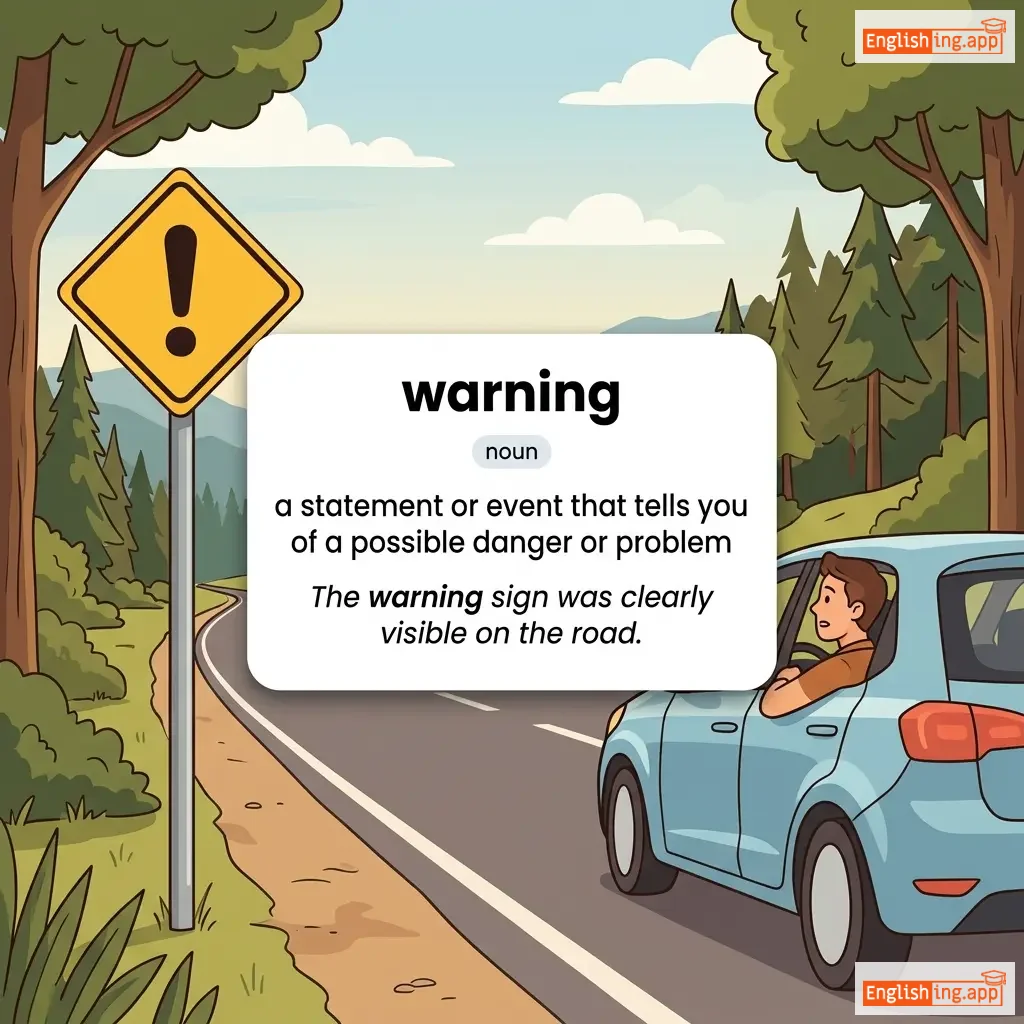
/ˈwɔːnɪŋ/
noun
(wórning)
••••••
|
|
警告
jinggao
••••••
|
a statement or event that indicates a possible or impending danger, problem, or other unpleasant situation
••••••
|
The weather service issued a severe storm warning.
气象局发布了严重风暴警告。
••••••
|
气象局发布了严重风暴警告。
Qixiang ju fābùle yánzhòng fēngbào jǐnggào.
••••••
|
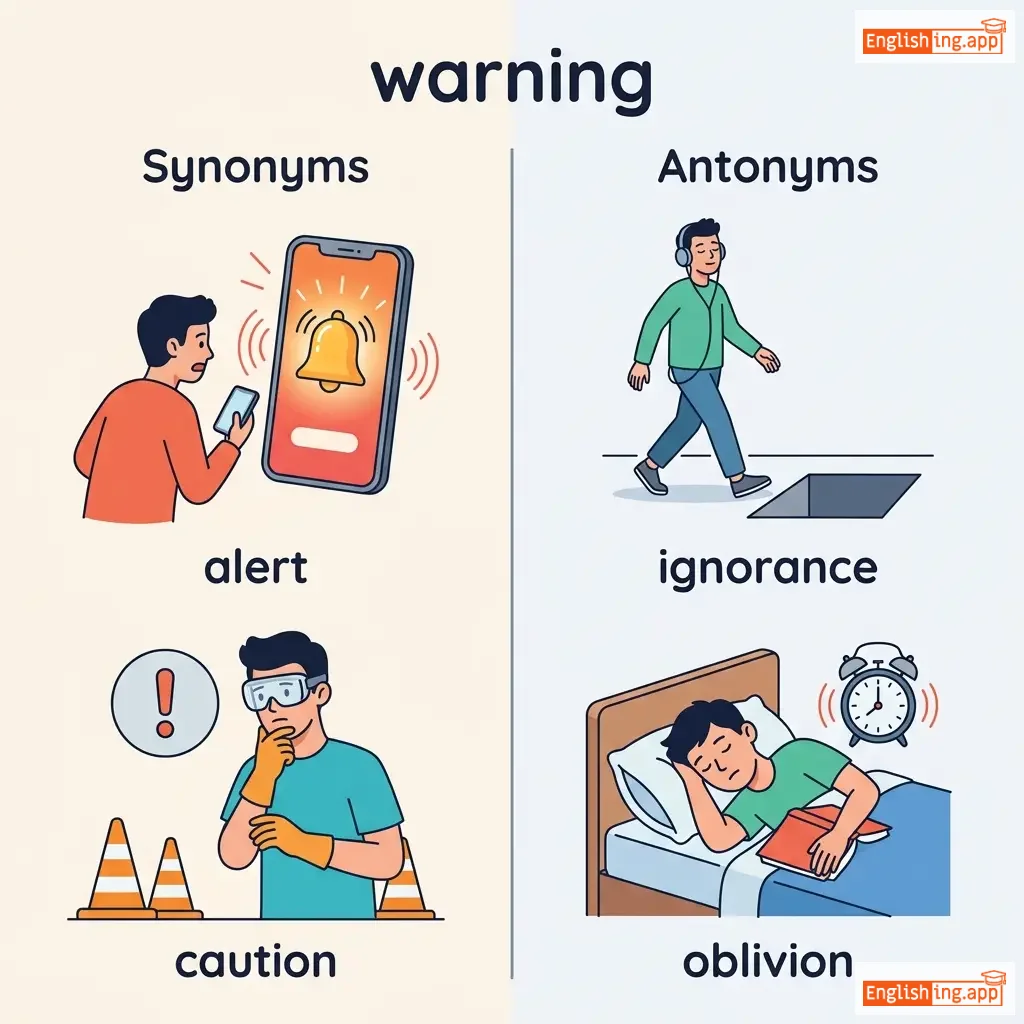
alert, caution, notice, alarm
••••••
|
assurance, guarantee, safety, security
••••••
|
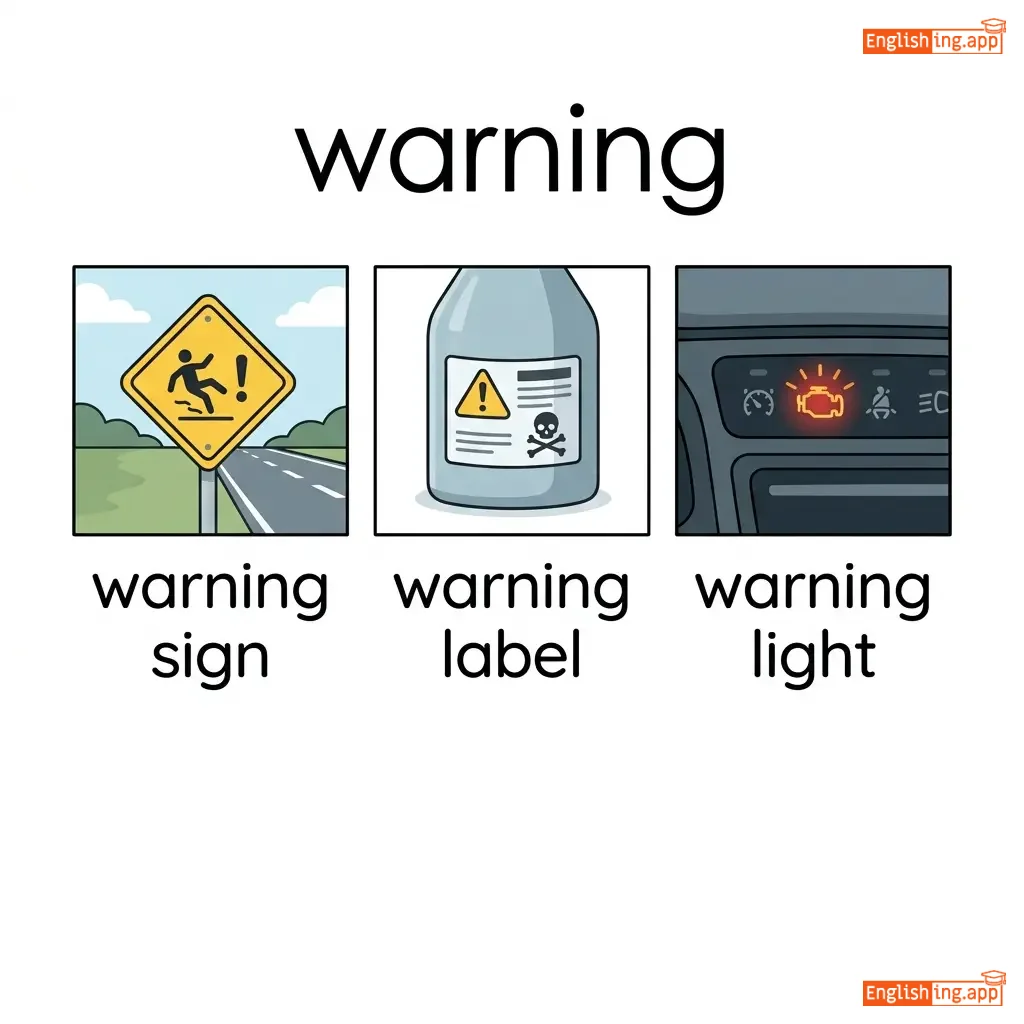
warning sign, early warning, final warning, health warning
••••••
|
Jinggao is like warning, used to signal a possible danger in the future.
••••••
|
|
#1518
🧀
|
/wedʒ/
noun
(wédʒ)
••••••
|
- •••••• |
楔子; 撬开; 劈开
xiēzi; qiàokāi; pī kāi
••••••
|
a triangular piece of wood or metal used for splitting or securing; a piece of cheese or cake
••••••
|
He used a wooden wedge to split the log into smaller pieces. |
他用木楔将原木劈成了小块。
Tā yòng mù xiē jiāng yuánmù pī chéngle xiǎo kuài.
••••••
|
triangle, slice, segment, piece
••••••
|
whole, unity, complete piece
••••••
|
cheese wedge, door wedge, wedge shape, driving wedge
••••••
|
想象用一个楔子分开一块大蛋糕,这样每个人都可以分享。
••••••
|
|
#1519
📋
|
/ˈwɒrənt/
noun
(warrant)
••••••
|
- •••••• |
搜查令
sōuchá lìng
••••••
|
a legal document that gives police the authority to do something; justification or authority for an action
••••••
|
The police obtained a search warrant before entering the building.
警方在进入大楼之前获得了搜查令。
••••••
|
警方在进入大楼之前获得了搜查令。
Jǐngfāng zài jìnrù dàlóu zhīqián huòdéle sōuchá lìng.
••••••
|
authorization, permit, license, mandate
••••••
|
prohibition, ban, restriction
••••••
|
search warrant, arrest warrant, death warrant, warrant officer
••••••
|
搜查令就像警方行动的通行证。
••••••
|
|
#1520
💒
|
/ˈwed.lɒk/
noun
(wɛd lɒk)
••••••
|
- •••••• |
婚姻
hūnyīn
••••••
|
the state of being married; matrimony
••••••
|
They have been happily united in wedlock for twenty years. |
他们已经幸福地结婚二十年了。
Tāmen yǐjīng xìngfú de jiéhūn èrshí nián le.
••••••
|
marriage, matrimony, union, partnership
••••••
|
divorce, separation, singleness, celibacy
••••••
|
holy wedlock, born in wedlock, wedlock ceremony, blessed wedlock
••••••
|
婚姻 = 婚 (marriage) + 姻 (union)
••••••
|
Vocabulary Quiz
Test your vocabulary by matching words with their translations or meanings.
Login to take the quiz
Comments (0)
Share your thoughts and join the discussion.
Join the discussion by logging in
Login to CommentNo comments yet
Be the first to share your thoughts!